
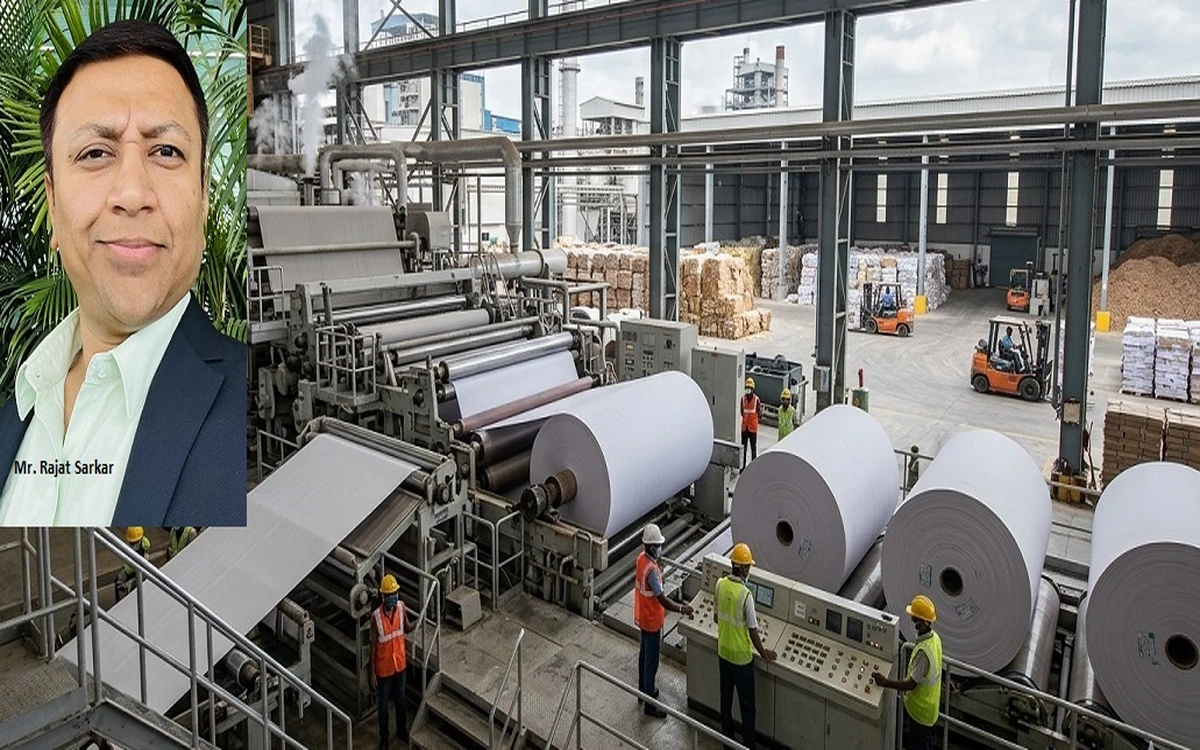
India Paper Industry at an Inflection Point: War, Costs, and Capacity; Demand growth expected at 5–7% in FY26
A new capacity in Tissue and specialty paper mfg.; Machine Design, Installation, and commissioning by Saloni Paper Machines
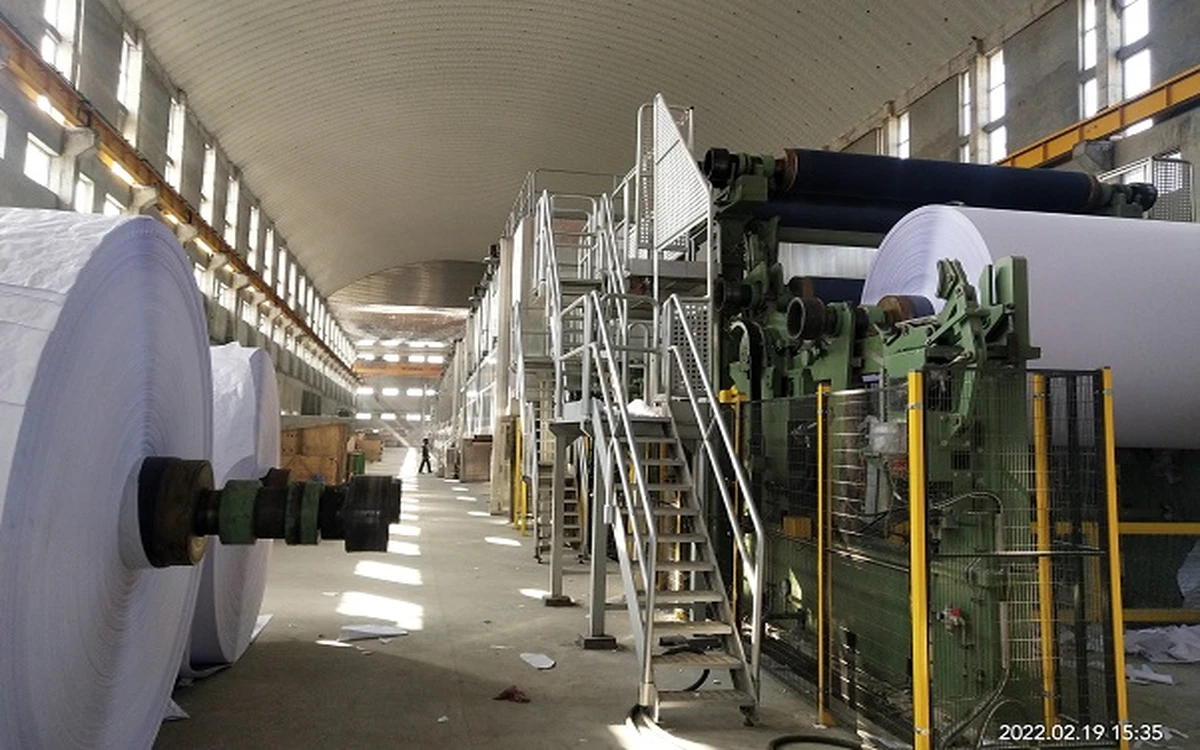
Satia Industries: better product mix and higher sales realization drive increased revenue in Q2FY23
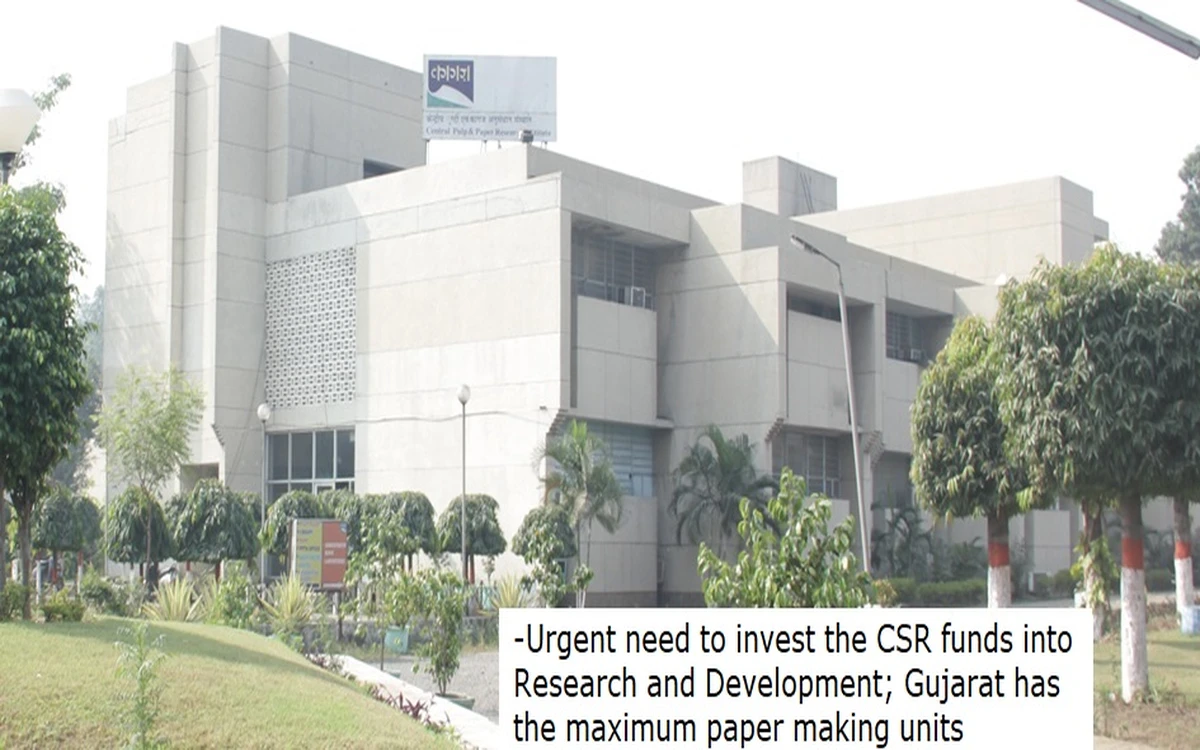
CPPRI: Paper Industry contributes Rs. 8000 Crores to the National exchequer with a turnover of Rs.70000 Crores
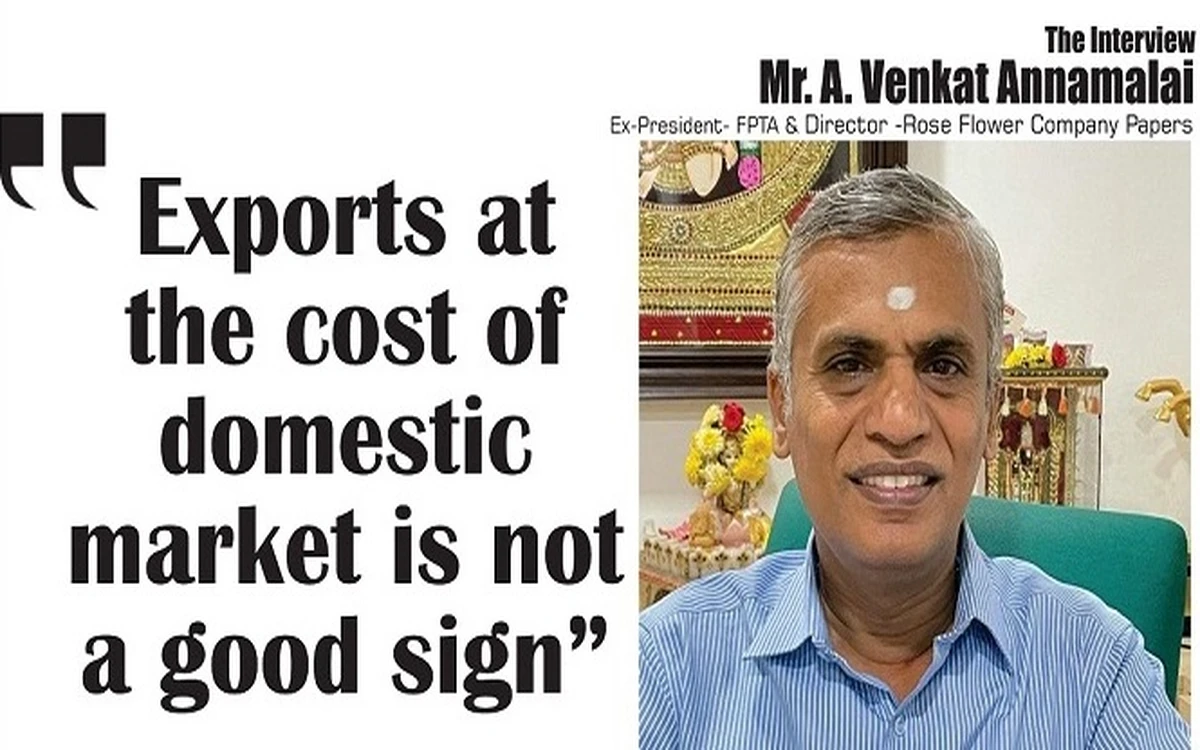
“Surging exports of paper will most certainly keep the domestic prices quite high”: Mr. A. Annamalai, Director – RFC
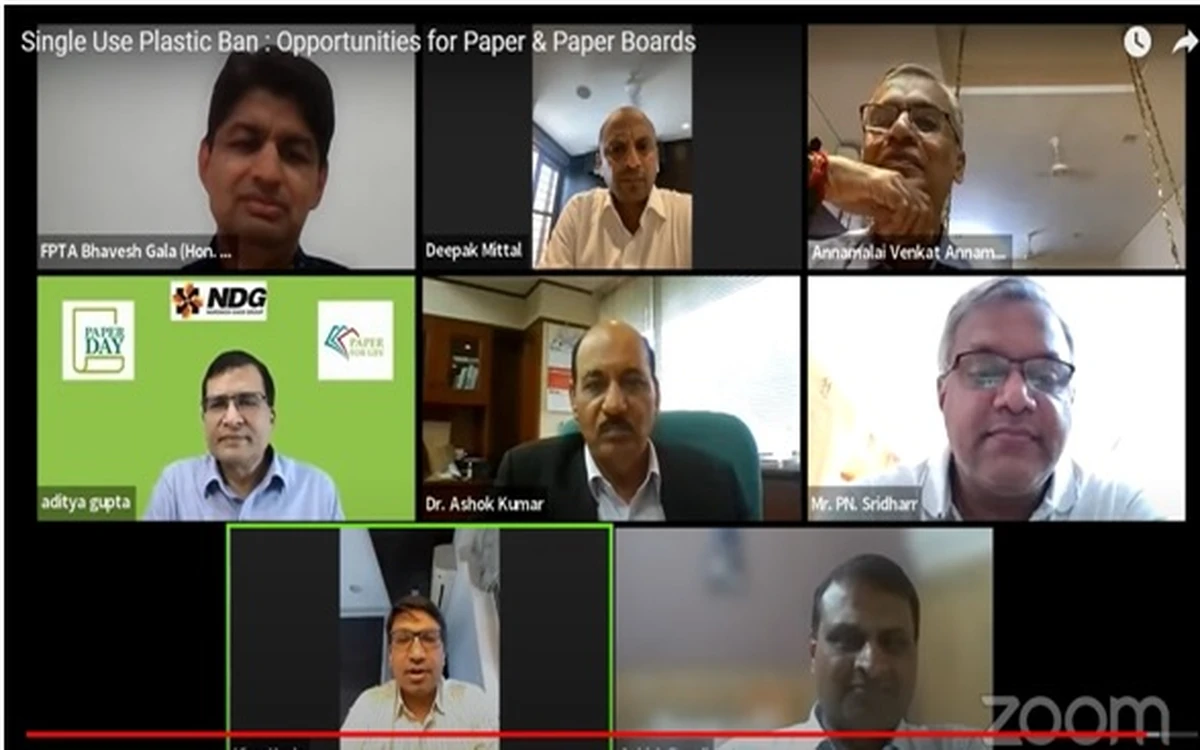
Single-Use Plastic Ban: Everything, at each level, alternative for plastic will be expected from paper
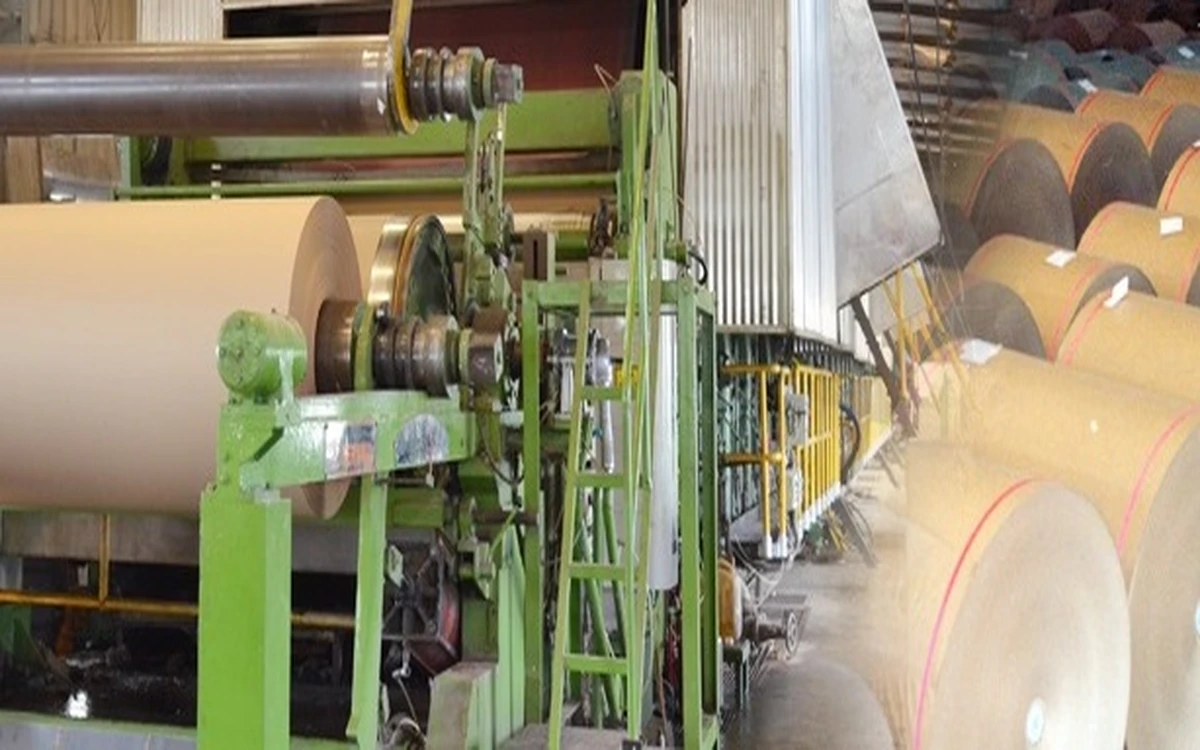
The Status of the Global Container board Industry, Recycled Paper Demand and Supply and its impact on the Indian Industry

Akshay Jain, director of Silverton Pulp & Paper, says it's time to promote agro residue as a raw material to lessen the scarcity of fibre
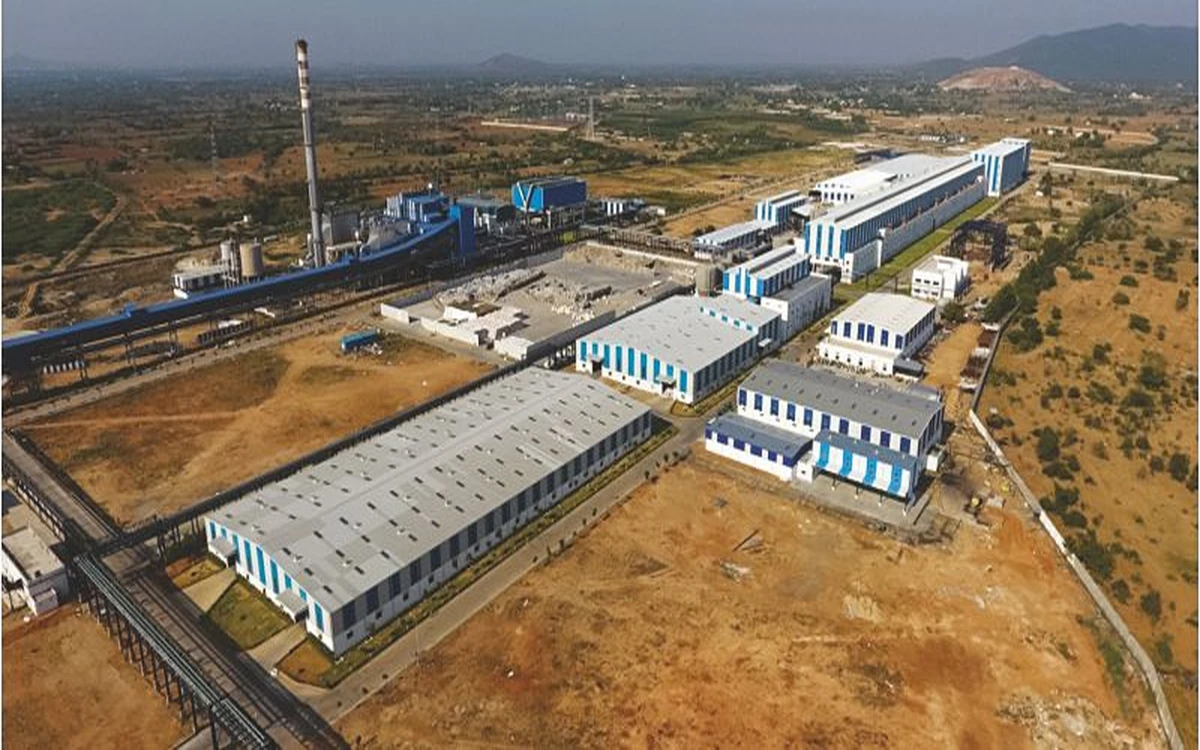
Advantageously located, a new paper mill is all set to roll kraft paper in Madhya Pradesh

Several agile interventions helped ITC-PSPD fortify its clear leadership of the Value Added Paperboards (VAP) segment

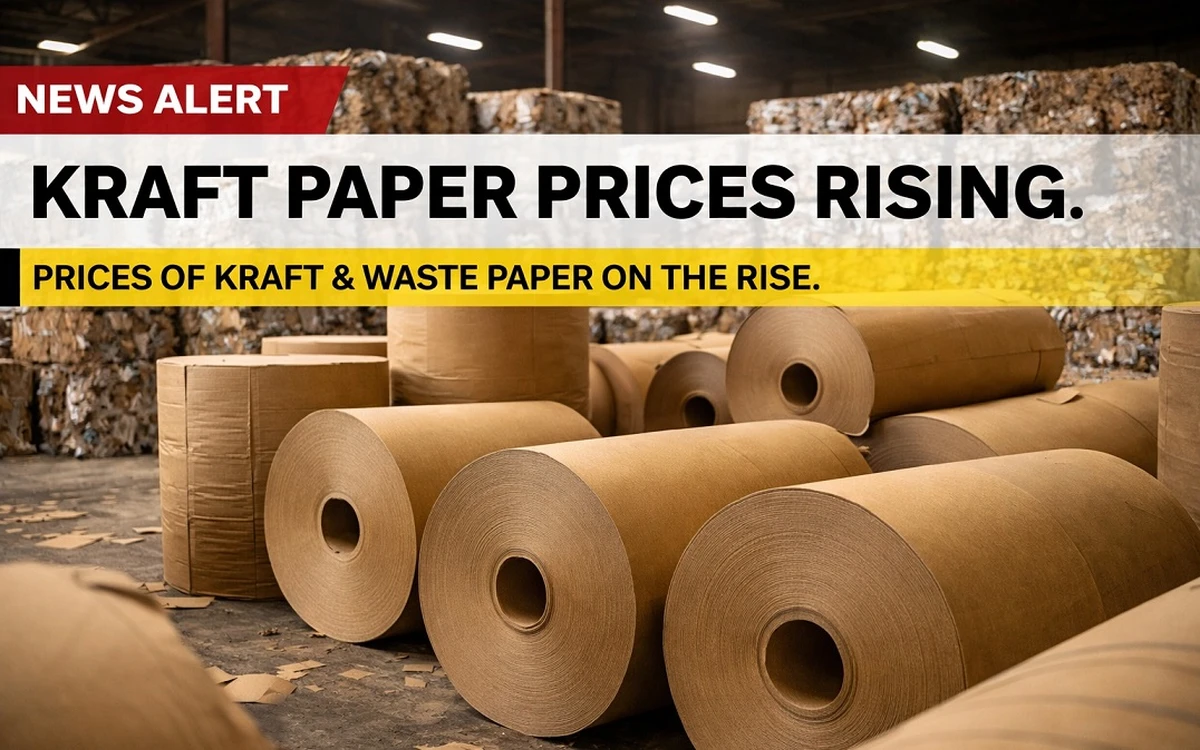
Indian Paper Industry under pressure; Mills announce multi-phase price revisions
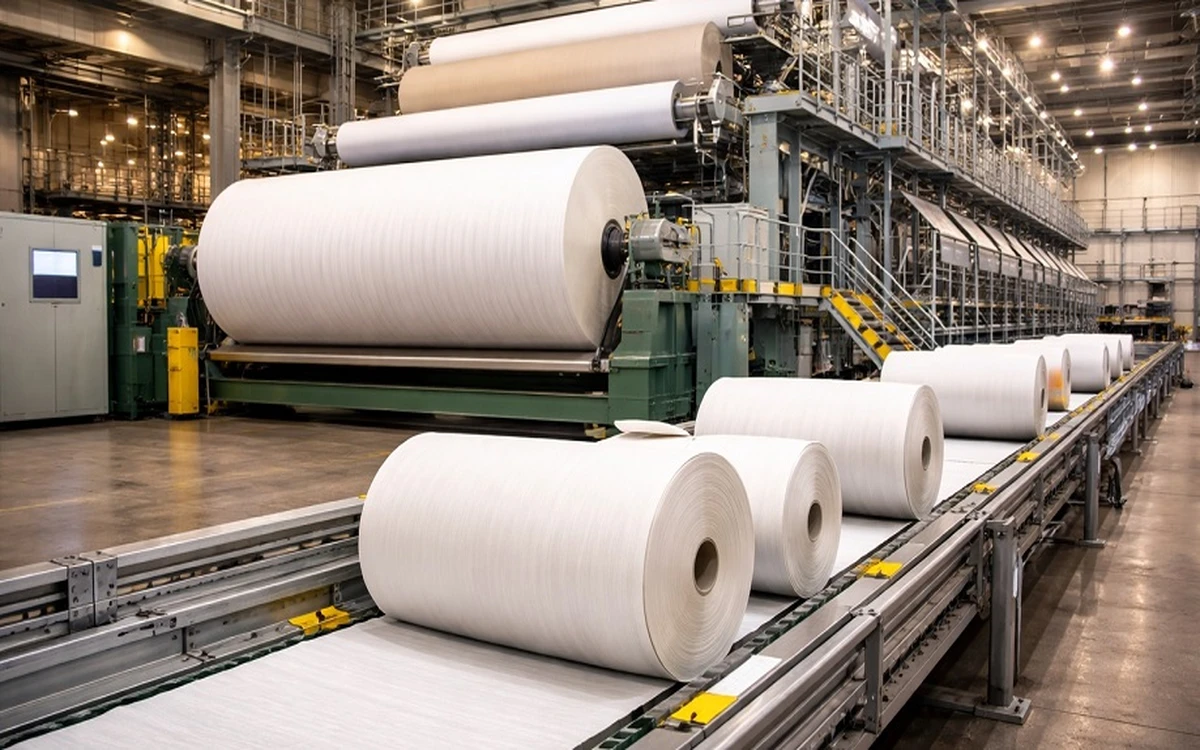
Orient Paper and Industries revises capex plan, Approves 23,400 TPA new Tissue Machine at Amlai unit

“Paper mills are supplying at 0% GST but with a increased price to the extent of their Input credit loss,” says Mr. Shailendra Gala of Navneet Education
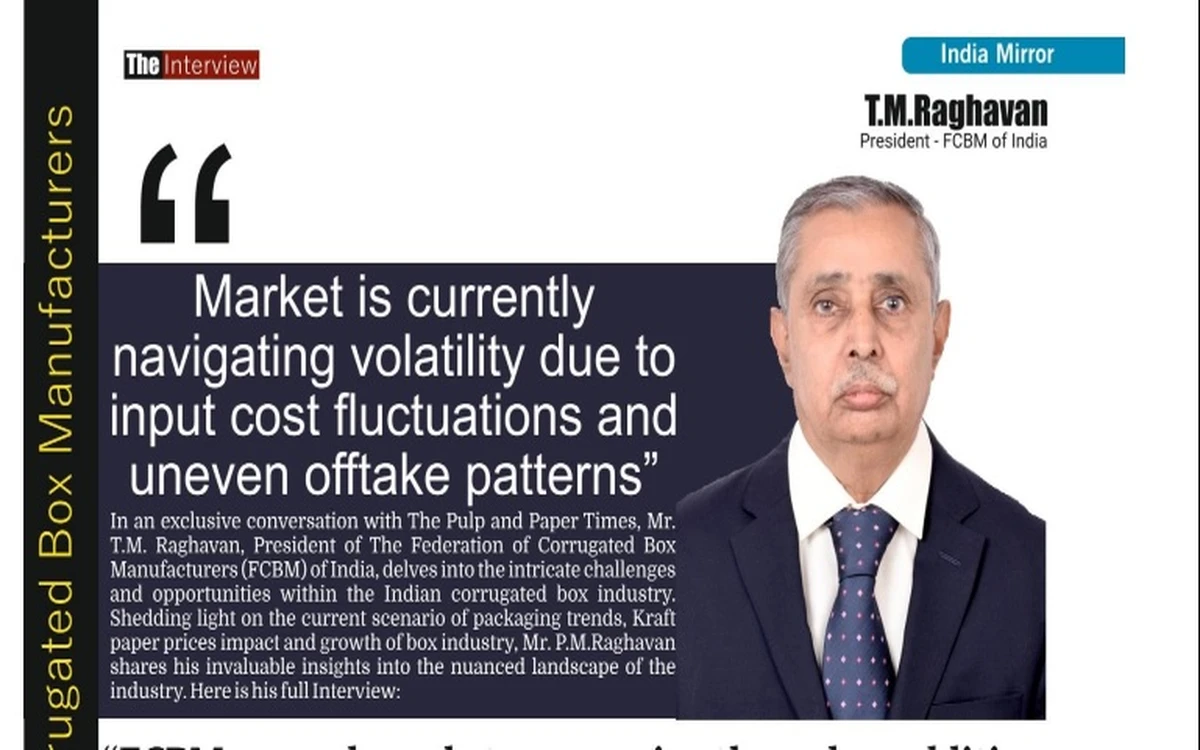
“FCBM urges brands to recognize the value addition by corrugators and ensure equitable pricing,” says Mr. T. M. Raghavan of FCBM
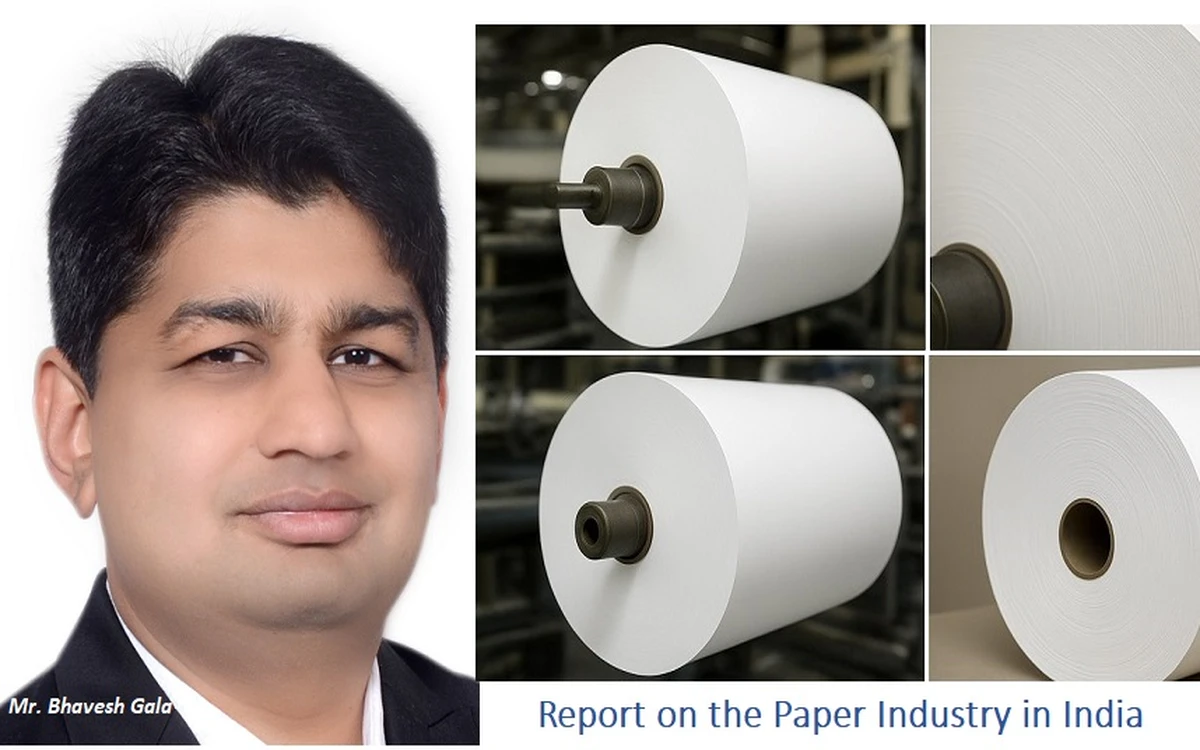
Paper Market scenario of WPP, Coated, and Packaging Boards, and MIP impact: Insights by Mr. Bhavesh Gala
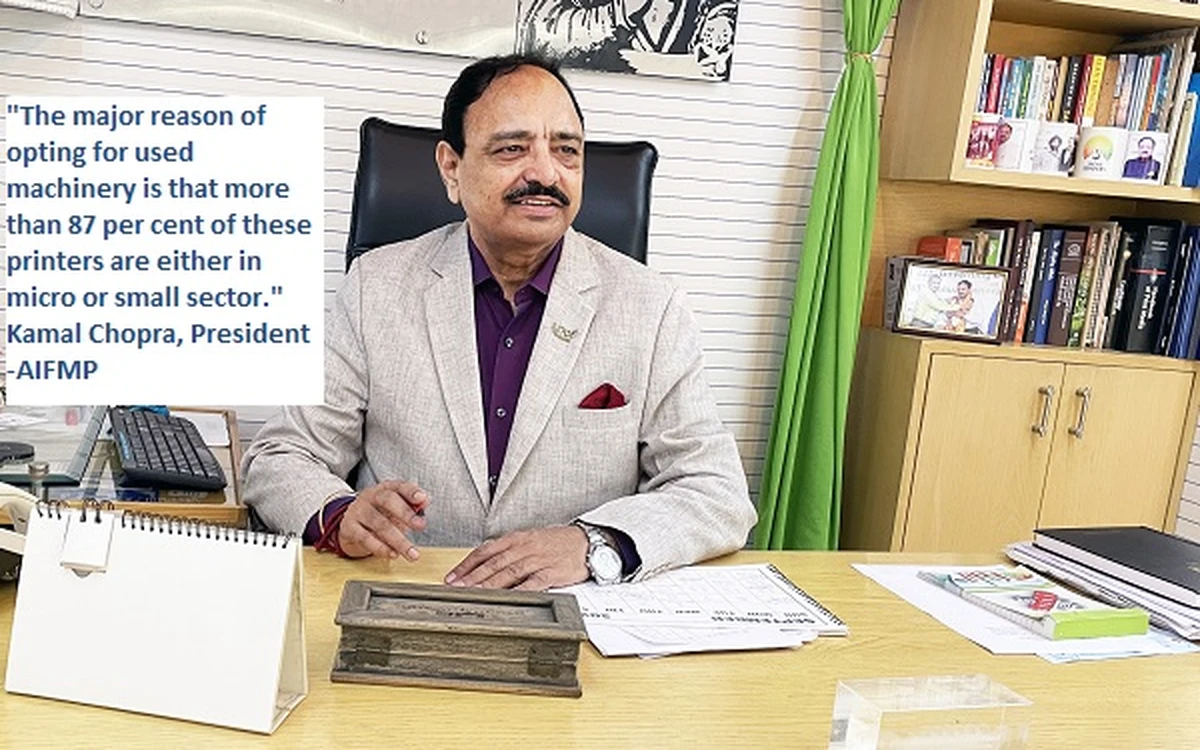
"We have to think unique and produce distinct items to remain in the business, Printers are stuck between manufacturers and customers", Says Kamal Chopra, President - AIFMP

Scientists from IIT-Guwahati develop India's first biodegradable plastic

EBMA: With books exempt from GST, imported finished books enter India tax-free; notebook prices may climb 15–20% with GST hike

It is estimated that USD10B to USD20B worth of single-use plastic packaging will convert to molded fiber, ZUME
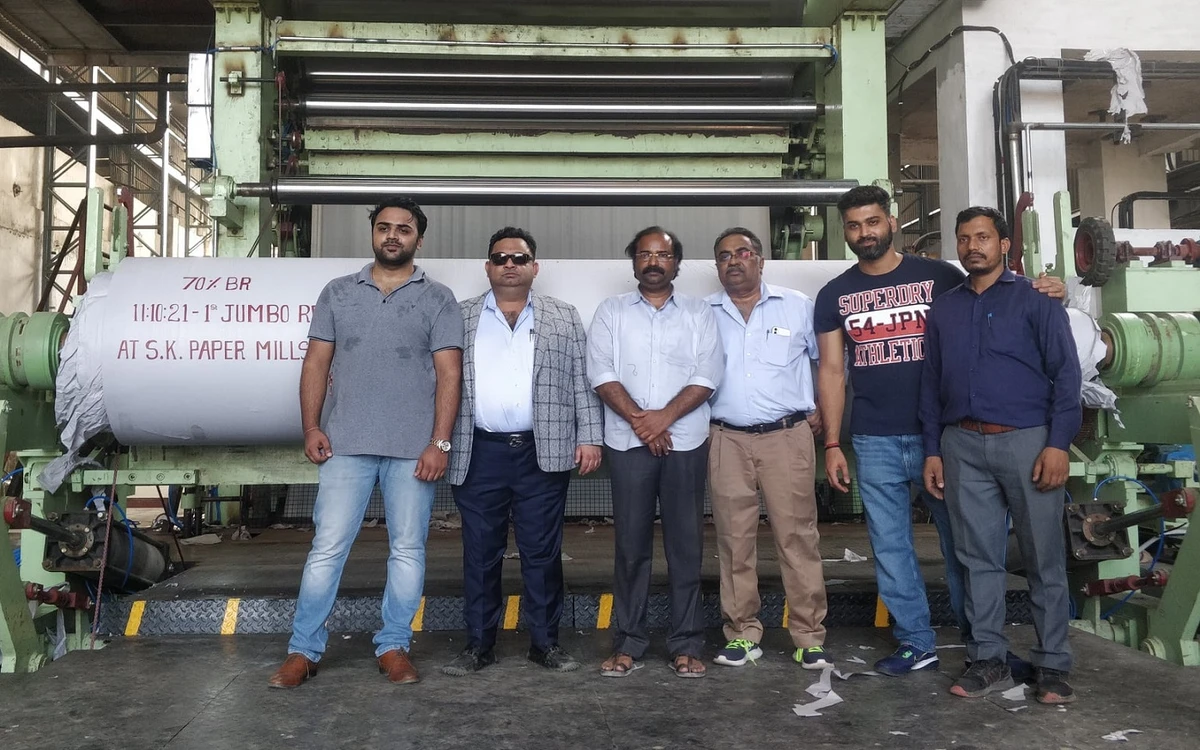
Muzaffarnagar gets a new capacity of Tissue Paper and MG Poster paper
India Paper Industry at an Inflection Point: War, Costs, and Capacity; Demand growth expected at 5–7% in FY26

Barrier-Coated Paper, RTE Demand, and E-Commerce: Experts Predict Paper-Based Packaging Market to Reach USD 46 Billion by 2030
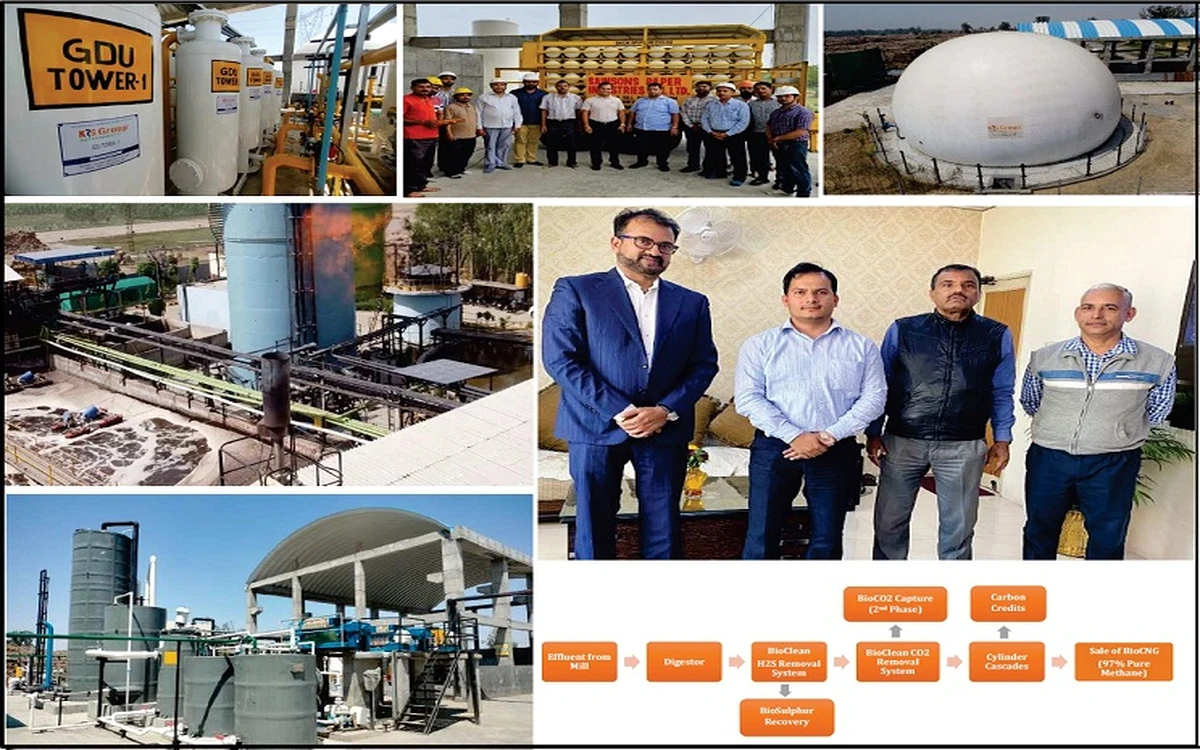
BioCNG from paper mill effluent: India’s & Asia’s First Paper mill, Sainsons Paper to Produce & Sell CBG/BioCNG From Waste Water

Michelman: Coating Solutions especially moisture and gas barrier on paper significantly improves the shelf life of food
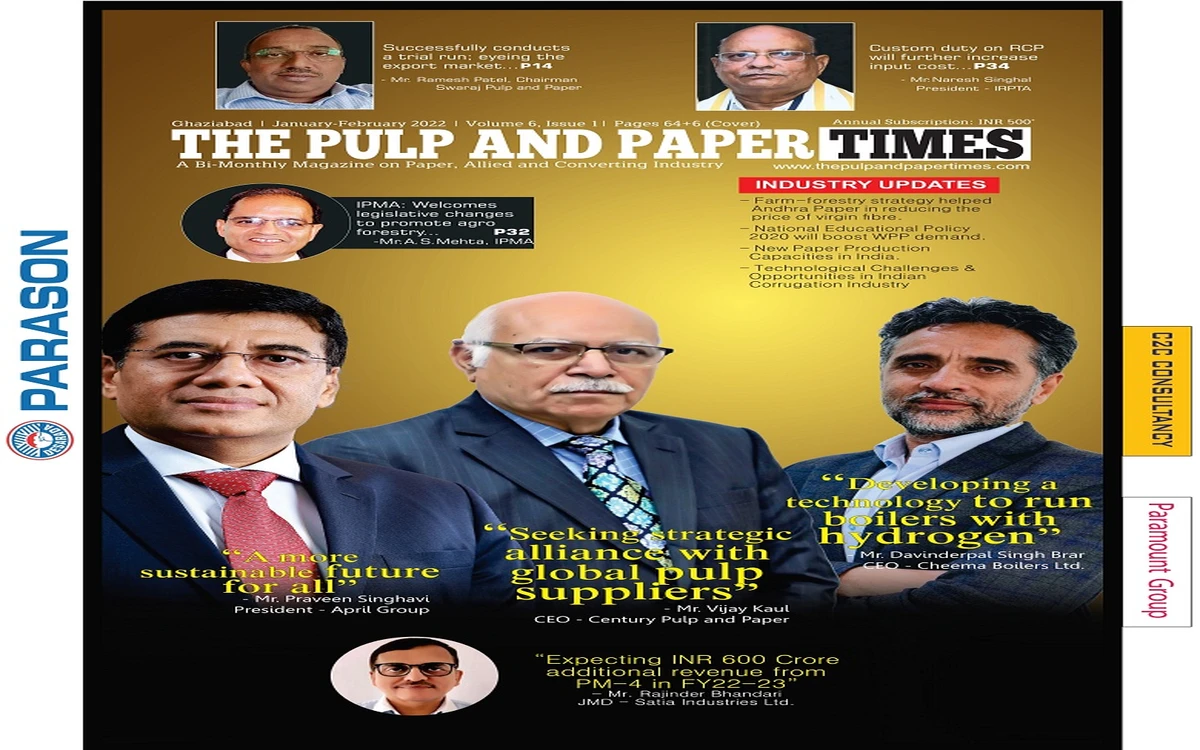
The Pulp and Paper Times Magazine : Volume 6, Issue 1

The Pulp and Paper Times Magazine : Volume 5, Issue 6
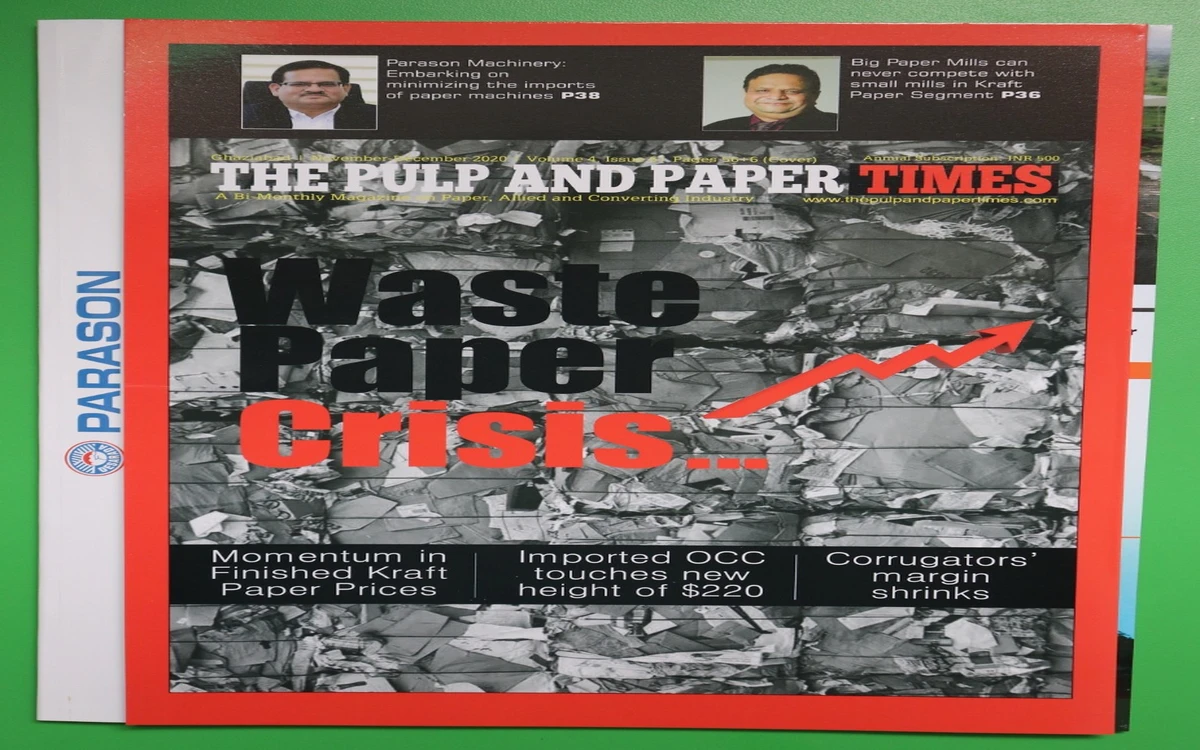
The Pulp and Paper Times: Volume 4, Issue 6
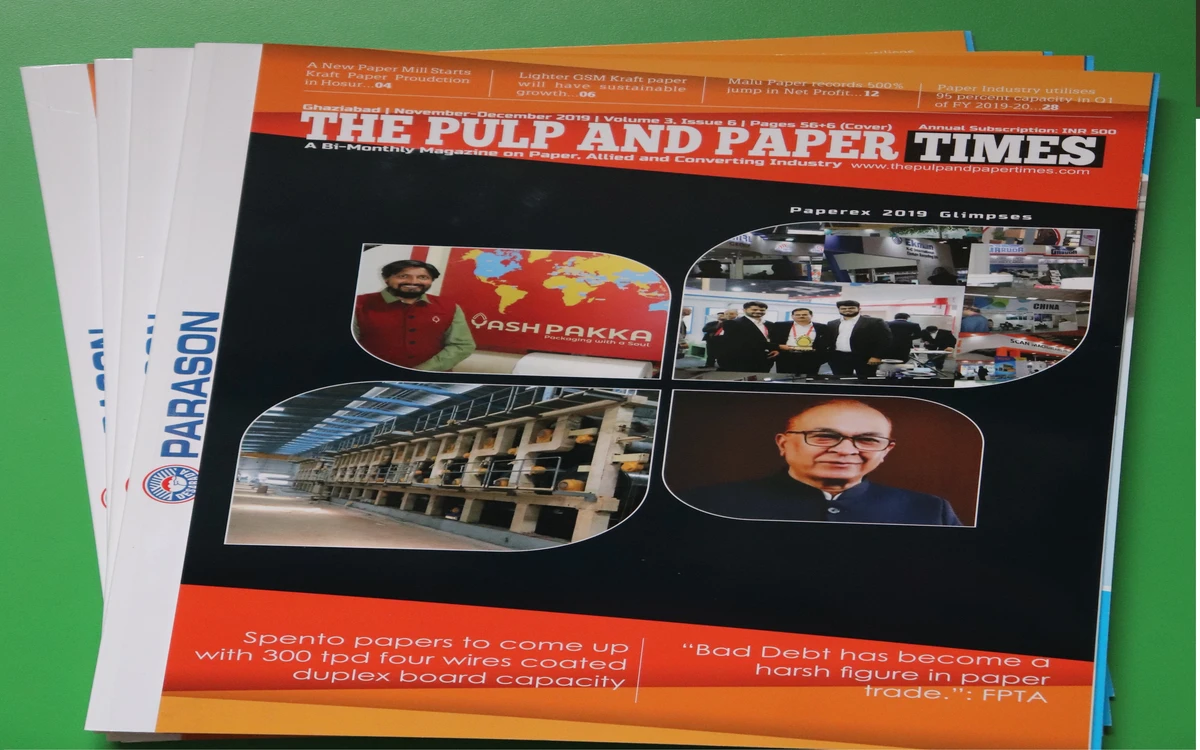
The Pulp and Paper Times : Volume 3, Issue 6
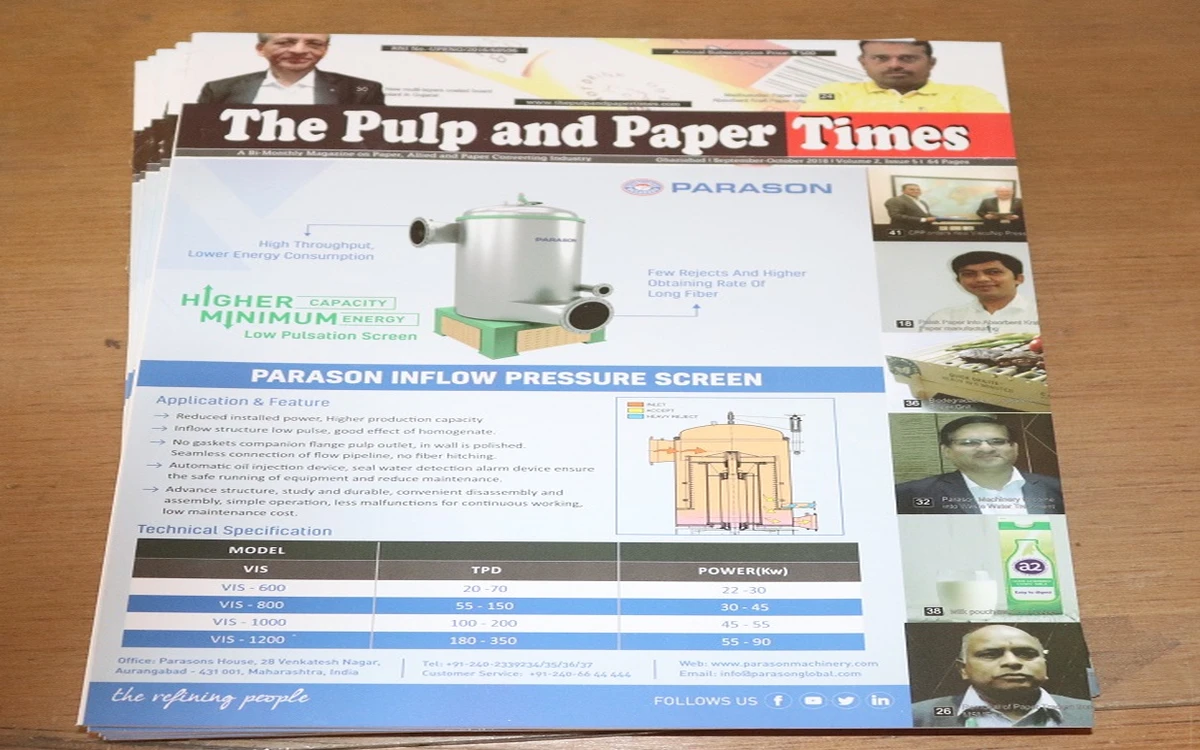
The Pulp and Paper Times: Volume 2 Issue 5

The Pulp and Paper Times, Volume 1, Issue 3
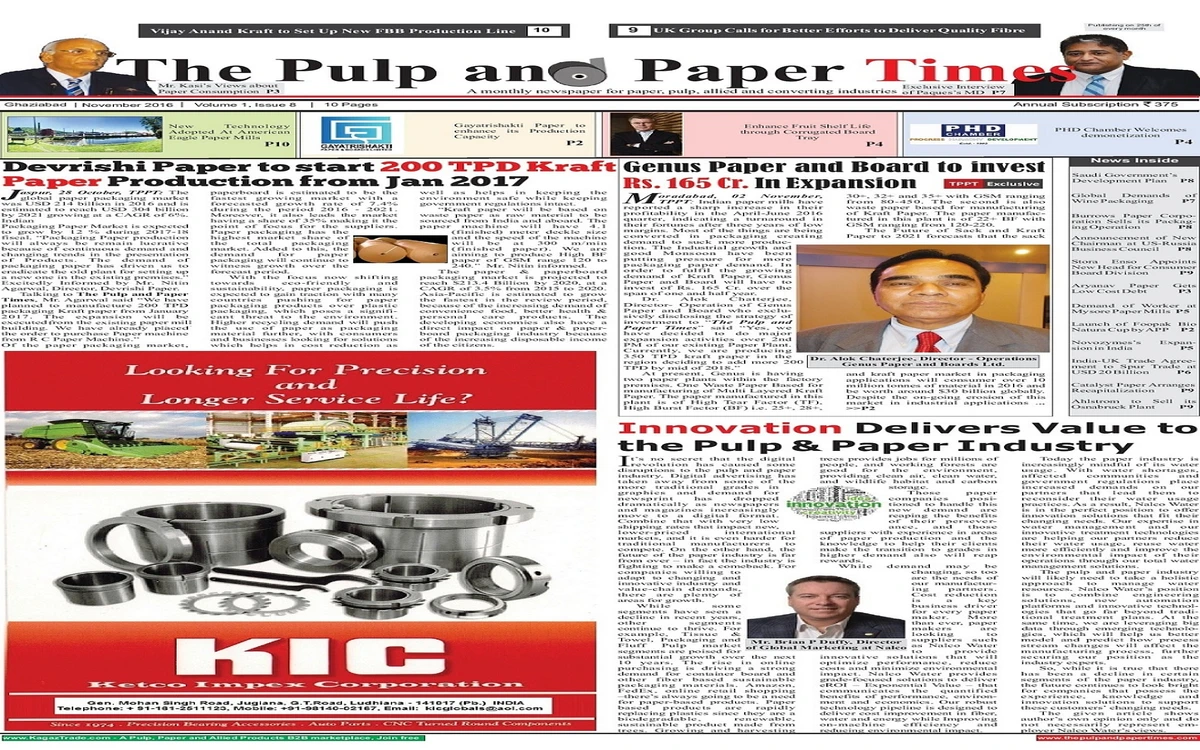
The Pulp and Paper Times, November 2016 Issue

“The forecasted growth in imports (15–20% by FY26) signals a need for tighter trade policies and quality enforcement, not a fundamental shift in orientation,” says Mr. Rajesh Jain of FPTA
Key Points of Interview:
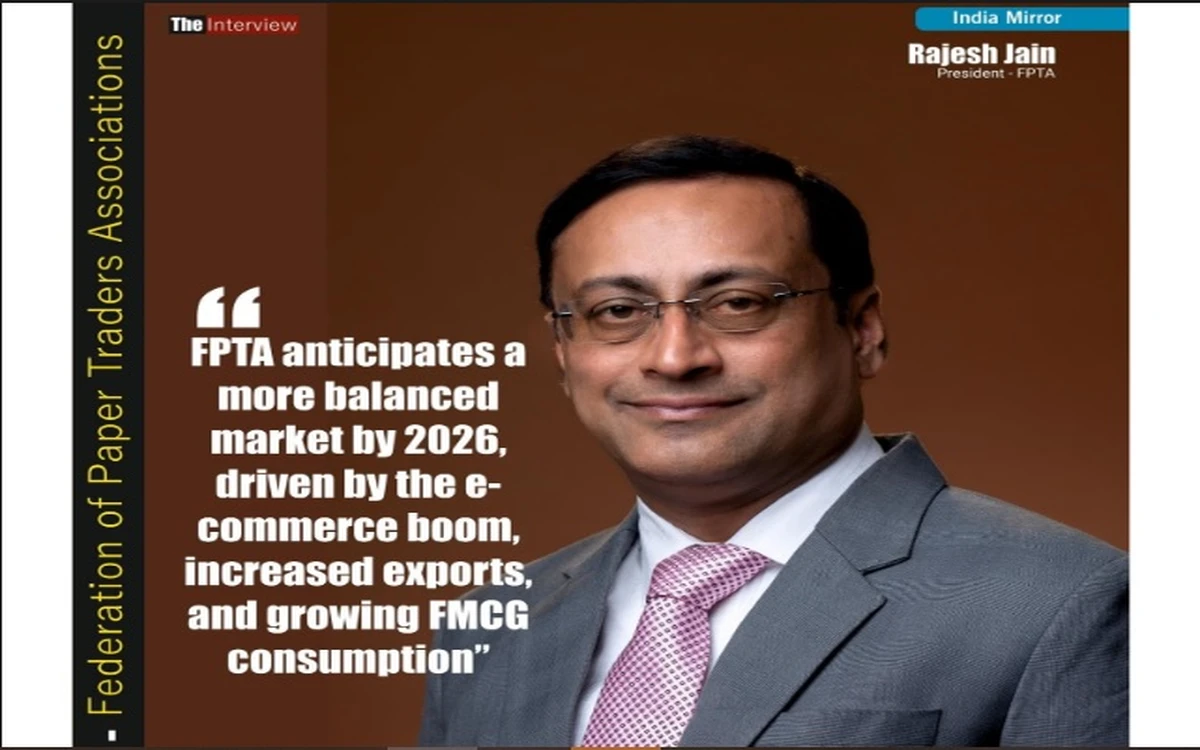
“FPTA anticipates a more balanced market by 2026, driven by the e-commerce boom, increased exports, and growing FMCG consumption”
“In the near term, prices may stabilize as market forces adjust, but volatility will persist due to global pulp price trends, logistics issues, and currency fluctuations”
“The dual GST slab structure has indeed created classification ambiguities, especially for multi-use grades like WPP (Writing & Printing Paper), kraft, and specialty papers”
Recently, The Pulp and Paper Times had the opportunity to interact with the newly elected President of the Federation of Paper Traders Associations of India (FPTA), Mr. Rajesh Jain. He was elected at the 64th AGM and Conference of the Federation of Paper Traders Associations of India (FPTA) in Chennai for FY 2025-26. The discussion covered the current state of the paper market, price volatility, impact of MIP, ambiguities in the GST 2.0 rollout, import and export of paper, and various other issues. Here is his full interview:

Q: Give us a brief introduction to the Federation of Paper Traders Associations of India (FPTA).
The Federation of Paper Traders Associations of India (FPTA) is the apex body representing over 36 regional and local paper traders’ associations across India. Established to promote and protect the interests of paper traders, the FPTA acts as a unified platform for dialogue with industry stakeholders, government bodies, and policy makers.
It plays a vital role in advocating trade-friendly policies, resolving industry challenges, and ensuring the growth and sustainability of the paper trading community. FPTA also works towards enhancing professional standards, encouraging best practices, and fostering collaboration across the paper supply chain.

Major Initiatives:
1.Representing to Federal body about GST rationalization to 5% across chapter 48, as the current 18% tax on paper and 0-5% on finished products which would result in increased cost price of paper related products.
2. Paper Day August 1st Awareness programs are orchestrated throughout India, with an agenda to promote paper & paper related products. Even the slightest of substitution would increase demand substantially.

Q: Being a reputed paper association, what is your quick review of the present paper trade market scenario? Please share about the demand and supply dynamics of various paper grades, especially coated, uncoated wood-free, duplex, newsprint, and kraft paper segments.
The paper trade market in India is currently navigating a complex scenario driven by post-COVID recovery, evolving packaging demands, and global disruptions.
Coated paper demand remains stable due to printing and publishing, though digitalization continues to impact volume, Naini& Silverton are two new capacities that have come up in recent years.
Uncoated wood free is witnessing steady demand, particularly in educational and office sectors.
Duplex and kraft paper have seen fluctuations owing to overcapacity and intense price competition, despite rising packaging needs. Newsprint continues its downward trend due to the digital shift.

Overall, supply chains have largely stabilized, but margins remain under pressure from volatile raw material prices and shifting consumer behaviour.
Q: For the last two years, the kraft and duplex segments have been perplexed by overcapacity, reducing their capacity utilization and price boost. Do you think that the organic growth of 8% in packaging paper has not yet set off the excess capacity? What about FPTA’s projection for the year 2026?

With the US sanctions on various products from India it has created a slight slump as paper & packaging are allied business to exports and are indirectly affected temporarily.
Yes, while the packaging sector has shown impressive organic growth of around 8%, it hasn’t yet fully absorbed the surplus capacity created in kraft and duplex segments. This has led to underutilized mills and suppressed pricing power for manufacturers. The mismatch between rapid capacity expansion and demand growth has created a temporary glut.
However, FPTA anticipates a more balanced market by 2026, driven by the e-commerce boom, increased exports, and growing FMCG consumption. With consolidation and rationalization, we expect capacity utilization to improve and pricing to stabilize over the next 18 to 24 months.
Q: In a major decision, the Government imposed a Minimum Import Price (MIP) on virgin multi-layer paperboard. Post MIP, we have seen a major hike in paper prices... How do you see this price trend in the near future? Don’t you think it’s an opportunistic price hike amid MIP?

Due to the highly volatile geopolitical conditions the Trend of Imports substantially increased post covid. Many paper producing countries (China, South Korea, Indonesia, etc.) Find the Indian market to be stable in this scenario. Hence there is dumping of excess supply in our market, resulting in unfavourable low cost market conditions for domestic Manufacturers as well as the trade network.
The imposition of MIP was intended to protect domestic manufacturers from under-priced imports, particularly from countries with surplus production. While the policy has resulted in a price increase of ₹3 to ₹5 per kg in virgin grades, we believe the hike is both a market correction and a reflection of input cost escalations, not just opportunism.
That said, FPTA urges all stakeholders to exercise pricing discipline. In the near term, prices may stabilize as market forces adjust, but volatility will persist due to global pulp price trends, logistics issues, and currency fluctuations.
Q: The Government has brought the paper industry under new GST slabs, i.e., 5% and 18%, but major paper segments like WPP, kraft, and specialty remain affected. What ambiguity will arise from this slab structure...?

We feel that dual tax structure for similar items would result in complications, and discrepancy that raw material paper in 18% slab and finished products in 0-5% slab would directly translate to increase in cost of product by 13-18%.
The dual GST slab structure has indeed created classification ambiguities, especially for multi-use grades like WPP (Writing & Printing Paper), kraft, and specialty papers.
Since many end products—such as notebooks, exercise books, corrugated boxes—fall under the 0-5% category, confusion arises over the applicable GST rate during the supply chain. This opens room for varied interpretations and possible tax disputes & may also pave way for malpractices.
FPTA recommends clearer notifications and a standardized rate structure to ensure uniform compliance, reduce litigation, and support industry growth. We propose a uniform rationalization of GST 5% for all products falling under Chapter 48.
Q: Can we say the Indian paper industry ecosystem is shifting towards an import-oriented industry?
The current geopolitical scenario is the reason for imports increasing after post covid times, it is not a permanent phenomenon. Once stabilization is there at global level and flooding of imports will stop.
While there has been an uptick in imports due to aggressive pricing from international suppliers, it would be premature to label the Indian paper industry as import-oriented. The Indian industry is robust, with substantial domestic capacity.
However, factors such as underutilized plants, high input costs, and predatory pricing by exporters from certain countries have created short-term pressure. The forecasted growth in imports (15–20% by FY26) signals a need for tighter trade policies and quality enforcement, not a fundamental shift in orientation. With balanced interventions, India can remain largely self-reliant while managing imports strategically.
Q: Do you think high wood costs and cheap imported paper are driving the shift to recycled fibre? How will this impact quality and profitability long term?
Yes, high wood costs and the influx of low-cost imports are compelling many A-grade Indian mills to optimize costs by increasing the use of recycled fibre. This shift is also aligned with sustainability goals and global trends.
While there may be minor trade-offs in certain quality parameters, advancements in recycling technology and better sorting have narrowed this gap significantly. In the long term, this transition could enhance profitability by reducing reliance on costly raw materials and positioning mills as eco-conscious manufacturers — a key competitive edge globally.
Q: Do you anticipate that mills in Canada, Brazil, and Mexico will target India and Southeast Asia due to U.S. tariffs? How will it impact the Indian market?
Absolutely. With the U.S. market tightening due to tariffs, exporters from Canada, Brazil, and Mexico will seek alternative destinations, including India and Southeast Asia.
But freight would be an integral factor as shipping cost from west, it would be difficult for them to compete with China, hence in our perspective impact on Indian would be there but with a limited scope.
This could intensify competition in these regions, leading to pricing pressures for local producers. For India, this means a potential surge in imports, particularly in segments like pulp and specialty paper.
The FPTA urges the government to monitor these developments closely and, if necessary, impose safeguard duties or Minimum Import Prices (MIP) to protect domestic manufacturers from being undercut.
Already MIP on packing board is set at 67.22 /- we gladly welcome this move from the government.
Q: Is the paper sector, which is expecting high returns in the next five to ten years, carefully calibrating paper prices?
The sector is cautiously optimistic. With strong demand from education and e-commerce sectors, there is potential for growth. However, pricing strategies are being carefully calibrated to balance profitability with competitiveness, especially amid global uncertainties.
FPTA advocates for responsible pricing that ensures fair returns for manufacturers without overburdening end-users. Stable policies, better capacity planning, and demand forecasting will be key to sustaining momentum over the next 5–10 years.
Q: What is your view on APP’s massive investment in India and its potential impact on local paper mills?
Asia Pulp & Paper’s proposed 1.2 million MTA facility in India is a significant development. It reflects confidence in India’s growing demand for WPP, tissue, and packaging grades. While it could introduce price competition and create pressure on domestic players in the short term, it may also boost technology adoption and efficiency improvements across the sector.
The key will be fair market practices and a level playing field. Indian mills can compete effectively through innovation, quality enhancement, and leveraging strong domestic distribution networks.
Q: What is the Association’s outlook on demand for printing, packaging, and specialty papers over the next 3–5 years?
FPTA expects steady growth across all major segments. Printing and writing paper will remain strong, especially with the rise in education and government printing projects. Packaging paper, led by e-commerce, FMCG, and exports, will continue to outperform.
Specialty paper will see growth driven by food-grade, pharma, and hygiene applications. Overall, the industry is poised for a CAGR of 6–8% over the next 3–5 years, provided policy and infrastructure support remain favourable.

4 minutes ago
4 minutes ago
4 minutes ago
4 minutes ago
4 minutes ago
4 minutes ago
4 minutes ago
2 weeks ago
2 weeks ago
2 weeks ago




 Join WhatsApp Group
 Join Telegram Channel
 Join YouTube Channel
 Join Job Channel (View | Submit Jobs)
 Join Buy Sell Channel (Free to Submit)
 Paper News Headlines Channel (Free to read)