Join Groups & Channels, No Spamming









Morbi paper mills see full-capacity operations as ceramic industry revives; Kraft paper exports to China spike, Prices strengthen; Janmashtami shutdown ahead
The BE and caustic soda plant marks a key milestone for Mohit Paper Mills, enabling full utilization of installed capacity and enhancing overall production efficiency
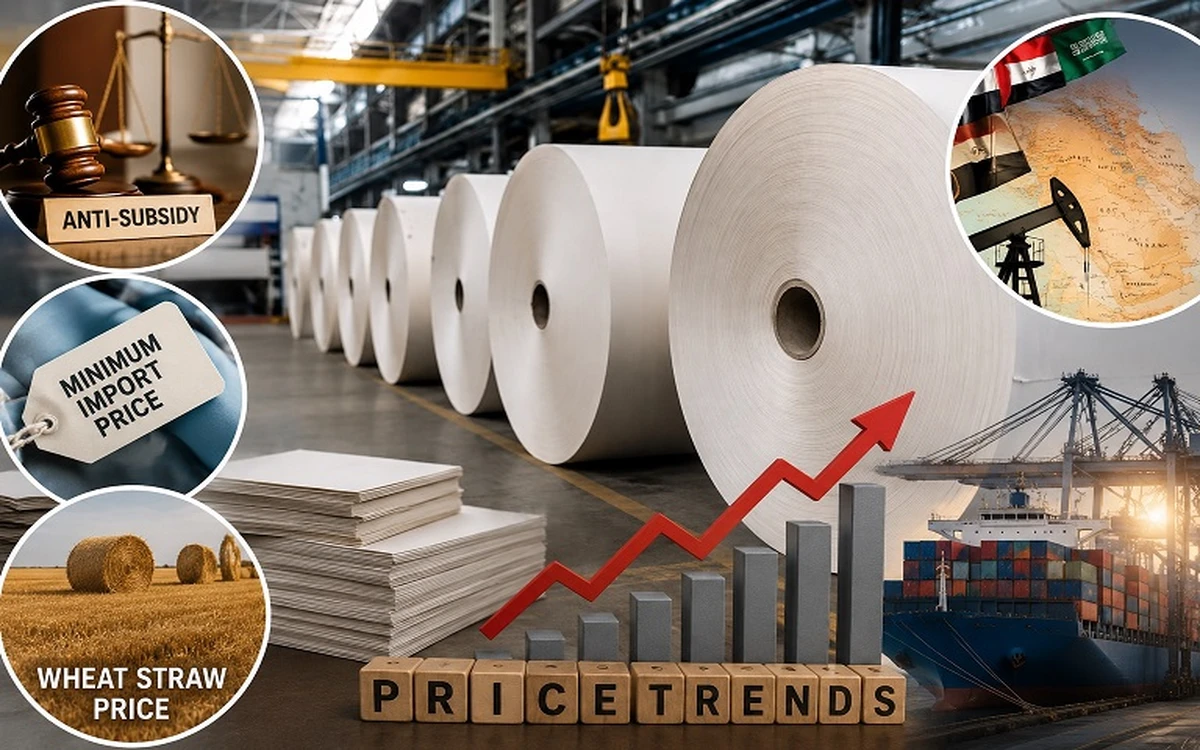
Expert Views on the paper market scenario, How the West Asia Crisis Helped the Industry, MIP for WPP, Anti-Subsidy implementation, and paper price trends
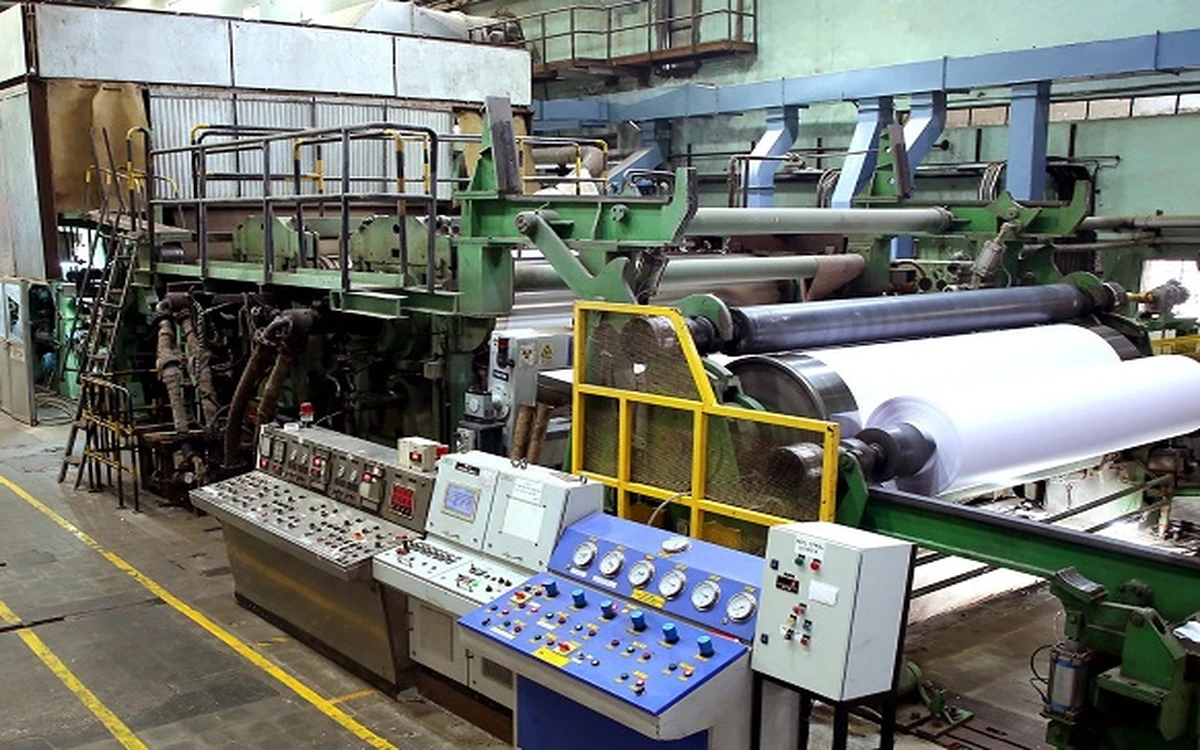
Pudumjee Paper intends to develop new varieties addressing applications for stronger paper bags and cupcakes; Plans 68,000 MT Mahad Specialty Paper Facility within 5 years
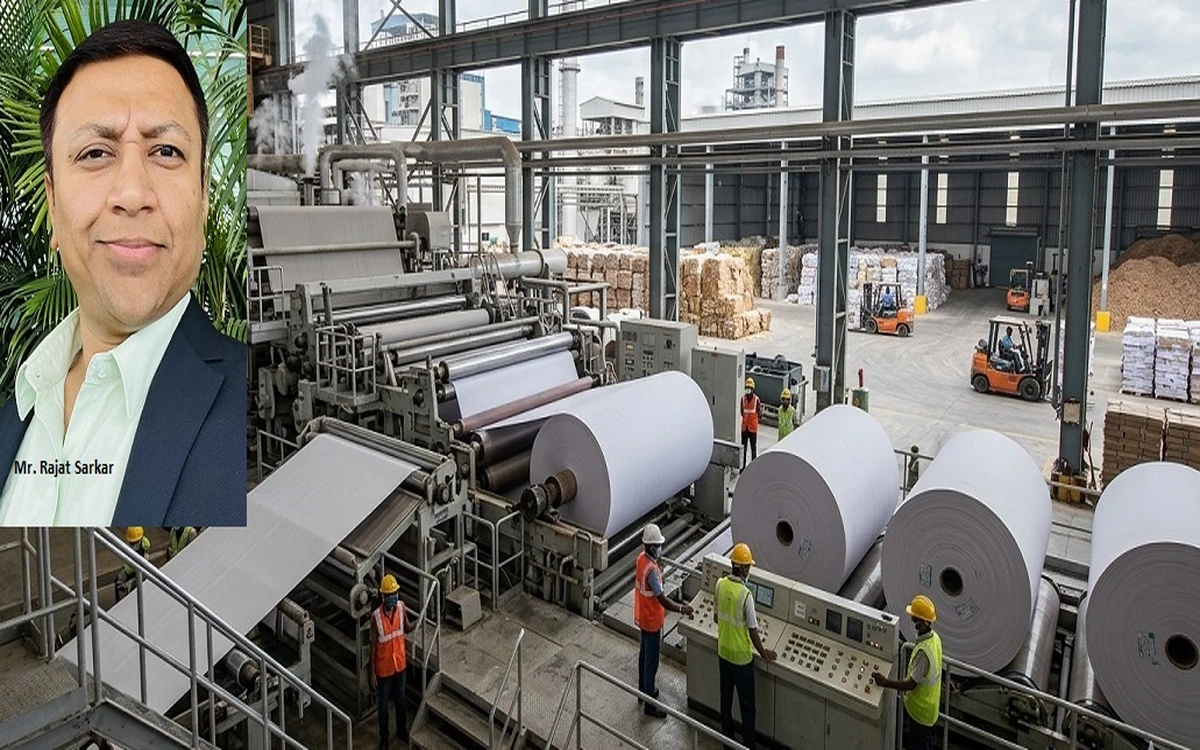
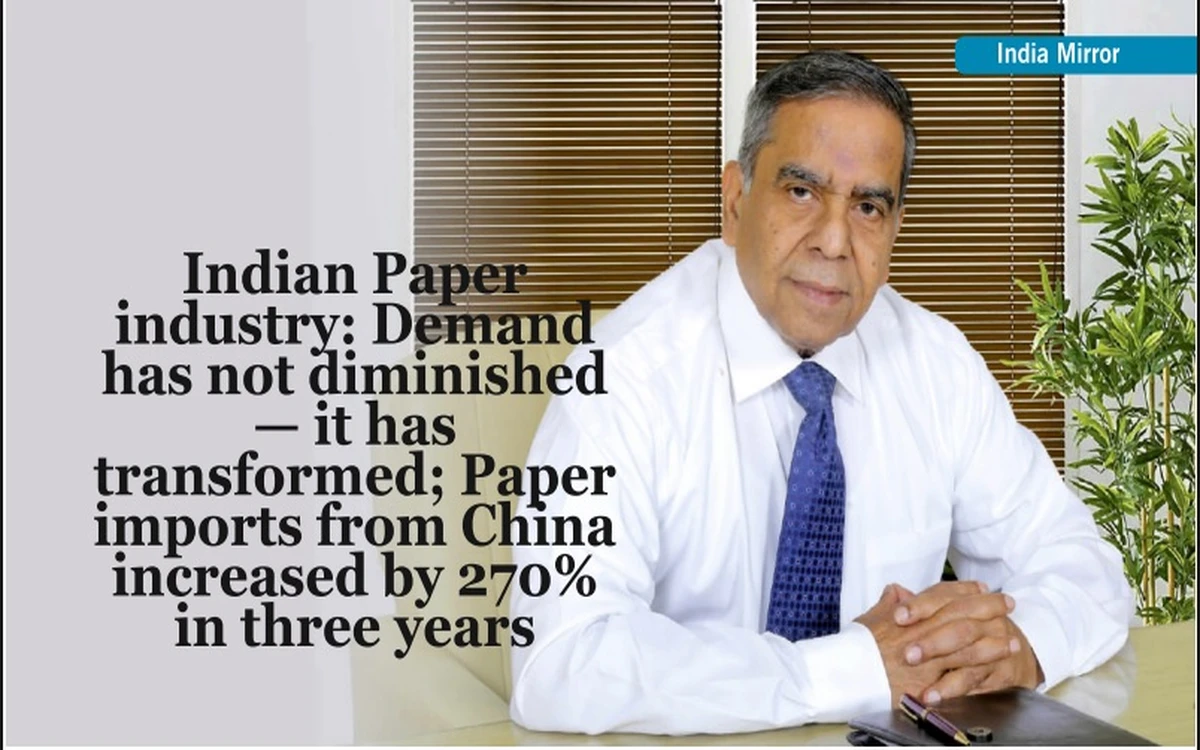
India Paper Industry at an Inflection Point: War, Costs, and Capacity; Demand growth expected at 5–7% in FY26
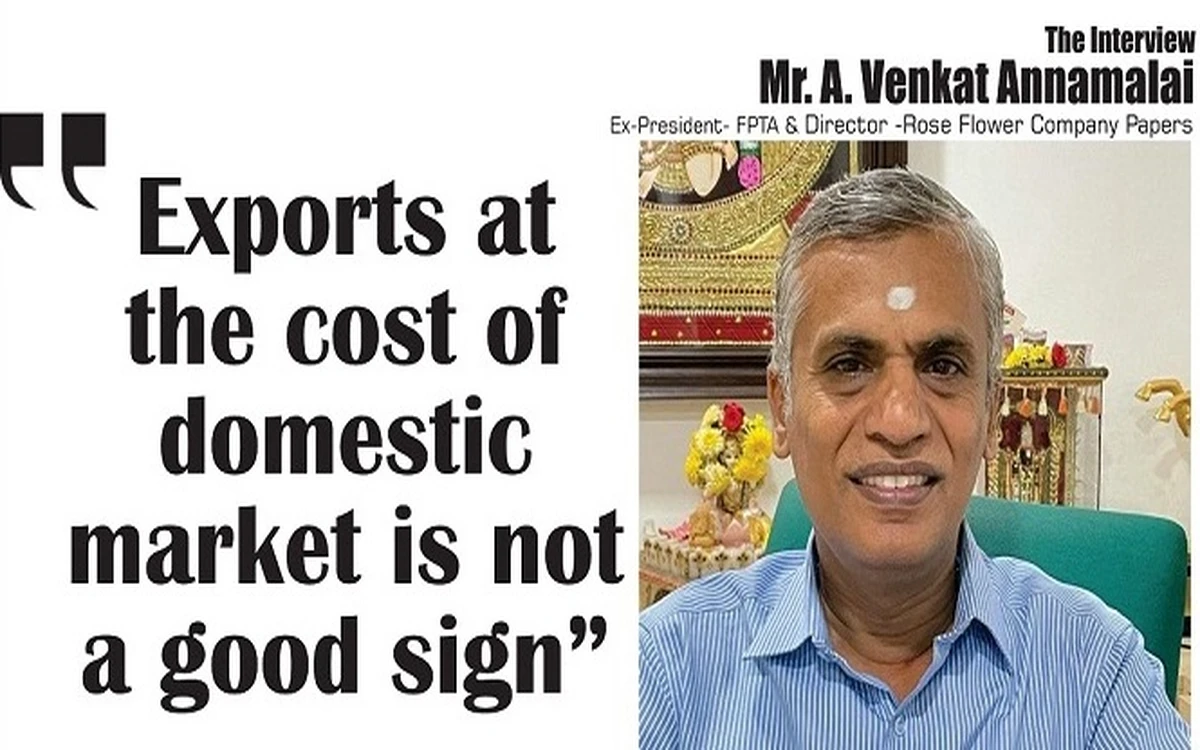
“Surging exports of paper will most certainly keep the domestic prices quite high”: Mr. A. Annamalai, Director – RFC
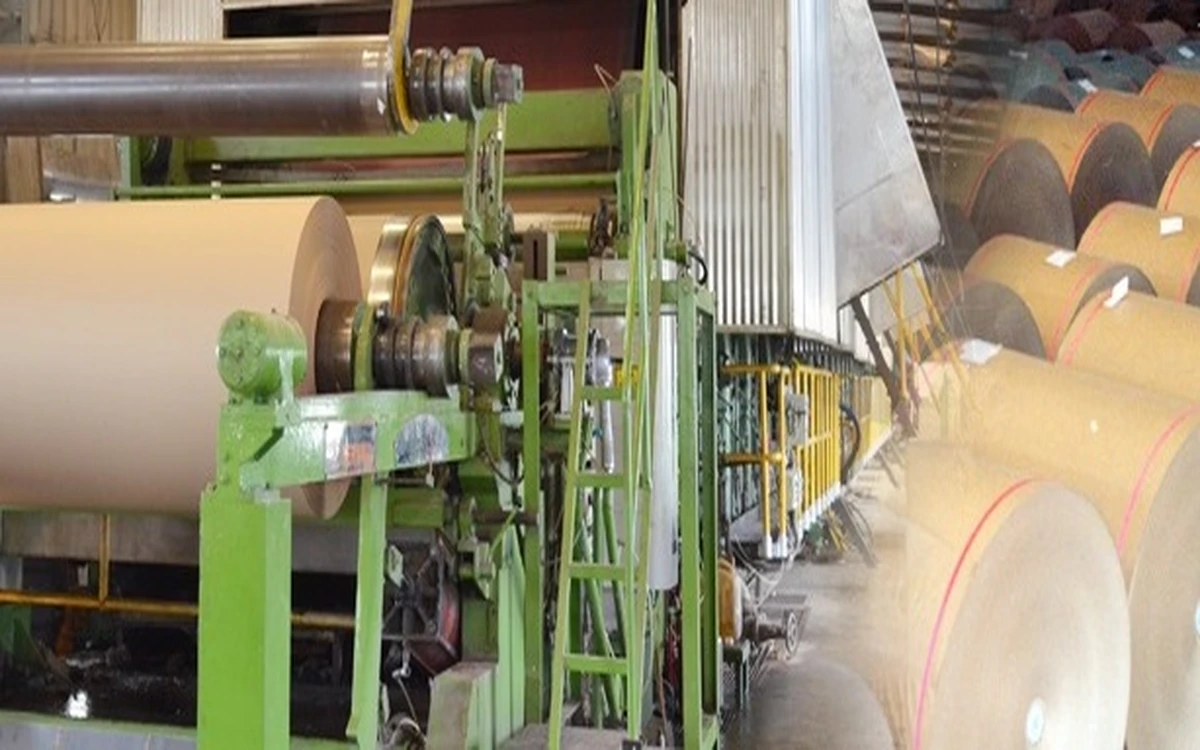
The Status of the Global Container board Industry, Recycled Paper Demand and Supply and its impact on the Indian Industry
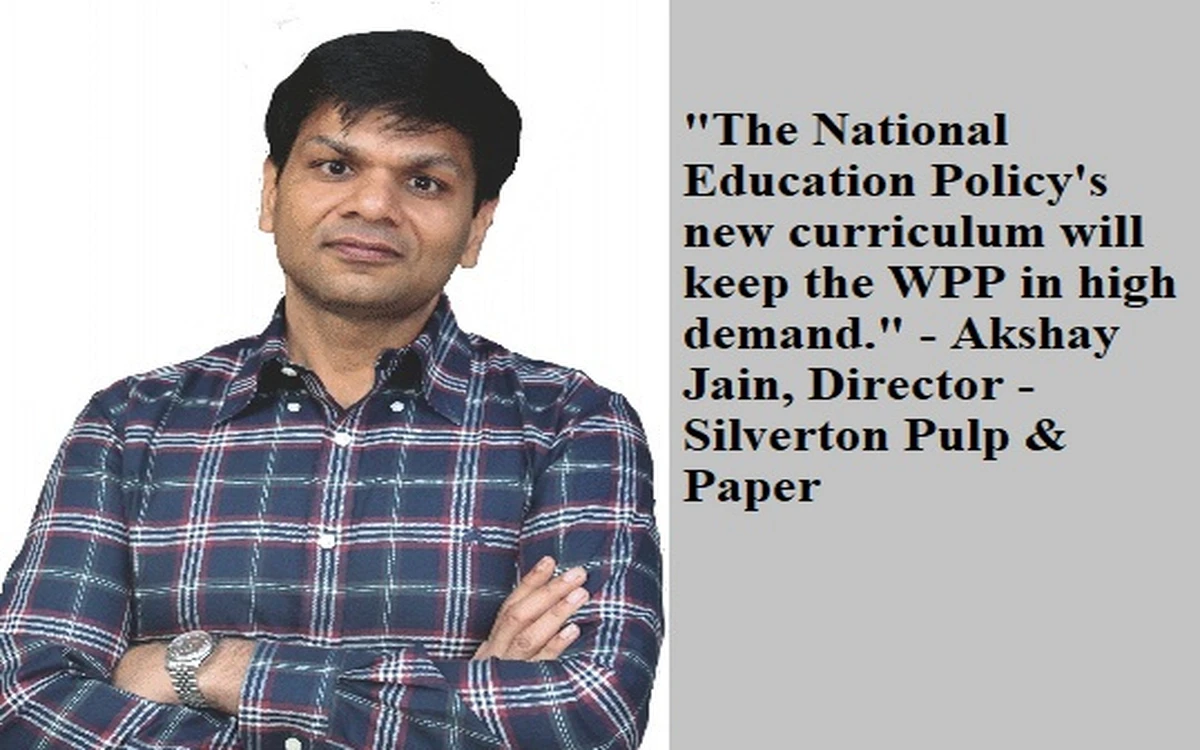
Akshay Jain, director of Silverton Pulp & Paper, says it's time to promote agro residue as a raw material to lessen the scarcity of fibre
Advantageously located, a new paper mill is all set to roll kraft paper in Madhya Pradesh
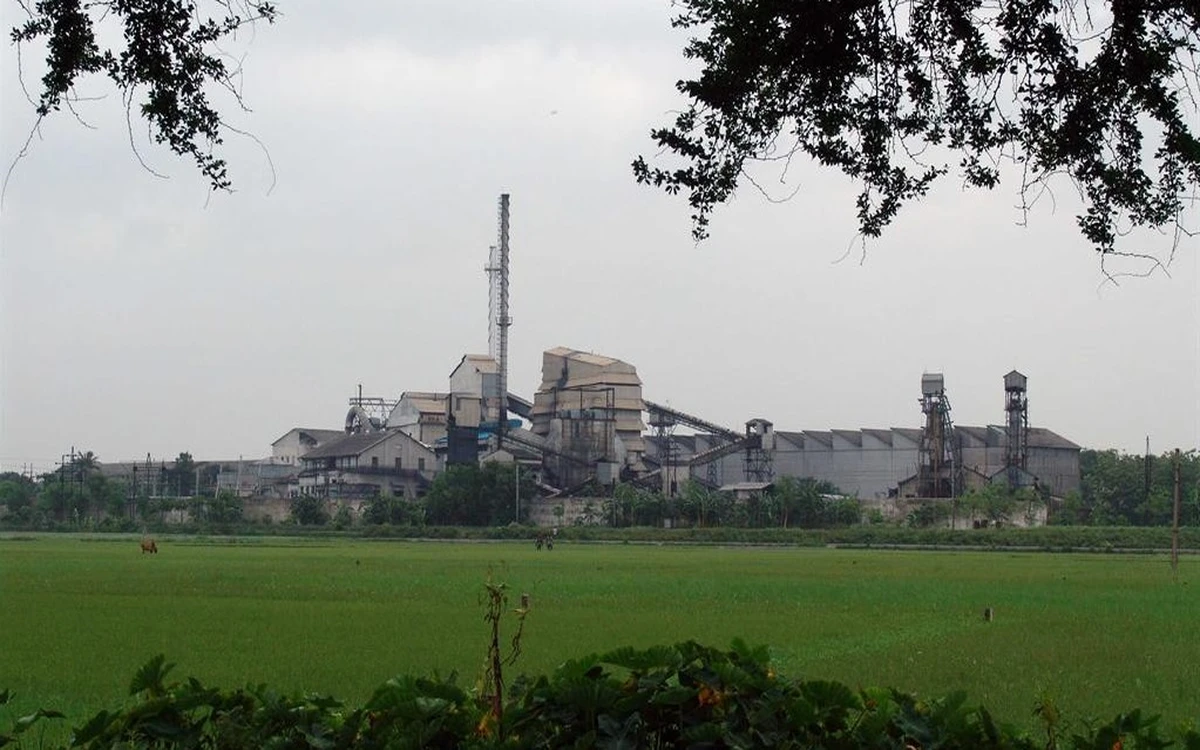
Several agile interventions helped ITC-PSPD fortify its clear leadership of the Value Added Paperboards (VAP) segment
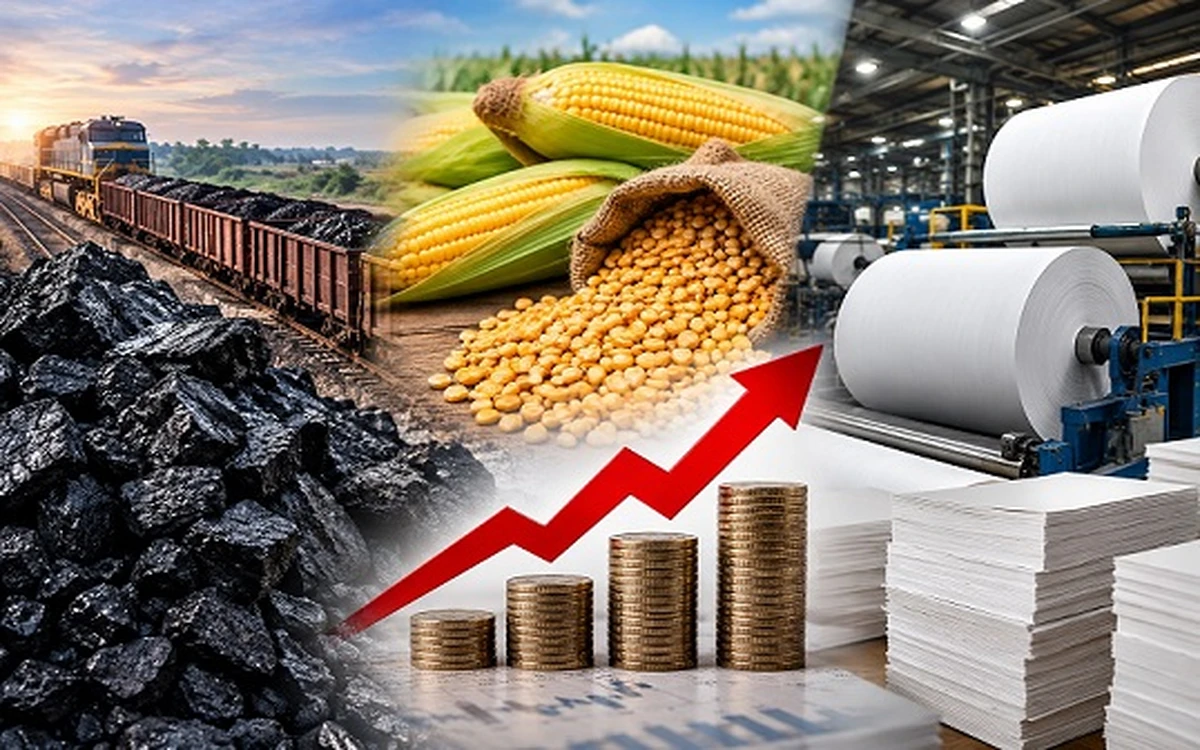
Indian paper industry is entering a sensitive phase, with coal and starch availability emerging as critical concerns; Price Hikes Indicated

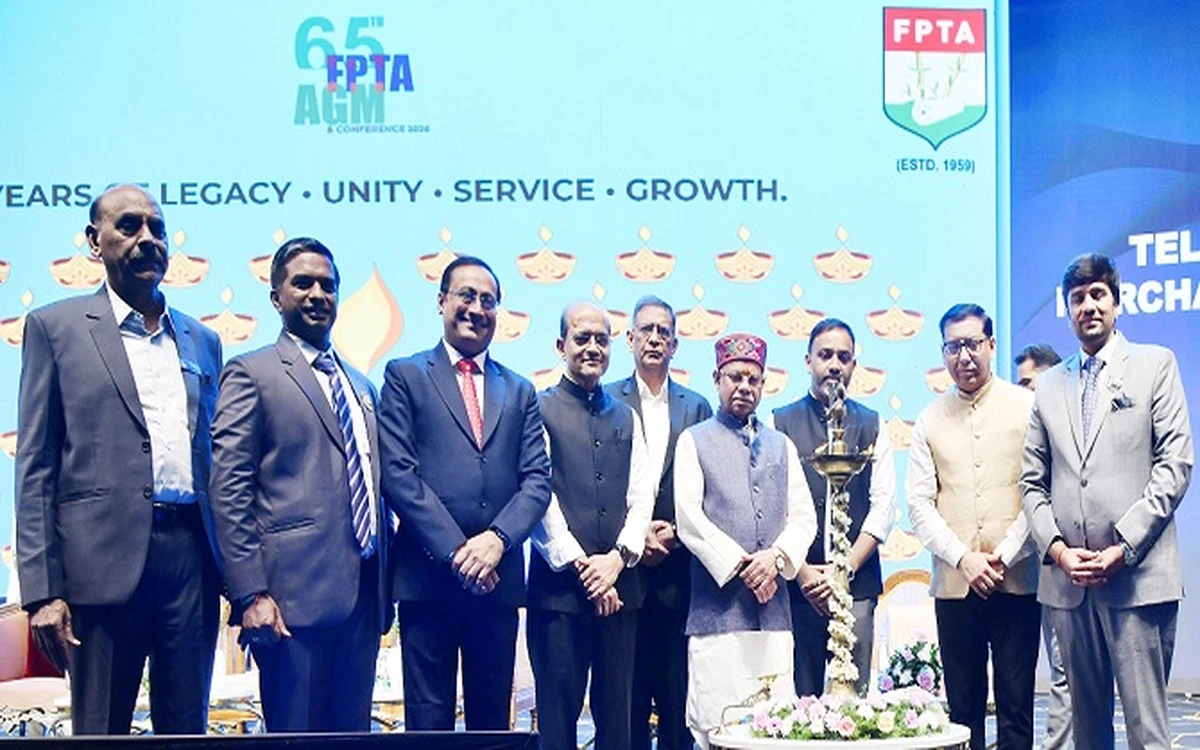
Paper and Packaging Board Market May Face Cost Pressures Through March 2027; FPTA Advises Traders
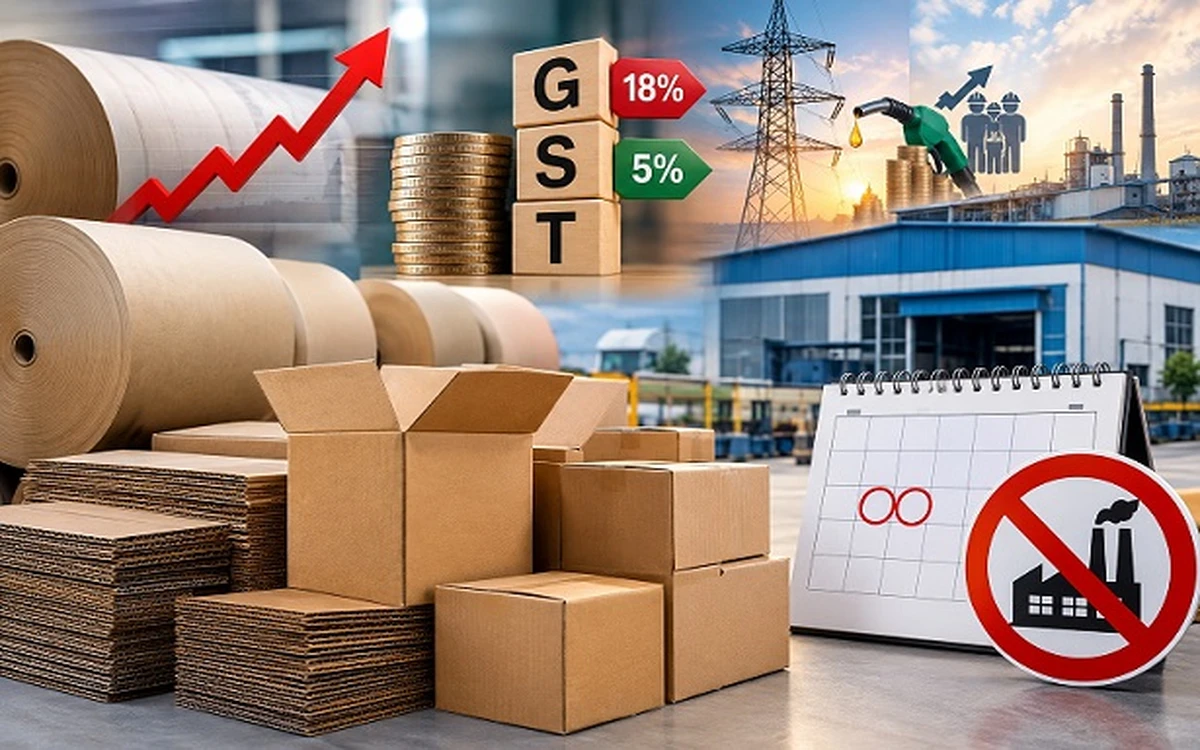
Overall Increase in Kraft Paper Prices Could Reach 35%; Industry Calls for 20% Box Price Increase, Voluntary Shutdown Proposed
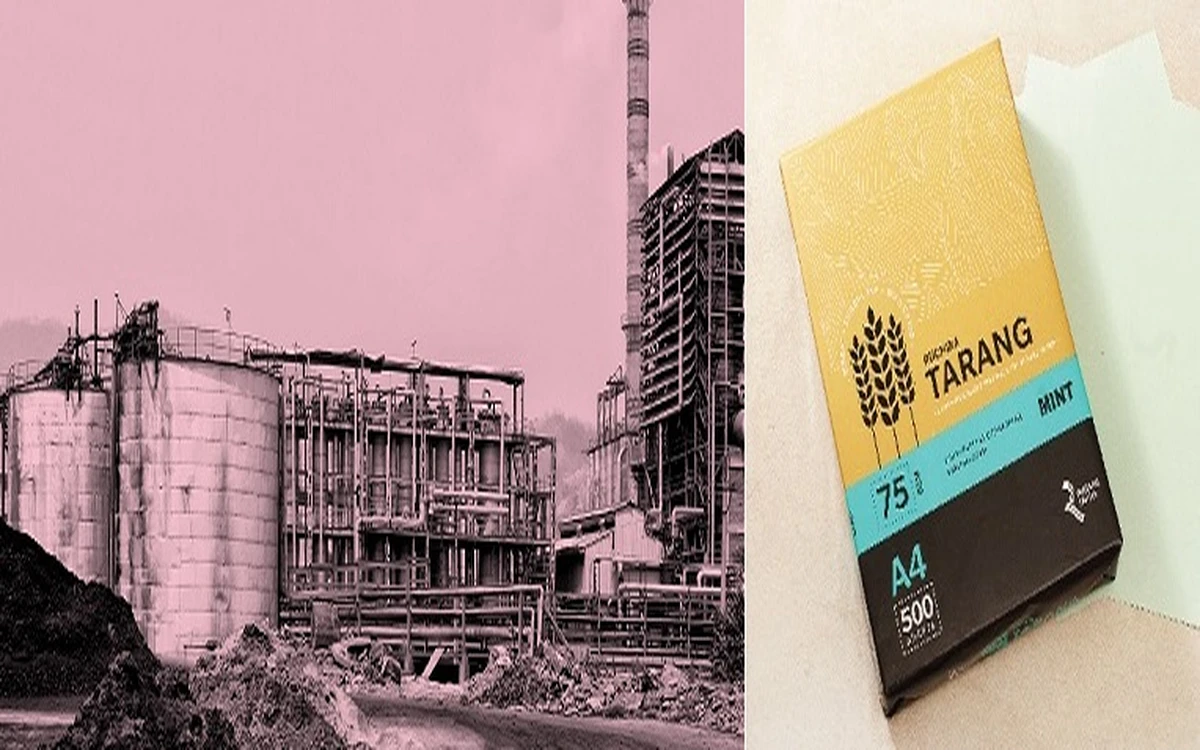
Ruchira Papers Invests a Sizeable Capex of Rs. 235–240 Crore Towards Writing & Printing Paper Capacity Expansion
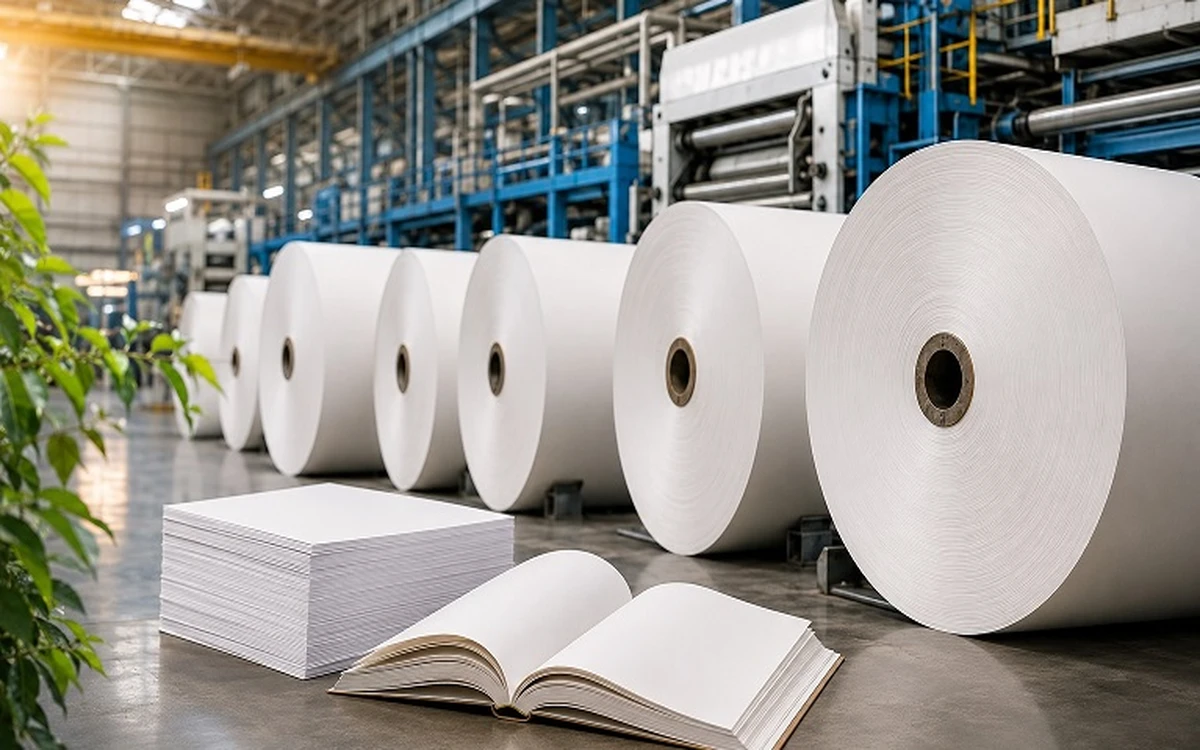
Paper mills inflated the basic ex-mill price of paper post GST 2.0, AINMA seeks action against Anti-Profiteering
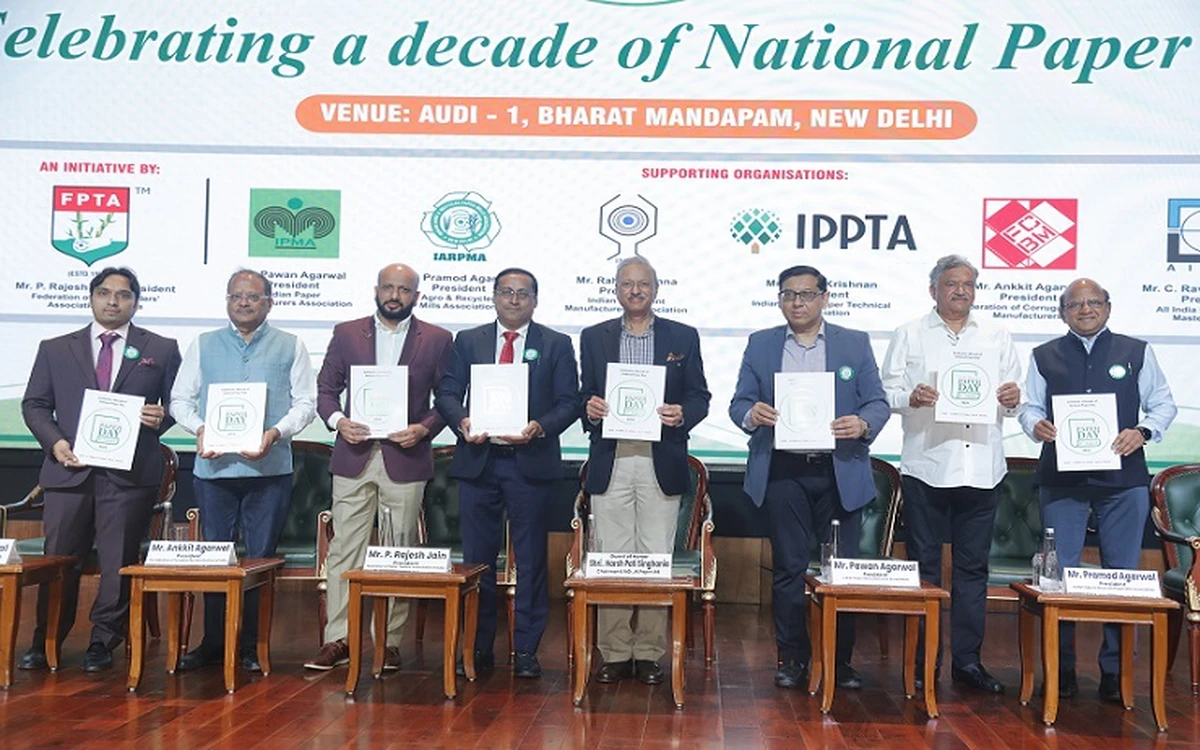
Seven Leading Associations Unite to Celebrate National Paper Day, Highlighting Paper's Sustainability and Circular Economy Advantage
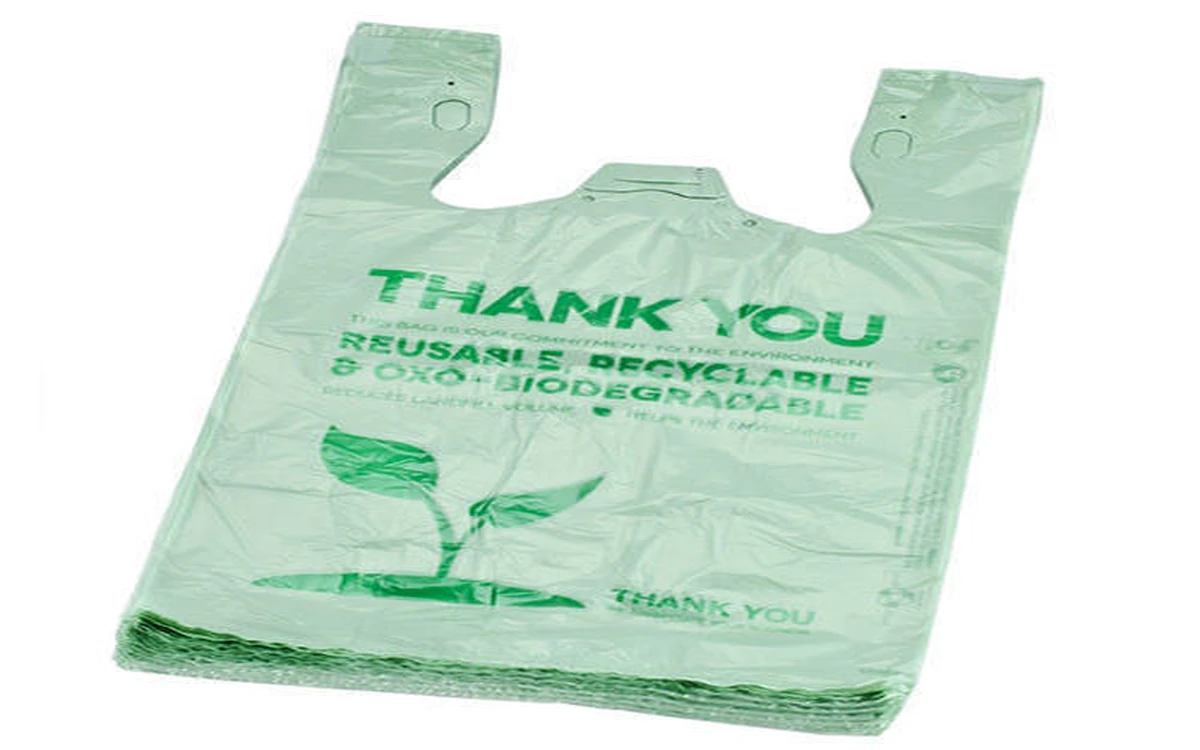
Scientists from IIT-Guwahati develop India's first biodegradable plastic

Navneet Education focuses on brand building, curriculum-led growth, and export recovery; expects stationery margins to improve in FY27

It is estimated that USD10B to USD20B worth of single-use plastic packaging will convert to molded fiber, ZUME
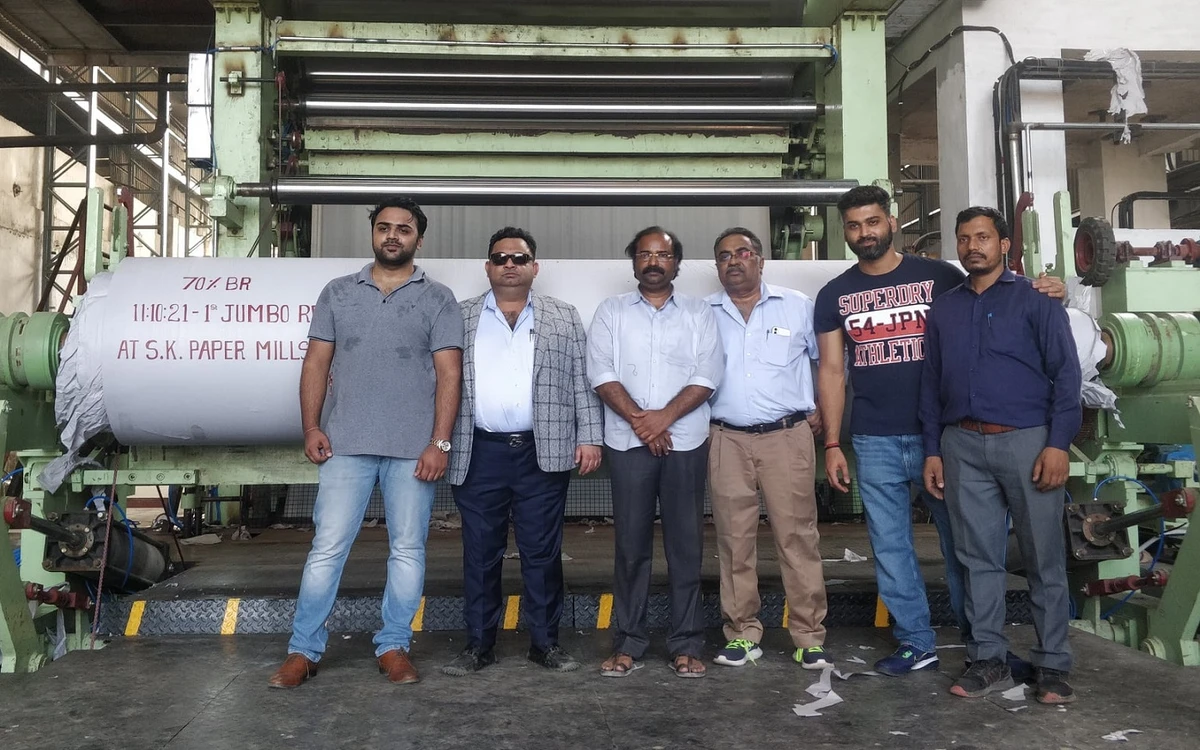
Muzaffarnagar gets a new capacity of Tissue Paper and MG Poster paper

“The integration of digitalization, automation, and Artificial Intelligence (AI) is no longer a futuristic concept—it is the baseline for competitiveness in 2036” - Vinit Garg, Director, Vizen Solutions
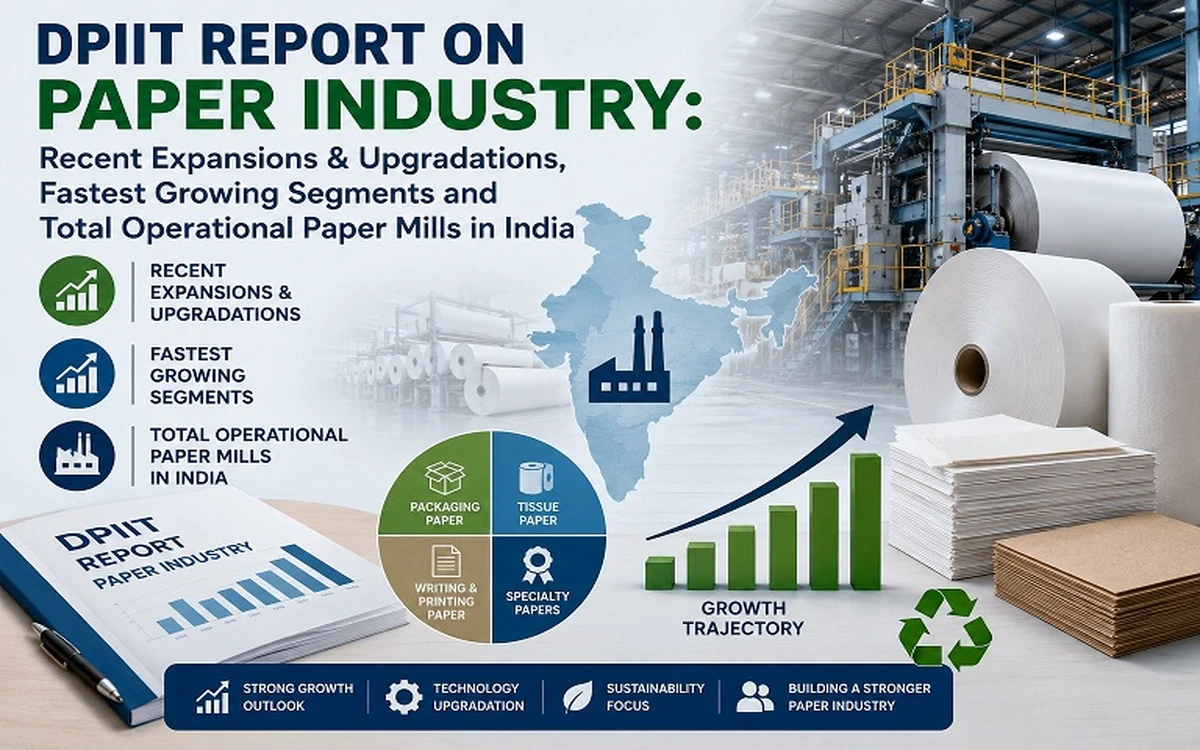
DPIIT Report on the Paper Industry: Recent Expansions & Upgrades, Fastest-Growing Segments, and Total Operational Paper Mills in India
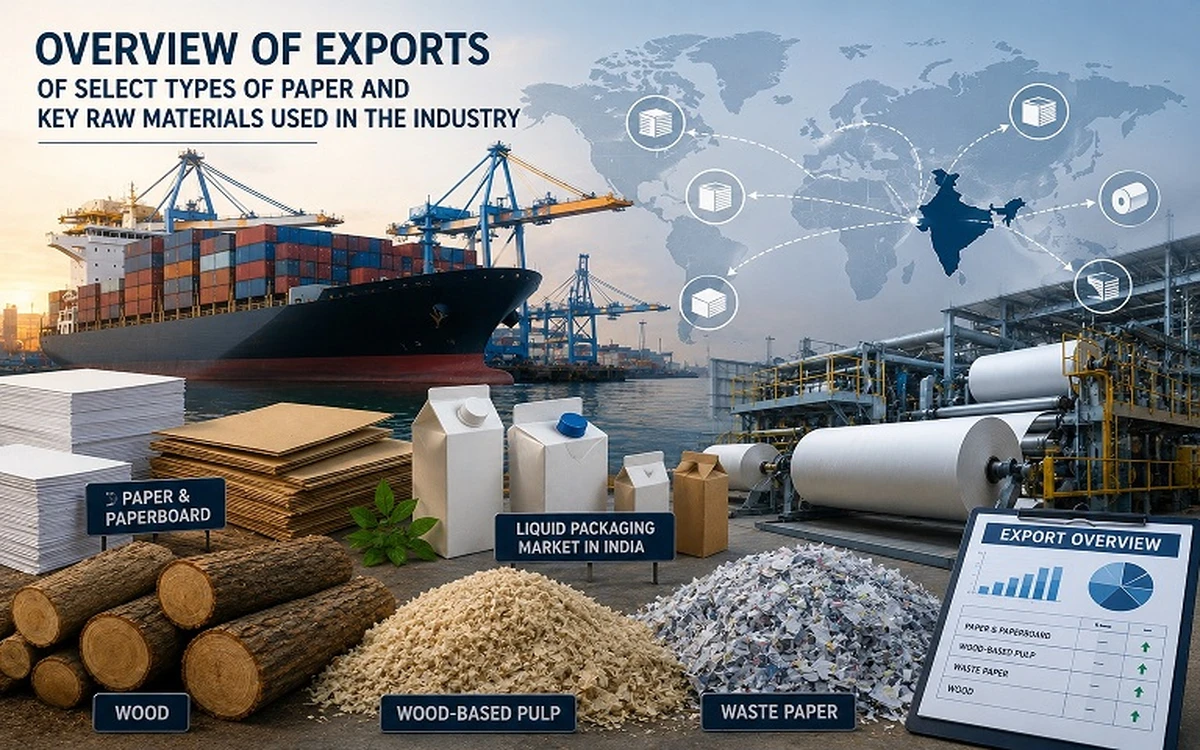
Overview of exports of select type of paper and key raw material used in the industry by Crisil Intelligence

Margin pressure pushes Pulp & Paper Packaging sector toward AI-Driven cost optimization, Cutting costs by 8–20%
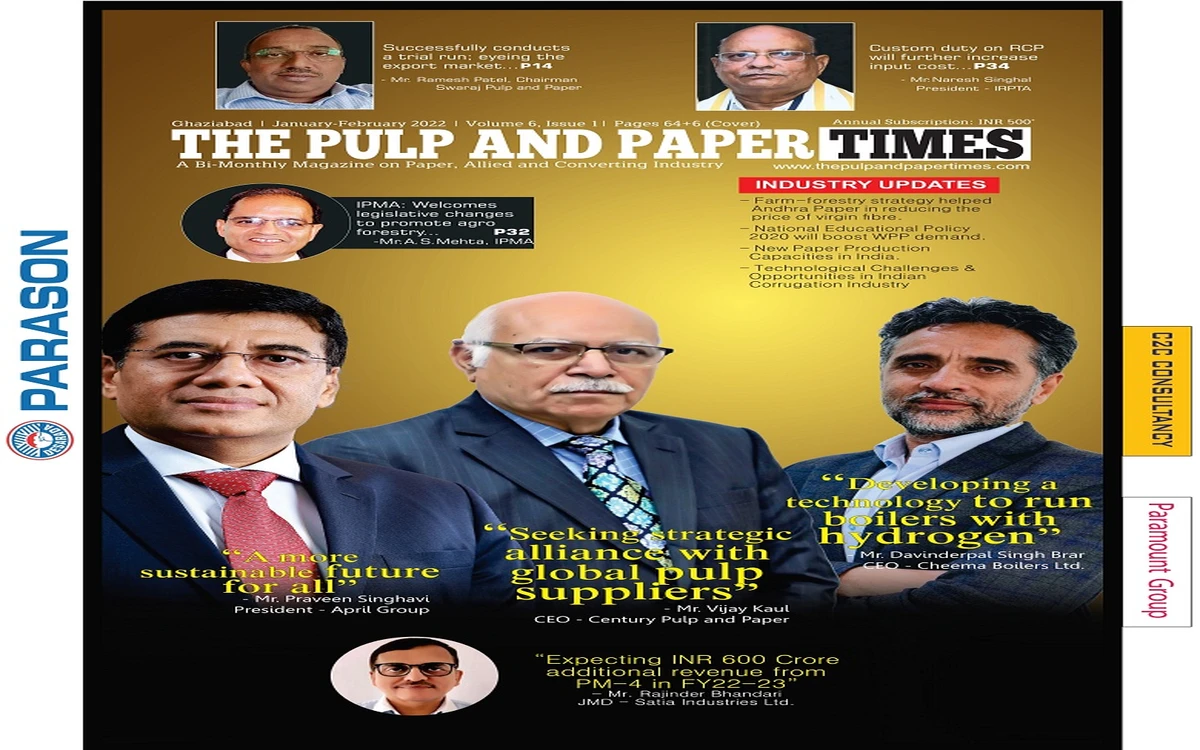
The Pulp and Paper Times Magazine : Volume 6, Issue 1
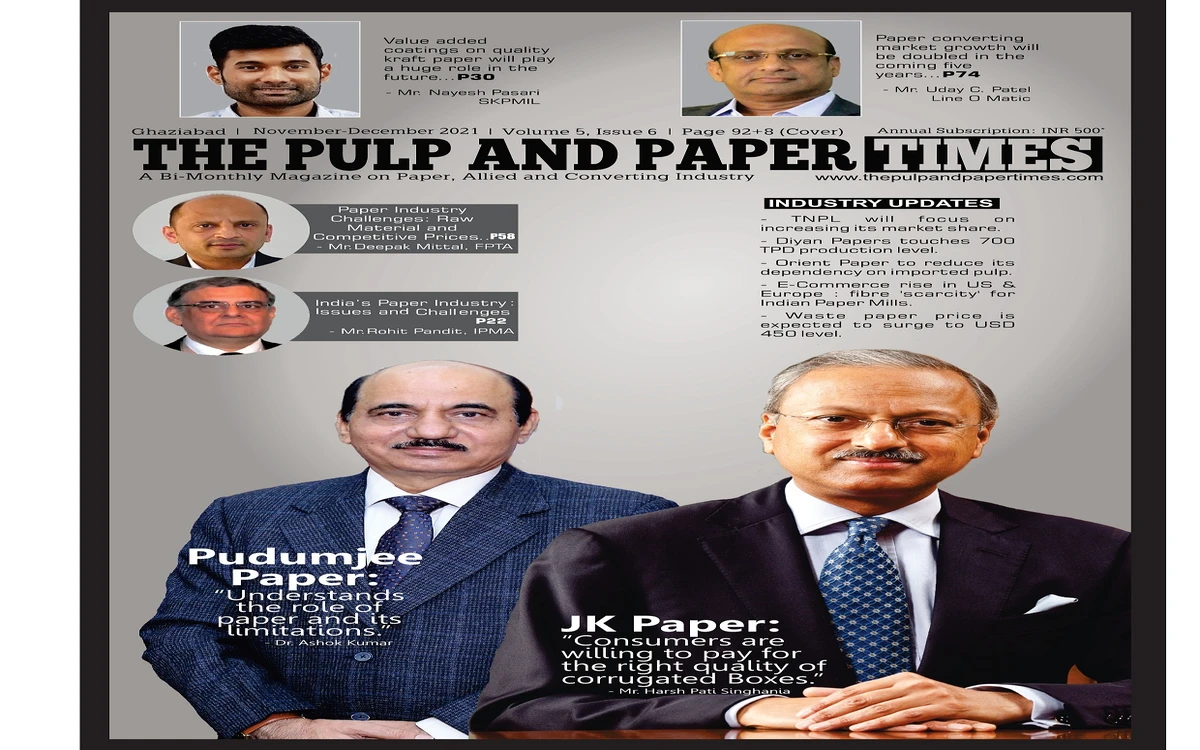
The Pulp and Paper Times Magazine : Volume 5, Issue 6
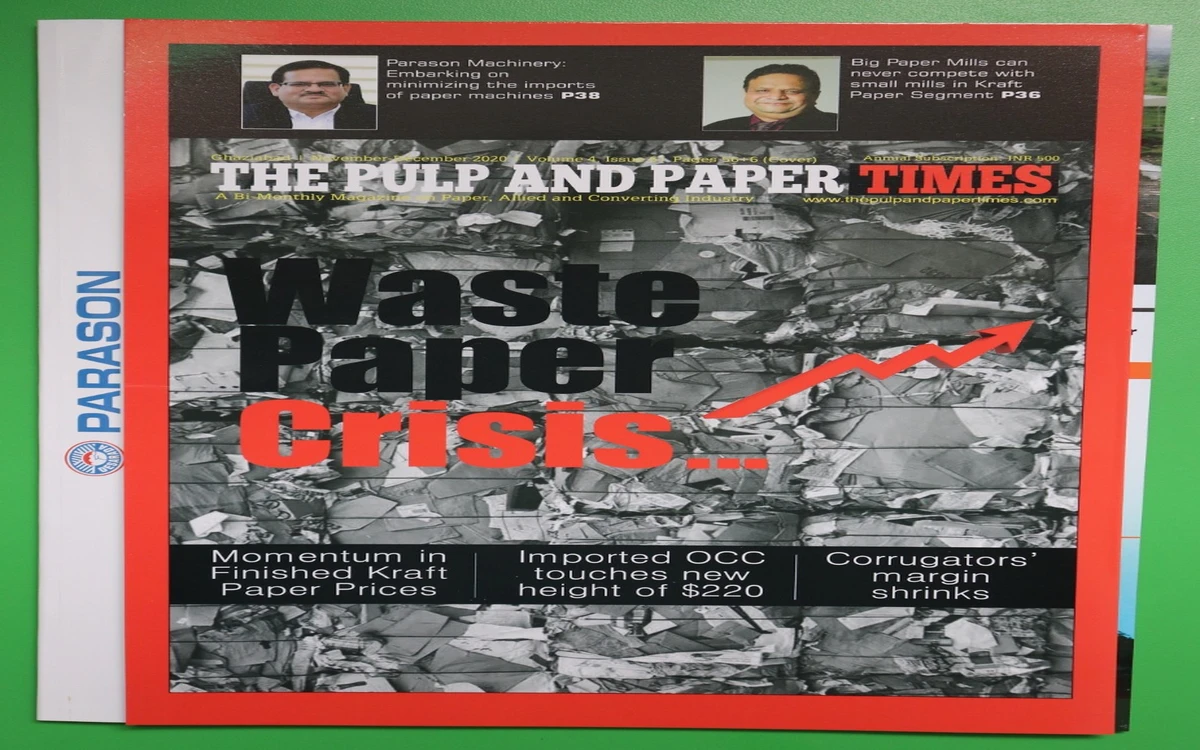
The Pulp and Paper Times: Volume 4, Issue 6
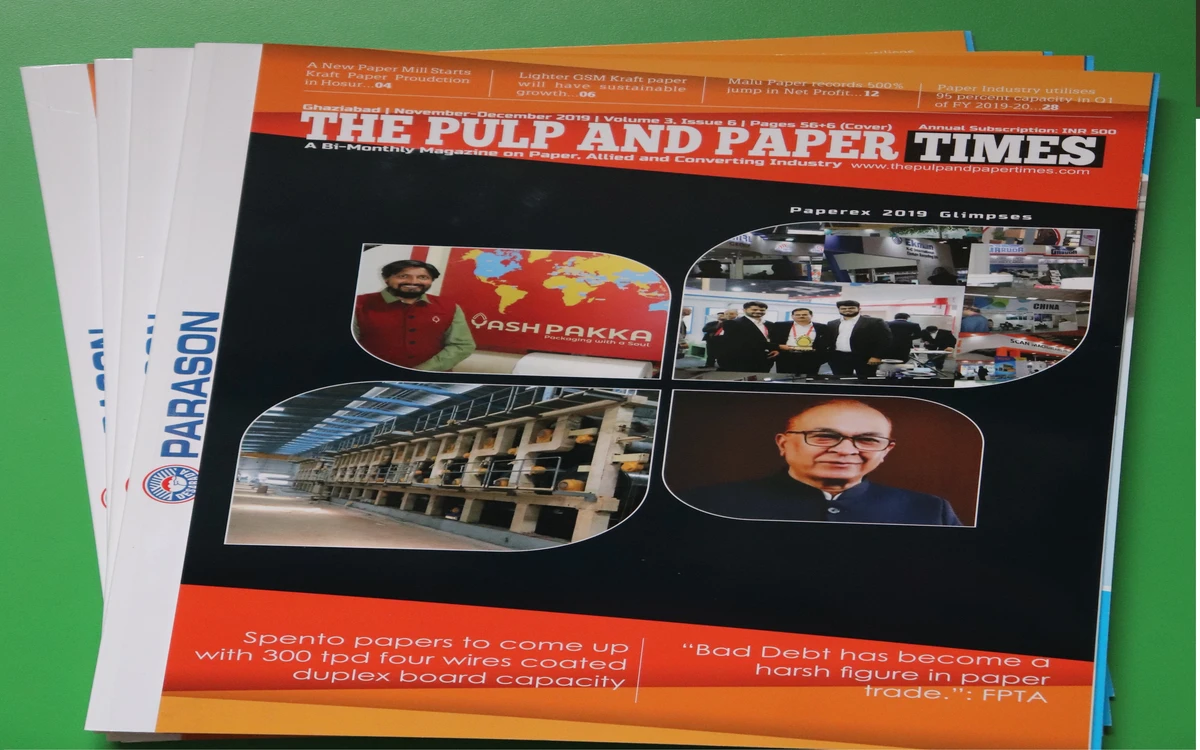
The Pulp and Paper Times : Volume 3, Issue 6
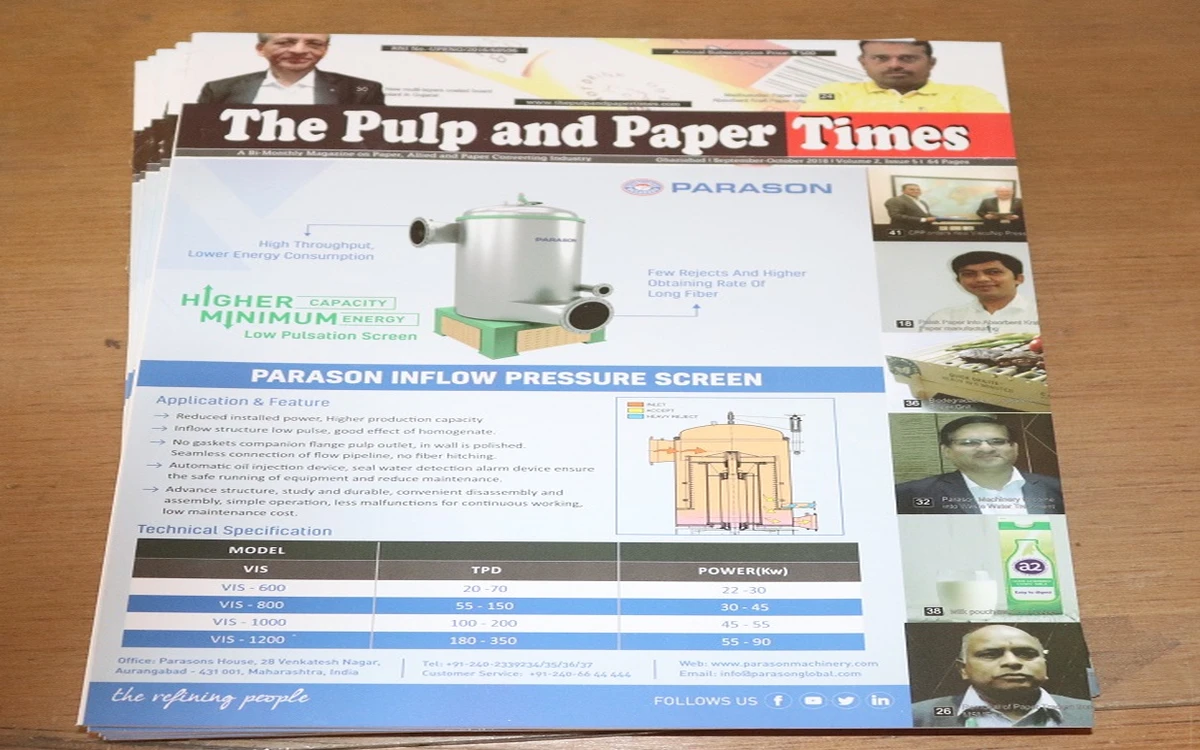
The Pulp and Paper Times: Volume 2 Issue 5
The Pulp and Paper Times, Volume 1, Issue 3
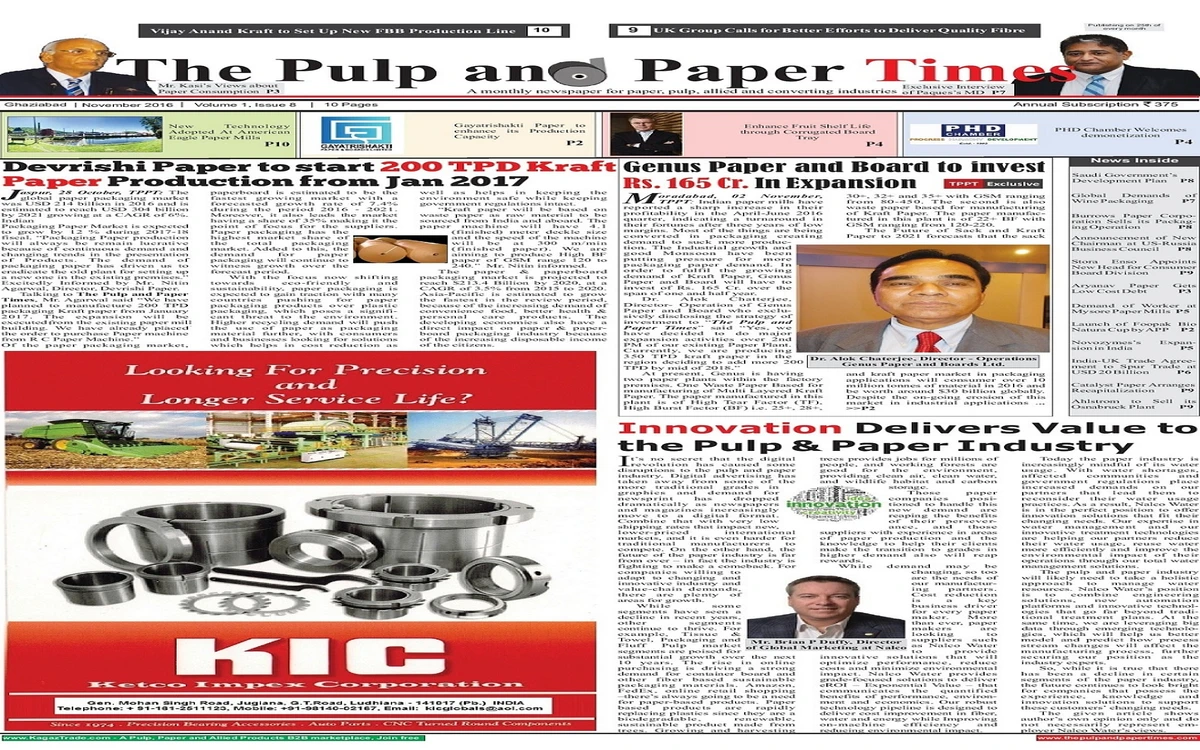
The Pulp and Paper Times, November 2016 Issue

RDF sparks tension as paper mills face pollution allegations; BKU raises concerns in Muzaffarnagar
- One-Month Ultimatum to Paper Mills as Pollution Debate Escalates in Muzaffarnagar
The Pulp and Paper Times
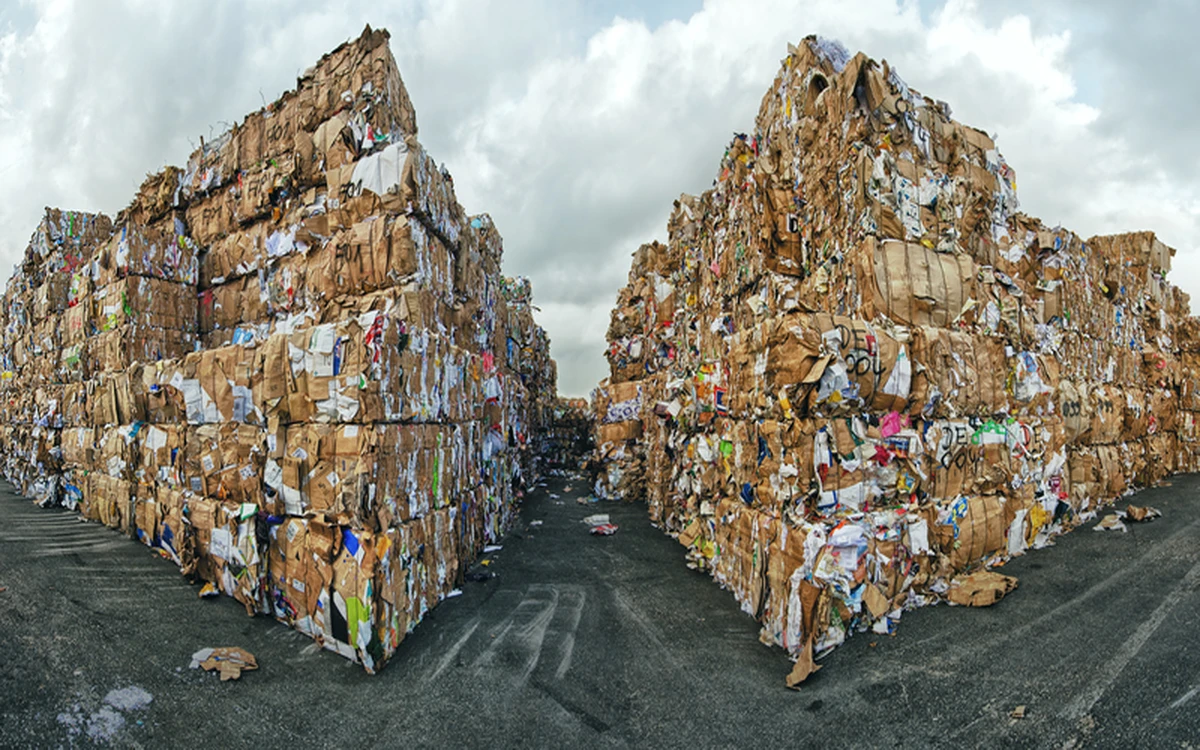
Muzaffarnagar witnessed heightened tensions over environmental concerns as a high-level meeting was held at the District Panchayat auditorium between administrative officials, paper mill owners, other industrialists, and villagers to address rising air pollution, water contamination, deteriorating AQI levels, and poor rural road conditions. The meeting, convened amid growing public anger, saw heated exchanges between villagers and factory owners, while workers of the Bharatiya Kisan Union (BKU) held factories responsible for worsening air quality and staged strong protests.

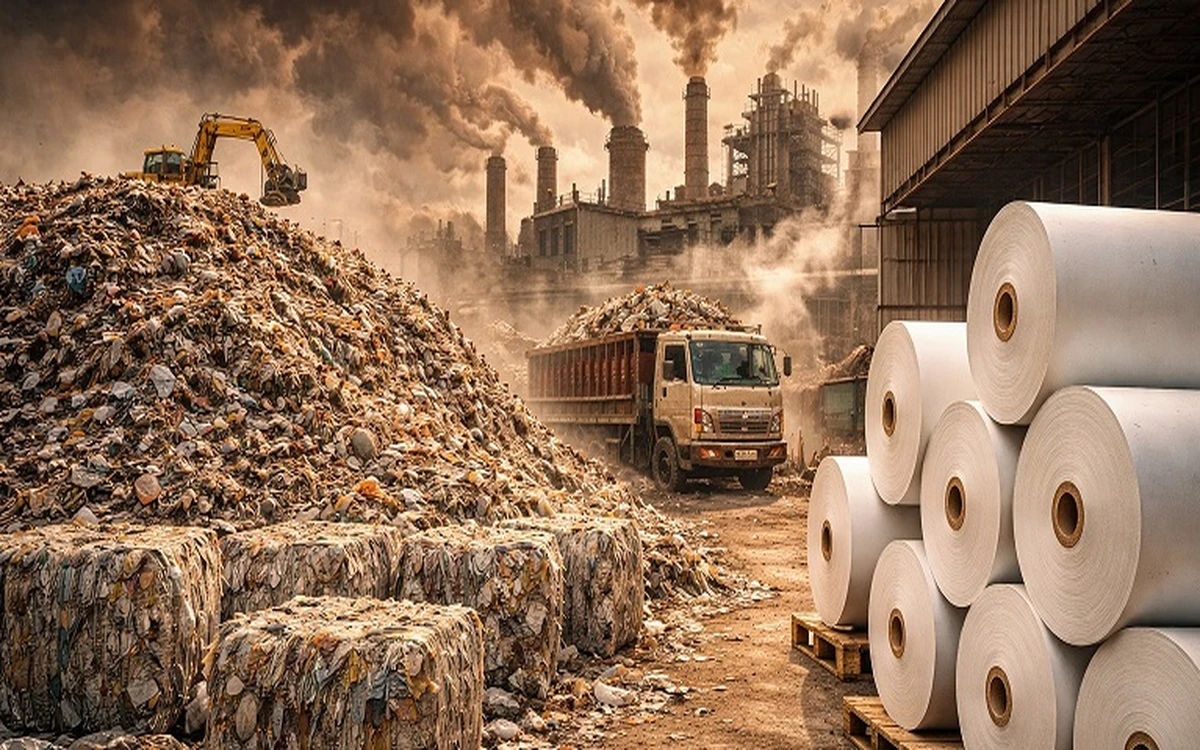
BKU National Spokesperson Rakesh Tikait strongly opposed the transportation of Delhi’s waste to Muzaffarnagar in the name of RDF (Refuse Derived Fuel). He stated that villages would not be displaced to accommodate factories and warned that pollution affecting rural health would not be tolerated. Tikait asserted that Muzaffarnagar would not be allowed to become a dumping ground for waste brought from Delhi, Azadpur, Ghazipur, Uttarakhand, and Punjab, alleging that hundreds of garbage-laden trucks were entering the district daily. He questioned government policies that provide subsidies to factory owners for burning RDF while farmers and villagers continue to suffer the consequences.

Tikait emphasized that BKU is not opposed to industrial operations but insisted that factories must bring immediate improvements in pollution control. He announced plans to launch a “Clean and Green Muzaffarnagar” campaign and warned that peaceful conduct should not be mistaken for weakness. He also alleged that waste burning in factories was being carried out with the backing of authorities and political influence. Villagers later granted factory owners one month’s time to improve air quality, address water pollution, and repair affected roads.

Paper Mill Association President and former Municipal Chairman Pankaj Agarwal stated that paper mills use RDF as approved fuel under the Swachh Bharat Mission and not raw garbage. Responding to this claim, Rakesh Tikait demanded that the District Magistrate and Senior Superintendent of Police personally verify whether the material being transported is RDF or waste, suggesting that trucks should pass through their offices for transparency.

During the meeting, villagers from surrounding areas alleged that polluted wastewater from paper mills was being discharged into the ground, contaminating hand pumps and submersible water sources with black and foul-smelling water. They reported that layers of black soot settle on rooftops, making daily life difficult, and that breathing has become increasingly hazardous. Several villagers claimed that cancer cases are rising in nearby villages due to prolonged exposure to pollution. A cancer patient, Jitendra Kumar, attended the meeting and shared his personal ordeal, stating that paper mills and rubber factories along the Bhopa and Jansath roads emit thick black smoke, with some units allegedly lacking chimneys and operating in violation of environmental norms.

Mr. Pankaj Agarwal clarified that RDF is processed fuel derived from municipal waste, of which only about 25 percent comes from waste dumps like Ghazipur, while the rest is refined material. He said RDF is cleaned before use and is being promoted globally in countries such as the US, Canada, Japan and the Netherlands to generate cheaper power and steam. Agarwal said RDF causes significantly less pollution than coal, reduces costly coal imports and operates under strict monitoring, with online emission systems installed as per UP Pollution Control Board and CPCB norms. He added that industries have invested hundreds of crores in compliant boilers and are regularly inspected by multiple agencies.
Refused Derived Fuel (RDF) is a technology capable of converting waste into energy, recovering recyclable materials, reducing carbon emissions, and reducing the use of fossil fuels.

Additional District Magistrate (Administration) Sanjay Singh and SP City Satyanarayan Prajapat appealed for cooperation from both villagers and industrialists. The police urged factory owners to strictly follow prescribed standards to prevent public hardship, while officials from the Pollution Control Board assured that inspections would be conducted and necessary action taken against violations. Due to the volatile atmosphere, additional police personnel were deployed at the venue to prevent any untoward incident.
It was decided that a committee comprising representatives from five of the most affected villages would be formed to monitor pollution levels and submit a report. The next meeting on the issue is scheduled for February 2. Tikait stated that factories can continue operations only if they function within the system and comply with environmental norms.
Pankaj Agarwal later alleged that undue pressure and an atmosphere of fear were being created around industrial operations. He said that factories are equipped with expensive boilers and pollution control systems, and if any unit is found burning waste, authorities are free to take strict action. He warned that if intimidation continues, factory owners may be forced to shut operations and hand over the keys to the District Magistrate, even stating that businesses could be moved elsewhere. However, he concluded by saying that industrialists and villagers are part of the same community and assured that mistakes, if any, would be corrected in line with the directions given by Rakesh Tikait.

1 days ago
Total Views : 3653
3 days ago
Total Views : 1951
last week
Total Views : 2859
last week
Total Views : 2608

last week
Total Views : 799
last week
Total Views : 1357
2 weeks ago
Total Views : 3959
2 weeks ago
Total Views : 2824

2 weeks ago
Total Views : 827
2 weeks ago
Total Views : 3688