
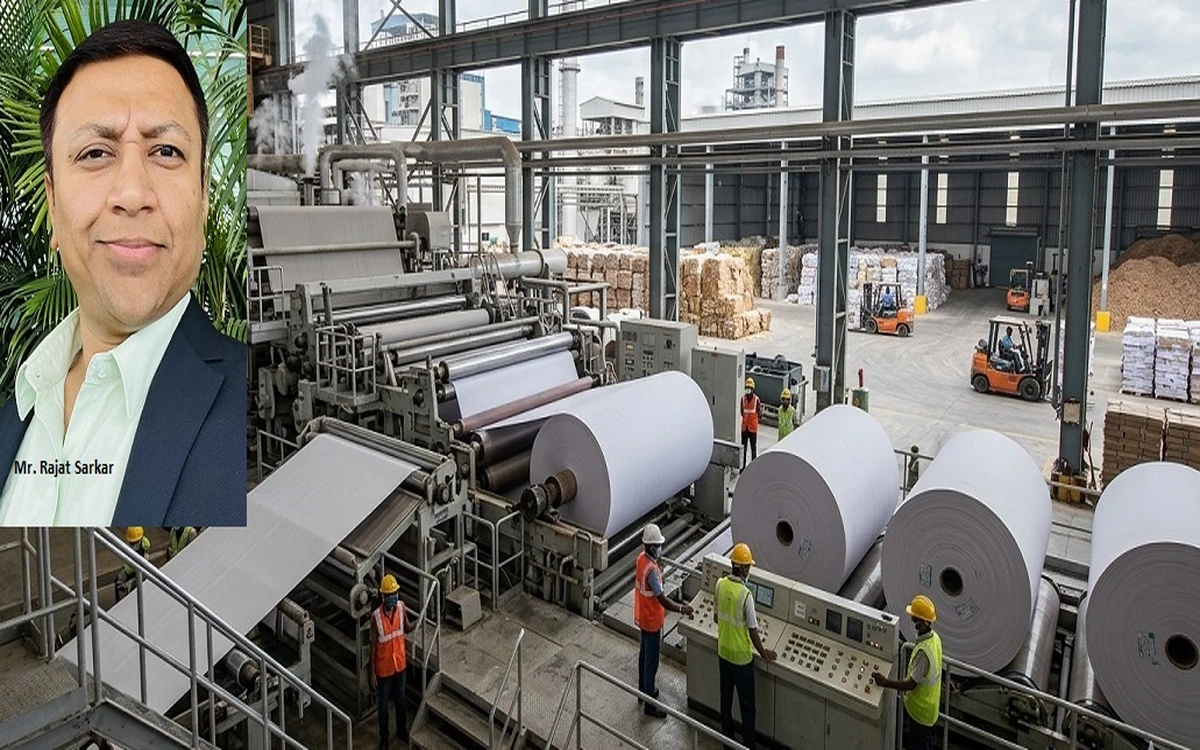
India Paper Industry at an Inflection Point: War, Costs, and Capacity; Demand growth expected at 5–7% in FY26
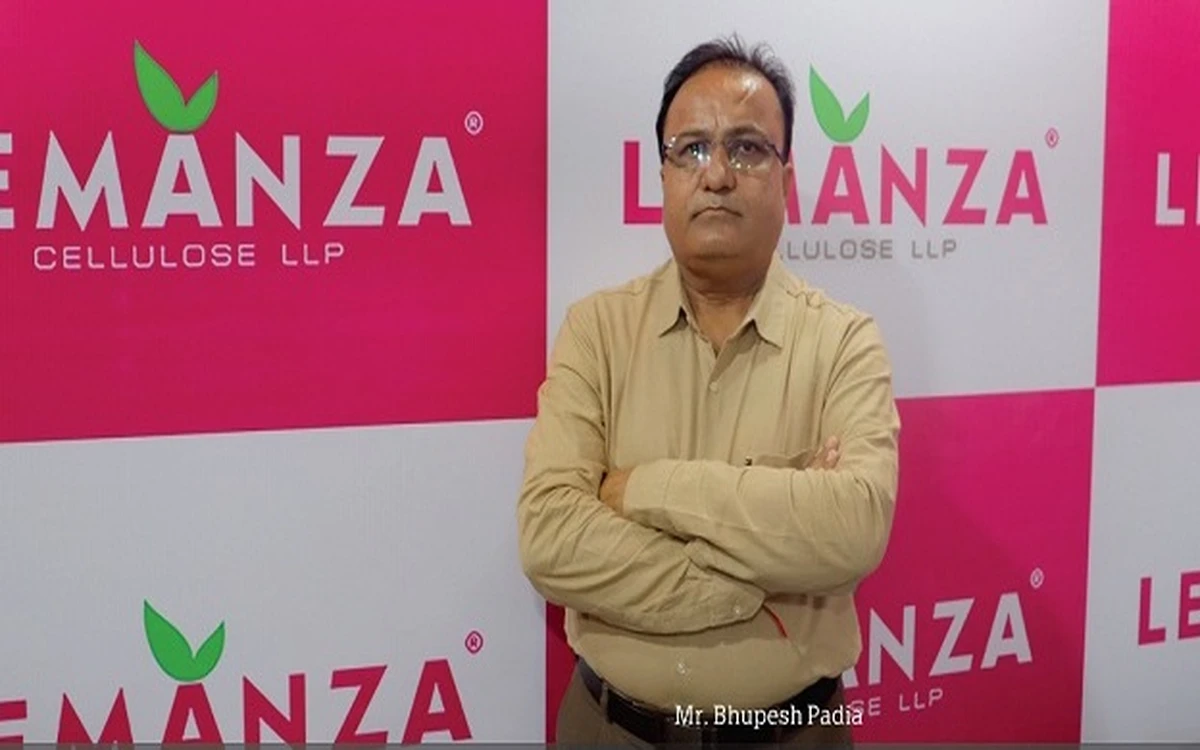
A new capacity in Tissue and specialty paper mfg.; Machine Design, Installation, and commissioning by Saloni Paper Machines
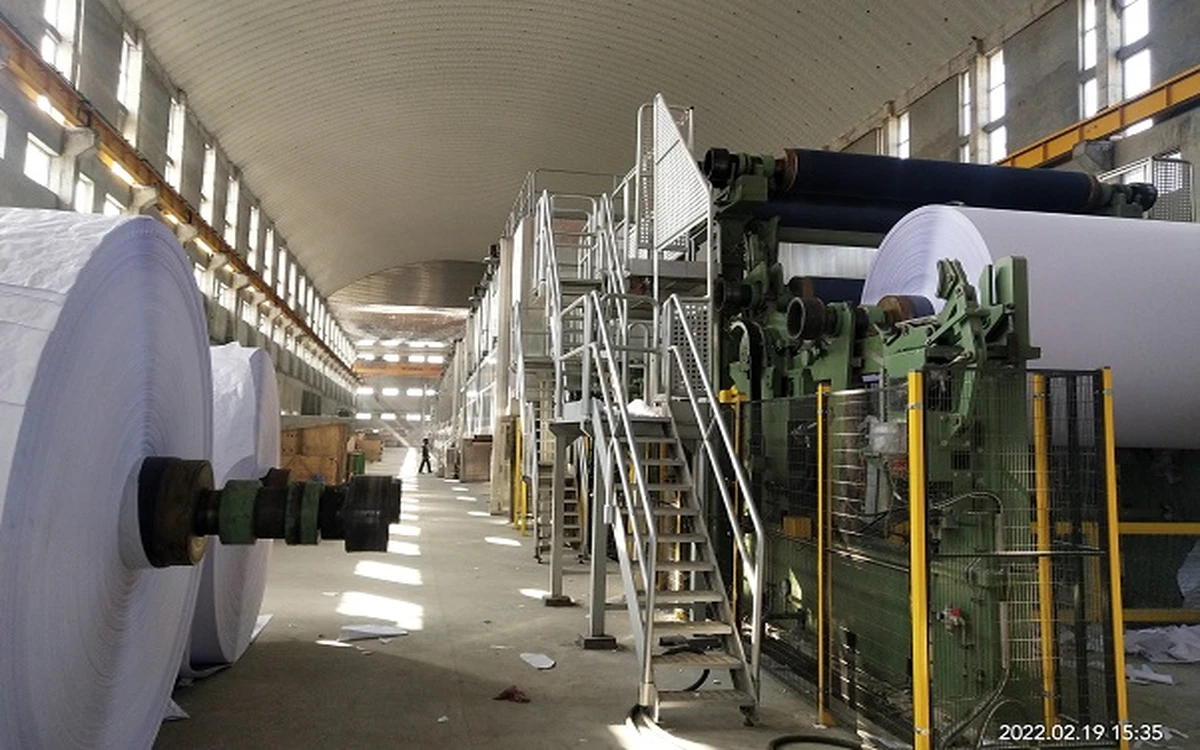
Satia Industries: better product mix and higher sales realization drive increased revenue in Q2FY23
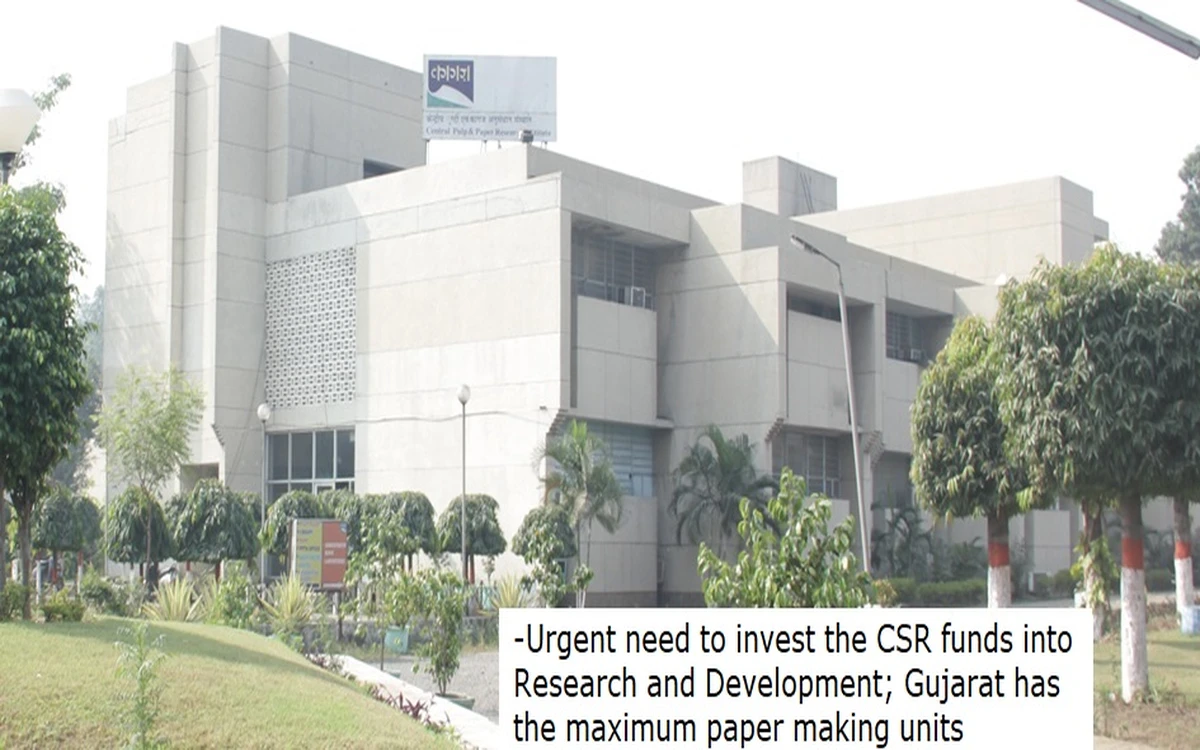
CPPRI: Paper Industry contributes Rs. 8000 Crores to the National exchequer with a turnover of Rs.70000 Crores
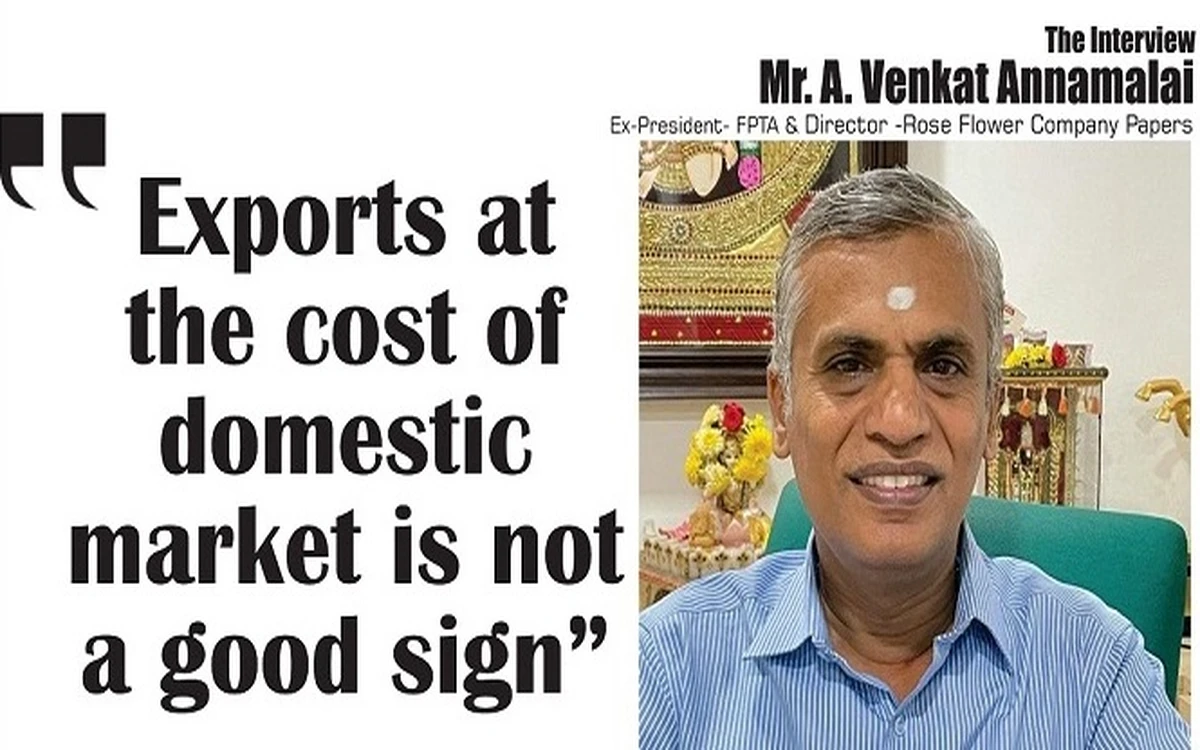
“Surging exports of paper will most certainly keep the domestic prices quite high”: Mr. A. Annamalai, Director – RFC
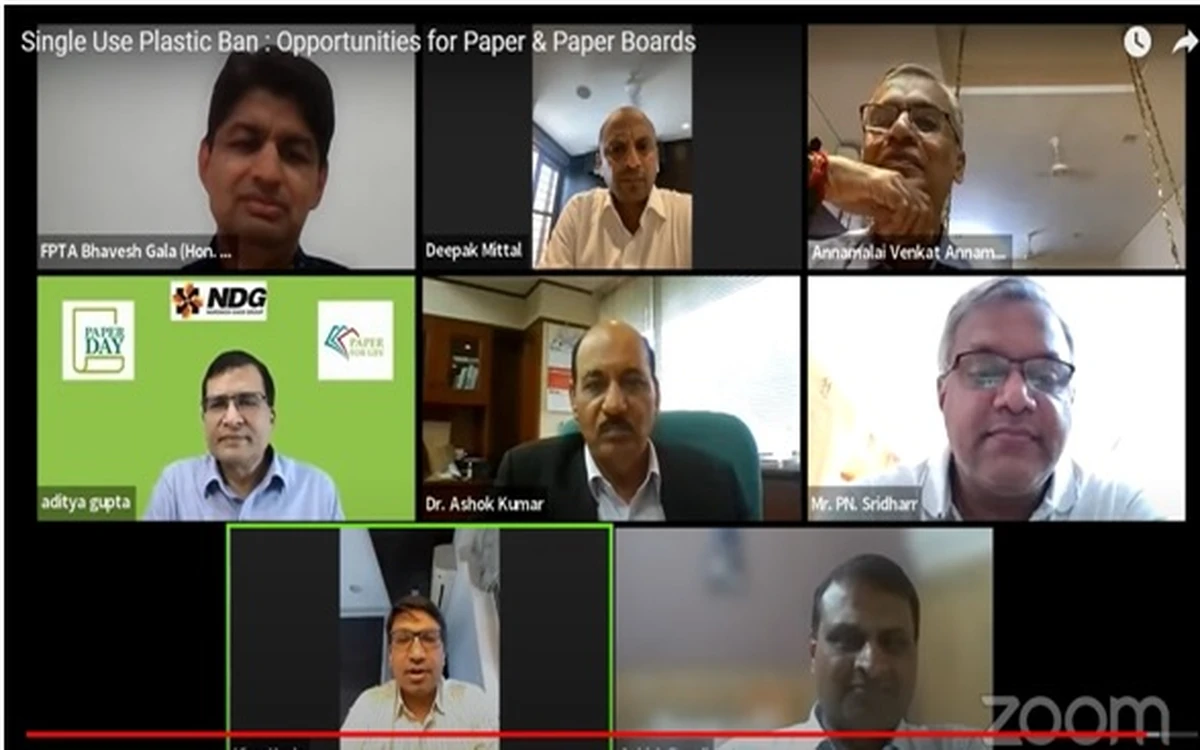
Single-Use Plastic Ban: Everything, at each level, alternative for plastic will be expected from paper
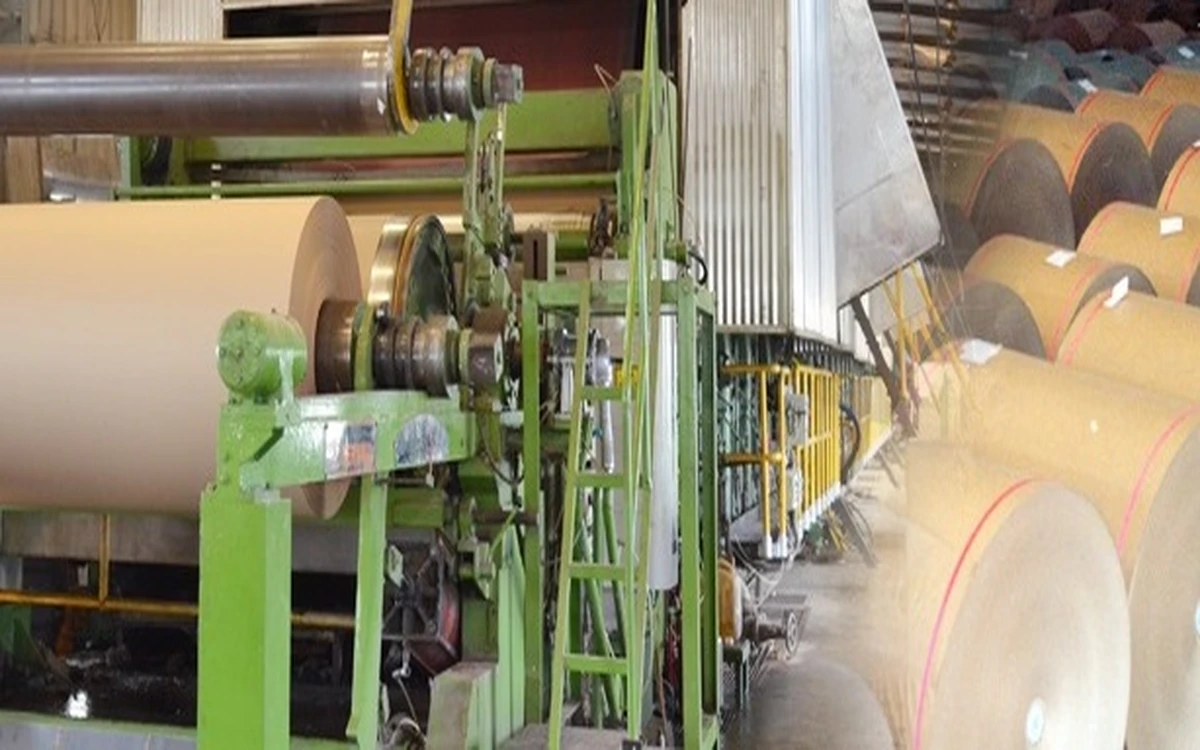
The Status of the Global Container board Industry, Recycled Paper Demand and Supply and its impact on the Indian Industry

Akshay Jain, director of Silverton Pulp & Paper, says it's time to promote agro residue as a raw material to lessen the scarcity of fibre
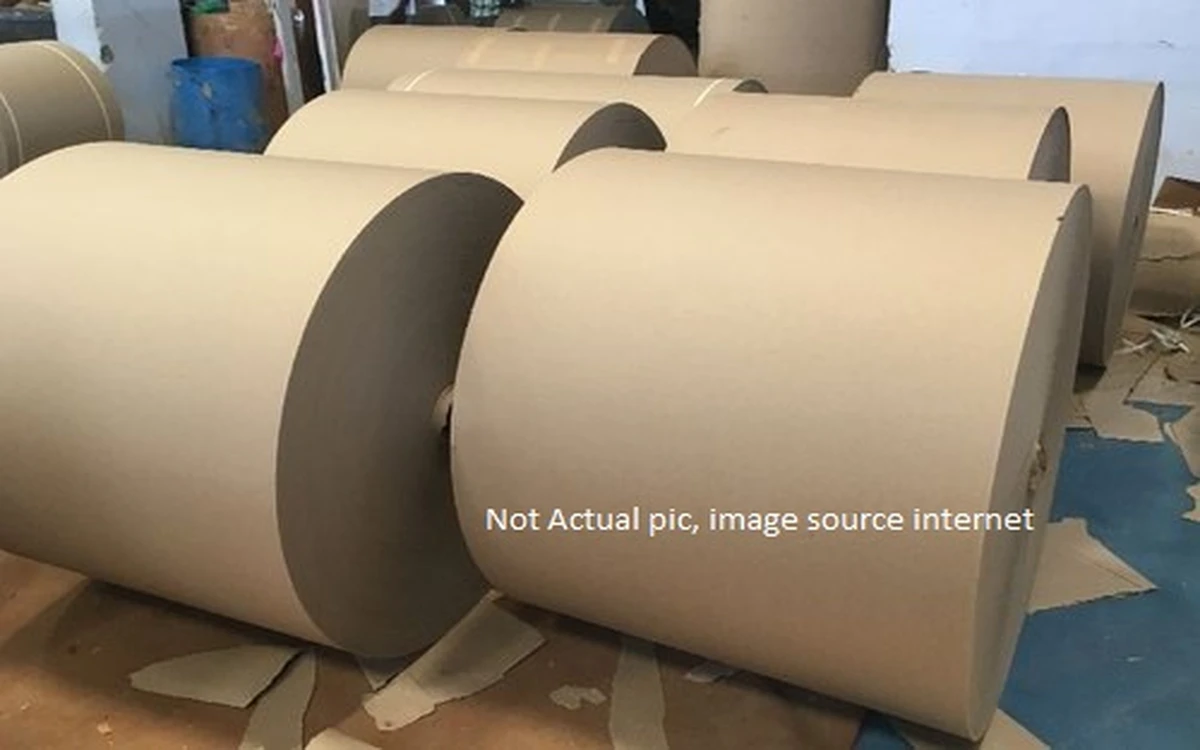
Advantageously located, a new paper mill is all set to roll kraft paper in Madhya Pradesh
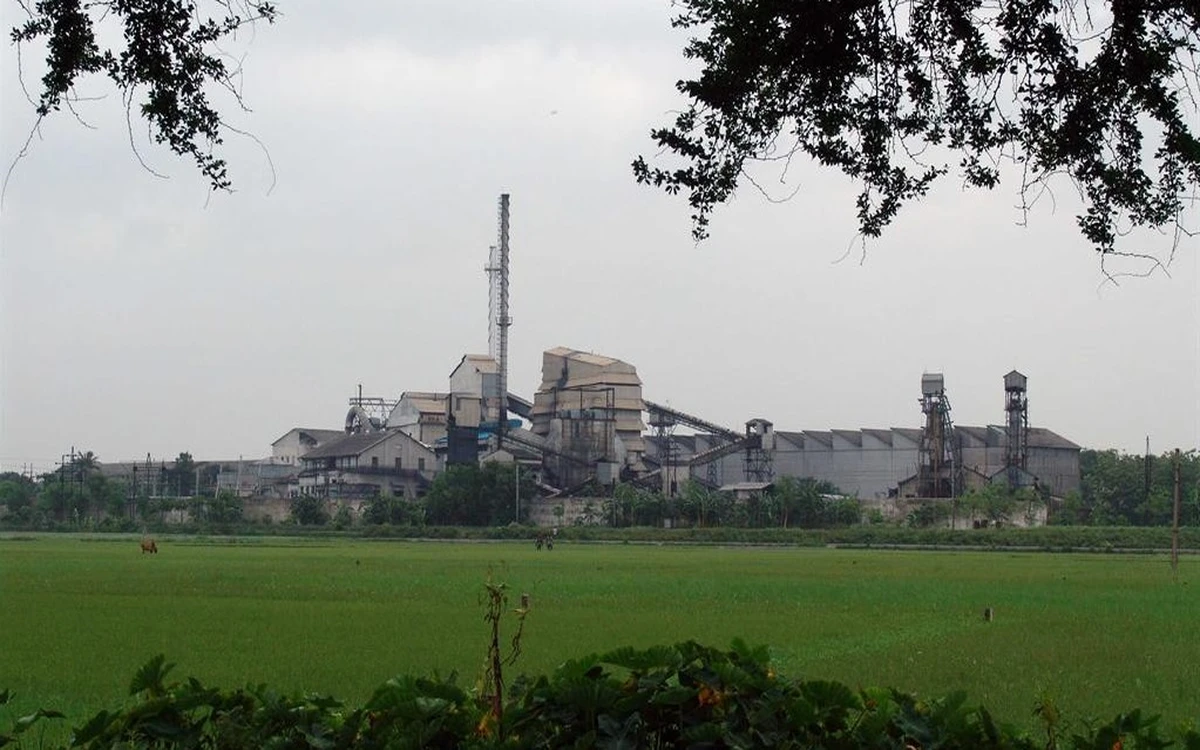
Several agile interventions helped ITC-PSPD fortify its clear leadership of the Value Added Paperboards (VAP) segment

Indian Paper Industry under pressure; Mills announce multi-phase price revisions
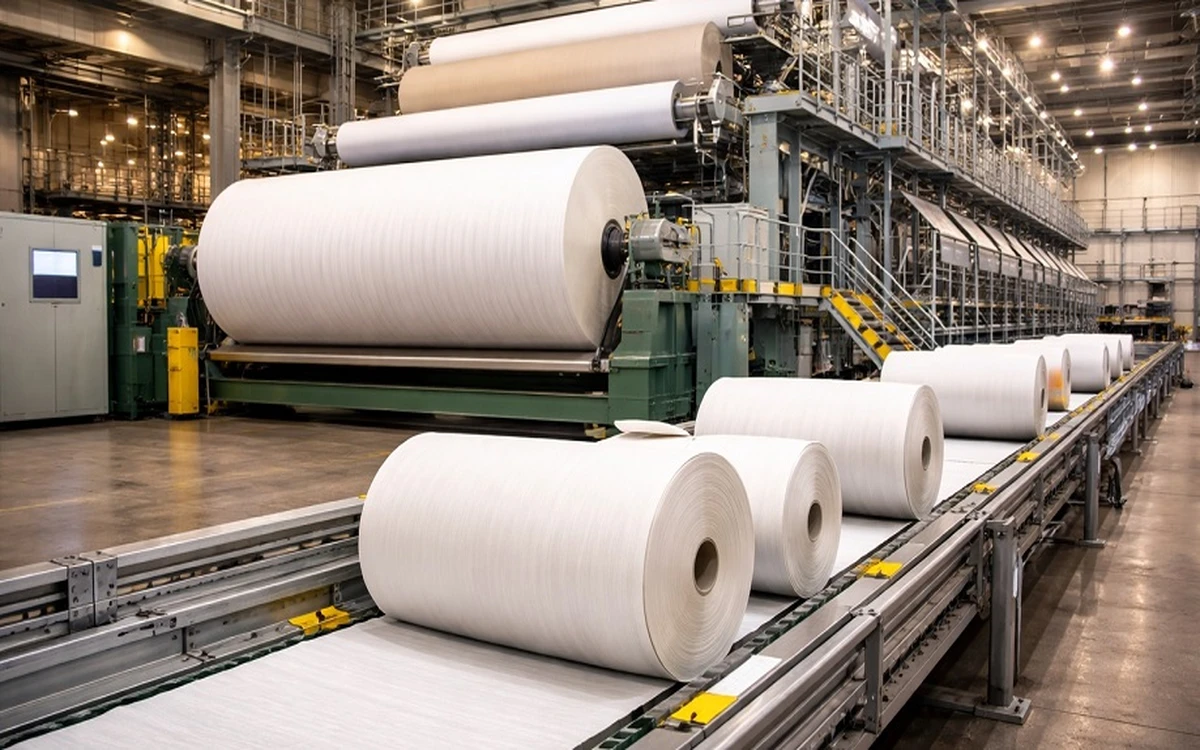
Orient Paper and Industries revises capex plan, Approves 23,400 TPA new Tissue Machine at Amlai unit

“Paper mills are supplying at 0% GST but with a increased price to the extent of their Input credit loss,” says Mr. Shailendra Gala of Navneet Education
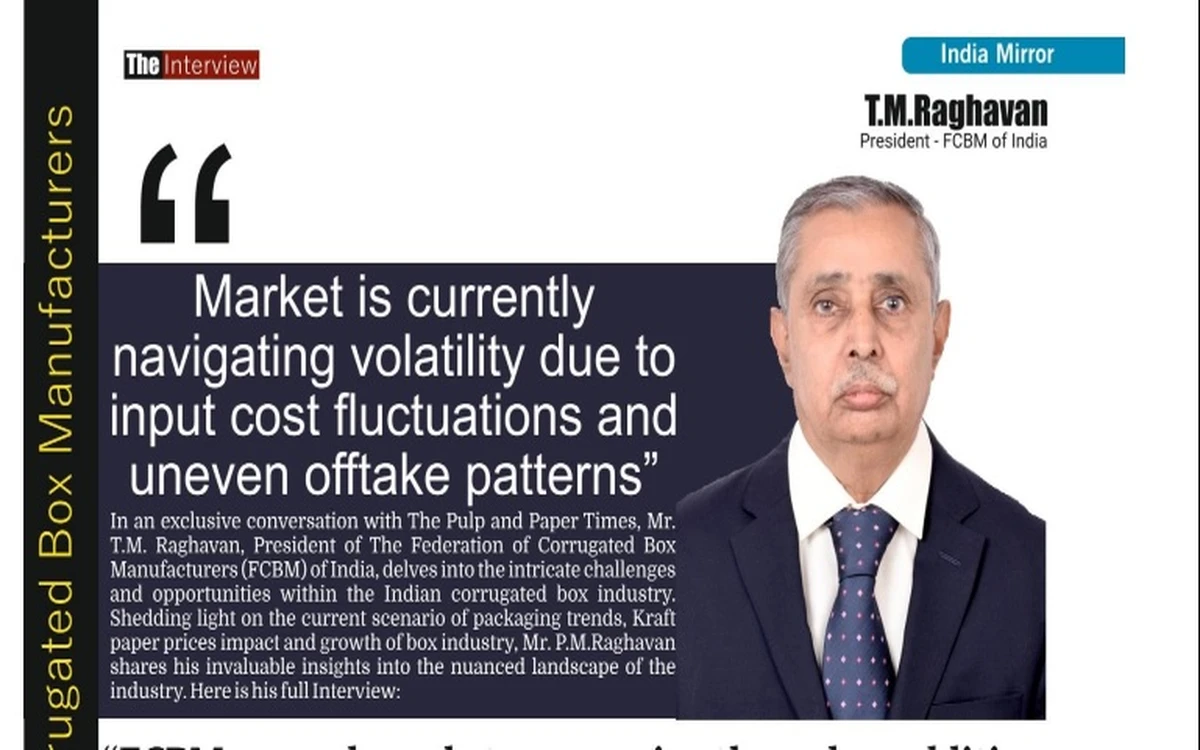
“FCBM urges brands to recognize the value addition by corrugators and ensure equitable pricing,” says Mr. T. M. Raghavan of FCBM
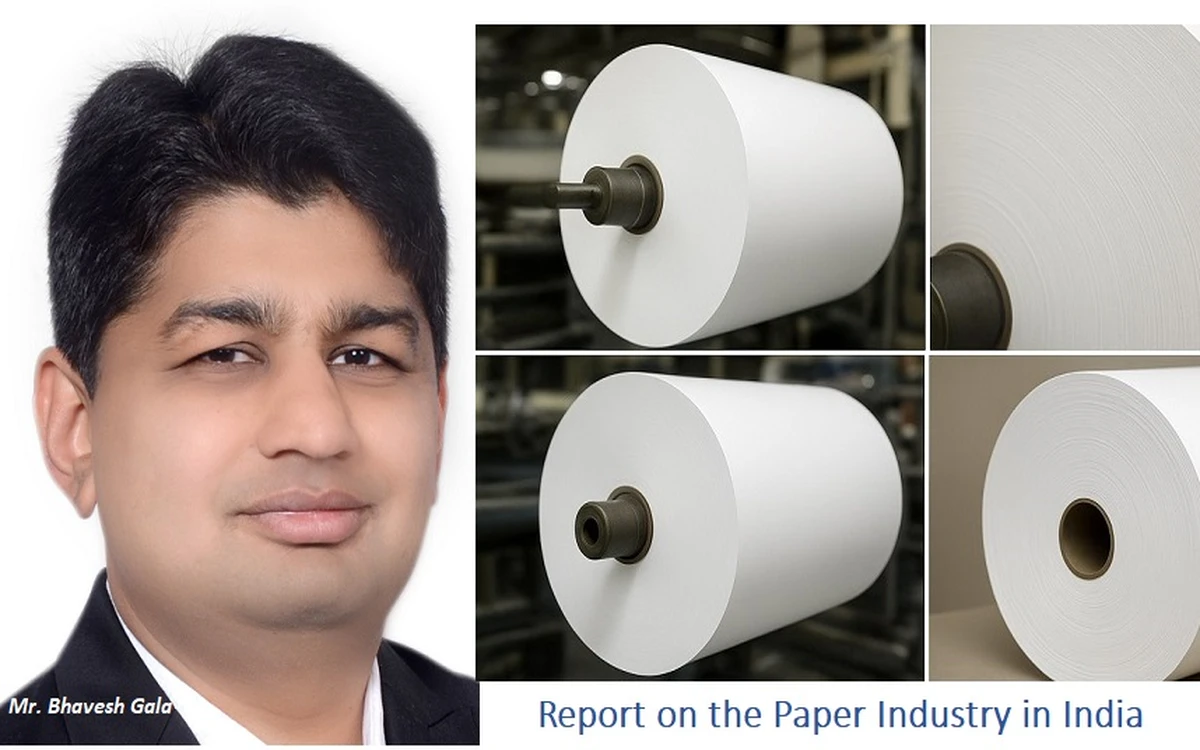
Paper Market scenario of WPP, Coated, and Packaging Boards, and MIP impact: Insights by Mr. Bhavesh Gala
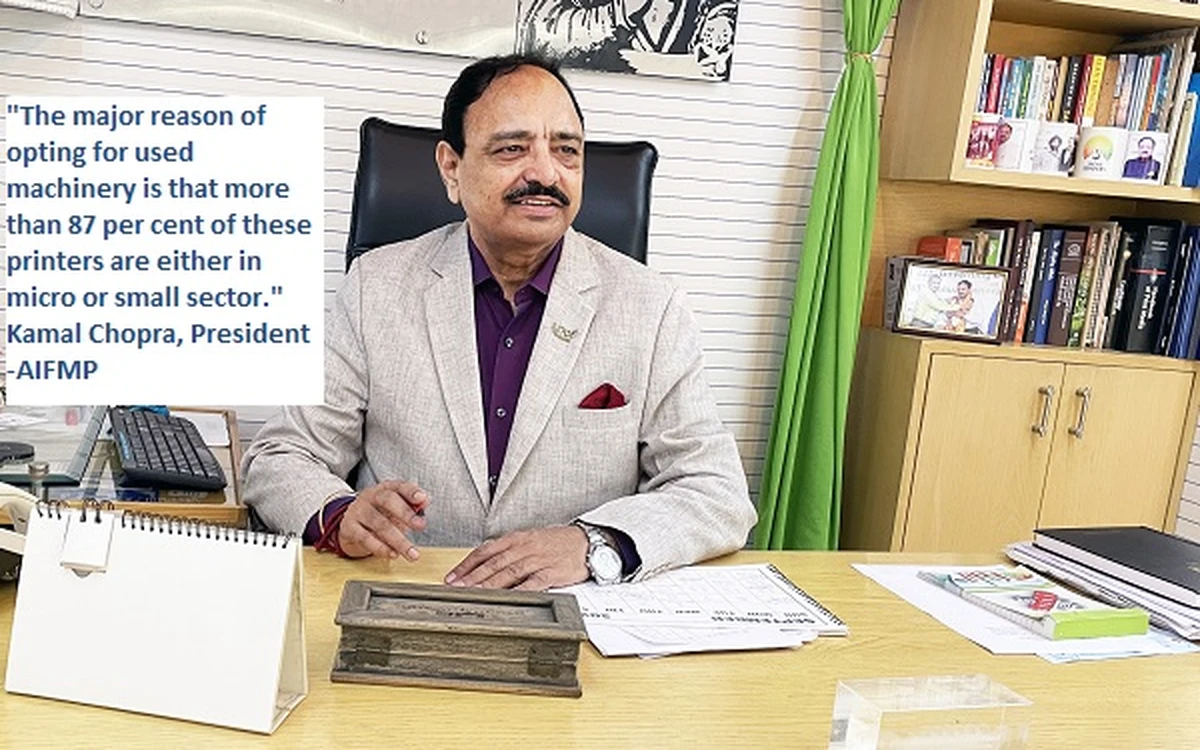
"We have to think unique and produce distinct items to remain in the business, Printers are stuck between manufacturers and customers", Says Kamal Chopra, President - AIFMP

Scientists from IIT-Guwahati develop India's first biodegradable plastic

EBMA: With books exempt from GST, imported finished books enter India tax-free; notebook prices may climb 15–20% with GST hike

It is estimated that USD10B to USD20B worth of single-use plastic packaging will convert to molded fiber, ZUME
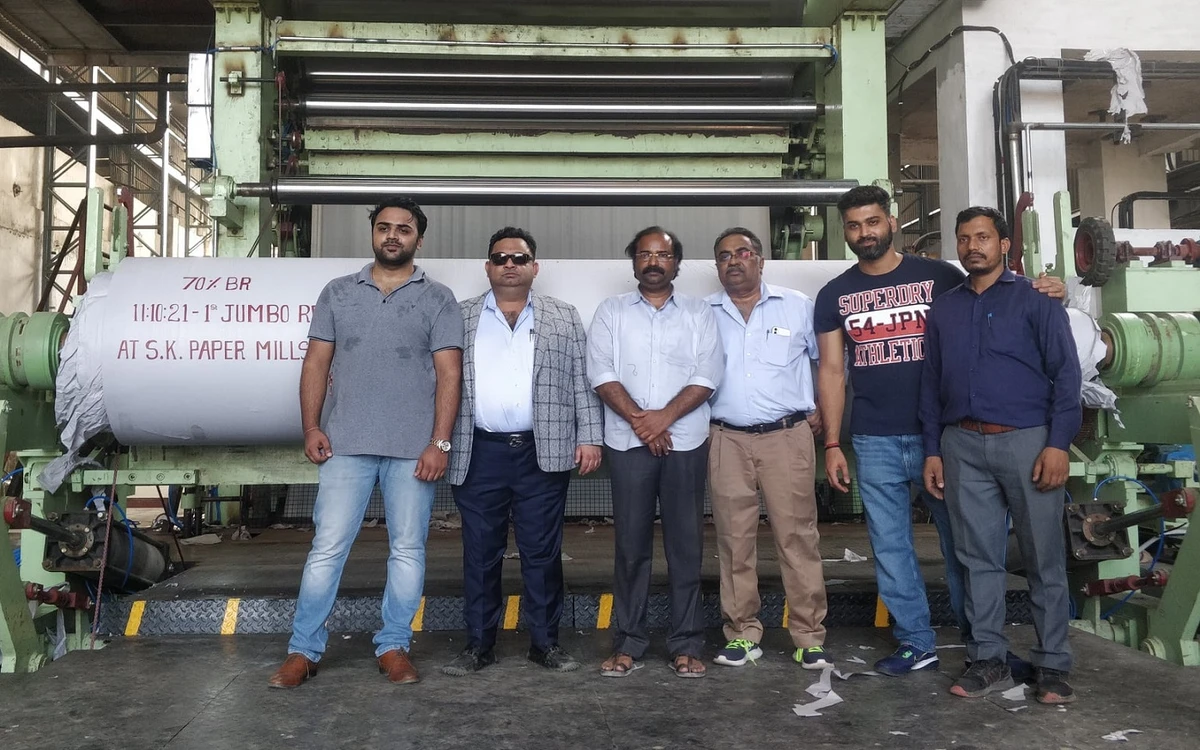
Muzaffarnagar gets a new capacity of Tissue Paper and MG Poster paper
India Paper Industry at an Inflection Point: War, Costs, and Capacity; Demand growth expected at 5–7% in FY26

Barrier-Coated Paper, RTE Demand, and E-Commerce: Experts Predict Paper-Based Packaging Market to Reach USD 46 Billion by 2030
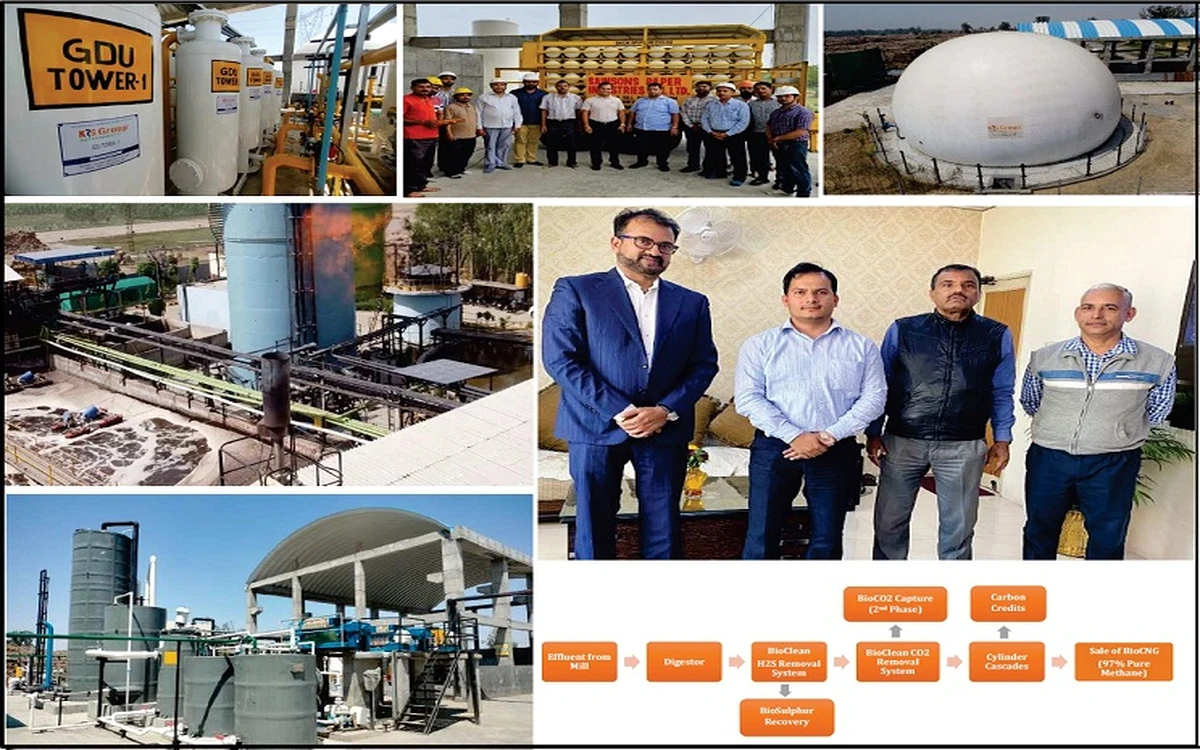
BioCNG from paper mill effluent: India’s & Asia’s First Paper mill, Sainsons Paper to Produce & Sell CBG/BioCNG From Waste Water
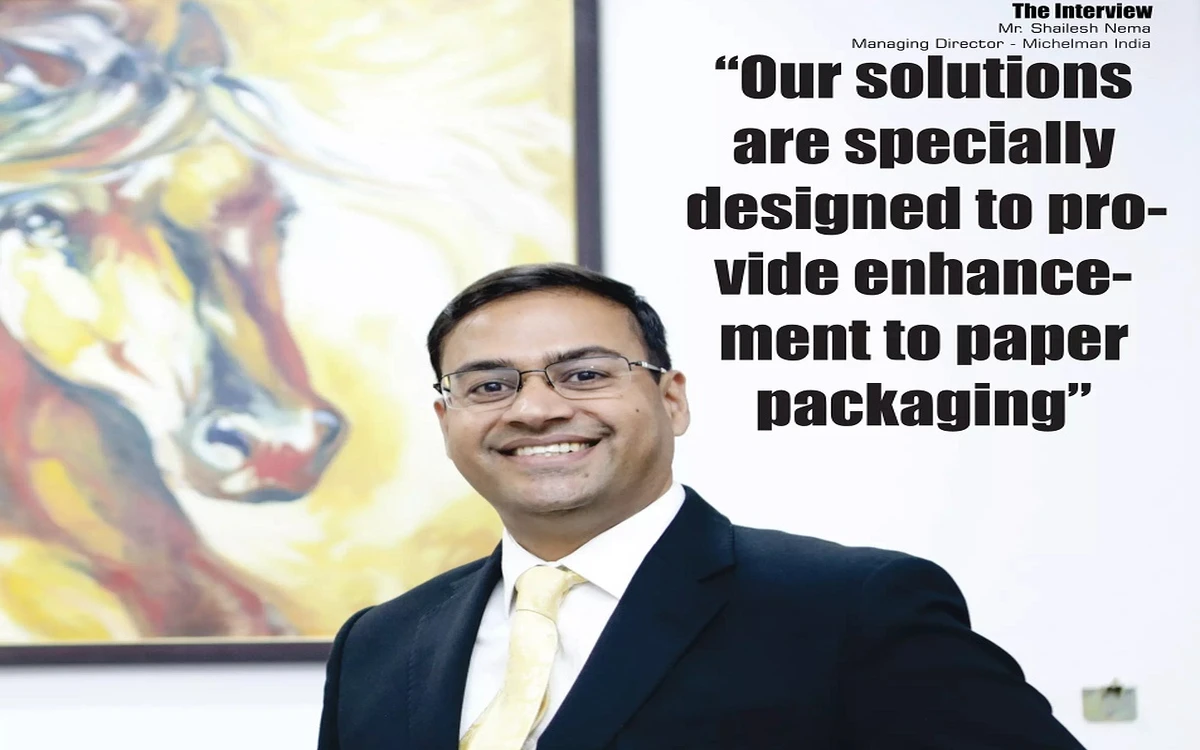
Michelman: Coating Solutions especially moisture and gas barrier on paper significantly improves the shelf life of food
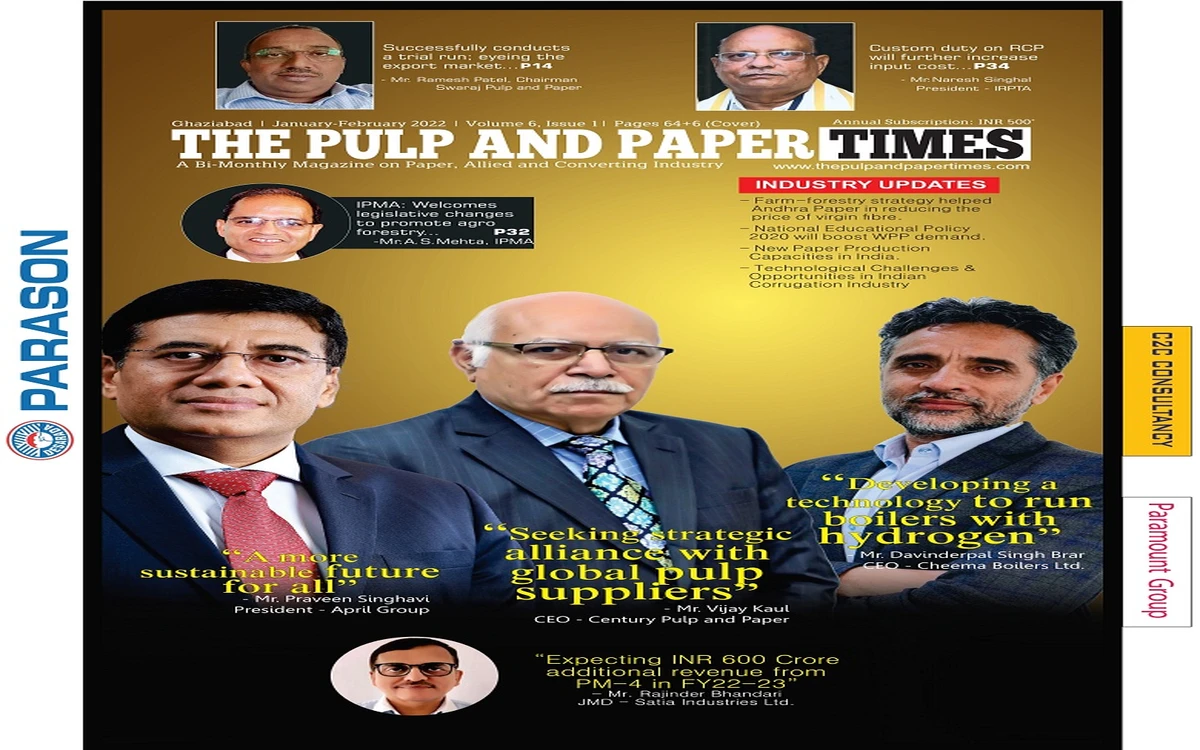
The Pulp and Paper Times Magazine : Volume 6, Issue 1

The Pulp and Paper Times Magazine : Volume 5, Issue 6
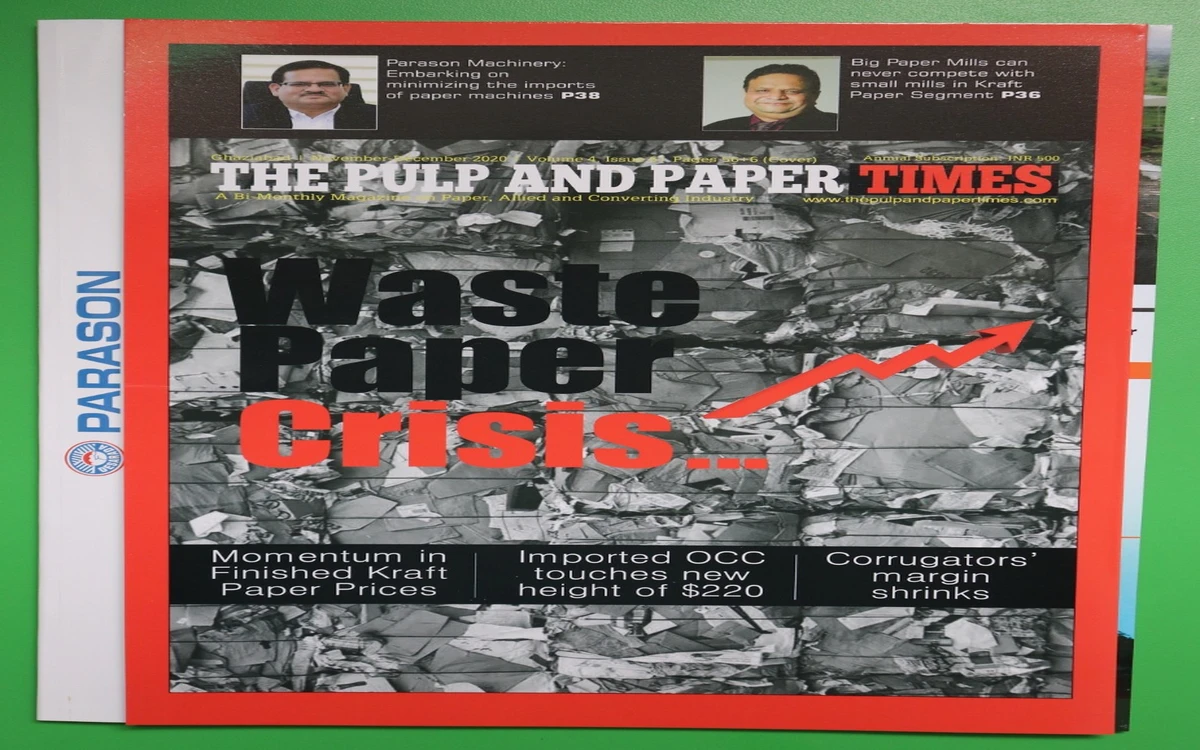
The Pulp and Paper Times: Volume 4, Issue 6
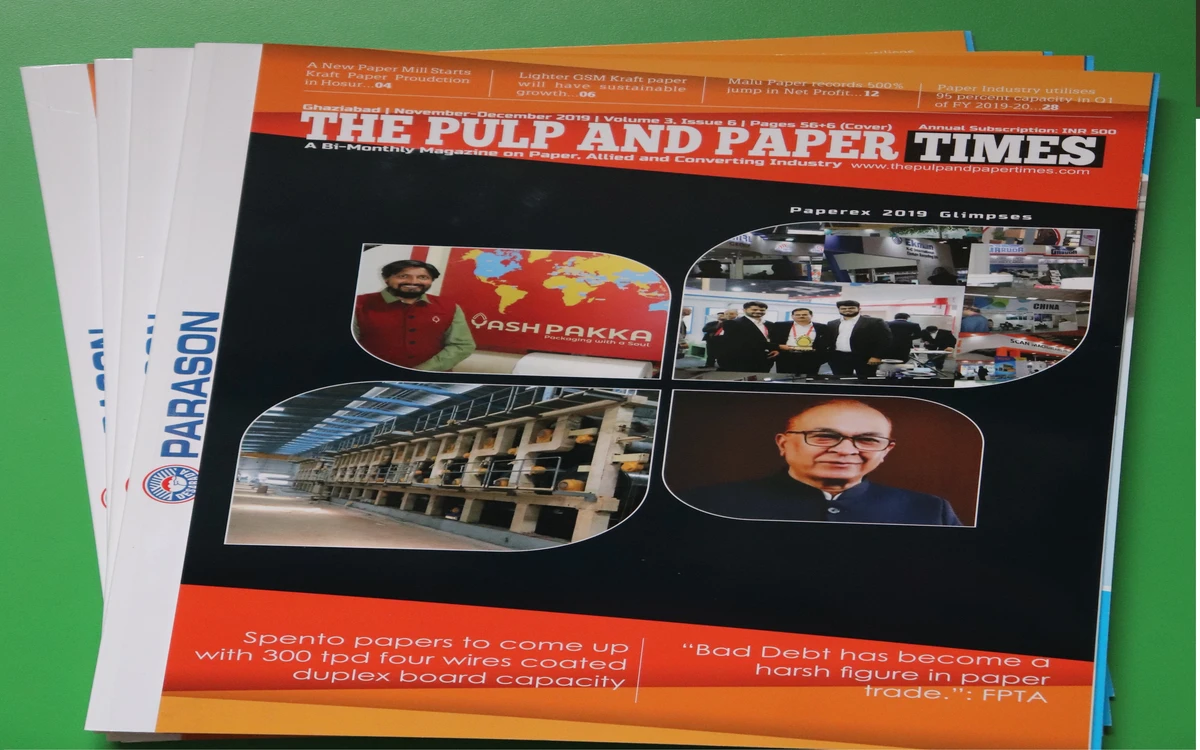
The Pulp and Paper Times : Volume 3, Issue 6
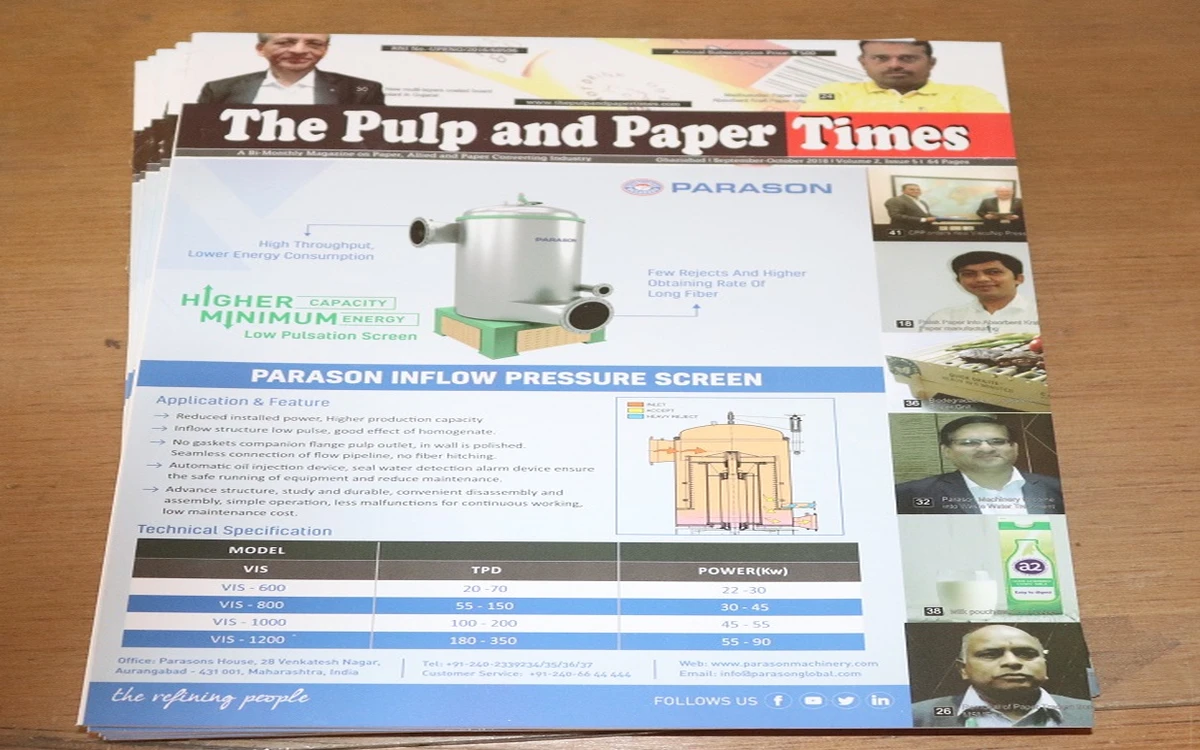
The Pulp and Paper Times: Volume 2 Issue 5

The Pulp and Paper Times, Volume 1, Issue 3
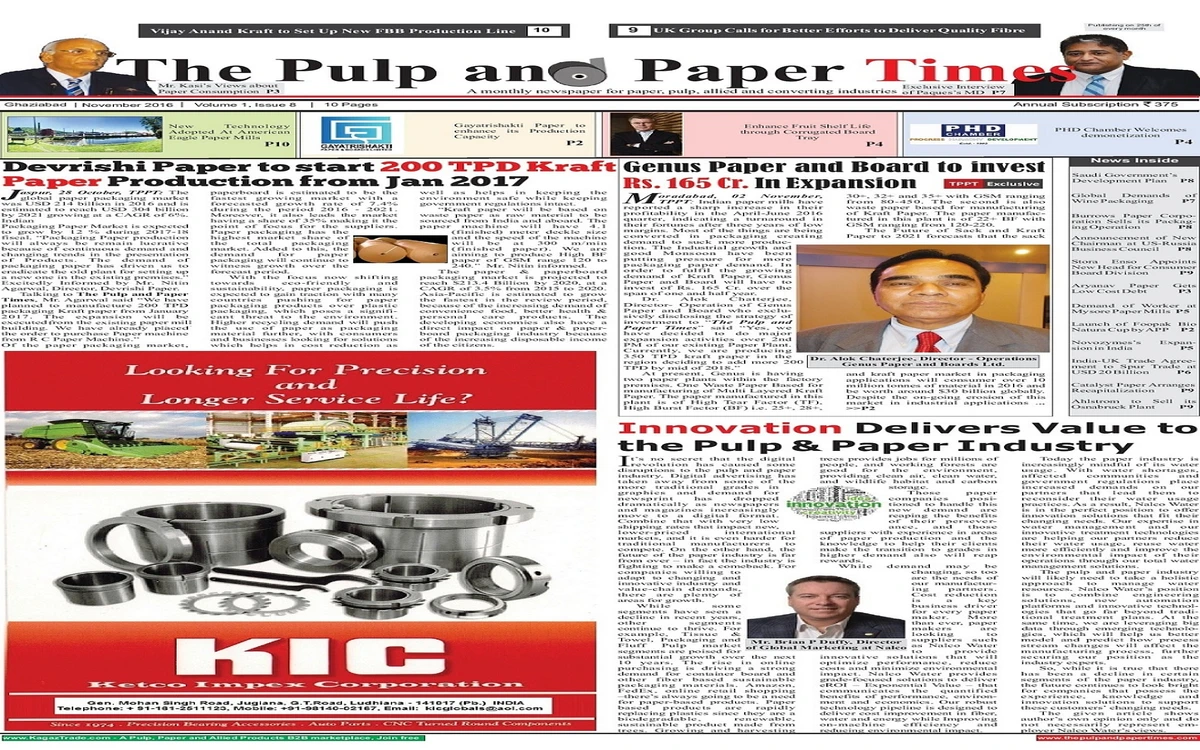
The Pulp and Paper Times, November 2016 Issue

SIPM’s revenue from operations for FY 2024-25 increased by 18.25%. Operations at the paper mill improved to 66.43% of the new capacity of PM6
The Pulp and Paper Times
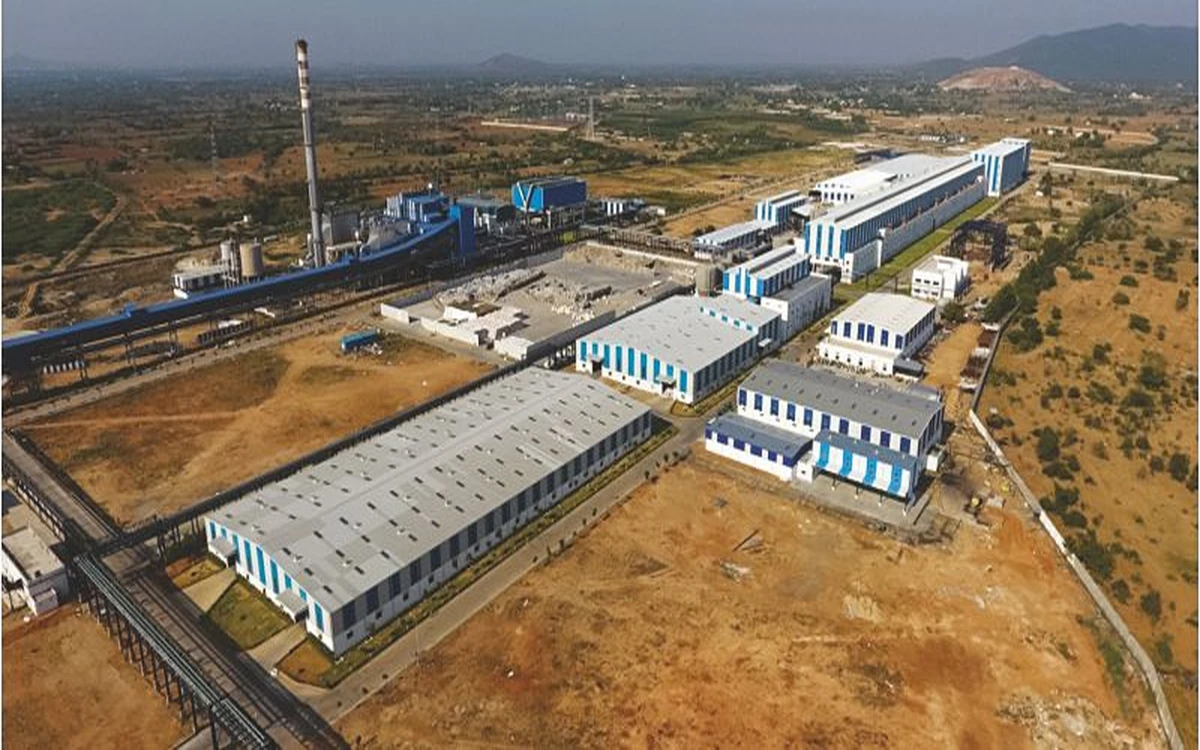
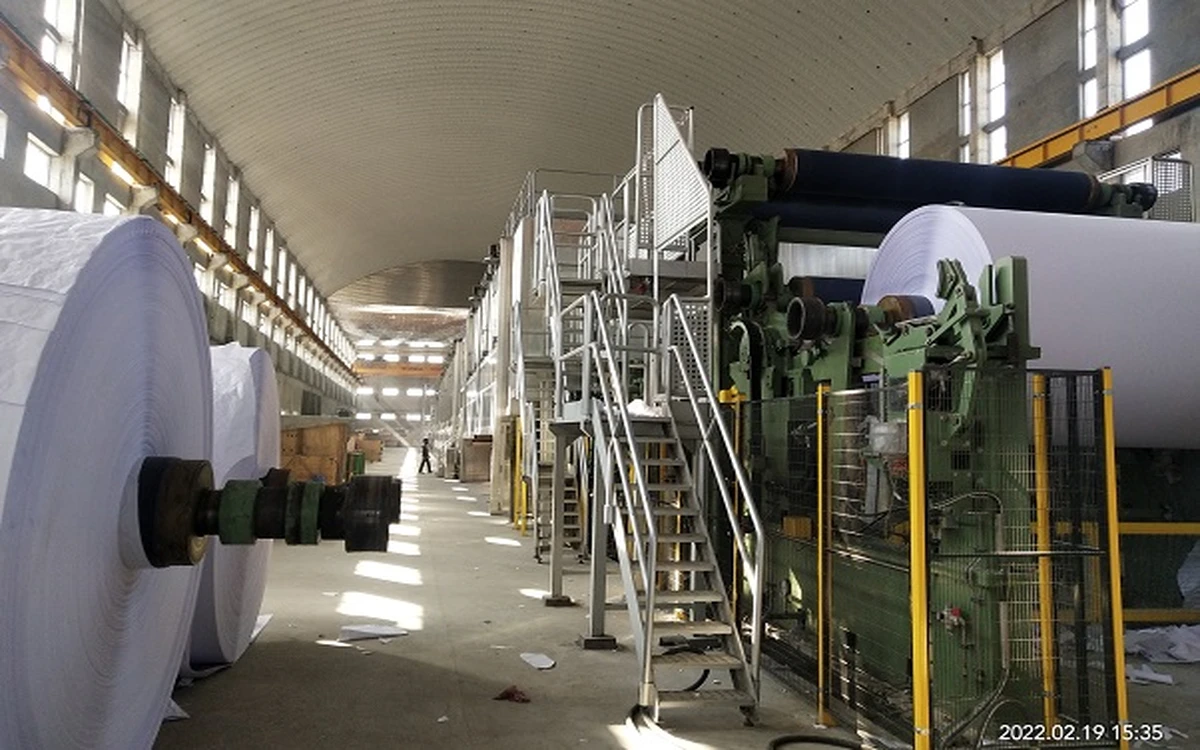
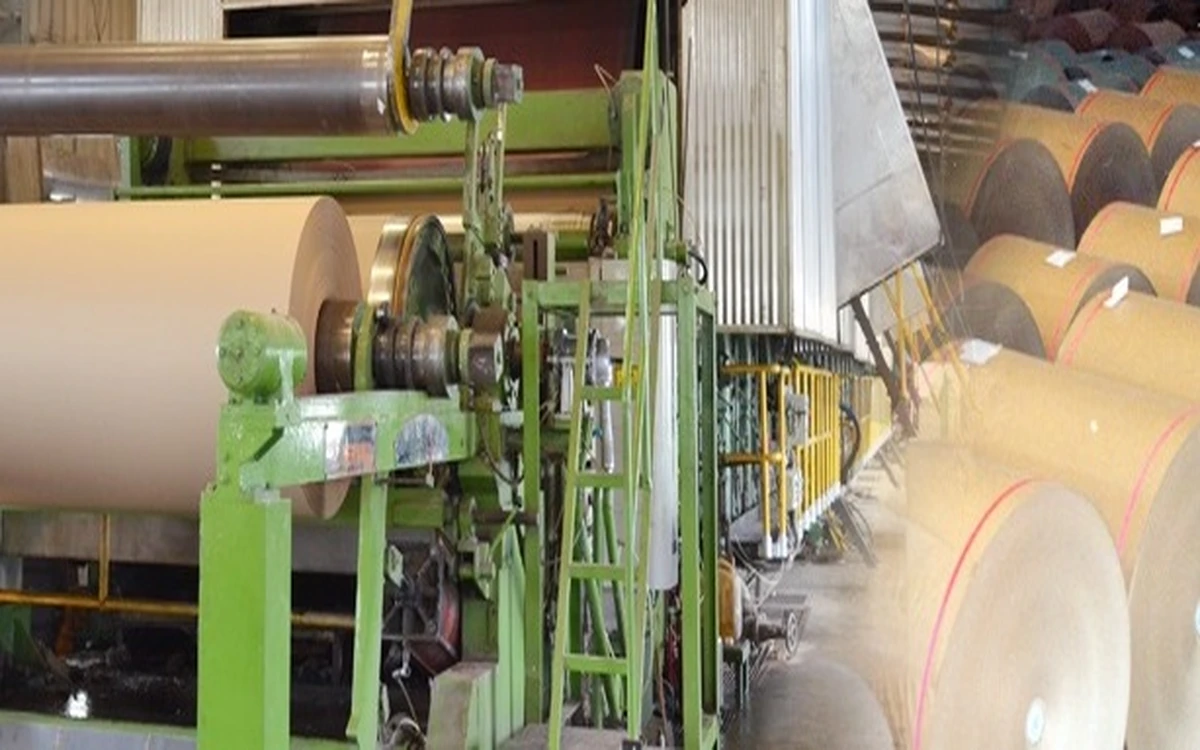
The South India Paper Mill (SIPM) is located in Chikkayana Chatra (Thandavapura), near Nanjangud Town, Karnataka, India. It is spread over 23 acres and is about 20 km from Mysore City. The mill uses recycled waste paper as a raw material and its current capacity is about 200 MT/day. The manufacturing process is based on the recycling of scrap paper both imported and domestic, and some purchased pulp is also used. SIPM revenue from operations for the financial year 2024-25 at INR 369.31 crores, increased by 18.25% from INR 312.31 crores in the previous year.

As per the annual report of SIPM for FY 24-25, Operation at the Paper Mill improved to 66.43% of the new capacity of PM6 (the only machine operating after scrapping the old machines) from 60.46% in the preceding year. At the Printing & Packaging Division, Conversion tonnage was lower @ 66.44% as against 71.64% in the preceding year, due to decline in end user demand and increasing competition.
The report said, Despite several infrastructural impediments there is a strong growth in demand in several sub-segments of the Indian Paper Industry. There is perceptible shift in preference for higher quality products in both the Industrial and Cultural Segments and players with the right grade-quality mix are seeing opportunities for profitable growth. As per our assessment, most of the dominant players in each industry segment will be operating near to capacity and one can expect a round of capacity additions which will however be circumscribed by factors peculiar to individual units such as the ability to raise funds cost effectively, availability of raw material and low cost energy.

CURRENT PROSPECTS
Current year, the operating levels are expected to improve further, despite challenging market conditions. Company is trying hard to move from operating profits to achieve net profits with value added grades, optimum scale of operation, leading to positive earnings.
The market conditions for paper, though generally competitive, as the industry capacity has increased substantially over the years, is favorable for quality products in the segment in which the Company can operate with the new plant. The market for corrugated boxes has become extremely competitive, as more players shift towards the new technology paradigm in corrugation even as demand growth remains lackluster. The Company is exploring opportunities in new areas of value added grades.

Outlook:
Growth rate of the Indian economy expected around 6.5% in FY 2024-25 as against 9.27% in 2023-24 (revised figure as against initially reported 8 %). For FY 2025-26 it is expected to be around 6.5%.
Demand for paper in FY 2025 continues to be competitive under challenging market conditions for the normal grades. Demand for value added/ special application grades is expected to revive as also for import substitute/ export grades.
Innovative cost containment and cost cutting will be required by paper mills to not only maintain business volumes but to capture a larger portion of a slowly growing pie.

The report said that, the Indian Government’s policy for the paper industry lacks perspective. It is necessary that the Government come up with a clear policy on pulpwood plantations that can benefit the paper industry in terms of introducing more virgin fiber into the fiber basket. In the face of fierce global competition, sustenance of industry with only agro-based raw materials and recycled fiber will be very difficult to achieve. The Government also needs to create a more conducive atmosphere for investment into this sector.
In the medium term, much of the growth in the packaging segment of the Industry is expected to be based on recycling of waste paper. This is already the trend in China. Indian paper companies in the packaging segment are also expected to fuel their near to medium term growth through waste paper imports from regions of surplus such as North America and Europe.
Much has changed in the global recycled fiber flow pattern since the imposition of a complete ban on the imports of wastepaper by the Chinese Government.
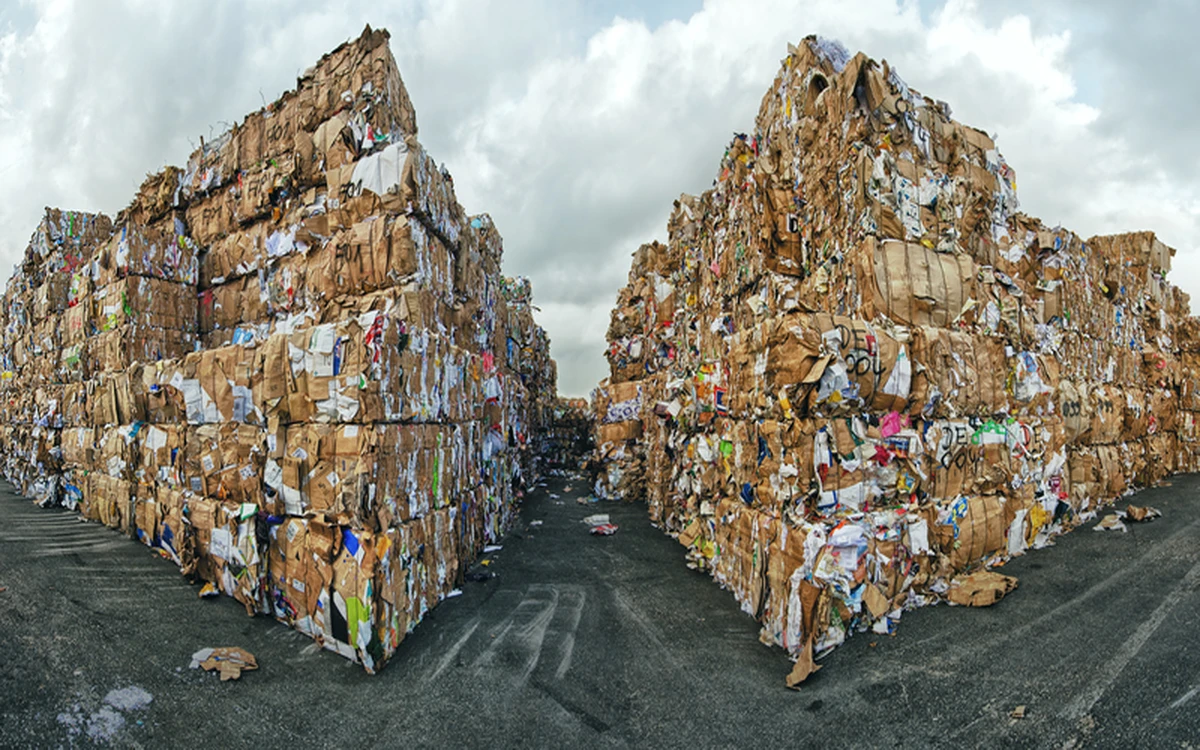
China continues to be the largest consumer of paper and board and the Chinese demand constitutes a large proportion of Global demand – particularly for packaging of manufactured consumer goods for domestic and international consumption. The complete ban on imports with effect from January 2020 of wastepaper by the Chinese Government is the culmination of a series of progressively stringent rules on the quality of imported wastepaper imposed since 2017. During the period 2018-2021, Chinese paper manufacturing capacity was hamstrung by the shortage of imported recycled paper to the extent of about 25%. This caused a spurt in prices of domestic recycled fiber and a jump in paper prices, particularly for containerboard which constitutes about 55 million MT per year of the Chinese paper demand. The shortage in containerboard supply of about 12-14 million MT was met during 2019, 2020by imports from other regions of both recycled roll pulp and finished product. Many Indian mills, due to the generally poor quality could only meet the low-end demand of Roll Pulp during this period. Over the period, large Chinese producers began to set up world class capacities outside China, particularly in Southeast Asia, where wastepaper imports are not banned. In 2022, they fill much of the demand supply gap in the China market. The lucrativeness of the demand for Roll Pulp from Indian mills, has since disappeared but brought new, low-end capacities of Containerboard into the Indian market resulting in a capacity overhang in India. This situation is driving up domestic fiber prices and depressing finished product prices.

3 minutes ago
3 minutes ago
3 minutes ago
3 minutes ago
3 minutes ago
3 minutes ago
3 minutes ago
2 weeks ago
2 weeks ago
2 weeks ago




 Join WhatsApp Group
 Join Telegram Channel
 Join YouTube Channel
 Join Job Channel (View | Submit Jobs)
 Join Buy Sell Channel (Free to Submit)
 Paper News Headlines Channel (Free to read)