
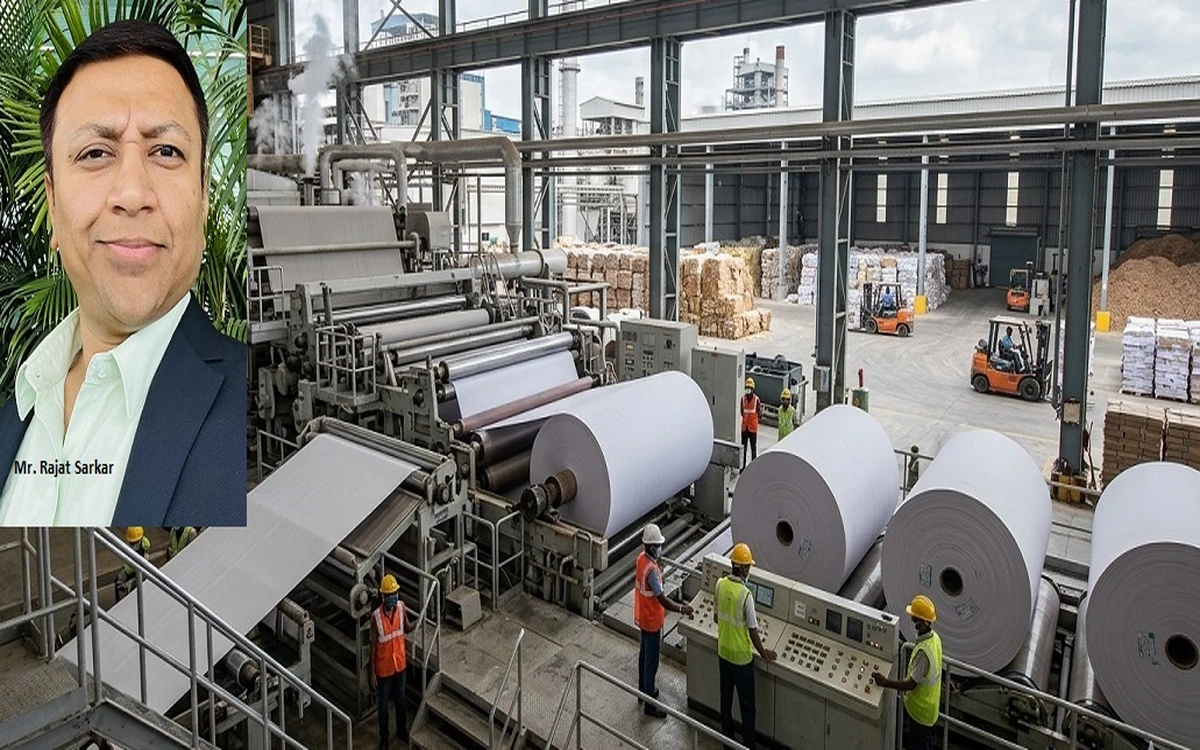
India Paper Industry at an Inflection Point: War, Costs, and Capacity; Demand growth expected at 5–7% in FY26
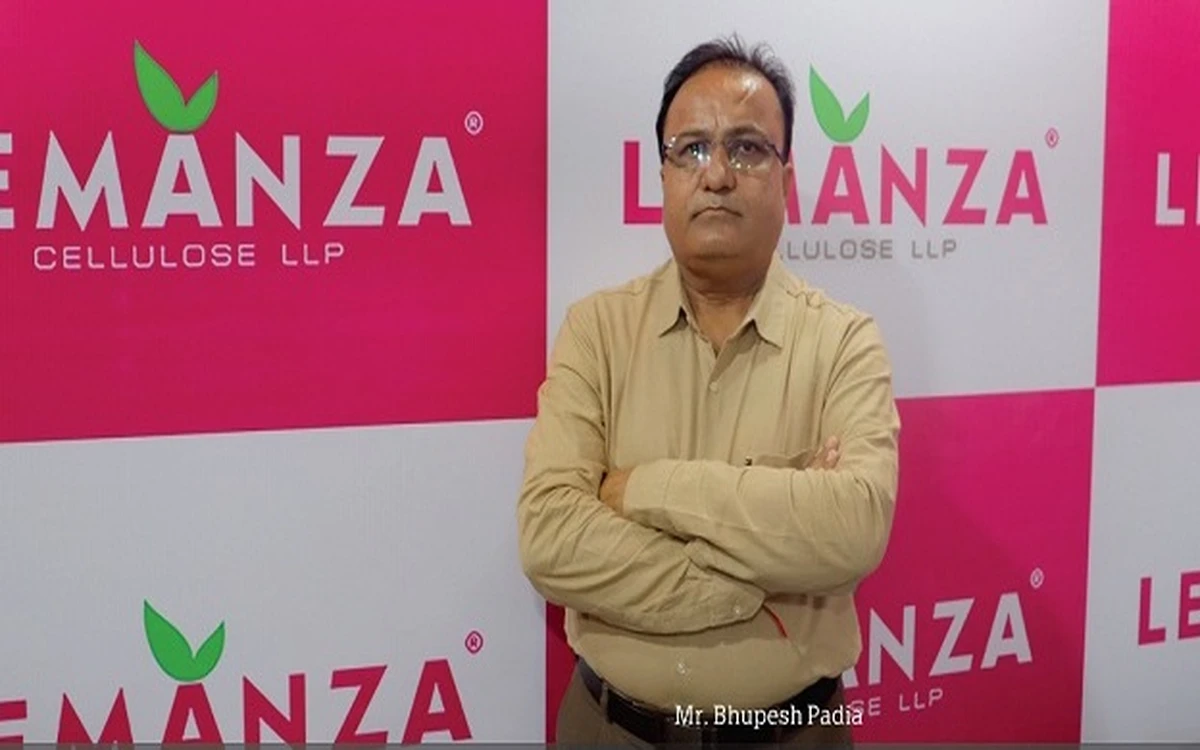
A new capacity in Tissue and specialty paper mfg.; Machine Design, Installation, and commissioning by Saloni Paper Machines
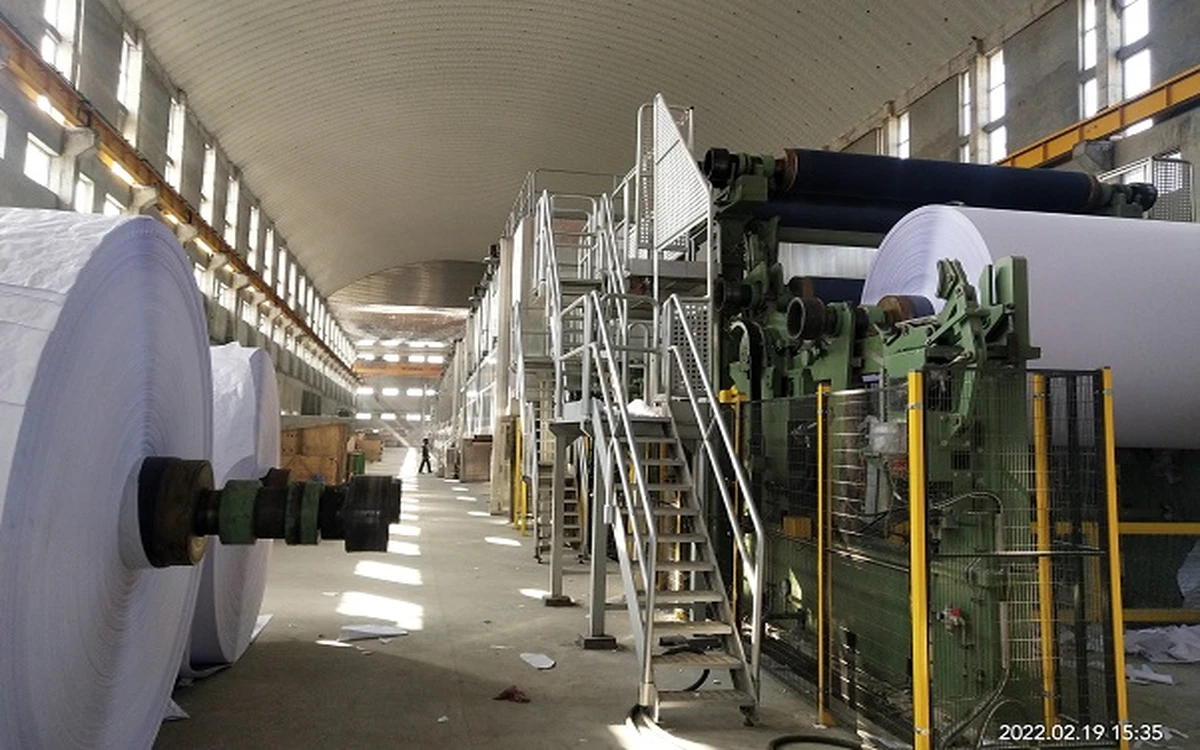
Satia Industries: better product mix and higher sales realization drive increased revenue in Q2FY23
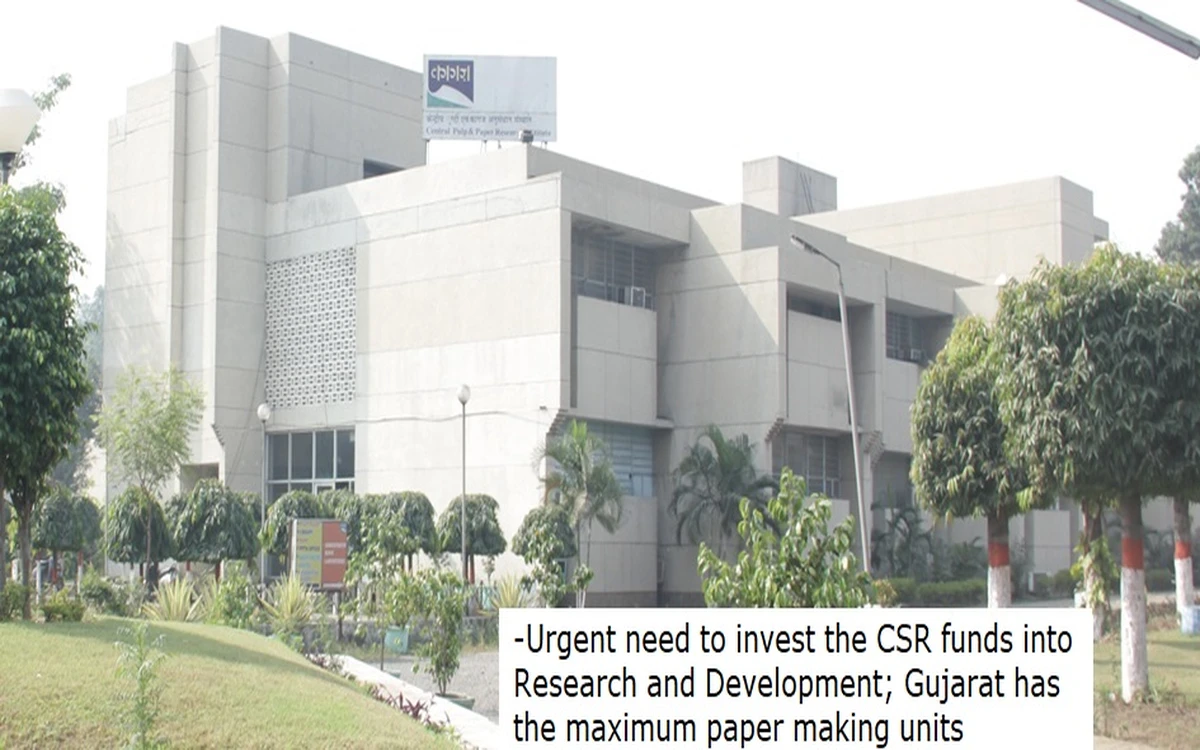
CPPRI: Paper Industry contributes Rs. 8000 Crores to the National exchequer with a turnover of Rs.70000 Crores
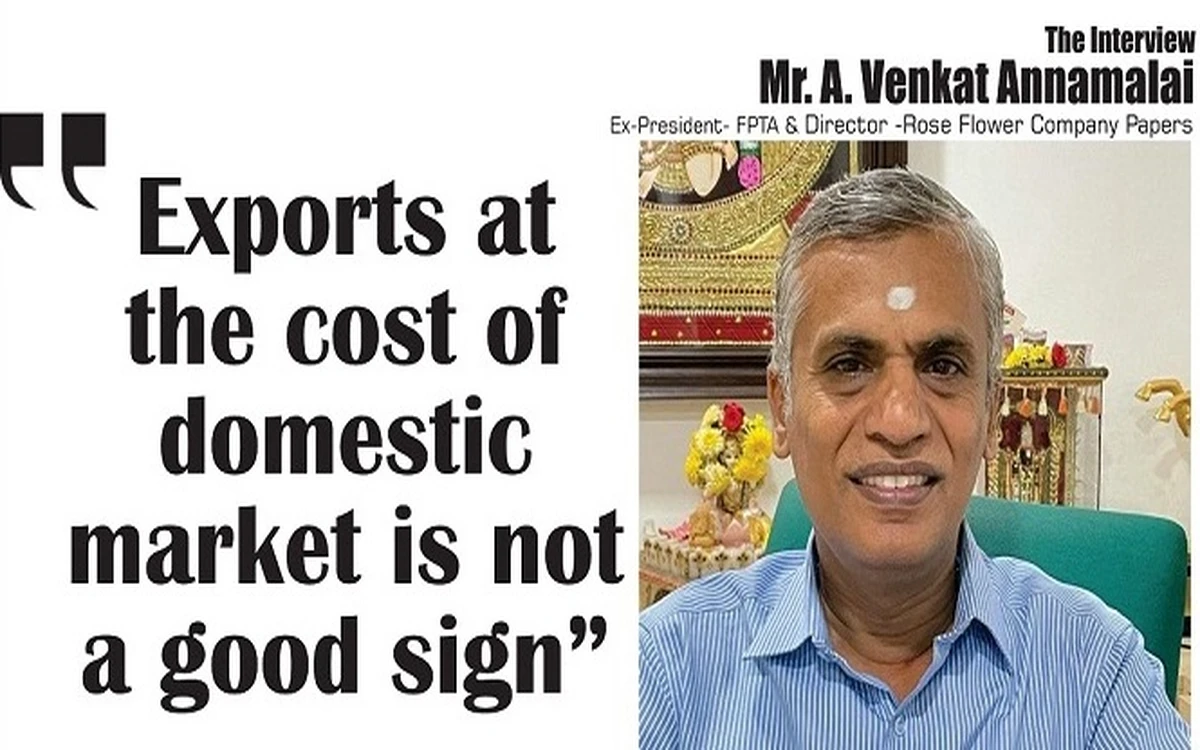
“Surging exports of paper will most certainly keep the domestic prices quite high”: Mr. A. Annamalai, Director – RFC
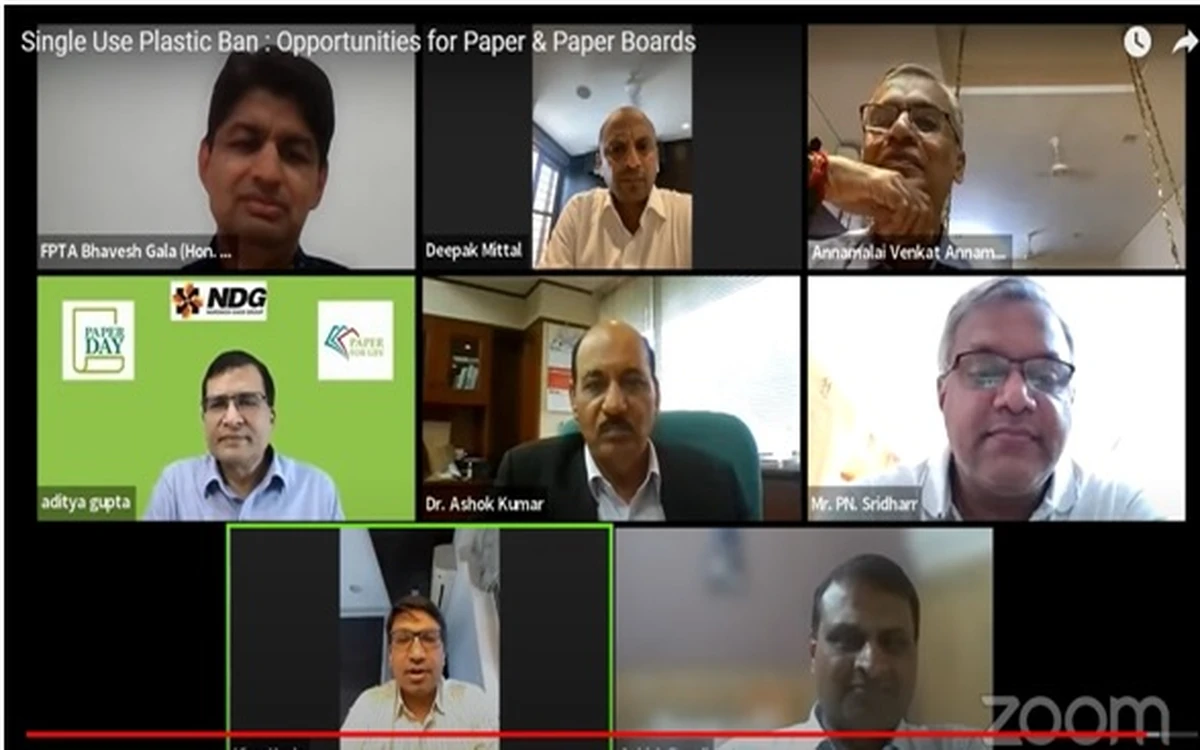
Single-Use Plastic Ban: Everything, at each level, alternative for plastic will be expected from paper
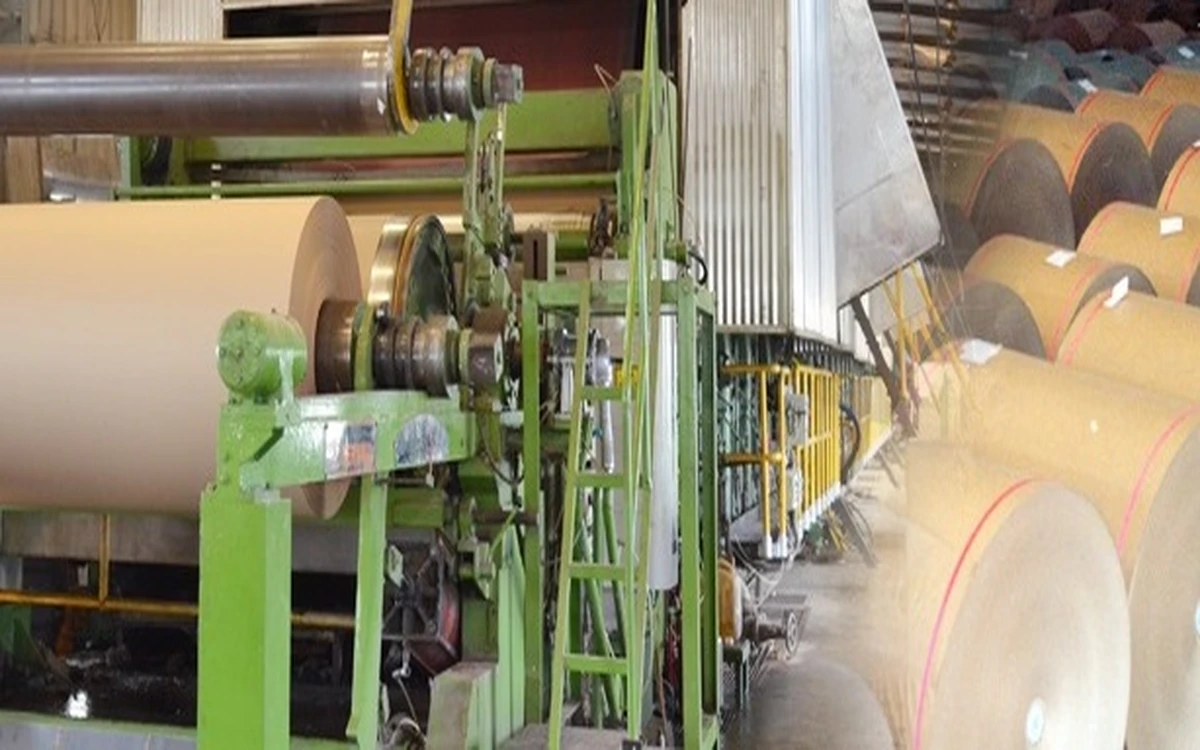
The Status of the Global Container board Industry, Recycled Paper Demand and Supply and its impact on the Indian Industry

Akshay Jain, director of Silverton Pulp & Paper, says it's time to promote agro residue as a raw material to lessen the scarcity of fibre
Advantageously located, a new paper mill is all set to roll kraft paper in Madhya Pradesh

Several agile interventions helped ITC-PSPD fortify its clear leadership of the Value Added Paperboards (VAP) segment
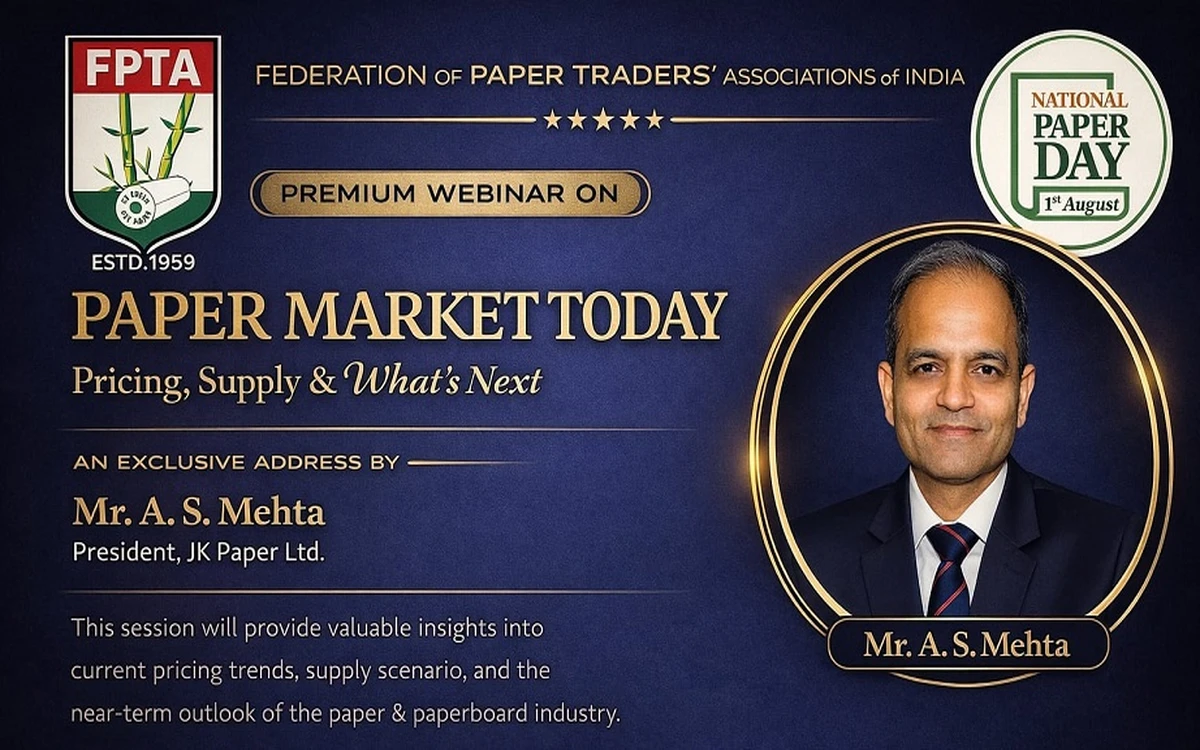
Paper Industry to Grow at 6–7% in Next Five Years; Packaging & Tissue to Lead Demand: A.S. Mehta of JK Paper
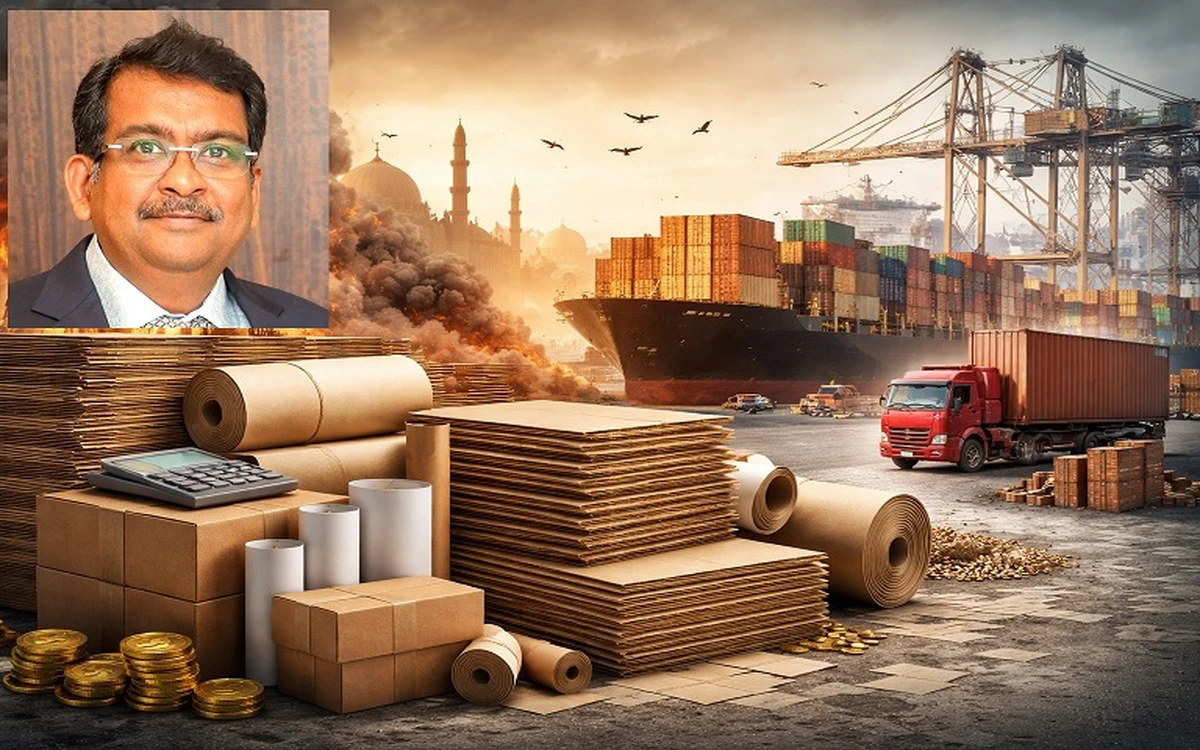
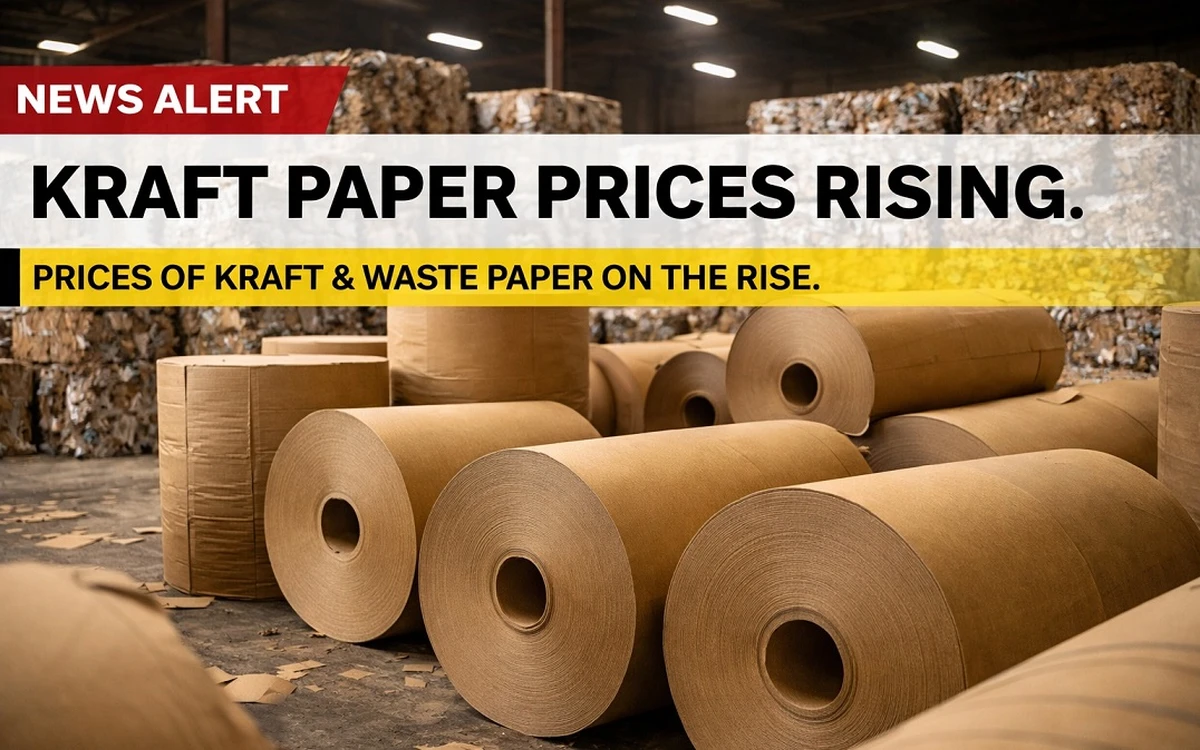
Paper prices push corrugated packaging costs up by 10–12%, while global logistics may take several weeks to stabilize even after the war ends: ICCMA President
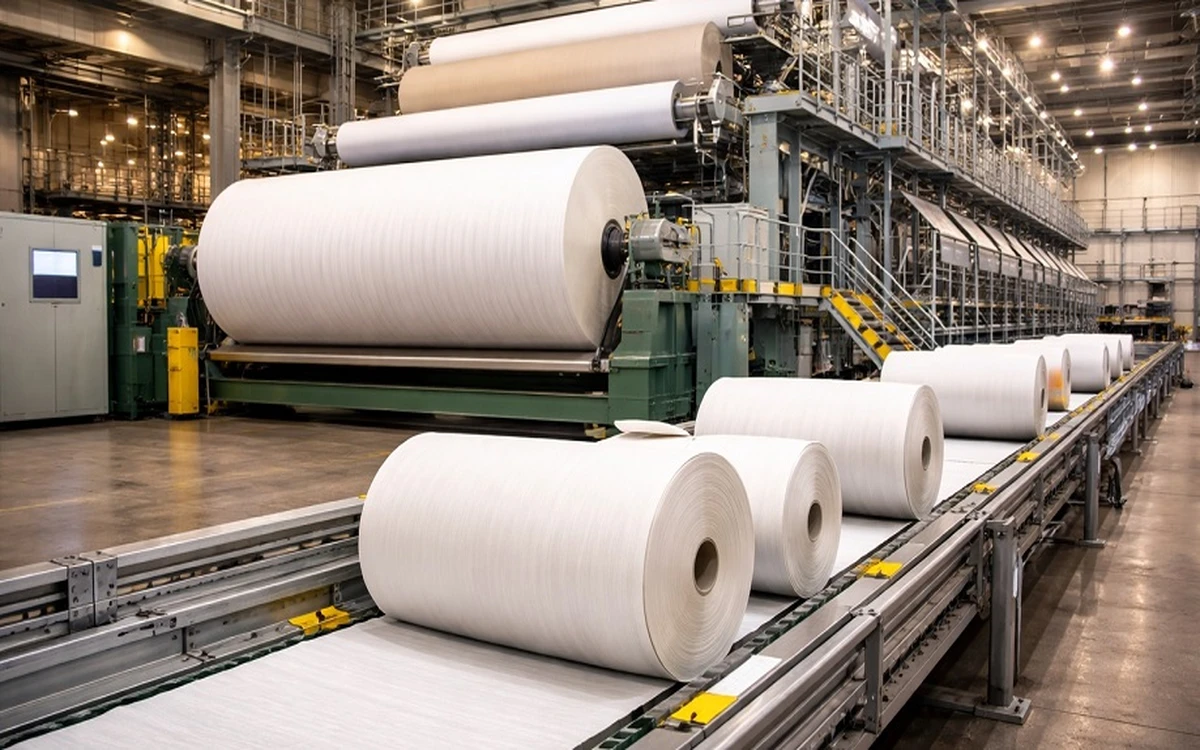
Orient Paper and Industries revises capex plan, Approves 23,400 TPA new Tissue Machine at Amlai unit
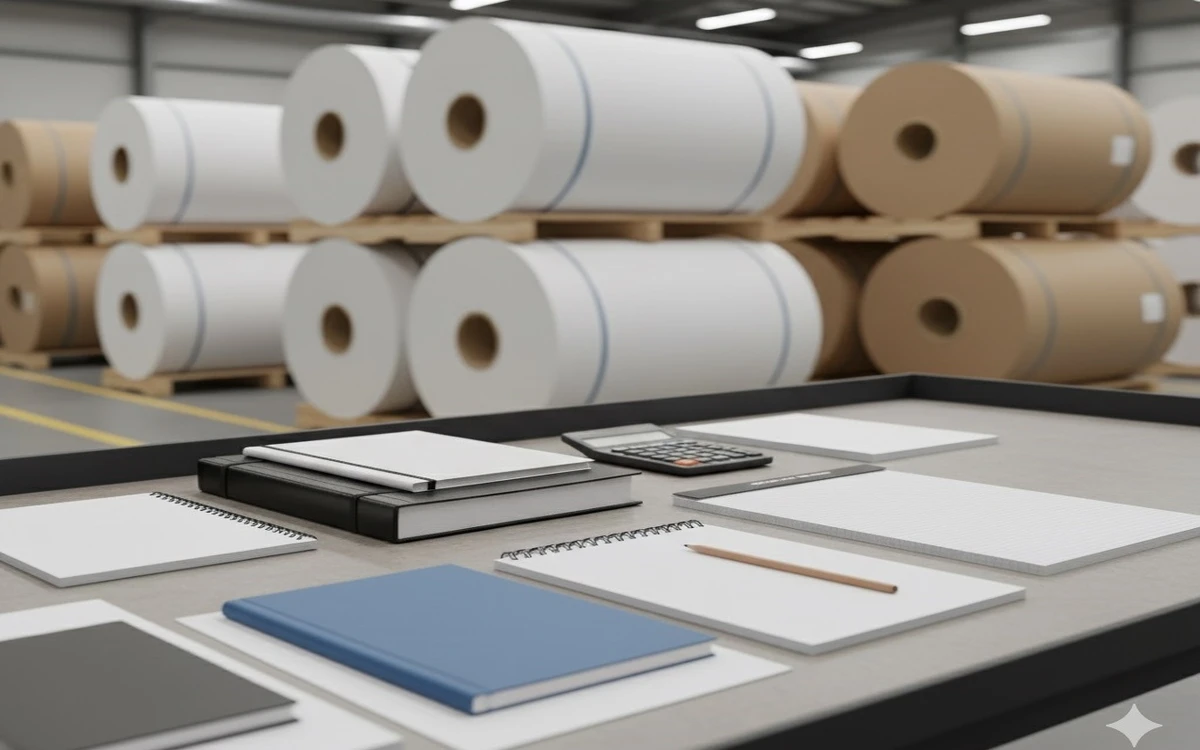
“Paper mills are supplying at 0% GST but with a increased price to the extent of their Input credit loss,” says Mr. Shailendra Gala of Navneet Education
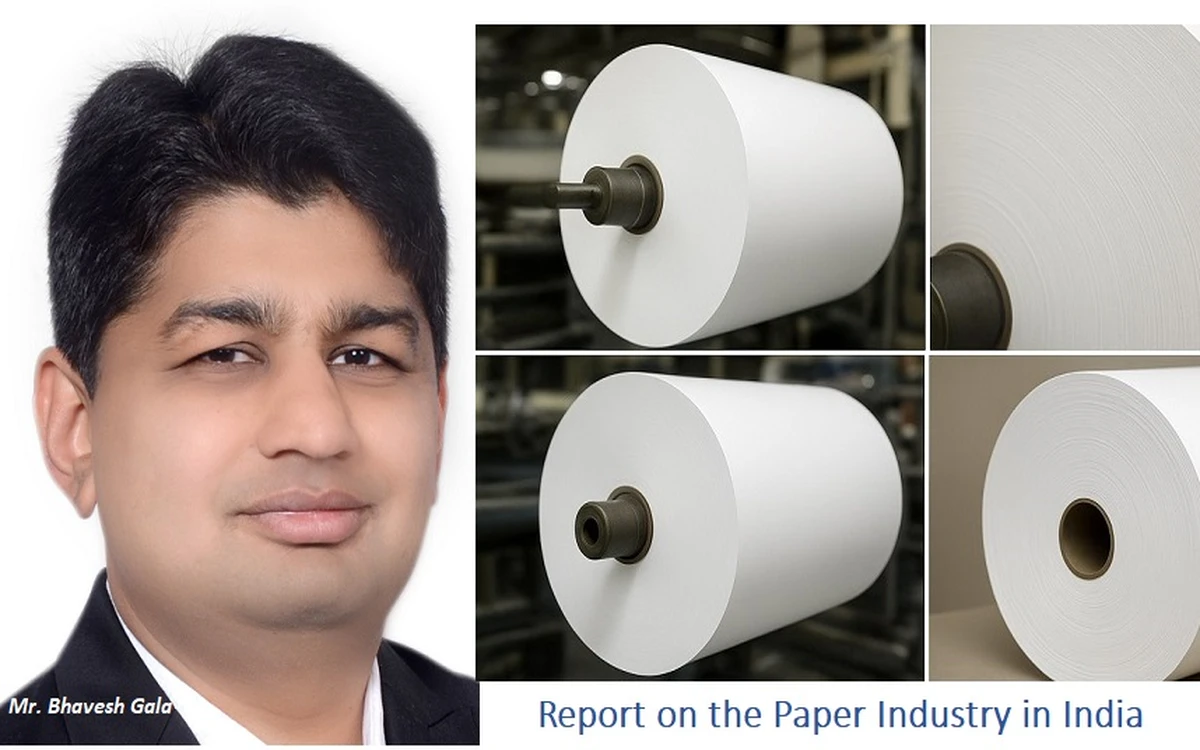
Paper Market scenario of WPP, Coated, and Packaging Boards, and MIP impact: Insights by Mr. Bhavesh Gala
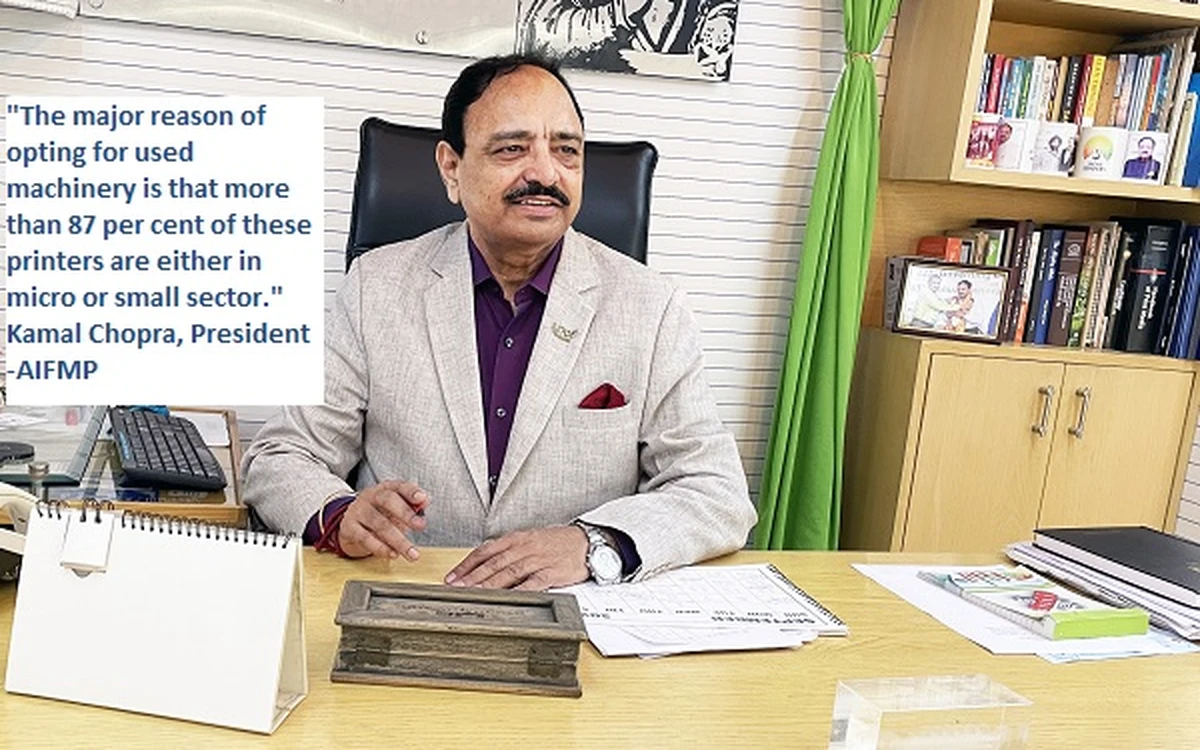
"We have to think unique and produce distinct items to remain in the business, Printers are stuck between manufacturers and customers", Says Kamal Chopra, President - AIFMP
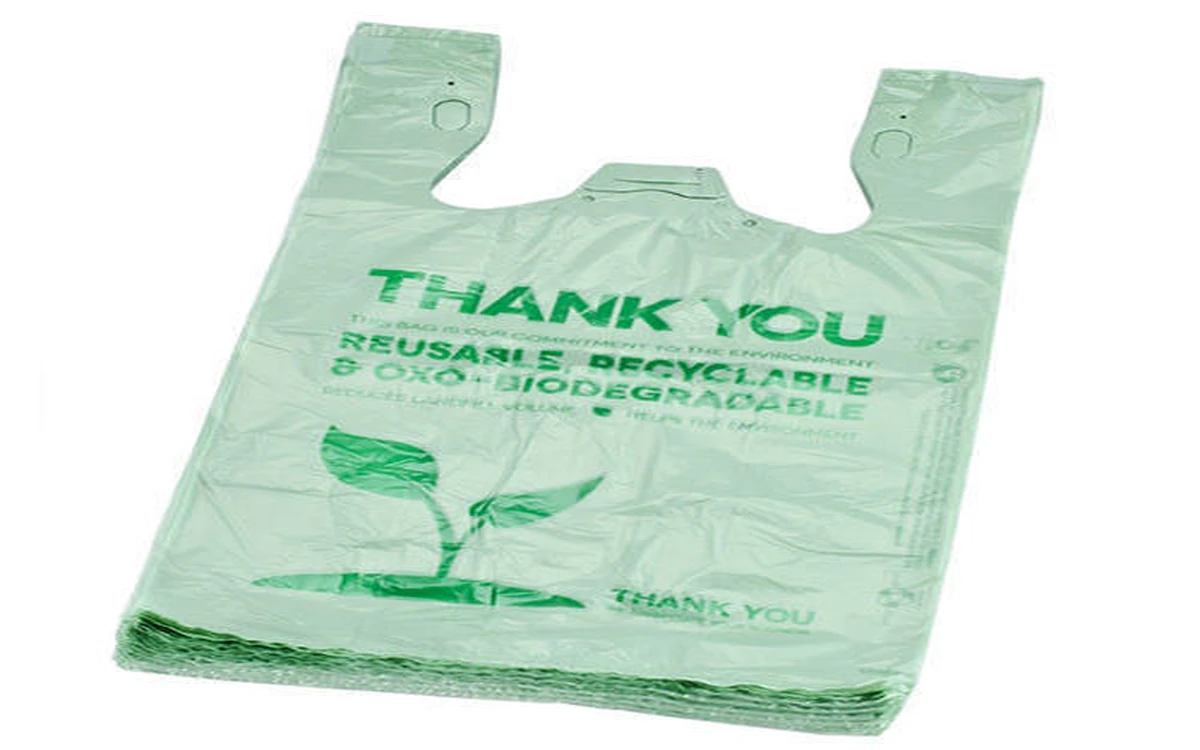
Scientists from IIT-Guwahati develop India's first biodegradable plastic

EBMA: With books exempt from GST, imported finished books enter India tax-free; notebook prices may climb 15–20% with GST hike

It is estimated that USD10B to USD20B worth of single-use plastic packaging will convert to molded fiber, ZUME
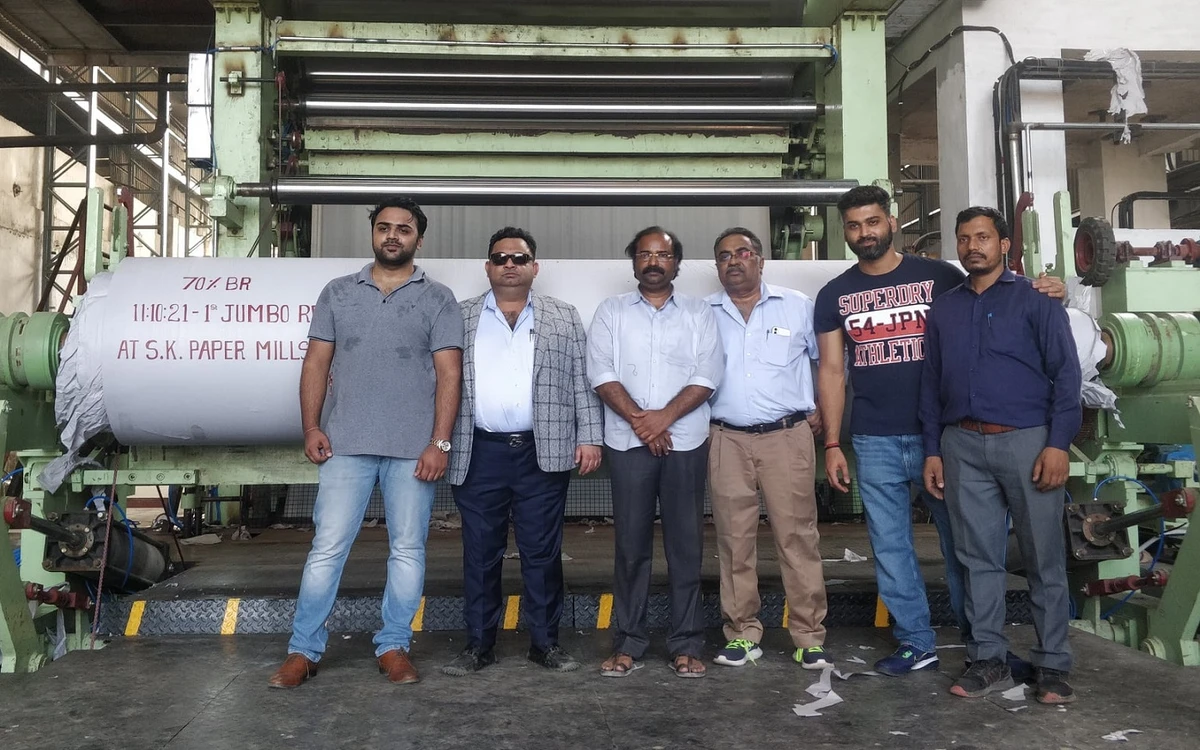
Muzaffarnagar gets a new capacity of Tissue Paper and MG Poster paper
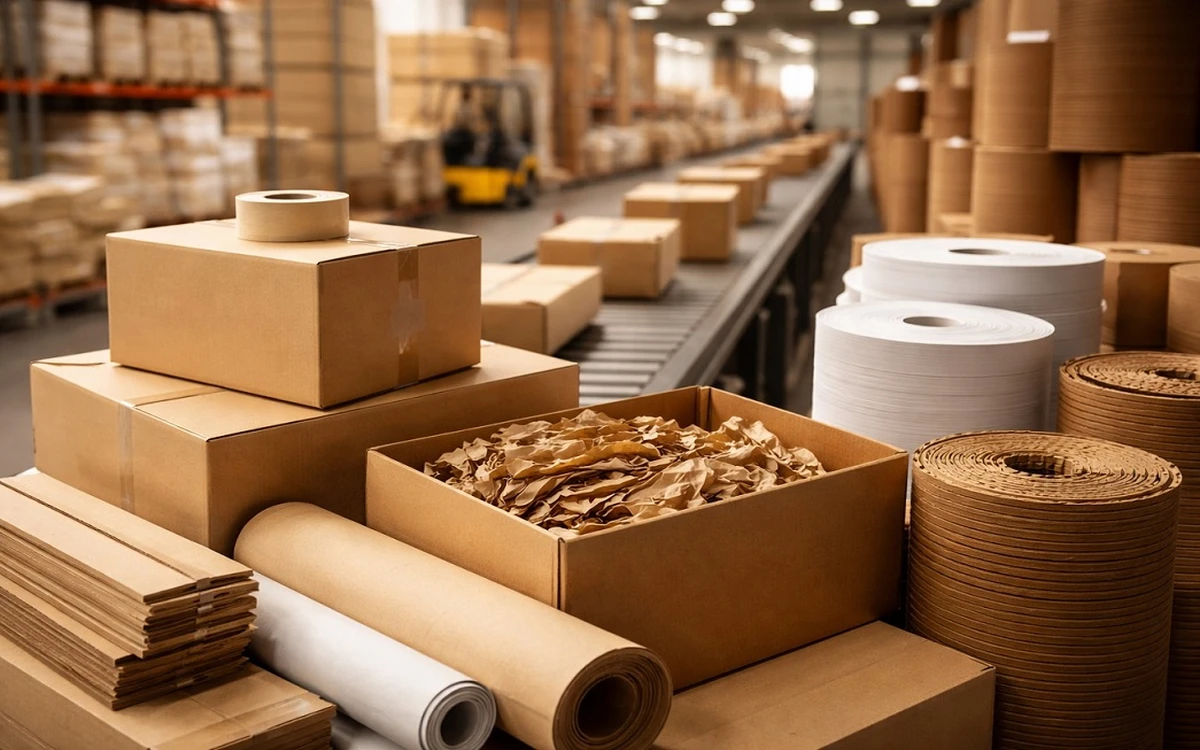
“Every parcel shipped anywhere in the world has strengthened the demand for packaging board, corrugated boxes, protective papers, and specialty grades,” said Pavan Khaitan at Paperex
India Paper Industry at an Inflection Point: War, Costs, and Capacity; Demand growth expected at 5–7% in FY26
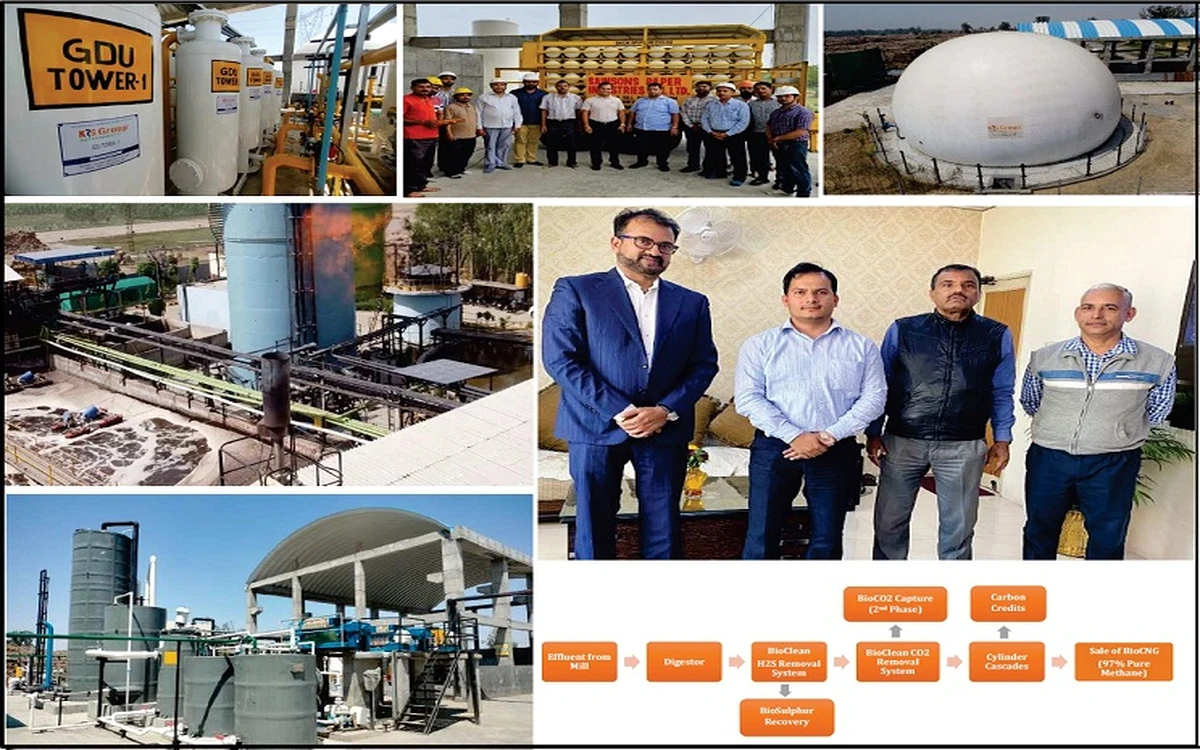
BioCNG from paper mill effluent: India’s & Asia’s First Paper mill, Sainsons Paper to Produce & Sell CBG/BioCNG From Waste Water
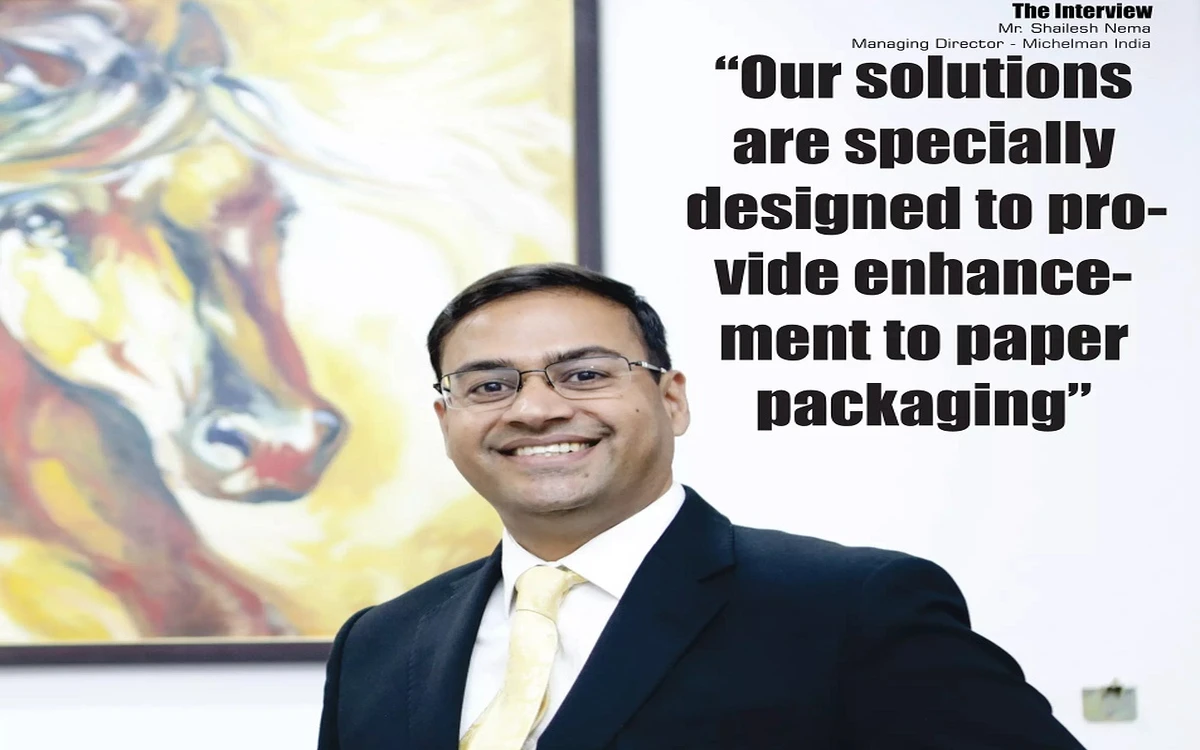
Michelman: Coating Solutions especially moisture and gas barrier on paper significantly improves the shelf life of food
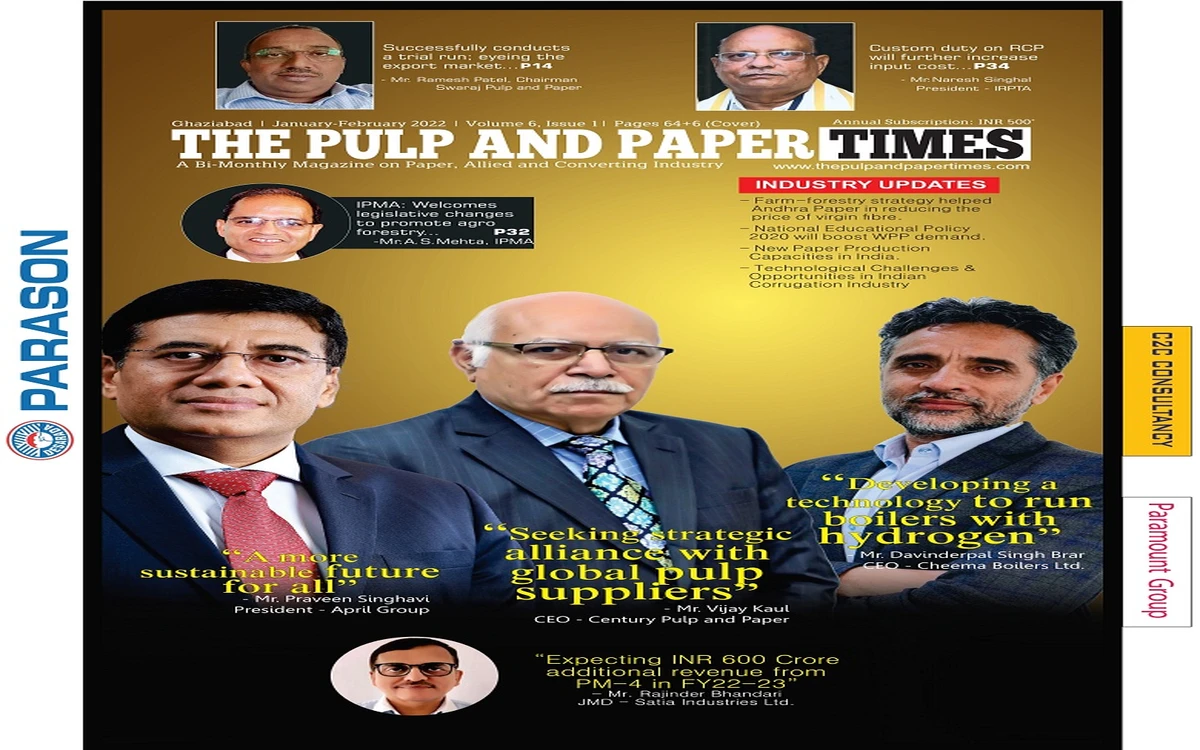
The Pulp and Paper Times Magazine : Volume 6, Issue 1
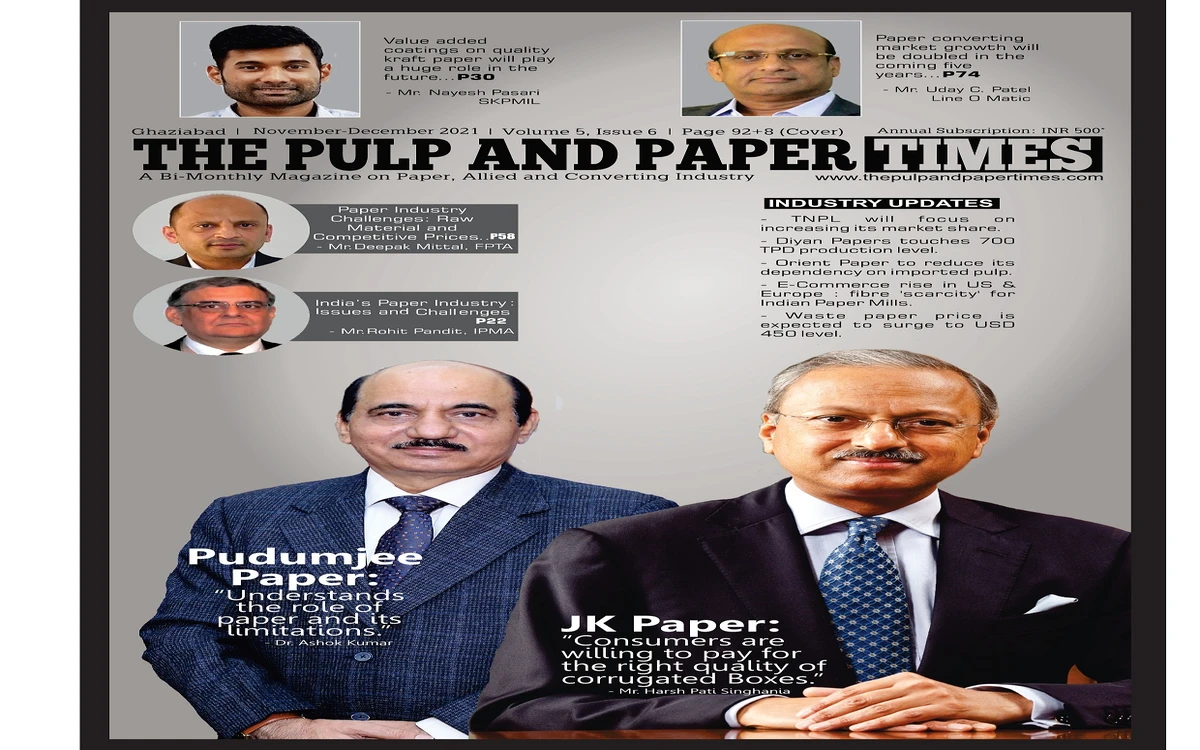
The Pulp and Paper Times Magazine : Volume 5, Issue 6
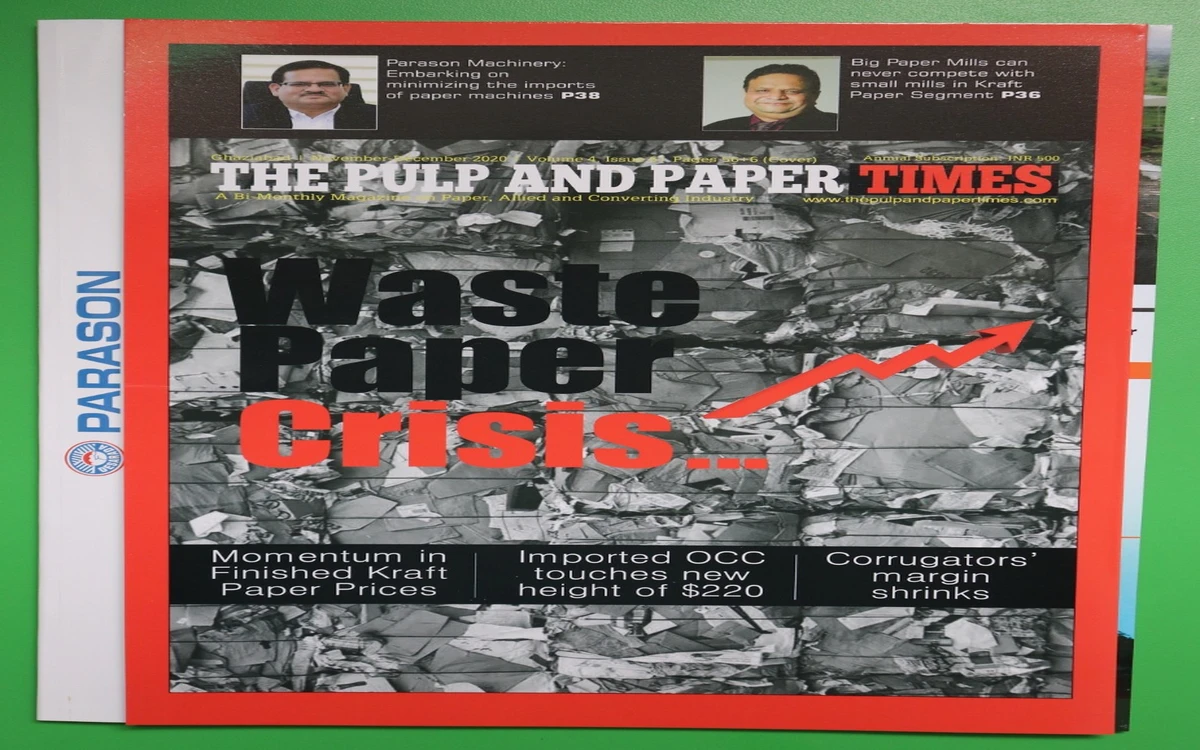
The Pulp and Paper Times: Volume 4, Issue 6
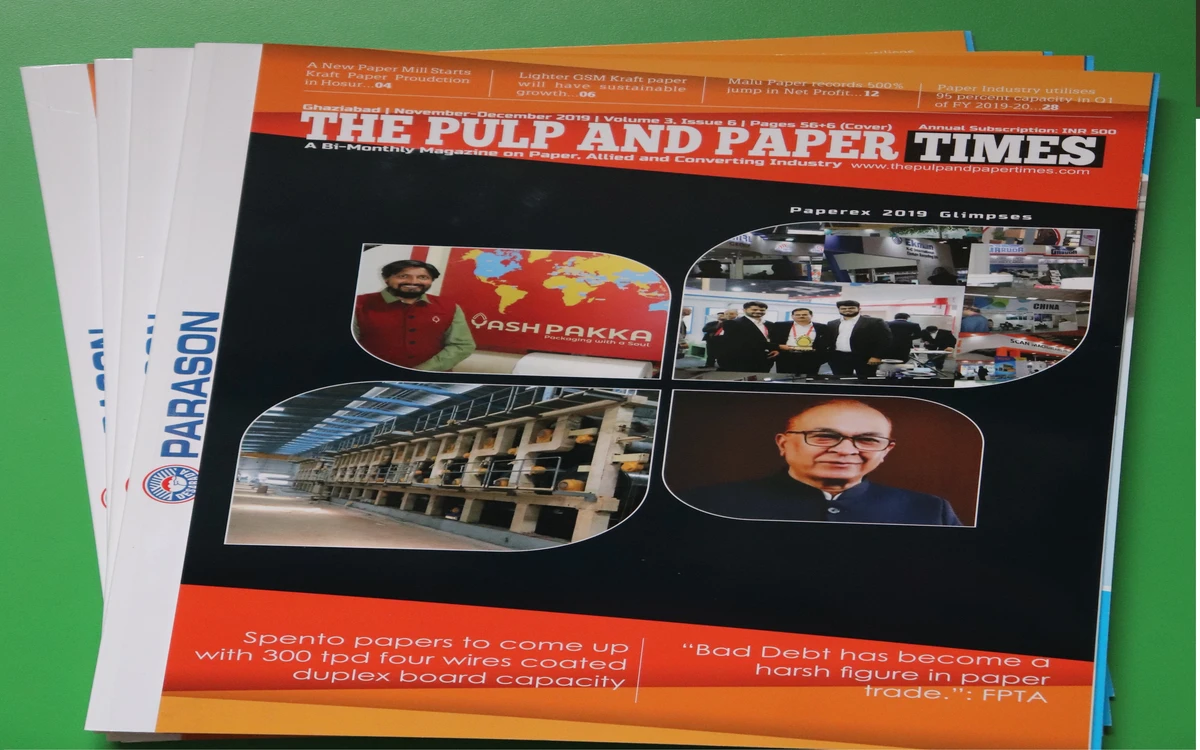
The Pulp and Paper Times : Volume 3, Issue 6
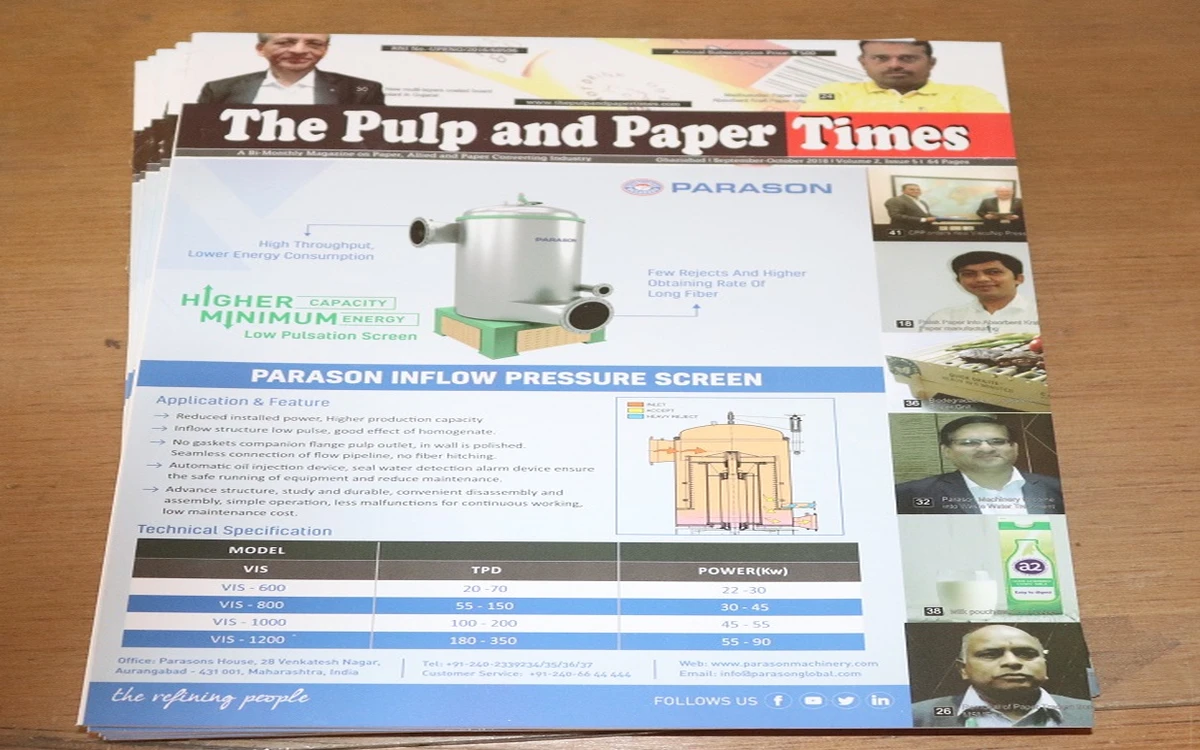
The Pulp and Paper Times: Volume 2 Issue 5
The Pulp and Paper Times, Volume 1, Issue 3
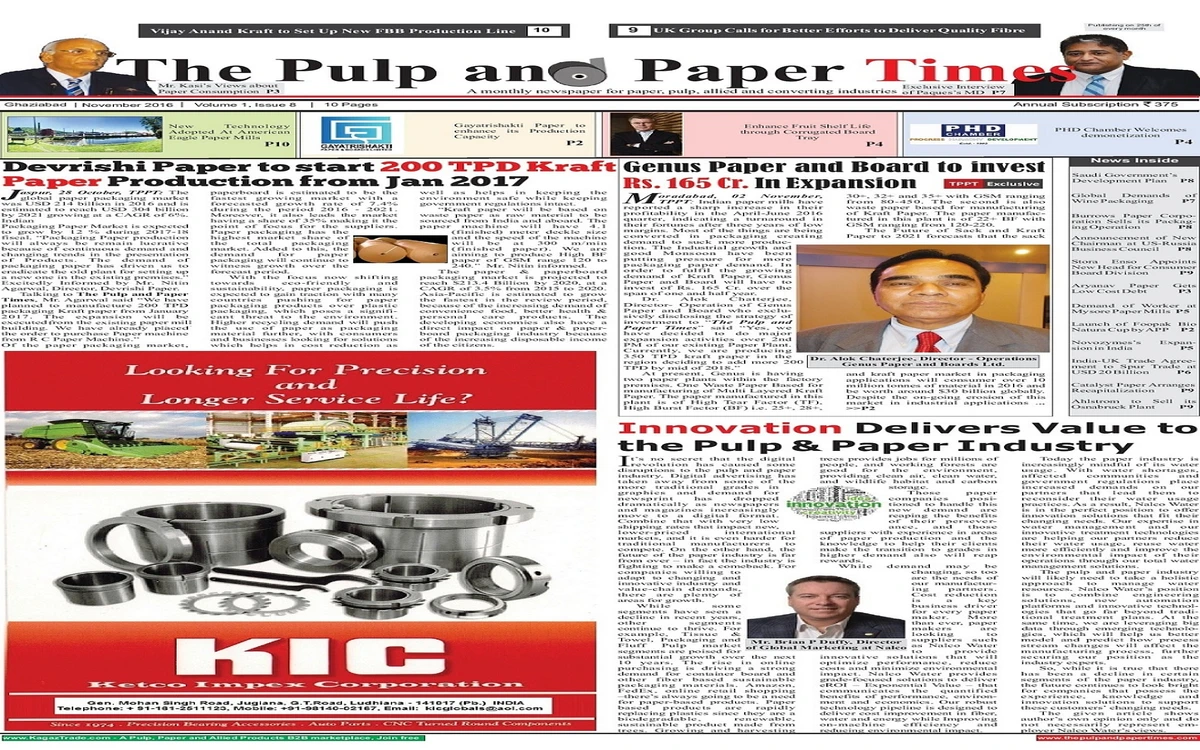
The Pulp and Paper Times, November 2016 Issue
“Diversified product mix, supported by strong capacity, ensures that BILT is not dependent on any one category, making it more resilient to shifts in demand,” says BILT’s ED & CEO
Key points:
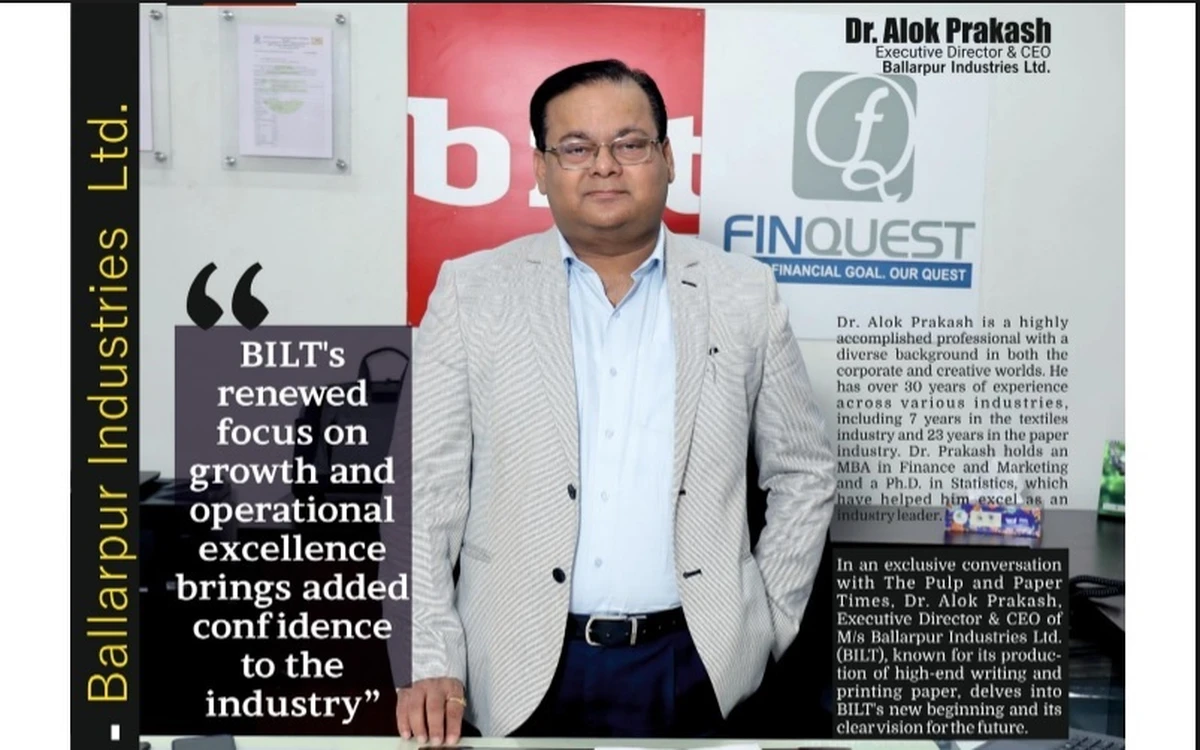
BILT’s renewed focus on growth and operational excellence brings added confidence to the industry
“Capacity expansion will be evaluated carefully to align with market growth, particularly in high-demand categories like copier paper and premium writing grades”
In an exclusive conversation with The Pulp and Paper Times, Dr. Alok Prakash, Executive Director & CEO of M/s Ballarpur Industries Ltd. (BILT), known for its production of high-end writing and printing paper, delves into BILT’s new beginning and its clear vision for the future.

Dr. Alok Prakash is a highly accomplished professional with a diverse background in both the corporate and creative worlds. He has over 30 years of experience across various industries, including 7 years in the textiles industry and 23 years in the paper industry. Dr. Prakash holds an MBA in Finance and Marketing and a Ph.D. in Statistics, which have helped him excel as an industry leader.
BILT has restarted its production facility at Yamuna Nagar and is now ready to expand its reach, becoming even closer to clients up to the last point of use. Dr. Prakash sheds light on the growth of the pulp and paper sector in India, future trends, and the impact of GST 2.0 and tariffs. Here is his full interview.

Q: Please give a brief introduction to Ballarpur Industries Limited (BILT).
Ballarpur Industries Limited (BILT) is one of the most established names in the Indian paper industry. Over the years, it has grown from a traditional manufacturer to a trusted leader in writing and printing (W&P) paper. BILT is one of the largest player in this segment in India and also one of the most respected, with deep-rooted credibility among institutional buyers, educational establishments, publishers, and retail consumers.
The company has consistently played a pivotal role in shaping the nation’s paper ecosystem. With robust infrastructure, well-spread facilities, and a reputation for quality, BILT has managed to stay relevant across decades of industry transformation. It is this ability to adapt whether in technology, capacity planning, or product mix that has made BILT a benchmark name in the Indian paper sector.
Q: Finquest Financial Solutions has acquired BILT, the flagship paper-manufacturing company of the Thapar Group. How does this impact the Indian paper market?
This development marks an important milestone for BILT, opening a new chapter in its journey. The Indian paper industry is currently at a transformative stage where demand is rising steadily, while global supply dynamics, import flows, and raw material costs continue to shape the market environment. Against this backdrop, BILT’s renewed focus on growth and operational excellence brings added confidence to the industry.
The paper sector has always played a foundational role in education, publishing, packaging, and communication in India. With a clear vision for the future, BILT is well-positioned to strengthen its contribution to these sectors, reinforce domestic self-reliance in paper production, and ensure that the industry is prepared for the opportunities and challenges that lie ahead.
Q: What are Finquest’s plans for BILT in terms of technological advancements and capacity expansion at the Yamunanagar plant?
The Yamunanagar plant has long been considered the crown jewel in BILT’s portfolio. It is not only one of India’s largest paper manufacturing facilities but also one of the most advanced in terms of product capabilities. Looking ahead, the focus will be on three key areas: technology, efficiency, and sustainability.

First, efficiency improvements - whether in energy, water consumption, or material utilization are being prioritized, ensuring that every tonne of paper produced is done so responsibly. Subsequently, capacity expansion will be evaluated carefully to align with market growth, particularly in high-demand categories like copier paper and premium writing grades.
The future vision is not only about producing more paper, but producing it smarter. Using less energy, consuming fewer resources, and meeting stricter sustainability benchmarks.
Q: BILT stands as the unrivaled leader in India’s writing and printing (W&P) paper manufacturing landscape. How do you analyze the current state of the market amid raw material price increases and import pressures?
The Indian paper market is passing through a challenging but defining phase. On one side, the rising costs of pulp, coal, and chemicals have increased input expenses. On the other hand, cheaper imports often subsidized or coming from regions with surplus capacities are affecting domestic pricing.
However, the demand side remains encouraging. India is one of the few countries where per capita consumption of paper is expected to rise steadily for decades to come, driven by education, offices, packaging, and publishing. While temporary distortions may impact margins, the fundamentals are strong.

For BILT, scale and integration provide resilience. Backward linkages in pulp, access to local raw materials, and strong distribution networks ensure that it can continue to compete effectively even in volatile conditions. The current environment should be seen less as a crisis and more as a natural adjustment phase, one that will eventually lead to a healthier, more competitive market.
Q: BILT has embarked on a fresh start. Please shed some light on the current ‘product basket,’ capacity, and marketing strategy.
BILT today has one of the most comprehensive product baskets in the Indian paper industry. Its portfolio includes:
● Writing & Printing Papers: The company’s flagship category, catering to educational institutions, publishing houses, and commercial printing.
● Copier Paper: A rapidly growing segment driven by offices, corporates, and retail demand
● Bond Paper: A well known product ( Royal Executive Bond)for corporate sectors and professional’s need for high end printing
● Specialty Papers: These are critical in meeting the evolving needs of India’s fast-growing FMCG and Pharma sectors
BILT’s installed capacities give it a unique advantage in meeting demand across these categories. Its marketing strategy emphasizes reliability, strong distributor relationships, and consistent product availability. Beyond sales, the company is also focusing on building consumer trust through brand visibility and quality assurance.

This diversified product mix, supported by strong capacity, ensures that BILT is not dependent on any one category, making it more resilient to shifts in demand.
Q: The Government has imposed a Minimum Import Price (MIP) on virgin multilayer paperboard, and we have seen a major hike in paper prices. How do you see this trend in the near future?
The imposition of MIP was aimed at protecting domestic manufacturers from underpriced imports, and it has had the desired effect. While prices have increased, it is important to note that these adjustments reflect real input costs rather than opportunistic hikes.
Looking ahead, we expect the market to stabilize. Price corrections are likely as global pulp and raw material costs adjust, but in the long term, the industry will benefit from a more level playing field. What MIP has done is provide breathing space for domestic players to strengthen operations and prepare for global competitiveness.
Q: A significant challenge for paper mills is protecting margins amid volatile raw material prices. How does BILT address this?
Margin protection is not a one-time activity, it is a continuous discipline. BILT has always believed in building resilience at the operational level. Some of the key strategies include:
● Backward Integration: Sourcing and producing pulp internally wherever possible to reduce exposure to volatile global markets.
● Agro-Forestry Initiatives: Partnering with farmers and communities to develop sustainable raw material sources.
● Efficiency Enhancements: Reducing energy and chemical consumption through process optimization.
● Supplier Partnerships: Long-term contracts and relationships to ensure stability of input supply.
These initiatives not only help protect margins but also align with a larger sustainability agenda. By reducing dependence on imports and promoting local resource development, BILT is contributing to the broader ecosystem.
Q: The Government has introduced new GST slabs at 5% and 18%. What ambiguity does this create for the industry?
The two-tier GST structure has certainly created anomalies. For example, while notebooks and exercise books are taxed at 5%, the writing and printing paper used to make them attracts 18%. This mismatch creates both compliance challenges and competitive distortions.
The industry is engaging with policymakers to highlight these inconsistencies. Over time, it is expected that the slab structure will be rationalized to reflect the full value chain fairly. Until then, companies like BILT must work within the framework, ensuring compliance while protecting customer interests.
Q: The U.S. has imposed tariffs on imports from Canada, Brazil, and Mexico. Do you see these countries redirecting exports to India or Southeast Asia?
Such global policy shifts always lead to trade diversions. While some redirection of exports to Asia is possible, India’s strong domestic demand acts as a buffer. The real challenge is ensuring that domestic manufacturers remain competitive against these redirected imports.
For India, this also represents an opportunity. By strengthening local capacities and ensuring quality, Indian players can not only serve domestic demand but also emerge as reliable suppliers for the broader Asian market. BILT intends to position itself as part of this larger regional opportunity.
Q: The Telangana Government has expressed interest in reviving the Kamalapuram Pulp Mill of BILT. Will we see progress on this soon?
The Telangana Government’s initiative reflects the importance of regional industrial revival. For BILT, any decision on Kamalapuram will be guided by sustainability, economic viability, and alignment with the company’s long-term strategy. While discussions are ongoing, the intent is positive. If revived, Kamalapuram can play a meaningful role in supporting local economies and contributing to India’s self-reliance in pulp.
Q: What is your perspective on the market growth for uncoated woodfree and copier paper?
Uncoated woodfree and copier paper are among the most stable segments in the Indian paper industry. Despite digitalization, the demand from schools, colleges, government offices, and corporates remains steady. In fact, India’s per capita consumption of paper is still a fraction of global levels, which suggests immense untapped potential.
As literacy and education expand, and as businesses grow, these categories will continue to expand. For BILT, this represents not just a steady revenue stream but also a core area of long-term investment.
Q: Any message for the Indian paper community?
The Indian paper industry is entering a decade of opportunity. With rising domestic demand, strong government support, and increasing focus on sustainability, the stage is set for growth. But this growth must be responsible. Companies need to invest in cleaner technologies, build sustainable supply chains, and work collaboratively with policymakers and communities.
For BILT, the commitment is clear: to remain a leader not just in volumes but in values- quality, sustainability, and reliability. The future belongs to companies that balance growth with responsibility, and BILT is determined to be at the forefront of that journey.

3 minutes ago
Total Views : 9602
3 minutes ago
Total Views : 12808
3 minutes ago
Total Views : 8470
3 minutes ago
Total Views : 11233
3 minutes ago
Total Views : 9530

3 minutes ago
Total Views : 8319

3 minutes ago
Total Views : 11724
3 minutes ago
Total Views : 9629
3 minutes ago
Total Views : 12195
3 minutes ago
Total Views : 9025


 Join WhatsApp Group
 Join Telegram Channel
 Join YouTube Channel
 Join Job Channel (View | Submit Jobs)
 Join Buy Sell Channel (Free to Submit)
 Paper News Headlines Channel (Free to read)