
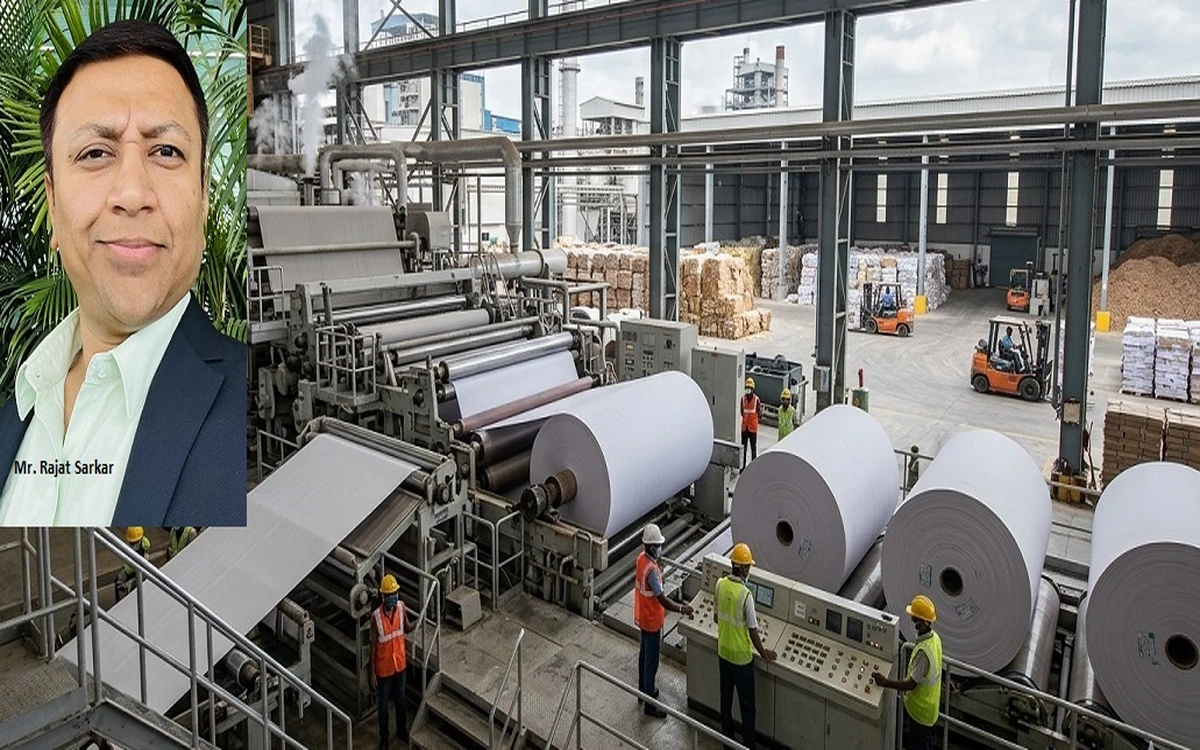
India Paper Industry at an Inflection Point: War, Costs, and Capacity; Demand growth expected at 5–7% in FY26
A new capacity in Tissue and specialty paper mfg.; Machine Design, Installation, and commissioning by Saloni Paper Machines
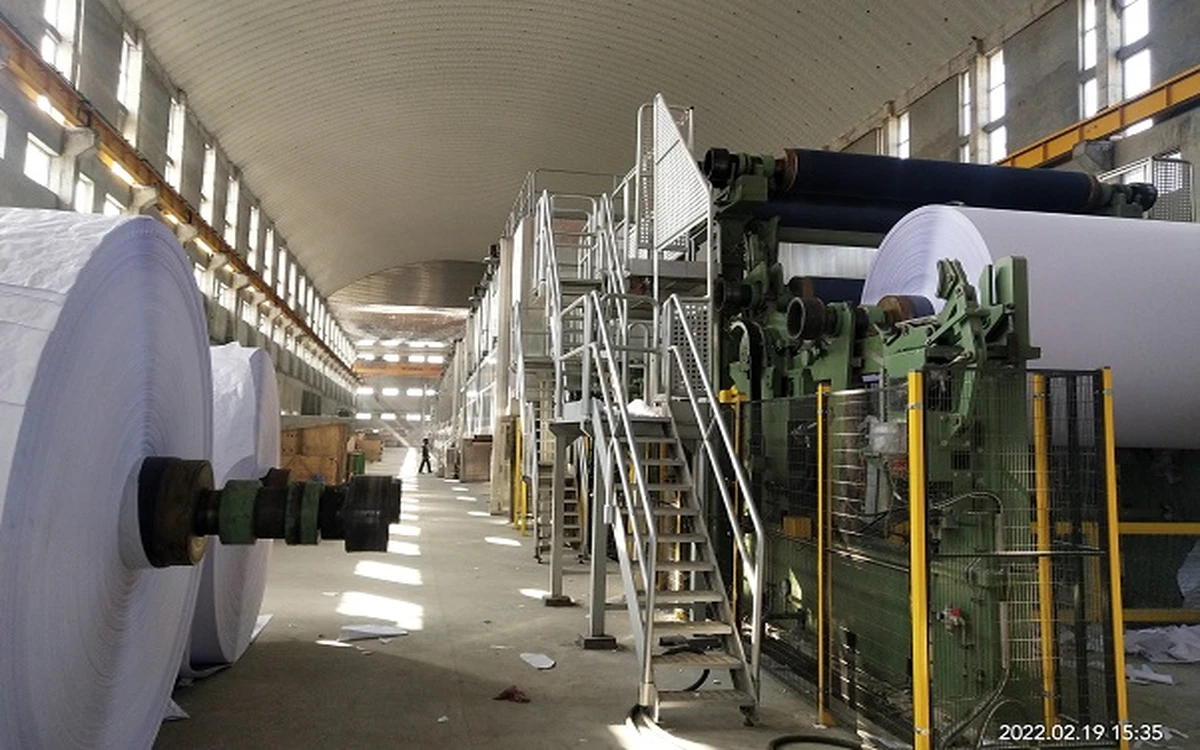
Satia Industries: better product mix and higher sales realization drive increased revenue in Q2FY23
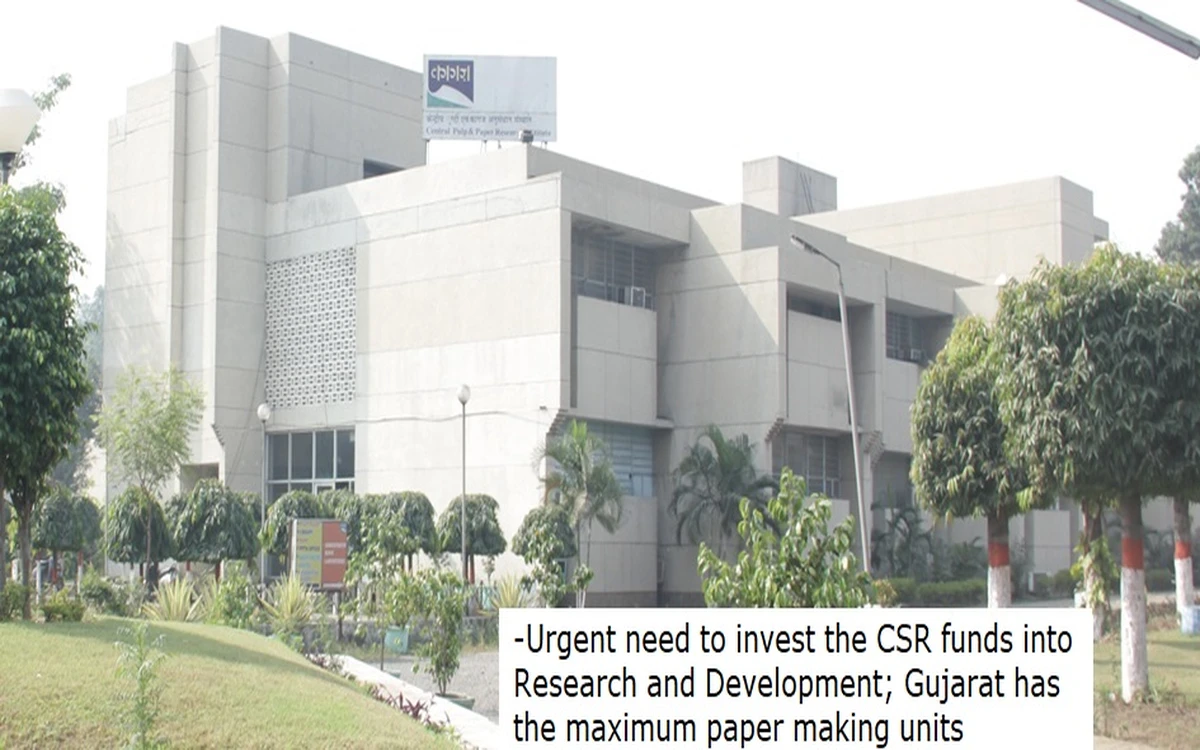
CPPRI: Paper Industry contributes Rs. 8000 Crores to the National exchequer with a turnover of Rs.70000 Crores
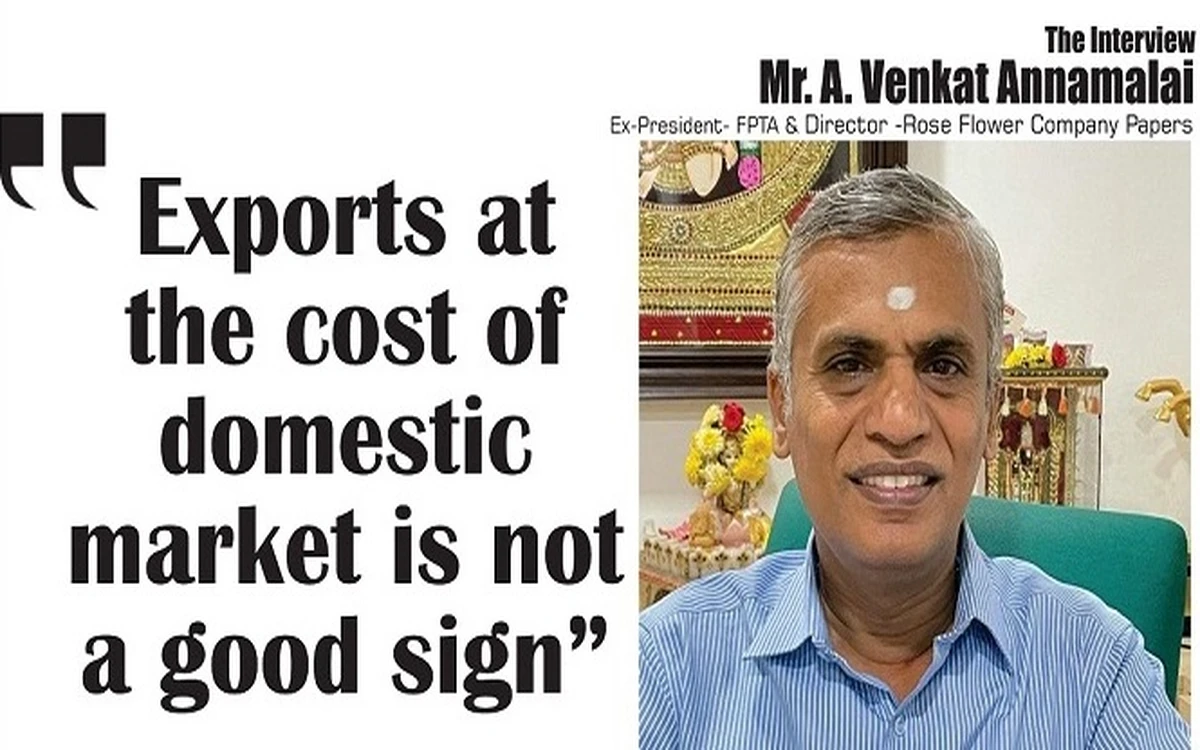
“Surging exports of paper will most certainly keep the domestic prices quite high”: Mr. A. Annamalai, Director – RFC
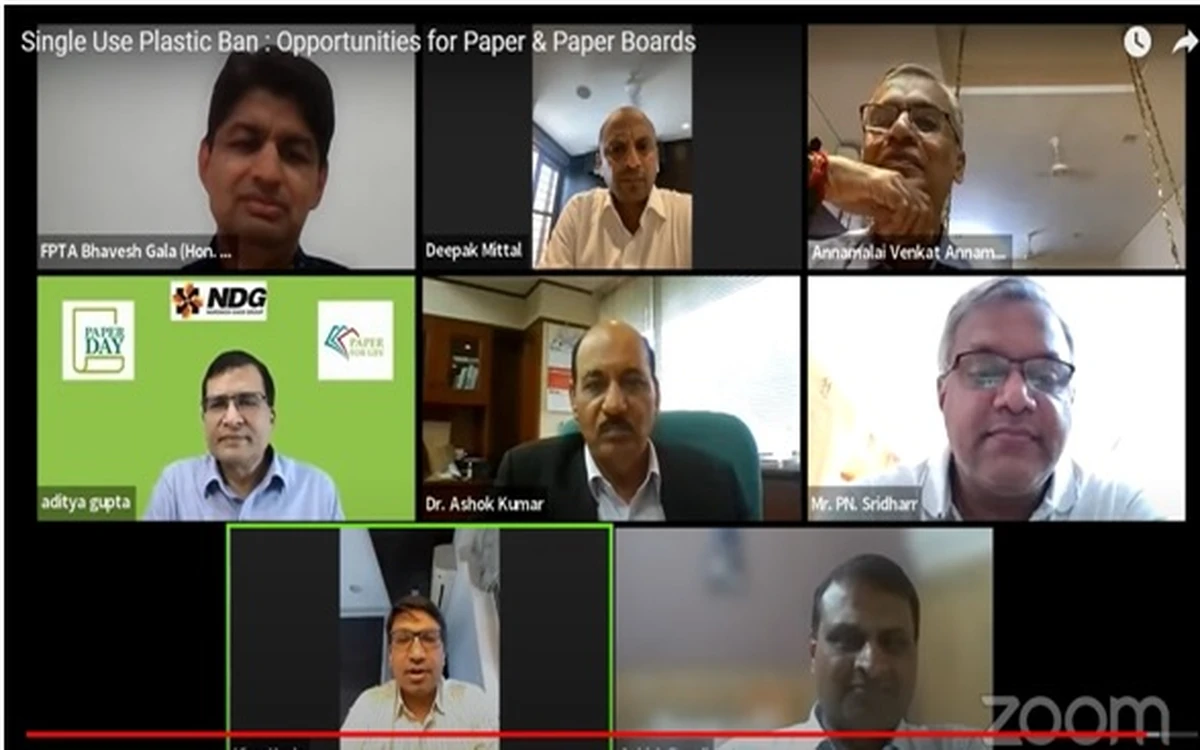
Single-Use Plastic Ban: Everything, at each level, alternative for plastic will be expected from paper
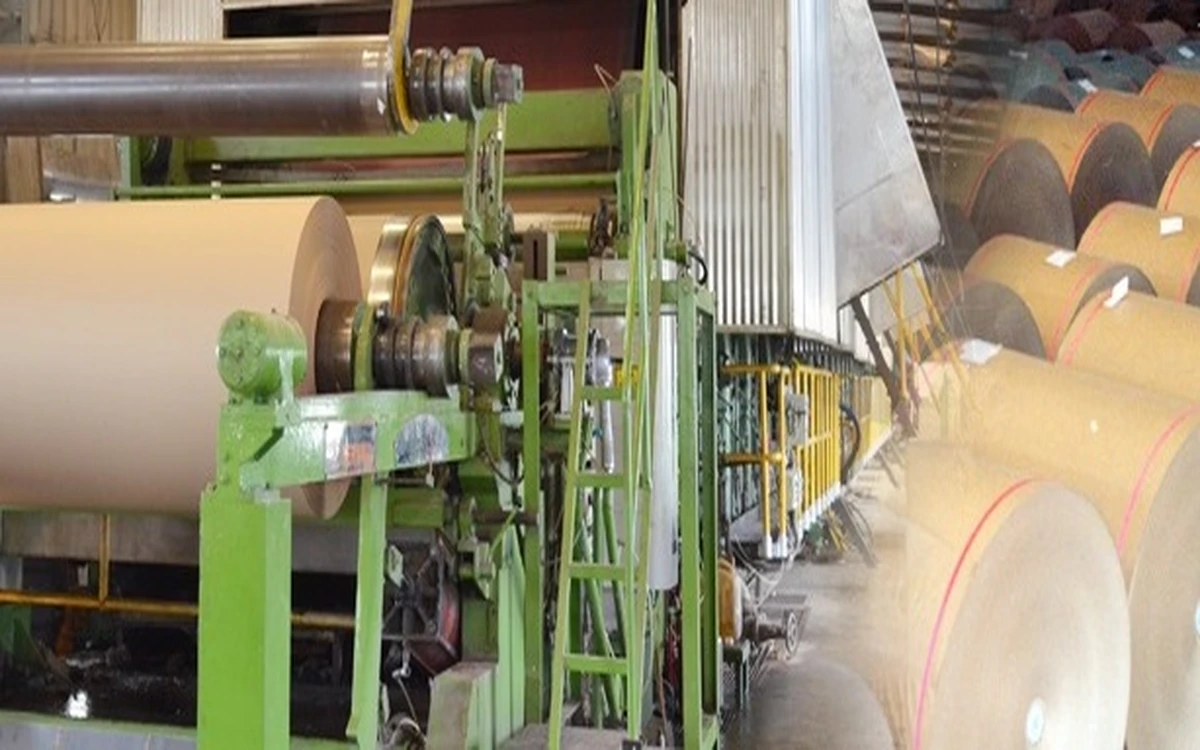
The Status of the Global Container board Industry, Recycled Paper Demand and Supply and its impact on the Indian Industry

Akshay Jain, director of Silverton Pulp & Paper, says it's time to promote agro residue as a raw material to lessen the scarcity of fibre
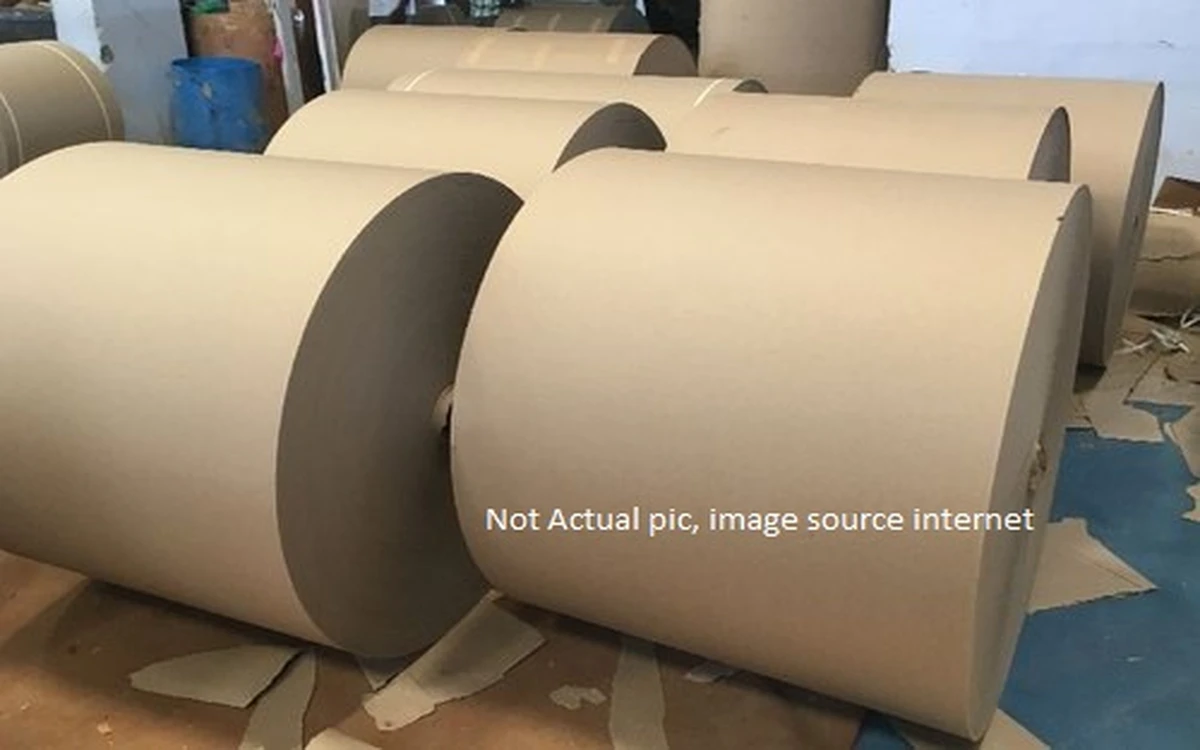
Advantageously located, a new paper mill is all set to roll kraft paper in Madhya Pradesh
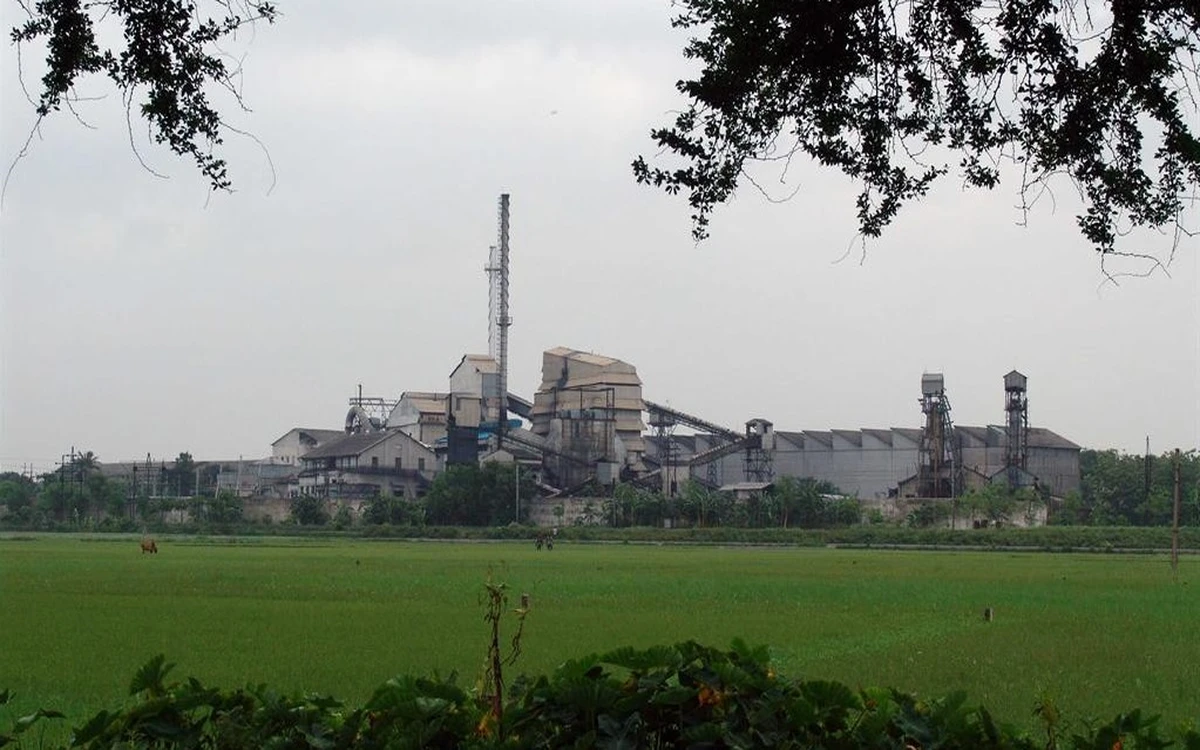
Several agile interventions helped ITC-PSPD fortify its clear leadership of the Value Added Paperboards (VAP) segment

Indian Paper Industry under pressure; Mills announce multi-phase price revisions
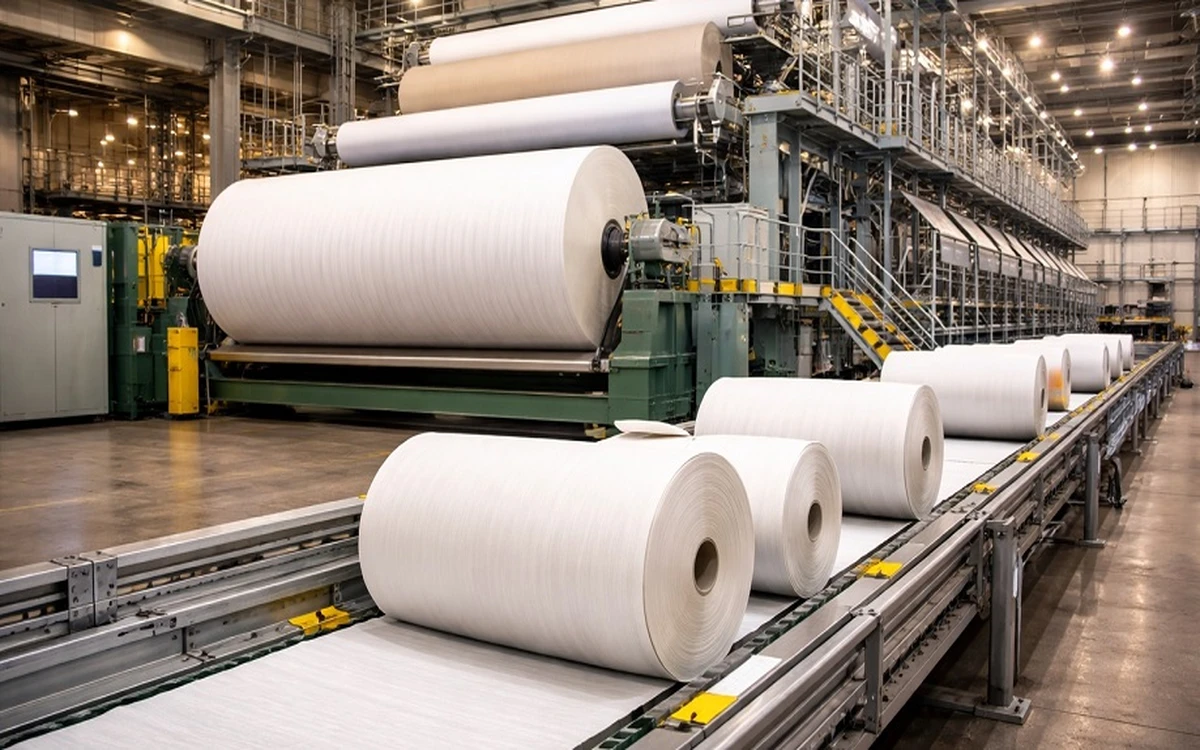
Orient Paper and Industries revises capex plan, Approves 23,400 TPA new Tissue Machine at Amlai unit
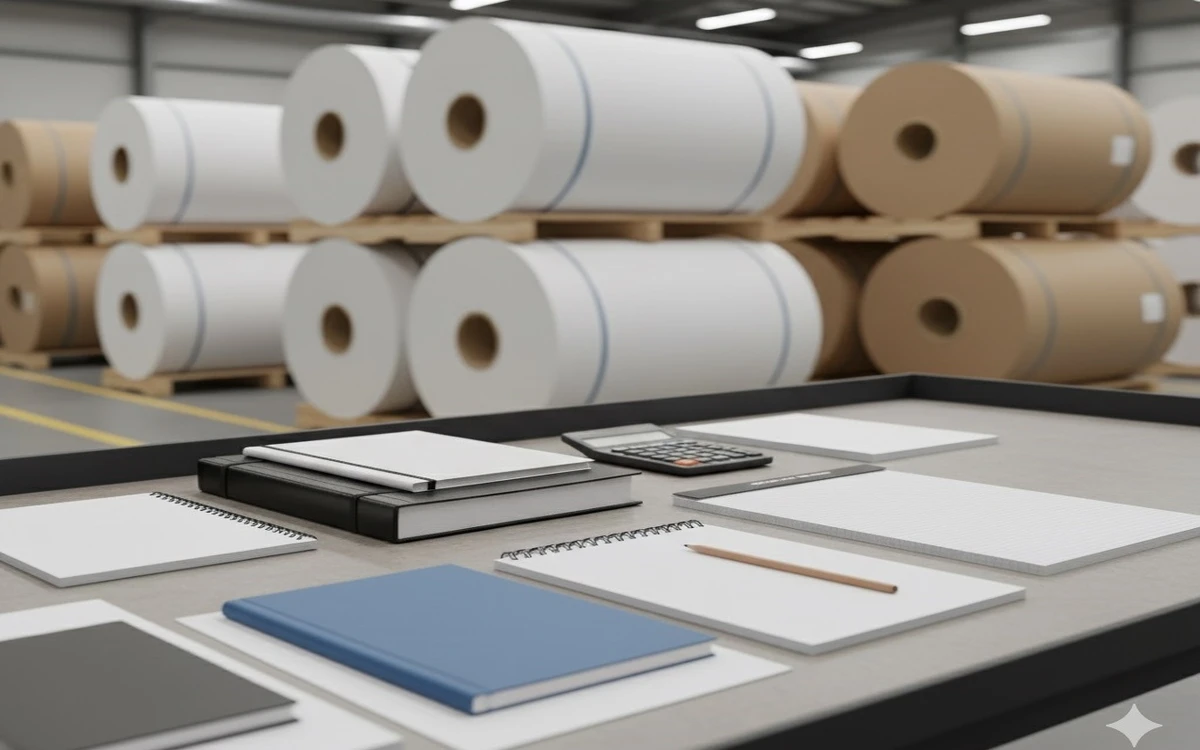
“Paper mills are supplying at 0% GST but with a increased price to the extent of their Input credit loss,” says Mr. Shailendra Gala of Navneet Education
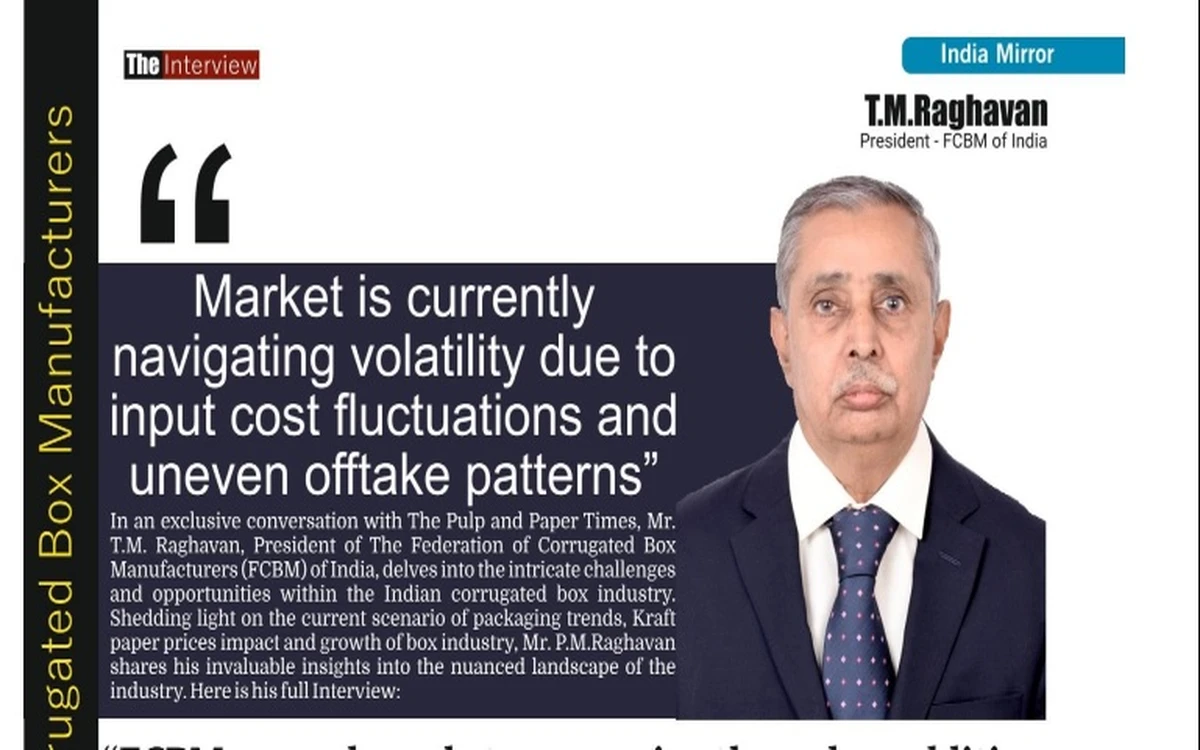
“FCBM urges brands to recognize the value addition by corrugators and ensure equitable pricing,” says Mr. T. M. Raghavan of FCBM
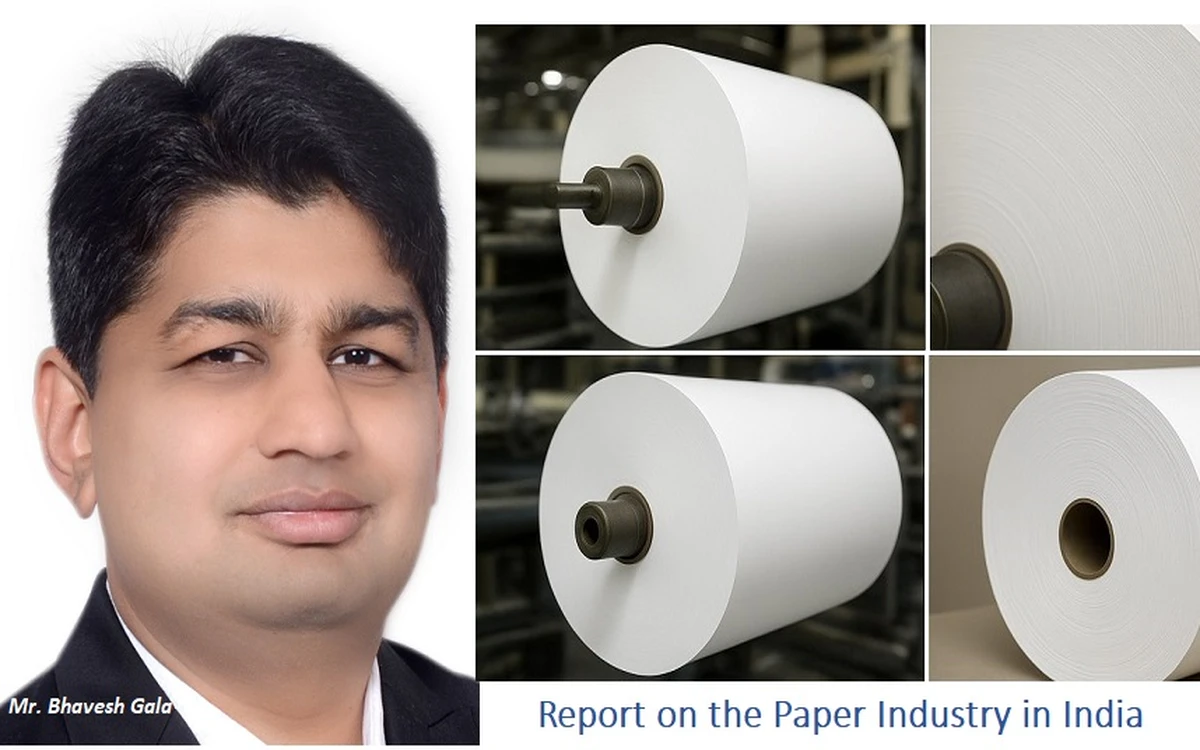
Paper Market scenario of WPP, Coated, and Packaging Boards, and MIP impact: Insights by Mr. Bhavesh Gala
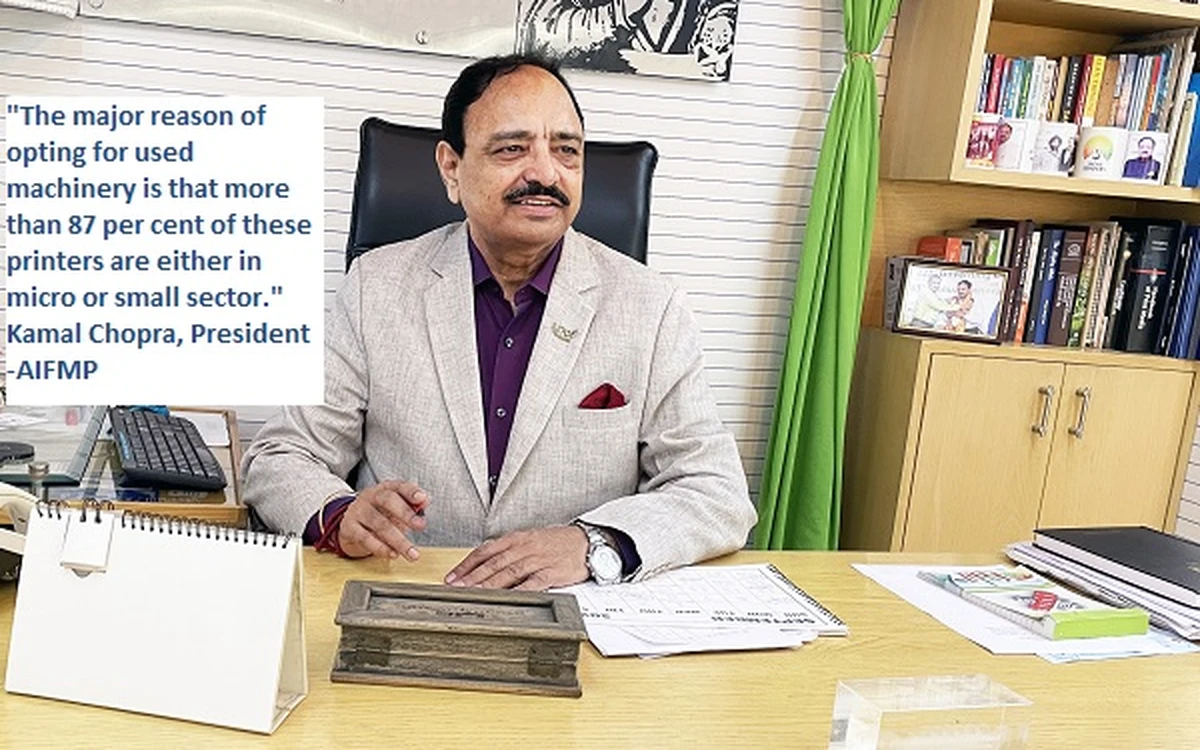
"We have to think unique and produce distinct items to remain in the business, Printers are stuck between manufacturers and customers", Says Kamal Chopra, President - AIFMP
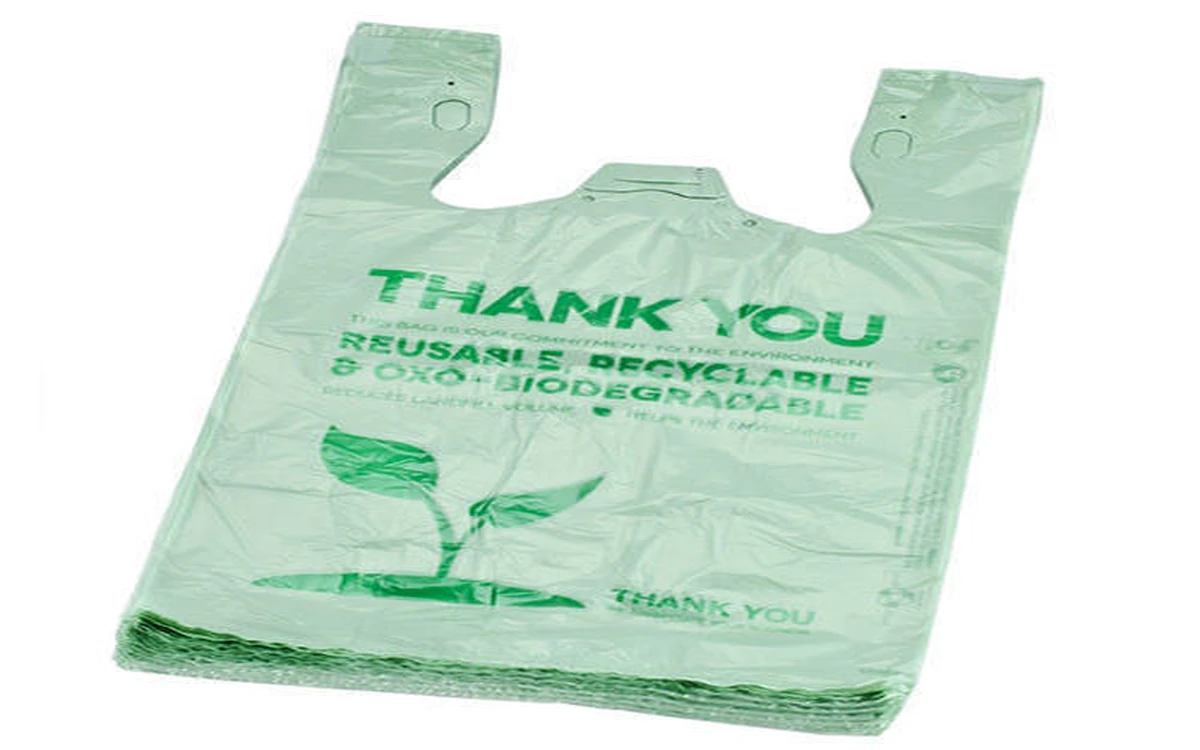
Scientists from IIT-Guwahati develop India's first biodegradable plastic

EBMA: With books exempt from GST, imported finished books enter India tax-free; notebook prices may climb 15–20% with GST hike

It is estimated that USD10B to USD20B worth of single-use plastic packaging will convert to molded fiber, ZUME
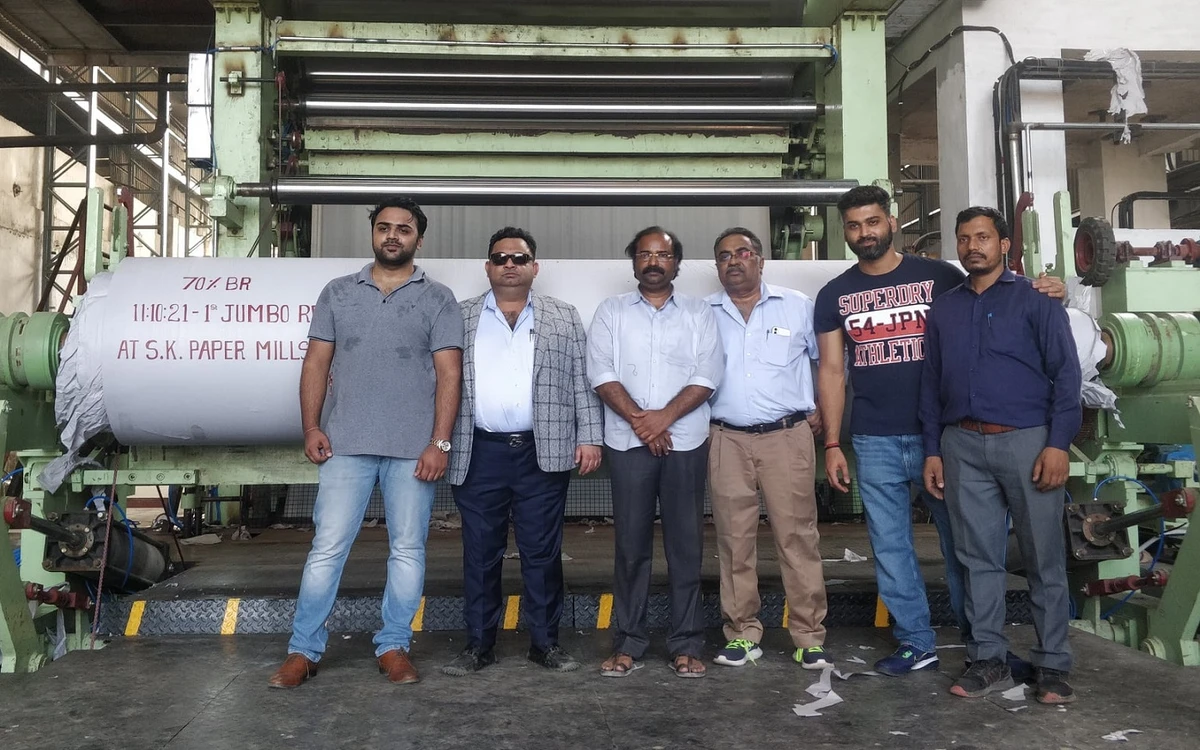
Muzaffarnagar gets a new capacity of Tissue Paper and MG Poster paper
India Paper Industry at an Inflection Point: War, Costs, and Capacity; Demand growth expected at 5–7% in FY26

Barrier-Coated Paper, RTE Demand, and E-Commerce: Experts Predict Paper-Based Packaging Market to Reach USD 46 Billion by 2030
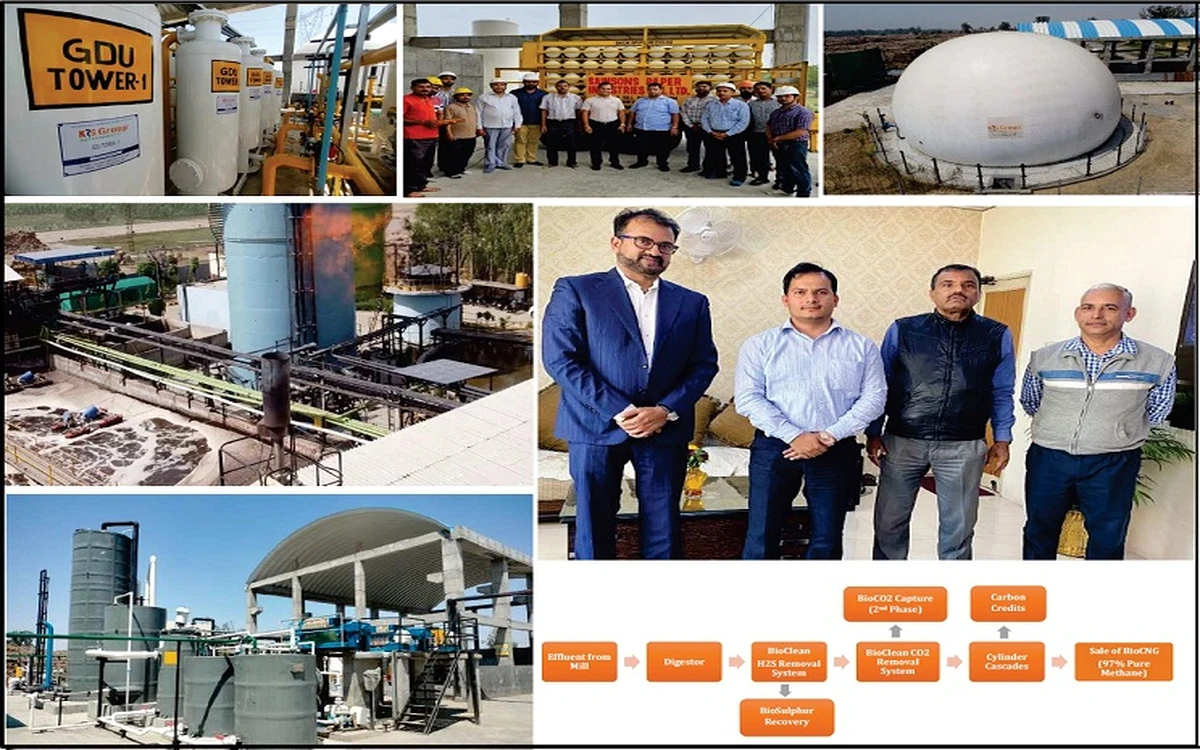
BioCNG from paper mill effluent: India’s & Asia’s First Paper mill, Sainsons Paper to Produce & Sell CBG/BioCNG From Waste Water
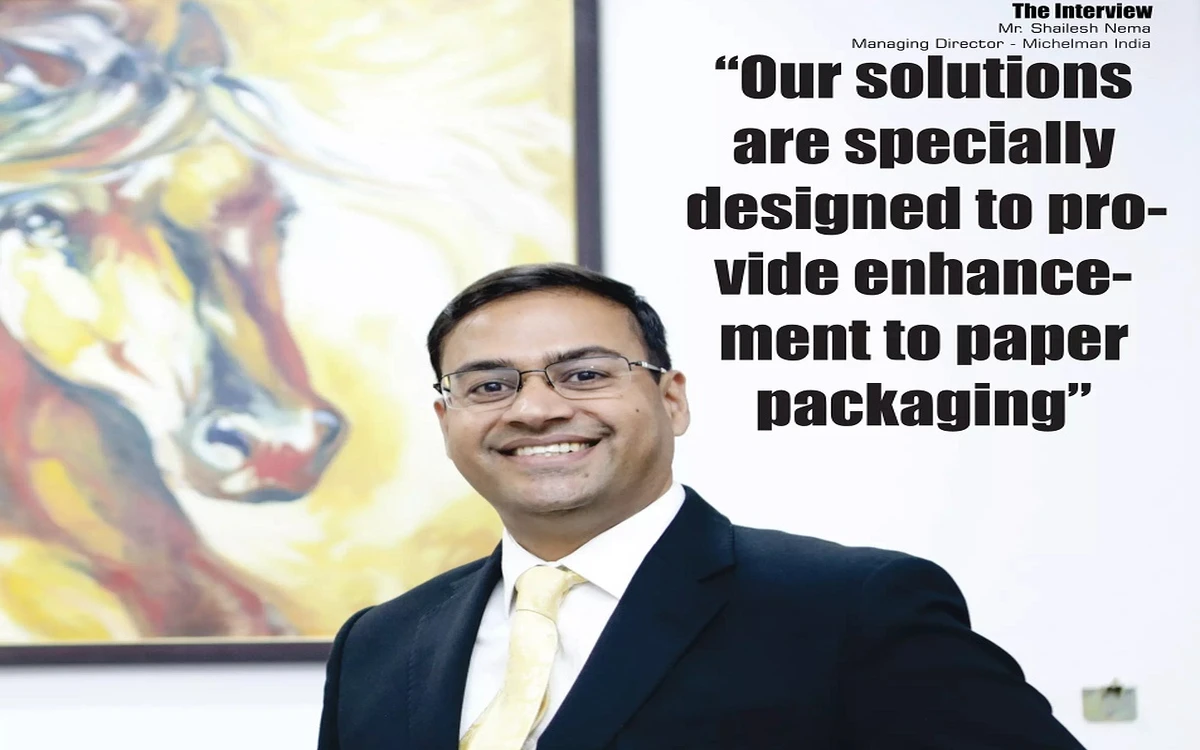
Michelman: Coating Solutions especially moisture and gas barrier on paper significantly improves the shelf life of food
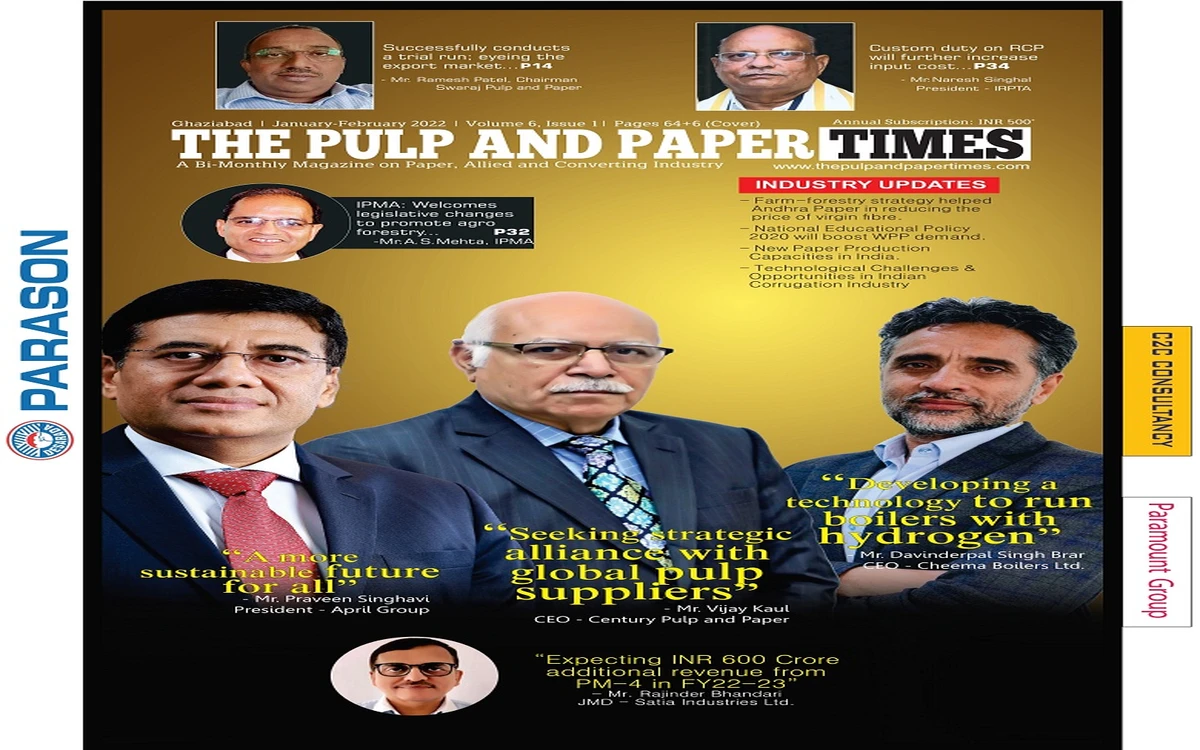
The Pulp and Paper Times Magazine : Volume 6, Issue 1
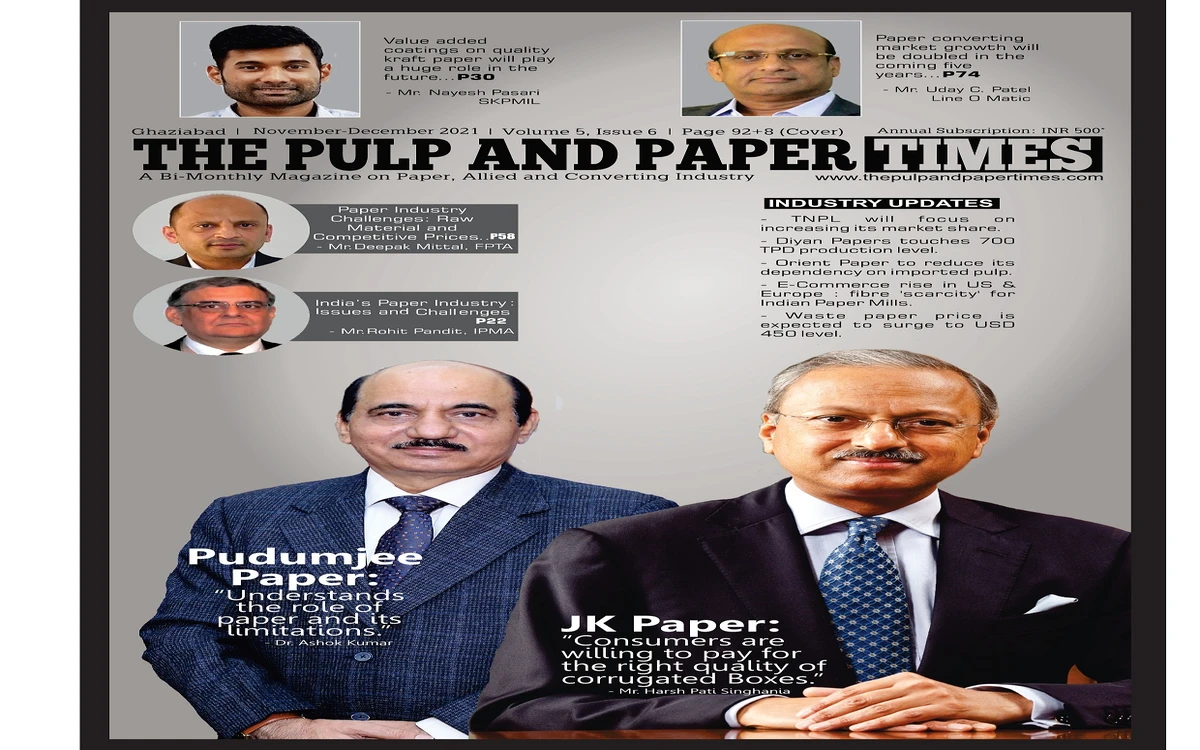
The Pulp and Paper Times Magazine : Volume 5, Issue 6
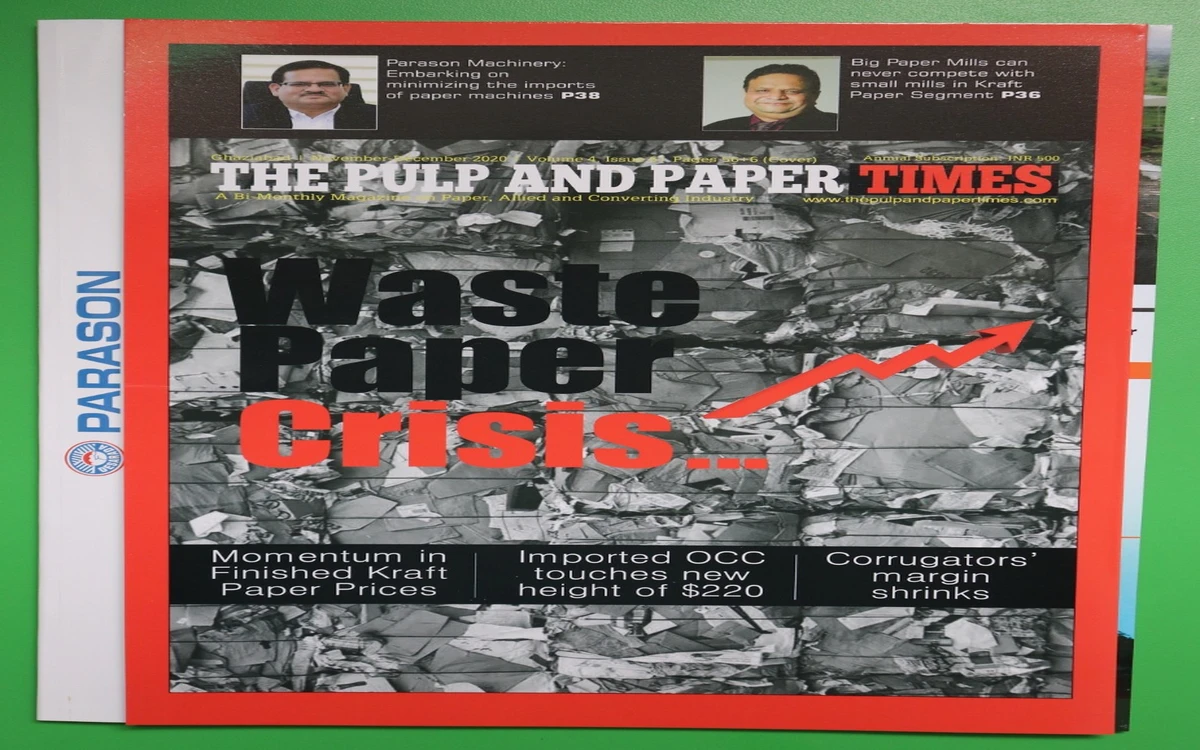
The Pulp and Paper Times: Volume 4, Issue 6
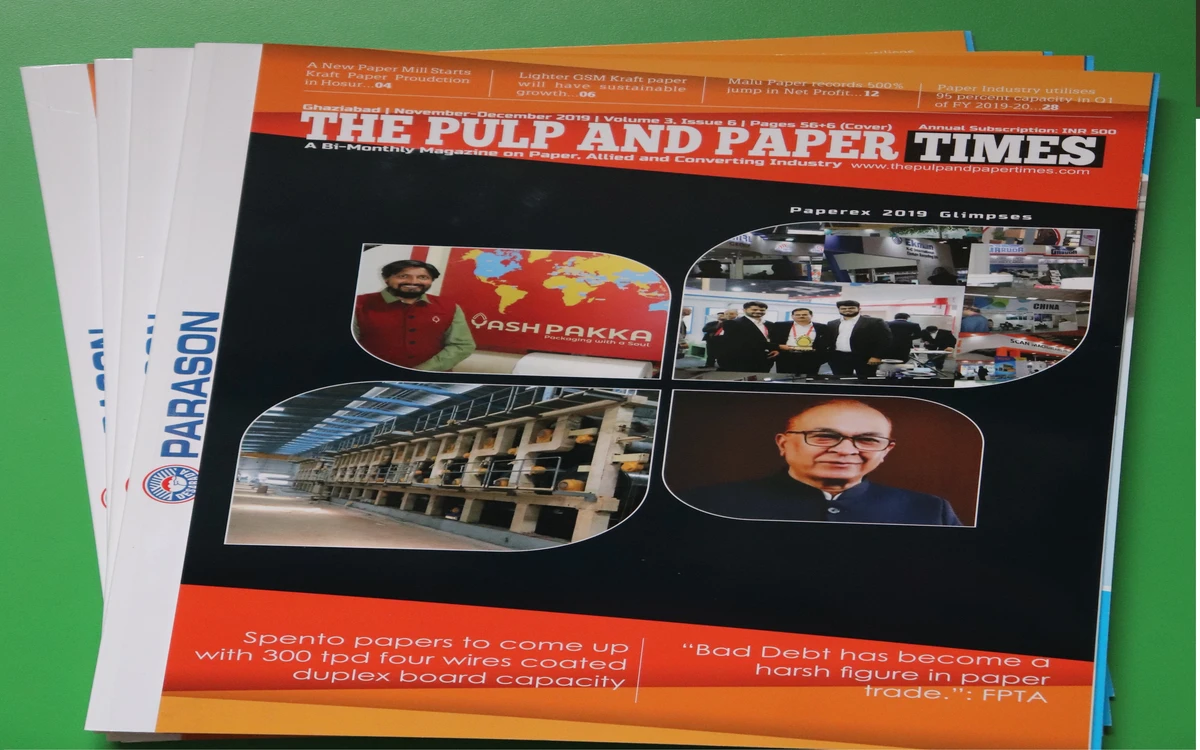
The Pulp and Paper Times : Volume 3, Issue 6
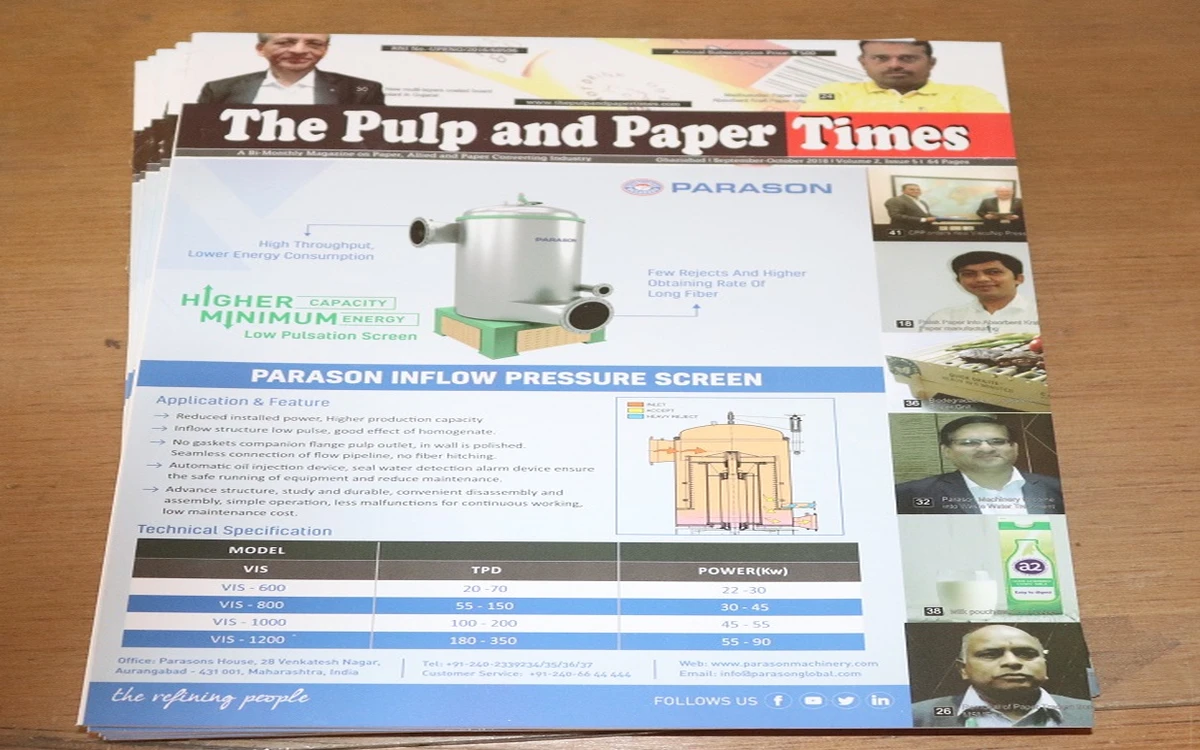
The Pulp and Paper Times: Volume 2 Issue 5
The Pulp and Paper Times, Volume 1, Issue 3
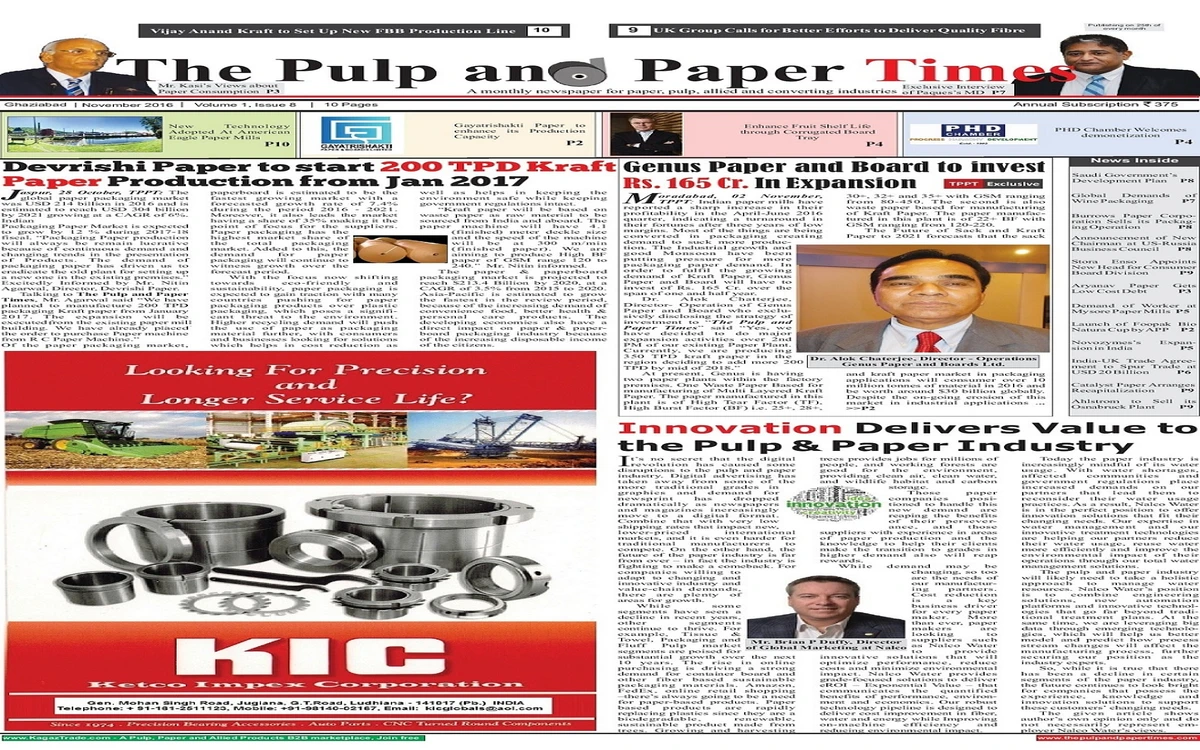
The Pulp and Paper Times, November 2016 Issue
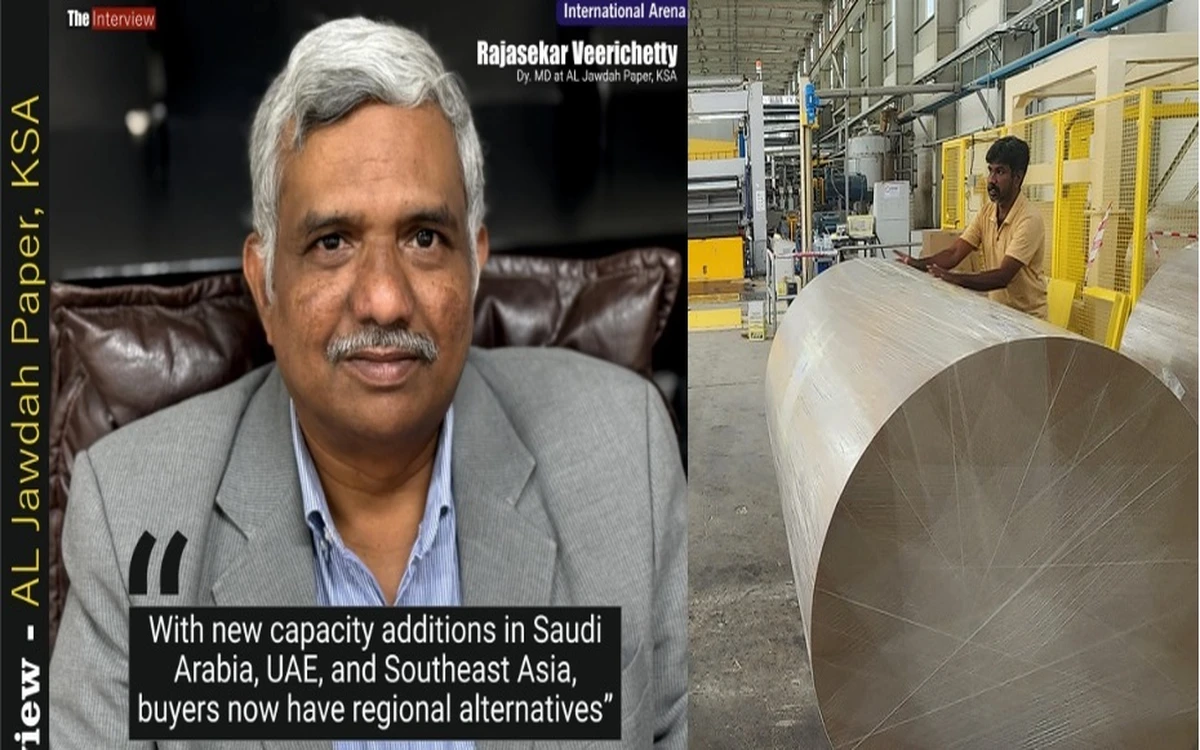
“The paper import share from India may remain lower, especially where quality, logistics, or pricing gaps exist,” says Mr. Rajasekar Veerichetty, Dy. MD of Al Jawdah Paper
Key Points:
“Future expansion includes a second paper machine and diversification into specialty grades like white top, gypsum board, targeted for 2029”
“With new paper capacity additions in Saudi Arabia, UAE, and Southeast Asia, buyers now have regional alternatives”
In an exclusive interview with The Pulp and Paper Times, Mr. Rajasekar Veerichetty, Dy. Managing Director, AL Jawdah Paper, KSA, discusses a range of topics, including demand and pricing, the current state of the paper industry, the waste paper crisis, and exports from India. He also delves into the growth of packaging paper in the GCC countries and other significant issues. Here is the complete interview.
The Pulp and Paper Times
Q: Please provide a brief introduction to AL JAWDAH PAPER.
Al Jawdah Paper is a modern recycled kraft paper manufacturing company based in Al Mithnab, Al Qassim Province, Kingdom of Saudi Arabia. Our core products include recycled kraft liner and fluting medium with a GSM range of 80–240 with high burst factors (BF). We are built on the mission of promoting circular economy and import substitution, and we aim to serve the growing demand for sustainable corrugated packaging paper across the GCC and export markets. With a planned daily capacity of 250TPD, Al Jawdah Paper is poised to become a key regional player in Quality kraft paper production.
Q: How do you evaluate a paper manufacturer's current situation in Saudi amid the tariff war with the US and decreasing demand? Don’t you think that the current business environment may prove challenging for a paper mill, especially when demand is on the lower side?

While market fluctuations and trade tensions such as the US tariff war create short-term volatility, Saudi Arabia’s packaging paper segment remains resilient due to internal consumption growth, infrastructure spending, and e-commerce expansion. Our approach at Al Jawdah is to focus on operational efficiency, cost-effective production, and regional market penetration to remain competitive, even during cyclical downturns.
Q: How has the wrapping and corrugated packaging paper market in the GCC Countries performed in volume and value terms for the last five years?
Over the past five years, the GCC packaging paper market has seen a compounded annual growth rate (CAGR) of approximately 5–7% in volume and 6–8% in value, driven by regional industrial diversification, logistics growth, and increased demand for fast-moving consumer goods (FMCG) and e-commerce packaging. While 2024 witnessed a temporary slowdown, the long-term fundamentals remain positive.
Q: Please explain the product portfolio (Product Mix) of AL JAWDAH Paper, GSM, BF, and Capacity. Also, share your expansion plan in future with the expected date of start-up of the machine along with end use.

Our initial product mix includes recycled kraft fluting, fluting premium, test liner with GSMs from 90 to 250 and burst factors (BF) ranging from 16 to 35. The plant’s designed capacity is 500 to 700 TPD, with full operations expected to begin by Q4 2027. End-use sectors include corrugated box manufacturers, carton converters, and industrial packaging firms. Under Vision 2030 future expansion includes a second paper machine and diversification into specialty grades like white top, gypsum board, targeted for 2029.
Q: Please shed some light on the technology used in your new machine. How will this give long-term sustainability?
We are installing a state-of-the-art multi-wire paper machine (2-wire), integrated with energy-efficient drives, DCS/PLC automation, and advanced QCS (quality control systems). This setup not only ensures consistent paper formation and better GSM control but also improves fiber recovery and reduces energy and water usage — making our operation both economically and environmentally sustainable in the long run.

Q: Please shed some light on your raw material furnish — will it be waste paper–based or virgin fiber? Also, what will AL JAWDAH’s strategy be for procuring these raw materials amid the tariff war imposed by the US?
We are a 100% recycled fiber-based mill, primarily sourcing OCC (Old Corrugated Containers) and NDLKC grades from both domestic and international suppliers, including Europe, MENA, and Asia. To mitigate risks from geopolitical factors like tariffs, we’re building diversified procurement channels and developing long-term supplier partnerships within the GCC and South Asia.
Q: How do you predict the growth of the paper industry in the MENA region over the next five years? Do you believe that exports of finished paper to MENA countries will significantly decrease due to the addition of new capacities?
The MENA paper industry is expected to grow steadily at 4–6% CAGR over the next five years. While regional capacities are expanding, especially in Saudi Arabia, UAE, and Egypt, localized production will enhance self-reliance. Export volumes from outside the region may moderate, but intra-GCC trade and exports to Africa, Europe and South Asia will remain important. Efficiency, quality, and environmental compliance will define competitiveness.
Q: Recently, excess capacity and a drop in exports have made the paper market sluggish in India. Do you also feel the same heat in Saudi Arabia or in GCC countries? How do you take this excess capacity issue?
Yes, excess capacity is a global issue. However, in the GCC, demand is also rising due to regional industrialization, Vision 2030 initiatives, and population growth. At Al Jawdah, we are aligning our production with realistic market demand forecasts and building a lean, flexible supply chain to stay adaptive. Export readiness, competitive pricing, and strong client relationships will help us navigate such market pressures.
Q: Good and right quality of Kraft and Duplex paper is a major issue & hurdle in exporting to other countries. Smell, cracks, and spots in the paper have broken the buyers’ trust. How could AL JAWDAH overcome these problems?
Al Jawdah addresses these challenges through strict raw material screening, multi-stage cleaning systems, and modern stock preparation lines. The machine design ensures excellent sheet formation and moisture profiles. We also invest in controlled dye system and latest ETP & odor control systems to prevent smell issues. Our QC lab monitors critical parameters rigorously to ensure defect-free, export-quality paper.
Q: India was a big exporter of kraft and packaging paper to GCC countries and China; now, the massive capacities in packaging paper have come up in South East Asia and GCC, which turned the market sentiments. Do you think that the import of paper from India will remain low in future or it’s a temporary phase?

While Indian mills have historically dominated kraft paper exports to the GCC, the landscape is changing. With new capacity additions in Saudi Arabia, UAE, and Southeast Asia, buyers now have regional alternatives. The import share from India may remain lower, especially where quality, logistics, or pricing gaps exist. However, Indian mills that adapt to high standards and lead time expectations will still find niche opportunities.
Q: Any message you want to give to Indian Buyers of Paper?
To our Indian partners and buyers: The paper industry today is more interlinked than ever. Let us focus on collaboration, transparency, and long-term quality assurance. At Al Jawdah, we welcome constructive engagement with Indian converters and traders for regional synergy. The market is evolving, and only those aligned with sustainability, consistency, and performance will grow sustainably.
Final Thought:
The Saudi paper industry faces challenges but also opportunities (e-commerce, sustainability trends). AL JAWDAH’s strategy of technology-driven quality, raw material security, and market diversification positions it well for future growth.

4 minutes ago

4 minutes ago

4 minutes ago
4 minutes ago

3 weeks ago

3 weeks ago
last month

last month
4 months ago

4 years ago


 Join WhatsApp Group
 Join Telegram Channel
 Join YouTube Channel
 Join Job Channel (View | Submit Jobs)
 Join Buy Sell Channel (Free to Submit)
 Paper News Headlines Channel (Free to read)