Join Groups & Channels, No Spamming







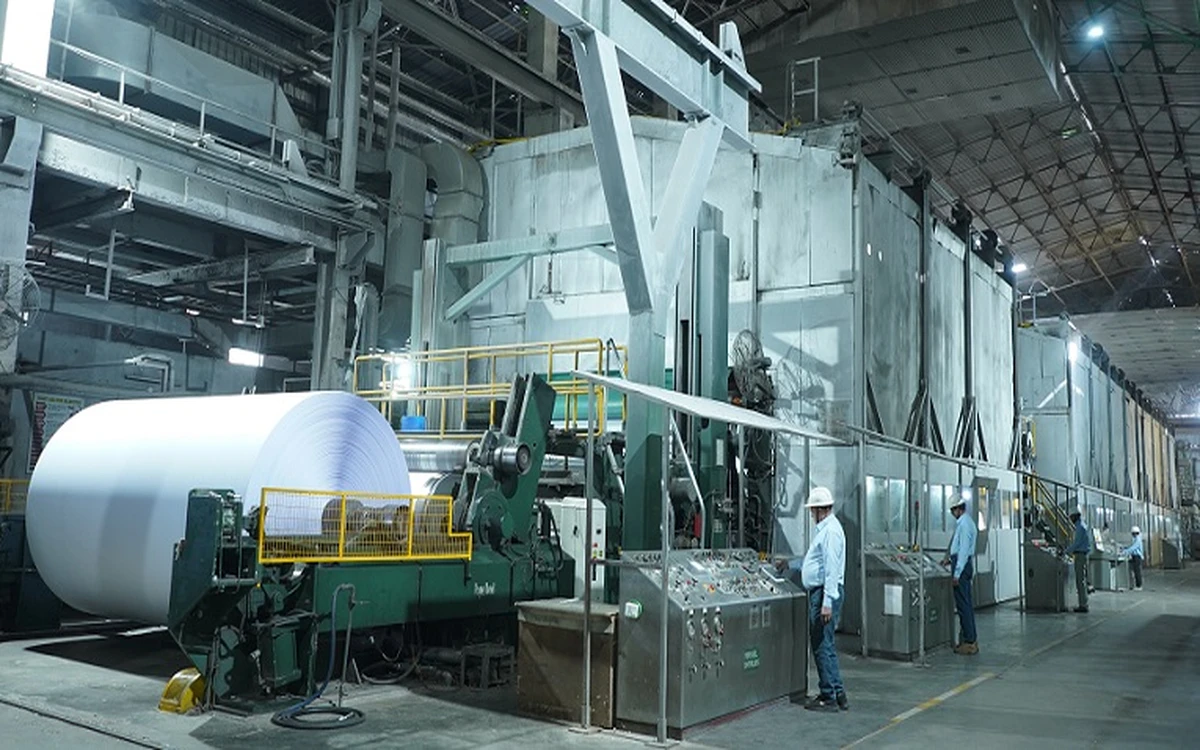
Kuantum Papers achieved record paper sales volumes of 1,60,845 metric tonnes in FY 24–25; revenue stood at Rs. 1,113 crores; closed-loop automation through Project Nirmaan
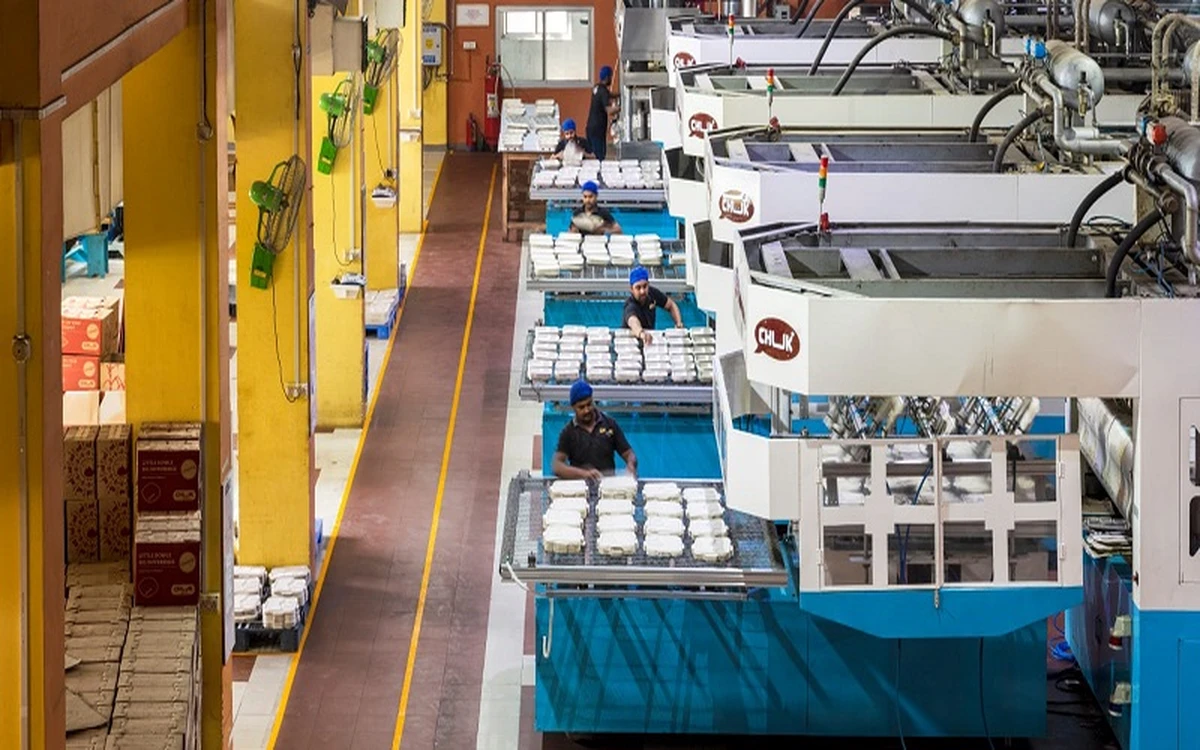
Pakka Q3 FY26 conference call highlights stabilization of PM3, Progress in Jagriti Project, Strategic pause on US and Guatemala activities

Navneet Education to invest INR 100 crore annually over the next three years to unlock new growth across content publishing and supplementary segments
India Paper Industry at an Inflection Point: War, Costs, and Capacity; Demand growth expected at 5–7% in FY26

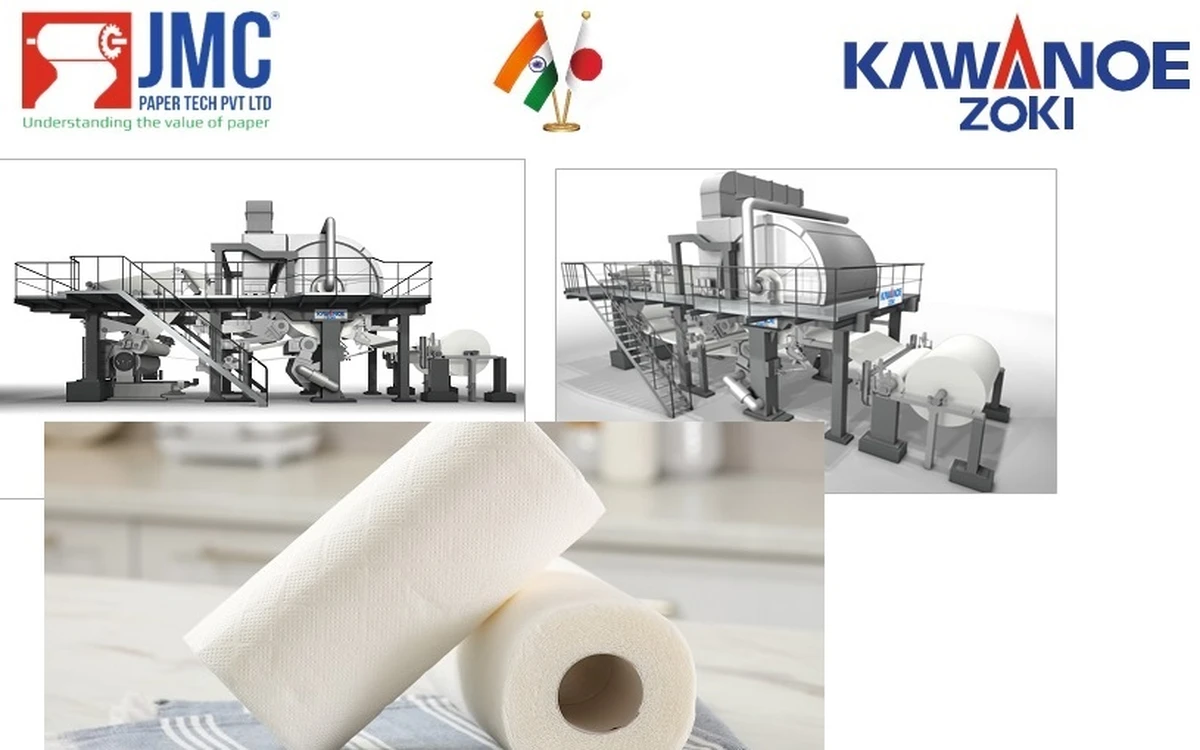
A new capacity in Tissue and specialty paper mfg.; Machine Design, Installation, and commissioning by Saloni Paper Machines

“Surging exports of paper will most certainly keep the domestic prices quite high”: Mr. A. Annamalai, Director – RFC
The Status of the Global Container board Industry, Recycled Paper Demand and Supply and its impact on the Indian Industry

Akshay Jain, director of Silverton Pulp & Paper, says it's time to promote agro residue as a raw material to lessen the scarcity of fibre
Advantageously located, a new paper mill is all set to roll kraft paper in Madhya Pradesh

Several agile interventions helped ITC-PSPD fortify its clear leadership of the Value Added Paperboards (VAP) segment
ITC-PSPD, JK Paper, and TNPL reported a jump in profits in Q4 FY25-26, supported by partial relief from the MIP, and moderation in wood prices

Overview of the Indian Education and Content Publishing Sector

B&B Triplewall is well-positioned to capitalize on growing industry demand despite lower profitability due to investments in its new kraft paper mill
Kuantum Papers achieved record paper sales volumes of 1,60,845 metric tonnes in FY 24–25; revenue stood at Rs. 1,113 crores; closed-loop automation through Project Nirmaan
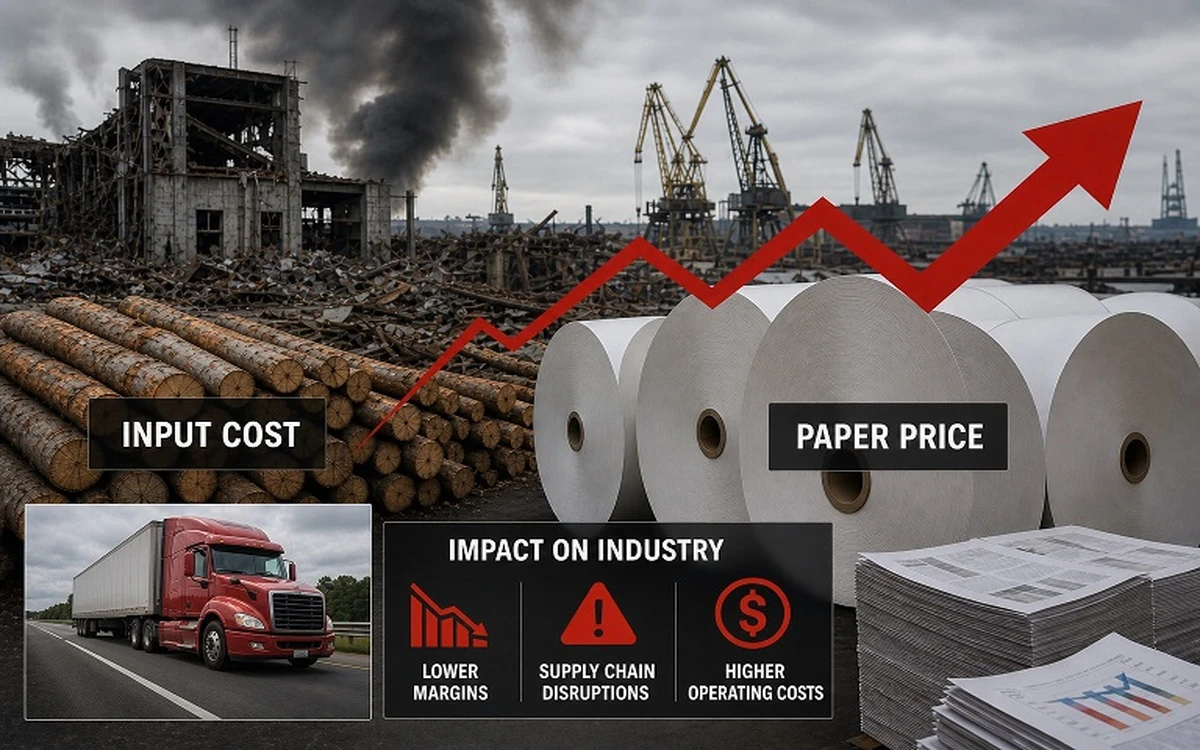
Paper prices likely to adjust upward; Industry braces for massive impact in the coming months; ROCE below 8% insufficient for long-term growth: A.S. Mehta
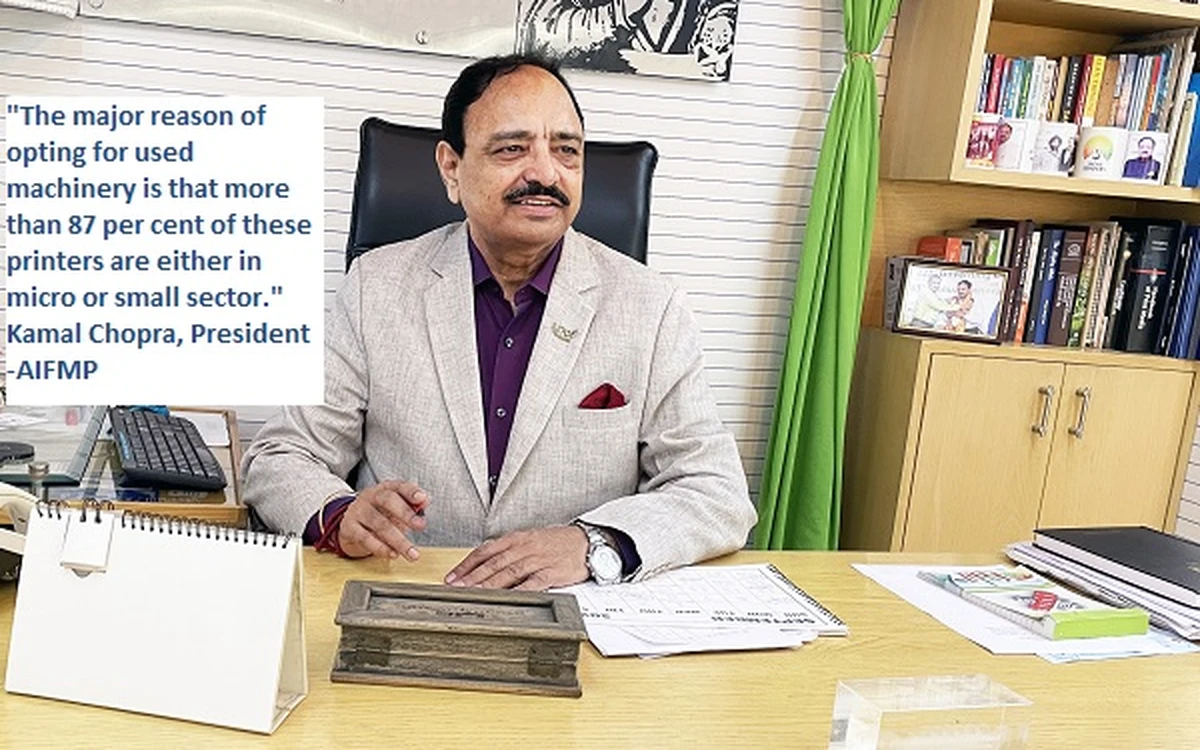
"We have to think unique and produce distinct items to remain in the business, Printers are stuck between manufacturers and customers", Says Kamal Chopra, President - AIFMP

Scientists from IIT-Guwahati develop India's first biodegradable plastic
Overview of the Indian Education and Content Publishing Sector
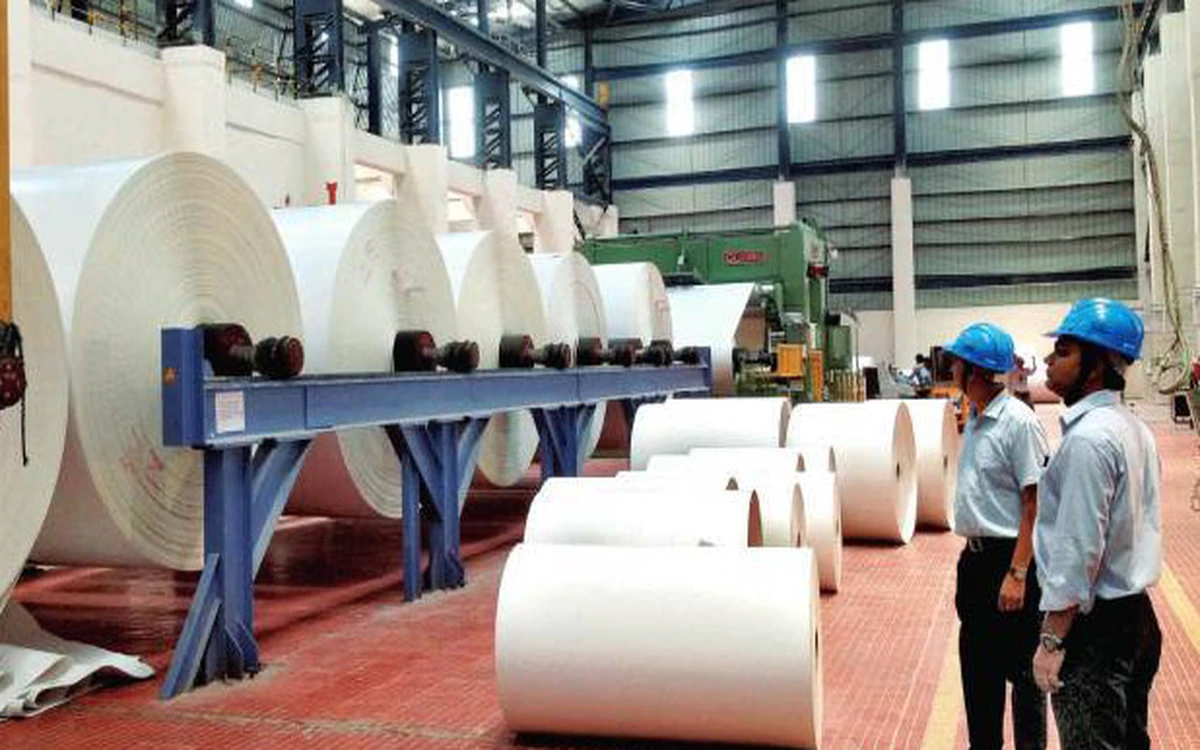
JK Paper Strengthens Technology, Plantation and Packaging Strategy Amid Industry Challenges
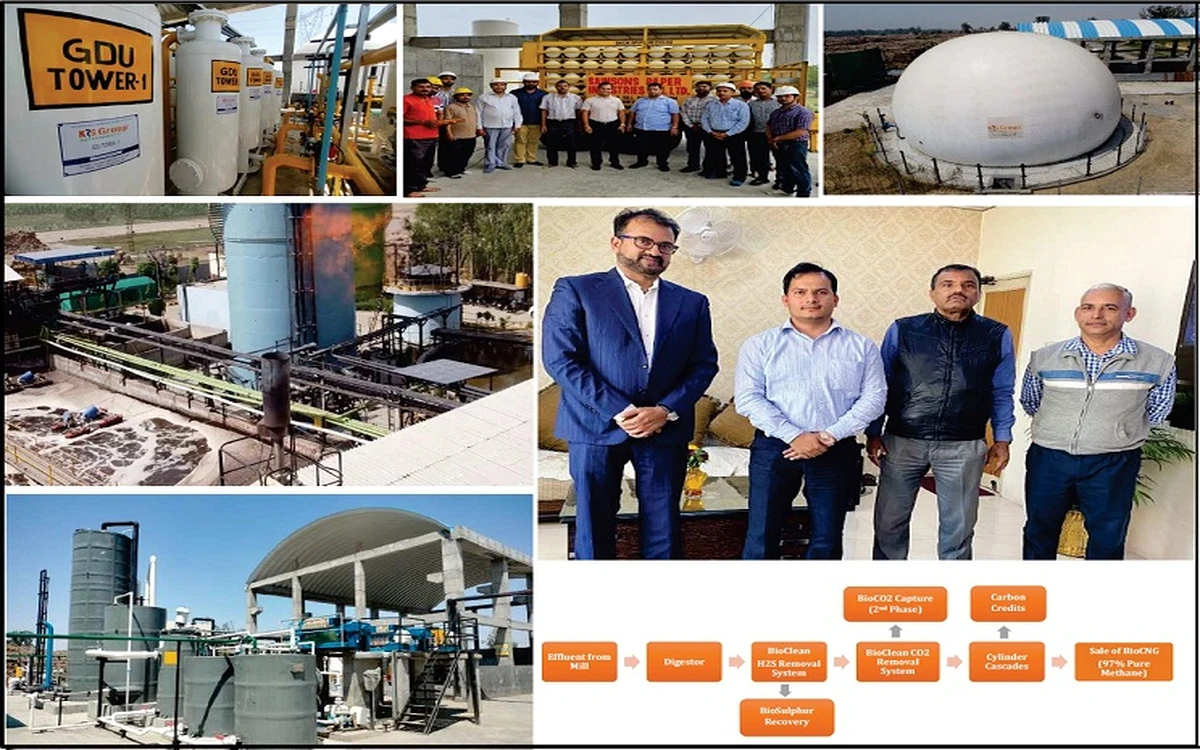
BioCNG from paper mill effluent: India’s & Asia’s First Paper mill, Sainsons Paper to Produce & Sell CBG/BioCNG From Waste Water
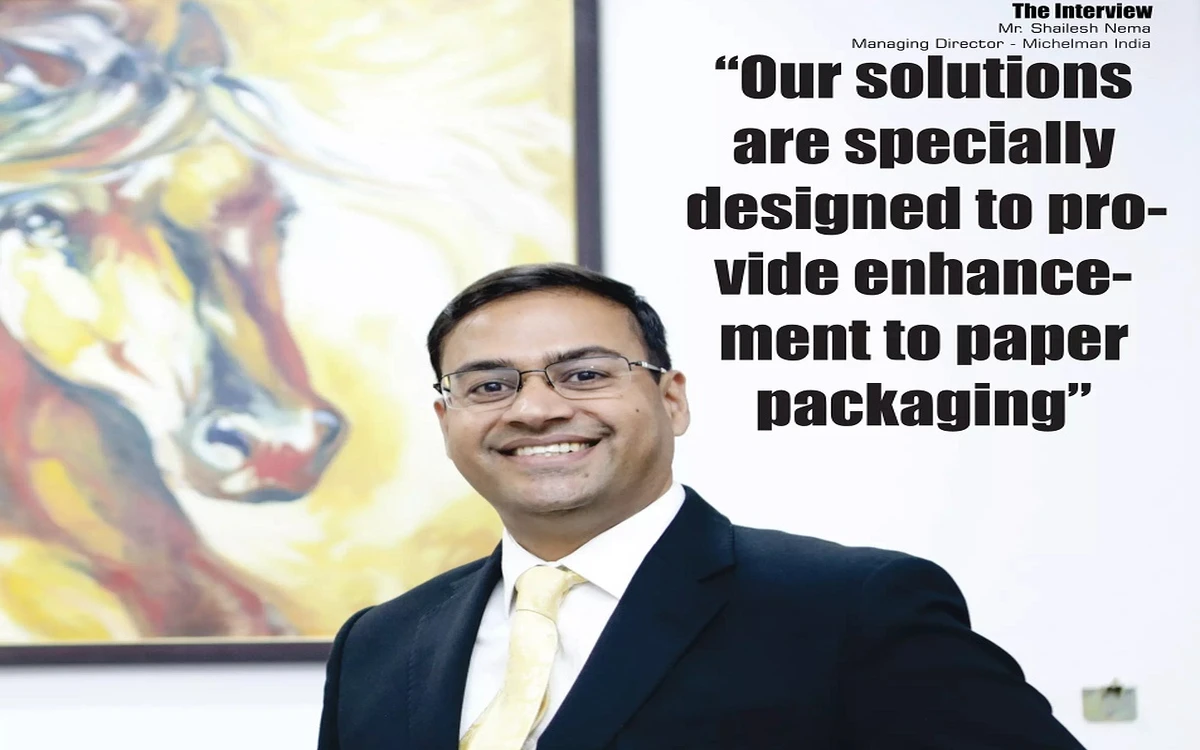
Michelman: Coating Solutions especially moisture and gas barrier on paper significantly improves the shelf life of food
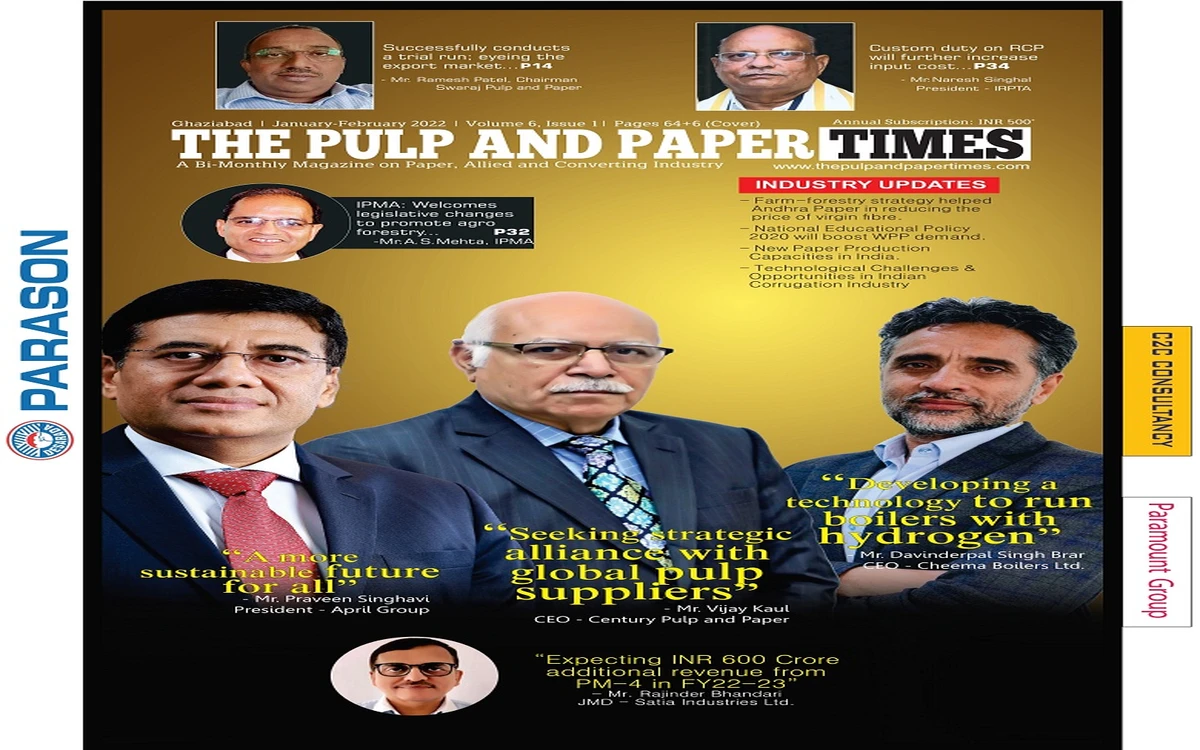
The Pulp and Paper Times Magazine : Volume 6, Issue 1
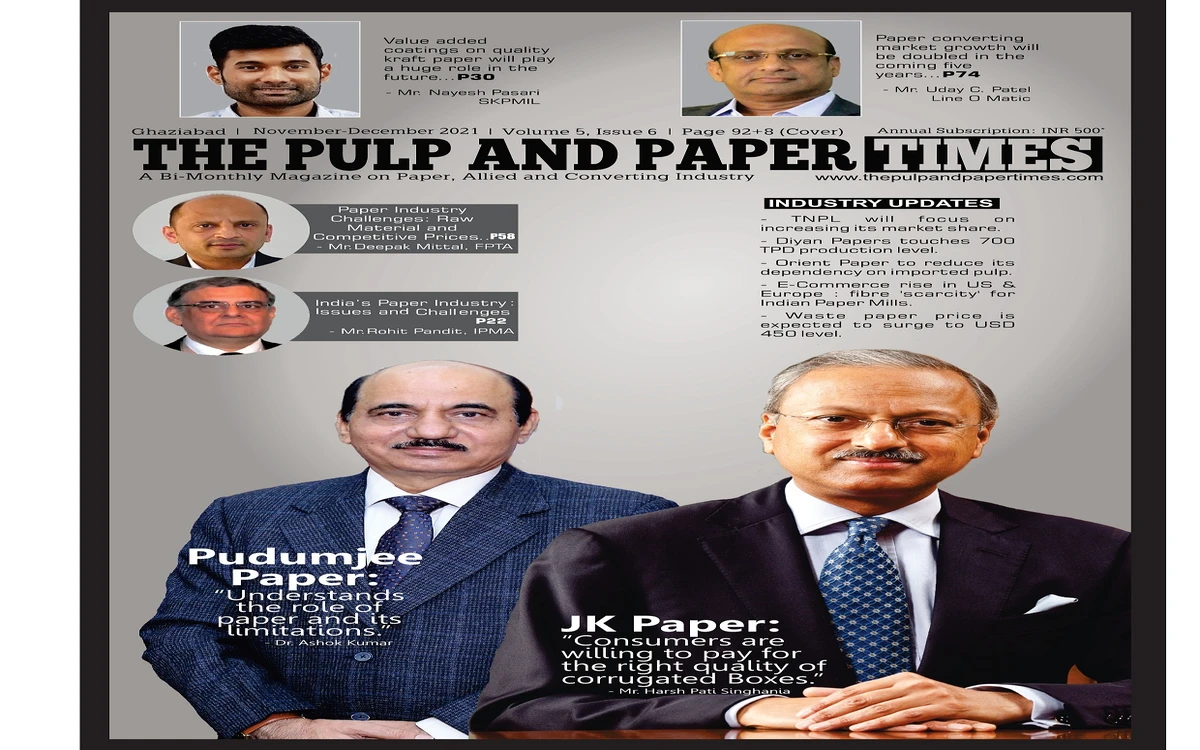
The Pulp and Paper Times Magazine : Volume 5, Issue 6
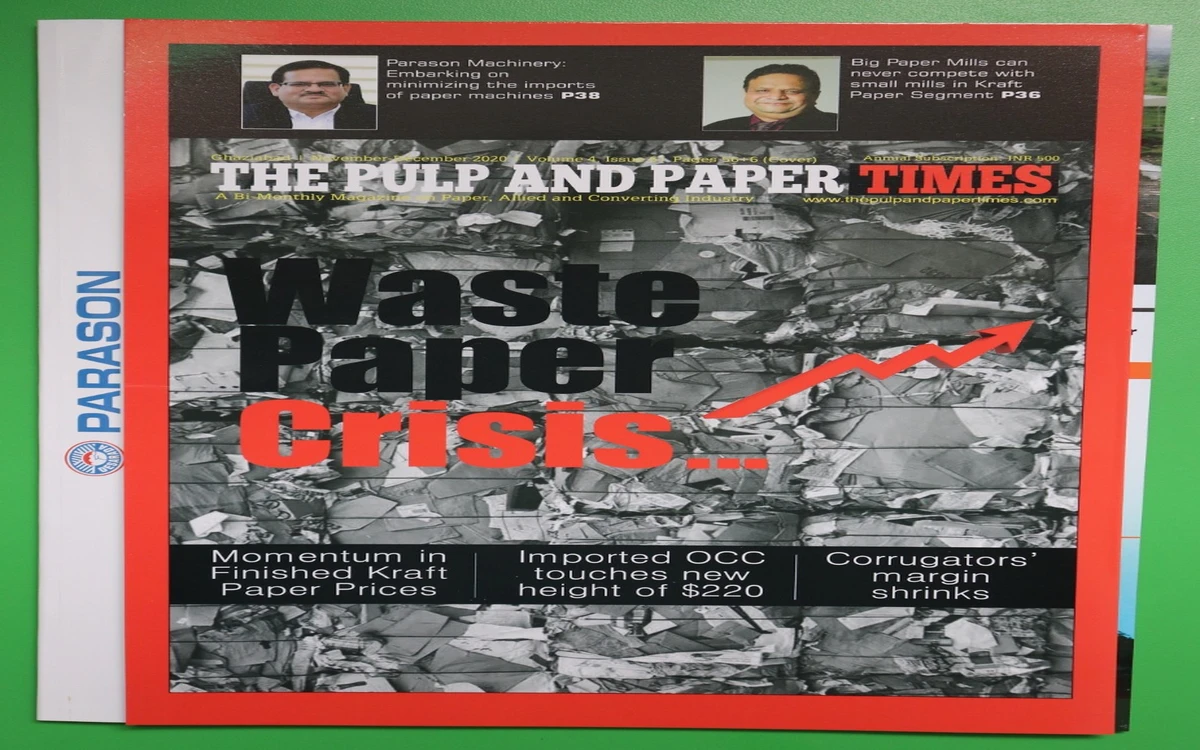
The Pulp and Paper Times: Volume 4, Issue 6

The Pulp and Paper Times : Volume 3, Issue 6
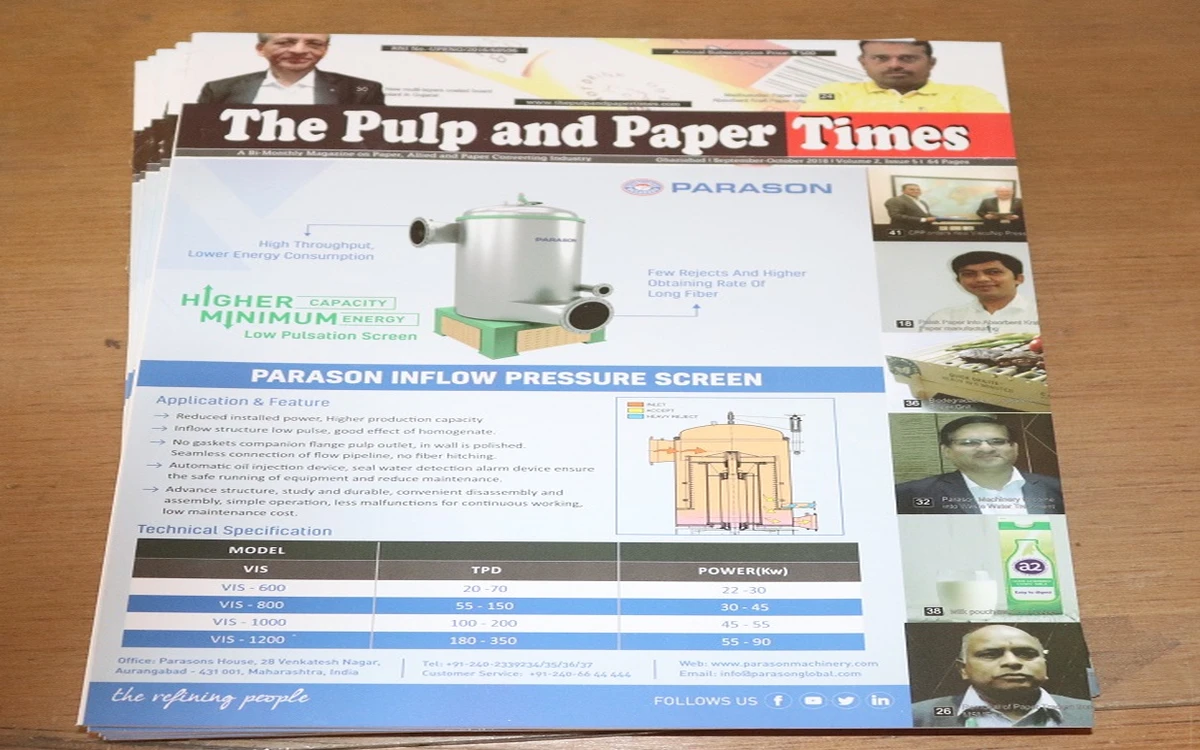
The Pulp and Paper Times: Volume 2 Issue 5
The Pulp and Paper Times, Volume 1, Issue 3
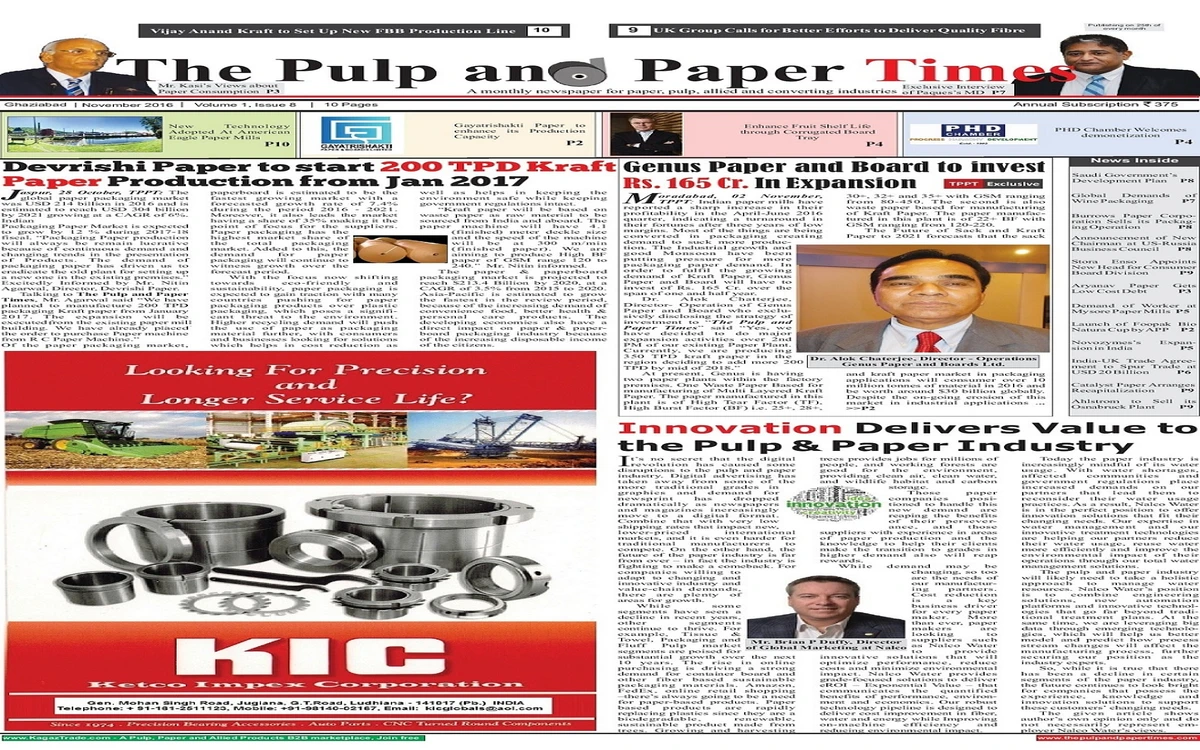
The Pulp and Paper Times, November 2016 Issue

“Most of our clients see ROI within 6 to 9 months, making AI not just a strategic choice but a sound financial one,” says Mr. Vipin Raghavan of Haber
Key Points of Interview
“Manufacturers increasingly see AI adoption not just as a digital upgrade, but as a competitive, future-proofing move”
“By using systems based on AI, avoid chemical overdosing, optimize water use, and ensure smarter energy consumption”
“With AI-IoT, equipment health can be tracked in real time using multiple data parameters, such as vibration, to forecast failures before they happen”
“The real merit of AI lies in continuous learning and adapting, which DCS alone doesn’t do”
“AI doesn’t need to be a heavy investment; it just needs to be the right one”
The Pulp and Paper Times recently turned its spotlight on the transformative role of Artificial Intelligence (AI) in the pulp and paper industry. In this pursuit, we engaged with Haber, a company that has developed an AI- and IoT-powered platform designed to enhance energy efficiency, chemical optimization, and production performance across factories and manufacturing plants.
To delve deeper, we spoke with Mr. Vipin Raghavan, Co-founder and CEO of Haber. Our conversation explored the practical applications of AI-IoT in paper mills, key areas for boosting operational efficiency, and how mills can generate strong returns on their AI investments. Here is the full interview:

The Pulp and Paper Times
Q: Please give us a brief introduction to Haber.
At Haber, we partner with pulp, paper, tissue, and packaging manufacturers to drive smarter, more efficient operations through AI-driven automation. Our platform helps plants move beyond reactive problem-solving, enabling precise, data-driven decisions that reduce variability, improve product quality, and lower chemical, energy, and water usage all in real time. We facilitate stronger quality control, better margins, and a more sustainable path forward.
Q: For our readers, what is the definition and significance of Artificial Intelligence (AI) in the process industry?
AI in the process industry acts like a tireless 24*7 analytical layer by constantly learning from data, detecting anomalies, and offering real-time insights and optimizations. It strengthens the decision-making ecosystem by providing an always-on perspective, enabling teams to operate with more precision, consistency, and agility. If harnessed to its full potential, AI can strengthen processes by providing a more complete and continuous view of what’s happening.

Q: AI adoption is most remarkable in sectors that are already strong digital adopters, such as telecom, automotive, assembly, and financial services. How has AI-IoT benefited the pulp and paper industry?
The pulp and paper industry sits at the intersection of high variability in raw materials and tight quality control on end product, being the ideal ground for intelligent automation. Our AI-IoT platform brings real-time adaptability to this complexity, enabling mills to maintain consistency, efficiency, and uptime. Our AI-powered products, like eLIXA for adaptive process control, Mt Fuji for proactive plant management, and Kaiznn for perfect trim optimization, transform real-time plant data into self-optimizing operations. This has helped mills achieve up to 15% higher output, 10% reduction in raw material usage, and an 8% boost in revenue, resulting in improved margins and equipment uptime. And this is just the start.

Q: Looking through the lenses of both suppliers and users to form a more robust view of the economic potential of AI, how ready is the Indian paper industry to adopt AI-IoT in its processes?
The readiness is growing fast. Five years ago, AI was a buzzword. Today, we’re seeing serious adoption, not just by large integrated mills but also by forward-thinking SMEs. What's changing is the mindset. An active discussion on “How can we get to real-time control and predict quality issues before they happen?” has increased tremendously. That’s exactly the kind of curiosity we love building for.
Q: Please briefly explain how a paper manufacturing entity can achieve its ESG, energy, carbon, manufacturing, and supply chain goals through AI-IoT products or technologies.

AI-IoT brings measurable ESG and operational initiatives in pulp and paper. By using systems based on AI, avoid chemical overdosing, optimize water use, and ensure smarter energy consumption. These aren’t just sustainability wins; they directly improve OEE and lower production costs. Manufacturers increasingly see AI adoption not just as a digital upgrade, but as a competitive, future-proofing move.
Q: How do you see the role of predictive maintenance evolving with AI-IoT in paper mills, and what are the key measurable benefits mills can expect?
Predictive maintenance in paper mills is moving beyond basic time-based checks to more intelligent, condition-based monitoring. With AI-IoT, equipment health can be tracked in real time using multiple data parameters, such as vibration, to forecast failures before they happen. This shift not only reduces unplanned downtime but also helps mills plan maintenance better, extend equipment life, and optimize inventory management. Over time, it has created a more resilient, cost-efficient maintenance ecosystem.
Q: Please describe some of Haber’s AI products developed specifically for the pulp and paper industry and their applications in a process line.

Sure.Our AI products are designed for specific, high-impact use cases in pulp and paper. eLIXA brings automation via real-time data collection of parameters like pH, consistency, and dosing, ensuring output stability even with variable inputs. Kaiznn is focused on trim optimization, helping mills reduce waste and maximize reel utilization. Mt. Fuji enables predictive process control and helps reduce variation in end product and brings tighter control on costs. Together, they help mills improve quality, reduce downtime, and enhance profitability. And with next-gen in-line sensors, we’re pushing toward even greater process visibility and precision.
Q: What are the grey areas in the production process of a paper mill where AI-IoT can help improve efficiency or enhance the end product, such as paper quality?
Key areas include fibre variability, chemical overdosing, and overall process instability due to shifting raw material properties. AI-IoT can help mills respond to these challenges with greater agility, adjusting parameters in real time, identifying trends early, and maintaining consistency across operations. This translates to better quality, less waste, and more predictable output.

Q: What are the merits and demerits of AI-based solutions compared to DCS-based solutions for a paper mill? Do pricing or technology play a more important role in deciding to adopt AI-based solutions?
DCS is like the nervous system; AI is the brain. The beauty is in how they complement each other. AI solutions layer on top of DCS; they don’t replace it. The real merit of AI lies in continuous learning and adapting, which DCS alone doesn’t do. Pricing is no longer the bottleneck; value is.
Q: How do AI-based solutions ensure data privacy and system security against hacking?
AI-based solutions ensure data privacy and cybersecurity through a multi-layered approach. Data is encrypted during storage and transmission, while access is tightly controlled using role-based permissions. AI solutions are deployed in secure, isolated environments with network segmentation to prevent unauthorised access to critical systems. We ensure seamless integration with existing infrastructure while maintaining strict data integrity, authentication, and granular access control.
Q: What growth do you foresee in AI-based solutions over the next five years? What factors will drive the growth of AI-based solutions?
This space is about to explode. We’re talking about AI copilots for plant managers, self-healing systems, and cross-plant learning models. Regulatory pushes around sustainability, rising energy costs, and skilled labor gaps will only accelerate this shift. At Haber, we’re already building for that future, our solutions include , AI twins for plants, and integrated platforms that enable end-to-end process visibility.
Q: The Indian pulp & paper industry is highly fragmented, with many SMEs and small mills. Can your solutions be truly scalable and affordable for small mills—or are they only viable for large, integrated mills?
Absolutely! Whether it's Elixa’s real-time control, Kaiznn’s trim optimization, or Mt. Fuji’s predictive control, each solution has been designed to work in both high-automation environments and resource-constrained setups. In fact, some of our successful deployments have come from smaller mills that were quick to adopt and agile in implementation. AI doesn’t need to be a heavy investment, it just needs to be the right one.
Q: This could be considered an ‘out-of-the-box’ question. Fine paper is used in various high-end printing applications, and the type of pulp used, along with the climate of a particular country, impacts the characteristics of fine paper. Can AI solutions manage factors such as temperature, humidity, and air quality, which influence the paper’s characteristics?
Yes, and not just in isolation. AI systems are built to learn the interplay between environmental variables and process outcomes. Over time, they identify geographical, seasonal and daily patterns in temperature, humidity, or air quality and how these influence consumption behaviour. This allows the system to proactively adapt process parameters before inconsistencies appear.
It’s not just about responding in real time; it’s about learning the dos and don’ts of your plant’s unique rhythm and building intelligence that compounds.
Q: Is there a return on investment (ROI) for a company that adopts AI-based solutions? Please elaborate with an example.
Absolutely, and it's not just theoretical. One of our customer’s mill improved chemical efficiency by 18%, translating to over Rs.50 lakhs in annual savings through just eLIXA. In another deployment, a mill achieved a 40% reduction in softwood usage, 15% increase in tensile strength, and 8% drop in chemical consumption. These results are typical of AI systems that continuously optimize for quality and cost. Most of our clients see ROI within 6 to 9 months, making AI not just a strategic choice but a sound financial one.


3 months ago
Total Views : 9861
4 months ago
Total Views : 13213

6 months ago
Total Views : 9197
7 months ago
Total Views : 10227
10 months ago
Total Views : 11680
last year
Total Views : 8500

last year
Total Views : 9358

last year
Total Views : 9546

last year
Total Views : 12283
2 years ago
Total Views : 8724