Join Groups & Channels, No Spamming









Morbi paper mills see full-capacity operations as ceramic industry revives; Kraft paper exports to China spike, Prices strengthen; Janmashtami shutdown ahead

The BE and caustic soda plant marks a key milestone for Mohit Paper Mills, enabling full utilization of installed capacity and enhancing overall production efficiency
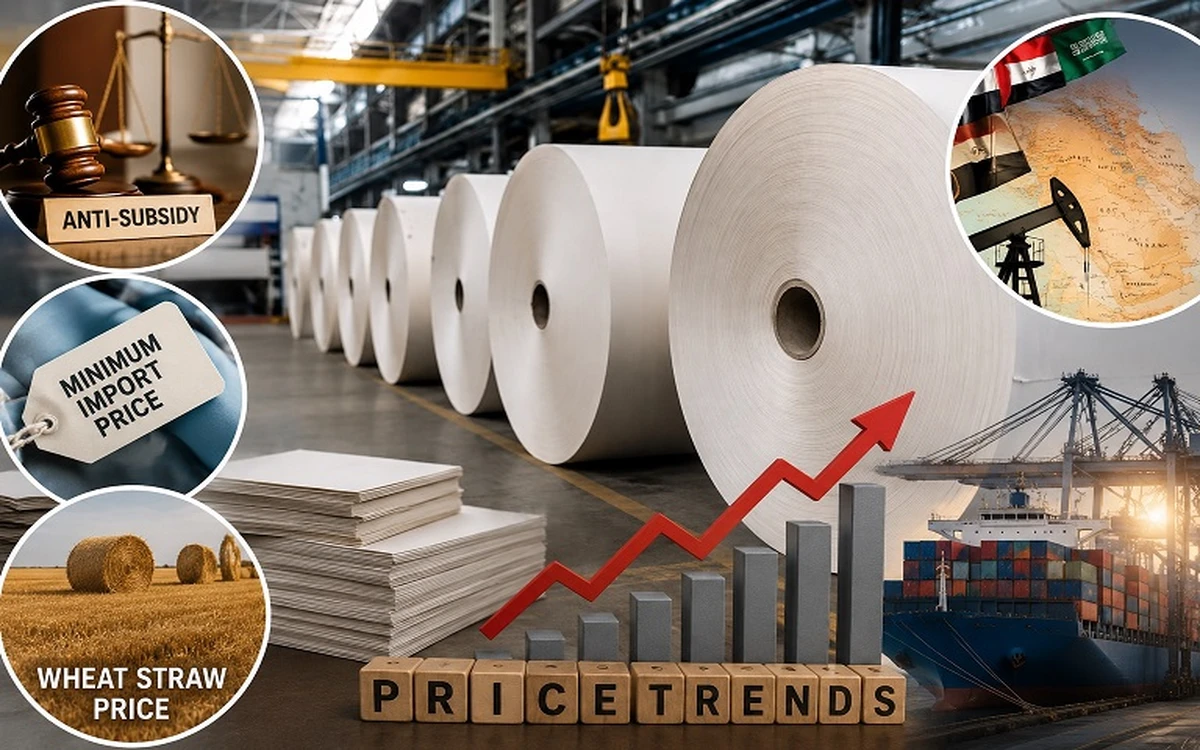
Expert Views on the paper market scenario, How the West Asia Crisis Helped the Industry, MIP for WPP, Anti-Subsidy implementation, and paper price trends
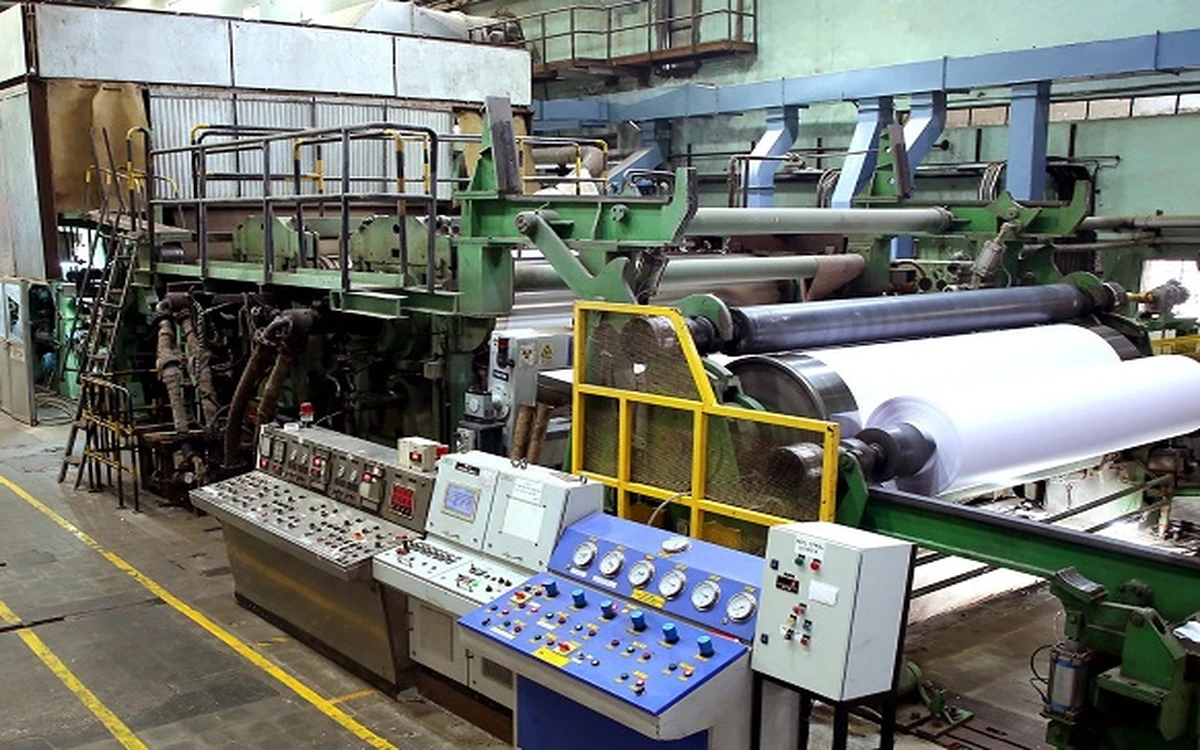
Pudumjee Paper intends to develop new varieties addressing applications for stronger paper bags and cupcakes; Plans 68,000 MT Mahad Specialty Paper Facility within 5 years
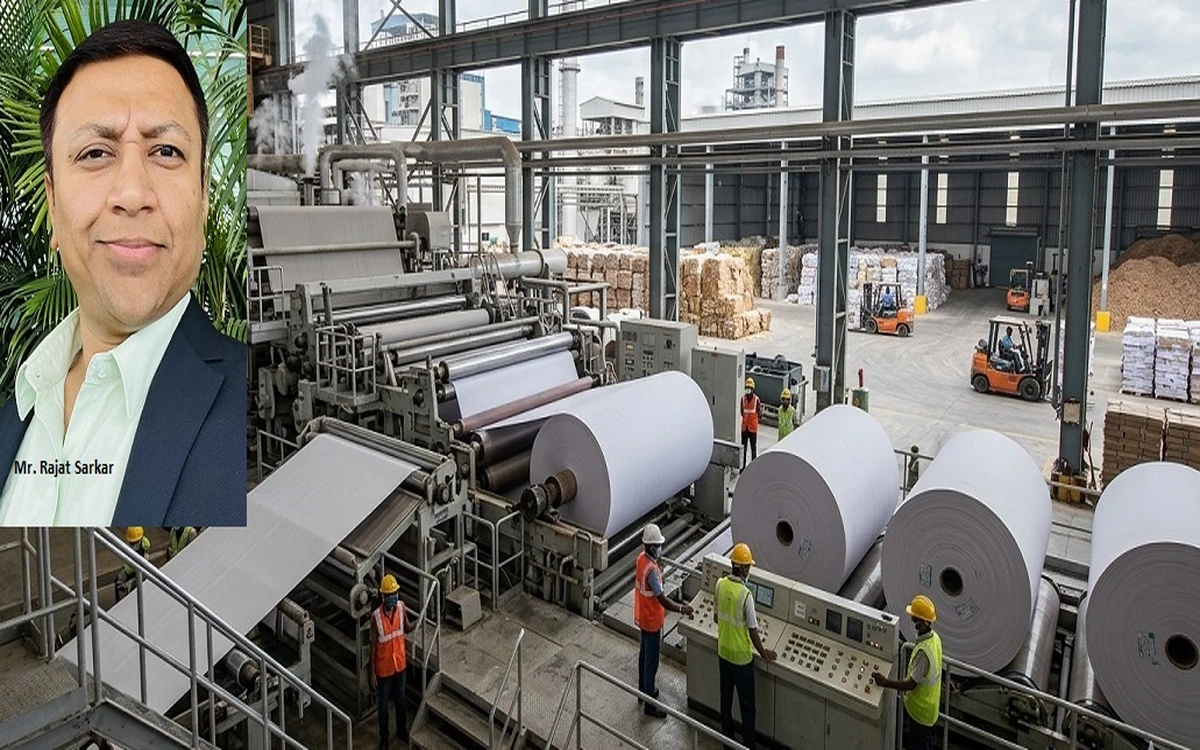
India Paper Industry at an Inflection Point: War, Costs, and Capacity; Demand growth expected at 5–7% in FY26
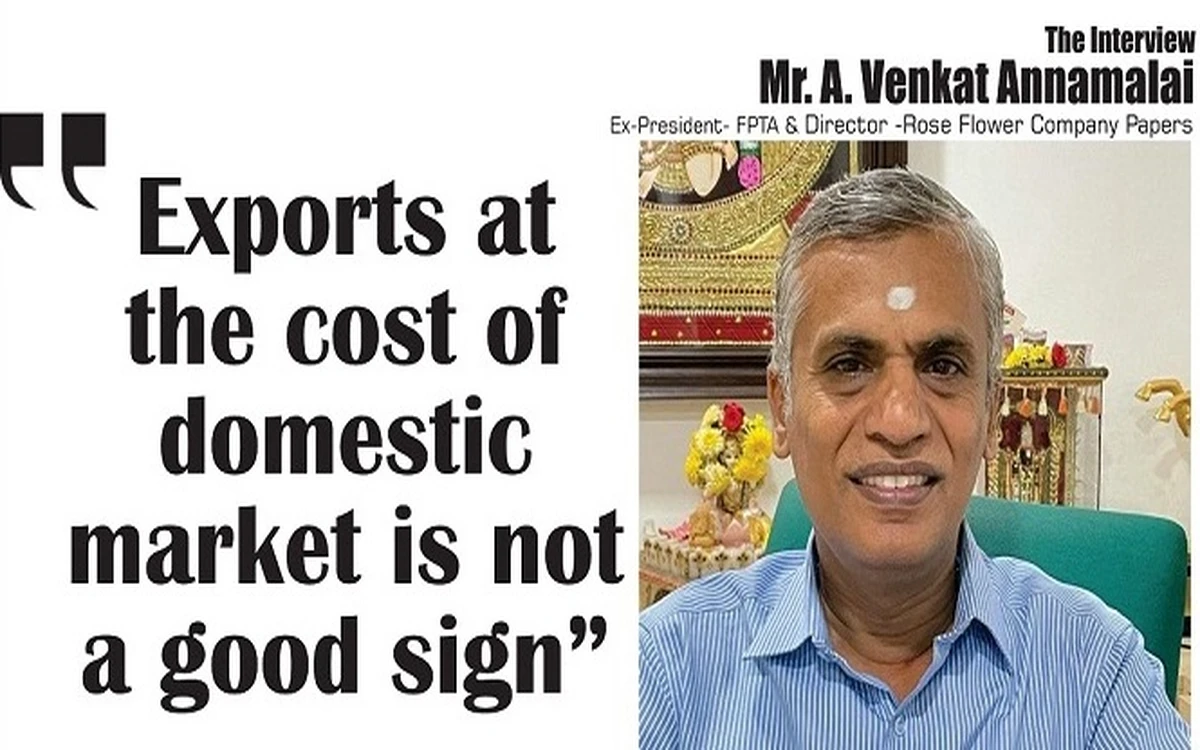
“Surging exports of paper will most certainly keep the domestic prices quite high”: Mr. A. Annamalai, Director – RFC
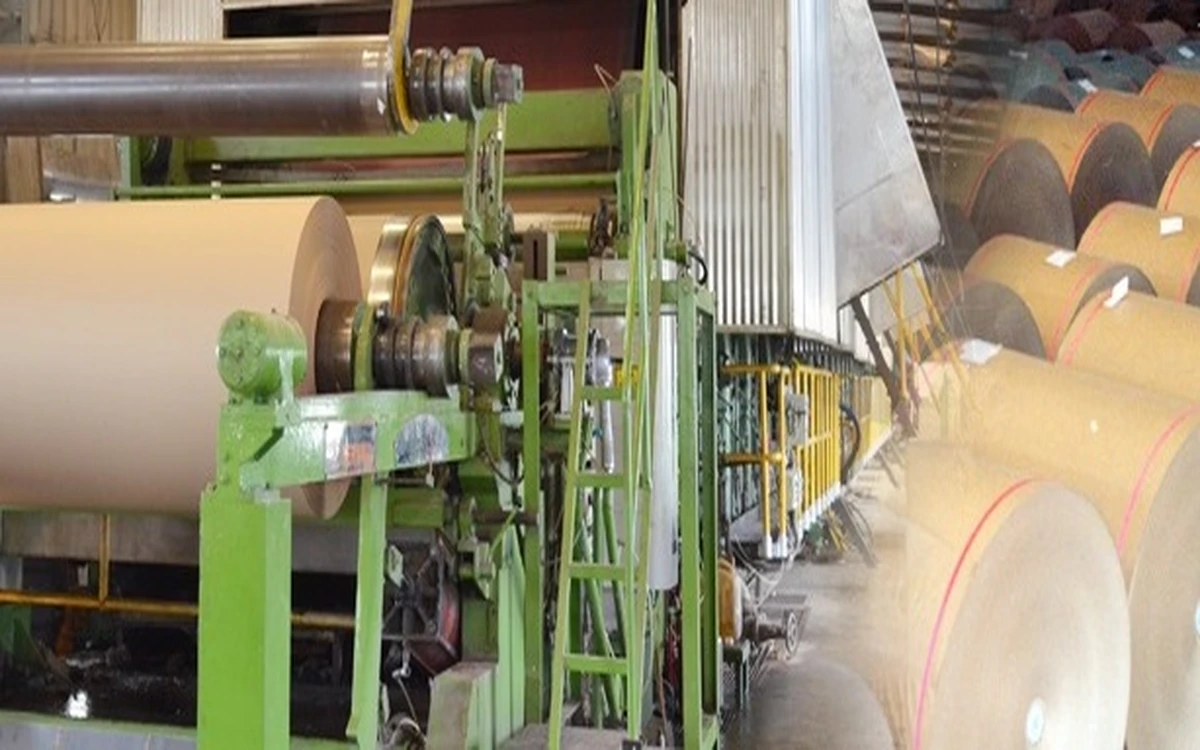
The Status of the Global Container board Industry, Recycled Paper Demand and Supply and its impact on the Indian Industry

Akshay Jain, director of Silverton Pulp & Paper, says it's time to promote agro residue as a raw material to lessen the scarcity of fibre
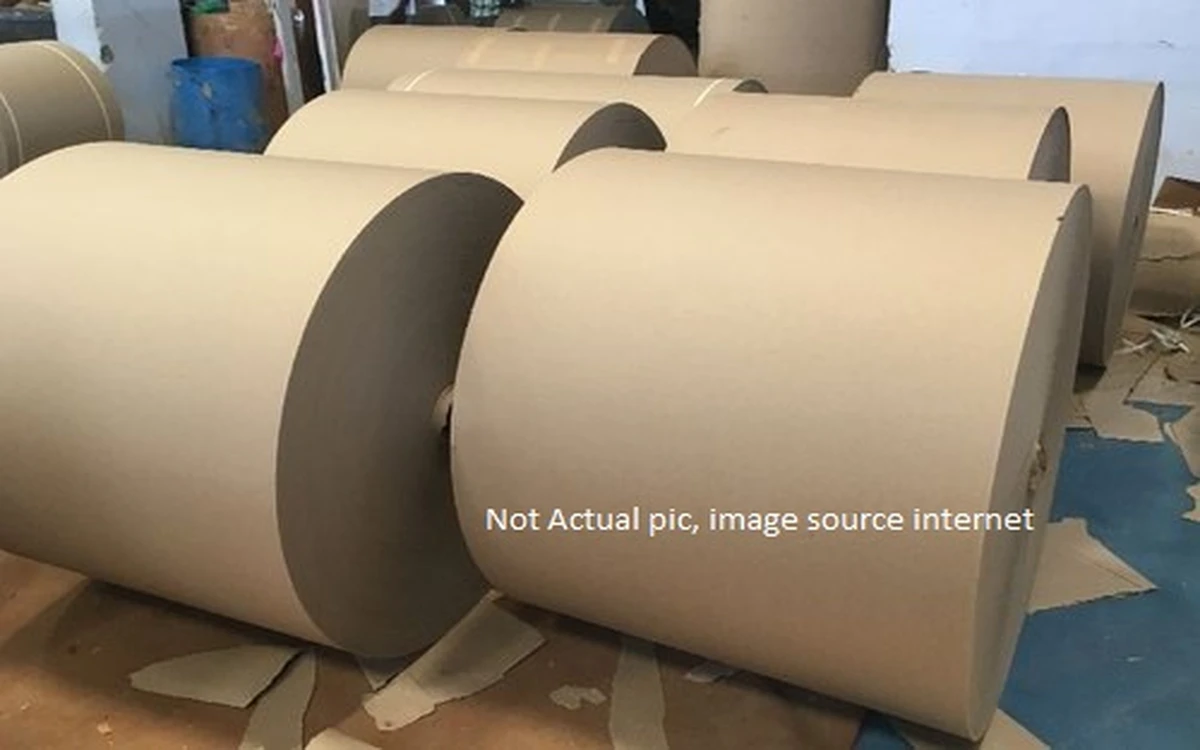
Advantageously located, a new paper mill is all set to roll kraft paper in Madhya Pradesh

Several agile interventions helped ITC-PSPD fortify its clear leadership of the Value Added Paperboards (VAP) segment
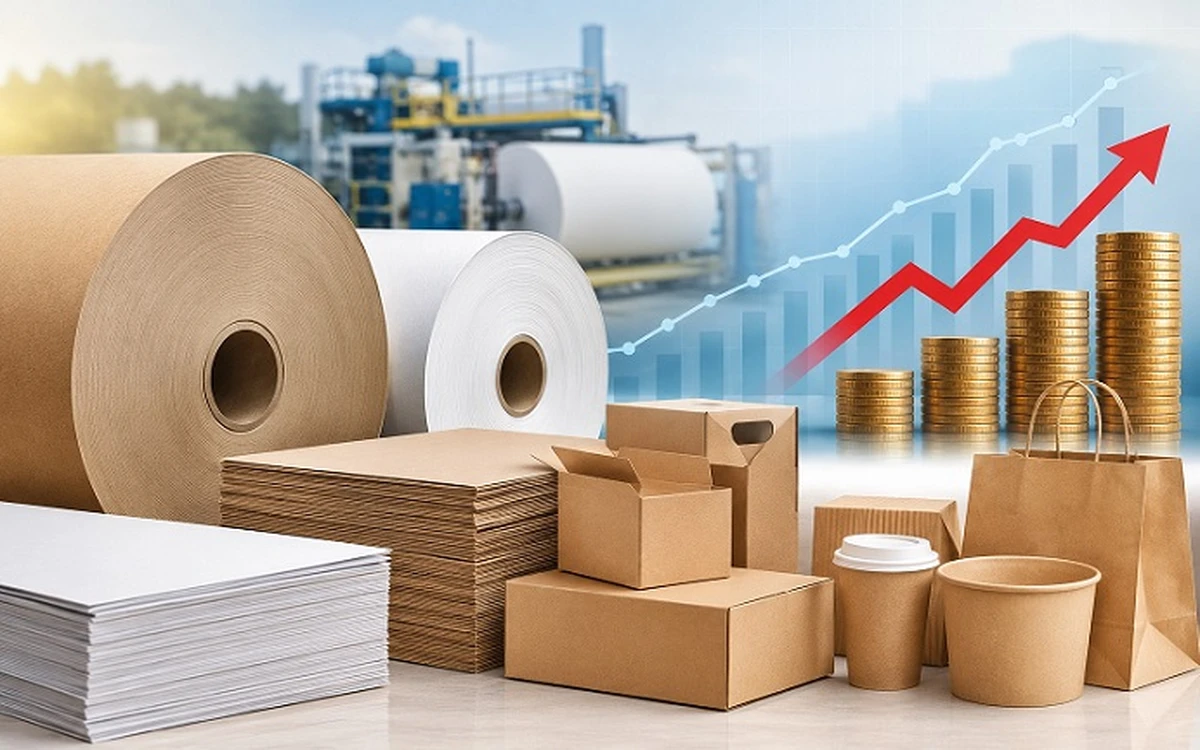
Paper and Packaging Board Market May Face Cost Pressures Through March 2027; FPTA Advises Traders
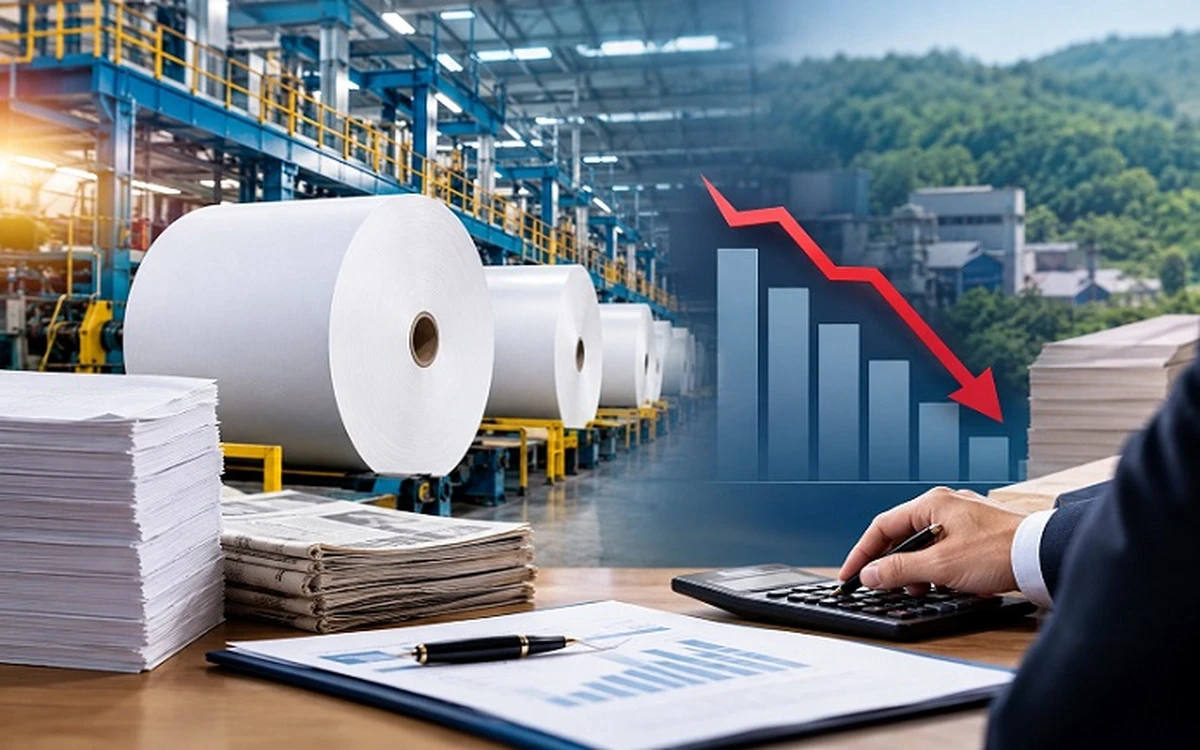
Steeper-than-expected drop in realisations hits Seshasayee Paper’s FY2025–26 operating margins; Box boards, Absorption Kraft, and Virgin Kraft now form a growing share of the product mix
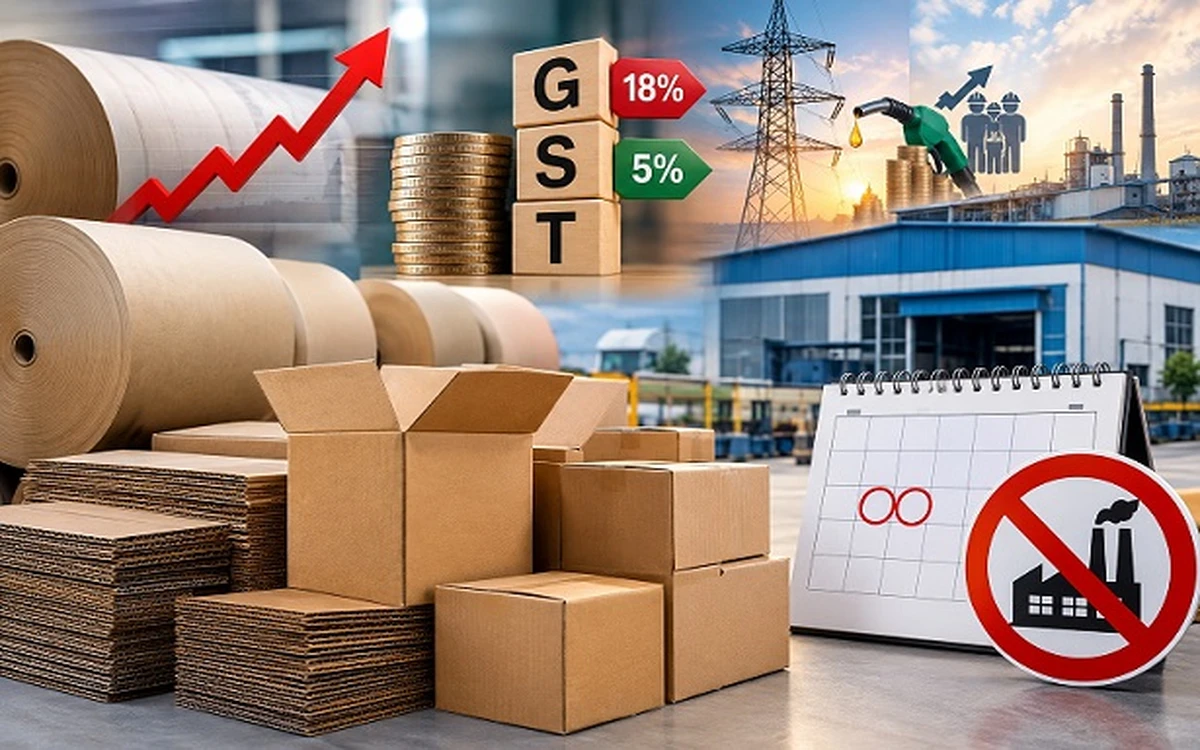
Overall Increase in Kraft Paper Prices Could Reach 35%; Industry Calls for 20% Box Price Increase, Voluntary Shutdown Proposed

Ruchira Papers Invests a Sizeable Capex of Rs. 235–240 Crore Towards Writing & Printing Paper Capacity Expansion
Paper mills inflated the basic ex-mill price of paper post GST 2.0, AINMA seeks action against Anti-Profiteering
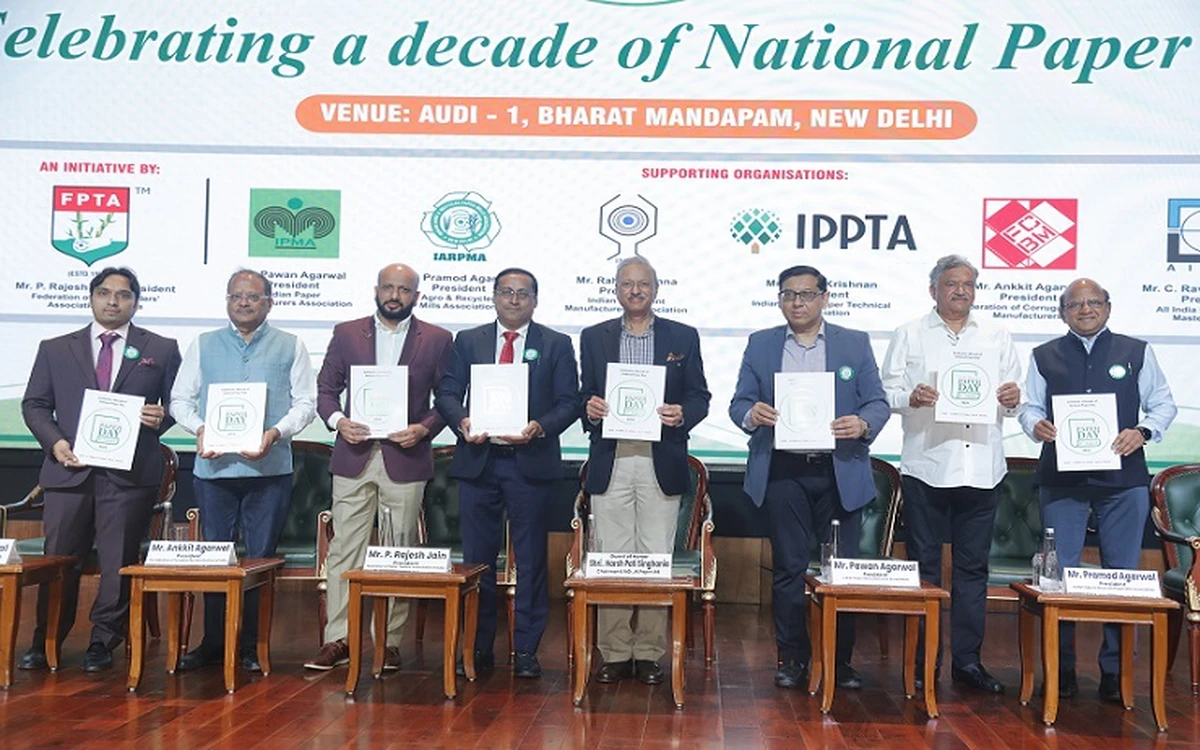
Seven Leading Associations Unite to Celebrate National Paper Day, Highlighting Paper's Sustainability and Circular Economy Advantage

Scientists from IIT-Guwahati develop India's first biodegradable plastic

Navneet Education focuses on brand building, curriculum-led growth, and export recovery; expects stationery margins to improve in FY27

It is estimated that USD10B to USD20B worth of single-use plastic packaging will convert to molded fiber, ZUME
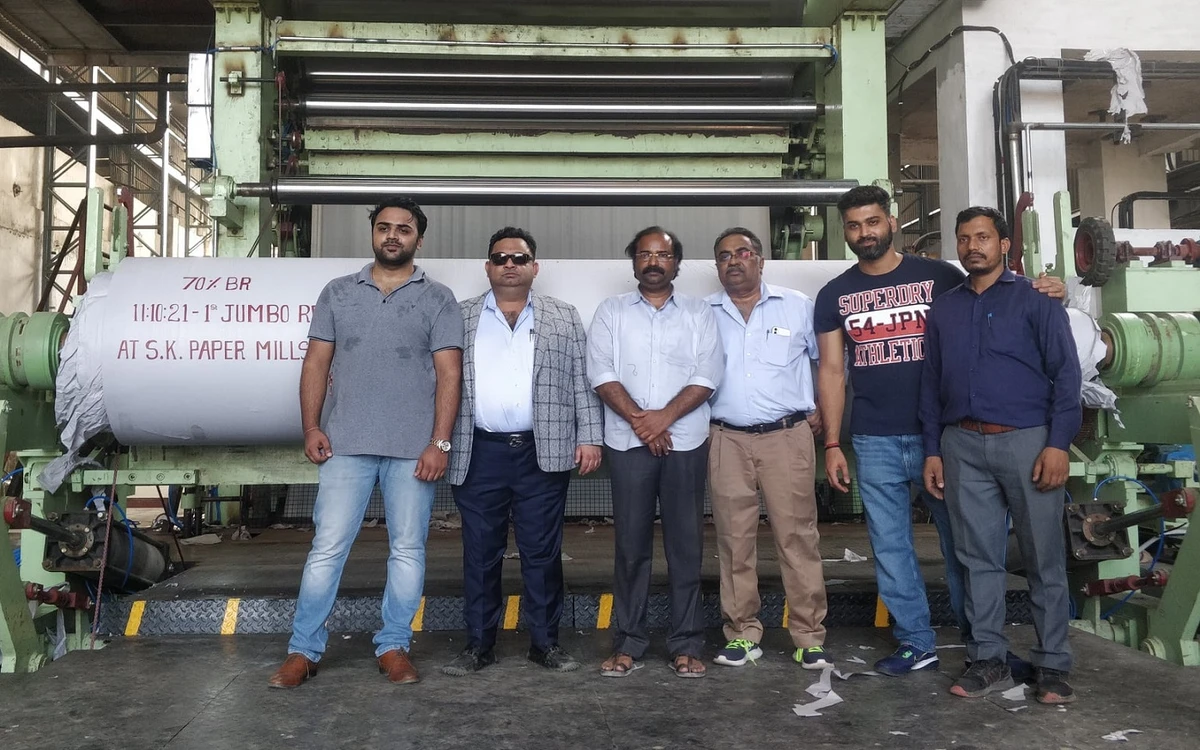
Muzaffarnagar gets a new capacity of Tissue Paper and MG Poster paper

“The integration of digitalization, automation, and Artificial Intelligence (AI) is no longer a futuristic concept—it is the baseline for competitiveness in 2036” - Vinit Garg, Director, Vizen Solutions
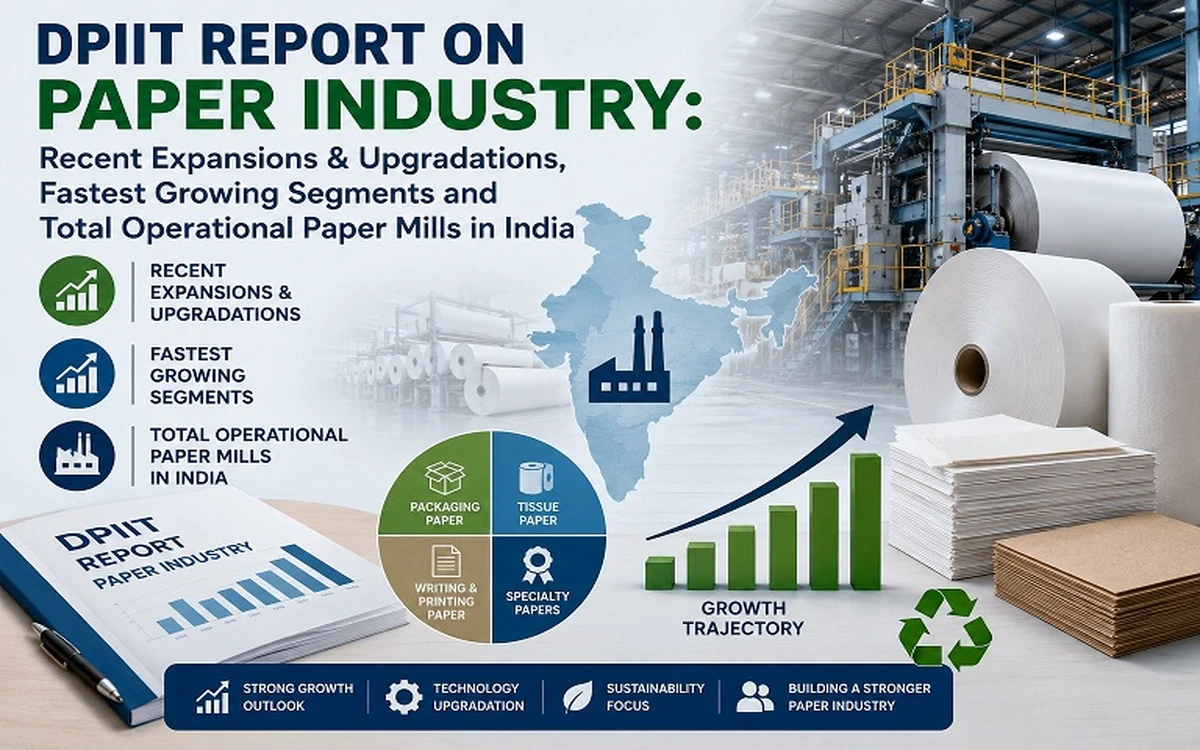
DPIIT Report on the Paper Industry: Recent Expansions & Upgrades, Fastest-Growing Segments, and Total Operational Paper Mills in India
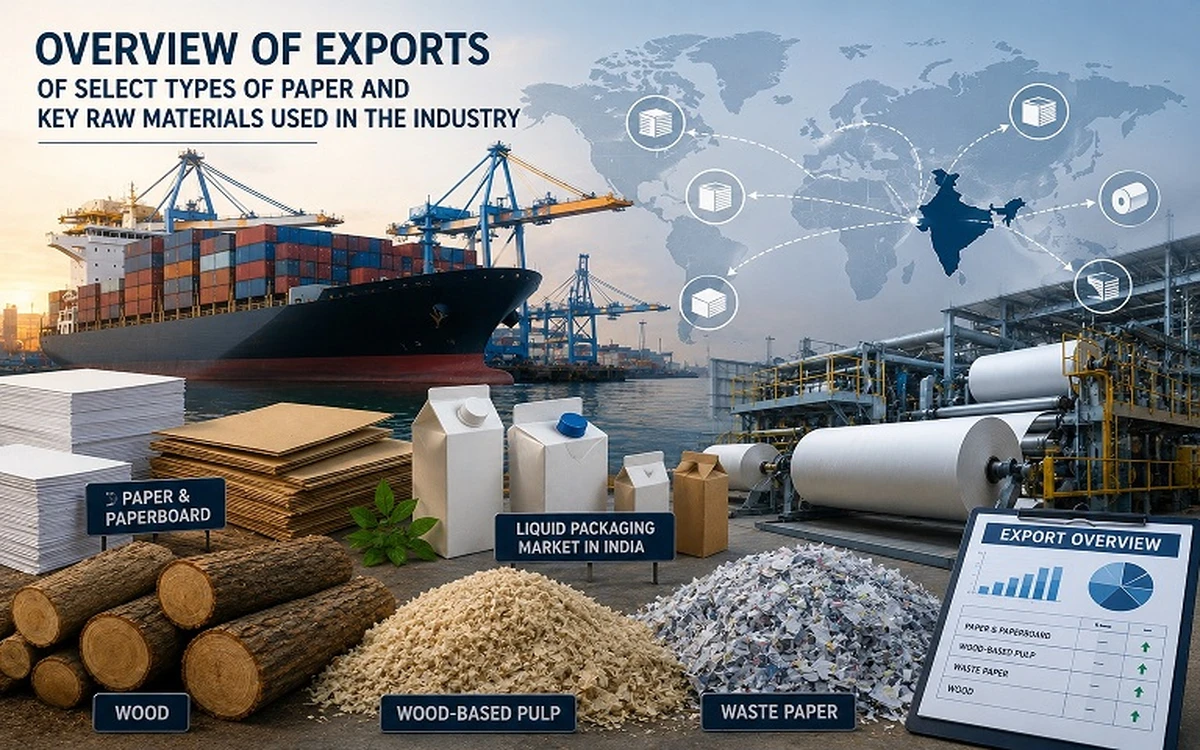
Overview of exports of select type of paper and key raw material used in the industry by Crisil Intelligence

Margin pressure pushes Pulp & Paper Packaging sector toward AI-Driven cost optimization, Cutting costs by 8–20%
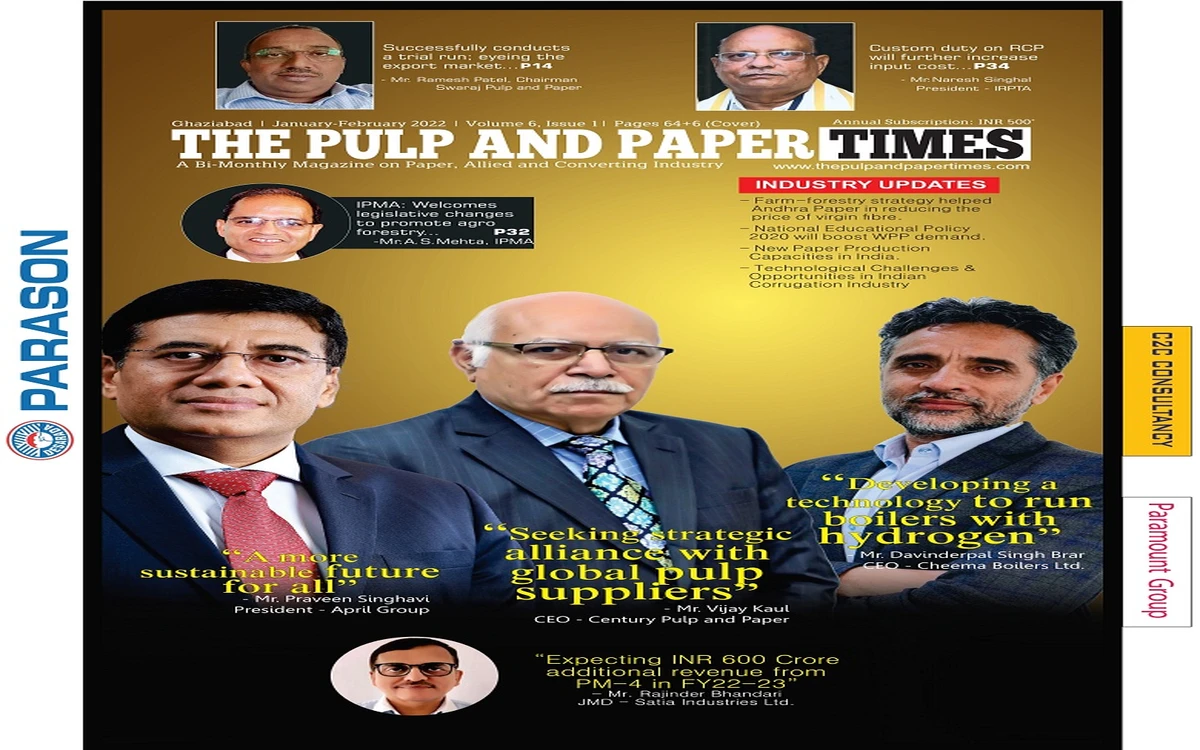
The Pulp and Paper Times Magazine : Volume 6, Issue 1

The Pulp and Paper Times Magazine : Volume 5, Issue 6
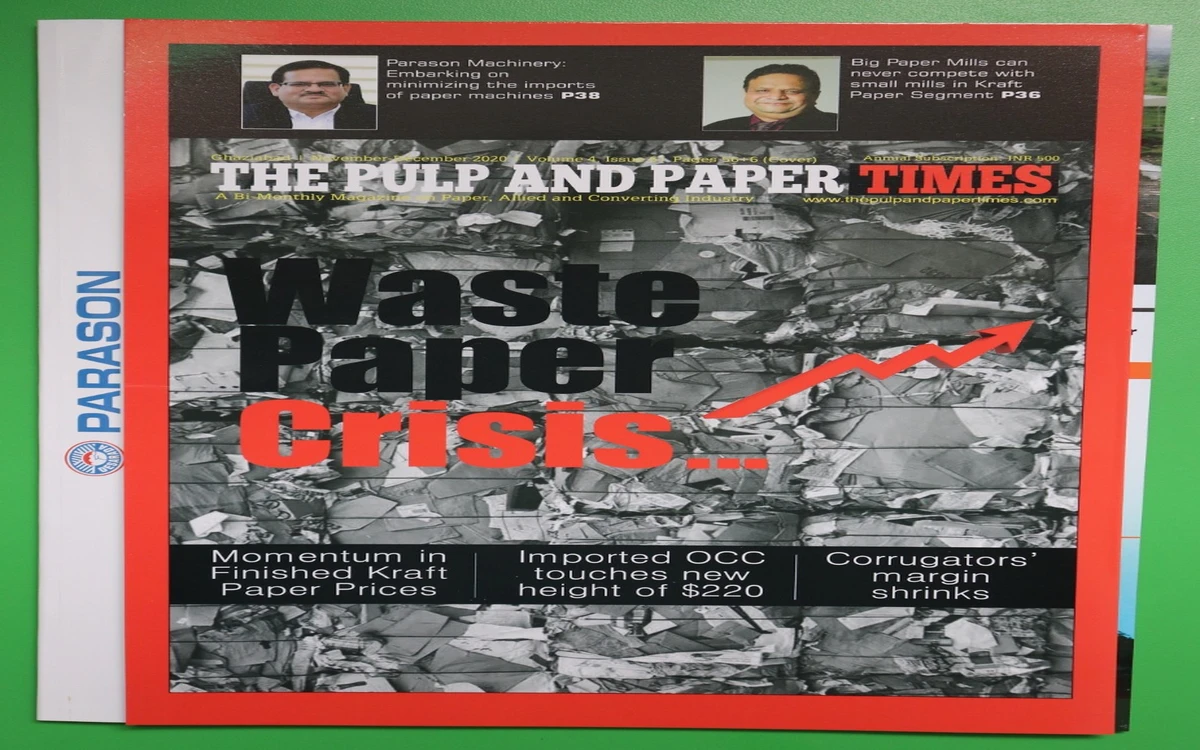
The Pulp and Paper Times: Volume 4, Issue 6
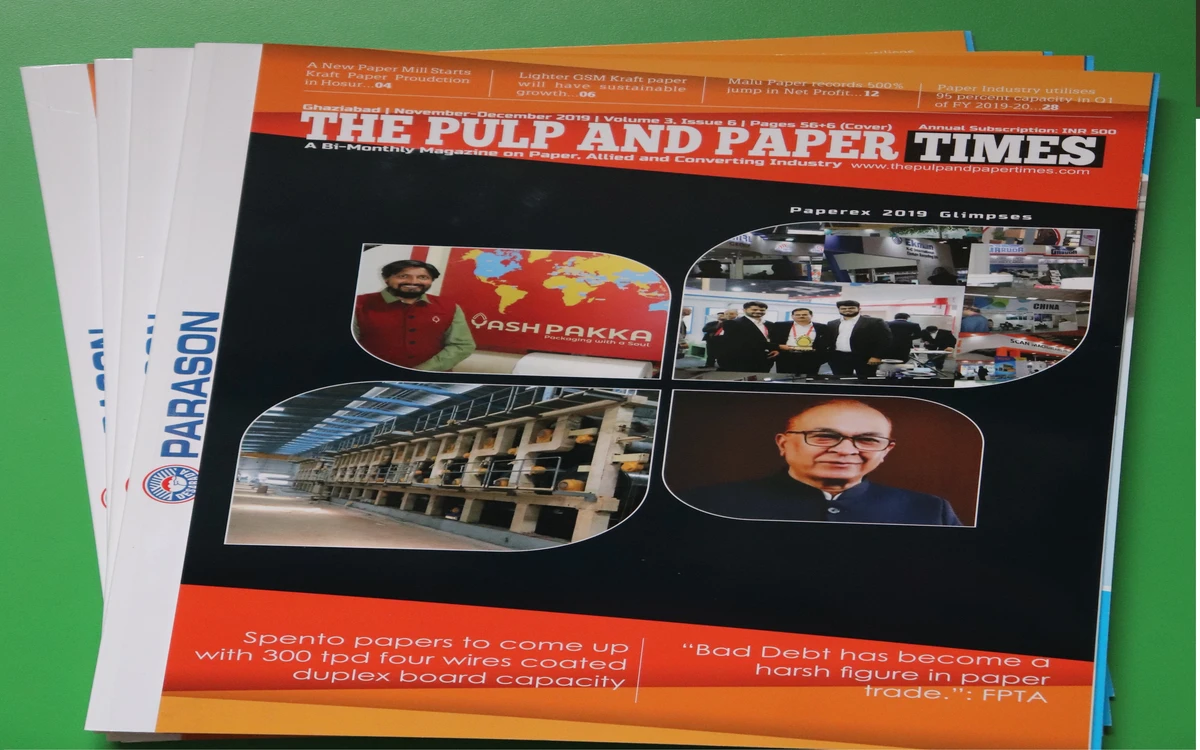
The Pulp and Paper Times : Volume 3, Issue 6
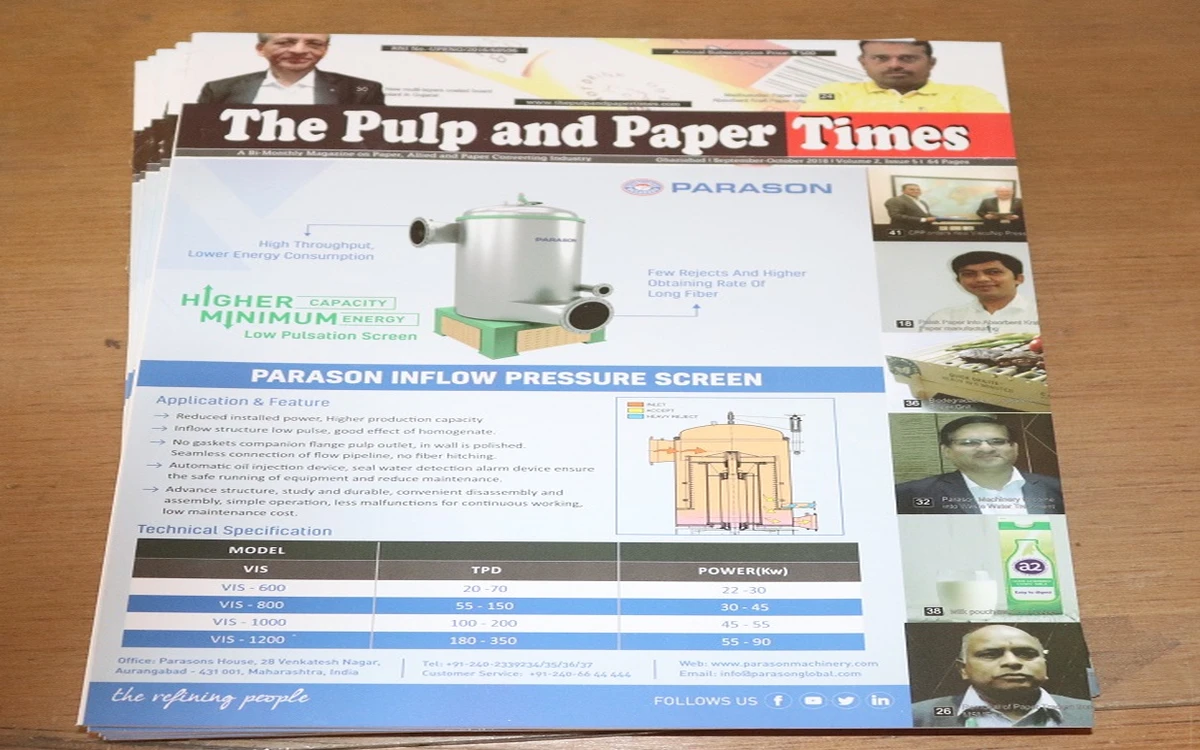
The Pulp and Paper Times: Volume 2 Issue 5

The Pulp and Paper Times, Volume 1, Issue 3
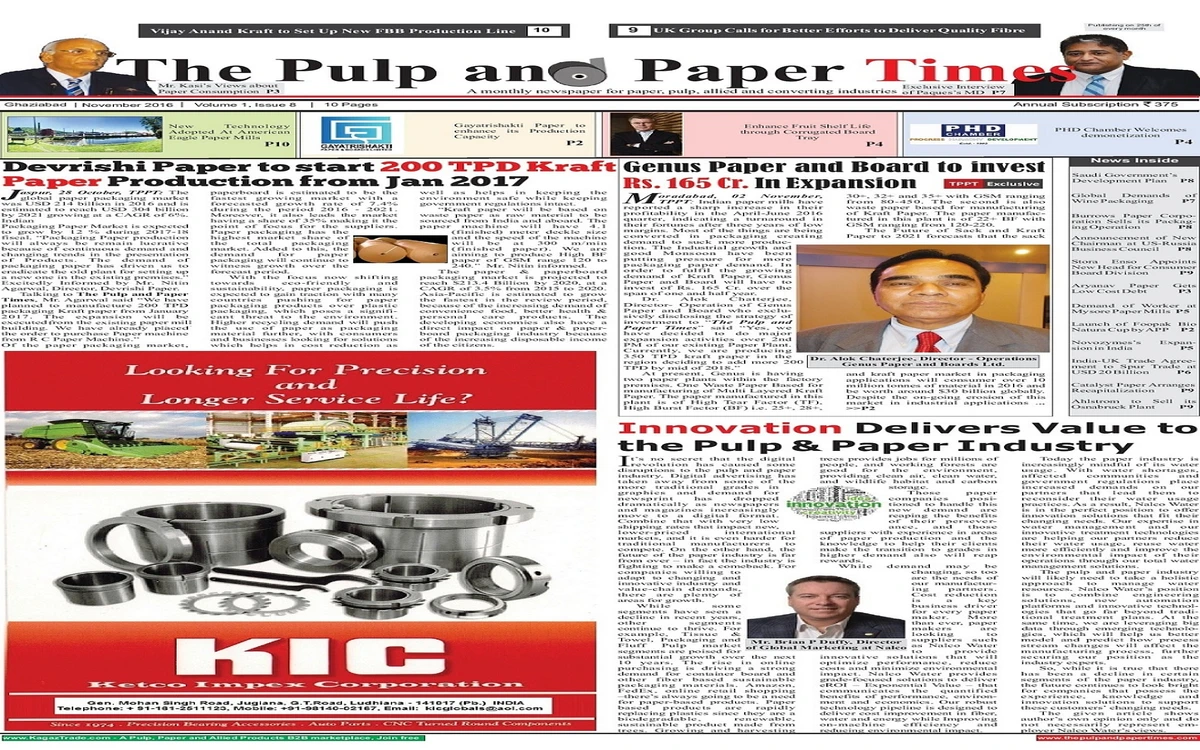
The Pulp and Paper Times, November 2016 Issue

30th Sept 2021 | The Pulp and Paper Times:
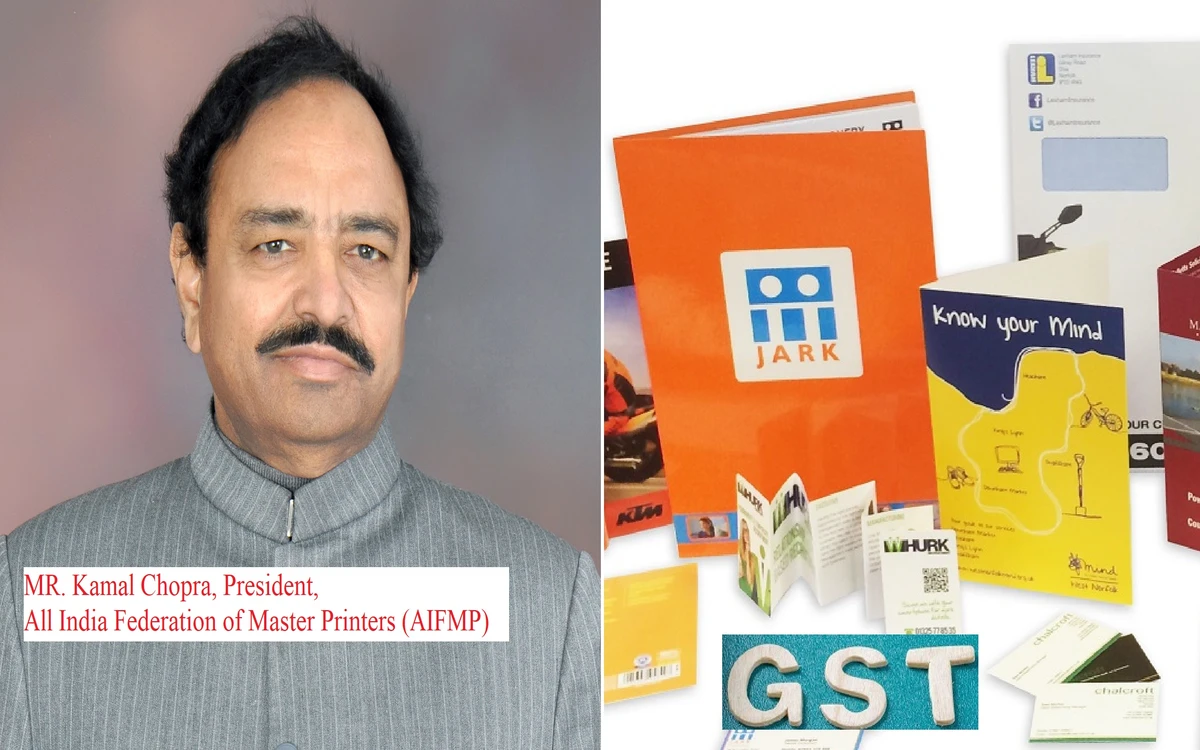
It is a bit early to give any comments on the recent proposals submitted by the GST council, before a proper notification is issued by the Government. But, still I would like to say that on one side printers are happy that the long standing demand for one trade one tax is accepted by the GST council, but on the other side 18 percent GST on printed products can prove to be a big jolt for the already suffering printing and packaging industry.
Previously, there were 3 GST slabs in printing industry 5, 12 and 18 percent on different kind of products. Printers of the country were facing lot of confusion while calculating GST for different items. Requests were raised at various platforms for simple one GST for all the products of Printing and Packaging industry. With this proposal of the GST council though there may not be any confusion and anomalies while calculating GST for different printing products, but 18 percent will definitely devastate the commercial printers especially Micro and Small printers of the country who are already on the verge of collapse, due to following facts:
• Printing and Packaging industry is an intermediator industry, because supplies are not made directly to the end users, but to the manufacturers/dealers who are preparing the products for the end users. Thus, any increase in the GST rate will increase the manufacturing cost of the products.

• The basic raw material of our industry- Paper is in the slab of 12 percent GST, putting printing and packaging in the slab of 18 virtually mean, payment of 6 percent from the pocket, after claiming the input credit, till the payment is received from the customer. In these days of slow business and delayed payments, sometimes more than 90 days, the additional 6% will be an added burden and difficult for the printer to survive. It may prove to be another death nail, especially for the micro and small printers of the country. When the input tax is 12 percent on our basic raw materials it is justified to equate the output tax at 12 to avoid such anomalies.
• As per the available statistics through PrintWeek survey, a close reading reveals that at least 3,000 print businesses across India could go bust by March 2021. The major reasons for this are insufficient cash flow and decreasing the demand of printing due to internet/digitisation. Printing of stationery, calendars, dairies, and books is already suffering. Some of the state governments has issued instructions for paperless office. Again due to Covid crises, printing of newspapers and news magazines has also suffered a serious setback. It is evident that increase in GST from 12 to 18 in turn increase the prices of books, magazines etc. Thus, it is expected that the demand of printed products will further decrease in case this increased GST is imposed.
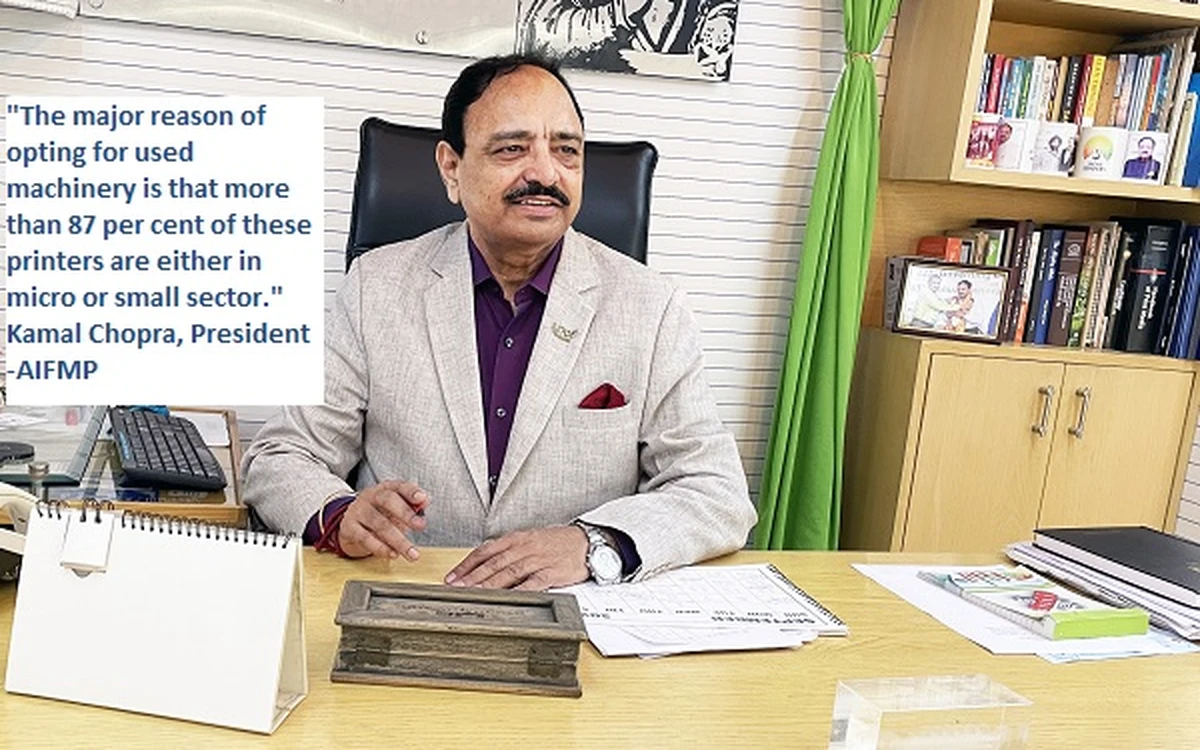
As already reported by the media 27.3% companies were on the verge of closure due to decreasing demands. With about 250,000 printers, India is the world’s largest printing industry. Out of these 90 percent printers are either Micro or small and this increase will affect their survival now. It is therefore for the survival of the printing industry in India we wish that there may be only one GST slab of 12 percent on all/any kind of converting/printed products.