Join Groups & Channels, No Spamming









Morbi paper mills see full-capacity operations as ceramic industry revives; Kraft paper exports to China spike, Prices strengthen; Janmashtami shutdown ahead

The BE and caustic soda plant marks a key milestone for Mohit Paper Mills, enabling full utilization of installed capacity and enhancing overall production efficiency
Expert Views on the paper market scenario, How the West Asia Crisis Helped the Industry, MIP for WPP, Anti-Subsidy implementation, and paper price trends
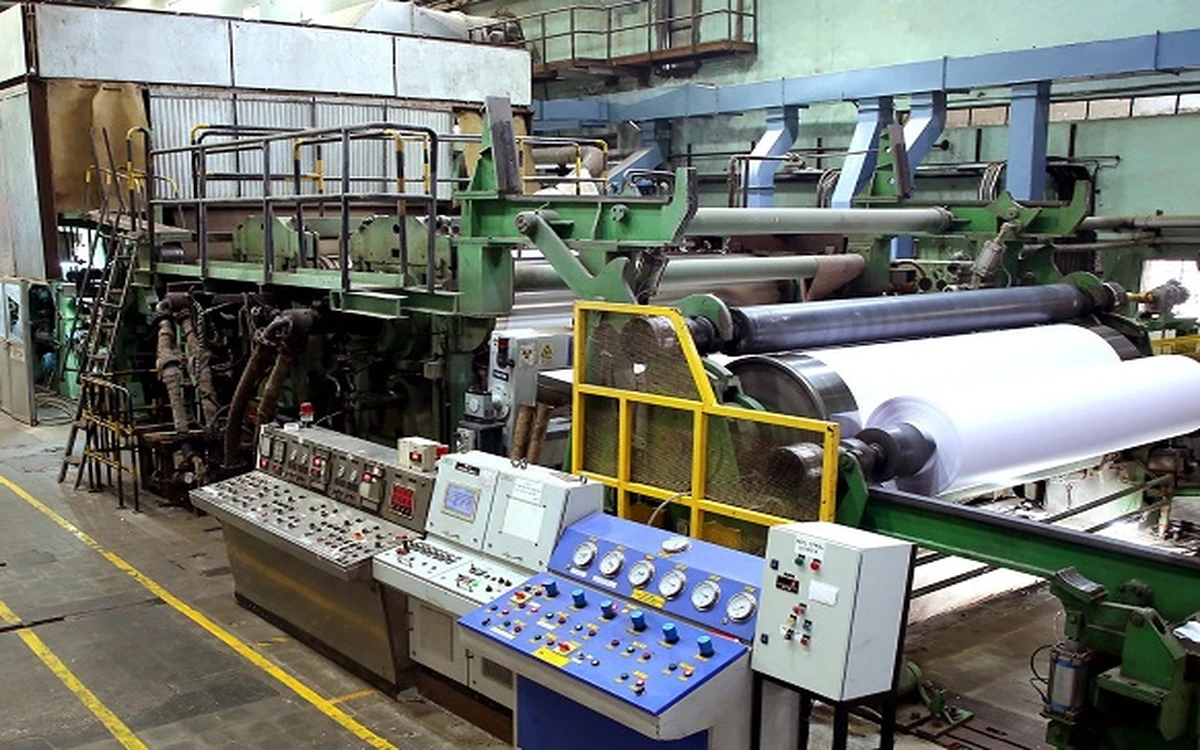
Pudumjee Paper intends to develop new varieties addressing applications for stronger paper bags and cupcakes; Plans 68,000 MT Mahad Specialty Paper Facility within 5 years
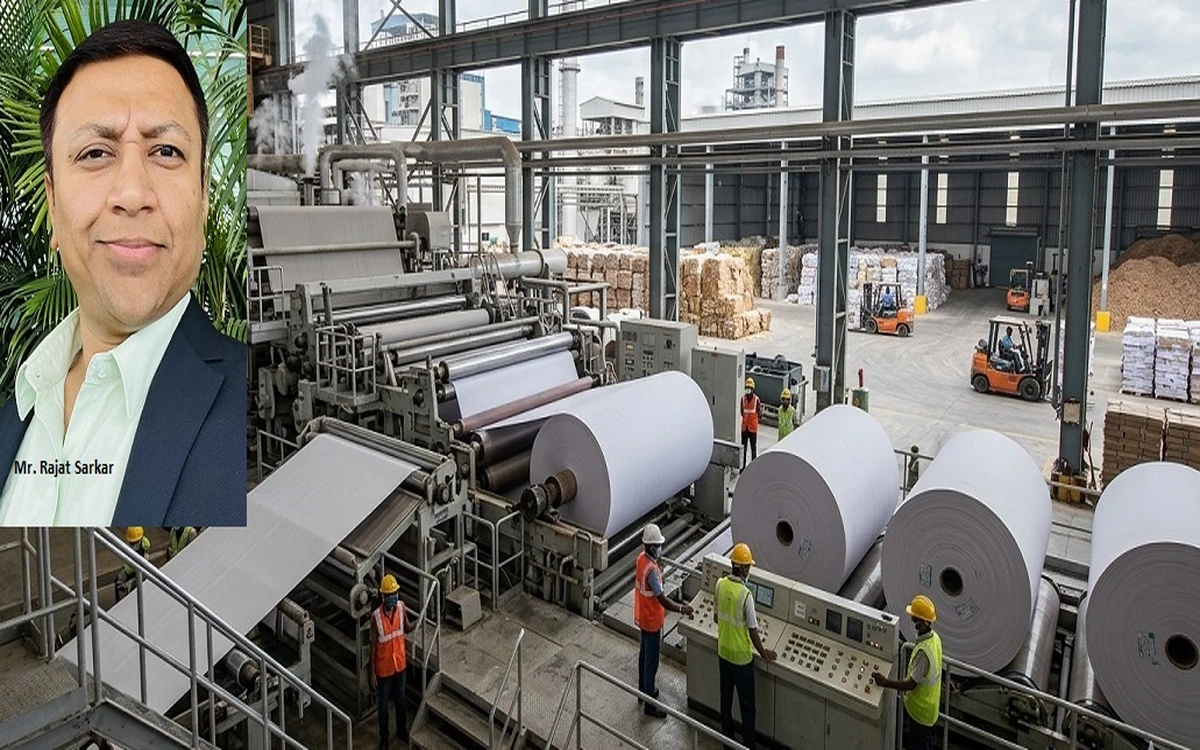
India Paper Industry at an Inflection Point: War, Costs, and Capacity; Demand growth expected at 5–7% in FY26
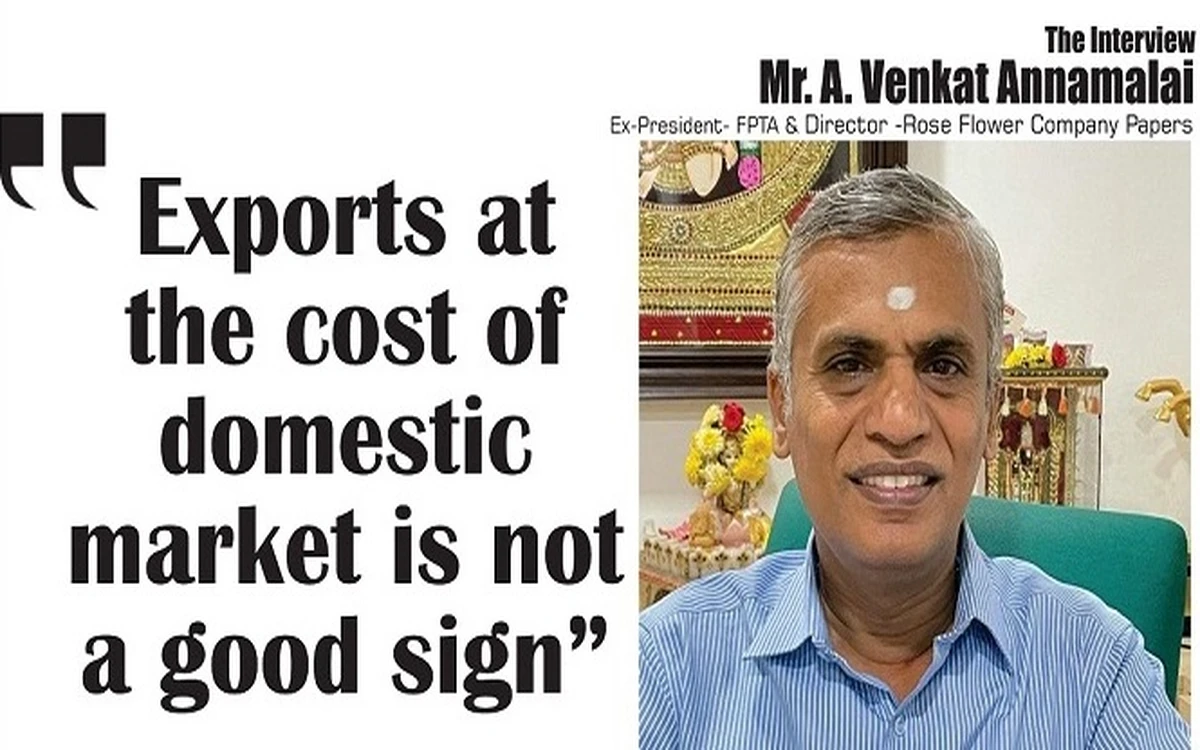
“Surging exports of paper will most certainly keep the domestic prices quite high”: Mr. A. Annamalai, Director – RFC
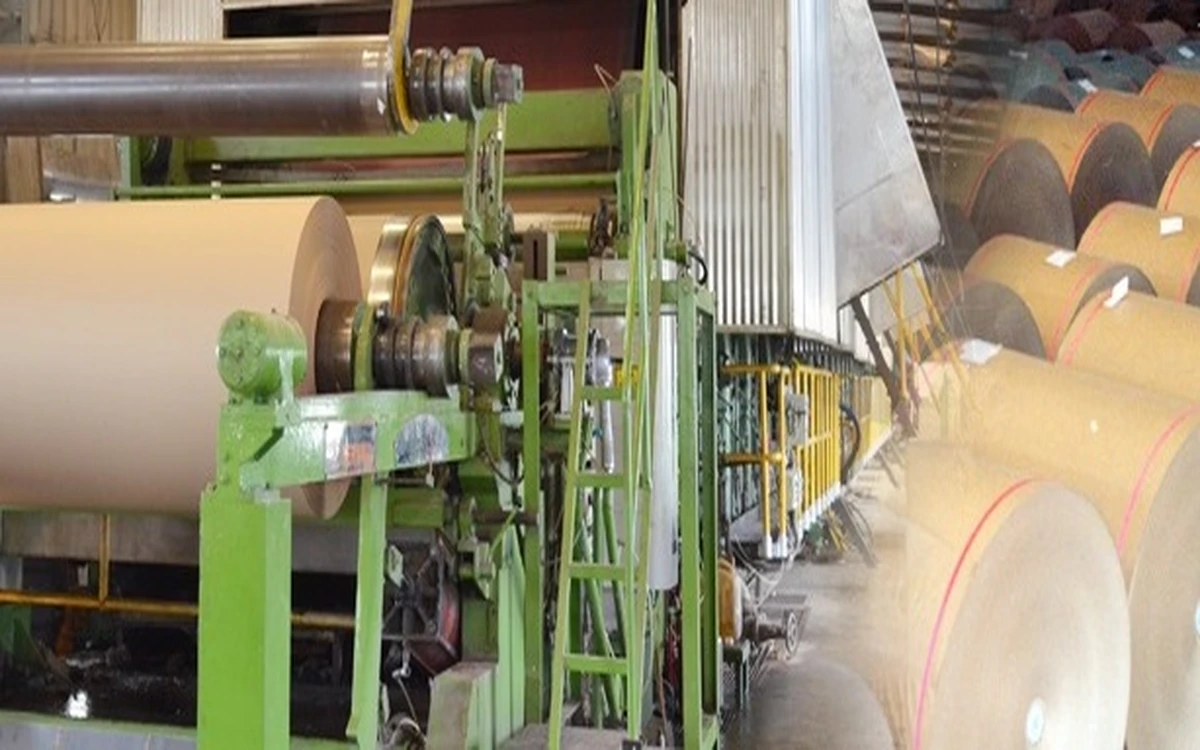
The Status of the Global Container board Industry, Recycled Paper Demand and Supply and its impact on the Indian Industry

Akshay Jain, director of Silverton Pulp & Paper, says it's time to promote agro residue as a raw material to lessen the scarcity of fibre
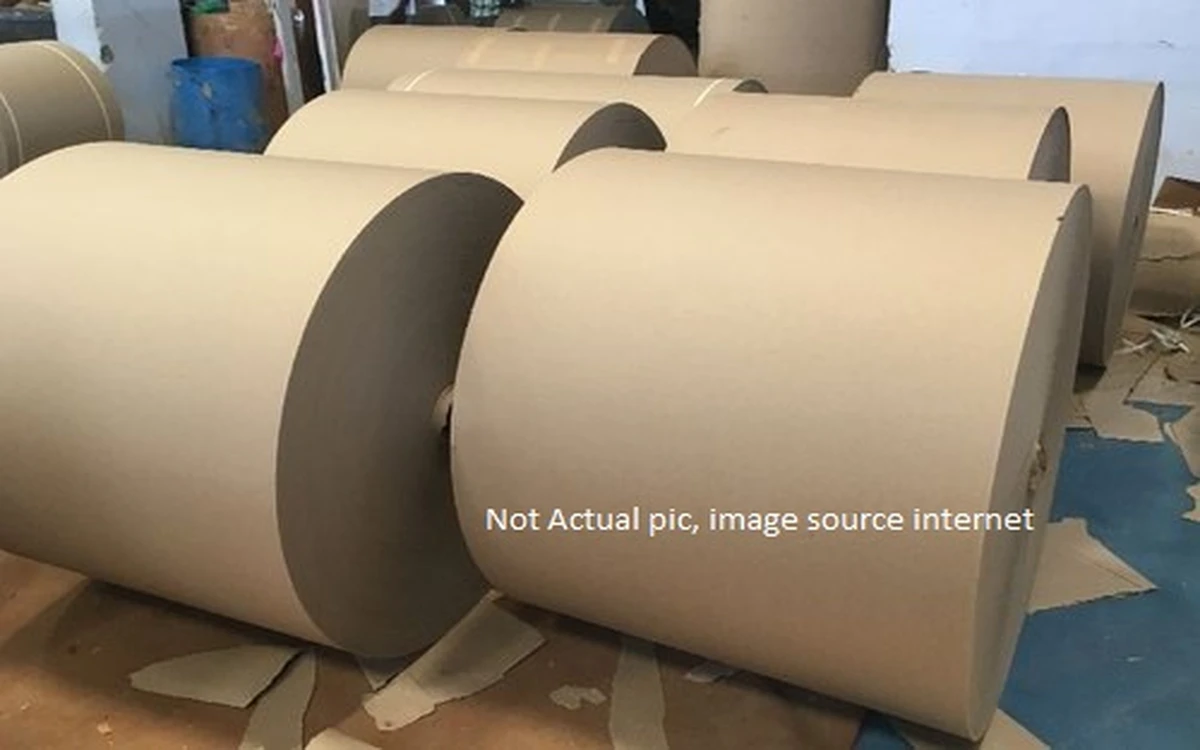
Advantageously located, a new paper mill is all set to roll kraft paper in Madhya Pradesh
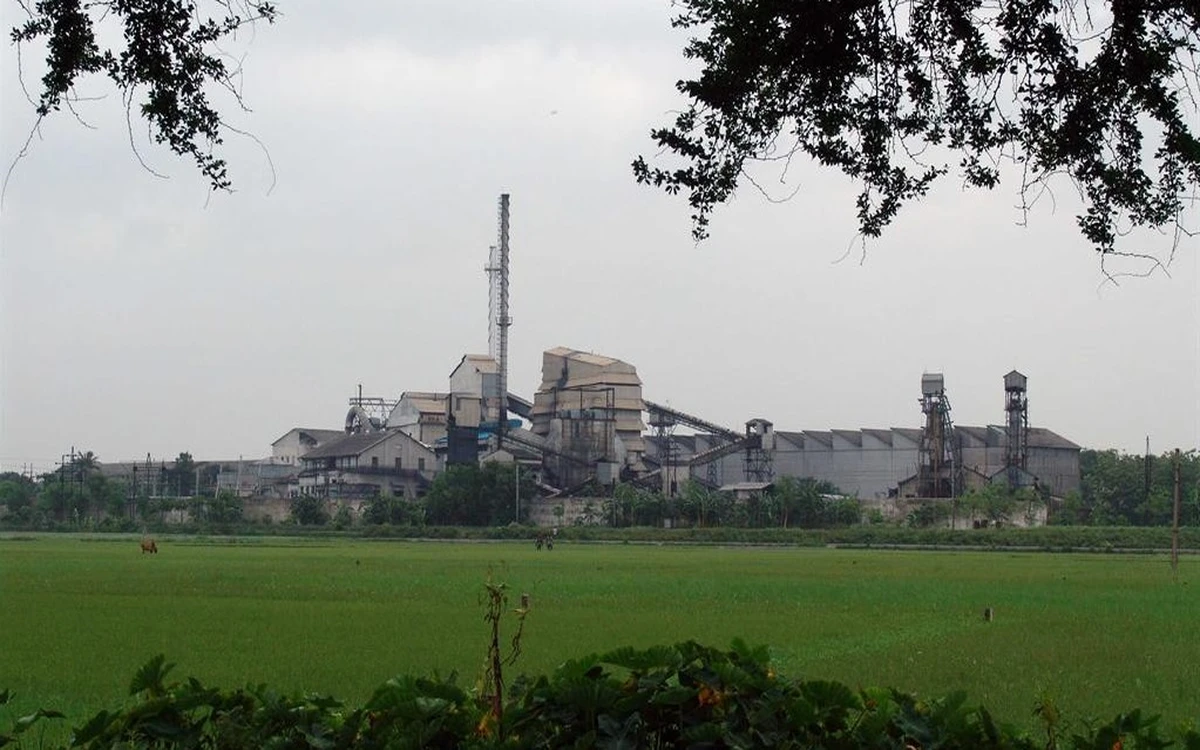
Several agile interventions helped ITC-PSPD fortify its clear leadership of the Value Added Paperboards (VAP) segment
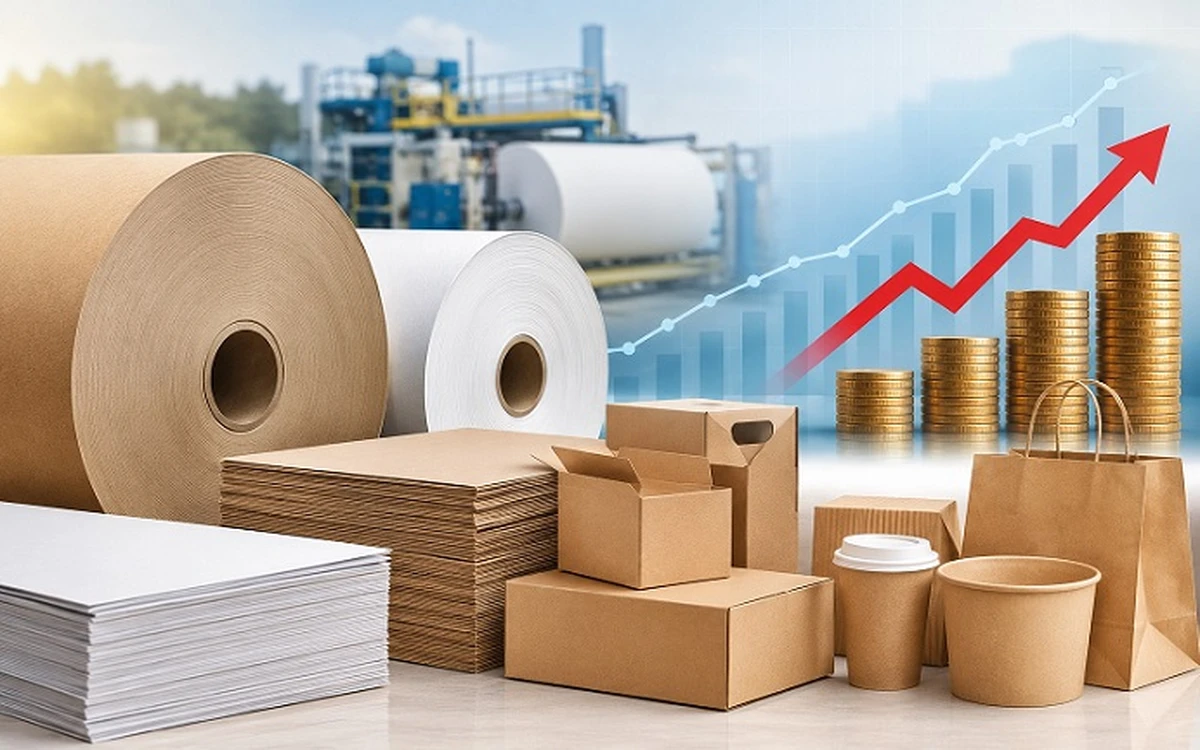
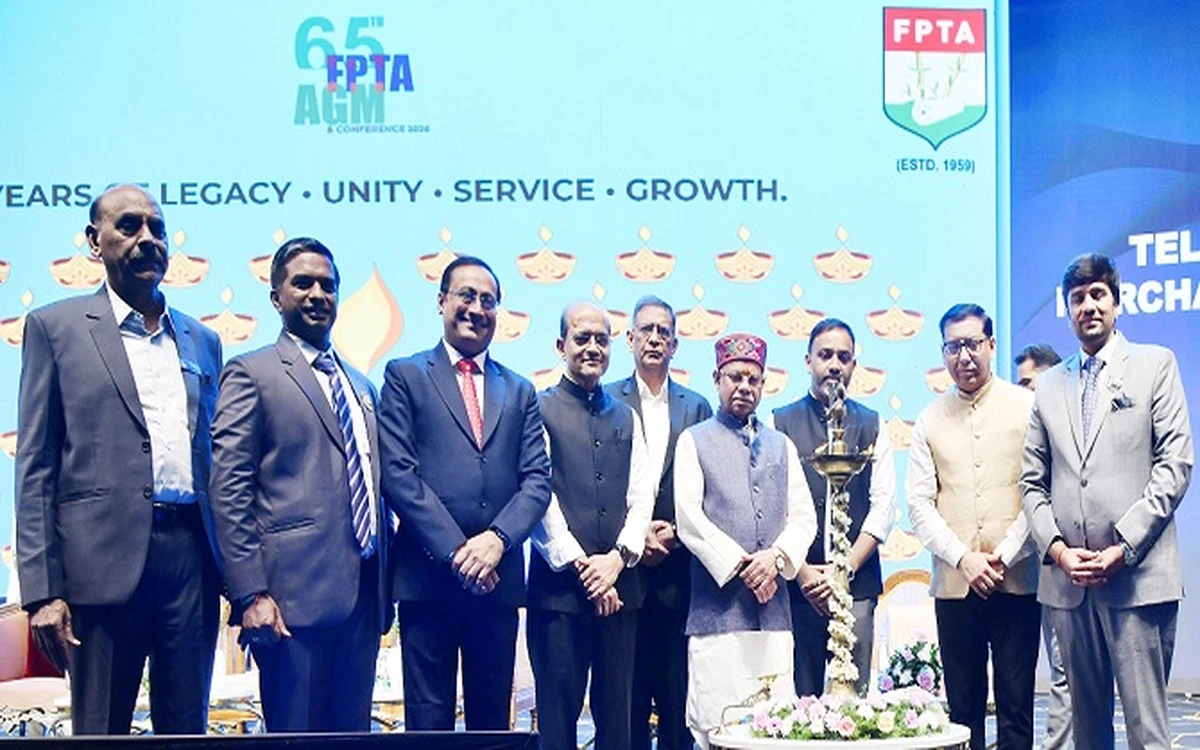
Paper and Packaging Board Market May Face Cost Pressures Through March 2027; FPTA Advises Traders
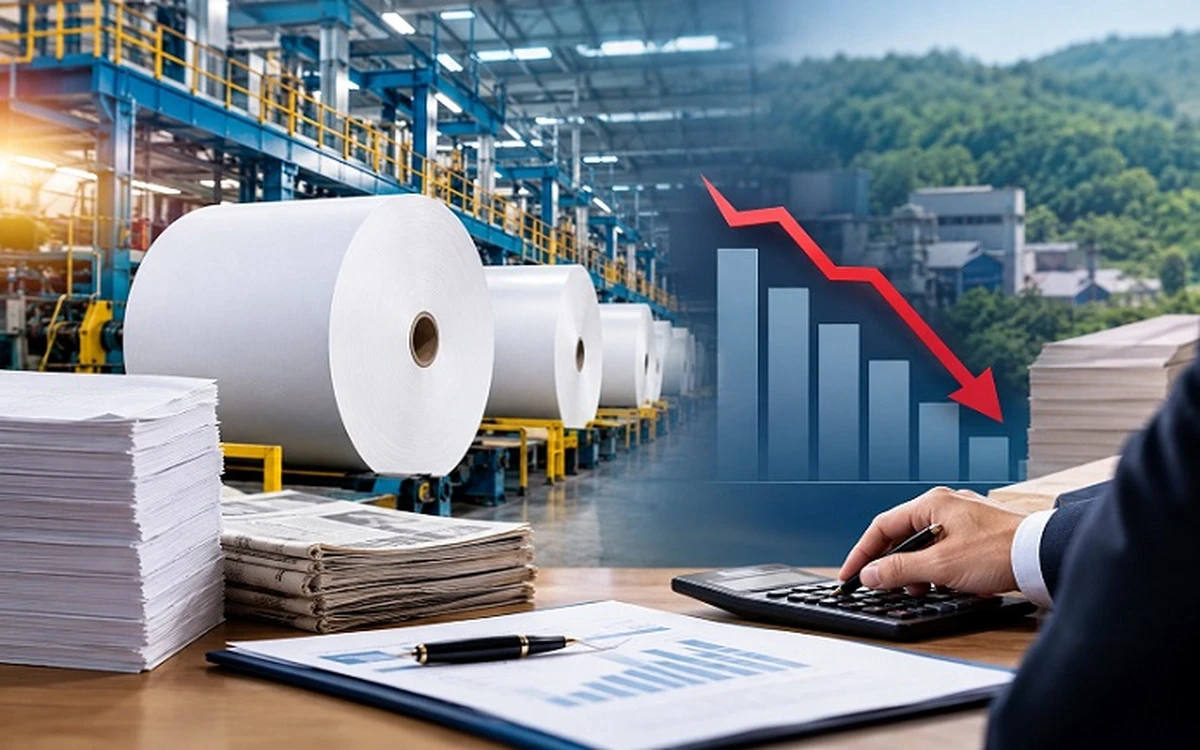
Steeper-than-expected drop in realisations hits Seshasayee Paper’s FY2025–26 operating margins; Box boards, Absorption Kraft, and Virgin Kraft now form a growing share of the product mix
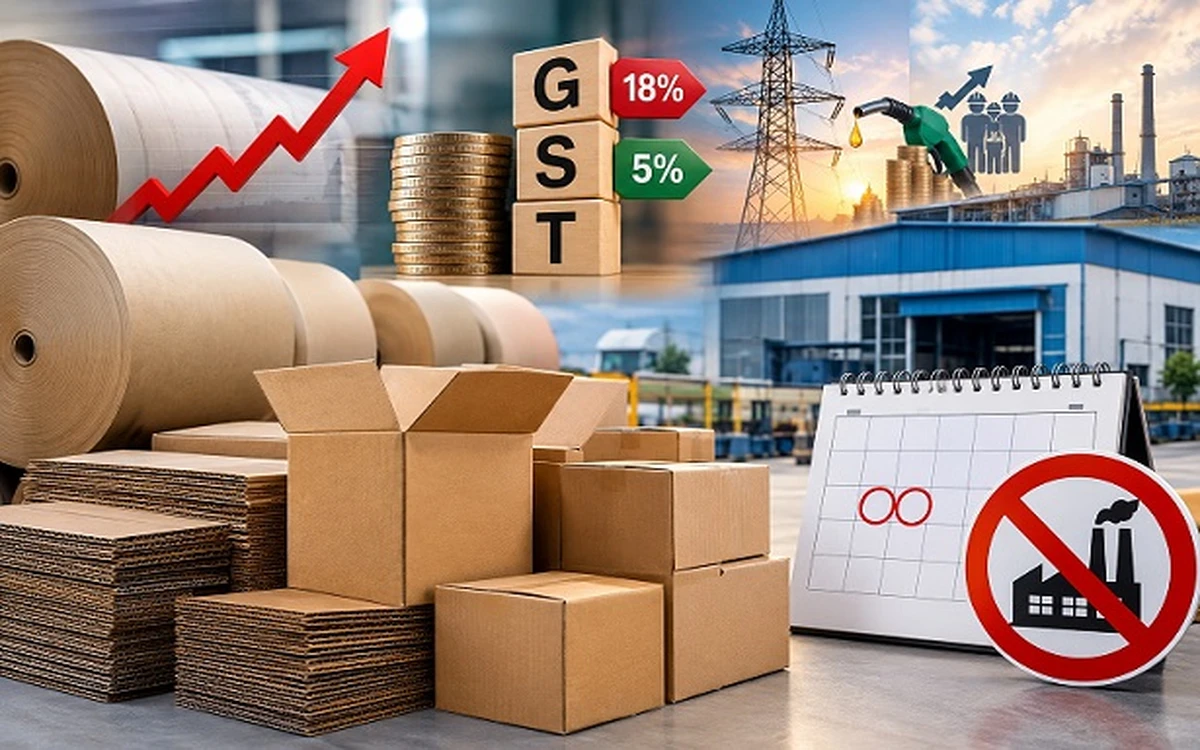
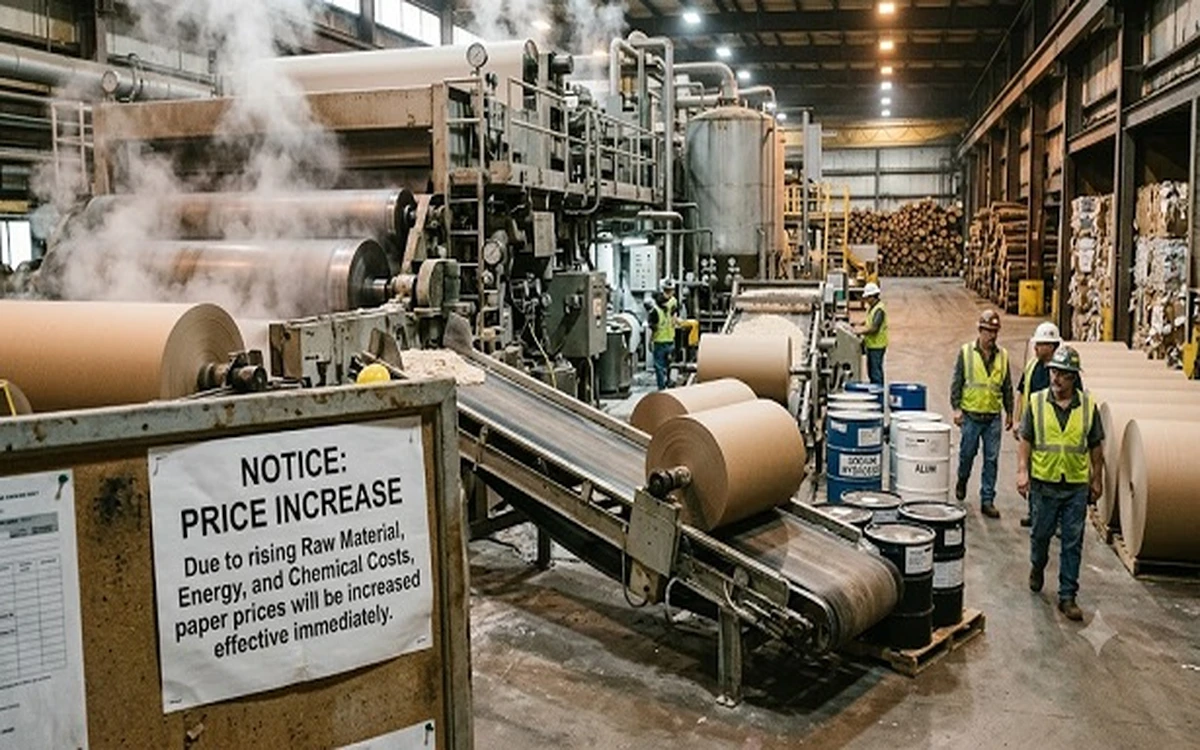
Overall Increase in Kraft Paper Prices Could Reach 35%; Industry Calls for 20% Box Price Increase, Voluntary Shutdown Proposed
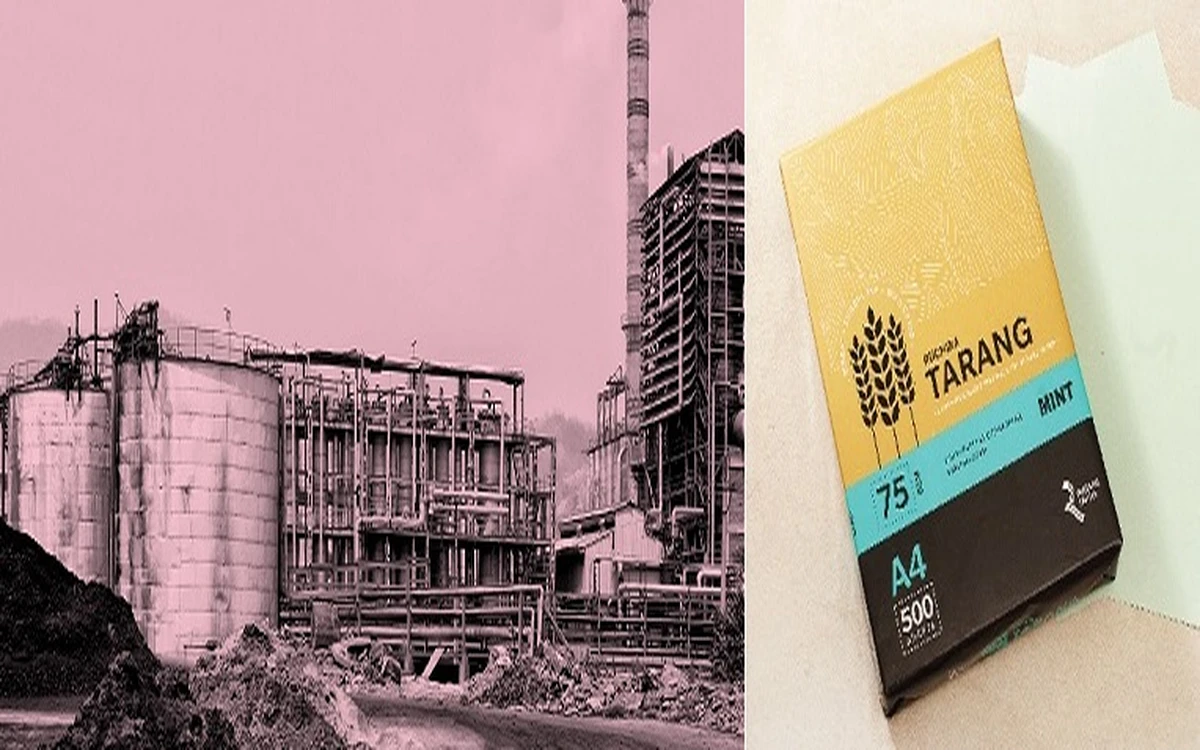
Ruchira Papers Invests a Sizeable Capex of Rs. 235–240 Crore Towards Writing & Printing Paper Capacity Expansion
Paper mills inflated the basic ex-mill price of paper post GST 2.0, AINMA seeks action against Anti-Profiteering
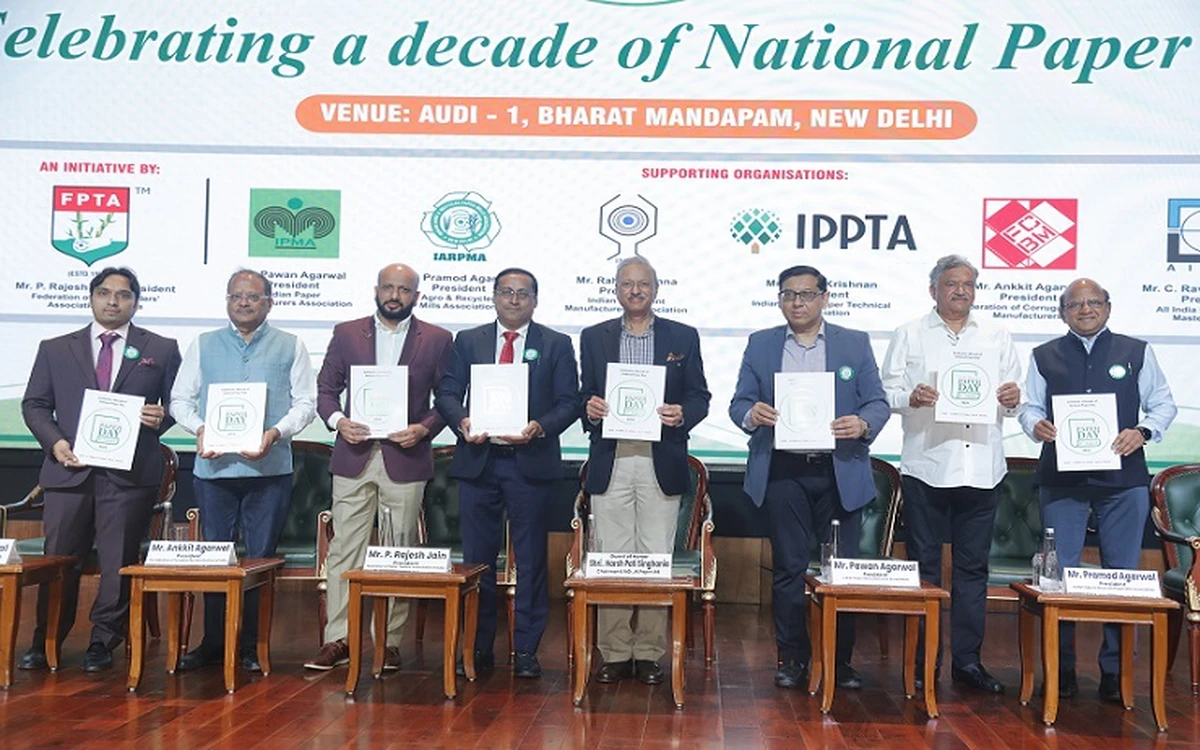
Seven Leading Associations Unite to Celebrate National Paper Day, Highlighting Paper's Sustainability and Circular Economy Advantage

Scientists from IIT-Guwahati develop India's first biodegradable plastic

Navneet Education focuses on brand building, curriculum-led growth, and export recovery; expects stationery margins to improve in FY27

It is estimated that USD10B to USD20B worth of single-use plastic packaging will convert to molded fiber, ZUME
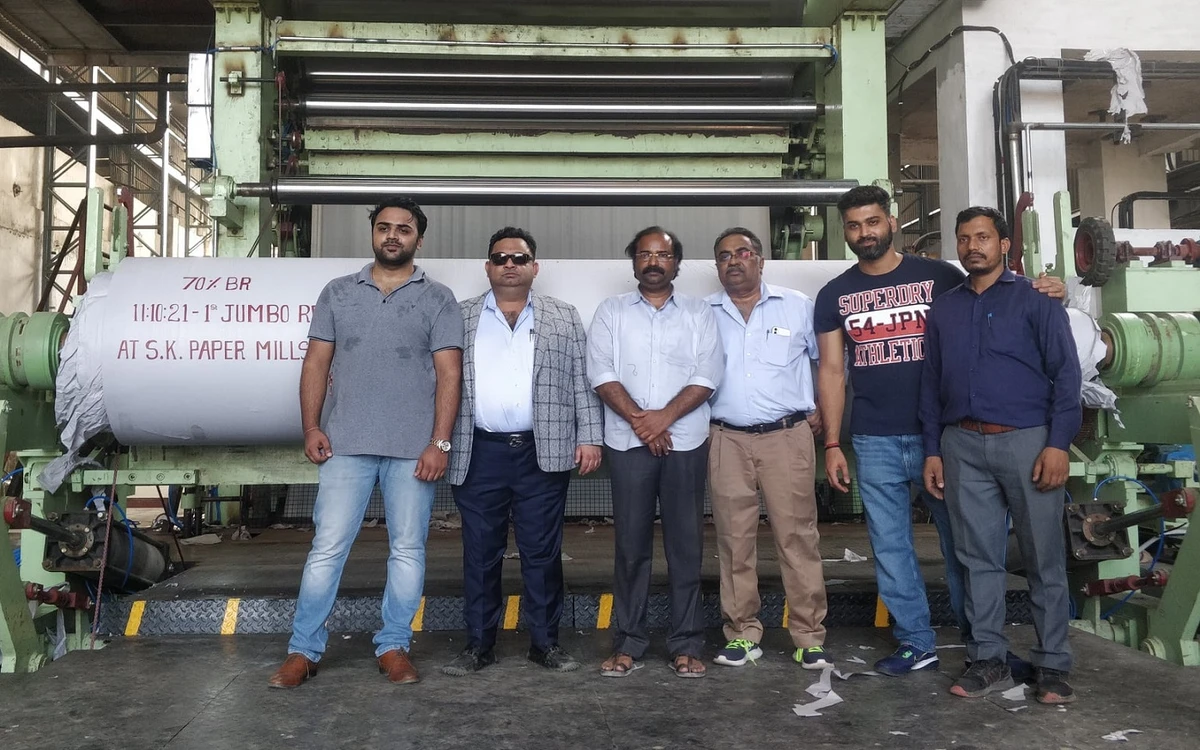
Muzaffarnagar gets a new capacity of Tissue Paper and MG Poster paper

“The integration of digitalization, automation, and Artificial Intelligence (AI) is no longer a futuristic concept—it is the baseline for competitiveness in 2036” - Vinit Garg, Director, Vizen Solutions
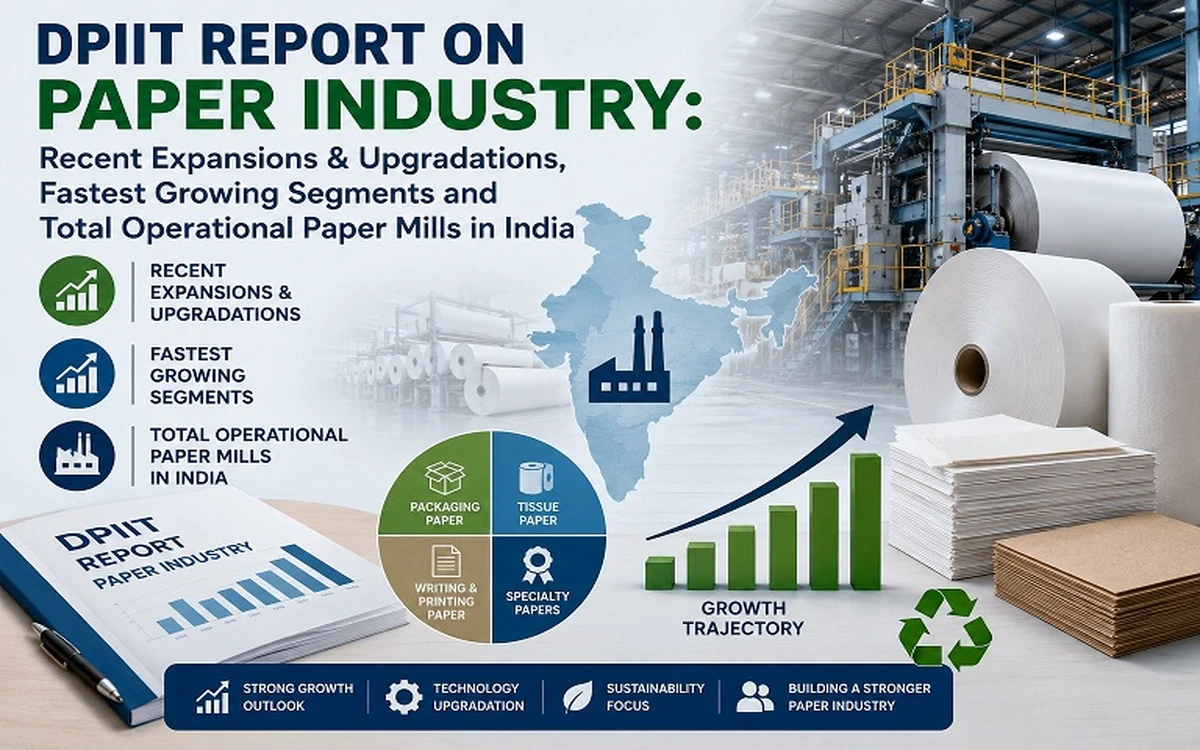
DPIIT Report on the Paper Industry: Recent Expansions & Upgrades, Fastest-Growing Segments, and Total Operational Paper Mills in India
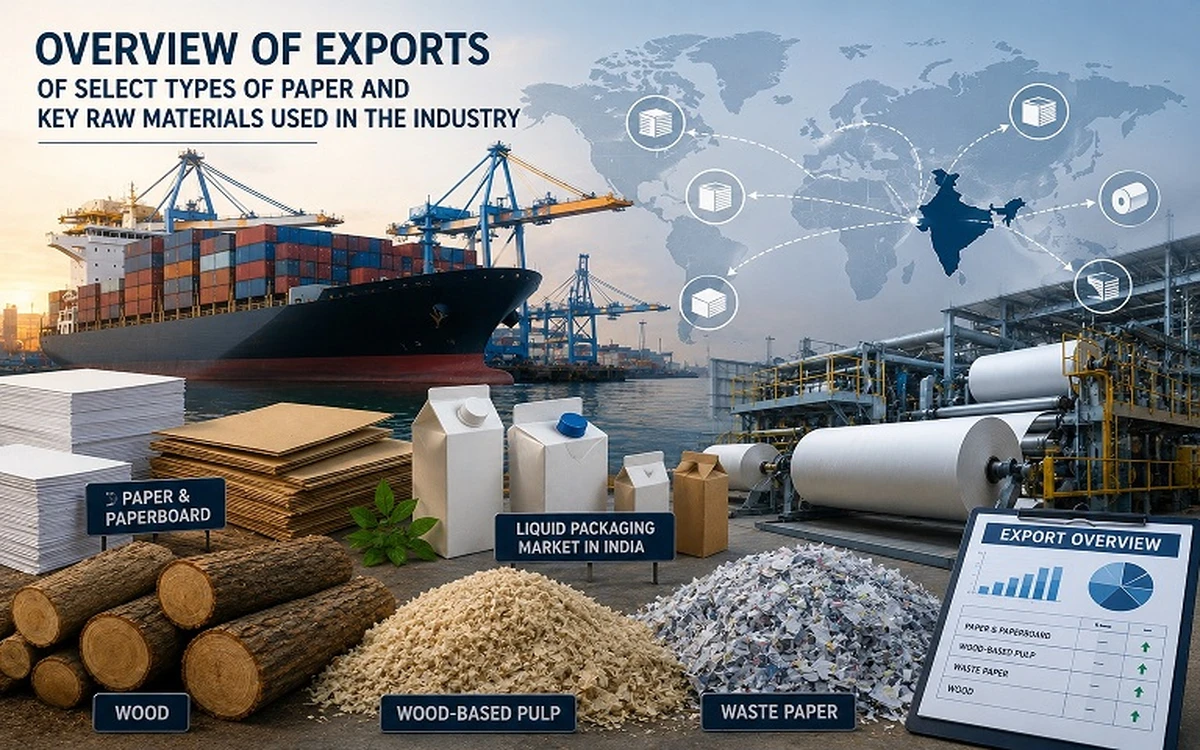
Overview of exports of select type of paper and key raw material used in the industry by Crisil Intelligence

Margin pressure pushes Pulp & Paper Packaging sector toward AI-Driven cost optimization, Cutting costs by 8–20%
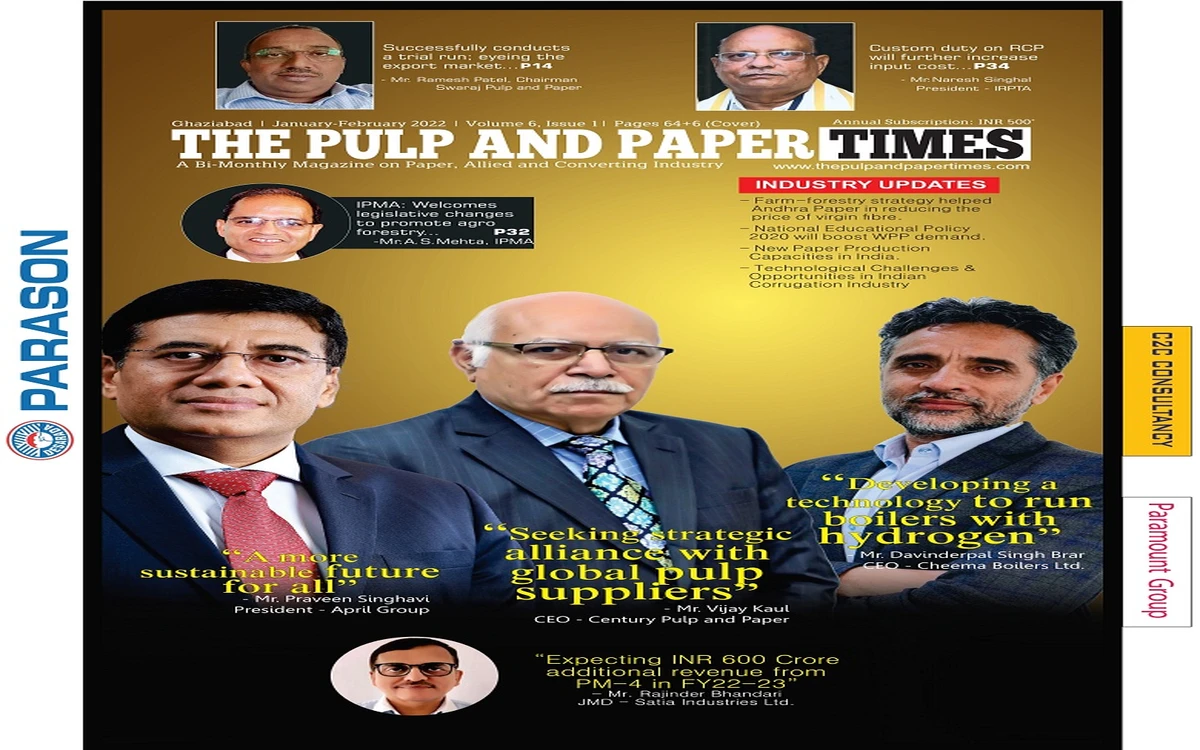
The Pulp and Paper Times Magazine : Volume 6, Issue 1

The Pulp and Paper Times Magazine : Volume 5, Issue 6
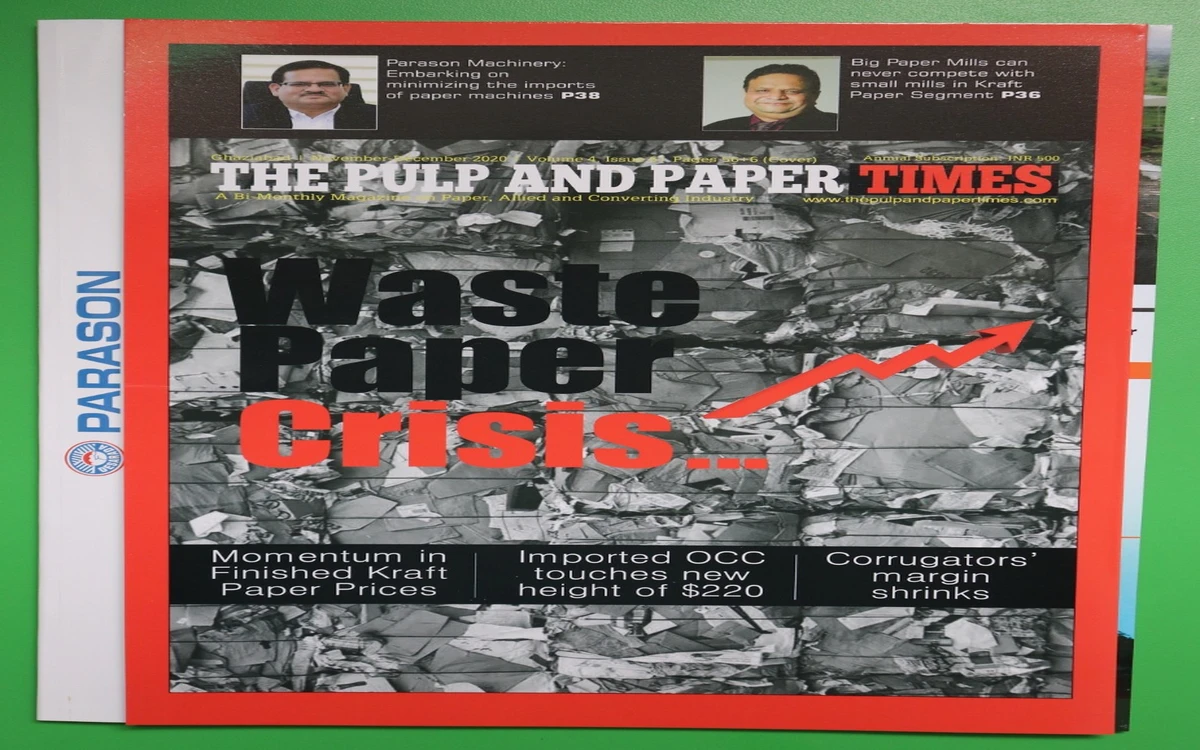
The Pulp and Paper Times: Volume 4, Issue 6
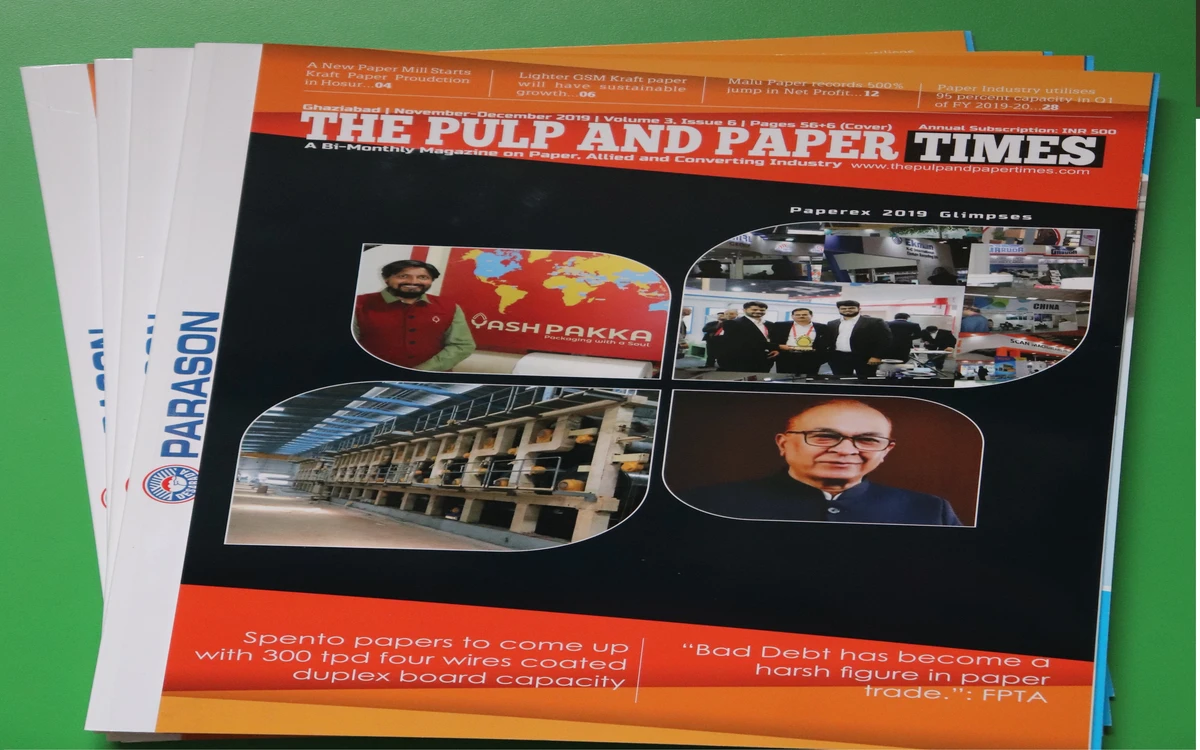
The Pulp and Paper Times : Volume 3, Issue 6
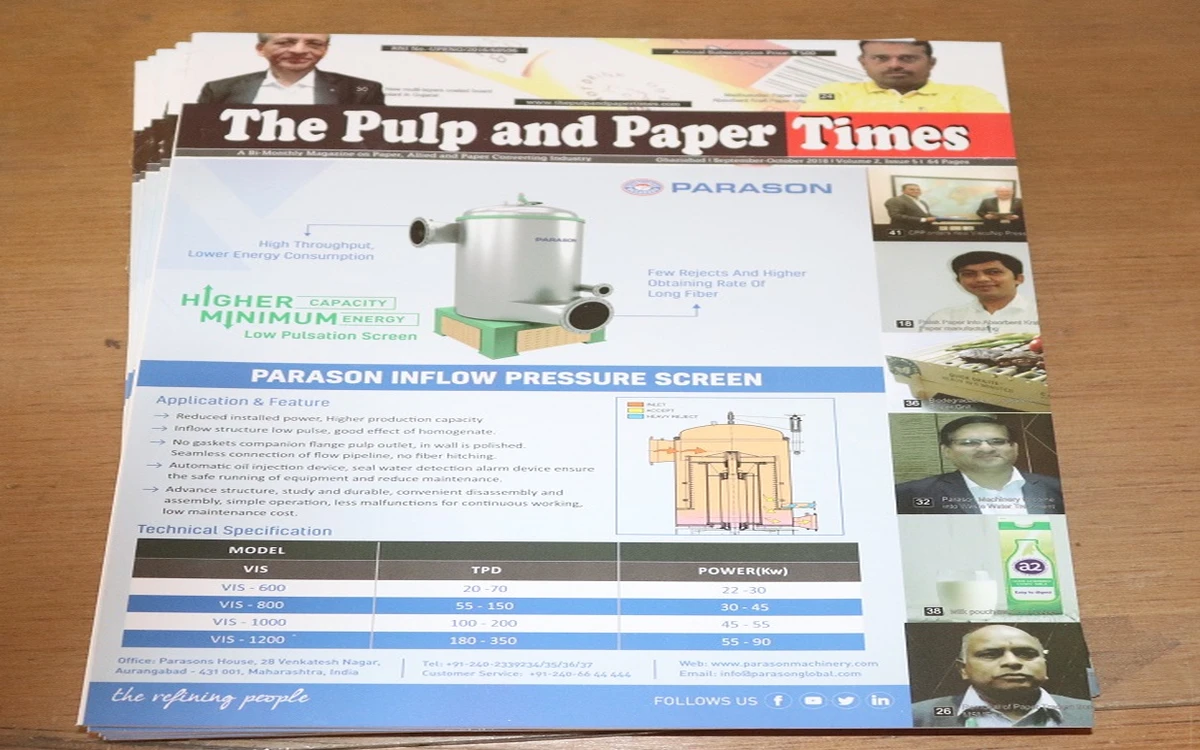
The Pulp and Paper Times: Volume 2 Issue 5

The Pulp and Paper Times, Volume 1, Issue 3
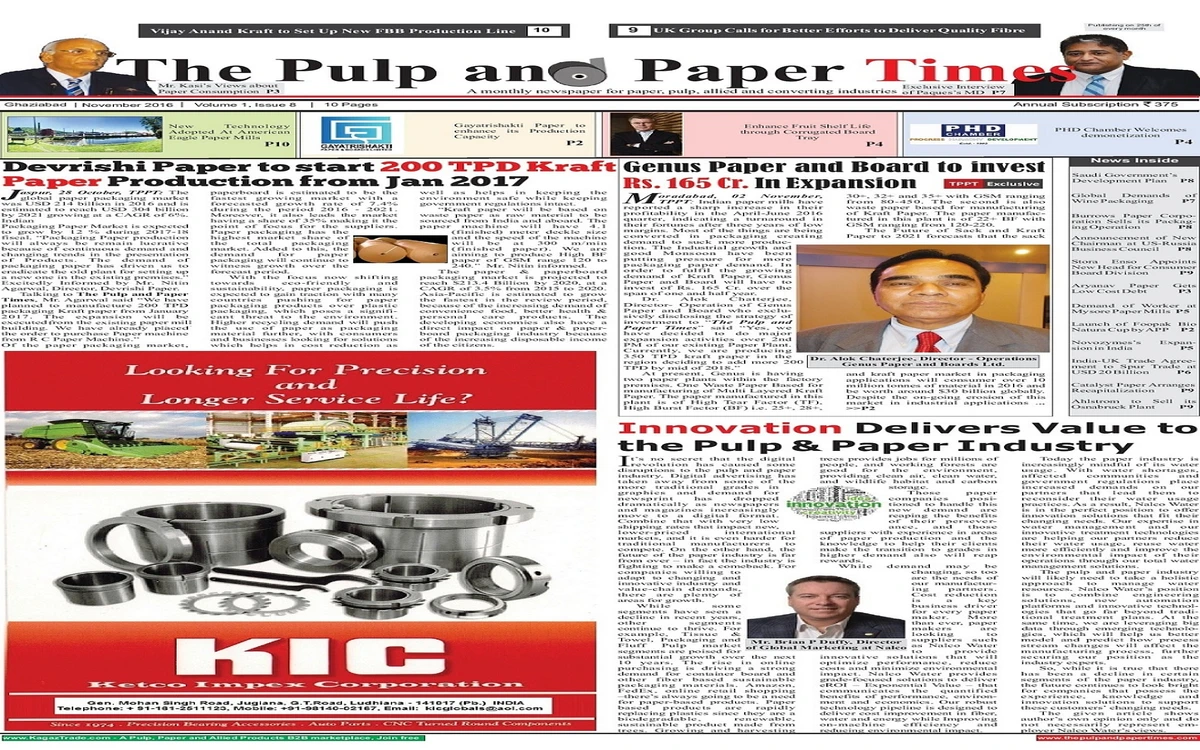
The Pulp and Paper Times, November 2016 Issue

Key Highlights
• Refinery damage globally may take 2–3 years to normalize, affecting crude and energy supply
• Crude prices expected at $80–90/barrel, up nearly 30% from earlier levels
• Energy cost impact ~3% on overall paper prices due to higher fuel and downstream products
• Freight costs to rise 12–15%, adding nearly ₹600 per tonne to paper costs
• Global supply chain disruptions causing delays, container shortages, and higher logistics costs
• Imported raw materials facing delays, impacting production timelines
• Most Indian mills are integrated, but specialty pulp remains import-dependent
• Indonesian cost advantage continues due to significantly lower wood costs (~$70 vs $175–200/tonne)
• Industry profitability under stress with ROCE below 8%, far below sustainable level of 15%
• Current EBITDA ~12–13%, against required 22–25% for healthy returns
• Lack of surplus cash flow may delay future capacity expansion
• Paper price correction necessary to restore viability and support future investments
The Pulp and Paper Times

In a detailed and structured address at an FPTA webinar on “Paper Market Today: Pricing, Supply & What’s Next,” Mr. A. S. Mehta, President of JK Paper Ltd., presented a comprehensive outlook on the paper industry, highlighting demand trends, cost structures, the impact of war, and the future trajectory of various paper segments. He underlined that overall cost increases are already visible and warned that the industry must be mentally prepared for a significant impact in the coming months.
Mr. Mehta stated that while the war situation may appear uncertain in the short term—with possibilities ranging from ceasefire to peace—the economic consequences will be long-lasting. “Anything can happen in a few days, but the impact of this war is going to be much, much longer,” he noted, emphasizing that the industry must prepare for disruptions that may extend well beyond the immediate horizon.

Drawing insights from discussions with international experts, he explained that several refineries have been damaged due to ongoing geopolitical tensions, including Iranian bombing and retaliatory strikes involving the U.S. and Israel. According to these assessments, such facilities may take a minimum of two to three years to return to normal operations. This, in turn, is expected to have a prolonged impact on crude oil supply, petroleum products, gas availability, and other downstream sectors.
He cautioned that the supply situation for crude and related products is unlikely to normalize within three to six months and may take significantly longer. As a result, prices across multiple sectors are expected to remain elevated, with a cascading impact on industrial costs, including those in the paper industry.
global supply chain disruptions intensify cost pressures
A major concern highlighted by Mr. Mehta was the disruption in global supply chains. He pointed out that increased freight costs and logistical delays are emerging as critical challenges. Beyond pricing, availability and timely delivery of key inputs such as starch, coated materials, and binders have become equally important.

While some materials remain available, they are taking significantly longer to arrive, affecting production cycles. Shipping disruptions have compounded the issue, as vessel movements—especially those linked to oil and gas transportation—are facing delays.
He explained that the shipping ecosystem operates on a two-way flow, involving both oil and gas cargo movements. However, disruptions in these routes have created bottlenecks across global trade lanes. Many container ships are currently stuck in China, unable to move efficiently to Gulf countries, severely affecting export flows.
At the same time, vessels that typically return from the Gulf carrying materials such as limestone are also delayed, further tightening shipping availability. This imbalance has resulted in reduced container availability, longer transit times, and higher freight costs.

Additionally, fuel costs for shipping lines have increased, and insurance premiums have surged due to heightened geopolitical risks. Insurers and reinsurers have raised risk perceptions, leading to significantly higher premiums for maritime transport. All these factors are contributing to rising logistics costs for the paper industry.
import dependence and pulp dynamics
Addressing concerns regarding imported pulp usage, Mr. Mehta explained that most paper producers in India are integrated players, meaning they have their own pulp manufacturing capabilities. However, certain companies—such as Emami and others—remain non-integrated and rely on imported pulp.
In the packaging board segment, BCTMP (Bleached Chemi-Thermo Mechanical Pulp) capacity is being developed domestically, with ITC Limited expected to bring additional facilities online in the coming months. However, this capacity is largely based on hardwood.
For softwood-based BCTMP, the industry will continue to depend on imports, as softwood species are not permitted for cultivation in India. Similarly, certain grades of chemical pulp such as BSKP (Bleached Softwood Kraft Pulp), required for specialty papers, will also remain import-dependent in limited quantities.
Thus, while most chemical pulp requirements are met domestically, specific segments will continue to rely on global supply chains, making them vulnerable to international disruptions.

profitability concerns and need for price correction
Mr. Mehta highlighted a critical issue facing the industry: declining profitability. At the current cost and price structure, he stated, the industry is not generating viable returns.
He explained that for a sustainable business, the return on capital employed (ROCE) should be around 15%. However, current industry estimates suggest that ROCE is below 8%, which is insufficient to support long-term growth.
Given the capital-intensive nature of the paper industry, asset turnover typically ranges between 0.7 and 0.8. To achieve a 15% return on capital, operating margins (EBITDA) need to be in the range of 22–25%. However, current EBITDA levels are only around 12–13%.
“At this level, there is no surplus cash flow available for reinvestment,” he explained. Over the past few years, whatever surplus cash companies had has already been deployed in capacity expansion, debt repayment, or other commitments.
Without adequate returns, companies will be unable to invest in new capacities, which could impact the industry’s ability to meet future demand. Therefore, Mr. Mehta stressed the need for price correction at an appropriate time, although the timing will depend on demand-supply dynamics and global market conditions.
impact of global competition and dumping
Mr. Mehta also pointed to the cost disadvantage faced by Indian producers compared to international competitors, particularly Indonesian players. He noted that raw material costs in Indonesia have historically been significantly lower due to forest concession policies.

While domestic wood costs are around Rs. 15,000 per tonne (approximately $175–200), Indonesian producers have been operating at around $70 per tonne. Given that producing one tonne of pulp requires approximately 2.6 tonnes of wood, this creates a substantial cost differential.
This cost advantage has enabled overseas players to export paper at lower prices, impacting domestic markets. However, Mr. Mehta indicated that if dumping reduces and global demand-supply balances improve, there will be room for price increases, enabling better profitability for Indian producers.
energy outlook: crude-led cost escalation to persist
Adding further clarity on the energy cost scenario, Mr. Mehta stated that even after war-related disturbances subside, crude prices are unlikely to return to earlier levels.
“Once the war-related disturbances are over, I would still say that crude prices, which were around $65 per barrel, are not going to come back to that level. Our estimate is that they will hover around $80 to $90,” he said.
He explained that this represents nearly a 30% increase in crude prices, which will have a cascading impact on downstream products such as diesel, petrol, polyester, nylon, petcoke, and furnace oil. These products are expected to witness a minimum 20% price increase.
Energy accounts for 8–10% of total paper production cost, and a 30% rise in energy prices would translate into an approximate 3% increase in overall paper costs from the energy component alone, if crude stabilizes at $85–90 per barrel.
Mr. Mehta further noted that while governments may temporarily control fuel prices, refineries and refiners will eventually follow open market pricing. “They are not going to absorb higher crude prices for long,” he remarked, indicating that cost pressures are likely to persist beyond the short term.
freight and transportation costs surge
Transportation costs are another major concern. Mr. Mehta explained that fuel constitutes 45–50% of total freight costs. If fuel prices increase by 30%, transportation costs could rise by 12–15%.
Currently, average freight costs in the paper industry are around ₹4,000 per tonne. A 15% increase would add approximately ₹600 per tonne to overall costs.
Additionally, wood transportation—primarily carried out by road—will also become more expensive. Even a ₹500 increase in transportation cost per tonne of wood will have a cascading effect on overall production costs.
These direct and indirect cost increases across logistics, raw materials, and energy are expected to significantly impact the industry in the coming months.
conclusion: industry prepares for prolonged cost pressure
Summing up, Mr. Mehta emphasized that the paper industry is entering a phase of sustained cost pressure driven by global disruptions, rising input costs, and structural challenges in supply chains.
While the exact impact of the war will become clearer over time, the industry must prepare for a scenario where costs remain elevated for an extended period. From crude oil and energy to freight, chemicals, and imported pulp, multiple cost factors are converging to reshape the economic landscape of the paper sector.
At the same time, the need for price correction, improved profitability, and continued investment in capacity remains critical. As Mr. Mehta noted, the coming months will be crucial in determining how the industry adapts to these challenges and positions itself for long-term growth.

3 days ago
Total Views : 2556
4 days ago
Total Views : 2459
6 days ago
Total Views : 698
last week
Total Views : 1303
last week
Total Views : 3763
last week
Total Views : 2736

2 weeks ago
Total Views : 799
2 weeks ago
Total Views : 3585
2 weeks ago
Total Views : 3718
2 weeks ago
Total Views : 7052