Join Groups & Channels, No Spamming









Morbi paper mills see full-capacity operations as ceramic industry revives; Kraft paper exports to China spike, Prices strengthen; Janmashtami shutdown ahead
The BE and caustic soda plant marks a key milestone for Mohit Paper Mills, enabling full utilization of installed capacity and enhancing overall production efficiency
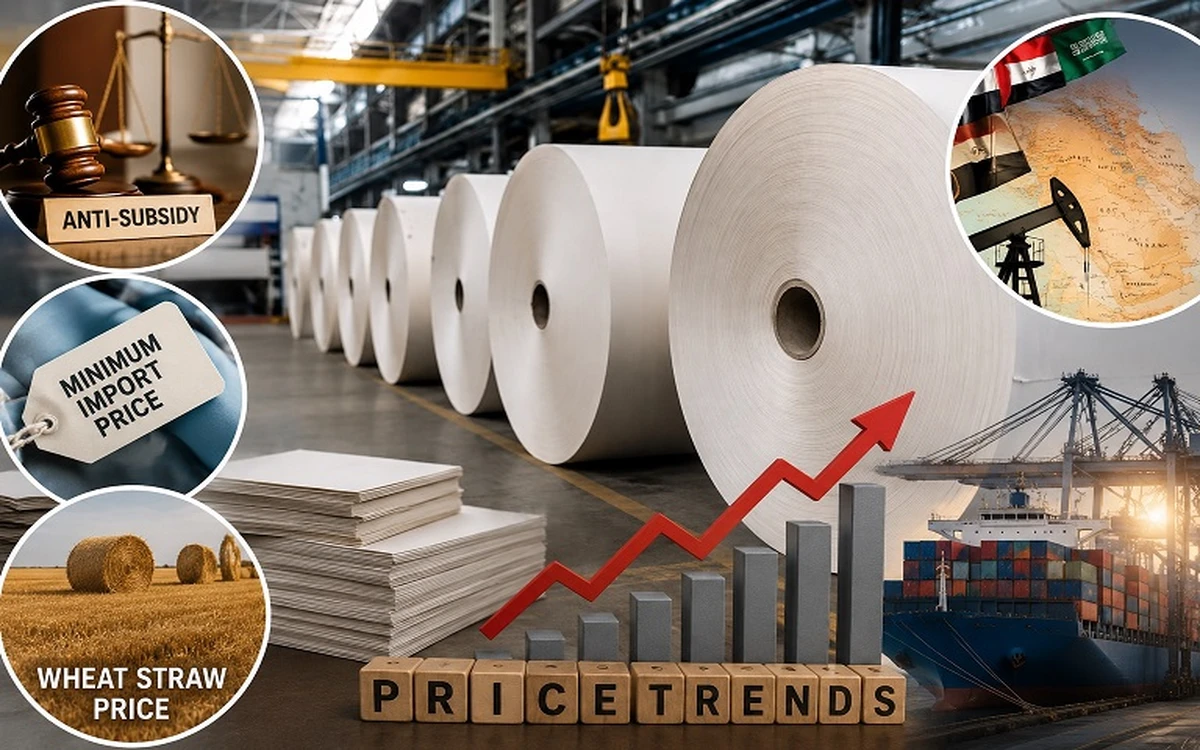
Expert Views on the paper market scenario, How the West Asia Crisis Helped the Industry, MIP for WPP, Anti-Subsidy implementation, and paper price trends
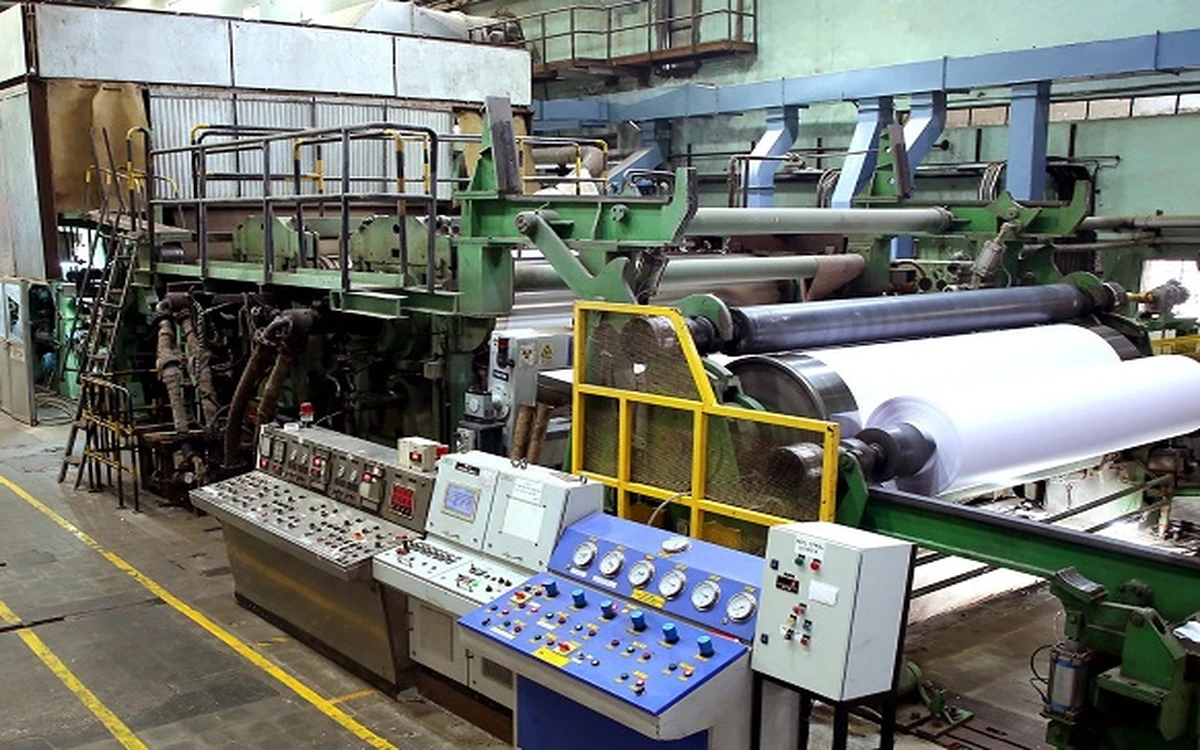
Pudumjee Paper intends to develop new varieties addressing applications for stronger paper bags and cupcakes; Plans 68,000 MT Mahad Specialty Paper Facility within 5 years
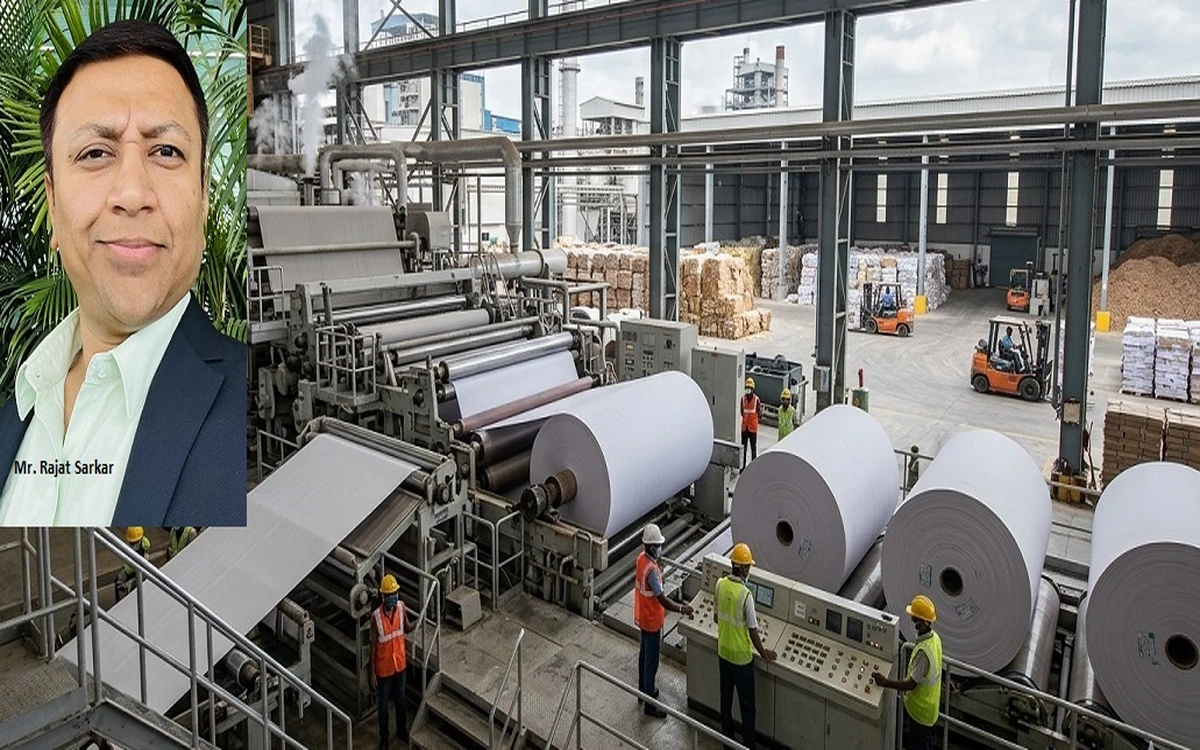
India Paper Industry at an Inflection Point: War, Costs, and Capacity; Demand growth expected at 5–7% in FY26
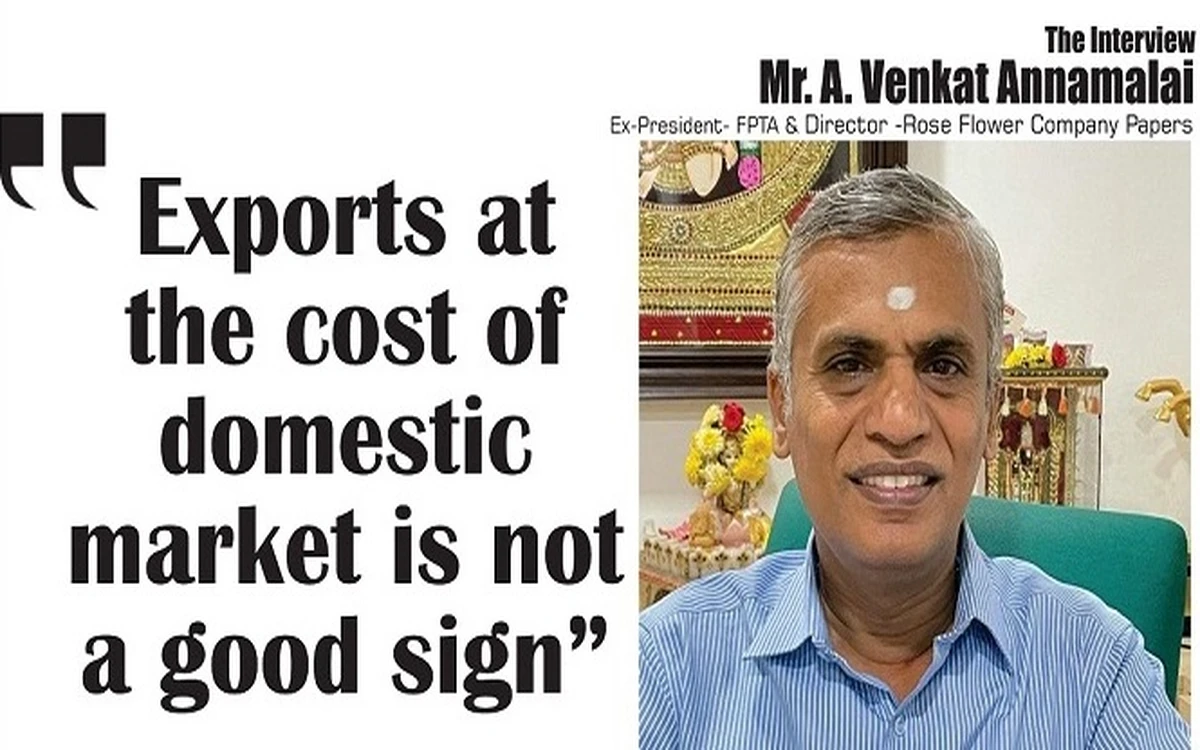
“Surging exports of paper will most certainly keep the domestic prices quite high”: Mr. A. Annamalai, Director – RFC
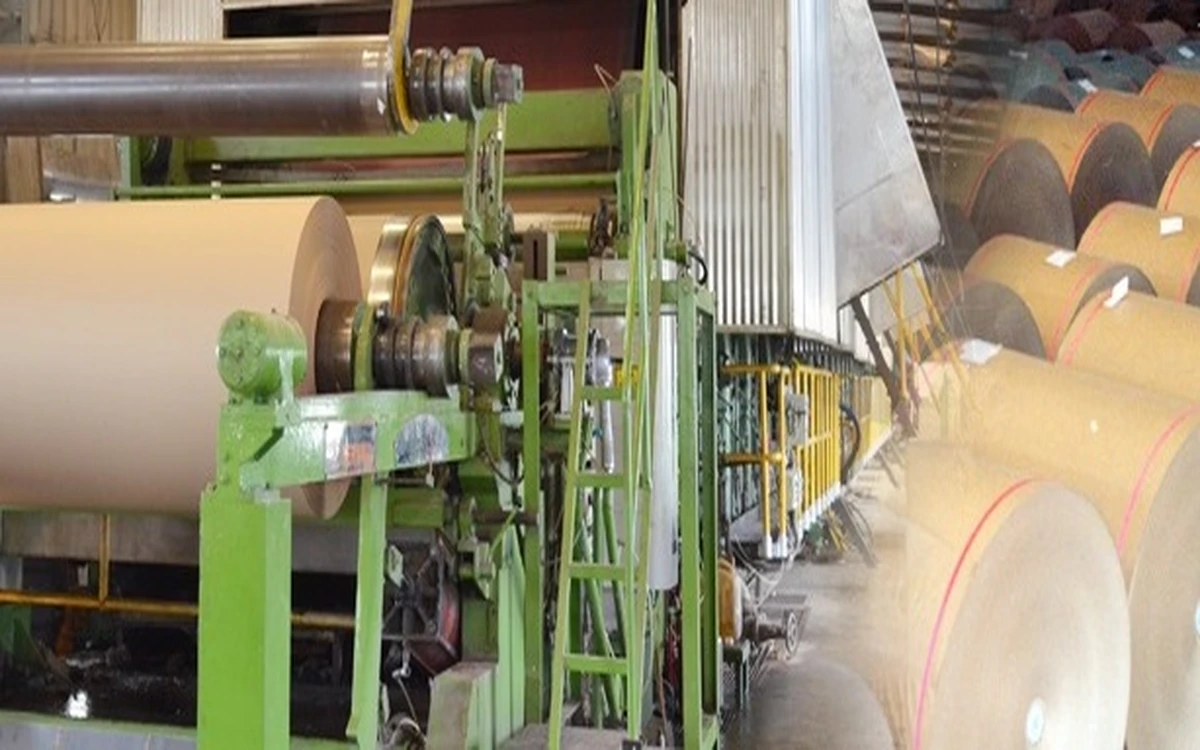
The Status of the Global Container board Industry, Recycled Paper Demand and Supply and its impact on the Indian Industry
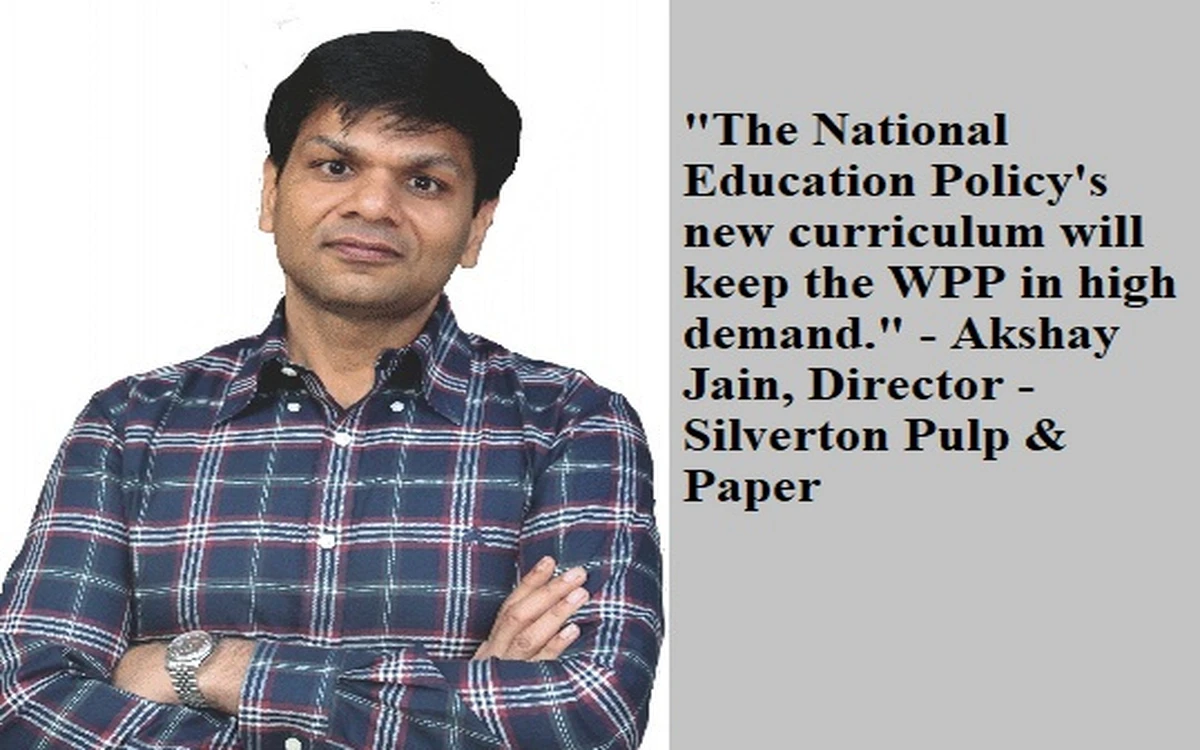
Akshay Jain, director of Silverton Pulp & Paper, says it's time to promote agro residue as a raw material to lessen the scarcity of fibre
Advantageously located, a new paper mill is all set to roll kraft paper in Madhya Pradesh
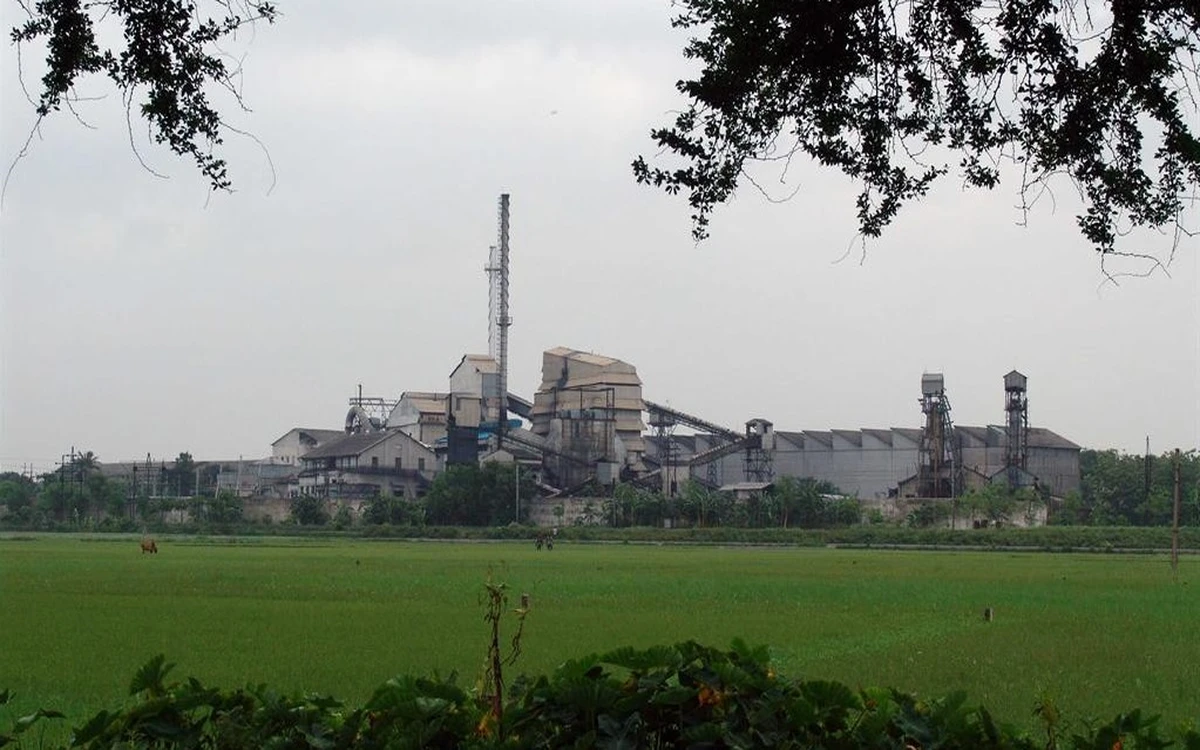
Several agile interventions helped ITC-PSPD fortify its clear leadership of the Value Added Paperboards (VAP) segment
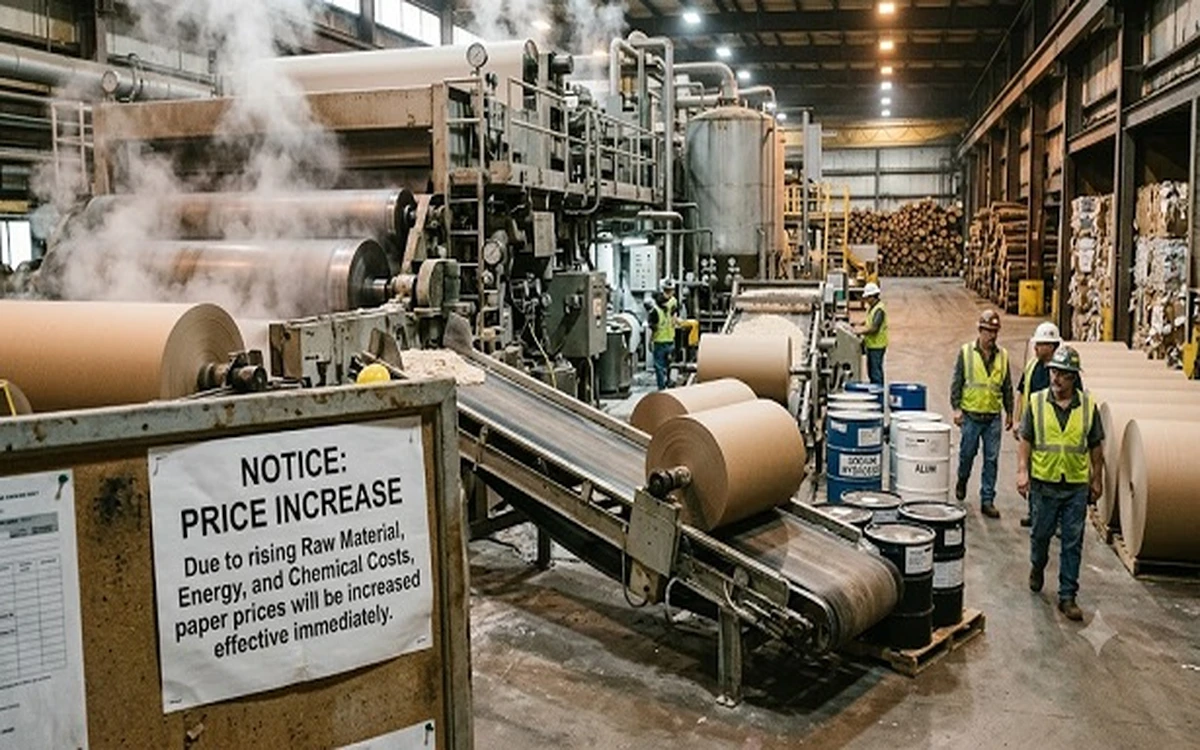
Paper Industry Cost Pressures Deepen; Price Revisions Announced Across Writing & Printing Grades
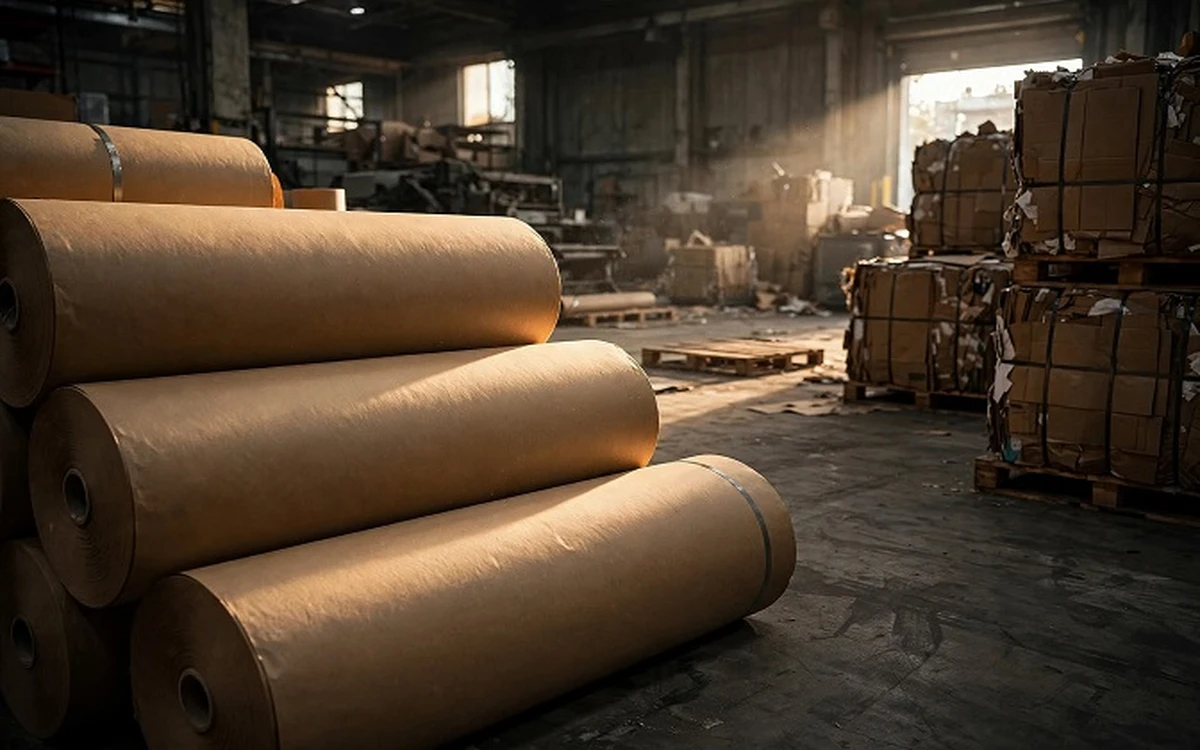
Imported Waste Paper Shortage Pushes Kraft Paper Prices Higher; Domestic Market Remains Firm
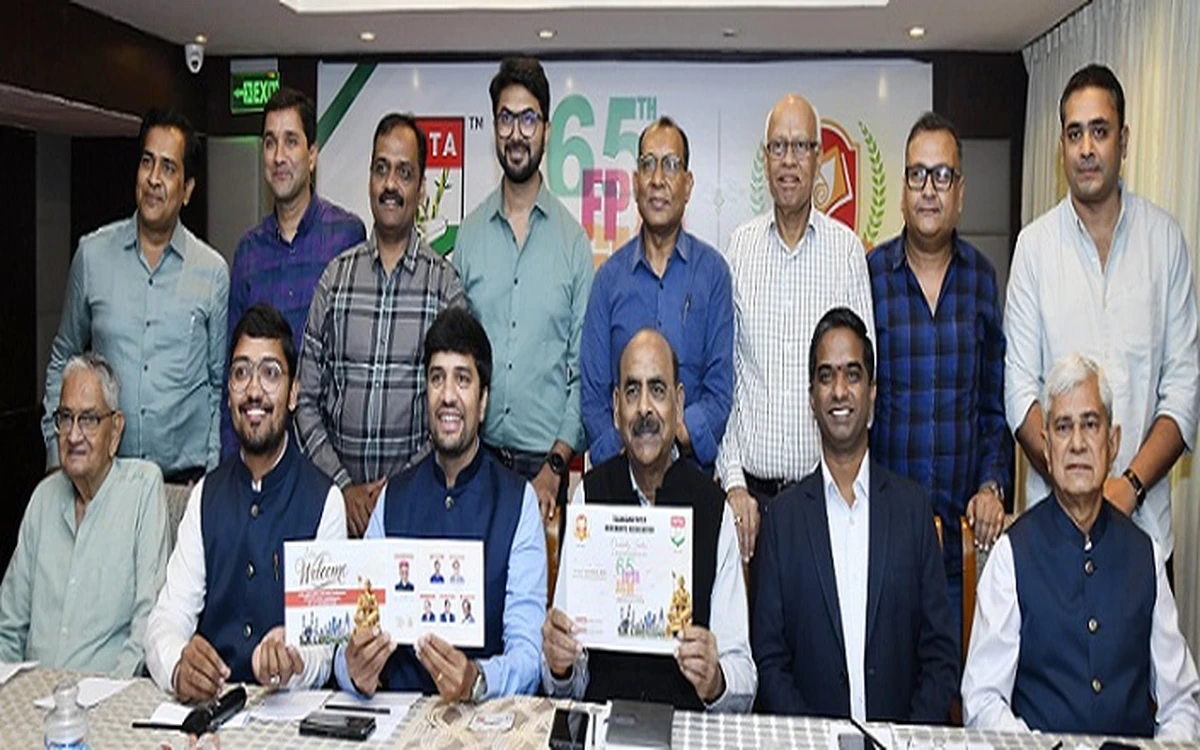
“Finding locations to store paper and efficiently supply it to different industries is a major challenge” Mr T. Kishan Singh, President Nominee, FPTA says ahead of 65th AGM
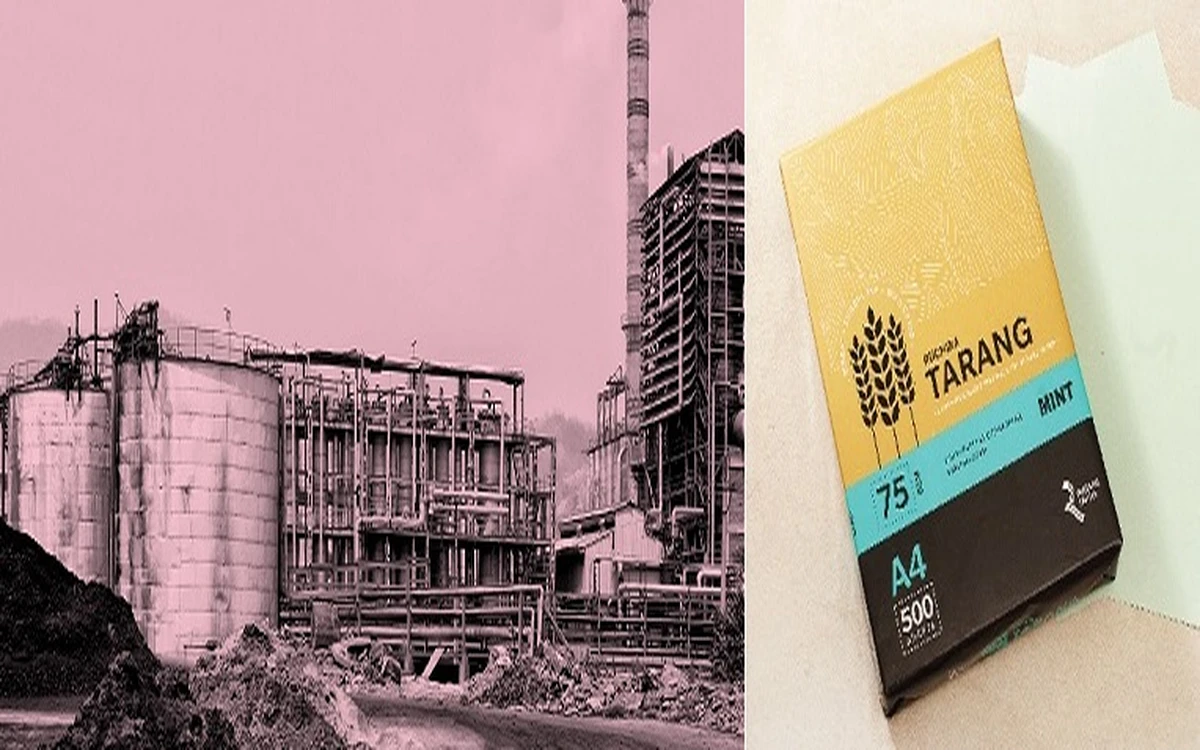
Ruchira Papers Invests a Sizeable Capex of Rs. 235–240 Crore Towards Writing & Printing Paper Capacity Expansion
Paper mills inflated the basic ex-mill price of paper post GST 2.0, AINMA seeks action against Anti-Profiteering
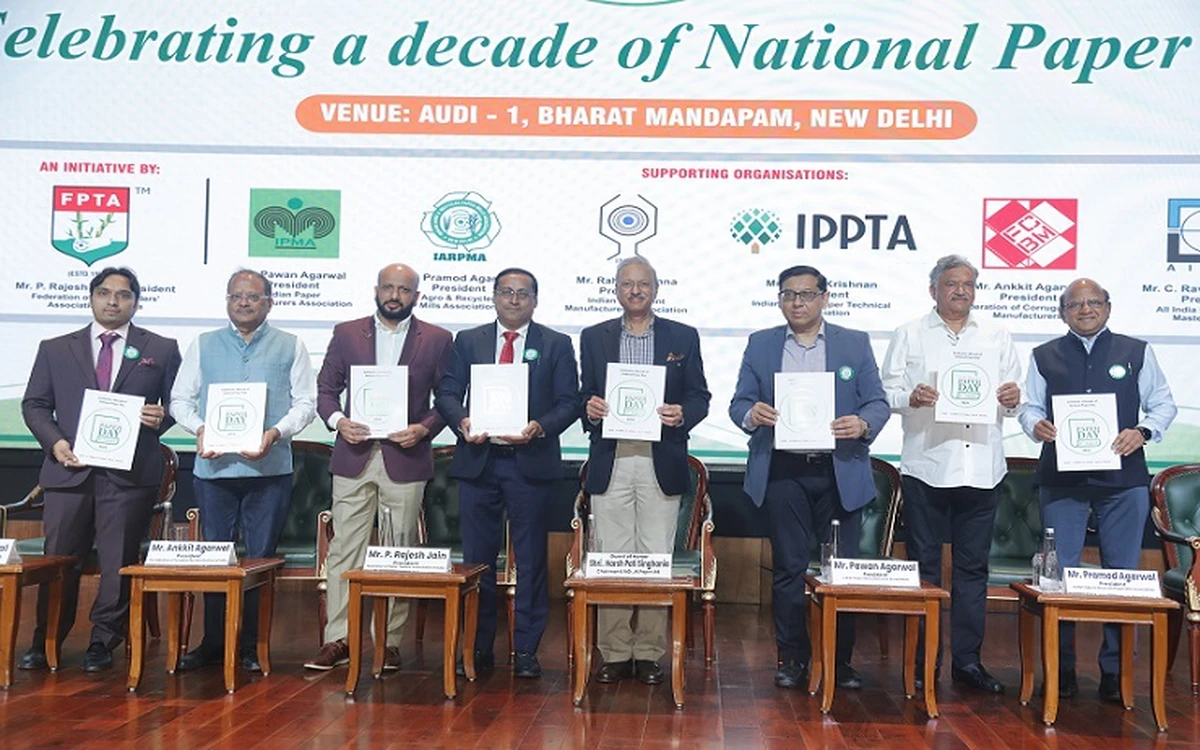
Seven Leading Associations Unite to Celebrate National Paper Day, Highlighting Paper's Sustainability and Circular Economy Advantage
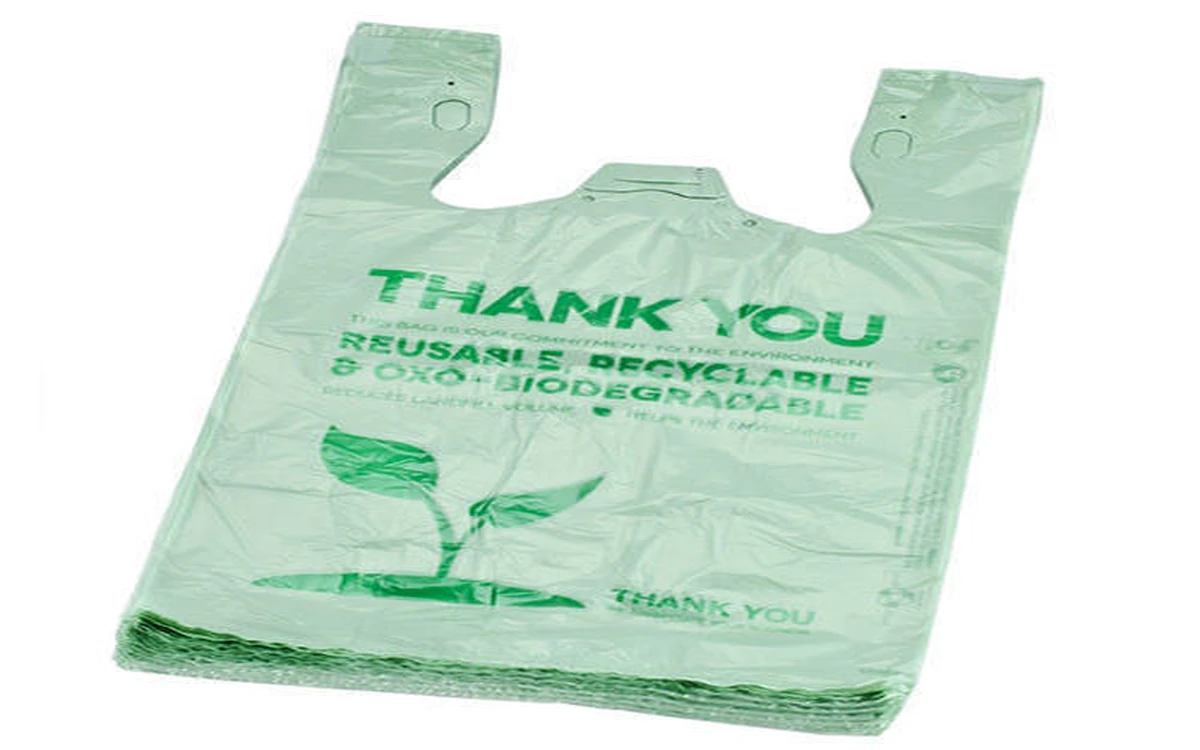
Scientists from IIT-Guwahati develop India's first biodegradable plastic

Navneet Education focuses on brand building, curriculum-led growth, and export recovery; expects stationery margins to improve in FY27

It is estimated that USD10B to USD20B worth of single-use plastic packaging will convert to molded fiber, ZUME
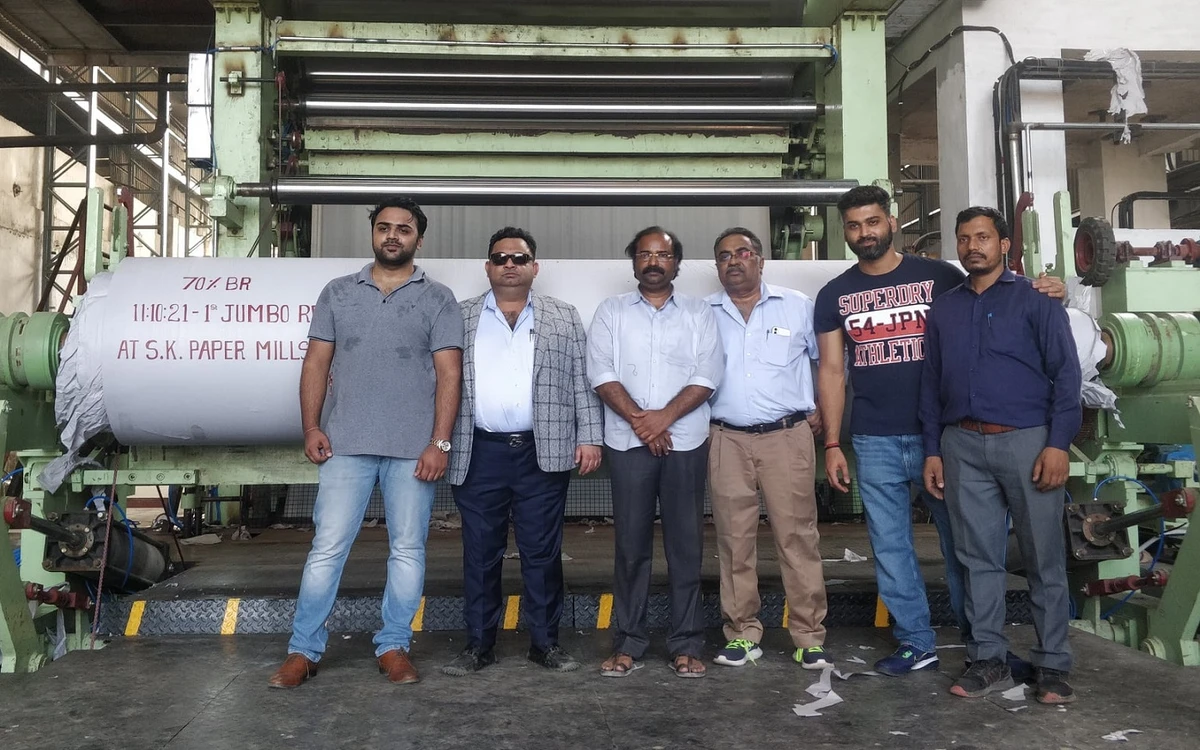
Muzaffarnagar gets a new capacity of Tissue Paper and MG Poster paper

“The integration of digitalization, automation, and Artificial Intelligence (AI) is no longer a futuristic concept—it is the baseline for competitiveness in 2036” - Vinit Garg, Director, Vizen Solutions
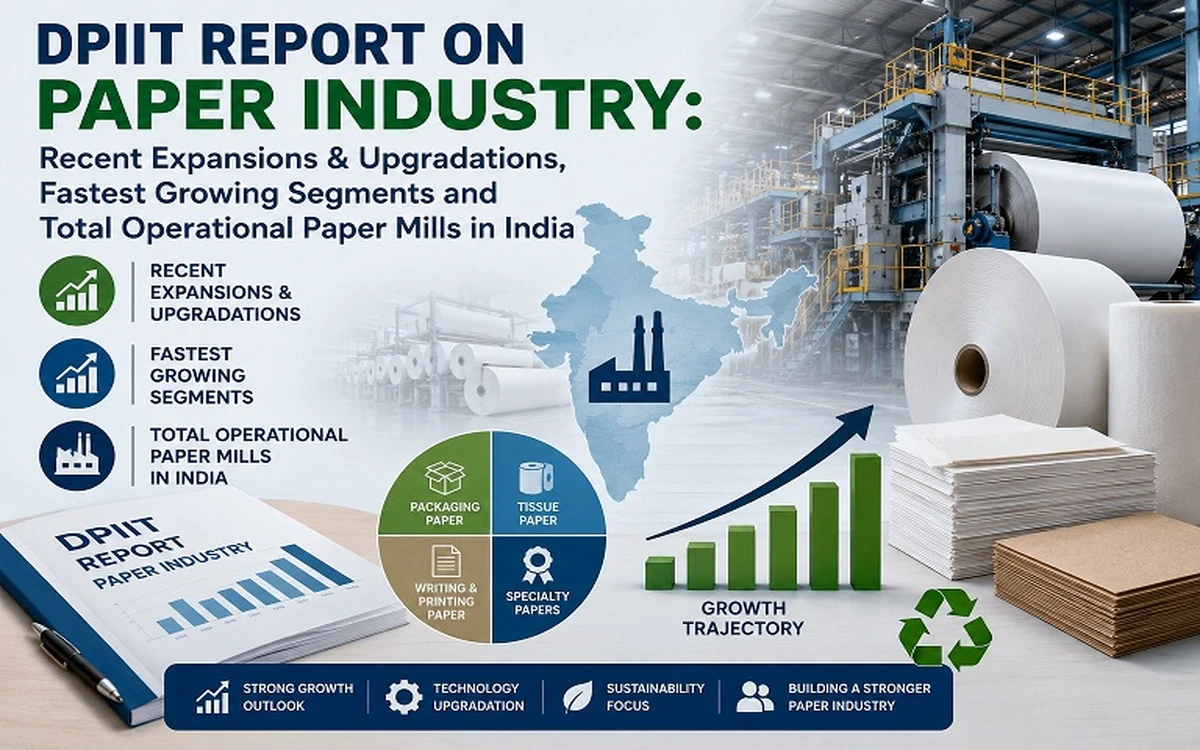
DPIIT Report on the Paper Industry: Recent Expansions & Upgrades, Fastest-Growing Segments, and Total Operational Paper Mills in India
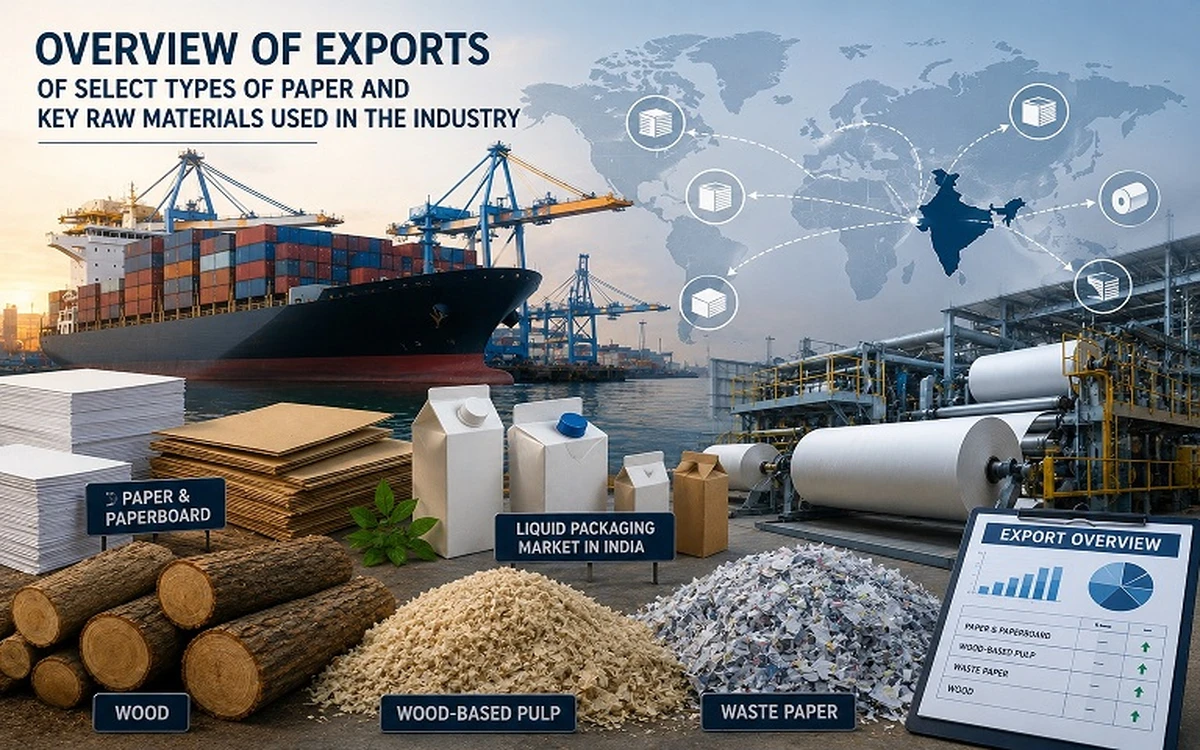
Overview of exports of select type of paper and key raw material used in the industry by Crisil Intelligence

Margin pressure pushes Pulp & Paper Packaging sector toward AI-Driven cost optimization, Cutting costs by 8–20%
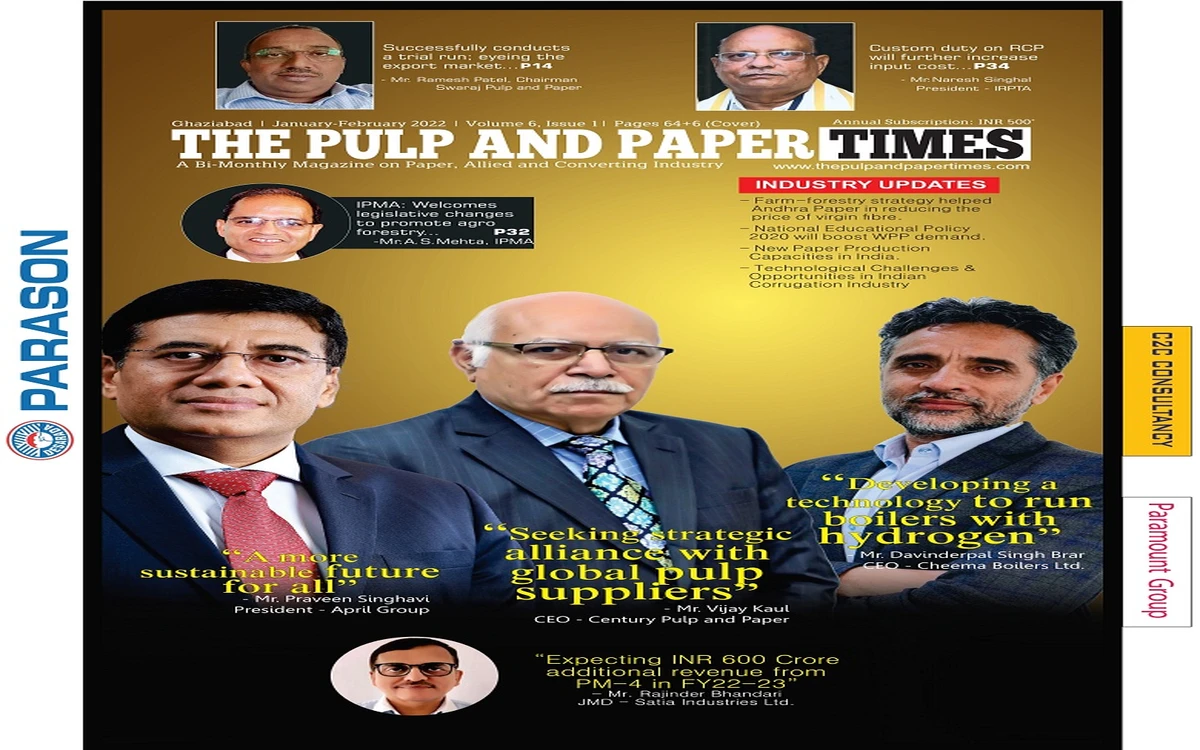
The Pulp and Paper Times Magazine : Volume 6, Issue 1
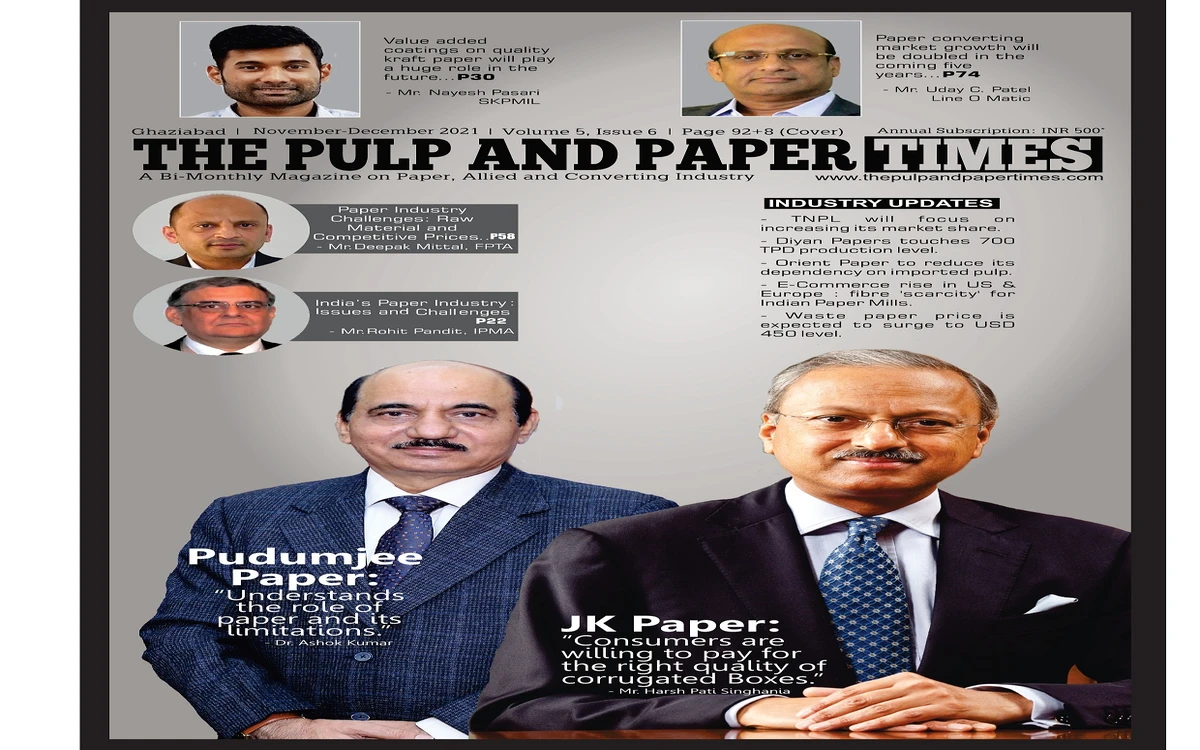
The Pulp and Paper Times Magazine : Volume 5, Issue 6
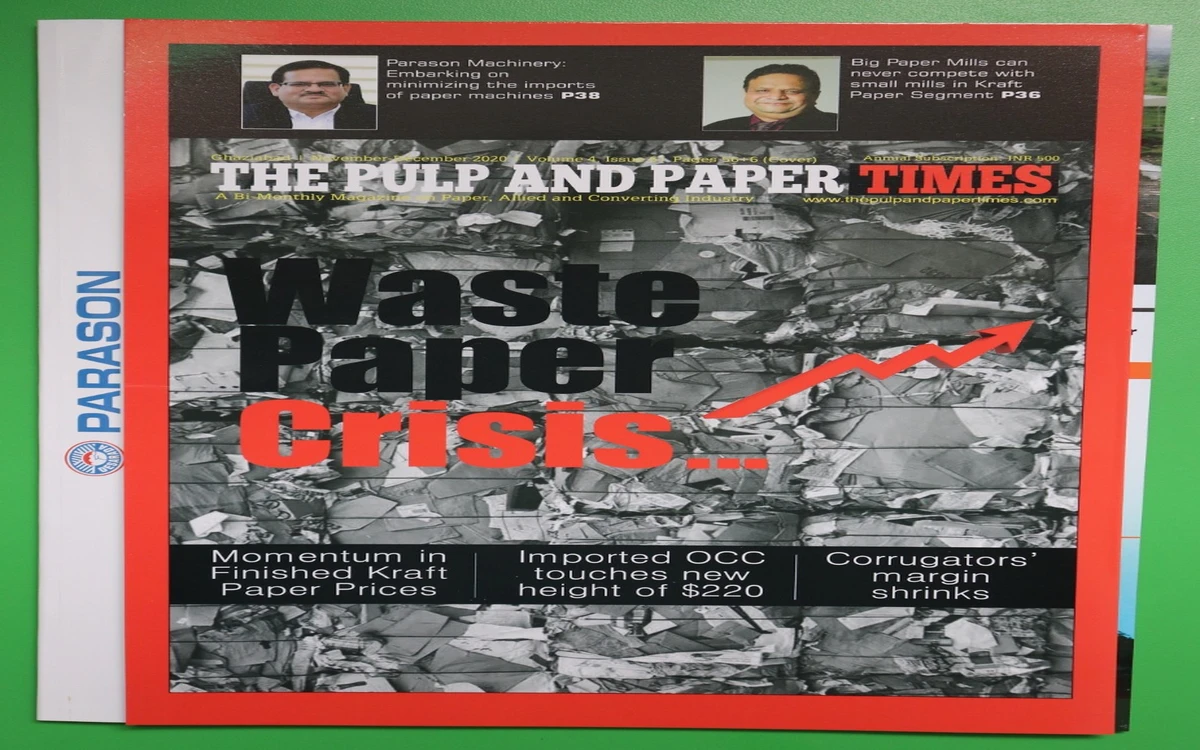
The Pulp and Paper Times: Volume 4, Issue 6
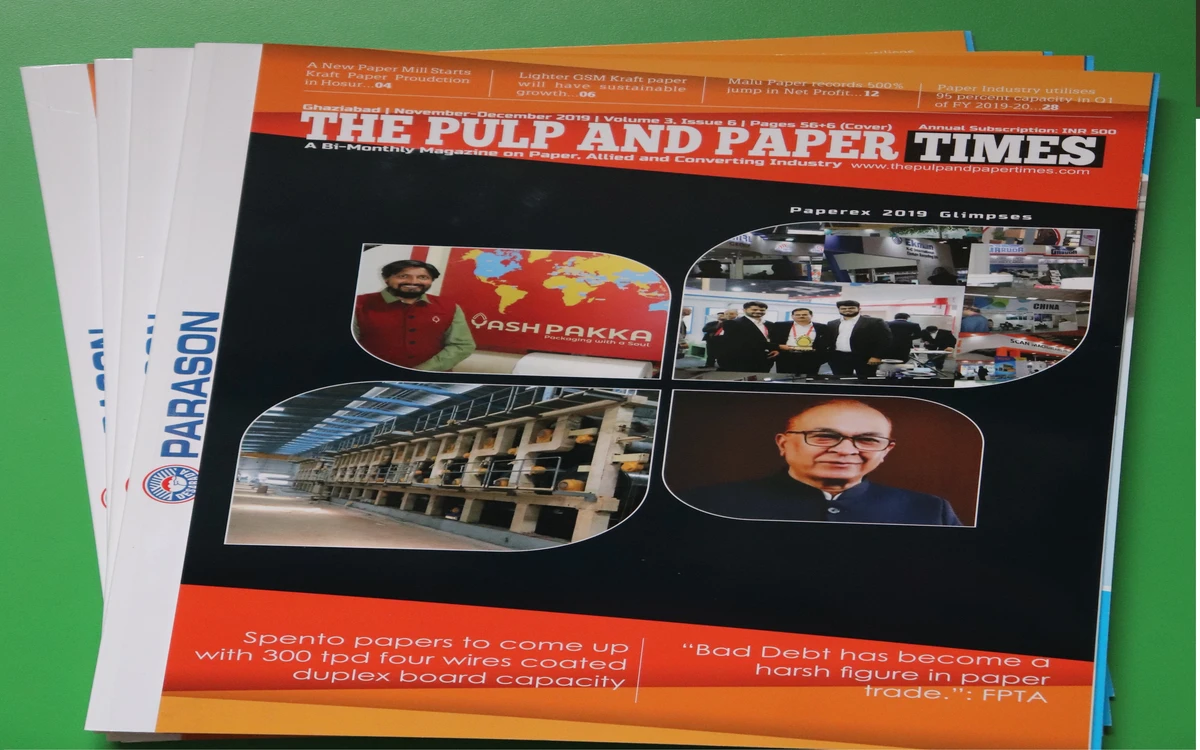
The Pulp and Paper Times : Volume 3, Issue 6
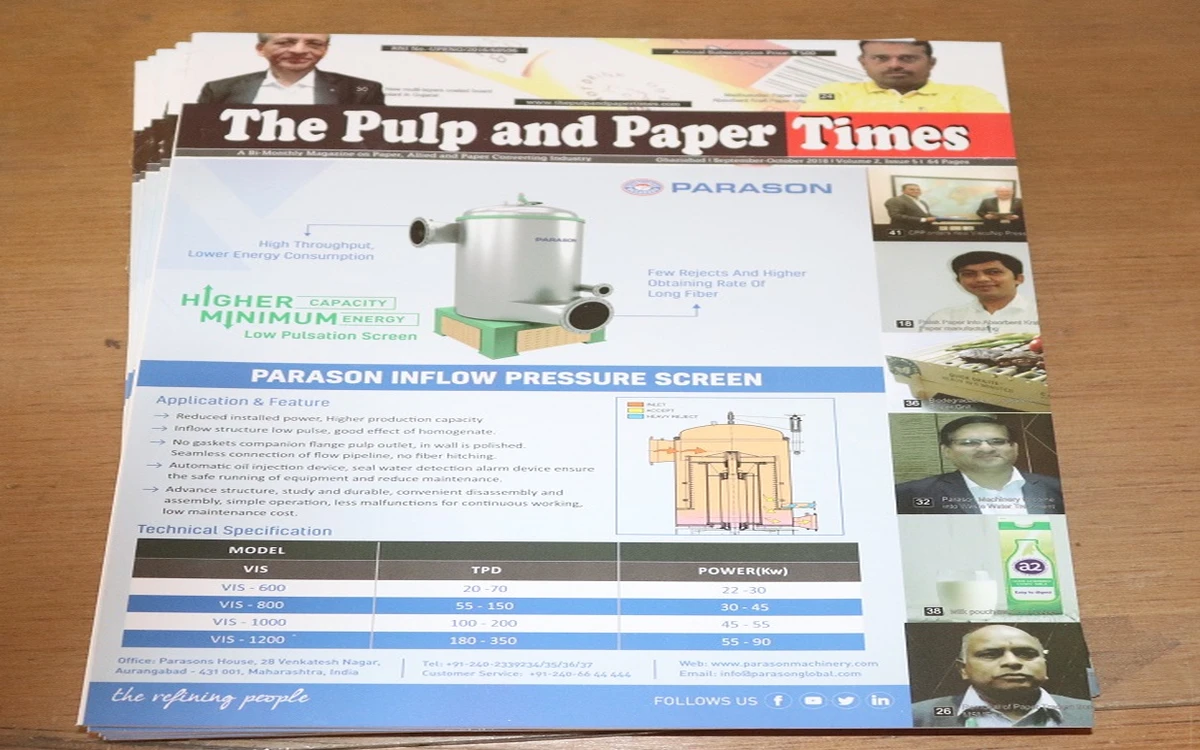
The Pulp and Paper Times: Volume 2 Issue 5
The Pulp and Paper Times, Volume 1, Issue 3
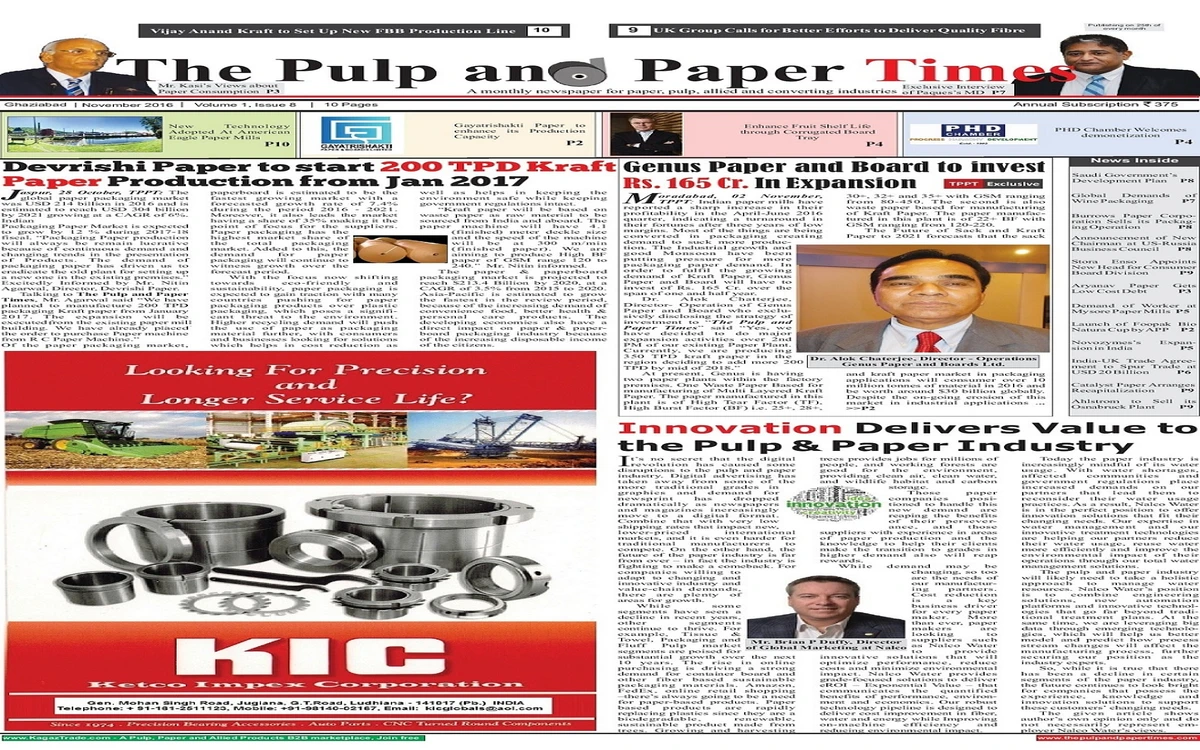
The Pulp and Paper Times, November 2016 Issue

- PM 4 achieved its highest ever monthly output of 8,758 metric tons in December 2025, while the newly upgraded PM 1 set a historic benchmark with its highest single-day production of 91.4 metric tons on December 31
- Company developed a new product on PM 3 named Kuantum Pura, utilizing a 65% Argo Pulp furnish, strengthening commitment to offering sustainable solutions
The Pulp and Paper Times | 16 Feb 2026
During the Q3 FY26 Earnings Conference Call held on February 09, 2026, Vice Chairman and Managing Director of Kuantum Papers Limited, Pavan Khaitan, responded to questions from various investors ranging from pulp price, expansion, paper prices and other industry issues. He shared that the Indian pulp and paper industry is navigating through a difficult operating environment. While underlying demand remains steady and the company is seeing encouraging improvement in volumes, realizations face pressure due to the influx of low-priced imports, which has weighed on the industry margins.

He said that the industry is actively engaging with policymakers on safeguard measures and expressed hope for a constructive outcome over time. In parallel, he highlighted the possibility of moderation in wood pricing, which could provide some cost relief going forward, although sustained policy support remains important for overall industry stability. At the same time, he pointed out that there are several policy and trade developments that are directionally positive for the sector over the medium term.
Referring to the India EU free trade agreement, he said it provides for a phased elimination of tariffs on most goods. He stated that this is supportive of exports of packaging board and kraft paper while also easing imports of machinery. However, he noted that while the agreement will introduce higher competition from European players in certain specialty segments, it also incentivizes efficiency improvements and investments in low-carbon technologies to meet CBAM requirements.

He further said that the Union Budget 2026 has provided meaningful relief to the industry. Temporary duty waivers on pulp and wastepaper, streamlined customs procedures and adjustments in warehousing norms are expected to lower input costs and improve cash flow visibility. Additionally, he stated that continued thrust on MSMEs and urban redevelopment is supportive of downstream packaging demand, helping uplift the fortunes of the paper industry.
Moving to operational highlights for Kuantum for the quarter under review, Khaitan shared that the rebuild of Paper Machine 1 was successfully completed in December 2025. He stated that this upgrade increased the machine's capacity to 80 metric tons plus on a daily basis, with the addition of a new dilution-control headbox, double doctoring, dryers, QCS and a water heated calendar.

He also said that the company doubled its PCC (Precipitated Calcium Carbonate) capacity from 25,000 tons per annum to 50,000 tons per annum, reinforcing self-reliance in high-quality fillers used in papermaking.
He highlighted that operational efficiency reached new heights during the quarter with record-breaking production across upgraded machines. PM 4 achieved its highest ever monthly output of 8,758 metric tons in December 2025, while the newly upgraded PM 1 set a historic benchmark with its highest single-day production of 91.4 metric tons on December 31. He said these achievements reflect enhanced reliability and efficiency of mill upgradation and expansion programs.
On product innovation, Khaitan said the company launched Kuantum Kopio, a dedicated copier brand available in 65, 70 and 75 GSM, which has been received well by the dealer network and consumers. He further said the company developed a new product on PM 3 named Kuantum Pura, utilizing a 65% Argo Pulp furnish, strengthening commitment to offering sustainable solutions.
Discussing cost dynamics, he said overall cost per ton remained largely stable as an increase in wheat straw prices of about INR1,500 per ton was offset by lower wood chip prices of around INR800 per ton of production along with reduction in chemical costs. As a result, EBITDA for the quarter stood at INR39 crores, marking a 14% quarter-on-quarter increase, with EBITDA margin improving by 125 basis points to 13.55%. Profit after tax stood at INR10 crores with PAT margins at 3.38% and expansion of 131 basis points sequentially.

Speaking on raw material availability, Khaitan said that scarcity of agro fibres in Punjab continues for the time being and is likely to impact agro fibre pricing in the current and next quarter. He stated that the flooding has lowered volumes of agro fibre, though some reduction trend in pricing is expected in the next quarter.
He explained that the company depends on two fibre lines, agro and wood. For agro fibre, the company relies heavily on wheat straw, which remains abundantly available in Punjab. Despite heavy floods, he said sufficient wheat straw remained available for the paper industry. He emphasized that wheat straw will continue to remain available because it is also a source of fodder for cattle and animal husbandry in the state, making it an essential produce for farmers.
Khaitan explained that out of nearly 20 million tons of wheat straw generated every year in Punjab, paper mills use only about 2 million to 2.25 million tons, leaving a significant procurement gap. He expressed confidence that agro fibre supply will not be in question and fluctuations will remain mainly pricing related.

He also highlighted the company’s social forestry program, under which 40 lakh saplings are grown annually and distributed among farmers and suppliers. He said the company aims to reach 1 crore saplings every year within the next three years. These saplings are high-growth and high-yielding varieties developed in the company’s nursery and are being adopted well by farmers and suppliers.
Khaitan said wheat straw pricing is expected to decline during harvesting season beginning April, but margin improvement will depend on market pricing of finished products. He said major EBITDA erosion occurred because market pricing of products declined substantially, though an upward trend is now visible. He stated that EBITDA margins could slowly move towards 20% or 22% in coming years.
Providing cost benchmarks, he said wheat straw prices currently range between INR6,000 to INR6,400 per ton, while wood cost averages INR7,000 to INR7,500 per ton depending on raw material mix including bamboo, wood chips, vineyard chips and debarked logs.
Addressing import competition, Khaitan said indirect competition from imports affects industry sentiment, though the company is less impacted regionally due to freight and service advantages. He said quality consistency and service support help maintain margins.

On GST-2.0, he said the policy creates a double-edged impact as companies selling notebooks at 0% GST must reverse input tax credits on inputs and capital items. He said this leads to an industry impact of around INR7,500 per ton and the company has adjusted basic pricing accordingly to prevent losses.
Discussing pulp price trends, Khaitan said hardwood pulp prices currently range between $580 to $600 per ton, rising about $100 over the last year. Softwood pulp remains $80 to $100 higher, ranging between $680 to $700 per ton, also reflecting a similar increase. He said the increasing trend is likely to continue, with softwood possibly stabilizing near $750 per ton and hardwood around $650 to $680 per ton.
He further said that industry-wide paper price hikes between INR2,000 to INR4,000 per ton are expected. He said INR2,000 per ton hike has already happened in the current month and another INR2,000 hike is expected before month-end. He noted that the company is already among the highest priced in the market and competitors increasing prices are still priced lower compared to Kuantum.
Discussing trade opportunities, Khaitan said free trade agreements create marketing opportunities in both the U.S. and European markets, though competition from China remains significant due to its paper industry size being nearly 10 times larger than India. He said imports primarily originate from Indonesia and China, while pulp imports come from Scandinavian countries and Canada. He added that imports from the United States remain relatively small.
On expansion plans, Khaitan said plant utilization remains close to 100%. He said PM 4 and PM 1 upgrades are completed, PM 2 upgrade is scheduled for February, and PM 3 upgradation will take place in May. He stated that additional capacities from PM 4 and PM 1 have already started contributing. He said PM 2 shutdown impact will be limited as its current production of about 40 tons per day is being compensated by upgraded machines.
He stated that PM 2 upgrade cost is about INR45 crores and PM 3 upgrade cost is around INR140 crores, forming part of the overall INR735 crore upgradation plan financed through banks and internal accruals.
Responding to concerns regarding additional capacity by other mills, Khaitan said a large portion of new capacity is coming in tissue paper, which is growing at nearly 20% CAGR in India. He noted that companies such as JK Paper are focusing on packaging board, driven by rising e-commerce demand.
He stated that limited new capacity is being added in writing and printing paper, the segment Kuantum focuses on. He added that the domestic market has the ability to absorb additional capacity, supported by government focus on education and expansion of educational access to rural areas. He concluded that paper will continue to play a major role in ensuring education availability up to the grassroots level and additional capacity is unlikely to adversely impact the company.

2 minutes ago
Total Views : 1
23 hours ago
Total Views : 3603

2 days ago
Total Views : 639
4 days ago
Total Views : 675
5 days ago
Total Views : 600
last week
Total Views : 3500
last week
Total Views : 3988
2 weeks ago
Total Views : 742
2 weeks ago
Total Views : 3428

3 weeks ago
Total Views : 8420