Join Groups & Channels, No Spamming









Morbi paper mills see full-capacity operations as ceramic industry revives; Kraft paper exports to China spike, Prices strengthen; Janmashtami shutdown ahead
The BE and caustic soda plant marks a key milestone for Mohit Paper Mills, enabling full utilization of installed capacity and enhancing overall production efficiency
Expert Views on the paper market scenario, How the West Asia Crisis Helped the Industry, MIP for WPP, Anti-Subsidy implementation, and paper price trends
Pudumjee Paper intends to develop new varieties addressing applications for stronger paper bags and cupcakes; Plans 68,000 MT Mahad Specialty Paper Facility within 5 years
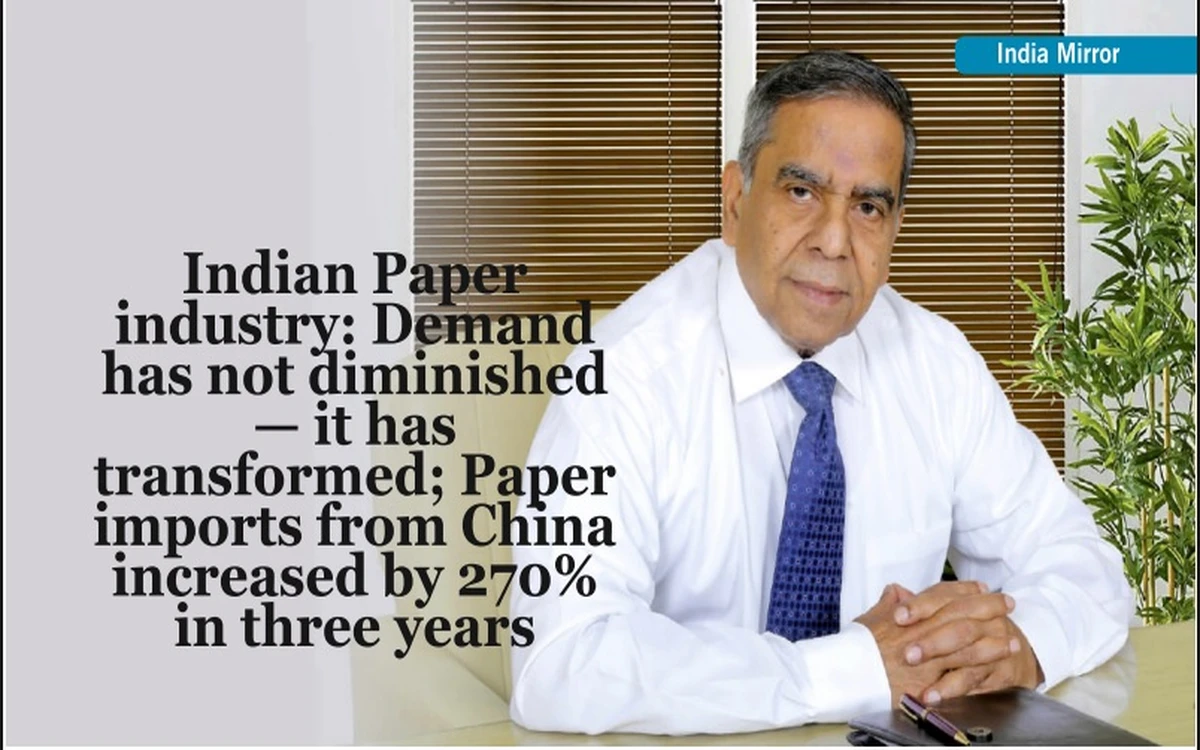
India Paper Industry at an Inflection Point: War, Costs, and Capacity; Demand growth expected at 5–7% in FY26
“Surging exports of paper will most certainly keep the domestic prices quite high”: Mr. A. Annamalai, Director – RFC
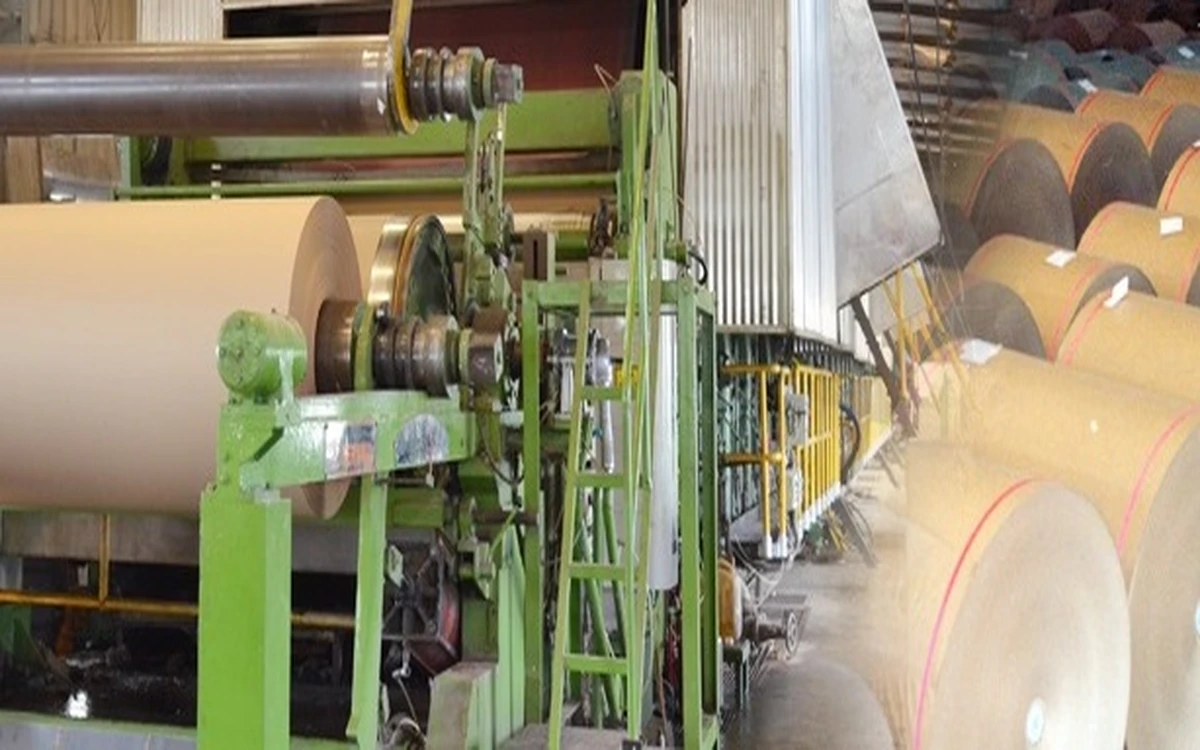
The Status of the Global Container board Industry, Recycled Paper Demand and Supply and its impact on the Indian Industry

Akshay Jain, director of Silverton Pulp & Paper, says it's time to promote agro residue as a raw material to lessen the scarcity of fibre
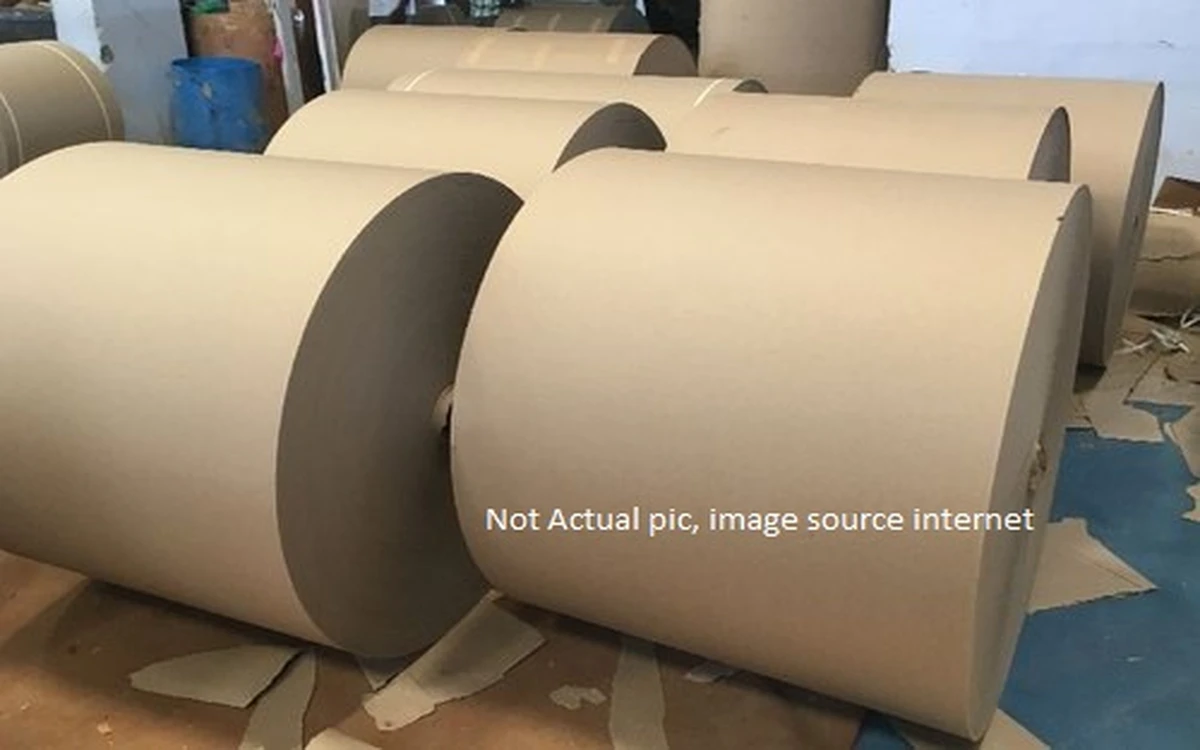
Advantageously located, a new paper mill is all set to roll kraft paper in Madhya Pradesh
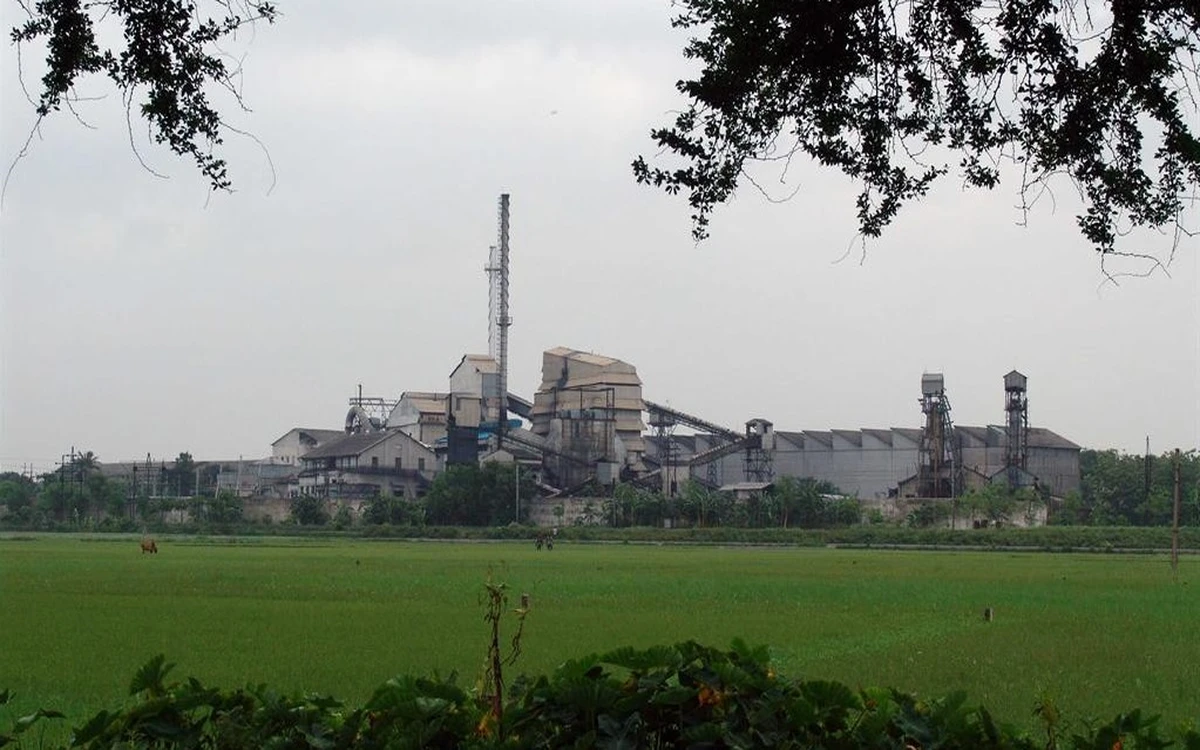
Several agile interventions helped ITC-PSPD fortify its clear leadership of the Value Added Paperboards (VAP) segment
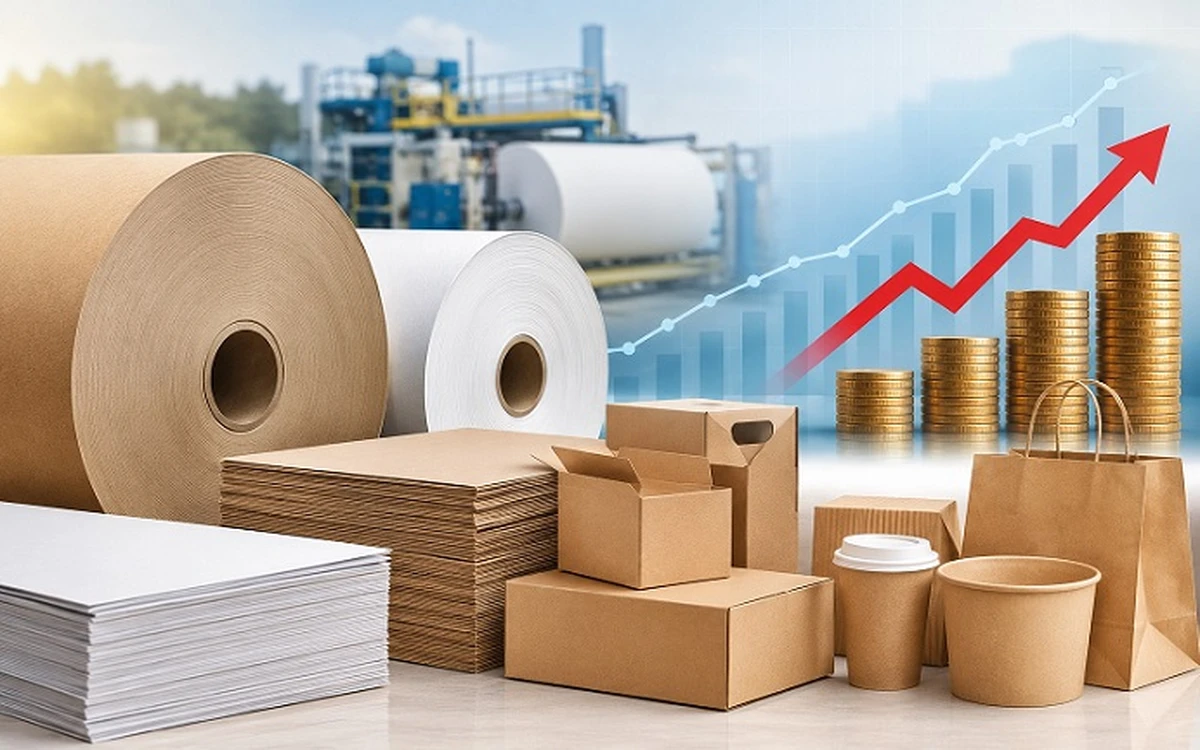
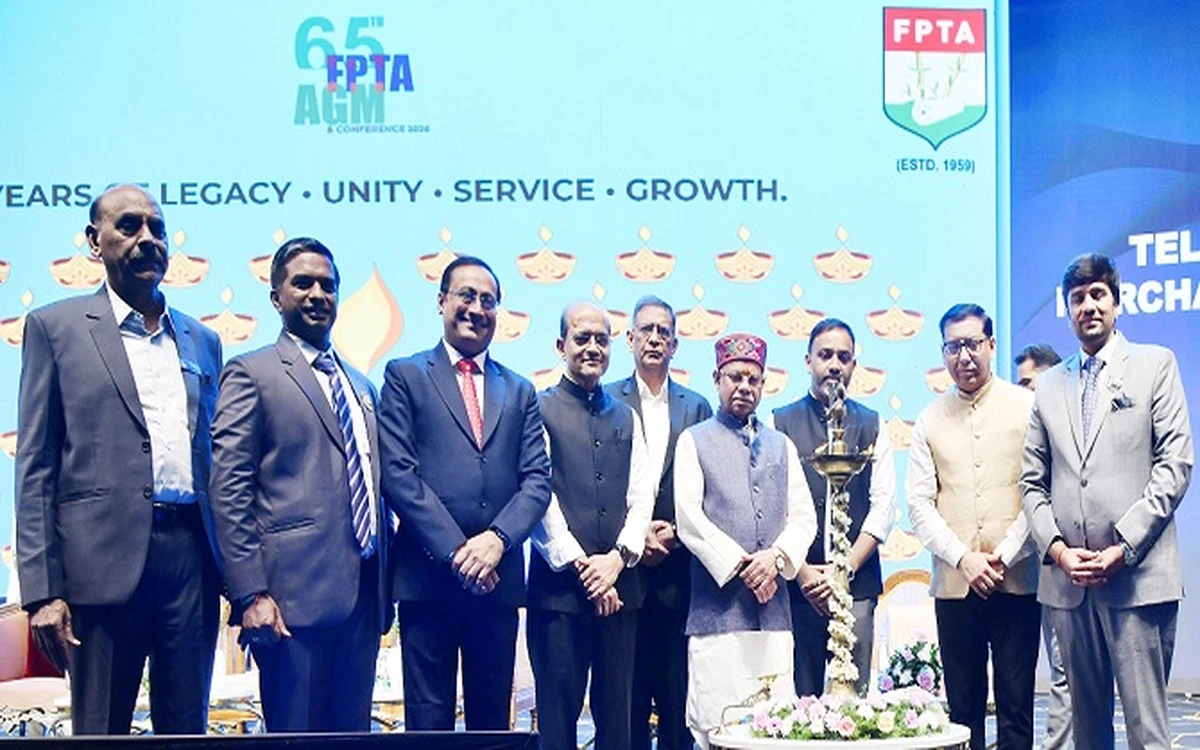
Paper and Packaging Board Market May Face Cost Pressures Through March 2027; FPTA Advises Traders
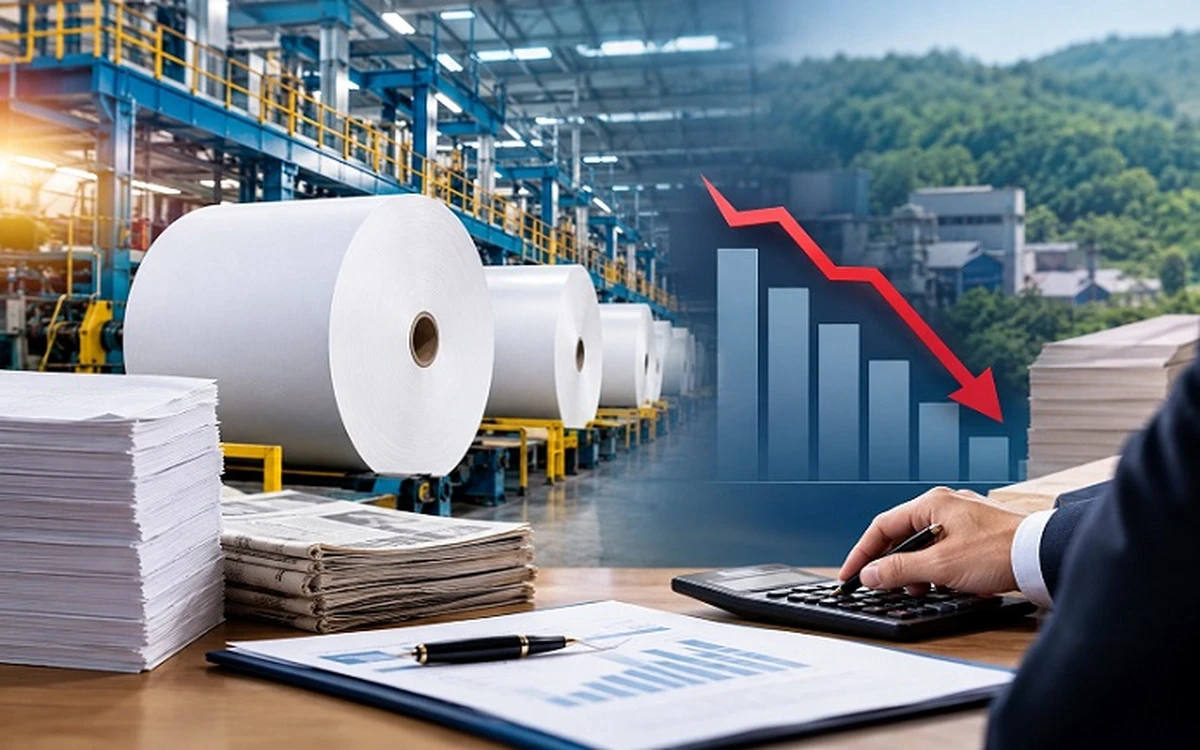
Steeper-than-expected drop in realisations hits Seshasayee Paper’s FY2025–26 operating margins; Box boards, Absorption Kraft, and Virgin Kraft now form a growing share of the product mix
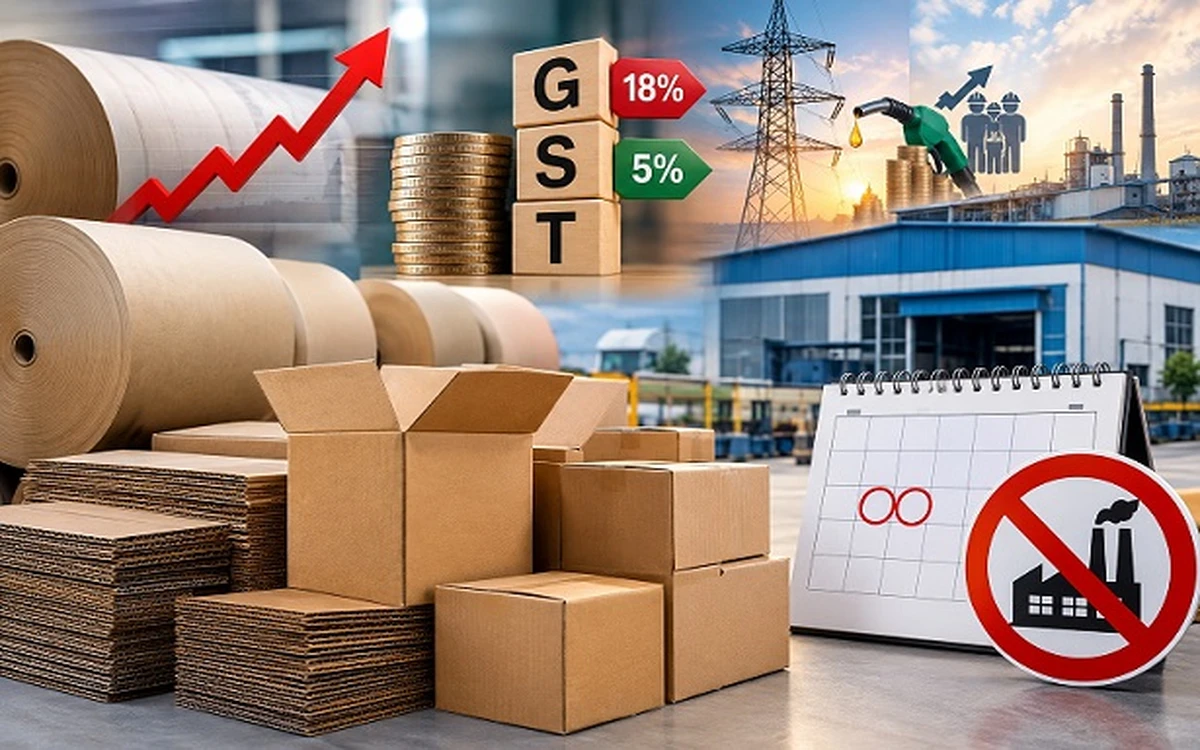
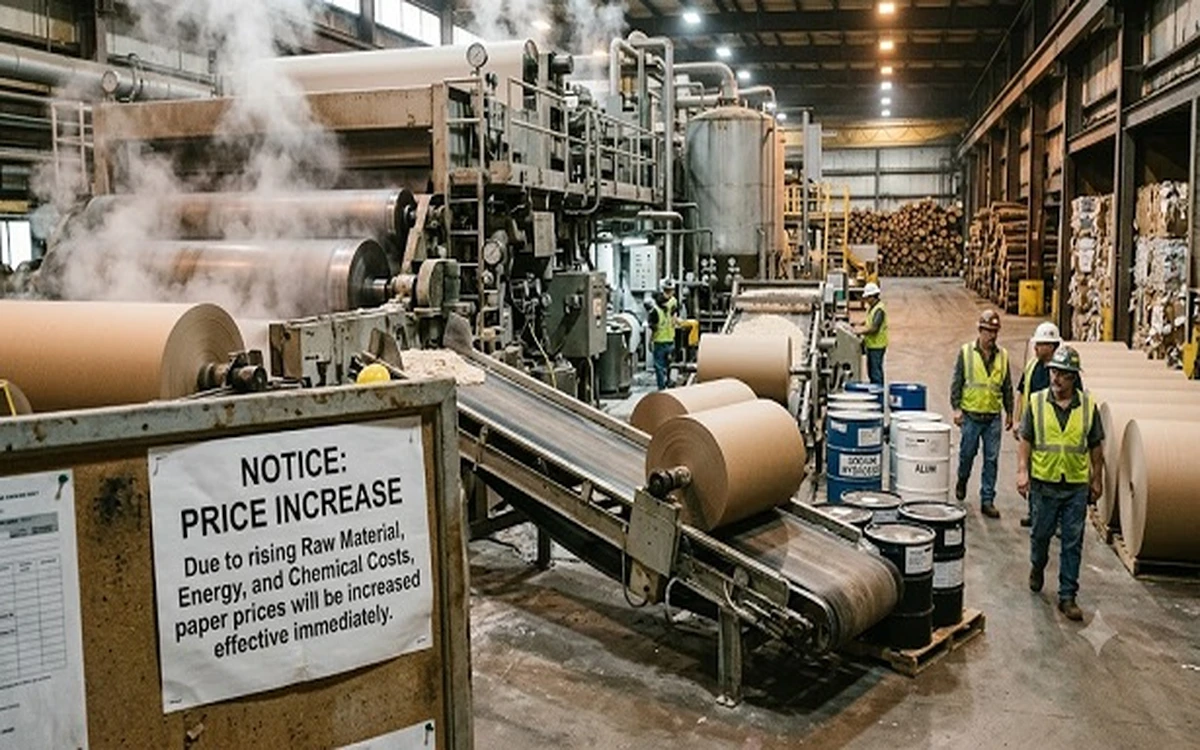
Overall Increase in Kraft Paper Prices Could Reach 35%; Industry Calls for 20% Box Price Increase, Voluntary Shutdown Proposed
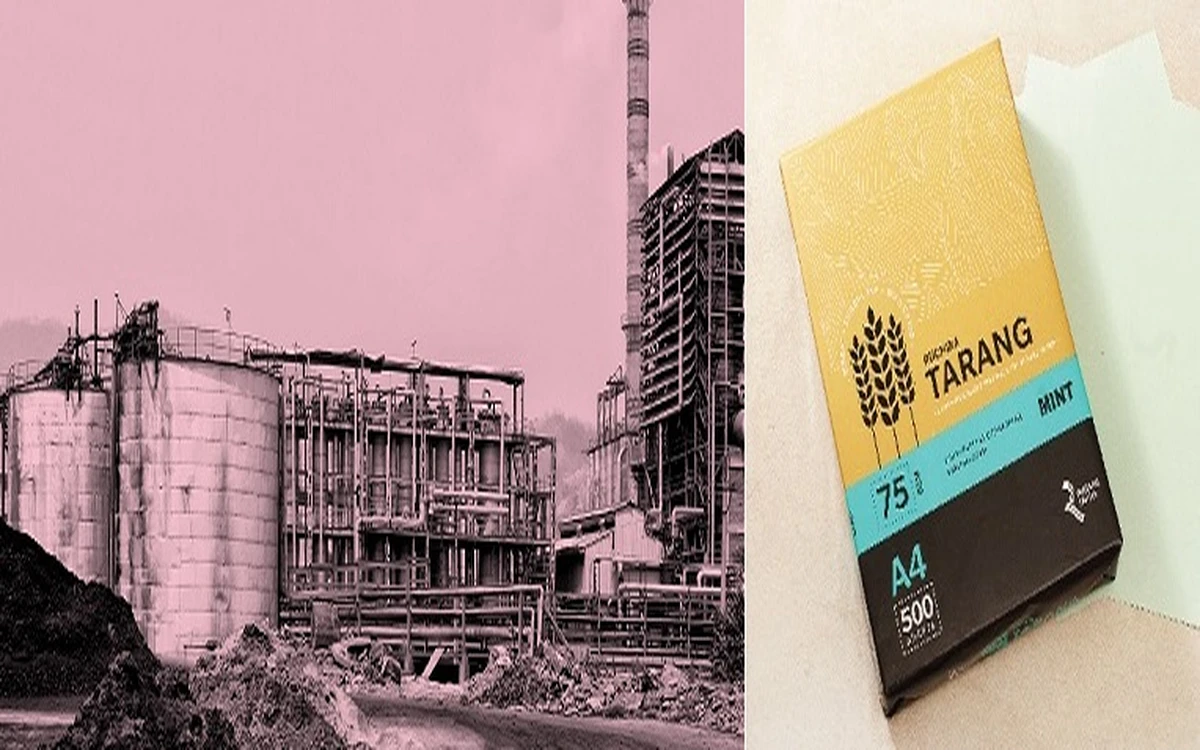
Ruchira Papers Invests a Sizeable Capex of Rs. 235–240 Crore Towards Writing & Printing Paper Capacity Expansion
Paper mills inflated the basic ex-mill price of paper post GST 2.0, AINMA seeks action against Anti-Profiteering
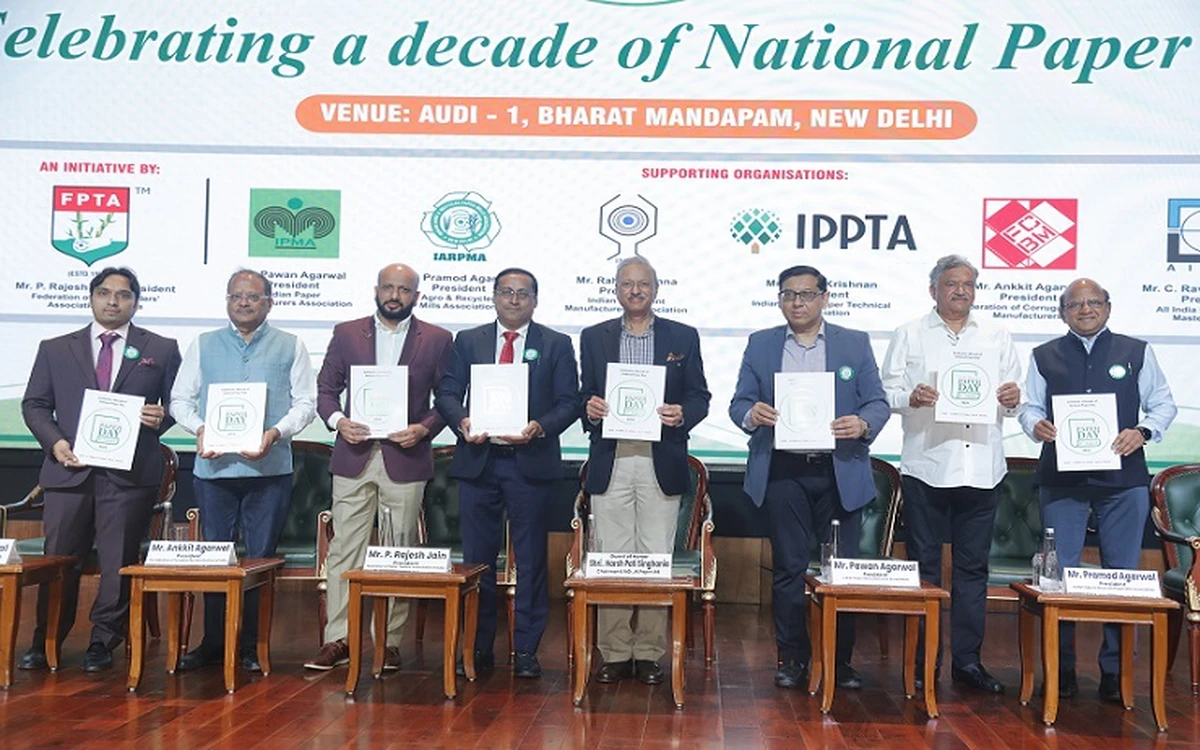
Seven Leading Associations Unite to Celebrate National Paper Day, Highlighting Paper's Sustainability and Circular Economy Advantage
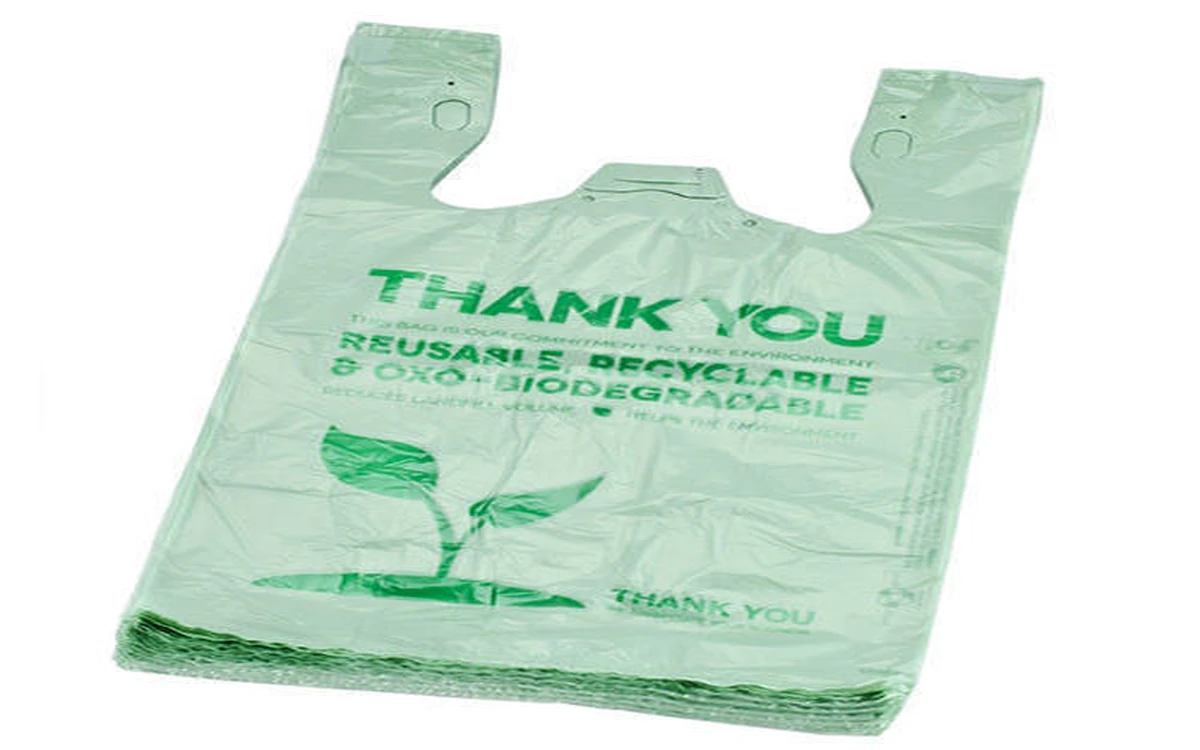
Scientists from IIT-Guwahati develop India's first biodegradable plastic

Navneet Education focuses on brand building, curriculum-led growth, and export recovery; expects stationery margins to improve in FY27

It is estimated that USD10B to USD20B worth of single-use plastic packaging will convert to molded fiber, ZUME
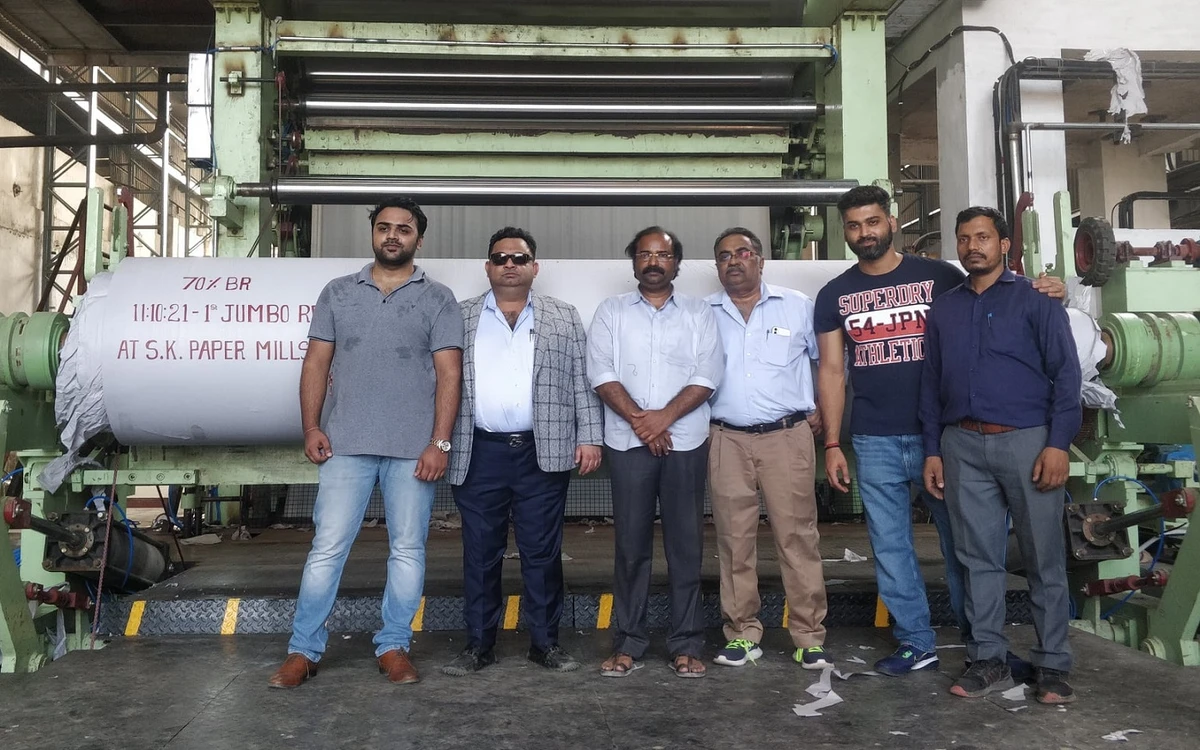
Muzaffarnagar gets a new capacity of Tissue Paper and MG Poster paper

“The integration of digitalization, automation, and Artificial Intelligence (AI) is no longer a futuristic concept—it is the baseline for competitiveness in 2036” - Vinit Garg, Director, Vizen Solutions
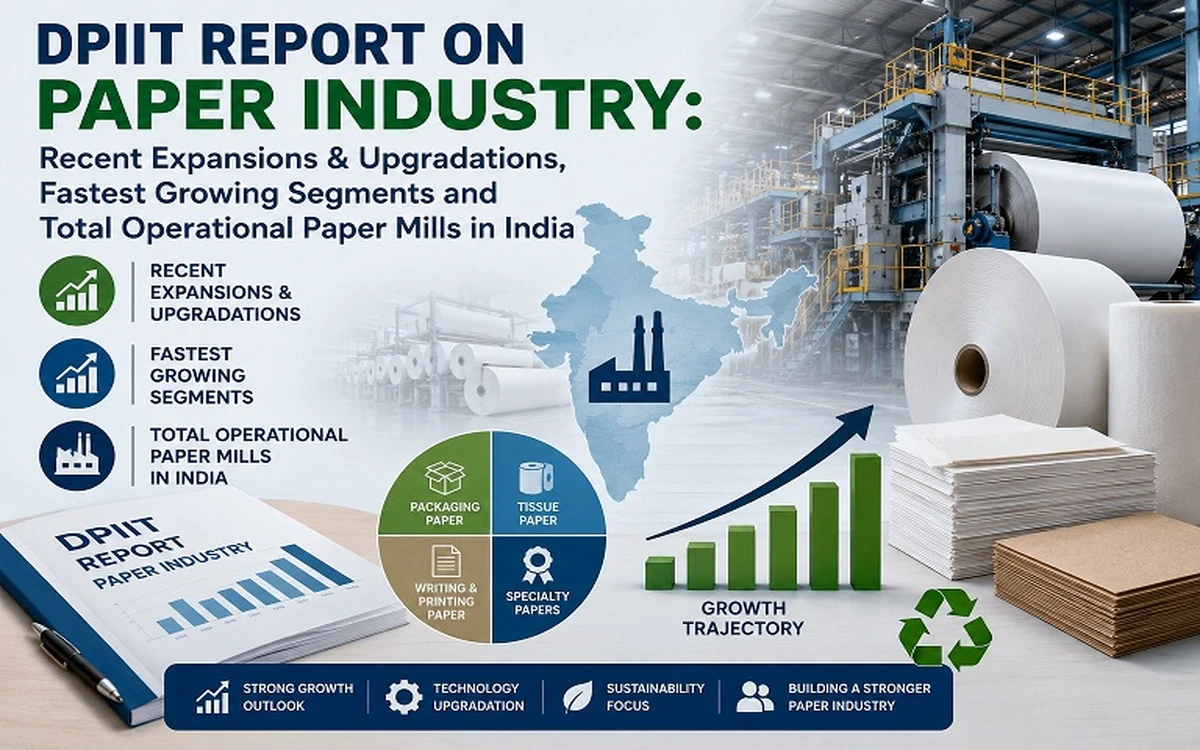
DPIIT Report on the Paper Industry: Recent Expansions & Upgrades, Fastest-Growing Segments, and Total Operational Paper Mills in India
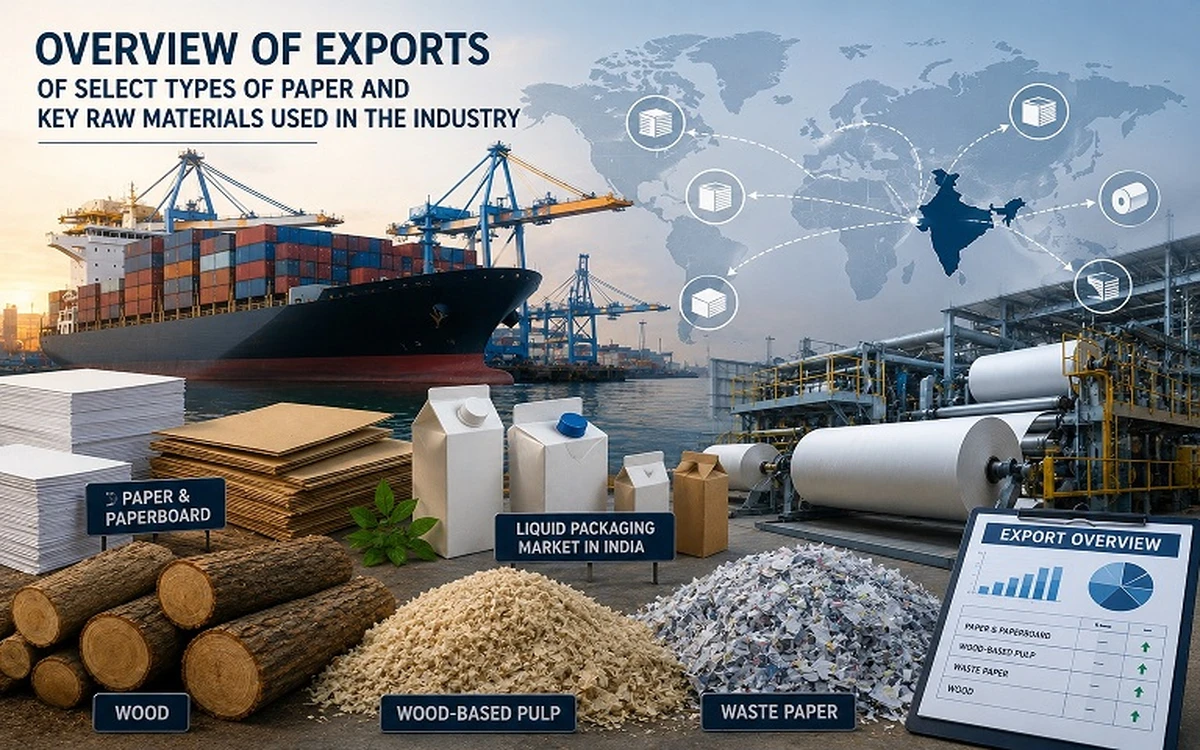
Overview of exports of select type of paper and key raw material used in the industry by Crisil Intelligence

Margin pressure pushes Pulp & Paper Packaging sector toward AI-Driven cost optimization, Cutting costs by 8–20%
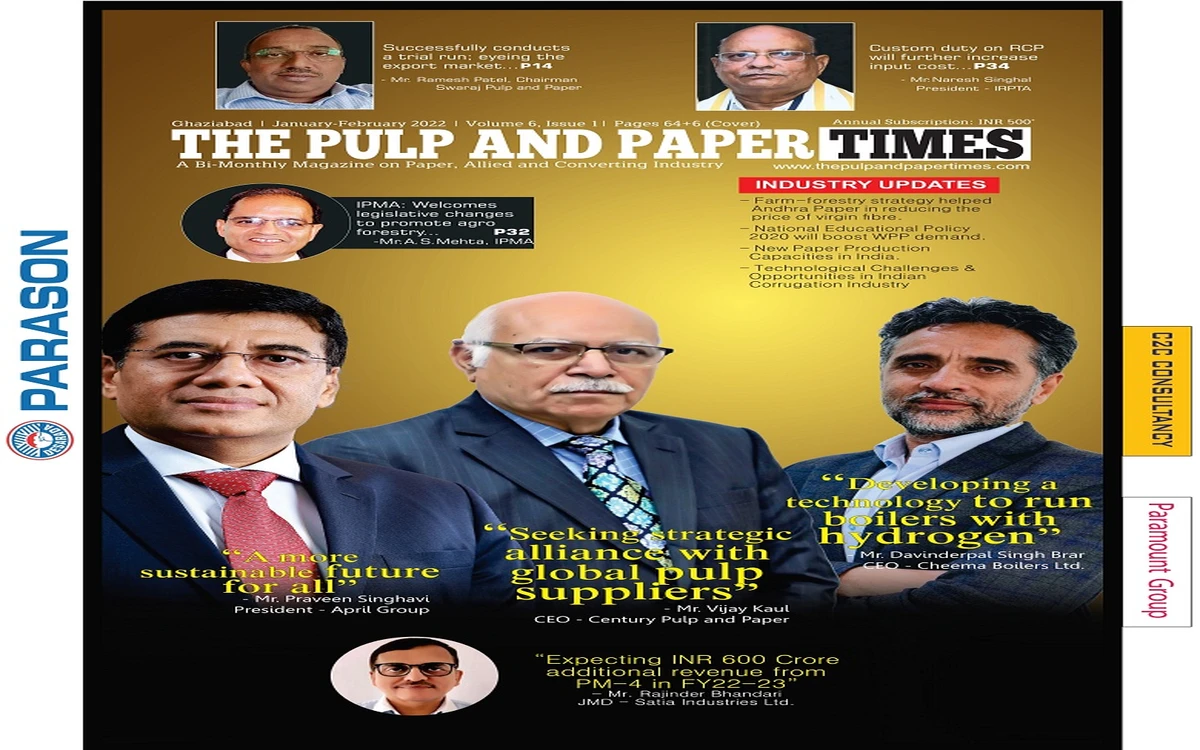
The Pulp and Paper Times Magazine : Volume 6, Issue 1

The Pulp and Paper Times Magazine : Volume 5, Issue 6
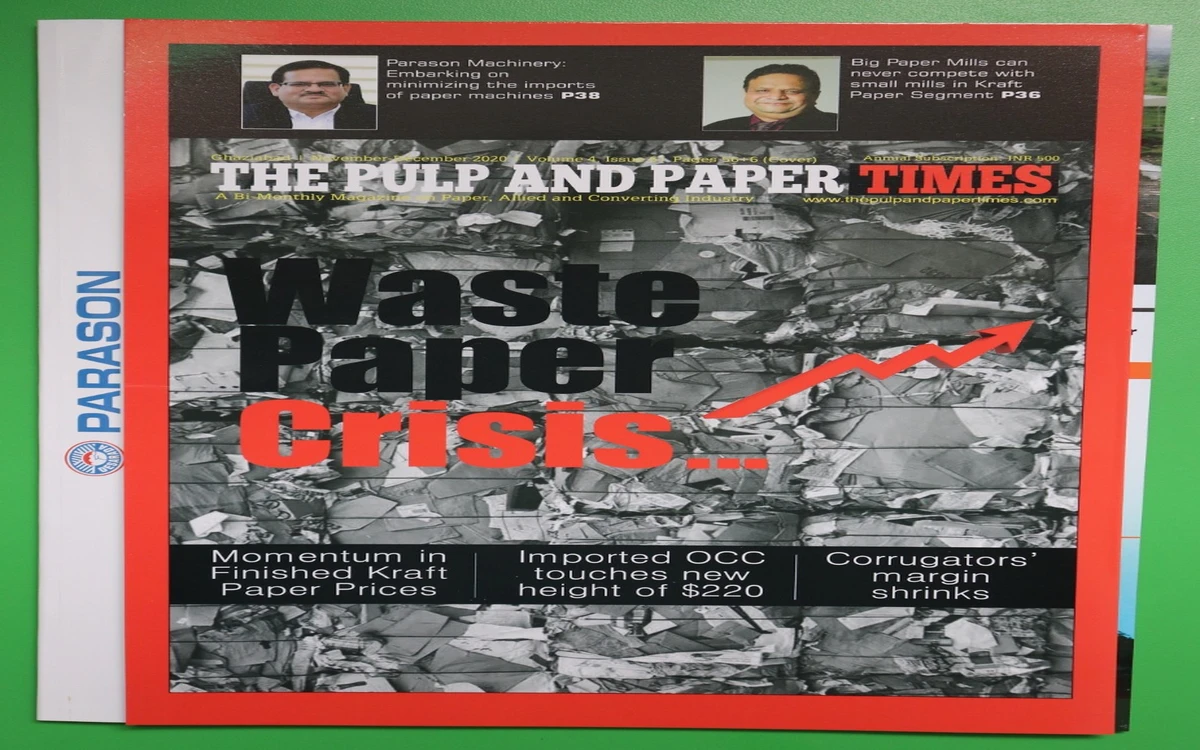
The Pulp and Paper Times: Volume 4, Issue 6
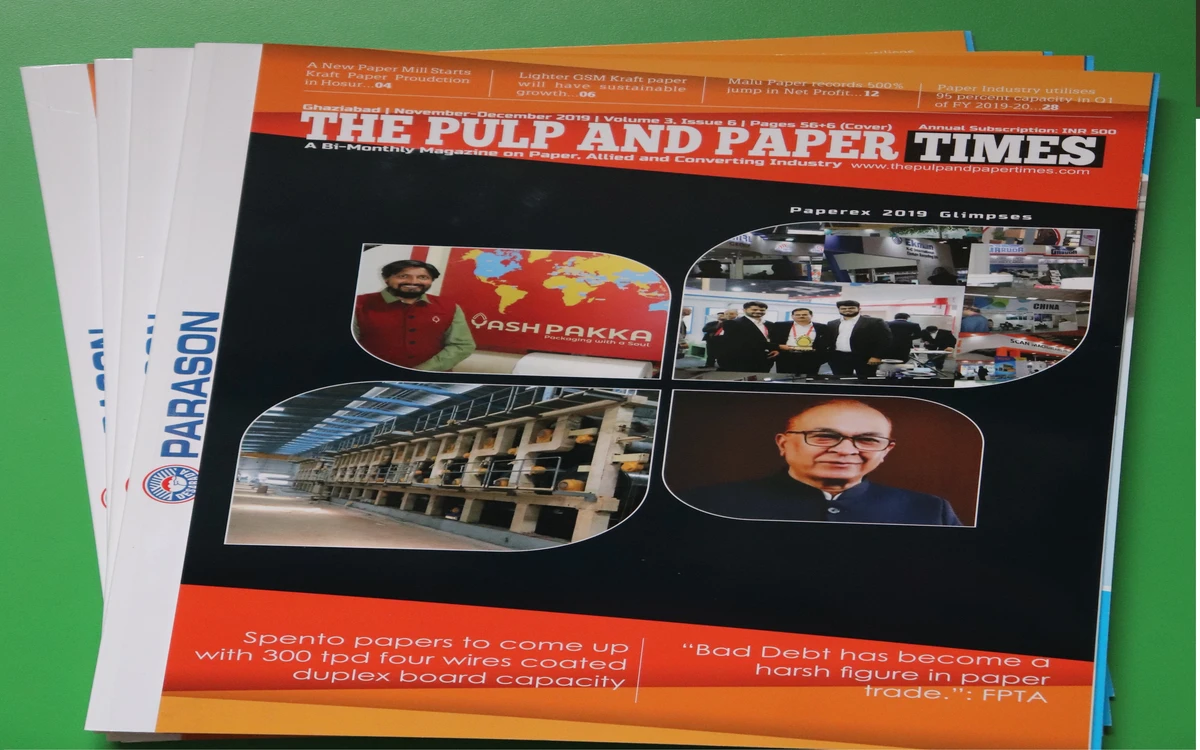
The Pulp and Paper Times : Volume 3, Issue 6
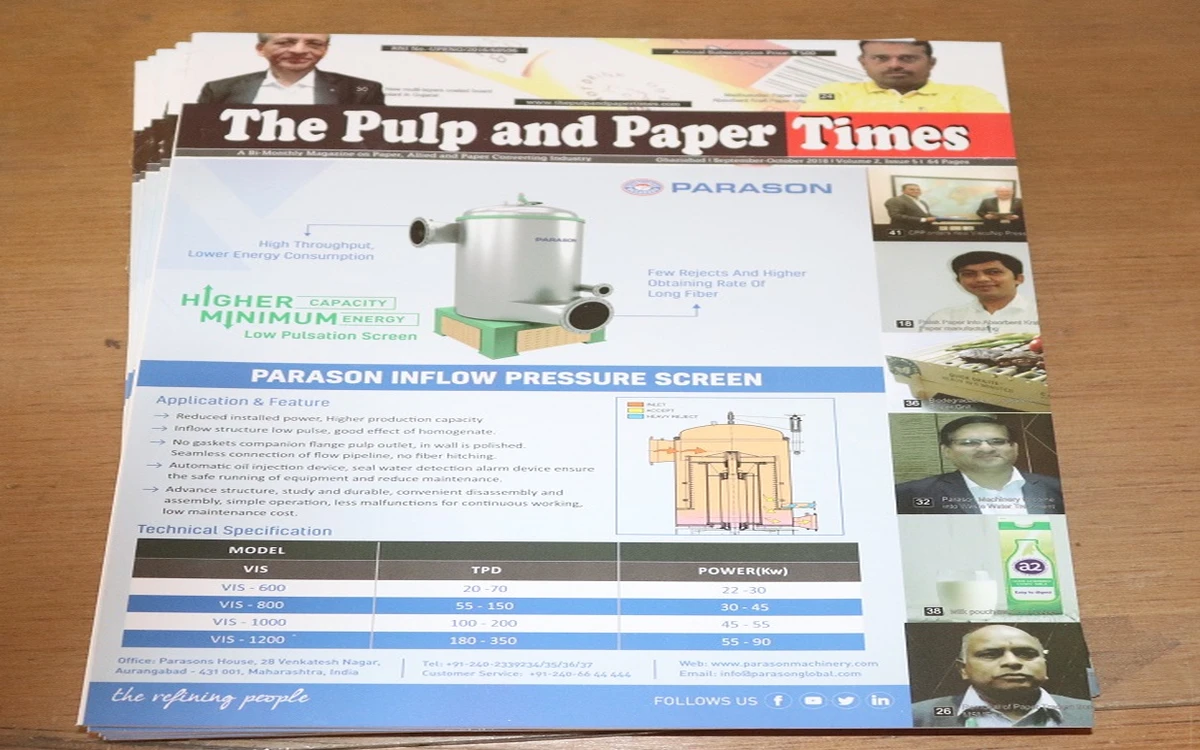
The Pulp and Paper Times: Volume 2 Issue 5

The Pulp and Paper Times, Volume 1, Issue 3
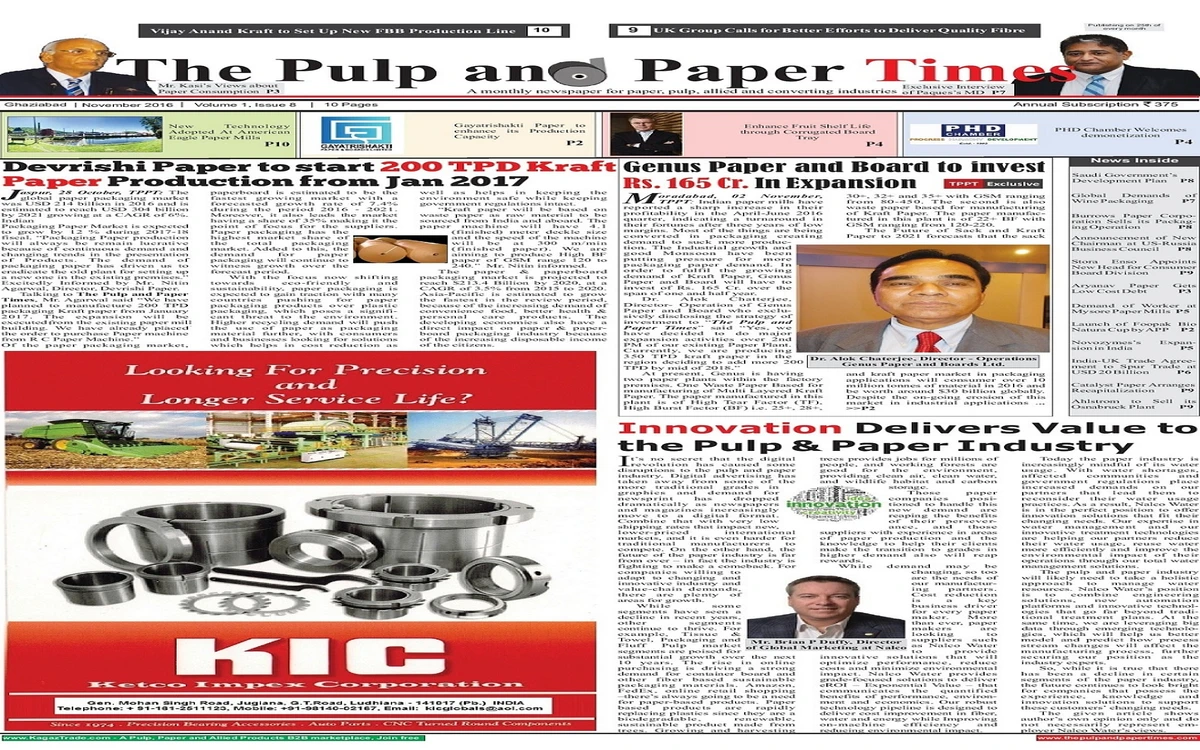
The Pulp and Paper Times, November 2016 Issue

- Labour costs have increased significantly, with wages rising from Rs. 600–700 to around Rs. 1,000. Food prices have also gone up by nearly 20%.
- There are also market discussions suggesting a possible diesel price hike of Rs. 20–25 per litre after elections
- 650 TPD in Uttar Pradesh due to new and expanding capacities in regions such as Sardhana, Kosi, and Meerut
The Pulp and Paper Times
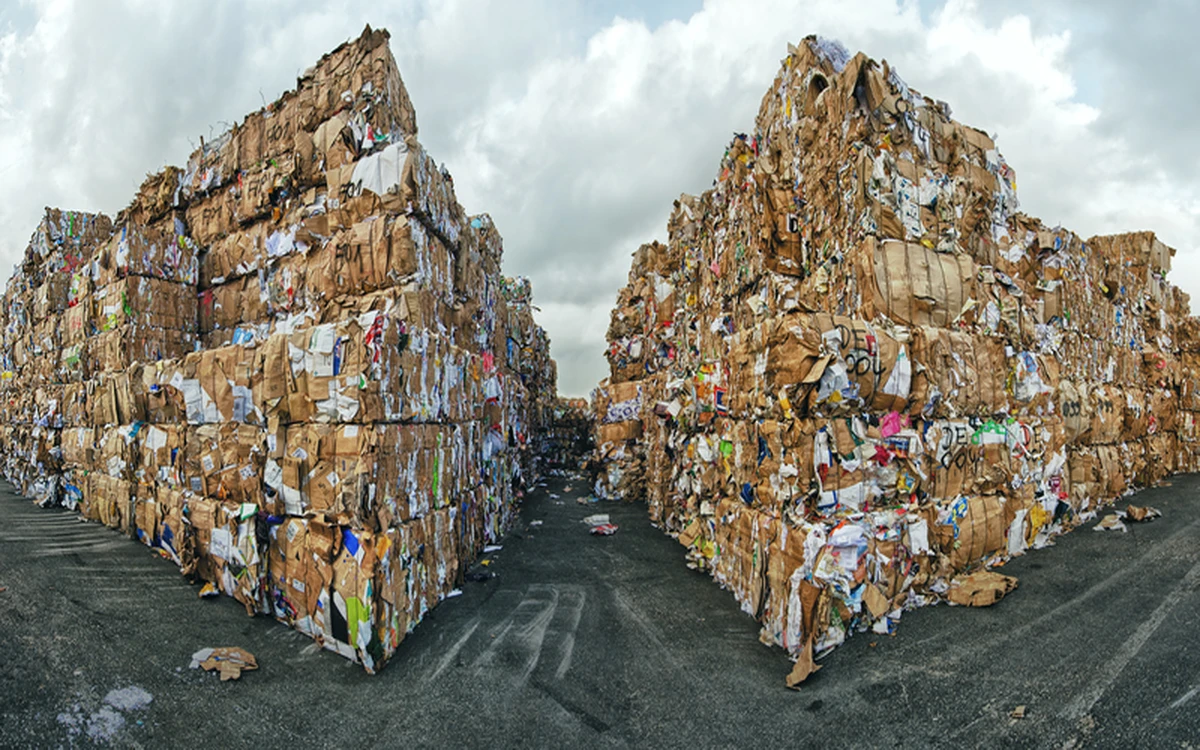
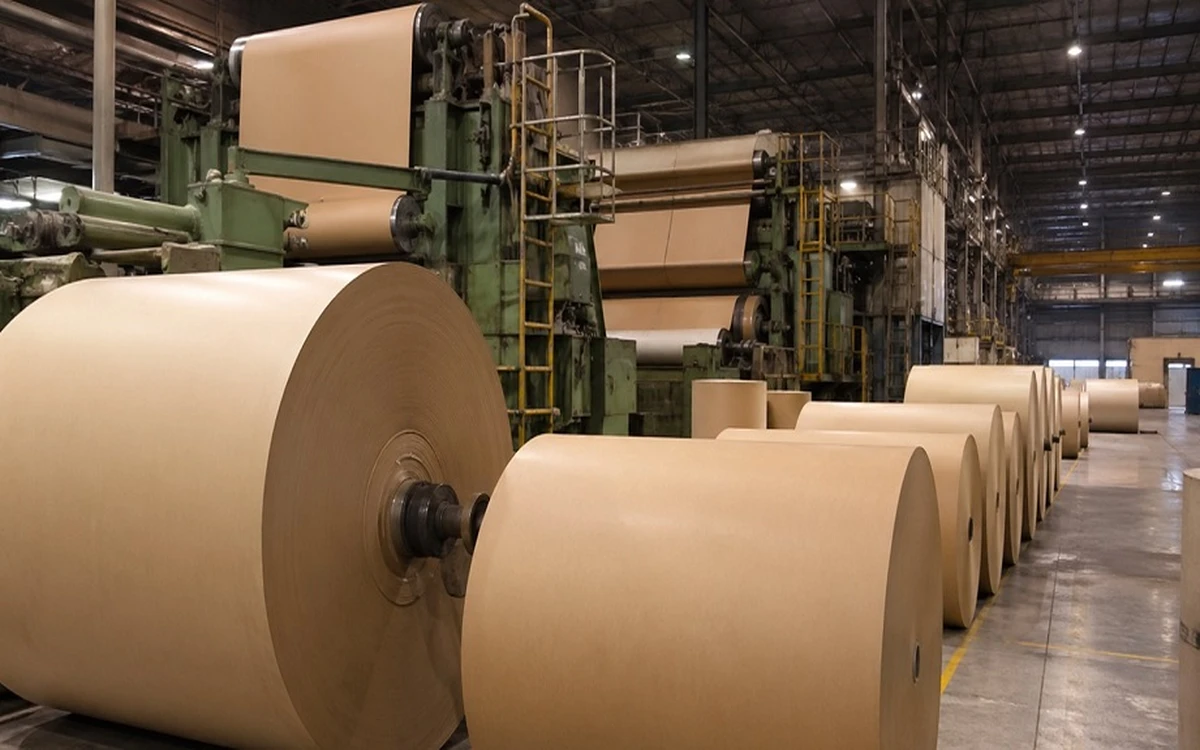
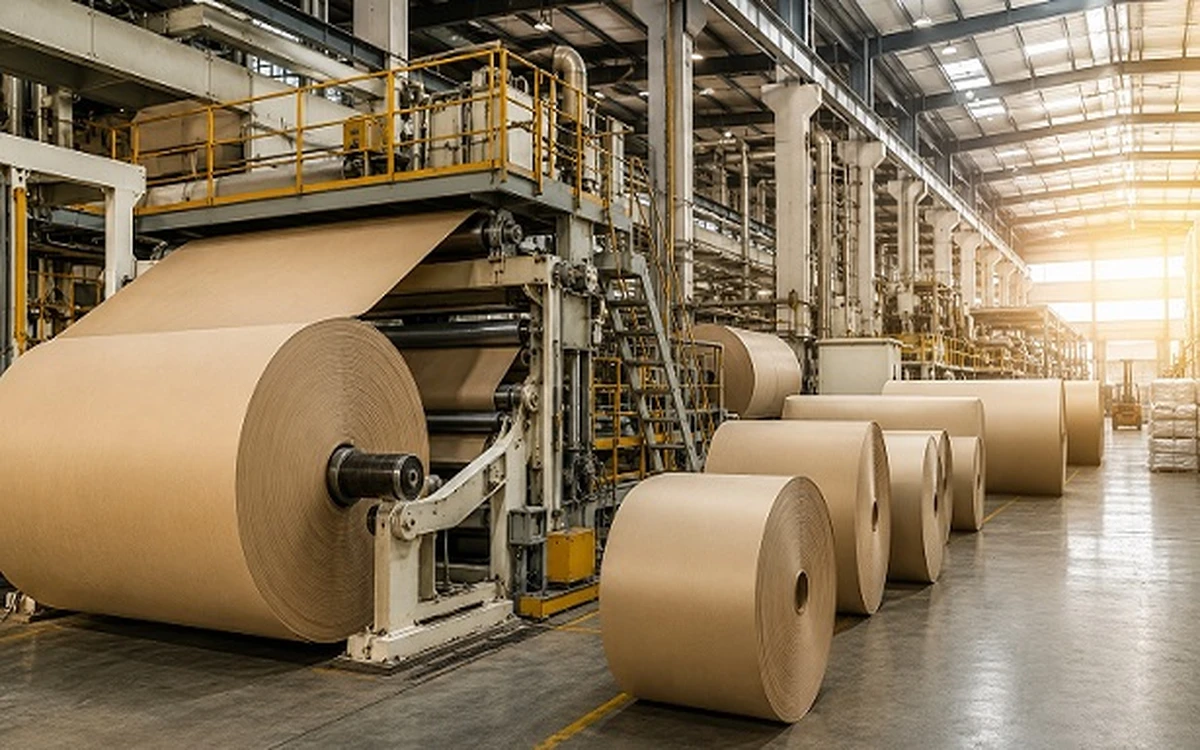
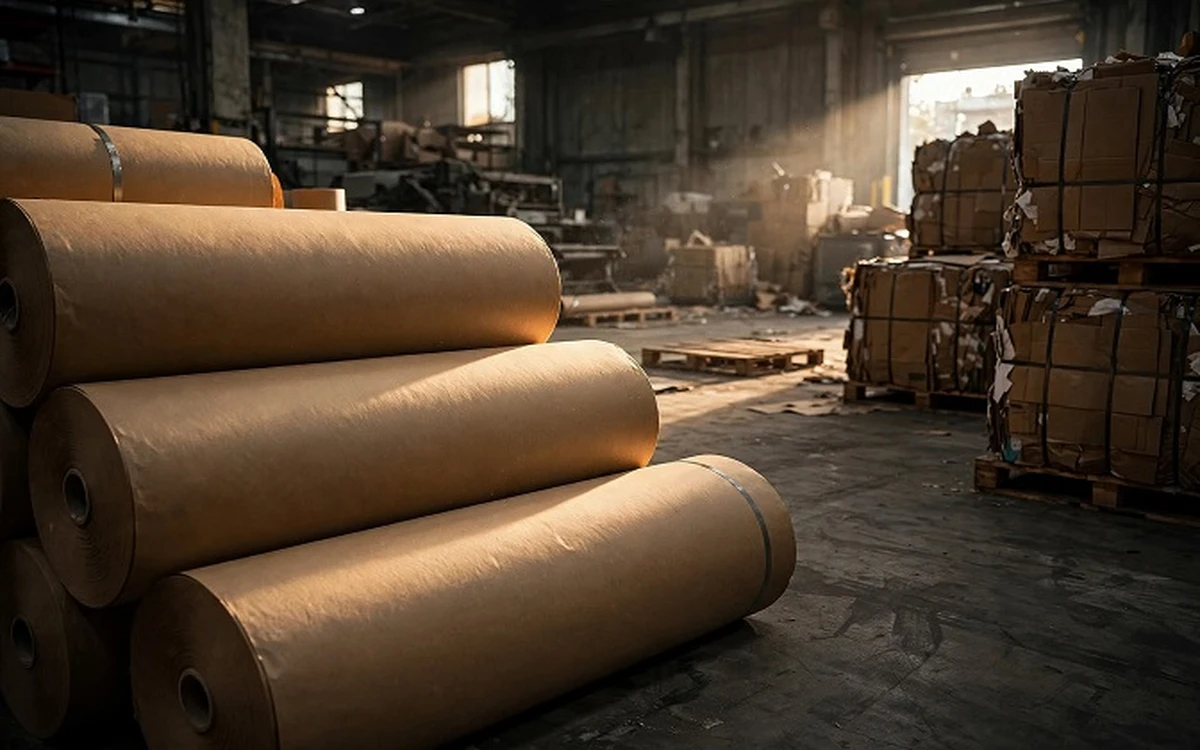
Talking to The Pulp and Paper Times, Mr. Naresh Singhal, president, Indian Recovered Paper Traders Association (IRPTA) reviewed the current situation of the kraft paper market, stating that paper mills in western Uttar Pradesh have decided to shut their plants for five days. He noted that while March was a highly profitable month for paper mills, market conditions tightened significantly in April. Prices of 18 BF finished kraft paper, which were around Rs. 32 per kg until April 5–6, have dropped to Rs. 29.5 per kg, with limited buyer interest even at reduced rates.

He explained that mills have adopted a strategy similar to that seen 1.5–2 years ago, when regular monthly shutdowns were implemented. The current shutdown, which began on April 26, is already in its second day. During this period, mills have reduced waste paper procurement prices by Rs. 500 to Rs. 1,000 per tonne, equivalent to a drop of 50 paise to Rs. 1 per kg. However, no clear direction has been communicated regarding finished paper prices, as mills are currently focused on securing and completing orders during the shutdown period, with expectations of improved order flow after reopening on May 1, 2026.

Mr. Singhal added that mills aim to increase finished paper prices by Rs. 1 per kg while further reducing waste paper costs by 50 paise per kg to maintain viability. Although mills claim to be operating under losses, he indicated that the broader picture may differ, especially with an expected production increase of around 650 TPD in Uttar Pradesh due to new and expanding capacities in regions such as Sardhana, Kosi, and Meerut.
He highlighted that once new mills, particularly in Kosi with a capacity of 300 TPD, become operational, nearby regions including Faridabad, Palwal, Mathura, and Hathras may increasingly consume waste paper locally, potentially reducing supply availability for U.P. mills. Currently, mills across 18 districts in western U.P. are shut, largely as a unified move to control intense purchasing competition and stabilize raw material prices.
The five-day shutdown is expected to reduce monthly production by approximately 15–16%, helping balance supply with demand. For instance, a mill producing 300 tonnes per day would see a reduction of around 1,500 tonnes over the shutdown period.

On the import front, Mr. Singhal clarified that delays in imported waste paper are largely due to logistical disruptions rather than a complete halt in imports. Material booked earlier is arriving with delays of 20–45 days due to congestion and shipment disruptions, particularly with vessels stuck in regions like China and Saudi Arabia. However, imports are gradually resuming in smaller quantities.
He also pointed out that reduced waste paper availability has led to lower production, while demand has simultaneously declined due to weak exports. He expressed concern that India’s foreign trade balance is under pressure, with exports falling to around 15–20% while imports remain relatively high.
Additionally, rising input costs are adding further strain. Labour costs have increased significantly, with wages rising from Rs. 600–700 to around Rs. 1,000. Food prices have also gone up by nearly 20%. There are also market discussions suggesting a possible diesel price hike of Rs. 20–25 per litre after elections, which could further increase transportation and overall production costs, impacting not just paper mills but the entire supply chain.

Mr. Singhal concluded that higher logistics costs may shift sourcing towards local markets, reducing long-distance material movement from states like Madhya Pradesh and Gujarat. He also noted that despite attempts by duplex mills to increase prices, competitive pressure—particularly from Gujarat mills—is preventing any significant price hikes. Overall, he emphasized that the market continues to face challenges including weak demand, labour shortages, reduced raw material collection, and delayed payments.

1 days ago
Total Views : 1807
2 days ago
Total Views : 2176
4 days ago
Total Views : 635
6 days ago
Total Views : 1264
last week
Total Views : 3651
last week
Total Views : 2669

last week
Total Views : 781
last week
Total Views : 3525
2 weeks ago
Total Views : 3626
2 weeks ago
Total Views : 6944