Join Groups & Channels, No Spamming









Morbi paper mills see full-capacity operations as ceramic industry revives; Kraft paper exports to China spike, Prices strengthen; Janmashtami shutdown ahead
The BE and caustic soda plant marks a key milestone for Mohit Paper Mills, enabling full utilization of installed capacity and enhancing overall production efficiency
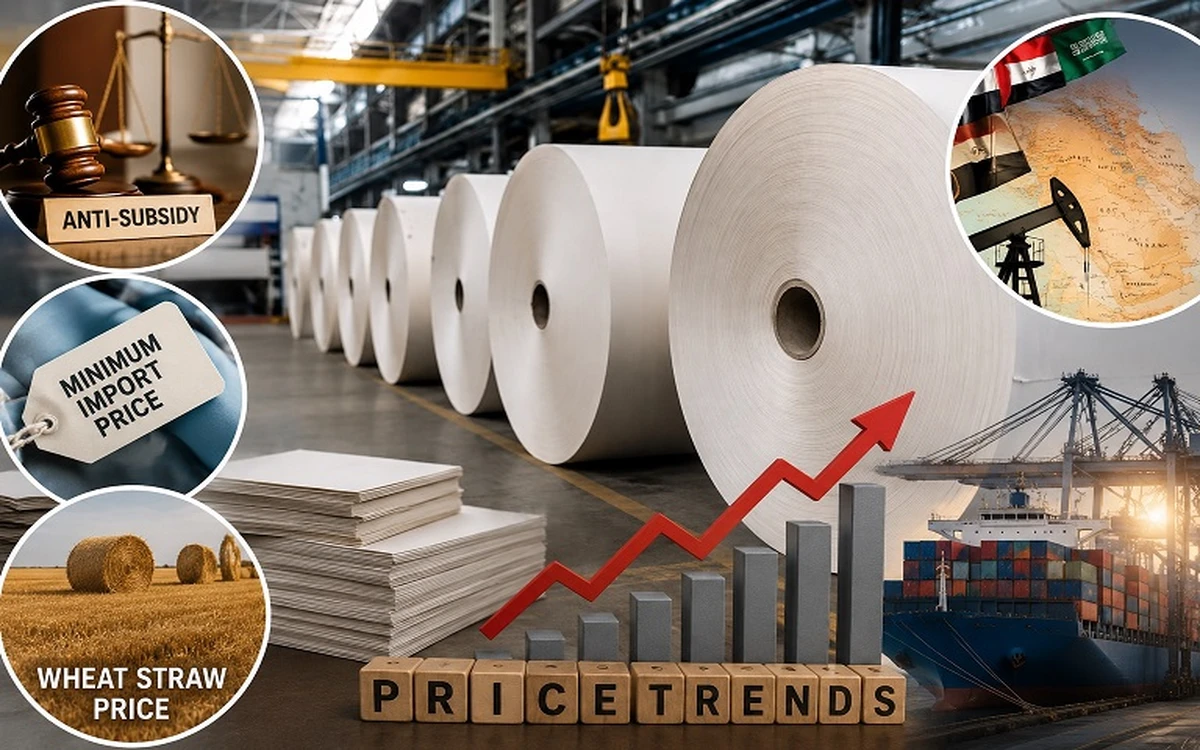
Expert Views on the paper market scenario, How the West Asia Crisis Helped the Industry, MIP for WPP, Anti-Subsidy implementation, and paper price trends
Pudumjee Paper intends to develop new varieties addressing applications for stronger paper bags and cupcakes; Plans 68,000 MT Mahad Specialty Paper Facility within 5 years
India Paper Industry at an Inflection Point: War, Costs, and Capacity; Demand growth expected at 5–7% in FY26
“Surging exports of paper will most certainly keep the domestic prices quite high”: Mr. A. Annamalai, Director – RFC
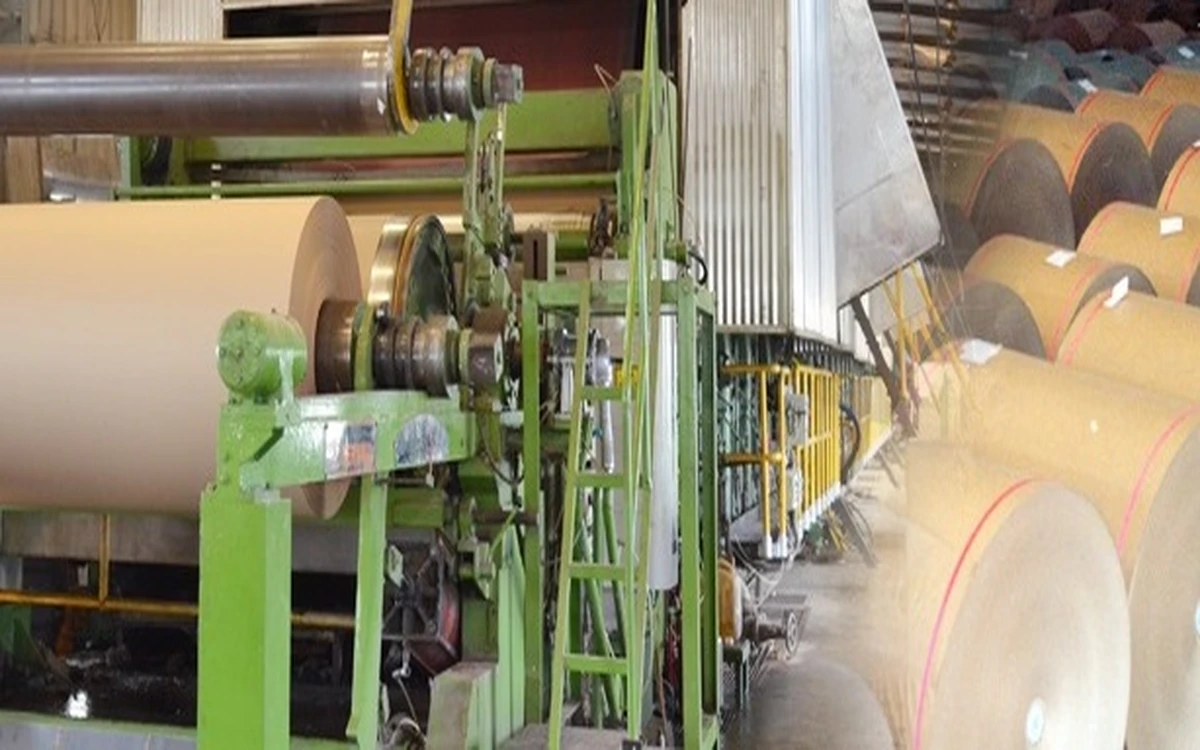
The Status of the Global Container board Industry, Recycled Paper Demand and Supply and its impact on the Indian Industry
Akshay Jain, director of Silverton Pulp & Paper, says it's time to promote agro residue as a raw material to lessen the scarcity of fibre
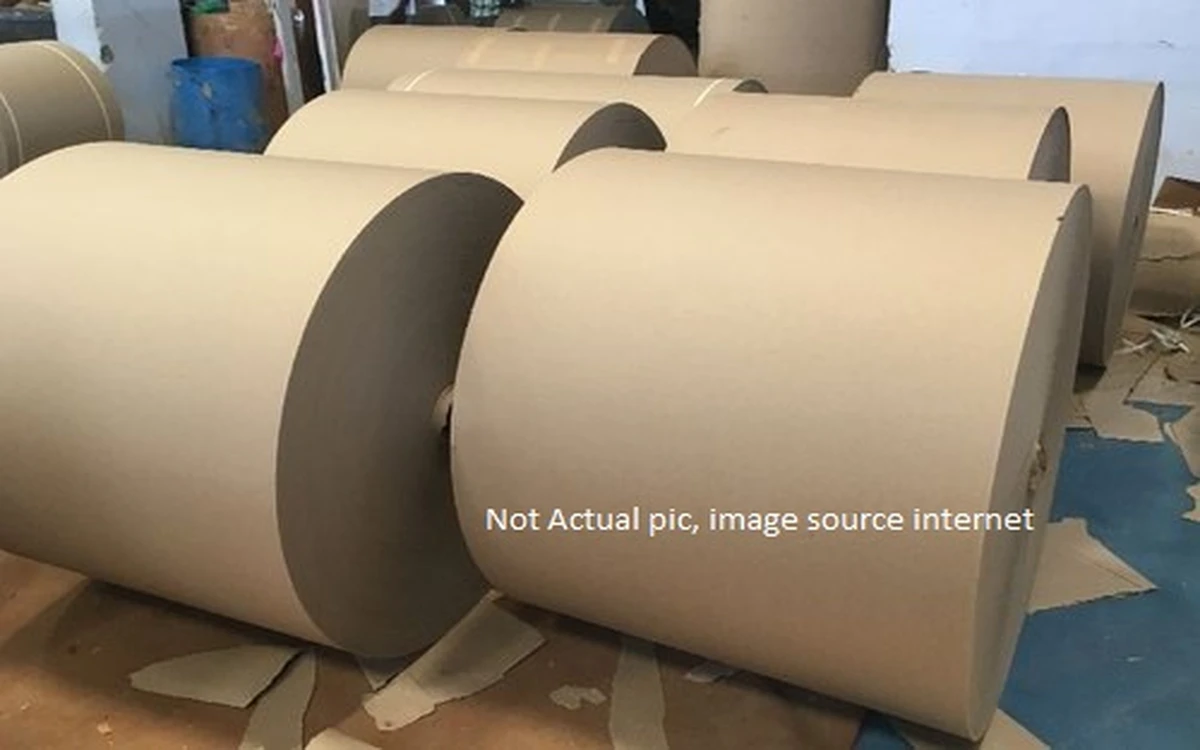
Advantageously located, a new paper mill is all set to roll kraft paper in Madhya Pradesh
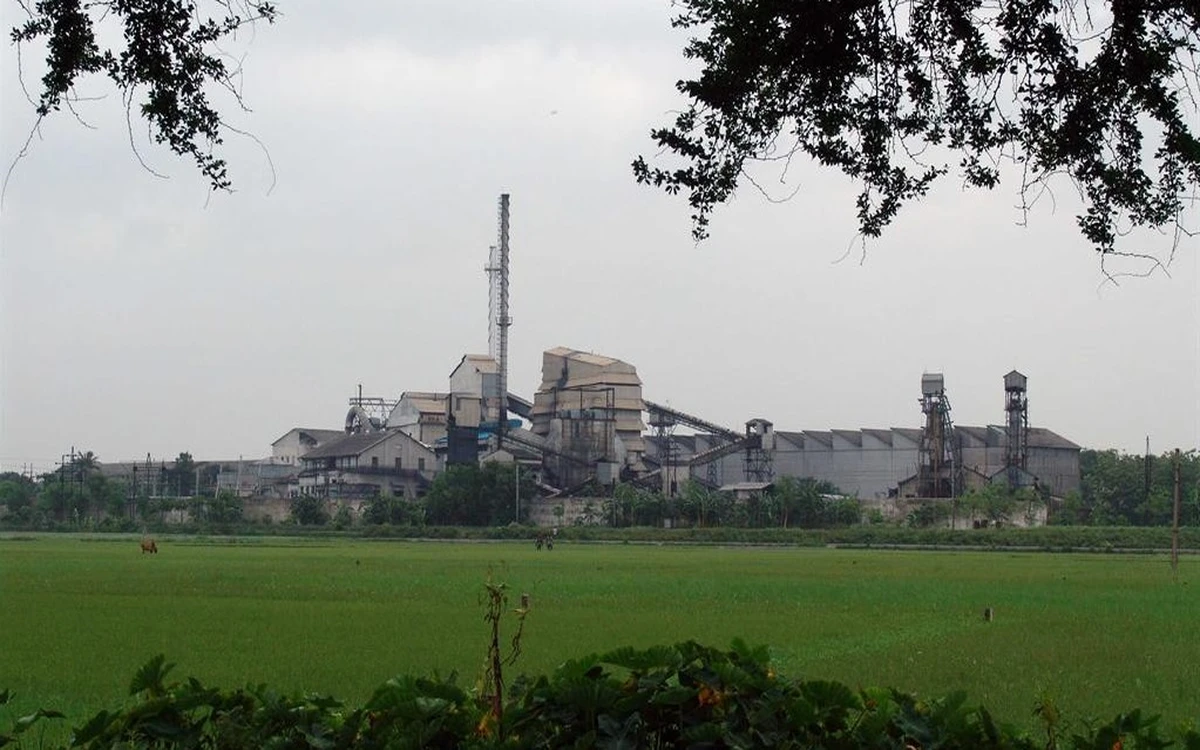
Several agile interventions helped ITC-PSPD fortify its clear leadership of the Value Added Paperboards (VAP) segment
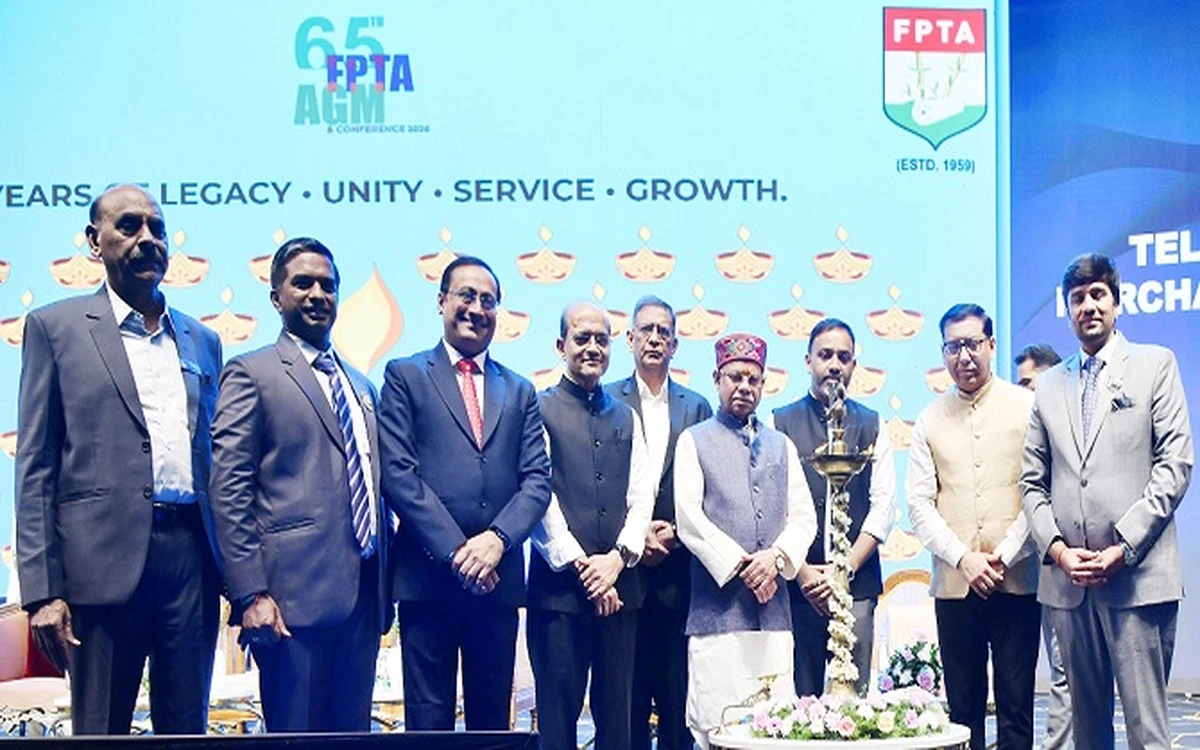
Paper Mills and Dealers Must Work Together to Create New Demand, Say Industry Leaders at FPTA’s 65th AGM
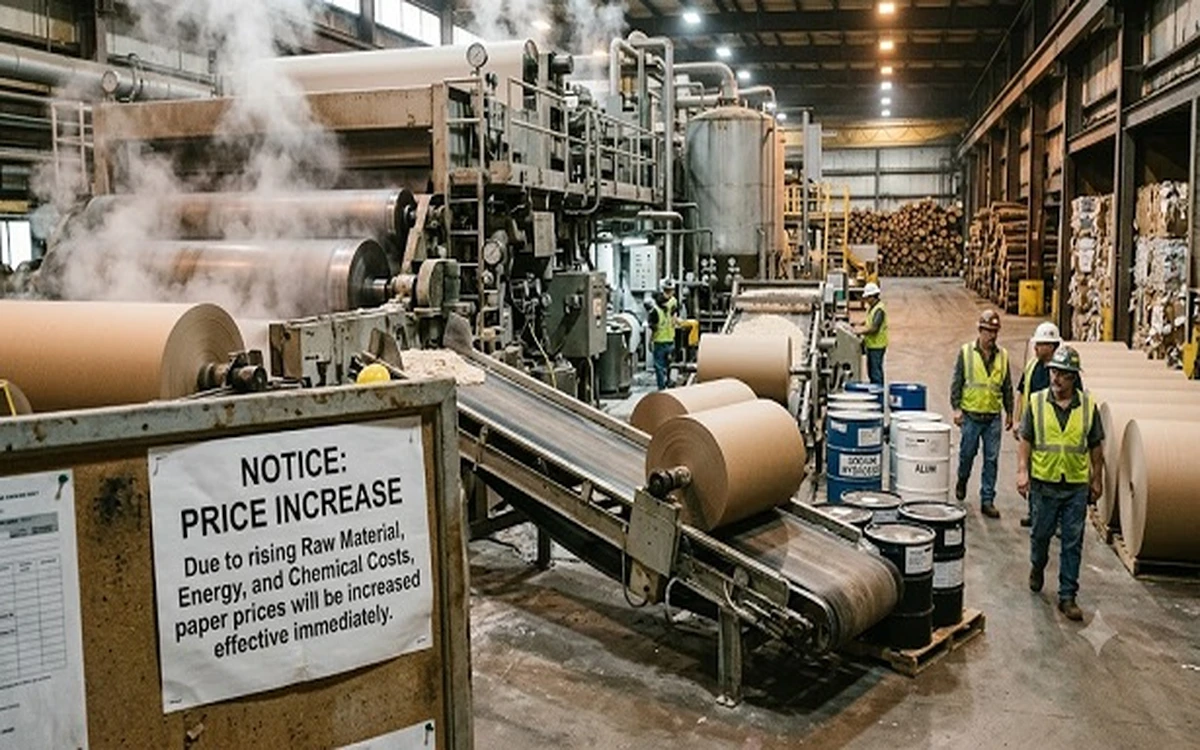
Paper Industry Cost Pressures Deepen; Price Revisions Announced Across Writing & Printing Grades
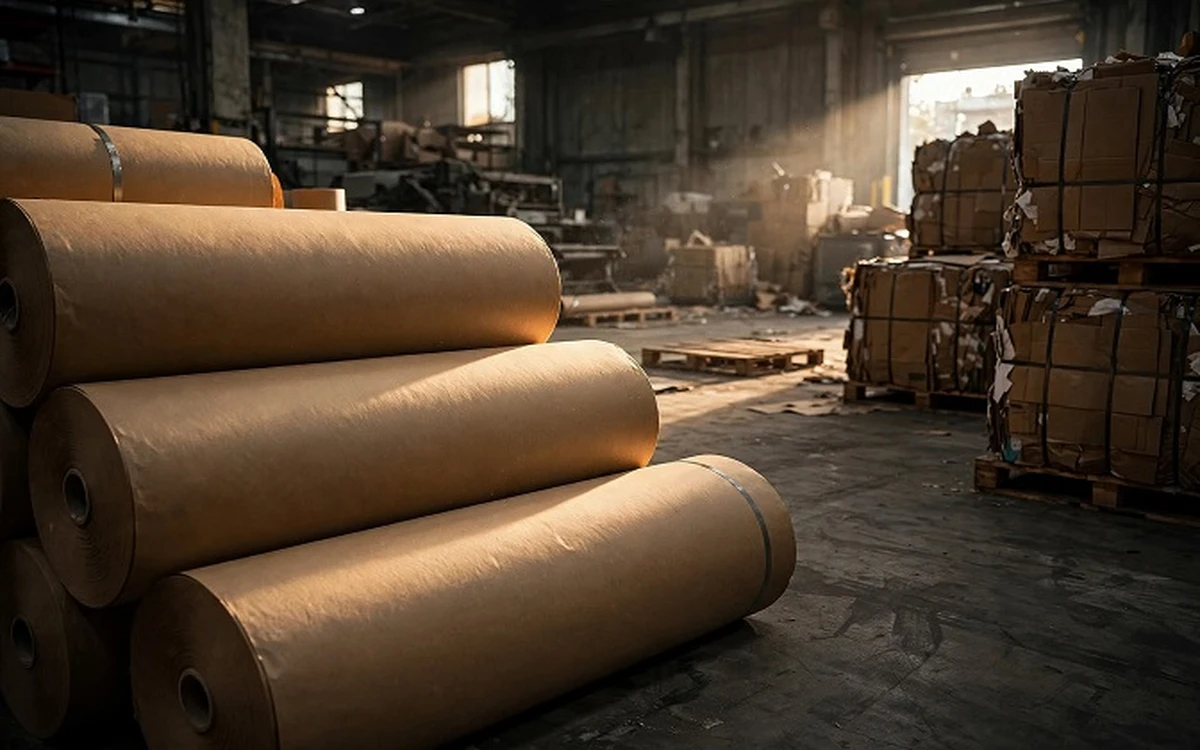
Imported Waste Paper Shortage Pushes Kraft Paper Prices Higher; Domestic Market Remains Firm
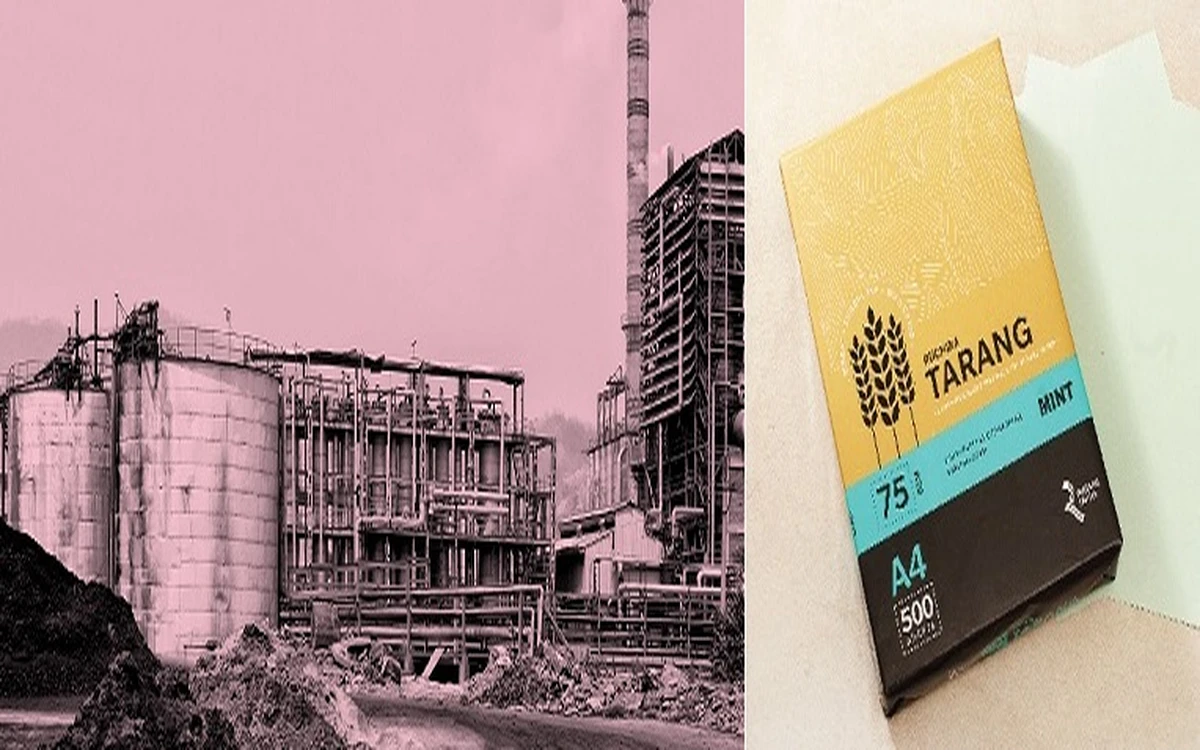
Ruchira Papers Invests a Sizeable Capex of Rs. 235–240 Crore Towards Writing & Printing Paper Capacity Expansion
Paper mills inflated the basic ex-mill price of paper post GST 2.0, AINMA seeks action against Anti-Profiteering
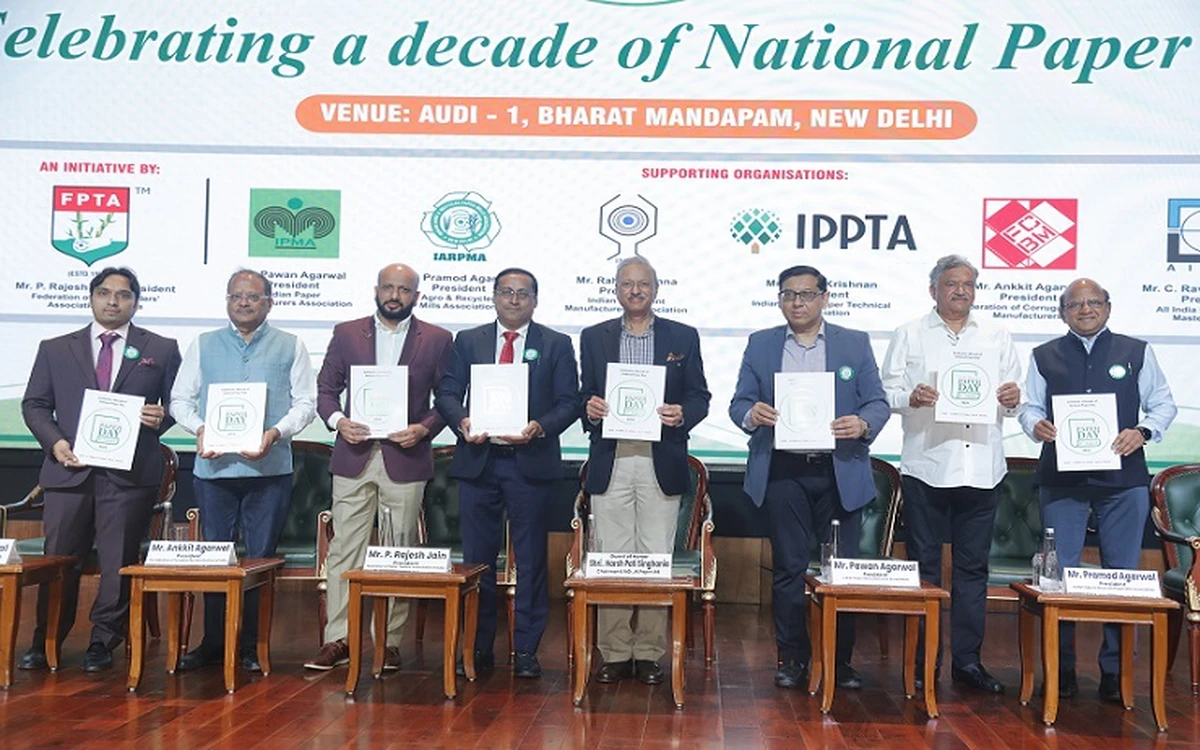
Seven Leading Associations Unite to Celebrate National Paper Day, Highlighting Paper's Sustainability and Circular Economy Advantage
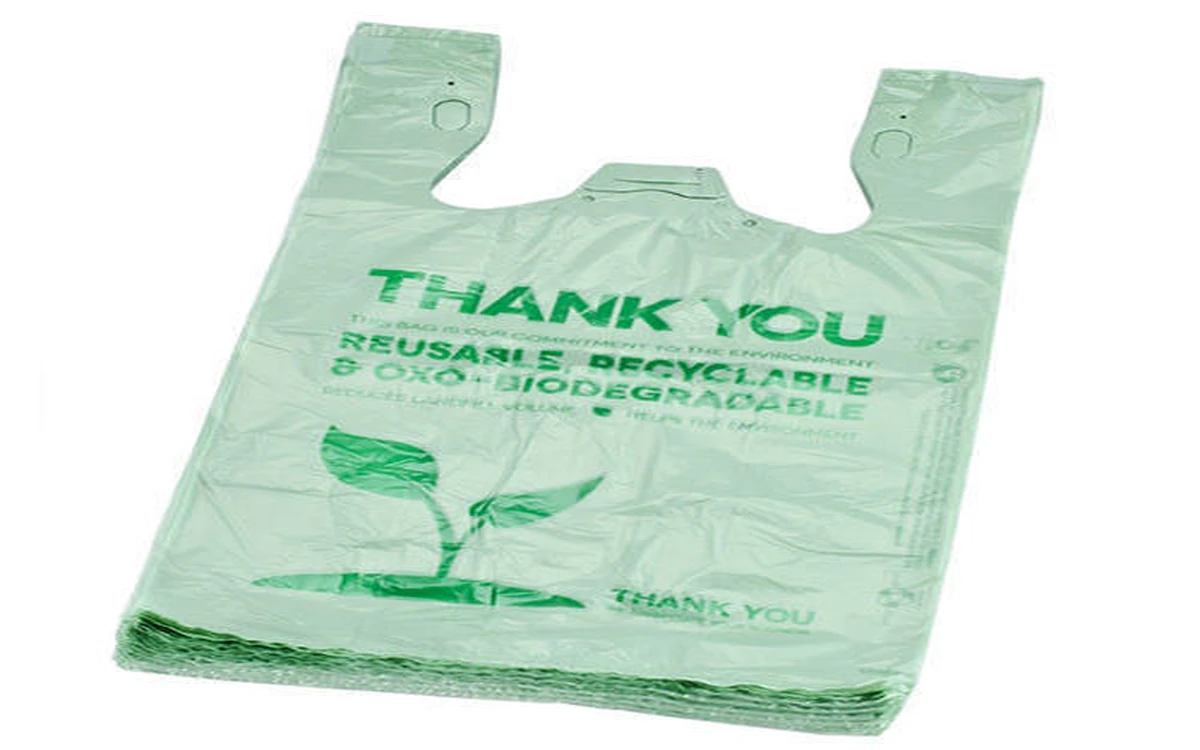
Scientists from IIT-Guwahati develop India's first biodegradable plastic
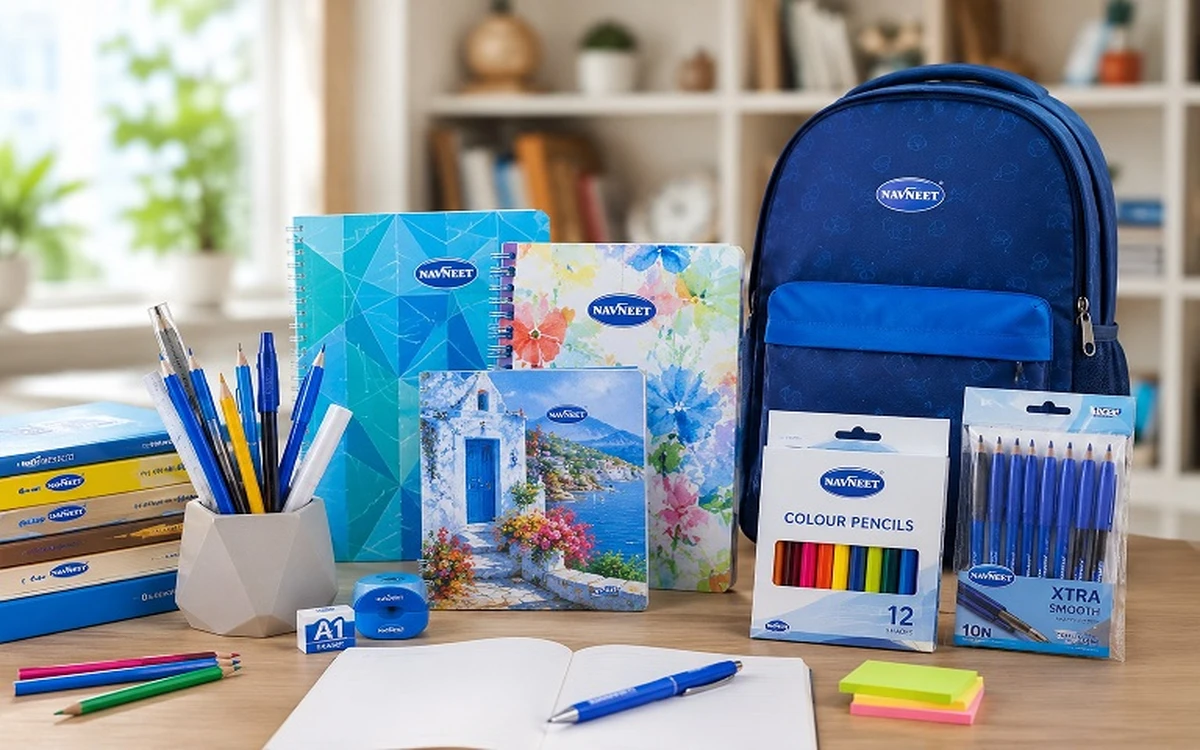
Navneet Education focuses on brand building, curriculum-led growth, and export recovery; expects stationery margins to improve in FY27

It is estimated that USD10B to USD20B worth of single-use plastic packaging will convert to molded fiber, ZUME
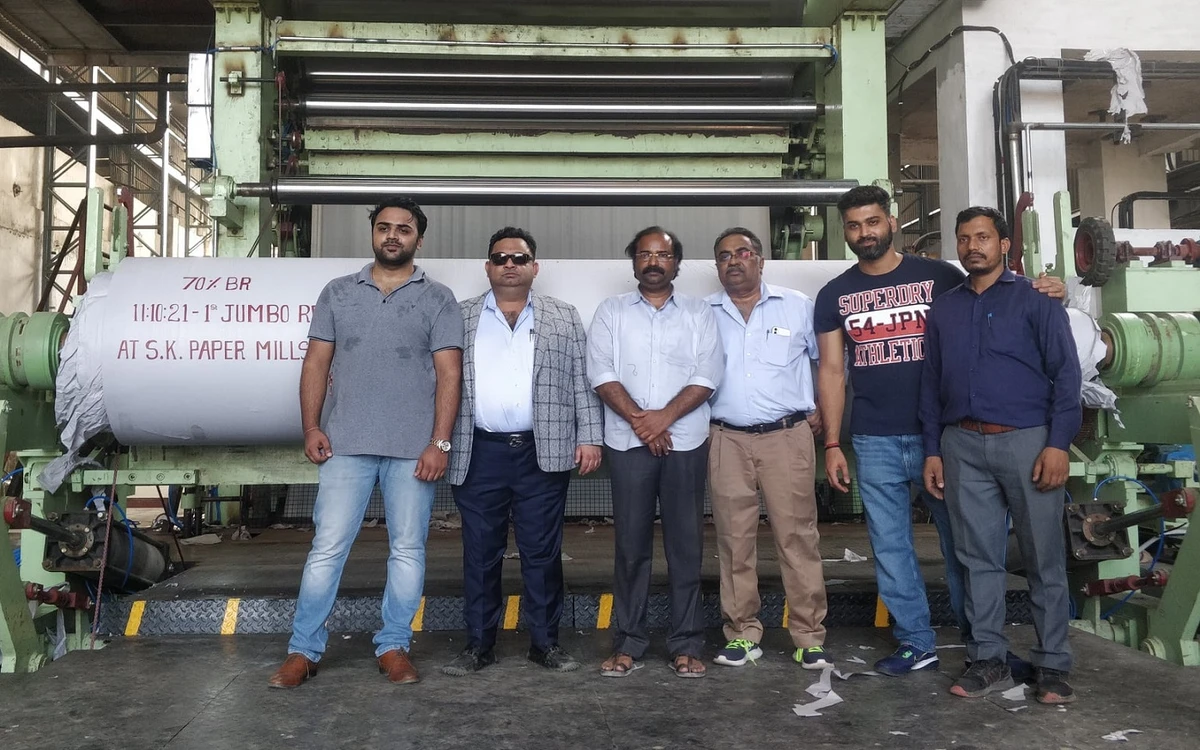
Muzaffarnagar gets a new capacity of Tissue Paper and MG Poster paper

“The integration of digitalization, automation, and Artificial Intelligence (AI) is no longer a futuristic concept—it is the baseline for competitiveness in 2036” - Vinit Garg, Director, Vizen Solutions
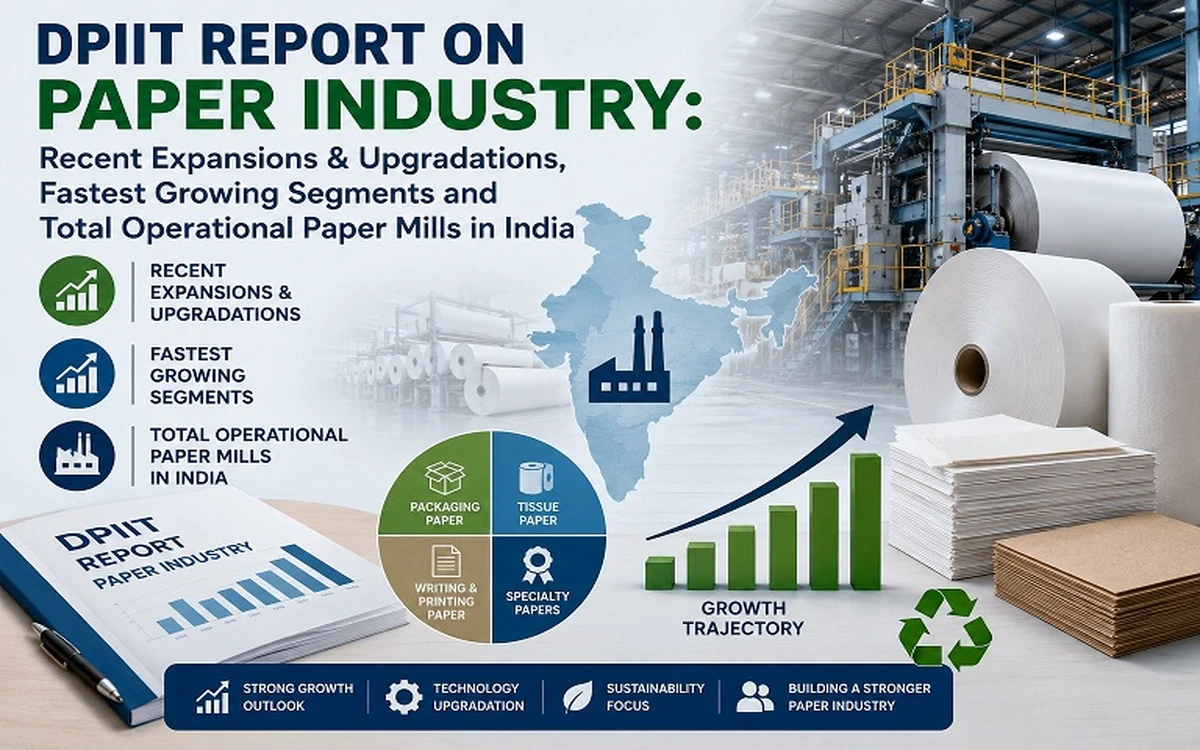
DPIIT Report on the Paper Industry: Recent Expansions & Upgrades, Fastest-Growing Segments, and Total Operational Paper Mills in India
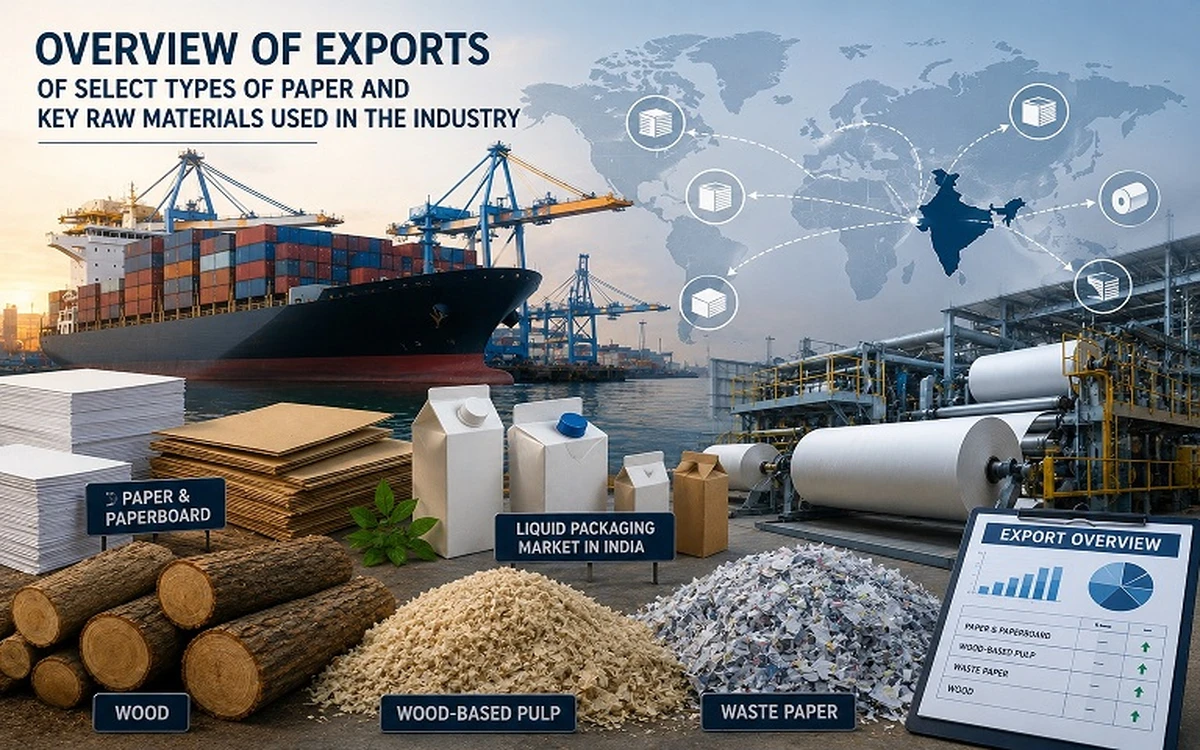
Overview of exports of select type of paper and key raw material used in the industry by Crisil Intelligence

Margin pressure pushes Pulp & Paper Packaging sector toward AI-Driven cost optimization, Cutting costs by 8–20%
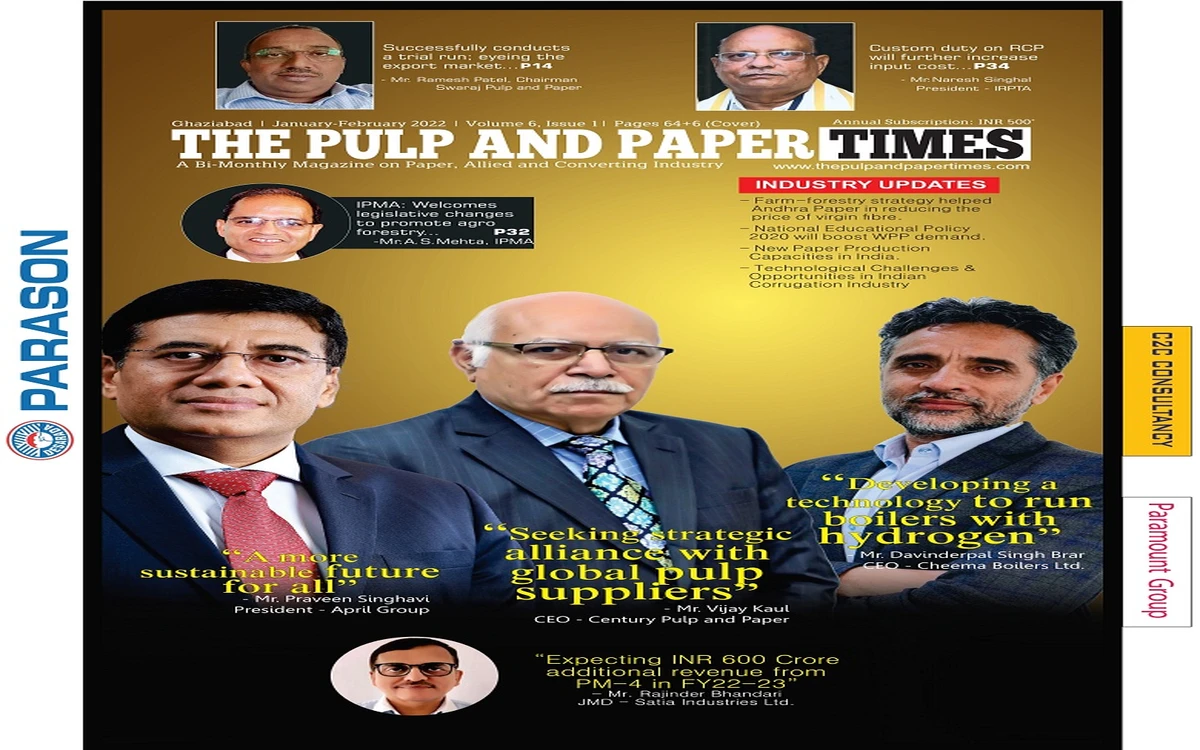
The Pulp and Paper Times Magazine : Volume 6, Issue 1
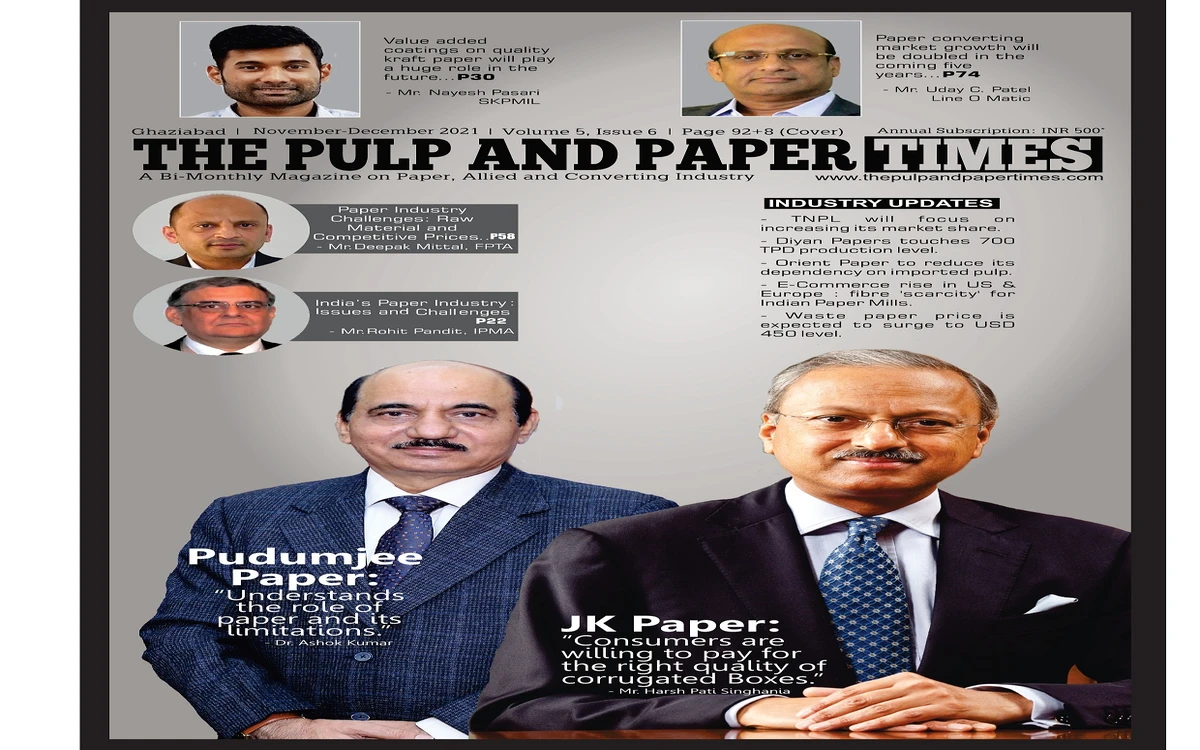
The Pulp and Paper Times Magazine : Volume 5, Issue 6
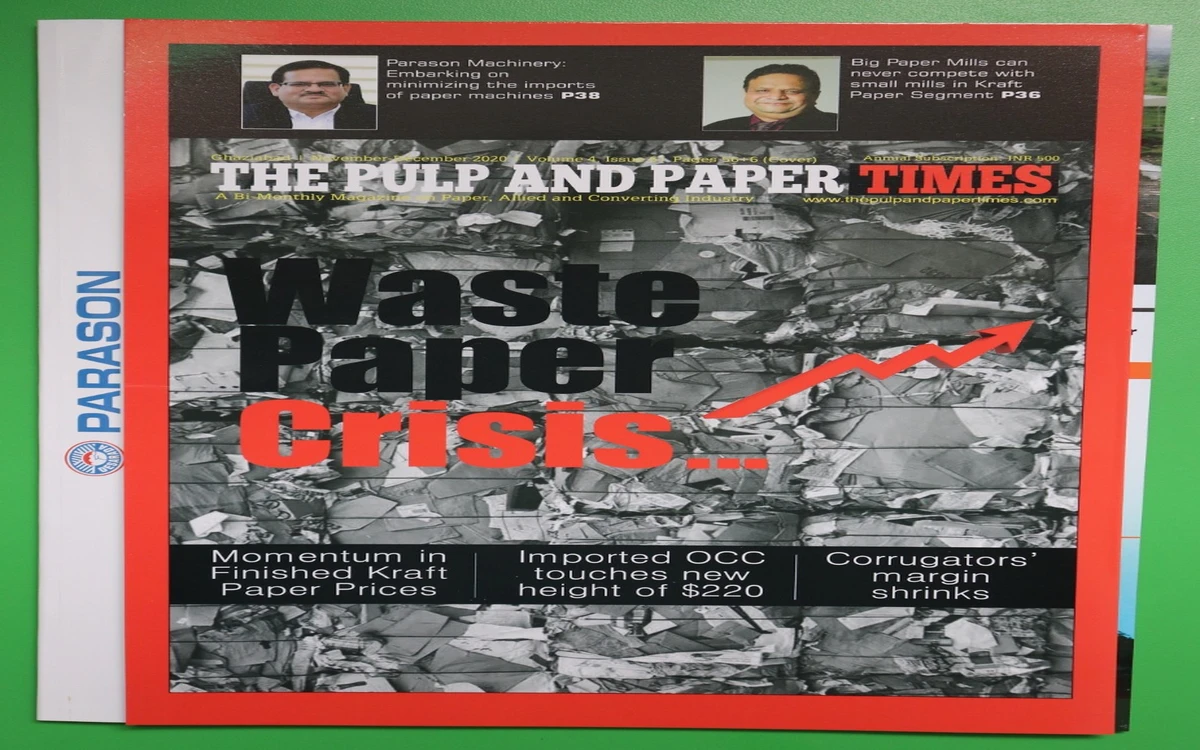
The Pulp and Paper Times: Volume 4, Issue 6
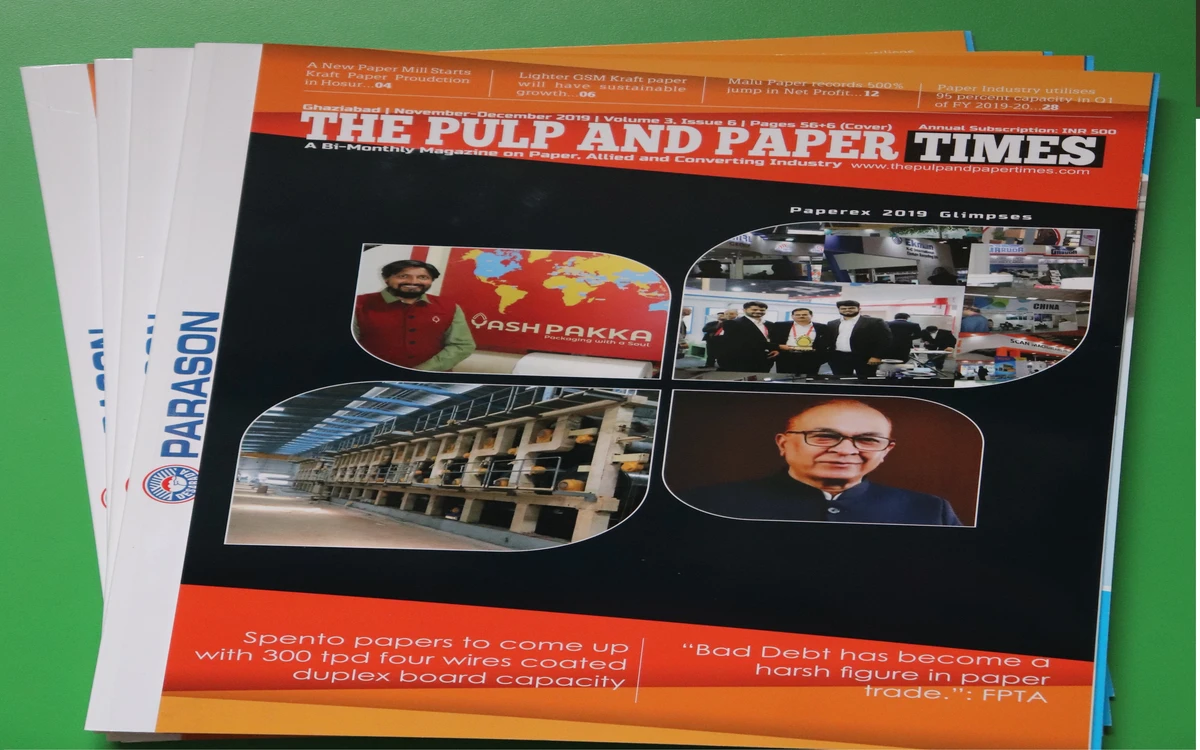
The Pulp and Paper Times : Volume 3, Issue 6
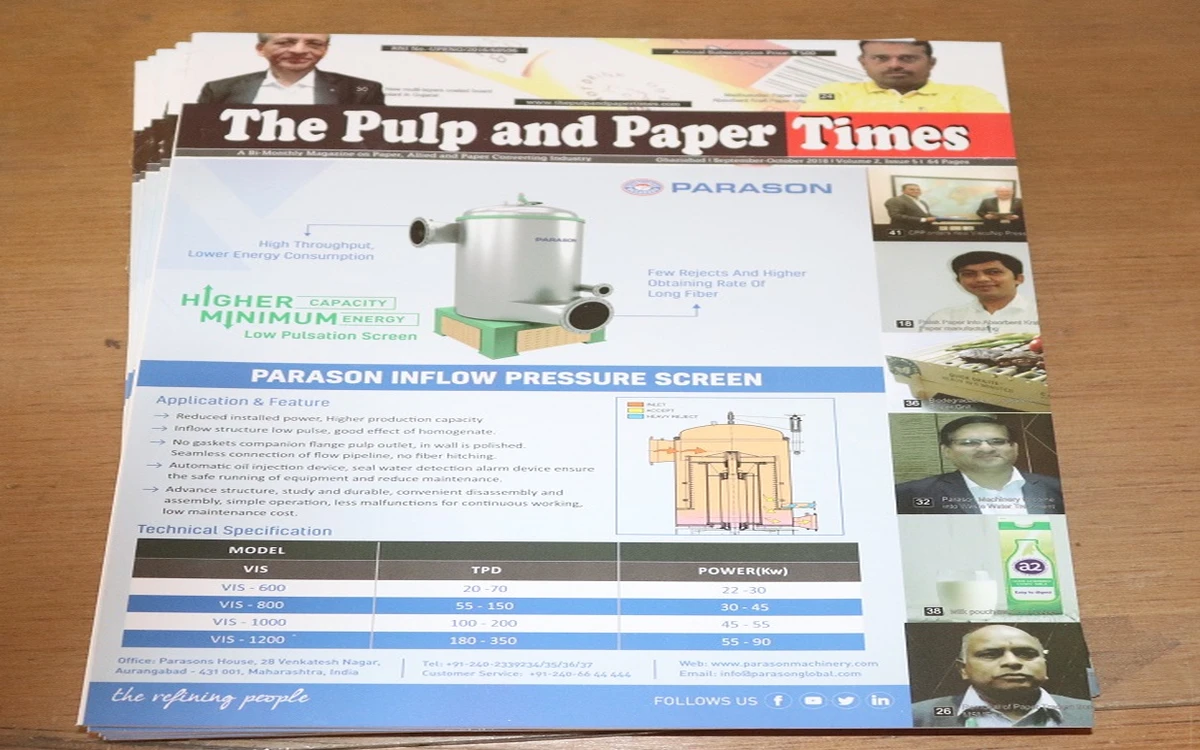
The Pulp and Paper Times: Volume 2 Issue 5
The Pulp and Paper Times, Volume 1, Issue 3
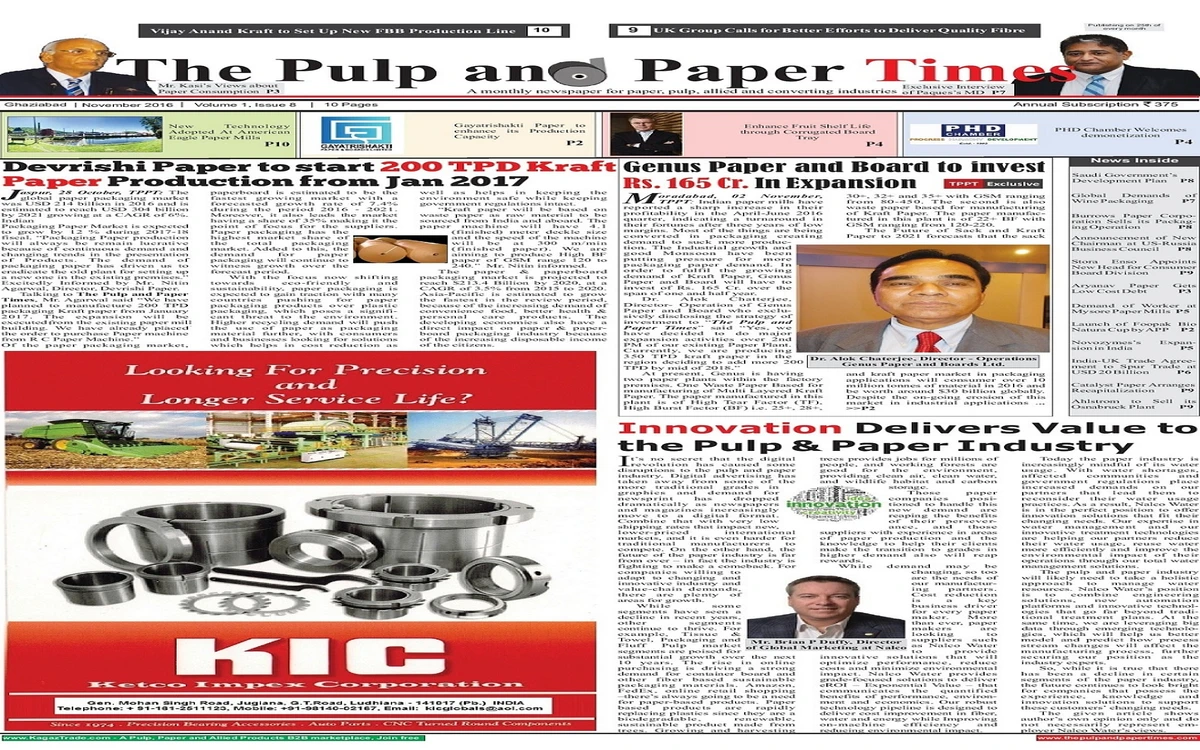
The Pulp and Paper Times, November 2016 Issue

For the first time in India, scientists from IIT-Guwahati have developed biodegradable plastic with the help of homegrown technology.
In a country where rising pollution levels remain a serious area of concern, the innovation comes as a major shot in the arm for solid waste management.
The biodegradable plastic has been developed by IIT-G's Centre of Excellence-Sustainable Polymers (CoE-SusPol), which is funded by the department of chemicals and petrochemicals under Union ministry of chemicals and fertilizers. The centre has already developed kitchen cutlery, household furniture and decorative items including flower pots and toys using this non-biodegradable plastic variant.
Vimal Katiyar, CoE-SusPol coordinator and principal investigator of the project, says, “Ours is the only centre in India which is carrying out research on biodegradable plastic. Though the US has been a major producer of biodegradable plastic, the production costs there are very high. But our team has managed to achieve this with lower costs by using homegrown technology. This is a cutting-edge innovation and a remarkable achievement.â€
He added that the biodegradable plastic, which has passed the hot-beverage test, is unique because it has no hazardous chemicals.

“The non-biodegradable plastic products, which are commonly used in households, cannot be recycled for 400 years. Products like plastic carry bags, if disposed of unscientifically, are hard to decompose and are a massive threat to soil cultivation,†Katiyar said.
As environmentalists battle to solve the problem of plastic pollution, the biggest challenge before scientists today is to come up with biodegradable plastic products. Katiyar pointed out that the IIT-G project is a major step in the direction, as their plastic variant is non-polluting and will help increase soil fertility. “The biodegradable plastic that we have developed can perfectly replace the non-biodegradable variant. Our biodegradable plastic does not come from petroleum, but bio-based, which is safe and environment-friendly. When products made out of the biodegradable plastic variant will be thrown in the garbage dump, they will degrade automatically and get absorbed in the soil. This plastic will help increase soil fertility,†he said.
The project has now found support in a Gujarat-based private company which has offered help to IIT-G to begin commercial production. Till now, the IIT-G centre has been producing 7-8 kg of biodegradable plastic at one go. But Katiyar said that a pilot project, with a 100 tonnes per year capacity design, will go on till September this year. Successful completion of the pilot project will pave the way for commercial production, he added. Source: TOI