Join Groups & Channels, No Spamming









Morbi paper mills see full-capacity operations as ceramic industry revives; Kraft paper exports to China spike, Prices strengthen; Janmashtami shutdown ahead

The BE and caustic soda plant marks a key milestone for Mohit Paper Mills, enabling full utilization of installed capacity and enhancing overall production efficiency
Expert Views on the paper market scenario, How the West Asia Crisis Helped the Industry, MIP for WPP, Anti-Subsidy implementation, and paper price trends
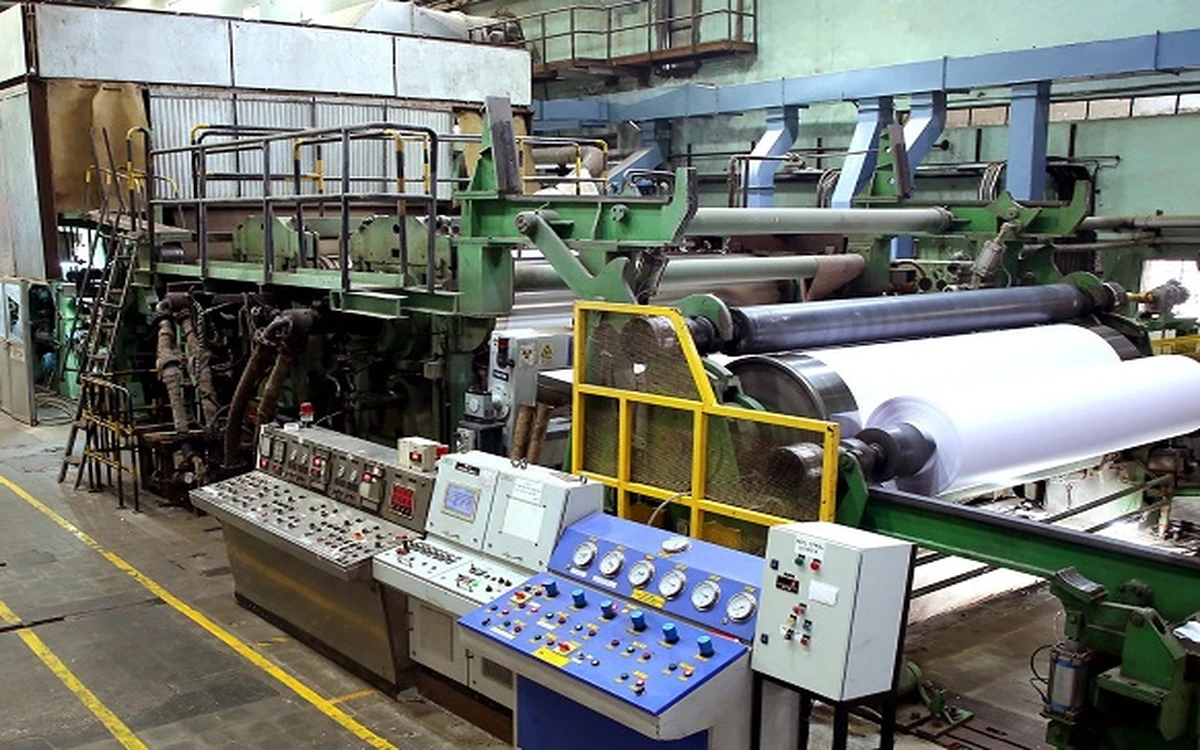
Pudumjee Paper intends to develop new varieties addressing applications for stronger paper bags and cupcakes; Plans 68,000 MT Mahad Specialty Paper Facility within 5 years
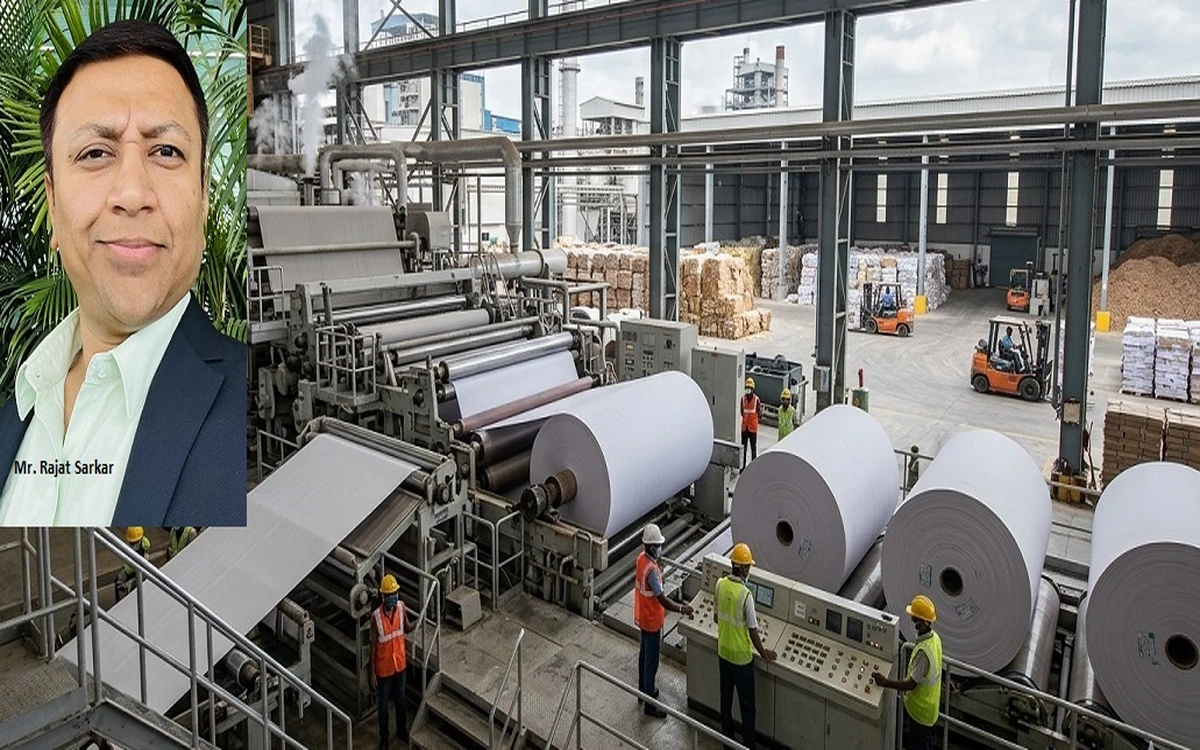
India Paper Industry at an Inflection Point: War, Costs, and Capacity; Demand growth expected at 5–7% in FY26
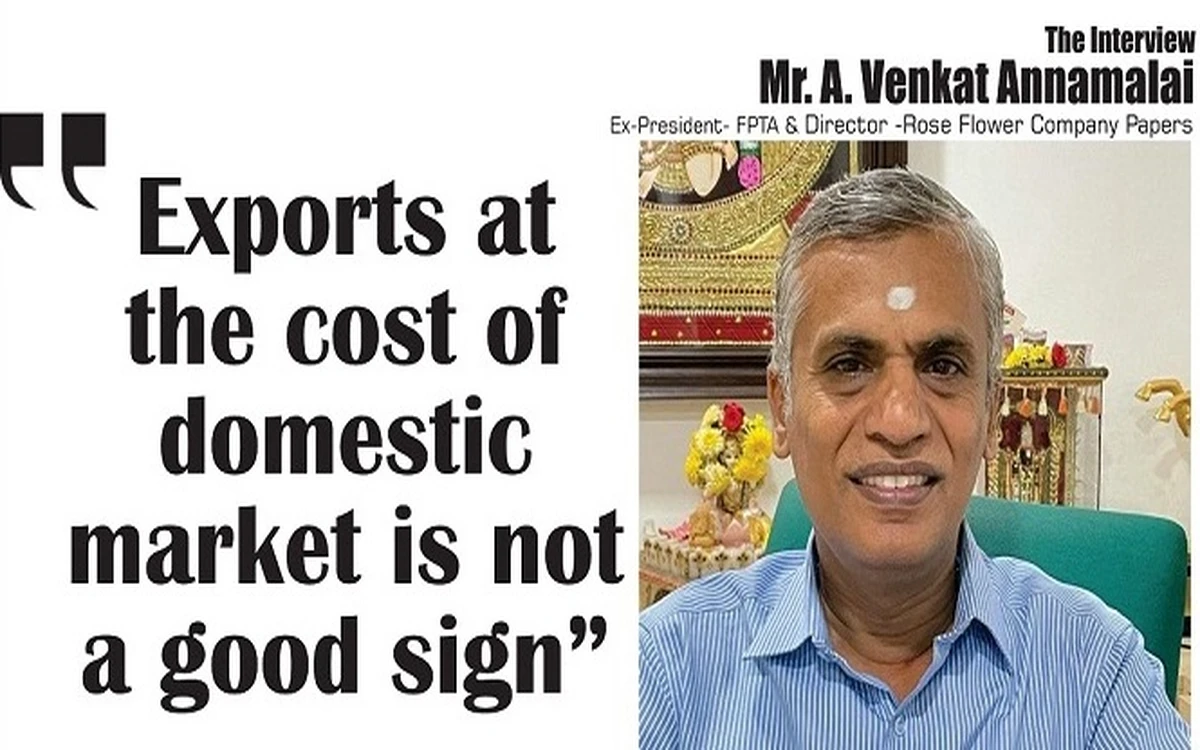
“Surging exports of paper will most certainly keep the domestic prices quite high”: Mr. A. Annamalai, Director – RFC
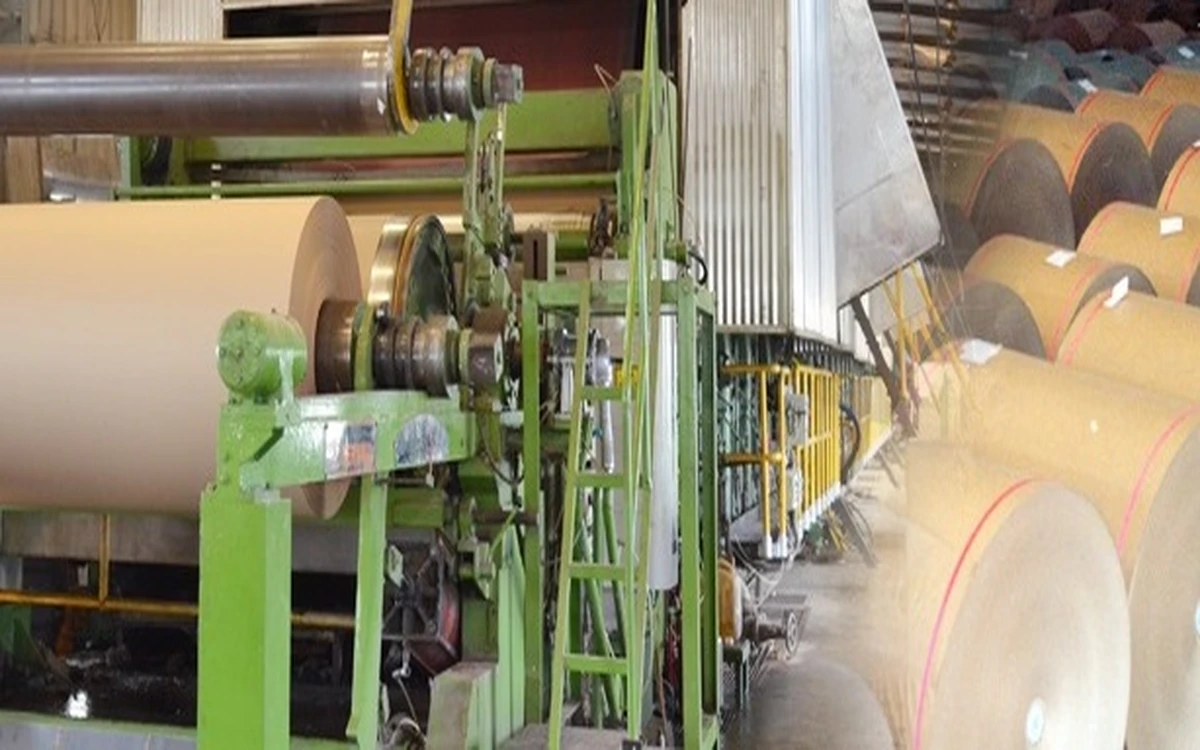
The Status of the Global Container board Industry, Recycled Paper Demand and Supply and its impact on the Indian Industry

Akshay Jain, director of Silverton Pulp & Paper, says it's time to promote agro residue as a raw material to lessen the scarcity of fibre
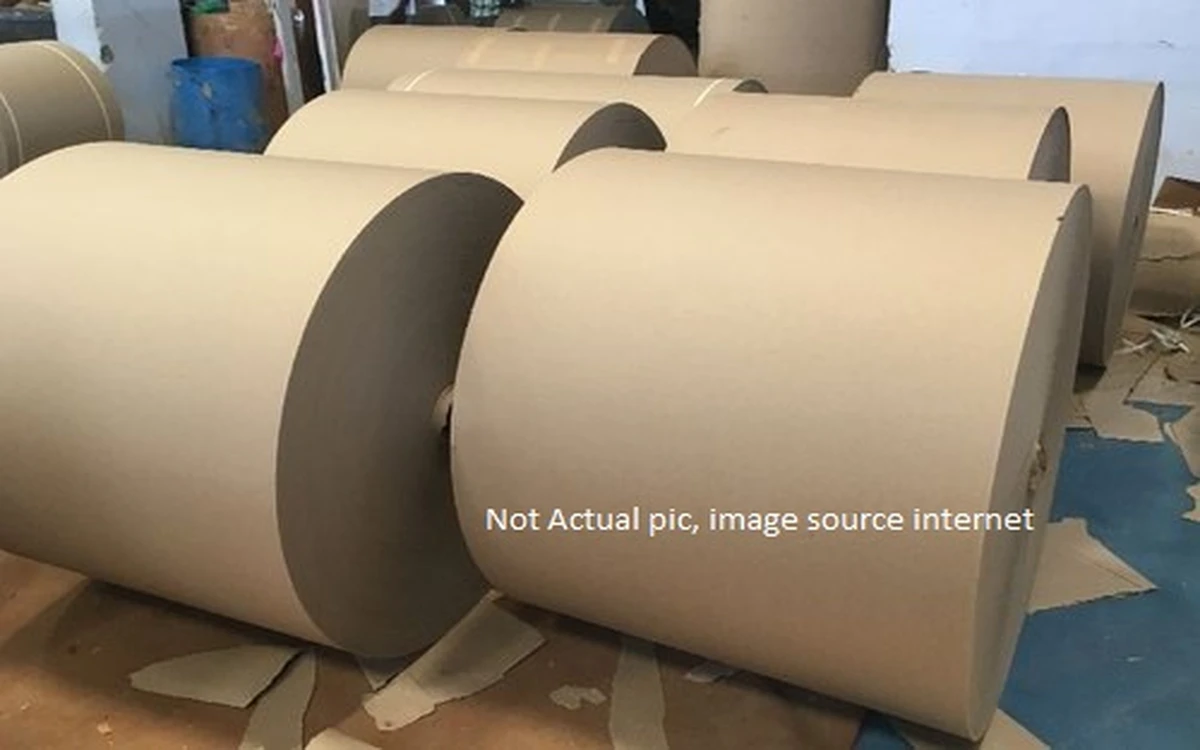
Advantageously located, a new paper mill is all set to roll kraft paper in Madhya Pradesh
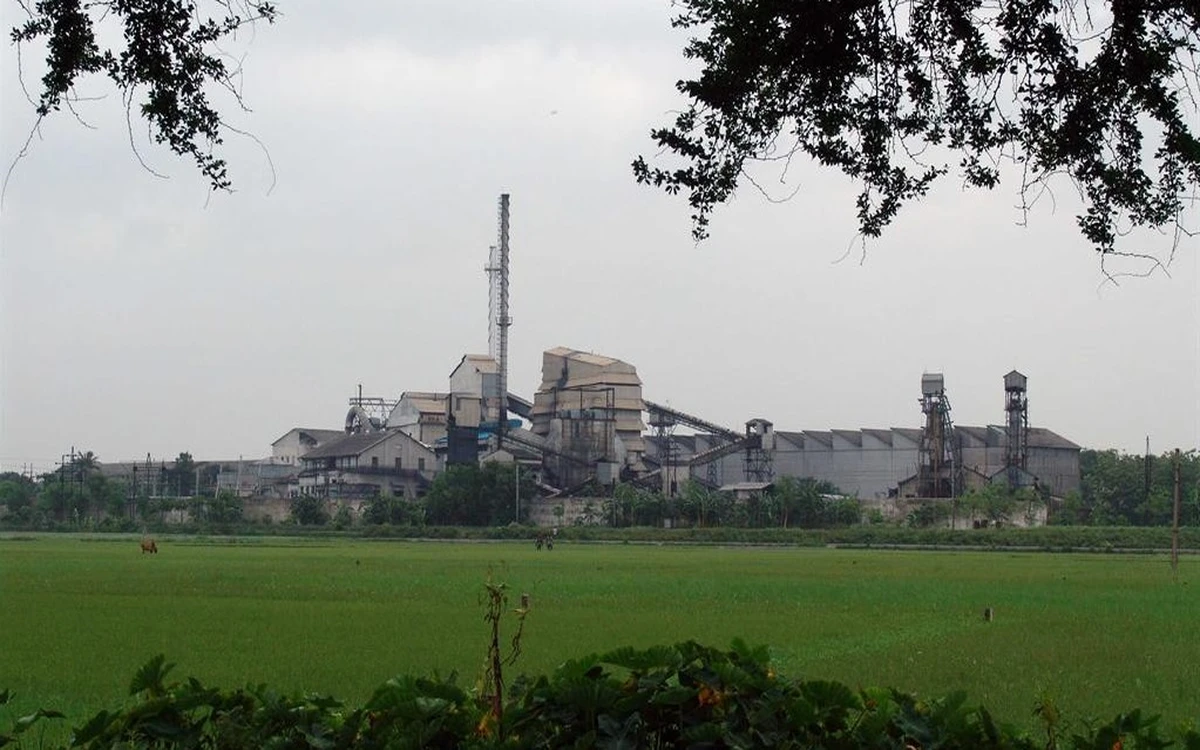
Several agile interventions helped ITC-PSPD fortify its clear leadership of the Value Added Paperboards (VAP) segment
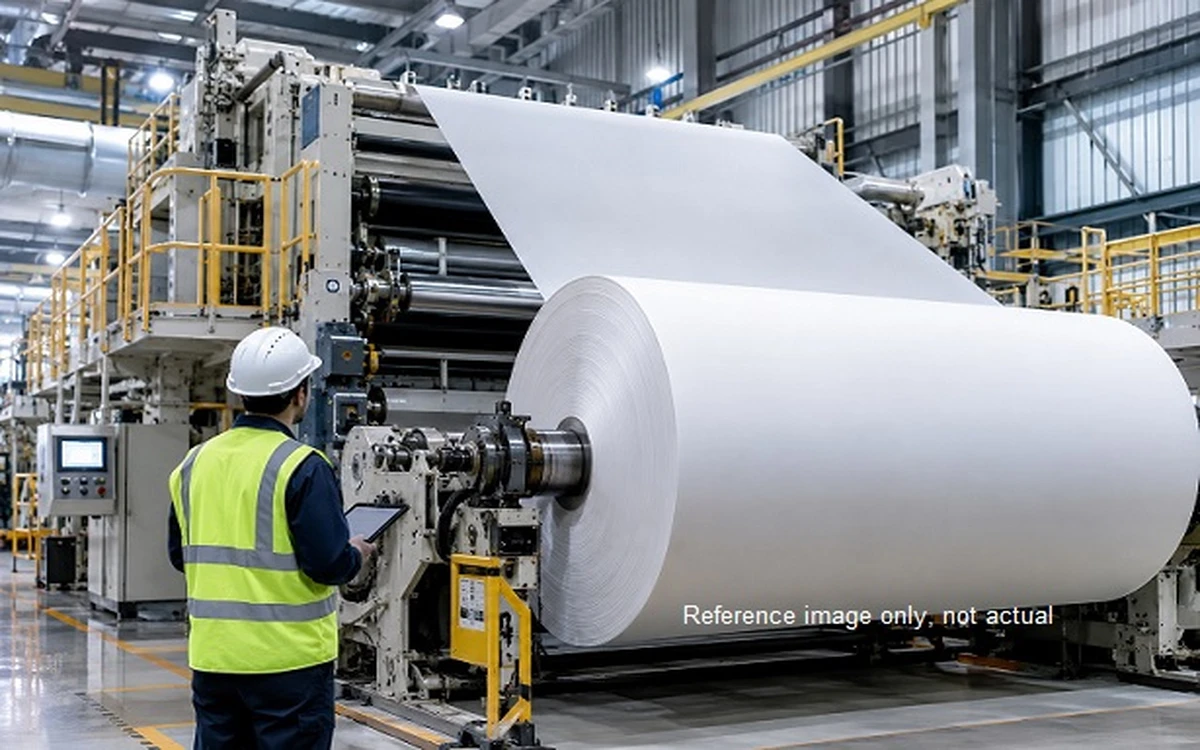
Pakka Advances PM4 Development; flexC Base Paper Trials Underway in Europe, with a Distributor Soft Launch Expected
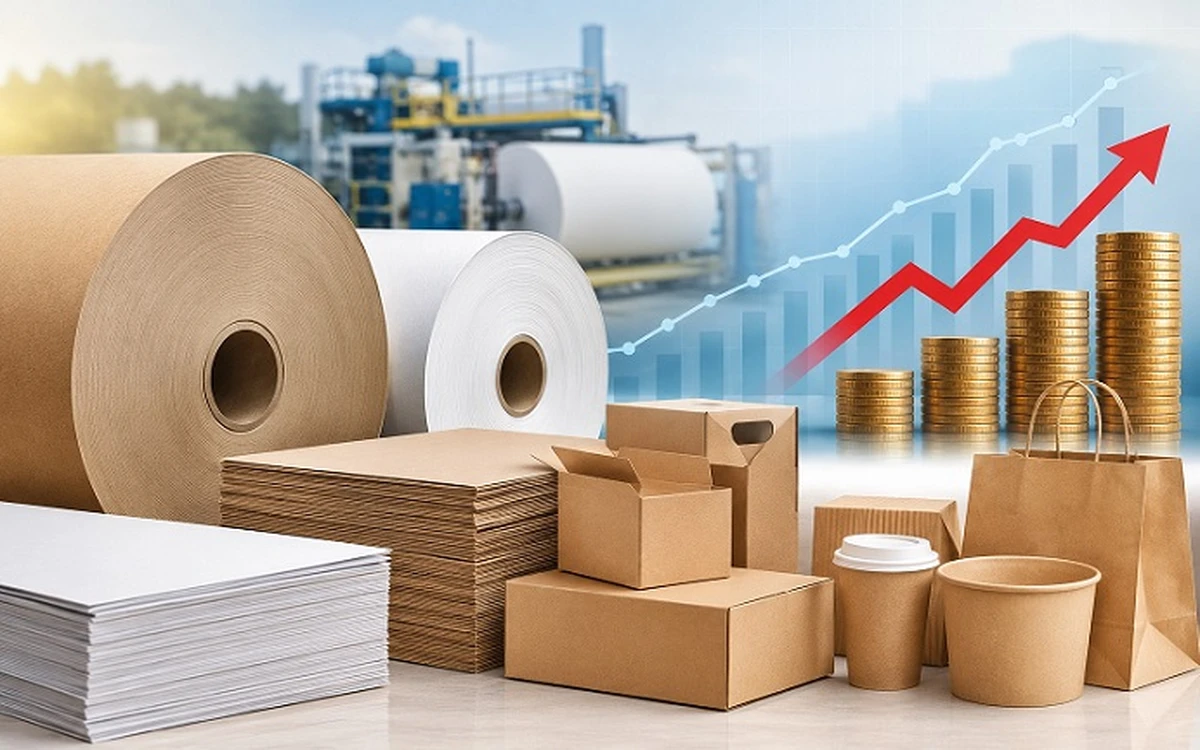
Paper and Packaging Board Market May Face Cost Pressures Through March 2027; FPTA Advises Traders
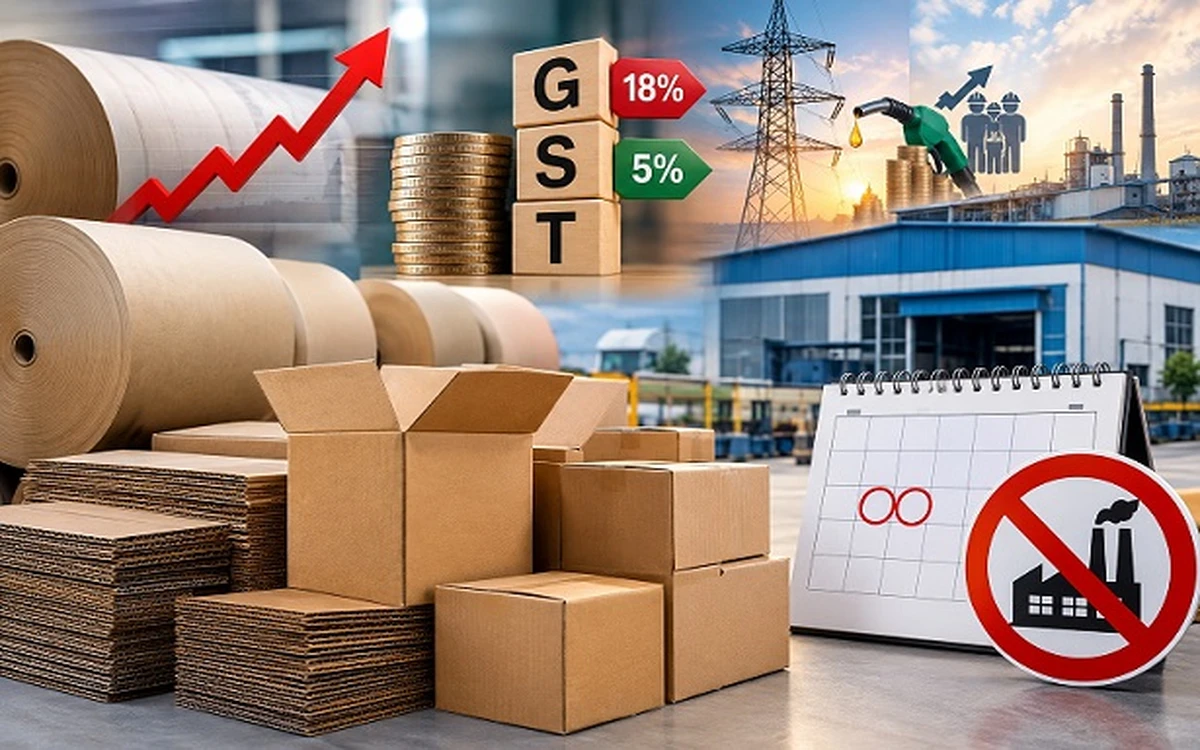
Overall Increase in Kraft Paper Prices Could Reach 35%; Industry Calls for 20% Box Price Increase, Voluntary Shutdown Proposed
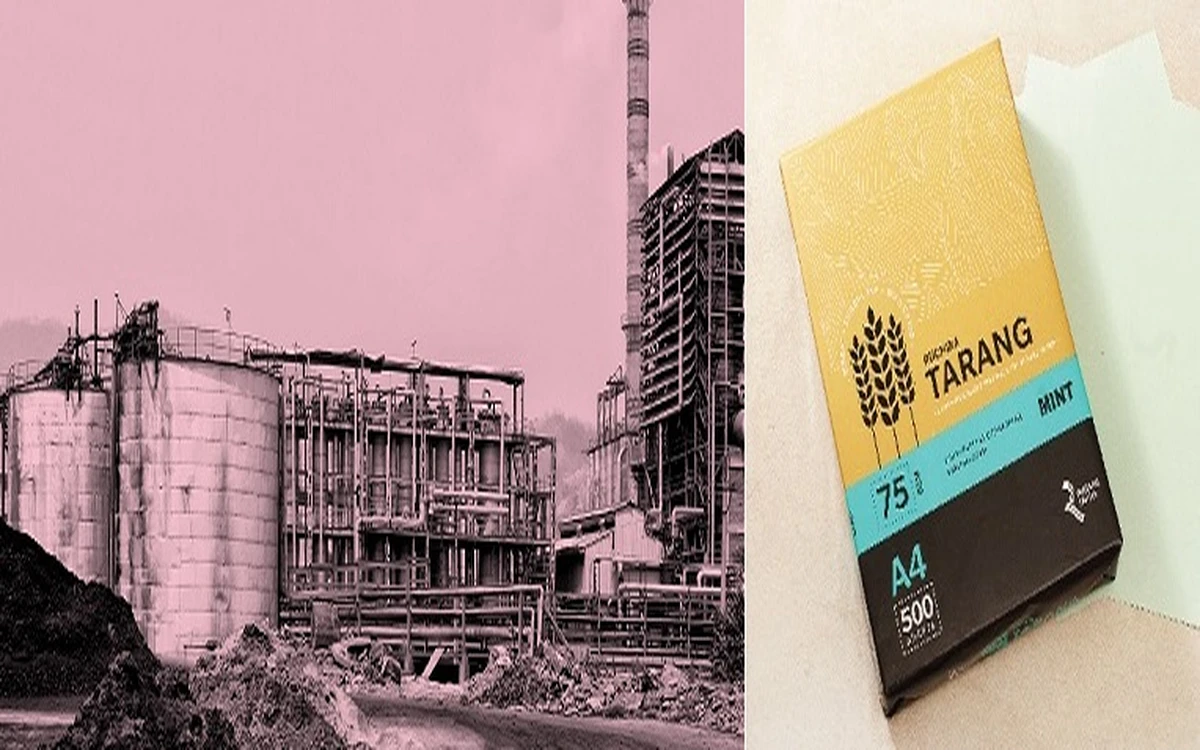
Ruchira Papers Invests a Sizeable Capex of Rs. 235–240 Crore Towards Writing & Printing Paper Capacity Expansion
Paper mills inflated the basic ex-mill price of paper post GST 2.0, AINMA seeks action against Anti-Profiteering
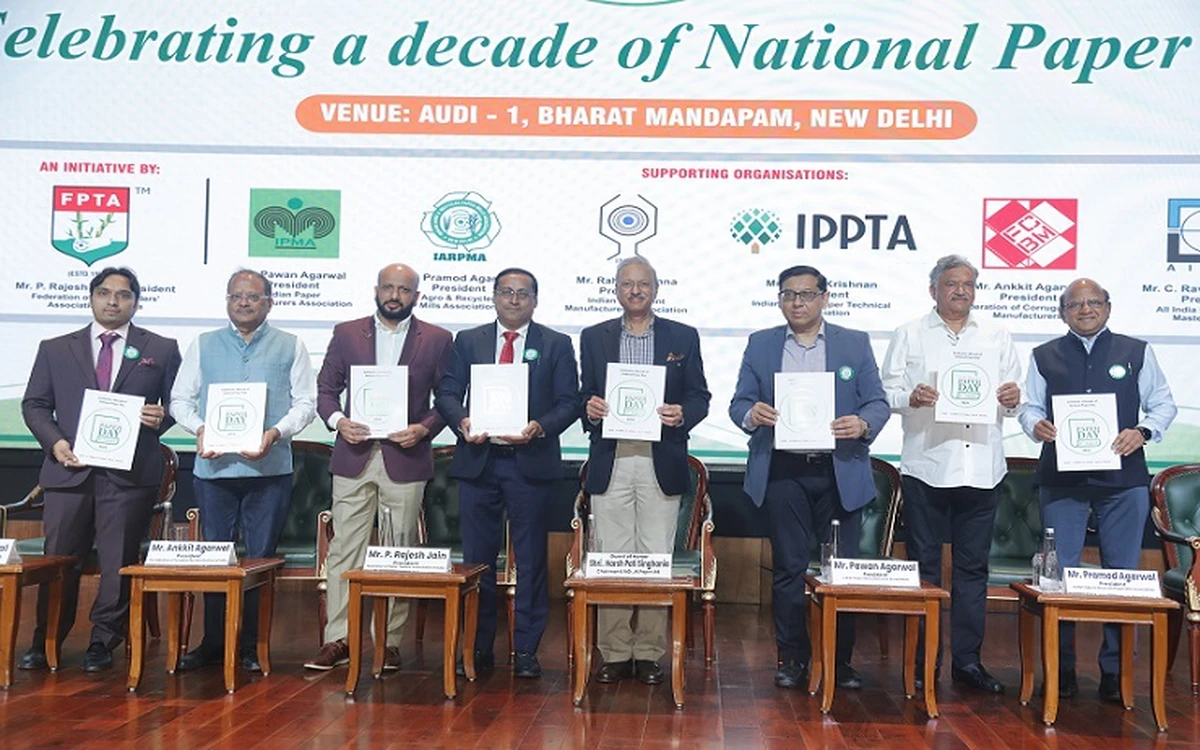
Seven Leading Associations Unite to Celebrate National Paper Day, Highlighting Paper's Sustainability and Circular Economy Advantage
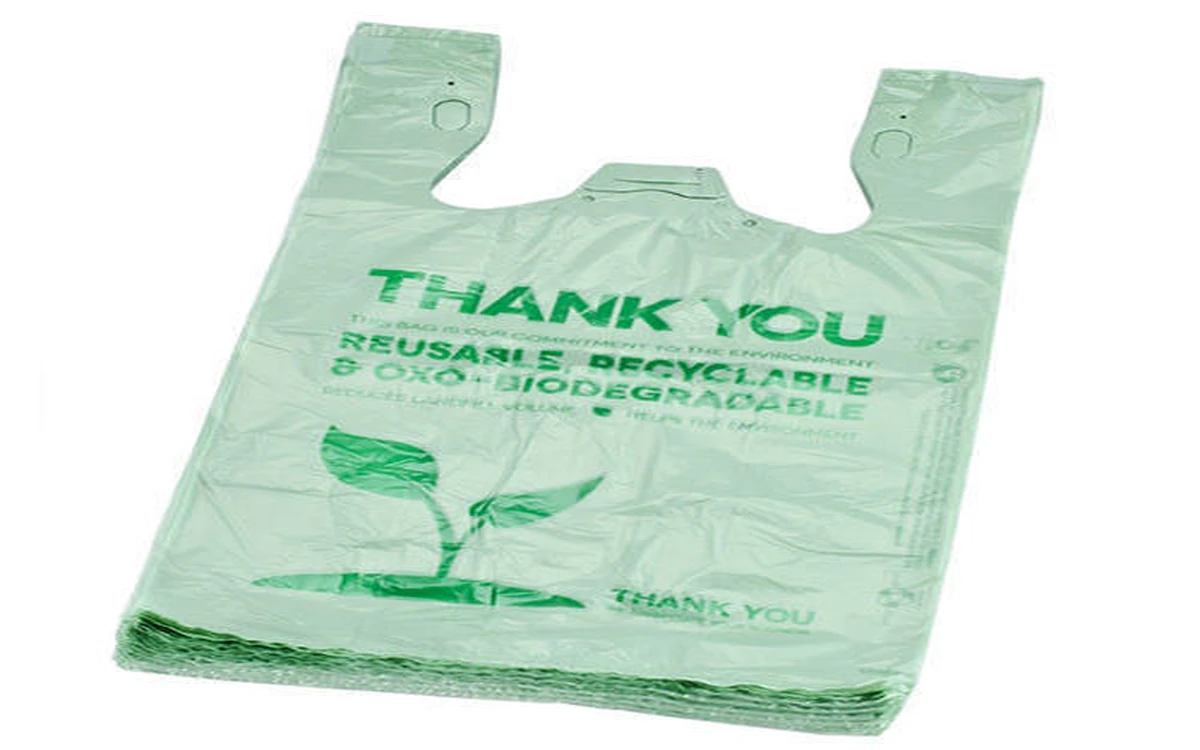
Scientists from IIT-Guwahati develop India's first biodegradable plastic

Navneet Education focuses on brand building, curriculum-led growth, and export recovery; expects stationery margins to improve in FY27

It is estimated that USD10B to USD20B worth of single-use plastic packaging will convert to molded fiber, ZUME
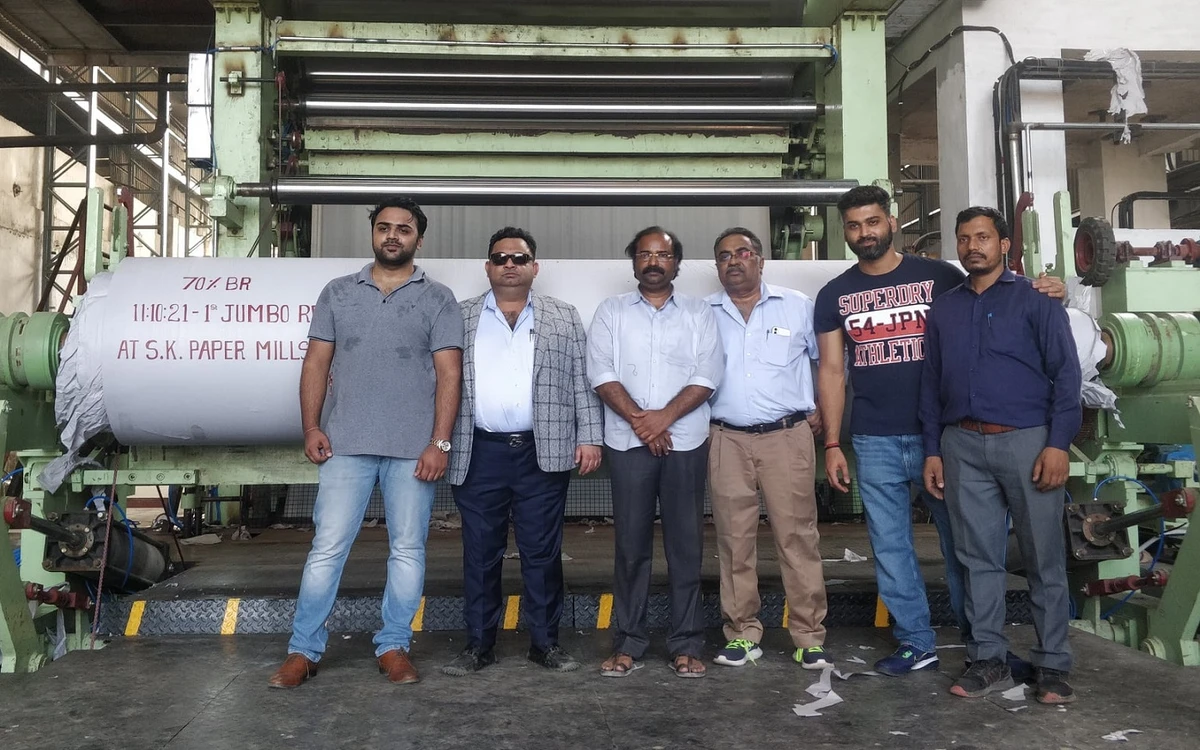
Muzaffarnagar gets a new capacity of Tissue Paper and MG Poster paper

“The integration of digitalization, automation, and Artificial Intelligence (AI) is no longer a futuristic concept—it is the baseline for competitiveness in 2036” - Vinit Garg, Director, Vizen Solutions
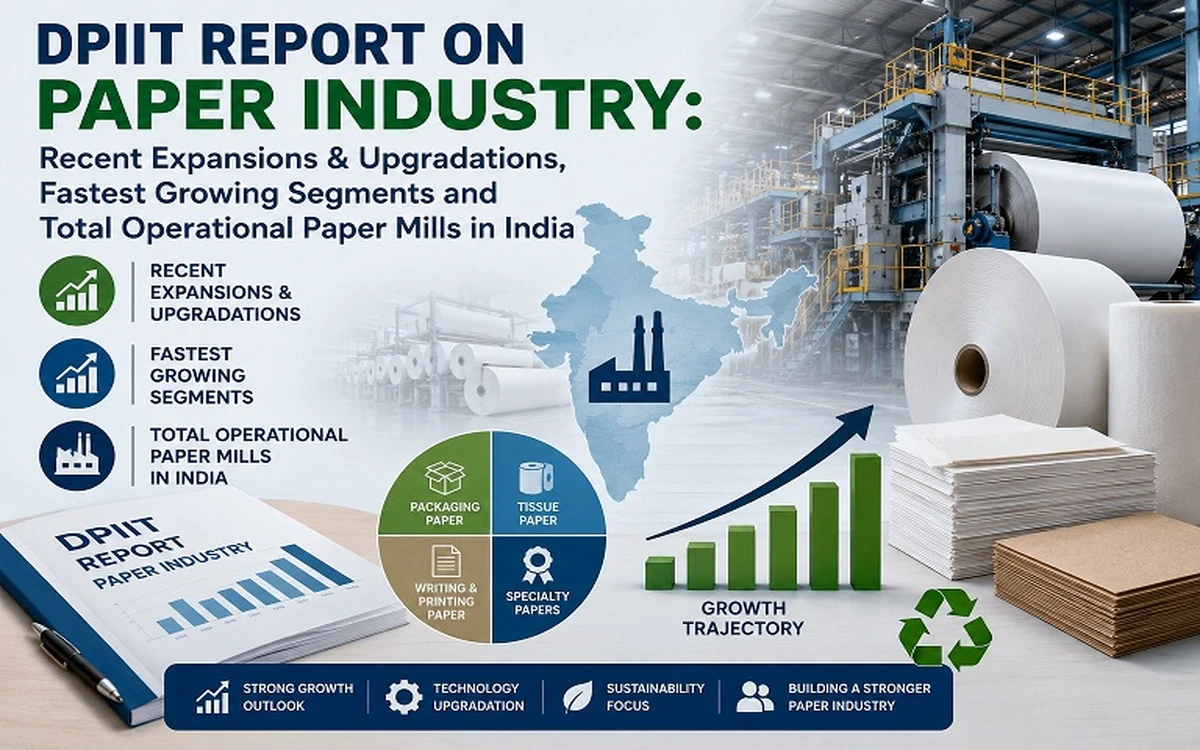
DPIIT Report on the Paper Industry: Recent Expansions & Upgrades, Fastest-Growing Segments, and Total Operational Paper Mills in India
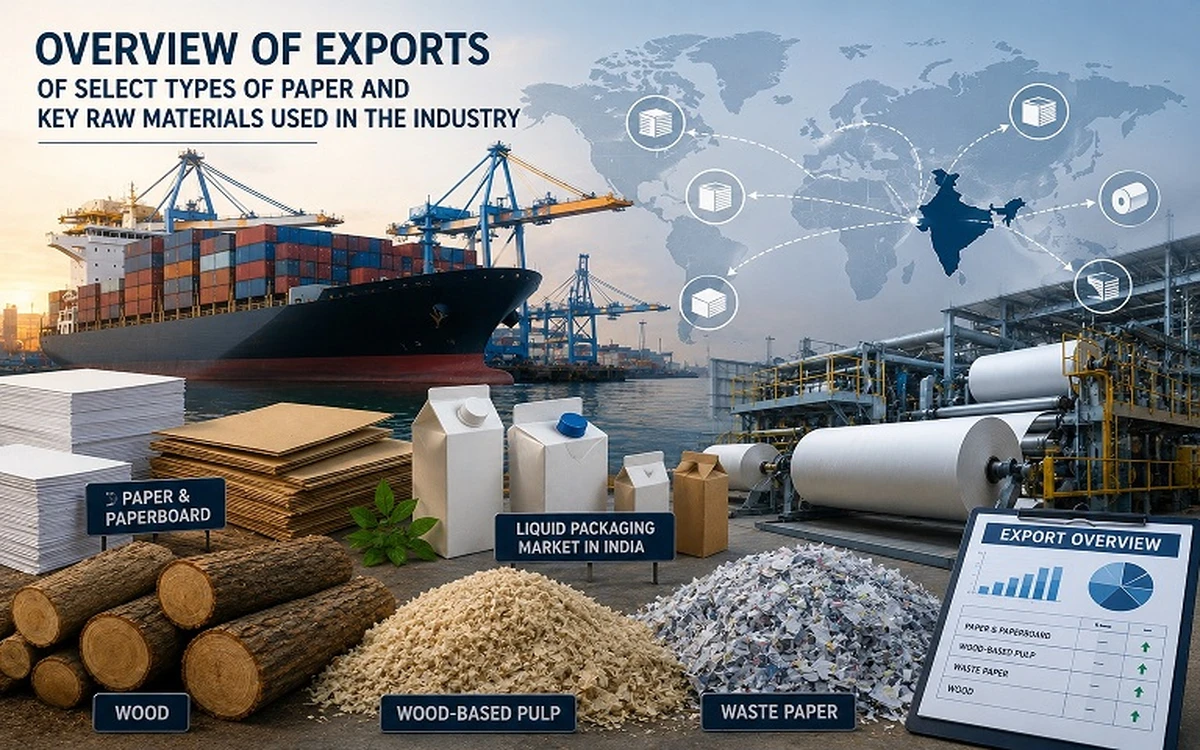
Overview of exports of select type of paper and key raw material used in the industry by Crisil Intelligence

Margin pressure pushes Pulp & Paper Packaging sector toward AI-Driven cost optimization, Cutting costs by 8–20%
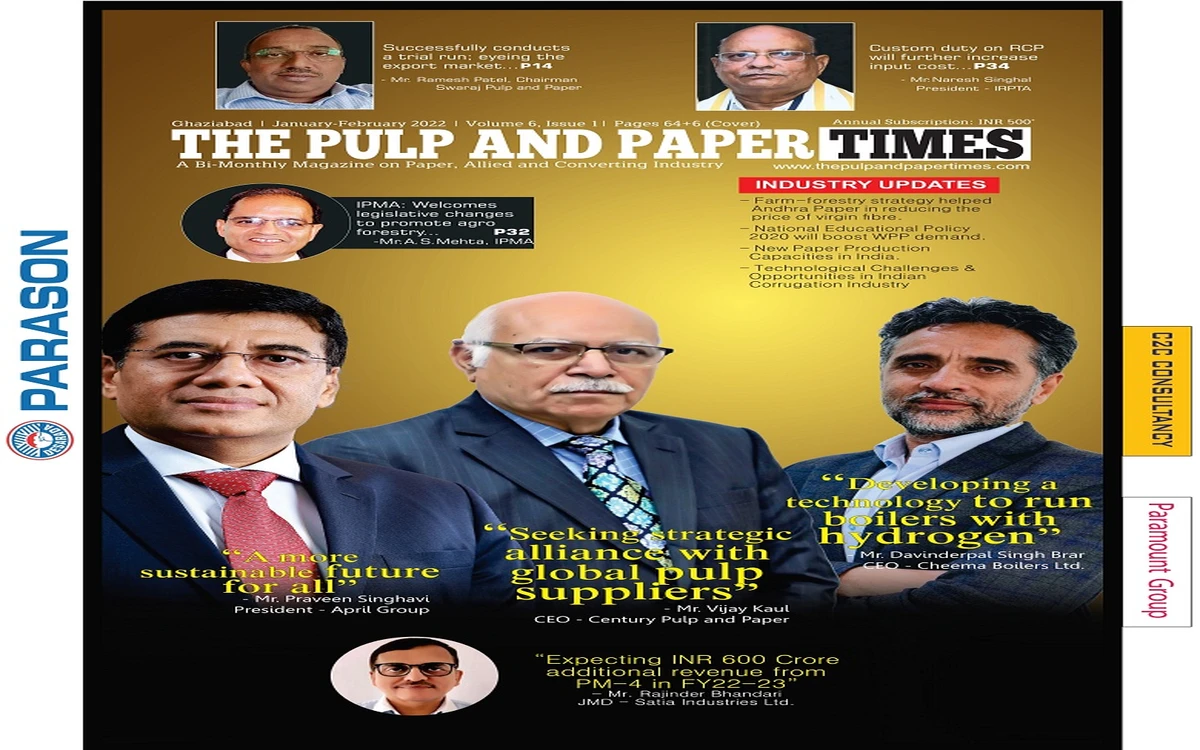
The Pulp and Paper Times Magazine : Volume 6, Issue 1

The Pulp and Paper Times Magazine : Volume 5, Issue 6
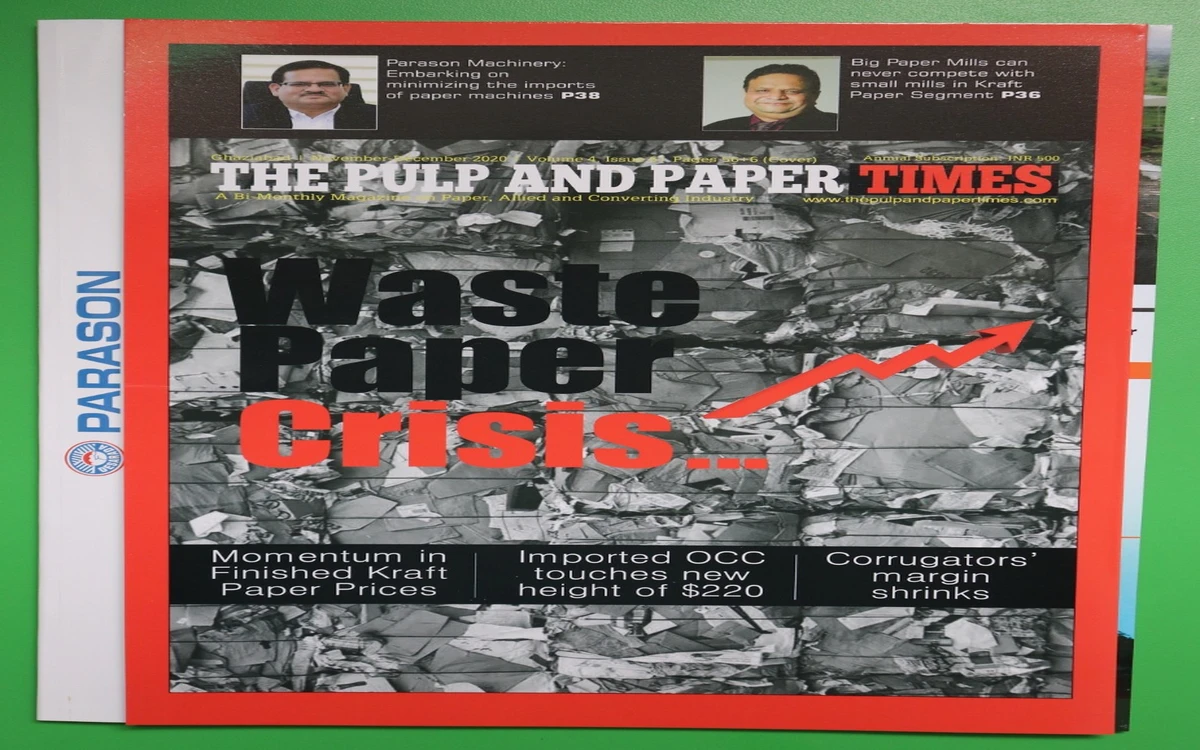
The Pulp and Paper Times: Volume 4, Issue 6
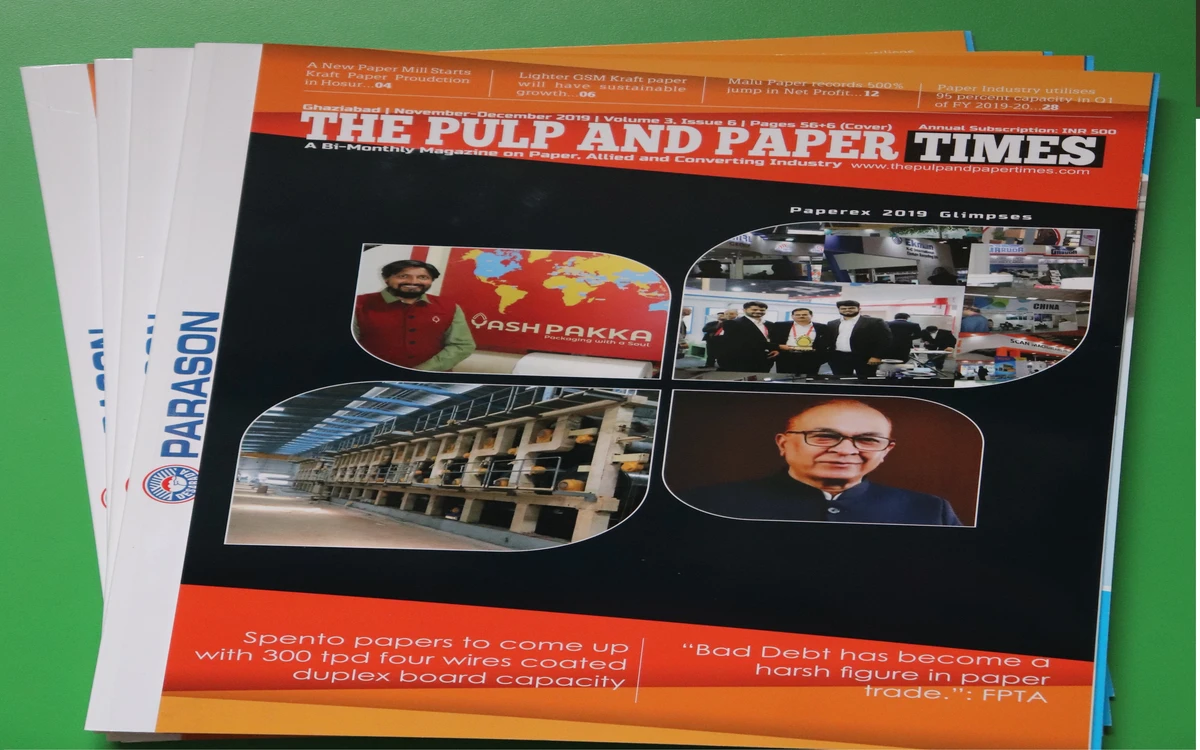
The Pulp and Paper Times : Volume 3, Issue 6
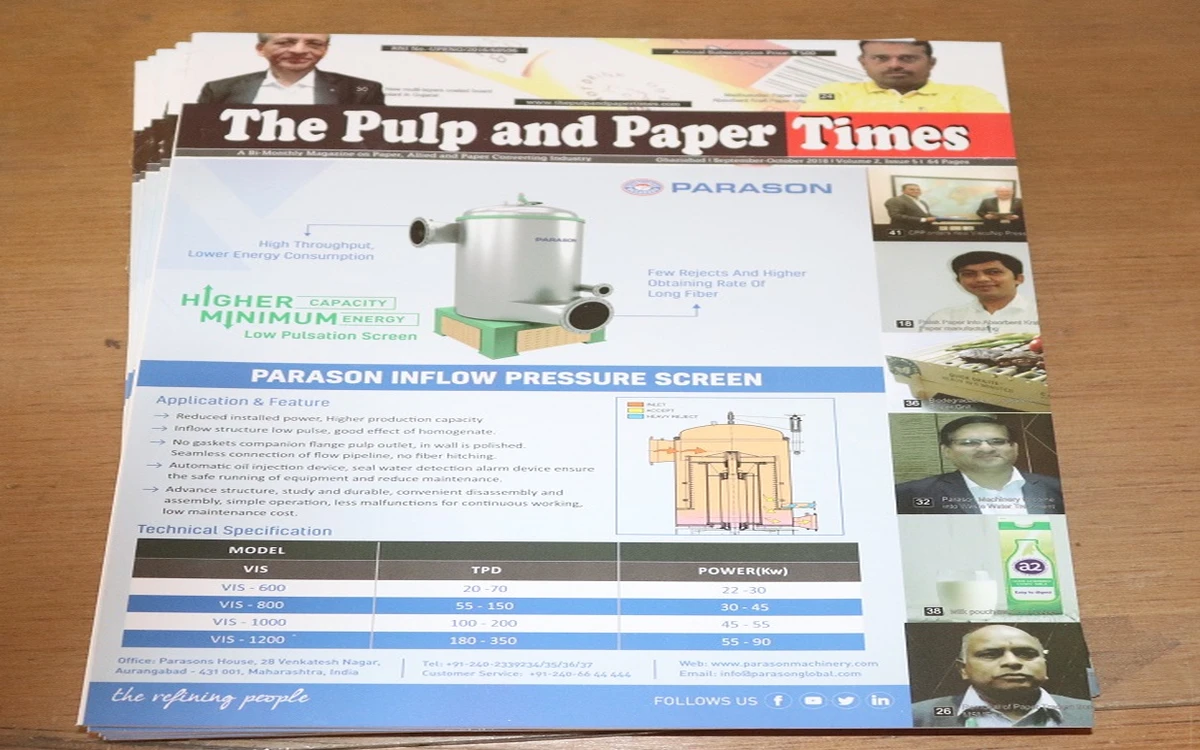
The Pulp and Paper Times: Volume 2 Issue 5

The Pulp and Paper Times, Volume 1, Issue 3
The Pulp and Paper Times, November 2016 Issue

The Pulp and Paper Times
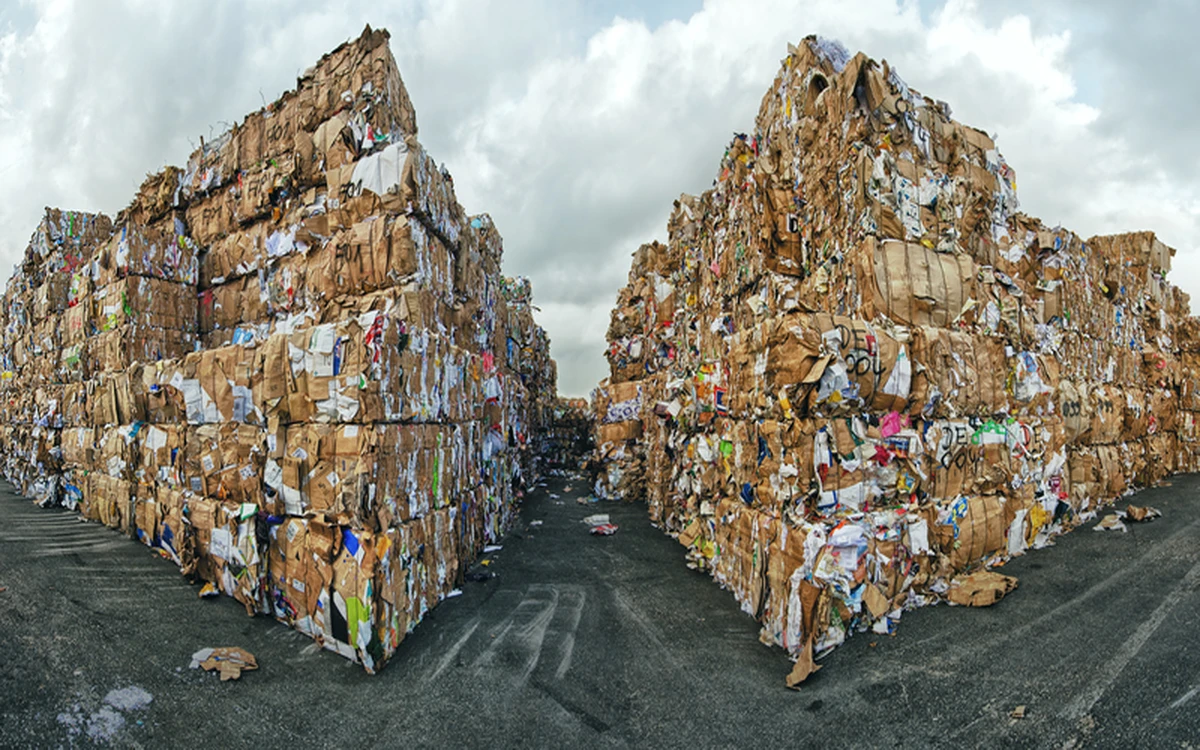
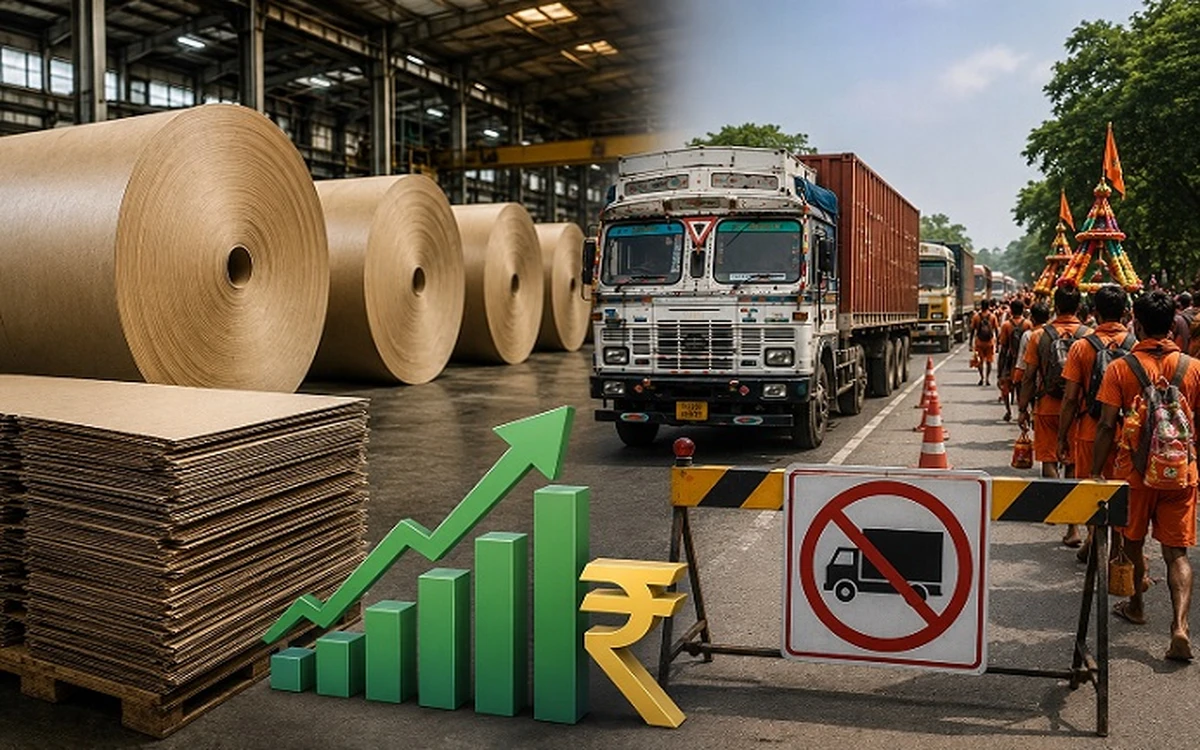
Western Uttar Pradesh's kraft paper industry is expected to witness significant operational disruptions in the coming days as traffic restrictions imposed for the Kanwar Yatra are likely to severely impact the movement of waste paper, finished goods and transportation across the region. The Kanwar Yatra 2026 starts on July 30, 2026 and concludes on August 11, 2026. According to Mr. Naresh Singhal, President, Indian Recycled Paper Traders Association (IRPTA), while no formal shutdown has been announced by paper mills, logistical constraints will effectively result in partial and, eventually, near-complete production stoppages at several mills.
Speaking to The Pulp and Paper Times, Mr. Singhal said that transportation of both raw materials and finished kraft paper has already started getting affected. Vehicle movement to and from mills is becoming increasingly difficult, with only a limited number of locally operated trucks expected to continue operations through alternate village routes for a few days.

"Officially, mills may not announce shutdowns, but practically the shutdown has already begun because transportation has come to a halt," he remarked.
According to him, many mills will continue operating only as long as their available waste paper inventory permits. Mills having sufficient stock of recovered paper are expected to run partially for four to six days by converting existing raw material into finished paper before suspending production.
Mr. Singhal added that several mills in Muzaffarnagar and nearby regions are also facing another challenge, as recent heavy rainfall has led to waterlogging inside mill premises. With storage yards flooded, many mills are currently reluctant to procure additional waste paper even if material becomes available.

Kraft Paper Prices Strengthen During July
Despite the upcoming disruption, the kraft paper market remained exceptionally strong throughout July.
Mr. Singhal noted that the market had performed largely in line with earlier expectations, with demand improving steadily after the first week of July. Kraft paper prices, particularly for 18 BF 140 GSM, increased from around Rs. 29-29.50 per kg to approximately Rs. 32 per kg by the end of the month.
He said mill sales remained healthy during this period, supported by strong purchasing activity across the market.
Recovered paper prices also witnessed a significant increase. Domestic waste paper prices have risen from nearly Rs. 18.50 per kg to around Rs. 21 per kg, while finished kraft paper prices have moved up to Rs. 32 per kg, improving the price spread available to manufacturers.

According to Mr. Singhal, the improved margin has provided much-needed relief to recycled paper mills after months of fluctuating market conditions.
Mills Expected to Operate Partially Before Temporary Halt
Mr. Singhal explained that mills will continue converting whatever waste paper inventory is presently available into finished stock before suspending operations.
He estimates that most mills can continue partial production for approximately five to six days, depending upon individual inventory levels and existing customer orders. Once available recovered paper stocks are exhausted and transportation remains restricted, production will largely come to a standstill.
He further stated that many mills are planning to keep finished inventory ready so that dispatches can begin immediately once transport restrictions are eased.
Transport Restrictions to Delay Market Normalisation
According to Mr. Singhal, traffic diversions associated with the Kanwar Yatra are expected to remain in force until 12 August in several parts of Western Uttar Pradesh.

Although certain highways such as the Delhi-Dehradun Expressway continue to remain operational for commercial traffic, movement through traditional freight corridors connecting Delhi with Meerut, Muzaffarnagar, Hapur and adjoining industrial clusters has become increasingly difficult.
He further pointed out that logistics could face another temporary disruption around Independence Day, when movement of commercial vehicles into Delhi is traditionally restricted due to security arrangements.
As a result, he believes normal trading activity in Delhi may resume only after 16 August, while mills are expected to gradually restart operations once transportation improves.
Demand Remains Stable, But Buyers Have Already Built Inventory
Despite the expected logistical disruption, Mr. Singhal said there is currently no major concern regarding market demand.

According to him, most buyers have already built sufficient inventory ahead of the transportation restrictions, while mills also possess limited waste paper stocks for short-term production.
However, once operations resume, he expects finished kraft paper prices to soften marginally from Rs. 32 per kg to around Rs. 31 per kg, depending upon fresh buying activity and market conditions.
Imported Waste Paper Market Remains Stable
Sharing his assessment of imported recovered paper, Mr. Singhal said international waste paper prices have largely remained stable.
He observed that imported waste paper pricing continues to be influenced primarily by fluctuations in the US dollar and crude oil prices. During periods of geopolitical uncertainty involving the United States and Iran, both crude oil and the dollar strengthened, temporarily increasing import costs. As market sentiment improved, these costs moderated accordingly.
He noted that 95/5 imported OCC from origins other than the US is currently trading around US$180-185 per tonne.
Mr. Singhal highlighted that paper mills located near western ports, particularly in Gujarat, continue to enjoy a significant freight advantage over mills in North India.
According to him, transportation costs from ports to Gujarat mills are substantially lower than shipping imported recovered paper to industrial clusters such as Meerut, Muzaffarnagar or Kashipur. This results in an estimated cost advantage of nearly ₹4 per kg for Gujarat-based manufacturers.
While imported waste paper may cost around Rs. 20-21 per kg for Gujarat mills, the landed cost for mills in Western Uttar Pradesh increases to nearly Rs. 23 per kg due to inland freight.
Mills Continue Importing Higher-Quality OCC
Despite higher logistics costs, Mr. Singhal said paper mills across Western Uttar Pradesh, Punjab and Uttarakhand continue importing premium grades of OCC to manufacture higher burst factor kraft paper.
He explained that better-quality imported OCC enables mills to produce 22-24 BF kraft paper, compared to approximately 18 BF using standard domestic recovered paper.
However, he noted that several manufacturers have become increasingly cautious about depending entirely on imported waste paper because of shipment delays.

"Earlier, mills expected imported consignments to arrive in around 40 days. Today, due to supply chain uncertainties, deliveries can take nearly 60 days. If material does not arrive on time, mills cannot continue production. Therefore, most manufacturers now maintain a balanced dependence on both imported and locally available recovered paper," Mr. Singhal said.
According to him, this strategy has become essential for maintaining uninterrupted production while managing quality requirements in an increasingly uncertain logistics environment.

1 days ago
Total Views : 1688
5 days ago
Total Views : 2759
6 days ago
Total Views : 2557
last week
Total Views : 773
last week
Total Views : 1334
2 weeks ago
Total Views : 3896
2 weeks ago
Total Views : 2794
2 weeks ago
Total Views : 813
2 weeks ago
Total Views : 3641
2 weeks ago
Total Views : 3807