Join Groups & Channels, No Spamming









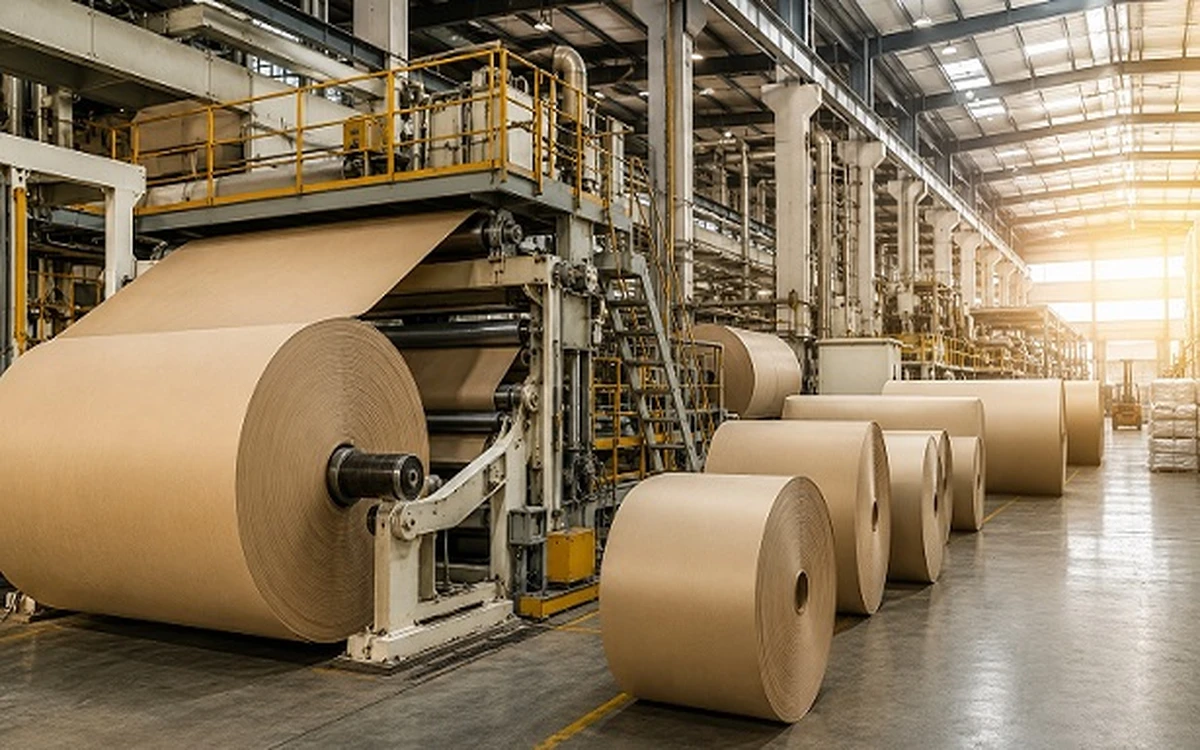
Morbi paper mills see full-capacity operations as ceramic industry revives; Kraft paper exports to China spike, Prices strengthen; Janmashtami shutdown ahead

The BE and caustic soda plant marks a key milestone for Mohit Paper Mills, enabling full utilization of installed capacity and enhancing overall production efficiency
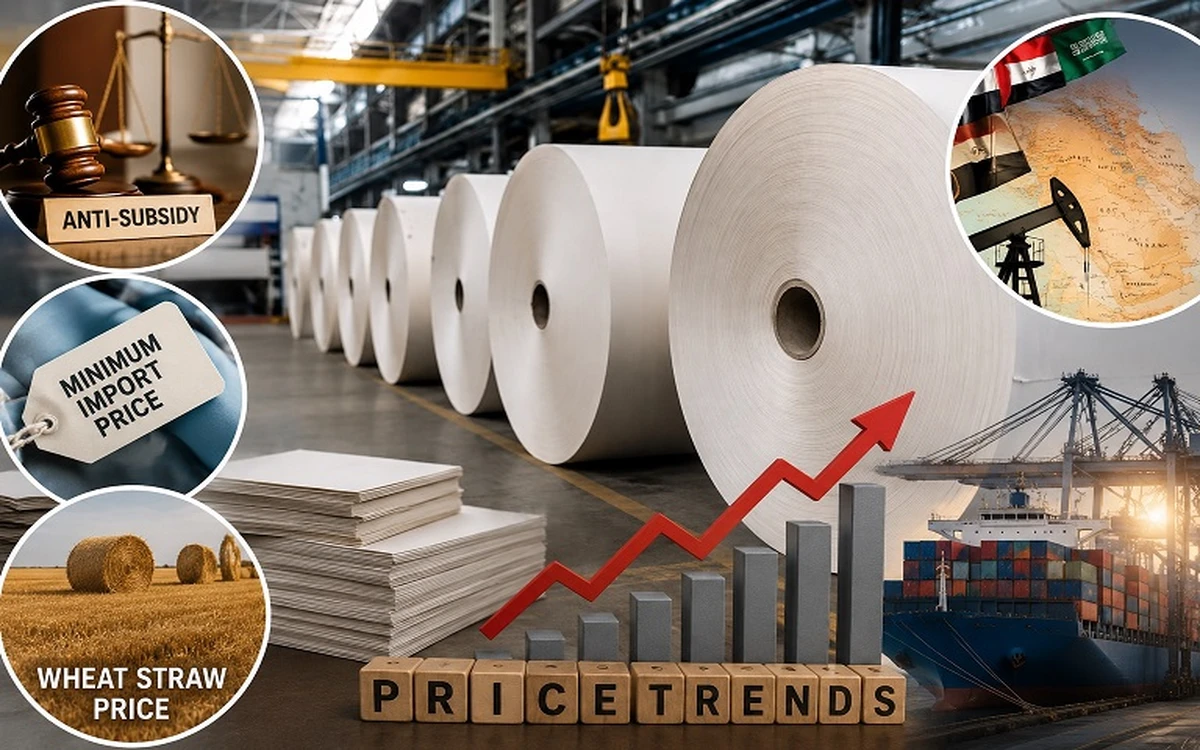
Expert Views on the paper market scenario, How the West Asia Crisis Helped the Industry, MIP for WPP, Anti-Subsidy implementation, and paper price trends
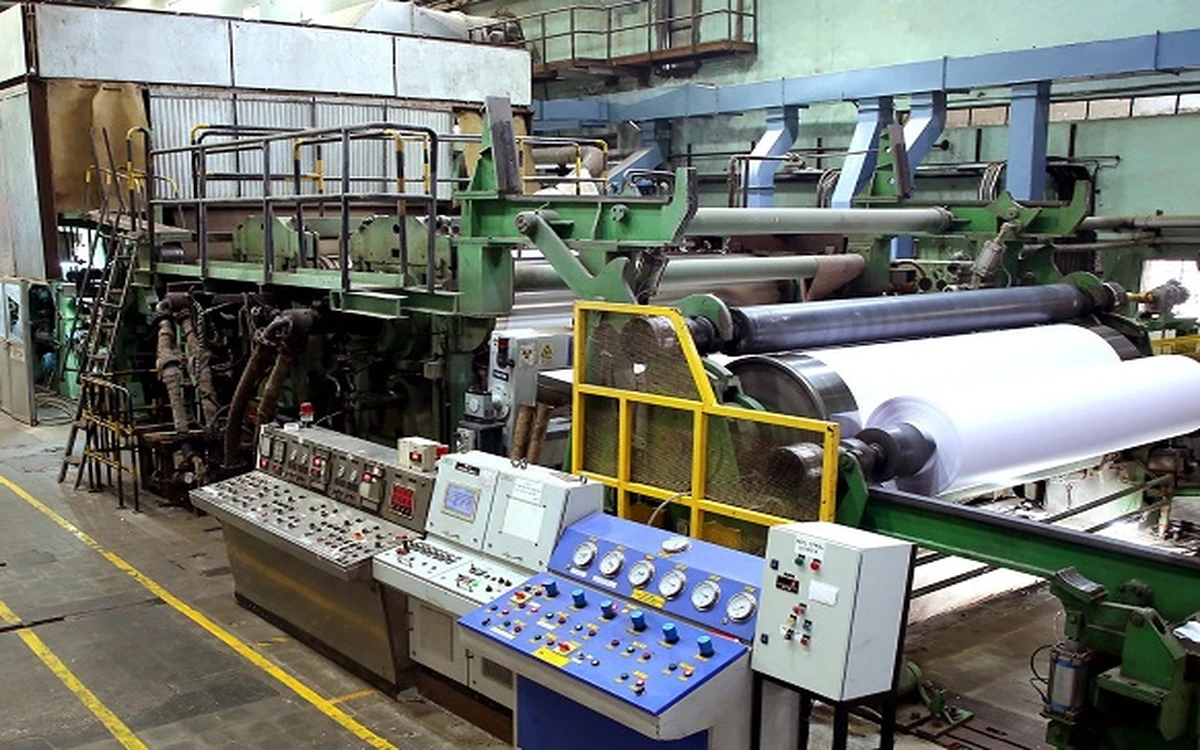
Pudumjee Paper intends to develop new varieties addressing applications for stronger paper bags and cupcakes; Plans 68,000 MT Mahad Specialty Paper Facility within 5 years
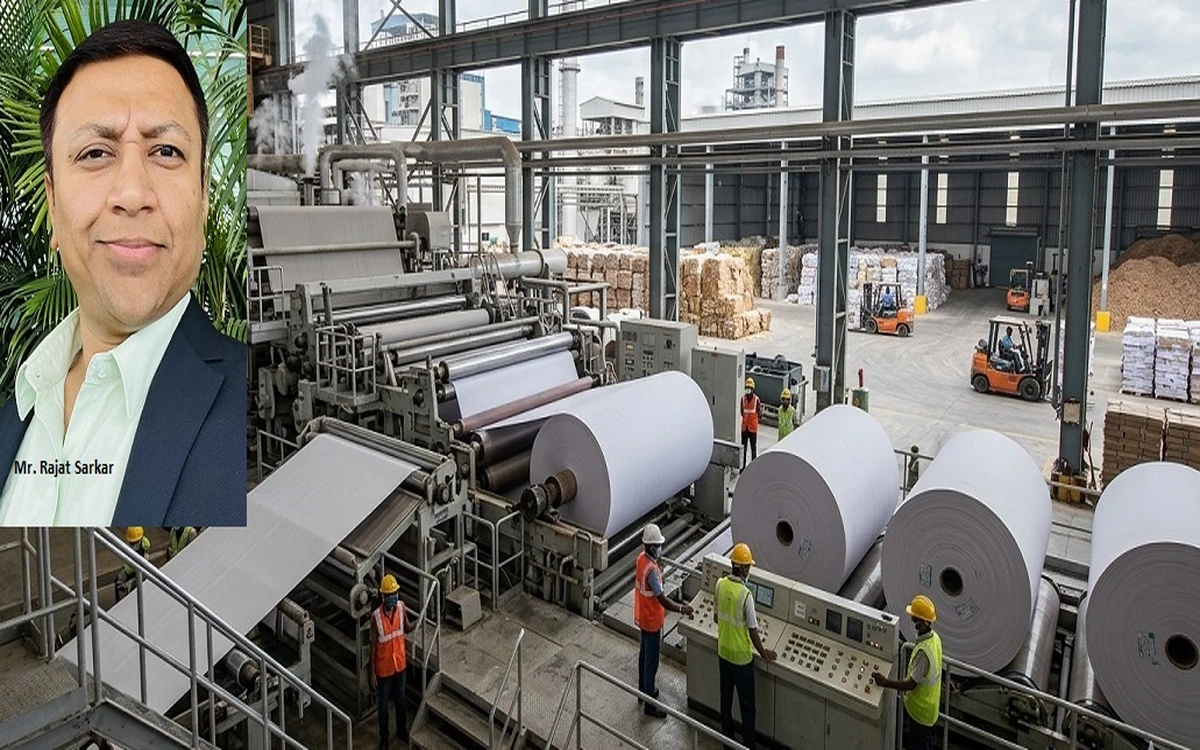
India Paper Industry at an Inflection Point: War, Costs, and Capacity; Demand growth expected at 5–7% in FY26

“Surging exports of paper will most certainly keep the domestic prices quite high”: Mr. A. Annamalai, Director – RFC
The Status of the Global Container board Industry, Recycled Paper Demand and Supply and its impact on the Indian Industry

Akshay Jain, director of Silverton Pulp & Paper, says it's time to promote agro residue as a raw material to lessen the scarcity of fibre
Advantageously located, a new paper mill is all set to roll kraft paper in Madhya Pradesh

Several agile interventions helped ITC-PSPD fortify its clear leadership of the Value Added Paperboards (VAP) segment

Steeper-than-expected drop in realisations hits Seshasayee Paper’s FY2025–26 operating margins; Box boards, Absorption Kraft, and Virgin Kraft now form a growing share of the product mix

Overall Increase in Kraft Paper Prices Could Reach 35%; Industry Calls for 20% Box Price Increase, Voluntary Shutdown Proposed

Paper Mills and Dealers Must Work Together to Create New Demand, Say Industry Leaders at FPTA’s 65th AGM

Ruchira Papers Invests a Sizeable Capex of Rs. 235–240 Crore Towards Writing & Printing Paper Capacity Expansion

Paper mills inflated the basic ex-mill price of paper post GST 2.0, AINMA seeks action against Anti-Profiteering

Seven Leading Associations Unite to Celebrate National Paper Day, Highlighting Paper's Sustainability and Circular Economy Advantage

Scientists from IIT-Guwahati develop India's first biodegradable plastic

Navneet Education focuses on brand building, curriculum-led growth, and export recovery; expects stationery margins to improve in FY27

It is estimated that USD10B to USD20B worth of single-use plastic packaging will convert to molded fiber, ZUME
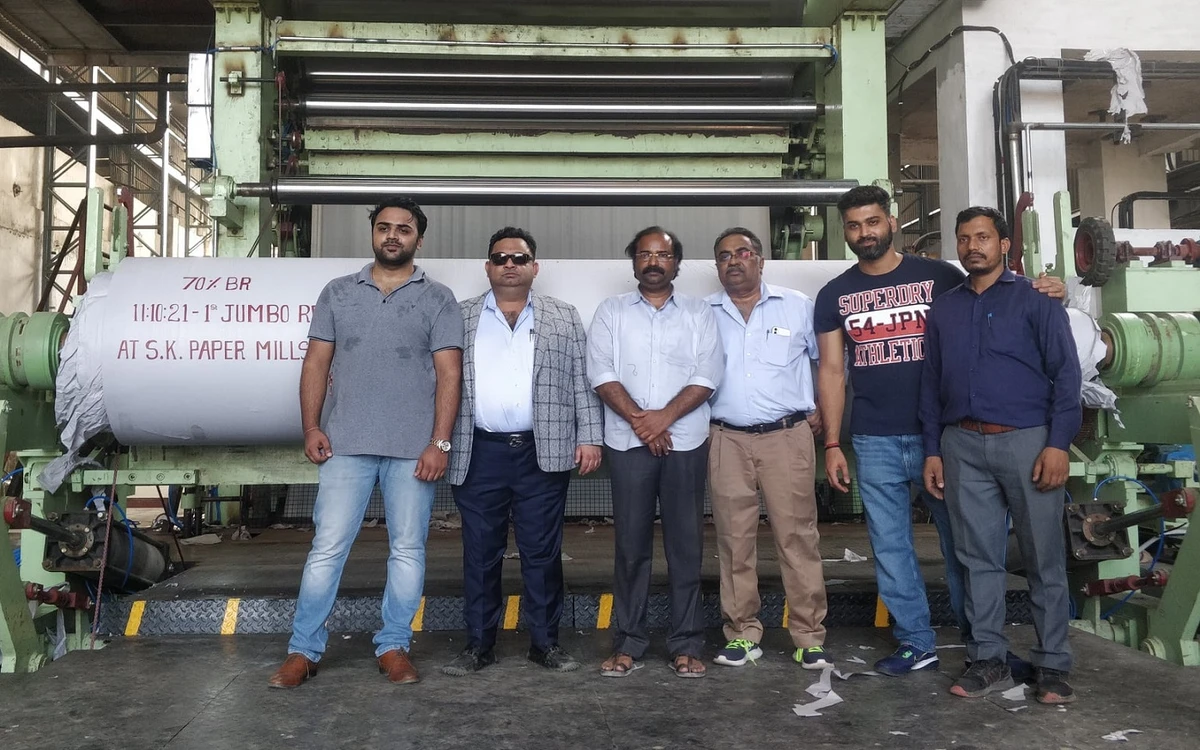
Muzaffarnagar gets a new capacity of Tissue Paper and MG Poster paper

“The integration of digitalization, automation, and Artificial Intelligence (AI) is no longer a futuristic concept—it is the baseline for competitiveness in 2036” - Vinit Garg, Director, Vizen Solutions

DPIIT Report on the Paper Industry: Recent Expansions & Upgrades, Fastest-Growing Segments, and Total Operational Paper Mills in India

Overview of exports of select type of paper and key raw material used in the industry by Crisil Intelligence

Margin pressure pushes Pulp & Paper Packaging sector toward AI-Driven cost optimization, Cutting costs by 8–20%

The Pulp and Paper Times Magazine : Volume 6, Issue 1

The Pulp and Paper Times Magazine : Volume 5, Issue 6
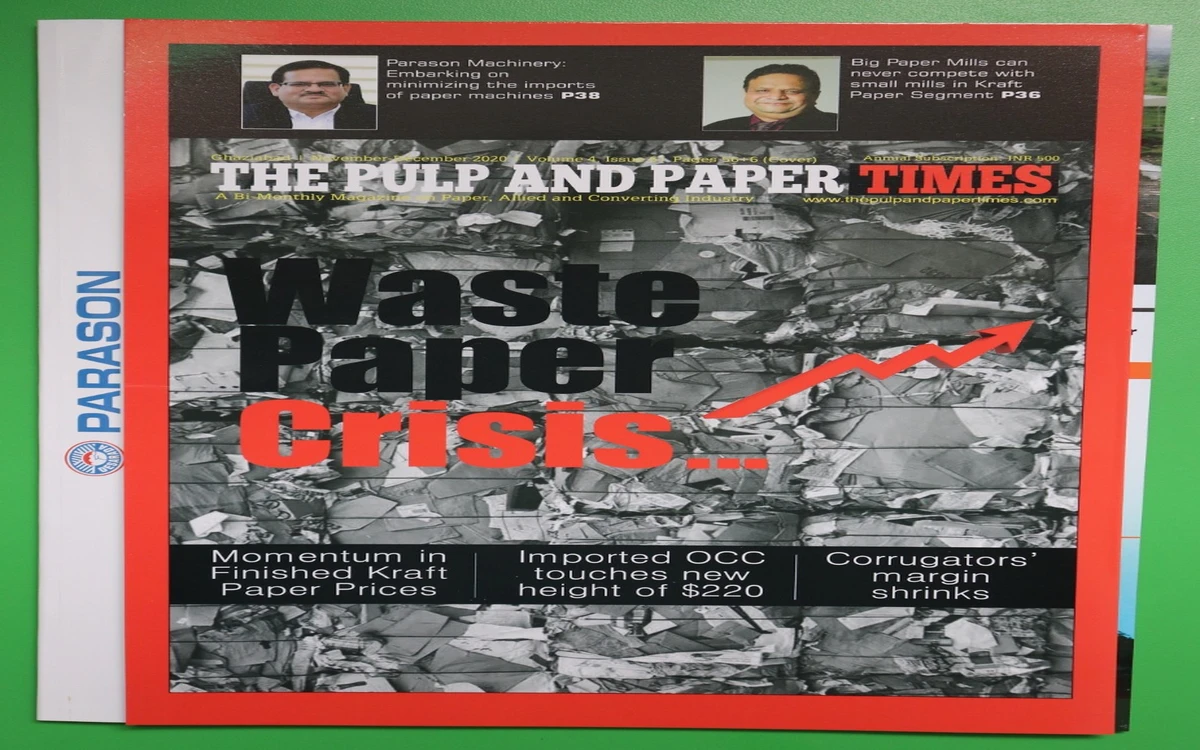
The Pulp and Paper Times: Volume 4, Issue 6

The Pulp and Paper Times : Volume 3, Issue 6
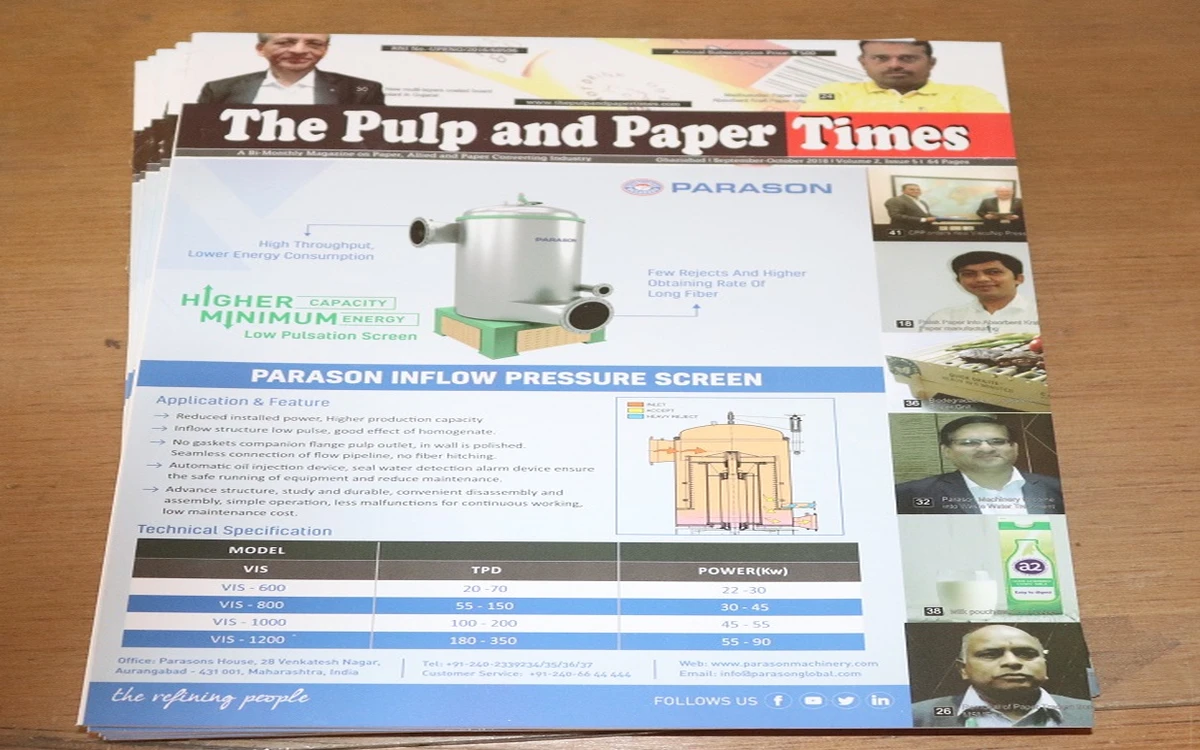
The Pulp and Paper Times: Volume 2 Issue 5

The Pulp and Paper Times, Volume 1, Issue 3

The Pulp and Paper Times, November 2016 Issue

Morbi’s better-quality kraft paper mills remain focused on export markets, with shipments to China continuing through August, while domestic packaging paper prices have strengthened by Rs. 1/kg. Industry expects another Rs. 1/kg increase in kraft paper and duplex paper prices over the next 10–15 days as the festive season gathers momentum.
The Pulp and Paper Times
Morbi’s kraft paper industry continues to witness strong production activity, with several mills producing better-quality kraft paper remaining engaged in exports, particularly to China. According to Mr. Naresh Singhal, President, Indian Recovered Paper Traders Association (IRPTA), exports remained active through August, although the pace was somewhat weaker compared with June and July.

Speaking to The Pulp and Paper Times, Singhal said that around 15–16 Morbi mills producing better-quality kraft paper had been engaged in export activity. While June and July witnessed stronger export movement, August also remained active, although comparatively weaker.
September Export Orders Awaited
Singhal said that the status of September export orders will become clearer around September 3–4, when exporters and mills typically get visibility on the month's import-export deals.
“August was running, although it was somewhat weaker. The September orders will be known after the first few days of the month,” he indicated.
He also explained that the recent export opportunity in China has been influenced by higher recovered paper prices in China. Rising domestic waste paper costs have affected the viability of some Chinese paper production, making imported paper a comparatively attractive option in certain circumstances.

However, Singhal cautioned that such export opportunities can be influenced by logistics, sourcing routes and changing cost economics, and therefore may not remain at the same level for an extended period.
According to Mr. Naresh Singhal, President, IRPTA, the North Indian kraft paper market could enter a faster-moving phase towards the end of August and during September.
The combination of the revival of Gujarat's ceramic industry, reported kraft paper exports to China, reduced availability of Gujarat-origin material in North India, higher imported waste-paper prices and improving domestic demand could create further upward pressure on both waste paper and finished kraft paper prices.
Kraft Paper Prices Rise Rs. 1/kg; Another Increase Expected

The domestic packaging paper market has strengthened ahead of the festive season. Singhal said that finished kraft paper prices have increased by around Rs. 1/kg, with the rate in the Delhi market and surrounding supply centres—including Meerut, Muzaffarnagar, Ghaziabad, Hapur and Kashipur—now around Rs. 33/kg, compared with approximately Rs. 32/kg when the earlier market assessment was discussed.
Recovered paper prices, meanwhile, are largely stable, averaging around Rs. 20/kg, although market-wise rates are ranging roughly between Rs. 19.70 and Rs. 20.20/kg.
This has widened the difference between recovered paper and finished kraft paper prices to around Rs. 13/kg. Singhal noted that the conversion margin has previously narrowed to around Rs. 9–9.5/kg during weaker market phases.
Looking ahead, he expects another Rs. 1/kg increase in kraft paper prices, although he stressed that this is his market assessment rather than a certainty. He expects the increase to potentially materialise over the next 10–15 days. Mr. Singhal expects finished kraft paper prices to move towards Rs. 34-35 per kg in September, while waste-paper prices could move towards Rs. 21.50-22 per kg in North India.

A similar trend is being seen in the duplex paper segment, where prices have also risen by around Rs. 1/kg, with another Rs. 1/kg increase possible over the coming 10–15 days.
Festive Season Begins to Lift Packaging Demand
According to Singhal, Raksha Bandhan has effectively marked the beginning of the festive season, with the first noticeable impact emerging in packaging-related paper demand.
Kraft paper and duplex paper, being key materials used in packaging applications, are among the first paper grades to benefit from the seasonal improvement. With demand strengthening while recovered paper prices remain relatively stable, mills currently have a more favourable conversion margin.
Singhal said mills are therefore unlikely to undertake planned shutdowns at the beginning of September. Unlike the earlier period when transportation disruptions during the Kanwar Yatra affected the movement of material, mills are currently receiving orders and market conditions are more supportive.
He expects mills to potentially restrict supply to support another price increase over the next several days, although the market's acceptance of higher prices will ultimately depend on demand.

Writing & Printing Paper Prices Down Rs. 5–6/kg Since Mid-July
While packaging paper is gaining momentum, the writing and printing paper segment remains under pressure.
Singhal said prices of writing and printing paper have declined by around Ra. 5–6/kg between July 15 and August 31, primarily because of weak demand.
A similar decline has been witnessed in the newsprint segment, particularly for B- and C-grade mills. Demand for newsprint from several local and regular customers remains subdued, putting pressure on prices.
However, Singhal expects some recovery in demand towards the third and fourth weeks of September, when demand for examination-related and supporting publications is expected to begin improving.
Notebook Paper Imports Put Pressure on Domestic Mills
One of the key concerns for the domestic writing and printing paper industry is the increasing availability of imported ruled paper and finished notebooks.
Singhal explained that ruled paper is essentially paper that has already undergone ruling and sheeting, after which it can be converted into notebooks with relatively limited processing. Imported material from China and Indonesia is reportedly reaching the Indian market at landed prices that can be lower than the cost structure of domestic manufacturers.
He said the availability of finished notebooks and pre-processed ruled paper is making it difficult for domestic notebook and paper manufacturers to compete effectively.
The situation is particularly challenging for mills and converters that have invested heavily in machinery and production infrastructure. According to Singhal, the pricing pressure is not solely a result of domestic demand weakness but is also linked to the availability and economics of imported products.
GST Structure Adds to Import Pressure
Singhal also acknowledged that the GST structure and import economics are contributing to the attractiveness of imported paper and notebook products.
As a result, he does not expect the writing and printing paper segment to recover sharply in the immediate term as long as imported material continues to enter the Indian market at competitive prices.
Seasonal Demand Could Improve Market Conditions
Despite the current weakness in writing and printing paper and newsprint, Singhal expects the broader paper market to enter a stronger seasonal period in the coming months.
The textbook season, which generally runs from December through April–May, brings significant demand from publishers, government textbook tenders, examination-related requirements and notebooks. During the peak season, prices can improve substantially.
Before the textbook season, demand for guidebooks, question papers, examination-support books and competitive-examination publications is expected to begin emerging from September.
The upcoming festive and wedding seasons could also provide support to packaging paper demand. With Diwali approaching in November and the subsequent wedding season, Singhal expects packaging-related paper demand to remain supportive over the next several months.
Market Outlook
The current market is therefore showing a clear divergence between paper grades. Kraft paper and duplex paper are gaining from improving packaging demand and the beginning of the festive season, while writing and printing paper and newsprint continue to face demand pressure and competition from imports.
For kraft paper, stable recovered paper prices combined with higher finished-paper realisations have improved conversion margins. With Morbi's better-quality mills continuing to participate in exports and domestic packaging demand improving, the near-term outlook for kraft paper prices remains firm.
Singhal expects another Rs. 1/kg increase in kraft paper and duplex paper prices over the next 10–15 days, subject to market acceptance and demand conditions.

1 days ago
Total Views : 459

3 days ago
Total Views : 1176
last week
Total Views : 3479

last week
Total Views : 2564

last week
Total Views : 748
last week
Total Views : 3448
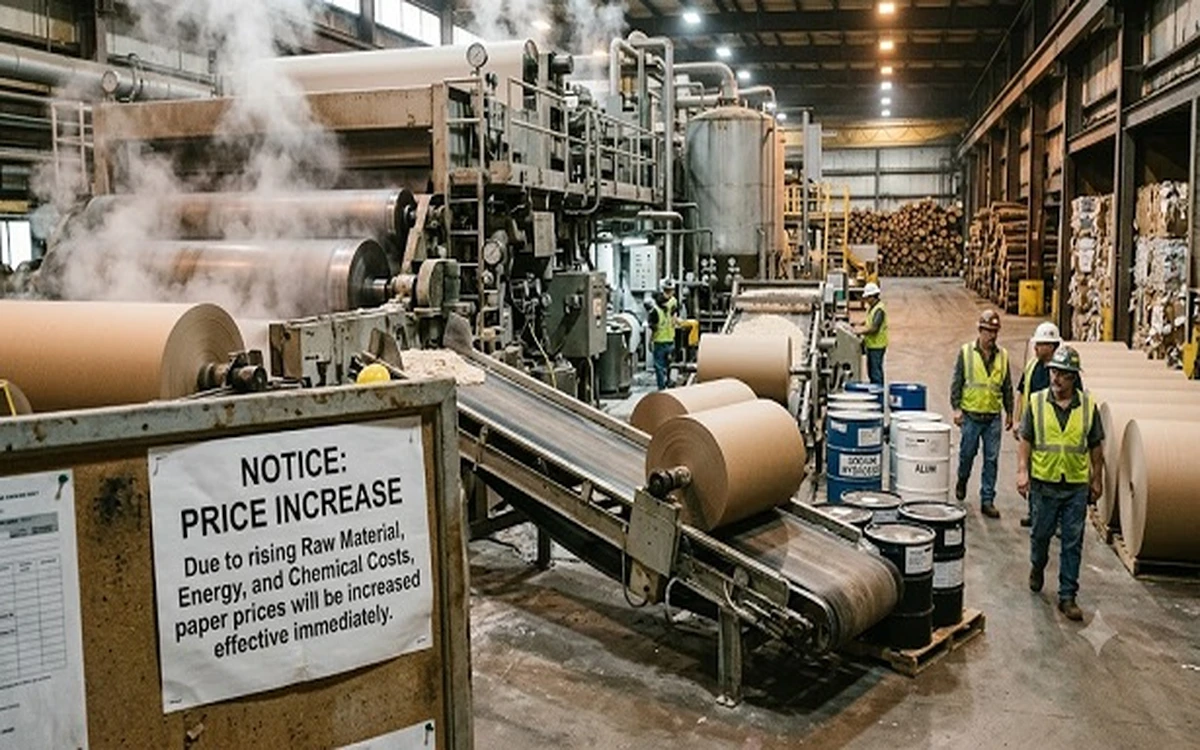
last week
Total Views : 3514

2 weeks ago
Total Views : 6812

2 weeks ago
Total Views : 1039

2 weeks ago
Total Views : 952