Join Groups & Channels, No Spamming









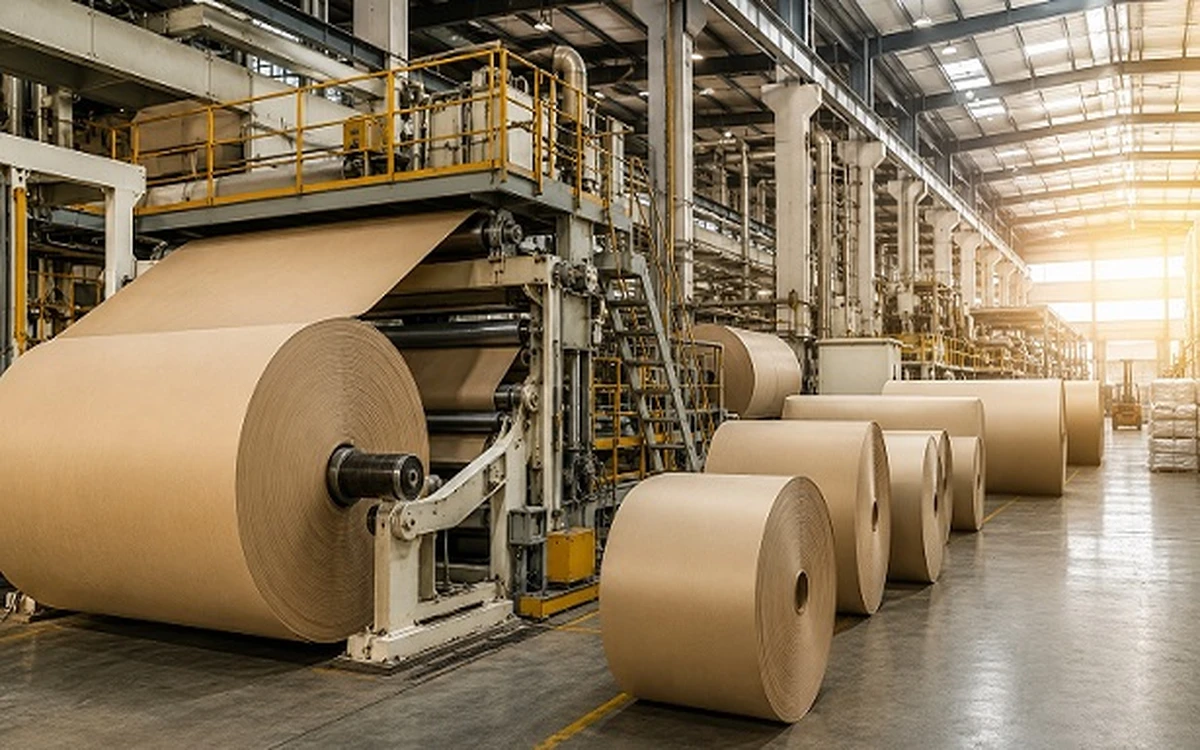
Morbi paper mills see full-capacity operations as ceramic industry revives; Kraft paper exports to China spike, Prices strengthen; Janmashtami shutdown ahead
The BE and caustic soda plant marks a key milestone for Mohit Paper Mills, enabling full utilization of installed capacity and enhancing overall production efficiency
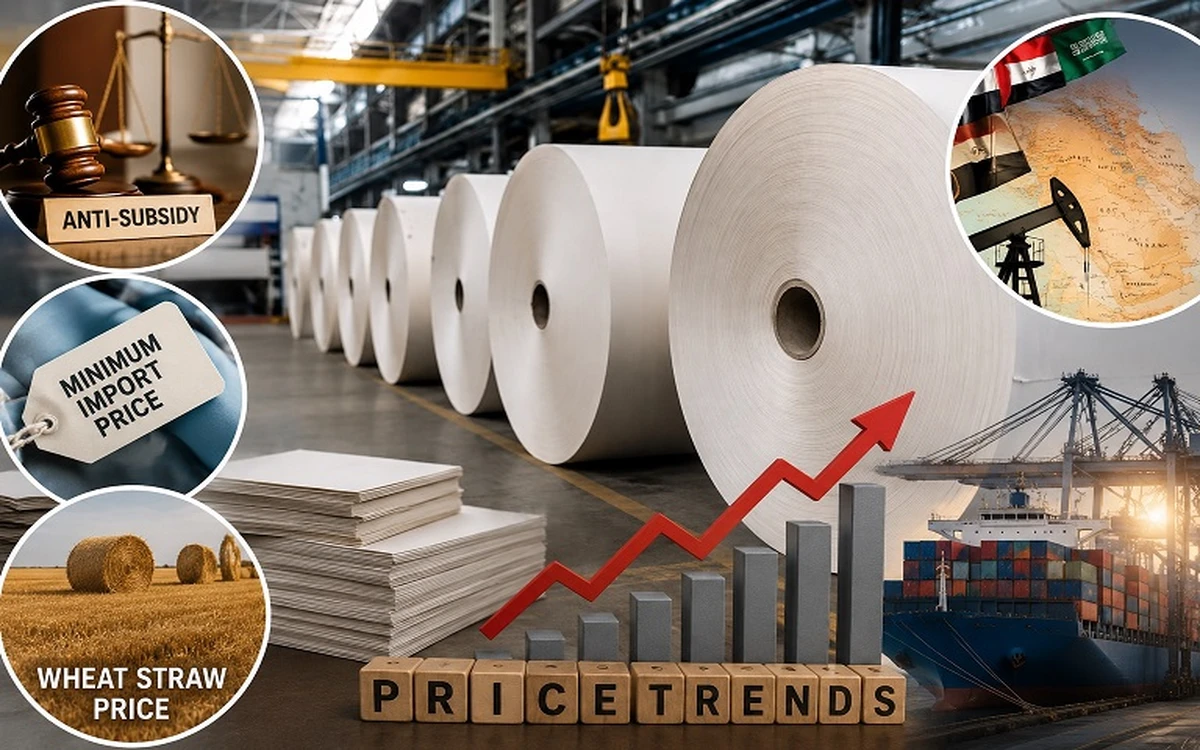
Expert Views on the paper market scenario, How the West Asia Crisis Helped the Industry, MIP for WPP, Anti-Subsidy implementation, and paper price trends
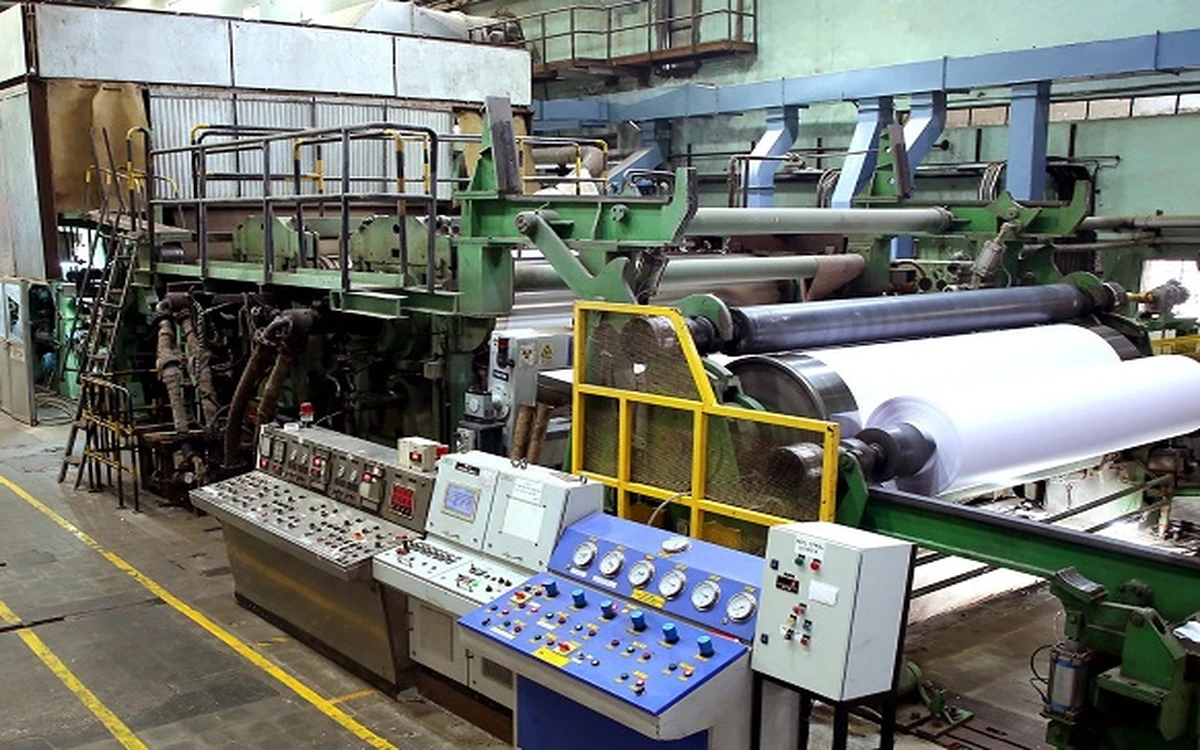
Pudumjee Paper intends to develop new varieties addressing applications for stronger paper bags and cupcakes; Plans 68,000 MT Mahad Specialty Paper Facility within 5 years
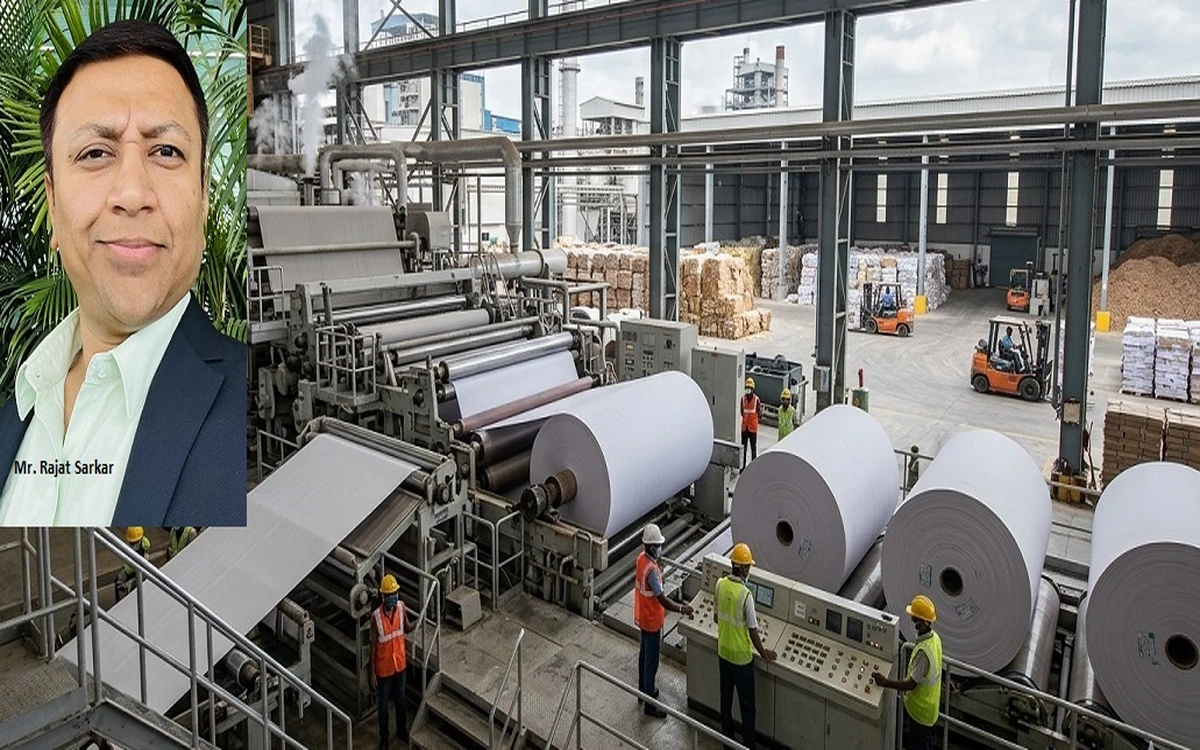
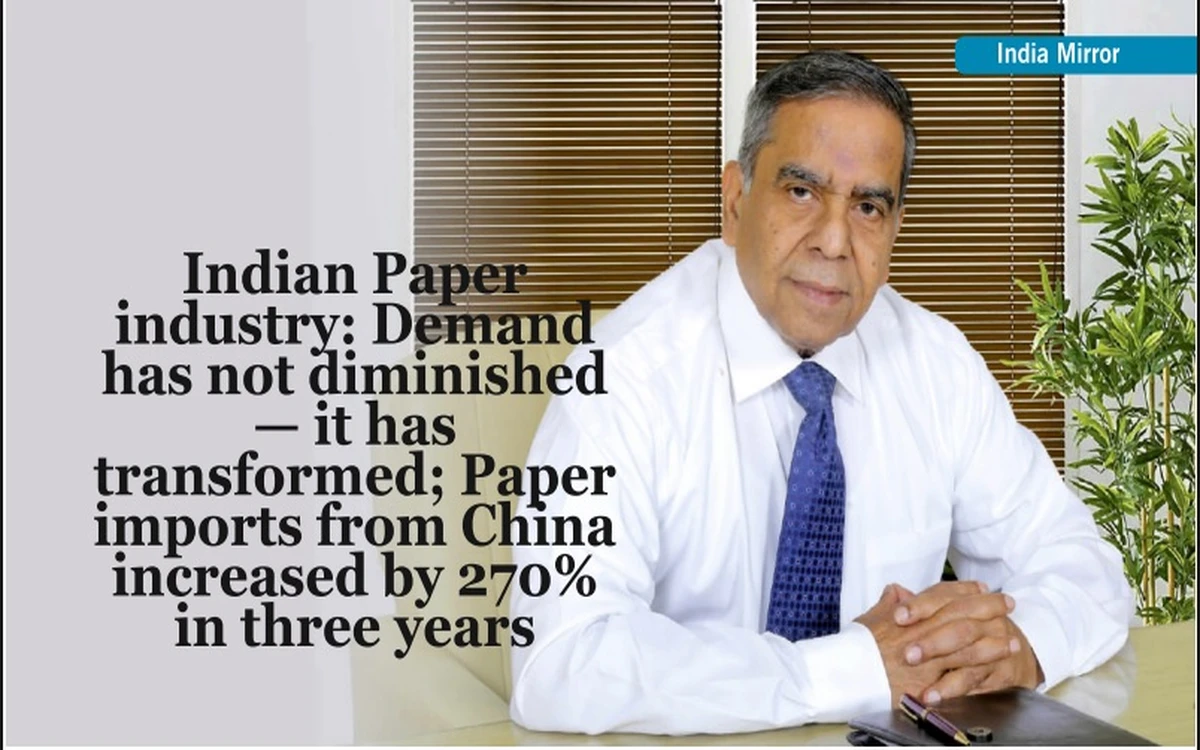
India Paper Industry at an Inflection Point: War, Costs, and Capacity; Demand growth expected at 5–7% in FY26
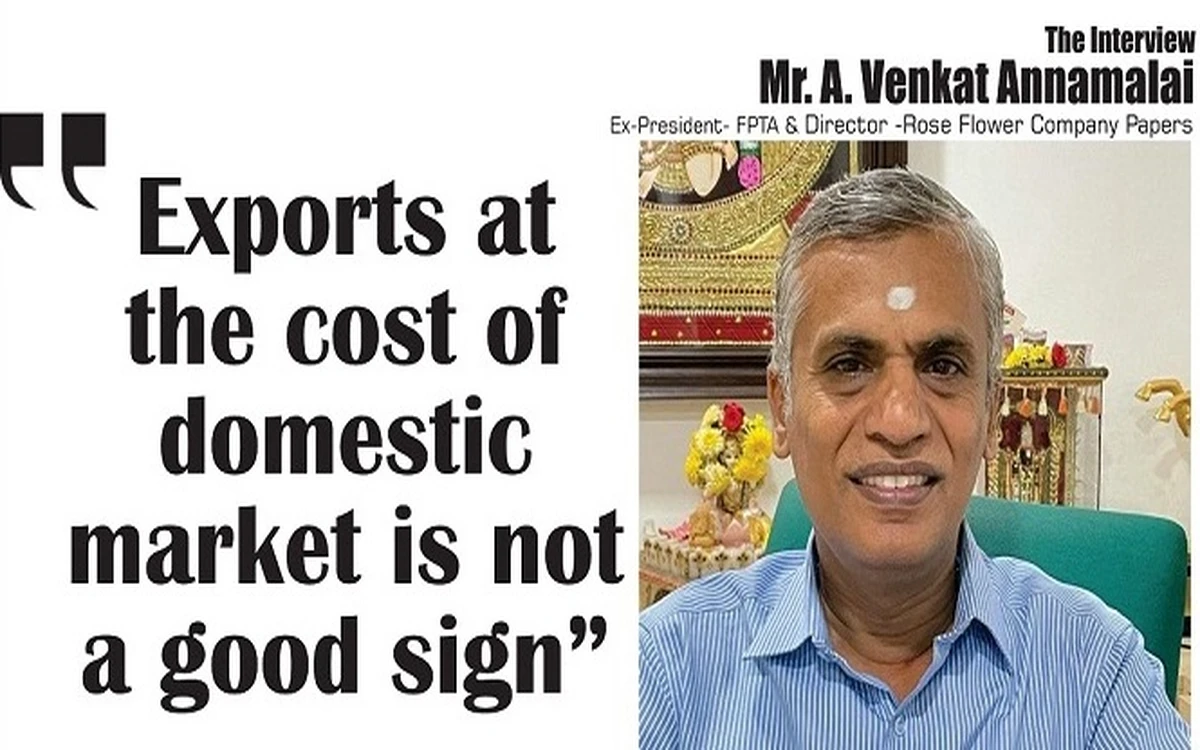
“Surging exports of paper will most certainly keep the domestic prices quite high”: Mr. A. Annamalai, Director – RFC
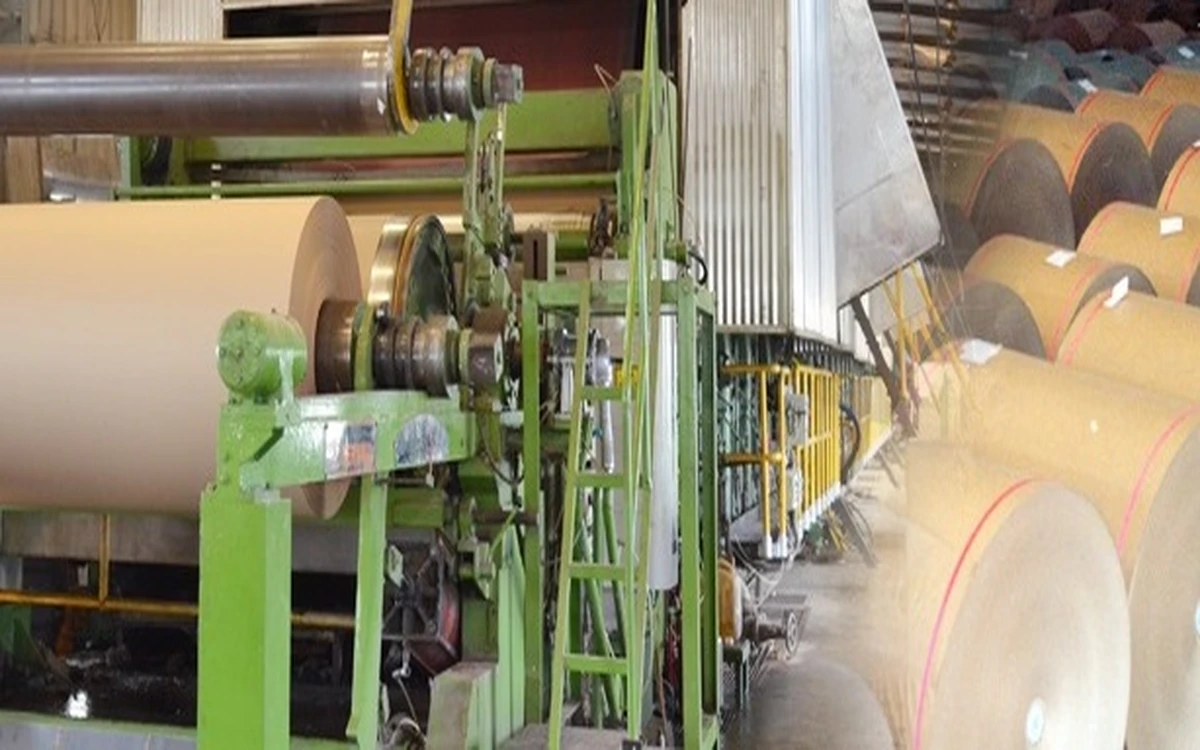
The Status of the Global Container board Industry, Recycled Paper Demand and Supply and its impact on the Indian Industry
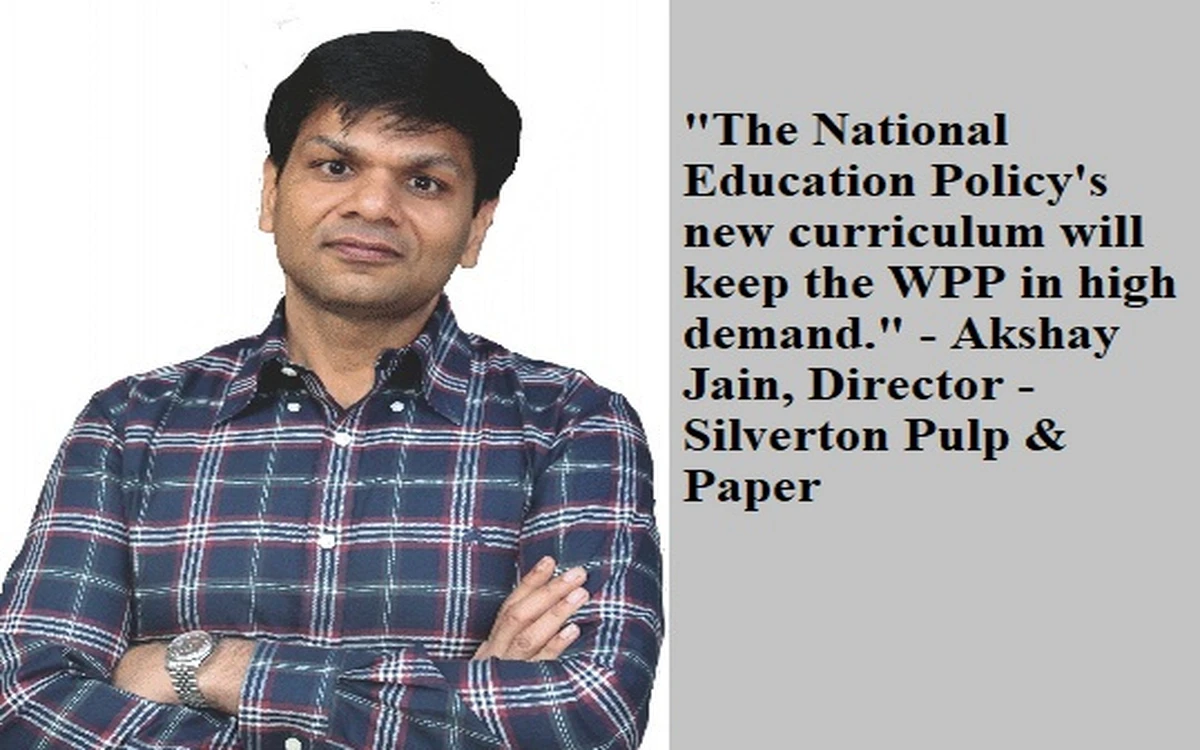
Akshay Jain, director of Silverton Pulp & Paper, says it's time to promote agro residue as a raw material to lessen the scarcity of fibre
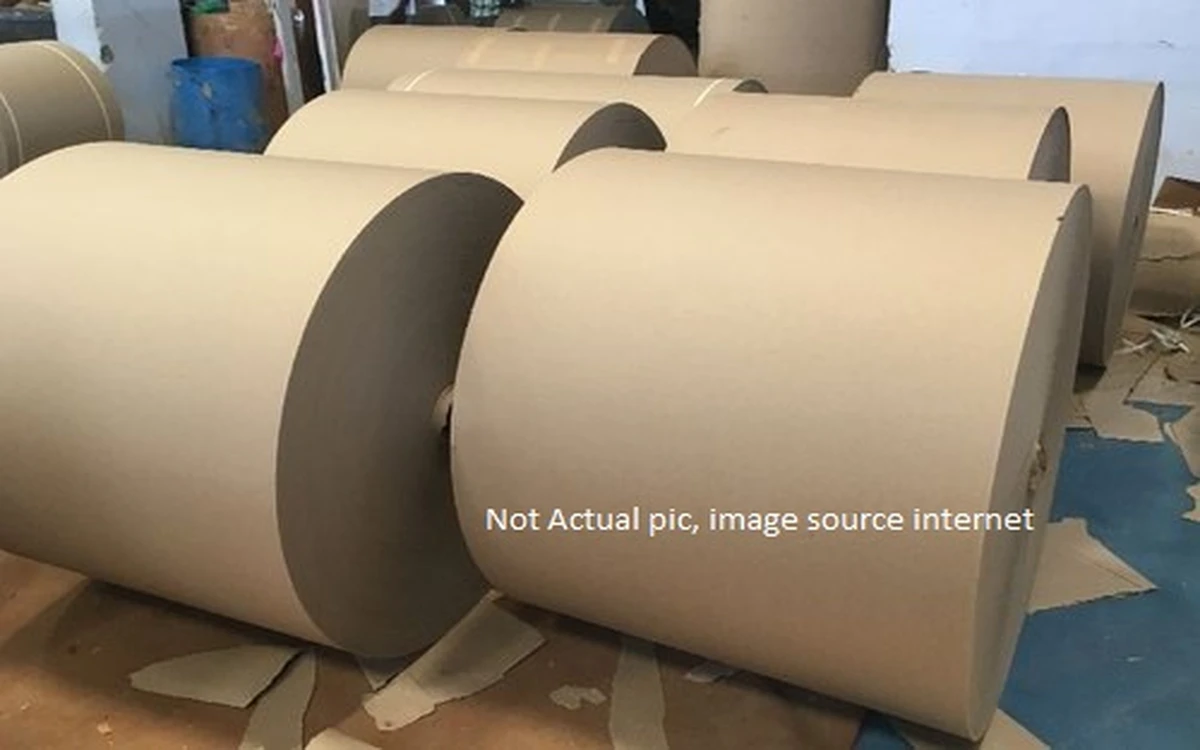
Advantageously located, a new paper mill is all set to roll kraft paper in Madhya Pradesh
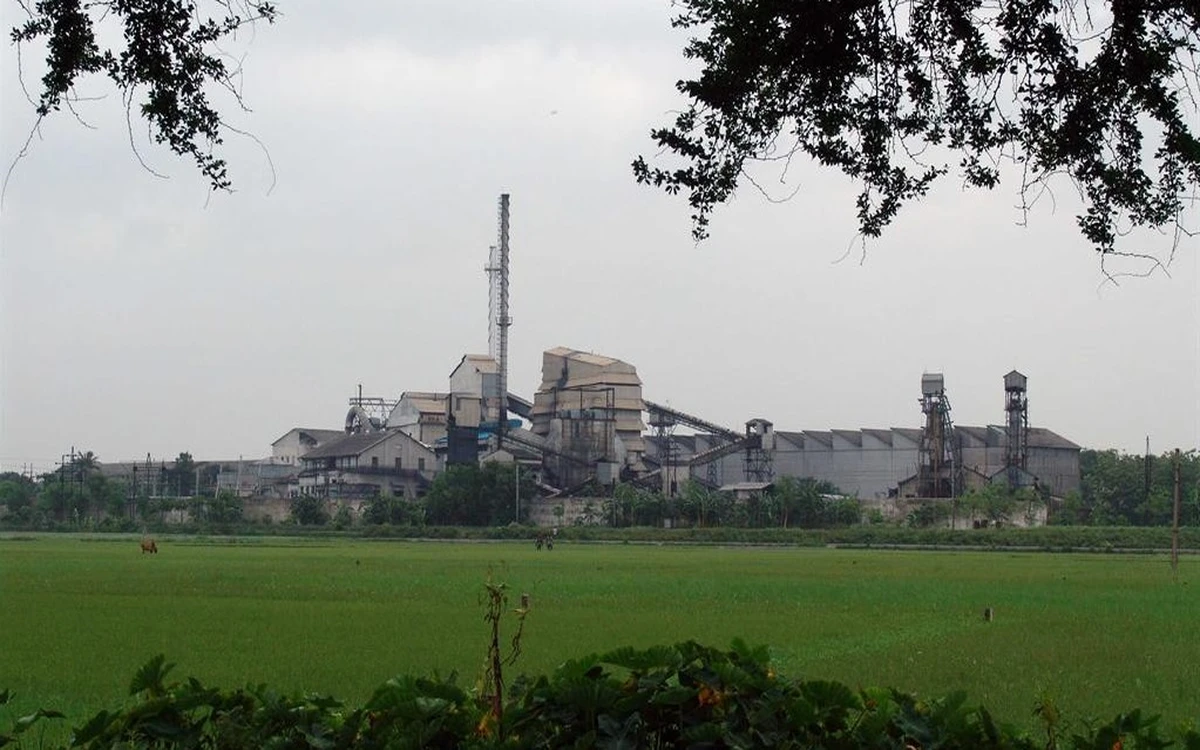
Several agile interventions helped ITC-PSPD fortify its clear leadership of the Value Added Paperboards (VAP) segment
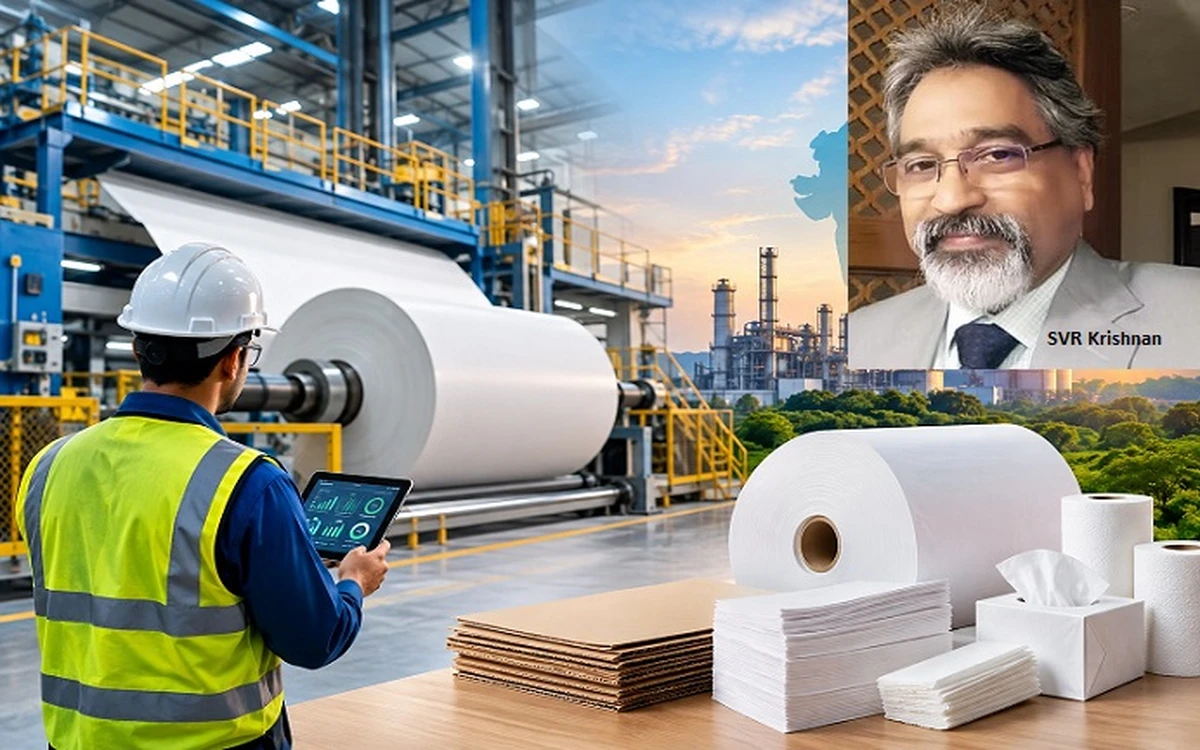
Operational Excellence, Not Just Capex, Will Drive India's Paper Industry Forward: IPPTA President
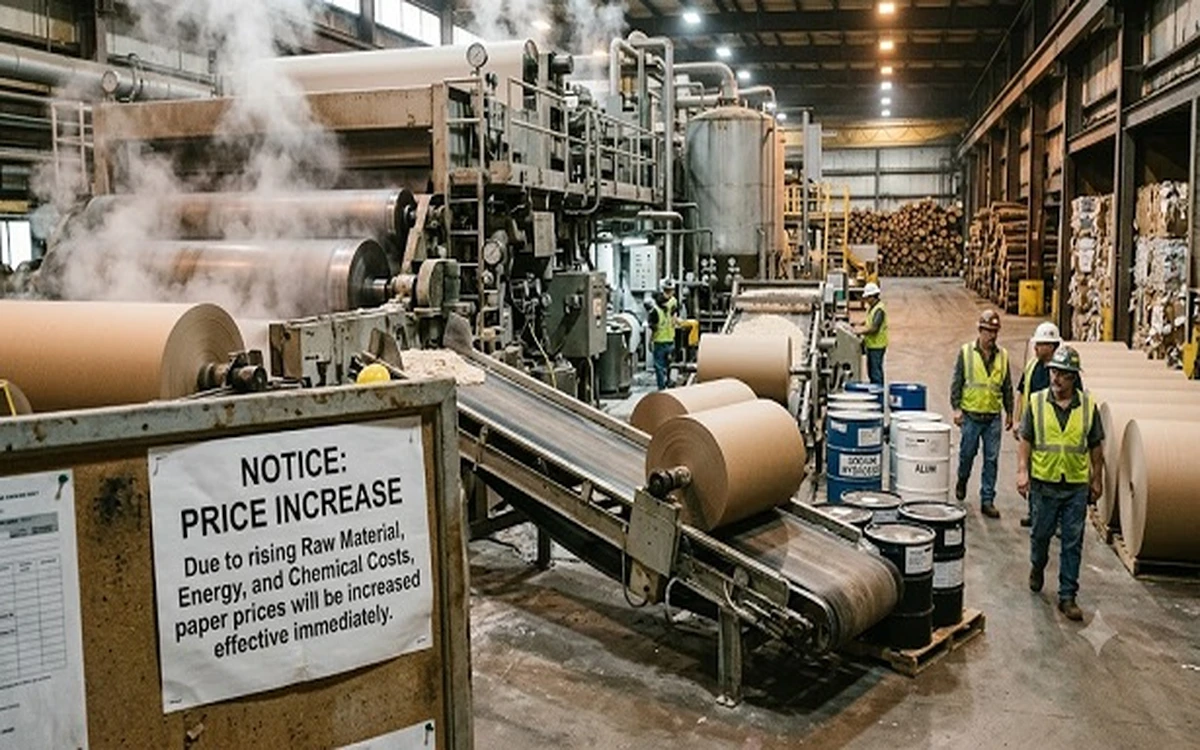
Overall Increase in Kraft Paper Prices Could Reach 35%; Industry Calls for 20% Box Price Increase, Voluntary Shutdown Proposed
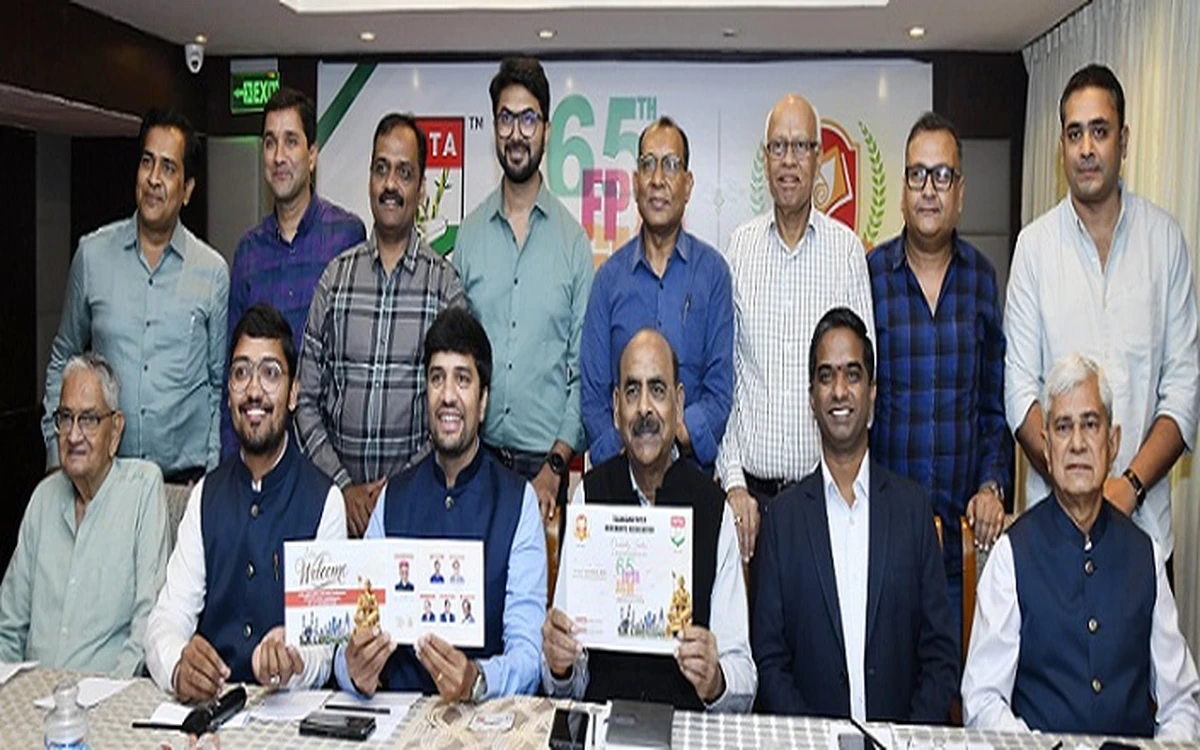
Paper Mills and Dealers Must Work Together to Create New Demand, Say Industry Leaders at FPTA’s 65th AGM
Ruchira Papers Invests a Sizeable Capex of Rs. 235–240 Crore Towards Writing & Printing Paper Capacity Expansion
Paper mills inflated the basic ex-mill price of paper post GST 2.0, AINMA seeks action against Anti-Profiteering
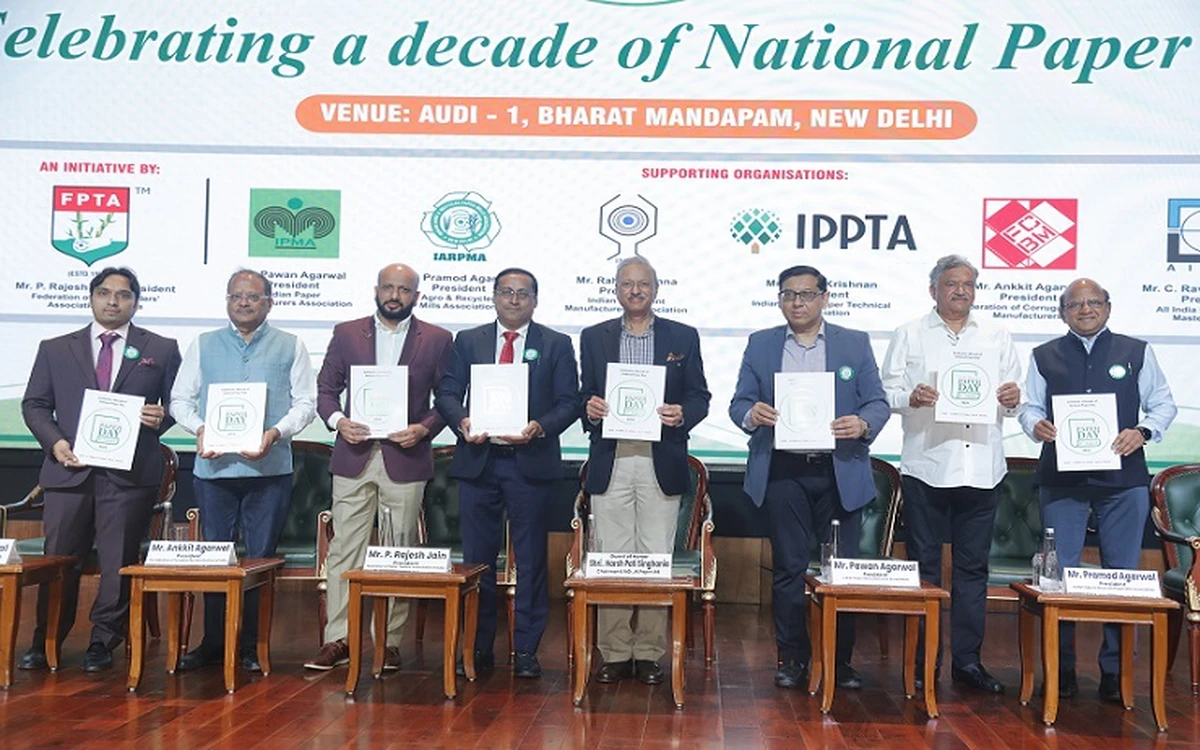
Seven Leading Associations Unite to Celebrate National Paper Day, Highlighting Paper's Sustainability and Circular Economy Advantage

Scientists from IIT-Guwahati develop India's first biodegradable plastic

Navneet Education focuses on brand building, curriculum-led growth, and export recovery; expects stationery margins to improve in FY27

It is estimated that USD10B to USD20B worth of single-use plastic packaging will convert to molded fiber, ZUME
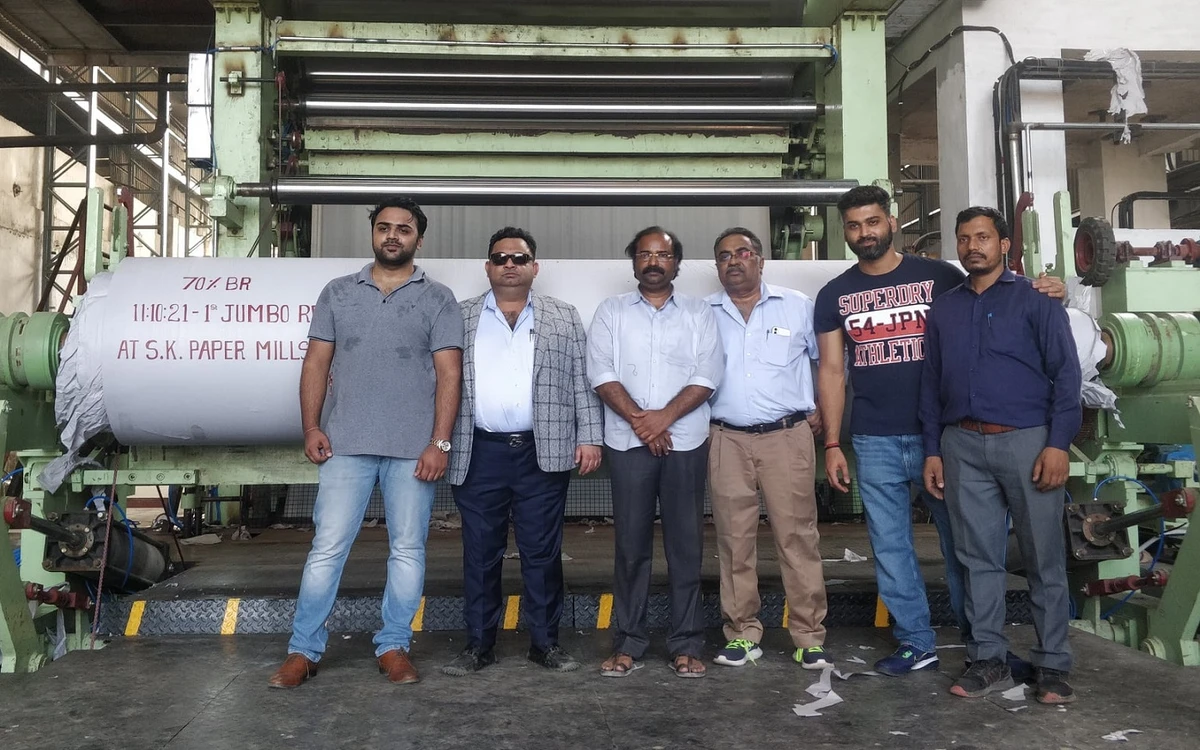
Muzaffarnagar gets a new capacity of Tissue Paper and MG Poster paper
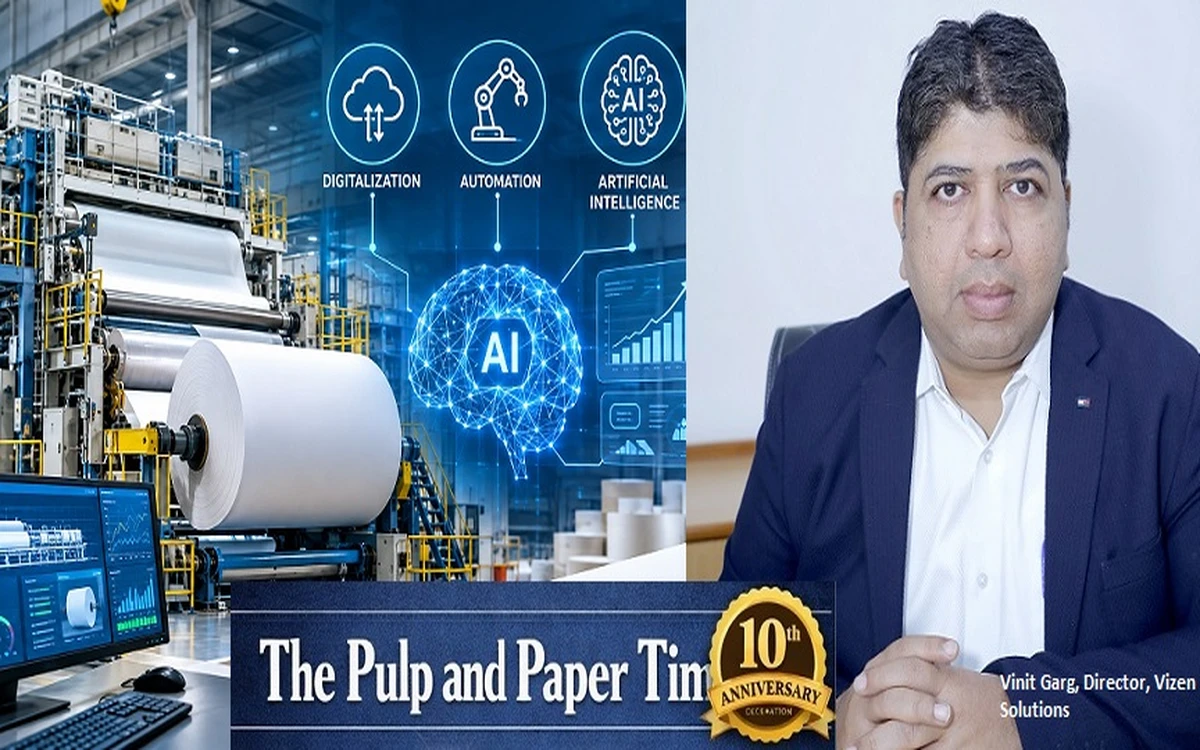
“The integration of digitalization, automation, and Artificial Intelligence (AI) is no longer a futuristic concept—it is the baseline for competitiveness in 2036” - Vinit Garg, Director, Vizen Solutions
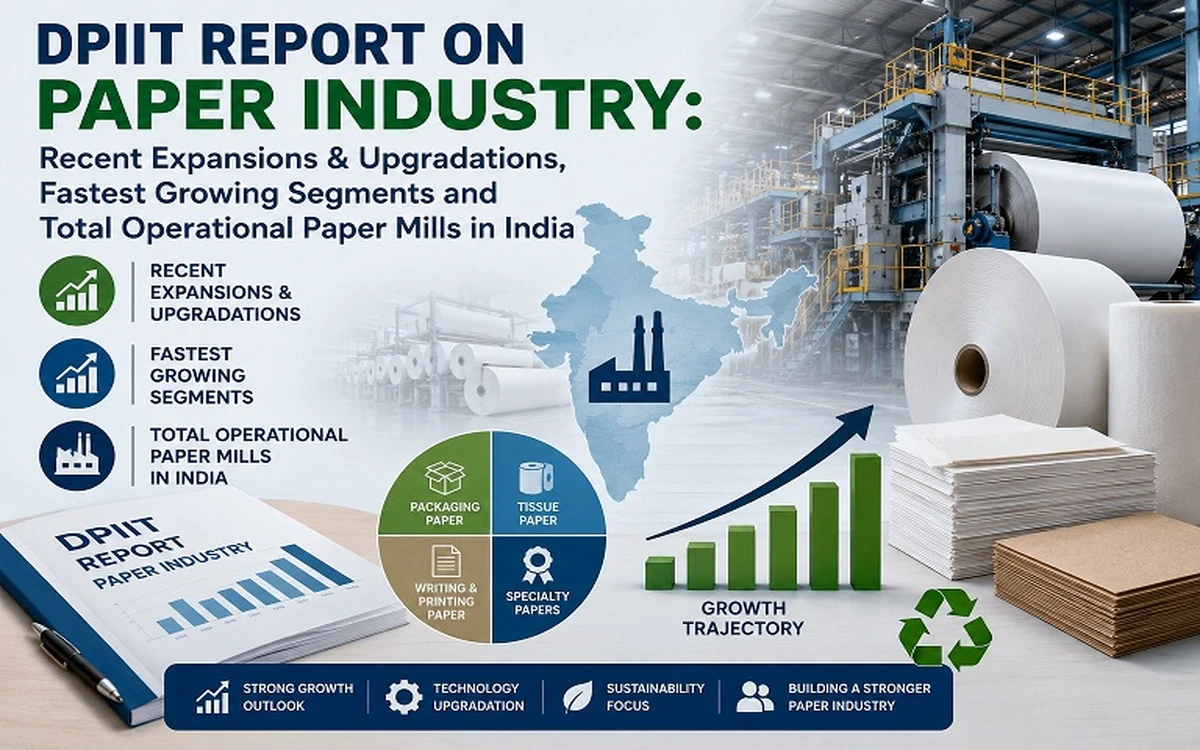
DPIIT Report on the Paper Industry: Recent Expansions & Upgrades, Fastest-Growing Segments, and Total Operational Paper Mills in India
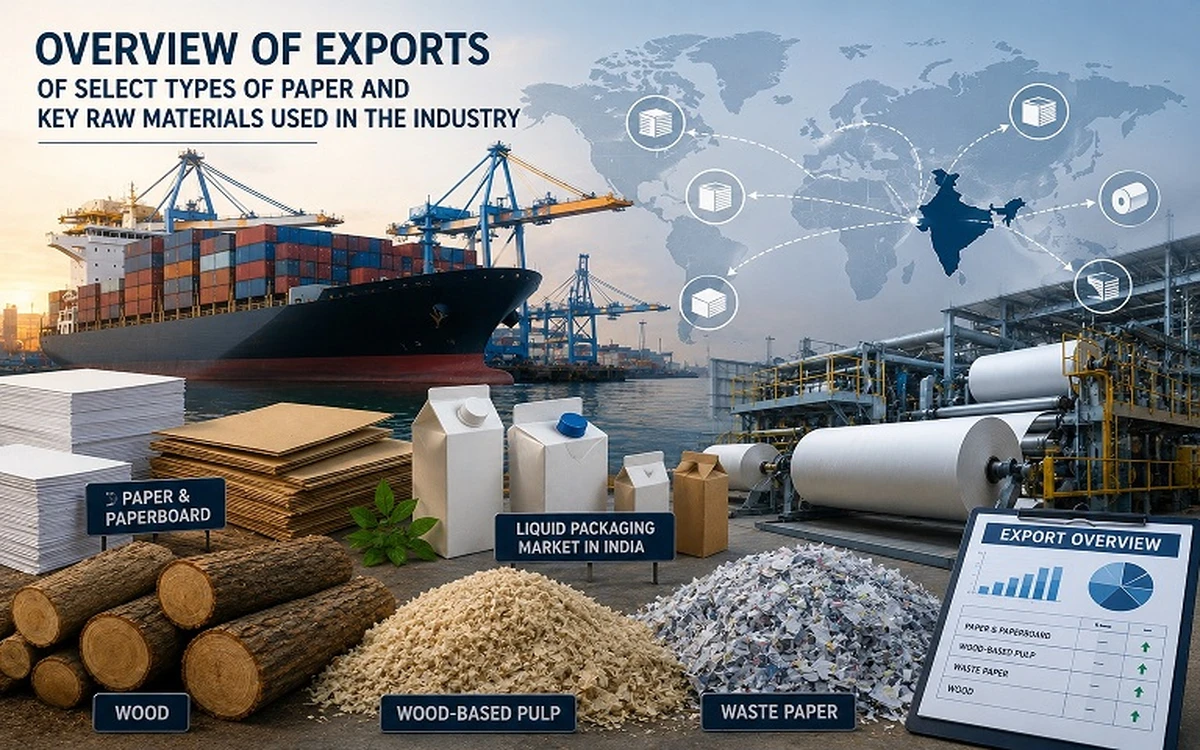
Overview of exports of select type of paper and key raw material used in the industry by Crisil Intelligence

Margin pressure pushes Pulp & Paper Packaging sector toward AI-Driven cost optimization, Cutting costs by 8–20%
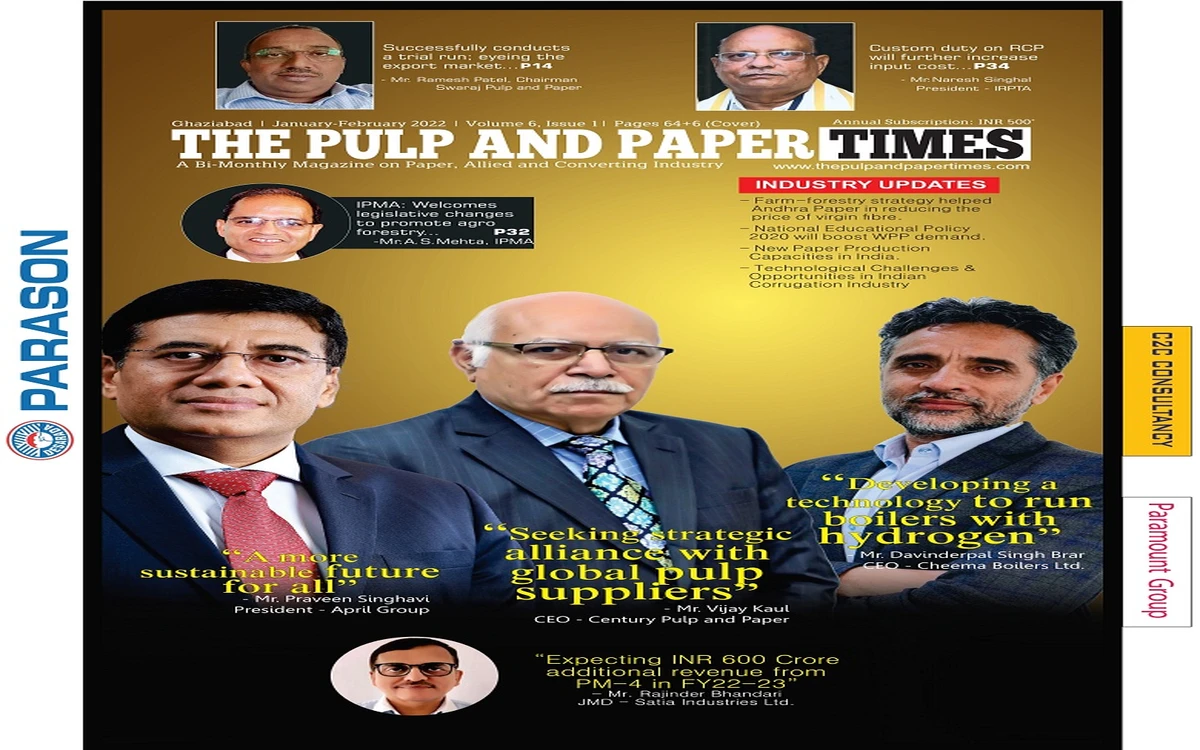
The Pulp and Paper Times Magazine : Volume 6, Issue 1
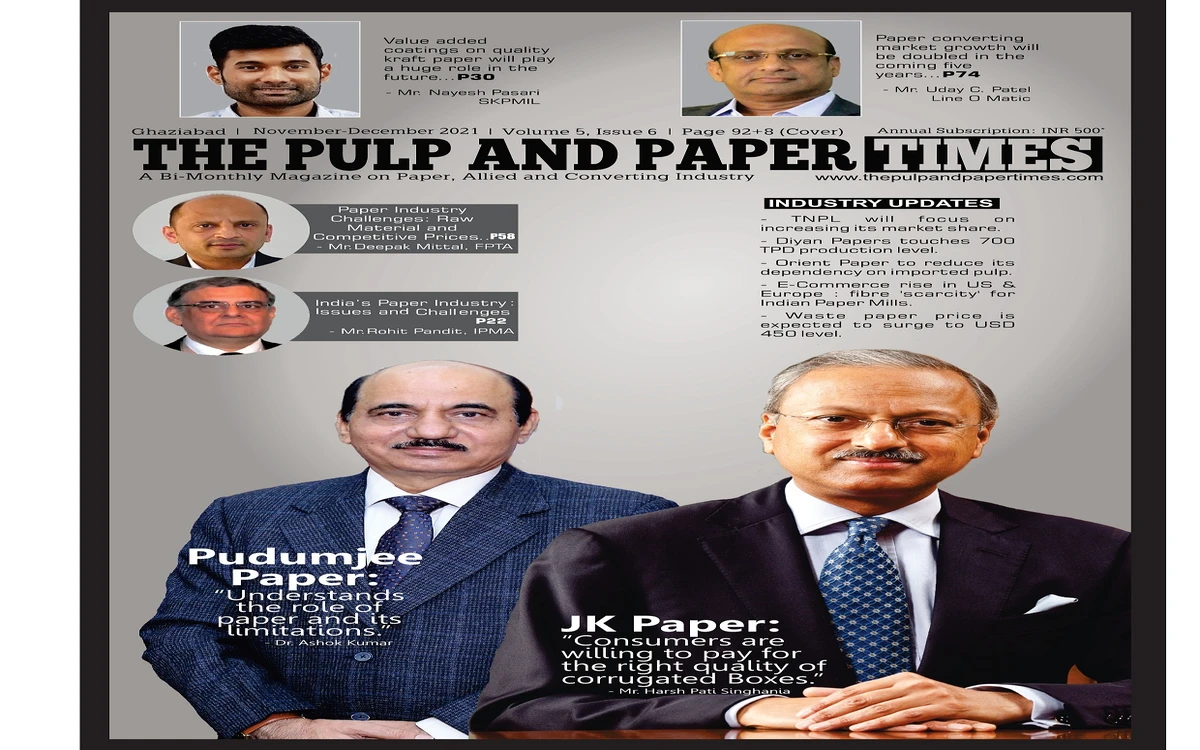
The Pulp and Paper Times Magazine : Volume 5, Issue 6
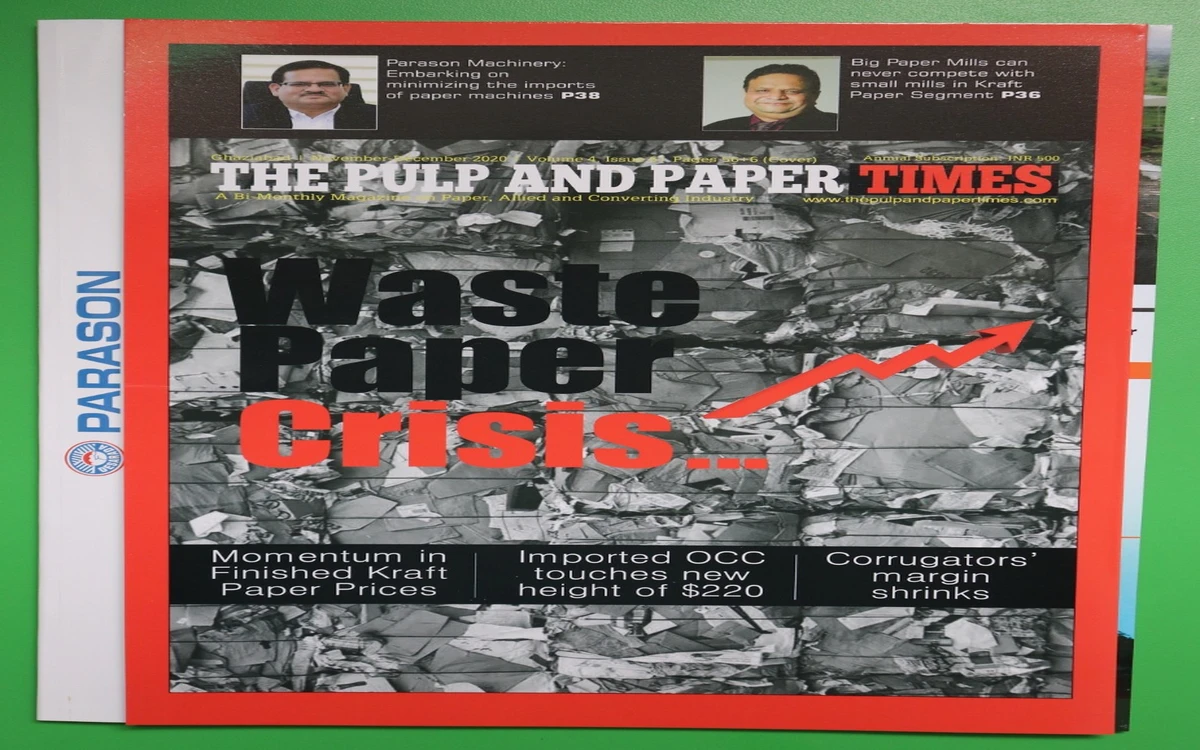
The Pulp and Paper Times: Volume 4, Issue 6
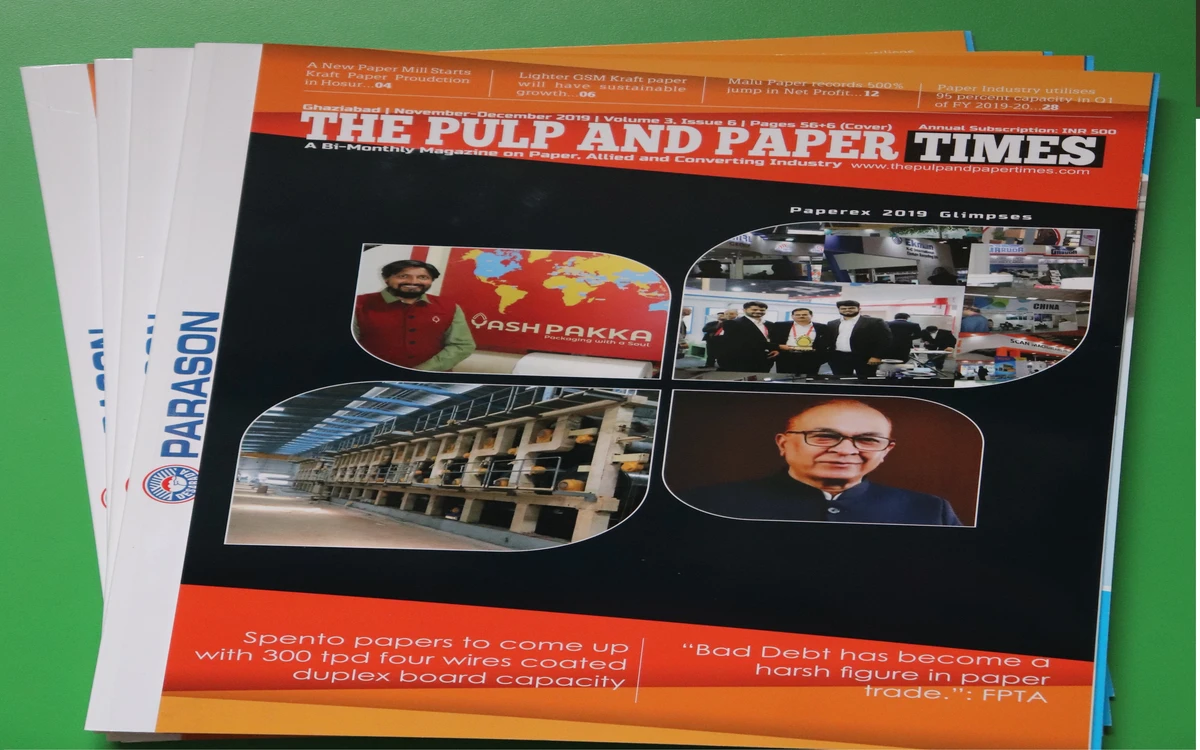
The Pulp and Paper Times : Volume 3, Issue 6
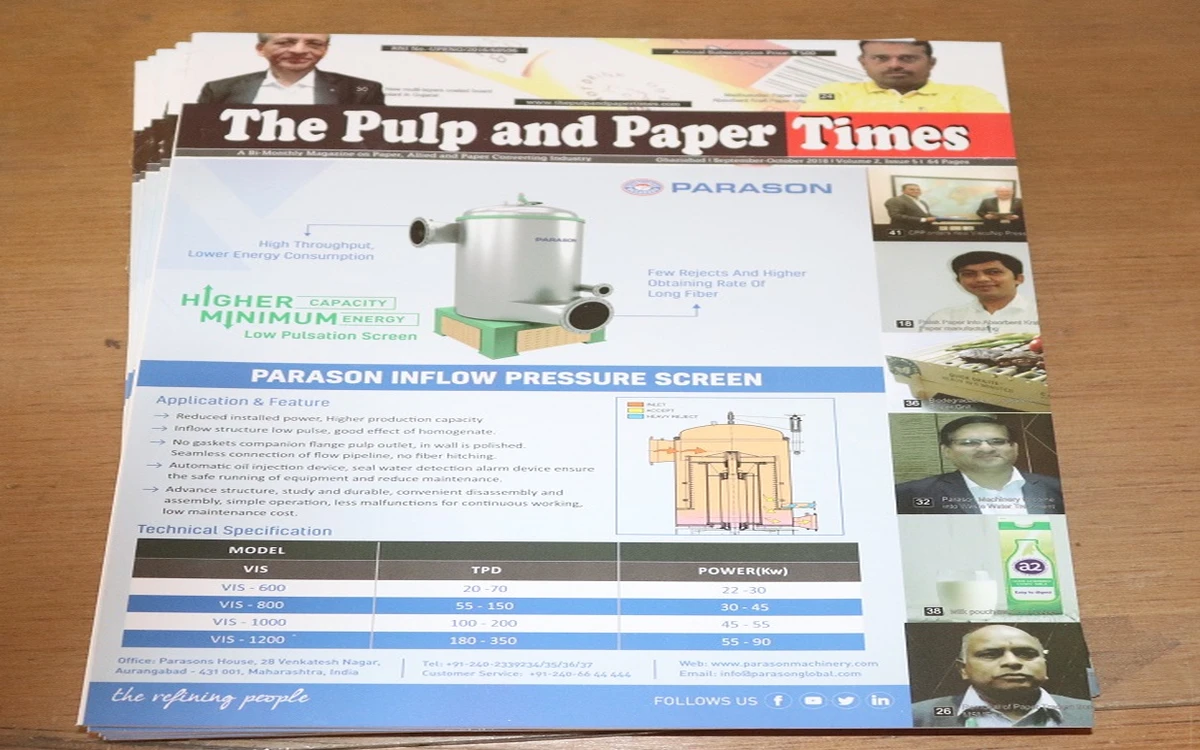
The Pulp and Paper Times: Volume 2 Issue 5
The Pulp and Paper Times, Volume 1, Issue 3
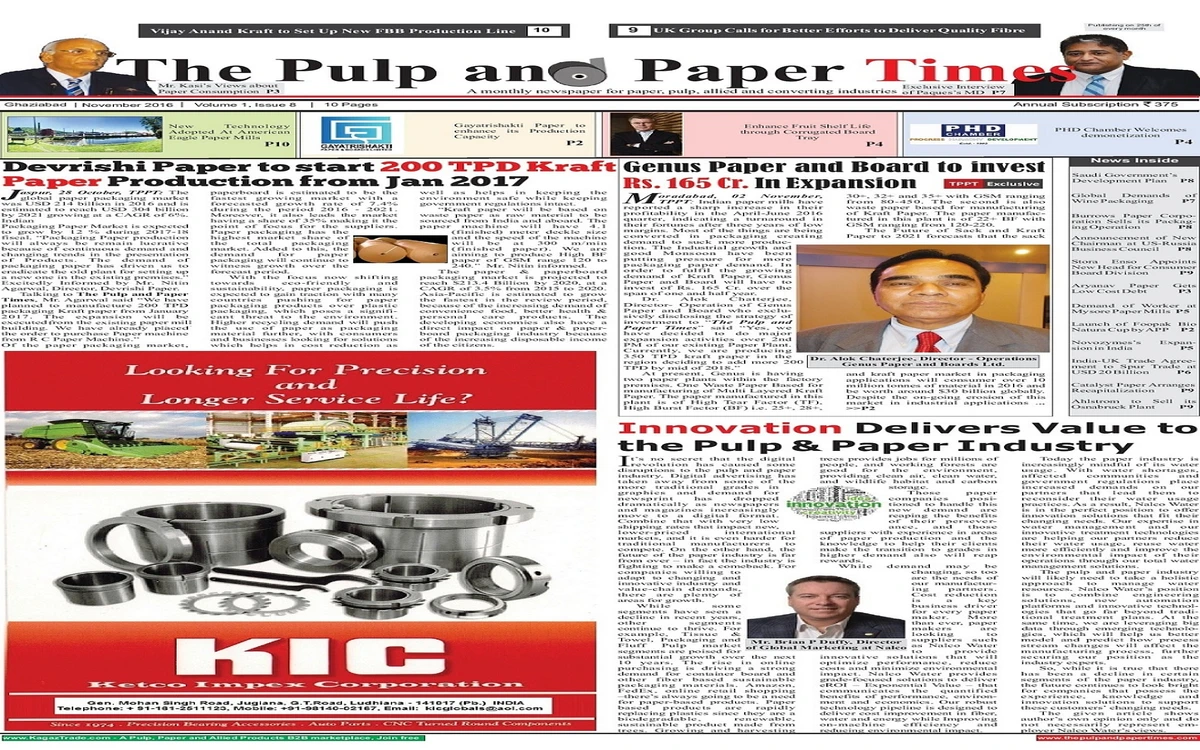
The Pulp and Paper Times, November 2016 Issue

-IPPTA President Calls for Policy-Technology-Sustainability Convergence to Future-Proof Indian Paper Industry
The Pulp and Paper Times
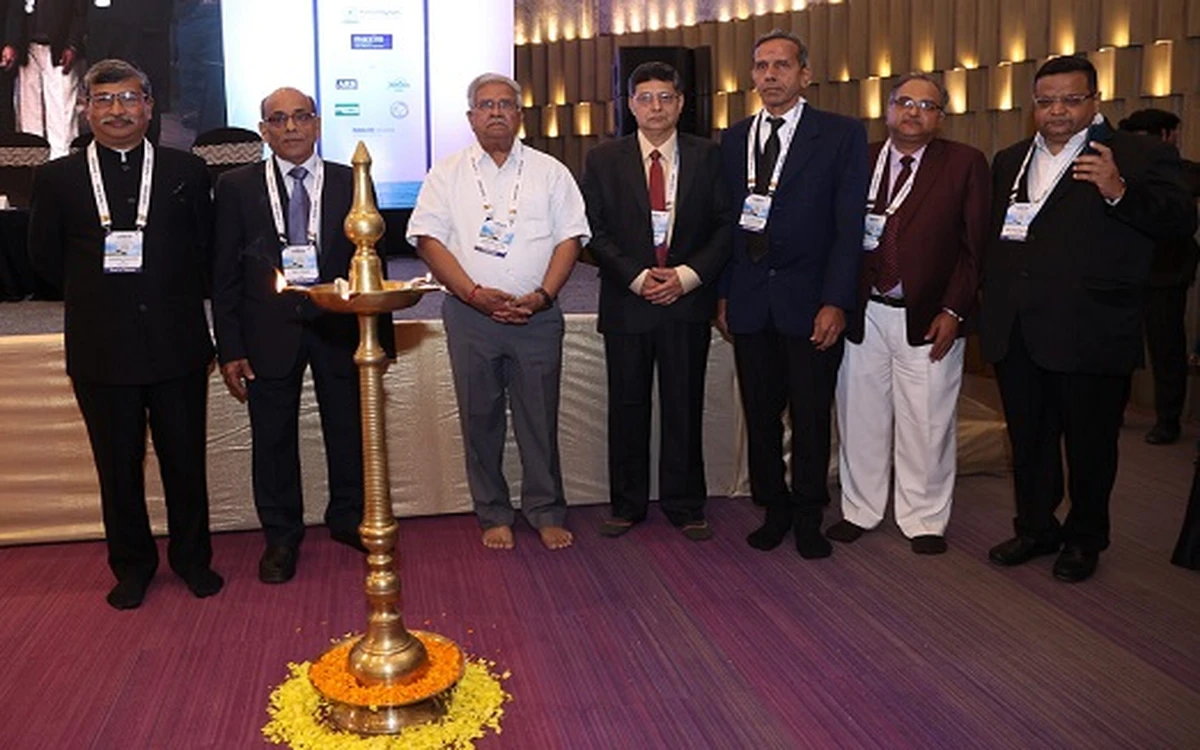
Jaipur: The Indian pulp and paper industry must move beyond conventional capacity expansion and focus on internal efficiency, sustainability, technology adoption, and responsible resource management to remain globally competitive amid a challenging business environment, said SVR Krishnan, President, Indian Pulp and Paper Technical Association (IPPTA), while addressing the IPPTA Zonal Seminar in Jaipur, held on 10 and 11 July.

Speaking on the seminar theme, " Future-Ready Paper Industry: Policy, Sustainability, and Technology Convergence" Mr. Krishnan said these three pillars can no longer be treated independently. According to him, the industry's future depends on integrating policy compliance, technological advancement and sustainability into a unified business strategy.
He noted that each of these subjects individually deserves dedicated discussion, but the rapidly evolving business environment makes it essential to address them simultaneously rather than sequentially.
Reflecting on the industry's recent journey, Mr. Krishnan recalled that the sector experienced a sharp recovery immediately after the COVID-19 pandemic. Mills across segments enjoyed healthy profitability during the first three quarters of FY2022-23 as demand rebounded strongly. However, the momentum weakened from the latter part of 2023 and has remained under pressure ever since.

According to him, integrated wood-based mills, agro-based mills and recycled fibre-based mills have all struggled to sustain a full year of healthy market conditions and profitability. Weak demand, shrinking consumption and a series of geopolitical conflicts—including the Russia-Ukraine war and tensions in the Middle East—have further complicated the global business landscape by disrupting supply chains and creating uncertainty.
Despite these challenges, Mr. Krishna expressed confidence that global economies would eventually recover as reconstruction activities gather pace. Until then, he urged paper manufacturers to strengthen their internal capabilities rather than depending solely on market recovery.
He stressed that operational excellence, governance, financial discipline and efficiency improvements have become the industry's strongest defence against external uncertainties.

Mr. Krishnan observed that the Indian paper industry has undergone remarkable technological transformation during the past two decades. Driven largely by increasingly demanding customers from the printing, converting and packaging industries, paper manufacturers have continuously upgraded their processes, quality systems and product capabilities.
He remarked that customers today expect paper to deliver performance comparable to engineered materials, demanding higher machine speeds, superior dimensional stability and flawless performance during high-speed converting and printing operations. These evolving expectations have compelled mills to modernise production systems, invest in advanced process controls and improve product consistency.

The IPPTA President highlighted that technological progress must always be accompanied by environmental responsibility. As manufacturing capacity expands, industries inevitably create an environmental footprint, he said, adding that acknowledging this reality is the first step toward responsible manufacturing.
According to him, the responsibility of paper manufacturers is not to deny environmental impact but to minimise it through compliance with government regulations, adoption of cleaner technologies and continuous sustainability initiatives. He noted that the Indian paper industry has made significant progress over the past two decades in reducing its environmental footprint through investments in cleaner production, resource conservation and corporate social responsibility programmes.
Discussing India's decarbonisation journey, Mr. Krishnan said the industry's roadmap towards carbon neutrality cannot be postponed until the end of the decade. Instead, companies must begin preparing immediately.
He pointed out that coal continues to remain the dominant energy source globally, while Indian paper mills are at different stages of transitioning towards alternative fuels. Several mills, particularly in northern India, have already increased the share of alternate fuels substantially, whereas others continue to depend heavily on coal due to raw material availability and operational constraints.
He said the industry needs greater research into economically viable alternate fuels that can meet renewable energy obligations without compromising boiler reliability, efficiency or maintenance costs. According to him, identifying suitable alternative energy solutions for different categories of paper mills will be critical to achieving India's long-term climate goals.
A major portion of Mr. Krishnan's address focused on Extended Producer Responsibility (EPR), which he described not merely as a regulatory obligation but as a significant business opportunity.
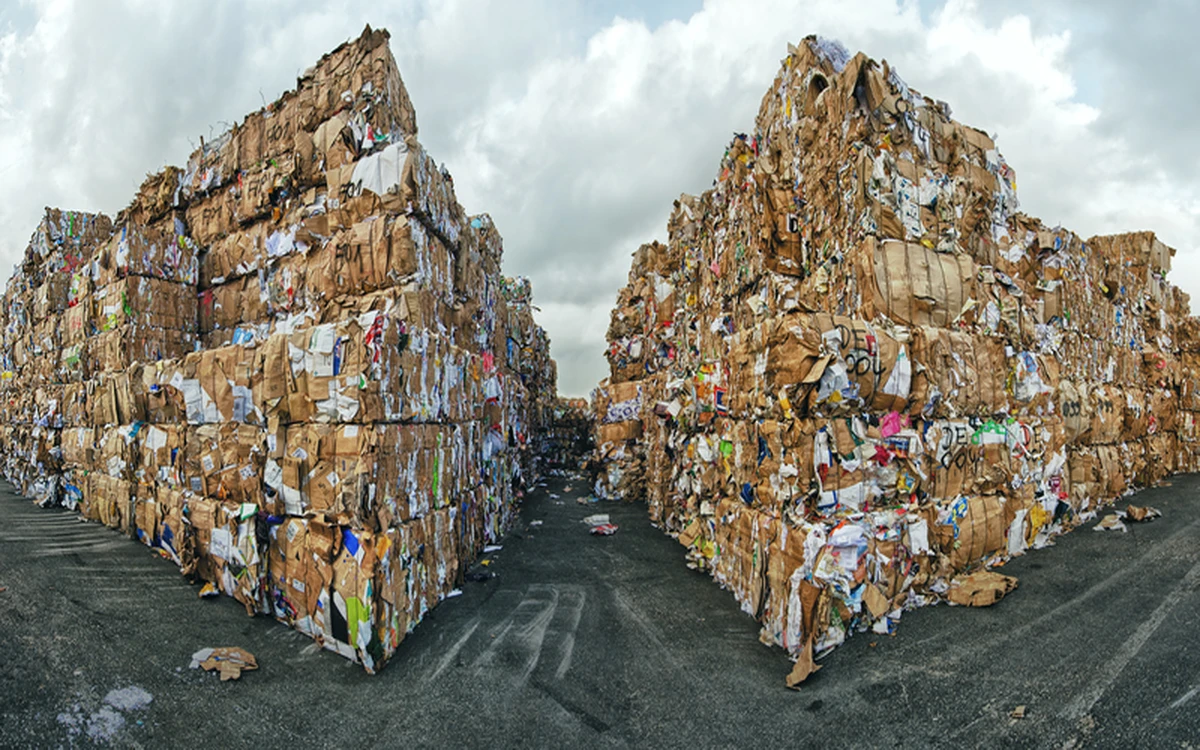
He observed that India remains a fibre-deficit country despite importing large volumes of recovered fibre every year. At the same time, enormous quantities of recyclable paper continue to be discarded into municipal landfills.
Comparing India's recovered paper collection rates with European countries, he said Europe has achieved recovery rates of nearly 75–87%, whereas India's effective collection remains only around 38–40%. The remaining recoverable fibre, he pointed out, ends up in garbage dumps instead of being returned to the manufacturing cycle.
He urged paper mills to actively engage with printers, converters, distributors and other downstream users to establish efficient fibre collection systems. Rather than waiting for recovered paper to reach traditional scrap channels, manufacturers should develop direct collection networks to bring valuable fibre back into the recycling loop.
Sharing his own experience, Mr. Krishnan said organised collection initiatives that initially began with a few hundred tonnes have steadily expanded by building partnerships with converting units and encouraging customers to return used fibre.
He encouraged mills to move beyond their traditional operational boundaries and embrace the broader responsibility of managing fibre throughout the product life cycle. According to him, stepping outside conventional business practices will unlock new opportunities for resource security and sustainability.
On technology adoption, Mr. Krishnan cautioned against equating capital expenditure alone with technological advancement. While digitalisation, Industry 4.0, artificial intelligence and digital twins are becoming increasingly relevant, he said many mills still have considerable scope to improve basic operational performance before pursuing advanced digital transformation.
He observed that several leading Indian mills have already achieved machine efficiencies comparable to global benchmarks through disciplined operational management rather than relying solely on expensive new equipment.
The larger challenge, he said, is enabling the remaining majority of India's nearly 650 paper mills to achieve similar improvements.
Mr. Krishnan stressed that mills should first strengthen preventive maintenance, reduce breakdowns, improve process stability and optimise existing assets before investing aggressively in next-generation technologies.
He advised companies to identify and prioritise the two or three most critical operational challenges affecting business continuity rather than attempting to solve every issue simultaneously. Focused execution, supported by shop-floor teams, middle management and strategic leadership, can produce significant improvements in productivity and profitability, he said.
Drawing from over four decades of industry experience, Mr. Krishnan said many operational improvements once considered impossible have become achievable through disciplined execution, structured monitoring and clear organisational priorities. He emphasised that continuous improvement programmes, lean manufacturing practices and total productive maintenance remain among the most effective tools for enhancing mill performance.
Concluding his address, Mr. Krishnan reiterated that sustainability extends far beyond environmental compliance. He described it as the responsible conservation of water, energy, fibre and natural resources while ensuring long-term business viability.
Summarising his philosophy through what he termed the "Triple P" approach—People, Planet and Profit—he said organisations should first take care of people, who in turn protect the planet, and sustainable profits will naturally follow.
He also appreciated the contributions of researchers, academicians, industry experts and participating paper mills for presenting technical papers during the seminar and expressed confidence that the discussions would help participants take back practical ideas for implementation across the Indian pulp and paper industry.

1 hour ago
Total Views : 149
5 days ago
Total Views : 2879
5 days ago
Total Views : 2350
6 days ago
Total Views : 684
last week
Total Views : 3315
last week
Total Views : 3100
last week
Total Views : 6531

last week
Total Views : 977
2 weeks ago
Total Views : 897
2 weeks ago
Total Views : 828