Join Groups & Channels, No Spamming









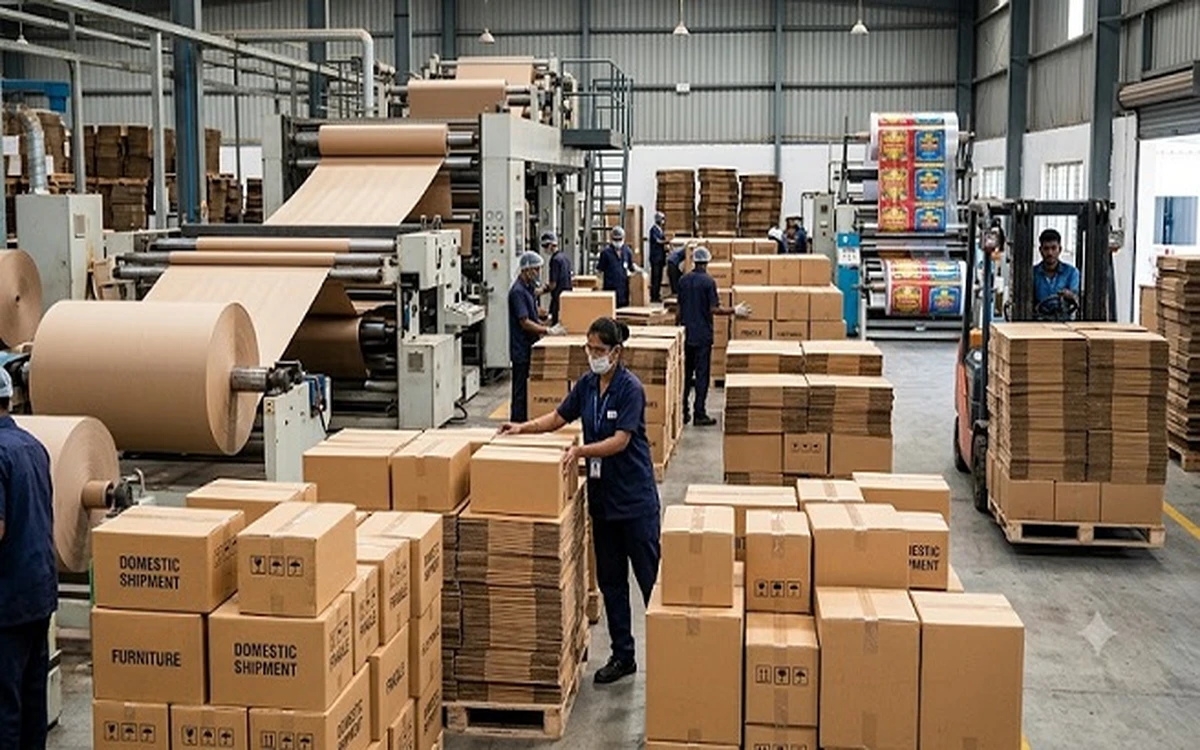
Morbi paper mills see full-capacity operations as ceramic industry revives; Kraft paper exports to China spike, Prices strengthen; Janmashtami shutdown ahead

The BE and caustic soda plant marks a key milestone for Mohit Paper Mills, enabling full utilization of installed capacity and enhancing overall production efficiency
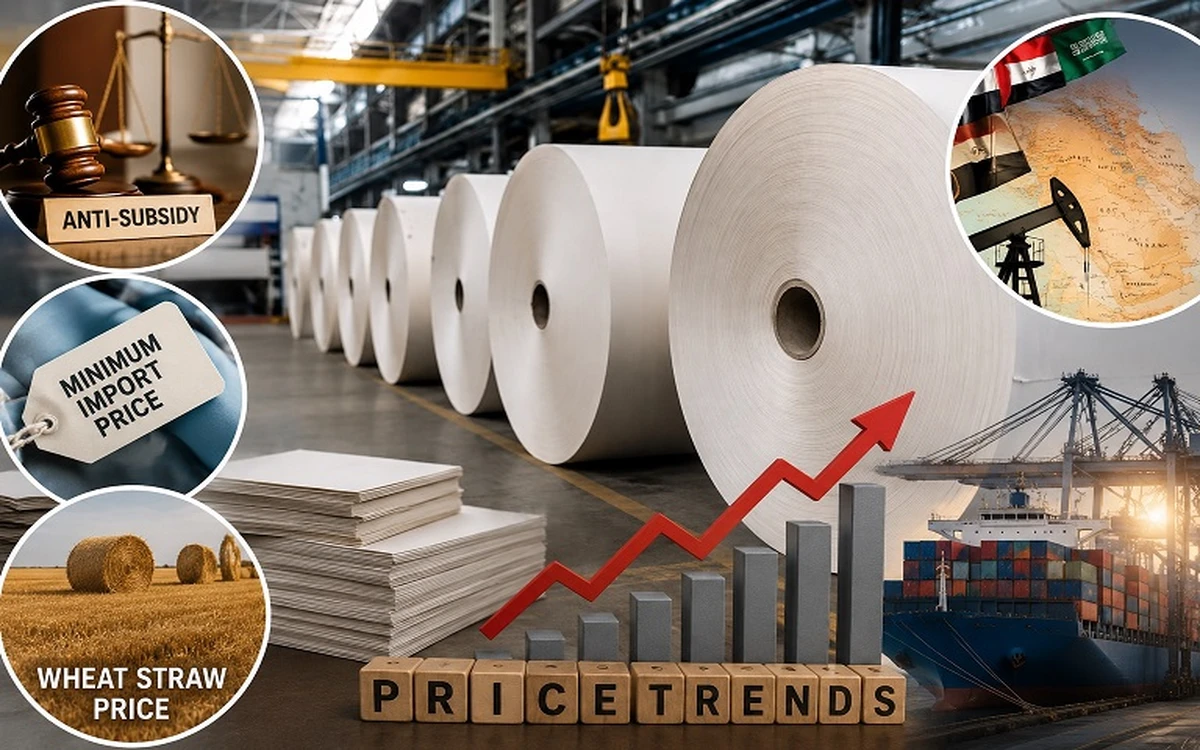
Expert Views on the paper market scenario, How the West Asia Crisis Helped the Industry, MIP for WPP, Anti-Subsidy implementation, and paper price trends
Pudumjee Paper intends to develop new varieties addressing applications for stronger paper bags and cupcakes; Plans 68,000 MT Mahad Specialty Paper Facility within 5 years
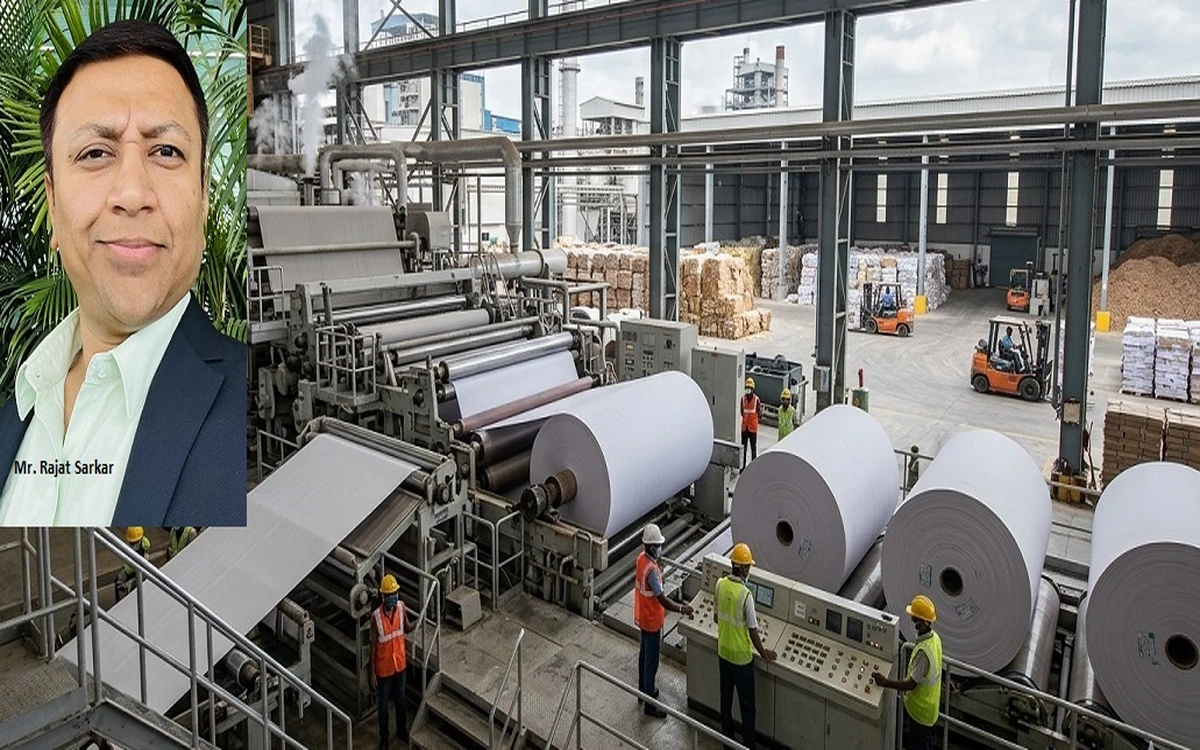
India Paper Industry at an Inflection Point: War, Costs, and Capacity; Demand growth expected at 5–7% in FY26
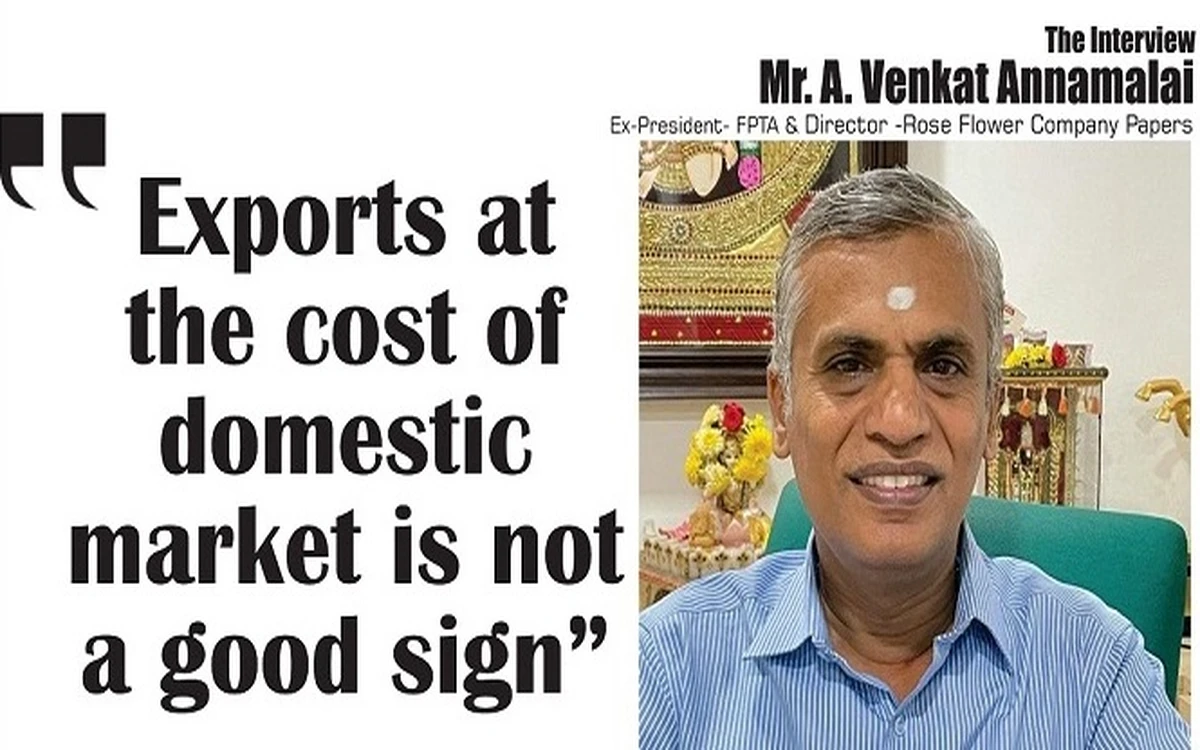
“Surging exports of paper will most certainly keep the domestic prices quite high”: Mr. A. Annamalai, Director – RFC
The Status of the Global Container board Industry, Recycled Paper Demand and Supply and its impact on the Indian Industry

Akshay Jain, director of Silverton Pulp & Paper, says it's time to promote agro residue as a raw material to lessen the scarcity of fibre
Advantageously located, a new paper mill is all set to roll kraft paper in Madhya Pradesh
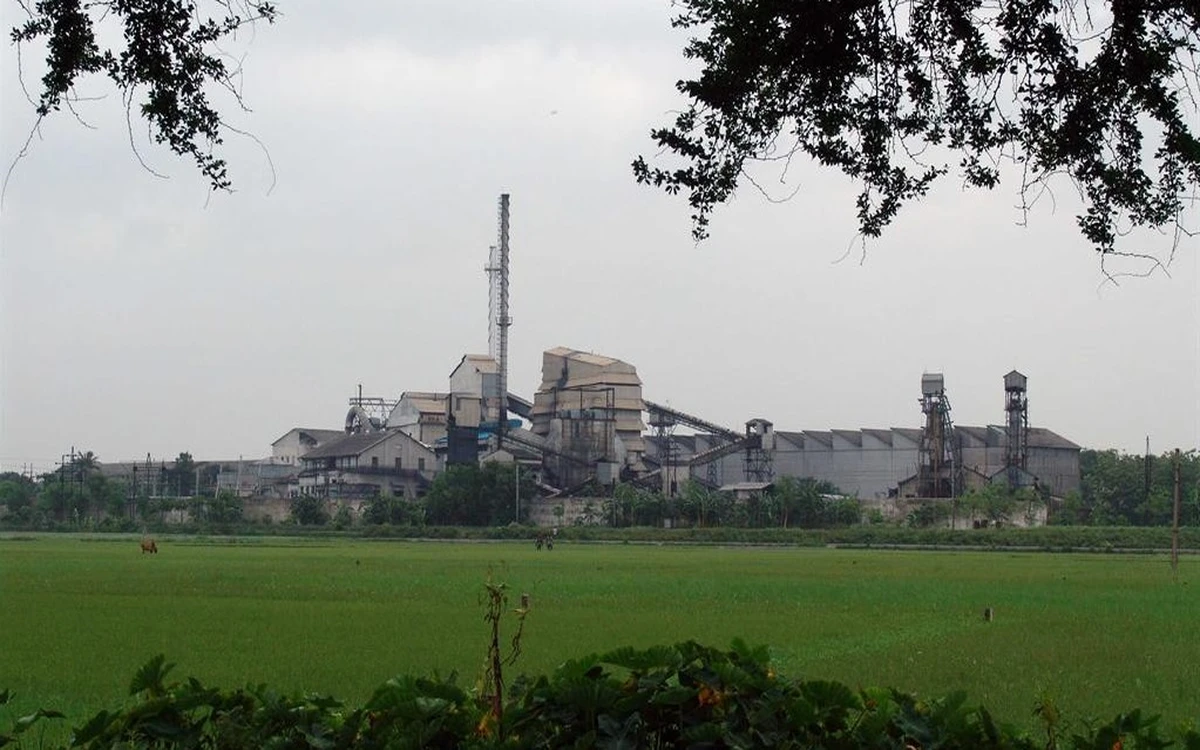
Several agile interventions helped ITC-PSPD fortify its clear leadership of the Value Added Paperboards (VAP) segment
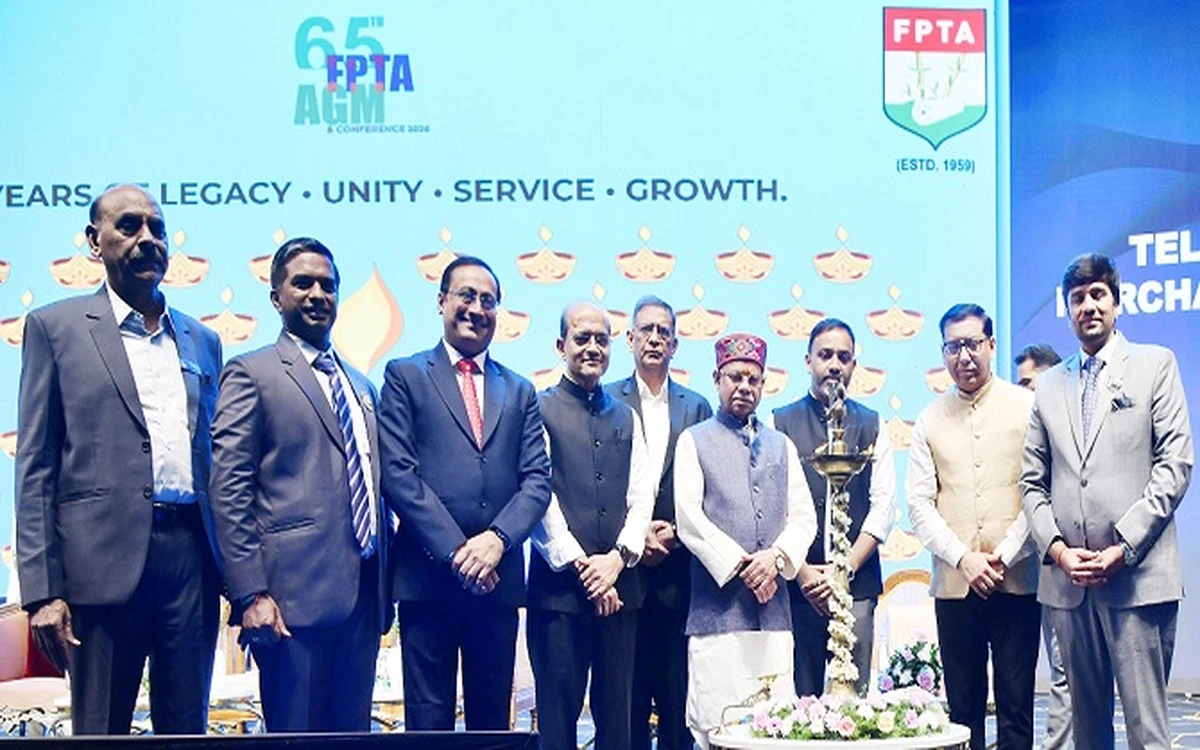
Paper Mills and Dealers Must Work Together to Create New Demand, Say Industry Leaders at FPTA’s 65th AGM
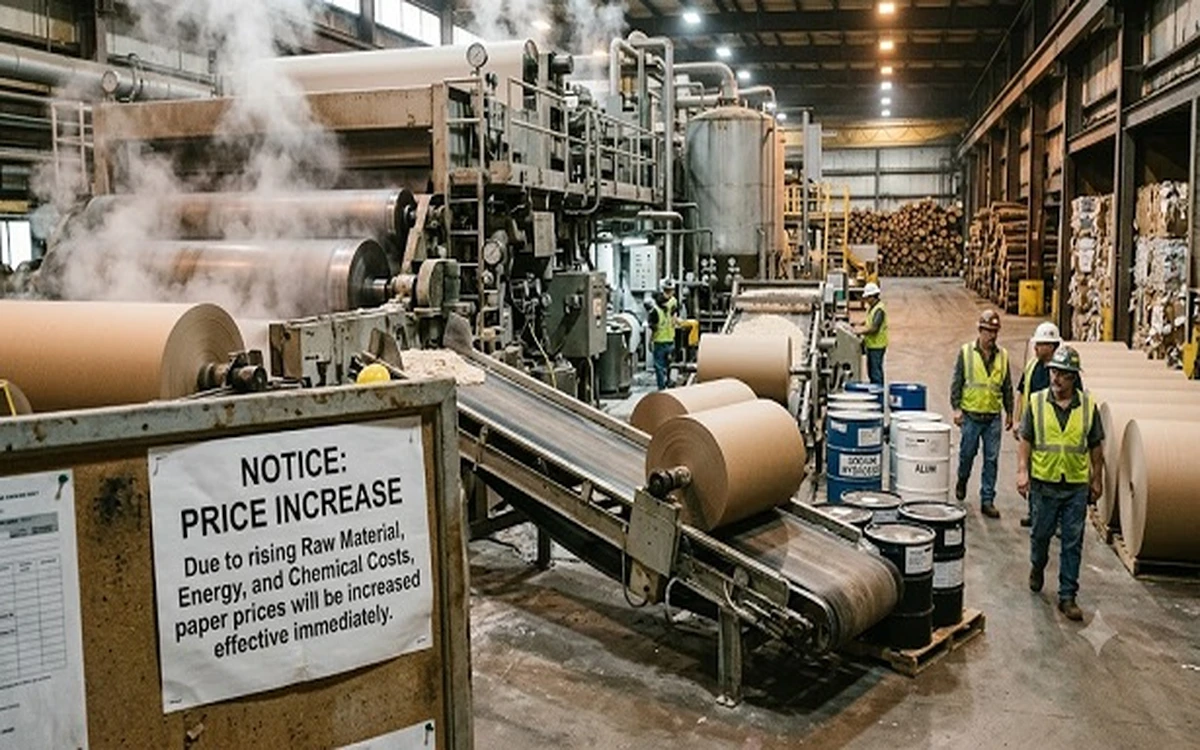
Paper Industry Cost Pressures Deepen; Price Revisions Announced Across Writing & Printing Grades

Imported Waste Paper Shortage Pushes Kraft Paper Prices Higher; Domestic Market Remains Firm

Ruchira Papers Invests a Sizeable Capex of Rs. 235–240 Crore Towards Writing & Printing Paper Capacity Expansion
Paper mills inflated the basic ex-mill price of paper post GST 2.0, AINMA seeks action against Anti-Profiteering
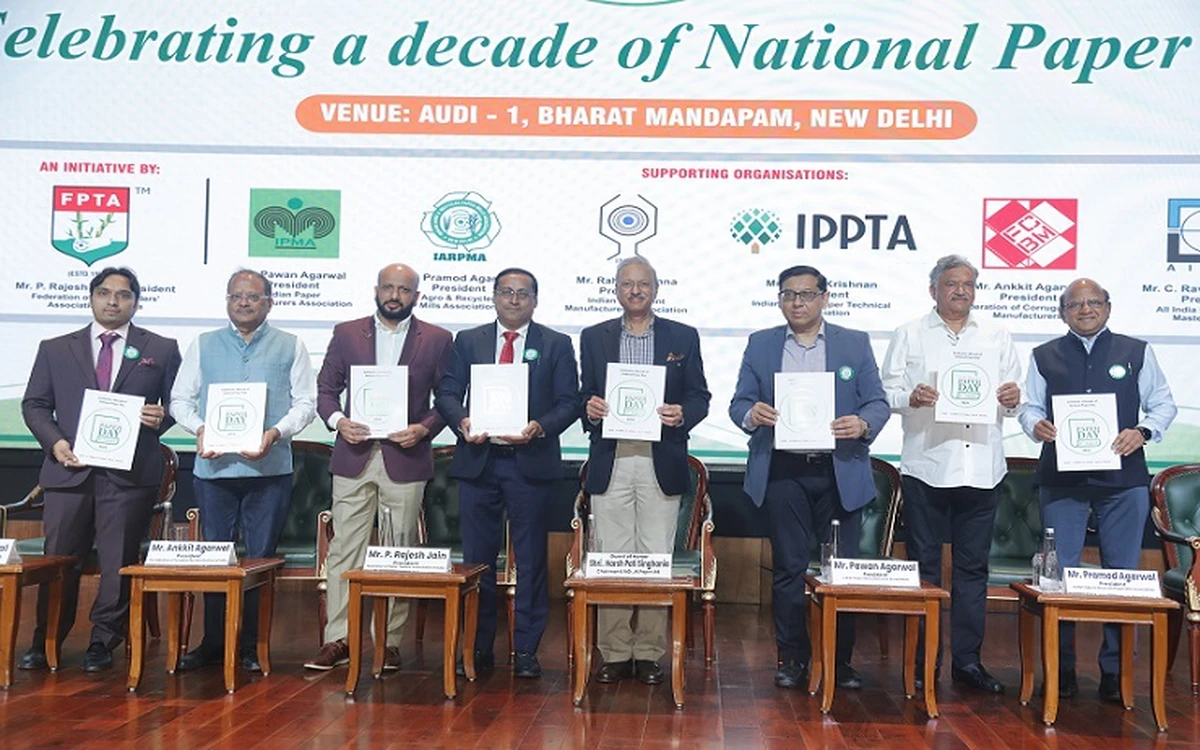
Seven Leading Associations Unite to Celebrate National Paper Day, Highlighting Paper's Sustainability and Circular Economy Advantage

Scientists from IIT-Guwahati develop India's first biodegradable plastic

Navneet Education focuses on brand building, curriculum-led growth, and export recovery; expects stationery margins to improve in FY27

It is estimated that USD10B to USD20B worth of single-use plastic packaging will convert to molded fiber, ZUME
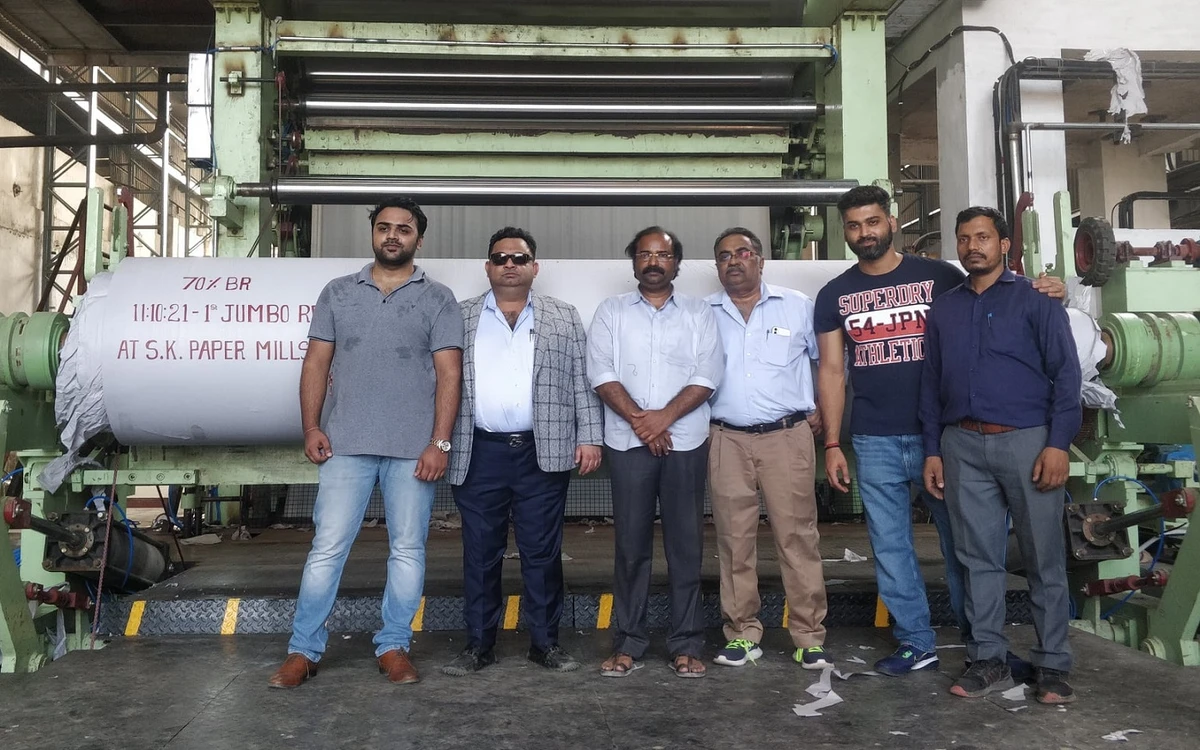
Muzaffarnagar gets a new capacity of Tissue Paper and MG Poster paper

“The integration of digitalization, automation, and Artificial Intelligence (AI) is no longer a futuristic concept—it is the baseline for competitiveness in 2036” - Vinit Garg, Director, Vizen Solutions
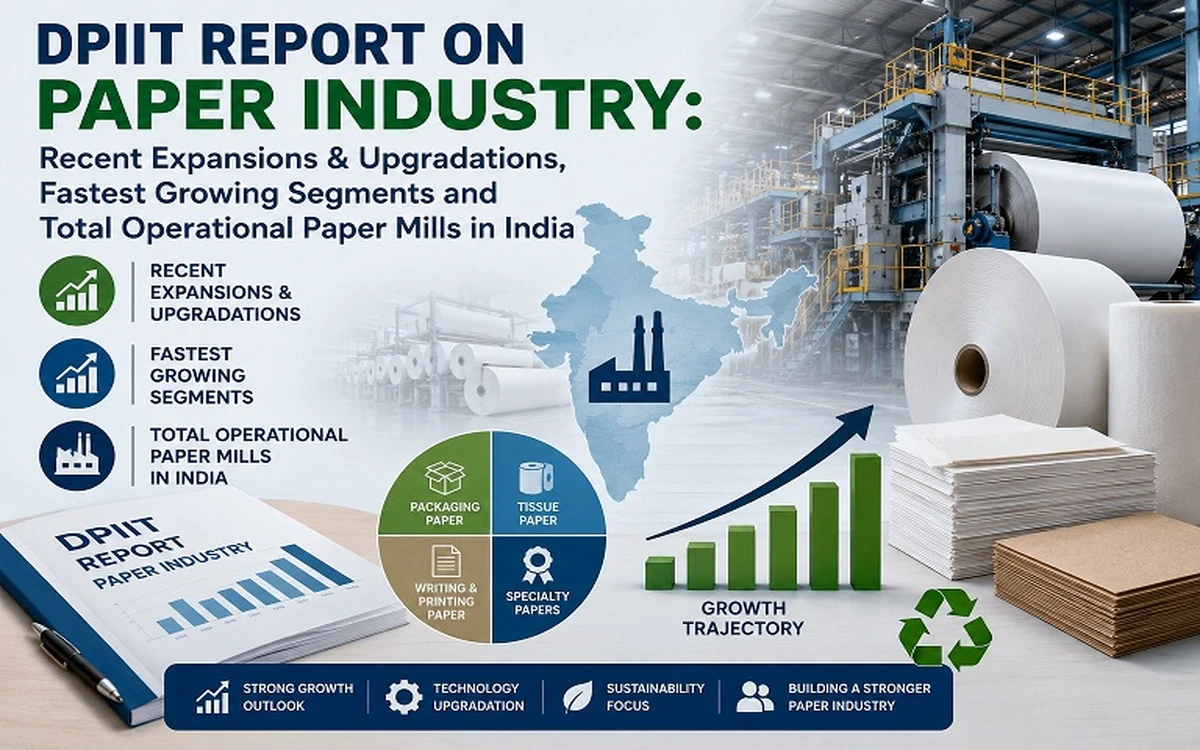
DPIIT Report on the Paper Industry: Recent Expansions & Upgrades, Fastest-Growing Segments, and Total Operational Paper Mills in India
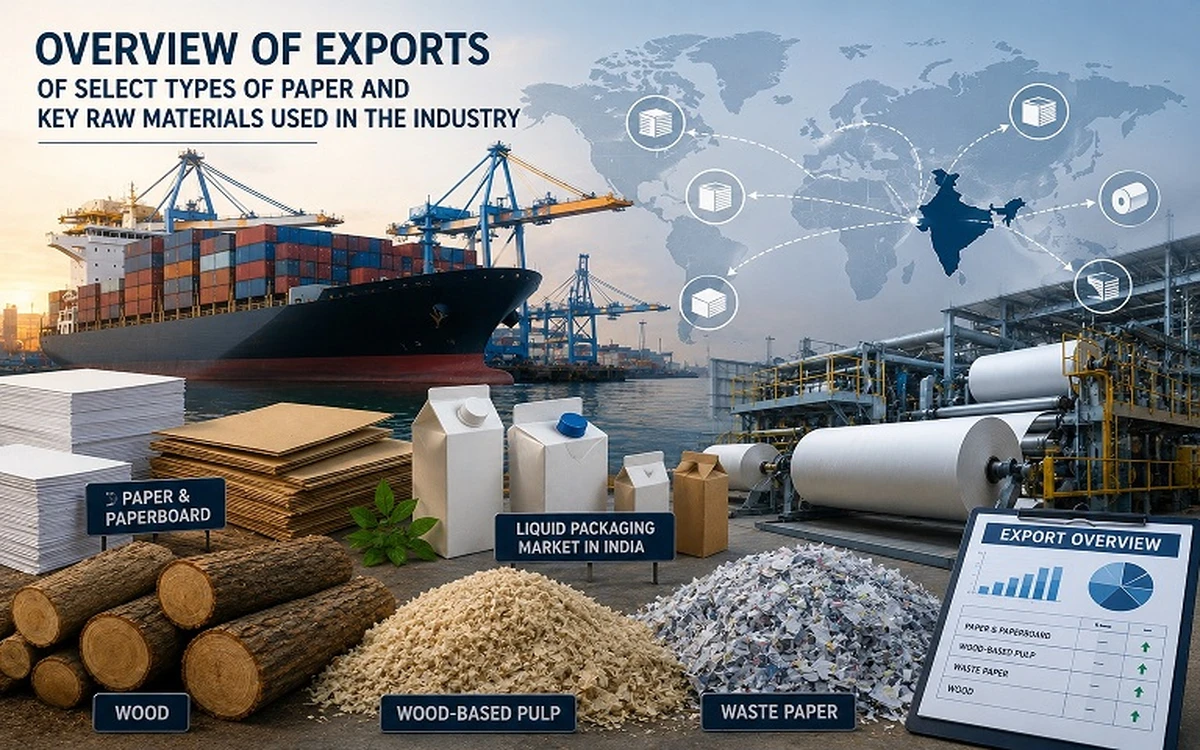
Overview of exports of select type of paper and key raw material used in the industry by Crisil Intelligence

Margin pressure pushes Pulp & Paper Packaging sector toward AI-Driven cost optimization, Cutting costs by 8–20%
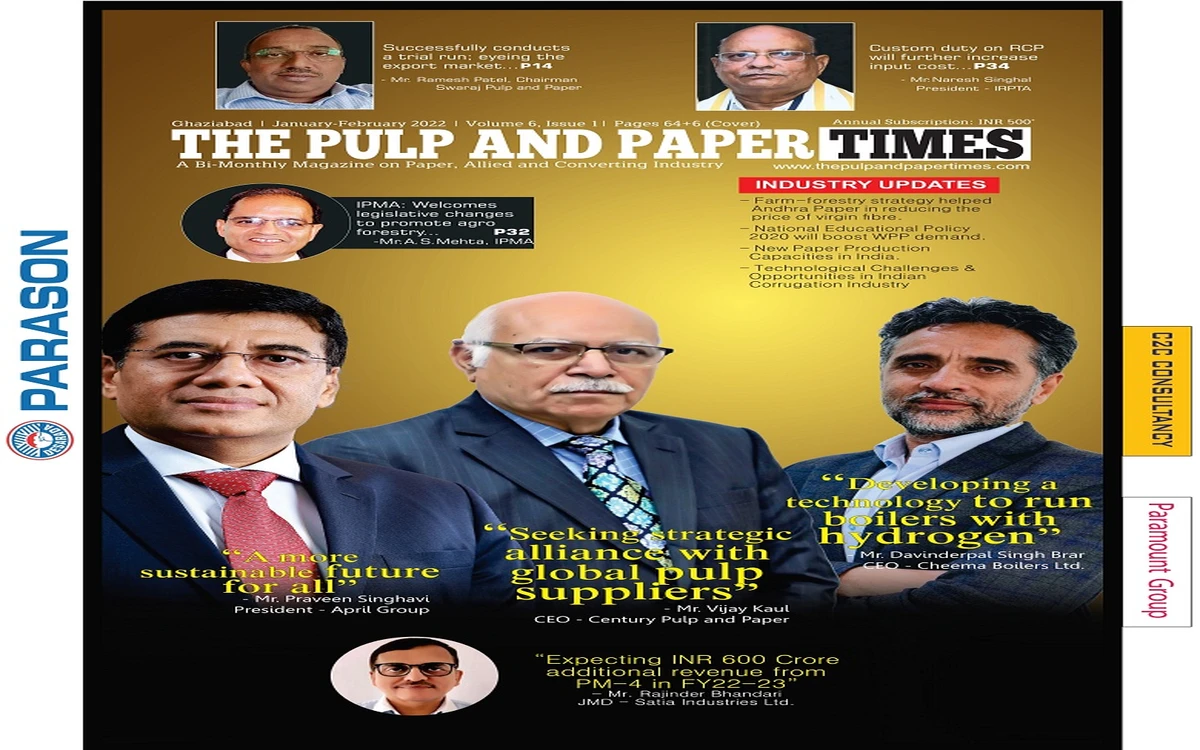
The Pulp and Paper Times Magazine : Volume 6, Issue 1
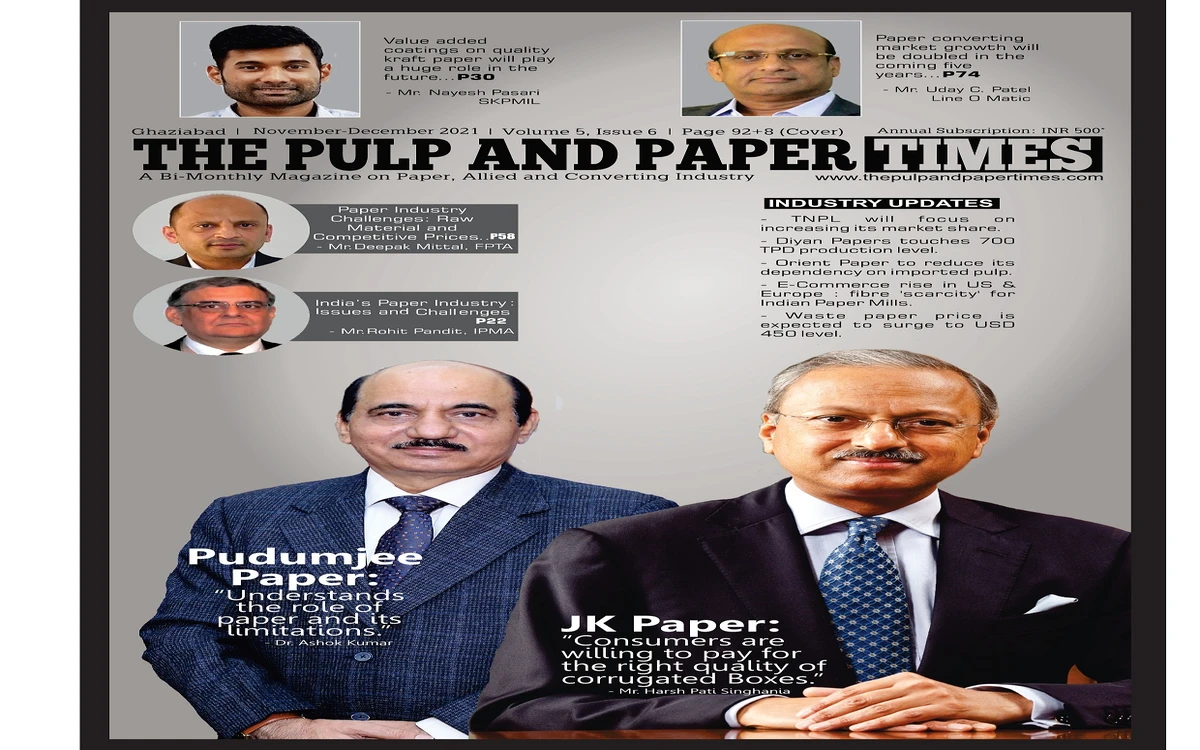
The Pulp and Paper Times Magazine : Volume 5, Issue 6
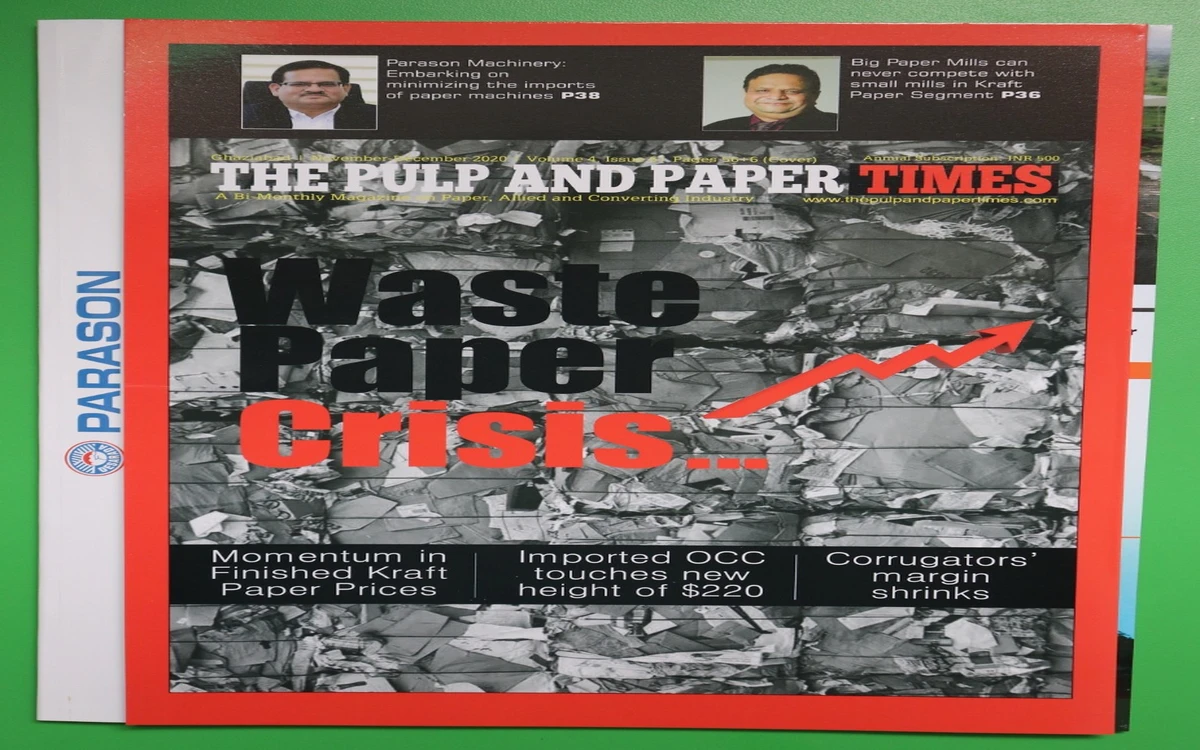
The Pulp and Paper Times: Volume 4, Issue 6
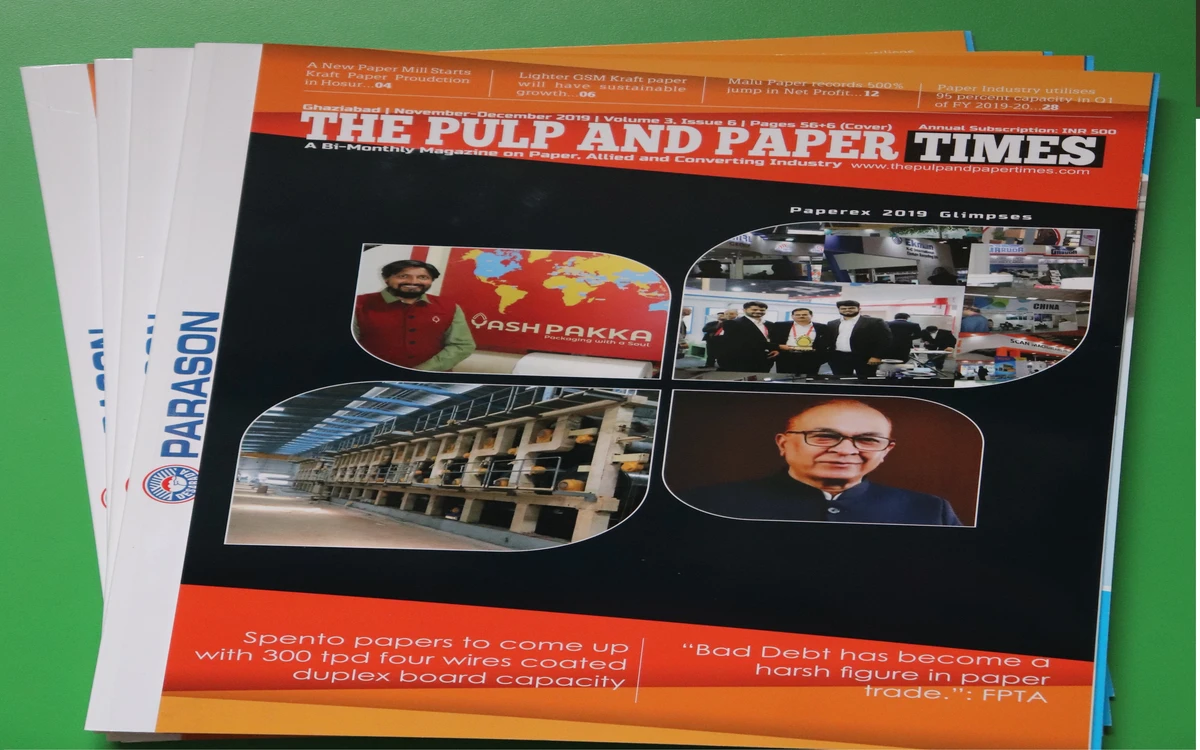
The Pulp and Paper Times : Volume 3, Issue 6
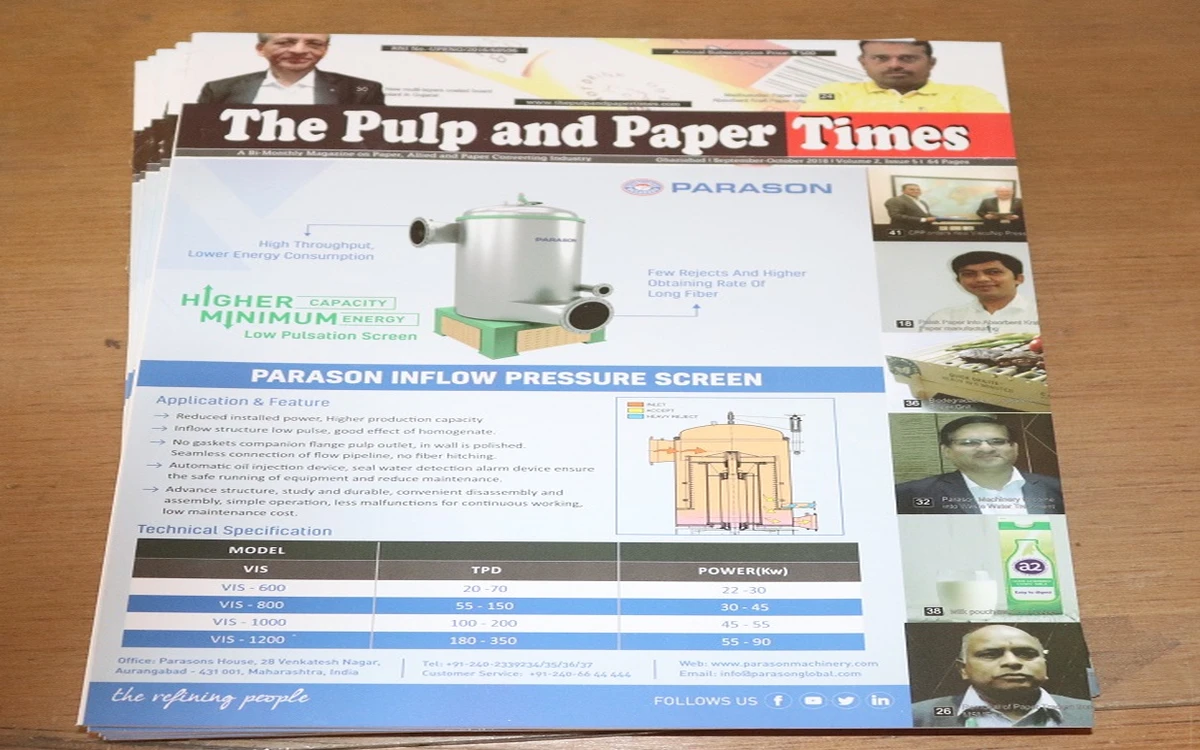
The Pulp and Paper Times: Volume 2 Issue 5
The Pulp and Paper Times, Volume 1, Issue 3
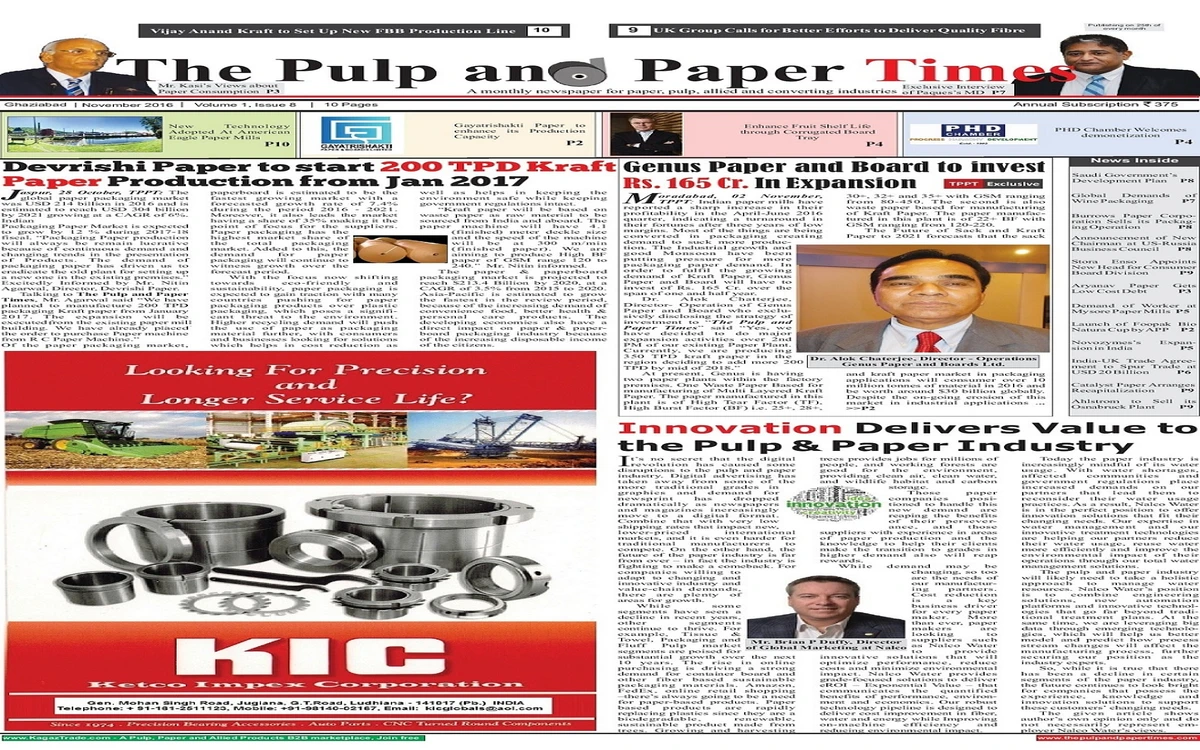
The Pulp and Paper Times, November 2016 Issue

-The future belongs to suppliers who do more than build machines—they build partnerships, performance, and confidence for the next generation of paper manufacturing
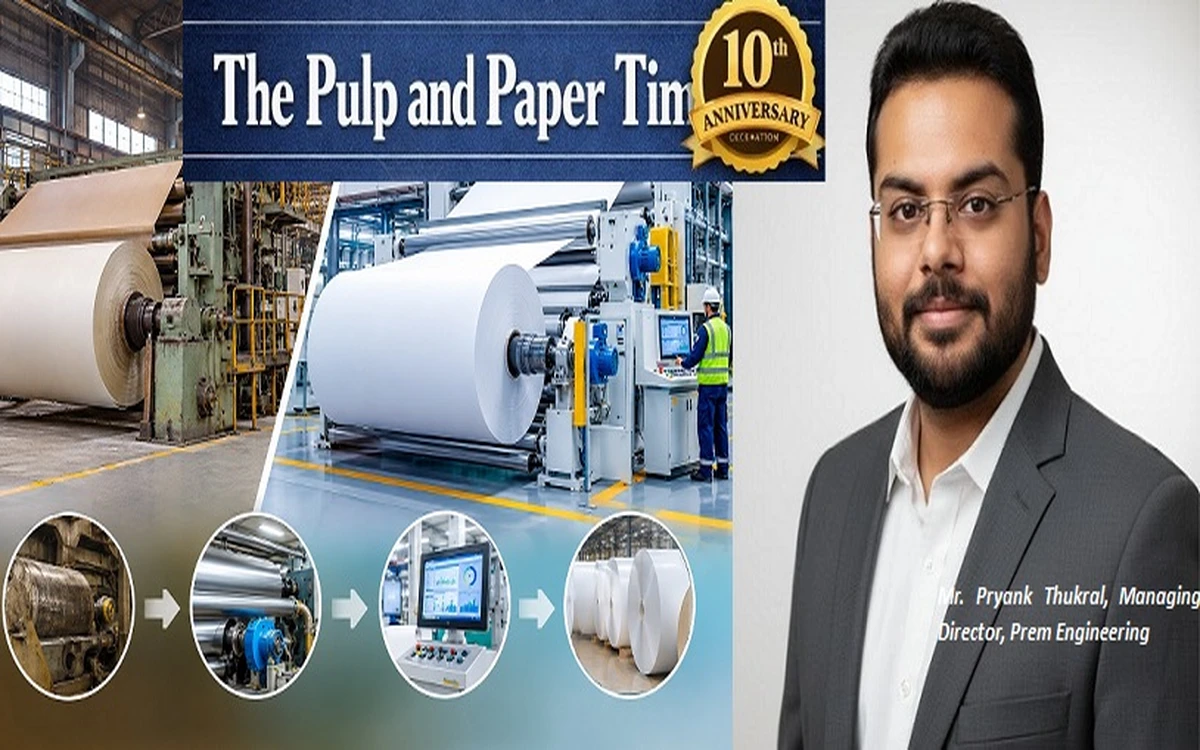
Completing a decade of industry-focused journalism, The Pulp and Paper Times proudly presents this special anniversary feature exploring the future of paper manufacturing. With the theme “Smart, Sustainable, Scalable: How Paper Machine & Technology Suppliers Will Shape the Paper Industry 2036,” we invited some of the world's leading machine builders and technology suppliers to share their vision for the next ten years. From intelligent automation and energy efficiency to next-generation production technologies, their perspectives reveal how the industry is preparing for a new era of growth and sustainability. Here is perspective of Mr. Pryank Thukral, Managing Director, Prem Engineering
The Pulp and Paper Times
The paper industry is entering a defining decade. Rising environmental expectations, changing fibre availability, cost pressures, and increasing demand for operational efficiency are reshaping how paper mills are designed and operated. By 2036, paper machine and technology suppliers will no longer be viewed merely as equipment manufacturers. They will become strategic partners responsible for delivering integrated, intelligent, and sustainable production ecosystems.

For countries like India, where mid-sized paper mills form the backbone of production, this transition presents both a challenge and an opportunity.
At Prem Engineering, our journey in the pulp and paper sector since 1985 has shown us that the future of paper manufacturing lies in three core principles: smart operations, sustainable systems, and scalable engineering.
Smart Mills Through Digitalization and Automation
The paper mill of 2036 will be increasingly data-driven. Traditional operations dependent on manual monitoring and reactive maintenance will evolve into digitally connected facilities capable of predictive and autonomous decision-making.

Automation and intelligent control systems will play a major role across pulp mills, stock preparation systems, and paper machines. Sensors integrated with process equipment will continuously monitor parameters such as consistency, pressure, flow rates, moisture, and energy consumption. Artificial intelligence and machine learning will help operators identify inefficiencies before they become operational losses.
Predictive maintenance will become standard practice. Instead of waiting for breakdowns, mills will monitor equipment health in real time, reducing downtime and improving machine availability. Digital dashboards and remote diagnostics will enable faster troubleshooting and better process visibility.

However, smart manufacturing does not simply mean adding software to machinery. True digital transformation requires equipment designed with process intelligence and operational flexibility at its core.
Sustainability Will Move from Compliance to Competitiveness
The next decade will also redefine sustainability.
Historically, environmental systems were often viewed as regulatory requirements. By 2036, sustainability will become a key driver of profitability and competitiveness.
Paper mills will increasingly adopt technologies focused on:
• Lower water consumption
• Reduced energy demand
• Higher fibre recovery
• Reduced sludge generation
• Improved chemical efficiency
• Lower carbon footprint
Future fibre lines and stock preparation systems will be designed for maximum resource recovery. Efficient washing, screening, and separation technologies will reduce chemical carryover and improve pulp quality while minimizing process losses.

Waste management will also evolve significantly. Technologies such as sludge dewatering and advanced wastewater treatment systems will help mills convert waste streams into manageable and reusable resources.
For kraft and fibre-smart mills, sustainability will extend beyond environmental performance. It will include process optimization that delivers more production from the same infrastructure while reducing operational costs.
The objective is no longer simply to produce paper—it is to produce paper responsibly and efficiently.
Scalable Solutions for Emerging Markets
One of the biggest opportunities for the Indian paper sector lies in scalable engineering solutions.
Many mid-sized mills face a difficult challenge: they need modernization but cannot always invest in complete greenfield projects. Suppliers must therefore offer flexible solutions that balance performance with practical economics.
This is where modular and scalable technologies will become critical.
Future suppliers will increasingly provide:
• Capacity enhancement through rebuilding
• Process upgrades for existing mills
• Modular stock preparation systems
• Energy-efficient retrofits
• Flexible fibre handling solutions for agro, wood, and recycled raw materials
Rather than replacing entire plants, mills will adopt phased modernization strategies that improve productivity while controlling capital expenditure.

The ability to engineer solutions for diverse fibre sources—including agro residues, wood, and recycled paper—will become increasingly valuable as raw material dynamics continue to change.
Beyond Machinery: The Era of Engineering Partnerships
Perhaps the biggest shift by 2036 will be in the relationship between suppliers and paper mills.
The traditional buyer-supplier model is already evolving into long-term technical partnerships.
Paper mills increasingly expect suppliers to contribute beyond manufacturing equipment. Design engineering, process development, erection, commissioning, manpower training, rebuilding, and lifecycle support are becoming equally important.
Future success will depend on performance-based engagement, where suppliers remain involved throughout the operational lifecycle of the project.
At Prem Engineering, we believe this philosophy represents the future of our industry. From process engineering and equipment design to erection, commissioning, and rebuilding, the goal is not merely to deliver machinery but to deliver long-term performance and measurable value.
Looking Ahead to 2036
The paper industry of 2036 will be shaped by suppliers who combine engineering capability with sustainability and digital intelligence.
Smart mills will run on connected systems. Sustainable mills will maximize every resource. Scalable engineering will make modernization achievable for mills of all sizes.
The future belongs to suppliers who do more than build machines—they build partnerships, performance, and confidence for the next generation of paper manufacturing.

6 hours ago
Total Views : 169
1 days ago
Total Views : 2422
4 days ago
Total Views : 2110
5 days ago
Total Views : 5811

6 days ago
Total Views : 807

last week
Total Views : 803
last week
Total Views : 715

last week
Total Views : 3594
2 weeks ago
Total Views : 4057
2 weeks ago
Total Views : 807