Join Groups & Channels, No Spamming









Morbi paper mills see full-capacity operations as ceramic industry revives; Kraft paper exports to China spike, Prices strengthen; Janmashtami shutdown ahead
The BE and caustic soda plant marks a key milestone for Mohit Paper Mills, enabling full utilization of installed capacity and enhancing overall production efficiency
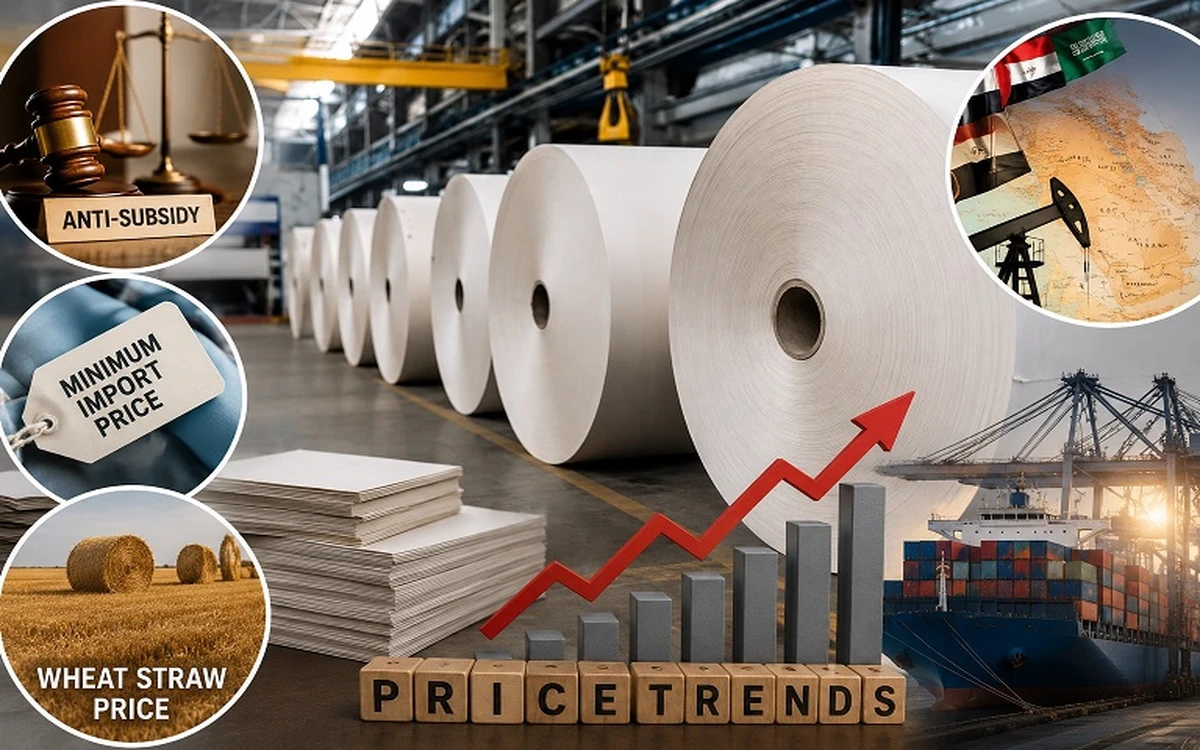
Expert Views on the paper market scenario, How the West Asia Crisis Helped the Industry, MIP for WPP, Anti-Subsidy implementation, and paper price trends
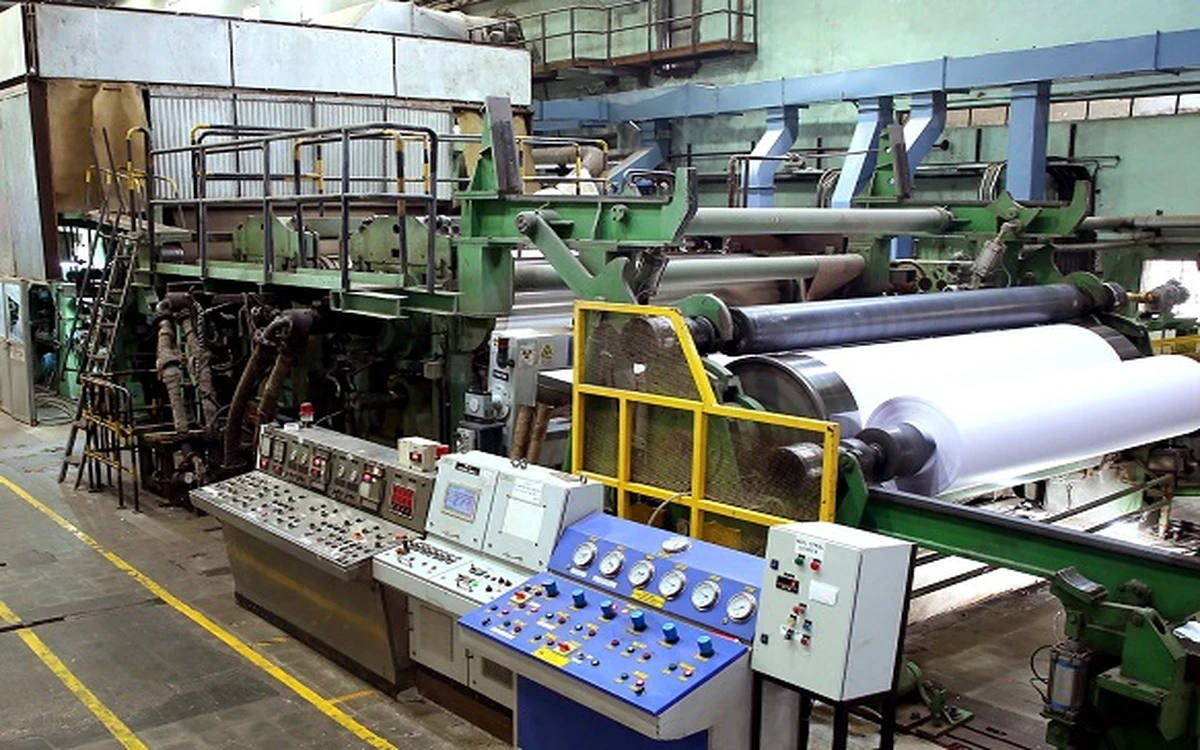
Pudumjee Paper intends to develop new varieties addressing applications for stronger paper bags and cupcakes; Plans 68,000 MT Mahad Specialty Paper Facility within 5 years
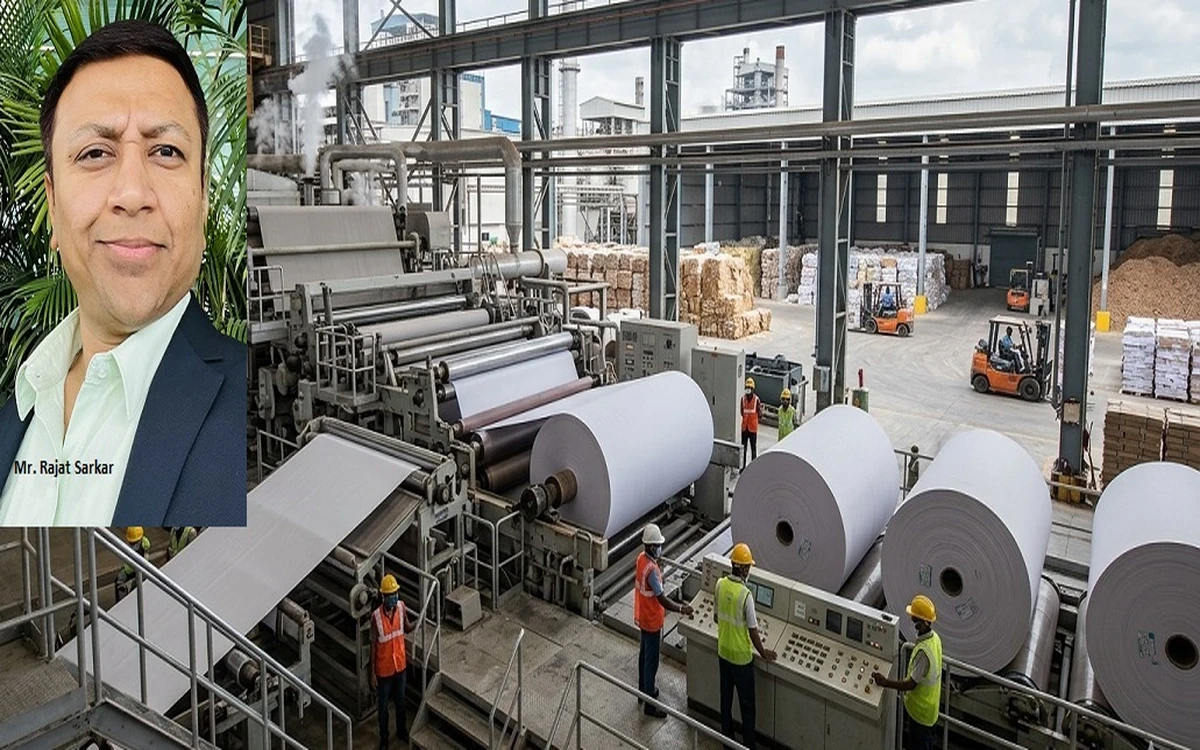
India Paper Industry at an Inflection Point: War, Costs, and Capacity; Demand growth expected at 5–7% in FY26
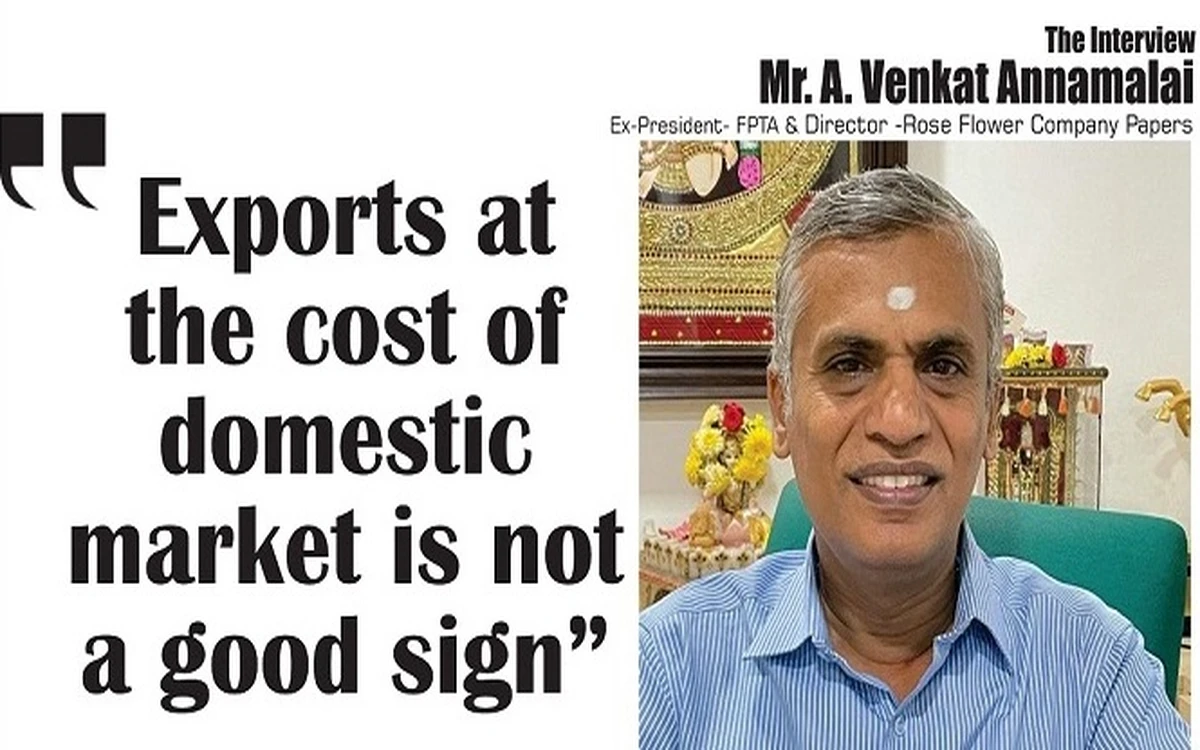
“Surging exports of paper will most certainly keep the domestic prices quite high”: Mr. A. Annamalai, Director – RFC
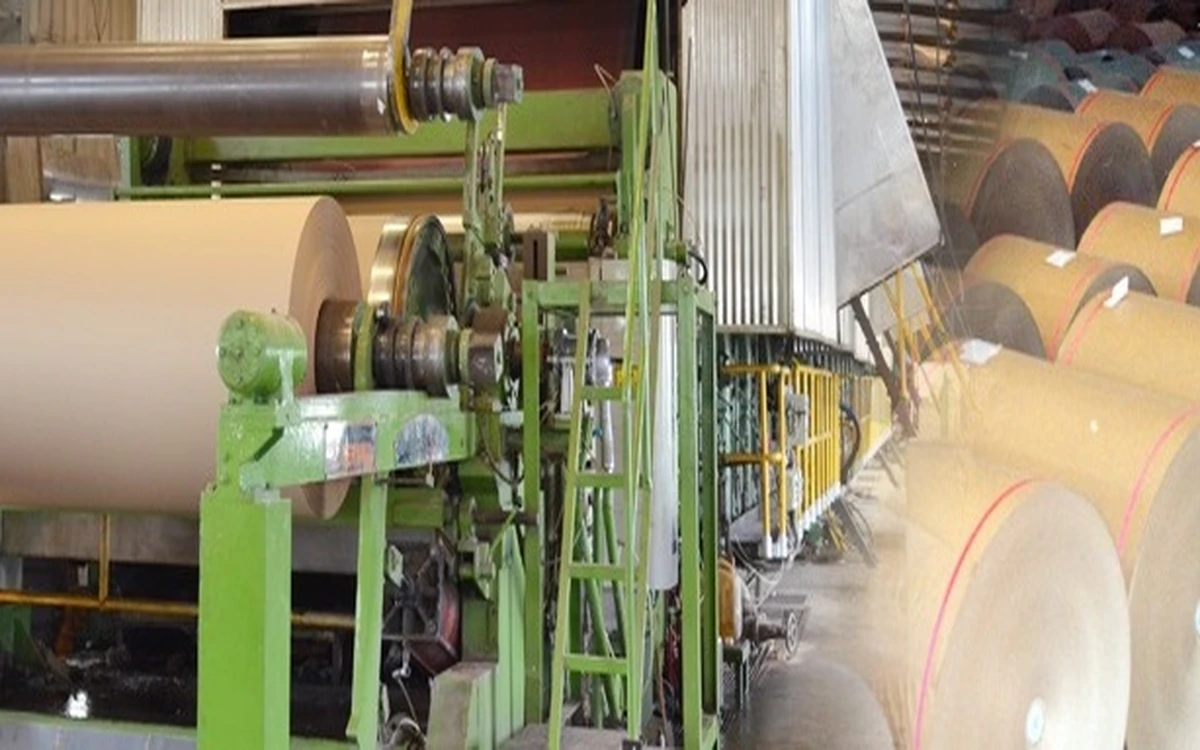
The Status of the Global Container board Industry, Recycled Paper Demand and Supply and its impact on the Indian Industry
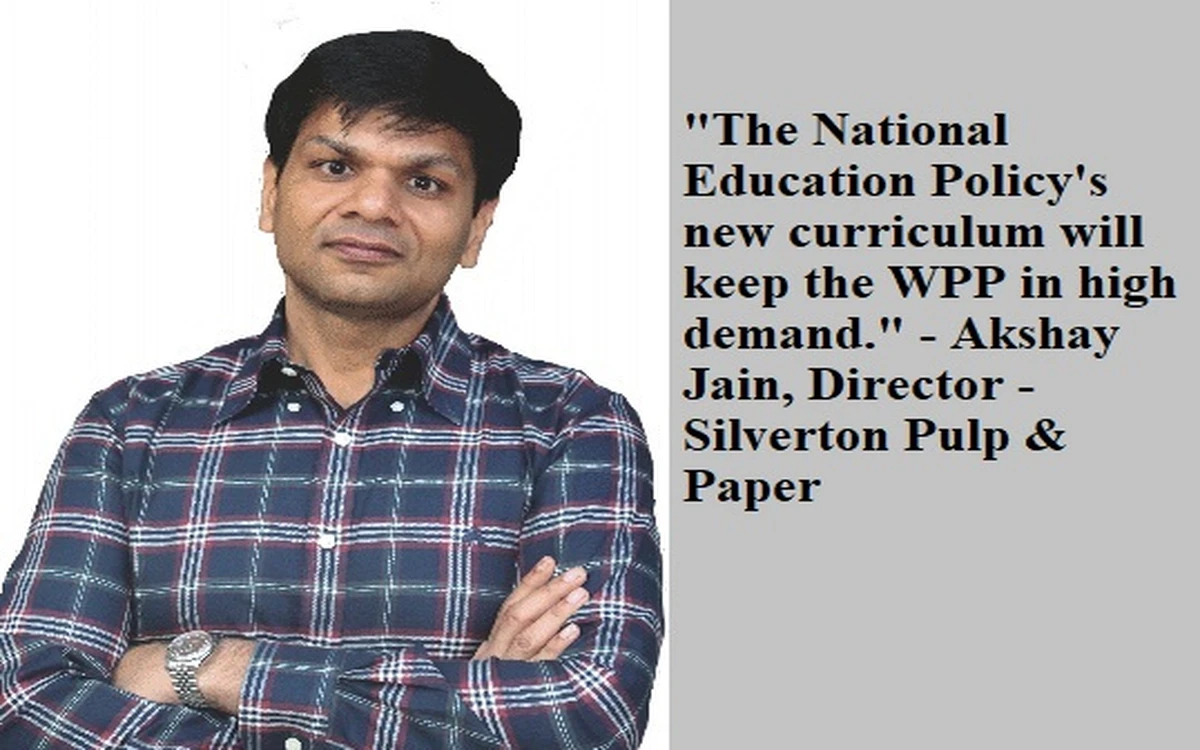
Akshay Jain, director of Silverton Pulp & Paper, says it's time to promote agro residue as a raw material to lessen the scarcity of fibre
Advantageously located, a new paper mill is all set to roll kraft paper in Madhya Pradesh
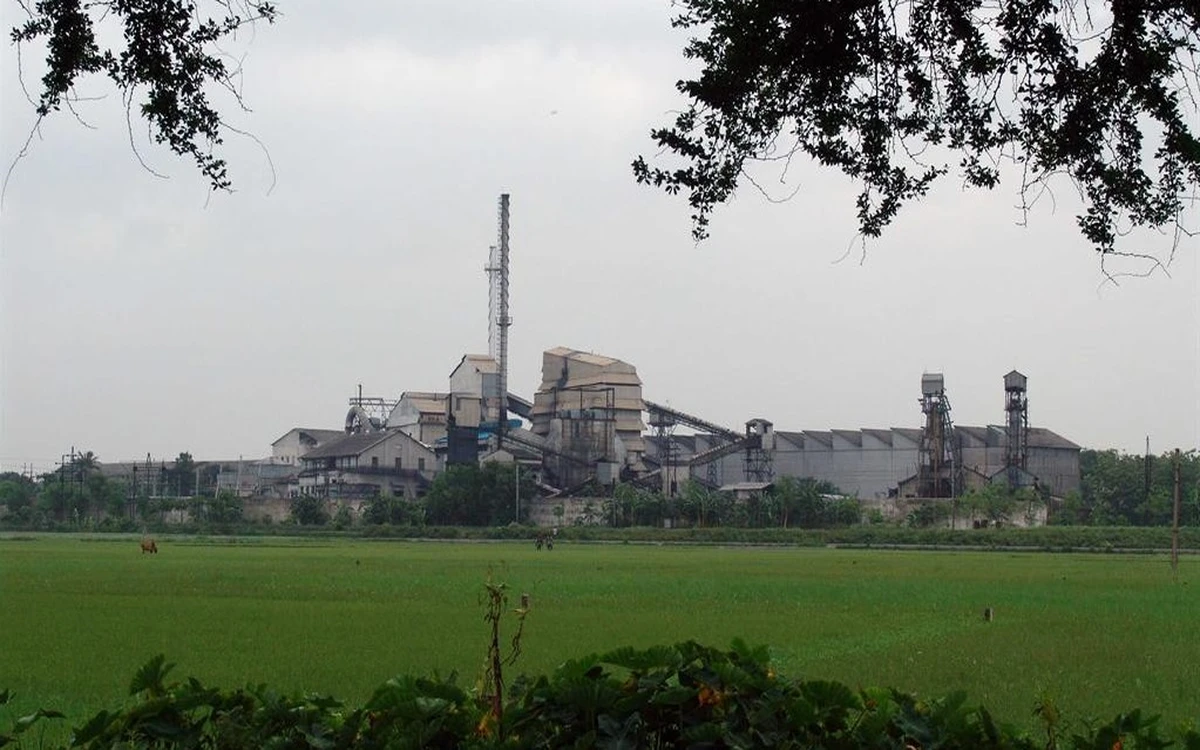
Several agile interventions helped ITC-PSPD fortify its clear leadership of the Value Added Paperboards (VAP) segment
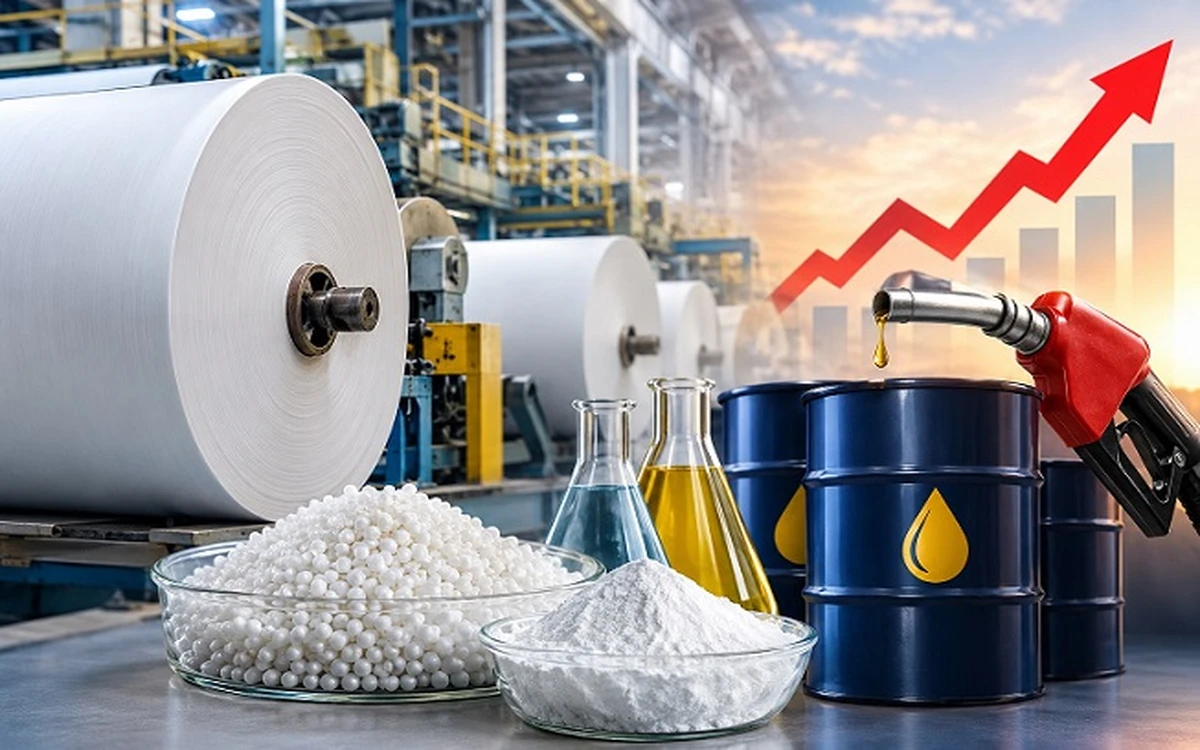
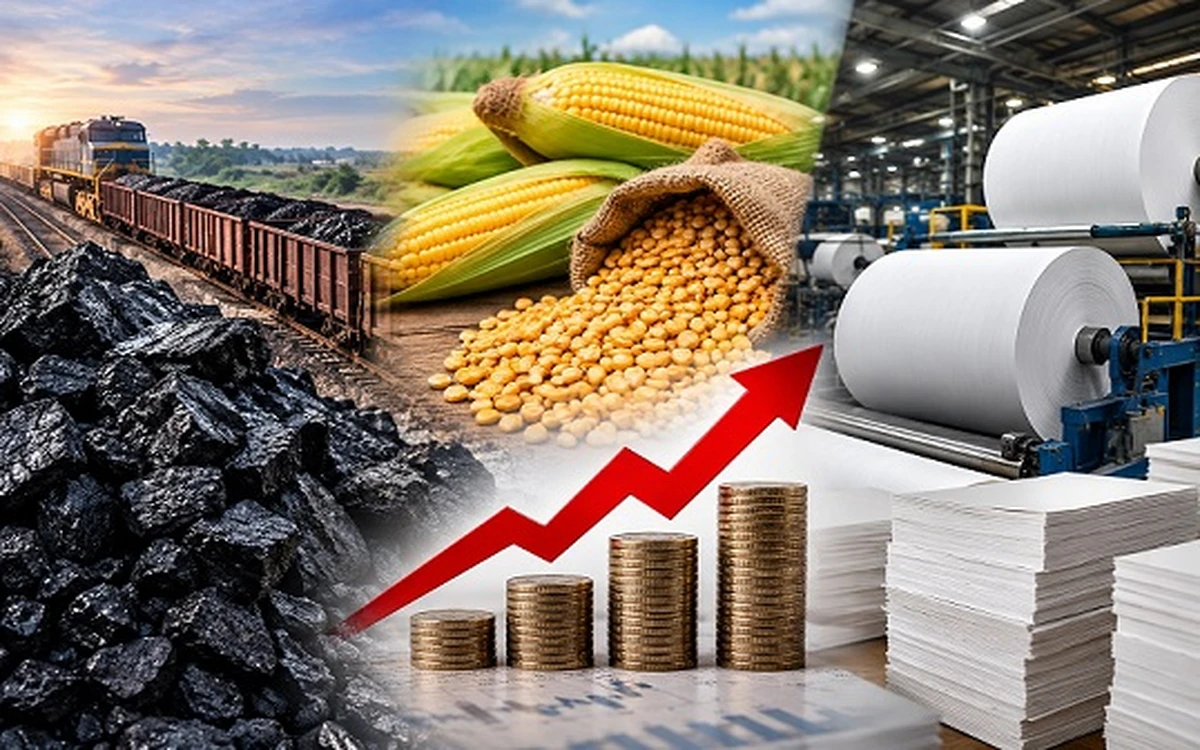
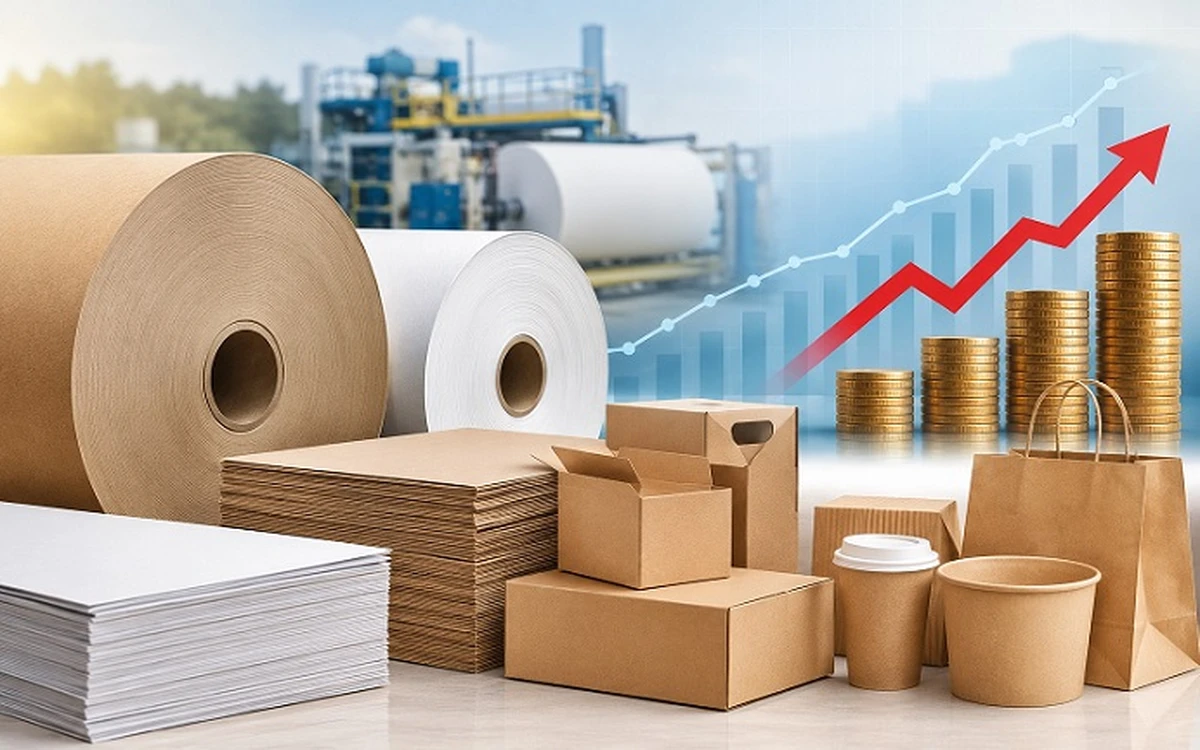
Paper Mill Expert Expects 7–11% Price Hike in Q3–Q4 FY27; Rising Chemical and Fuel Costs Continue to Pressure Margins
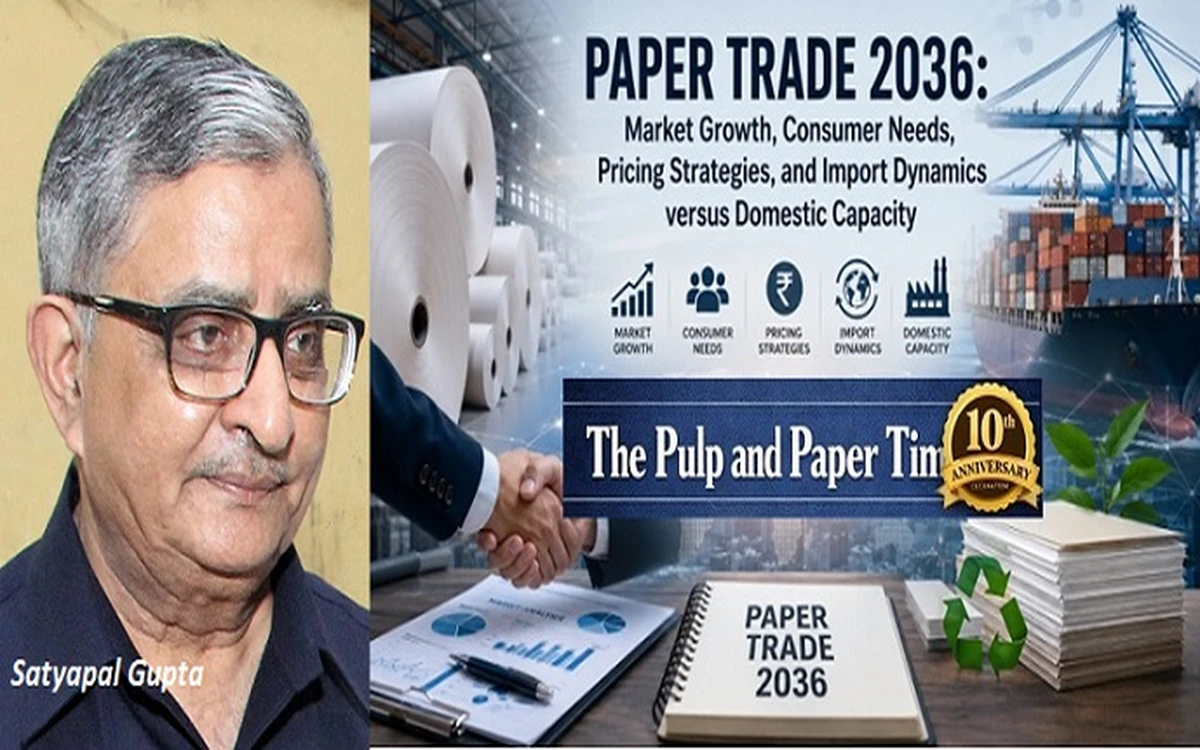
“A trend may emerge wherein technology JV may emerge among the paper producers to have the grades produced in the region.” — Satyapal Gupta, Chairman, Narsingh Dass & Co.
Over AED 1.3 Billion in Investments in the Paper Industry Underscore Growth Potential in the GCC Region
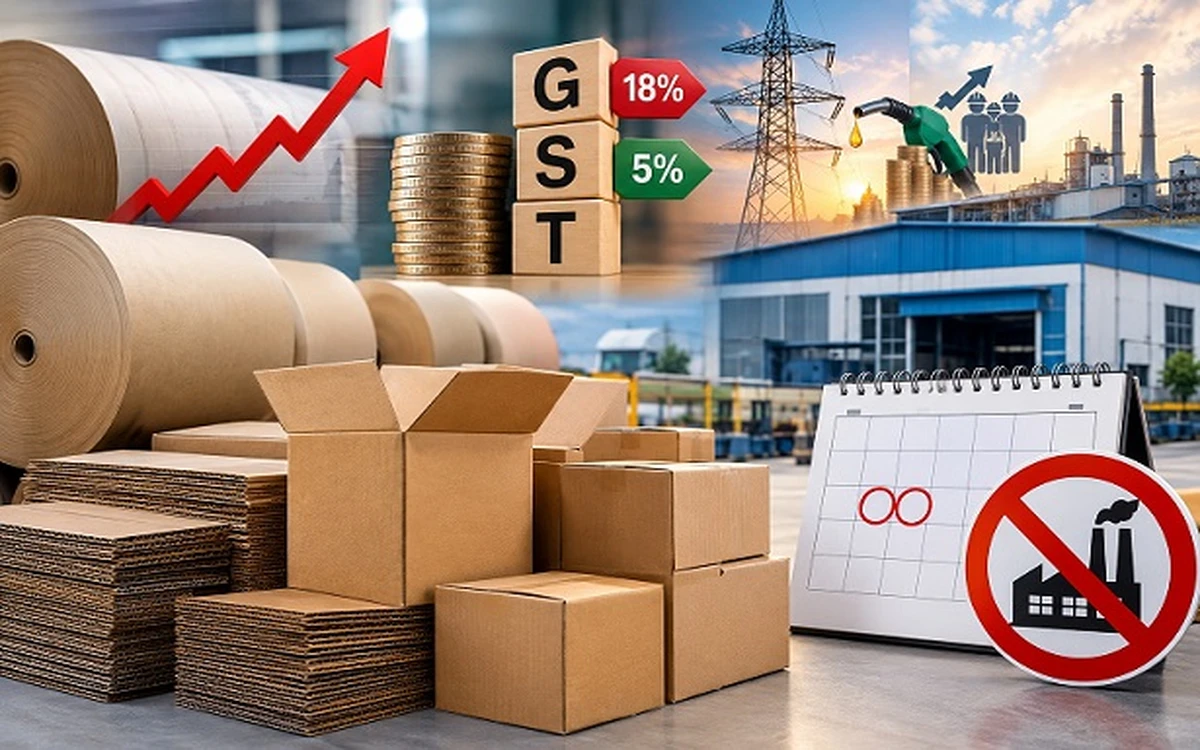
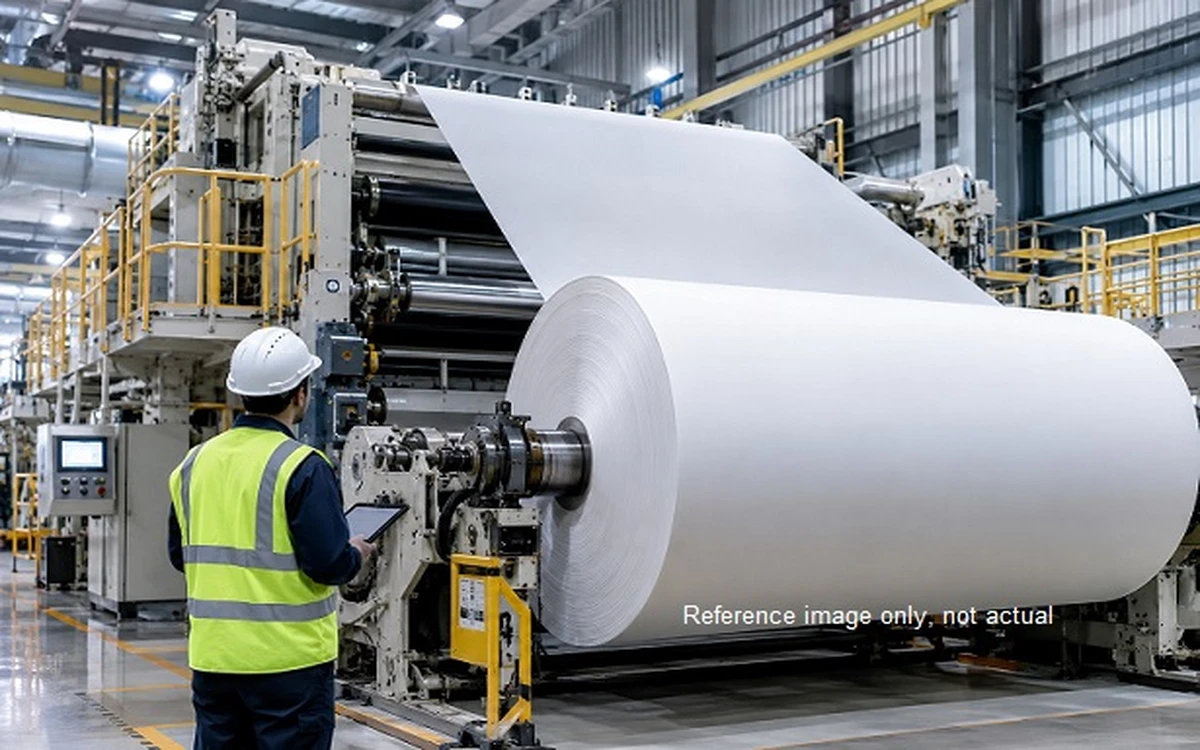
Overall Increase in Kraft Paper Prices Could Reach 35%; Industry Calls for 20% Box Price Increase, Voluntary Shutdown Proposed
Paper mills inflated the basic ex-mill price of paper post GST 2.0, AINMA seeks action against Anti-Profiteering
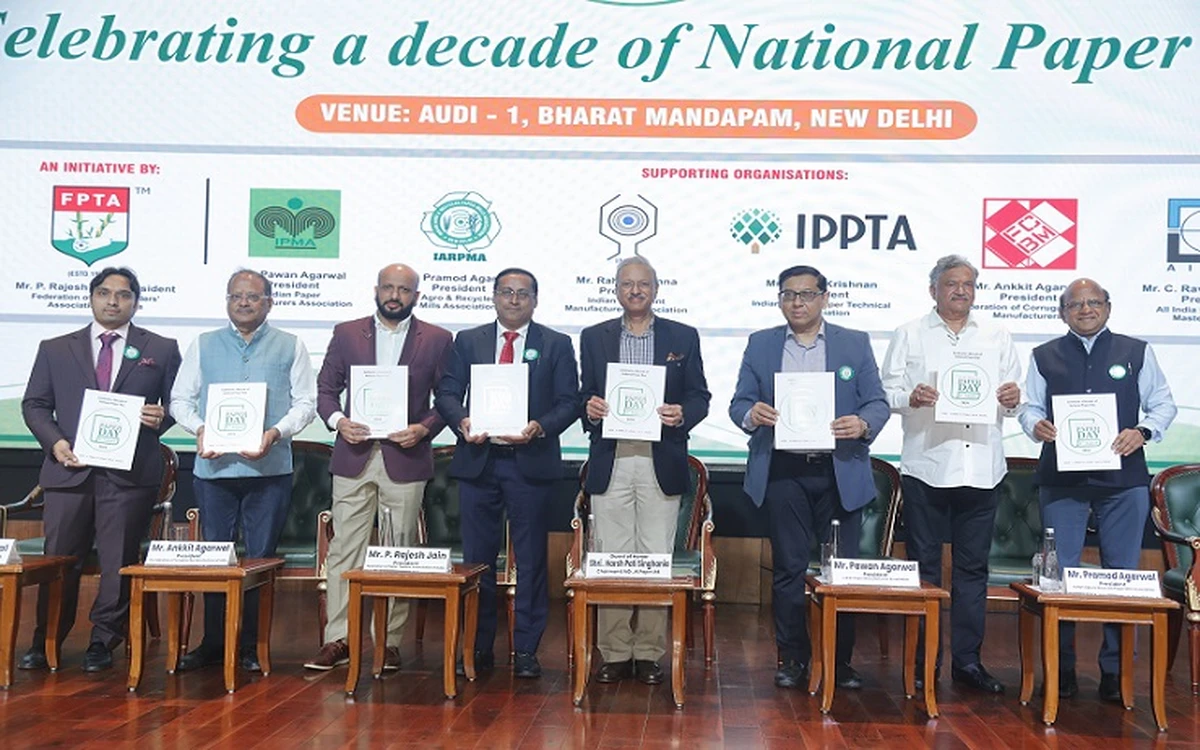
Seven Leading Associations Unite to Celebrate National Paper Day, Highlighting Paper's Sustainability and Circular Economy Advantage
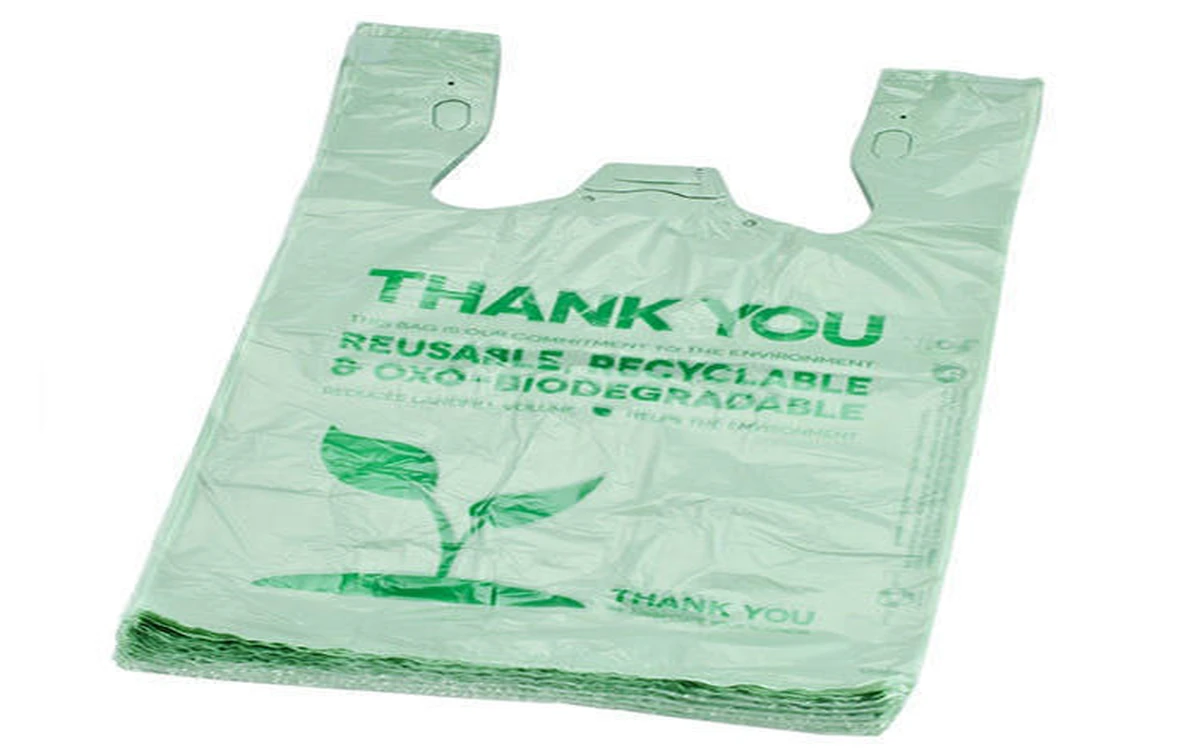
Scientists from IIT-Guwahati develop India's first biodegradable plastic

Navneet Education focuses on brand building, curriculum-led growth, and export recovery; expects stationery margins to improve in FY27

It is estimated that USD10B to USD20B worth of single-use plastic packaging will convert to molded fiber, ZUME
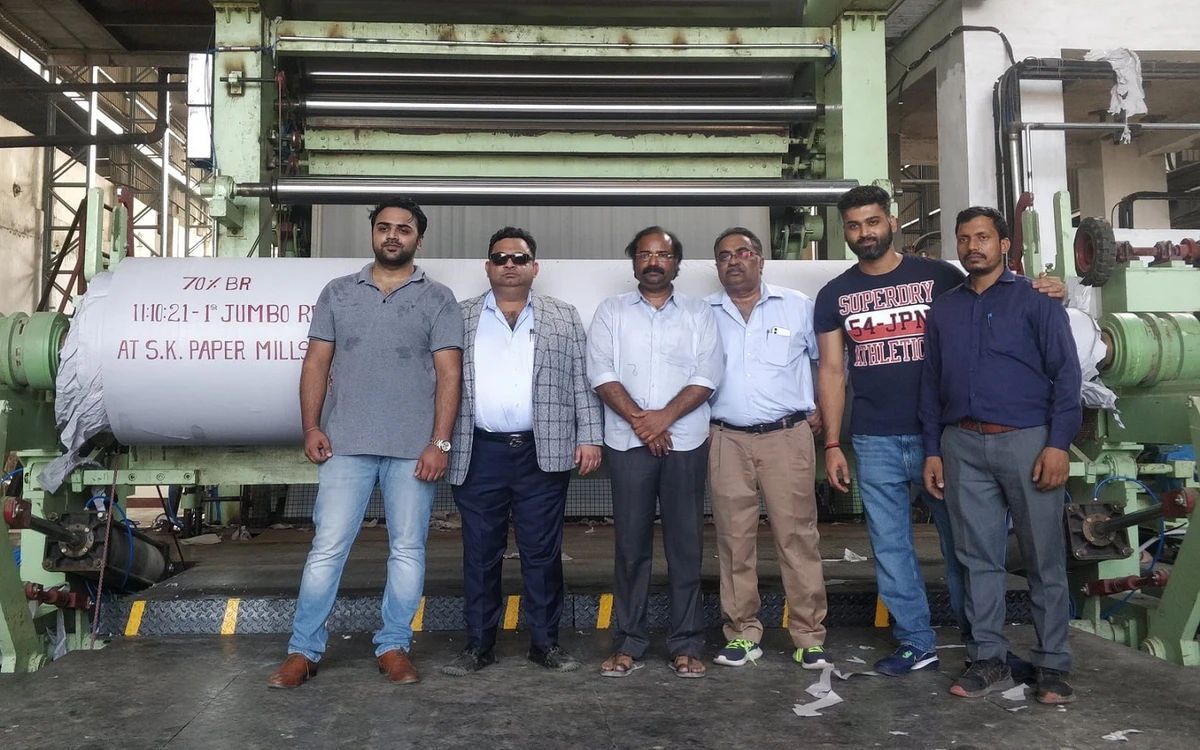
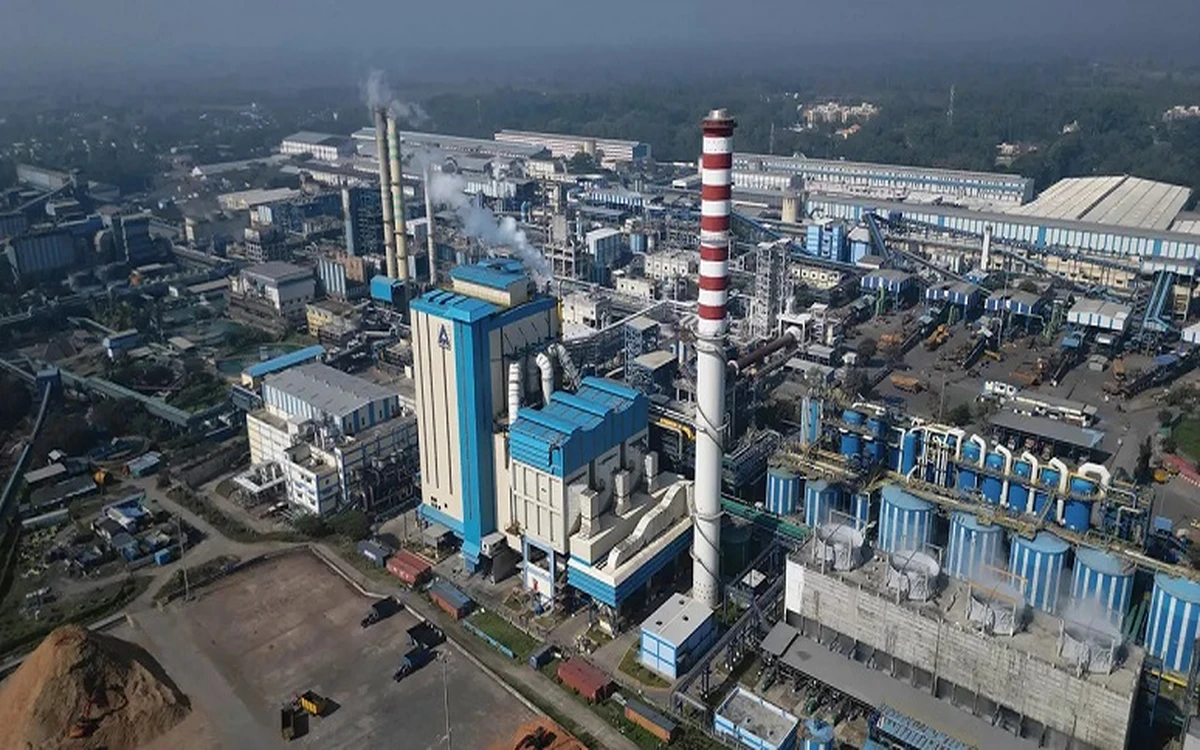
Muzaffarnagar gets a new capacity of Tissue Paper and MG Poster paper
Paper Mill Expert Expects 7–11% Price Hike in Q3–Q4 FY27; Rising Chemical and Fuel Costs Continue to Pressure Margins

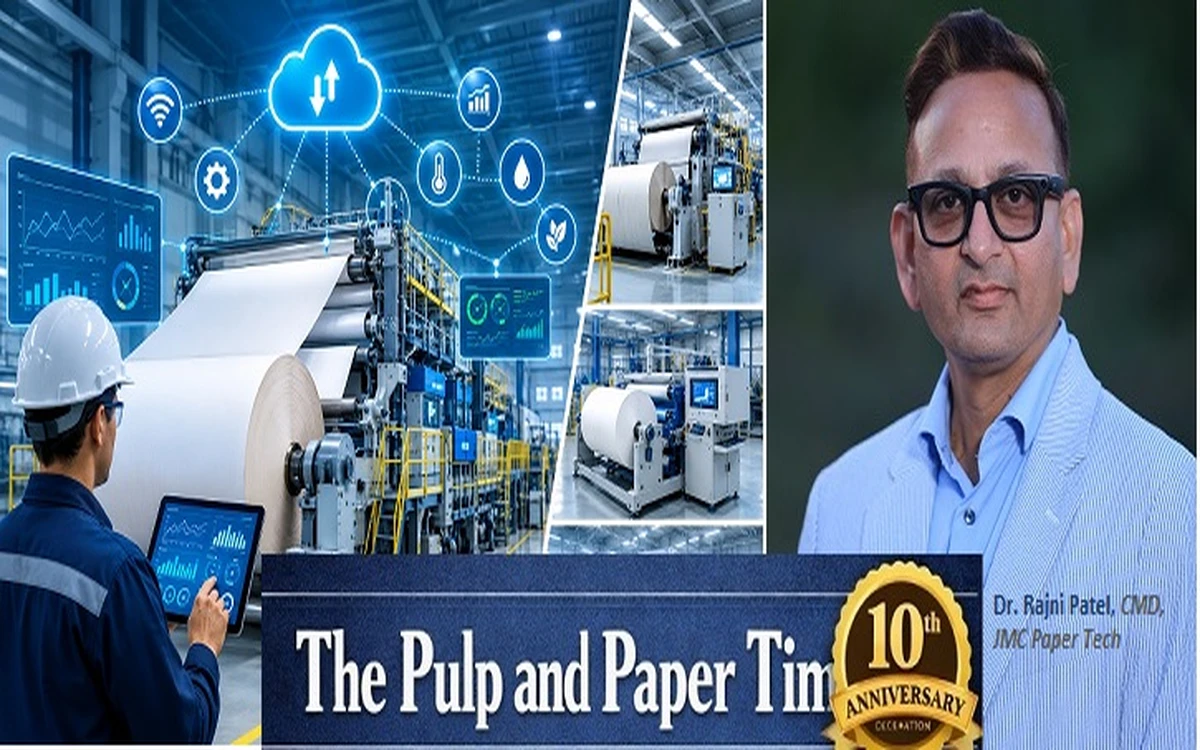
“The integration of digitalization, automation, and Artificial Intelligence (AI) is no longer a futuristic concept—it is the baseline for competitiveness in 2036” - Vinit Garg, Director, Vizen Solutions
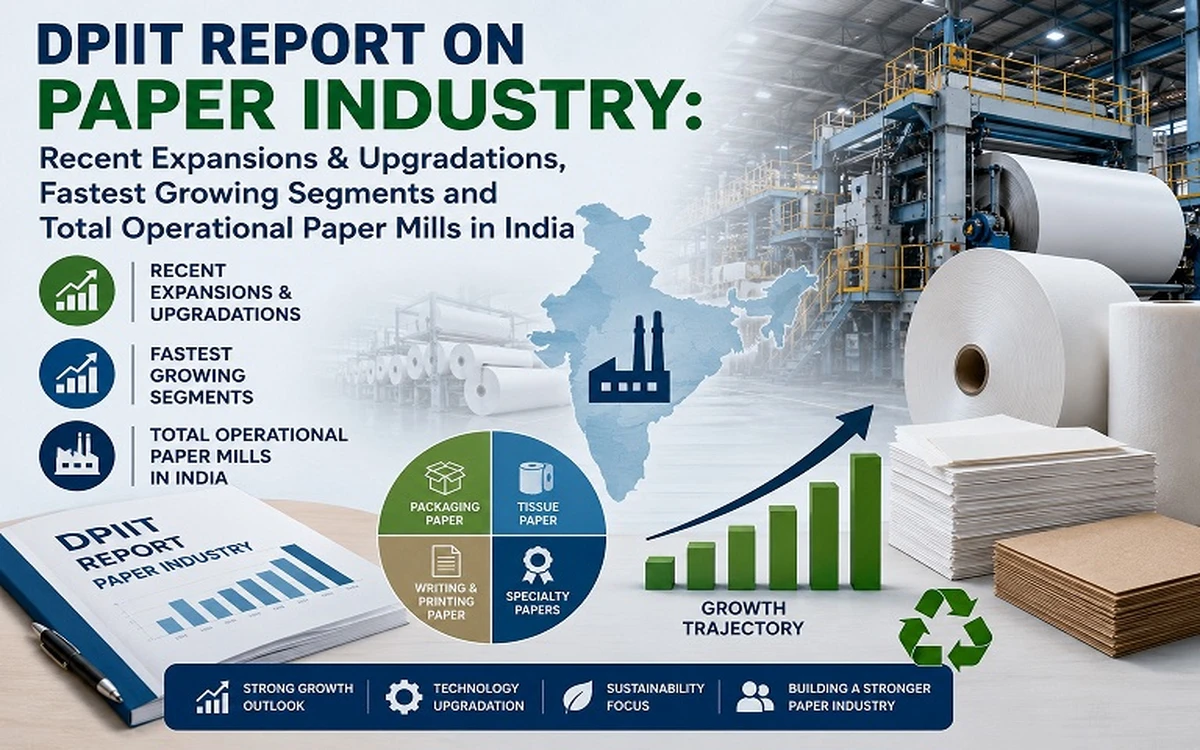
DPIIT Report on the Paper Industry: Recent Expansions & Upgrades, Fastest-Growing Segments, and Total Operational Paper Mills in India
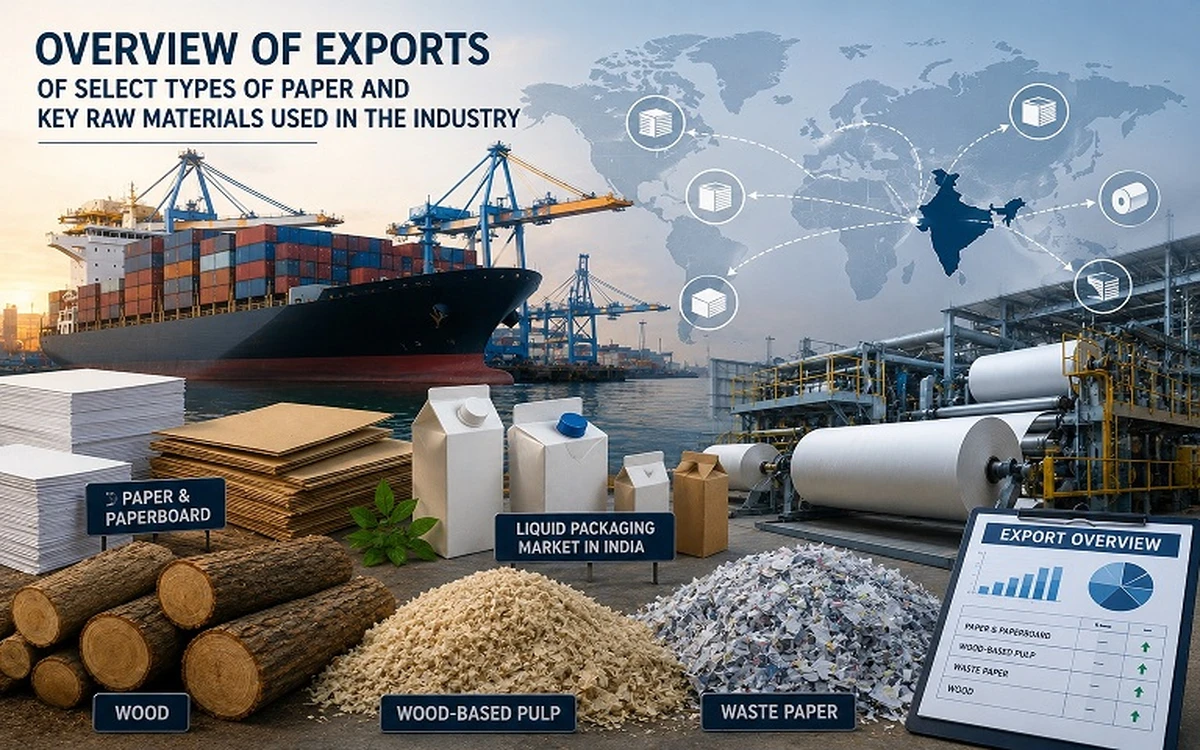
Overview of exports of select type of paper and key raw material used in the industry by Crisil Intelligence
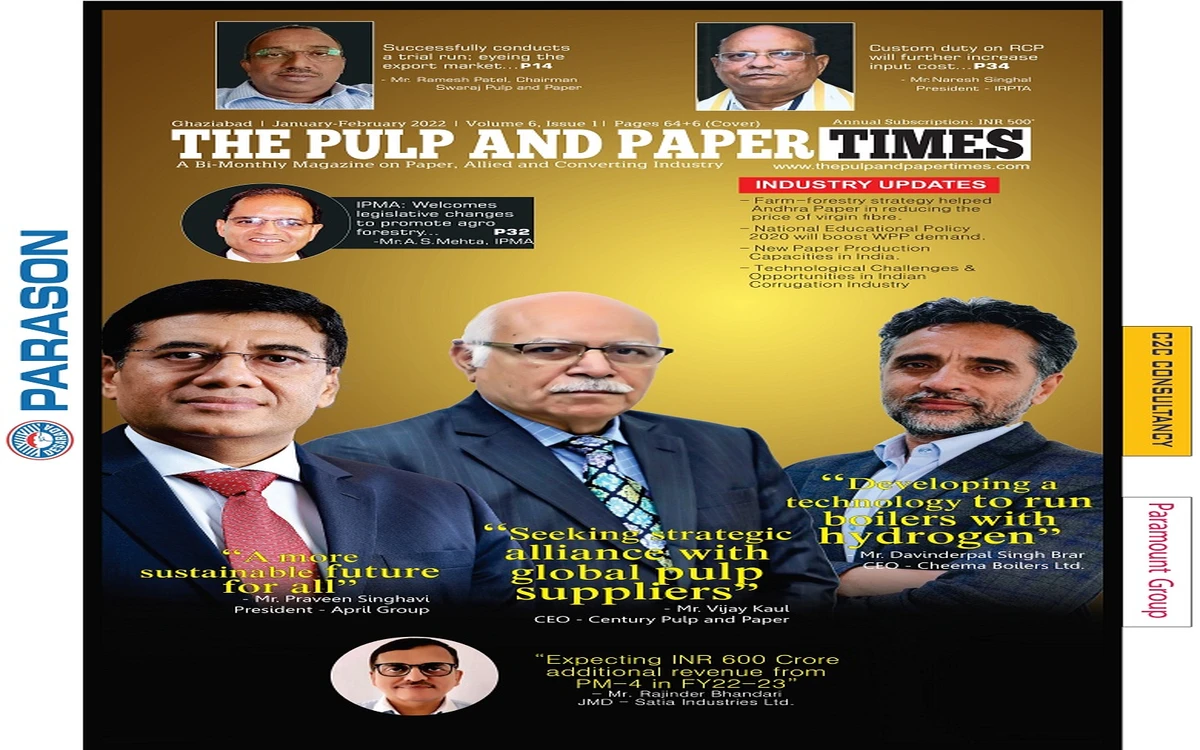
The Pulp and Paper Times Magazine : Volume 6, Issue 1
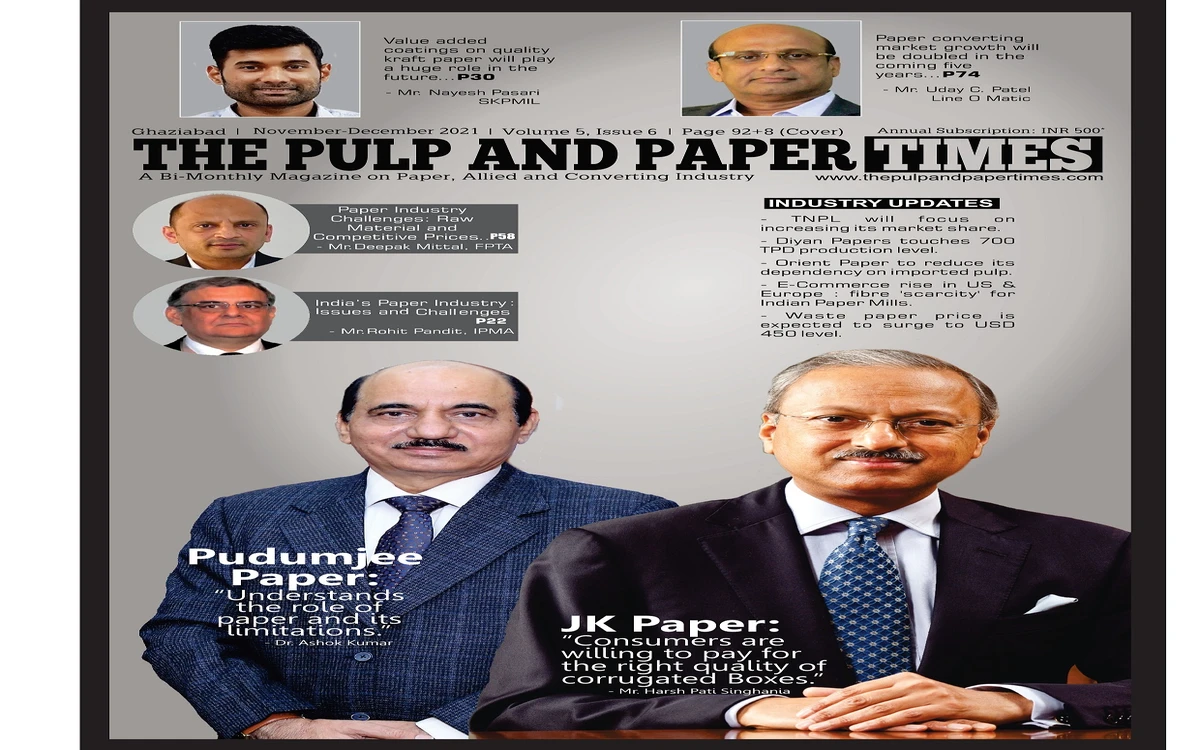
The Pulp and Paper Times Magazine : Volume 5, Issue 6
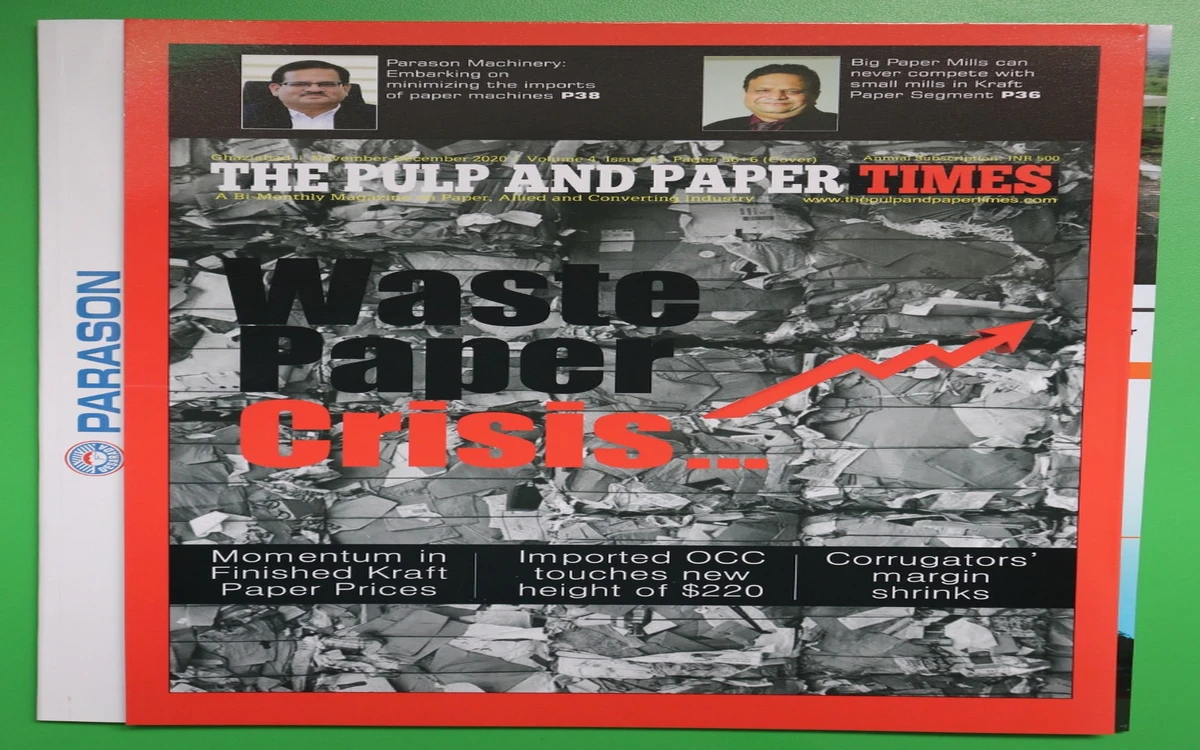
The Pulp and Paper Times: Volume 4, Issue 6
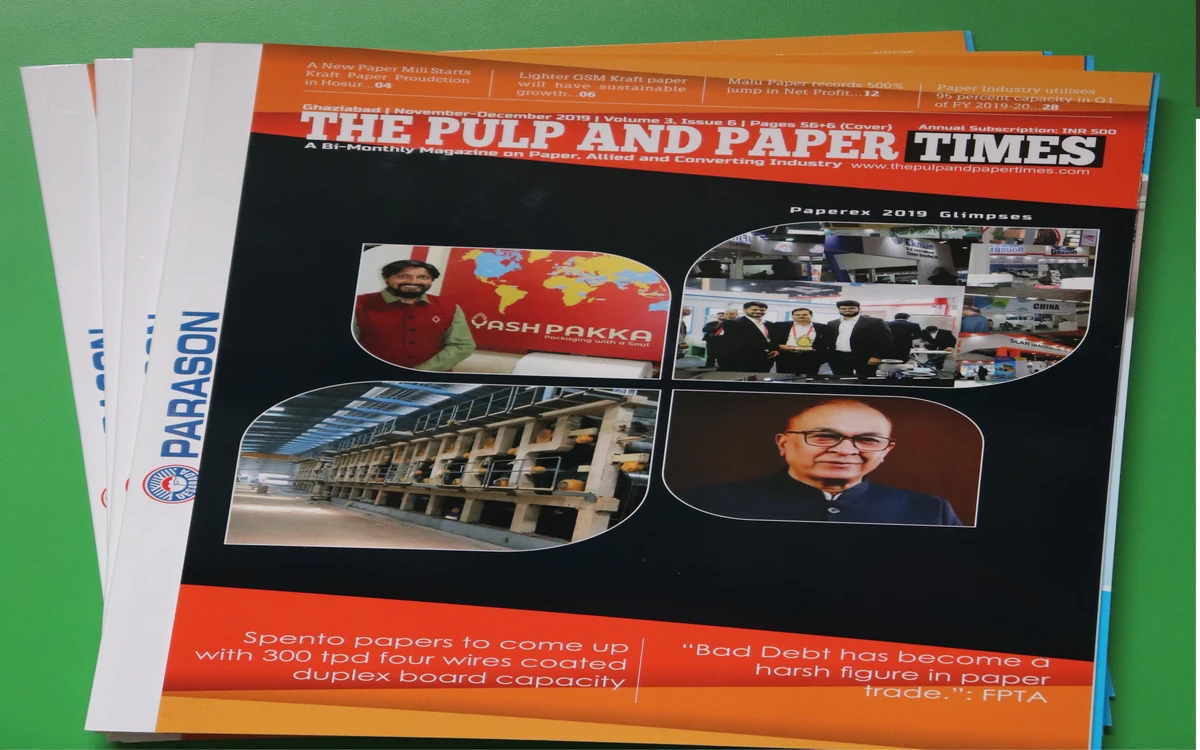
The Pulp and Paper Times : Volume 3, Issue 6
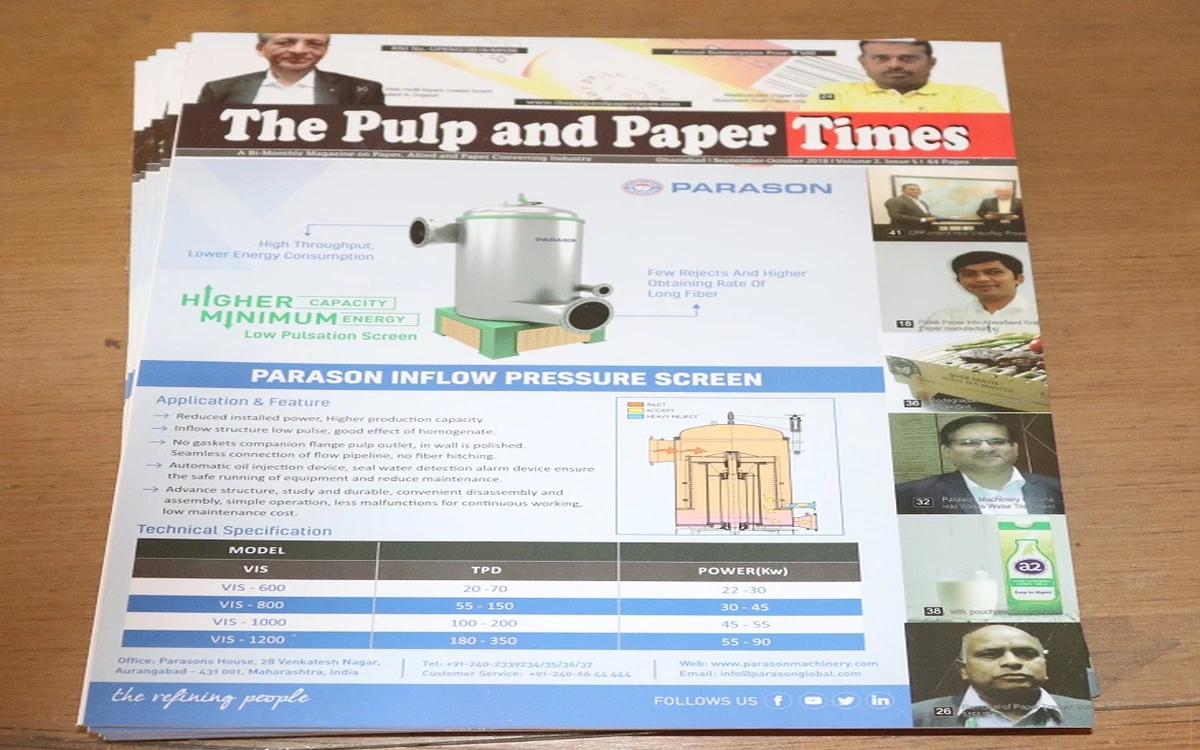
The Pulp and Paper Times: Volume 2 Issue 5

The Pulp and Paper Times, Volume 1, Issue 3
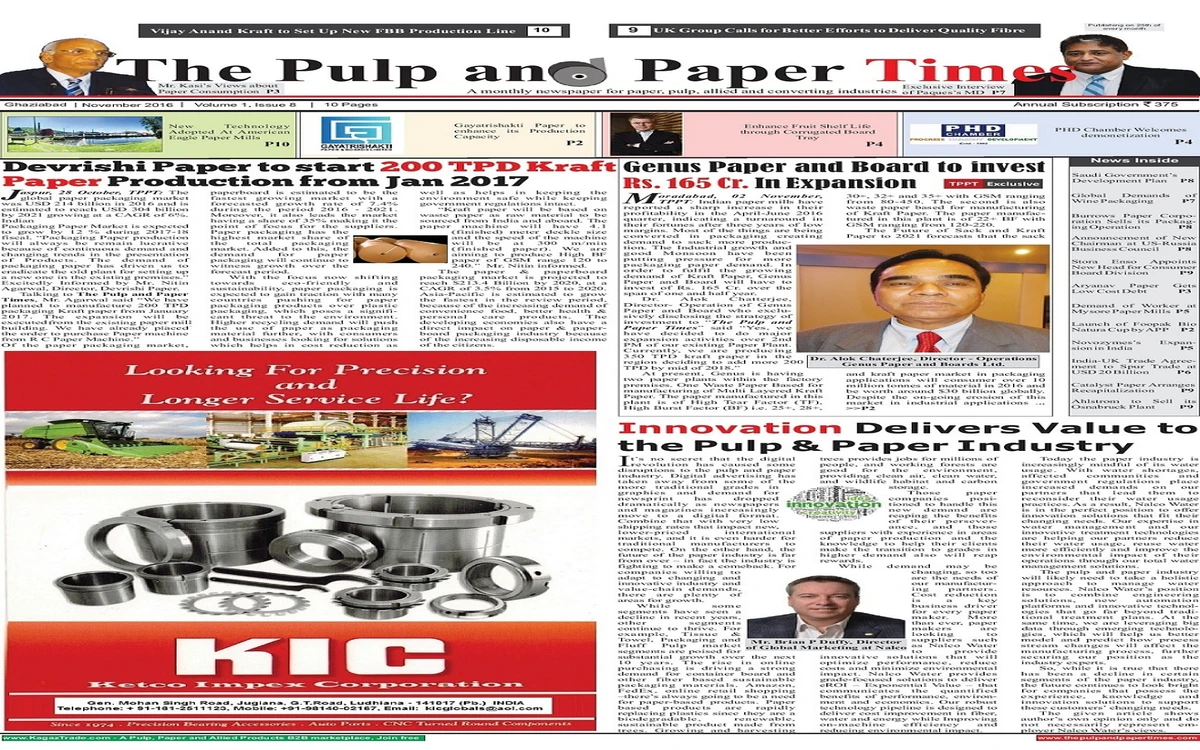
The Pulp and Paper Times, November 2016 Issue

- The next hike will possibly happen post-Diwali, when the entire market opens up and all workers and operations resume in the paper converting sector
- Wood as a raw material should become more available in the future, with prices at least remaining stable or declining
The Pulp and Paper Times
This quarter (Q2 FY27) is traditionally the lean season for the paper industry, which was further impacted by a surge in input costs. While domestic wood prices have softened due to improved availability, higher costs of agricultural materials and fuel, along with the impact of the West Asia war on chemical costs, continue to exert pressure on margins, reinforcing the importance of operational efficiency and cost optimisation across the industry.
During the Q2 conference call, when asked to quantify the increase in costs specifically attributable to the West Asia war, Mr. Pavan Khaitan, VCMD of Kuantum Papers, said, “Well, they have impacted the cost of chemicals, particularly sulfuric acid, for which the resources come from West Asia. And I think the impact is close to about 2-odd percent on sales, if you take the entire chemical composition for the operation.”

On starch costs, he said that starch costs would account for no more than about 2% to 2.5% of the total paper cost. “So there are many other factors. Starch is only one component whose cost is rising. There are a lot of other chemicals, like sulfuric acid, which I mentioned in my opening statement, and raw materials like wheat straw, whose costs are increasing.
“Fuel costs are increasing because coal supply is in a shortage-like situation, with most of the coal in India being supplied to power plants. This leaves the industry dependent on supplies from the open market, which has increased fuel costs for us. So, there are a lot of different factors at play. Costs have risen for various reasons. We are making sense of everything by getting the best output, optimising costs, preparing our products accordingly, and achieving the best possible realisation from the market for our products.

“But post-Diwali, we expect wheat straw prices to come down. Right now, the entire labour force is involved in harvesting the rice crop. As a result, the availability of labour for loading and unloading vehicles is limited. So, there is a temporary scarcity situation, which is driving up prices. This higher pricing cannot really be considered normal because it is temporary. Post-Diwali, we expect wheat straw prices to normalise.”
On the demand front, Mr. Khaitan said, “Yes, Q3 certainly looks upbeat. There are tailwinds suggesting that there would be a price improvement. However, looking at the Q2 performance, even after going through a lean period, we were still able to sell whatever we produced. We were still operating at 100% capacity utilisation because of the way we have been able to establish our market presence and collect orders in advance for our production lines.”

On the paper price hike, he said, “Q3 will certainly be better in terms of price realisations for us. We are expecting prices to increase in the range of 7% to 11%. The price hike is going to be more sustained over the next two quarters. Imports have come down, but so have exports. Exports from India to various parts of the world have also seen a downturn. Again, the impact is due to rising ocean freight costs. So, whatever was being exported earlier is finding its way into the domestic market through Indian players. There is a kind of stability in the demand and supply situation in the paper industry.
“The next hike will possibly happen post-Diwali, when the entire market opens up and all workers and operations resume in the paper converting sector. That is when demand will kick in, creating the conditions for a relevant price hike. So, the 7% to 11% price hike I suggested is expected to continue through Q3 and Q4.”

On imports, Mr. Khaitan said, “Imports are pretty much stable at the moment. We haven't seen an increase in imports, which had normally occurred over the last two years. They have subsided to quite an extent, again due to the Gulf War situation, higher freight costs and freight costs remaining at elevated levels. This has clearly impacted and dented the volume of imports coming in. I feel imports are stable and are not impacting the industry unfavourably.”
On global paper prices and imports, Mr. Jagdeep Hira, Whole-Time Director and Chief Executive Officer – Operations, said, “Over the next two years, we are looking at an incremental global price increase. Globally, I am talking about pricing increases that are presently in the range of 3% to 5%. We can see that the trend is moving upwards as the global scenario improves. Similarly, as Pavan Ji said, we are looking at increased realisations in the domestic market as well. If we talk about imports, we are also looking at some support from government bodies, with anti-dumping duties being imposed across all grades, which will benefit the industry.”

On MIP for the WPP segment, he mentioned, “Our MIP for the writing and printing paper segment is already under investigation by the government. Hopefully, we should see some kind of favourable outcome in the next three to six months.”
On wood availability, he said, “We clearly see an increase in the availability of wood materials, which should help positively assess and impact the pricing of that product for us. Wood as a raw material should become more available in the future, with prices at least remaining stable or declining, but certainly not increasing. I think supporting this will be the increase in our own clonal sapling production that we have been able to achieve.”

44 minutes ago
Total Views : 192
2 days ago
Total Views : 456

last week
Total Views : 795
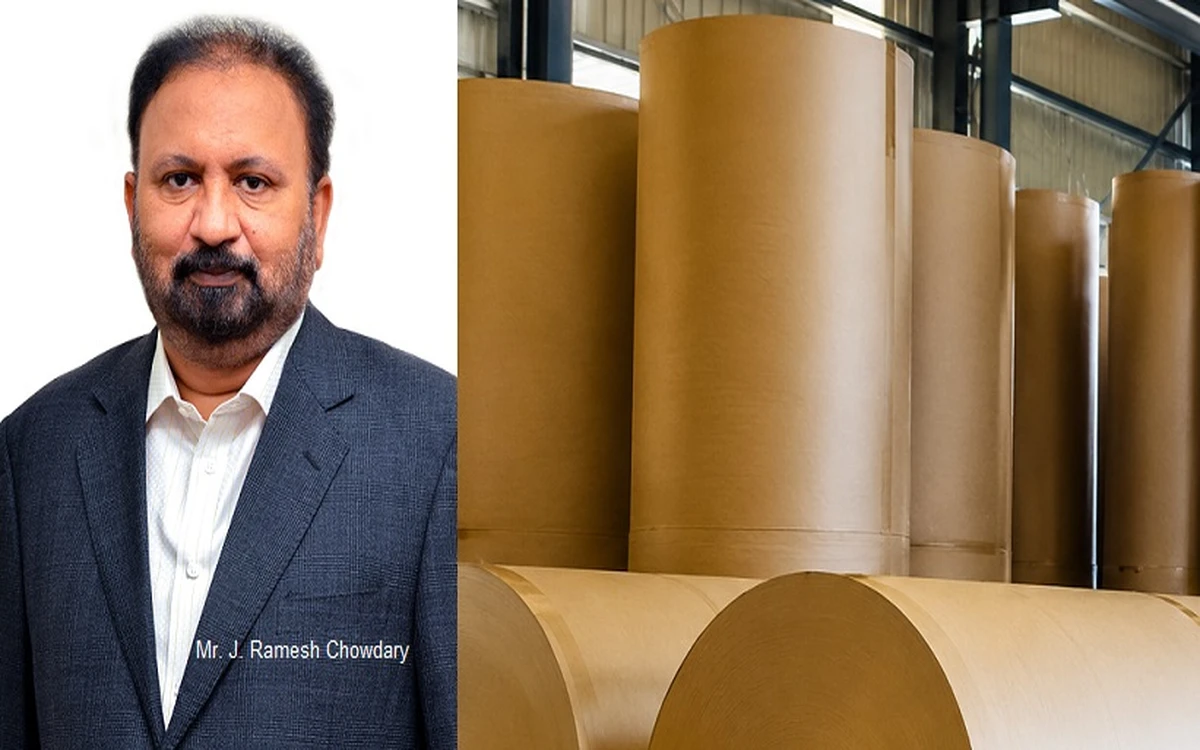
last week
Total Views : 3627

2 weeks ago
Total Views : 2397
2 weeks ago
Total Views : 694
3 weeks ago
Total Views : 3713
3 weeks ago
Total Views : 5835
3 weeks ago
Total Views : 2647
last month
Total Views : 3661