Join Groups & Channels, No Spamming









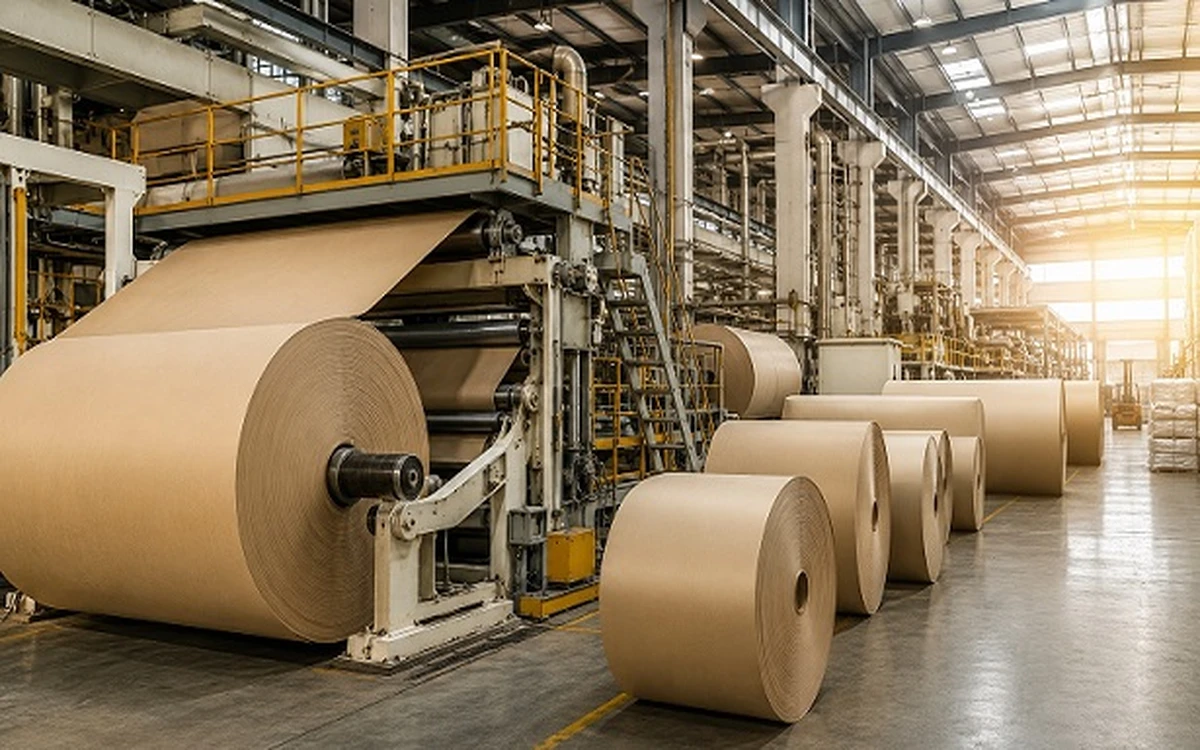
Morbi paper mills see full-capacity operations as ceramic industry revives; Kraft paper exports to China spike, Prices strengthen; Janmashtami shutdown ahead

The BE and caustic soda plant marks a key milestone for Mohit Paper Mills, enabling full utilization of installed capacity and enhancing overall production efficiency
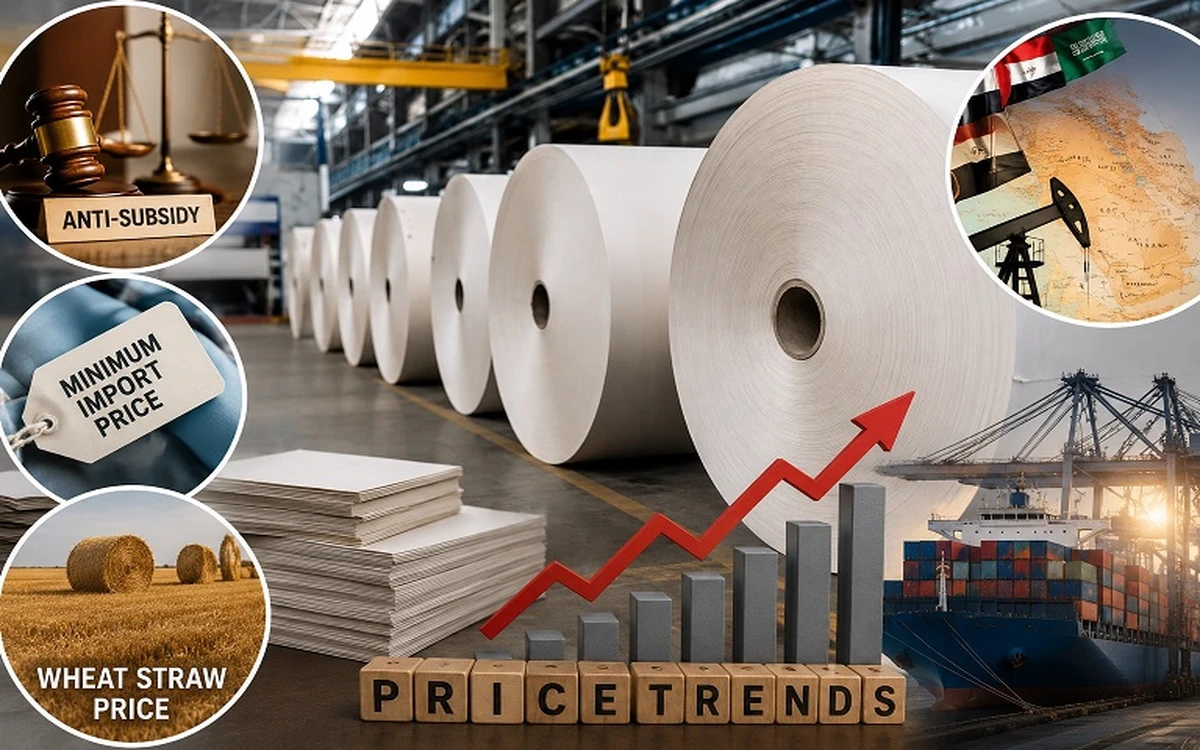
Expert Views on the paper market scenario, How the West Asia Crisis Helped the Industry, MIP for WPP, Anti-Subsidy implementation, and paper price trends
Pudumjee Paper intends to develop new varieties addressing applications for stronger paper bags and cupcakes; Plans 68,000 MT Mahad Specialty Paper Facility within 5 years
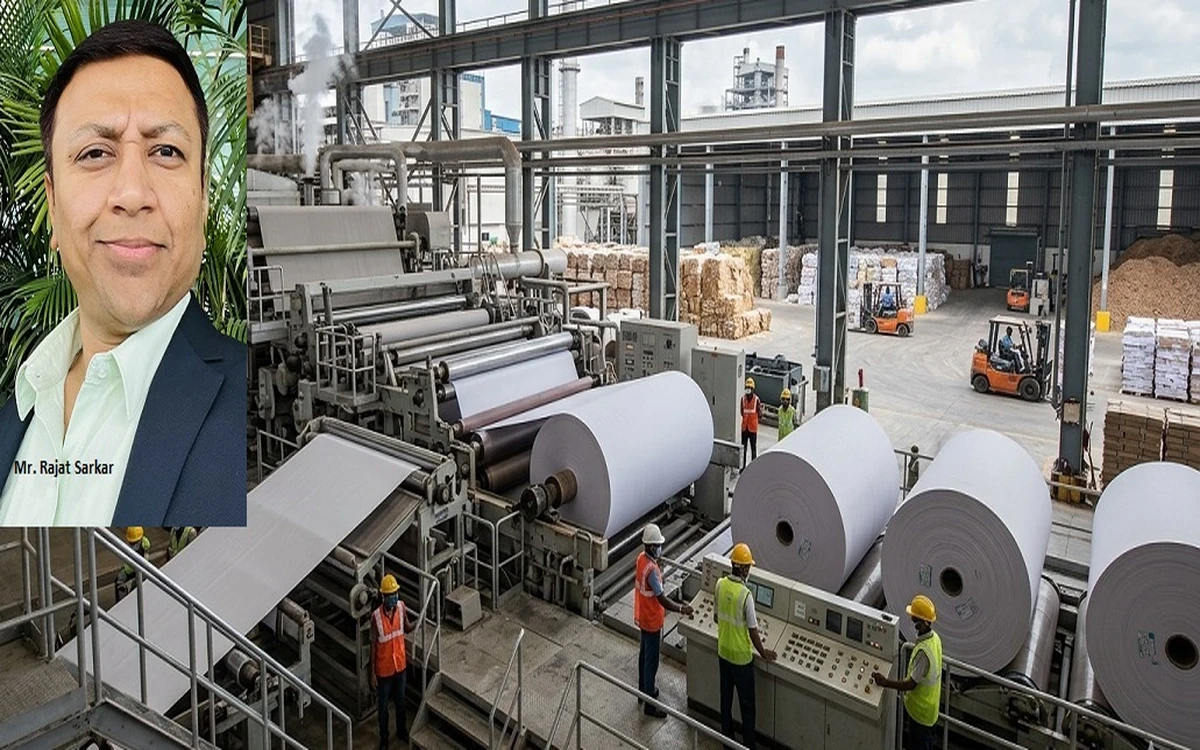
India Paper Industry at an Inflection Point: War, Costs, and Capacity; Demand growth expected at 5–7% in FY26
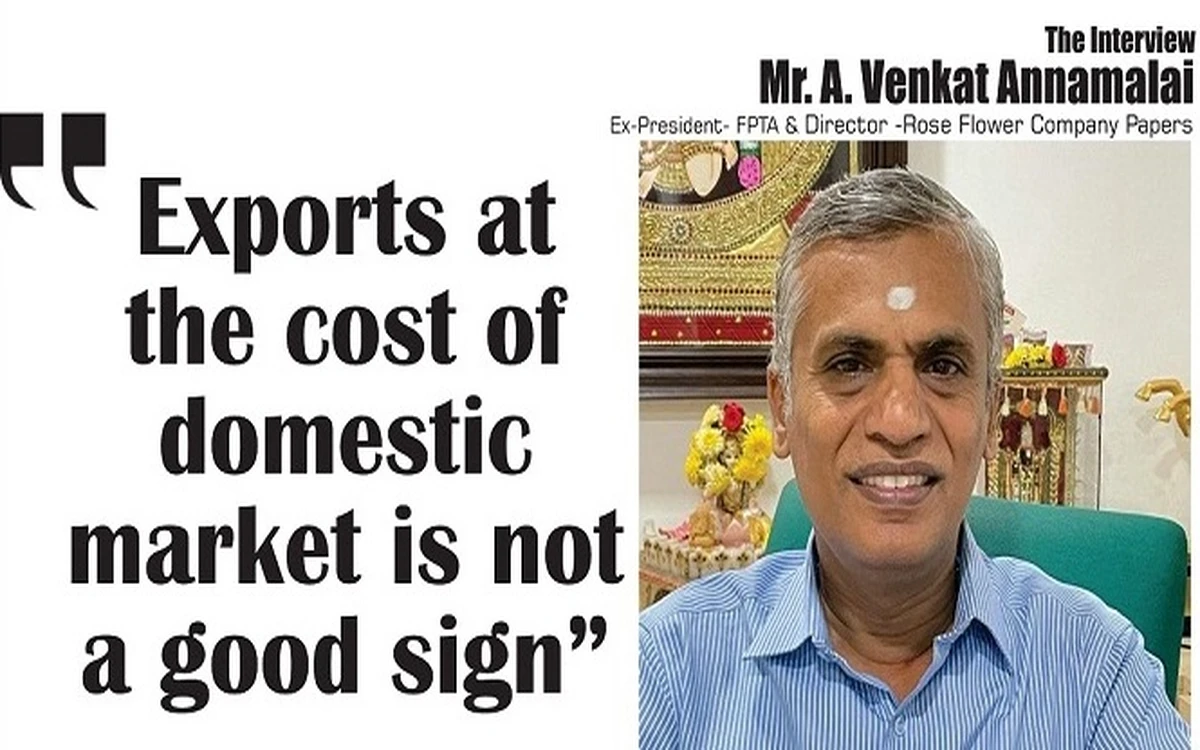
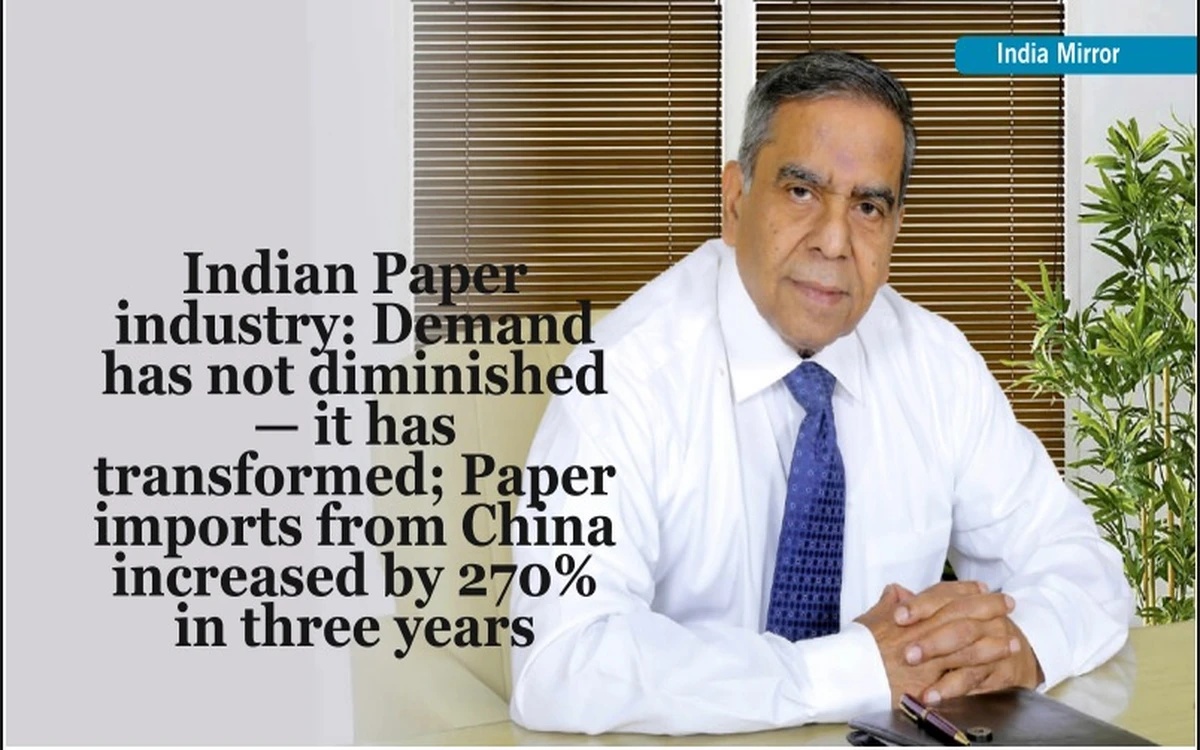
“Surging exports of paper will most certainly keep the domestic prices quite high”: Mr. A. Annamalai, Director – RFC
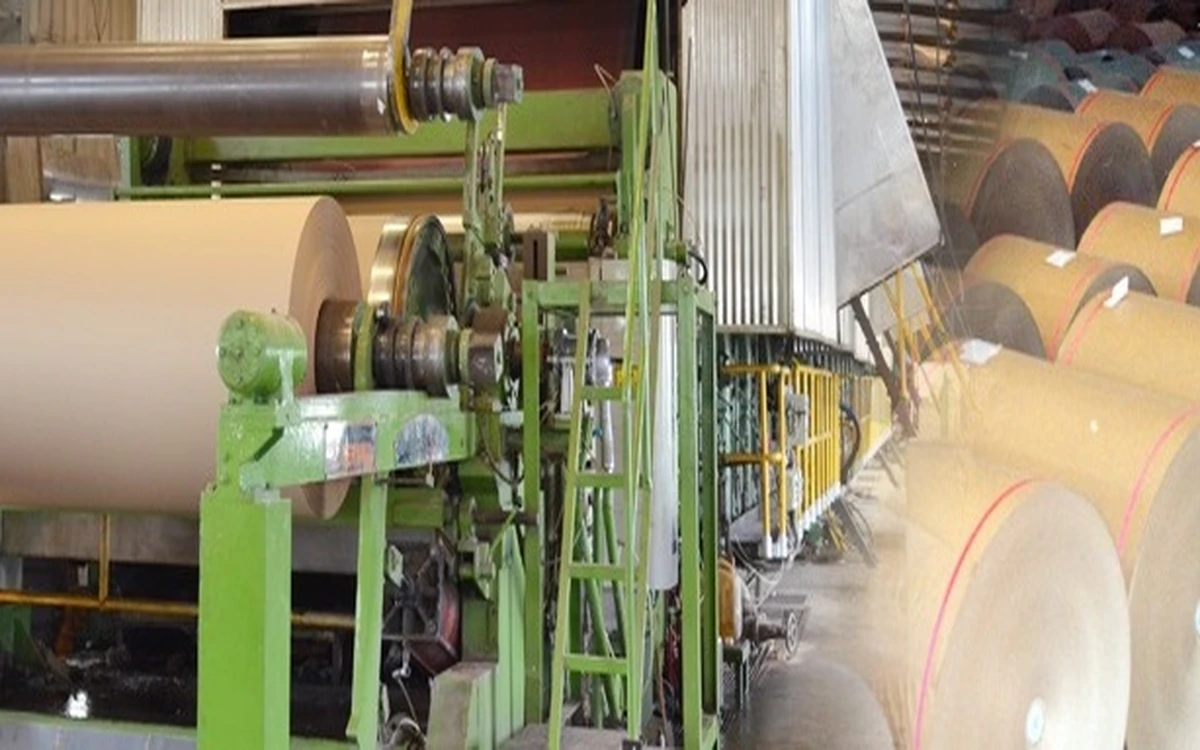
The Status of the Global Container board Industry, Recycled Paper Demand and Supply and its impact on the Indian Industry

Akshay Jain, director of Silverton Pulp & Paper, says it's time to promote agro residue as a raw material to lessen the scarcity of fibre
Advantageously located, a new paper mill is all set to roll kraft paper in Madhya Pradesh
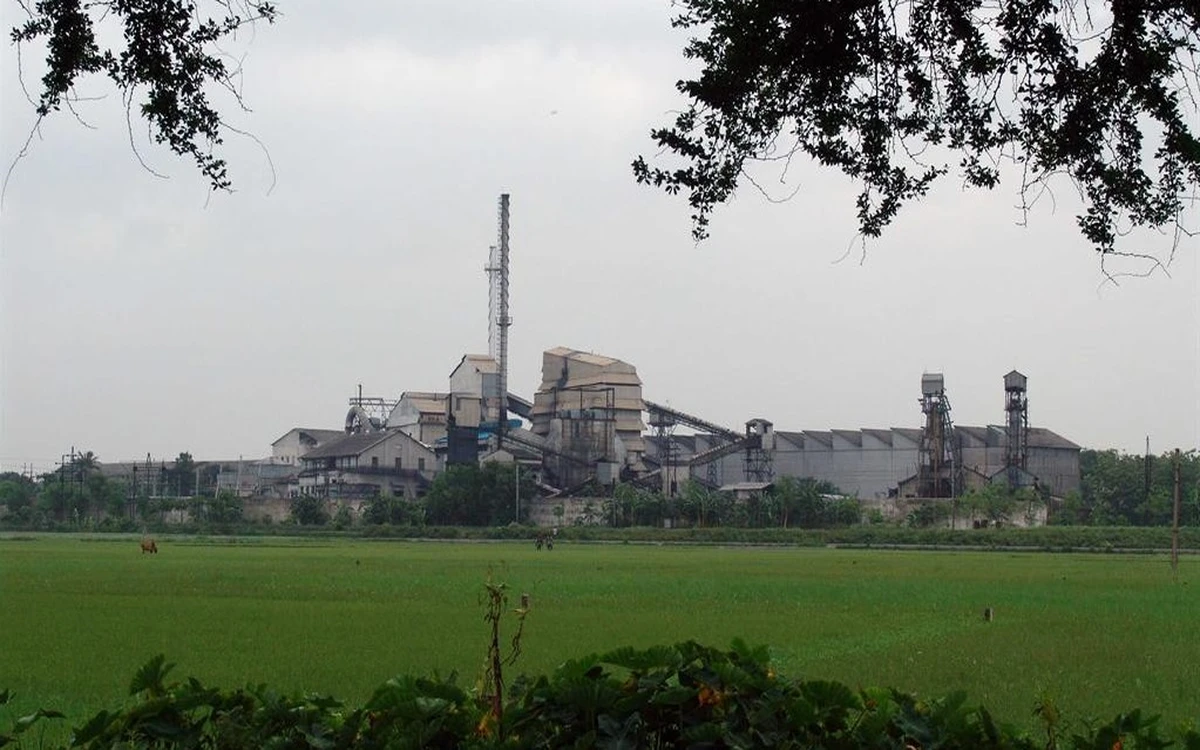
Several agile interventions helped ITC-PSPD fortify its clear leadership of the Value Added Paperboards (VAP) segment
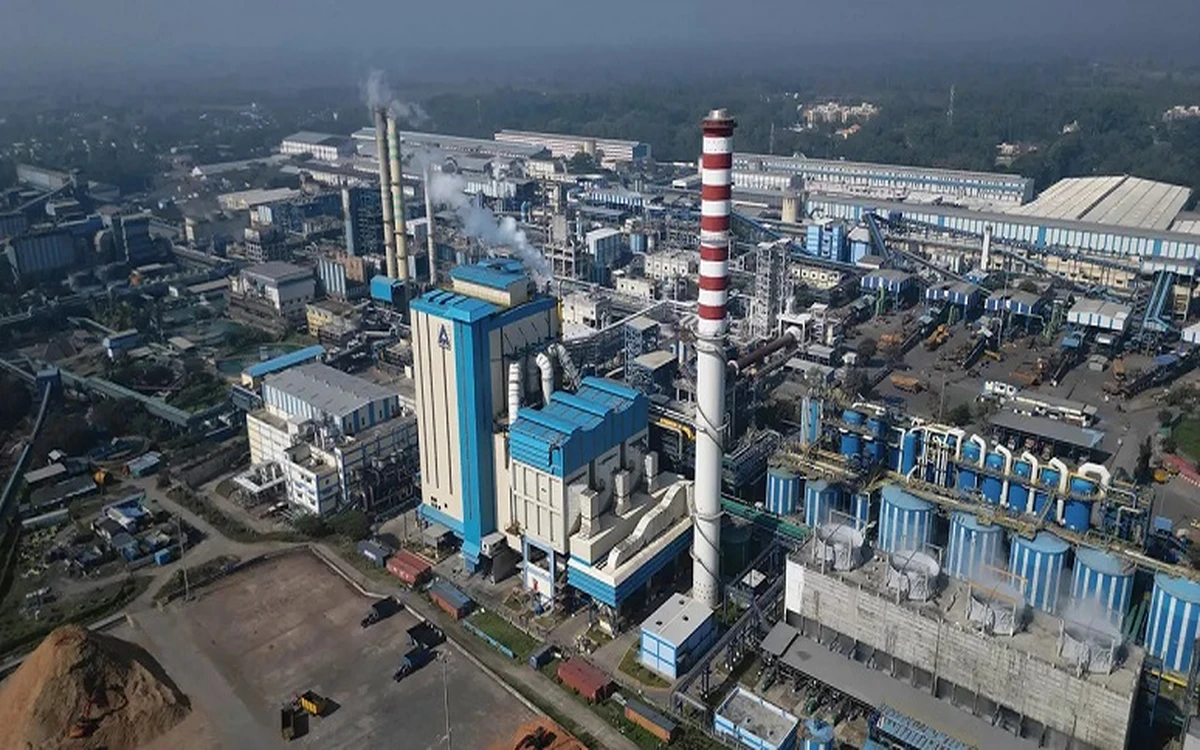
ITC-PSPD to Install a New BCTMP Line to Increase High-Quality Pulp Production; Chooses Valmet as Technology Partner

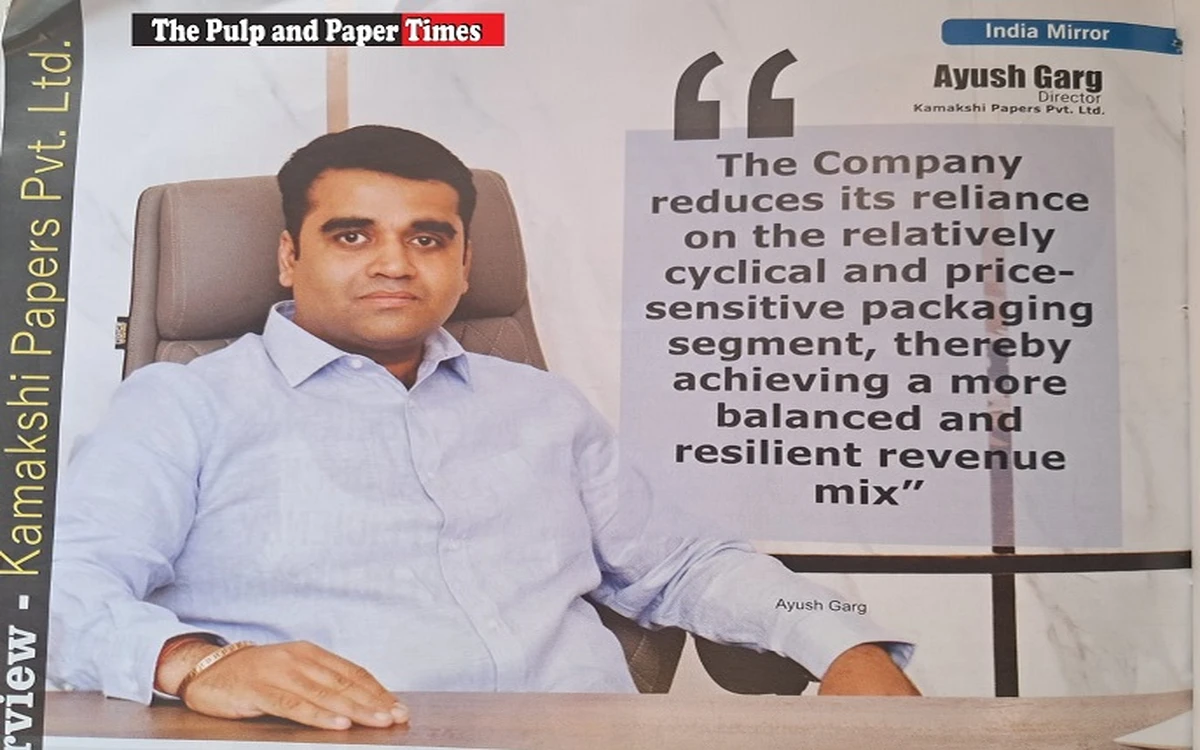
Indian paper industry is entering a sensitive phase, with coal and starch availability emerging as critical concerns; Price Hikes Indicated

Paper and Packaging Board Market May Face Cost Pressures Through March 2027; FPTA Advises Traders
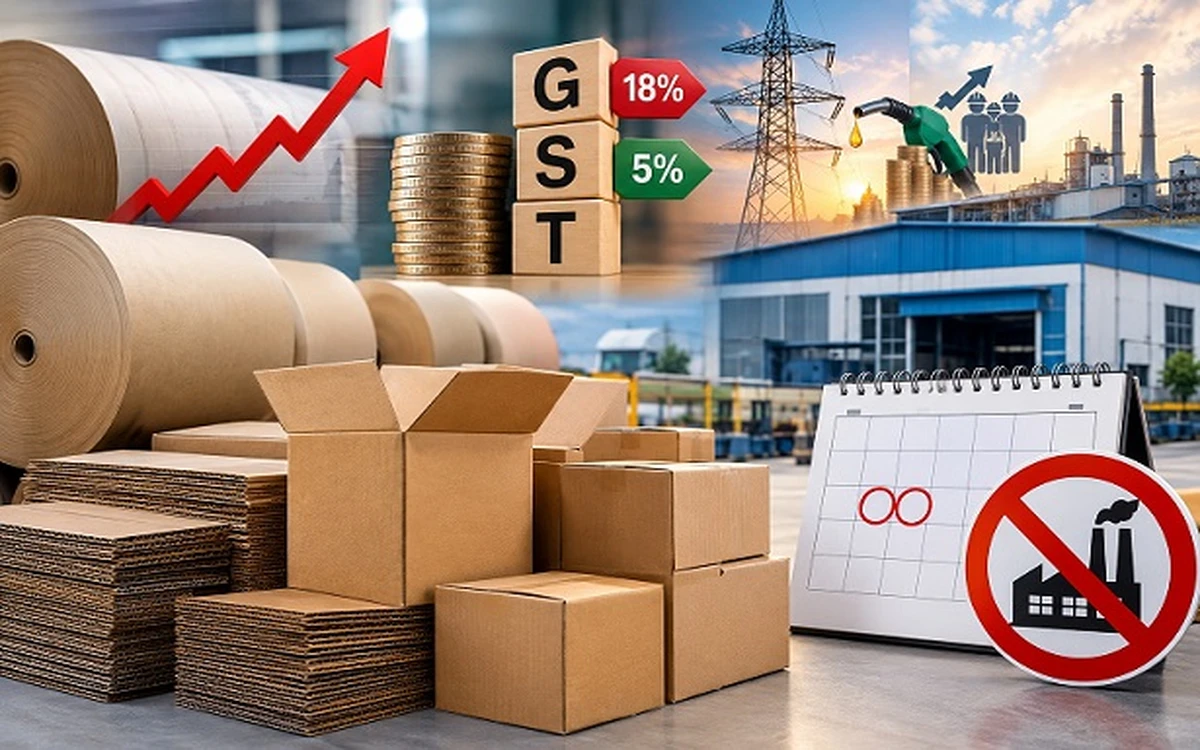
Overall Increase in Kraft Paper Prices Could Reach 35%; Industry Calls for 20% Box Price Increase, Voluntary Shutdown Proposed
Paper mills inflated the basic ex-mill price of paper post GST 2.0, AINMA seeks action against Anti-Profiteering
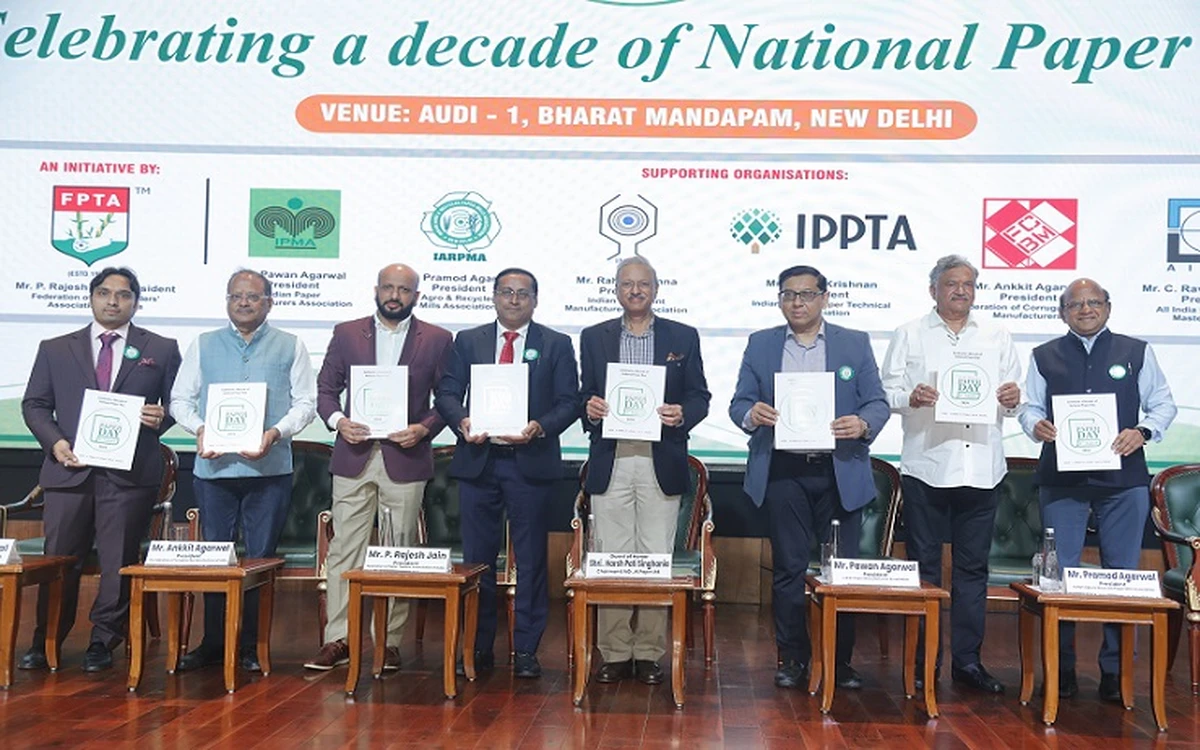
Seven Leading Associations Unite to Celebrate National Paper Day, Highlighting Paper's Sustainability and Circular Economy Advantage

Scientists from IIT-Guwahati develop India's first biodegradable plastic

Navneet Education focuses on brand building, curriculum-led growth, and export recovery; expects stationery margins to improve in FY27

It is estimated that USD10B to USD20B worth of single-use plastic packaging will convert to molded fiber, ZUME
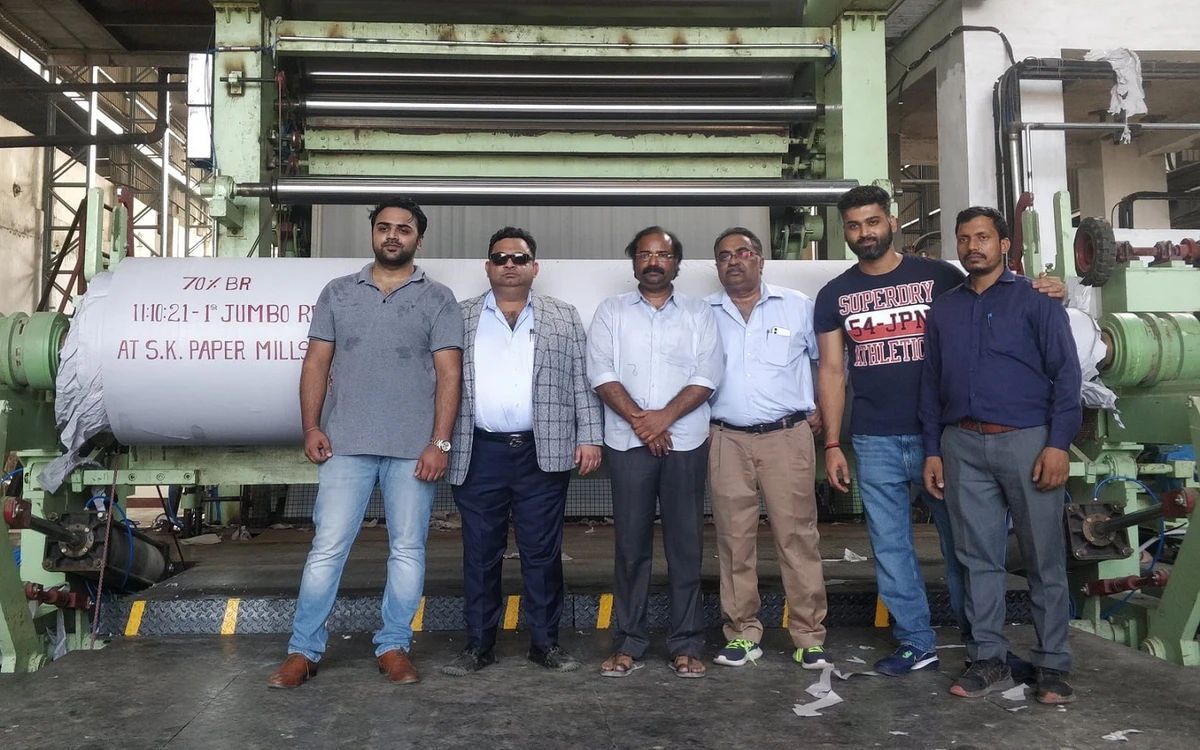
Muzaffarnagar gets a new capacity of Tissue Paper and MG Poster paper
“The integration of digitalization, automation, and Artificial Intelligence (AI) is no longer a futuristic concept—it is the baseline for competitiveness in 2036” - Vinit Garg, Director, Vizen Solutions
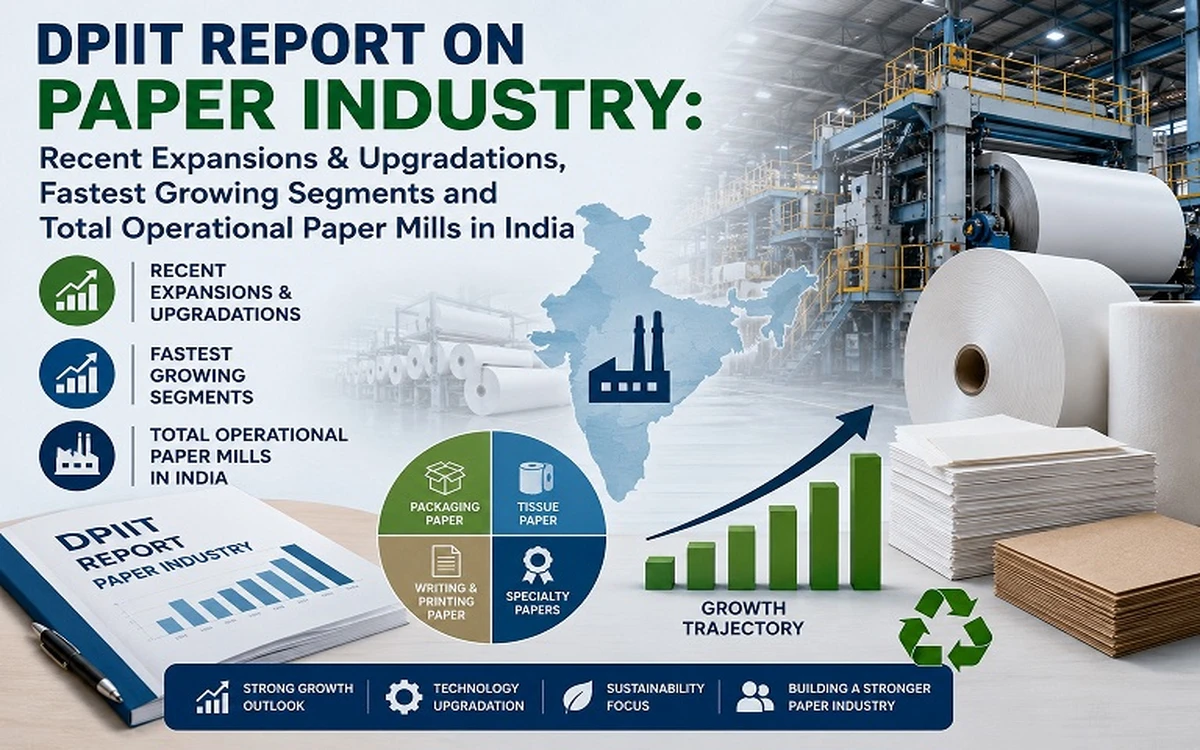
DPIIT Report on the Paper Industry: Recent Expansions & Upgrades, Fastest-Growing Segments, and Total Operational Paper Mills in India
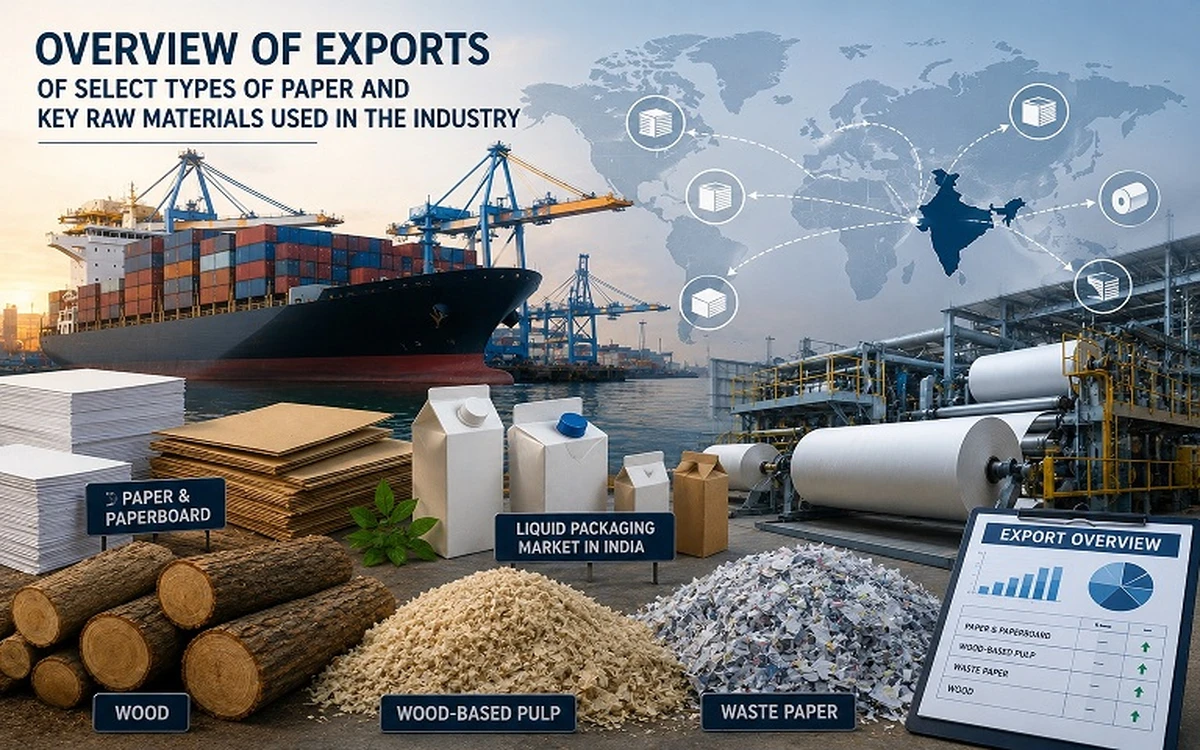
Overview of exports of select type of paper and key raw material used in the industry by Crisil Intelligence

Margin pressure pushes Pulp & Paper Packaging sector toward AI-Driven cost optimization, Cutting costs by 8–20%
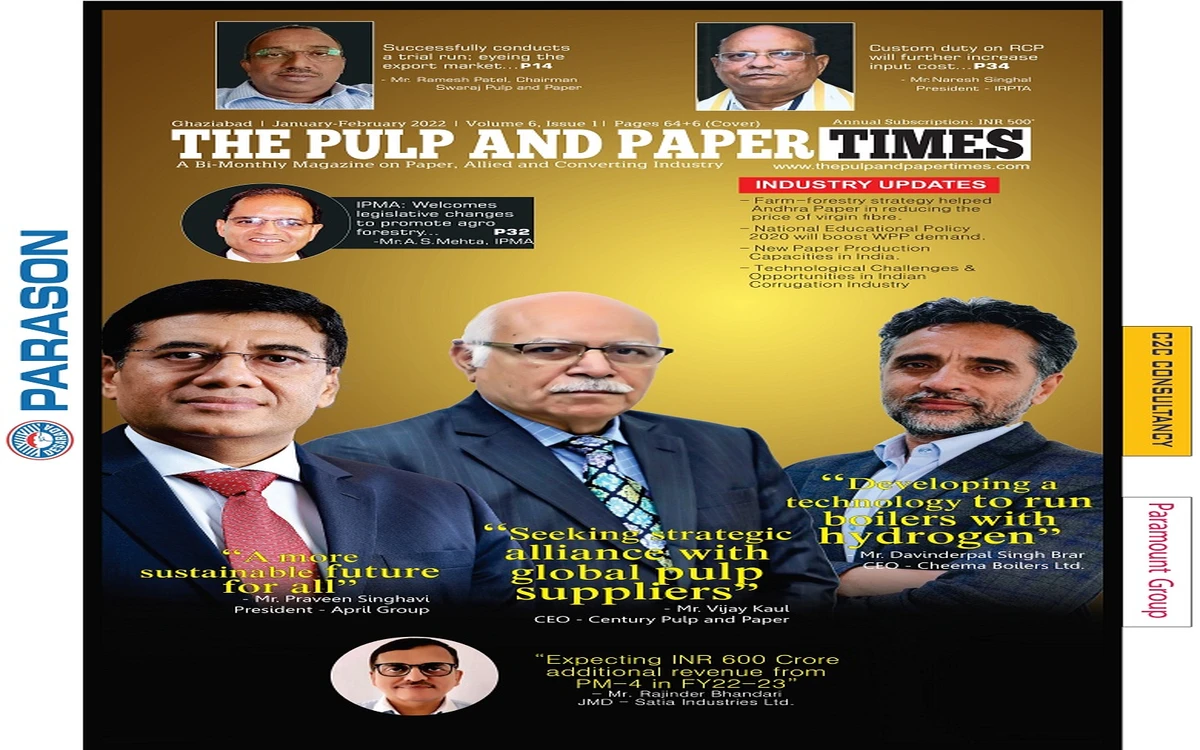
The Pulp and Paper Times Magazine : Volume 6, Issue 1
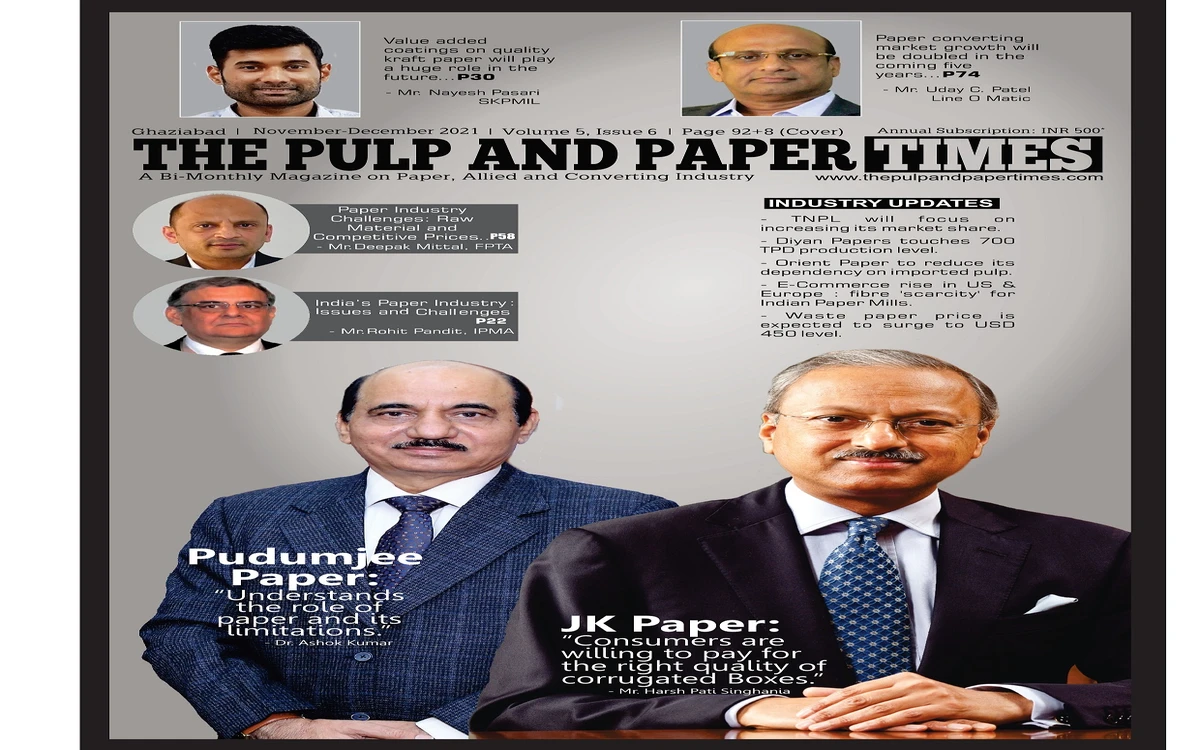
The Pulp and Paper Times Magazine : Volume 5, Issue 6
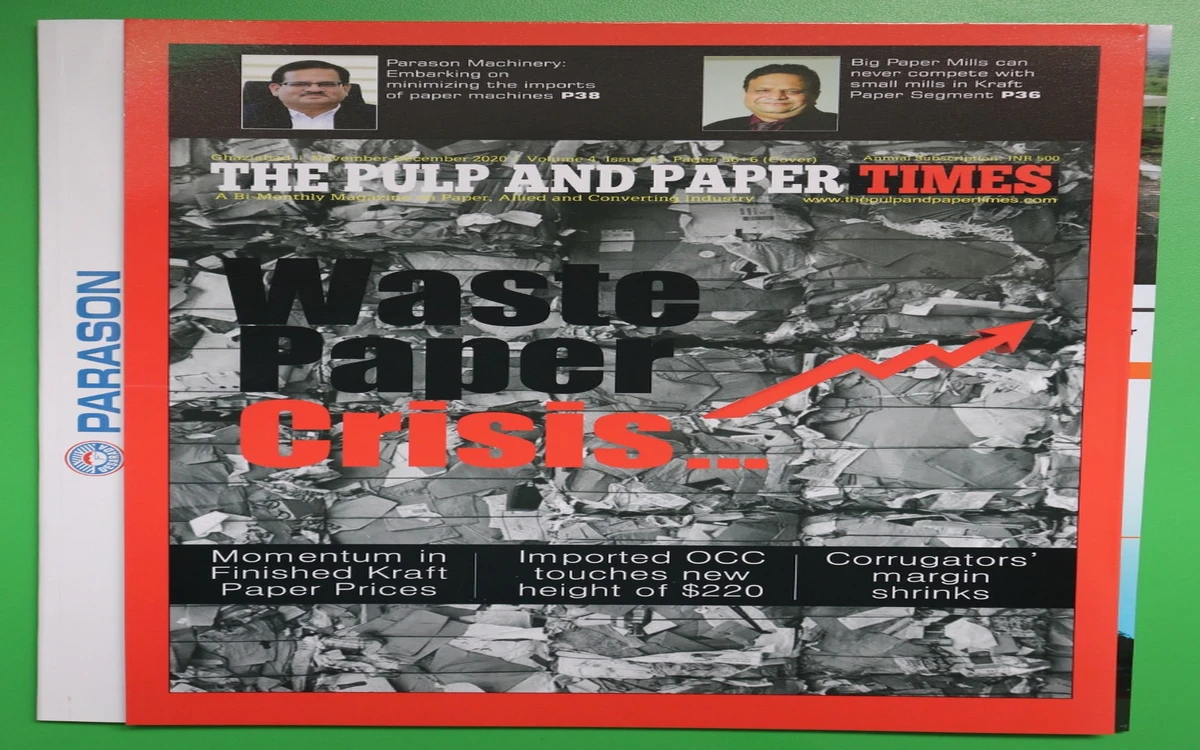
The Pulp and Paper Times: Volume 4, Issue 6
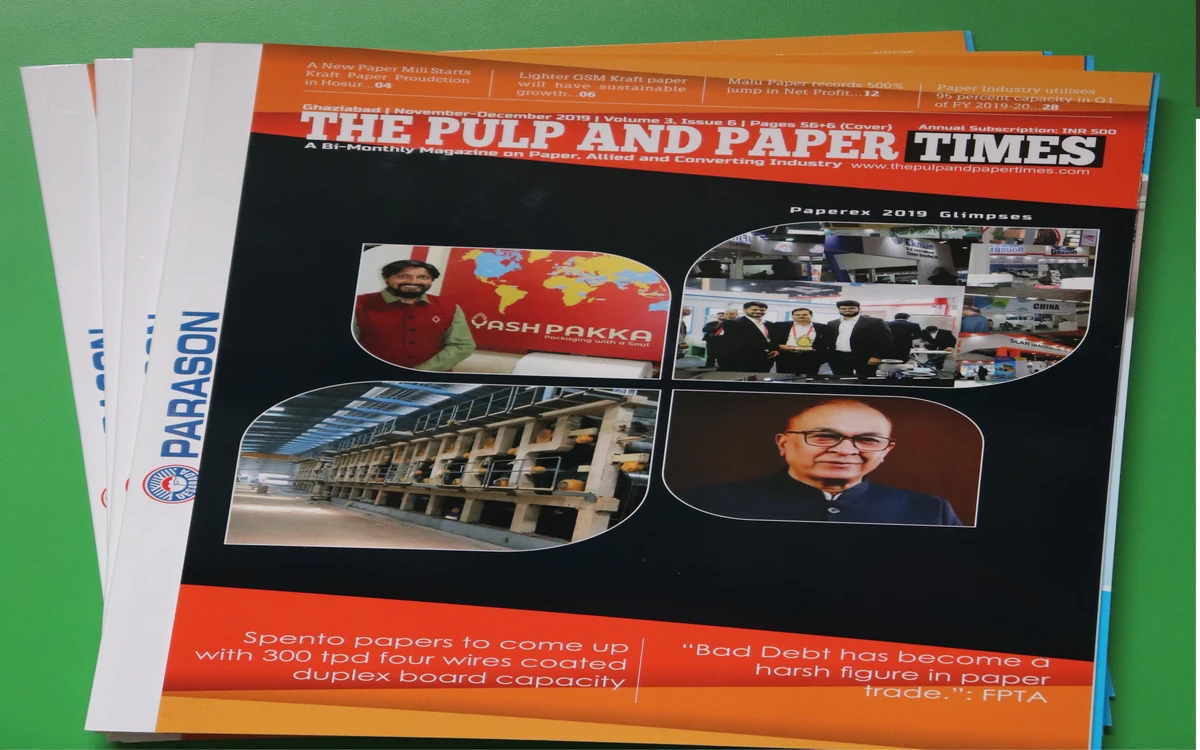
The Pulp and Paper Times : Volume 3, Issue 6
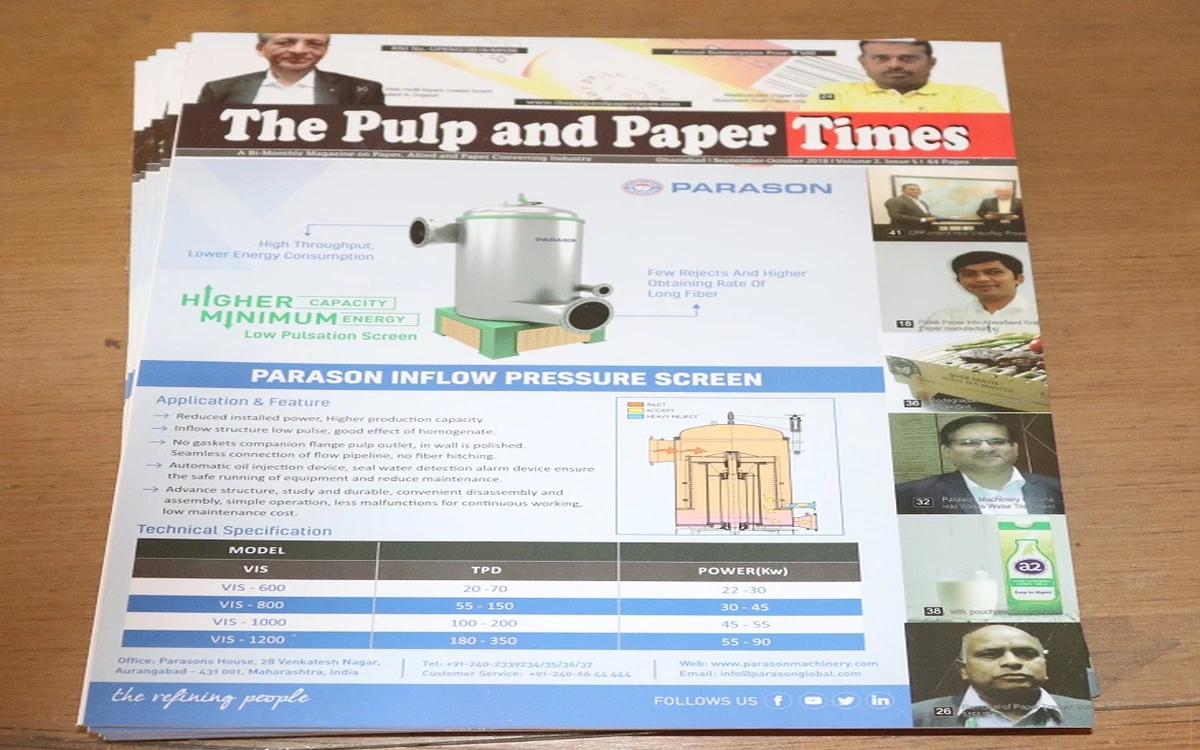
The Pulp and Paper Times: Volume 2 Issue 5
The Pulp and Paper Times, Volume 1, Issue 3
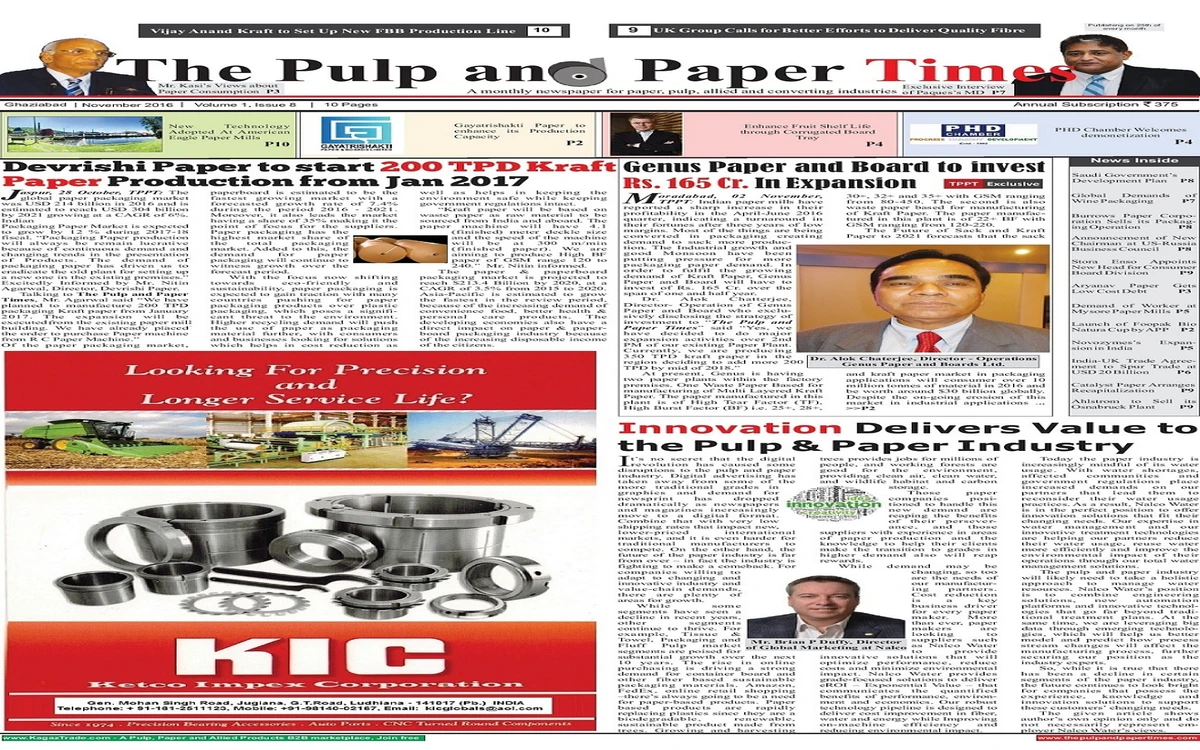
The Pulp and Paper Times, November 2016 Issue

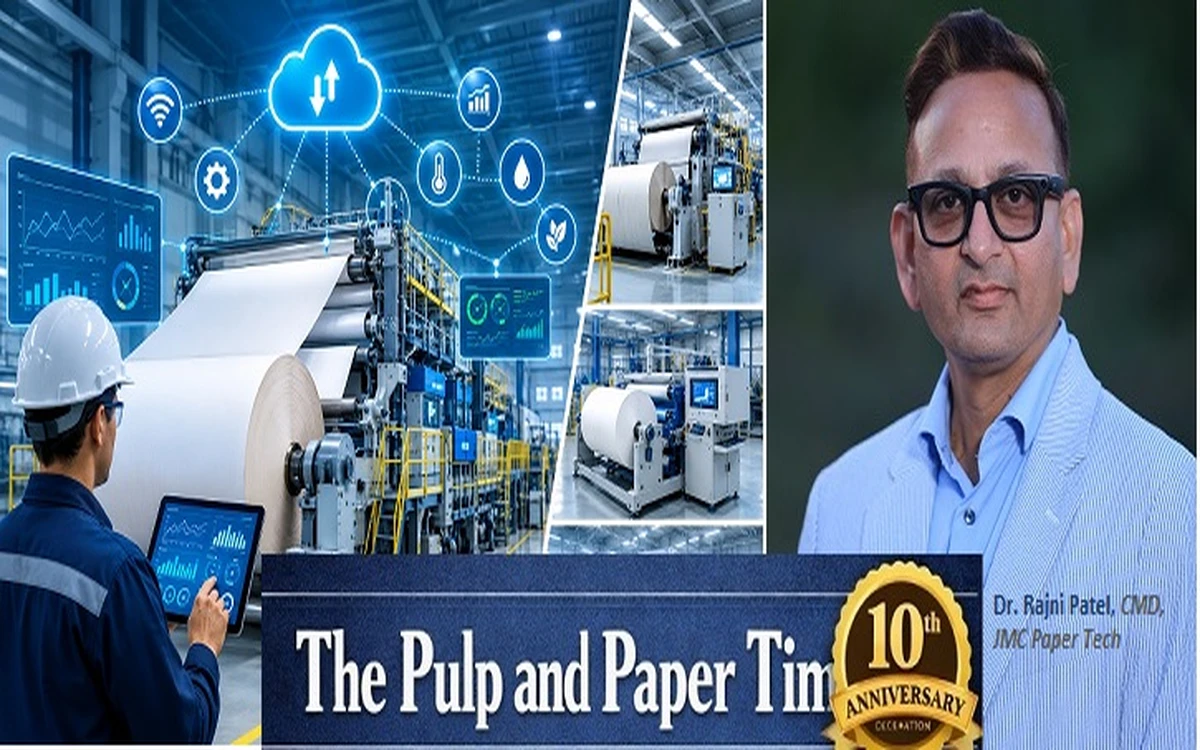
Completing a decade of industry-focused journalism, The Pulp and Paper Times proudly presents this special anniversary feature exploring the future of paper manufacturing. With the theme “Smart, Sustainable, Scalable: How Paper Machine & Technology Suppliers Will Shape the Paper Industry 2036,” we invited some of the world's leading machine builders and technology suppliers to share their vision for the next ten years. From intelligent automation and energy efficiency to next-generation production technologies, their perspectives reveal how the industry is preparing for a new era of growth and sustainability. Here is perspective of Dr. Rajni Patel, CMD, JMC Paper Tech
The Pulp and Paper Times
When I look back at the three decades I have spent serving the paper industry, the change has been remarkable- but the change ahead of us, in the coming ten years, will be far greater. By 2036, the role of paper machine and technology suppliers will no longer be defined only by the equipment we deliver. It will be defined by the outcomes we guarantee, the sustainability we enable, and the long-term partnerships we build with mill owners. At JMC Paper Tech Pvt Ltd, we have spent the last two decades preparing for exactly this shift, and our journey from a trusted machinery supplier to a complete technology partner — most recently through our AI platform MillMind™ — reflects where I believe the entire industry is headed.

Smart Paper Mills will become the new normal
For most of the industry’s history, a paper mill has run on the experience of its operators, the discipline of its supervisors, and the steady hum of its machines. That foundation will not change. What will change is the layer of intelligence sitting on top of it. By 2036, every paper machine — large or small — will be supported by real-time digital systems that watch every reading, anticipate every problem, and quietly guide operators toward the best possible setting at every moment of the shift.
This is the Promise of MillMind. It connects the paper machine, the quality system, and the control room into a single intelligent platform that learns from every run. Operators do not lose control — they gain a partner that helps them run their machine at its best, every single day.
Sustainability is the New License to Operate
The next decade will reward mills that produce more paper with Less Energy, Less Water, Less Waste, and a Smaller Carbon Footprint. These are no longer engineering concerns alone — they are business survival concerns, and customers, regulators, and lenders are all asking the same questions.

Modern technology suppliers must be ready to answer them. Smarter energy management on dryer sections, water recovery in the wet end, predictive maintenance that reduces breakdowns and waste, and AI-driven optimization that lowers broke and rejects — all of these contribute directly to a mill’s sustainability scorecard. At JMC, we are committed to embedding these capabilities into every project we deliver.
Scalable solutions for mid-size mills, especially in India
For many years, Advanced Technology was seen as the preserve of large, Integrated Mills in developed markets. That perception is now changing — and it must change faster. India and other emerging markets are home to thousands of mid-size kraft, writing-printing, and tissue mills, typically between 50 and 500 tonnes per day, that form the backbone of the local paper economy. These mills cannot afford to be left behind.

Our approach at JMC is to make Smart-Mill Technology modular, affordable, and quick to deploy. A 100 TPD mill should be able to start with one or two intelligent modules — say, Energy Optimization or Quality Prediction — and grow from there. The same intelligence that serves a large integrated mill must also serve a mid-size mill in Gujarat, Punjab, or Tamil Nadu. This democratisation of technology will be one of the most important industry shifts of the next decade.
From Equipment Supplier to Lifecycle Partner
The relationship between a Mill and its Supplier is fundamentally changing. The traditional model — Design, Engineer, Erect, Commission, Hand over, Walk away — is giving way to a far more rewarding partnership model, in which the supplier remains involved for the lifetime of the asset.
At JMC, every Paper Machine Line, Rebuild, and Component we deliver — Headboxes, Press Sections, Sizing Units, Reels — is now designed to be Connected, Monitored, and Continuously Improved. The same team that Designs and Commissions the machine continues to optimise it through MillMind for years afterward. Increasingly, we are also moving toward Performance-based Contracts, in which suppliers are paid in part based on the Productivity, Energy Efficiency, and Quality Outcomes they help the mill achieve.

The 2036 Outlook
By 2036, the boundary between a “Machinery Supplier” and a “Technology Supplier” will largely disappear. The companies that thrive will be those who deliver Smart, Sustainable, and Scalable outcomes — engineered into the machine, supported by software, and guaranteed in the contract. MillMind is JMC’s contribution to that future, and we are proud to build it alongside the Mills, Partners, and Publications that have shaped our industry over the last decade. To The Pulp and Paper Times — congratulations on ten remarkable years. Here’s to the Next Ten, which promise to be even more transformative.

2 hours ago
Total Views : 185
6 days ago
Total Views : 3305
last week
Total Views : 5271
last week
Total Views : 2293
2 weeks ago
Total Views : 3166
2 weeks ago
Total Views : 2806

2 weeks ago
Total Views : 953
2 weeks ago
Total Views : 1439
3 weeks ago
Total Views : 4291
3 weeks ago
Total Views : 2967