Join Groups & Channels, No Spamming









Morbi paper mills see full-capacity operations as ceramic industry revives; Kraft paper exports to China spike, Prices strengthen; Janmashtami shutdown ahead
The BE and caustic soda plant marks a key milestone for Mohit Paper Mills, enabling full utilization of installed capacity and enhancing overall production efficiency
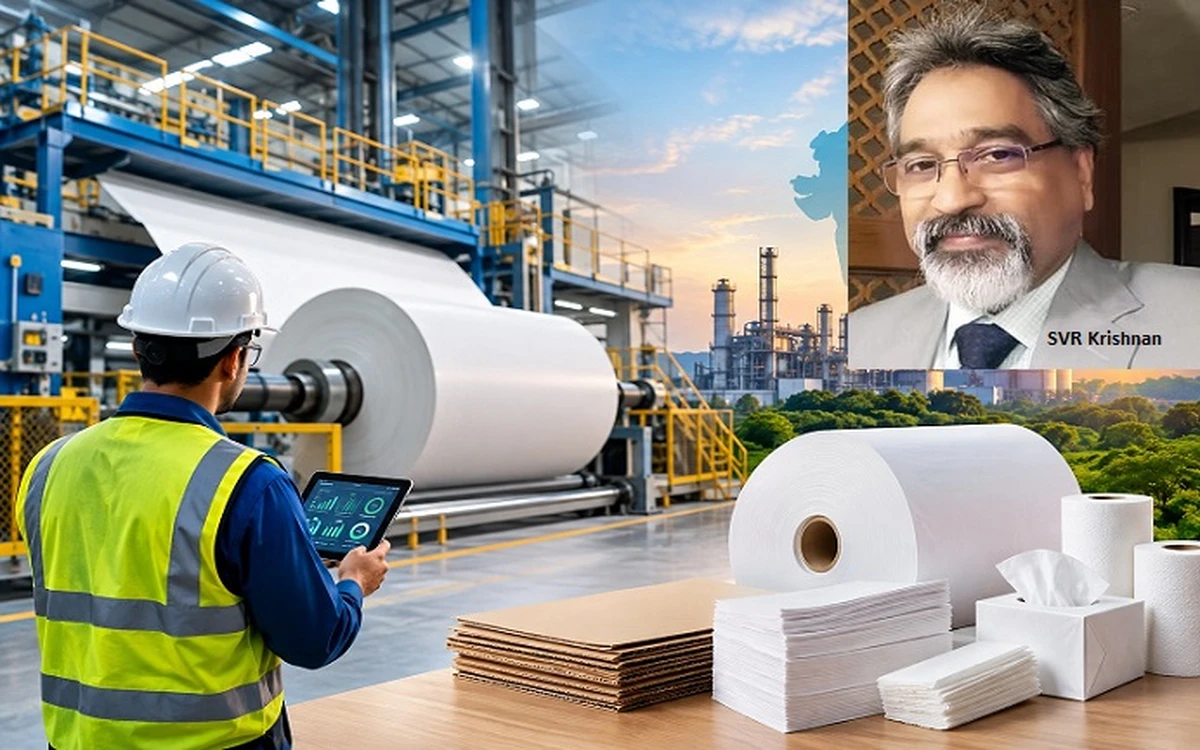
Expert Views on the paper market scenario, How the West Asia Crisis Helped the Industry, MIP for WPP, Anti-Subsidy implementation, and paper price trends
Pudumjee Paper intends to develop new varieties addressing applications for stronger paper bags and cupcakes; Plans 68,000 MT Mahad Specialty Paper Facility within 5 years
India Paper Industry at an Inflection Point: War, Costs, and Capacity; Demand growth expected at 5–7% in FY26
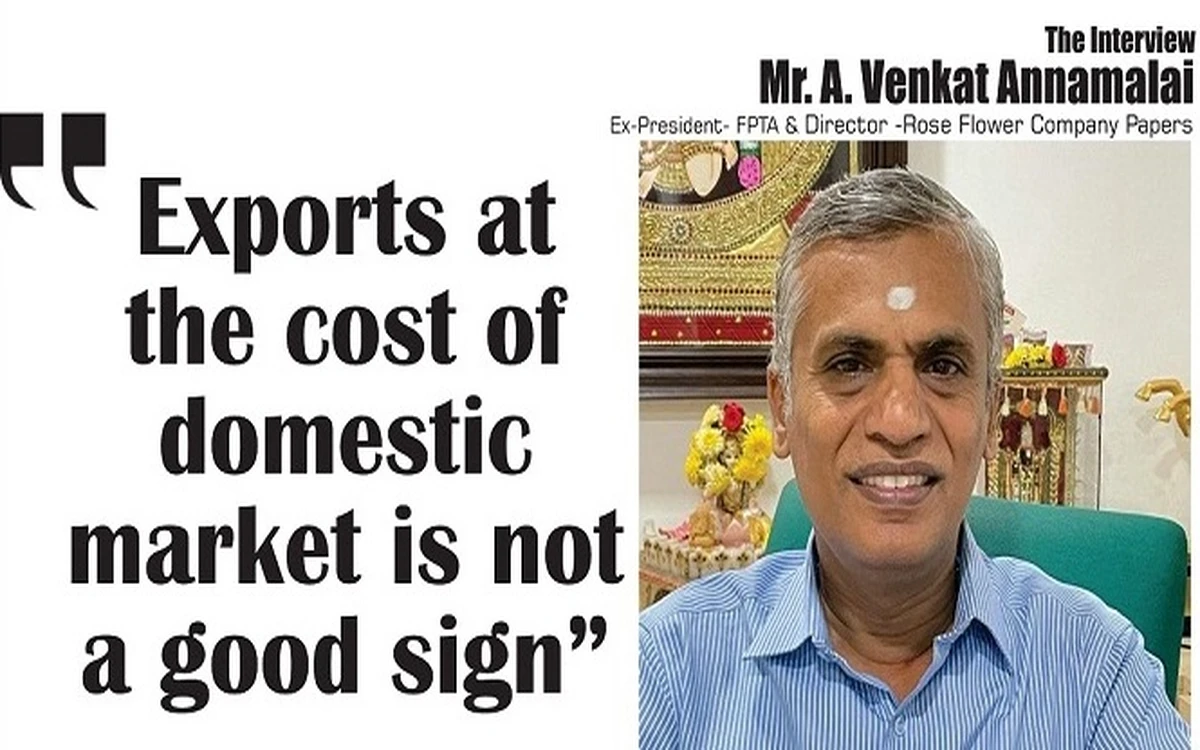
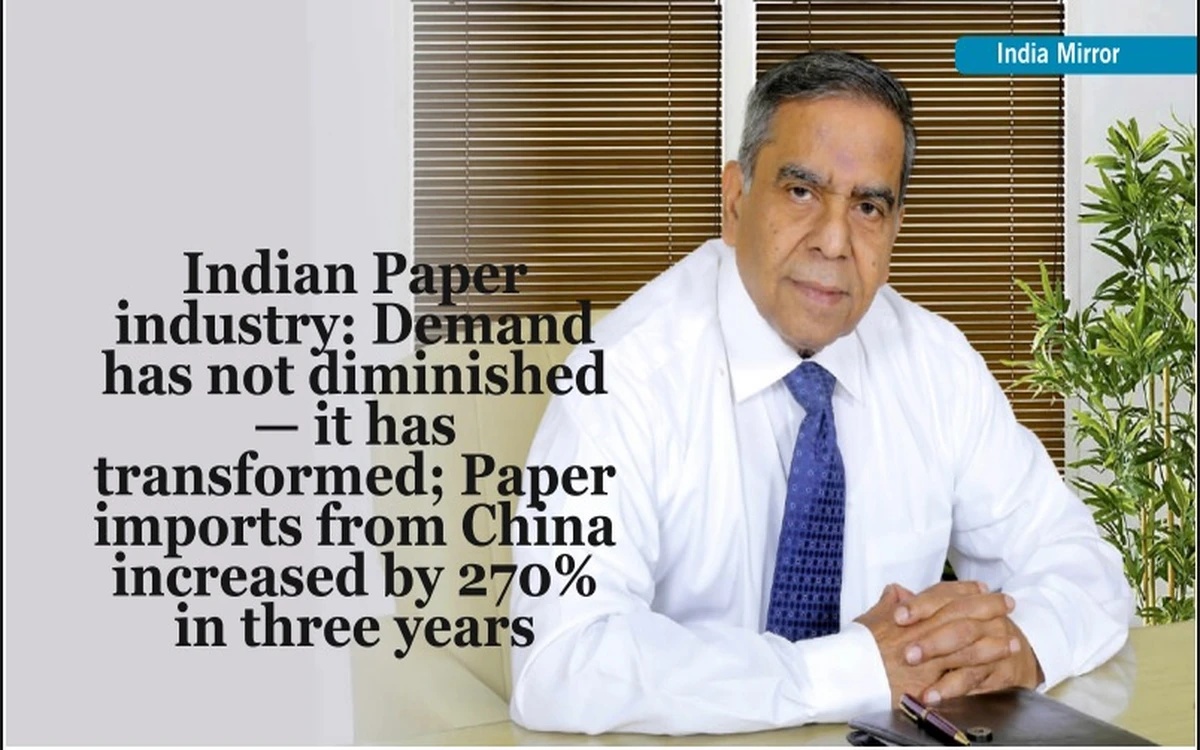
“Surging exports of paper will most certainly keep the domestic prices quite high”: Mr. A. Annamalai, Director – RFC
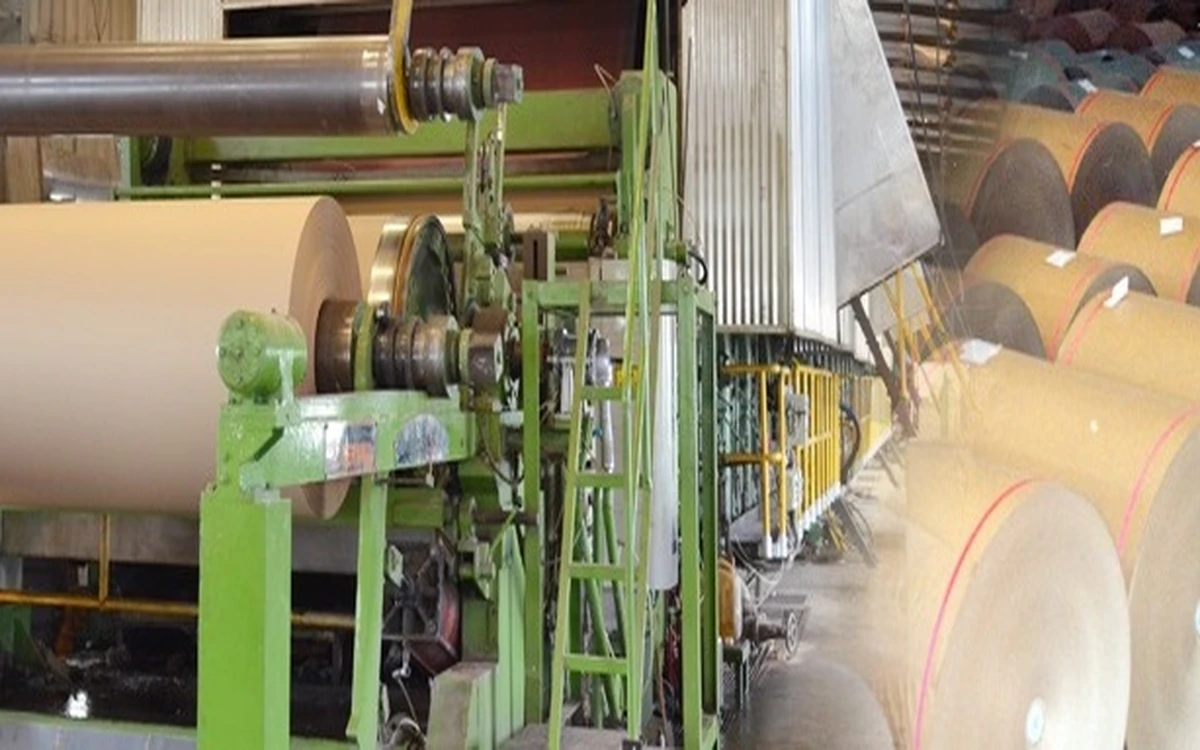
The Status of the Global Container board Industry, Recycled Paper Demand and Supply and its impact on the Indian Industry
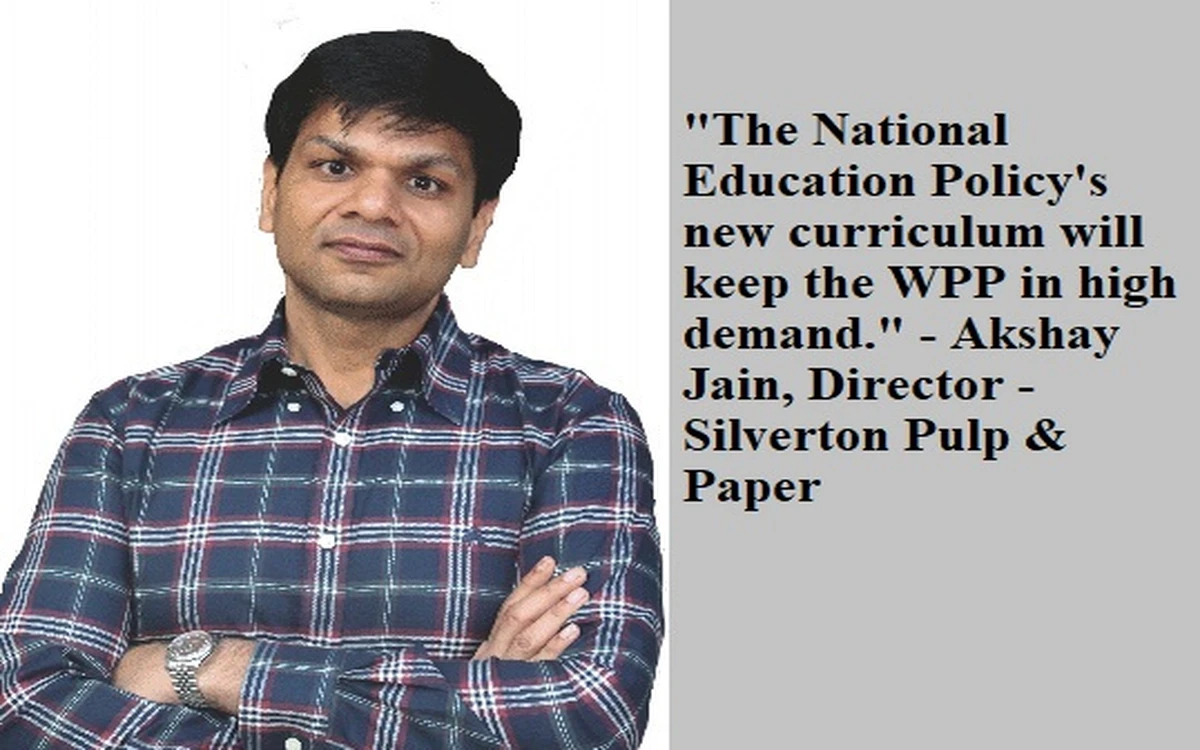
Akshay Jain, director of Silverton Pulp & Paper, says it's time to promote agro residue as a raw material to lessen the scarcity of fibre
Advantageously located, a new paper mill is all set to roll kraft paper in Madhya Pradesh
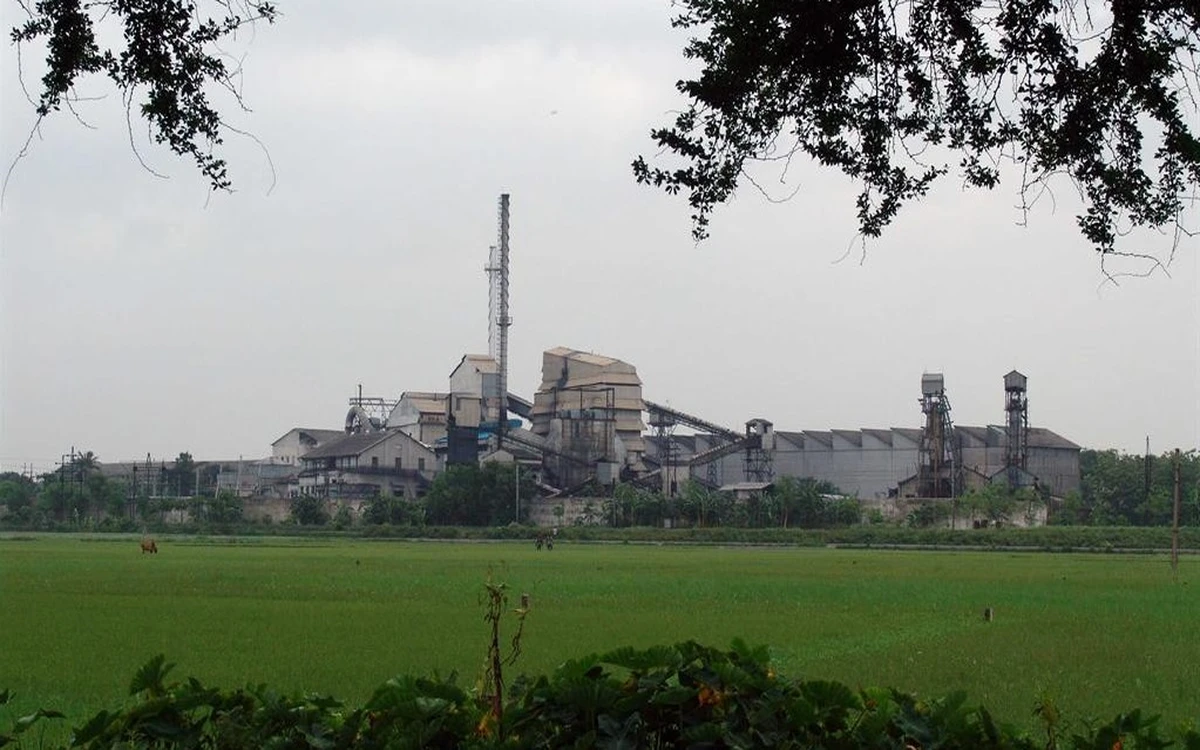
Several agile interventions helped ITC-PSPD fortify its clear leadership of the Value Added Paperboards (VAP) segment
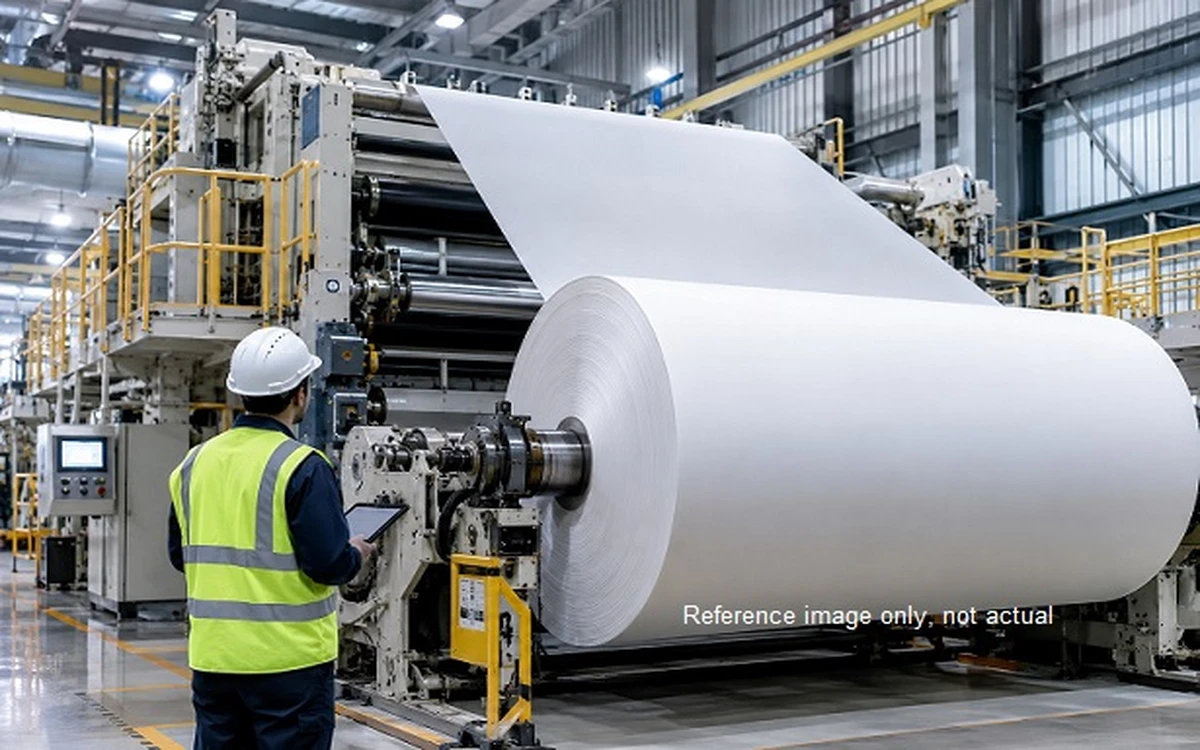
Pakka Advances PM4 Development; flexC Base Paper Trials Underway in Europe, with a Distributor Soft Launch Expected
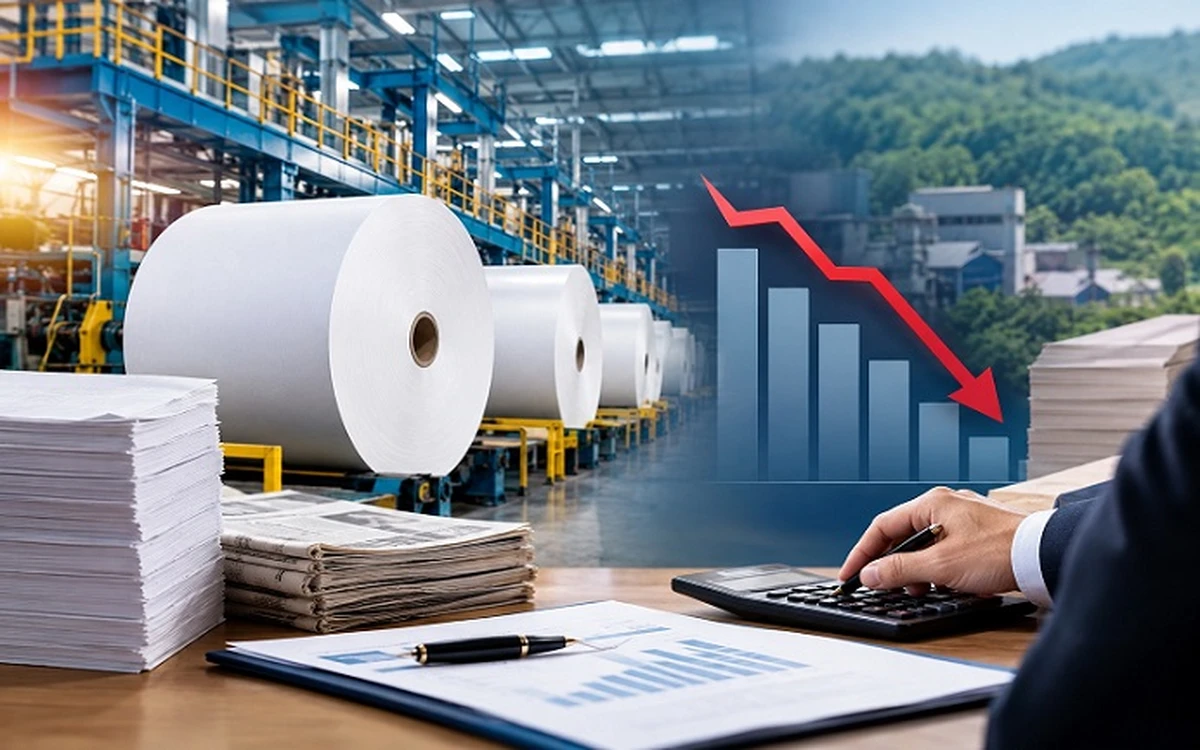
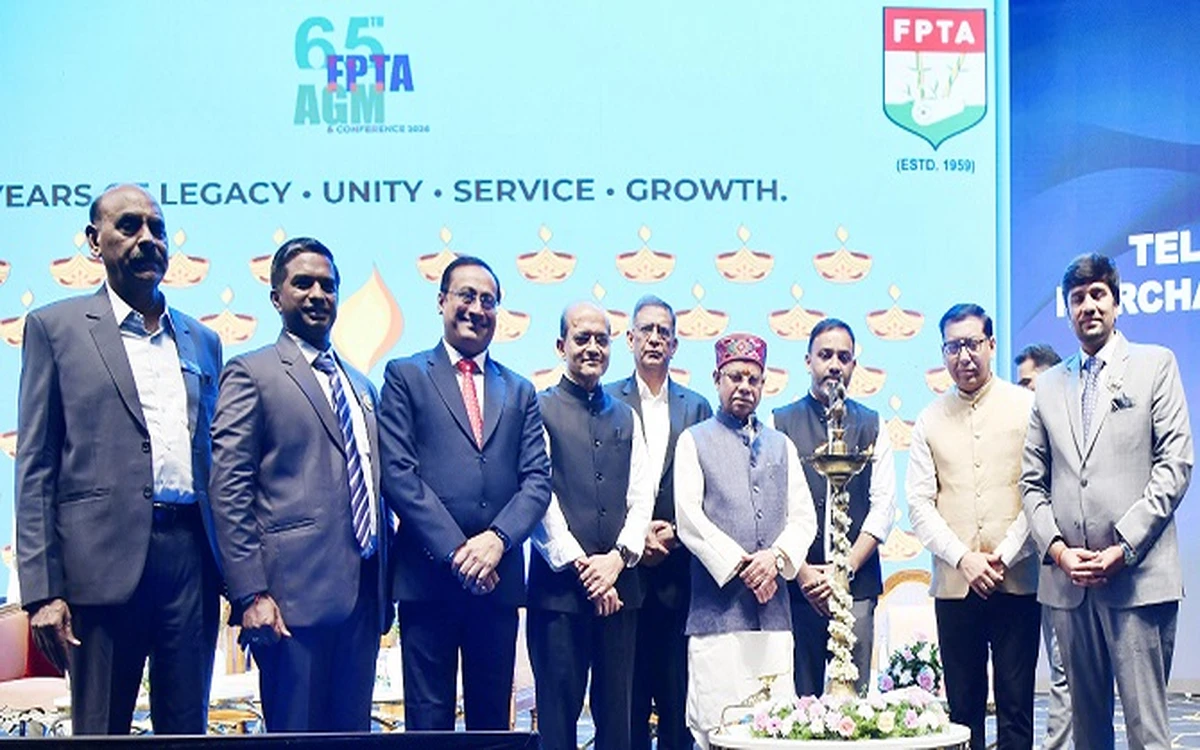
Paper and Packaging Board Market May Face Cost Pressures Through March 2027; FPTA Advises Traders
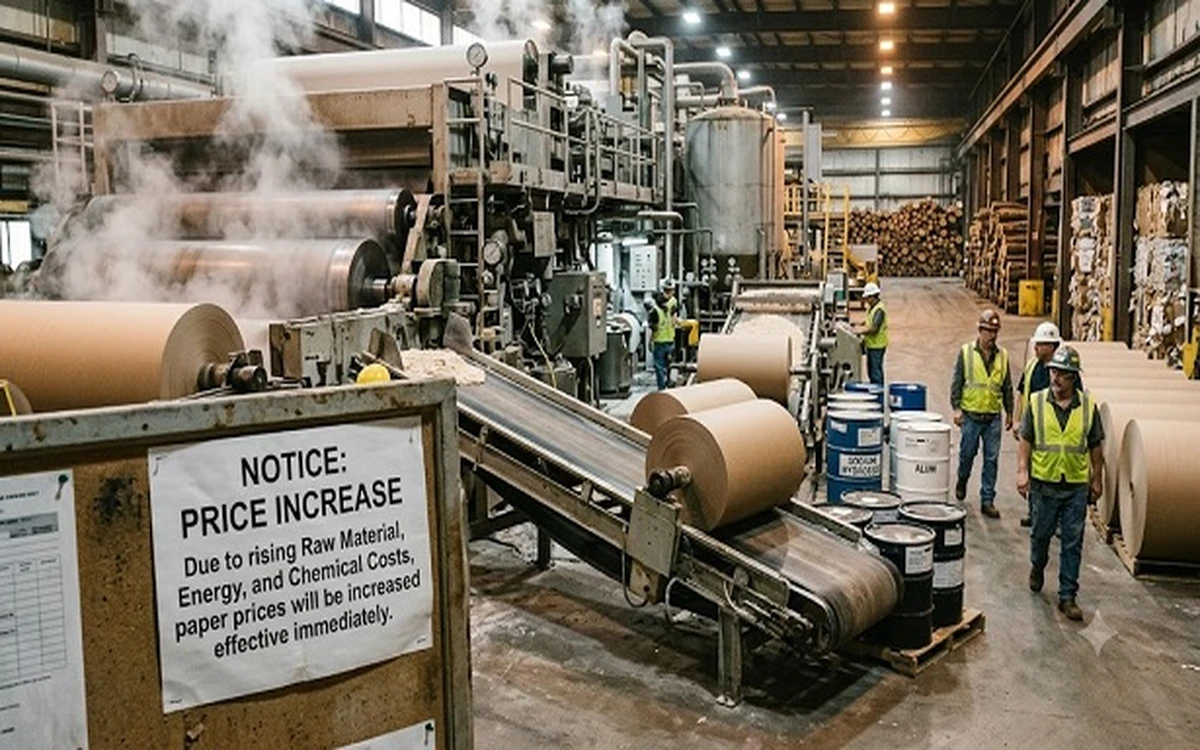
Overall Increase in Kraft Paper Prices Could Reach 35%; Industry Calls for 20% Box Price Increase, Voluntary Shutdown Proposed
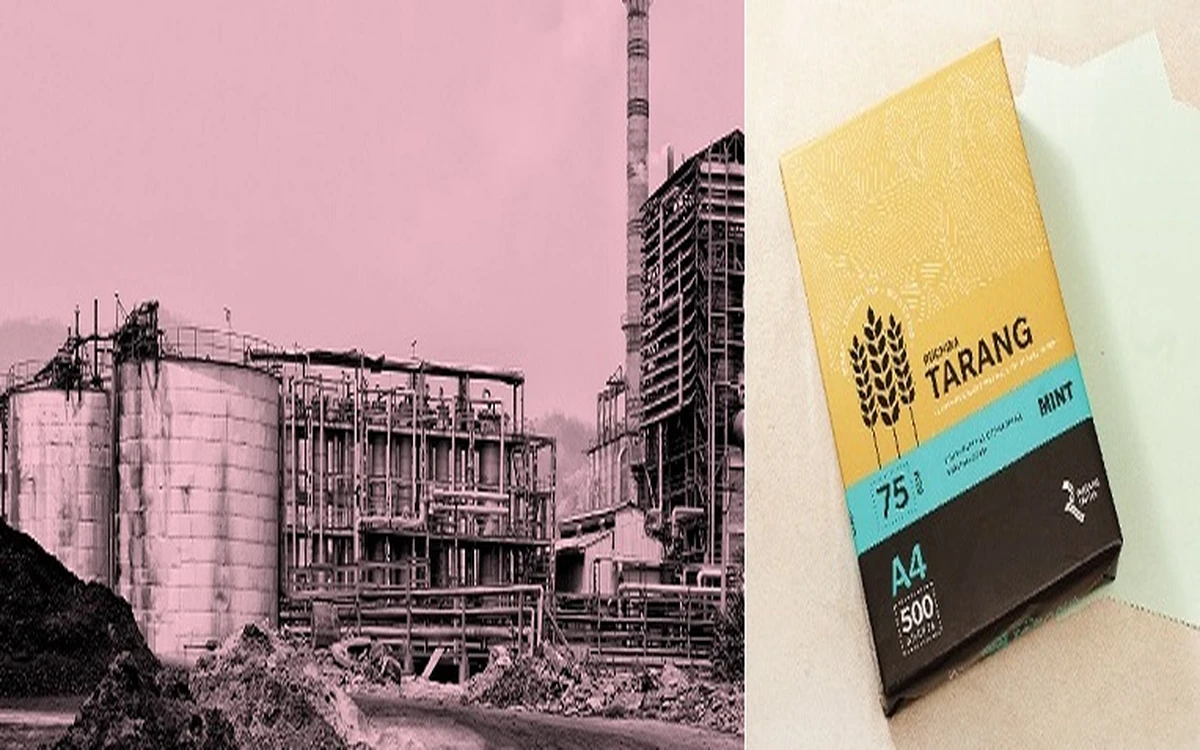
Ruchira Papers Invests a Sizeable Capex of Rs. 235–240 Crore Towards Writing & Printing Paper Capacity Expansion
Paper mills inflated the basic ex-mill price of paper post GST 2.0, AINMA seeks action against Anti-Profiteering
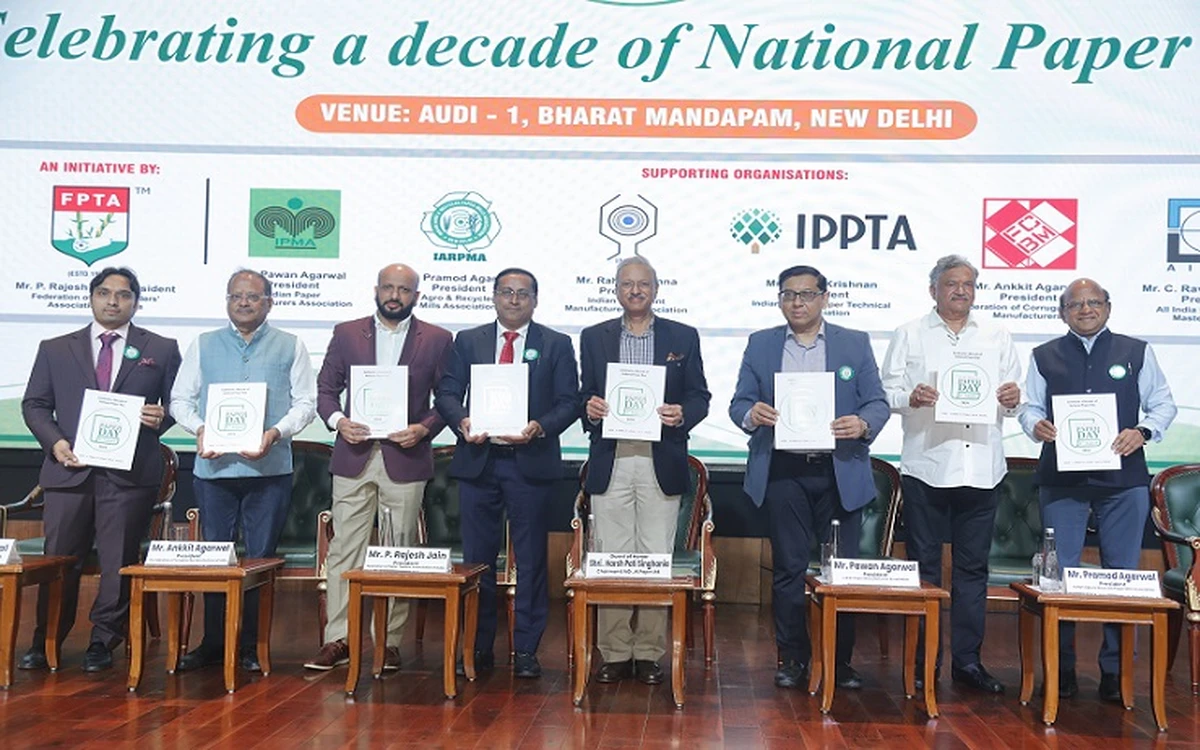
Seven Leading Associations Unite to Celebrate National Paper Day, Highlighting Paper's Sustainability and Circular Economy Advantage
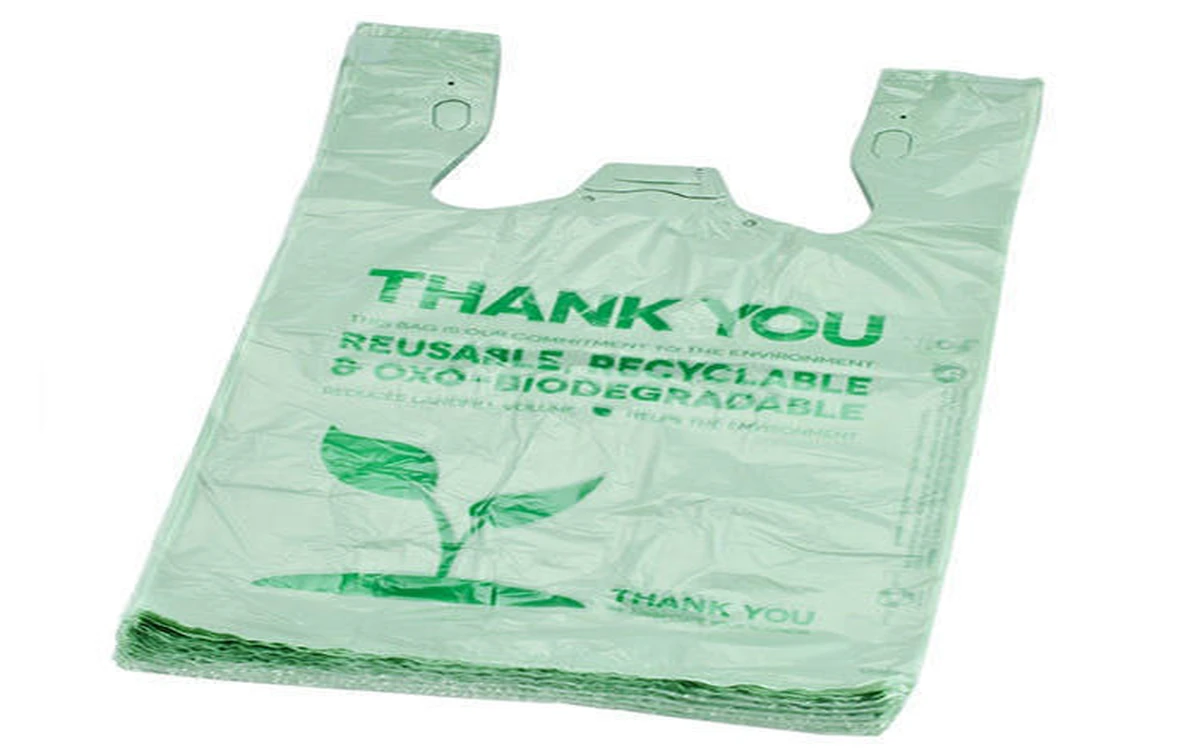
Scientists from IIT-Guwahati develop India's first biodegradable plastic
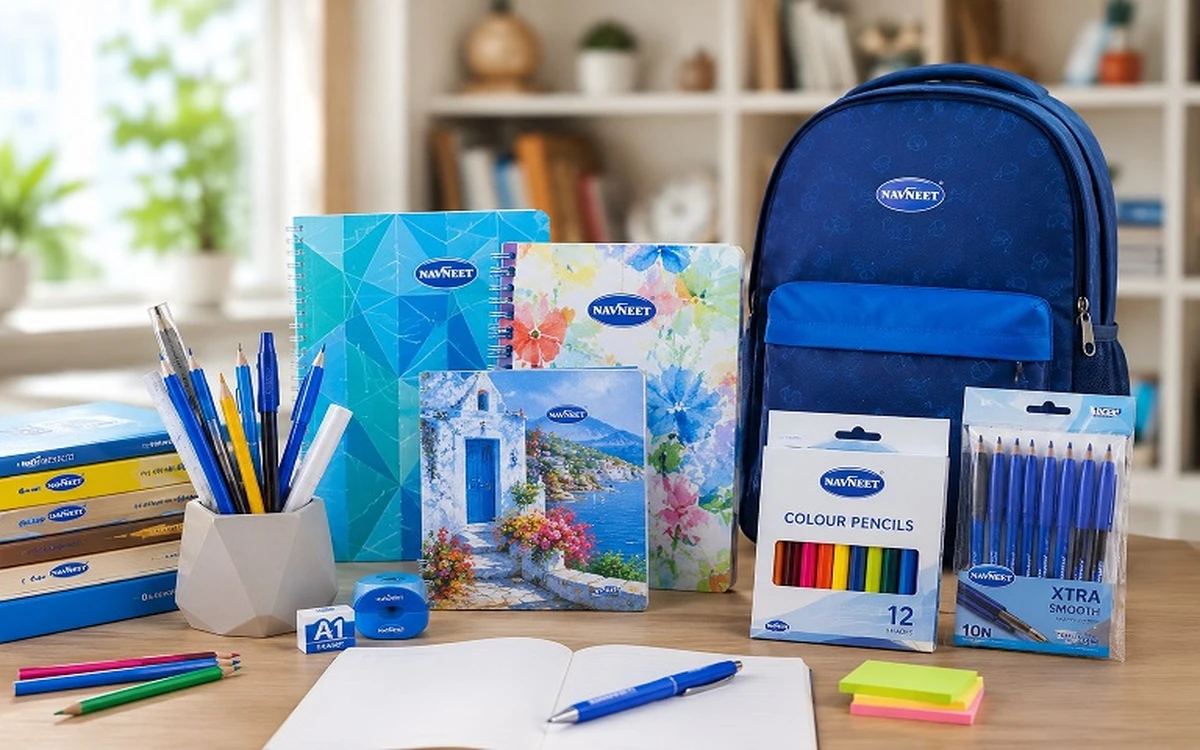
Navneet Education focuses on brand building, curriculum-led growth, and export recovery; expects stationery margins to improve in FY27

It is estimated that USD10B to USD20B worth of single-use plastic packaging will convert to molded fiber, ZUME
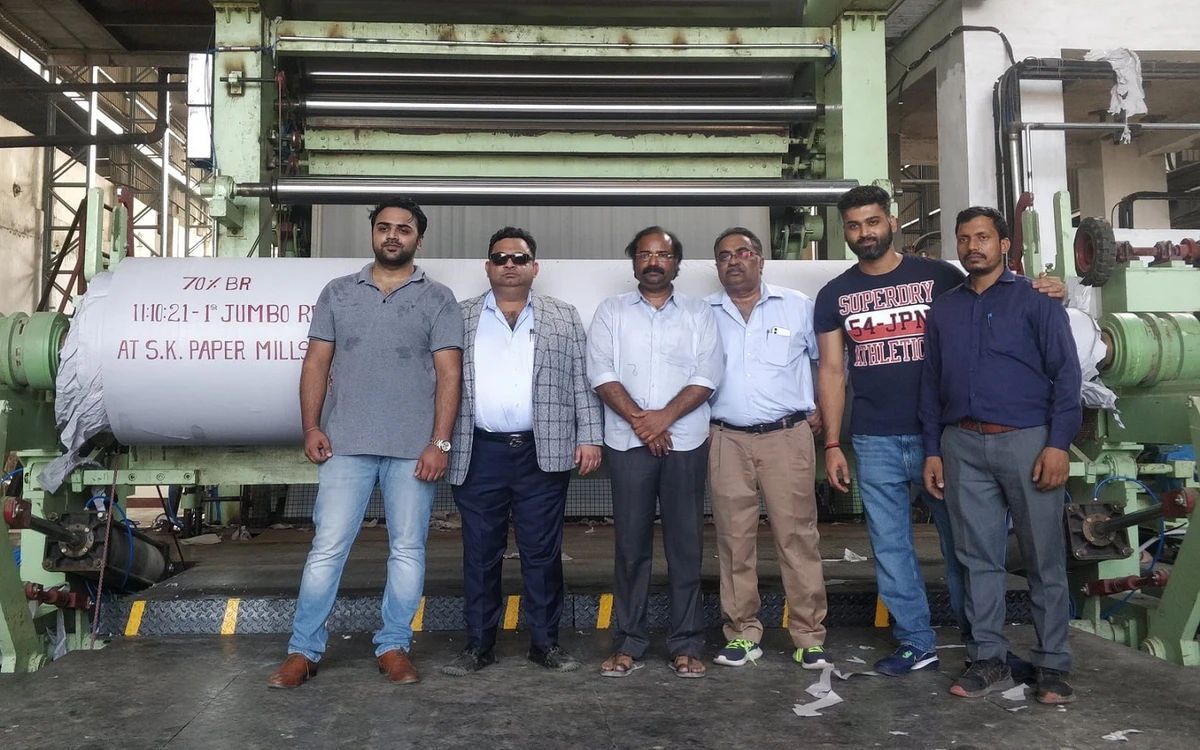
Muzaffarnagar gets a new capacity of Tissue Paper and MG Poster paper
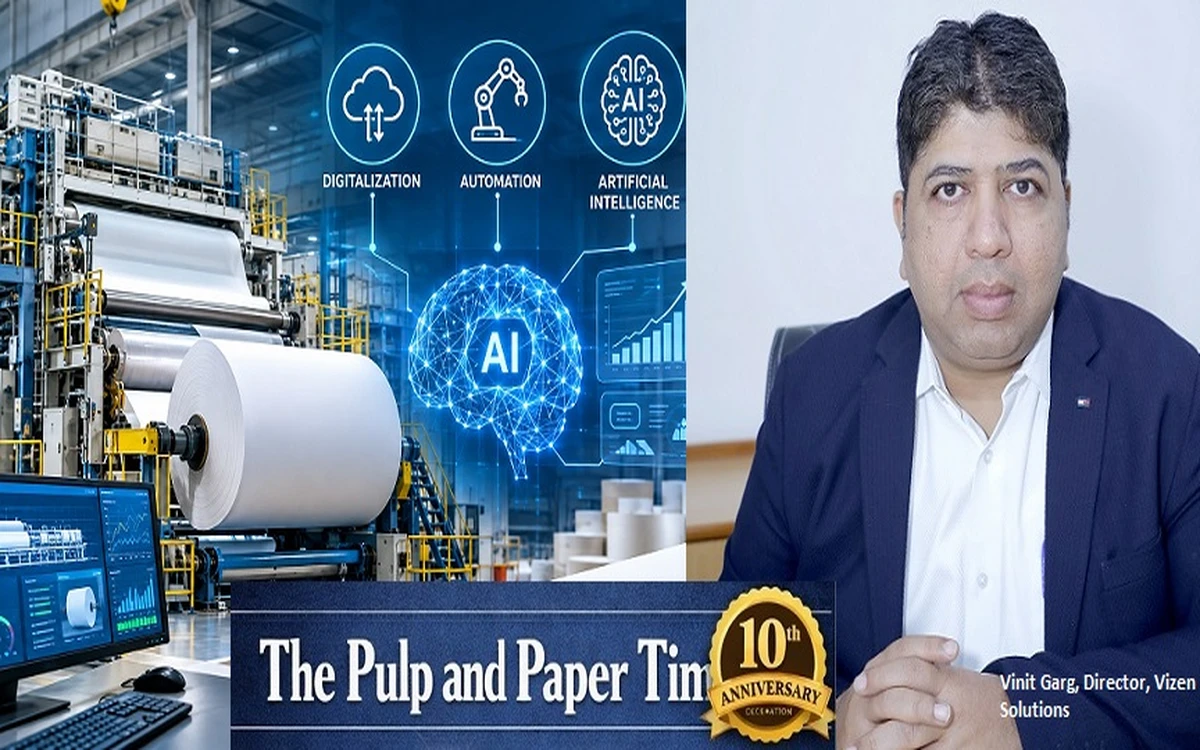
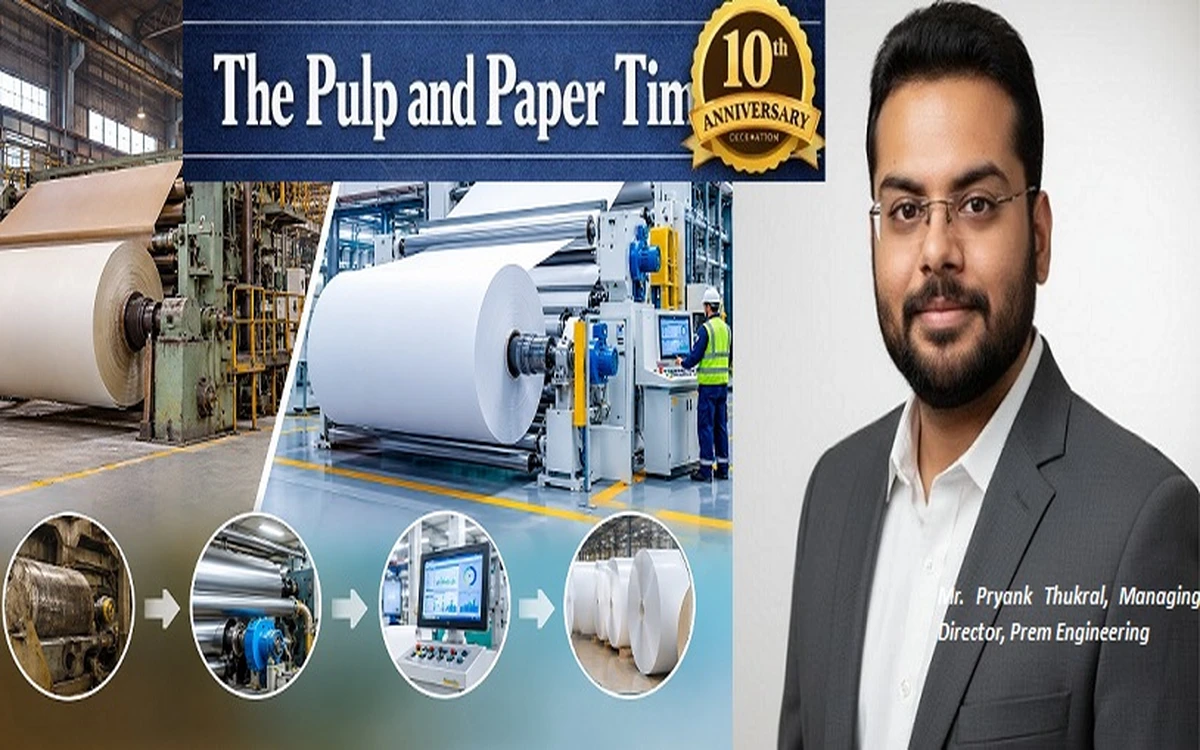
“The integration of digitalization, automation, and Artificial Intelligence (AI) is no longer a futuristic concept—it is the baseline for competitiveness in 2036” - Vinit Garg, Director, Vizen Solutions
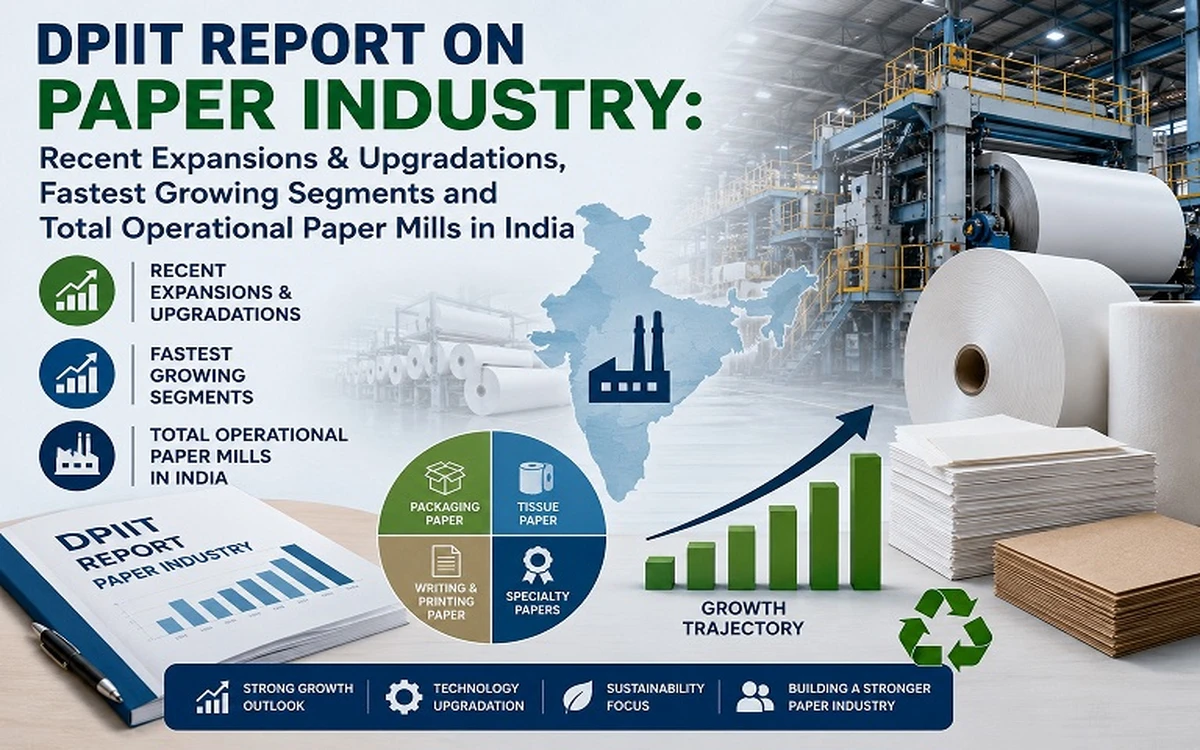
DPIIT Report on the Paper Industry: Recent Expansions & Upgrades, Fastest-Growing Segments, and Total Operational Paper Mills in India
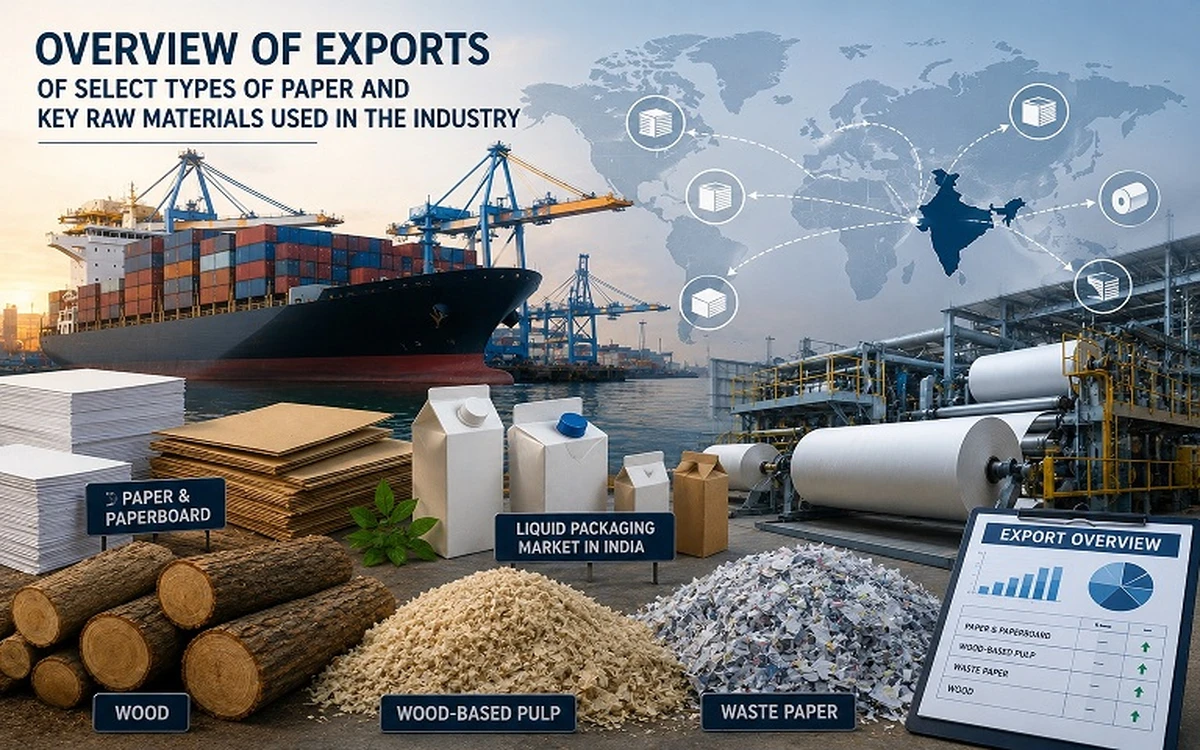
Overview of exports of select type of paper and key raw material used in the industry by Crisil Intelligence

Margin pressure pushes Pulp & Paper Packaging sector toward AI-Driven cost optimization, Cutting costs by 8–20%
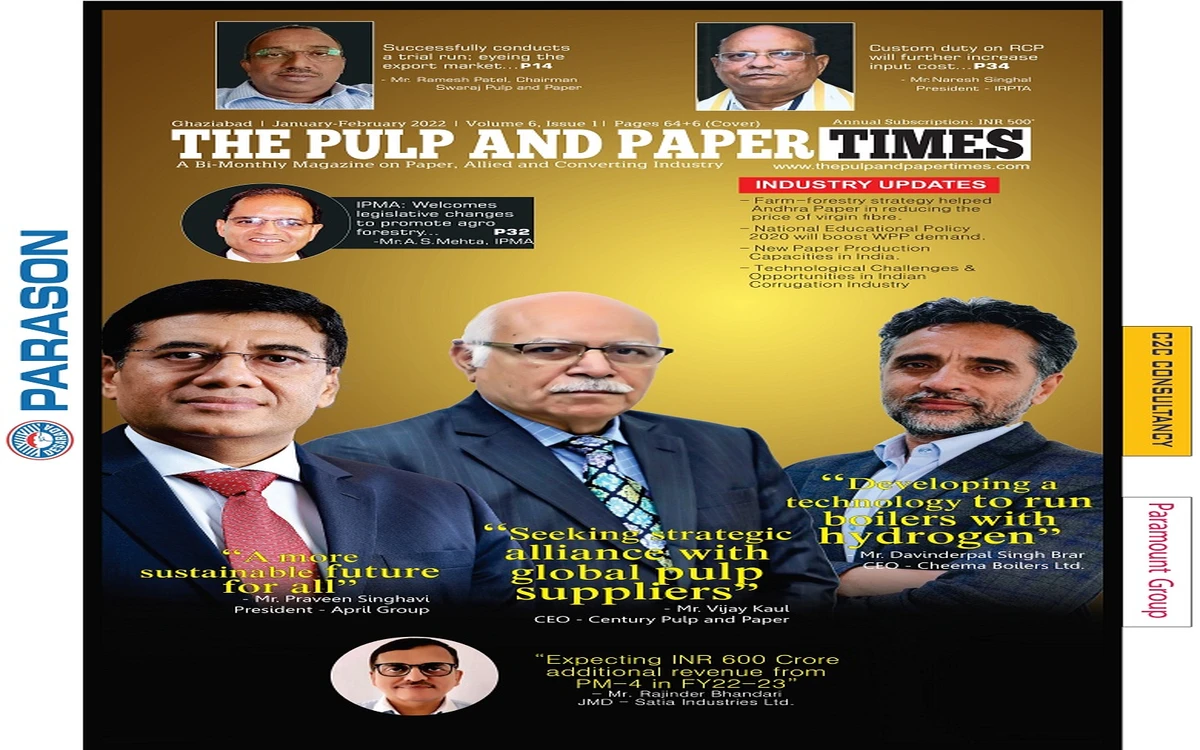
The Pulp and Paper Times Magazine : Volume 6, Issue 1
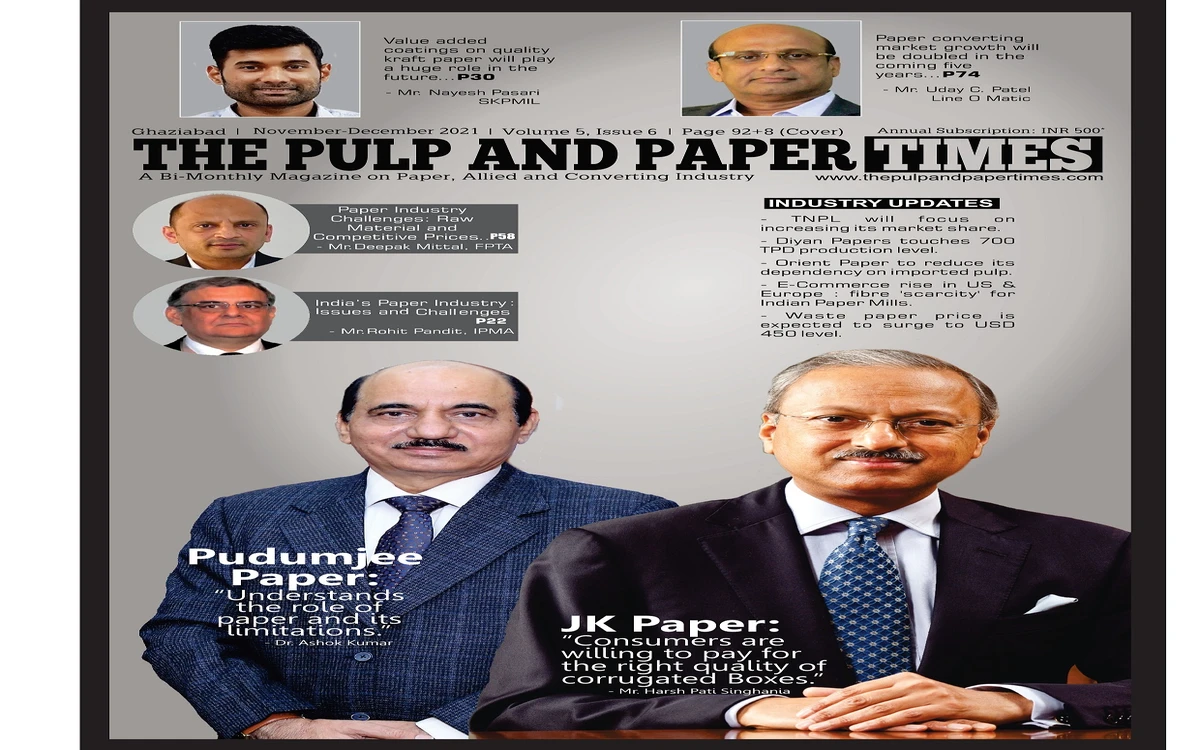
The Pulp and Paper Times Magazine : Volume 5, Issue 6
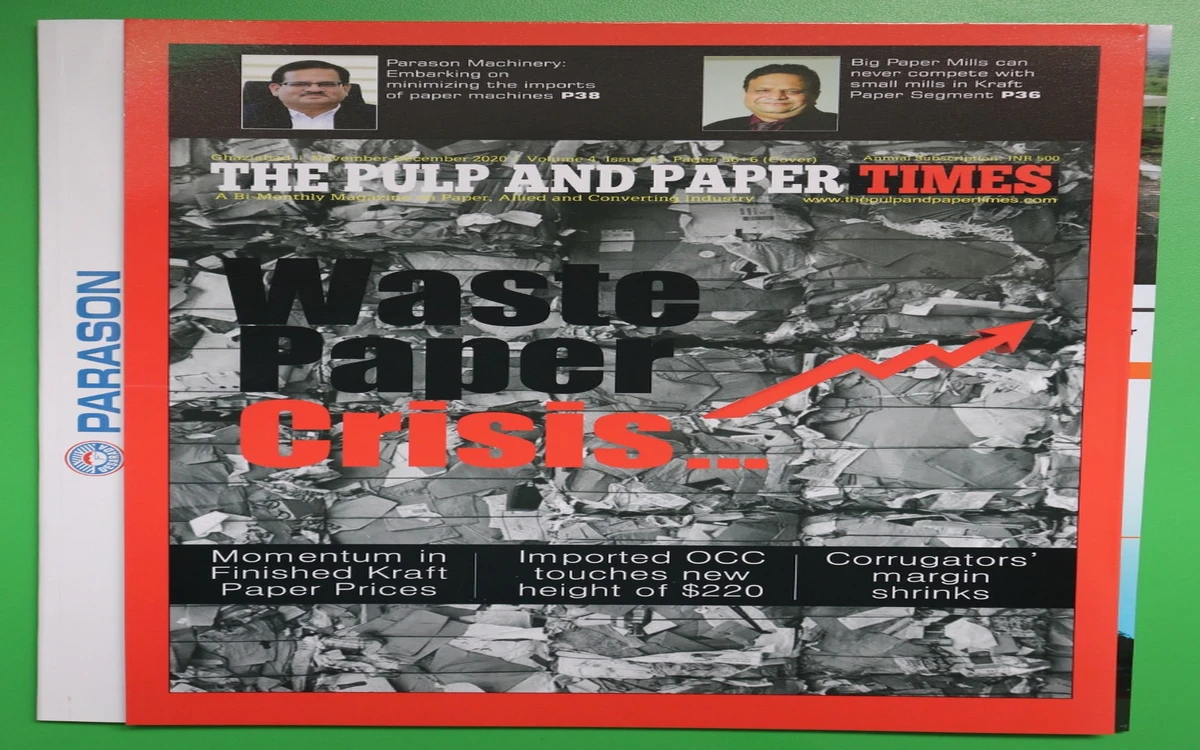
The Pulp and Paper Times: Volume 4, Issue 6
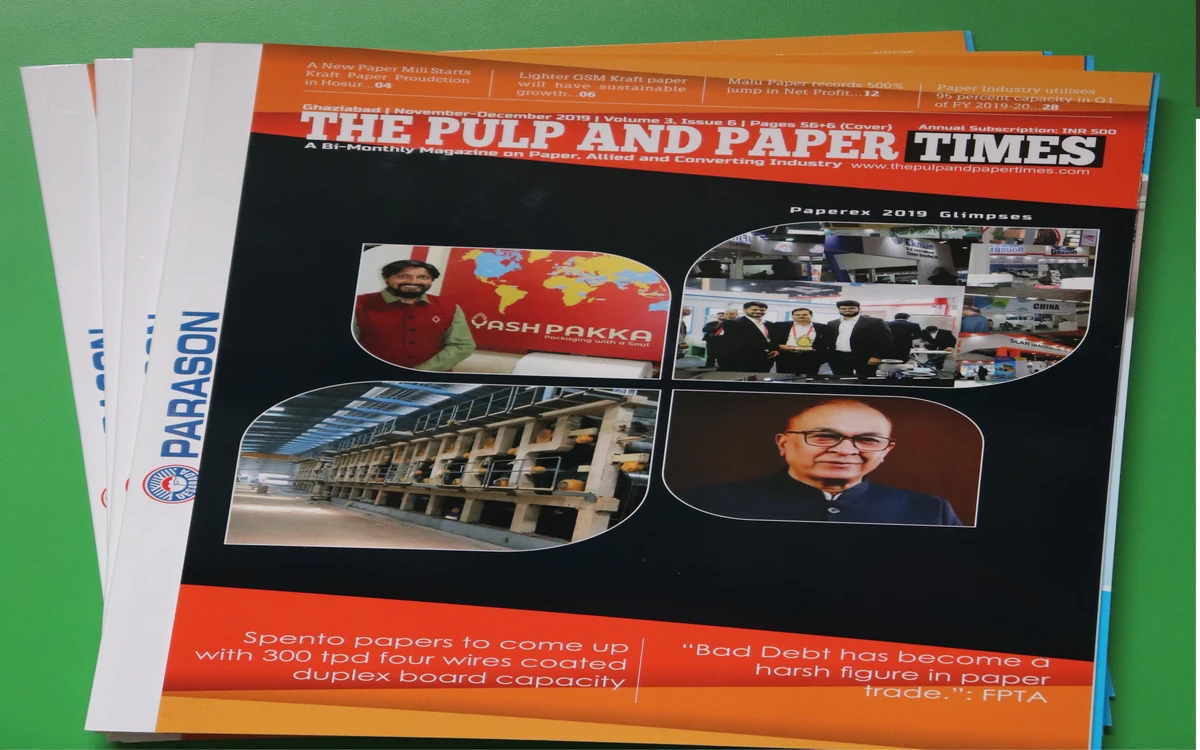
The Pulp and Paper Times : Volume 3, Issue 6
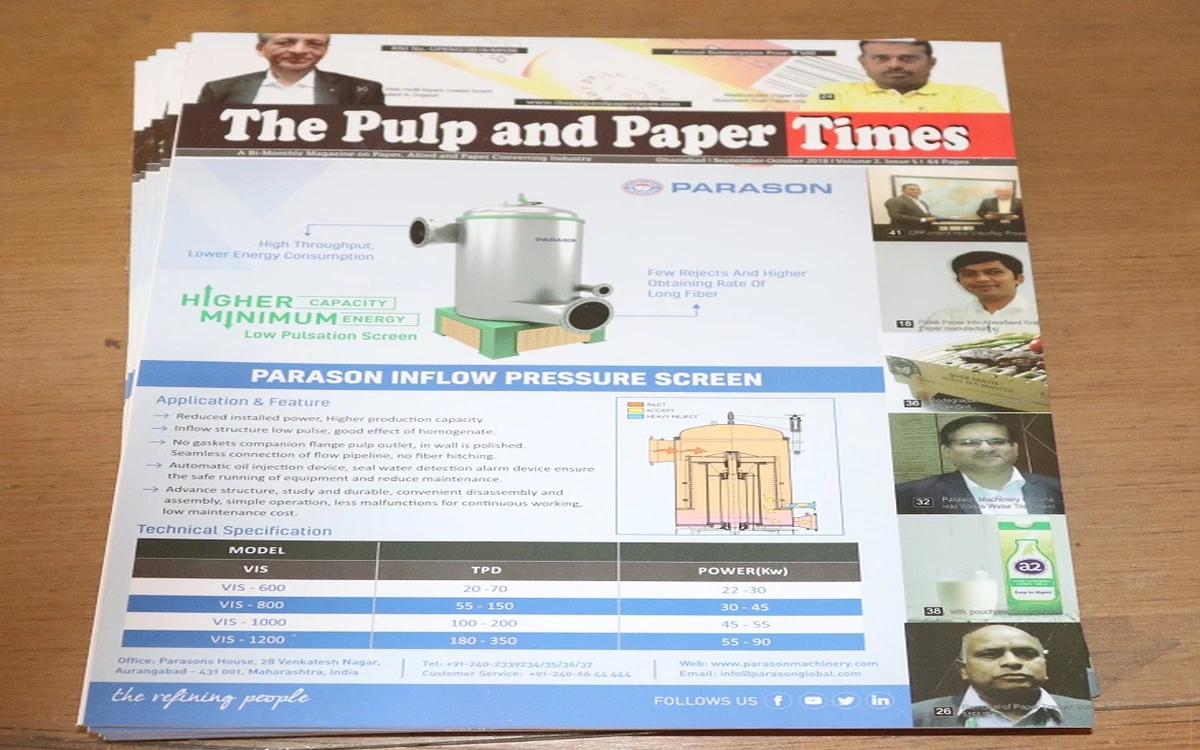
The Pulp and Paper Times: Volume 2 Issue 5
The Pulp and Paper Times, Volume 1, Issue 3
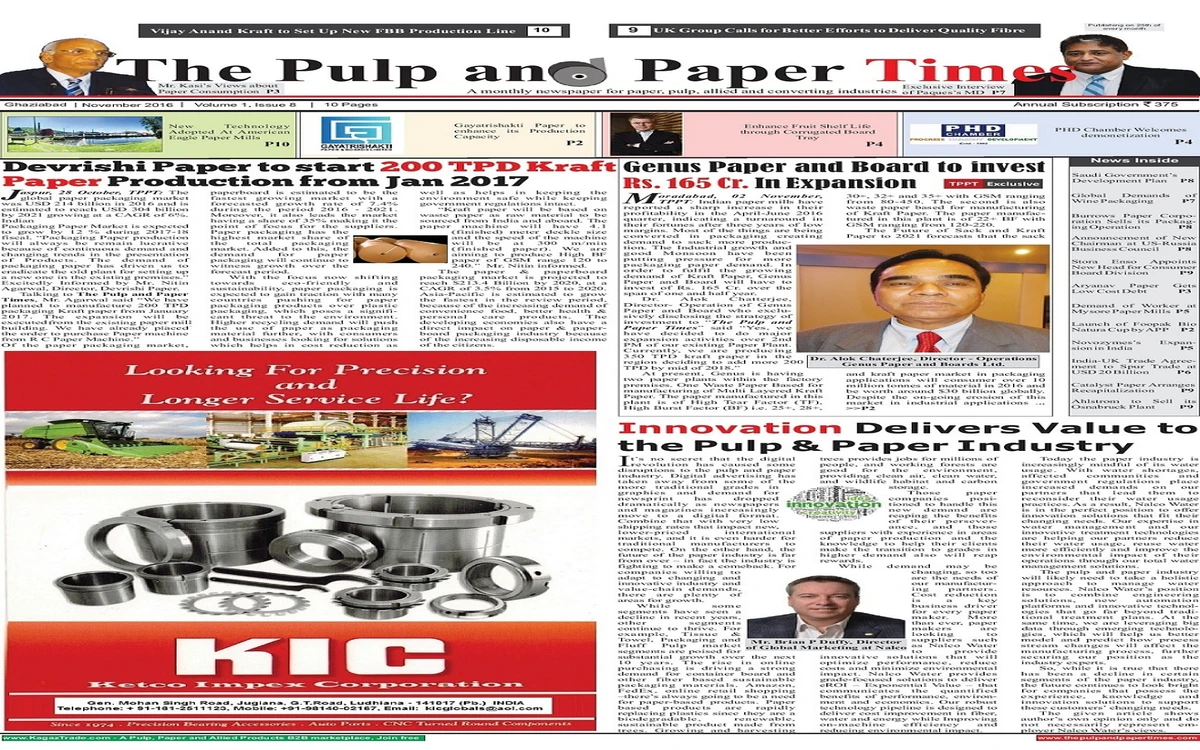
The Pulp and Paper Times, November 2016 Issue

-Pakka Limited reports its highest-ever quarterly revenue; Project Jagriti is back on track, with PM4 expected to start by the end of October and paper production in November
The Pulp and Paper Times
Ved Krishna, Group Lead at Pakka Limited, attending the Q1FY27 concall, said, “We are pleased to report our highest-ever quarterly revenue. Our focus is to build on this performance while continuing to improve profitability.”
Funding for Project Jagriti has been completed, the project is back on track, and Pakka expects to commission the machine within the next few months. The Food Services business has also made significant progress. Pakka has established a strong outsourcing model, with approximately five to six partners commencing production for the company. As the company progressively scales this model, it expects it to support both revenue growth and profitability.
Pakka has also completed multiple customer trials for its delivery containers and is ordering the first facility, including the required coating system. The company expects this facility to be in place by the time of its next investor call.

Pilot trials for the flexC base paper to be produced on PM4 are underway. Pakka expects to complete these trials within the next two months, followed by a soft launch.
Ved Krishna said the first quarter has been strong, and several performance records have been surpassed. Revenue increased by 42% compared with Q1 of the previous financial year and by 14% compared with the preceding quarter.
Wrap & Carry PBT was 16% lower sequentially, primarily due to costs paid to bankers during the quarter; operationally, the business performed better. The principal challenges are the start-up of PM4, which is expected around the end of October or in November; market acceptance of products manufactured on PM4; the continuing Middle East situation, which is affecting exports; and the high financing cost associated with Project Jagriti. “We remain focused on addressing each of these challenges,” he said.
Project Jagriti and PM4 Progress
Project execution is now at an advanced stage, with more than 85% of the major equipment work completed. The machine is taking shape, as reflected in the progress shown in the presentation. Pakka is confident of starting the machine by the end of October and reeling out paper in November.

The Power Boiler and Recovery Boiler, which form part of Project Jagriti, are also at an advanced stage, and steam trials have been completed. Start-up is targeted for the end of August or the first week of September.
For PM4, Pakka is planning laboratory and pilot trials in Europe and expecting customer-ready samples from the pilot trials during September.
flexC Base Paper Development
Pakka’s principal product-development focus is flexC base, a translucent paper with significantly enhanced strength. Laboratory trials are being completed in Europe, with pilot trials scheduled for early September.
The company expects to conduct a distributor soft launch in October, begin commercial production following the start-up of PM4 in November, and progressively stabilise production by January.
Initial target applications include confectionery wraps, snack and sweet pouches, sachets, tea pouches, seed packs, medical packaging, release liners and dry-food liners. The longer-term objective is to develop increasingly effective barriers for food packaging applications.
Pakka has also decided to relocate its Material Science Centre from Bengaluru to Ayodhya to deepen its investment in innovation, which is central to Pakka’s future growth.
The Centre will focus on base materials, biotechnology, conversion systems, biodegradation and substrate valorisation, with applications spanning Flexibles, Wrap & Carry, Food Services and rigid products.
The collaboration agenda includes incubation, acceleration, global R&D partnerships, customers and converters. Exploration areas include large language model applications for research, cross-pollination of ideas, biomimicry, fermentation, microbial multiplication and an in-house design laboratory.
Pakka is also building global university partnerships, high-quality infrastructure, internship opportunities and a strong leadership pipeline.
For the current quarter, the company intends to commission the recovery and power plants under Project Jagriti and prepare PM4 for plant trials. The initial delivery-container facility is being established, the Material Science Centre is being developed in Ayodhya, and flexC pilot trials and the soft launch are expected to be completed. Pakka will continue to pursue both revenue growth and improved profitability.
PM4 Project Cost and Capacity
On the question of the total cost of PM4, Ved Krishna said, “The current total project cost is approximately ₹753 crore, and the project will add slightly more than 30,000 tonnes of annual capacity. However, the principal value lies not only in capacity but also in the quality of the materials to be produced.”
“Our objective is to move further into flexible packaging and manufacture a high-quality substrate. As with CHUK, the team is working to create a differentiated product that we hope will benefit both customers and investors,” he added.
The initial objective is to produce flexC base—an extremely translucent, low-porosity paper with sufficient strength to run on converting equipment used for polymer-based materials. Its low porosity is designed to reduce the consumption of coating chemicals.
Pilot trials are being conducted in Europe on a machine selected after evaluating several facilities globally. The pilot machine closely replicates PM4, which was custom-designed to produce a differentiated product.
The European trial will produce a few reels comparable to the paper expected from PM4. This will validate the proof of concept and allow distributors and customers to undertake smaller trials before commercial production begins.
PM4 trials are expected to start in November, followed by a stabilisation period of approximately one to two months. Commercial production and supply to the market are therefore expected to stabilise around January.
Bagasse Pulp and Softwood Fibre Blend
Pakka is using the same substrates intended for its facility. Bagasse pulp has been shipped from India, together with the selected long-fibre softwood.
Although softwood is available in Europe, Pakka shipped the selected material from India to replicate the exact blend ratios intended for PM4. The relevant chemicals have also been supplied for the trials.
The trials replicate both the pulp furnish and the chemistry, including surface sizing used to close the paper surface. Although the physical trial is scheduled for September, development has been underway for more than six months.
Pakka recognises that stabilisation may take time. To mitigate this risk, PM4 can also manufacture established grades such as release paper, greaseproof paper and parchment paper, which can be introduced to the market if the new product requires additional development time.
Focus on Flexible Packaging
PM4 is intended primarily to address the flexible-packaging segment. Barrier coatings continue to present challenges, particularly in customer acceptance of their cost, so Pakka is taking a phased approach beginning with flexC base paper while continuing to develop the coating chemistry.
Bagasse is a short, relatively low-density fibre that creates a less porous sheet with useful translucency. Because bagasse alone does not provide very high tear strength, Pakka intends to blend approximately 20%–25% selected softwood fibre to provide the additional strength required.
PM4 has been designed to achieve the four principal properties required for coating substrates: low porosity, translucency, strength and smoothness. Pakka remains confident in the product under development.
From a financial perspective, the primary focus is not merely net sales realisation, but the contribution generated by each grade. Pakka aims to achieve a contribution level higher than that of any grade produced previously and monitors contribution per machine hour as a key internal performance indicator.
In the targeted applications, petroleum-based substrates generally cost approximately INR 16–INR 18 per square metre, whereas the current target is approximately INR 24 per square metre.
This cost gap is why Pakka is initially launching flexC base rather than a fully barrier-coated substrate while continuing to develop the coating chemistry.
The principal cost challenge is not the base paper but the high price of bio-based barrier chemicals. Pakka is exploring strategic alliances and local manufacturing in India, including the possibility of partners establishing production within its facility.
The objective is to reduce the cost toward approximately INR 18 per square metre, at which point the customer discussion can shift from price to product performance and value.

5 hours ago
Total Views : 387
4 days ago
Total Views : 2675
5 days ago
Total Views : 2511
last week
Total Views : 731
last week
Total Views : 1315
2 weeks ago
Total Views : 3834
2 weeks ago
Total Views : 2757
2 weeks ago
Total Views : 806
2 weeks ago
Total Views : 3613
2 weeks ago
Total Views : 3756