Join Groups & Channels, No Spamming









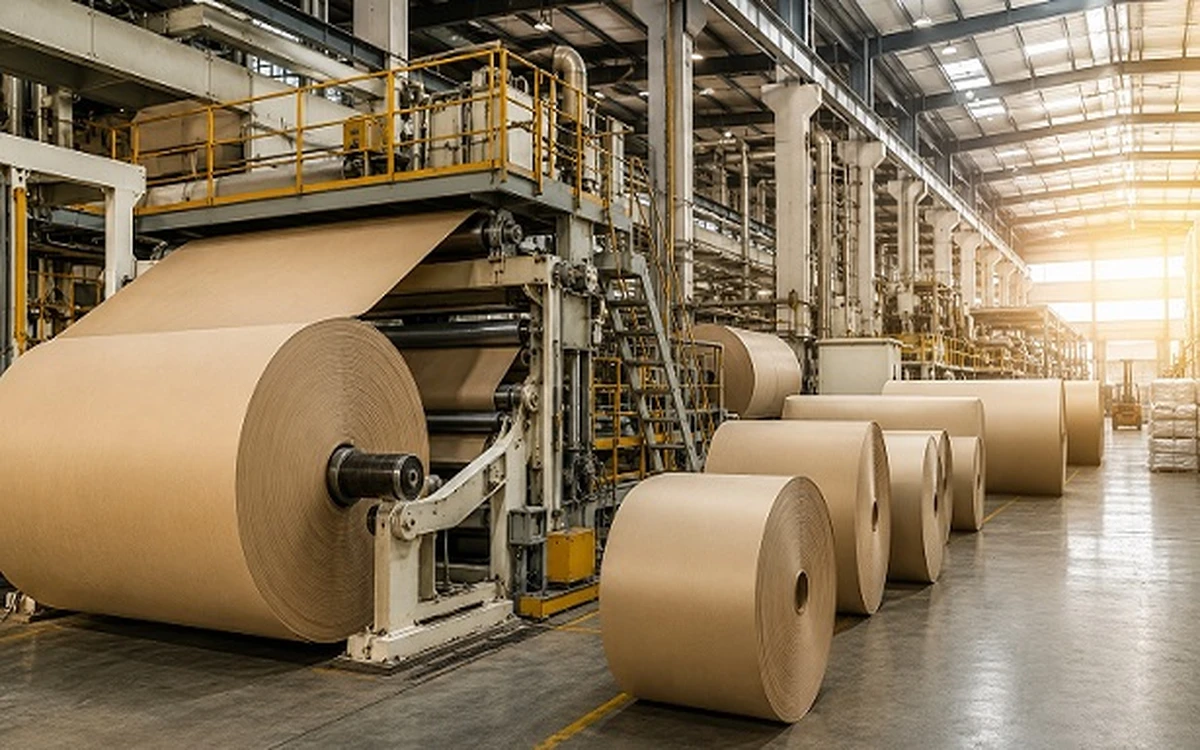
Morbi paper mills see full-capacity operations as ceramic industry revives; Kraft paper exports to China spike, Prices strengthen; Janmashtami shutdown ahead

The BE and caustic soda plant marks a key milestone for Mohit Paper Mills, enabling full utilization of installed capacity and enhancing overall production efficiency
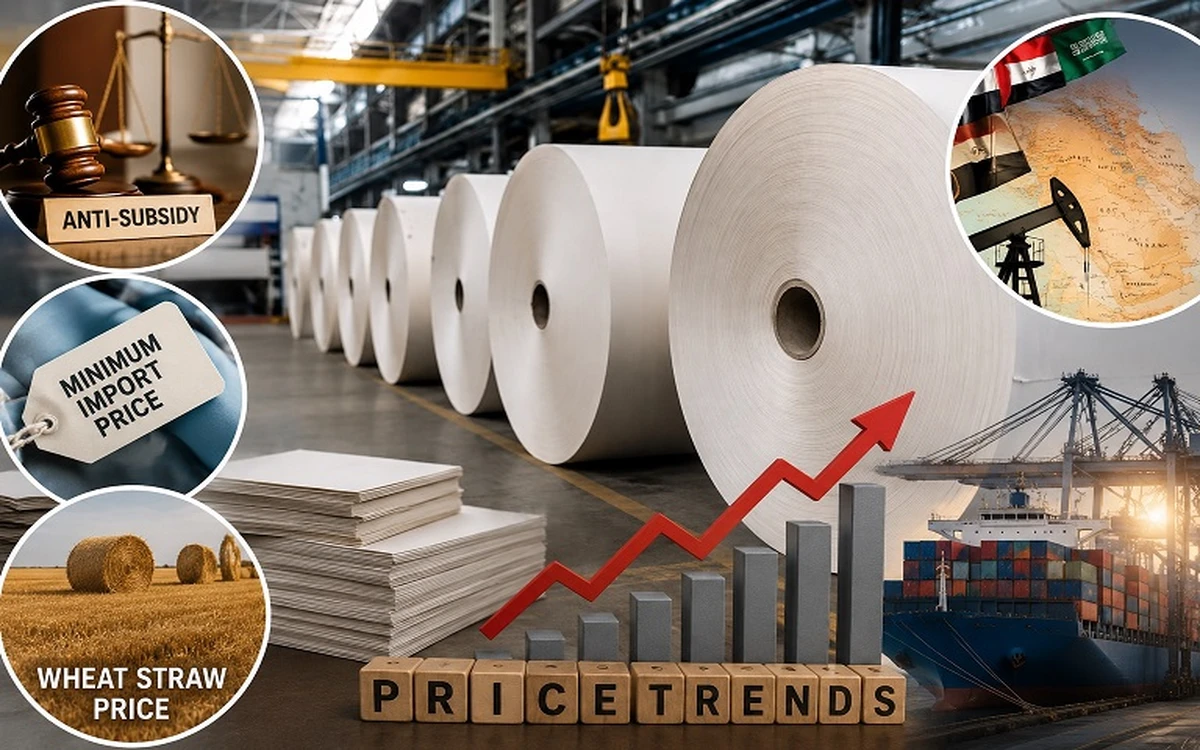
Expert Views on the paper market scenario, How the West Asia Crisis Helped the Industry, MIP for WPP, Anti-Subsidy implementation, and paper price trends
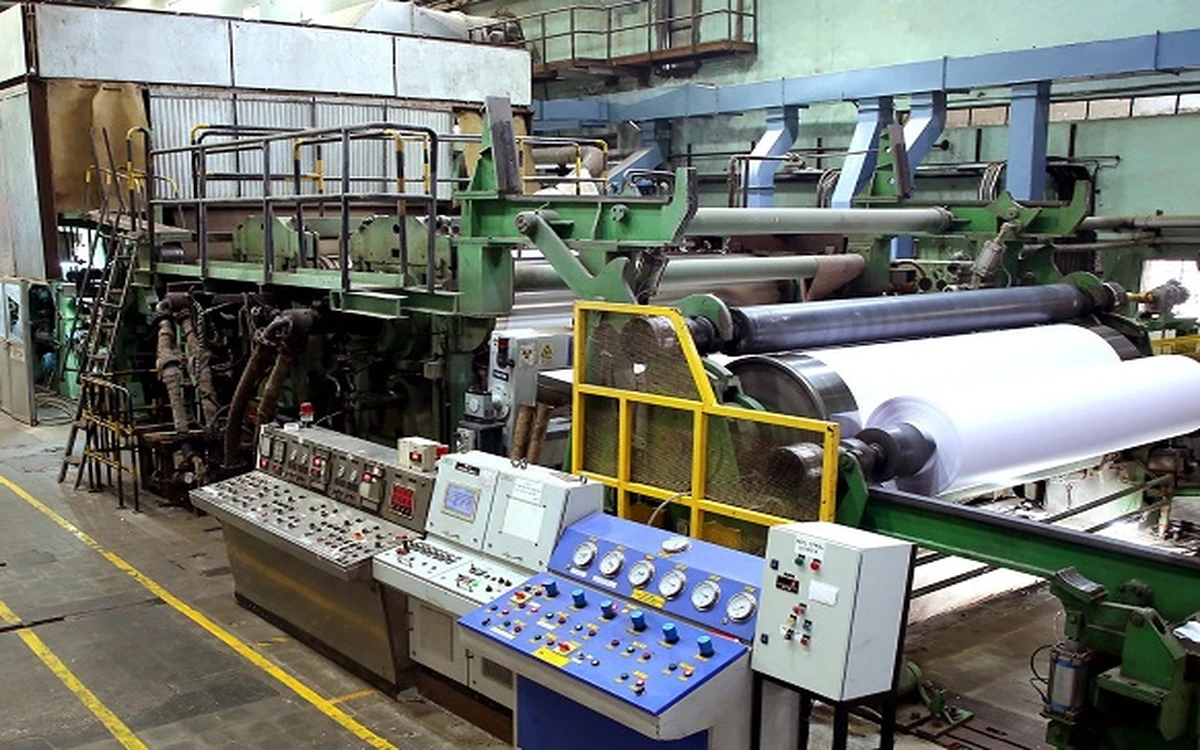
Pudumjee Paper intends to develop new varieties addressing applications for stronger paper bags and cupcakes; Plans 68,000 MT Mahad Specialty Paper Facility within 5 years
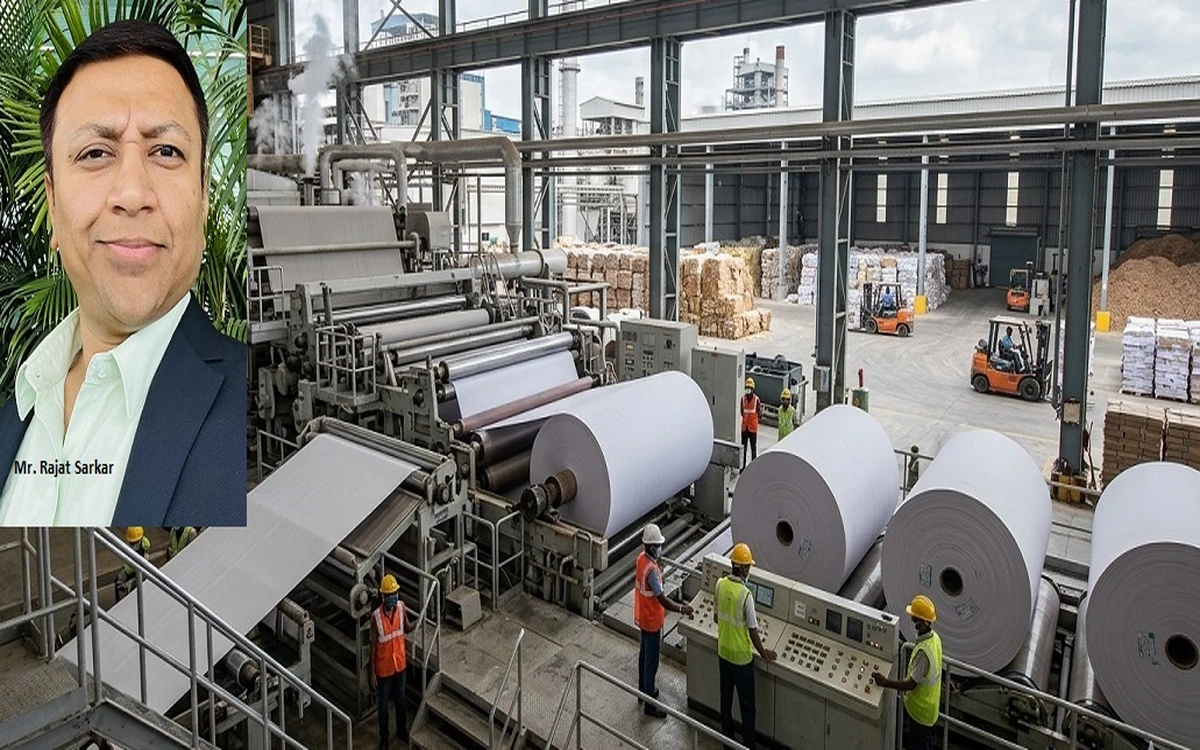
India Paper Industry at an Inflection Point: War, Costs, and Capacity; Demand growth expected at 5–7% in FY26
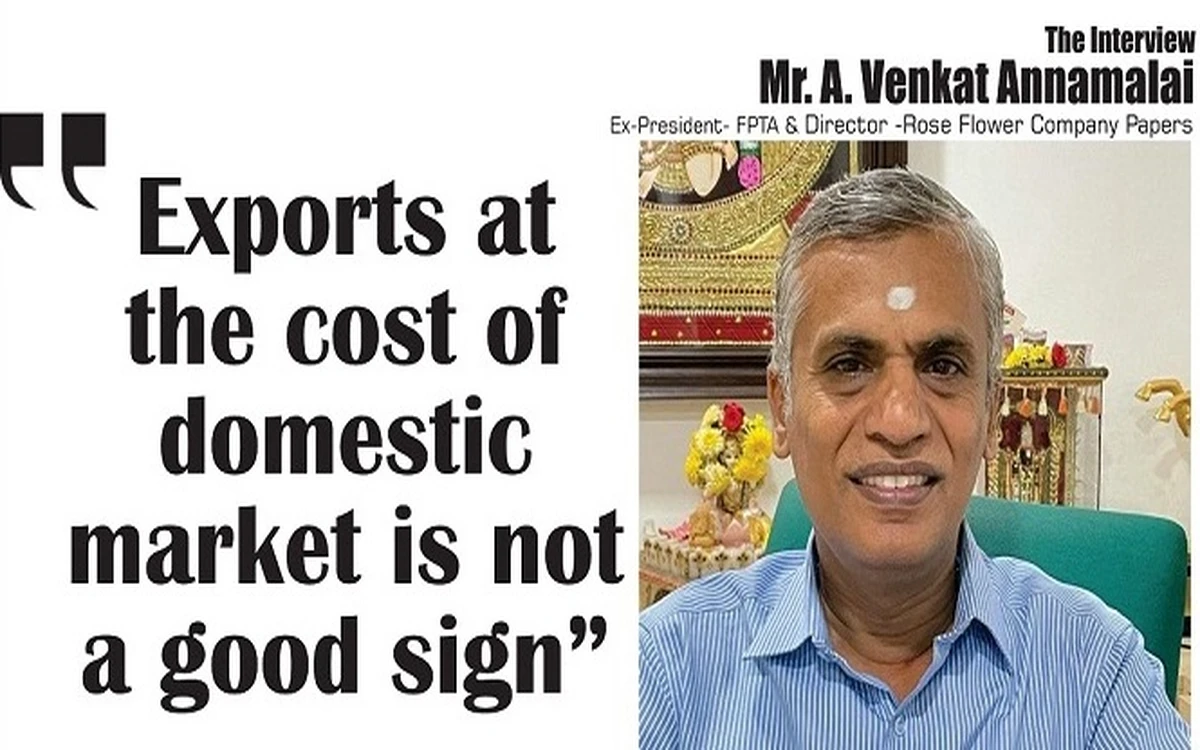
“Surging exports of paper will most certainly keep the domestic prices quite high”: Mr. A. Annamalai, Director – RFC
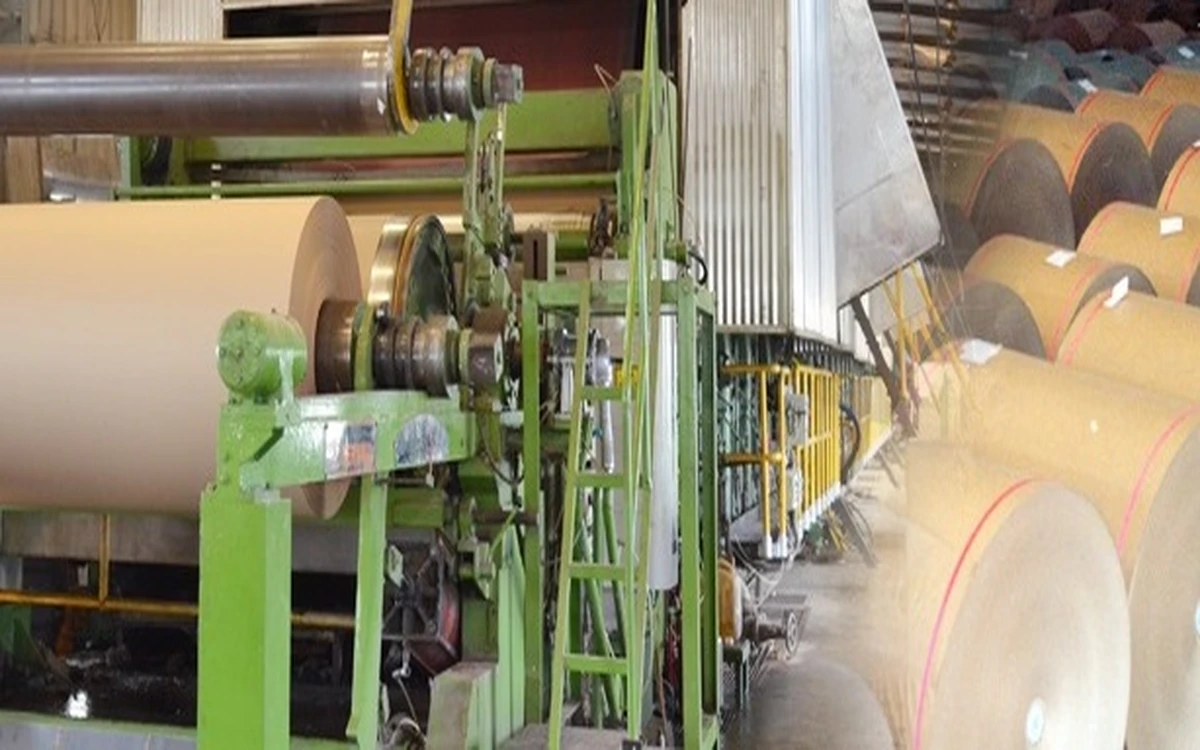
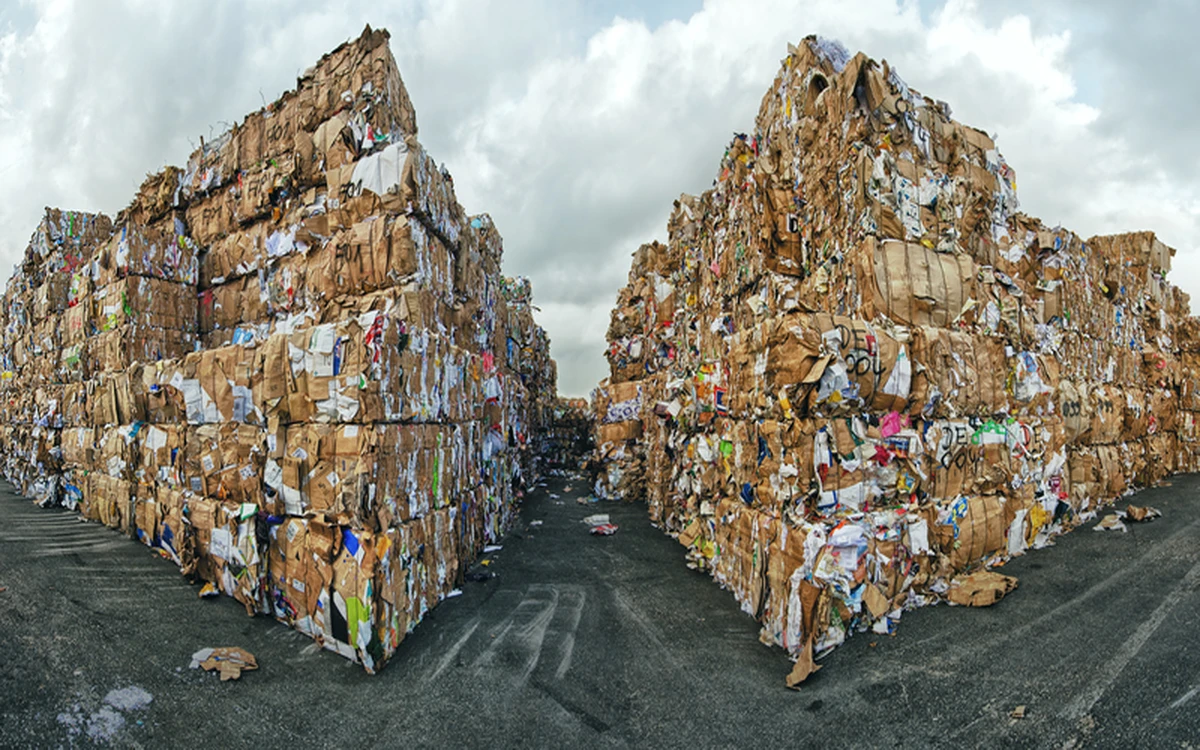
The Status of the Global Container board Industry, Recycled Paper Demand and Supply and its impact on the Indian Industry

Akshay Jain, director of Silverton Pulp & Paper, says it's time to promote agro residue as a raw material to lessen the scarcity of fibre
Advantageously located, a new paper mill is all set to roll kraft paper in Madhya Pradesh
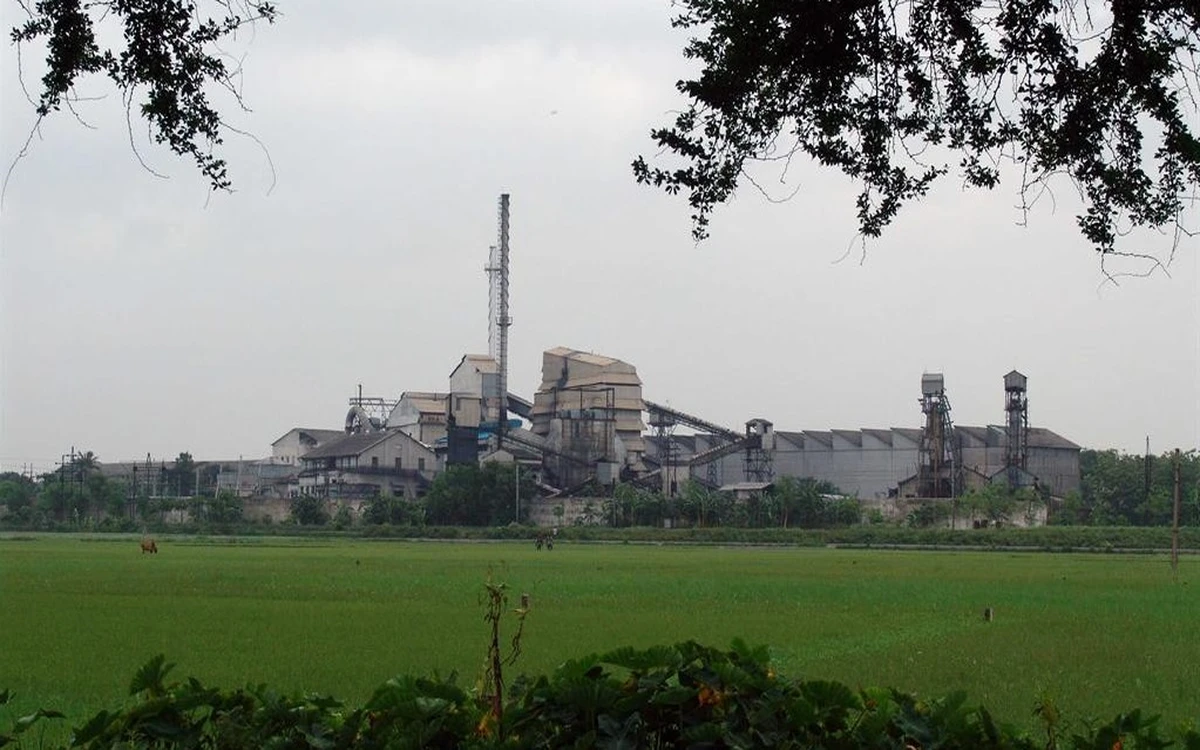
Several agile interventions helped ITC-PSPD fortify its clear leadership of the Value Added Paperboards (VAP) segment
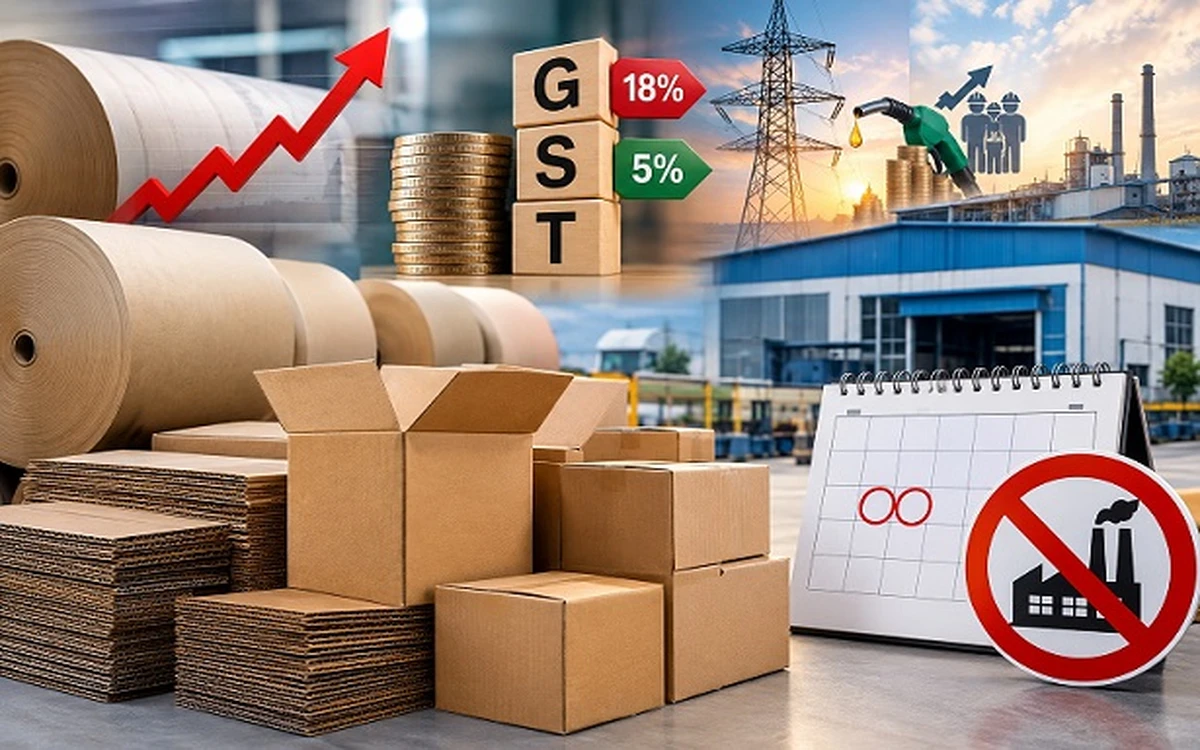
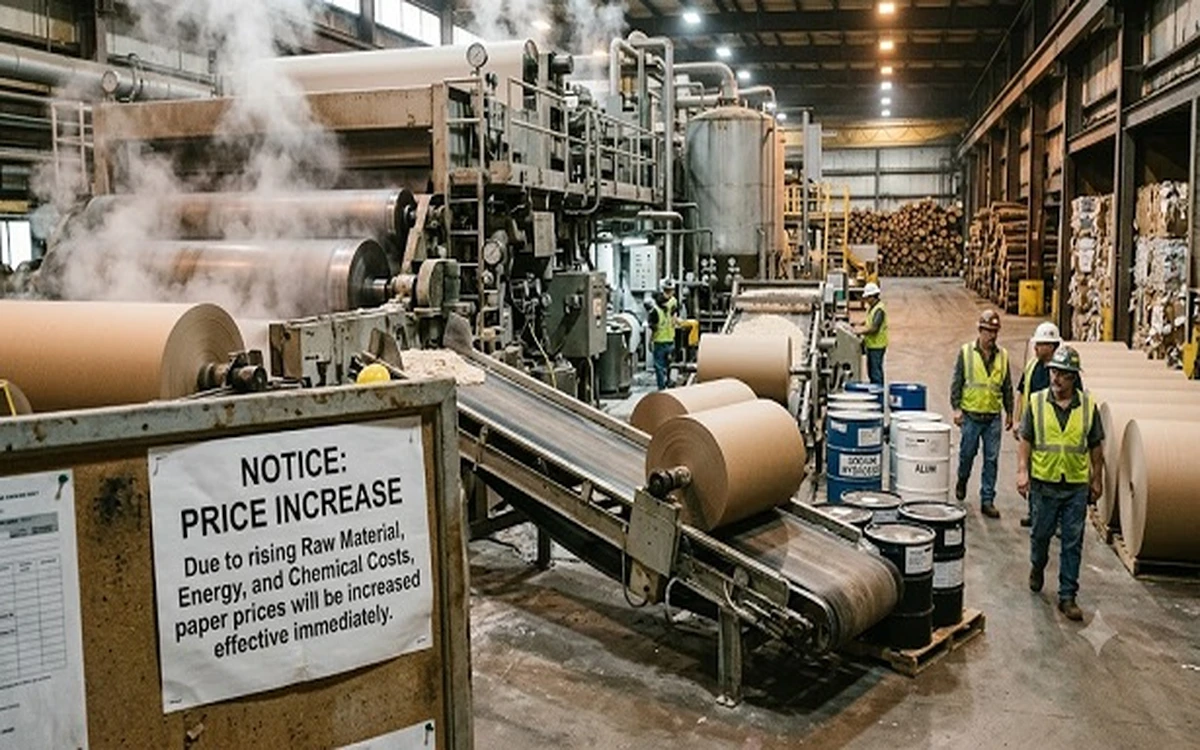
Overall Increase in Kraft Paper Prices Could Reach 35%; Industry Calls for 20% Box Price Increase, Voluntary Shutdown Proposed
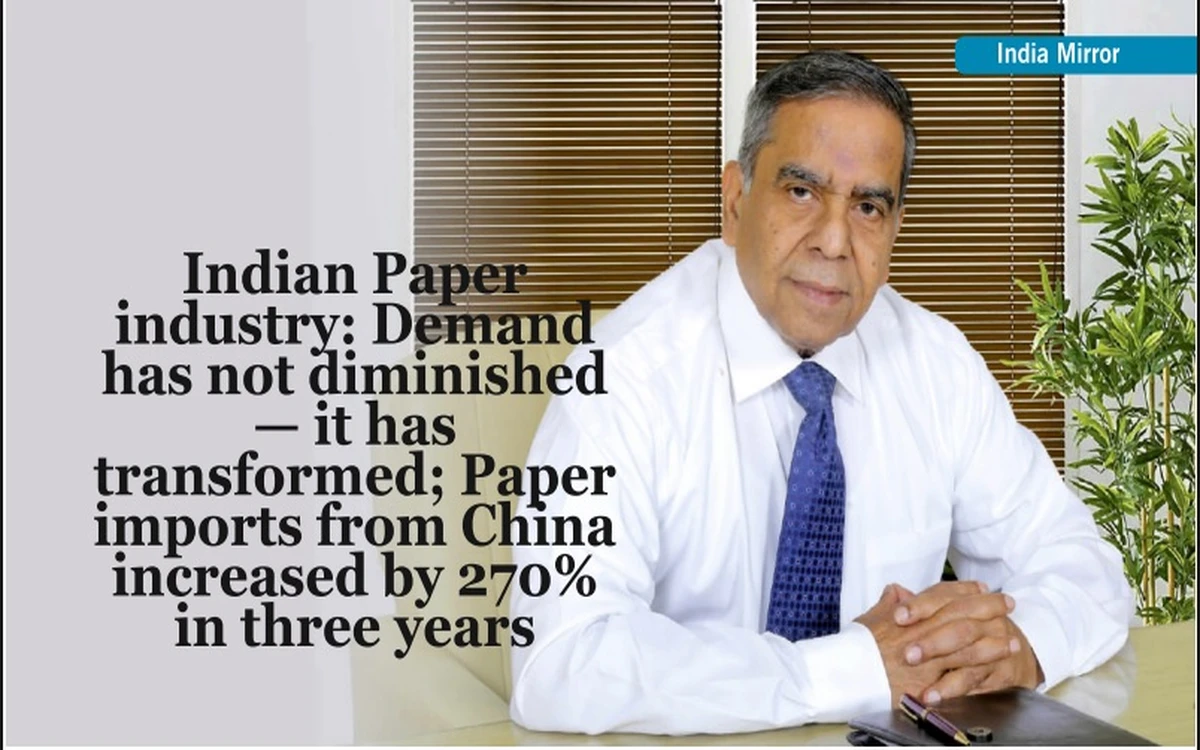
Indian Paper industry: Demand has not diminished — it has transformed; Paper imports from China increased by 270% in three years
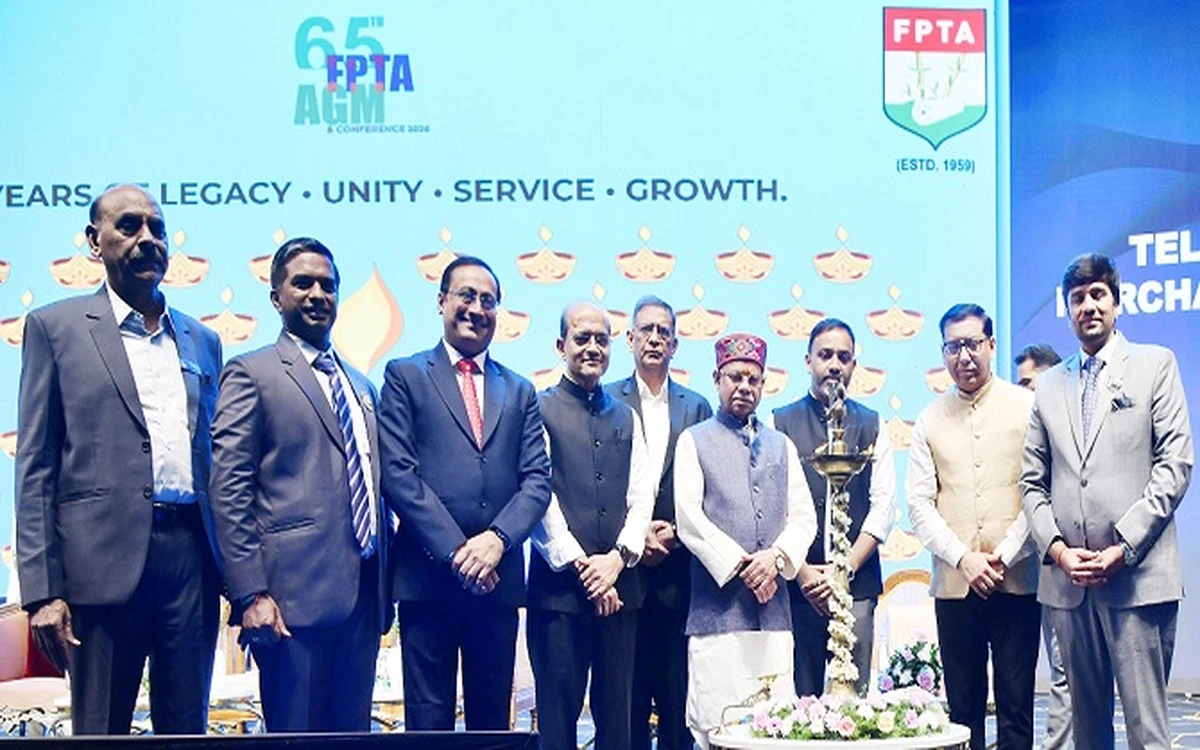
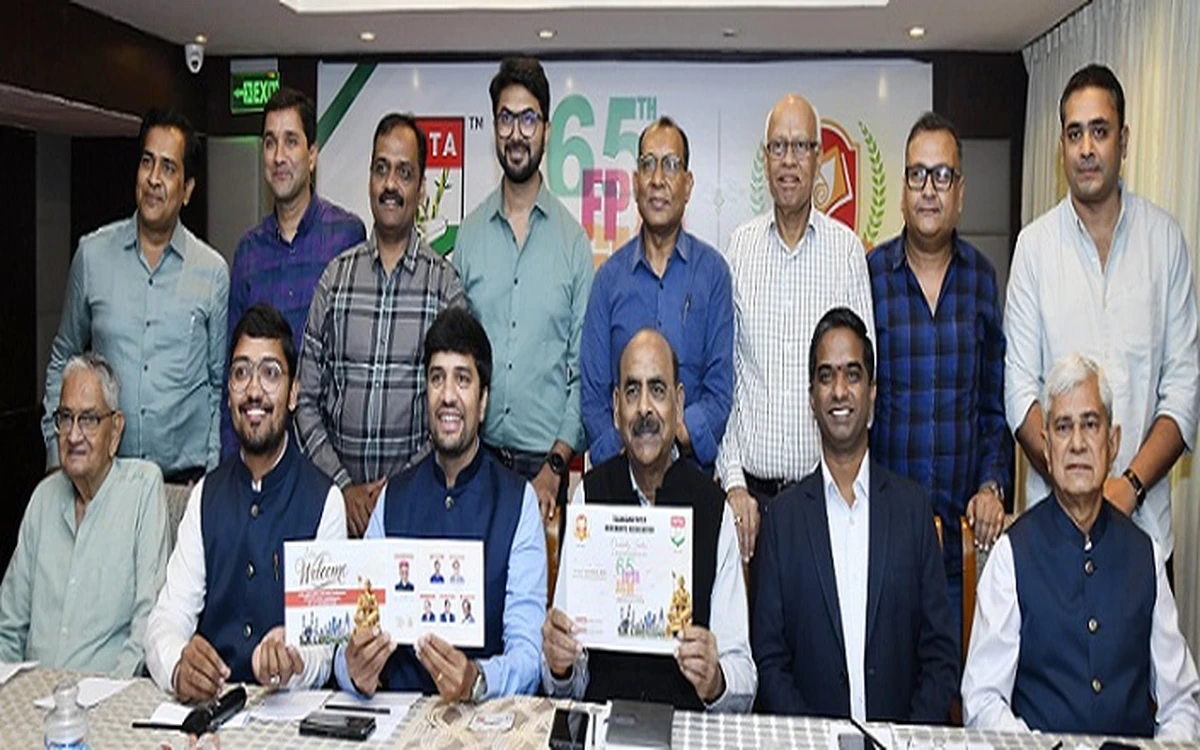
Paper Mills and Dealers Must Work Together to Create New Demand, Say Industry Leaders at FPTA’s 65th AGM

Ruchira Papers Invests a Sizeable Capex of Rs. 235–240 Crore Towards Writing & Printing Paper Capacity Expansion
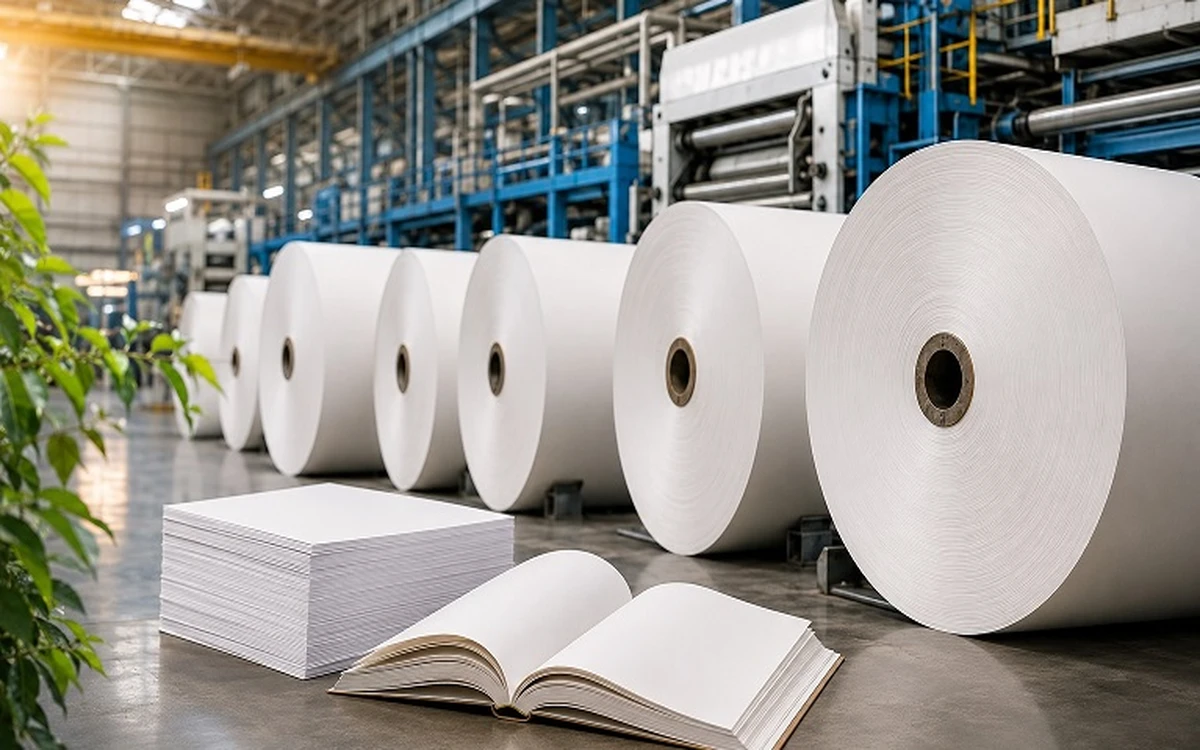
Paper mills inflated the basic ex-mill price of paper post GST 2.0, AINMA seeks action against Anti-Profiteering
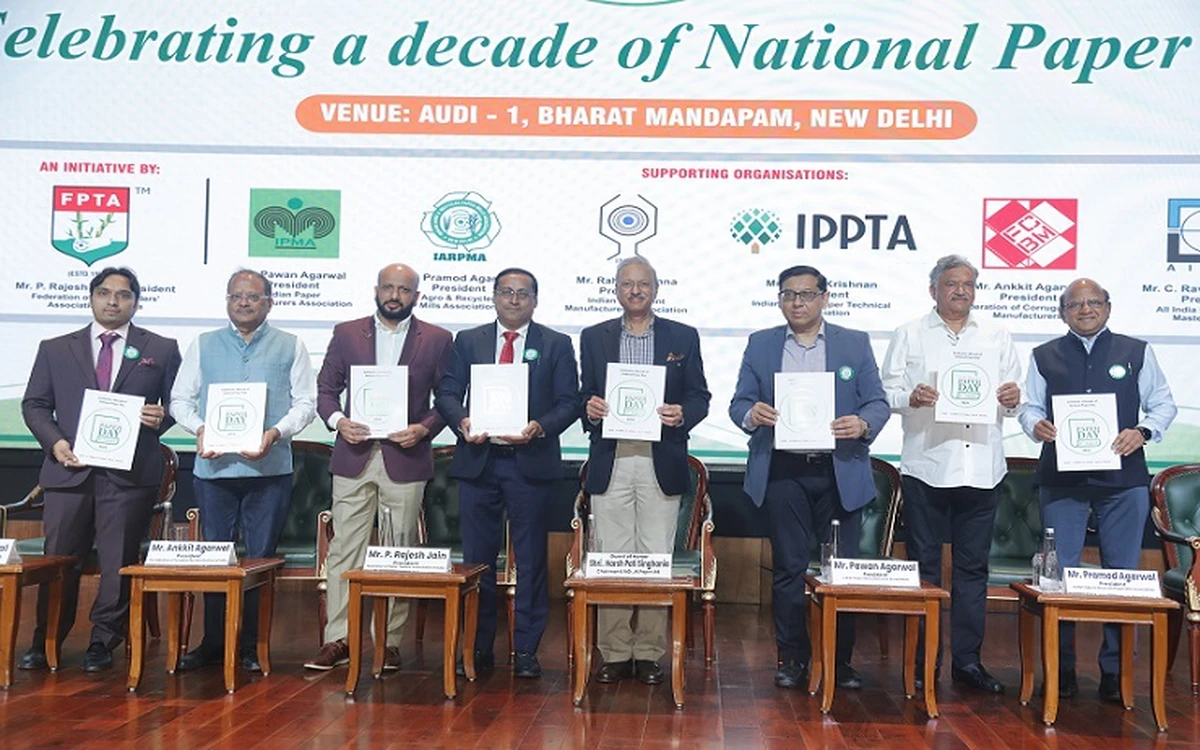
Seven Leading Associations Unite to Celebrate National Paper Day, Highlighting Paper's Sustainability and Circular Economy Advantage

Scientists from IIT-Guwahati develop India's first biodegradable plastic

Navneet Education focuses on brand building, curriculum-led growth, and export recovery; expects stationery margins to improve in FY27

It is estimated that USD10B to USD20B worth of single-use plastic packaging will convert to molded fiber, ZUME
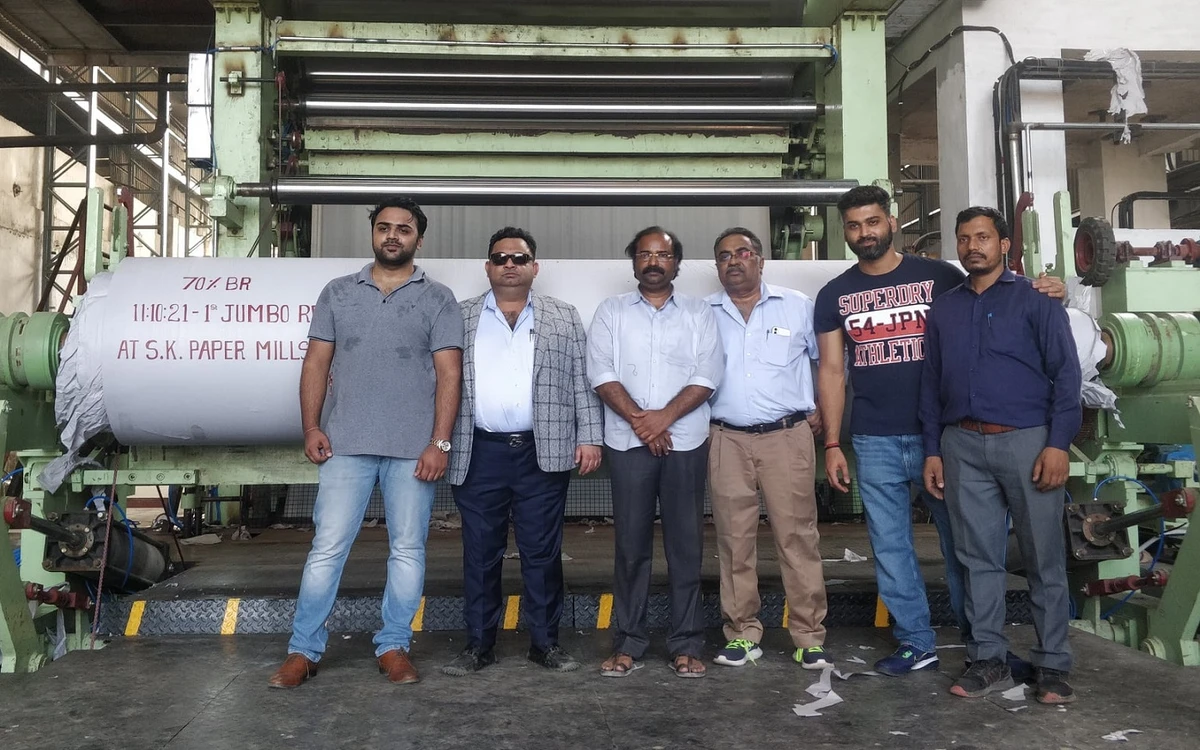
Muzaffarnagar gets a new capacity of Tissue Paper and MG Poster paper

“The integration of digitalization, automation, and Artificial Intelligence (AI) is no longer a futuristic concept—it is the baseline for competitiveness in 2036” - Vinit Garg, Director, Vizen Solutions
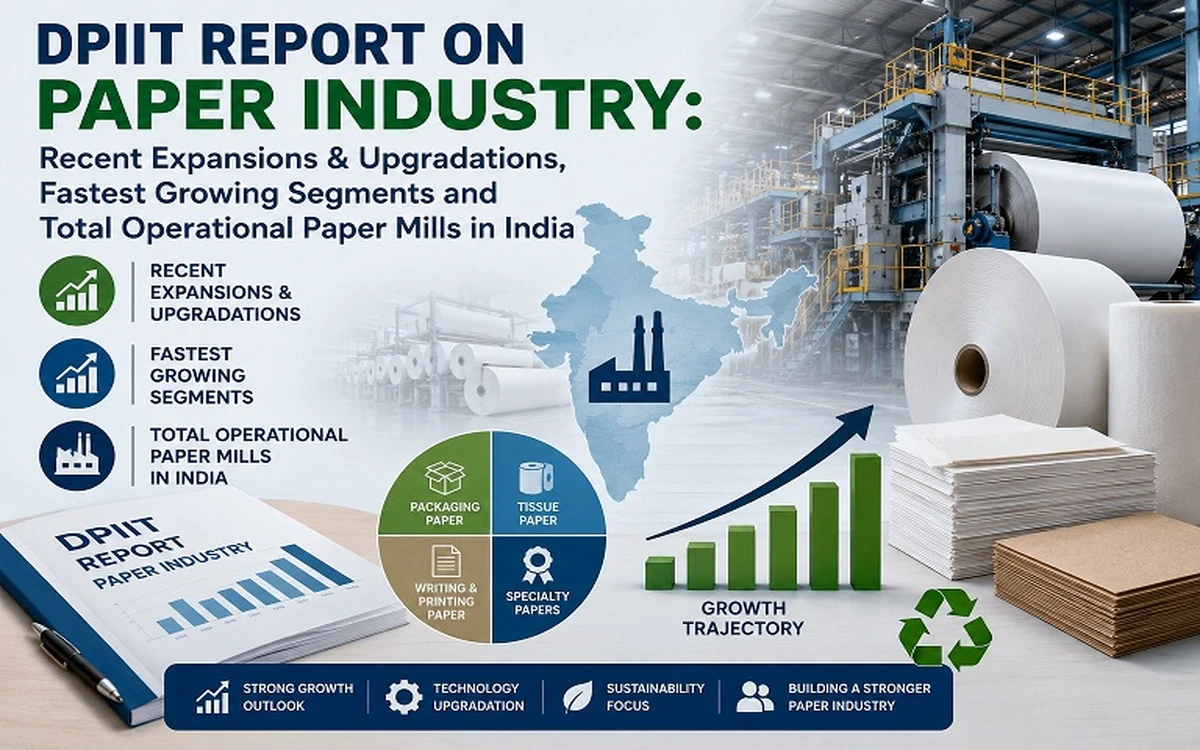
DPIIT Report on the Paper Industry: Recent Expansions & Upgrades, Fastest-Growing Segments, and Total Operational Paper Mills in India
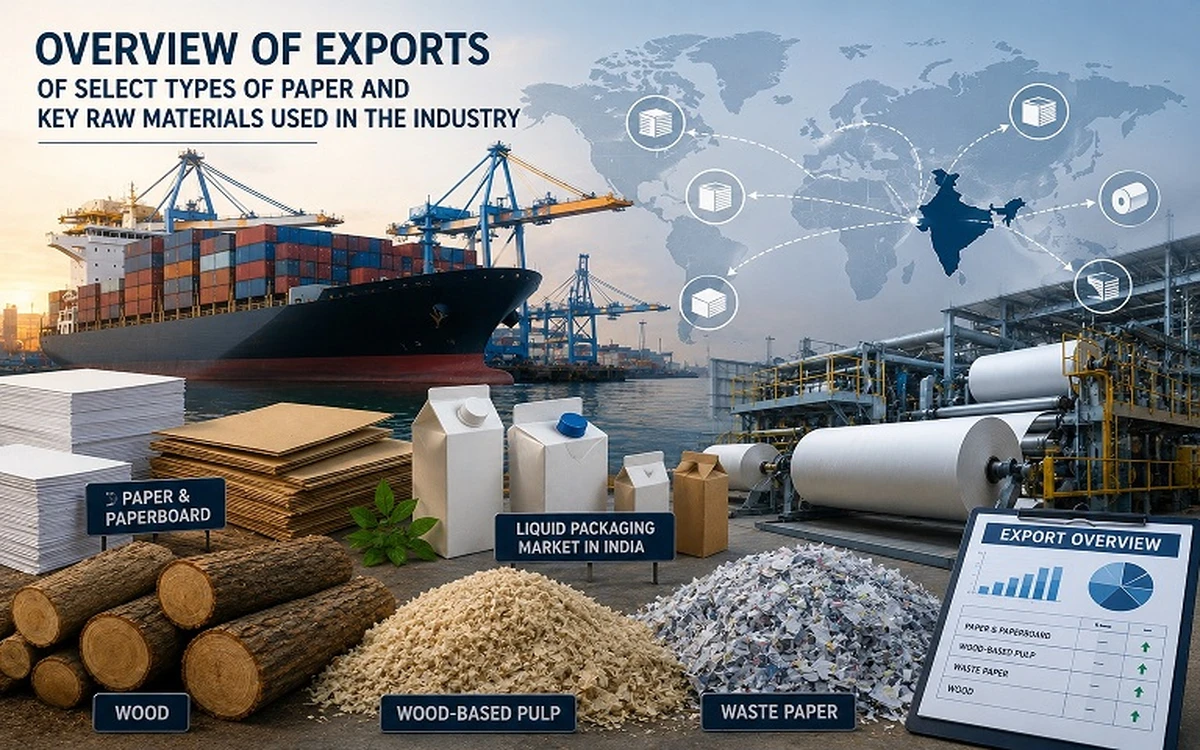
Overview of exports of select type of paper and key raw material used in the industry by Crisil Intelligence

Margin pressure pushes Pulp & Paper Packaging sector toward AI-Driven cost optimization, Cutting costs by 8–20%
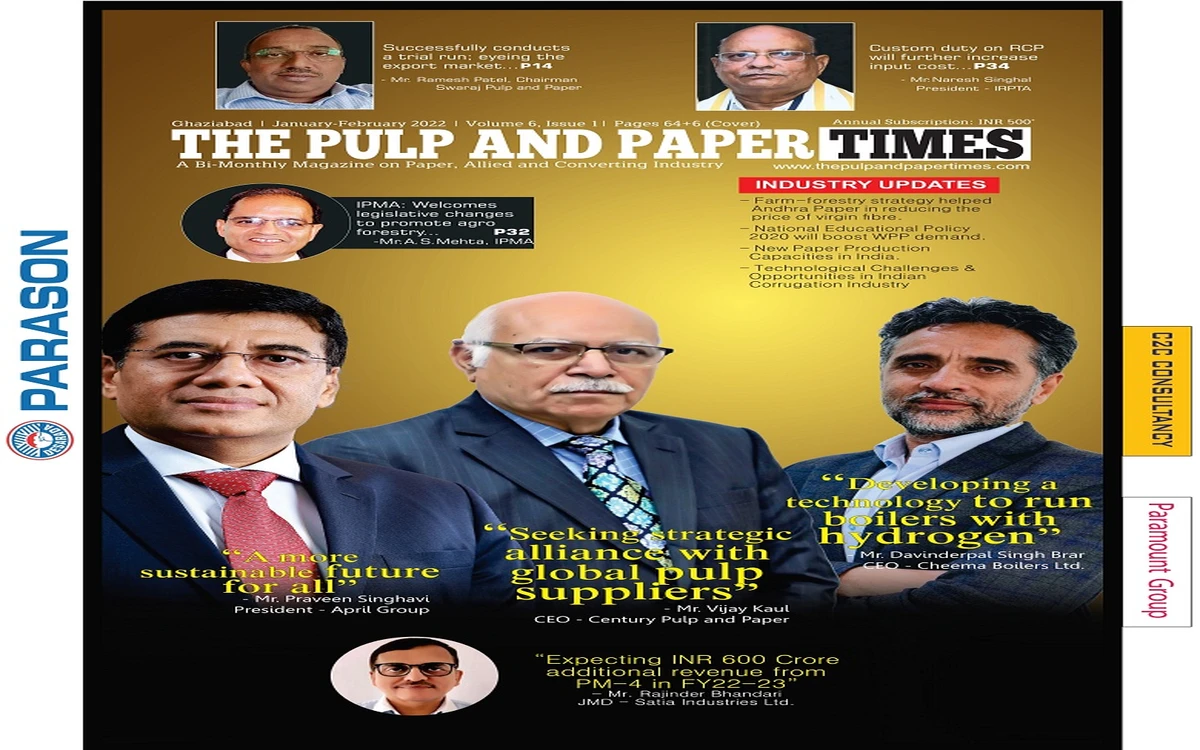
The Pulp and Paper Times Magazine : Volume 6, Issue 1
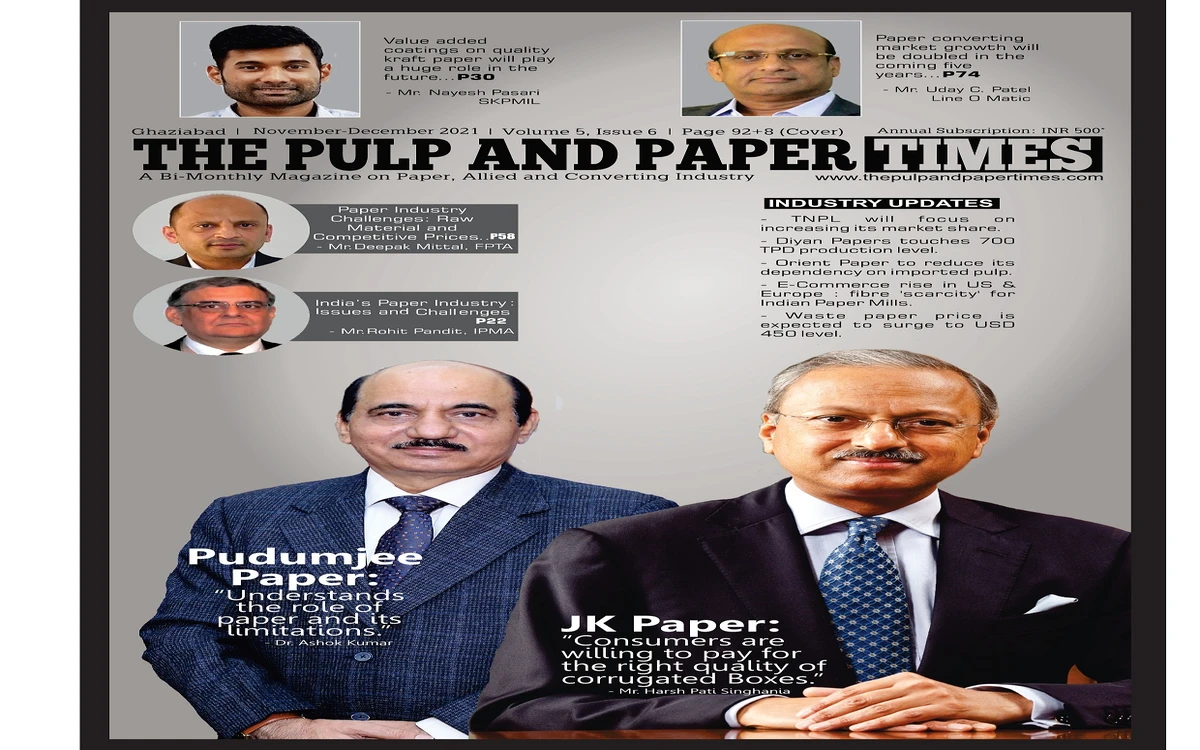
The Pulp and Paper Times Magazine : Volume 5, Issue 6
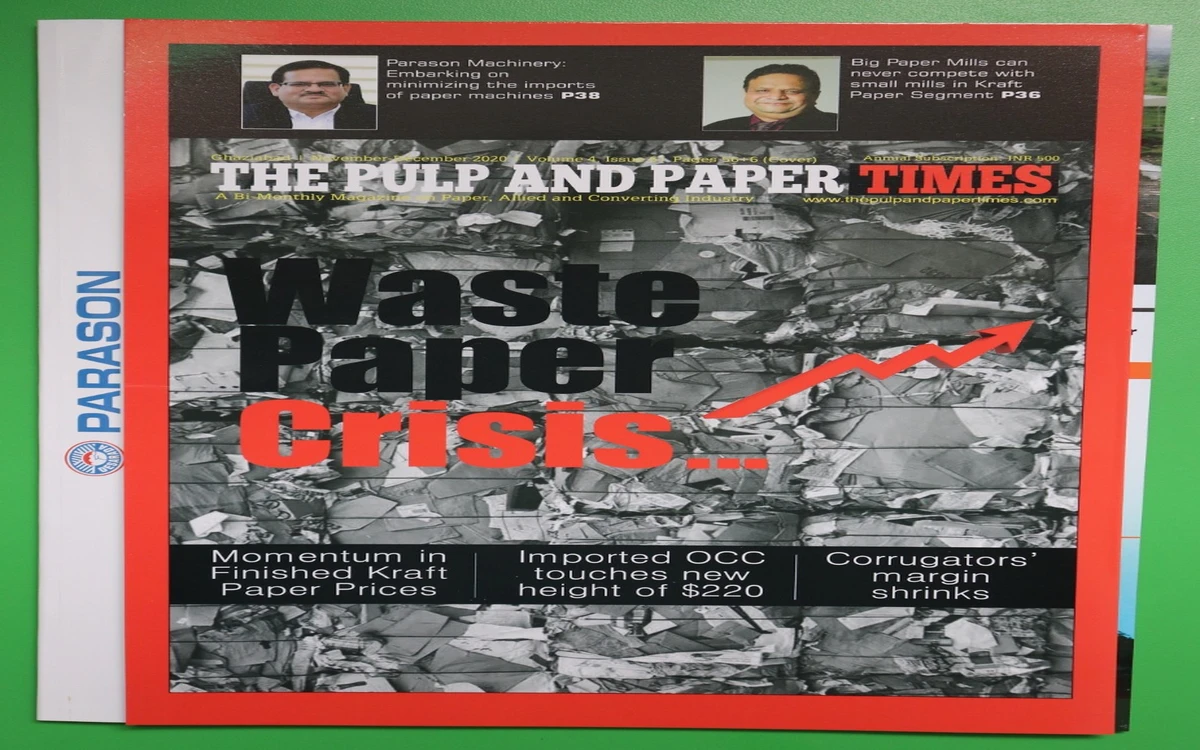
The Pulp and Paper Times: Volume 4, Issue 6
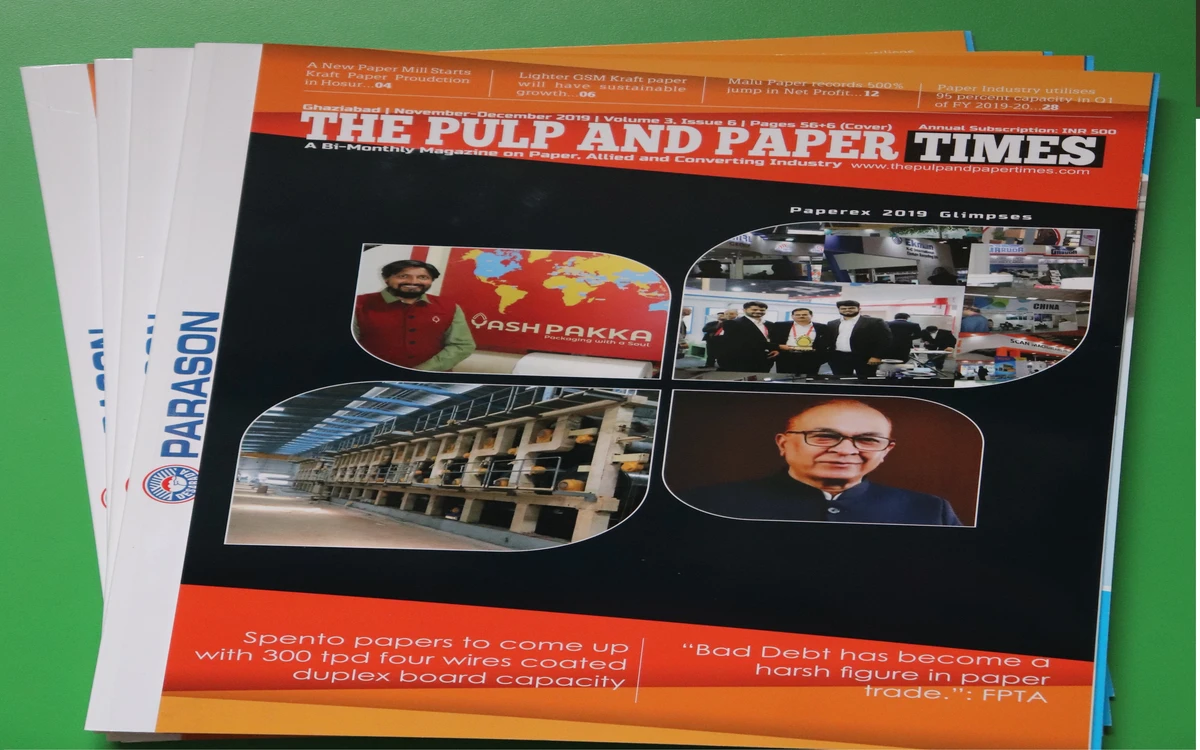
The Pulp and Paper Times : Volume 3, Issue 6
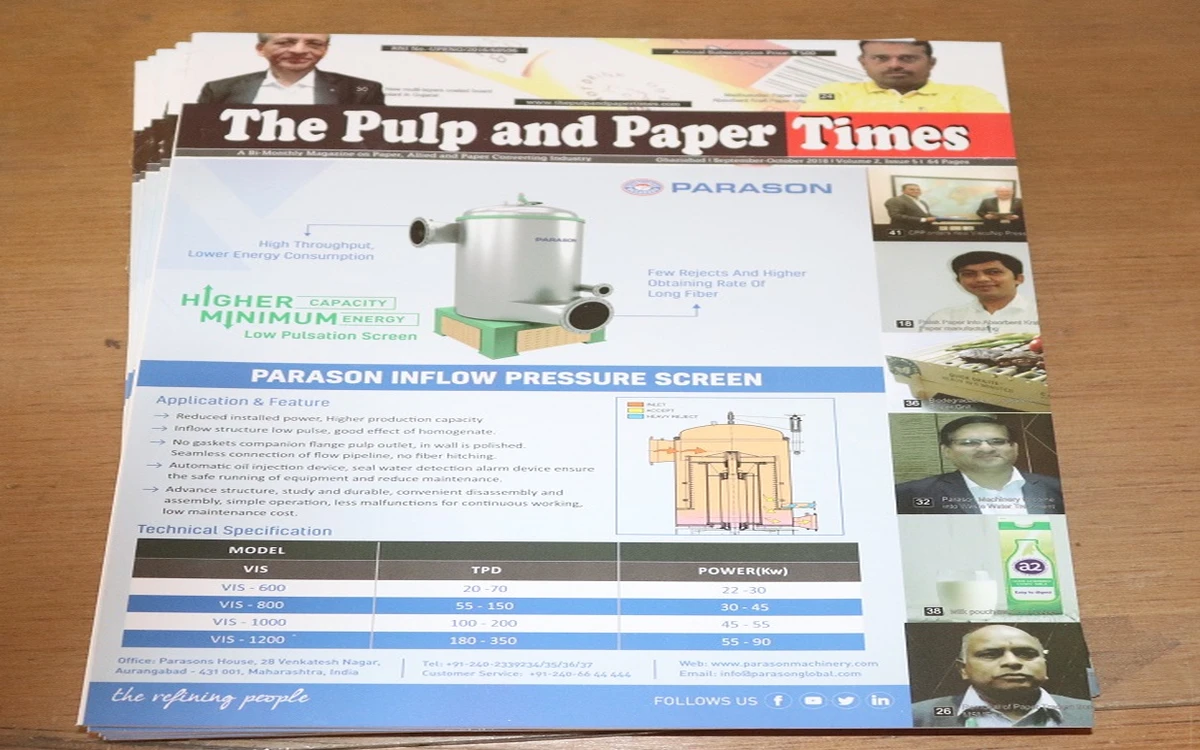
The Pulp and Paper Times: Volume 2 Issue 5

The Pulp and Paper Times, Volume 1, Issue 3
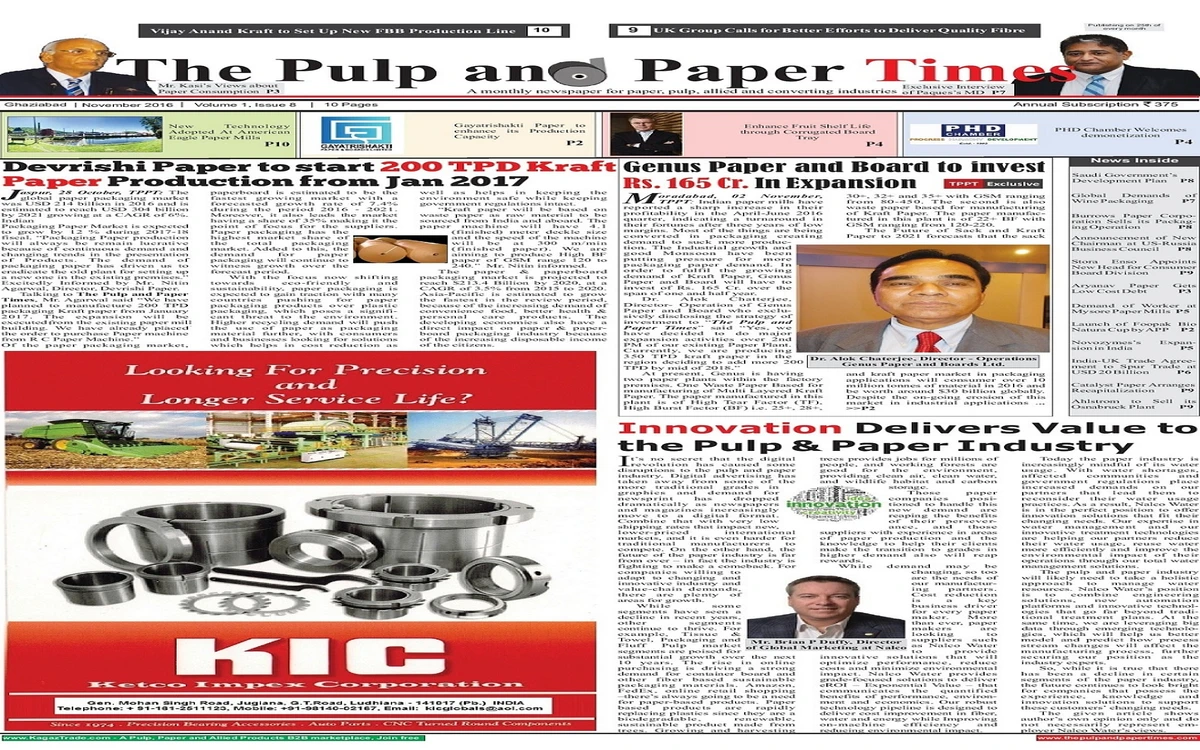
The Pulp and Paper Times, November 2016 Issue

The below report has been extracted from the speech of Mr. N. Gopalaratnam, Chairman of Seshasayee Paper and Boards Limited, for 25-26
The Pulp and Paper Times
I raise this not as a point of national pride alone, but because it is directly material to our business. A wealthier, better-educated India reads more, packages more, writes more, and prints more. India's per capita paper consumption today stands at approximately 15-16 kg — against a global average of ~ 57 kg. That gap is not a problem. It is an invitation. And when India's consumption begins to move toward the global mean, the demand inflection for Indian paper mills will be profound. SPB intends to be ready for it.
FY 2025-26, has been the toughest year for the Indian Paper Industry in recent times.

The Indian paper industry, valued at over Rs. 85,000 crores and employing over five lakh people directly, is among the most agroforestry-intensive industries in the country. More than 90% of the wood use by paper mills comes from industry-promoted farm forestry programmes — connecting paper mills to millions of rural farmers. This is a supply chain rooted in the Indian soil, in Indian communities, in Indian livelihoods.
Indian Paper Industry – Charting the next decade
Ten years ago, the Indian pulp and paper industry stood at crossroads. Rapid digitisation was reshaping how the world communicated, and many predicted a sharp, irreversible decline in demand for printing and writing paper. Today, as we mark this milestone, the industry tells a far more nuanced and, in many ways, more exciting story. Demand has not diminished — it has transformed. And the next decade promises an even more profound reshaping of what paper means, what it must do, and how it must be made.

The single most consequential market shift over the next ten years will be the explosive growth of e-commerce and organised retail, both of which are driving demand for packaging-grade papers and boards at a pace that was unimaginable a decade ago. India’s packaging paper segment is projected to grow at a CAGR well above the overall industry average.
Simultaneously, the writing and printing segment is undergoing a quiet reinvention. The education sector, government documentation, and premium publishing continue to anchor healthy demand. The opportunity here lies in moving up the value chain — toward brighter, lighter-basis-weight, and more consistently performing grades that command better realisations and serve a discerning institutional buyer.

The Covid-19 pandemic marked an unexpected turning point for paper — a medium many had prematurely declared obsolete. As schools shifted to remote learning and screens became the default during pandemic, parents and educators quickly observed the cognitive and developmental costs of an all-digital environment: reduced attention spans, eye strain, and weaker retention among students. This sparked a widespread reassessment, with research reinforcing what many instinctively felt — that writing by hand on paper deepens comprehension, aids memory, and supports focus in ways that Digital learning simply cannot replicate. Schools began reintroducing paper-based workbooks, notebooks, and printed materials with renewed conviction, while parents actively sought paper-first learning tools for their children at home. The result has been a tangible resurgence in demand for quality paper products in the education segment, driven by a collective acknowledgment that in a hyper-digital world, paper remains an irreplaceable partner in learning and development.

Technology as the New Competitive Frontier
Technology will be the great separator in the Indian paper industry over the coming decade. Energy efficiency, fibre optimisation, and water stewardship are no longer peripheral concerns — they are becoming core to a mill’s licence to operate and its cost competitiveness.
The rise of speciality papers is another area where technology will play a decisive role. Food-grade, grease-resistant, and barriercoated papers are witnessing surging demand as India’s food services and quick-commerce sectors scale rapidly. These grades require precision chemistry, tight quality control, and a deep understanding of end-use requirements — capabilities that separate a truly integrated paper company from a commodity producer.
The paper industry, long regarded as a traditional and capitalintensive sector, is increasingly embracing Artificial Intelligence to drive efficiency, quality, and sustainability. AI-powered systems are being deployed across the production cycle — from optimizing pulp consistency and predicting equipment failures before they occur, to fine-tuning energy consumption in real time and reducing raw material waste, besides optimising paper production rates.
Shipments of paper and paperboard into India, excl. newsprint surged to 1.97 Mn tonnes in FY 2025-26 from a modest 0.54 Mn tonnes, about 15 years’ back, growing at a CAGR of 9.1%; When the United States announced sweeping tariffs in 2025, the surplus from China and ASEAN countries found a destination in our Country, which further augmented the already existing problem. The pressure from cheaper imports got further accentuated with confusions arising out of GST 2.0 reforms announced in Sep’25, wherein the NIL GST on Paper for Notebooks and Notebooks and increase in GST on Paper in general from 12% to 18%, resulted in imported paper having further 12- 15% cost advantage vis-à-vis paper manufactured in India. The flow into our market intensified through FY 2025-26, pushing domestic prices to levels that made offtake and profitability acutely difficult for every Indian mill, operating with very little policy / govt. support.

Export markets for Uncoated Wood Free grades remained under pricing pressure for the eighth to tenth consecutive quarter, offering little relief on the revenue side. The Company’s exports during FY26 was significantly affected due to disruptions in Exports to US in H1 of FY26 on account of the US Tariff.
That supply chain is now under threat. Not from competition — we welcome competition. From distortion. Paper imports into India have grown at rates that no fair-trade framework can justify: from China, a 270% increase in three years; from ASEAN nations, 180% over the same period. Duty-free access under multiple free trade agreements has enabled this surge. And the diversion of paper originally destined for the US market — following steep US tariffs — has deepened the problem through FY 2025-26.
The above report has been extracted from the speech of Mr. N. Gopalaratnam, Chairman of Seshasayee Paper and Boards Limited, for 25-26

54 minutes ago
Total Views : 353
1 hour ago
Total Views : 28
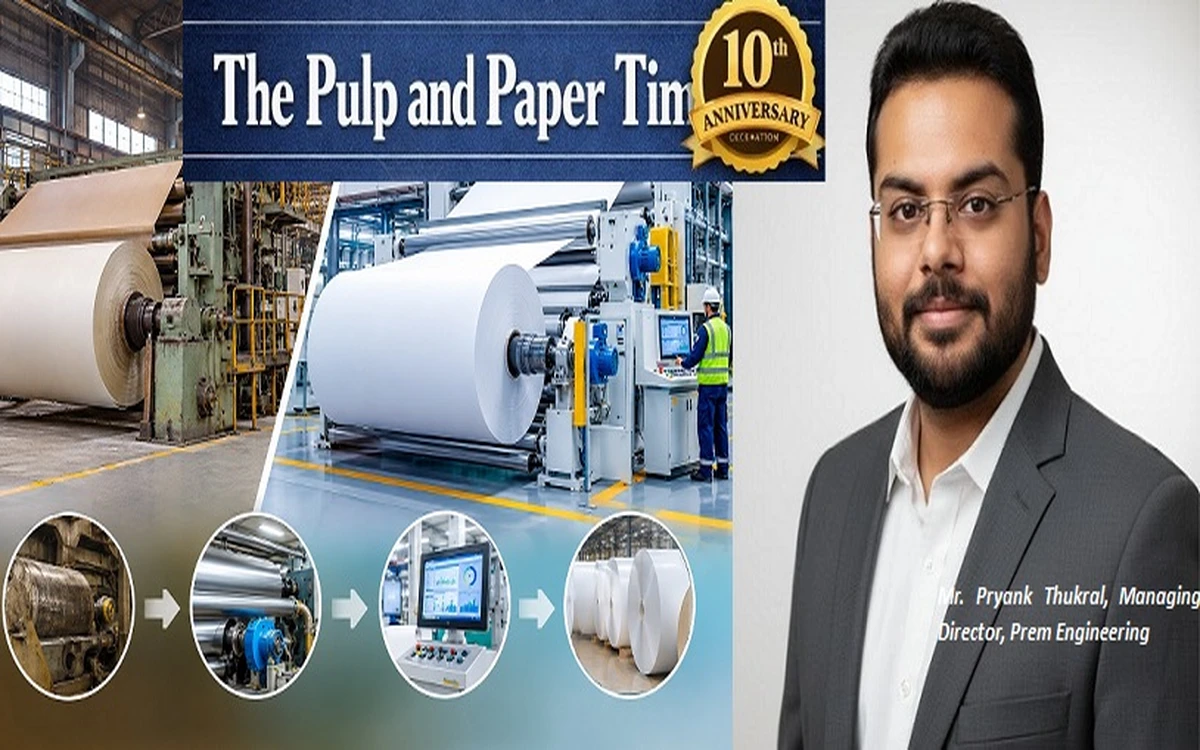
1 days ago
Total Views : 236
2 days ago
Total Views : 2590
5 days ago
Total Views : 2294
5 days ago
Total Views : 5971

last week
Total Views : 851
last week
Total Views : 816
last week
Total Views : 733
2 weeks ago
Total Views : 3605