Join Groups & Channels, No Spamming








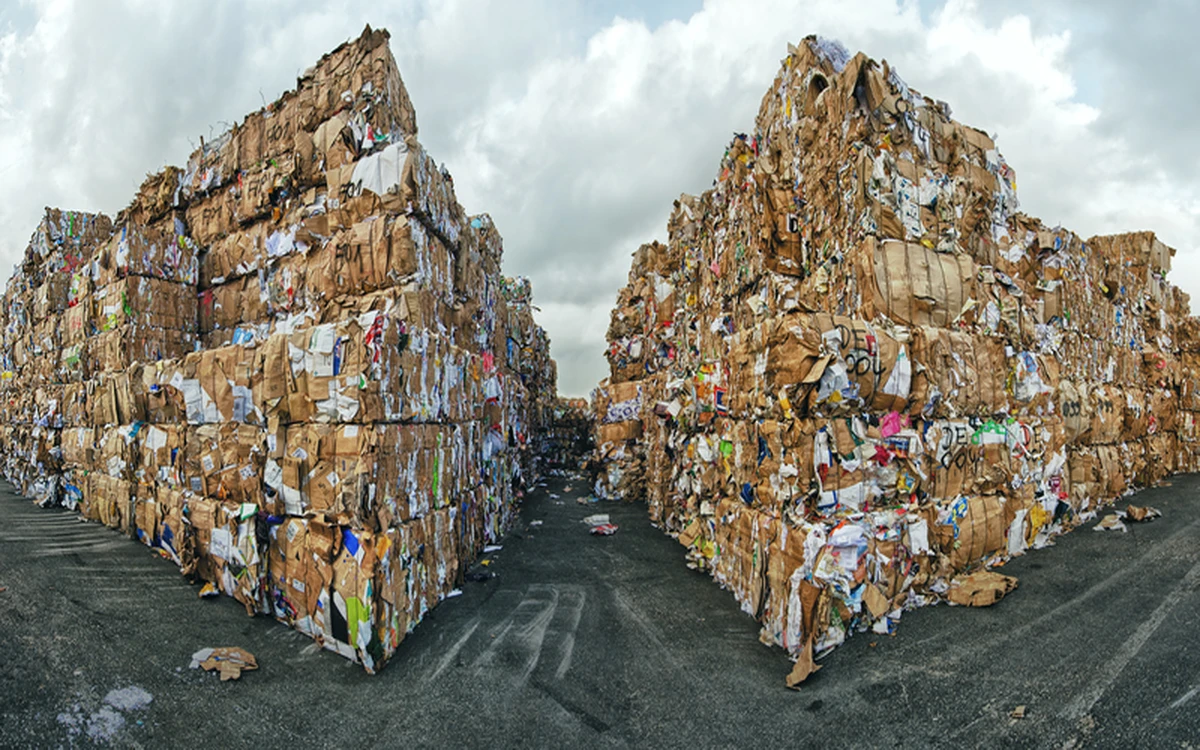
Morbi paper mills see full-capacity operations as ceramic industry revives; Kraft paper exports to China spike, Prices strengthen; Janmashtami shutdown ahead

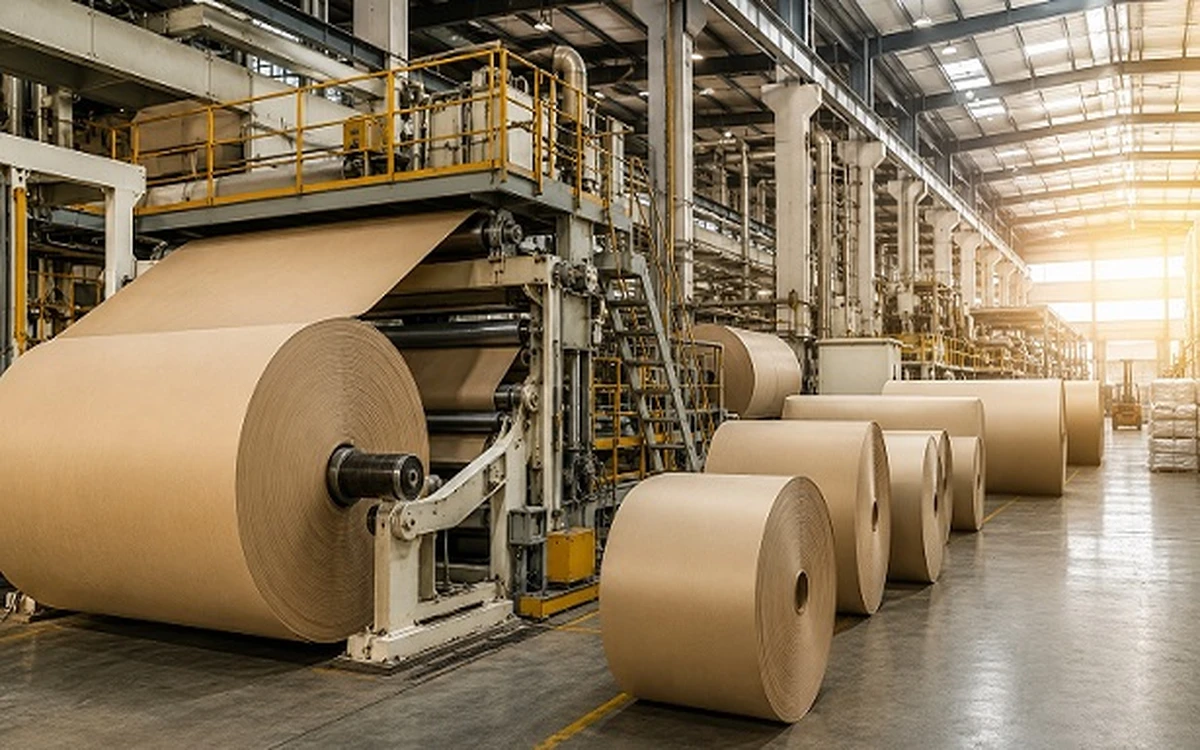
The BE and caustic soda plant marks a key milestone for Mohit Paper Mills, enabling full utilization of installed capacity and enhancing overall production efficiency
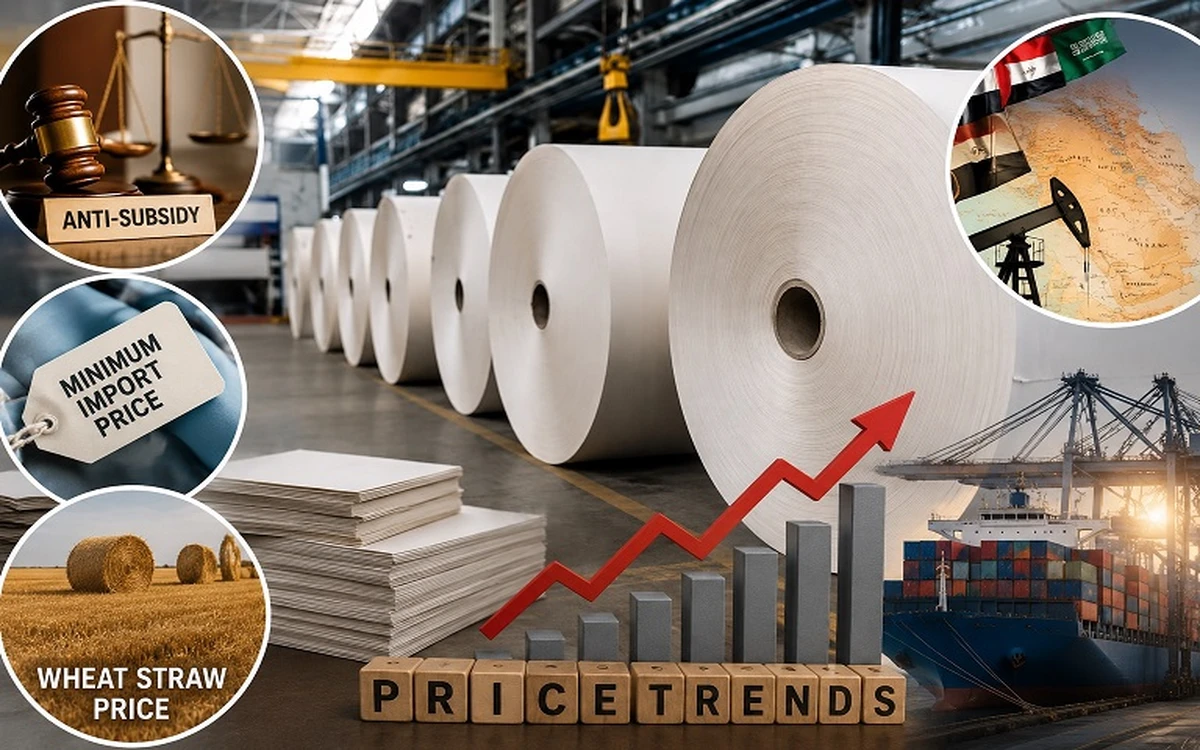
Expert Views on the paper market scenario, How the West Asia Crisis Helped the Industry, MIP for WPP, Anti-Subsidy implementation, and paper price trends
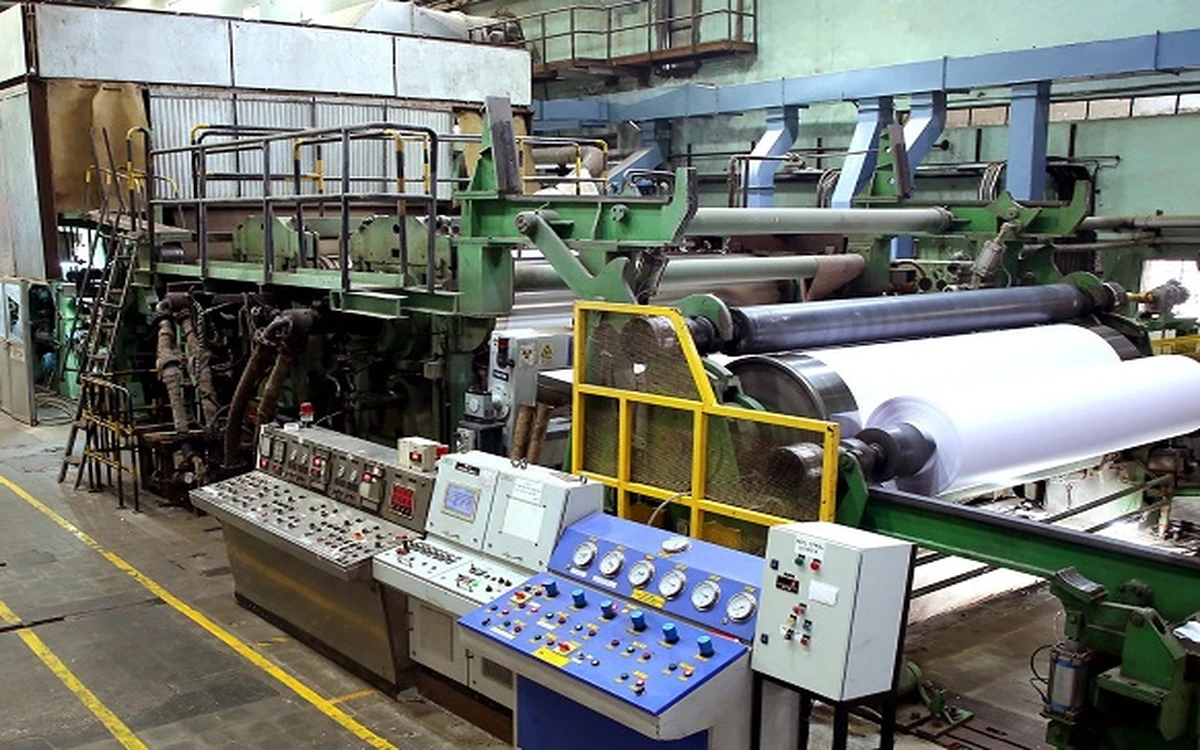
Pudumjee Paper intends to develop new varieties addressing applications for stronger paper bags and cupcakes; Plans 68,000 MT Mahad Specialty Paper Facility within 5 years
India Paper Industry at an Inflection Point: War, Costs, and Capacity; Demand growth expected at 5–7% in FY26
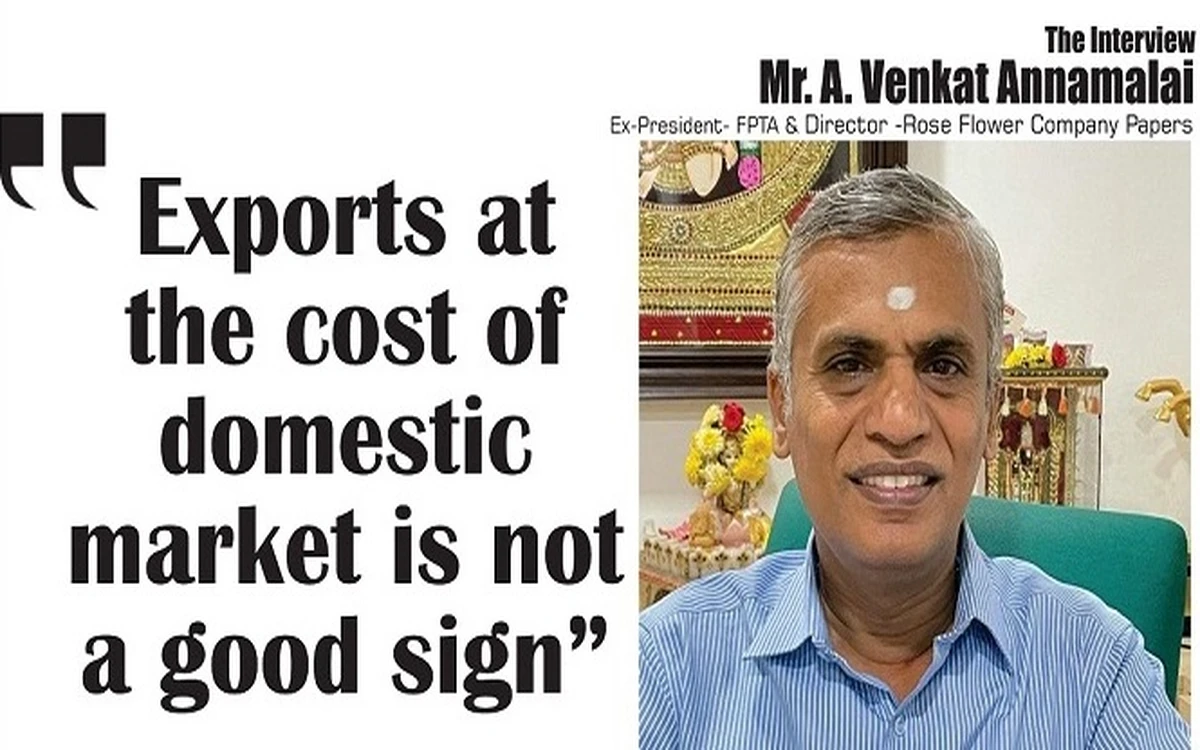
“Surging exports of paper will most certainly keep the domestic prices quite high”: Mr. A. Annamalai, Director – RFC
The Status of the Global Container board Industry, Recycled Paper Demand and Supply and its impact on the Indian Industry

Akshay Jain, director of Silverton Pulp & Paper, says it's time to promote agro residue as a raw material to lessen the scarcity of fibre
Advantageously located, a new paper mill is all set to roll kraft paper in Madhya Pradesh

Several agile interventions helped ITC-PSPD fortify its clear leadership of the Value Added Paperboards (VAP) segment
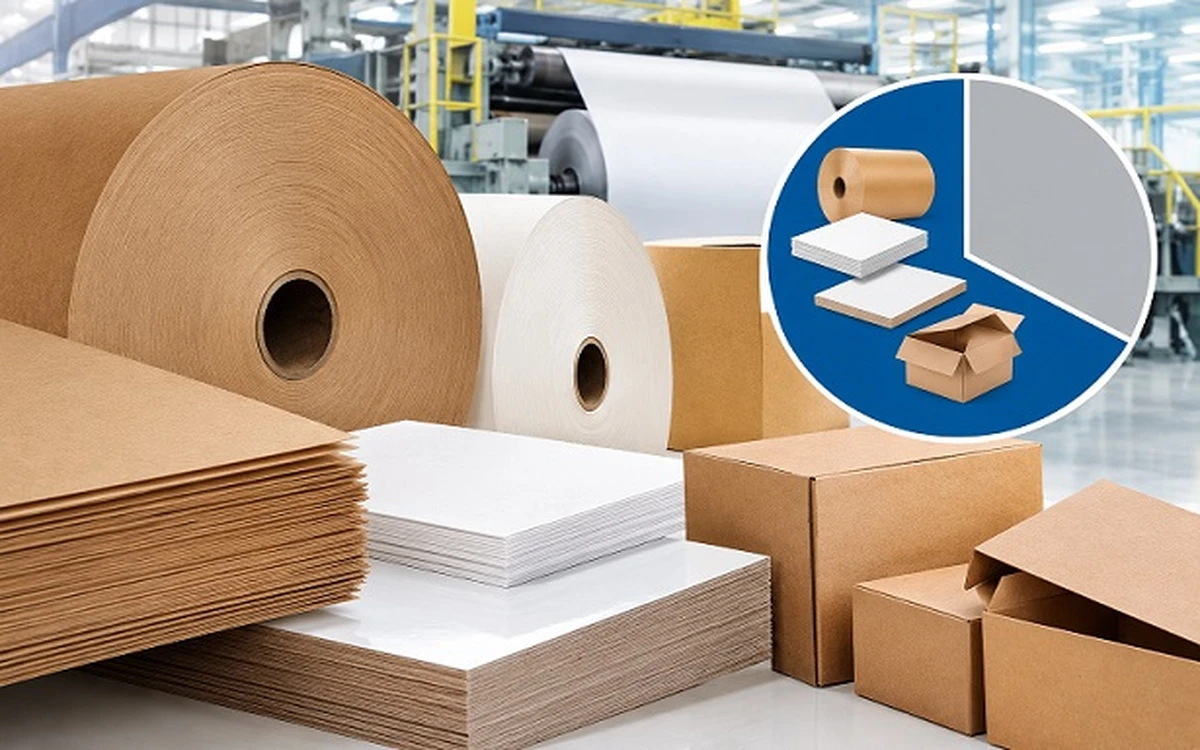
Packaging paper manufacturers’ revenues to rise 10–11%; Rs 1,100 crore of incremental capex undertaken by paper mills, margins to expand

Ruchira Papers Invests a Sizeable Capex of Rs. 235–240 Crore Towards Writing & Printing Paper Capacity Expansion
Paper mills inflated the basic ex-mill price of paper post GST 2.0, AINMA seeks action against Anti-Profiteering
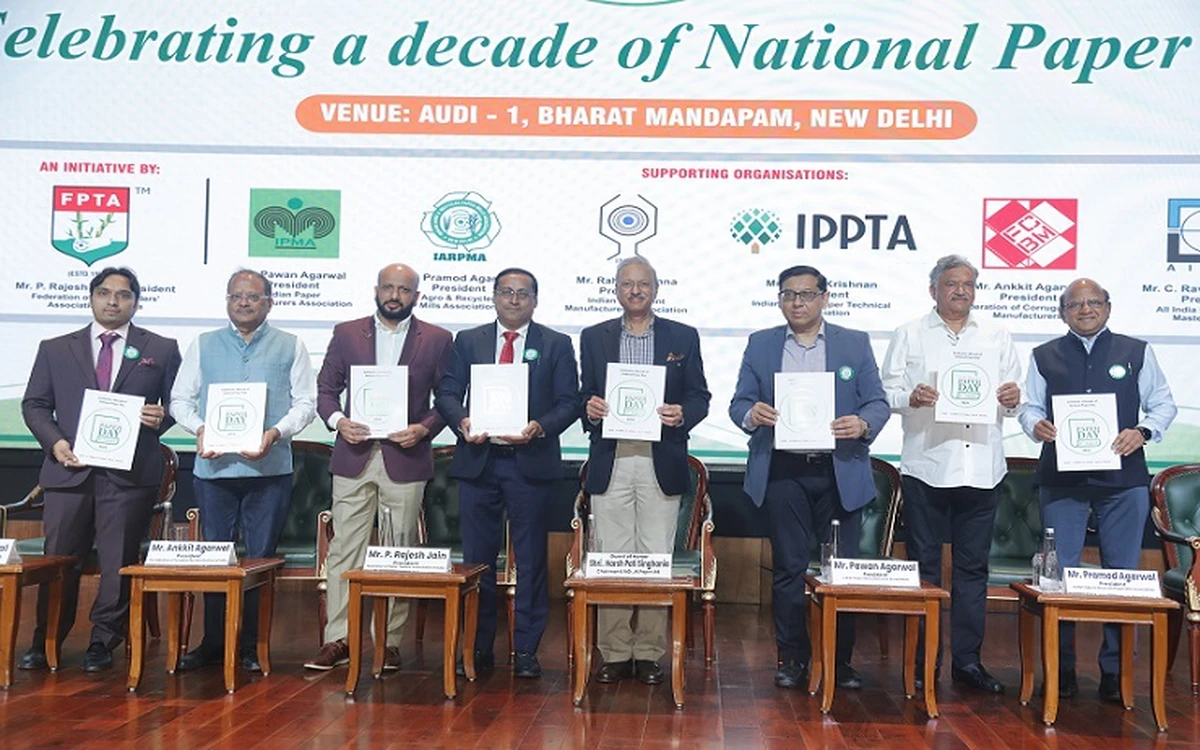
Seven Leading Associations Unite to Celebrate National Paper Day, Highlighting Paper's Sustainability and Circular Economy Advantage
Seven Leading Associations Unite to Celebrate National Paper Day, Highlighting Paper's Sustainability and Circular Economy Advantage
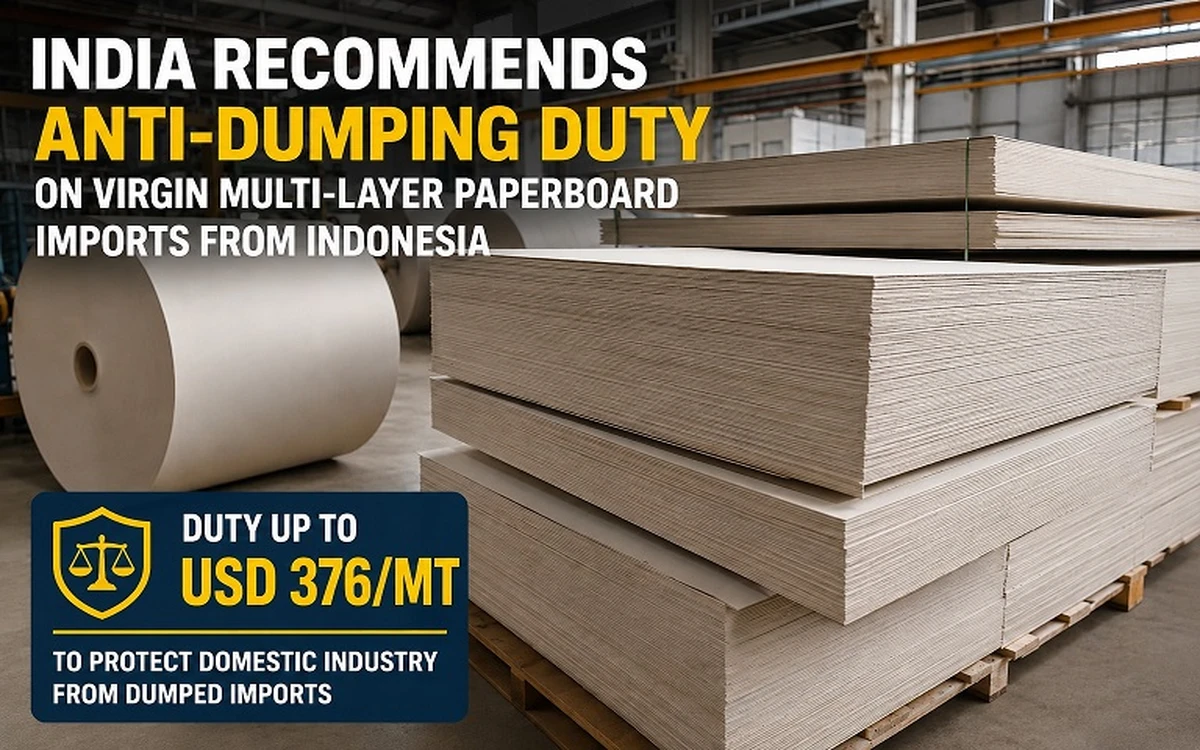
India Recommends Anti-Dumping Duty of Up to USD 376/MT on Virgin Multi-Layer Paperboard Imports from Indonesia

Scientists from IIT-Guwahati develop India's first biodegradable plastic

Navneet Education focuses on brand building, curriculum-led growth, and export recovery; expects stationery margins to improve in FY27

It is estimated that USD10B to USD20B worth of single-use plastic packaging will convert to molded fiber, ZUME
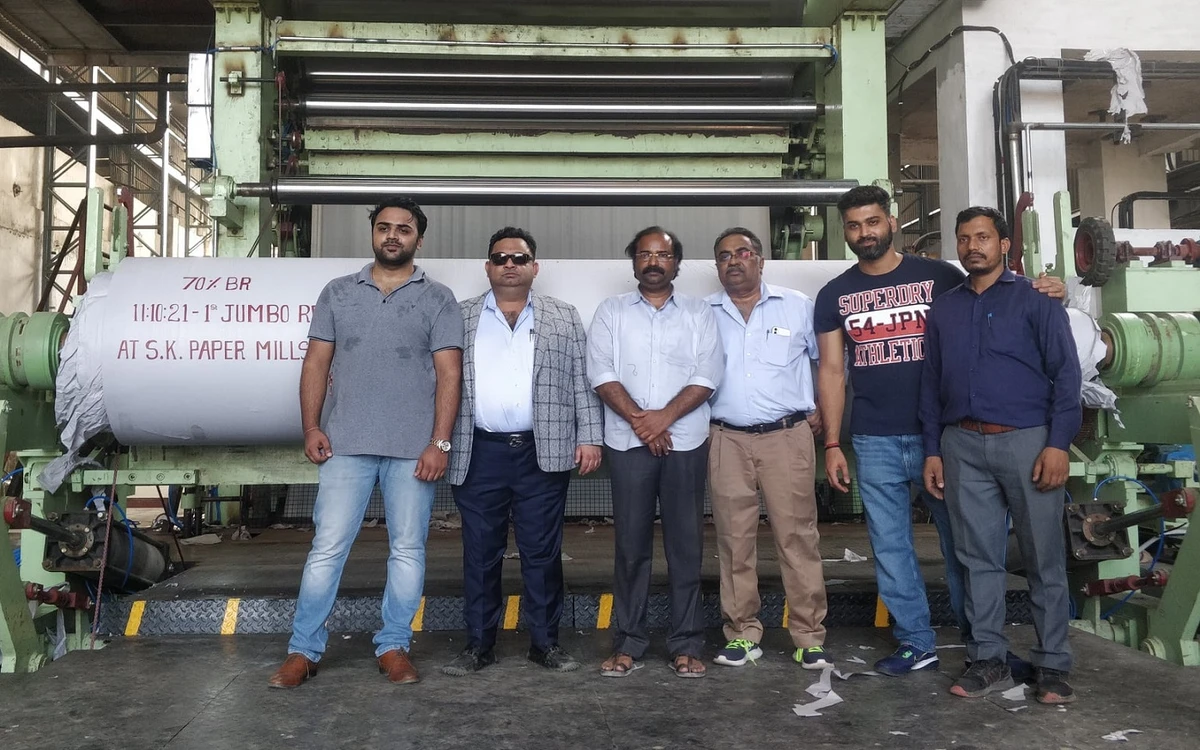
Muzaffarnagar gets a new capacity of Tissue Paper and MG Poster paper

“The integration of digitalization, automation, and Artificial Intelligence (AI) is no longer a futuristic concept—it is the baseline for competitiveness in 2036” - Vinit Garg, Director, Vizen Solutions
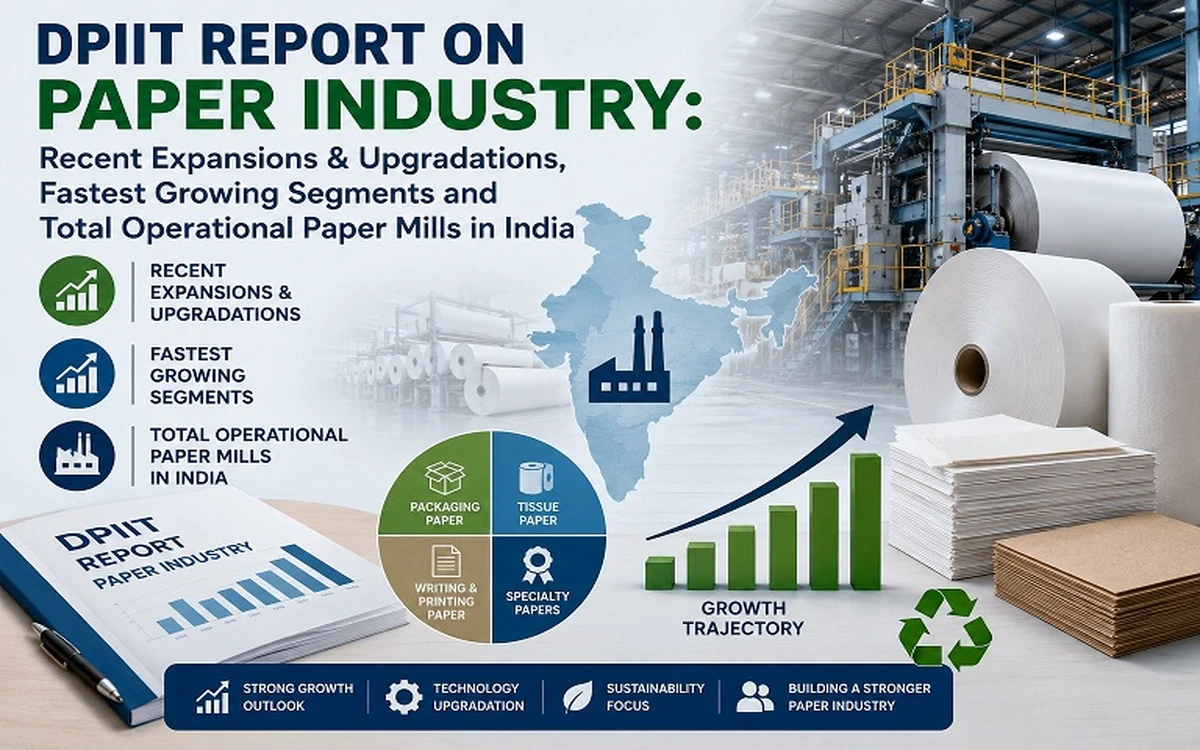
DPIIT Report on the Paper Industry: Recent Expansions & Upgrades, Fastest-Growing Segments, and Total Operational Paper Mills in India
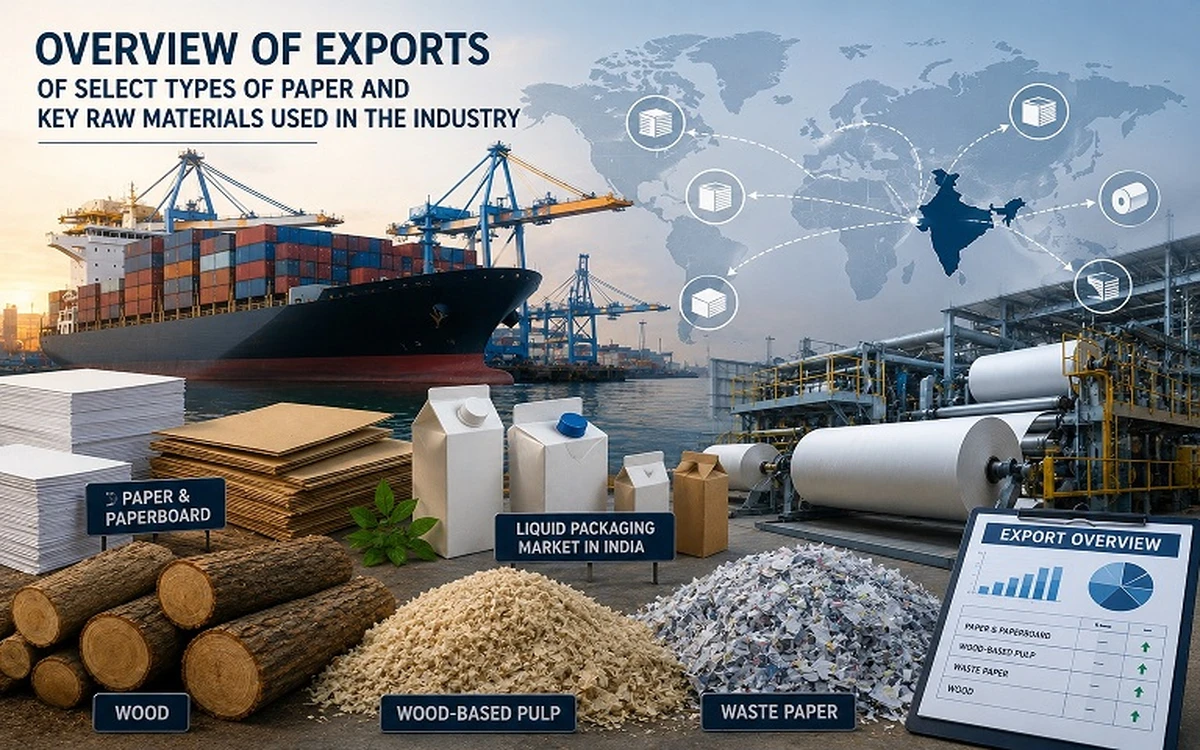
Overview of exports of select type of paper and key raw material used in the industry by Crisil Intelligence

Margin pressure pushes Pulp & Paper Packaging sector toward AI-Driven cost optimization, Cutting costs by 8–20%
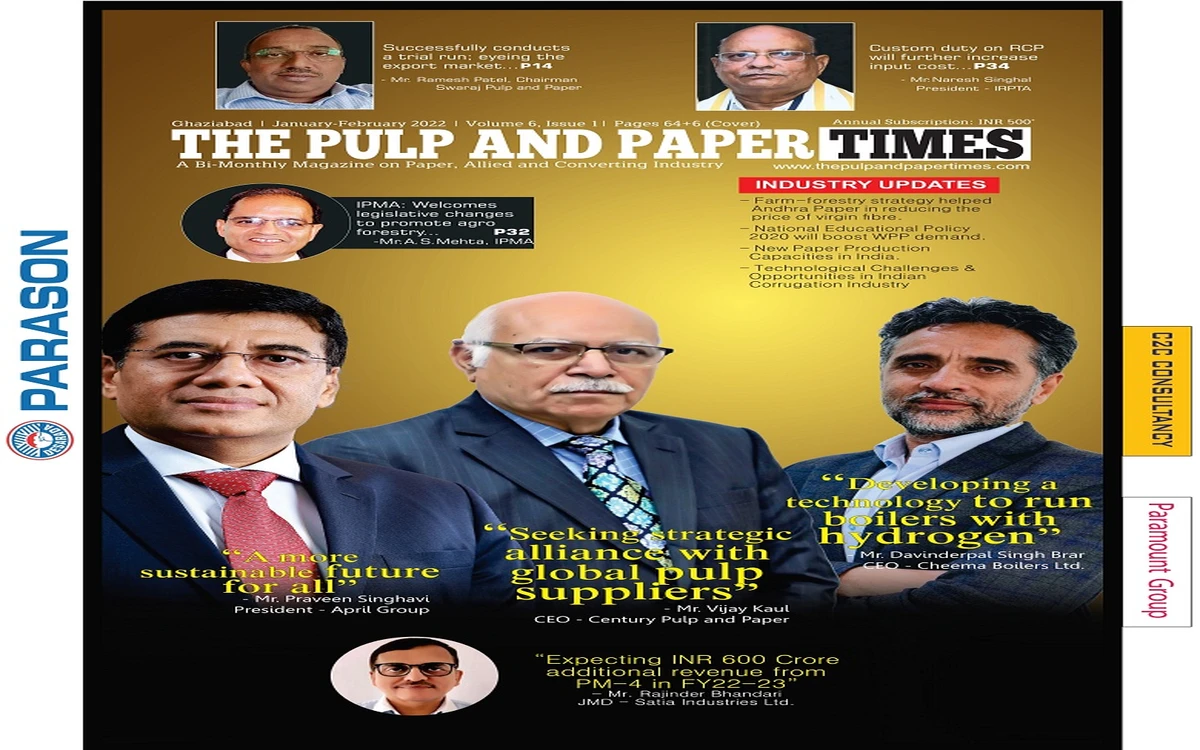
The Pulp and Paper Times Magazine : Volume 6, Issue 1
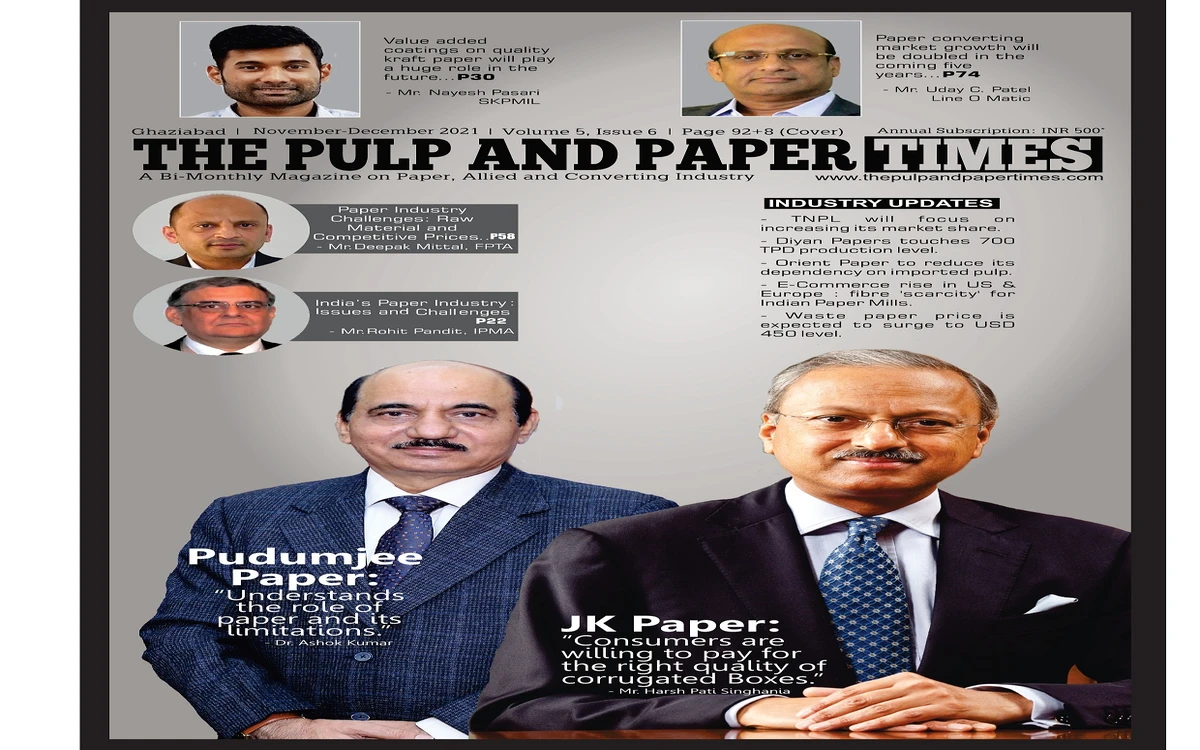
The Pulp and Paper Times Magazine : Volume 5, Issue 6
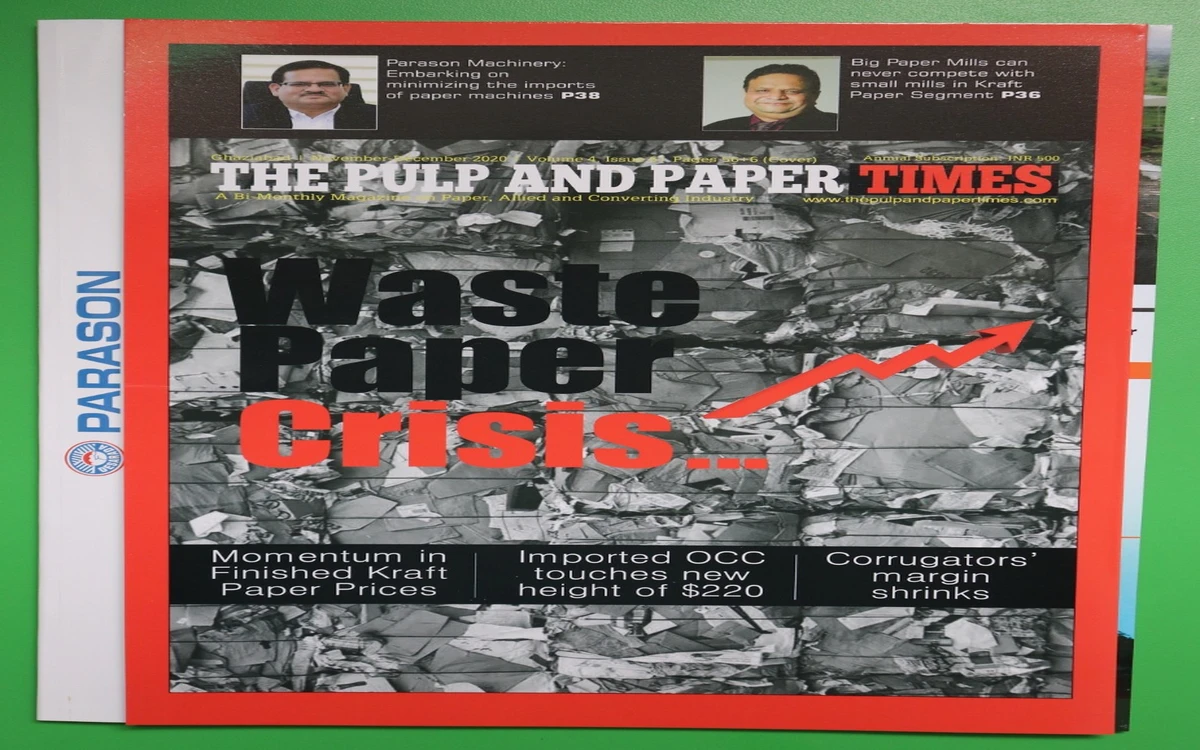
The Pulp and Paper Times: Volume 4, Issue 6
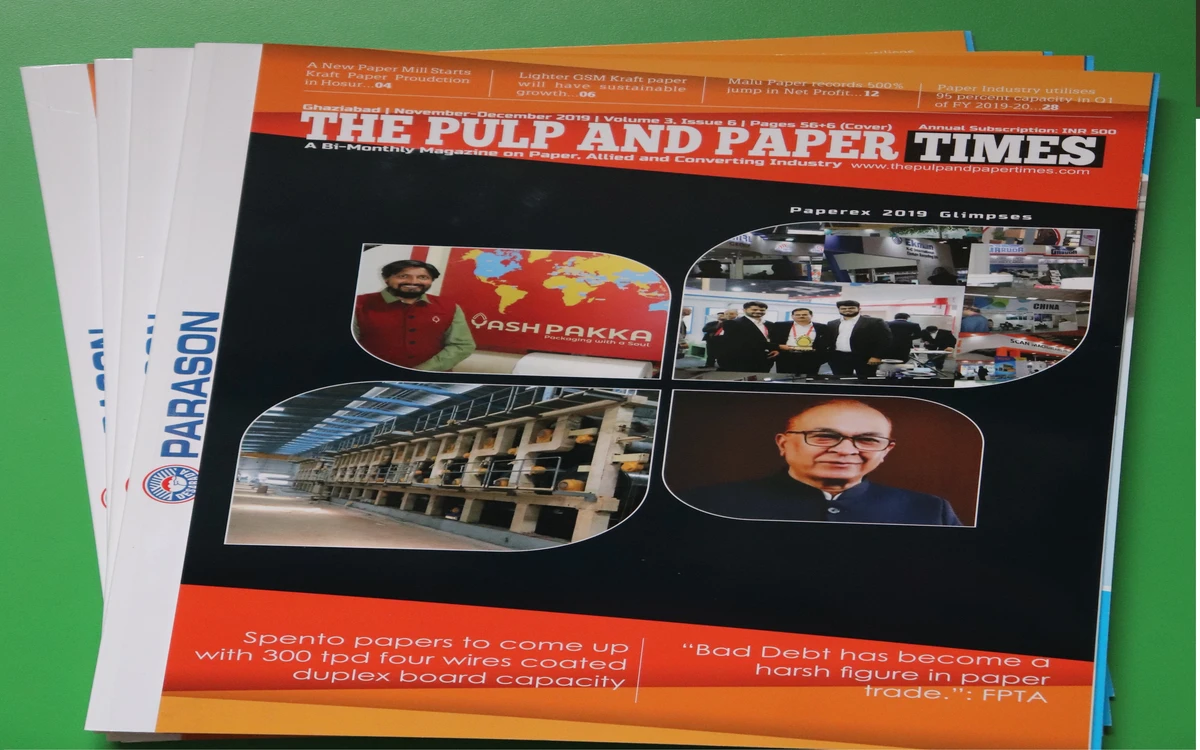
The Pulp and Paper Times : Volume 3, Issue 6
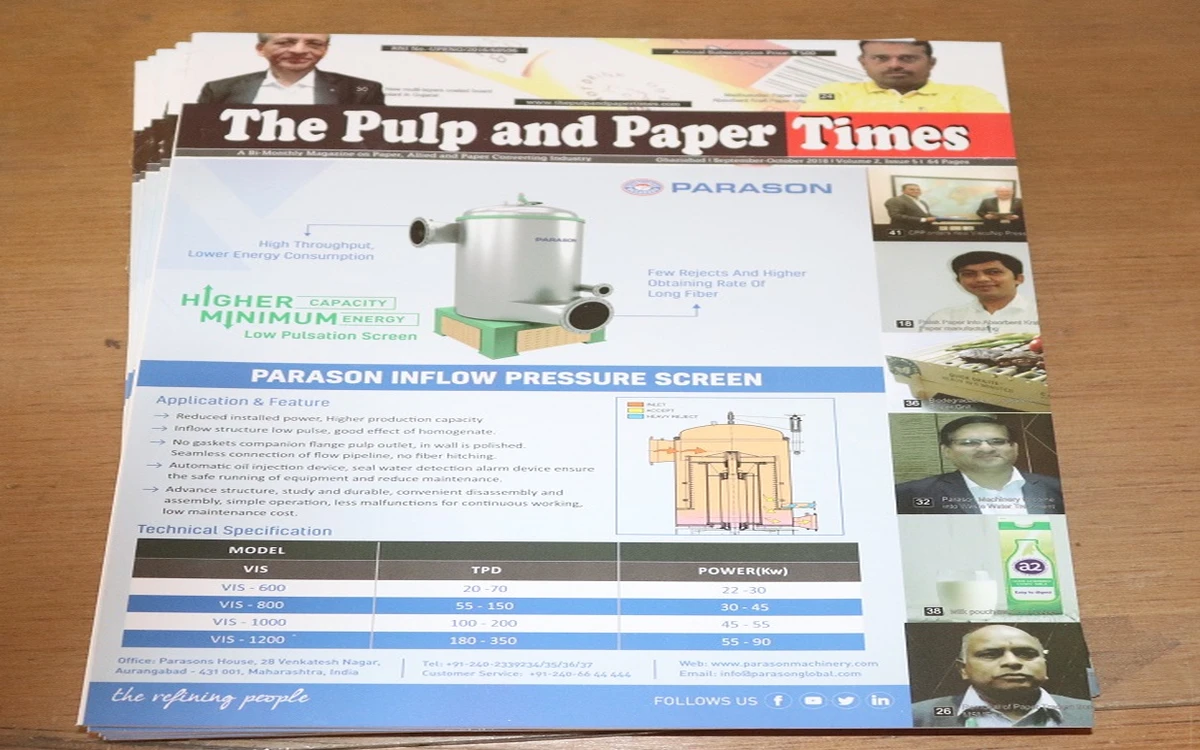
The Pulp and Paper Times: Volume 2 Issue 5

The Pulp and Paper Times, Volume 1, Issue 3
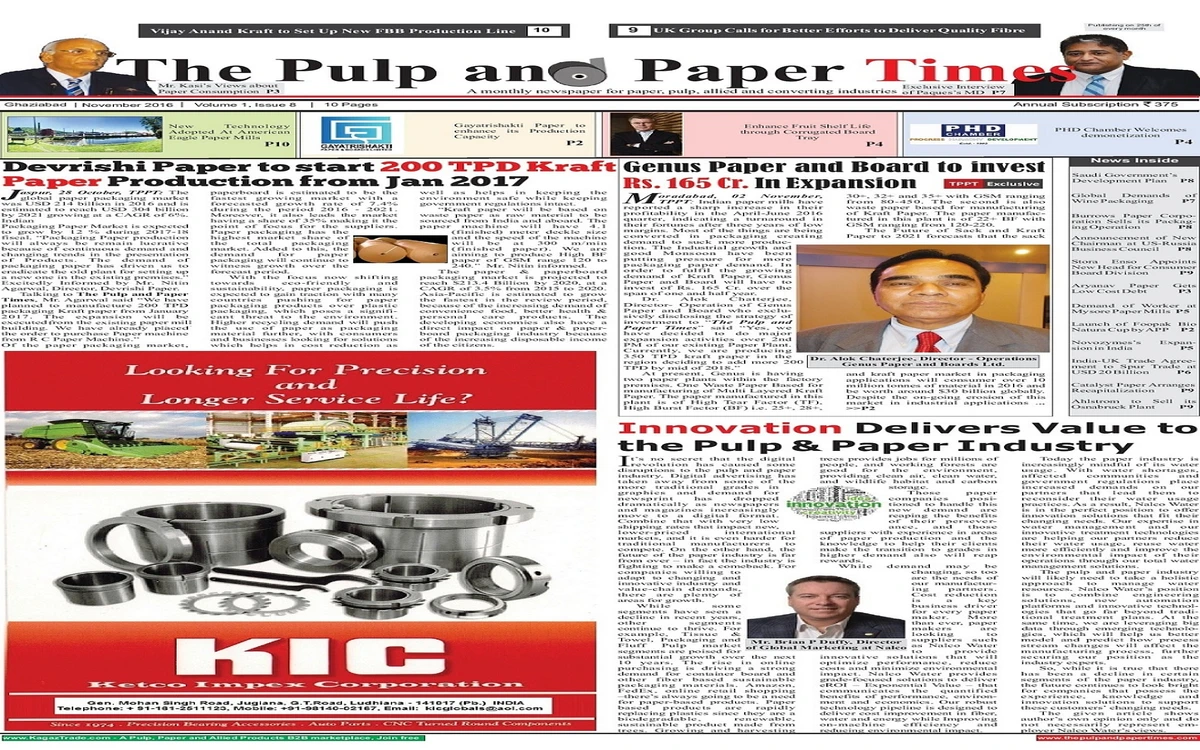
The Pulp and Paper Times, November 2016 Issue

Efficiency-focused capex and healthy accruals to keep credit profiles stable
The Pulp and Paper Times
Domestic packaging paper manufacturers are set for another year of double-digit growth this fiscal, supported by 6-7% volume growth and 3-4% realisation gains. Demand from consumption-linked sectors, increasing adoption of recyclable packaging and a richer product mix will support growth, while efficiency-focused investments should expand operating margins by 40-50 basis points to around 9%. With capex largely funded through internal accruals, credit profiles are expected to remain stable.

A Crisil Ratings study of 47 packaging paper companies, accounting for around 40% of industry volumes, underpins these expectations.
This growth is reshaping the domestic paper industry. Packaging paper — comprising kraft paper, duplex board and virgin board — is expected to account for nearly two-thirds of domestic paper volumes this fiscal, up from just over half in fiscal 2022, as paper-based formats gain penetration across consumption-linked sectors and the shift towards sustainable packaging gathers pace.
Says Nitin Kansal, Director, Crisil Ratings, “Two forces will drive the sector’s 10-11% revenue growth this fiscal: first, volume growth as consumption-linked sectors such as e-commerce, FMCG1, food and pharmaceuticals increase their use of packaging paper, and second, realisation gains as the product mix shifts towards higher value grades. The share of duplex and virgin board has risen by over 500 basis points to nearly 45% of packaging paper volumes in recent years, strengthening both growth visibility and realisations.”

With wastepaper prices — the largest cost component — largely outside manufacturers’ control, investments are increasingly targeting controllable costs such as energy, labour and logistics. Waste-to-energy boilers, renewable power, agro-residue processing and debottlenecking, together with higher realisations, should partly offset input-cost pressures and lift operating profitability by 40-50 bps this fiscal.
This focus is evident in recent investment patterns: 60-65% of the approximately Rs 1100 crore of incremental capex undertaken by companies rated by Crisil Ratings over the past couple of fiscals went towards efficiency-led projects rather than capacity creation. As manufacturers prioritise margin resilience and balance-sheet strength over aggressive expansion, efficiency focused investments are expected to remain central to their capex strategy.

Says Gaurav Arora, Associate Director, Crisil Ratings, “The sector’s capex cycle is turning more defensive than expansionary. Nearly three-fourths of the sector's incremental spending will target process efficiency, energy optimisation and debottlenecking, helping protect margins without materially stretching balance sheets. With annual capex of Rs 500-600 crore expected to be funded largely through internal accruals, gearing should remain below 0.5 times and interest coverage around 4.5 times, supporting stable credit profiles.”

That said, downside risks remain. A rise in cheaper imports could pressure domestic realisations, while supply-chain disruptions and geopolitical tensions could raise wastepaper, energy and logistics costs. The extent to which efficiency gains offset these pressures will therefore remain a key monitorable.

1 hour ago
Total Views : 99
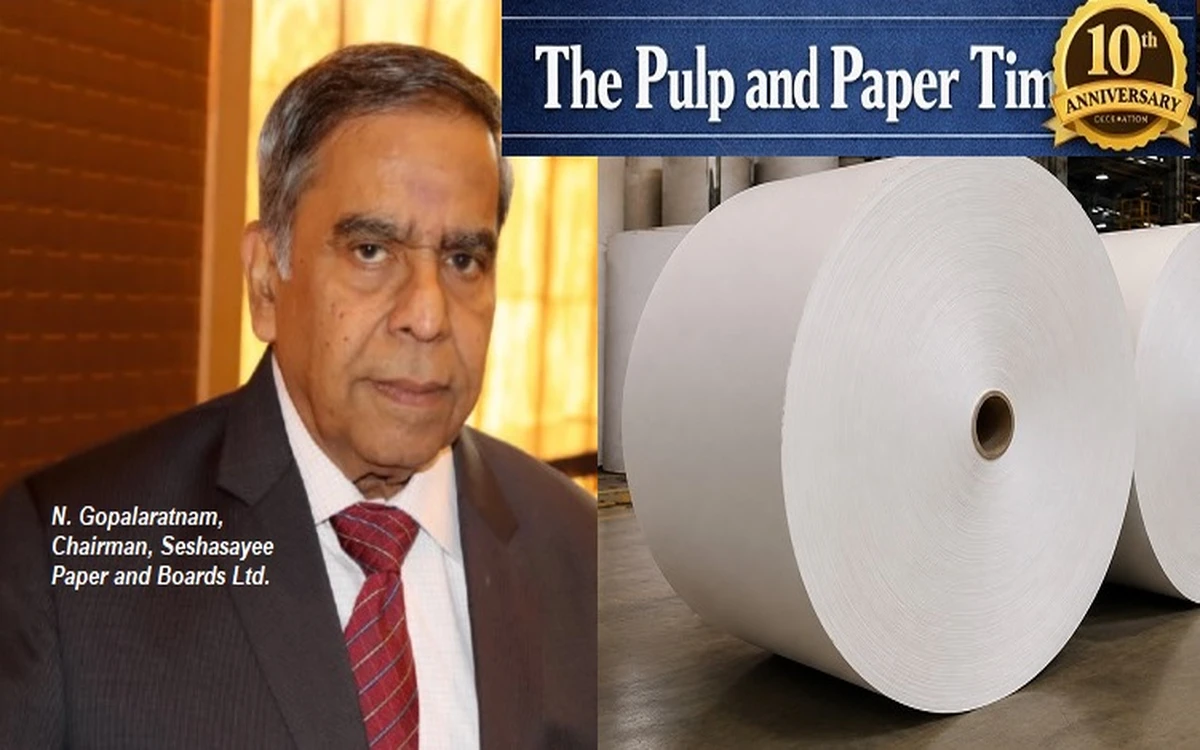
2 days ago
Total Views : 3352
5 days ago
Total Views : 500
last week
Total Views : 3172

last week
Total Views : 8082

last week
Total Views : 1681
2 weeks ago
Total Views : 4400
2 weeks ago
Total Views : 1262

2 weeks ago
Total Views : 1637
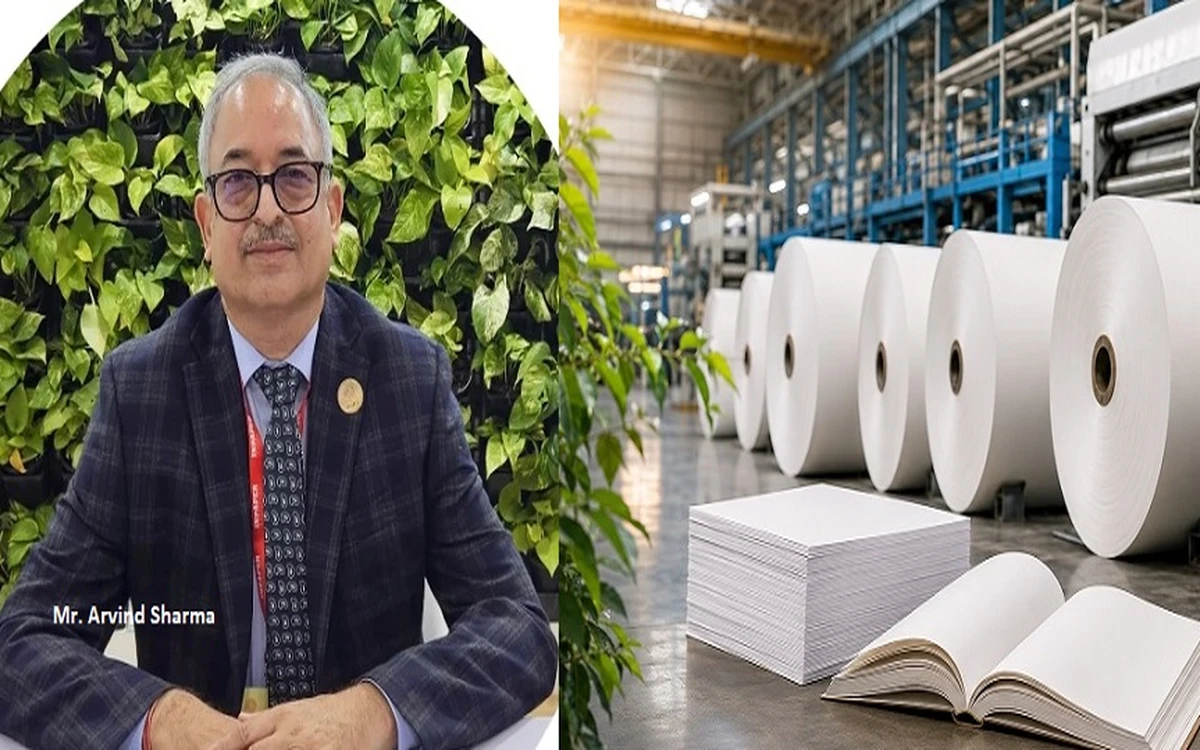
2 weeks ago
Total Views : 6026