Join Groups & Channels, No Spamming








Morbi paper mills see full-capacity operations as ceramic industry revives; Kraft paper exports to China spike, Prices strengthen; Janmashtami shutdown ahead

The BE and caustic soda plant marks a key milestone for Mohit Paper Mills, enabling full utilization of installed capacity and enhancing overall production efficiency
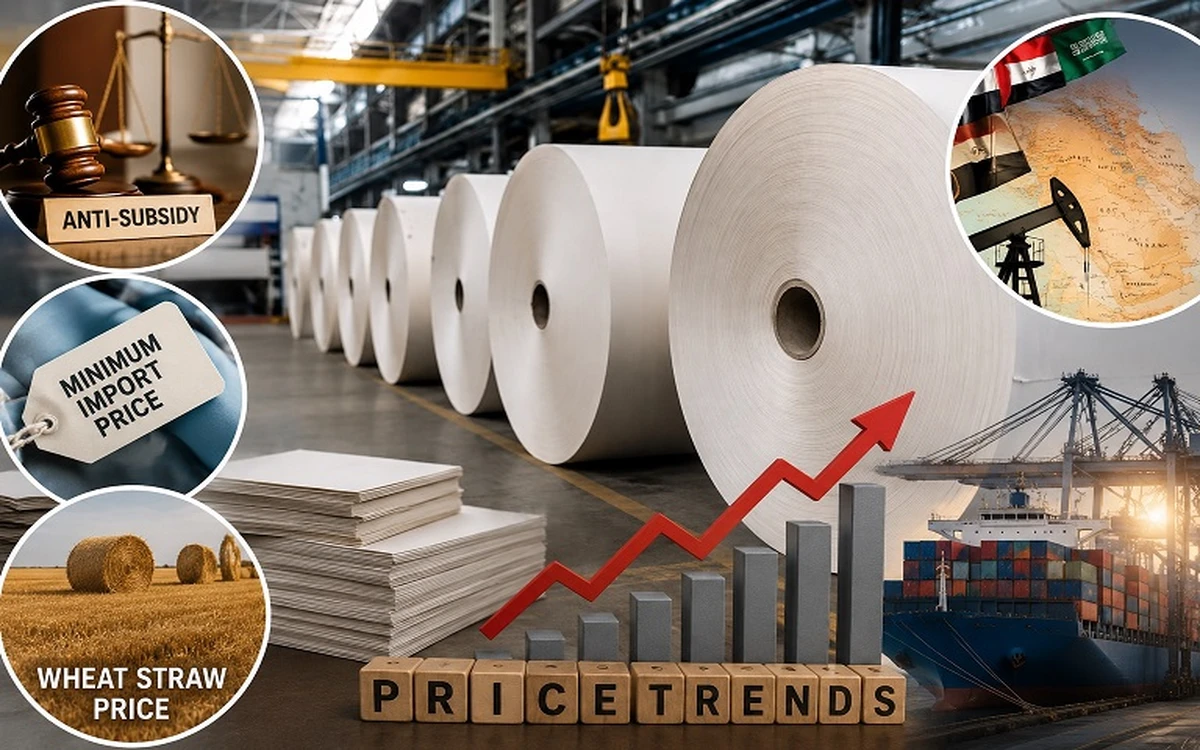
Expert Views on the paper market scenario, How the West Asia Crisis Helped the Industry, MIP for WPP, Anti-Subsidy implementation, and paper price trends
Pudumjee Paper intends to develop new varieties addressing applications for stronger paper bags and cupcakes; Plans 68,000 MT Mahad Specialty Paper Facility within 5 years
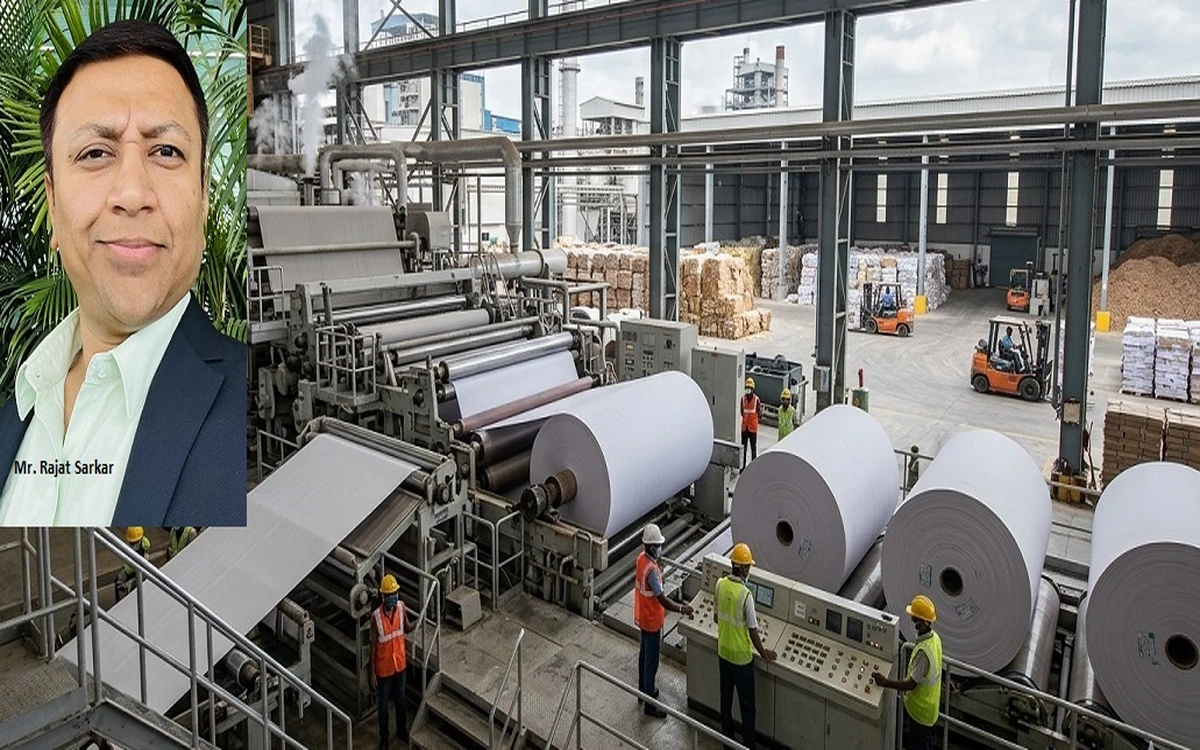
India Paper Industry at an Inflection Point: War, Costs, and Capacity; Demand growth expected at 5–7% in FY26
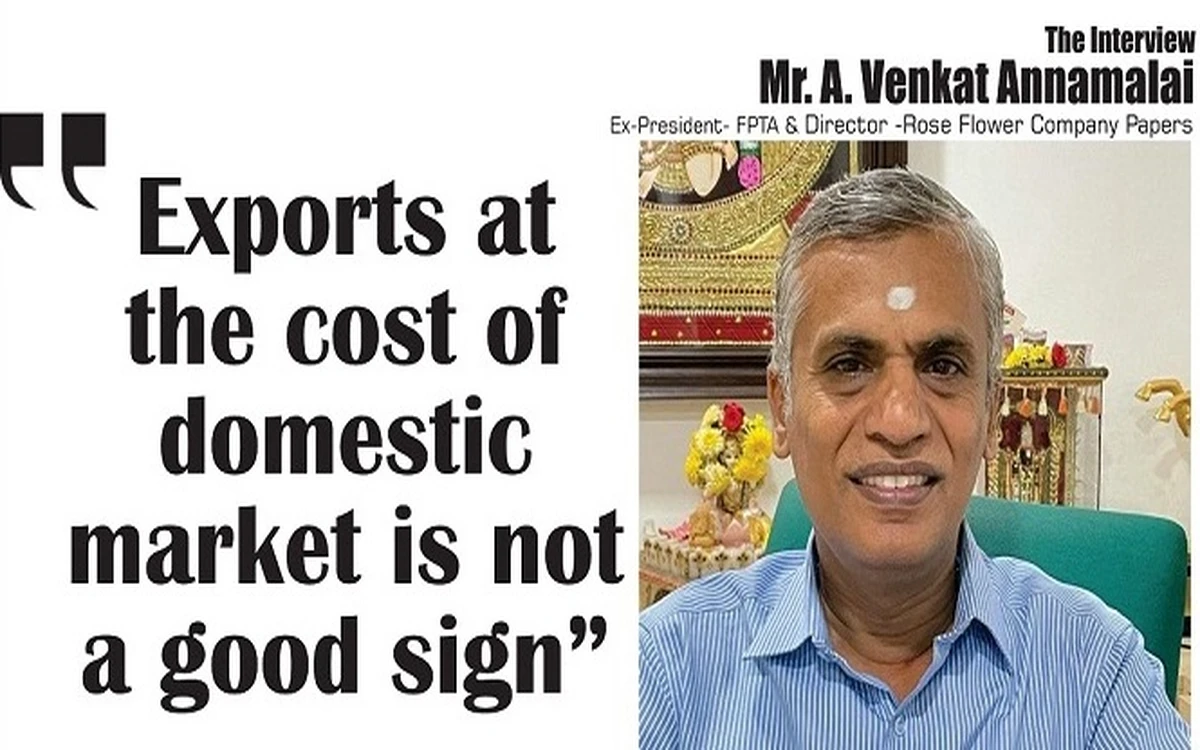
“Surging exports of paper will most certainly keep the domestic prices quite high”: Mr. A. Annamalai, Director – RFC
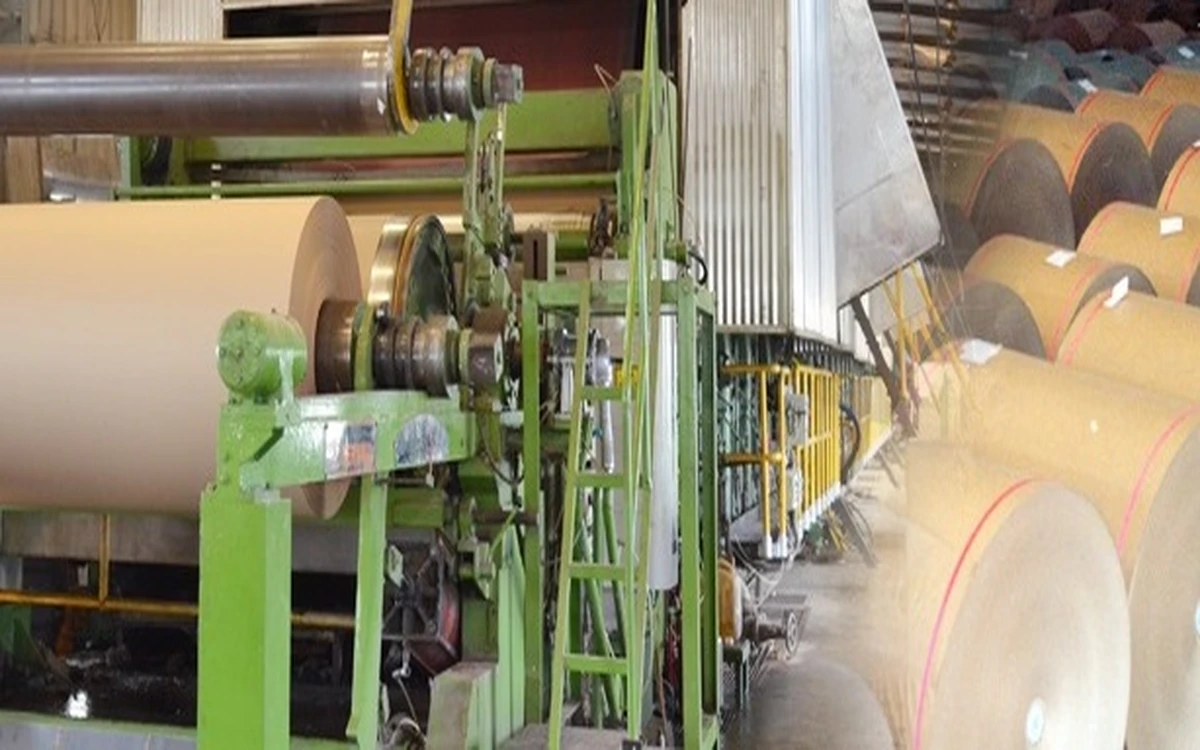
The Status of the Global Container board Industry, Recycled Paper Demand and Supply and its impact on the Indian Industry

Akshay Jain, director of Silverton Pulp & Paper, says it's time to promote agro residue as a raw material to lessen the scarcity of fibre
Advantageously located, a new paper mill is all set to roll kraft paper in Madhya Pradesh
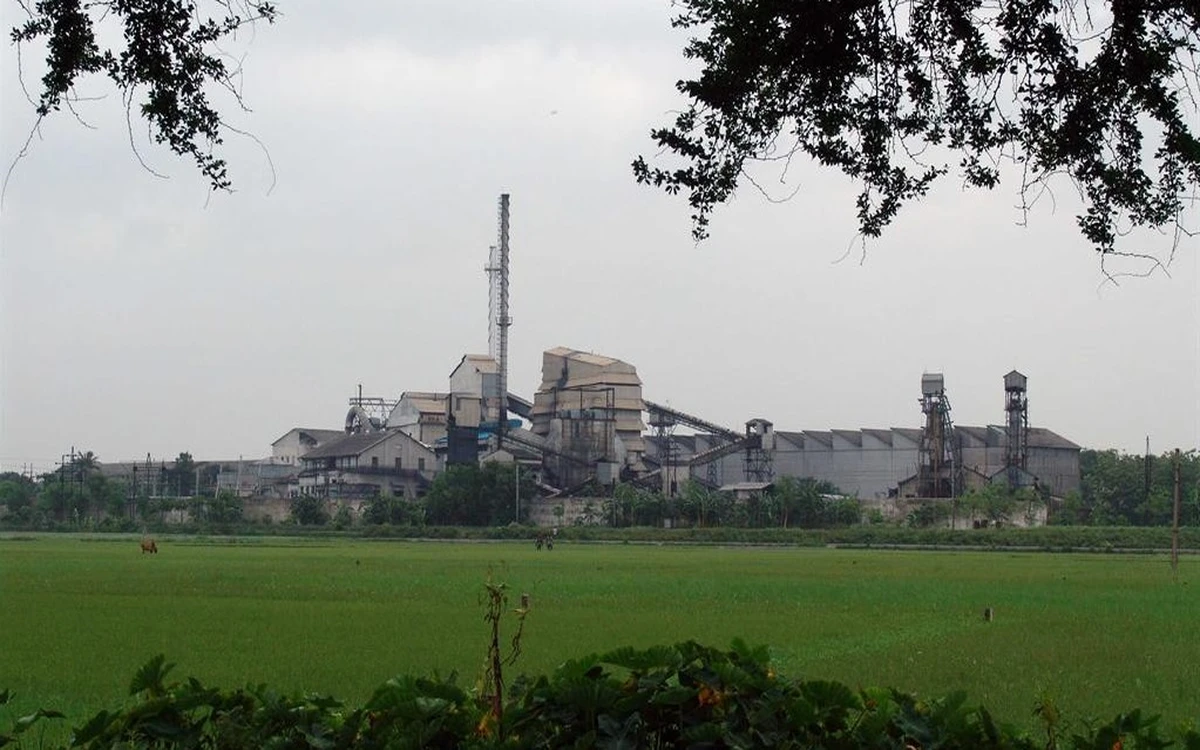
Several agile interventions helped ITC-PSPD fortify its clear leadership of the Value Added Paperboards (VAP) segment
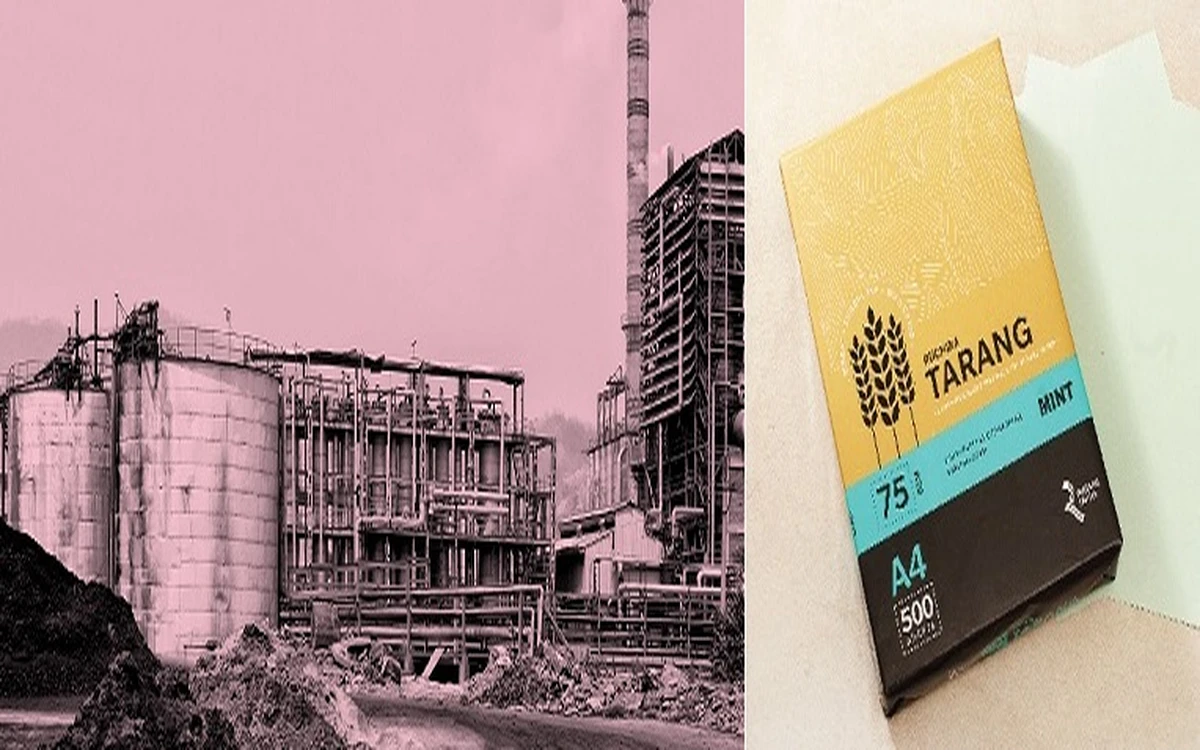
Ruchira Papers Invests a Sizeable Capex of Rs. 235–240 Crore Towards Writing & Printing Paper Capacity Expansion

Paper Price Could Reach Rs. 72,000– Rs. 75,000/Ton in 4–6 Months, Stable Timber Costs, Falling Wheat Straw Prices and Strong Paper Demand Ahead
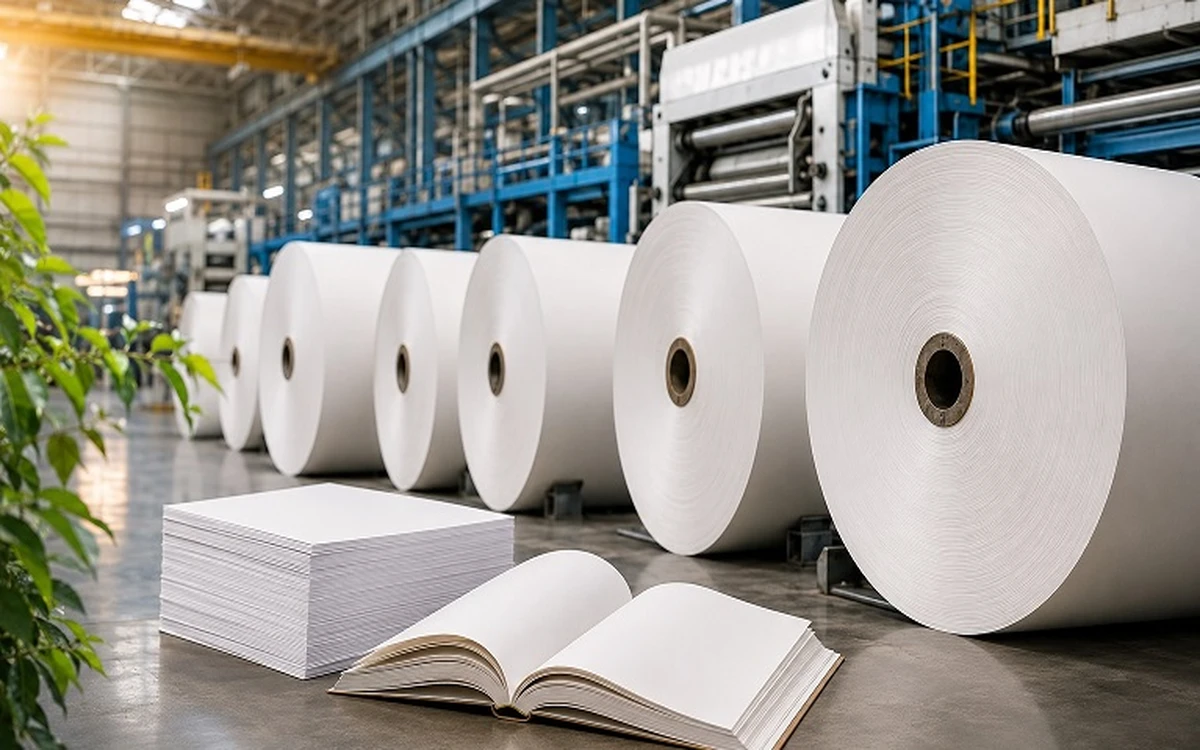
Paper mills inflated the basic ex-mill price of paper post GST 2.0, AINMA seeks action against Anti-Profiteering
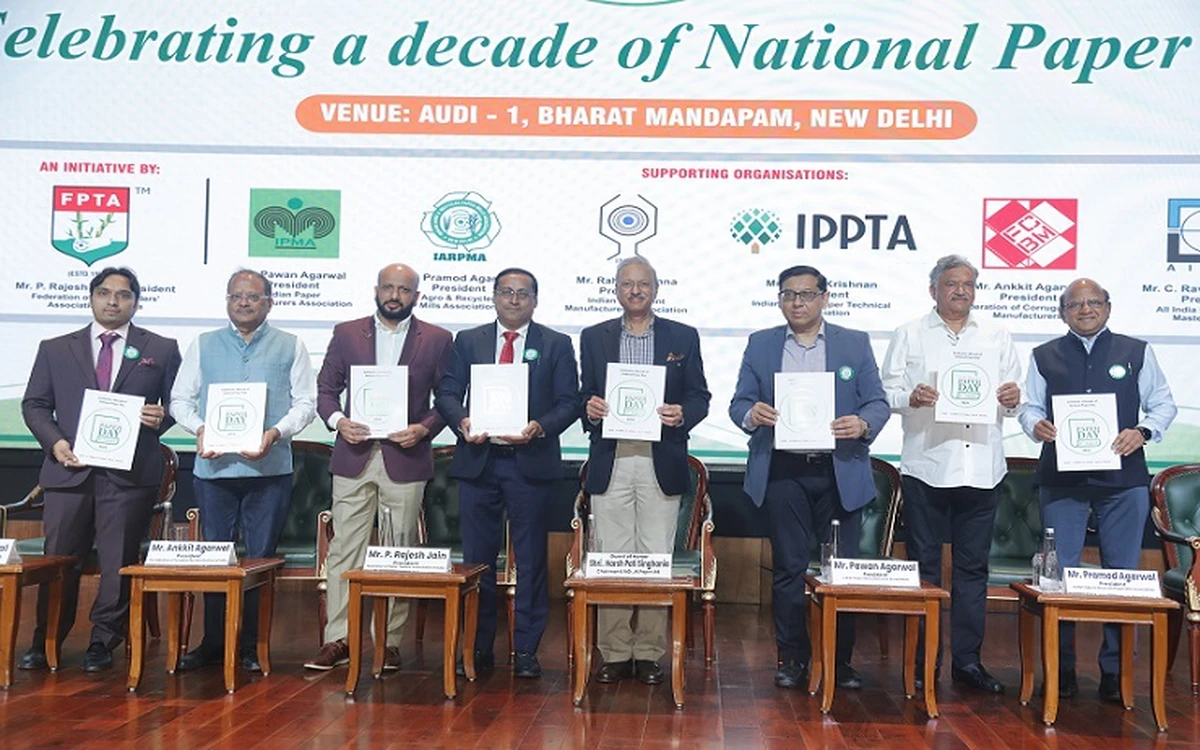
Seven Leading Associations Unite to Celebrate National Paper Day, Highlighting Paper's Sustainability and Circular Economy Advantage
Seven Leading Associations Unite to Celebrate National Paper Day, Highlighting Paper's Sustainability and Circular Economy Advantage
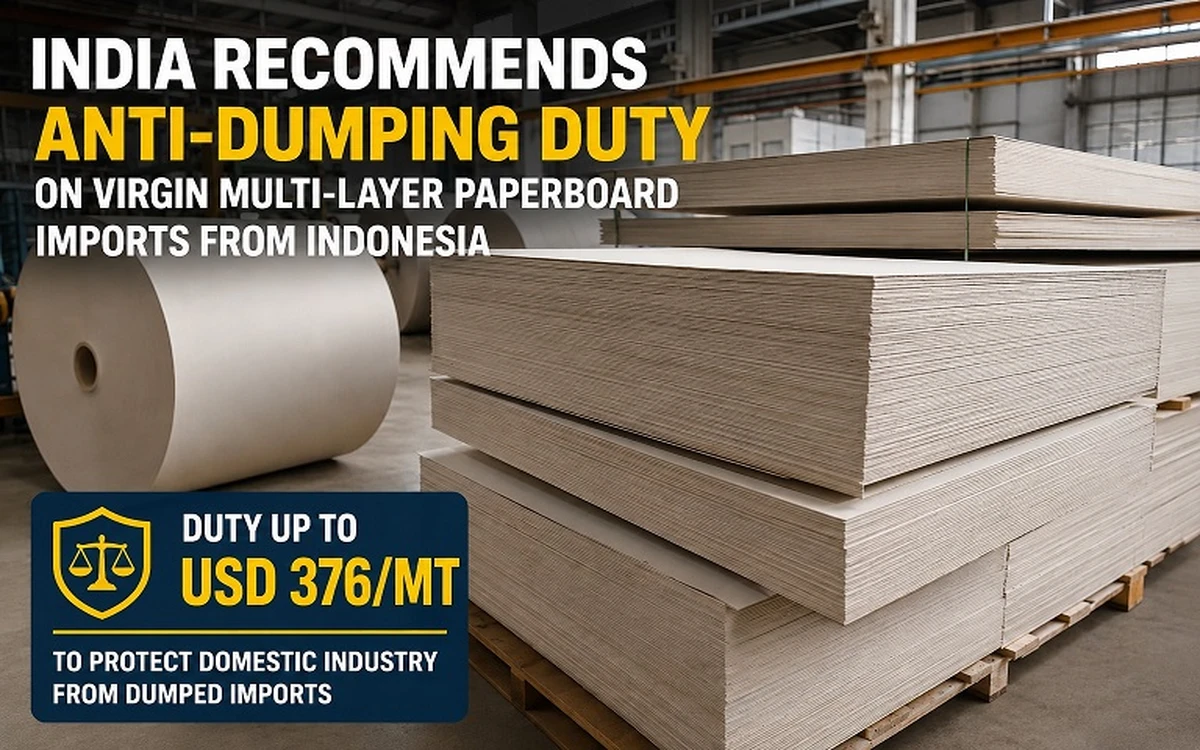
India Recommends Anti-Dumping Duty of Up to USD 376/MT on Virgin Multi-Layer Paperboard Imports from Indonesia
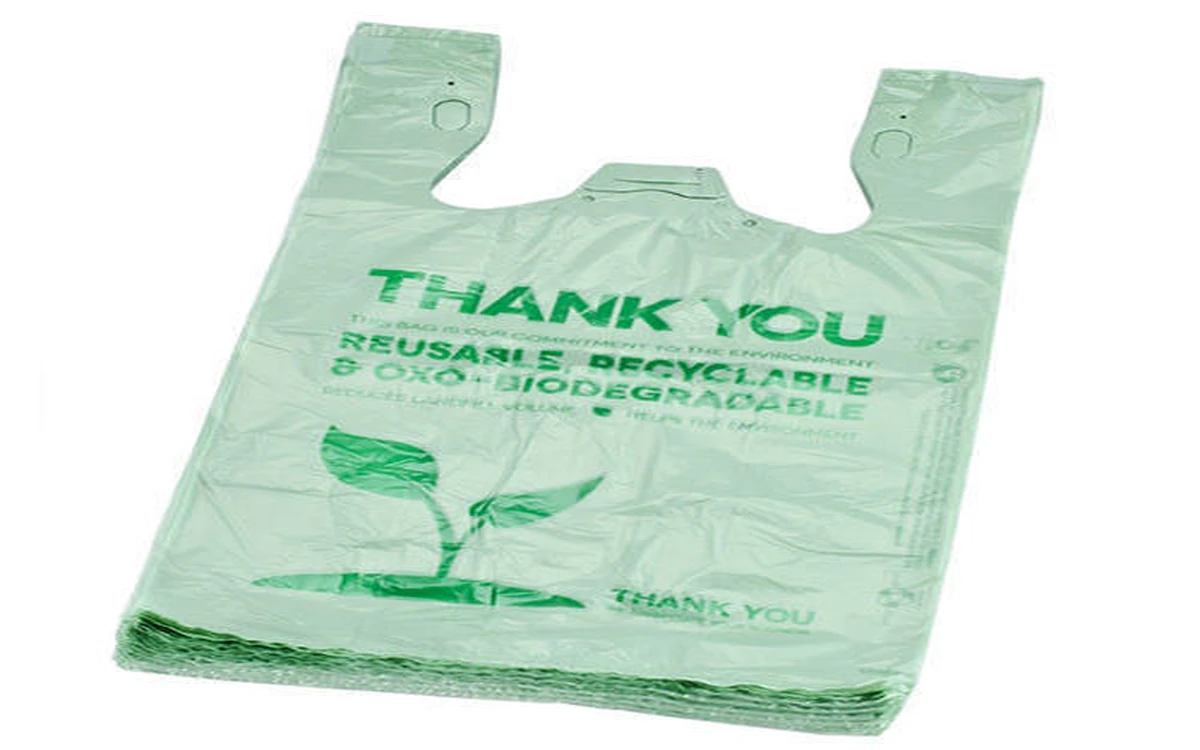
Scientists from IIT-Guwahati develop India's first biodegradable plastic

Navneet Education focuses on brand building, curriculum-led growth, and export recovery; expects stationery margins to improve in FY27

It is estimated that USD10B to USD20B worth of single-use plastic packaging will convert to molded fiber, ZUME
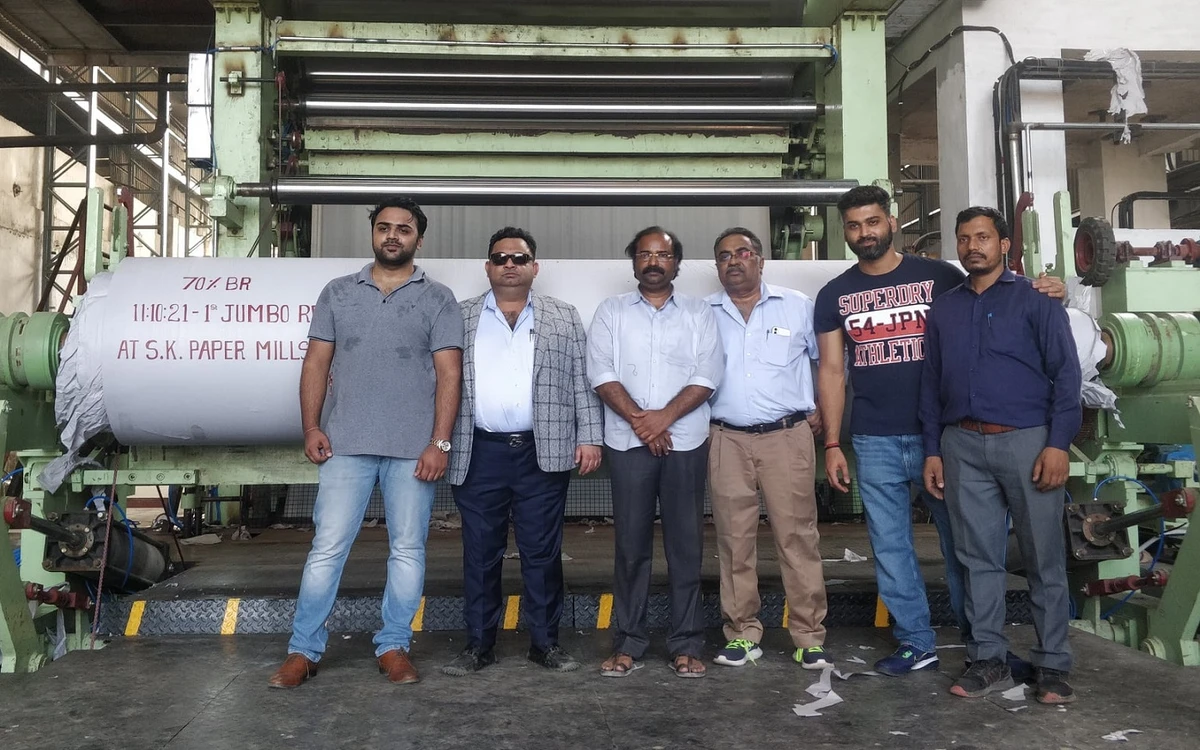
Muzaffarnagar gets a new capacity of Tissue Paper and MG Poster paper

“The integration of digitalization, automation, and Artificial Intelligence (AI) is no longer a futuristic concept—it is the baseline for competitiveness in 2036” - Vinit Garg, Director, Vizen Solutions
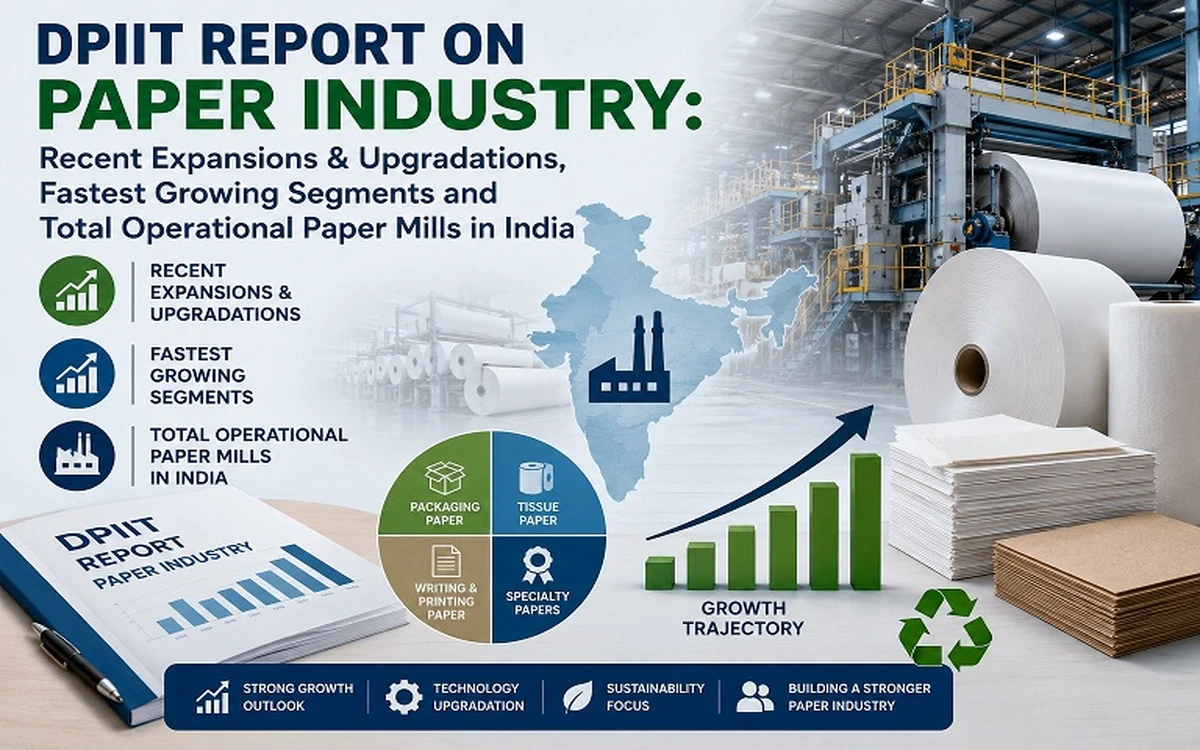
DPIIT Report on the Paper Industry: Recent Expansions & Upgrades, Fastest-Growing Segments, and Total Operational Paper Mills in India
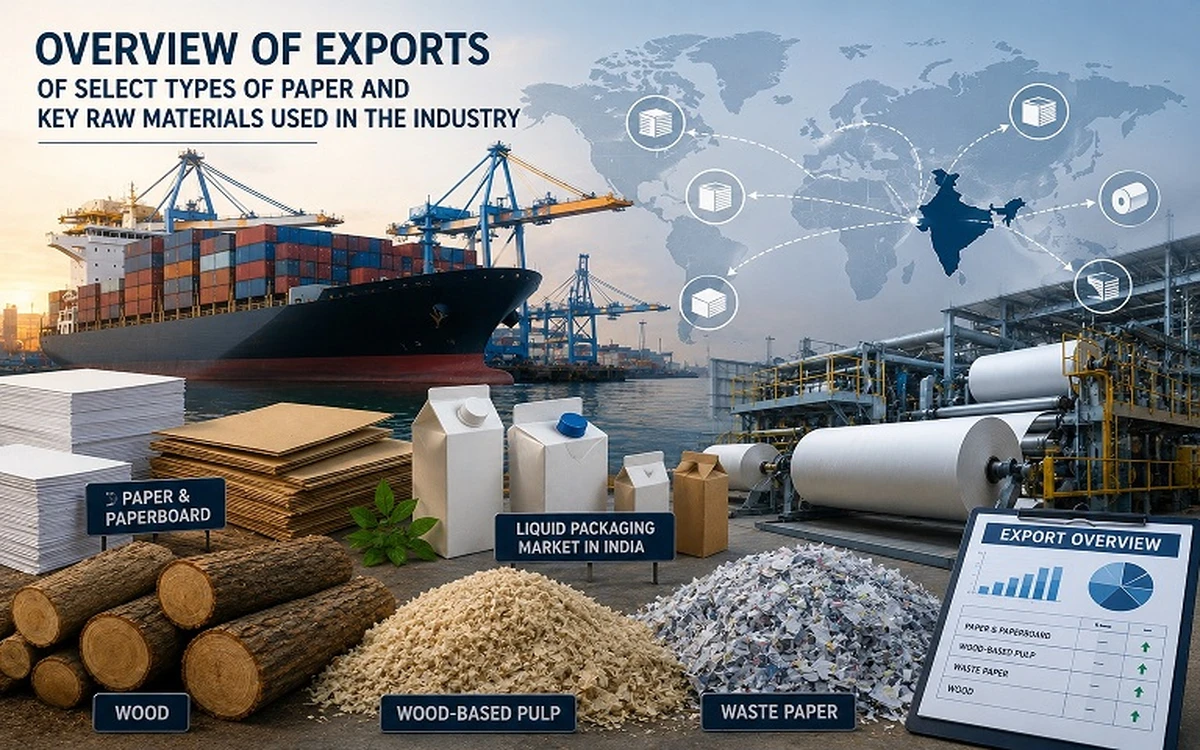
Overview of exports of select type of paper and key raw material used in the industry by Crisil Intelligence

Margin pressure pushes Pulp & Paper Packaging sector toward AI-Driven cost optimization, Cutting costs by 8–20%
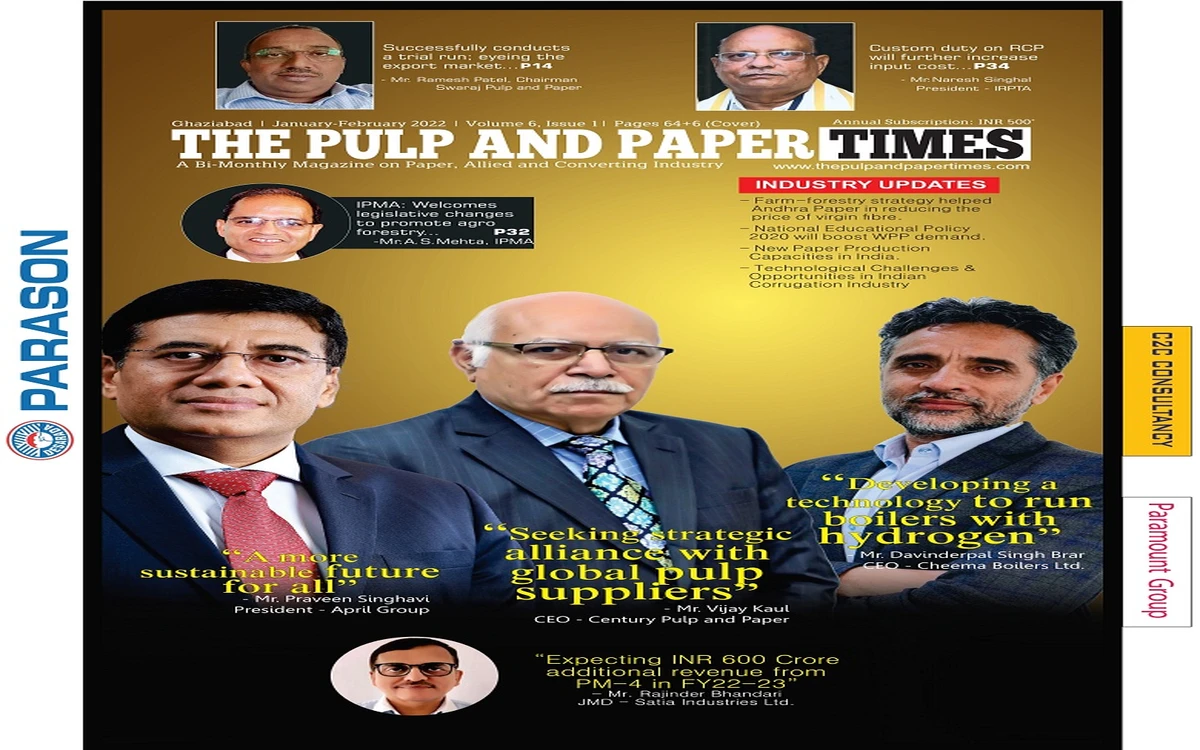
The Pulp and Paper Times Magazine : Volume 6, Issue 1
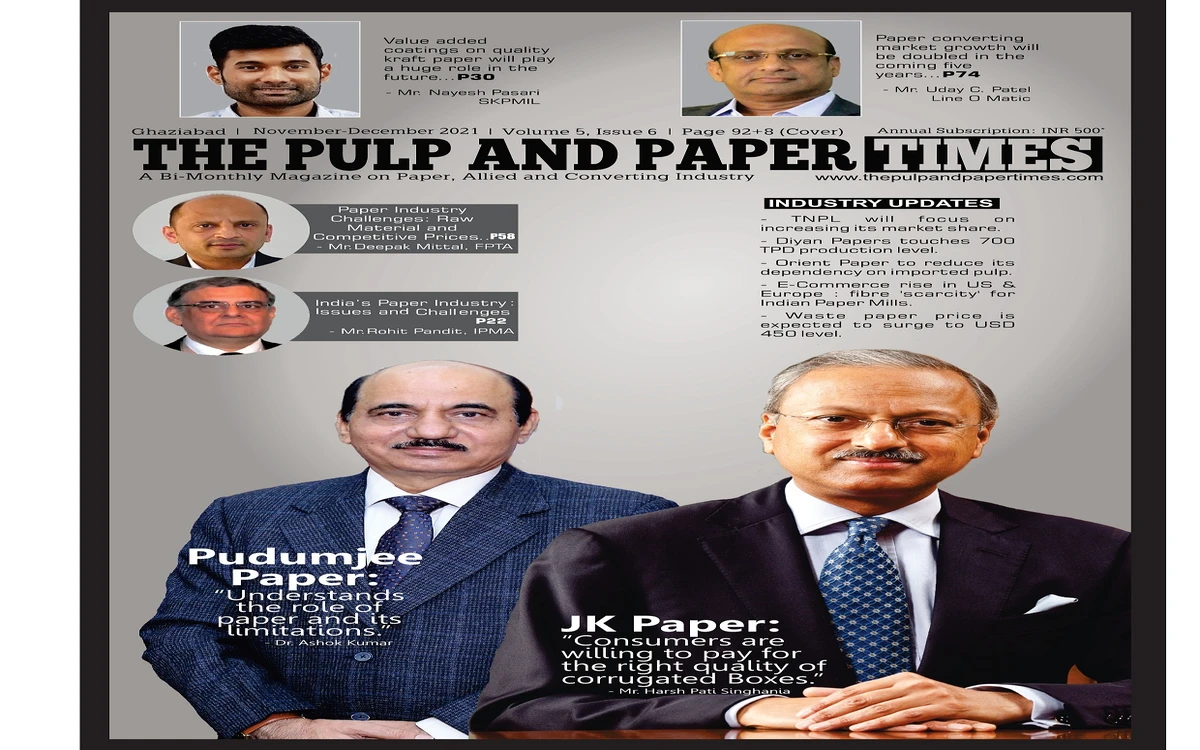
The Pulp and Paper Times Magazine : Volume 5, Issue 6
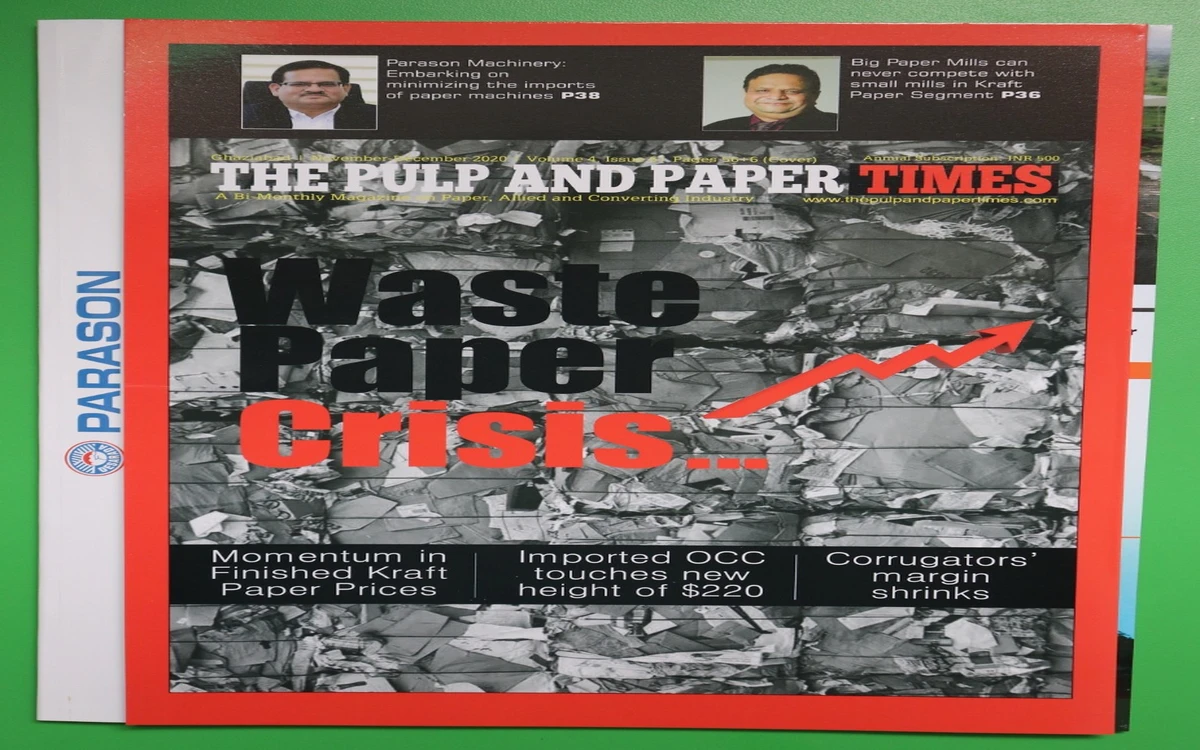
The Pulp and Paper Times: Volume 4, Issue 6
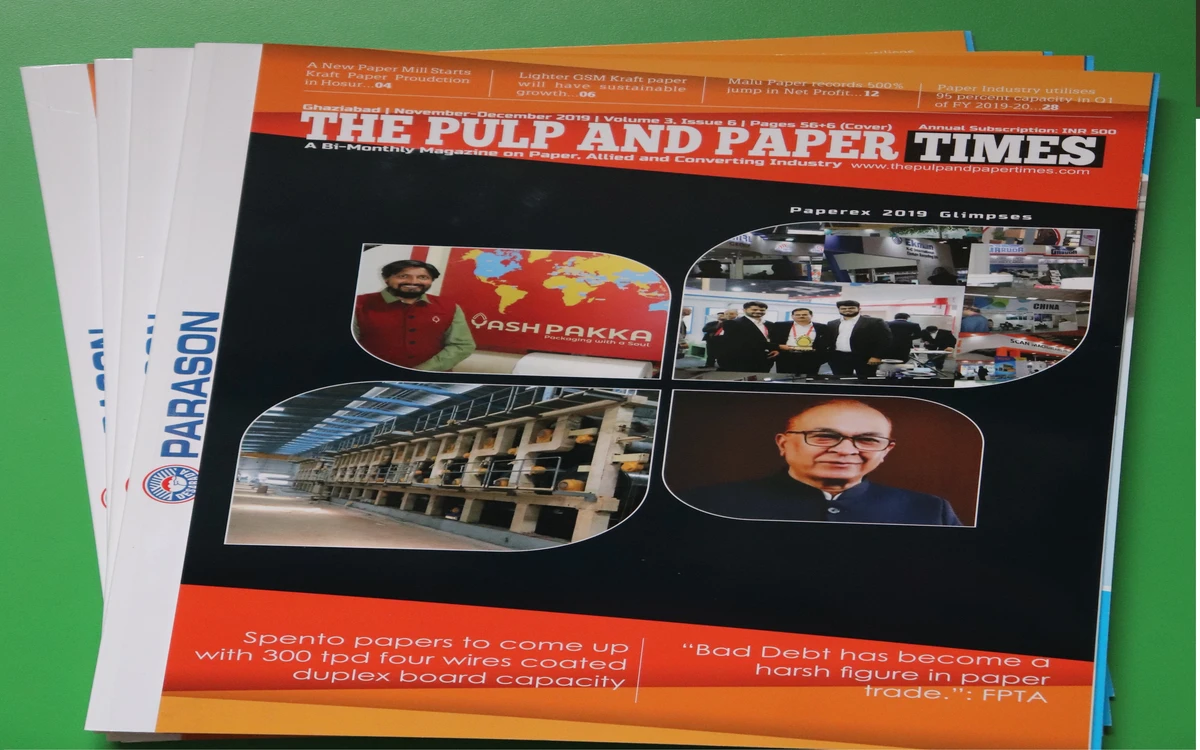
The Pulp and Paper Times : Volume 3, Issue 6
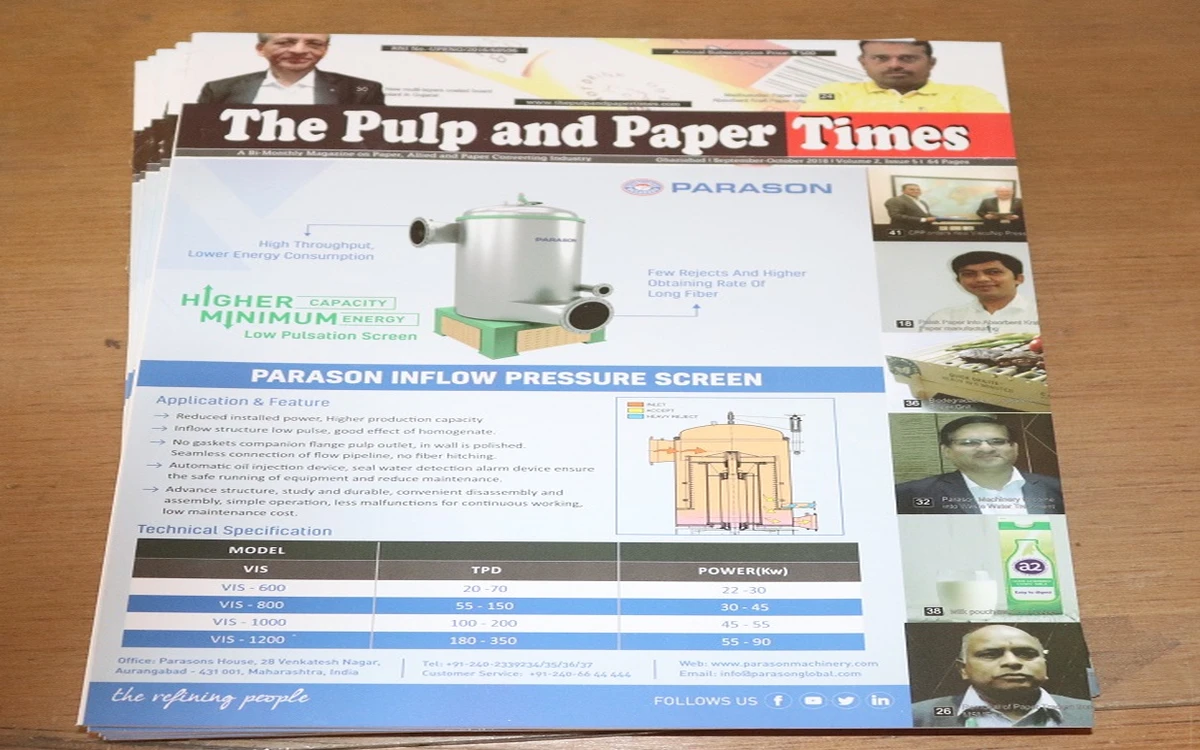
The Pulp and Paper Times: Volume 2 Issue 5
The Pulp and Paper Times, Volume 1, Issue 3
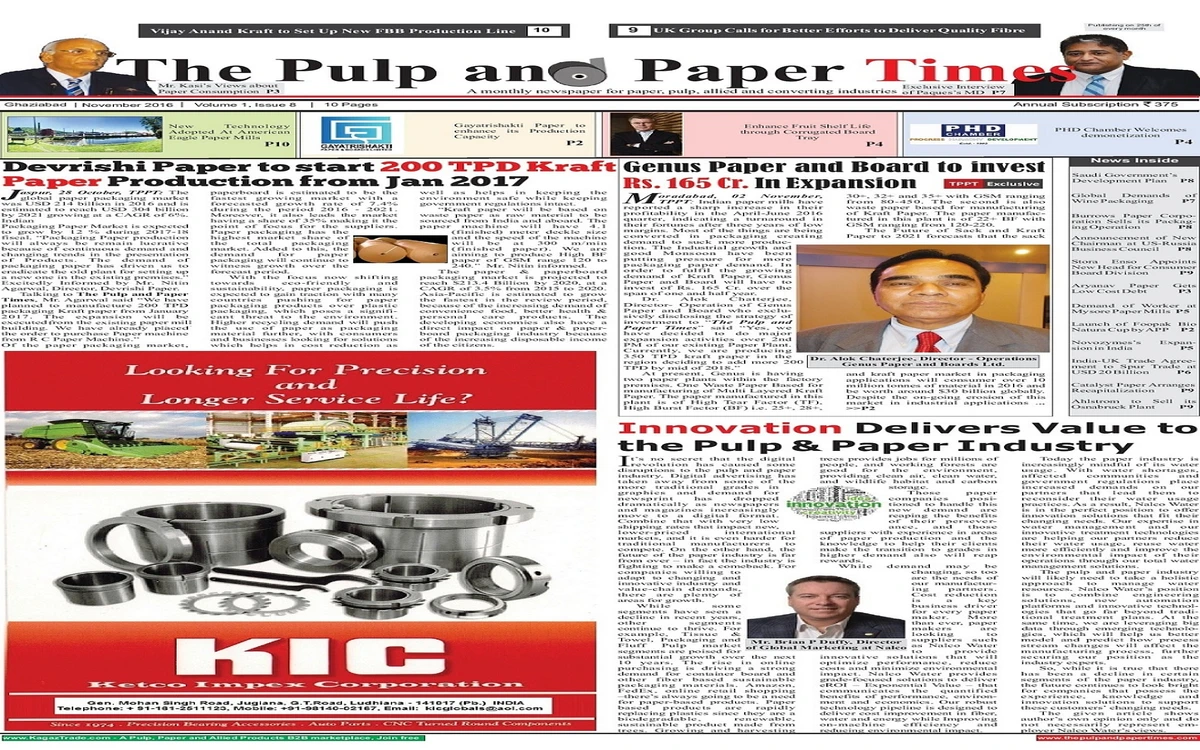
The Pulp and Paper Times, November 2016 Issue

As The Pulp and Paper Times marks its 10th anniversary, we celebrate a decade of meaningful and industry-focused journalism.
Over the past decade, we have established ourselves as a trusted voice of the pulp and paper sector, connecting paper mills, industry leaders, technology providers, and global stakeholders. With a strong readership base across India and overseas, our platform has consistently delivered credible insights, market intelligence, and exclusive industry interactions that support informed decision-making.
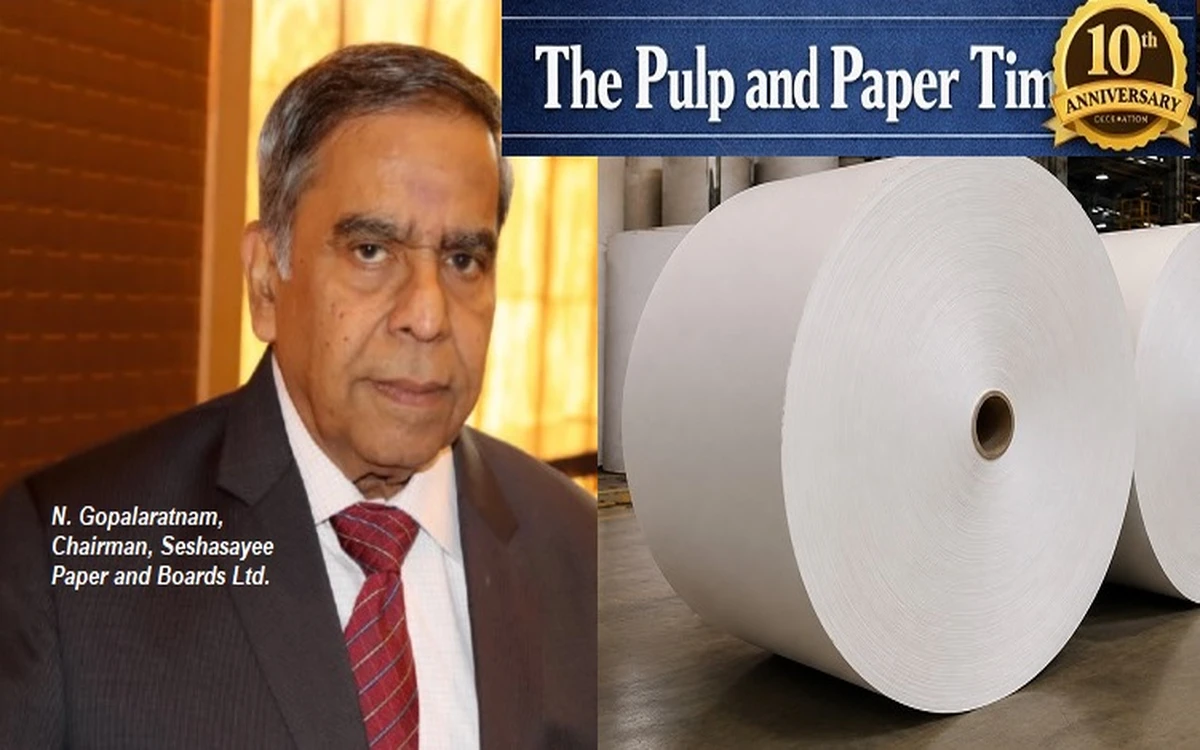
On this special milestone, we talked to N. Gopalaratnam, Chairman, Seshasayee Paper and Boards Ltd., about his perspective on the future of the paper business. We shared our theme, “Market Factors, Technology, and Consumer Interests Shaping the Indian Pulp and Paper Industry in the Next 10 Years.” We received very informative and deeply insightful views that everyone associated with the paper industry, in any capacity, should read. Here are his insights

Charting the Next Decade: Market Forces, Technology, and the Evolving Consumer in the Indian Pulp and Paper Industry
The Pulp and Paper Times
Ten years ago, the Indian pulp and paper industry stood at crossroads. Rapid digitisation was reshaping how the world communicated, and many predicted a sharp, irreversible decline in demand for printing and writing paper. Today, as we mark this milestone, the industry tells a far more nuanced and, in many ways, more exciting story. Demand has not diminished — it has transformed. And the next decade promises an even more profound reshaping of what paper means, what it must do, and how it must be made.

A Market Redrawn by Commerce and Sustainability
The single most consequential market shift over the next ten years will be the explosive growth of e-commerce and organised retail, both of which are driving demand for packaging-grade papers and boards at a pace that was unimaginable a decade ago. India’s packaging paper segment is projected to grow at a CAGR well above the overall industry average, and kraft boards, corrugated liners, and high-performance duplex boards will be at the centre of that growth. As a manufacturer across these grades, we see this not merely as a volume opportunity, but as a call to raise the quality and consistency benchmarks of Indian-made packaging to truly global standards.
Simultaneously, the writing and printing segment is undergoing a quiet reinvention. While office stationery faces structural pressure from screens, the education sector, government documentation, and premium publishing continue to anchor healthy demand. The opportunity here lies in moving up the value chain — toward brighter, lighter-basis-weight, and more consistently performing grades that command better realisations and serve a discerning institutional buyer.

“The next decade will not belong to those who merely make paper — it will belong to those who make paper matter.”
Technology as the New Competitive Frontier
Technology will be the great separator in the Indian paper industry over the coming decade. Energy efficiency, fibre optimisation, and water stewardship are no longer peripheral concerns — they are becoming core to a mill’s licence to operate and its cost competitiveness. At SPB, our investments in process automation, waste heat recovery, and effluent recycling reflect our belief that sustainable manufacturing and commercial viability are not in tension; they are, in fact, the same objective viewed from different vantage points.

The rise of speciality papers is another area where technology will play a decisive role. Food-grade, grease-resistant, and barrier-coated papers are witnessing surging demand as India’s food services and quick-commerce sectors scale rapidly. These grades require precision chemistry, tight quality control, and a deep understanding of end-use requirements — capabilities that separate a truly integrated paper company from a commodity producer. We see this as one of our most significant growth vectors over the next ten years. Tissue paper segment will also see unprecedented growth.
The Conscious Consumer Changes Everything
Perhaps the most underappreciated force reshaping our industry is the emergence of the environmentally conscious consumer — both at the individual level and at the institutional procurement level. Major FMCG companies, exporters, and retailers are setting aggressive targets to eliminate single-use plastics and transition to fibre-based, recyclable, and compostable packaging solutions. Paper — when made responsibly — is uniquely positioned to meet this imperative. This is a generational opportunity for Indian paper manufacturers, provided we align our product development and certification standards with what global and domestic supply chains demand.

As our company SPB enters its next decade, we carry forward a conviction that has guided us from the outset: that long-term value in this industry is built not on scale alone, but on the quality of what we make, the responsibility with which we make it, and the depth of our understanding of where the market is going. The Indian Pulp and Paper Industry’s best is yet to come and we intend to contribute responsibly.

1 hour ago
Total Views : 87
3 days ago
Total Views : 376
5 days ago
Total Views : 3043
last week
Total Views : 7945
last week
Total Views : 1650
last week
Total Views : 4319
last week
Total Views : 1202

last week
Total Views : 1604
2 weeks ago
Total Views : 5998
2 weeks ago
Total Views : 2645