Join Groups & Channels, No Spamming









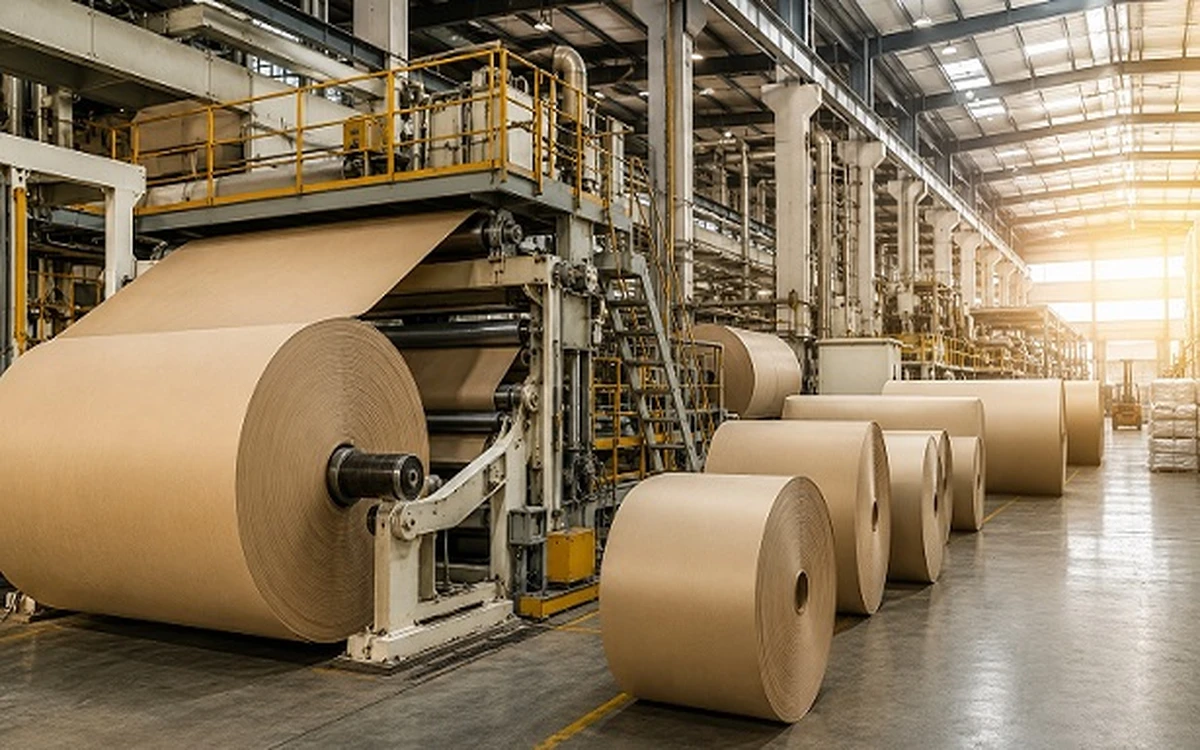
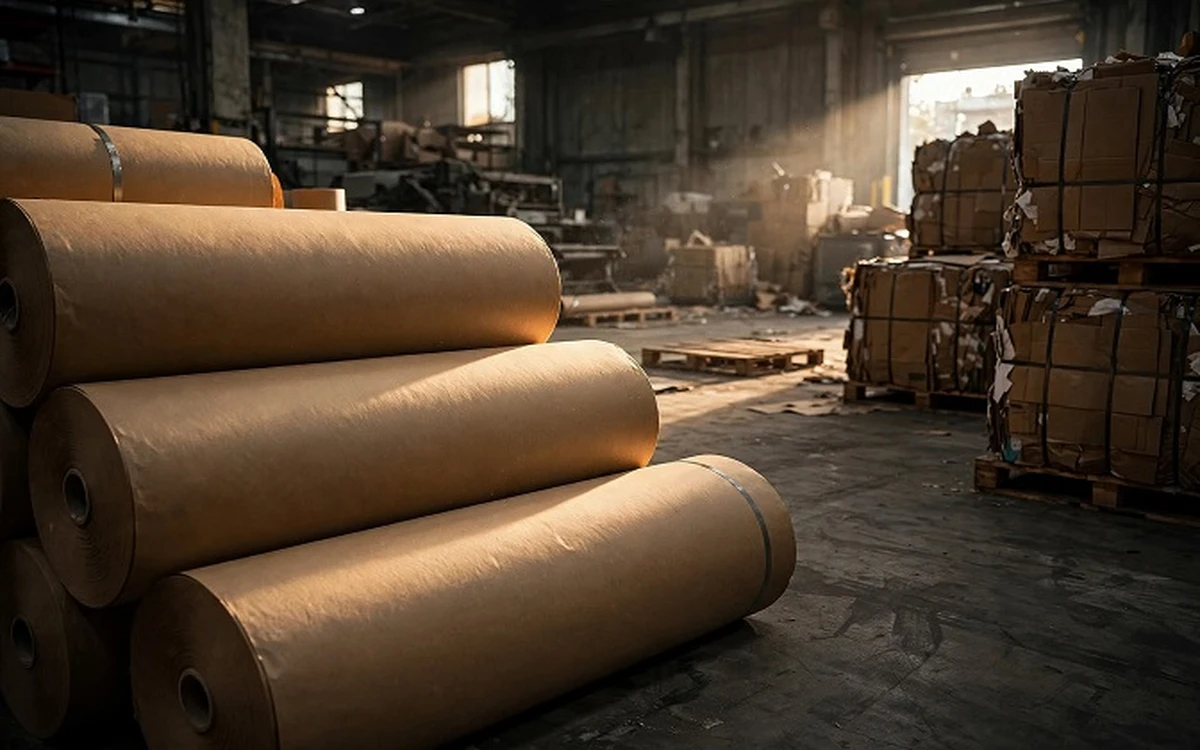
Morbi paper mills see full-capacity operations as ceramic industry revives; Kraft paper exports to China spike, Prices strengthen; Janmashtami shutdown ahead

The BE and caustic soda plant marks a key milestone for Mohit Paper Mills, enabling full utilization of installed capacity and enhancing overall production efficiency
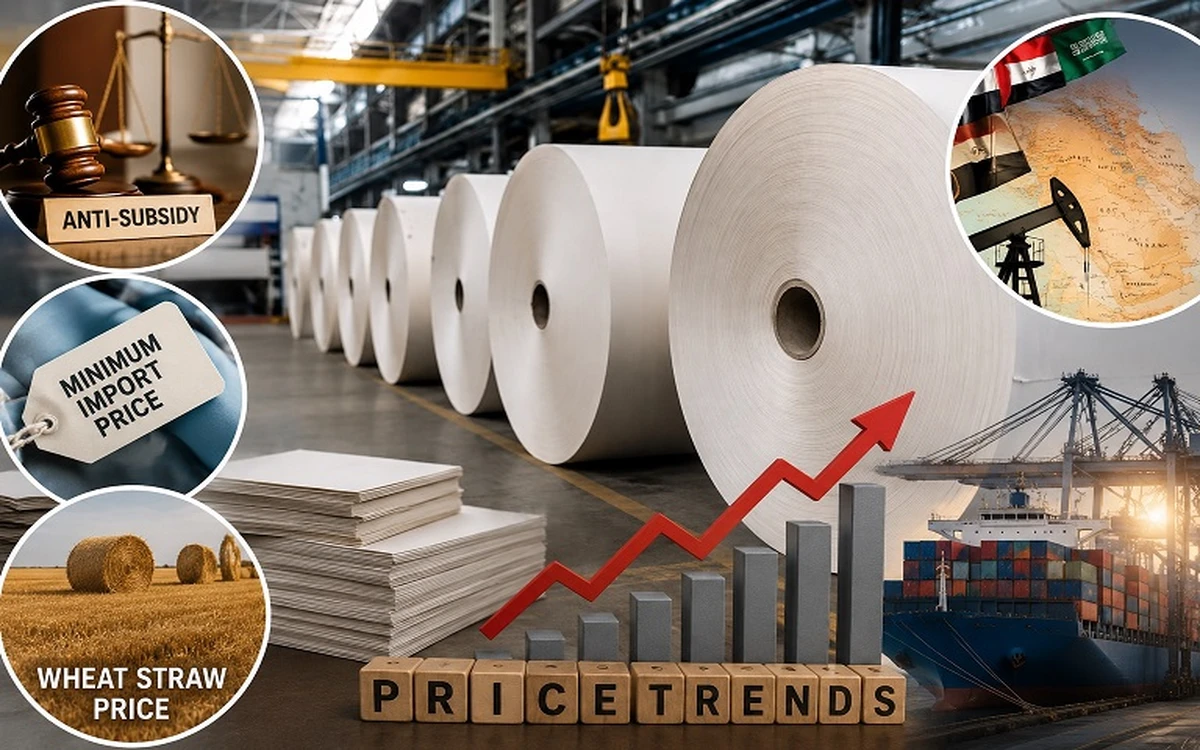
Expert Views on the paper market scenario, How the West Asia Crisis Helped the Industry, MIP for WPP, Anti-Subsidy implementation, and paper price trends
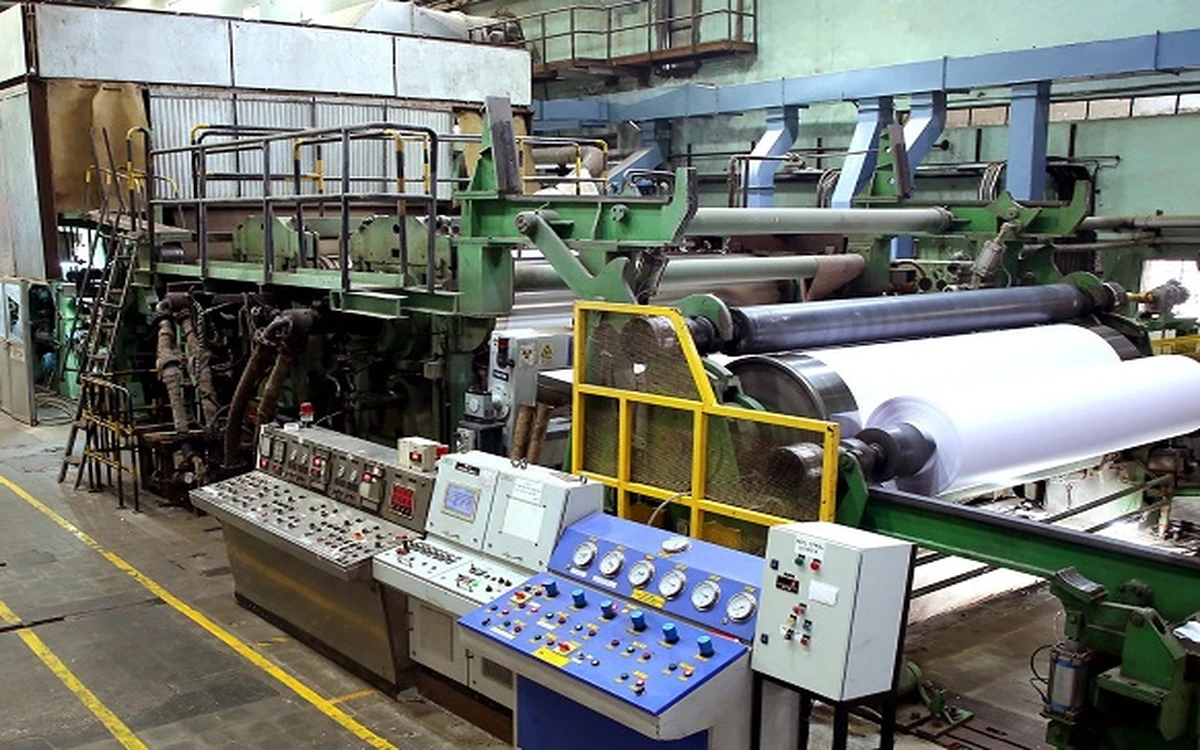
Pudumjee Paper intends to develop new varieties addressing applications for stronger paper bags and cupcakes; Plans 68,000 MT Mahad Specialty Paper Facility within 5 years
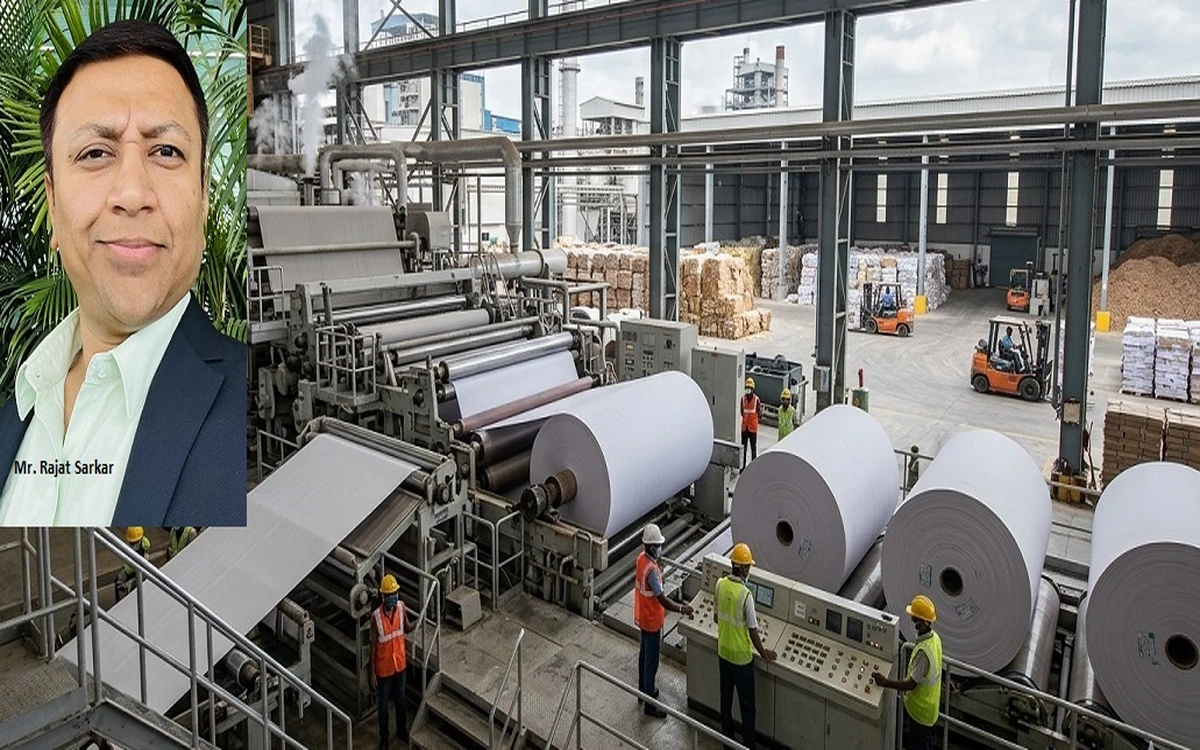
India Paper Industry at an Inflection Point: War, Costs, and Capacity; Demand growth expected at 5–7% in FY26
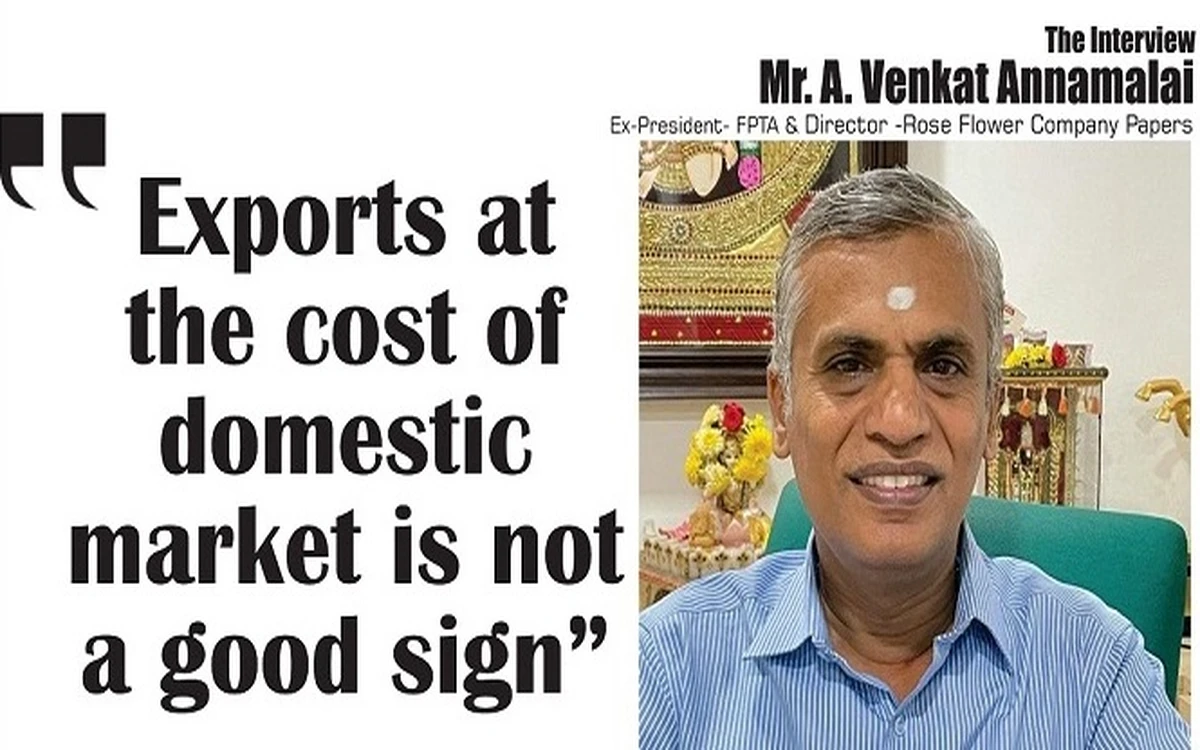
“Surging exports of paper will most certainly keep the domestic prices quite high”: Mr. A. Annamalai, Director – RFC
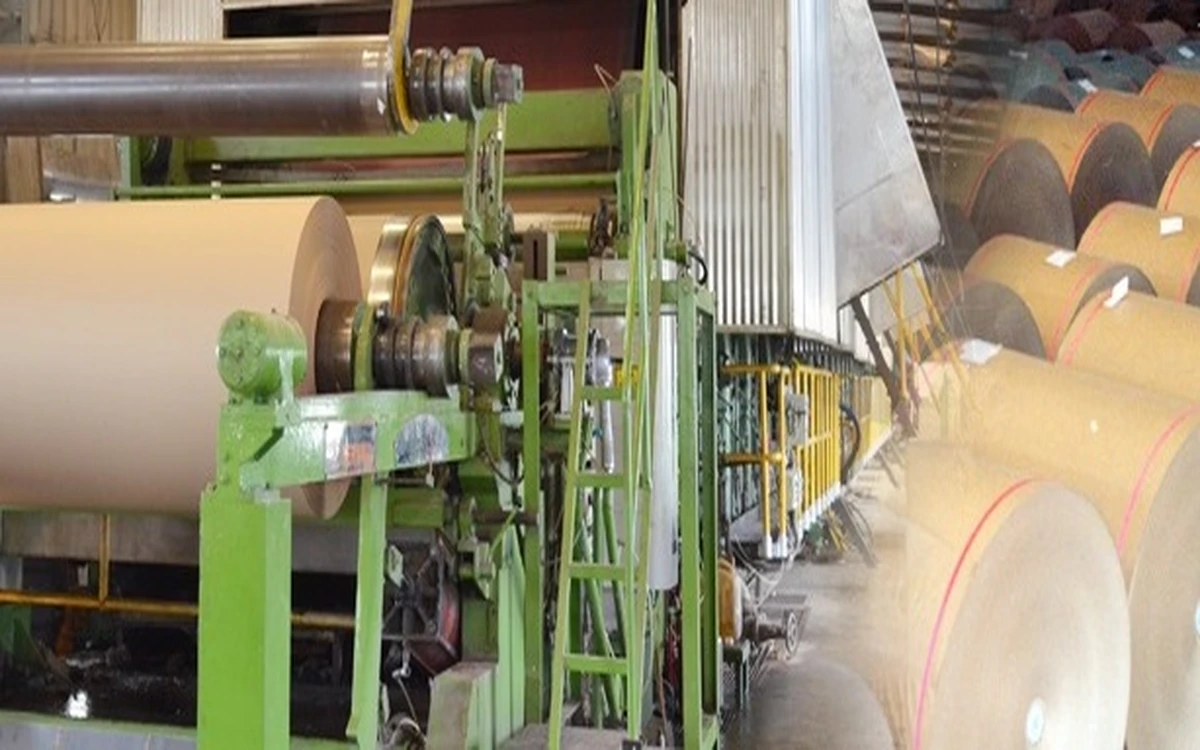
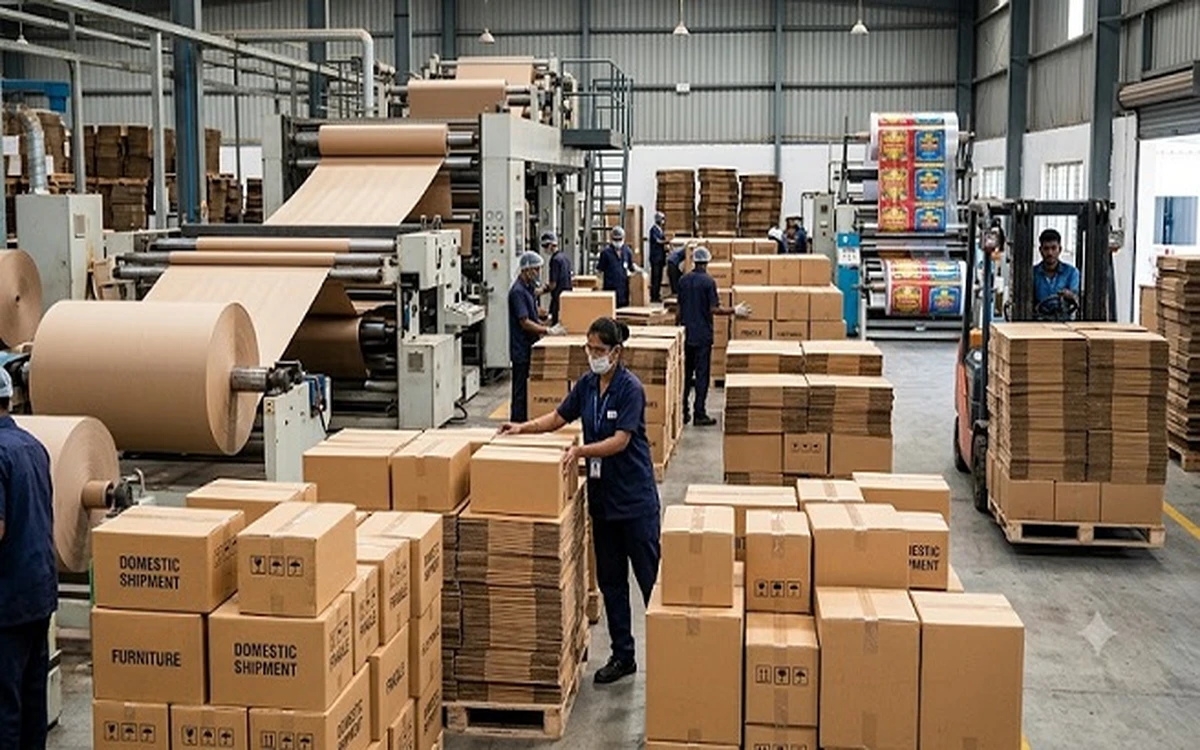
The Status of the Global Container board Industry, Recycled Paper Demand and Supply and its impact on the Indian Industry
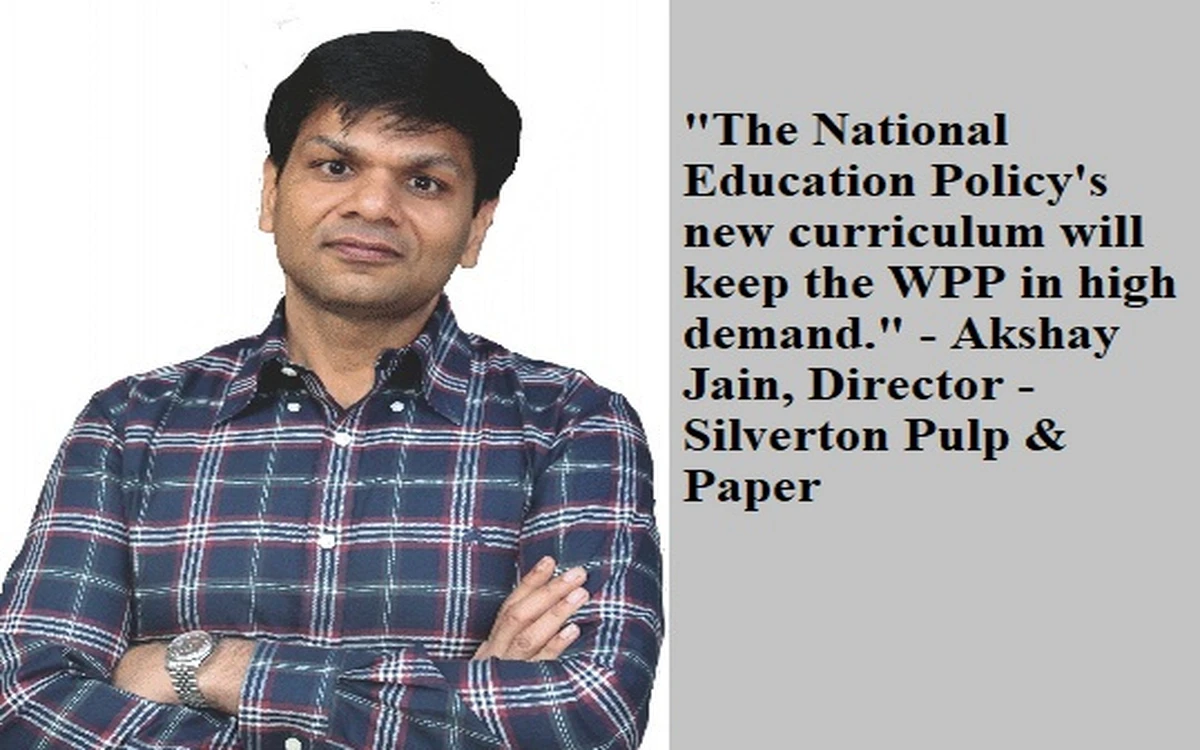
Akshay Jain, director of Silverton Pulp & Paper, says it's time to promote agro residue as a raw material to lessen the scarcity of fibre
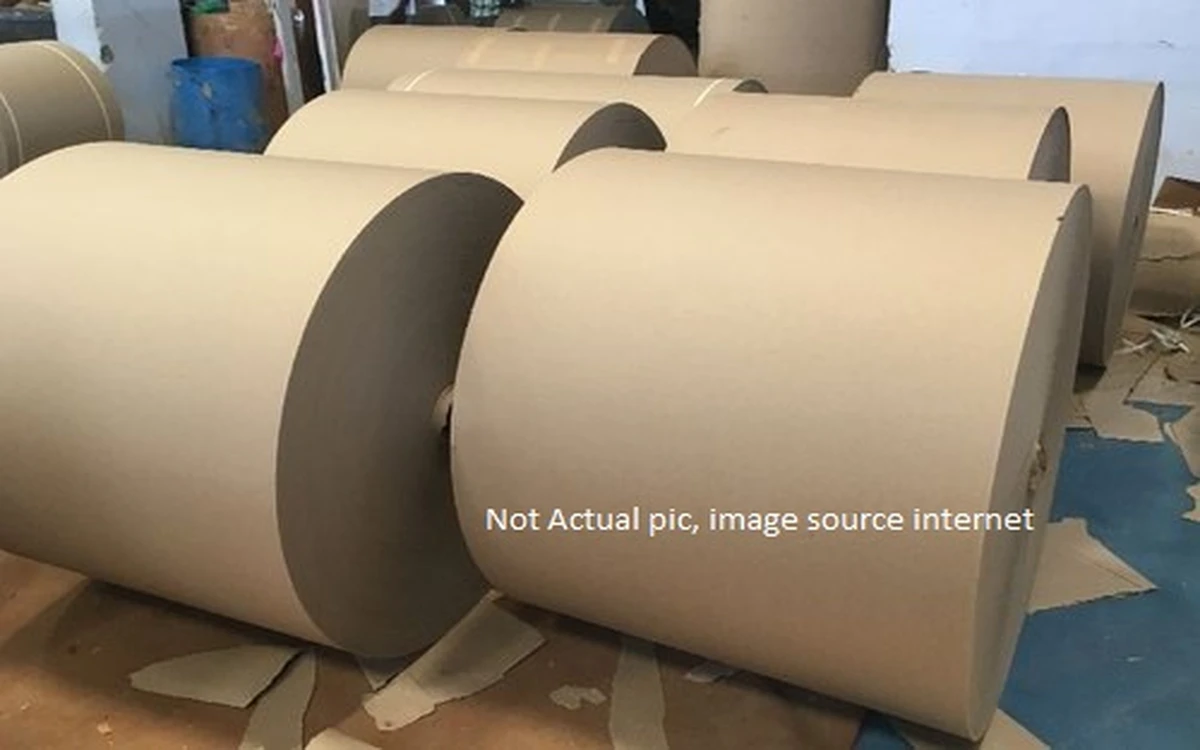
Advantageously located, a new paper mill is all set to roll kraft paper in Madhya Pradesh
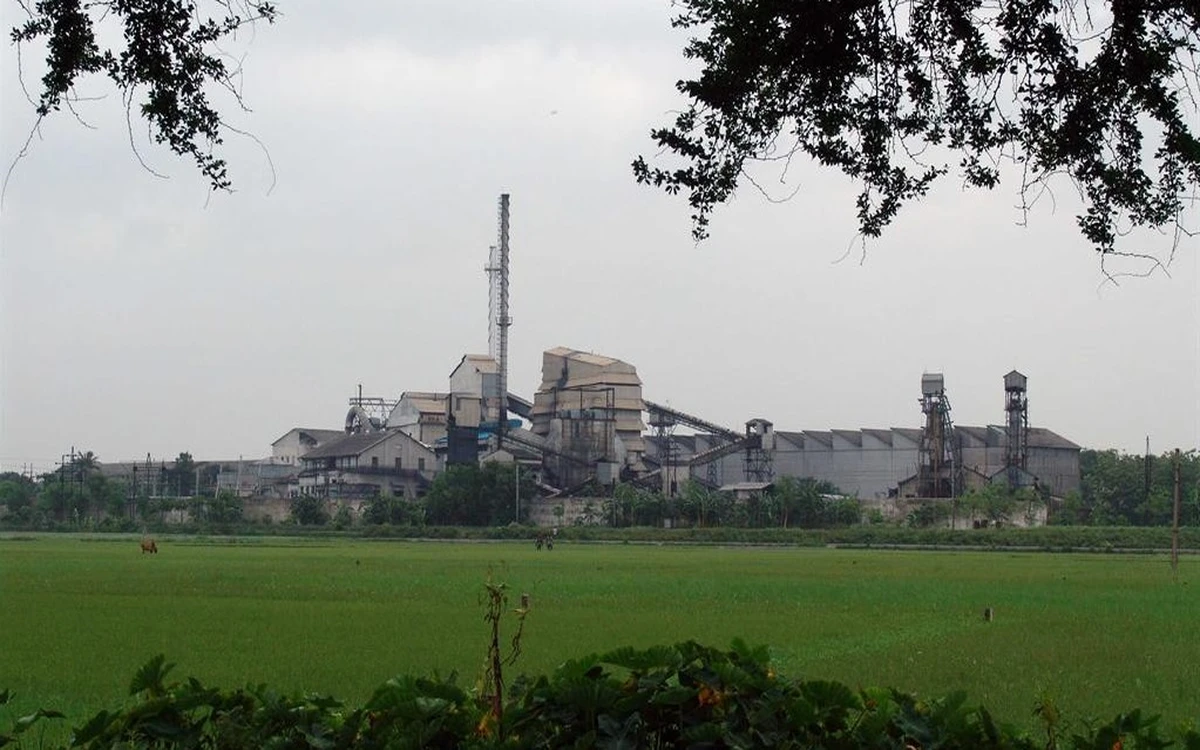
Several agile interventions helped ITC-PSPD fortify its clear leadership of the Value Added Paperboards (VAP) segment
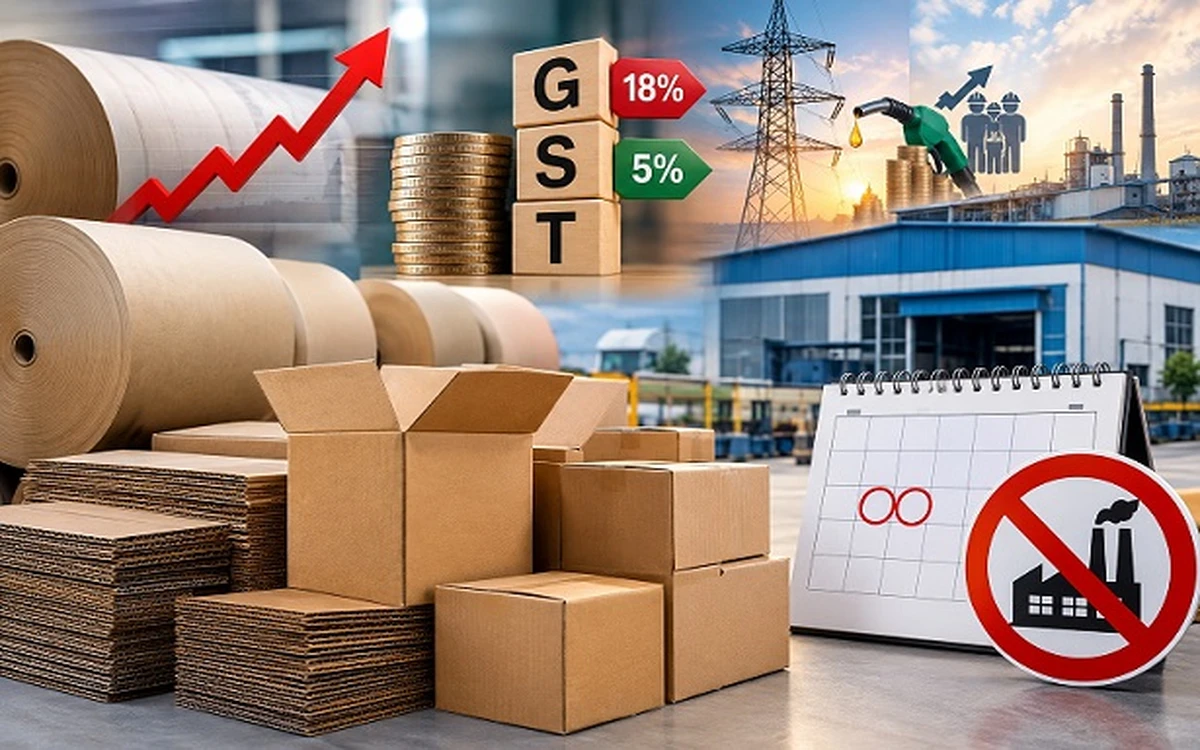
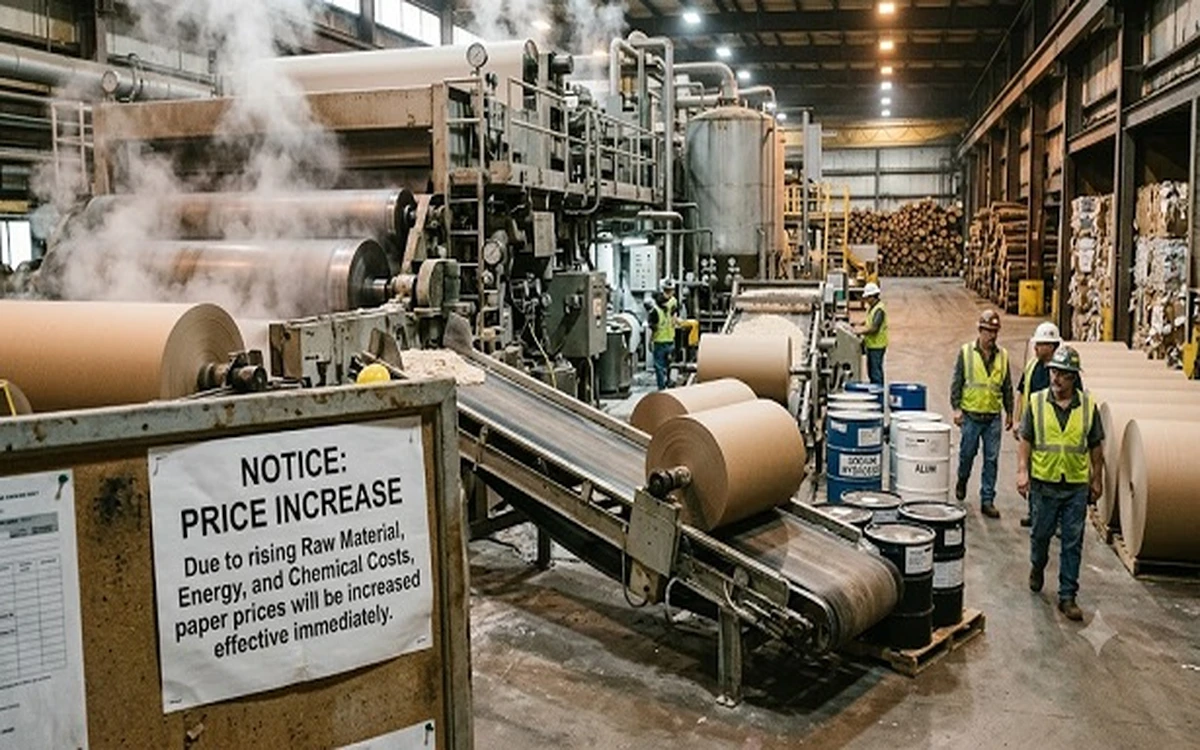
Overall Increase in Kraft Paper Prices Could Reach 35%; Industry Calls for 20% Box Price Increase, Voluntary Shutdown Proposed
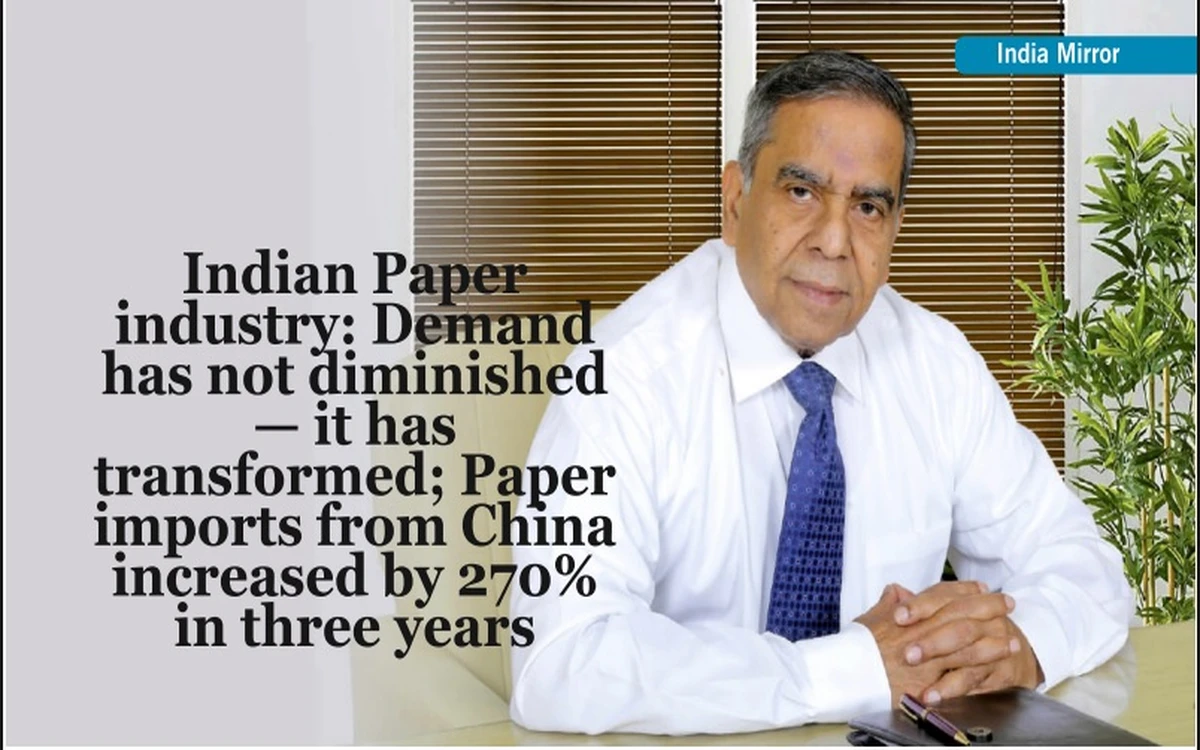
Indian Paper industry: Demand has not diminished — it has transformed; Paper imports from China increased by 270% in three years
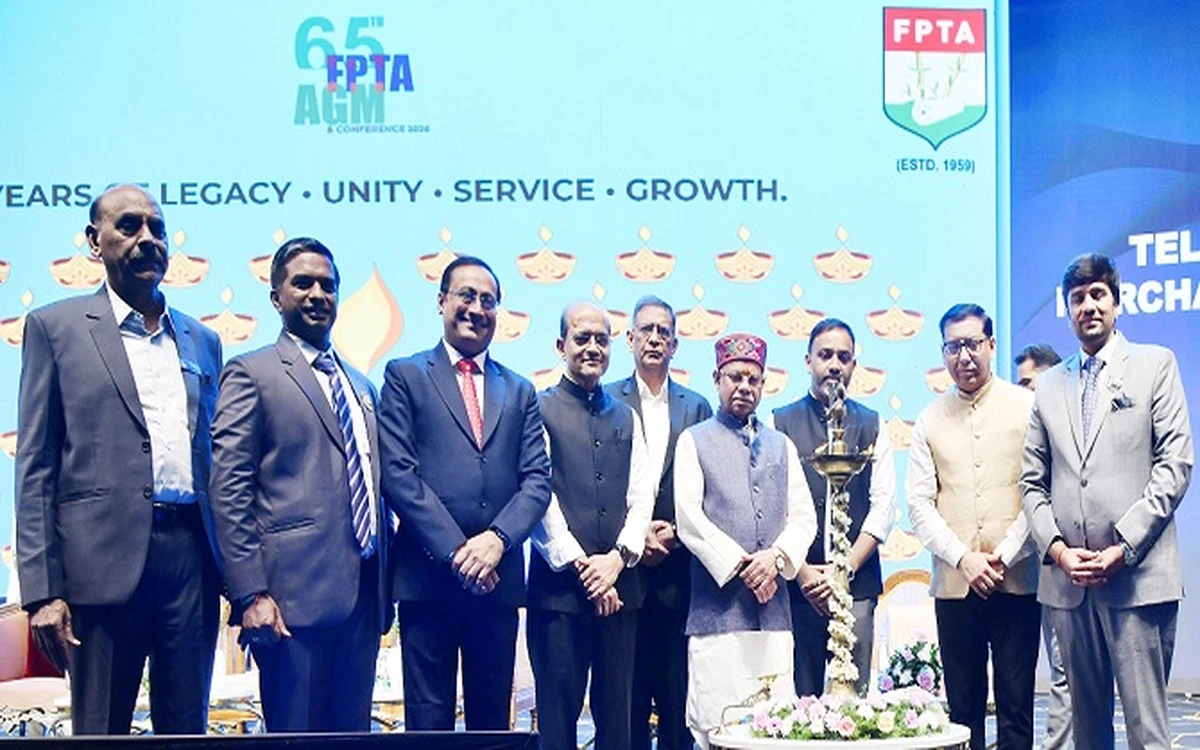
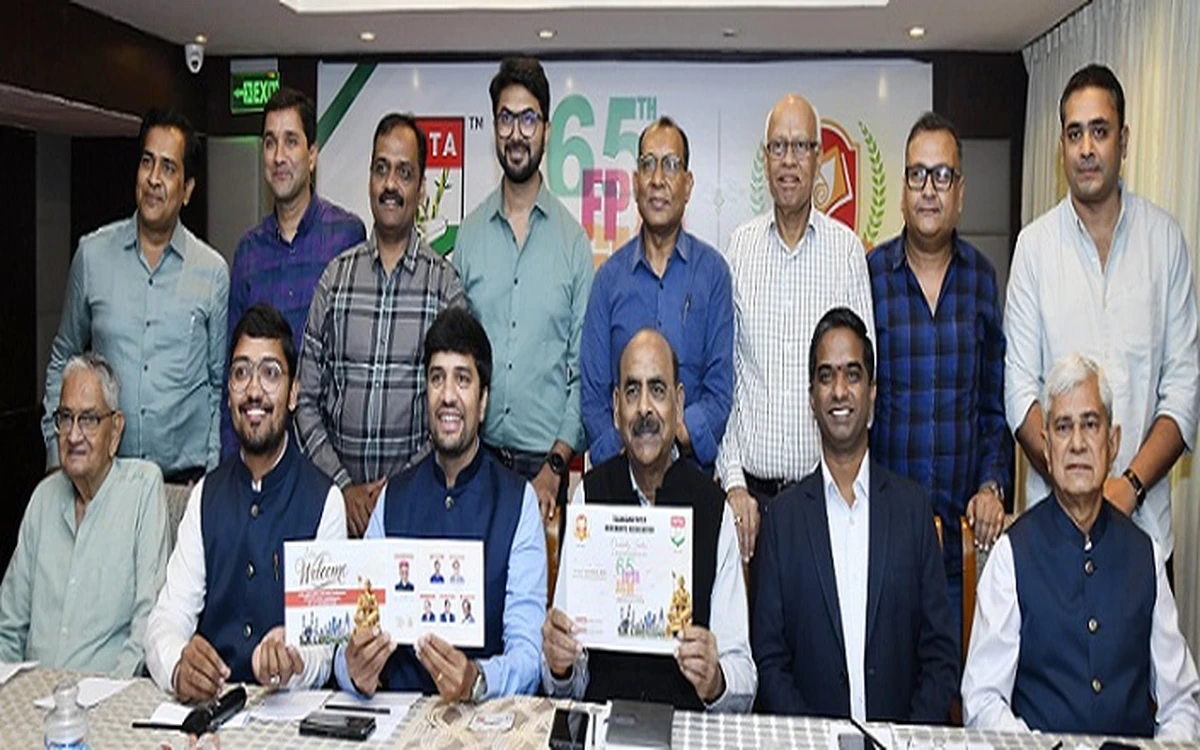
Paper Mills and Dealers Must Work Together to Create New Demand, Say Industry Leaders at FPTA’s 65th AGM

Ruchira Papers Invests a Sizeable Capex of Rs. 235–240 Crore Towards Writing & Printing Paper Capacity Expansion
Paper mills inflated the basic ex-mill price of paper post GST 2.0, AINMA seeks action against Anti-Profiteering
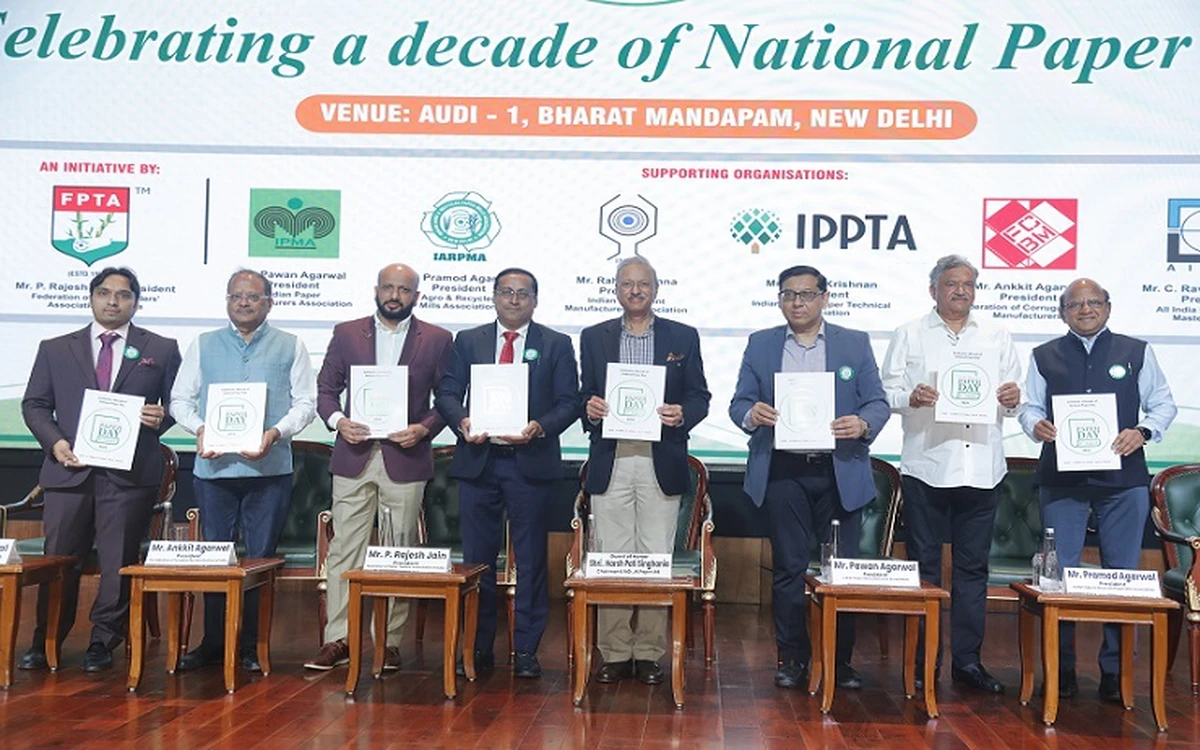
Seven Leading Associations Unite to Celebrate National Paper Day, Highlighting Paper's Sustainability and Circular Economy Advantage

Scientists from IIT-Guwahati develop India's first biodegradable plastic

Navneet Education focuses on brand building, curriculum-led growth, and export recovery; expects stationery margins to improve in FY27

It is estimated that USD10B to USD20B worth of single-use plastic packaging will convert to molded fiber, ZUME
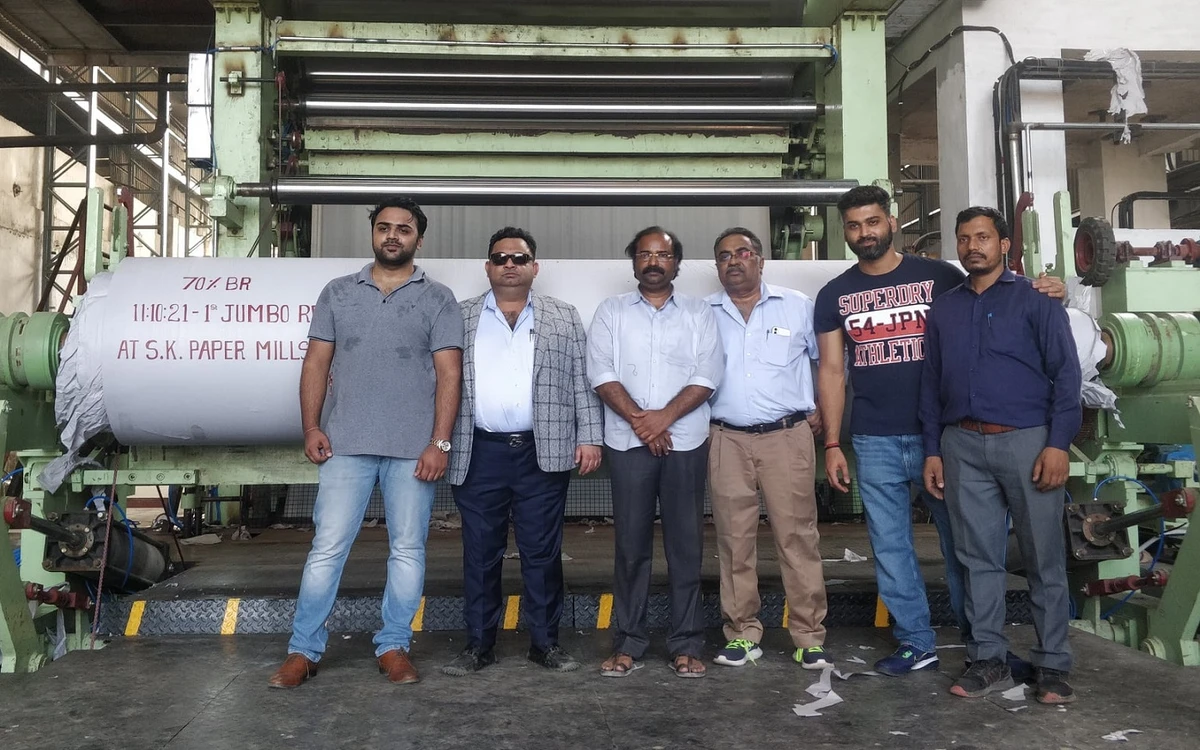
Muzaffarnagar gets a new capacity of Tissue Paper and MG Poster paper

“The integration of digitalization, automation, and Artificial Intelligence (AI) is no longer a futuristic concept—it is the baseline for competitiveness in 2036” - Vinit Garg, Director, Vizen Solutions
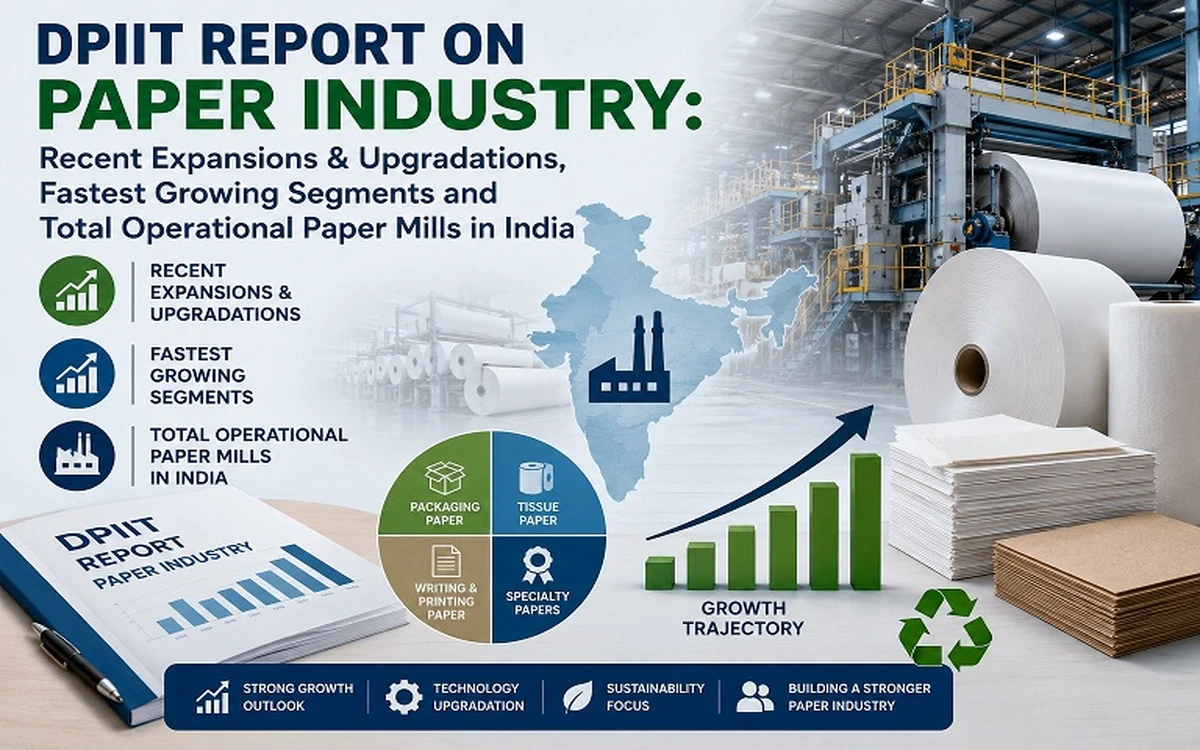
DPIIT Report on the Paper Industry: Recent Expansions & Upgrades, Fastest-Growing Segments, and Total Operational Paper Mills in India
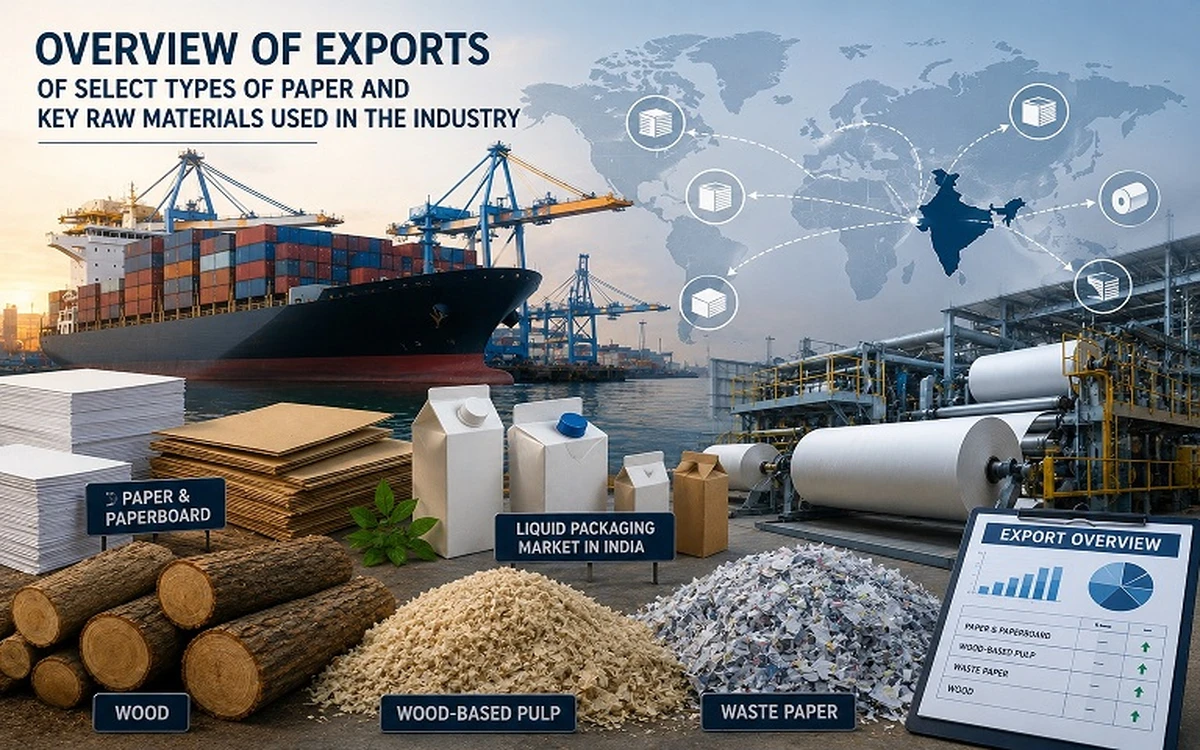
Overview of exports of select type of paper and key raw material used in the industry by Crisil Intelligence

Margin pressure pushes Pulp & Paper Packaging sector toward AI-Driven cost optimization, Cutting costs by 8–20%
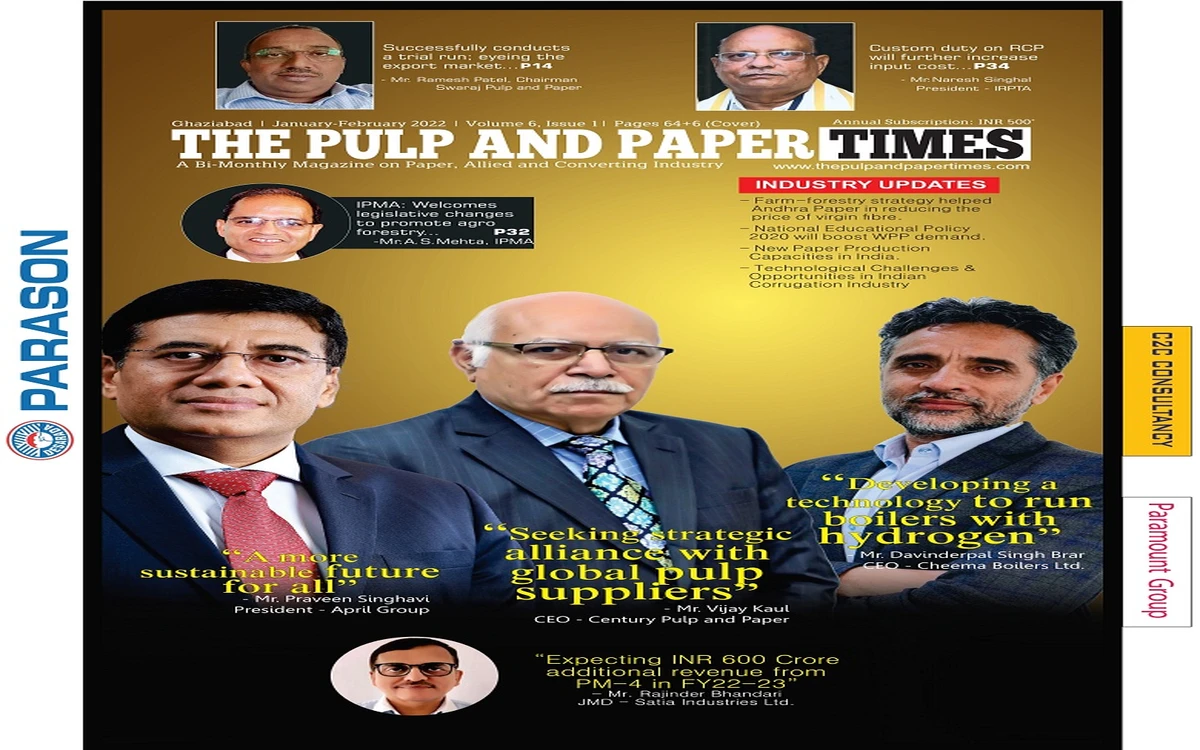
The Pulp and Paper Times Magazine : Volume 6, Issue 1
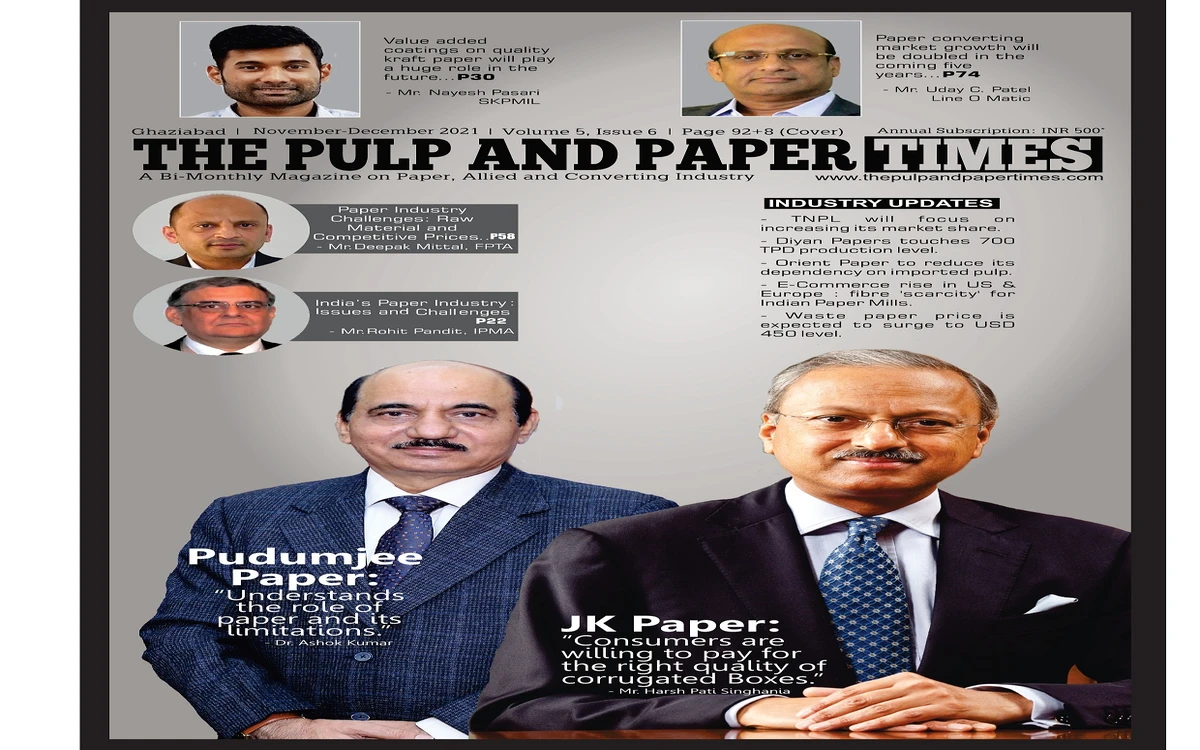
The Pulp and Paper Times Magazine : Volume 5, Issue 6
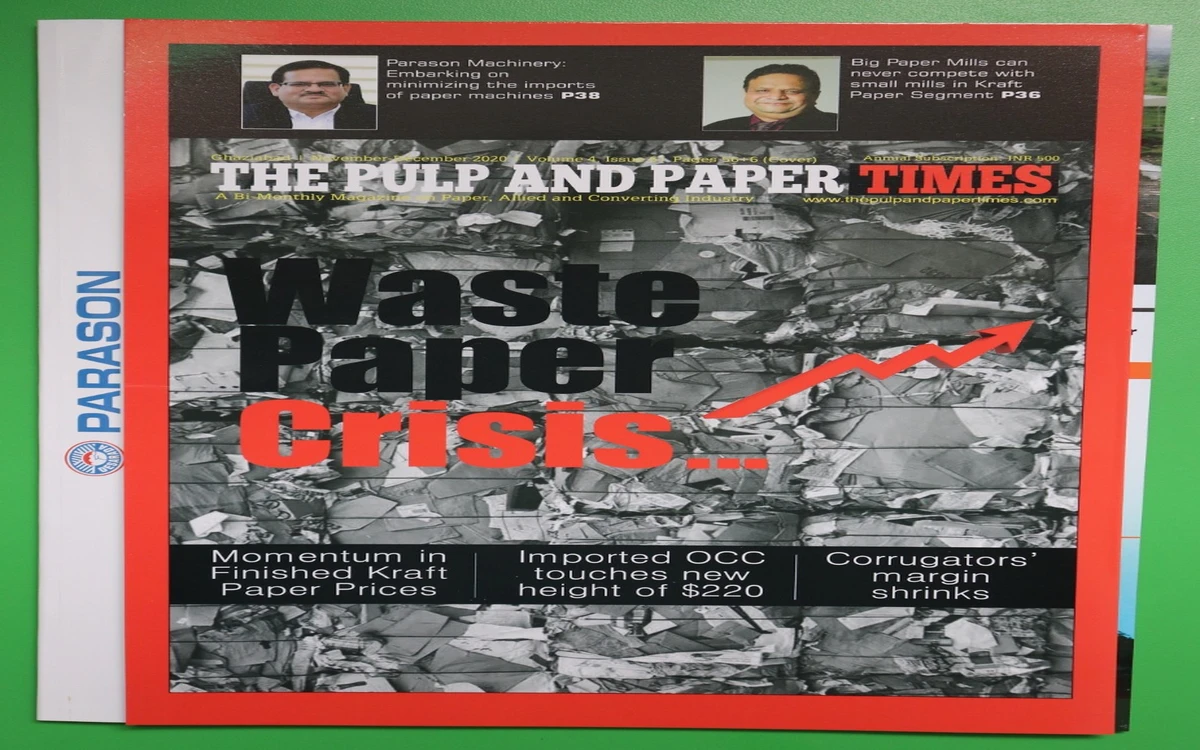
The Pulp and Paper Times: Volume 4, Issue 6
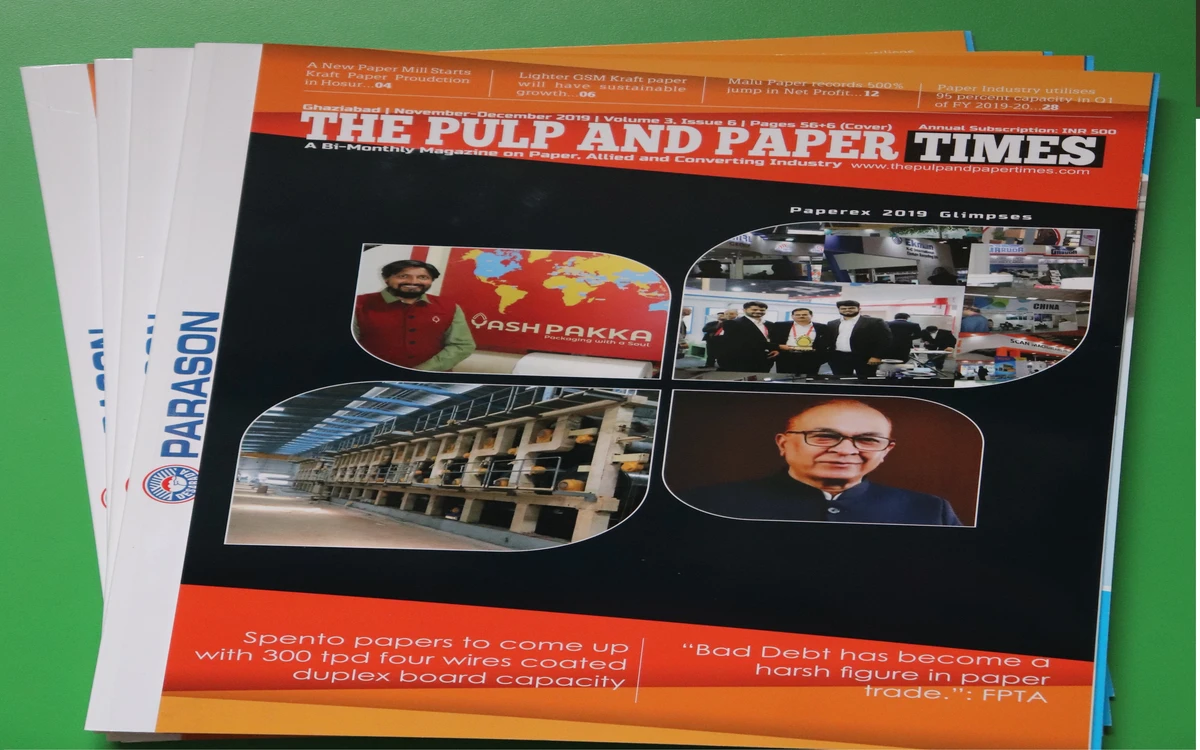
The Pulp and Paper Times : Volume 3, Issue 6
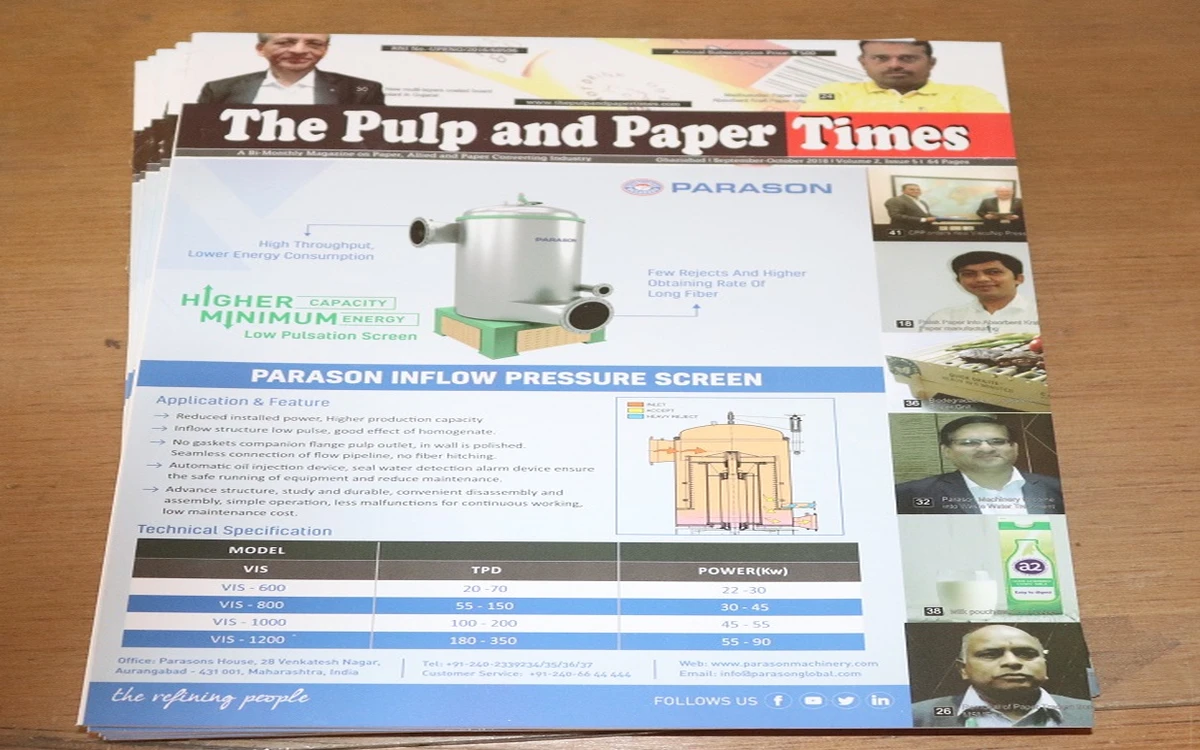
The Pulp and Paper Times: Volume 2 Issue 5

The Pulp and Paper Times, Volume 1, Issue 3
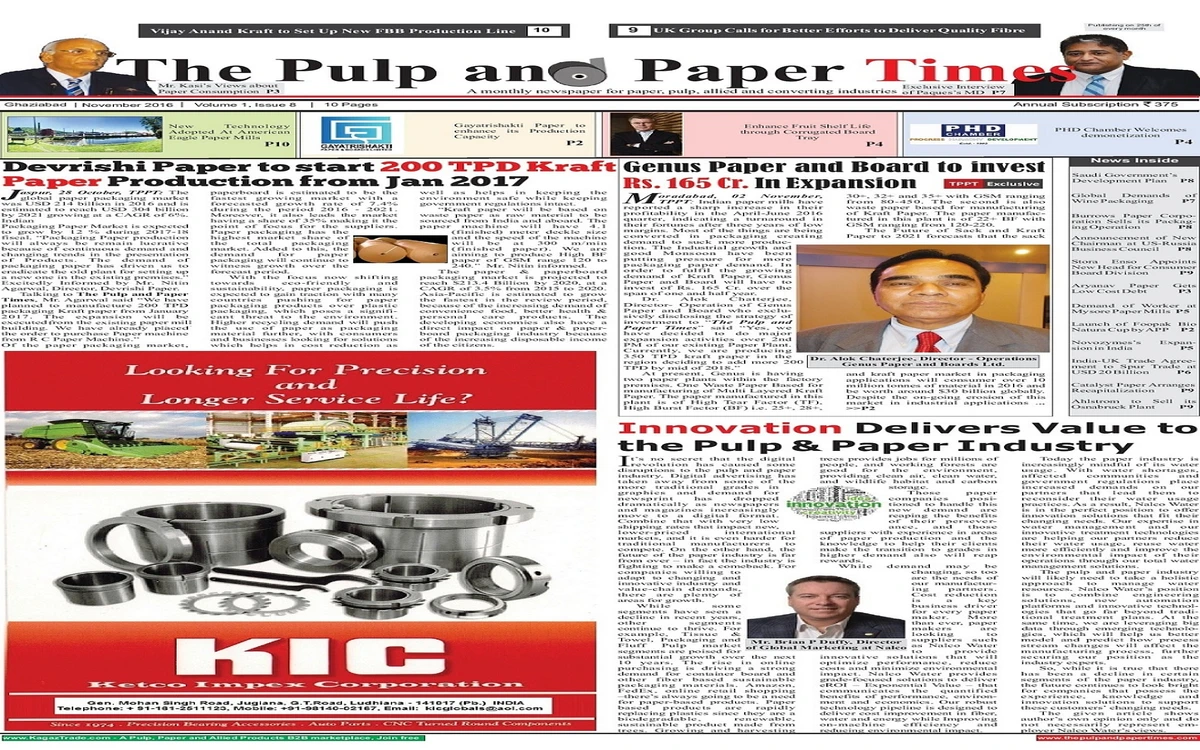
The Pulp and Paper Times, November 2016 Issue

- Pulp pricing is in the range of $600 to $700 per ton, globally they will remain in this range because a fair amount of pulp manufacturing capacity
- The anti-subsidy measure, which is very similar to anti-dumping duty, should work in our favor and will be implemented faster than anti-dumping
- Looking forward to the government considering the MIP on writing and printing paper favorably as well
- We have been able to maintain our pricing at a healthy level of between INR 69,000 and INR 70,000 per ton, and it is working well and remaining stable for us
The Pulp and Paper Times | 29 May 2026
Speaking during the Q4 FY26 conference call, Mr. Pavan Khaitan, Vice Chairman and Managing Director of Kuantum Papers Limited, shared his outlook on the paper industry, highlighting the challenges and opportunities shaping the market. He discussed the impact of the ongoing West Asia conflict on energy, freight, and chemical costs, the continued pressure from low-priced imports, and the risk of trade diversion from China and Indonesia. Mr. Khaitan also addressed developments in pulp prices, wheat straw availability, Minimum Import Price (MIP) proposals, anti-dumping measures, and the company's pricing strategy, while expressing optimism about improved industry conditions and business performance in FY27.

He said, "The operating environment remained challenging during this quarter, with steady demand being offset by continued pressure on input costs, particularly raw materials and fuel. Energy costs stayed elevated through much of the quarter, driven by the ongoing geopolitical conflict in West Asia, which not only pushed up fuel and power pricing but also disrupted established trade corridors.
Low-priced import pressures persisted throughout the year, resulting in lower pricing in the domestic market. Encouragingly, pricing began to firm up in the fourth quarter, supported by higher demand, though it was dampened a bit by cost-led adjustments due to the ongoing West Asia conflict.
Further, the West Asia crisis has also created the risk of trade diversion, with export-oriented paper producers from China and Indonesia potentially redirecting surplus inventories to India at predatory pricing, aggravating the existing dumping in the domestic market. As an industry, we continue to have meaningful dialogues and engage with policymakers to seek safeguard measures against such inflows.

With the West Asia crisis continuing and having an impact on freight costs, the volumes incoming in Q4 did not materialize, and that kind of helped the industry a bit. But I think this impact will continue to remain positive for us while the West Asia crisis continues.
Only then will we be able to see what impact it may create because, by that time, as an industry, we would have created alternate opportunities for ourselves as well. The Gulf region is a big market for us as an industry, and we may be able to secure export volumes for ourselves as well, thereby lessening the impact in the future."
On global pulp prices, Mr. Khaitan informed, "Currently, pulp pricing is in the range of $600 to $700 per ton, depending on whether it is hardwood pulp or softwood pulp. I think, going forward, globally they will remain in this range because a fair amount of pulp manufacturing capacity is being added globally, and that will help keep pricing at these levels. We are not likely to see them increasing in the future."

On wheat straw prices and the availability scenario, he said, "In the state of Punjab, rice straw has been established as a fuel. There are lots of boilers that are using rice straw, which has no other application mode. So, rice straw is being used quite conveniently and economically by boilers.
The fact that rice straw pricing was going up when the wheat straw season started in April meant that people saw a huge opportunity in terms of lower input costs by purchasing wheat straw. When the industry saw that wheat straw was being pushed towards usage as fuel, everybody sort of raised their eyebrows and said that if an alternate application mode is created, then obviously we are going to have extra competition.
That is what led to an increase in wheat straw pricing in the initial stage itself. At the current pricing level, the usability of wheat straw as a fuel has completely eroded. It is not going into the fuel segment at all.

Just to add to that, while it can be used as fuel, since it is primarily fodder for animals, the concept of using wheat straw for fuel purposes in Punjab is now being culled by the farmers themselves. They saw a limited opportunity and took advantage of it. But as things stand today, this practice has been stopped."
On the possibility of MIP for writing and printing paper, Mr. Khaitan replied, "At the moment, it is under process. Our application is lying with the government authorities. What has happened in the interim is that the MIP for paperboard continues, and we have received an extension of one year for the MIP to remain in place for the paperboard segment. I am very confident and looking forward to the government considering the MIP on writing and printing paper favorably as well."
On the question of anti-dumping duty implementation, Mr. Khaitan said, "Interesting question. Anti-dumping is an application that we have already filed and which is lying with the government authorities. But the reality is that it will normally take about 1.5 to 2 years for it to start getting implemented. That is the kind of timeline the government follows when considering any anti-dumping application.

However, we have also submitted an anti-subsidy application, which works faster. We are expecting that to be processed and come to fruition by this year-end or by the end of this financial year.
The anti-subsidy measure, which is very similar to anti-dumping duty, should work in our favor and will be implemented faster than anti-dumping. I will not be able to comment on how much increased realization will happen, but we will certainly experience less competition from imports.
With less competition from imports, there is going to be a benefit. How much benefit, only time will tell."
On paper prices, Mr. Khaitan said, "For us, we are a little more stable than others in the industry. Though yes, I agree that we have had to return the price increase and fall back on a reduction from what we had created for ourselves in Q4. It slipped back a little, but we have been able to maintain our pricing at a healthy level of between INR 69,000 and INR 70,000 per ton, and it is working well and remaining stable for us."

On the increase in chemical costs due to the war in West Asia, Mr. Khaitan said, "This is a temporary stage where we see input chemical costs rising in some chemicals, though not all, by around 3% to 5%. Right now, considering the market scenario, passing that increase on is a bit difficult.
We are trying to sustain that cost on the NSR front, and through other means we are trying to reduce costs by improving plant efficiencies and reducing manufacturing costs."
On wheat straw and wood costs, Mr. Khaitan informed that, "Wheat straw has been a bit challenging at the beginning of the season, primarily due to two factors. One is the flood-like situation during the last year, which impacted the crop, and availability was lower at the fag end of the season. So, whatever was stocked was pushed out to the market.
Second, initially it continued to be used as a fuel, which had not happened for many years. This also impacted availability in the market and created scarcity of the raw material. We saw some price escalation at the start of the season. However, looking ahead, it should come down now."
Going further, Mr. Khaitan said, "I think this is a lean season for the next two to three months. Historically, we also see dampening in pricing, and this is going to have an impact on our operations as well.
However, I think we will see a reversal in trends toward the positive around September or so. Overall, operations this year look likely to be better than last year, supported by increased volumes and reduced operating costs.
If you look at our Q4 results, they are better than Q3, driven by increased realizations and a fair degree of cost efficiency. This has only been dampened by increased input costs. Despite that, we have been able to increase our margins by about 2%, which is a good trend.

Going forward, this is a lean season for the next two to three months, and historically we see pricing pressure during this period. However, I think we will see a positive reversal around September. Overall, the year's operations look better than last year, supported by increased volumes and lower operating costs."

4 days ago
Total Views : 2847
4 days ago
Total Views : 2340

6 days ago
Total Views : 682
last week
Total Views : 3313
last week
Total Views : 3091
last week
Total Views : 6515

last week
Total Views : 975
last week
Total Views : 897
2 weeks ago
Total Views : 824
2 weeks ago
Total Views : 3713