Join Groups & Channels, No Spamming









Morbi paper mills see full-capacity operations as ceramic industry revives; Kraft paper exports to China spike, Prices strengthen; Janmashtami shutdown ahead
The BE and caustic soda plant marks a key milestone for Mohit Paper Mills, enabling full utilization of installed capacity and enhancing overall production efficiency
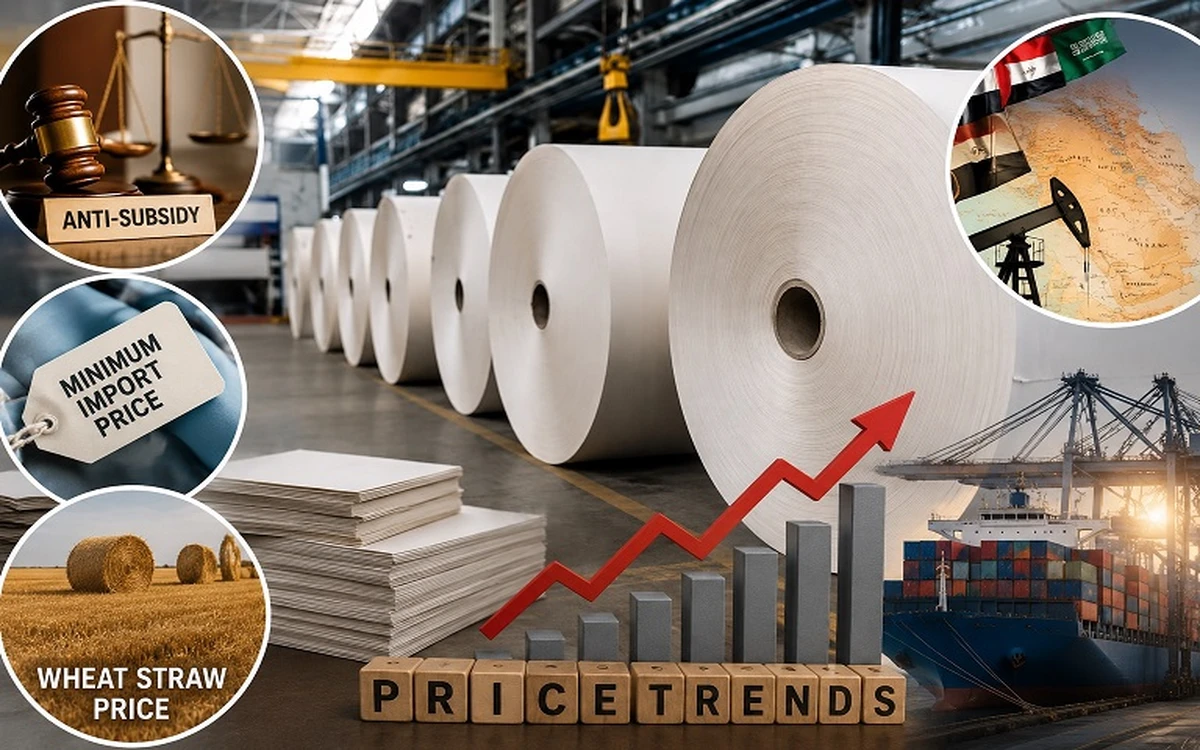
Expert Views on the paper market scenario, How the West Asia Crisis Helped the Industry, MIP for WPP, Anti-Subsidy implementation, and paper price trends
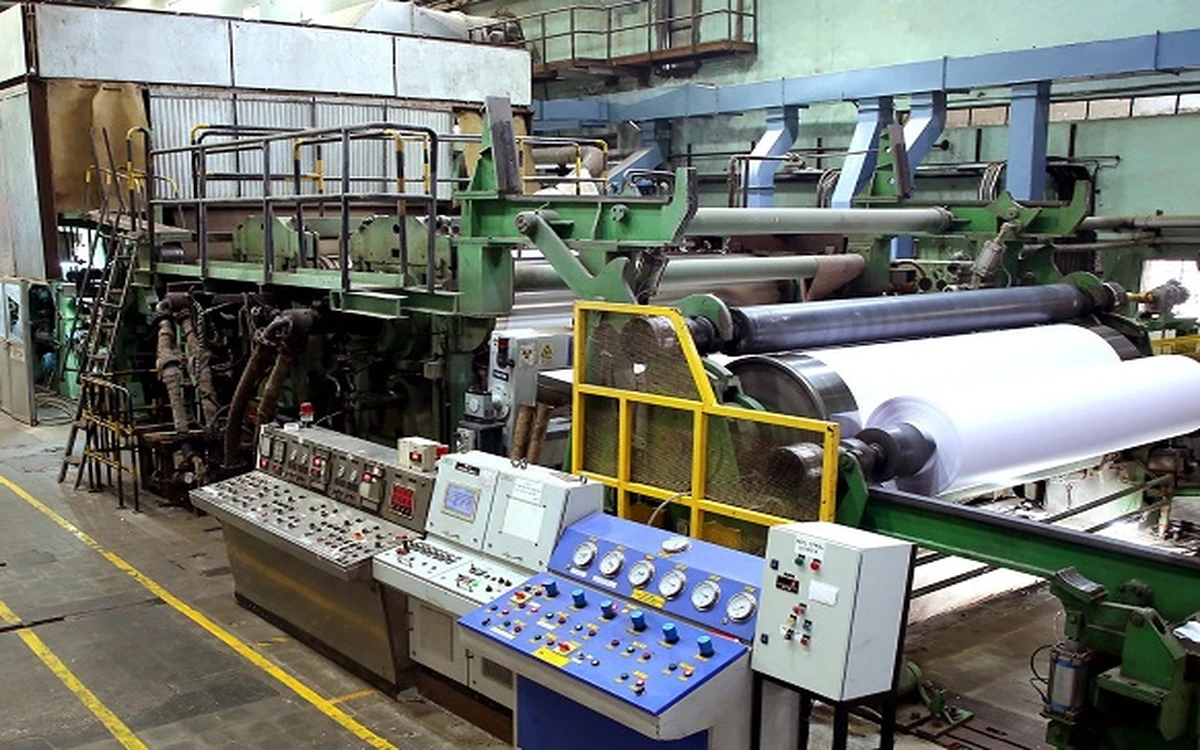
Pudumjee Paper intends to develop new varieties addressing applications for stronger paper bags and cupcakes; Plans 68,000 MT Mahad Specialty Paper Facility within 5 years
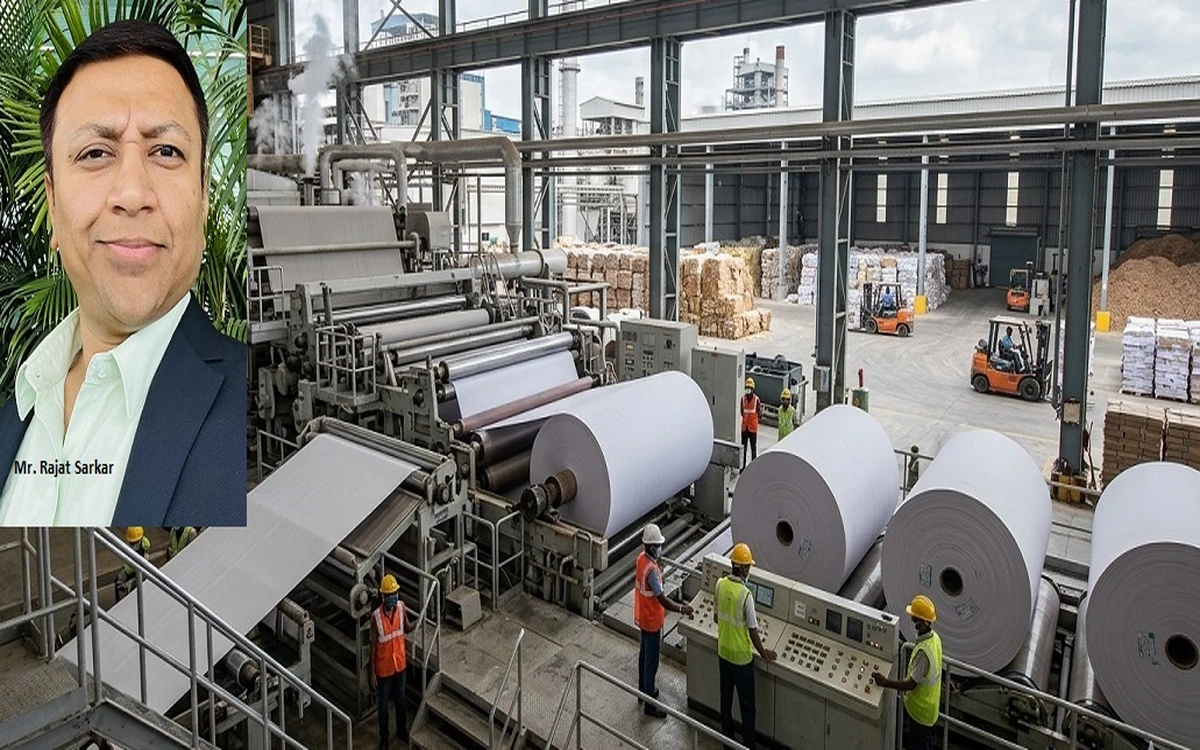
India Paper Industry at an Inflection Point: War, Costs, and Capacity; Demand growth expected at 5–7% in FY26
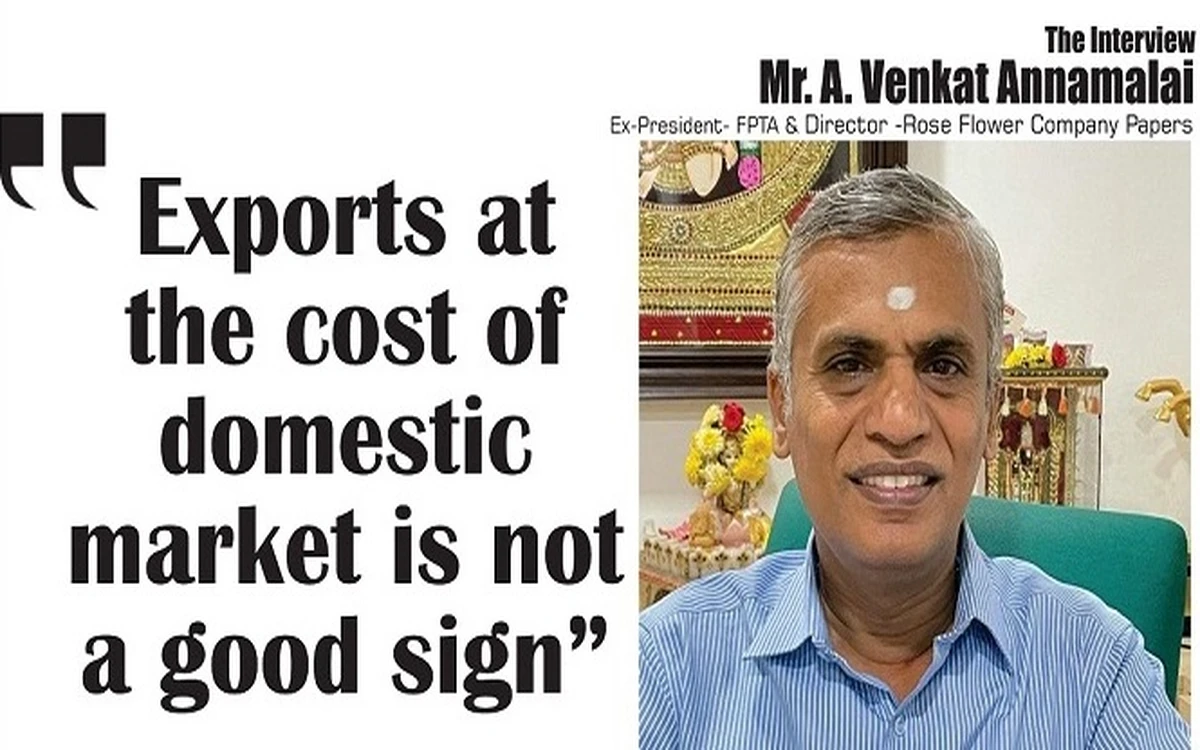
“Surging exports of paper will most certainly keep the domestic prices quite high”: Mr. A. Annamalai, Director – RFC
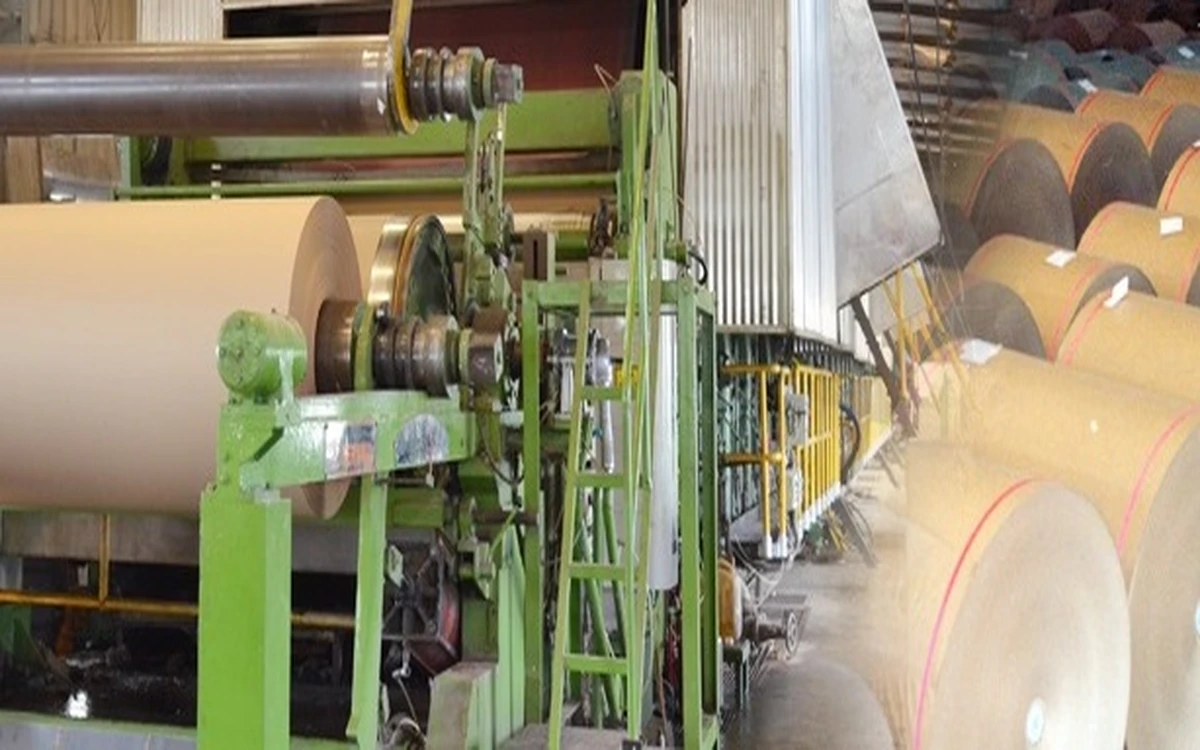
The Status of the Global Container board Industry, Recycled Paper Demand and Supply and its impact on the Indian Industry

Akshay Jain, director of Silverton Pulp & Paper, says it's time to promote agro residue as a raw material to lessen the scarcity of fibre
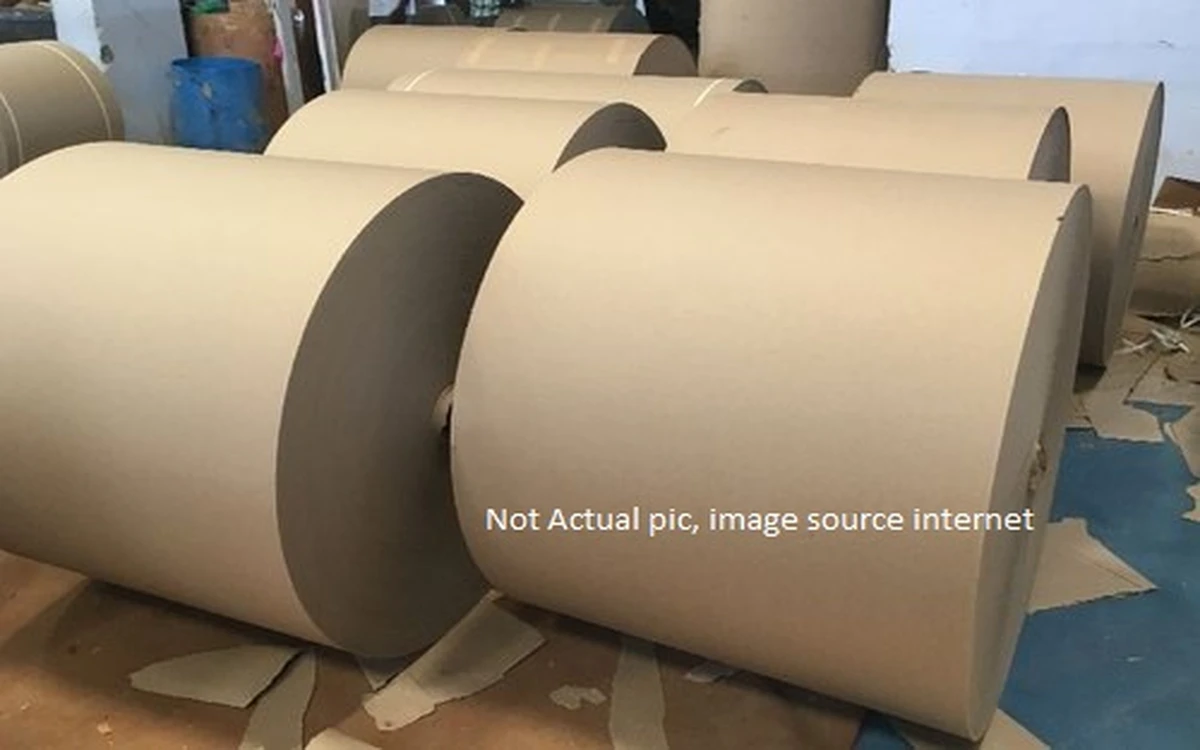
Advantageously located, a new paper mill is all set to roll kraft paper in Madhya Pradesh
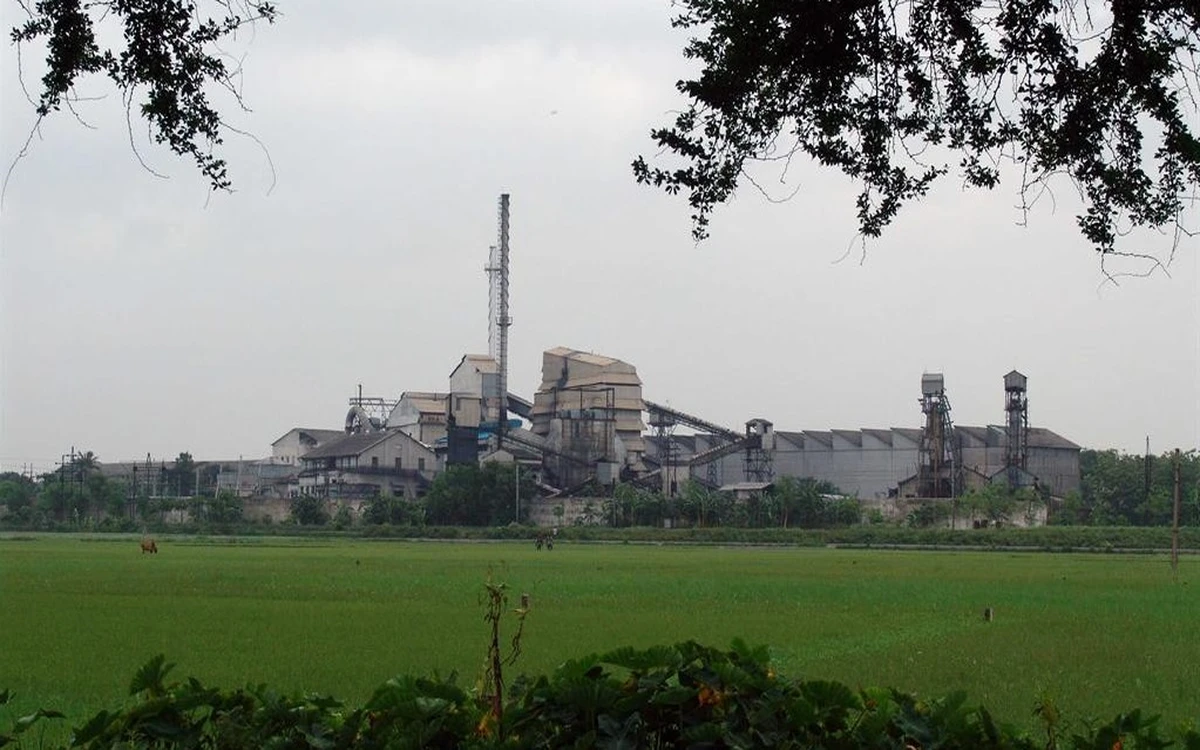
Several agile interventions helped ITC-PSPD fortify its clear leadership of the Value Added Paperboards (VAP) segment
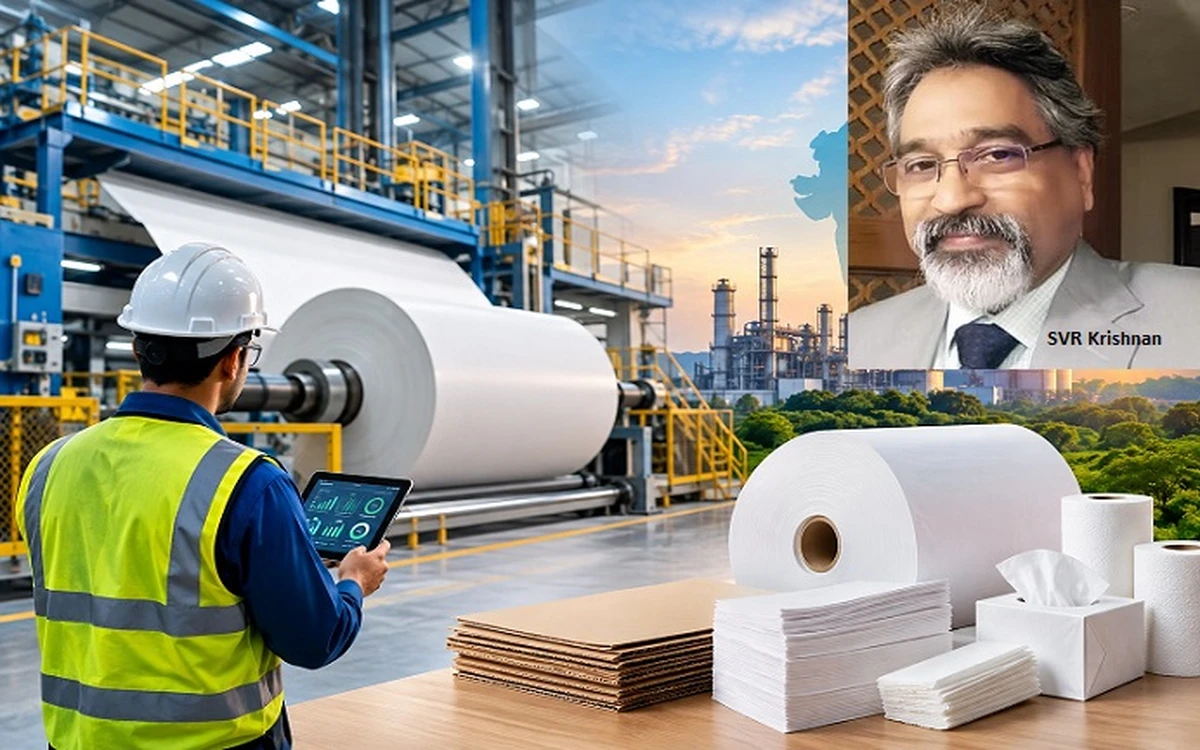
Operational Excellence, Not Just Capex, Will Drive India's Paper Industry Forward: IPPTA President
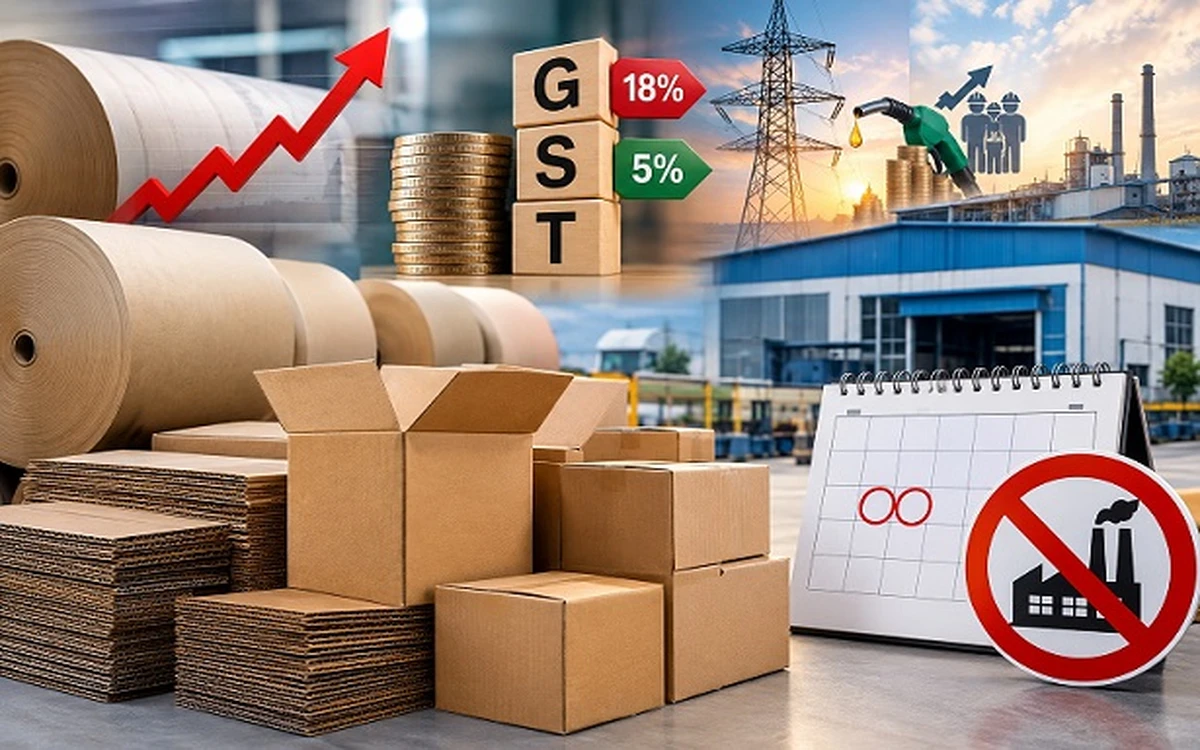
Overall Increase in Kraft Paper Prices Could Reach 35%; Industry Calls for 20% Box Price Increase, Voluntary Shutdown Proposed
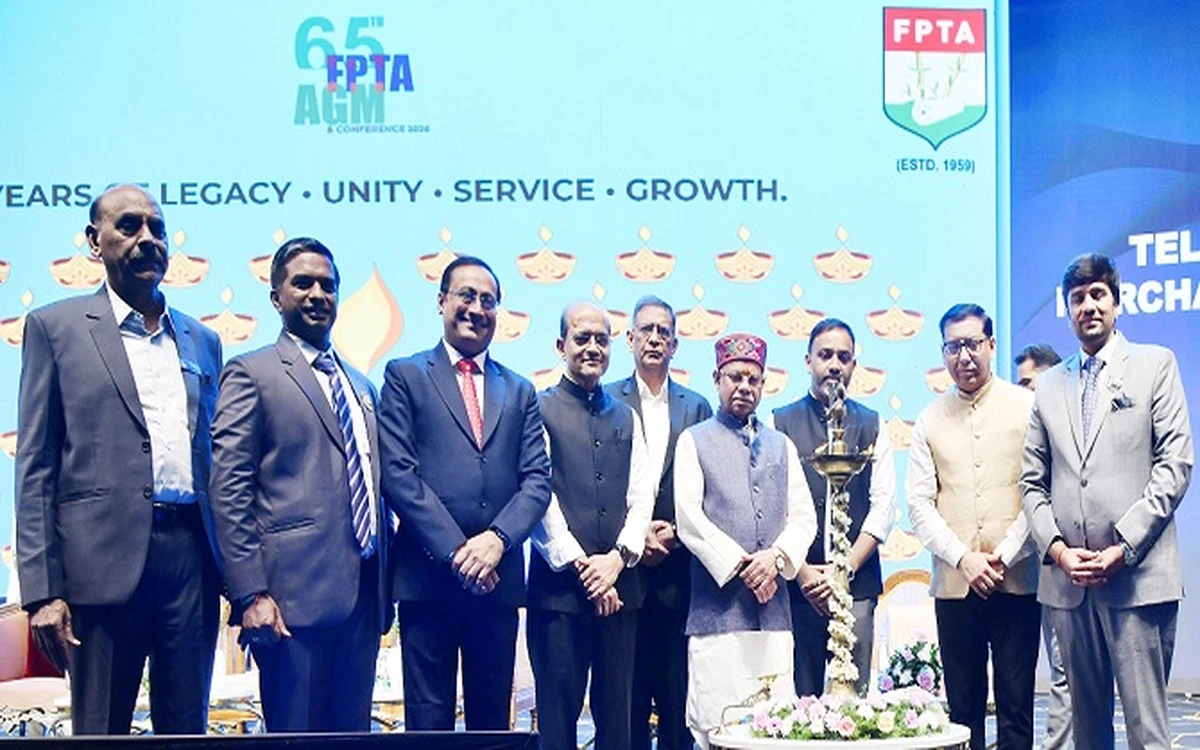
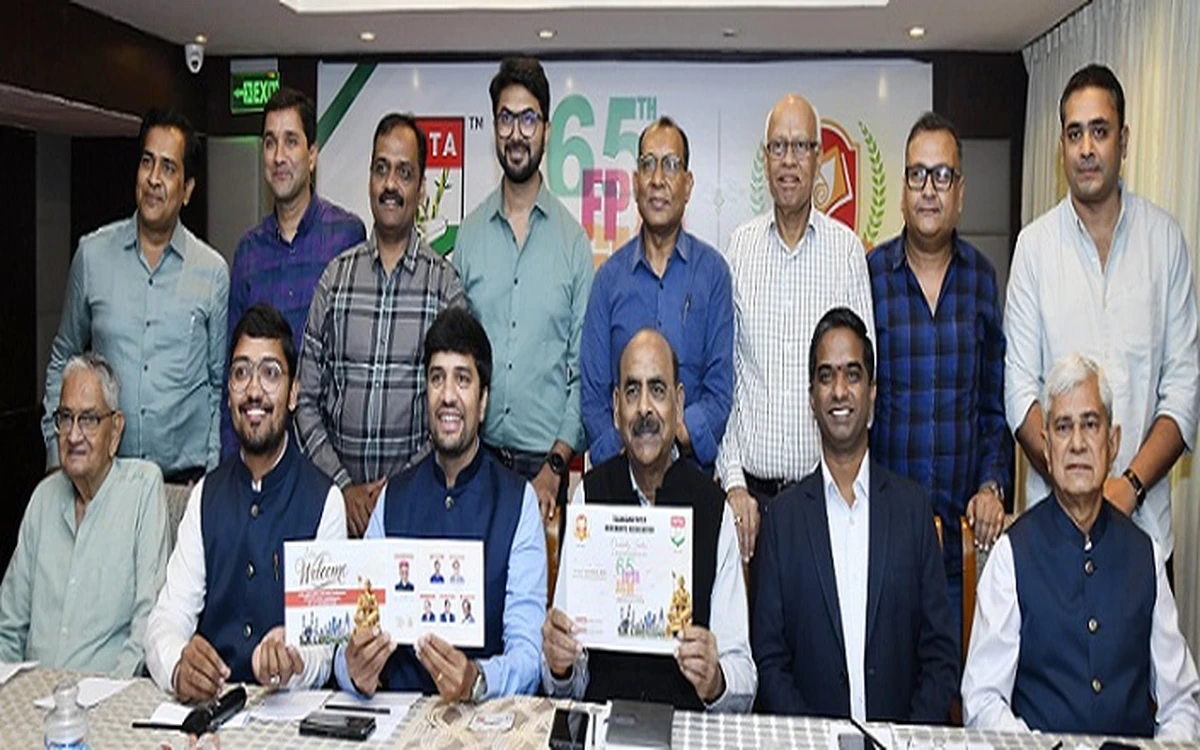
Paper Mills and Dealers Must Work Together to Create New Demand, Say Industry Leaders at FPTA’s 65th AGM
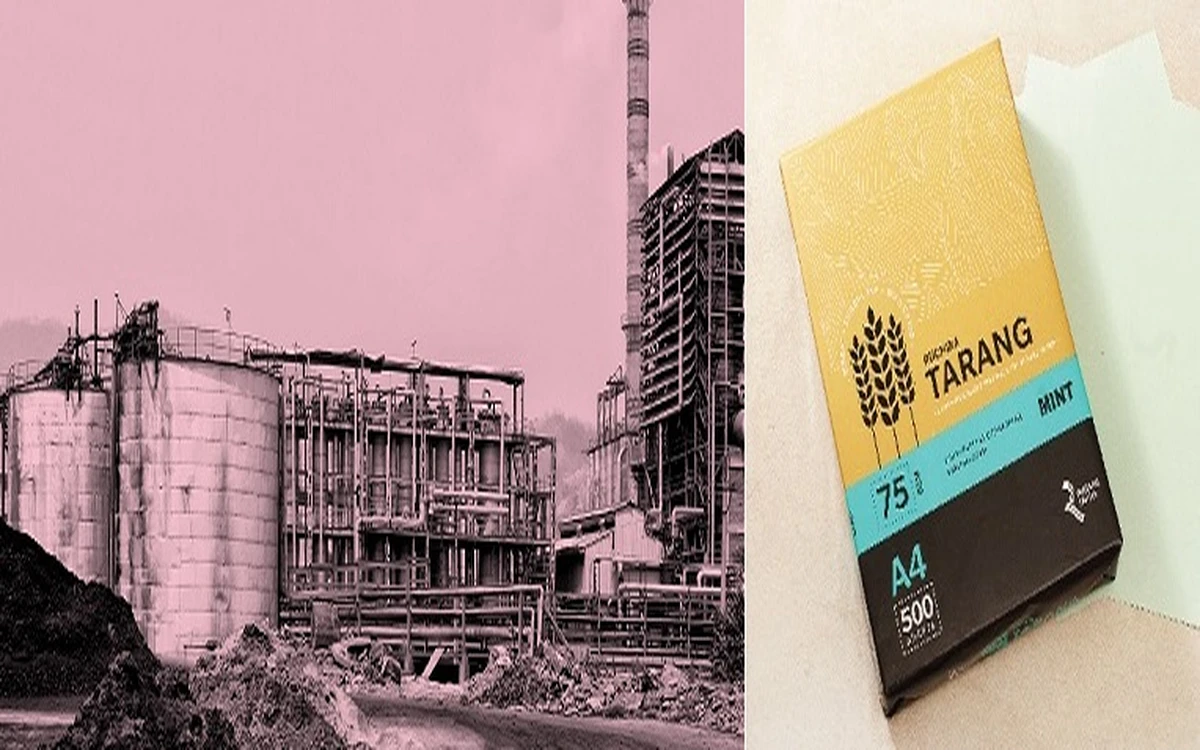
Ruchira Papers Invests a Sizeable Capex of Rs. 235–240 Crore Towards Writing & Printing Paper Capacity Expansion
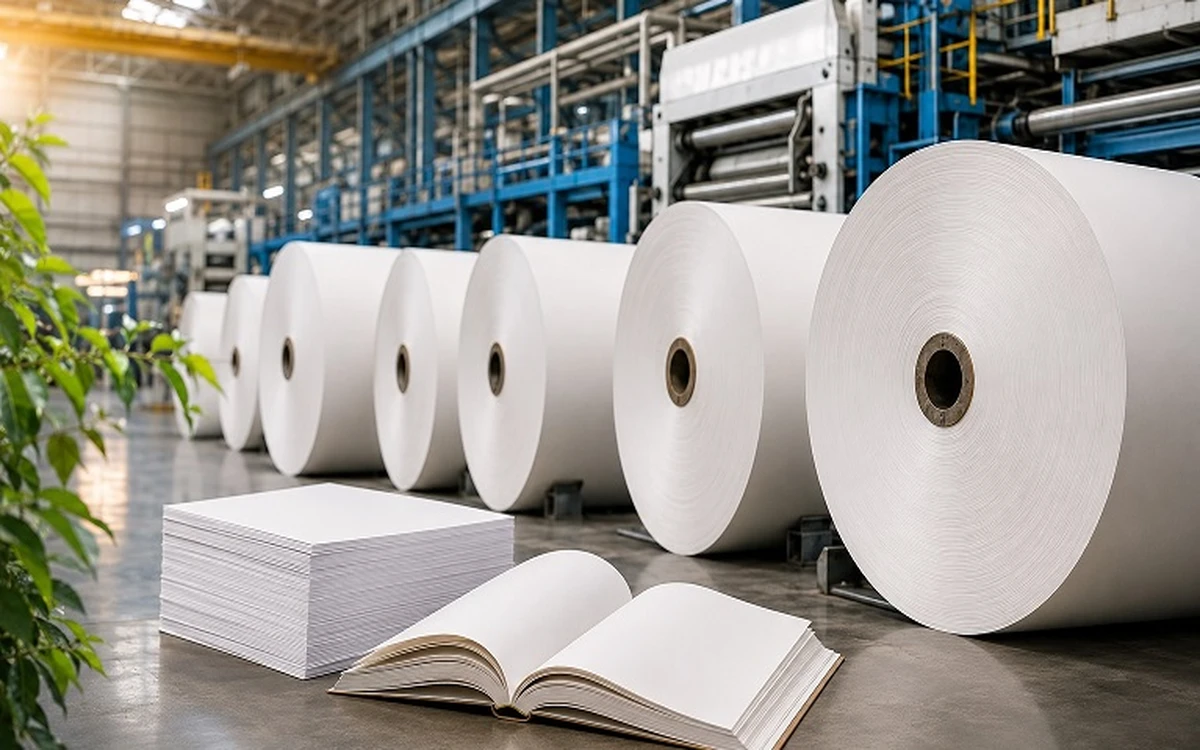
Paper mills inflated the basic ex-mill price of paper post GST 2.0, AINMA seeks action against Anti-Profiteering
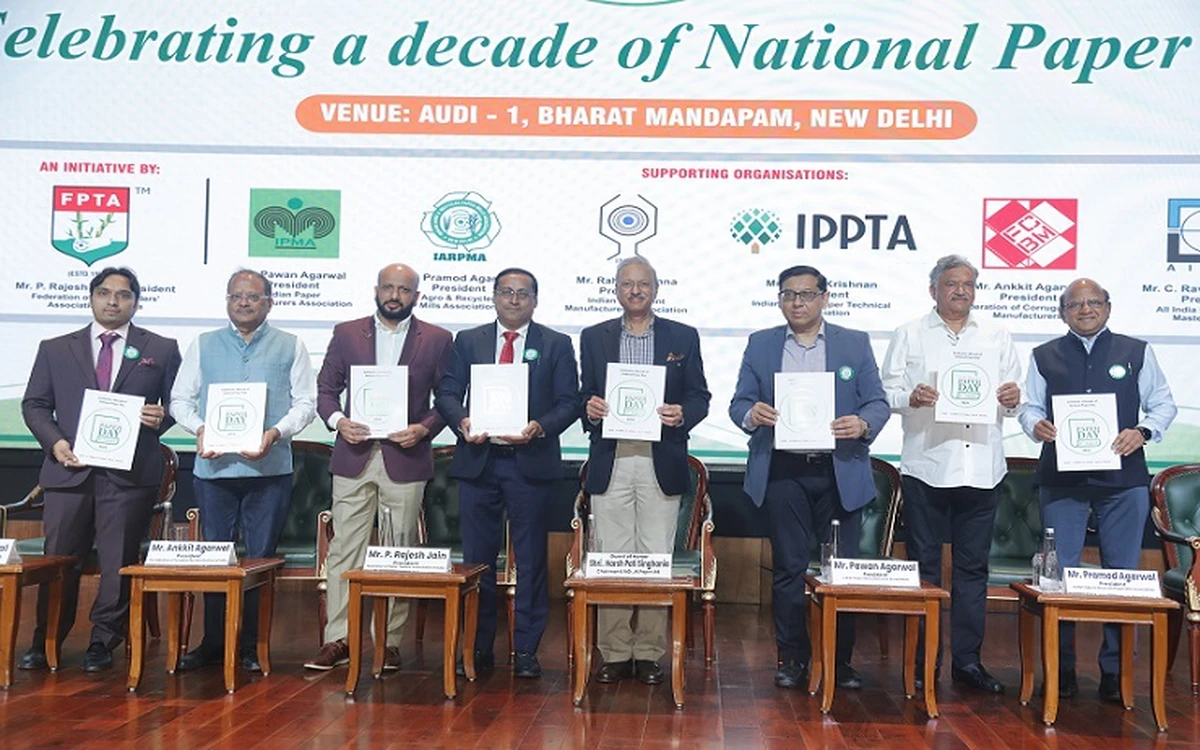
Seven Leading Associations Unite to Celebrate National Paper Day, Highlighting Paper's Sustainability and Circular Economy Advantage
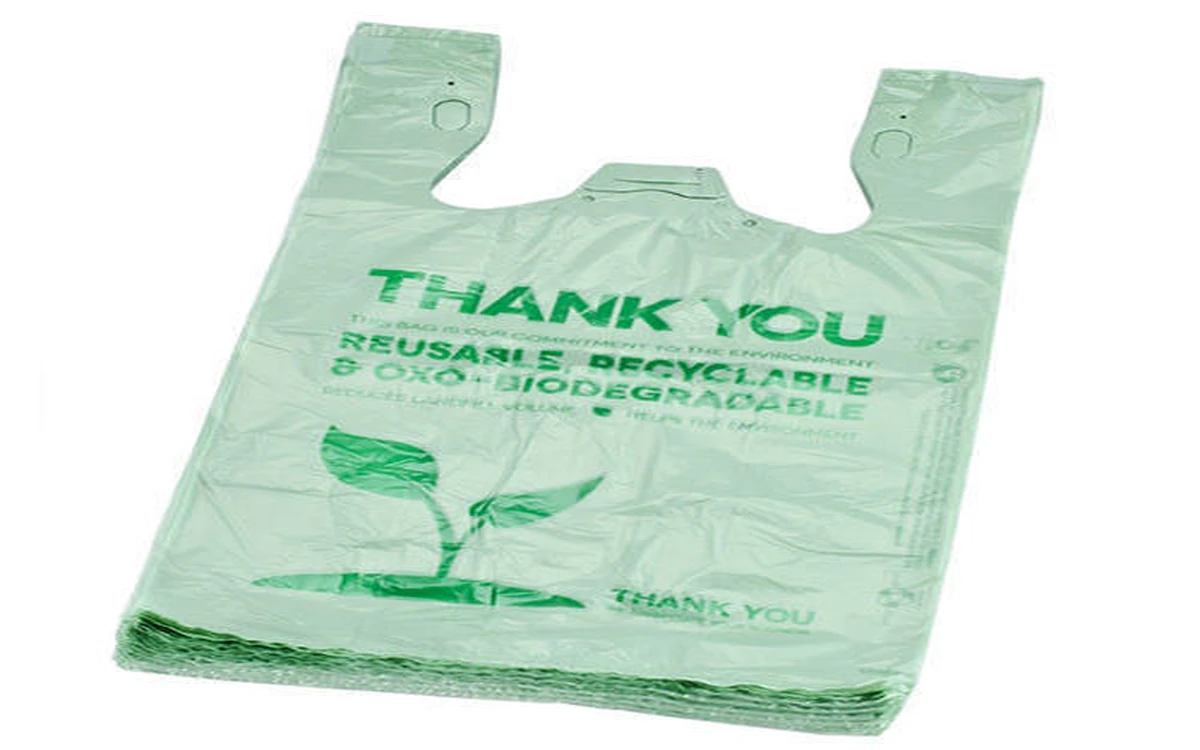
Scientists from IIT-Guwahati develop India's first biodegradable plastic

Navneet Education focuses on brand building, curriculum-led growth, and export recovery; expects stationery margins to improve in FY27

It is estimated that USD10B to USD20B worth of single-use plastic packaging will convert to molded fiber, ZUME
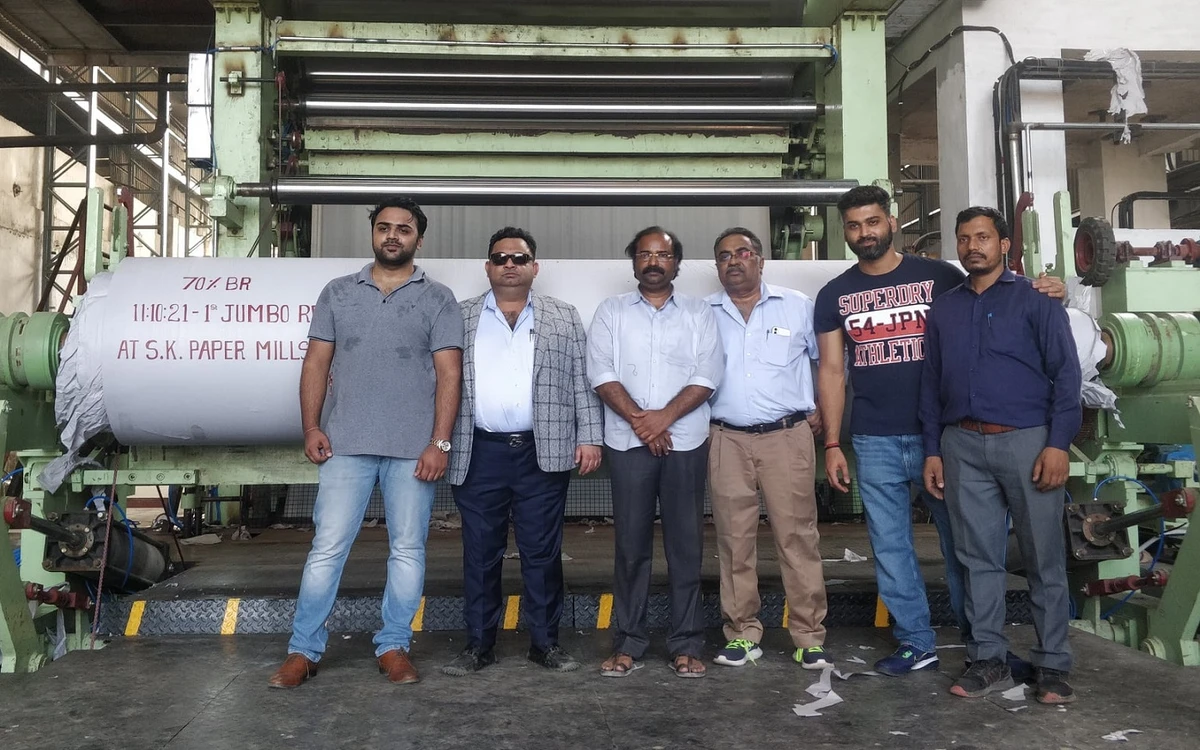
Muzaffarnagar gets a new capacity of Tissue Paper and MG Poster paper

“The integration of digitalization, automation, and Artificial Intelligence (AI) is no longer a futuristic concept—it is the baseline for competitiveness in 2036” - Vinit Garg, Director, Vizen Solutions
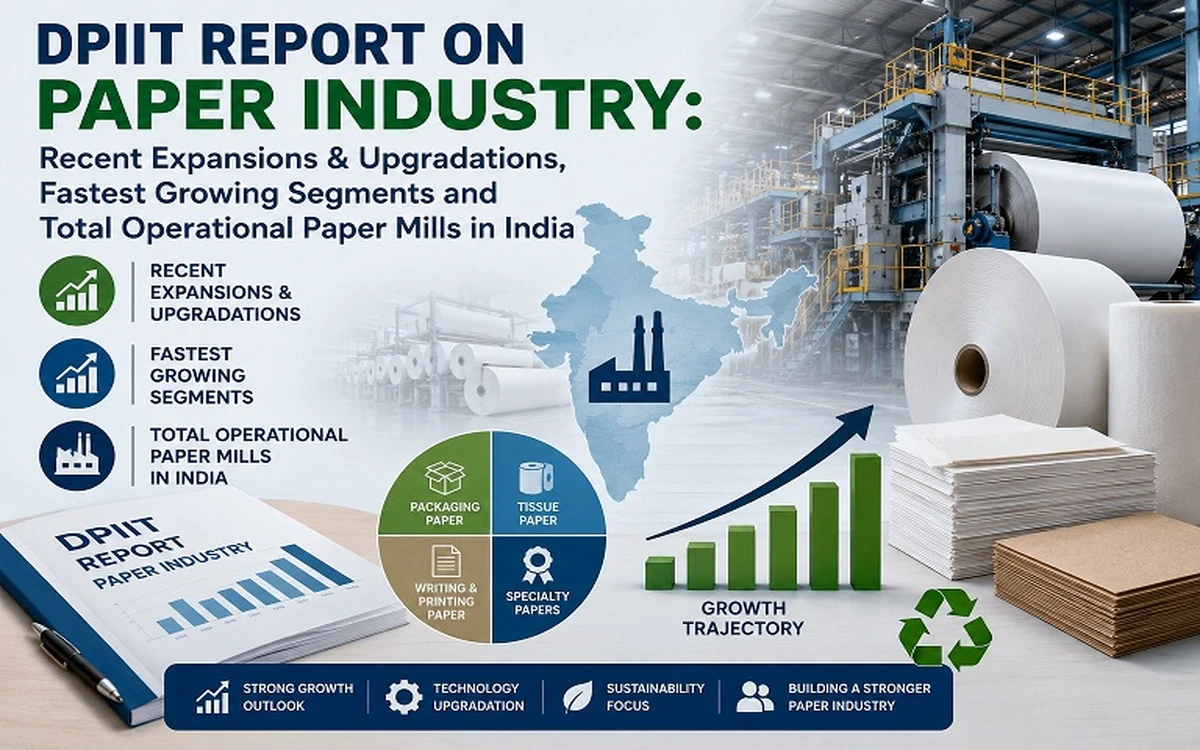
DPIIT Report on the Paper Industry: Recent Expansions & Upgrades, Fastest-Growing Segments, and Total Operational Paper Mills in India
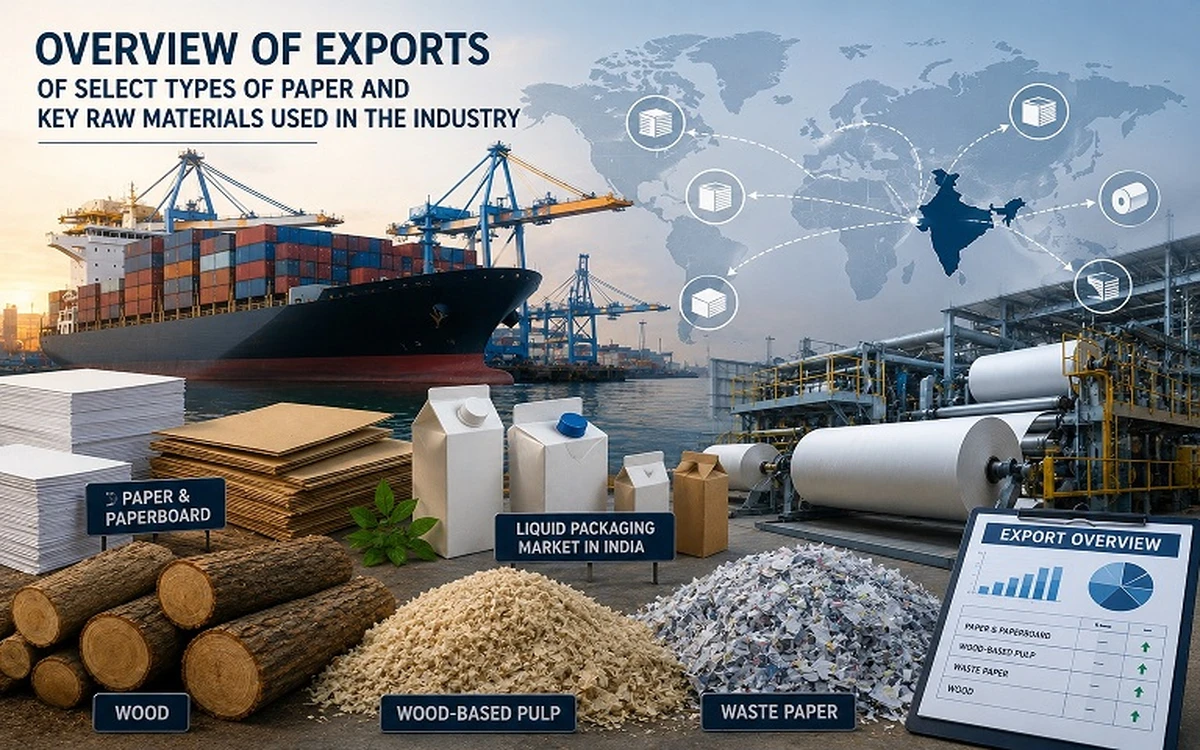
Overview of exports of select type of paper and key raw material used in the industry by Crisil Intelligence

Margin pressure pushes Pulp & Paper Packaging sector toward AI-Driven cost optimization, Cutting costs by 8–20%
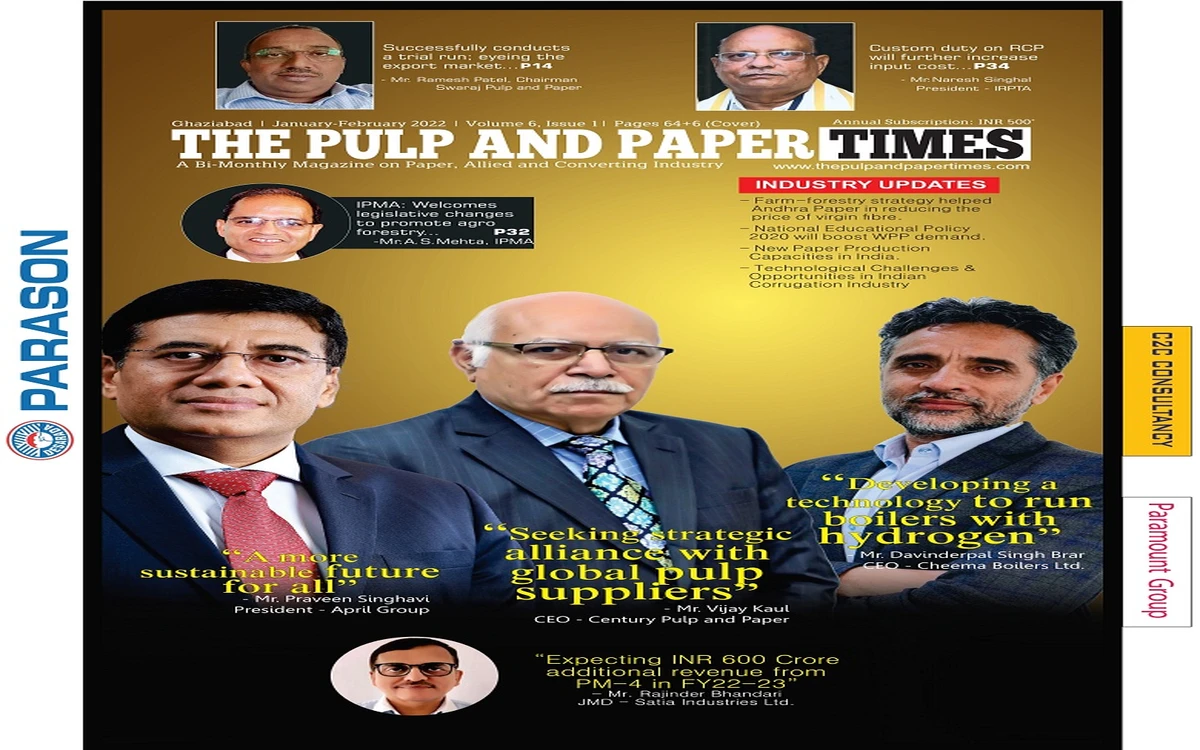
The Pulp and Paper Times Magazine : Volume 6, Issue 1
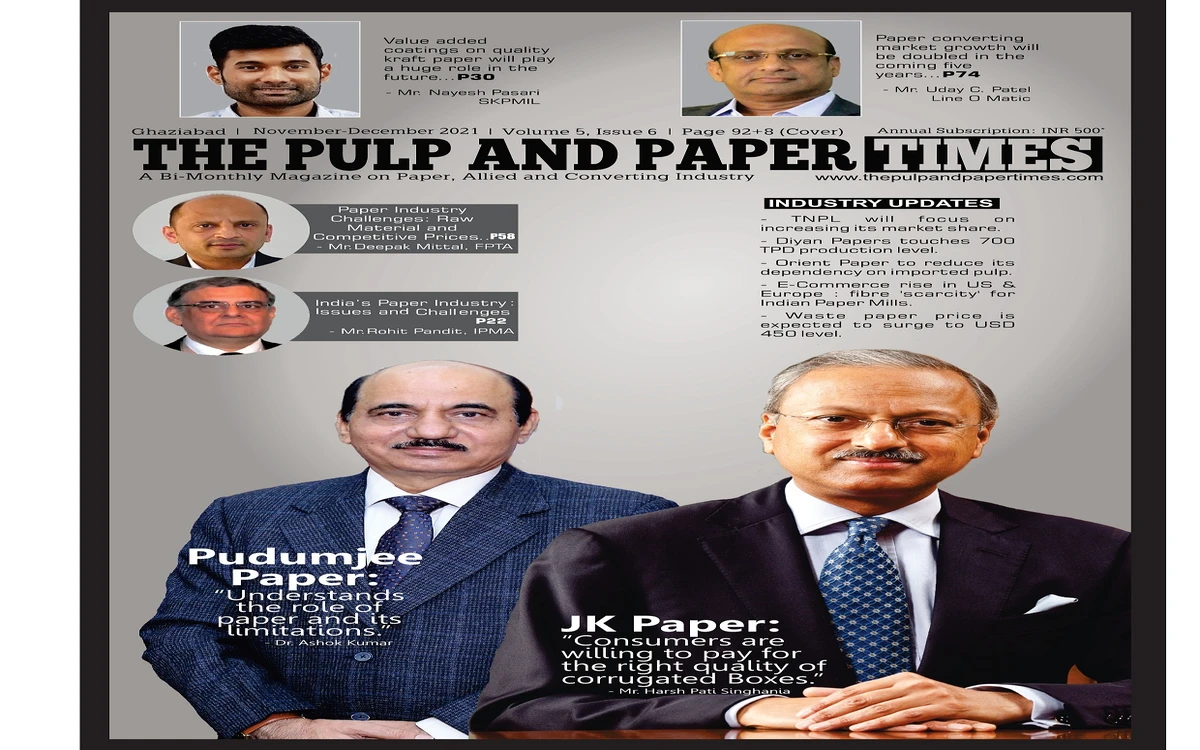
The Pulp and Paper Times Magazine : Volume 5, Issue 6
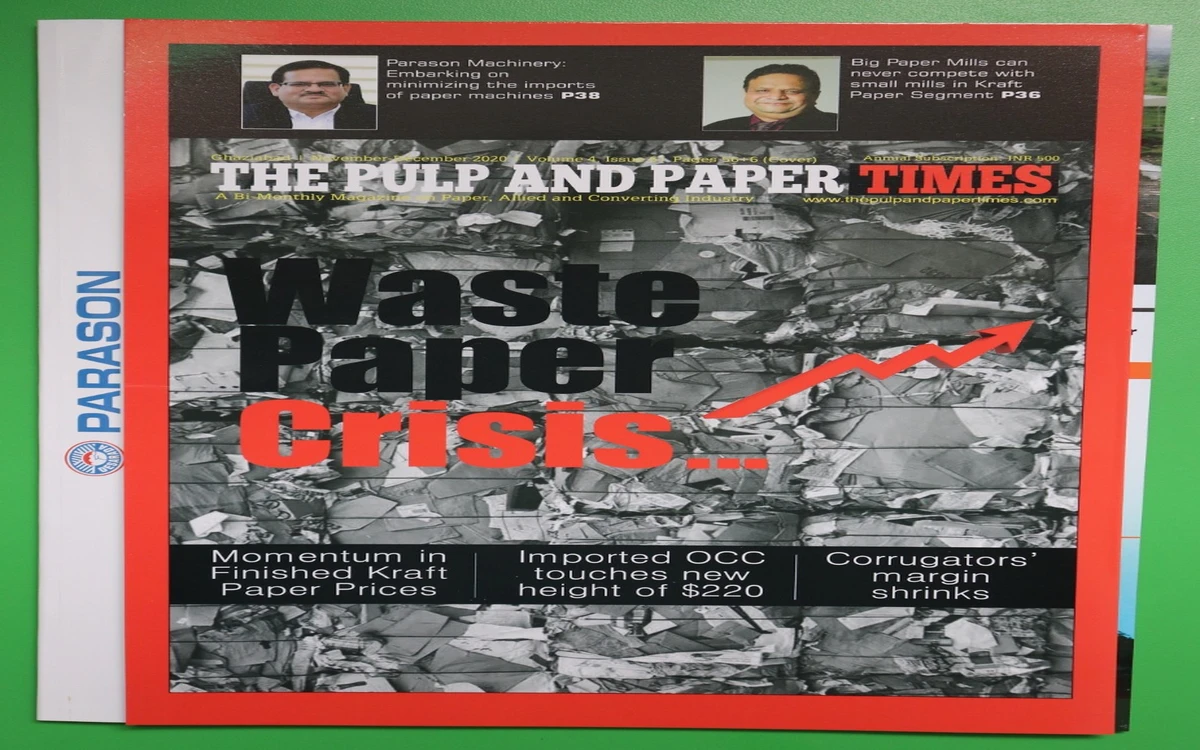
The Pulp and Paper Times: Volume 4, Issue 6
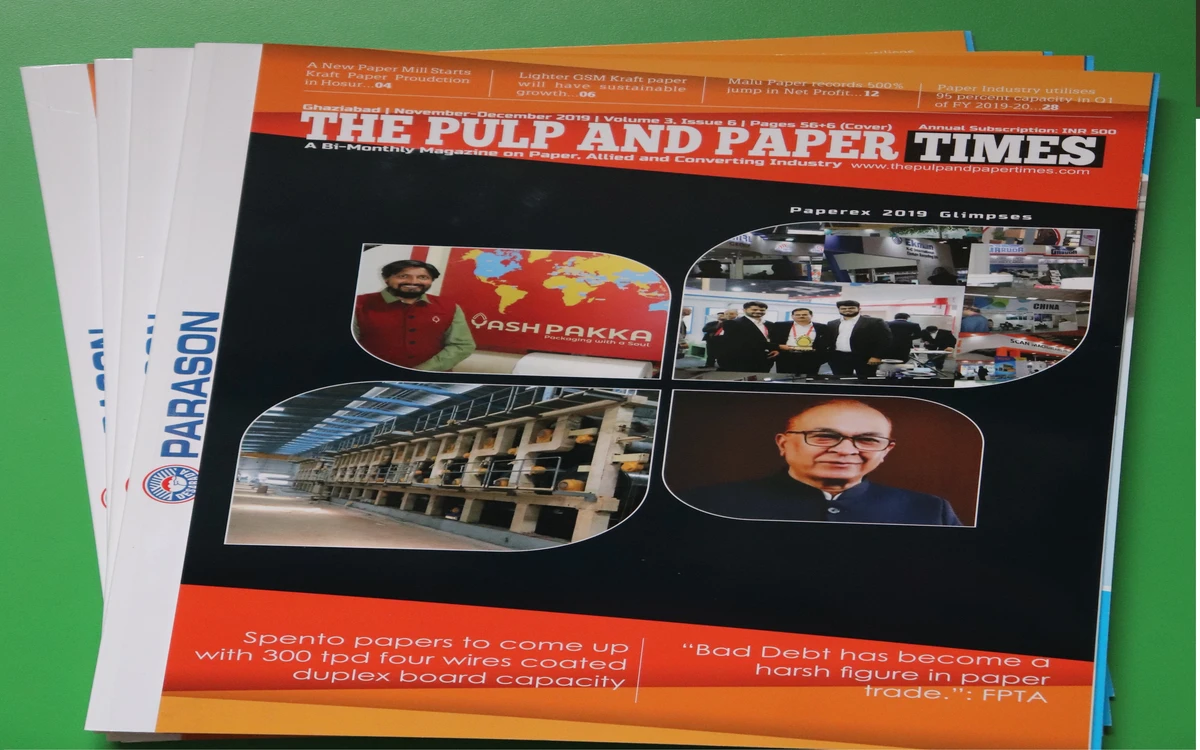
The Pulp and Paper Times : Volume 3, Issue 6
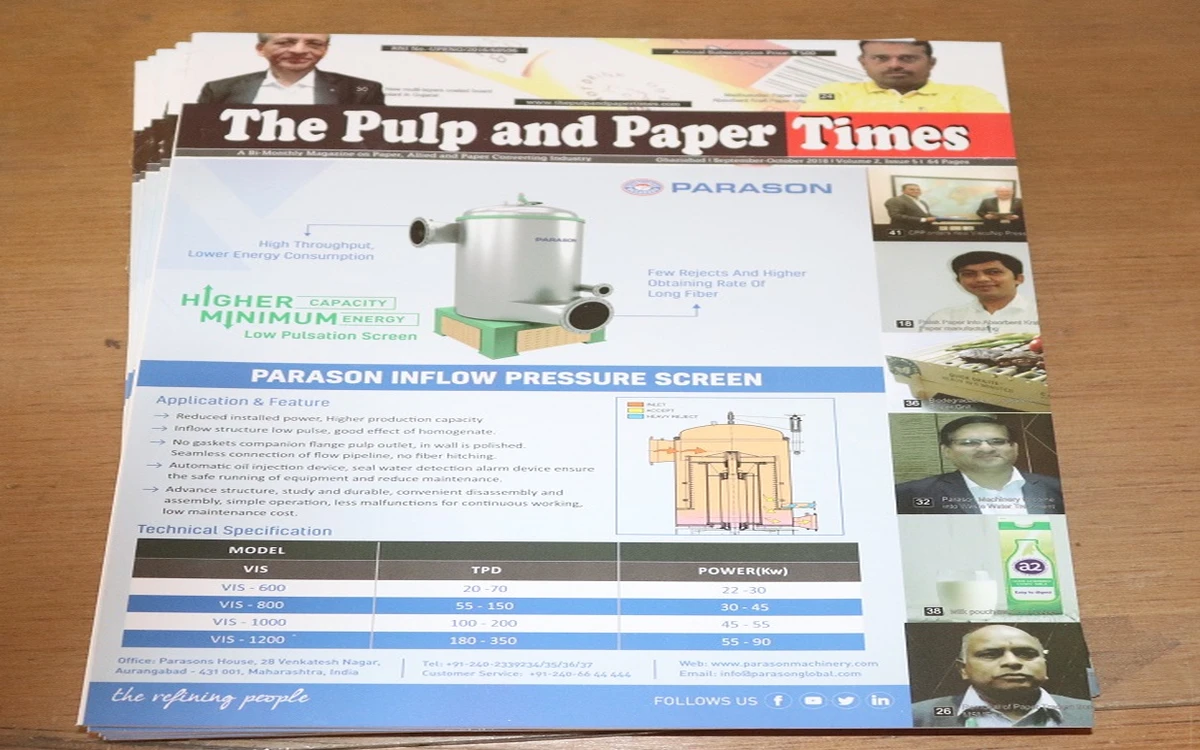
The Pulp and Paper Times: Volume 2 Issue 5
The Pulp and Paper Times, Volume 1, Issue 3
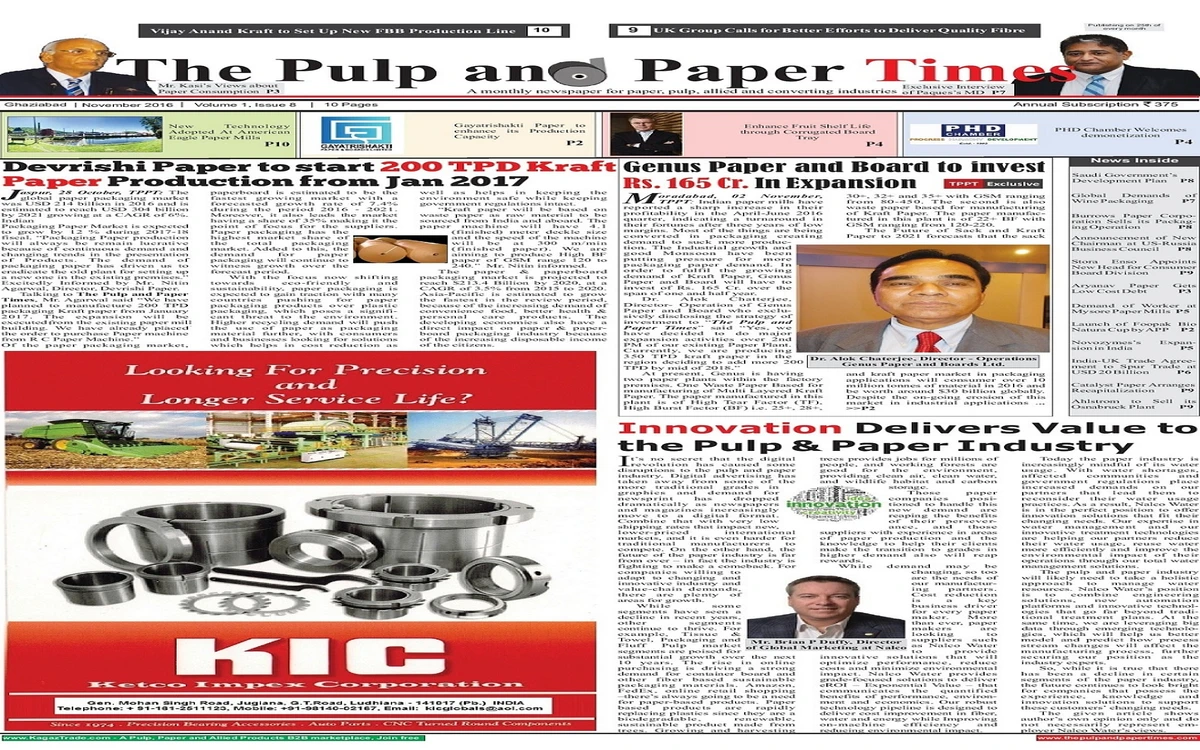
The Pulp and Paper Times, November 2016 Issue

- Satia Industries' Integrated Strength, Capacity Expansion Support Ratings; FY28 Growth Expected Despite FY26 Margin Pressure
The Pulp and Paper Times | August 7, 2026
India Ratings and Research (Ind-Ra) has affirmed the ratings on Satia Industries Limited (SIL) and continues to take a standalone view of the company for the rating review. The affirmation reflects SIL’s comfortable business profile with integrated operations, a healthy market position in the state textbook segment, operational efficiencies driving robust EBITDA margins averaging 16%-17% over the past 10-15 years, and healthy cash flow generation through industry cycles.
Although the company’s existing paper manufacturing capacities are fully utilised, Ind-Ra expects SIL’s ongoing capacity expansion to drive volume growth in FY28. According to the agency, SIL’s integrated operations, cost efficiencies, and ability to use multiple feedstocks are expected to ensure a healthy margin profile through the cycle.

However, SIL’s EBITDA margin declined to a 15-year low of around 8.5% in FY26 compared with 18% in FY25. The decline was attributed to weak realisations resulting from sustained import pressure and elevated feedstock costs that impacted profitability across the paper industry. The agency noted that the paper industry is inherently cyclical, with volatility largely driven by supply-side factors.
The weakness in paper prices was linked to competition from low-priced imports, while India’s writing and printing paper segment recorded only low-single-digit year-on-year domestic demand growth. Additionally, a sharp increase in wheat straw prices, a key raw material, due to floods in Punjab further compressed margins during FY26.

Ind-Ra noted that paper prices have recovered over the past few months, increasing from INR65/kg in December 2025 to INR71.5/kg in May 2026, and expects realisations to average higher year-on-year in FY27. Nevertheless, the agency expects SIL’s margins to remain broadly stable in FY27 because of the planned shutdown of one of its four paper machines for upgrading and higher costs of certain inputs. A significant recovery in profitability is expected from FY28, supported by higher production volumes and improved operational efficiencies following the completion of the ongoing expansion project.
The agency also expects ongoing capital expenditure for increasing paper capacity and improving operational efficiencies, along with lower EBITDA, to increase SIL’s net leverage to above 2x in FY27. However, leverage is expected to decline meaningfully in FY28 and remain within the agency’s rating sensitivity thereafter.
Integrated Operations and Strong Position in the State Textbook Segment
Ind-Ra highlighted that SIL is among India’s leading integrated manufacturers of writing and printing paper, with an operating track record of over four decades and an installed paper manufacturing capacity exceeding 200,000 tonnes per annum across multiple varieties, colours, and grades.
The company operates an integrated manufacturing facility comprising paper machines, an in-house pulp processing facility, a captive power generation plant that meets almost its entire power requirement, and a chemical recovery plant. According to the agency, while the Indian paper industry remains fragmented, only a limited number of integrated players possess a scale comparable to SIL due to high capital investment requirements, technical expertise, long gestation periods, and challenges in raw material procurement.
SIL also maintains a healthy 10%-15% market share in India's state textbook paper segment and has longstanding relationships with various state textbook corporations. The state textbook business generally delivers higher operating margins than open market sales and contributes 30%-50% of the company’s overall sales.
The company’s product portfolio serves both education and corporate sectors. During FY26, Maplitho paper accounted for 32% of total sales, followed by Snow White paper at 17%, while other products included surface size paper, copier paper, cream wove paper, and high-quality SS Maplitho paper.
SIL has also significantly reduced its dependence on imported pulp to around 5%, compared with nearly 15% a decade ago. Around 95% of its pulp requirement is met in-house through a combination of agro-based and wood-based pulp. In addition, greater utilisation of rice straw for power generation since FY24, reaching 85% in FY25 compared with 30% in FY24, has helped lower power and fuel costs.
Capacity Expansion to Support Medium-Term Growth
Ind-Ra stated that SIL continues to operate its existing paper manufacturing capacity at full utilisation, recording production volumes of 216,190 tonnes in FY26, compared with 215,520 tonnes in FY25 and 213,805 tonnes in FY24.
The company is upgrading its PM-3 paper machine over a six-month period beginning in June 2026, which will increase consolidated capacity by 18,000-20,000 tonnes per annum, representing about a 10% increase, by the end of the third quarter of FY27.
During the upgrade period, PM-3 will remain shut, resulting in temporary volume loss, although the remaining three paper machines will continue operating without interruption. The project had originally been planned for FY25-FY26 but was deferred from November 2025 to June 2026 because of prevailing market conditions and delays in the availability of machinery components.
As a result, Ind-Ra expects meaningful volume growth to materialise in FY28. The agency believes that the long-term demand outlook for paper remains stable due to under-penetration across multiple segments. Paper demand in the education sector is expected to continue growing alongside rising literacy levels in India, while the overall writing and printing paper segment is likely to register low-single-digit growth.
Alongside the PM-3 expansion, SIL is also installing a new chemical recovery boiler, now scheduled for commissioning by the end of FY29 after being deferred from the earlier target of end-2QFY28 due to changes in pulping technology. The company also plans phased investments of around INR1,300 million in a property over the next five years, having already invested approximately INR300 million during FY26.
Improved Raw Material Availability Expected to Support Margins
Despite improved wheat straw availability and better paper realisations, Ind-Ra expects EBITDA to decline marginally in FY27 because of lower production volumes during the PM-3 shutdown and reduced fixed-cost absorption. However, the agency anticipates a significant improvement in EBITDA from FY28 as higher production volumes improve fixed-cost absorption.
The report also noted that wood availability improved from the fourth quarter of FY26 onwards, leading to some easing in wood prices. Ind-Ra expects wood availability in India to improve further over the next two to three quarters as the first harvest from post-Covid plantations reaches the market. While this is likely to moderate wood prices, they are not expected to return to previous lows.
Chemical costs, which account for 18%-22% of SIL’s total cost, increased during the first quarter of FY27 due to the ongoing West Asia conflict. Ind-Ra believes that easing geopolitical tensions and improving supply chain conditions are likely to soften chemical prices over the near term.

1 days ago
Total Views : 1037
6 days ago
Total Views : 3222
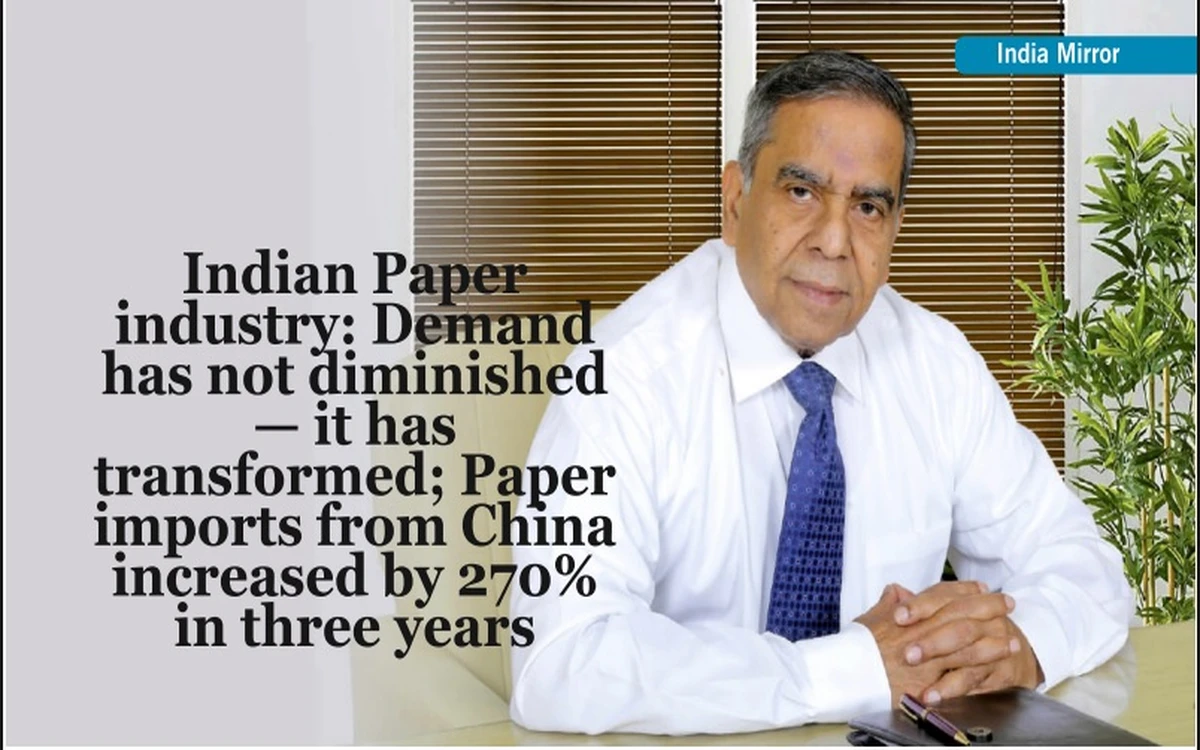
6 days ago
Total Views : 2430
last week
Total Views : 720
last week
Total Views : 3380
last week
Total Views : 3331
last week
Total Views : 6684

last week
Total Views : 1001
2 weeks ago
Total Views : 921
2 weeks ago
Total Views : 862