Join Groups & Channels, No Spamming









Morbi paper mills see full-capacity operations as ceramic industry revives; Kraft paper exports to China spike, Prices strengthen; Janmashtami shutdown ahead
The BE and caustic soda plant marks a key milestone for Mohit Paper Mills, enabling full utilization of installed capacity and enhancing overall production efficiency
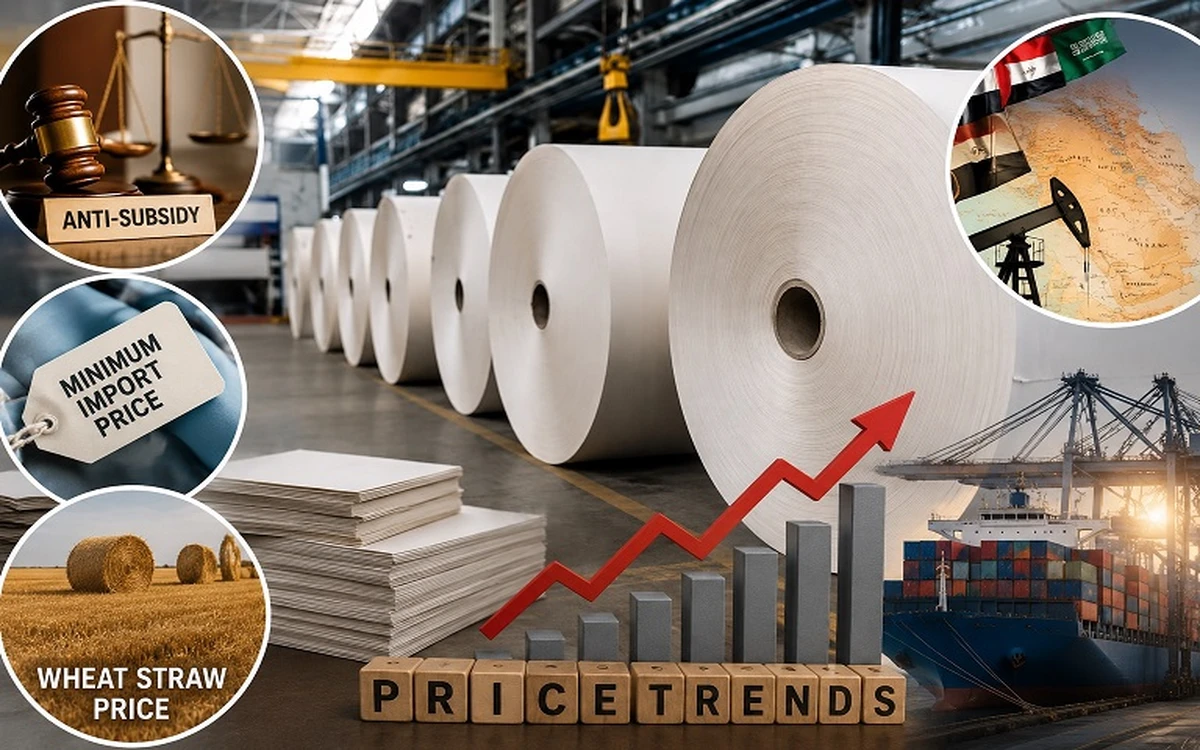
Expert Views on the paper market scenario, How the West Asia Crisis Helped the Industry, MIP for WPP, Anti-Subsidy implementation, and paper price trends
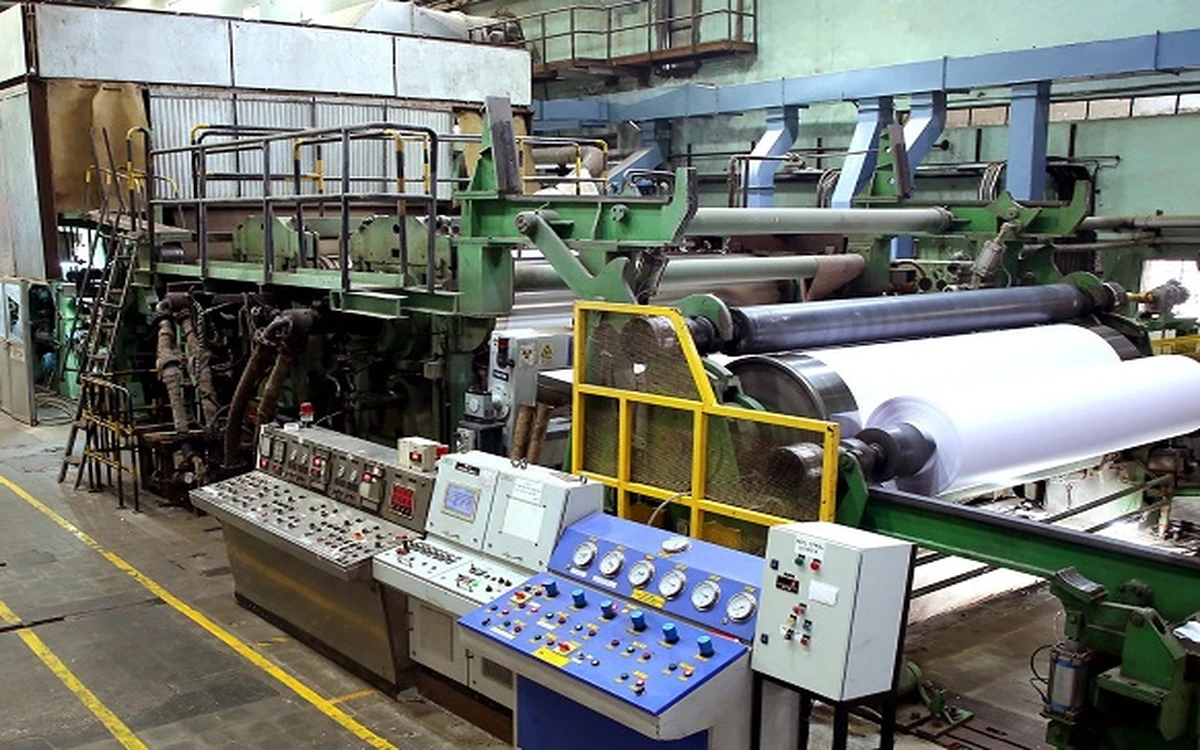
Pudumjee Paper intends to develop new varieties addressing applications for stronger paper bags and cupcakes; Plans 68,000 MT Mahad Specialty Paper Facility within 5 years
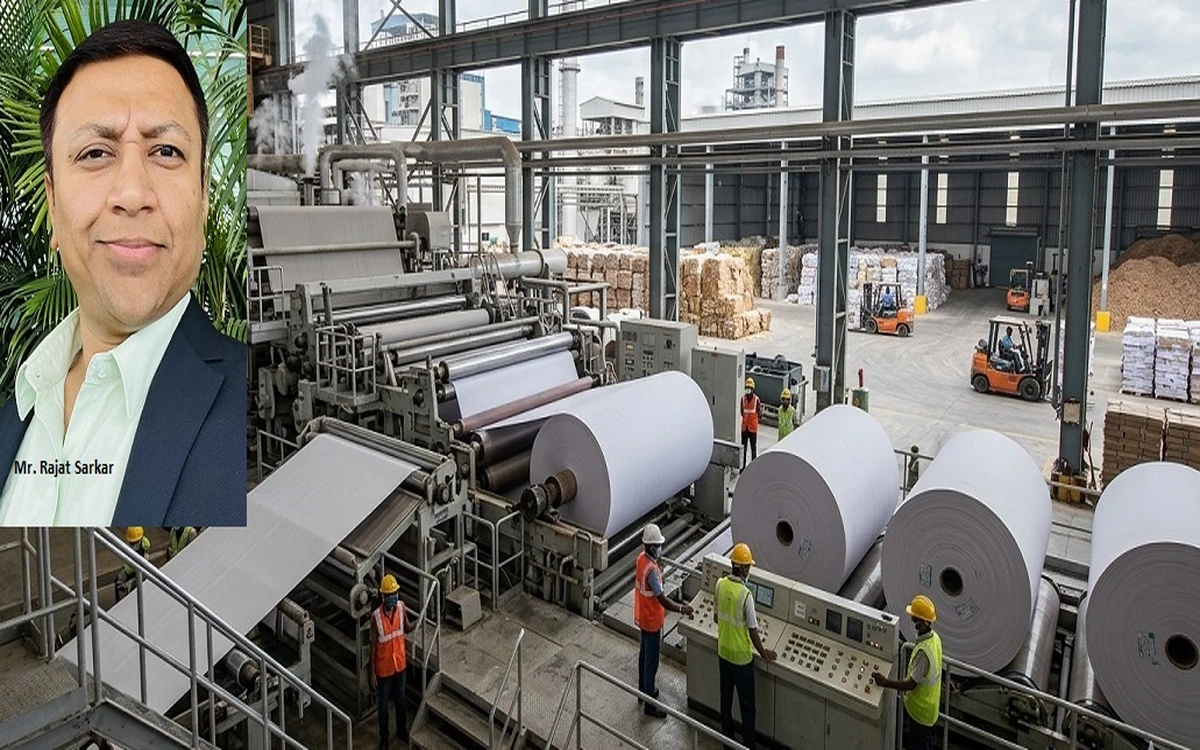
India Paper Industry at an Inflection Point: War, Costs, and Capacity; Demand growth expected at 5–7% in FY26
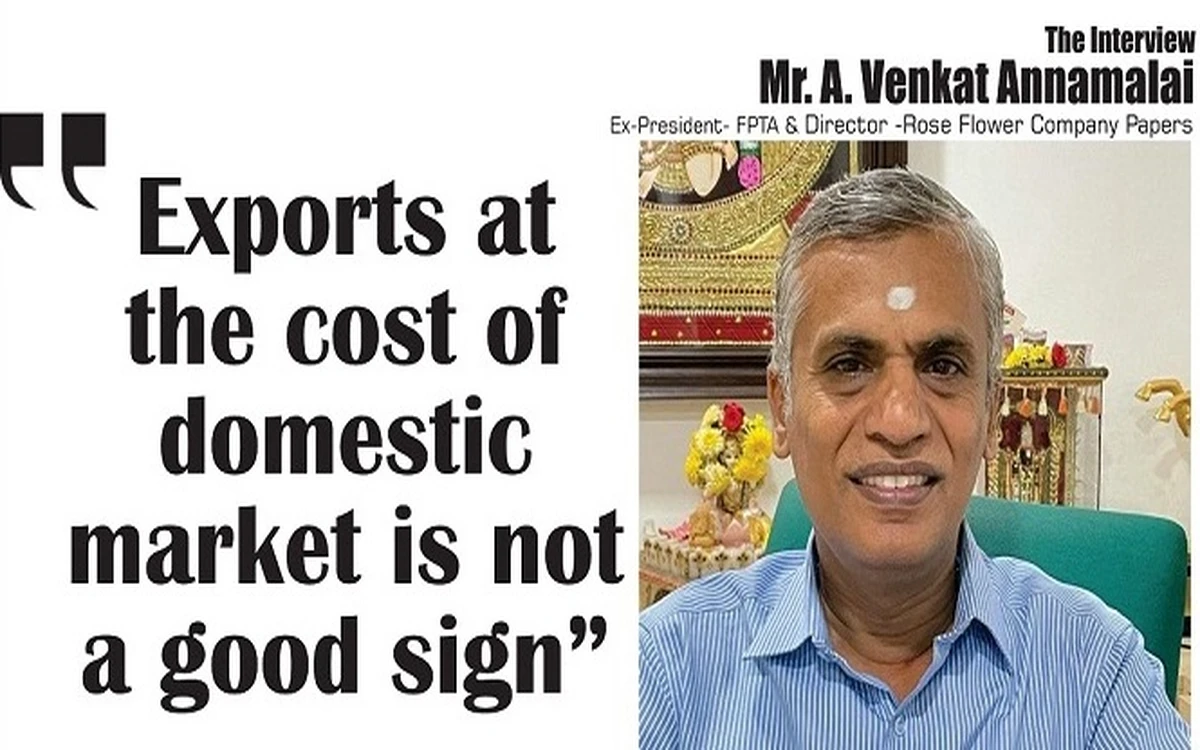
“Surging exports of paper will most certainly keep the domestic prices quite high”: Mr. A. Annamalai, Director – RFC
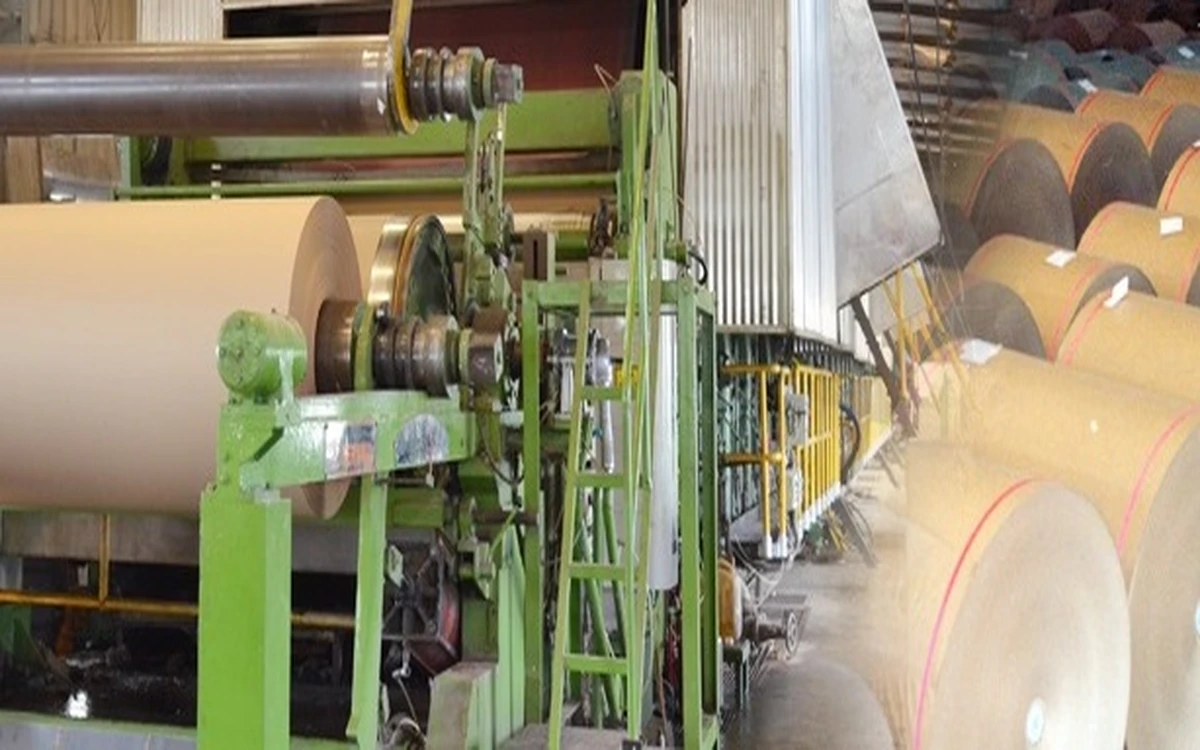
The Status of the Global Container board Industry, Recycled Paper Demand and Supply and its impact on the Indian Industry

Akshay Jain, director of Silverton Pulp & Paper, says it's time to promote agro residue as a raw material to lessen the scarcity of fibre
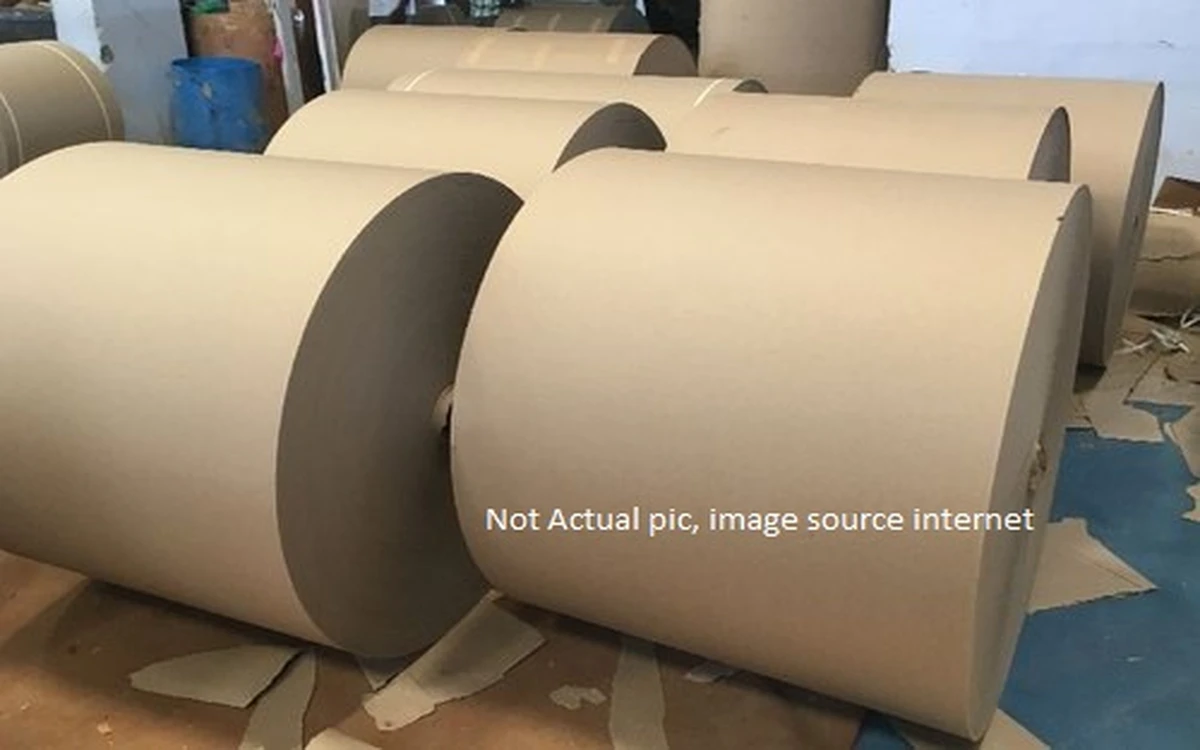
Advantageously located, a new paper mill is all set to roll kraft paper in Madhya Pradesh
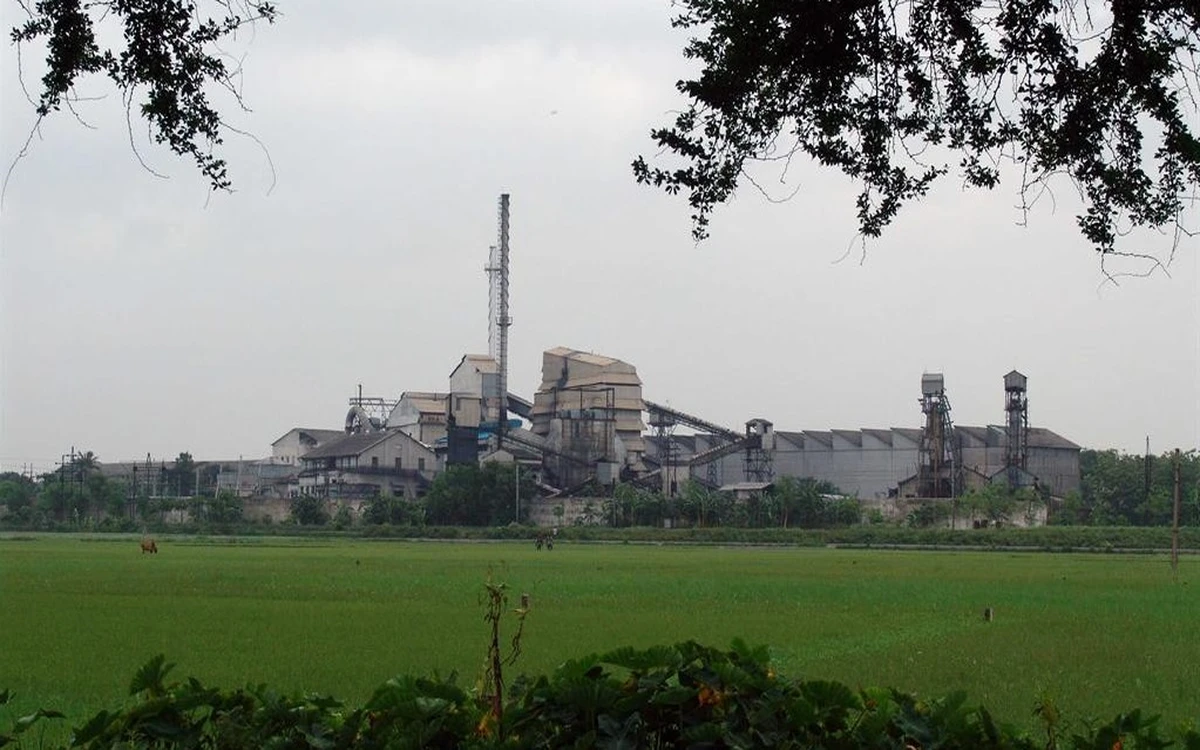
Several agile interventions helped ITC-PSPD fortify its clear leadership of the Value Added Paperboards (VAP) segment
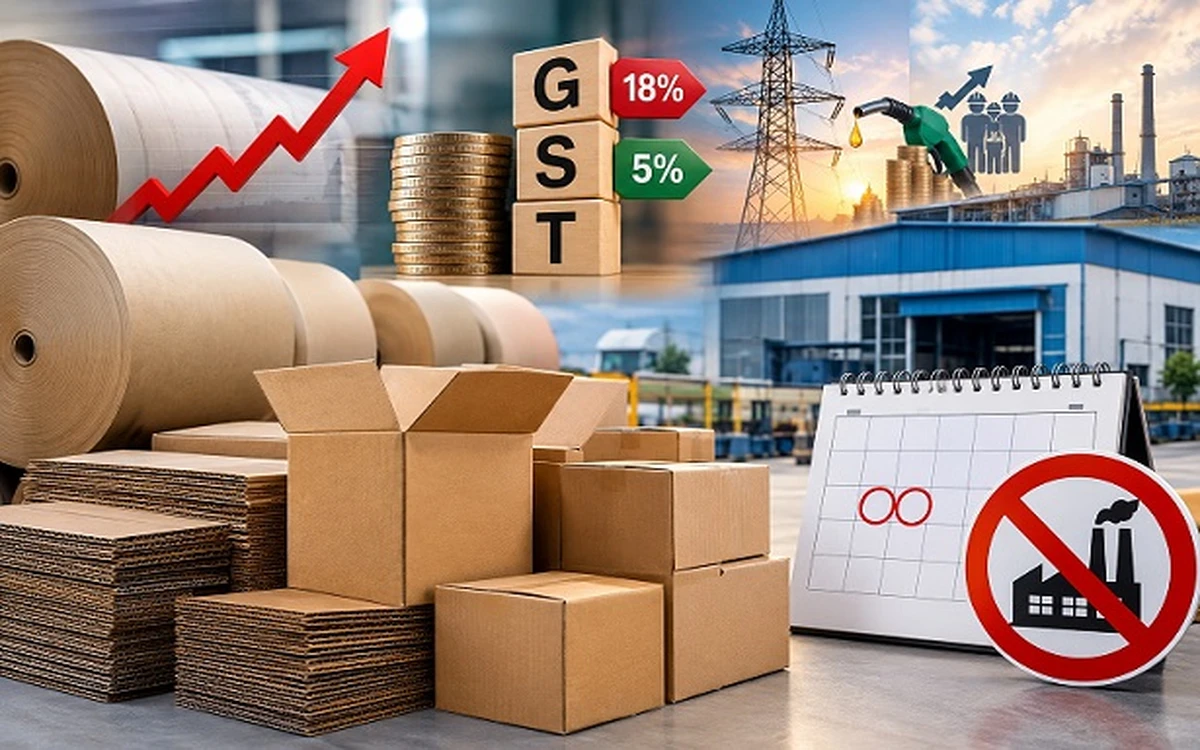
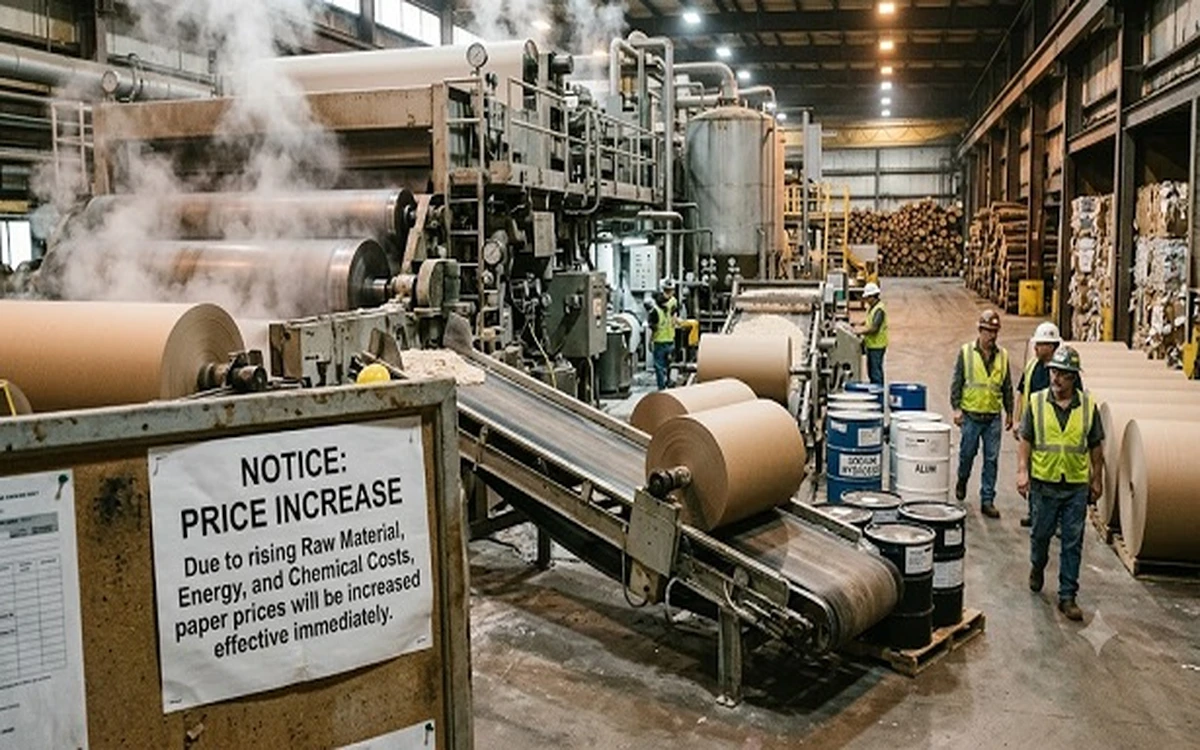
Overall Increase in Kraft Paper Prices Could Reach 35%; Industry Calls for 20% Box Price Increase, Voluntary Shutdown Proposed
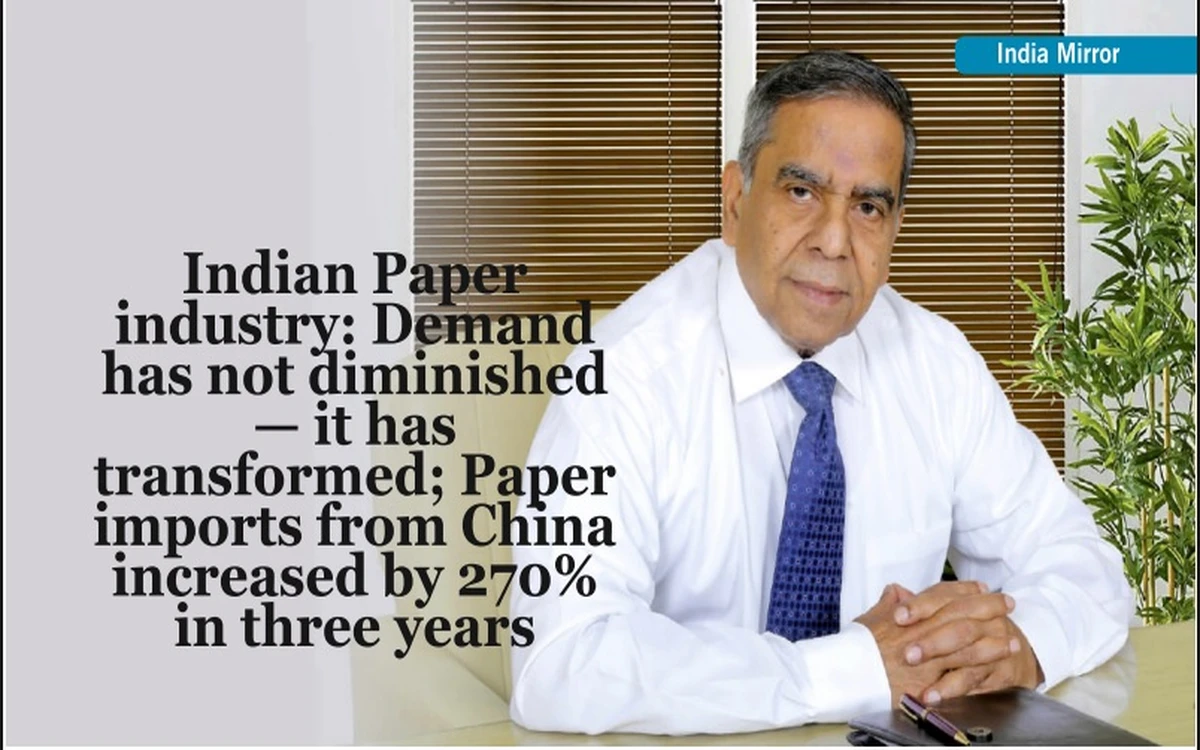
Indian Paper industry: Demand has not diminished — it has transformed; Paper imports from China increased by 270% in three years
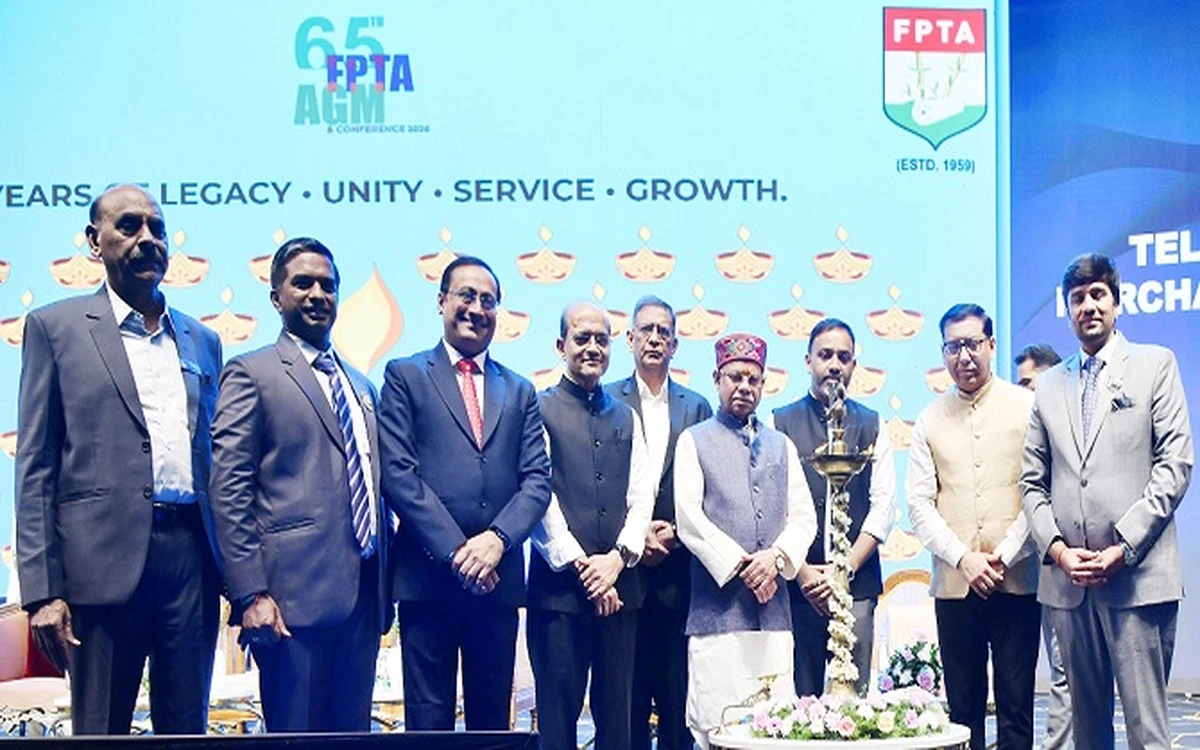
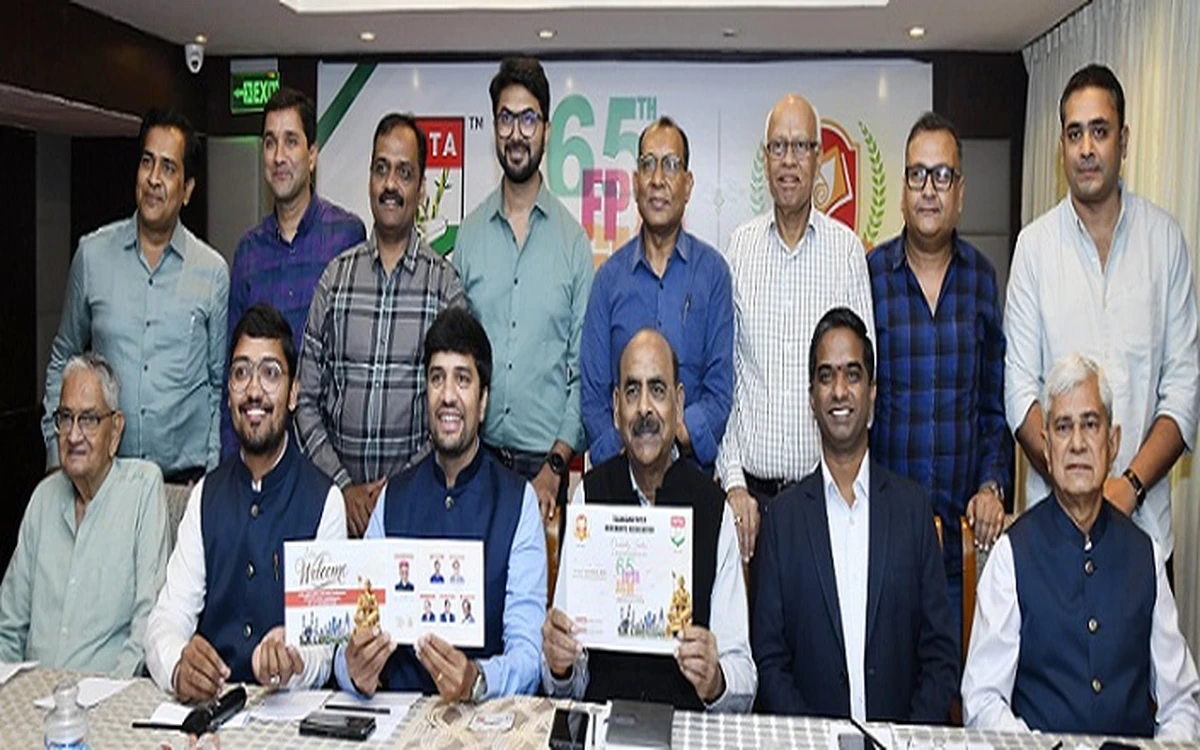
Paper Mills and Dealers Must Work Together to Create New Demand, Say Industry Leaders at FPTA’s 65th AGM
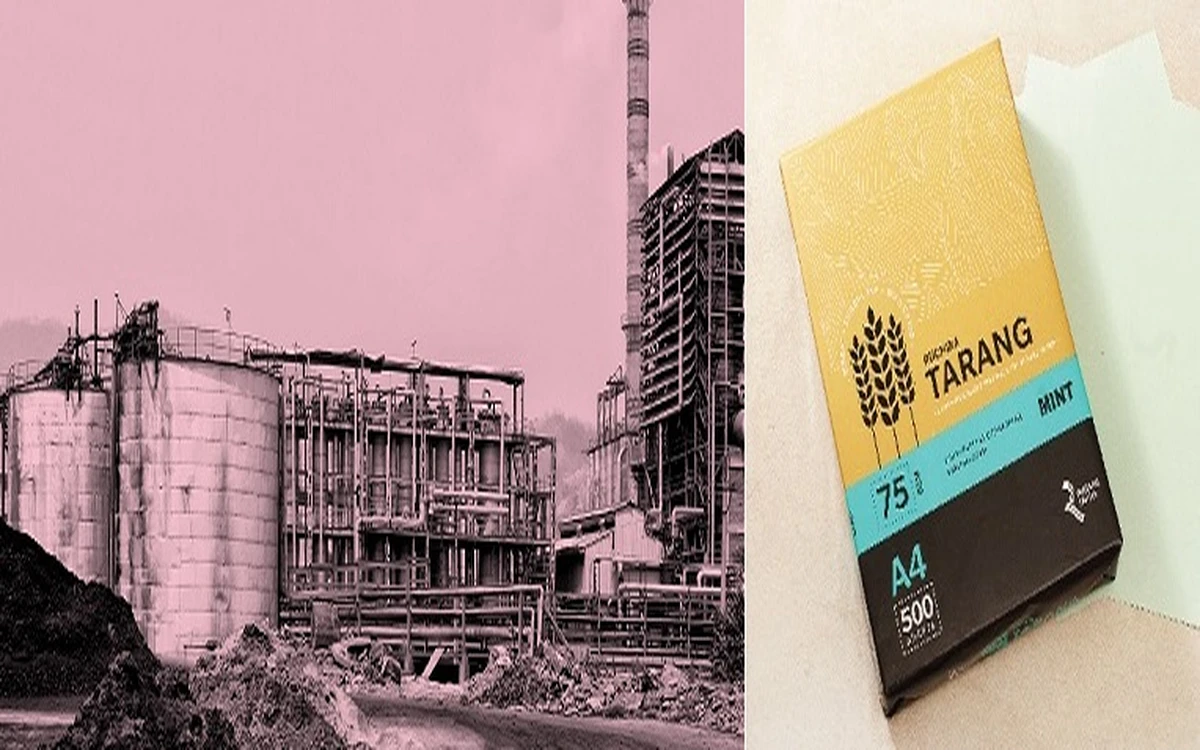
Ruchira Papers Invests a Sizeable Capex of Rs. 235–240 Crore Towards Writing & Printing Paper Capacity Expansion
Paper mills inflated the basic ex-mill price of paper post GST 2.0, AINMA seeks action against Anti-Profiteering
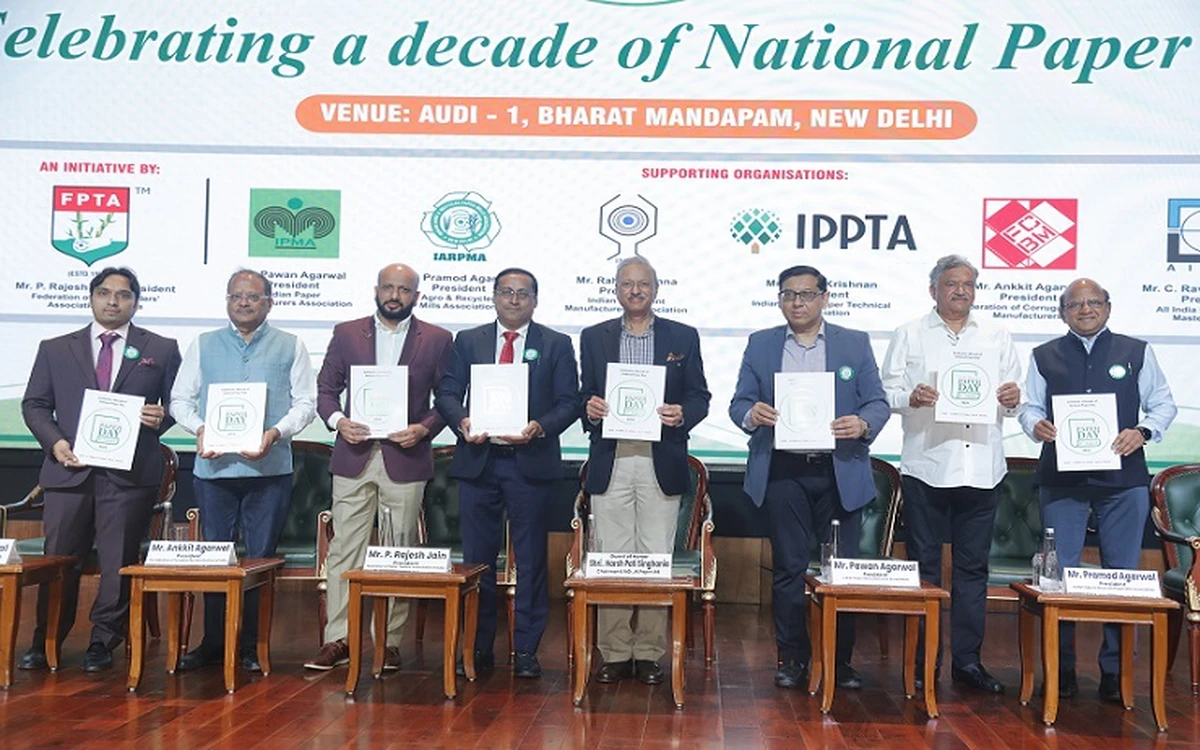
Seven Leading Associations Unite to Celebrate National Paper Day, Highlighting Paper's Sustainability and Circular Economy Advantage
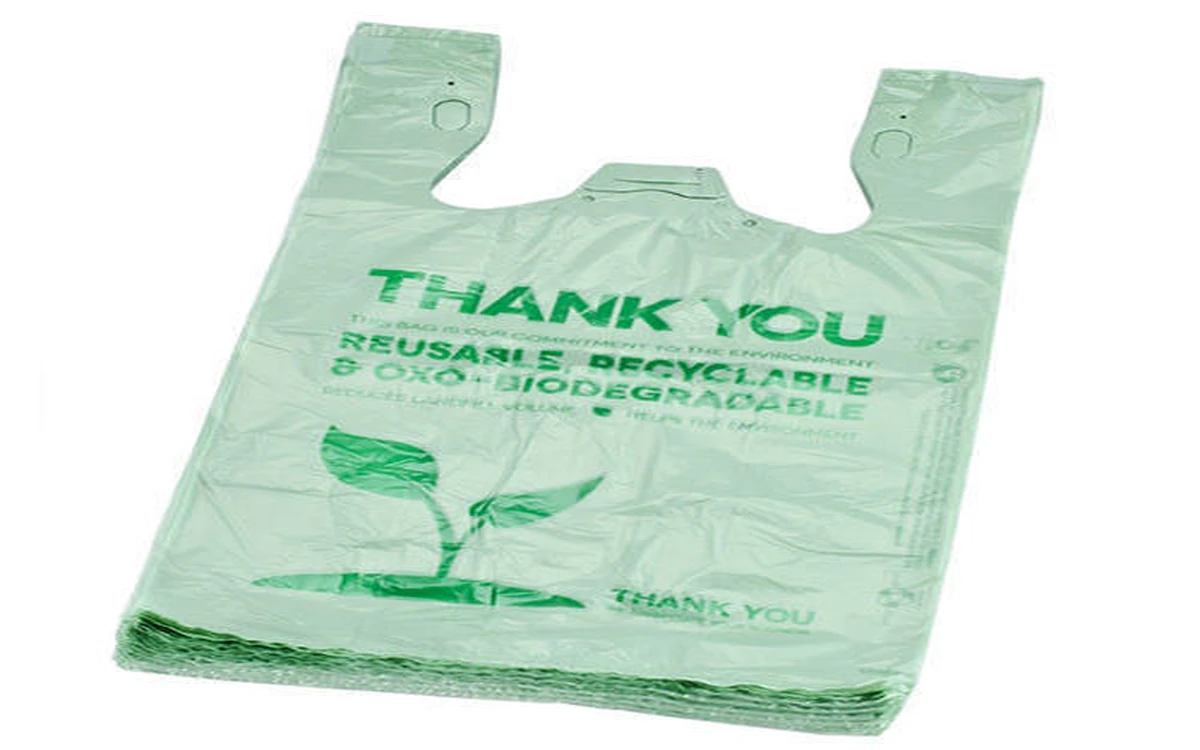
Scientists from IIT-Guwahati develop India's first biodegradable plastic
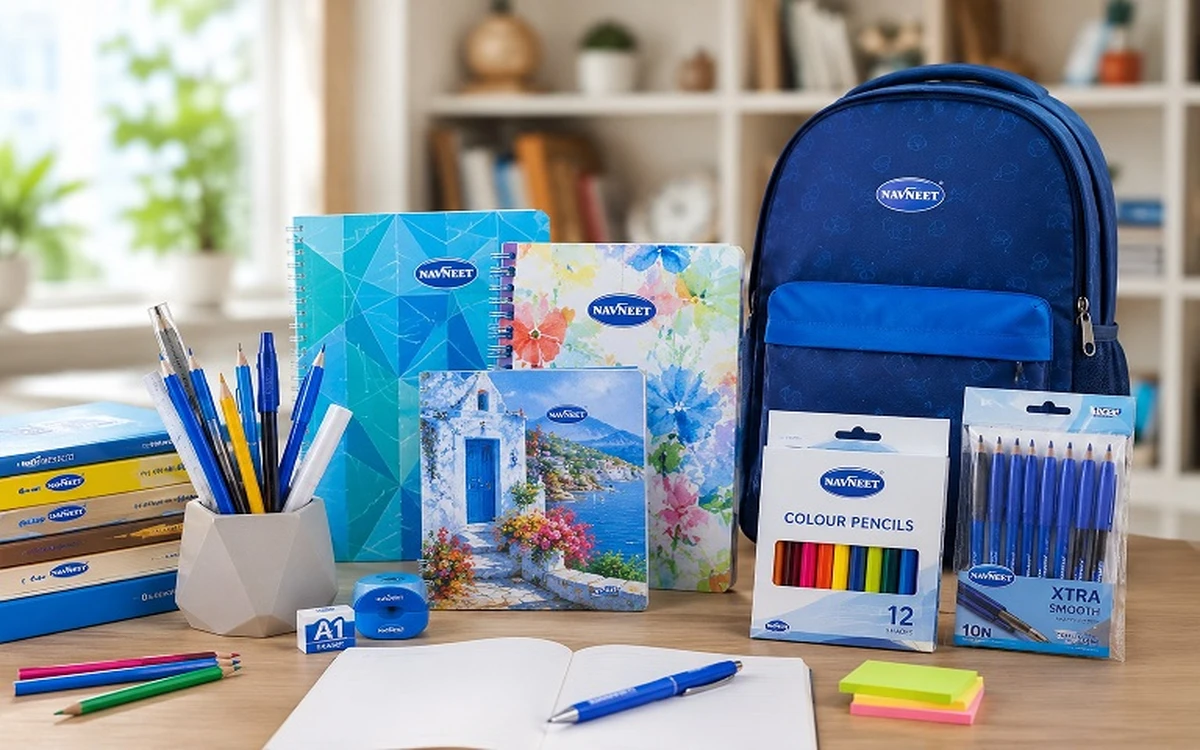
Navneet Education focuses on brand building, curriculum-led growth, and export recovery; expects stationery margins to improve in FY27

It is estimated that USD10B to USD20B worth of single-use plastic packaging will convert to molded fiber, ZUME
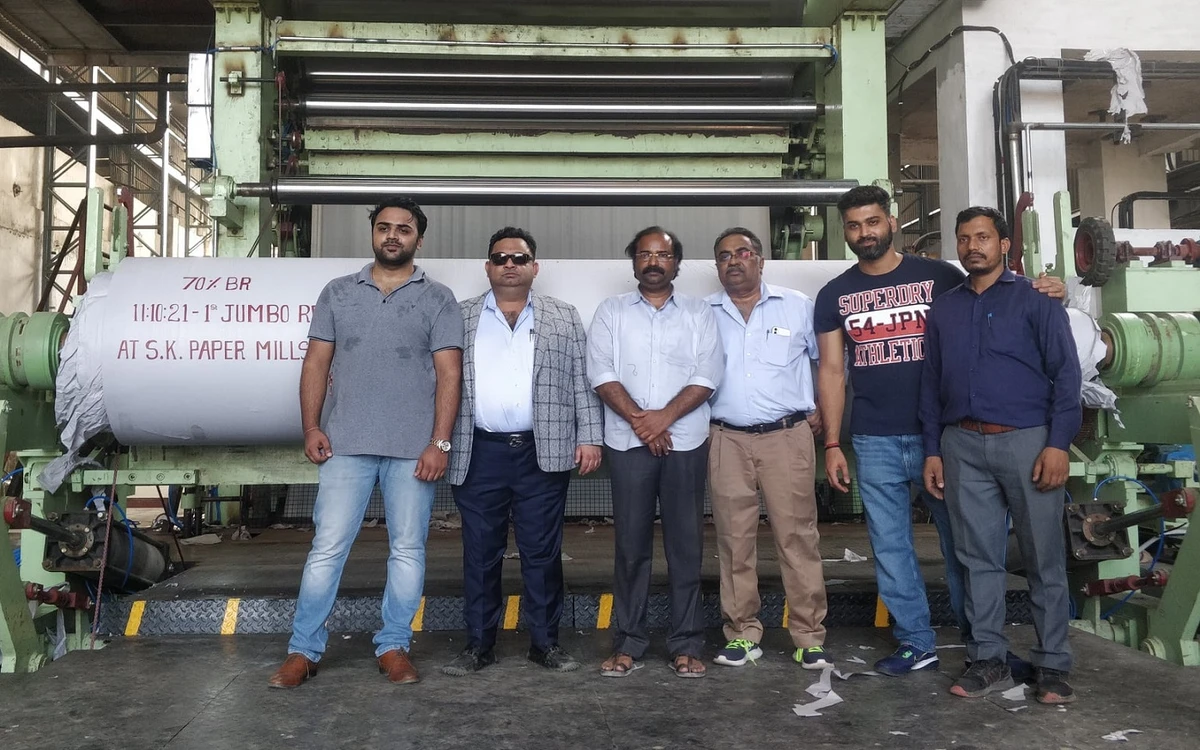
Muzaffarnagar gets a new capacity of Tissue Paper and MG Poster paper

“The integration of digitalization, automation, and Artificial Intelligence (AI) is no longer a futuristic concept—it is the baseline for competitiveness in 2036” - Vinit Garg, Director, Vizen Solutions
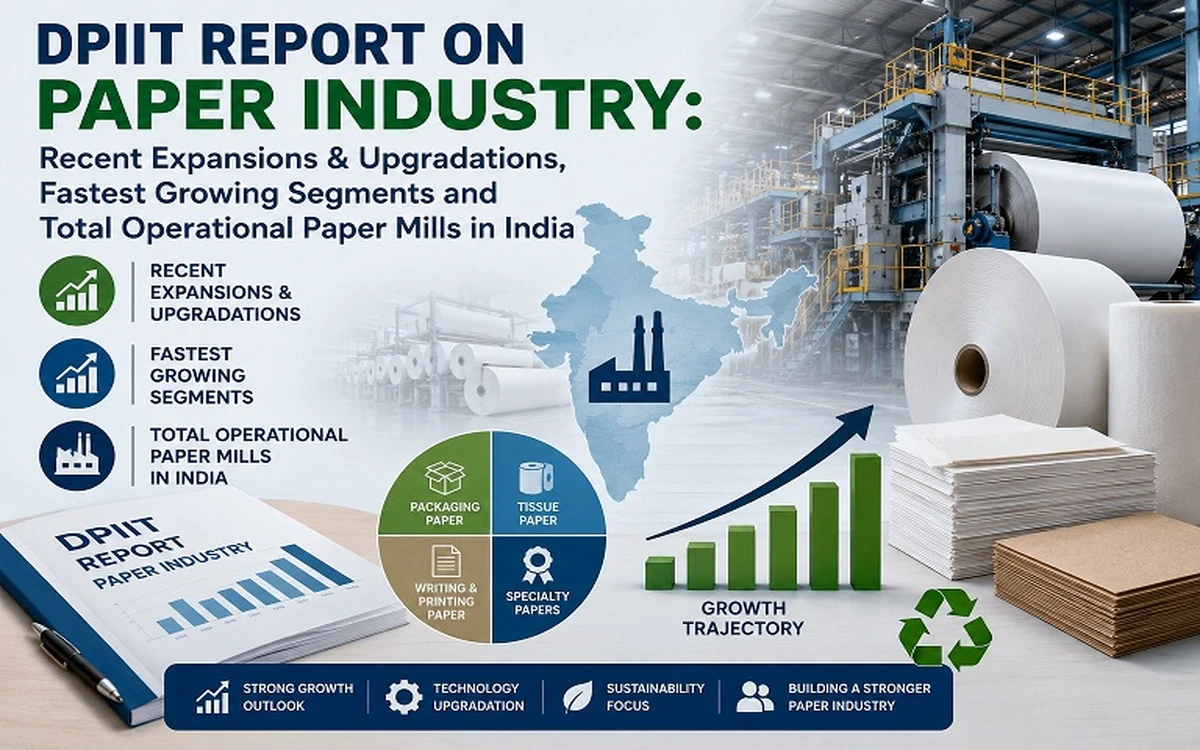
DPIIT Report on the Paper Industry: Recent Expansions & Upgrades, Fastest-Growing Segments, and Total Operational Paper Mills in India
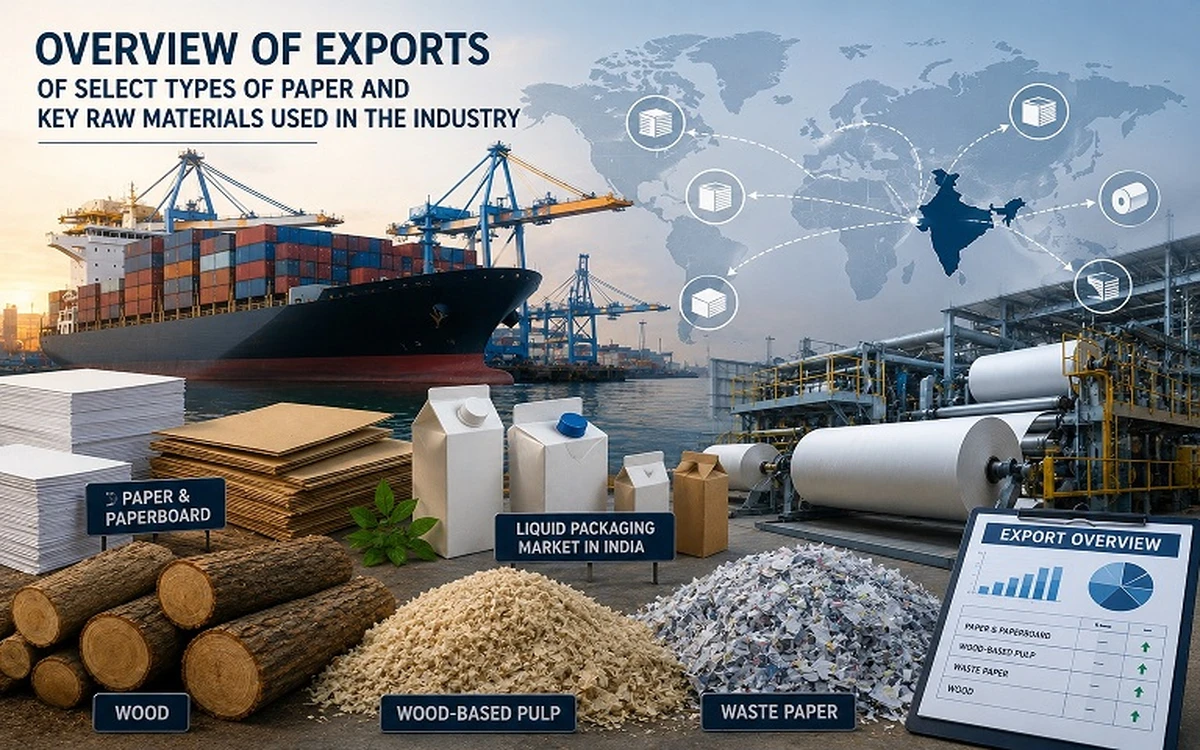
Overview of exports of select type of paper and key raw material used in the industry by Crisil Intelligence

Margin pressure pushes Pulp & Paper Packaging sector toward AI-Driven cost optimization, Cutting costs by 8–20%
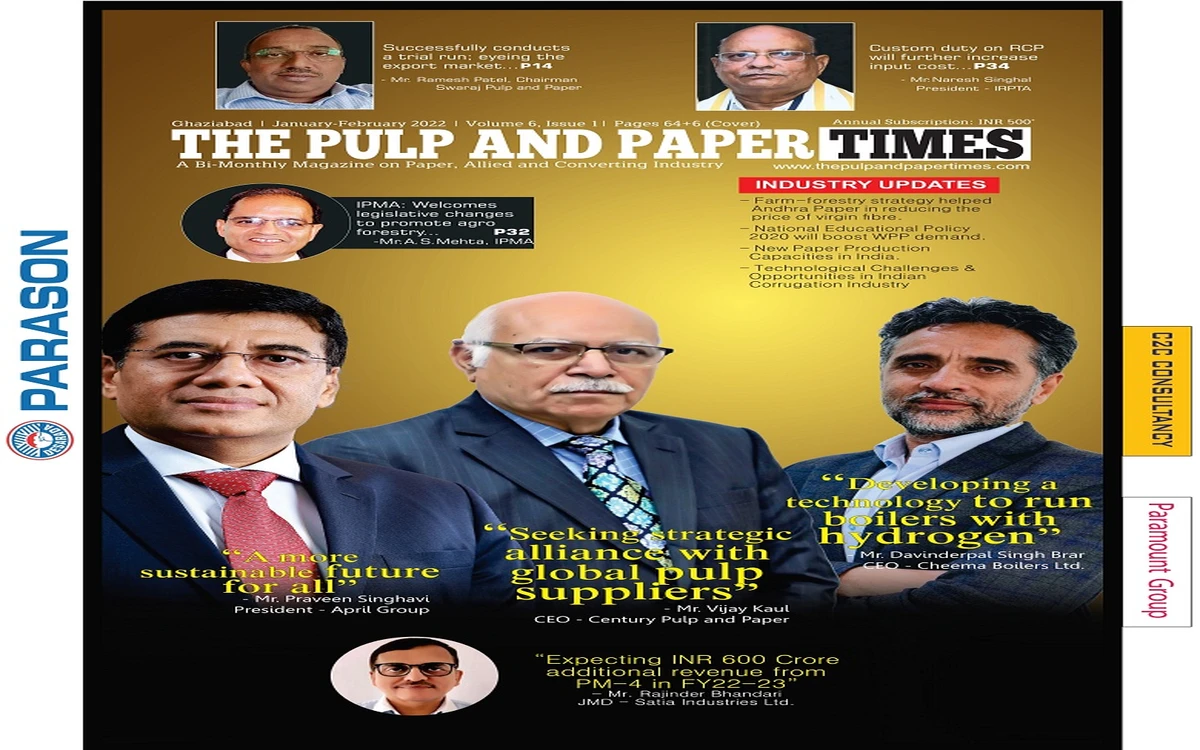
The Pulp and Paper Times Magazine : Volume 6, Issue 1

The Pulp and Paper Times Magazine : Volume 5, Issue 6
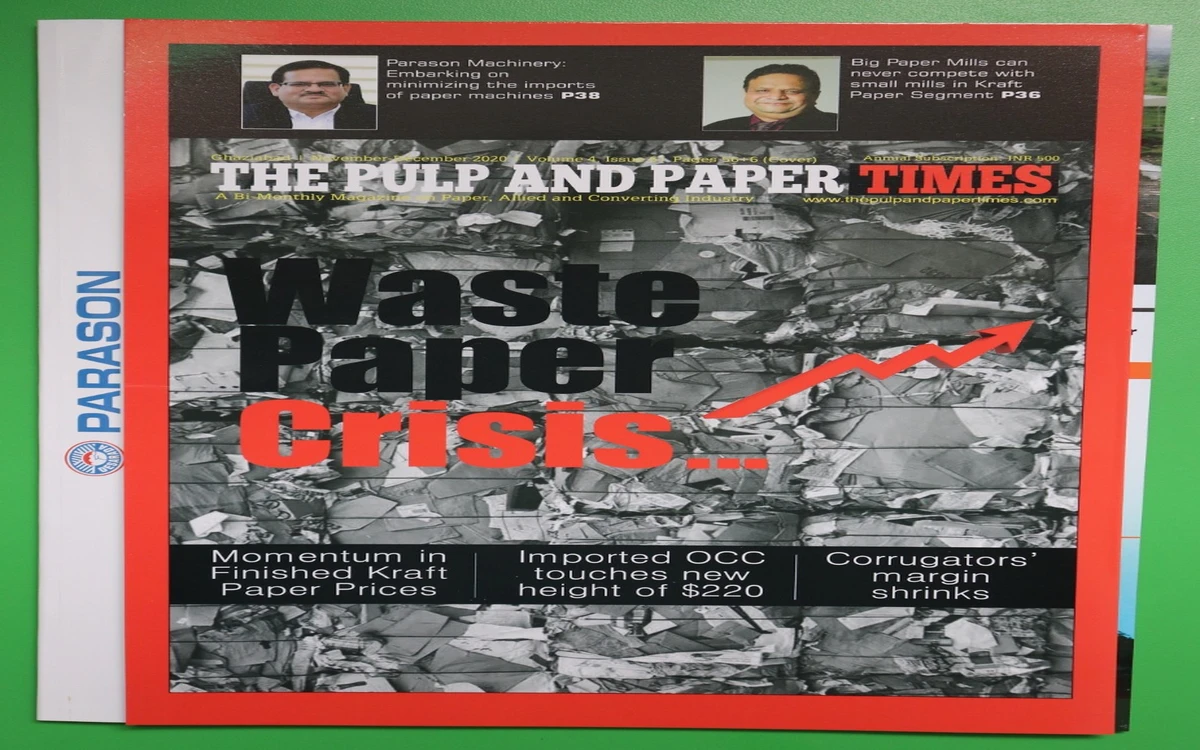
The Pulp and Paper Times: Volume 4, Issue 6
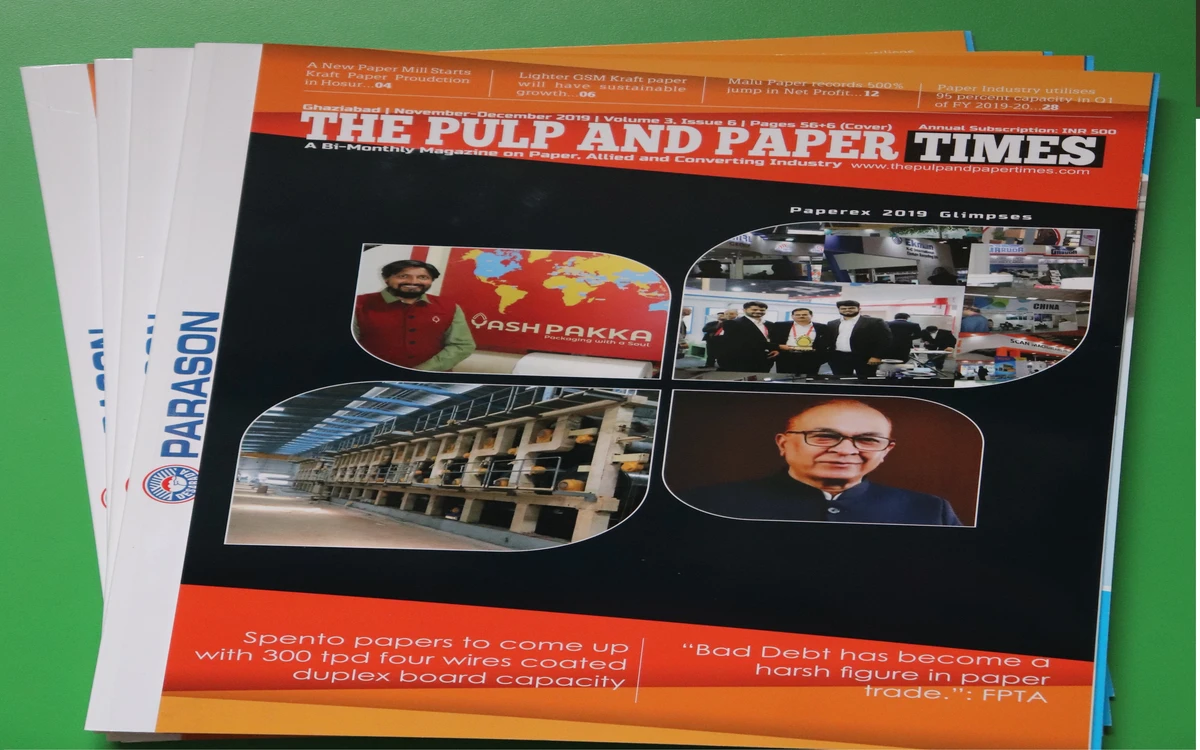
The Pulp and Paper Times : Volume 3, Issue 6
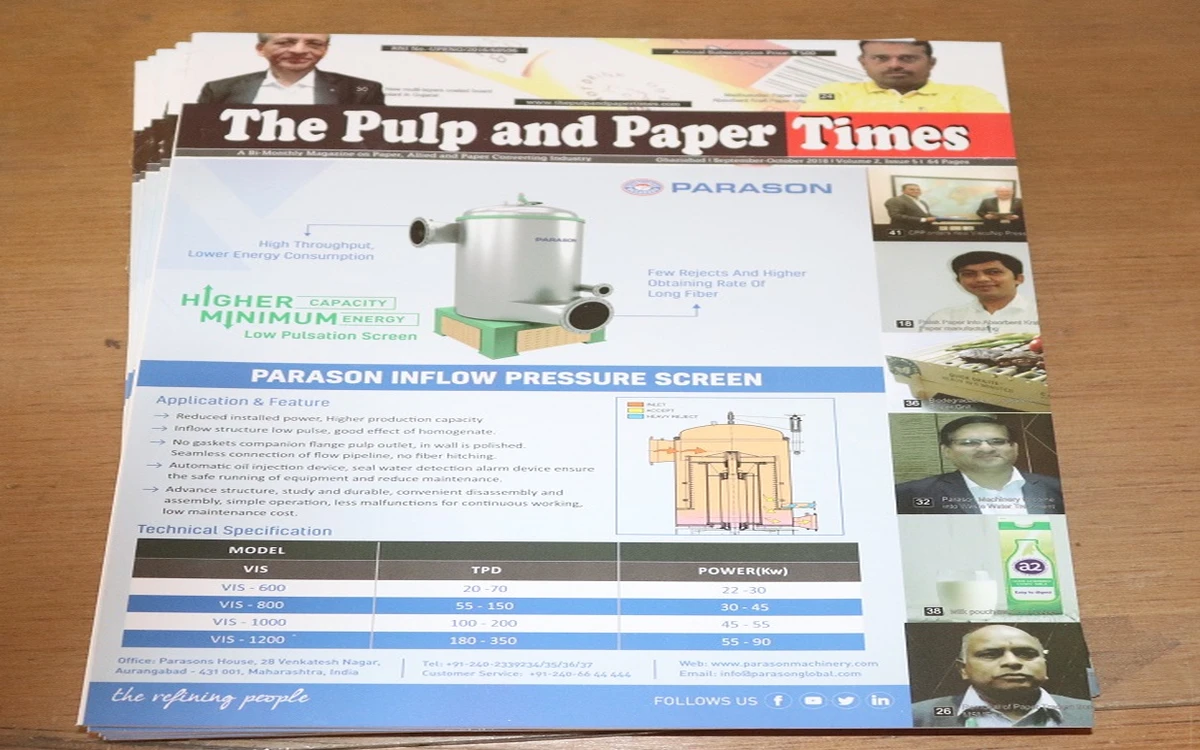
The Pulp and Paper Times: Volume 2 Issue 5
The Pulp and Paper Times, Volume 1, Issue 3
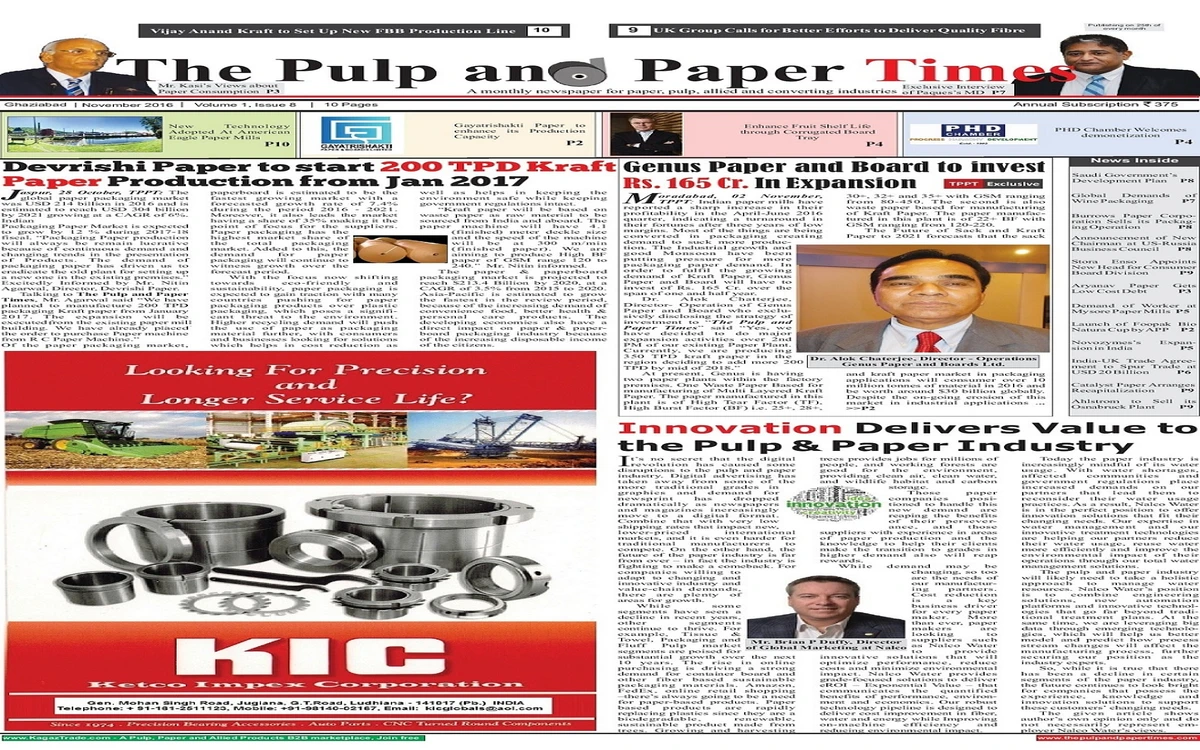
The Pulp and Paper Times, November 2016 Issue

“Regulatory frameworks and consumer awareness are encouraging the adoption of recyclable and biodegradable alternatives, reinforcing the role of paper as a preferred material in a circular economy”
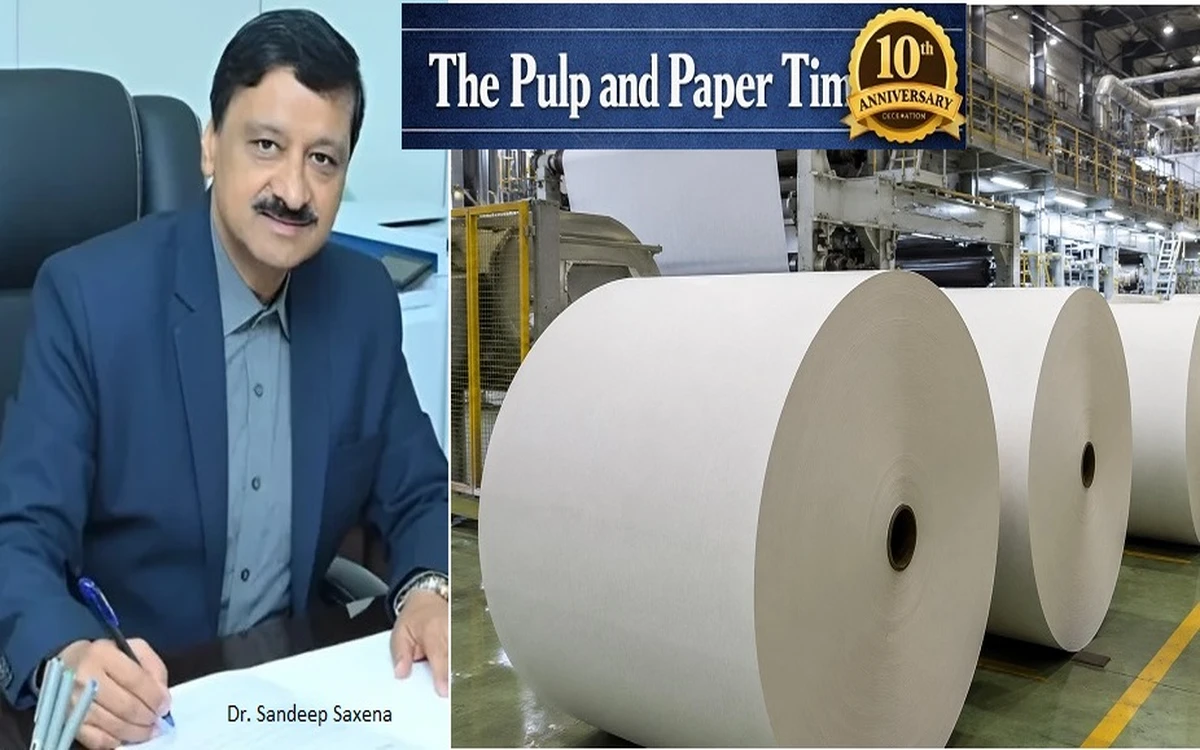
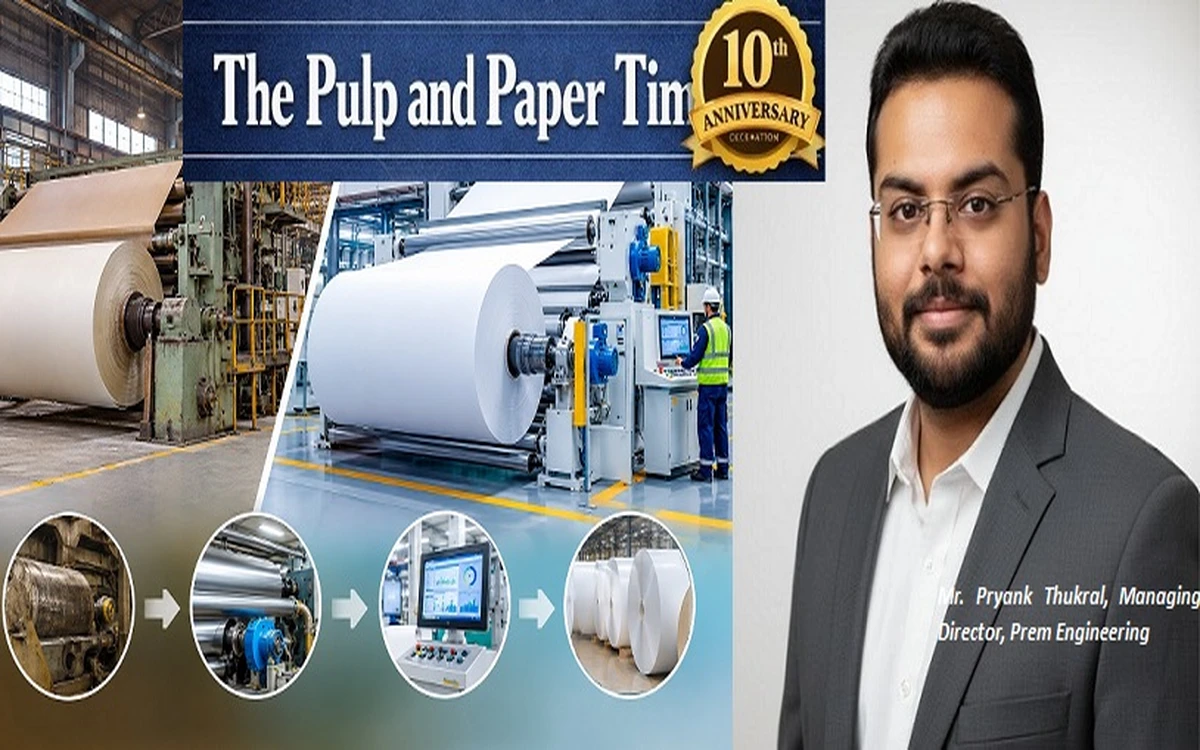
As The Pulp and Paper Times marks its 10th anniversary, we celebrate a decade of meaningful and industry-focused journalism.
Over the past decade, we have established ourselves as a trusted voice of the pulp and paper sector, connecting paper mills, industry leaders, technology providers, and global stakeholders. With a strong readership base across India and overseas, our platform has consistently delivered credible insights, market intelligence, and exclusive industry interactions that support informed decision-making.
On this special milestone, we talked to Dr. Sandeep Saxena, I.A.S., Chairman & Managing Director of TNPL, who has retired from service on 30th April 2026, about his perspective on the future of the paper business. We shared our theme, “Market Factors, Technology, and Consumer Interests Shaping the Indian Pulp and Paper Industry in the Next 10 Years.” We received very informative and deeply insightful views that everyone associated with the paper industry, in any capacity, should read. Here are a few insights.
The Pulp and Paper Times:

The Indian pulp and paper industry is entering a defining phase of evolution. From a sector historically anchored in writing and printing grades, it is now steadily transitioning toward packaging, hygiene, and specialty applications. This transformation reflects a broader alignment with market demand, technological advancement, and changing consumer expectations. From the perspective of integrated and sustainability-focused enterprises such as Tamil Nadu Newsprint and Papers Limited (TNPL), the coming decade presents both significant opportunities and important responsibilities.
Market Dynamics: Expanding Horizons
One of the most prominent drivers of growth is the packaging segment, which today accounts for nearly 65% of domestic demand. The continued expansion of e-commerce, FMCG, and organized retail is expected to sustain this momentum, positioning packaging as the central pillar of industry growth.

At the same time, India’s per capita paper consumption, currently around 16 kg, remains well below the global average. This indicates substantial scope for expansion, supported by rising income levels, urbanisation, and increased economic activity.
A parallel and equally important shift is the growing emphasis on sustainability and responsible consumption. Regulatory frameworks and consumer awareness are encouraging the adoption of recyclable and biodegradable alternatives, reinforcing the role of paper as a preferred material in a circular economy.
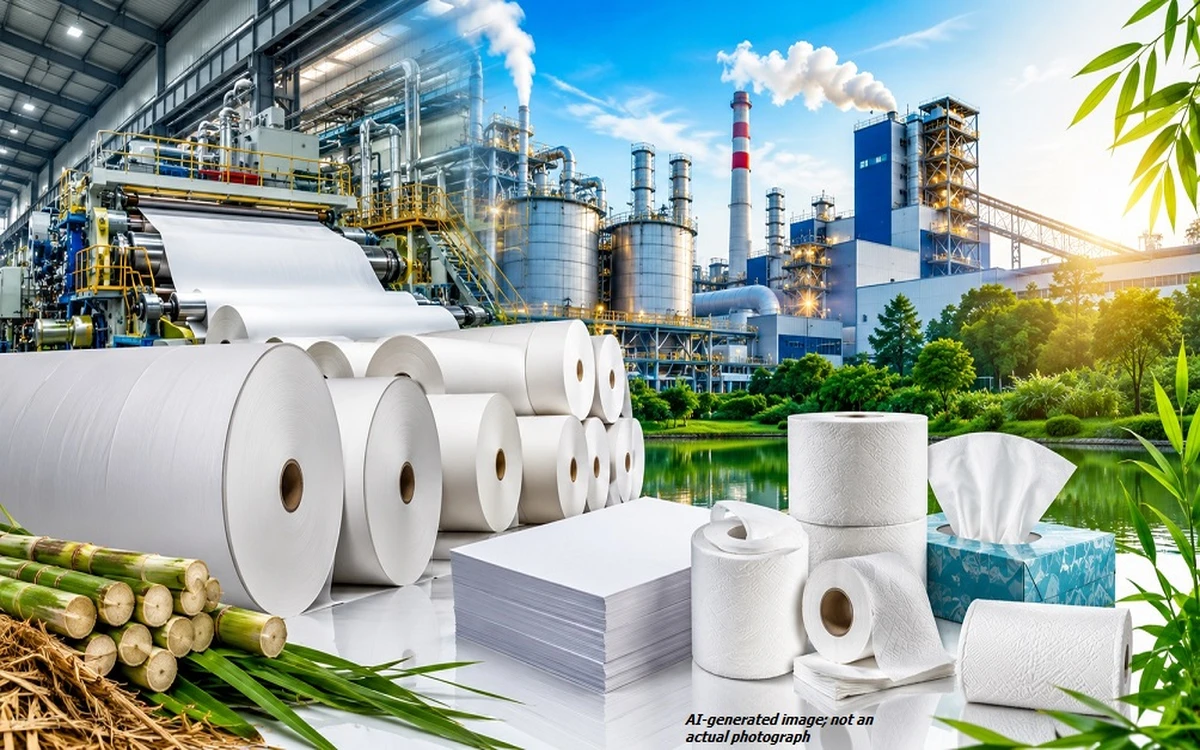
The tissue and hygiene segment, growing at an estimated 11–13% annually, is emerging as a key area of opportunity, driven by improving living standards, healthcare awareness, and evolving lifestyle patterns.

However, the industry must also navigate certain structural challenges. These include raw material availability constraints, dependence on imports, and exposure to global price movements. Additionally, environmental compliance requirements are becoming more stringent, requiring continuous investments in sustainable practices.
Overall, the sector is expected to grow at a steady 6–7% CAGR, supported by a gradual but clear shift in product mix toward higher-value segments.
Technology: Enabling Efficiency and Sustainability
Technology will play a central role in shaping the future competitiveness of the industry. The adoption of automation, Industrial IoT, and data-driven systems is enhancing operational efficiency, enabling real-time monitoring, and ensuring consistent product quality.
Advancements such as predictive maintenance are improving equipment reliability and optimizing lifecycle costs, while digital integration across supply chains is strengthening planning, inventory management, and responsiveness to market demand.

Sustainability-oriented technologies are also gaining prominence. Initiatives such as closed-loop water systems, renewable energy integration, and low-emission processes are not only supporting environmental compliance but also contributing to long-term cost efficiency.
In parallel, raw material innovation is receiving increased attention. Farm forestry initiatives, clonal plantations, and improved recycling technologies are helping build more resilient and sustainable supply chains.
The development of specialty papers and functional coatings—including barrier-coated and food-grade solutions—is opening new avenues for value addition, particularly in applications that seek alternatives to plastic.
Continued focus on research and development will be essential to sustain this momentum and address evolving market requirements.
Consumer Preferences: Driving the Next Phase of Demand
Consumer expectations are increasingly influencing product development and market direction. There is a clear preference for environment-friendly, recyclable, and responsibly sourced products, making sustainability a key factor in building long-term trust.
The gradual shift away from single-use plastics is further accelerating demand for paper-based alternatives across packaging and disposable applications.
The growing emphasis on hygiene and wellness is contributing to rising demand for tissues, napkins, and related products, particularly in urban and institutional segments.
Consumers are also demonstrating a preference for quality and value-added offerings, encouraging the industry to move beyond commodity products toward differentiated solutions.
In the context of e-commerce, packaging has evolved into a critical touchpoint, where functionality, safety, and visual appeal collectively influence customer experience.
Additionally, increased access to information through digital platforms has led to more informed decision-making, placing greater emphasis on transparency, certifications, and responsible manufacturing practices.
Perspective: Building Systems for the Future
The ongoing transformation of the industry underscores the importance of integrated, system-driven approaches. Sustainable growth will depend on the ability to align resource management, technological capability, and market responsiveness within a cohesive framework.
Experiences across leading organisations indicate that consistent performance is achieved not merely through favourable conditions, but through disciplined execution, process optimisation, and long-term strategic clarity. In this context, the evolution of integrated models—linking plantation, production, and market engagement—will be particularly significant.
Conclusion: A Decade of Opportunity and Responsibility
The Indian pulp and paper industry is poised for a decade of meaningful growth, transitioning toward packaging- and hygiene-led demand, supported by technology-driven efficiency and sustainability-focused innovation.
The path forward will require a balanced approach—securing raw materials, investing in advanced technologies, strengthening environmental stewardship, and aligning closely with consumer expectations.
With these elements in place, the industry is well positioned to not only expand in scale but also enhance its role as a sustainable and responsible contributor to the broader economy.

1 days ago
Total Views : 1661
1 days ago
Total Views : 170
2 days ago
Total Views : 612
3 days ago
Total Views : 3039
6 days ago
Total Views : 2647

last week
Total Views : 6198

last week
Total Views : 895
last week
Total Views : 856
last week
Total Views : 769
2 weeks ago
Total Views : 3641