Join Groups & Channels, No Spamming









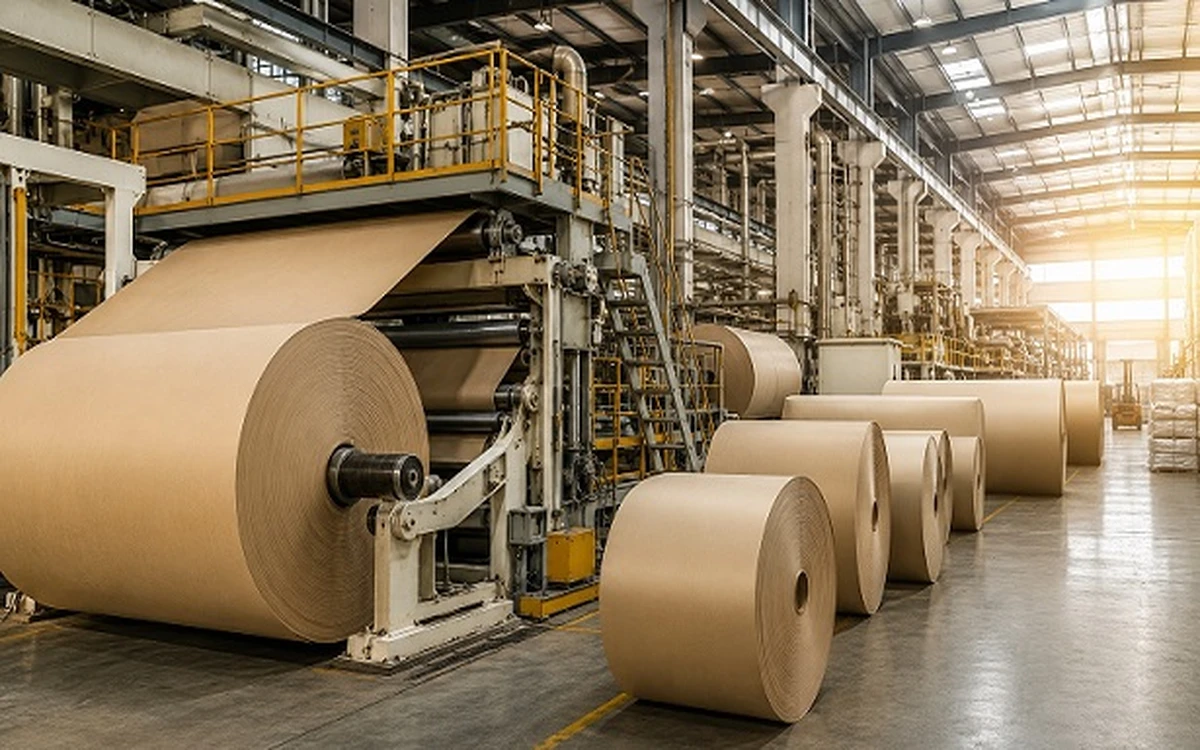
Morbi paper mills see full-capacity operations as ceramic industry revives; Kraft paper exports to China spike, Prices strengthen; Janmashtami shutdown ahead

The BE and caustic soda plant marks a key milestone for Mohit Paper Mills, enabling full utilization of installed capacity and enhancing overall production efficiency
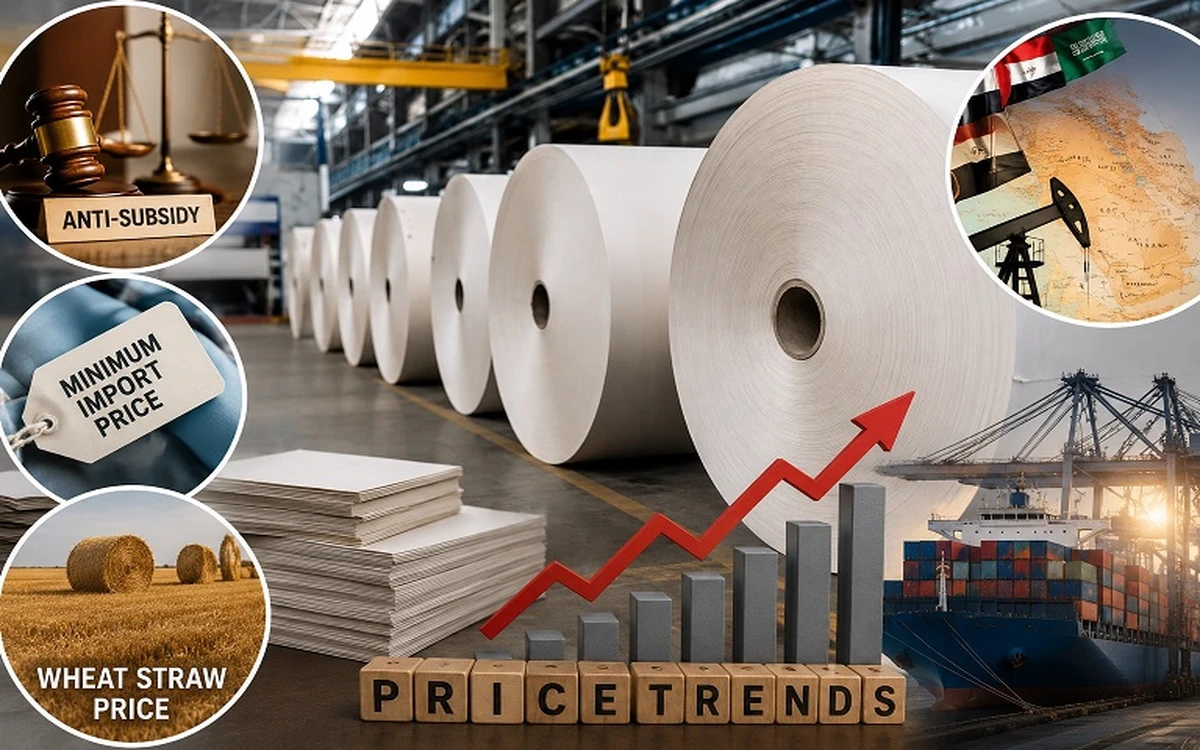
Expert Views on the paper market scenario, How the West Asia Crisis Helped the Industry, MIP for WPP, Anti-Subsidy implementation, and paper price trends
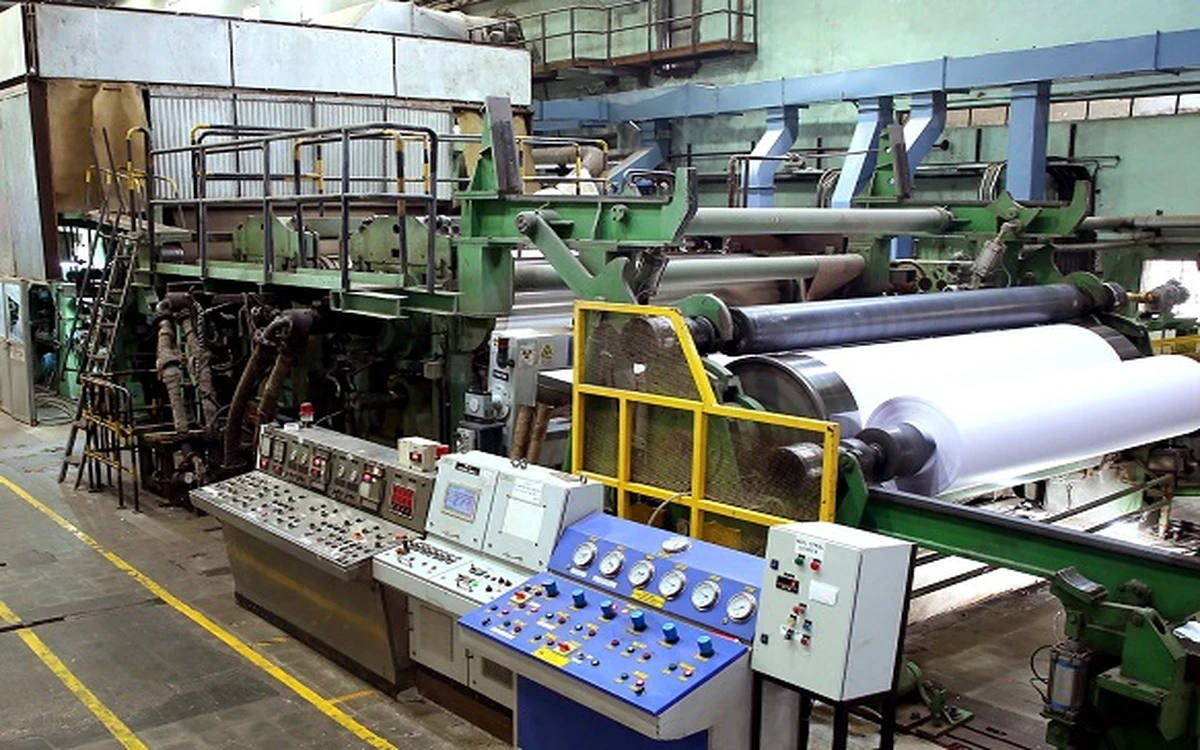
Pudumjee Paper intends to develop new varieties addressing applications for stronger paper bags and cupcakes; Plans 68,000 MT Mahad Specialty Paper Facility within 5 years
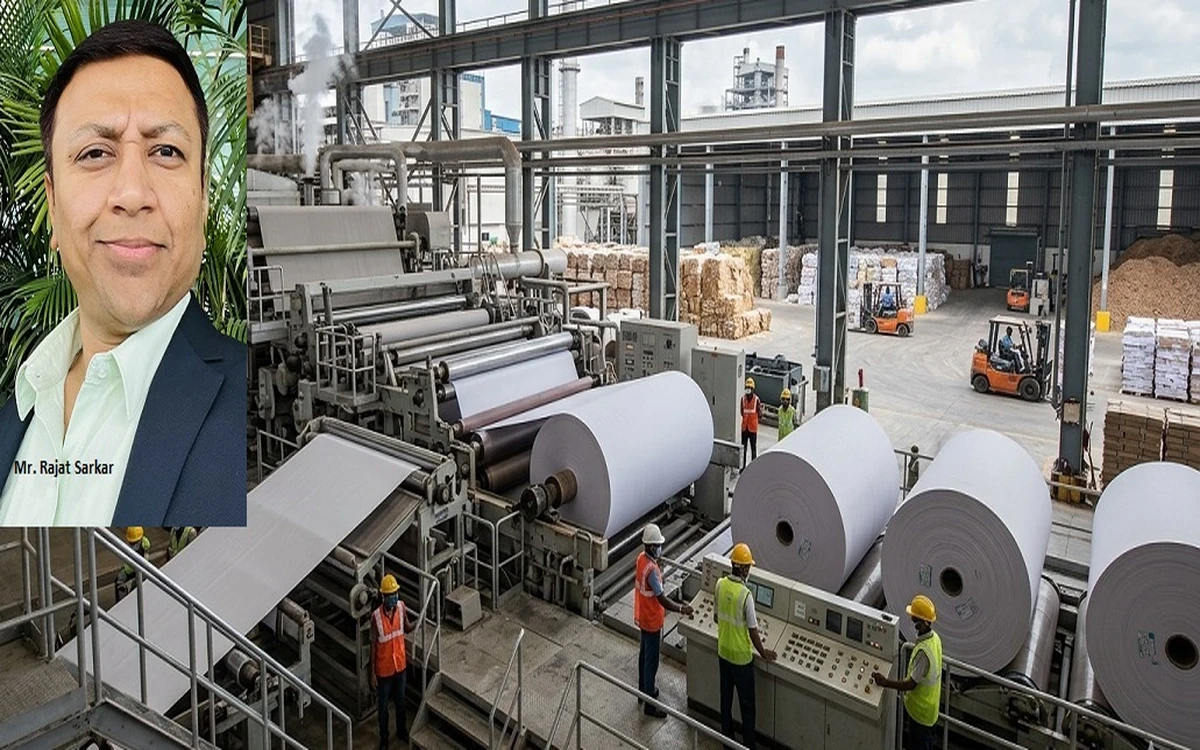
India Paper Industry at an Inflection Point: War, Costs, and Capacity; Demand growth expected at 5–7% in FY26
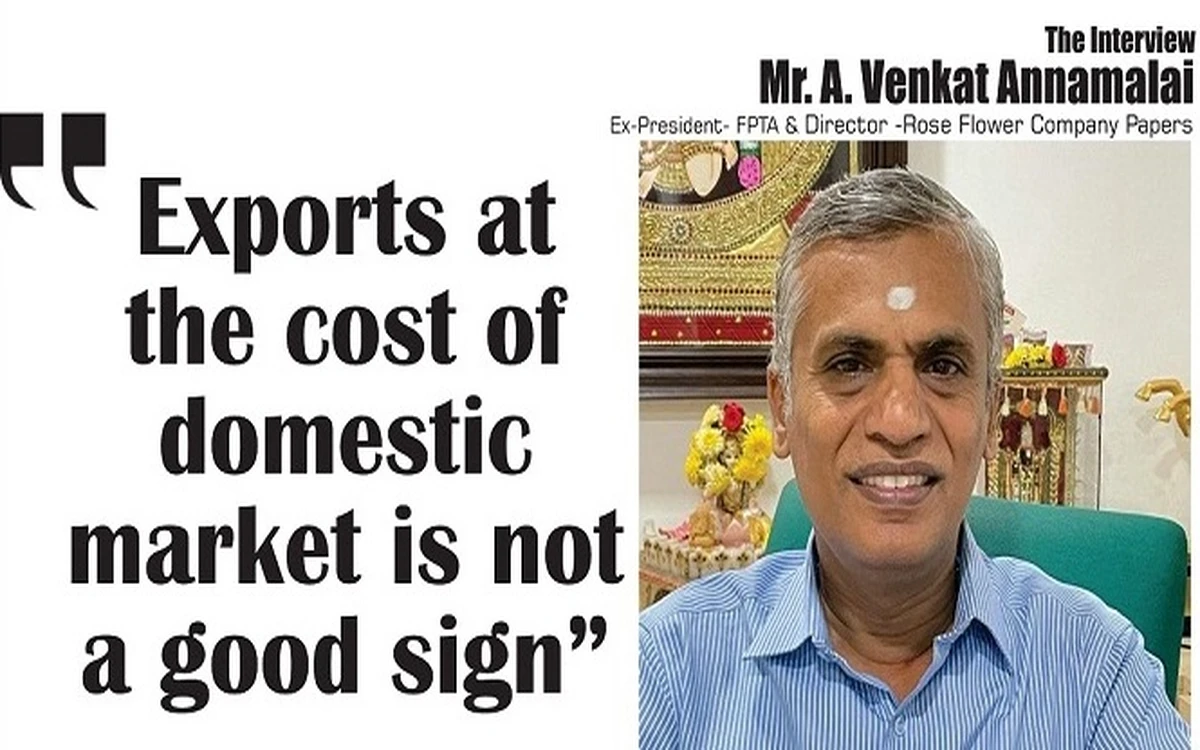
“Surging exports of paper will most certainly keep the domestic prices quite high”: Mr. A. Annamalai, Director – RFC
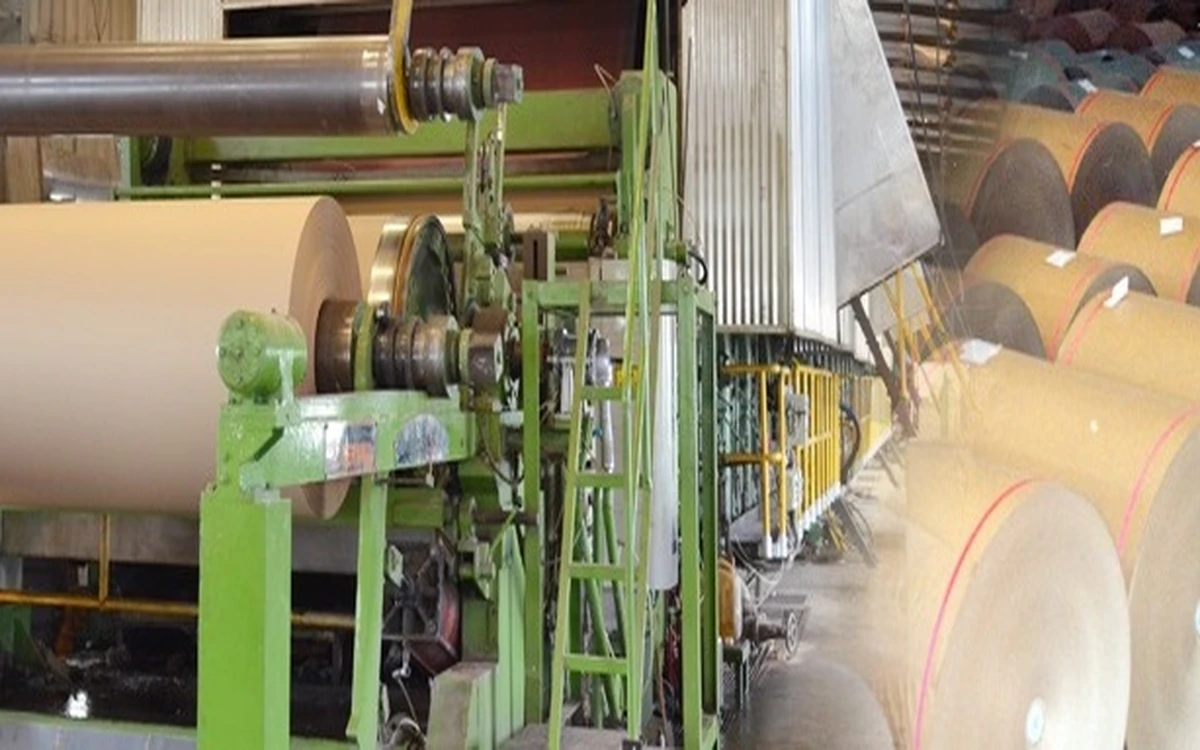
The Status of the Global Container board Industry, Recycled Paper Demand and Supply and its impact on the Indian Industry

Akshay Jain, director of Silverton Pulp & Paper, says it's time to promote agro residue as a raw material to lessen the scarcity of fibre
Advantageously located, a new paper mill is all set to roll kraft paper in Madhya Pradesh
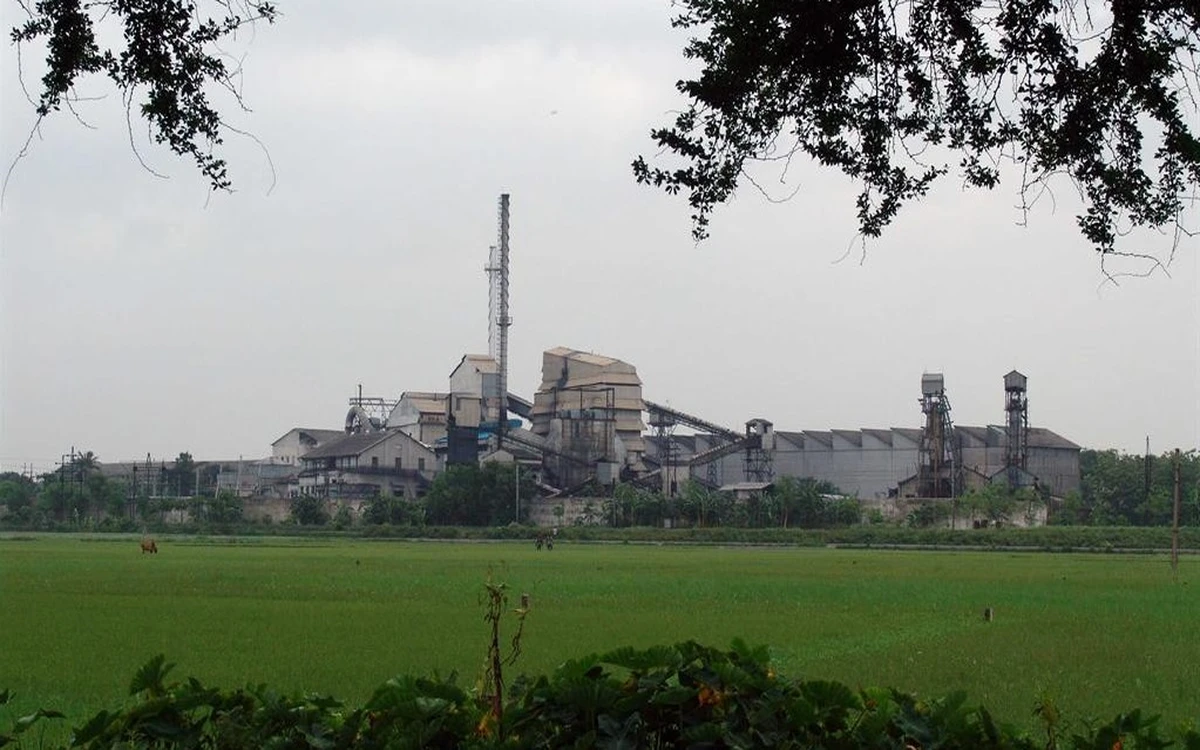
Several agile interventions helped ITC-PSPD fortify its clear leadership of the Value Added Paperboards (VAP) segment

Paper Mill Expert Expects 7–11% Price Hike in Q3–Q4 FY27; Rising Chemical and Fuel Costs Continue to Pressure Margins
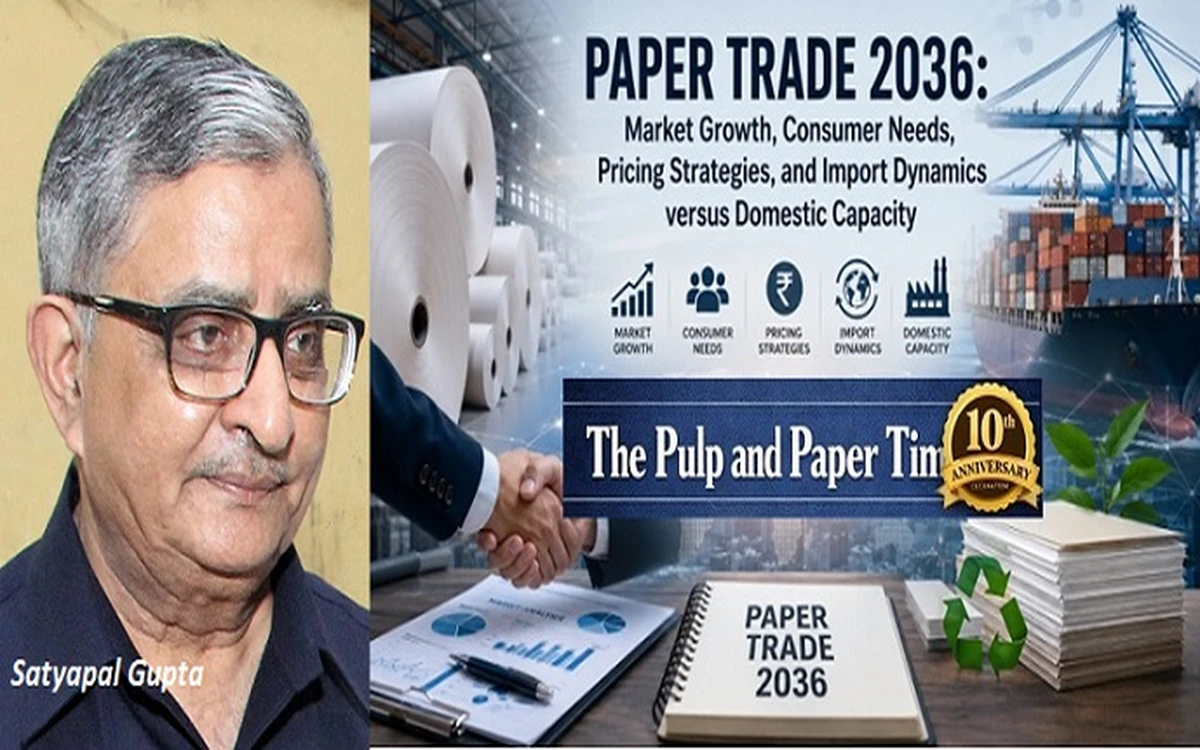
“A trend may emerge wherein technology JV may emerge among the paper producers to have the grades produced in the region.” — Satyapal Gupta, Chairman, Narsingh Dass & Co.

Over AED 1.3 Billion in Investments in the Paper Industry Underscore Growth Potential in the GCC Region

Overall Increase in Kraft Paper Prices Could Reach 35%; Industry Calls for 20% Box Price Increase, Voluntary Shutdown Proposed

Paper mills inflated the basic ex-mill price of paper post GST 2.0, AINMA seeks action against Anti-Profiteering
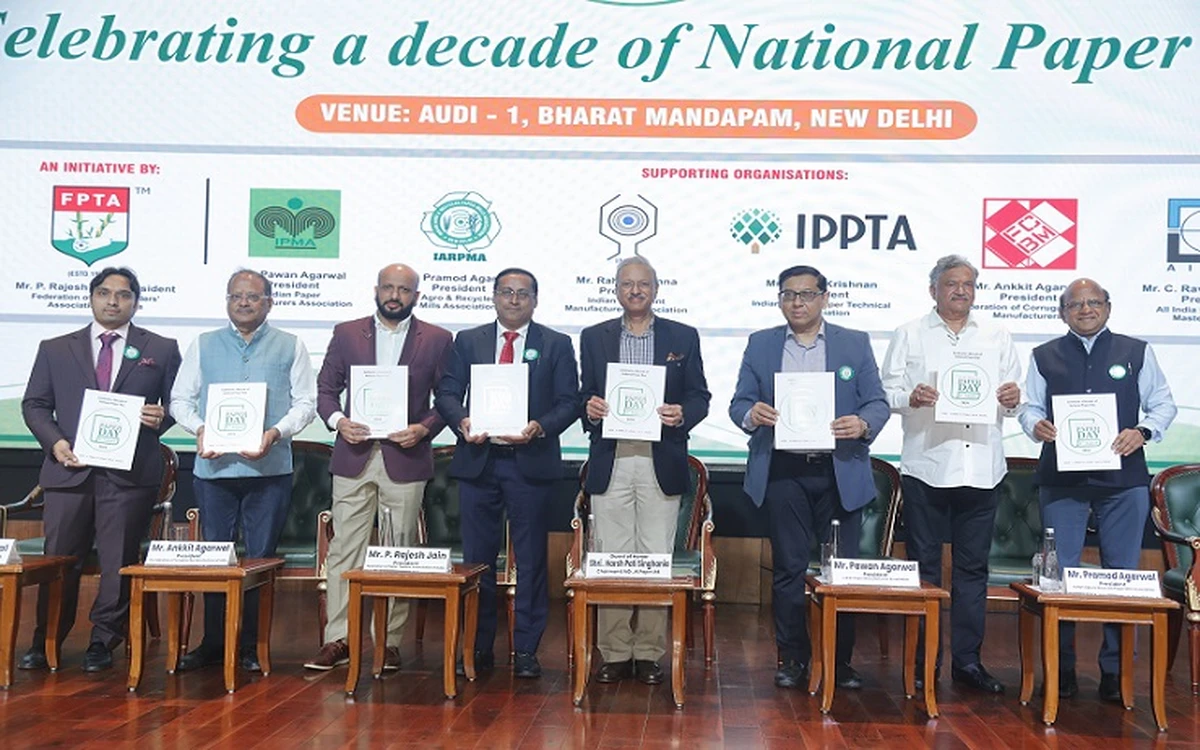
Seven Leading Associations Unite to Celebrate National Paper Day, Highlighting Paper's Sustainability and Circular Economy Advantage

Scientists from IIT-Guwahati develop India's first biodegradable plastic

Navneet Education focuses on brand building, curriculum-led growth, and export recovery; expects stationery margins to improve in FY27

It is estimated that USD10B to USD20B worth of single-use plastic packaging will convert to molded fiber, ZUME
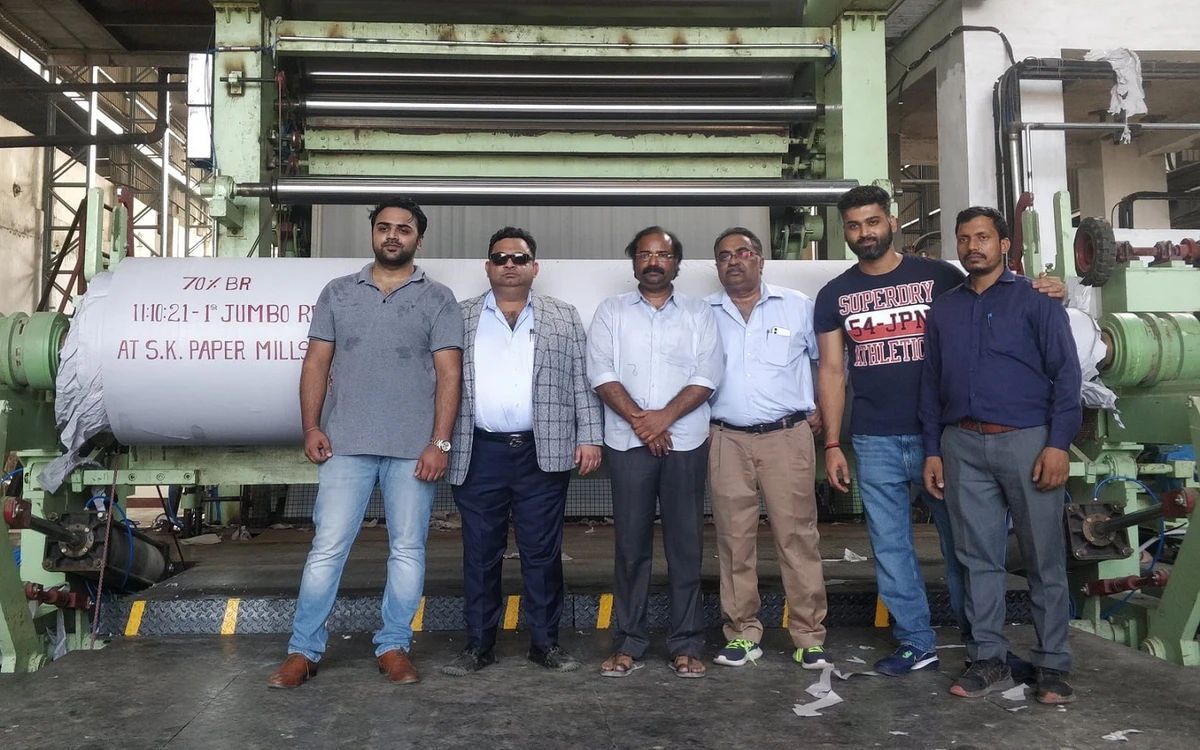
Muzaffarnagar gets a new capacity of Tissue Paper and MG Poster paper
Paper Mill Expert Expects 7–11% Price Hike in Q3–Q4 FY27; Rising Chemical and Fuel Costs Continue to Pressure Margins

“The integration of digitalization, automation, and Artificial Intelligence (AI) is no longer a futuristic concept—it is the baseline for competitiveness in 2036” - Vinit Garg, Director, Vizen Solutions
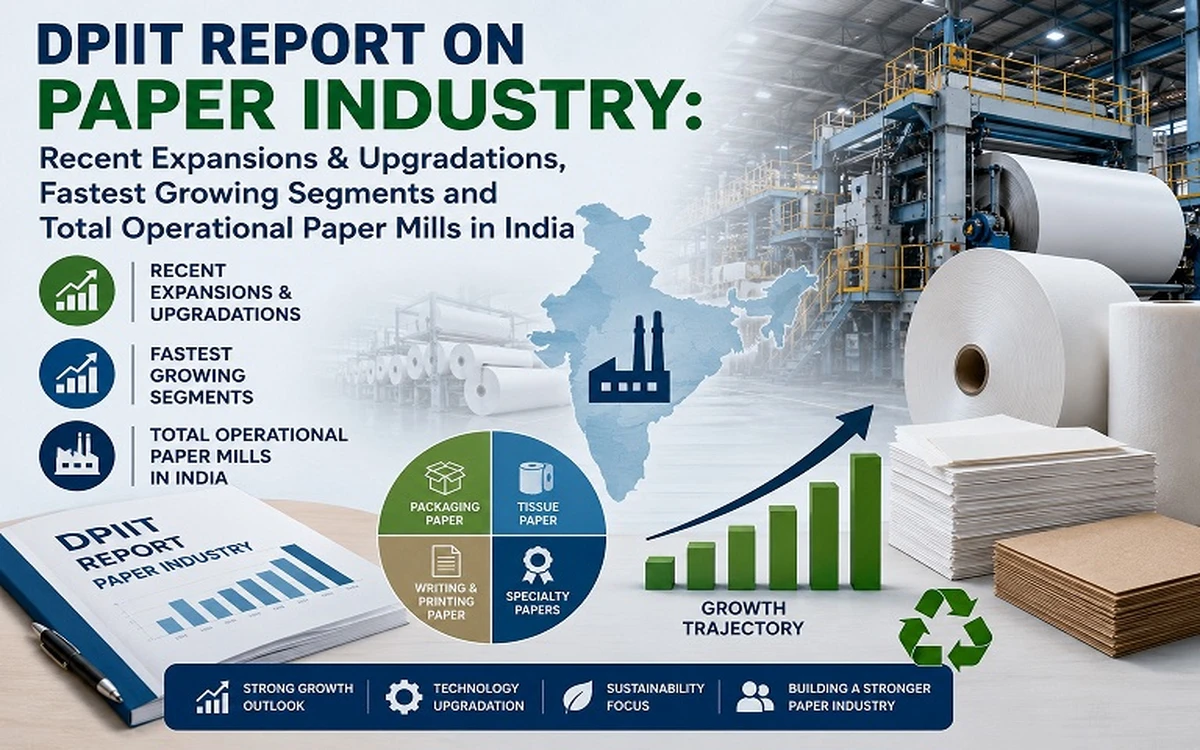
DPIIT Report on the Paper Industry: Recent Expansions & Upgrades, Fastest-Growing Segments, and Total Operational Paper Mills in India

Overview of exports of select type of paper and key raw material used in the industry by Crisil Intelligence
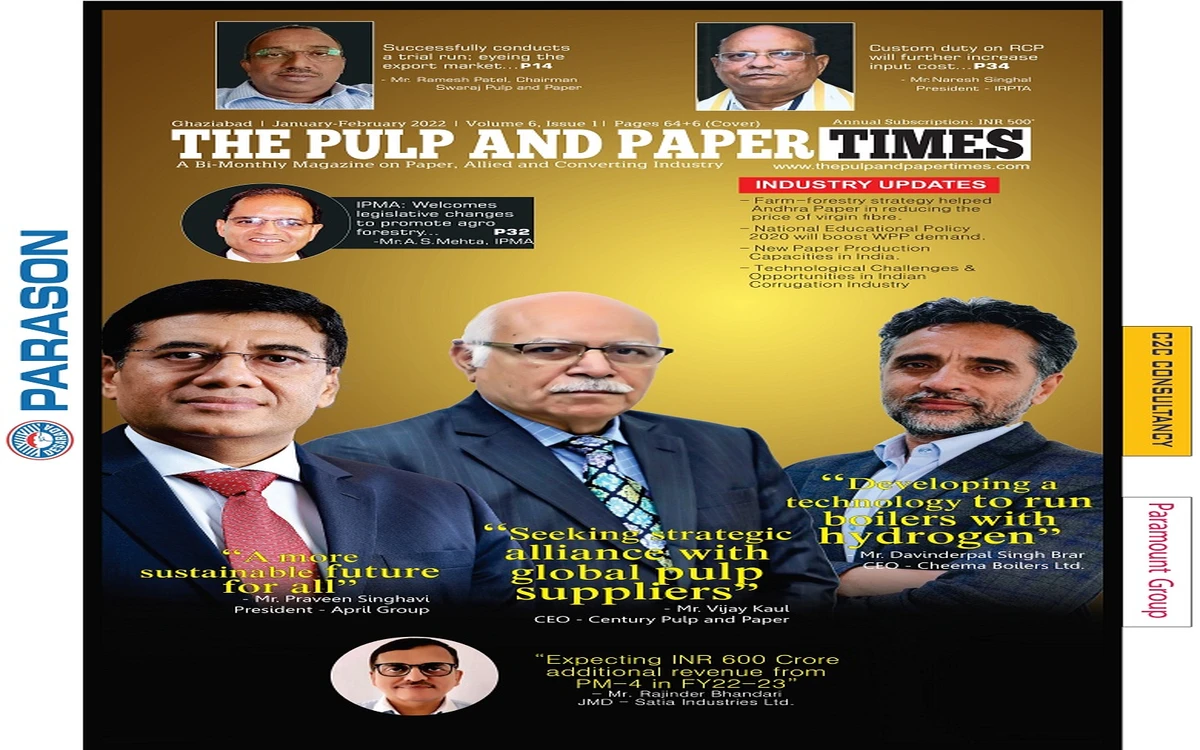
The Pulp and Paper Times Magazine : Volume 6, Issue 1

The Pulp and Paper Times Magazine : Volume 5, Issue 6
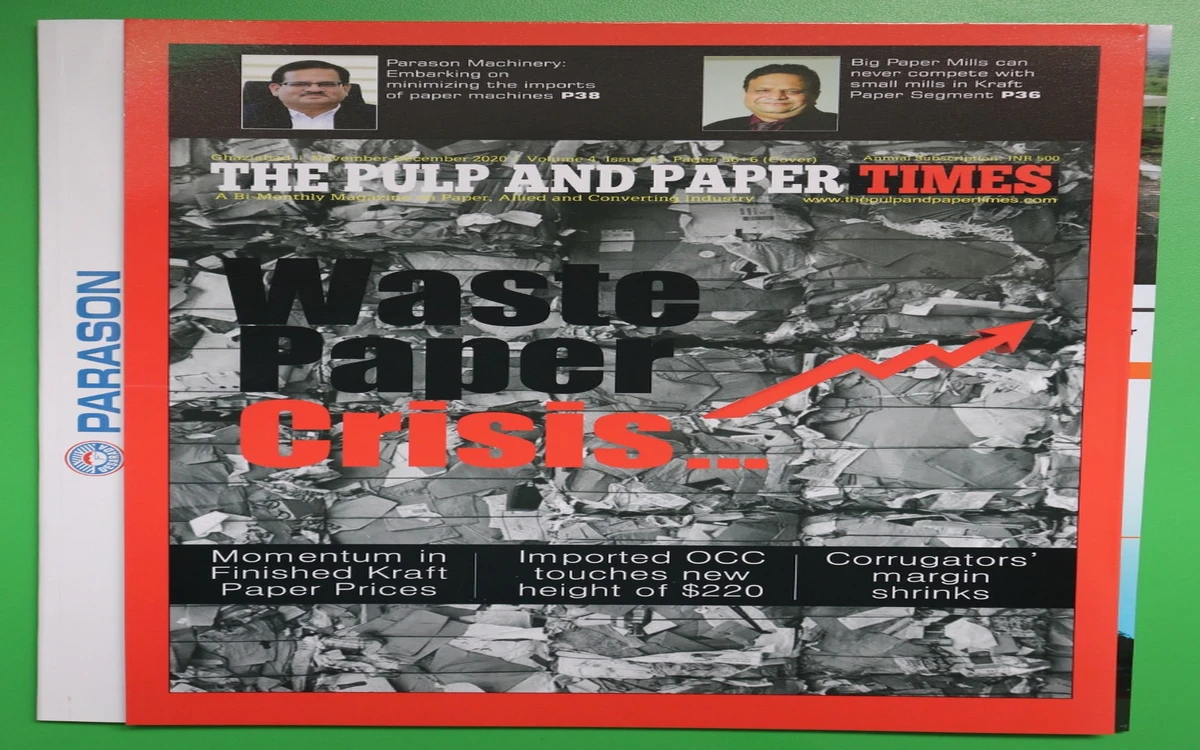
The Pulp and Paper Times: Volume 4, Issue 6

The Pulp and Paper Times : Volume 3, Issue 6
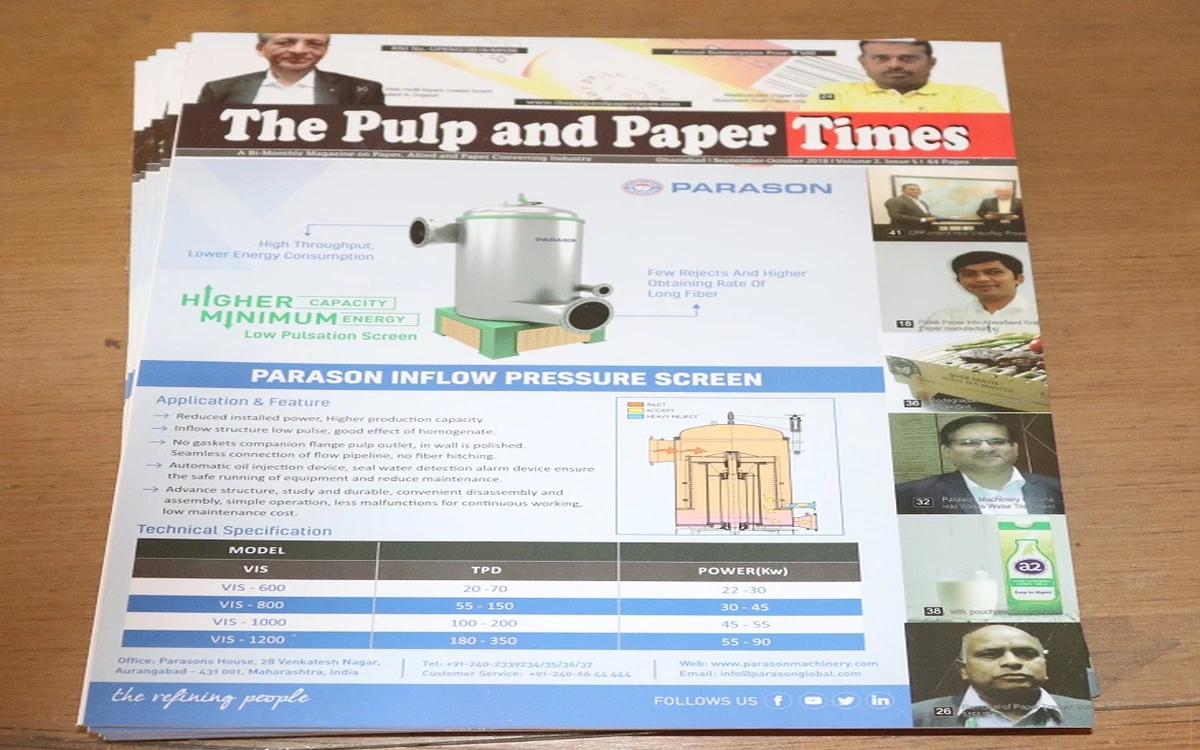
The Pulp and Paper Times: Volume 2 Issue 5
The Pulp and Paper Times, Volume 1, Issue 3
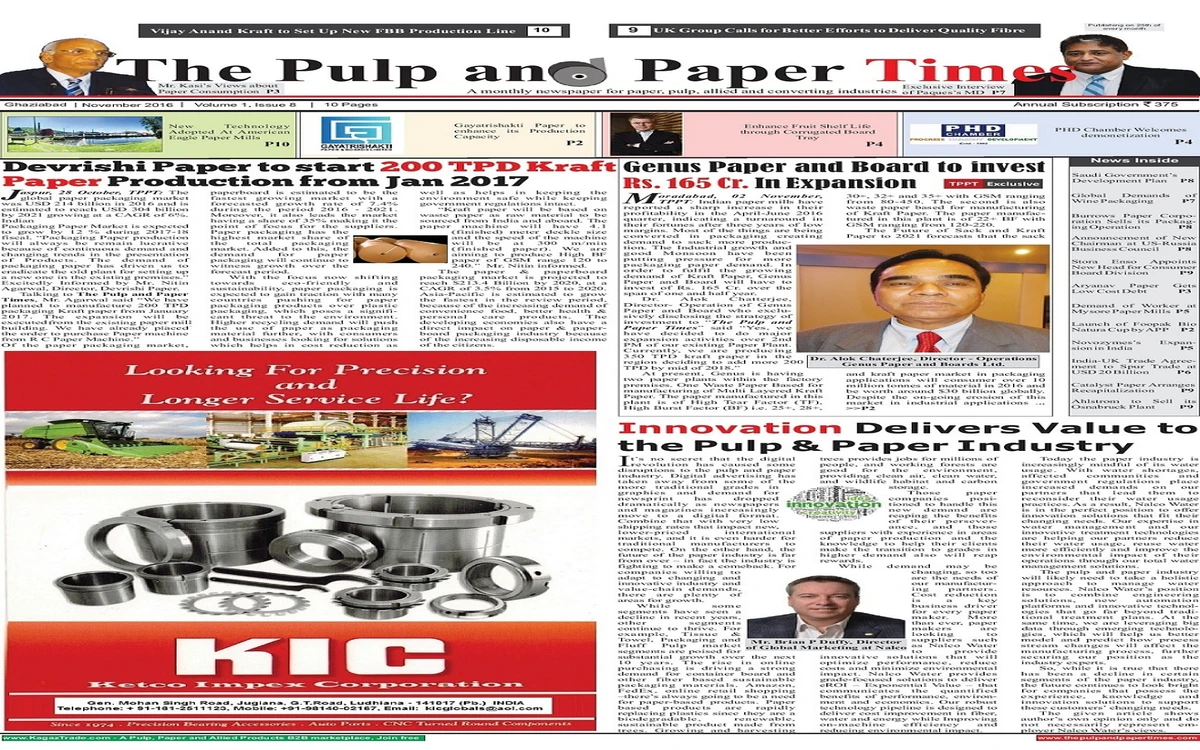
The Pulp and Paper Times, November 2016 Issue

-Many mills may not immediately invest in complete machine replacements but will prefer phased modernization for improved ROI
-Adaptable Paper Machine technologies capable of handling recycled fibers efficiently will play a key role in future expansion
Completing a decade of industry-focused journalism, The Pulp and Paper Times proudly presents this special anniversary feature exploring the future of paper manufacturing. With the theme “Smart, Sustainable, Scalable: How Paper Machine & Technology Suppliers Will Shape the Paper Industry 2036,” we invited some of the machine builders and technology suppliers to share their vision for the next ten years. From intelligent automation and energy efficiency to next-generation production technologies, their perspectives reveal how the industry is preparing for a new era of growth and sustainability. Here is perspective of Mr. V. K. Agarwal & Ravi Agarwal of Pap-Tech Engineers & Associates

The Pulp and Paper Times
As the global paper industry moves toward 2036, the next decade will redefine how paper mills operate, compete, and grow. The transformation will be driven by a powerful convergence of smart automation, sustainability mandates, energy optimization, advanced process controls, and data driven manufacturing. Paper machine and technology suppliers will no longer remain mere equipment vendors; they will become strategic technology partners responsible for shaping mill efficiency, profitability, and environmental compliance.
The paper industry has traditionally been capital intensive, energy dependent, and highly sensitive to raw material costs. In the coming decade, mills will increasingly invest in technologies that improve productivity while reducing operating costs. Future paper machines will be designed not only for speed and production capacity but also for flexibility, predictive performance, and minimal environmental footprint.

One of the most significant shifts will be toward smart paper mills powered by Advanced sensors, Industrial Internet of Things (IIoT), Artificial Intelligence (AI), and machine learning systems will become standard across paper manufacturing. Real-time monitoring of moisture, GSM, ash content, steam consumption, vibration, machine alignment, and reel quality will help mills predict failures before breakdowns occur. Predictive maintenance systems will drastically reduce unplanned shutdowns, saving substantial production losses.
By 2036, paper machines are expected to operate with far greater levels of automation. Machine suppliers will increasingly integrate digital twins—virtual models of production systems—to simulate performance, optimize production parameters, and troubleshoot process issues remotely. This will reduce dependency on manual interventions and enable mills to achieve higher machine efficiencies with reduced manpower requirements.

Energy efficiency will become one of the biggest deciding factors for technology adoption. Rising fuel costs and stricter carbon emission norms will compel mills to modernize outdated systems. High efficiency drying systems, heat recovery units, steam condensate optimization, variable frequency drives (VFDs), and low-energy refining technologies will witness widespread adoption. Suppliers offering measurable reductions in steam and electricity consumption will gain a significant competitive advantage.
Water conservation technologies will also define the future of paper manufacturing. The next generation of mills will increasingly move toward low fresh-water consumption and closed-loop water circuits. Advanced filtration systems, zero liquid discharge (ZLD) concepts, smart water recovery systems, and efficient effluent treatment technologies will become essential investments rather than optional improvements. Sustainability will no longer be limited to compliance; it will become a core business strategy influencing customer preference and export competitiveness.

In terms of machinery, the coming decade will witness growing demand for high-speed, compact, and modular paper machines capable of producing multiple grades with quick grade change flexibility. Tissue, packaging, kraft, specialty papers, food-grade paper, and sustainable alternatives to plastic packaging are expected to drive major investments globally. Machine suppliers that provide adaptable technologies capable of handling recycled fibers efficiently will play a key role in future expansion.
Automation in quality control will also evolve substantially. Online inspection systems with AI powered defect detection, automatic profile controls, smart moisture analyzers, and integrated laboratory testing solutions will become standard features in progressive mills. Precision and consistency in paper quality will be essential for maintaining competitiveness in increasingly demanding domestic and export markets.
Another major transformation will be the rise of remote diagnostics and digital technical support. Equipment suppliers will increasingly offer cloud-based monitoring platforms where machine performance can be tracked in real time from anywhere in the world. Future service models will move from reactive maintenance to subscription-based predictive support, enabling mills to optimize uptime and reduce maintenance costs.

However, technology adoption will not be driven solely by innovation; economics will remain equally important. Suppliers who can offer scalable, cost-effective, and retrofit-friendly solutions for existing mills—particularly in developing economies like our India—will emerge as industry leaders. Many mills may not immediately invest in complete machine replacements but will prefer phased modernization for improved ROI.
India’s paper industry is uniquely positioned for this transformation. Growing demand in packaging, hygiene, education, e-commerce, and sustainable paper products presents a tremendous opportunity. Yet, competitiveness will depend on how quickly mills embrace modernization and resource-efficient technologies.
In conclusion, by 2036, the future paper mill will be smart, sustainable, highly automated, and data driven. The role of paper machine and technology suppliers will evolve from equipment providers to long-term innovation partners. Those suppliers who combine engineering excellence with digital intelligence, sustainability solutions, and economic practicality will shape the next chapter of the paper industry. The winners of the next decade will not necessarily be the biggest mills, but the smartest and most adaptive ones.


13 hours ago
Total Views : 219
3 days ago
Total Views : 2274
5 days ago
Total Views : 628

last week
Total Views : 917

2 weeks ago
Total Views : 3731

2 weeks ago
Total Views : 2442

2 weeks ago
Total Views : 737
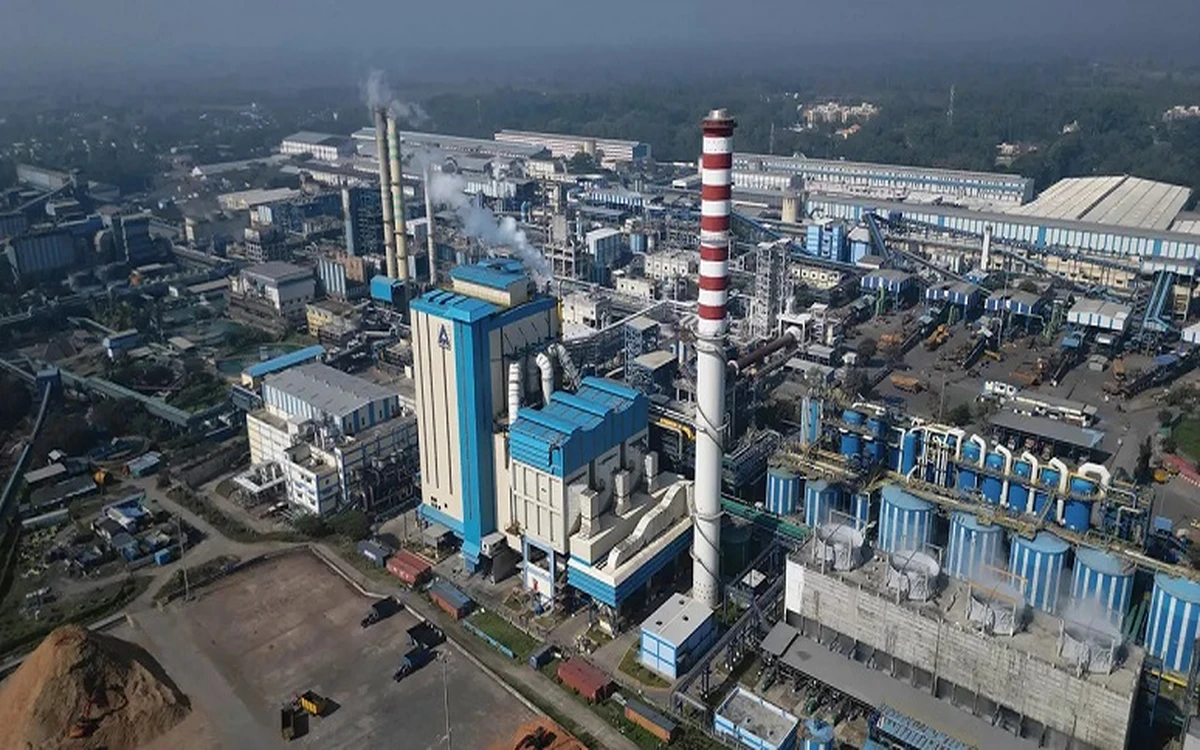
3 weeks ago
Total Views : 3762

last month
Total Views : 5928
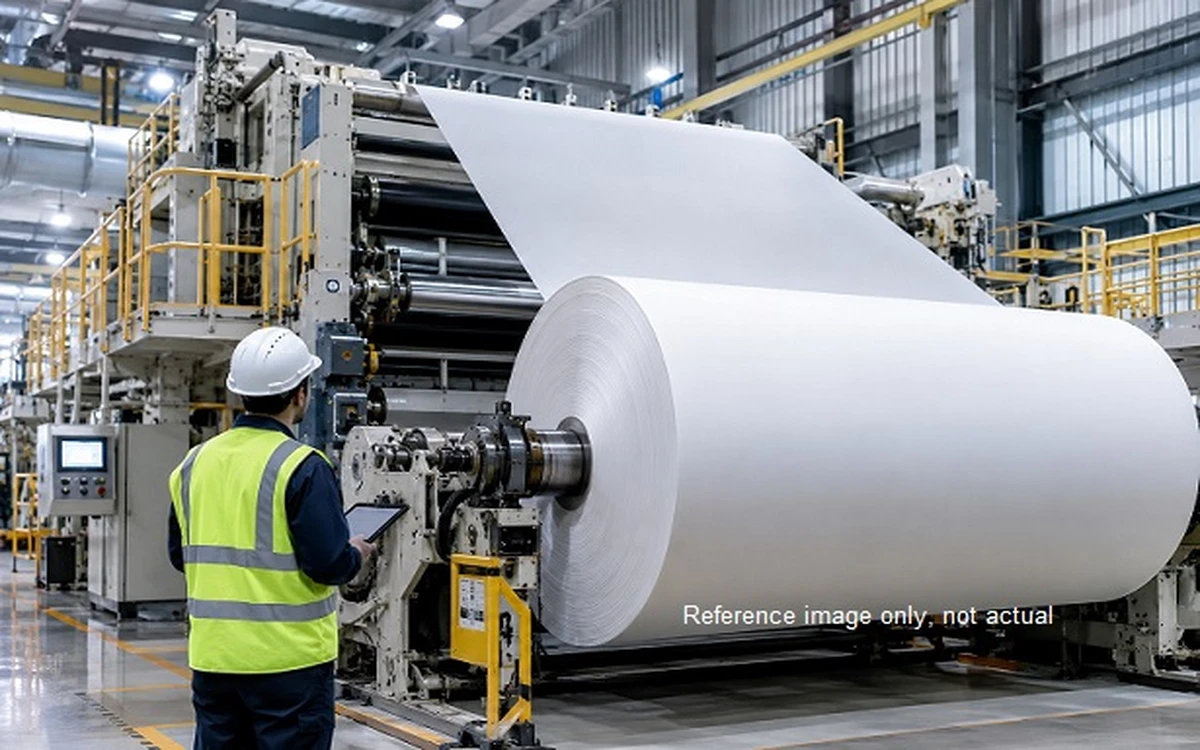
last month
Total Views : 2695