Join Groups & Channels, No Spamming









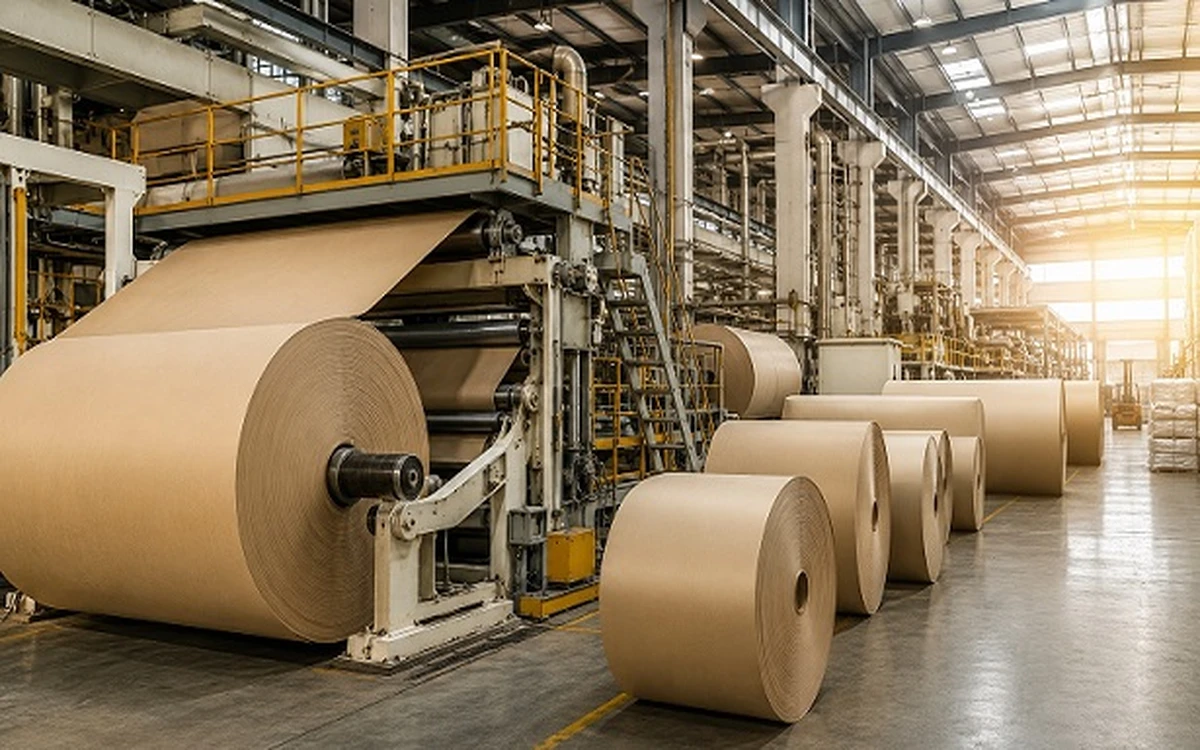
Morbi paper mills see full-capacity operations as ceramic industry revives; Kraft paper exports to China spike, Prices strengthen; Janmashtami shutdown ahead

The BE and caustic soda plant marks a key milestone for Mohit Paper Mills, enabling full utilization of installed capacity and enhancing overall production efficiency

Expert Views on the paper market scenario, How the West Asia Crisis Helped the Industry, MIP for WPP, Anti-Subsidy implementation, and paper price trends
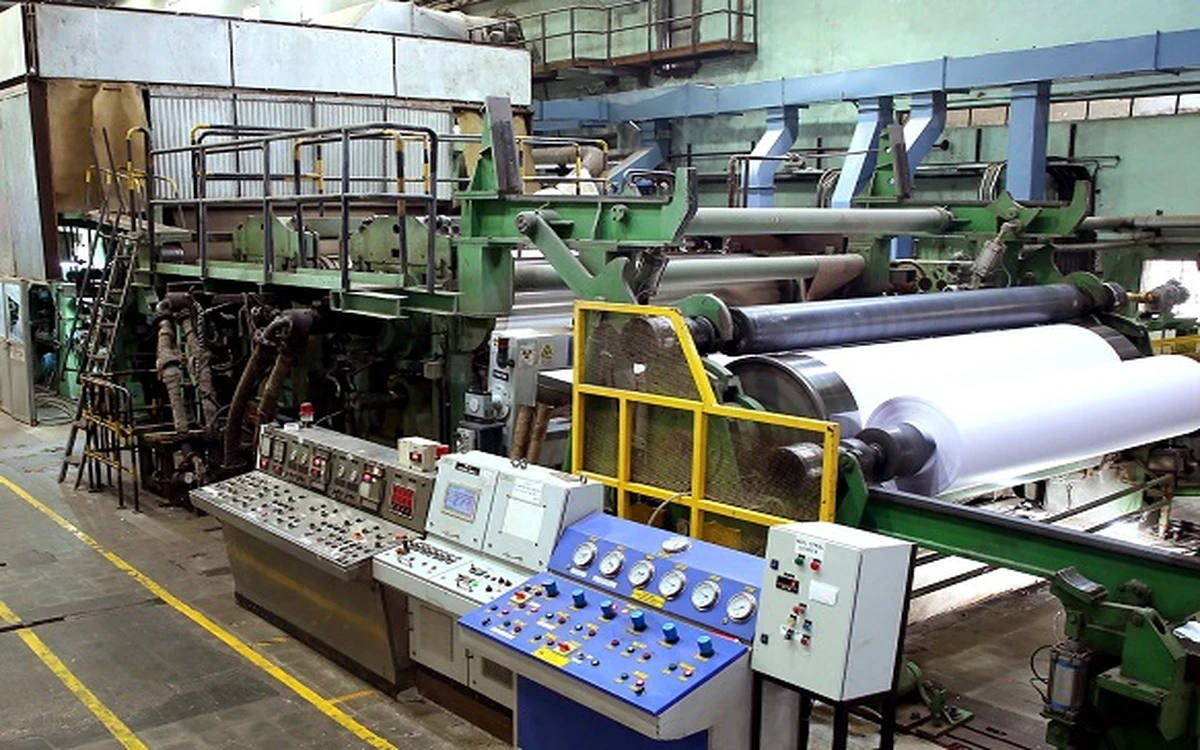
Pudumjee Paper intends to develop new varieties addressing applications for stronger paper bags and cupcakes; Plans 68,000 MT Mahad Specialty Paper Facility within 5 years
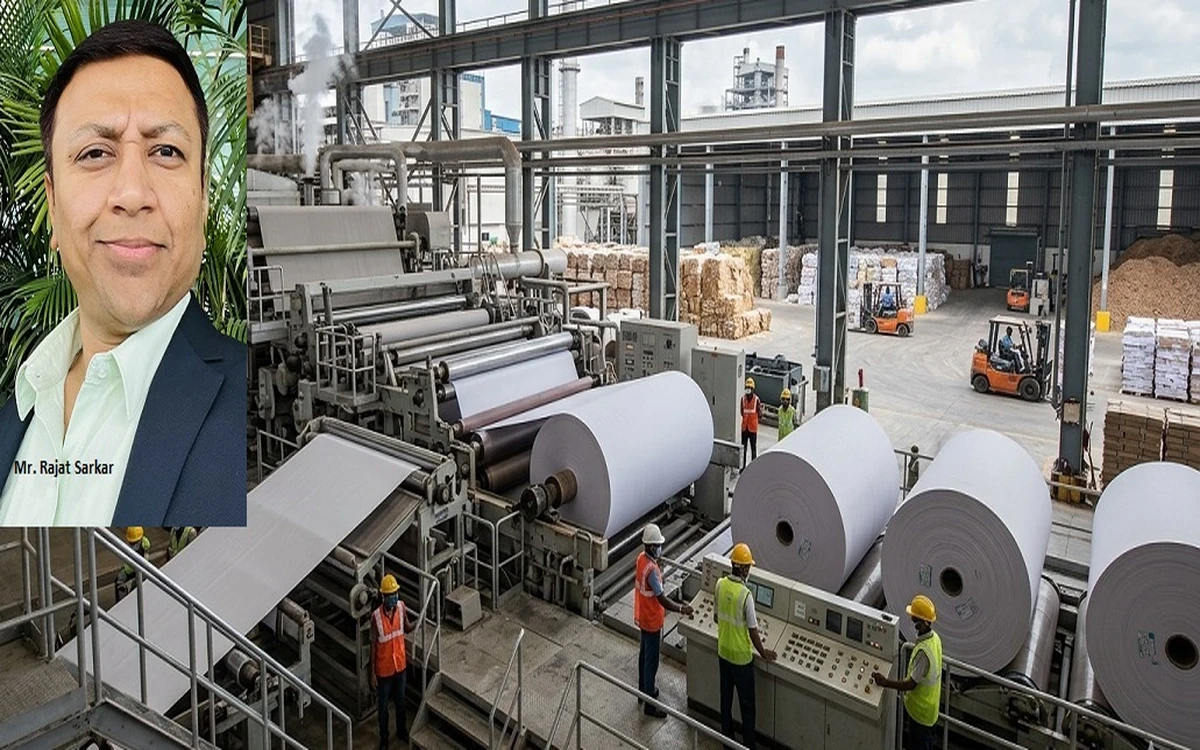
India Paper Industry at an Inflection Point: War, Costs, and Capacity; Demand growth expected at 5–7% in FY26
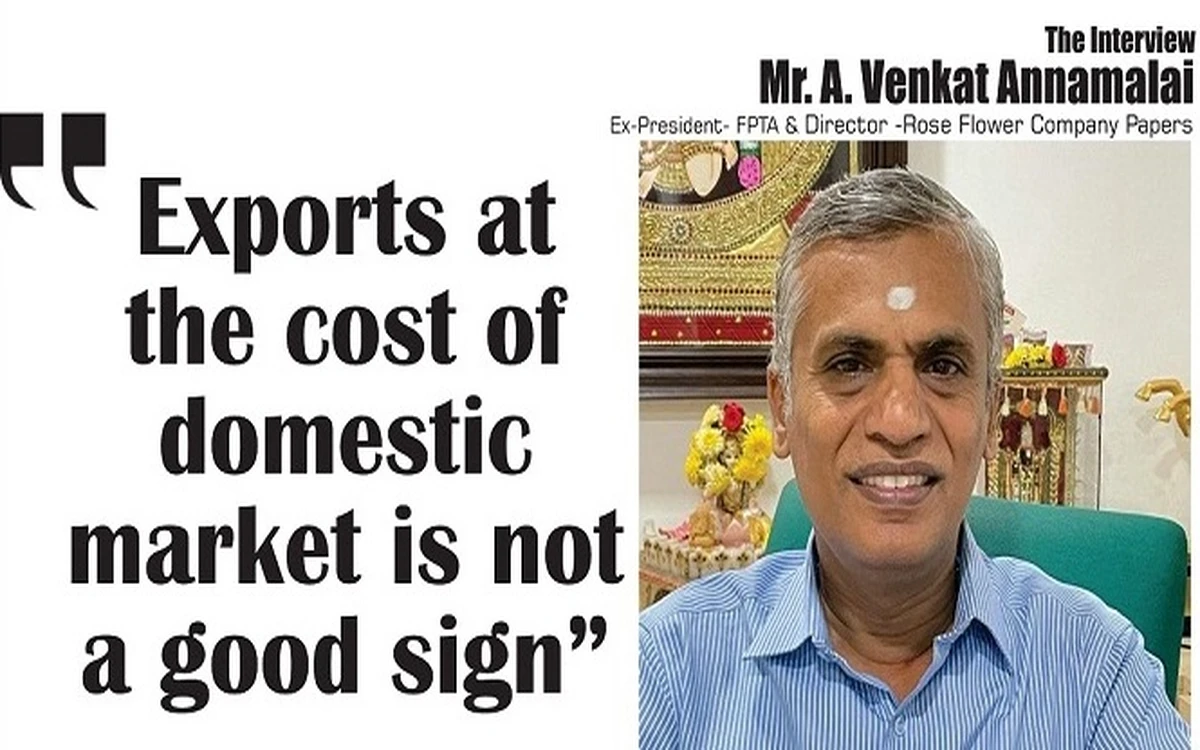
“Surging exports of paper will most certainly keep the domestic prices quite high”: Mr. A. Annamalai, Director – RFC
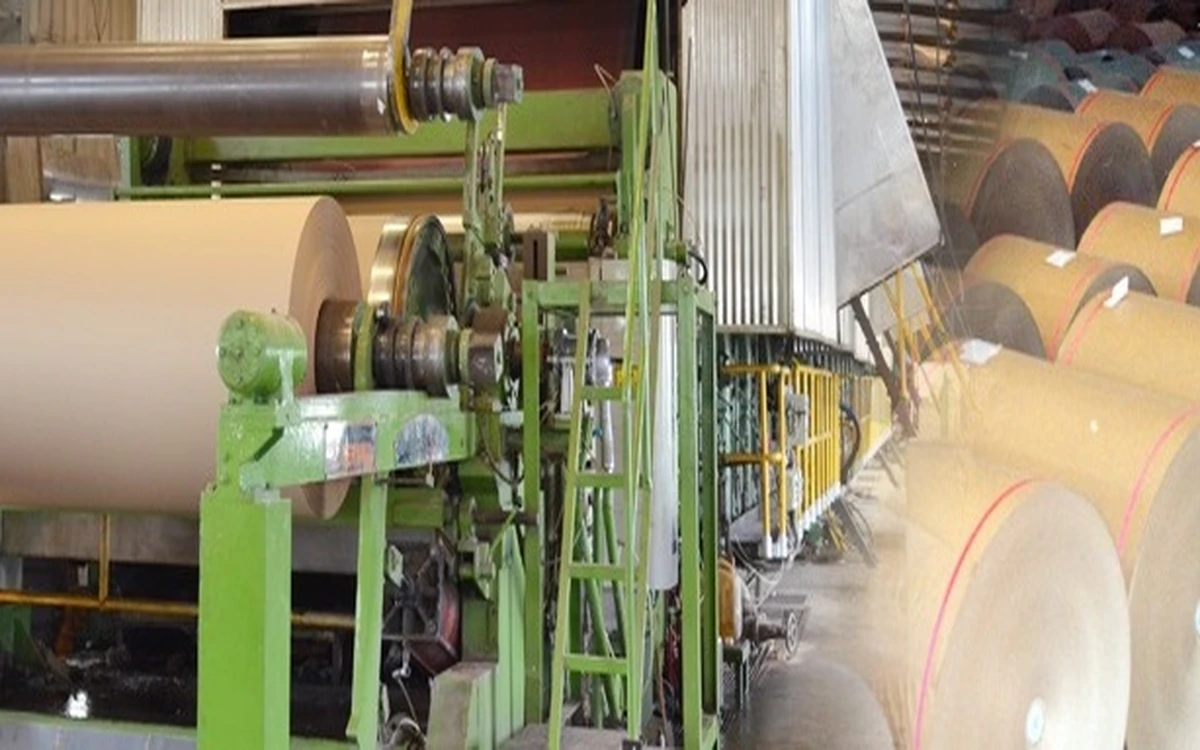
The Status of the Global Container board Industry, Recycled Paper Demand and Supply and its impact on the Indian Industry

Akshay Jain, director of Silverton Pulp & Paper, says it's time to promote agro residue as a raw material to lessen the scarcity of fibre
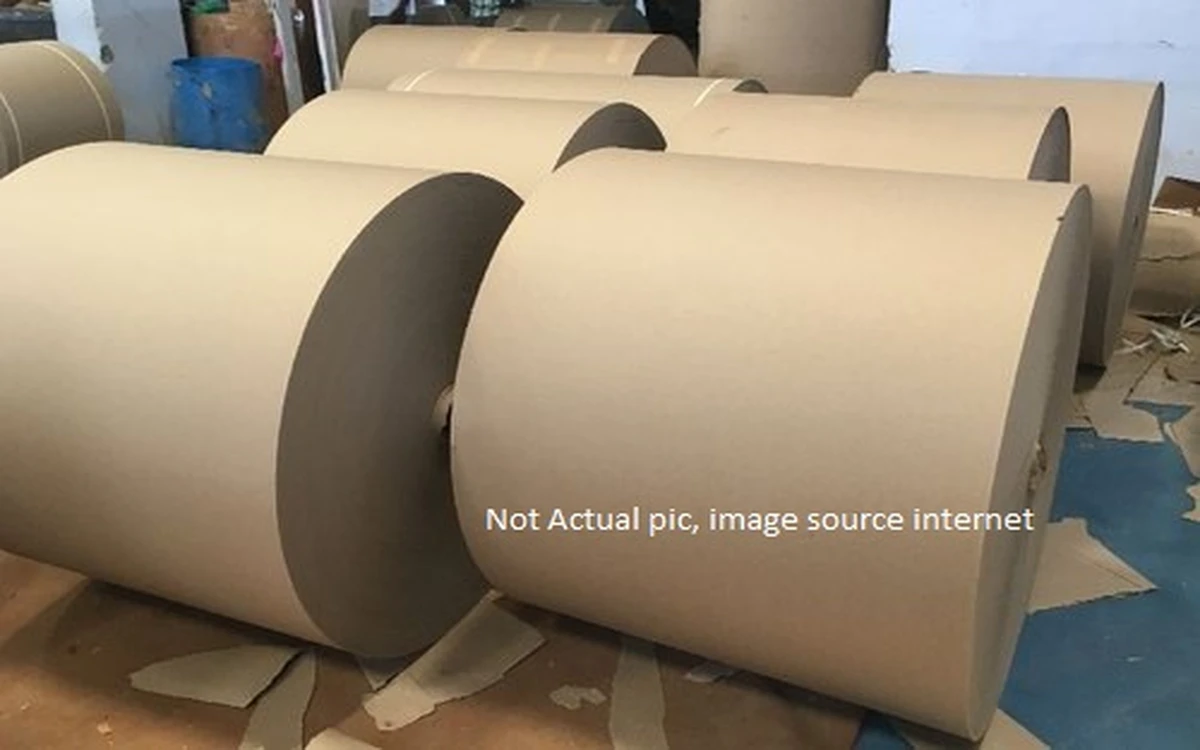
Advantageously located, a new paper mill is all set to roll kraft paper in Madhya Pradesh

Several agile interventions helped ITC-PSPD fortify its clear leadership of the Value Added Paperboards (VAP) segment
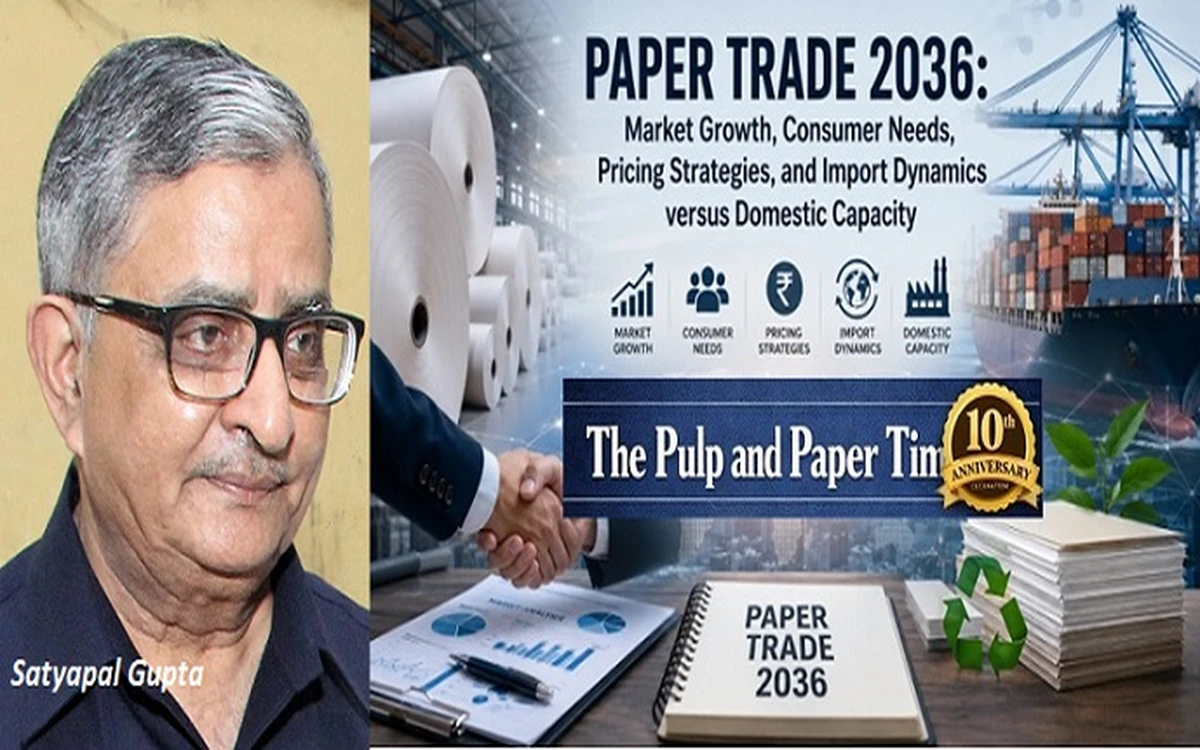
“A trend may emerge wherein technology JV may emerge among the paper producers to have the grades produced in the region.” — Satyapal Gupta, Chairman, Narsingh Dass & Co.

The Story of ITC-PSPD: Strengthening Long-Term Fibre Security, Futuristic Packaging Solutions, Meaningful Acquisition, and Reinforcing Its Solid Waste Recycling Footprint

Over AED 1.3 Billion in Investments in the Paper Industry Underscore Growth Potential in the GCC Region
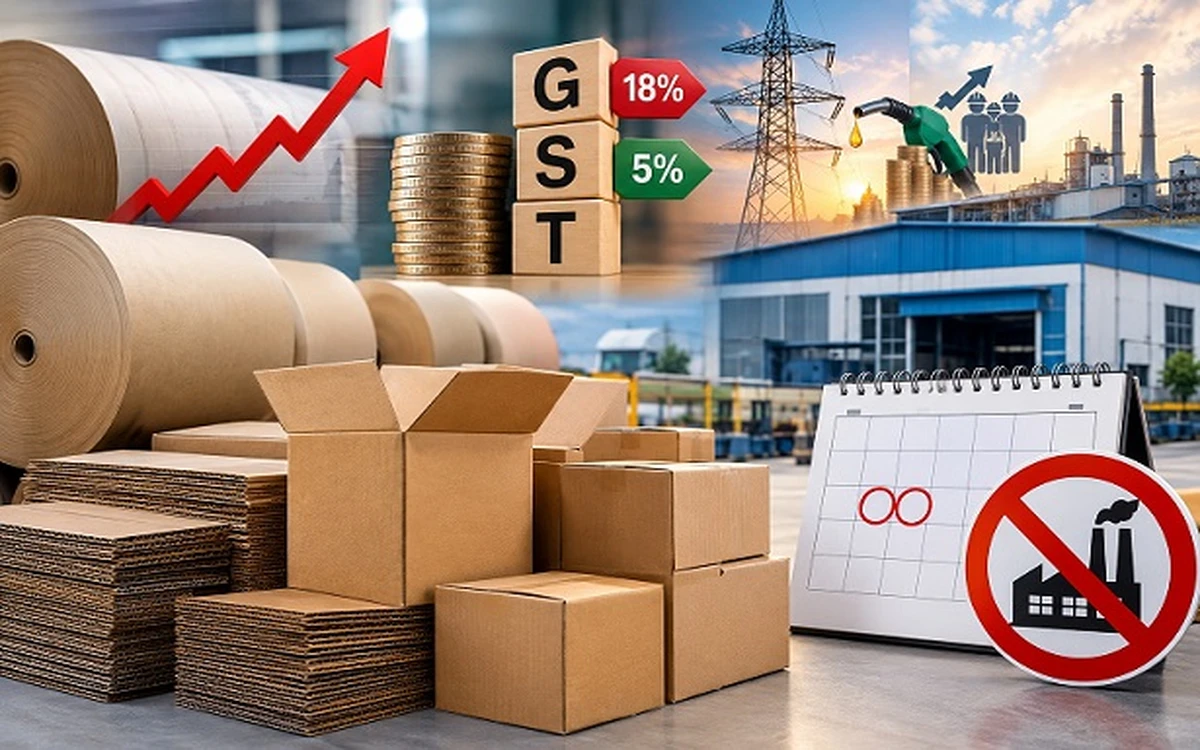
Overall Increase in Kraft Paper Prices Could Reach 35%; Industry Calls for 20% Box Price Increase, Voluntary Shutdown Proposed

Paper mills inflated the basic ex-mill price of paper post GST 2.0, AINMA seeks action against Anti-Profiteering
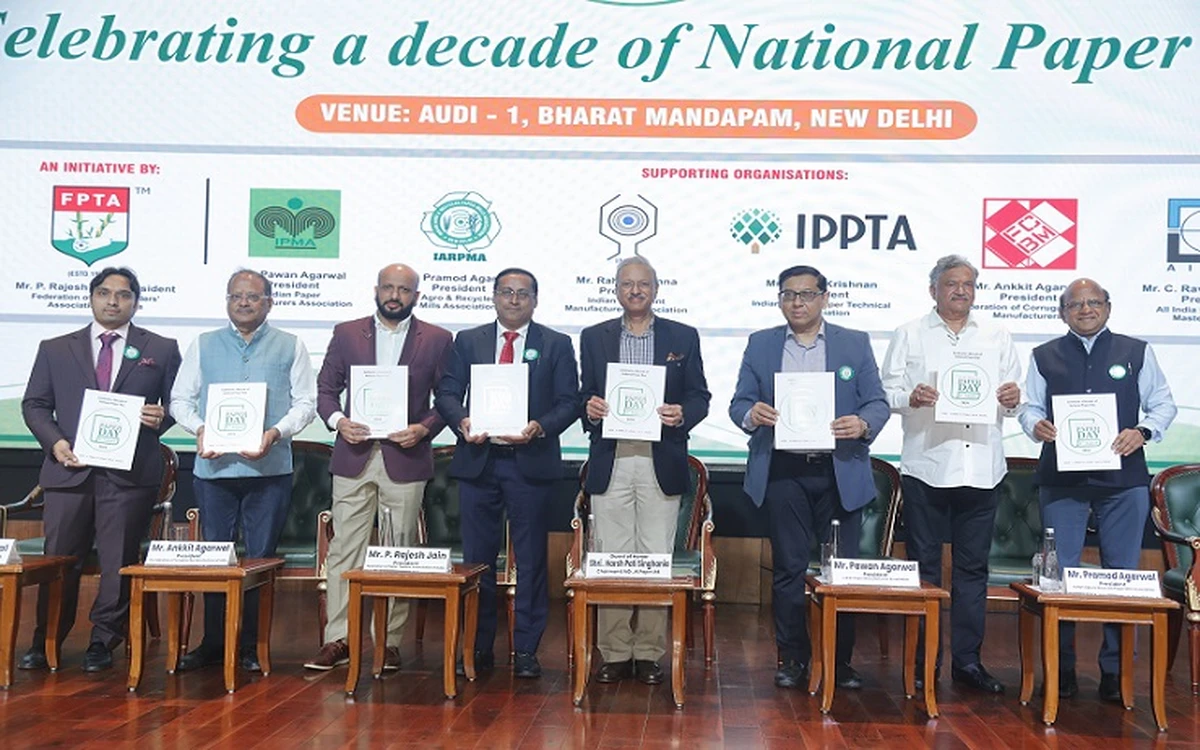
Seven Leading Associations Unite to Celebrate National Paper Day, Highlighting Paper's Sustainability and Circular Economy Advantage

Scientists from IIT-Guwahati develop India's first biodegradable plastic

Navneet Education focuses on brand building, curriculum-led growth, and export recovery; expects stationery margins to improve in FY27

It is estimated that USD10B to USD20B worth of single-use plastic packaging will convert to molded fiber, ZUME
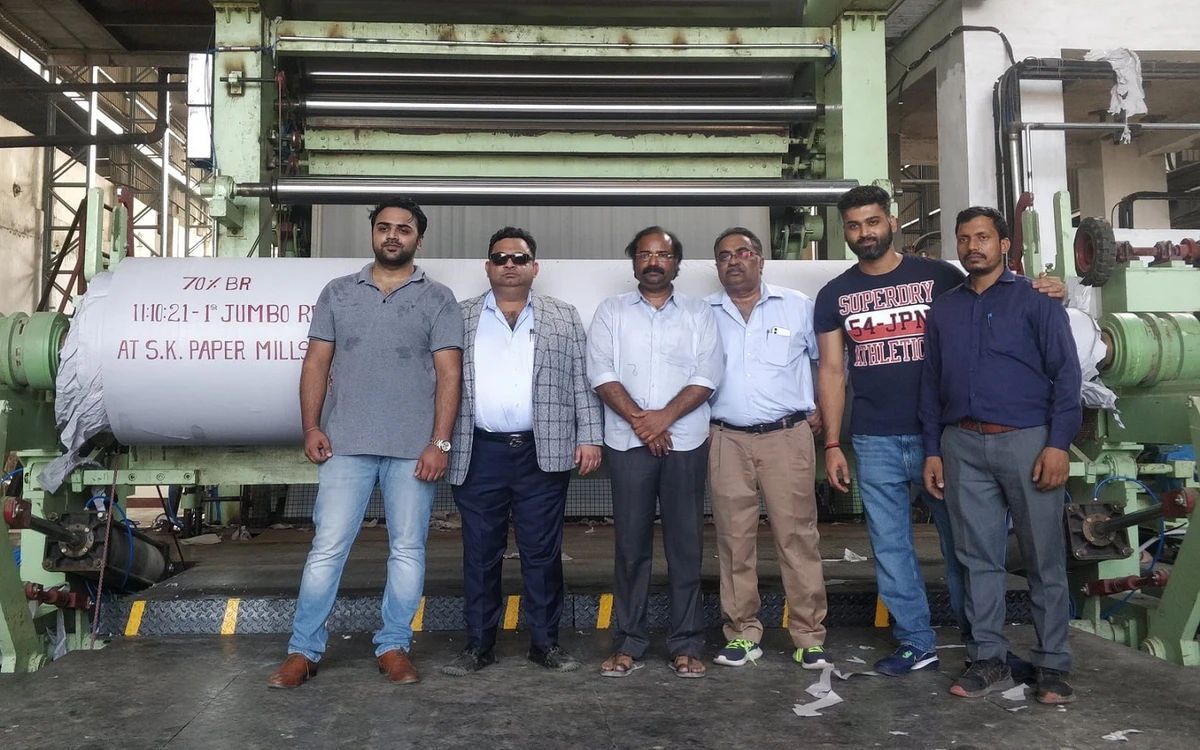
Muzaffarnagar gets a new capacity of Tissue Paper and MG Poster paper

“The integration of digitalization, automation, and Artificial Intelligence (AI) is no longer a futuristic concept—it is the baseline for competitiveness in 2036” - Vinit Garg, Director, Vizen Solutions
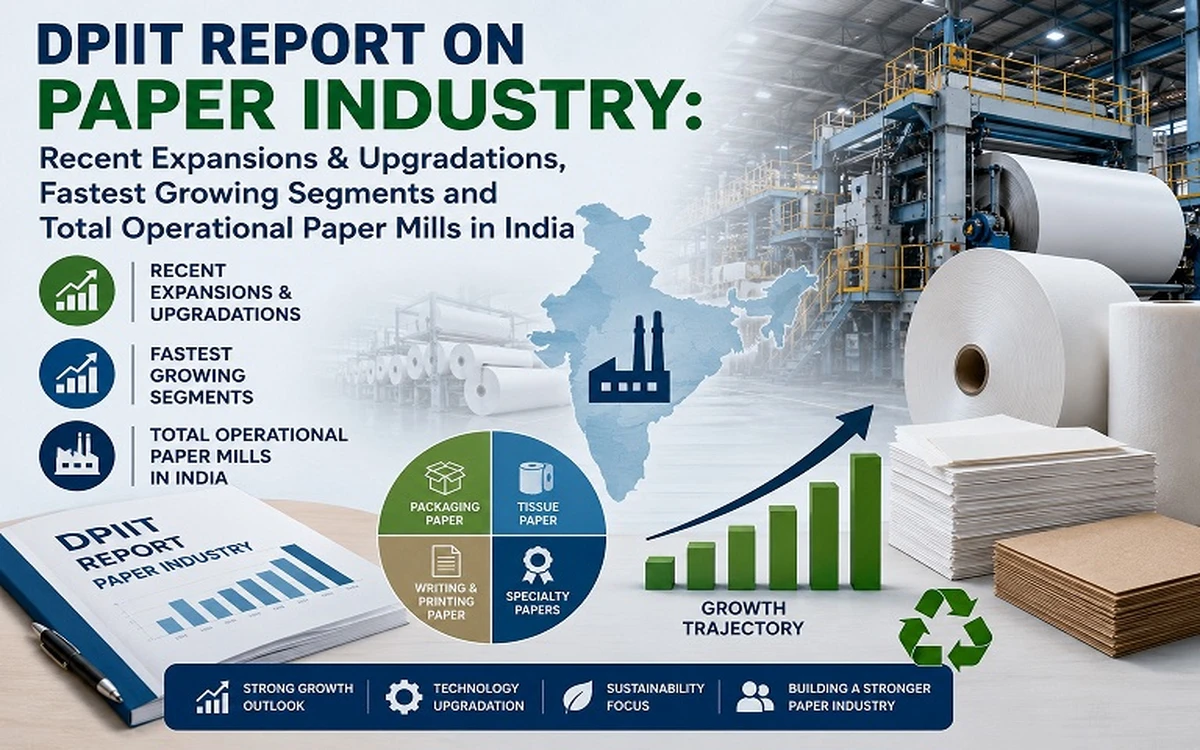
DPIIT Report on the Paper Industry: Recent Expansions & Upgrades, Fastest-Growing Segments, and Total Operational Paper Mills in India

Overview of exports of select type of paper and key raw material used in the industry by Crisil Intelligence

Margin pressure pushes Pulp & Paper Packaging sector toward AI-Driven cost optimization, Cutting costs by 8–20%
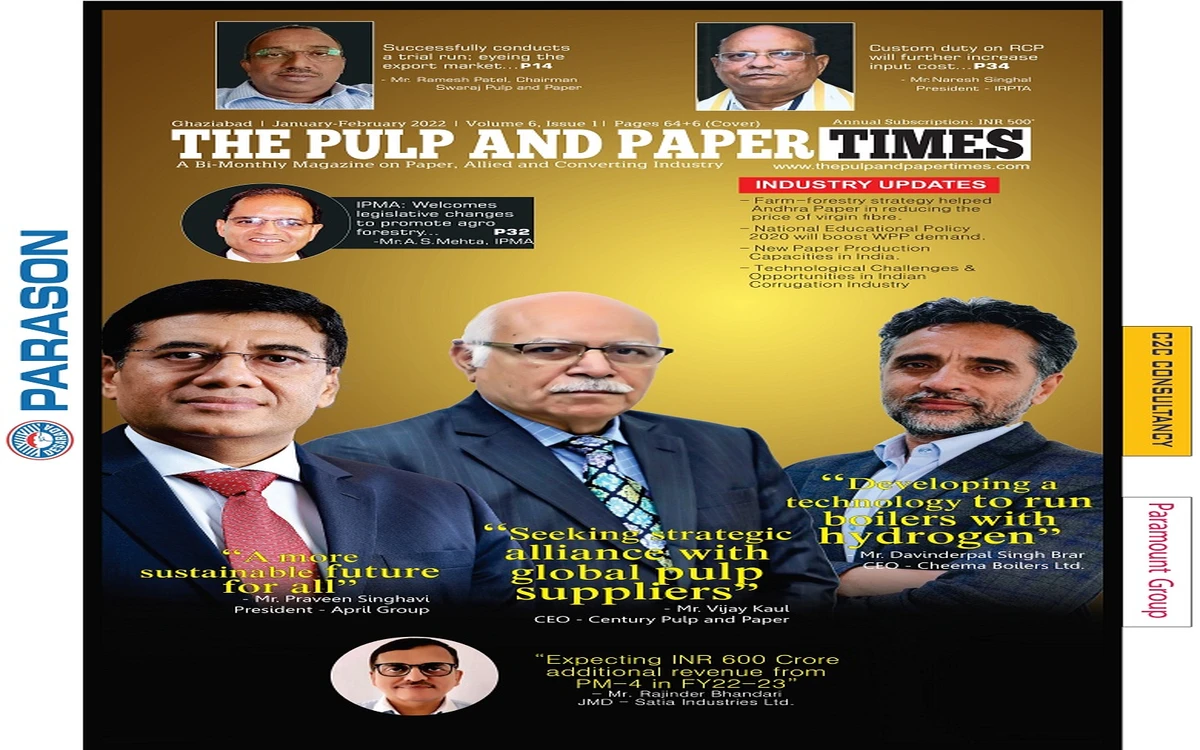
The Pulp and Paper Times Magazine : Volume 6, Issue 1

The Pulp and Paper Times Magazine : Volume 5, Issue 6
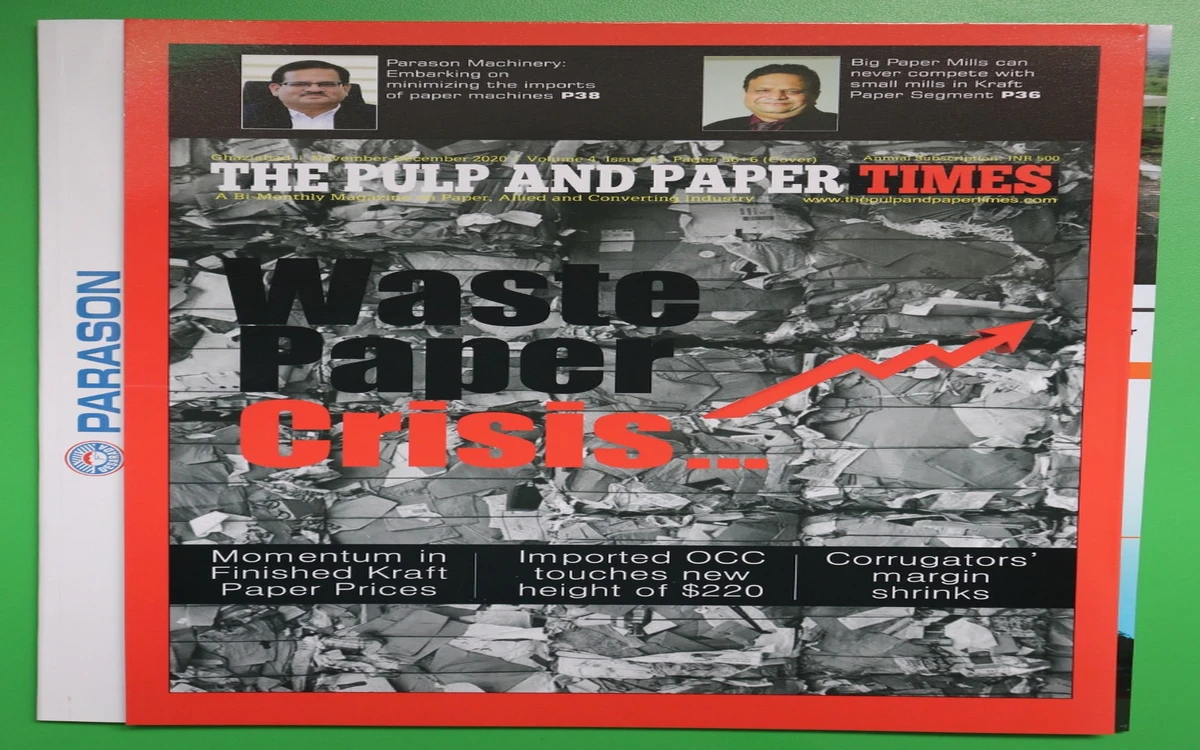
The Pulp and Paper Times: Volume 4, Issue 6
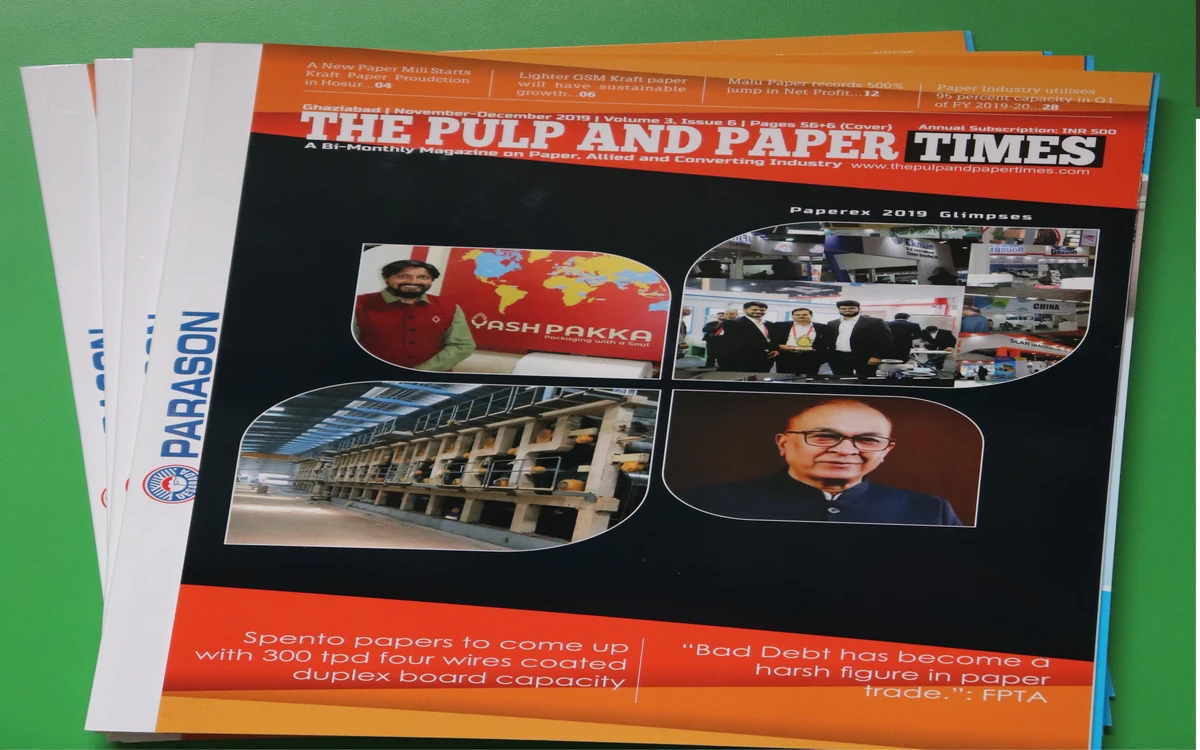
The Pulp and Paper Times : Volume 3, Issue 6
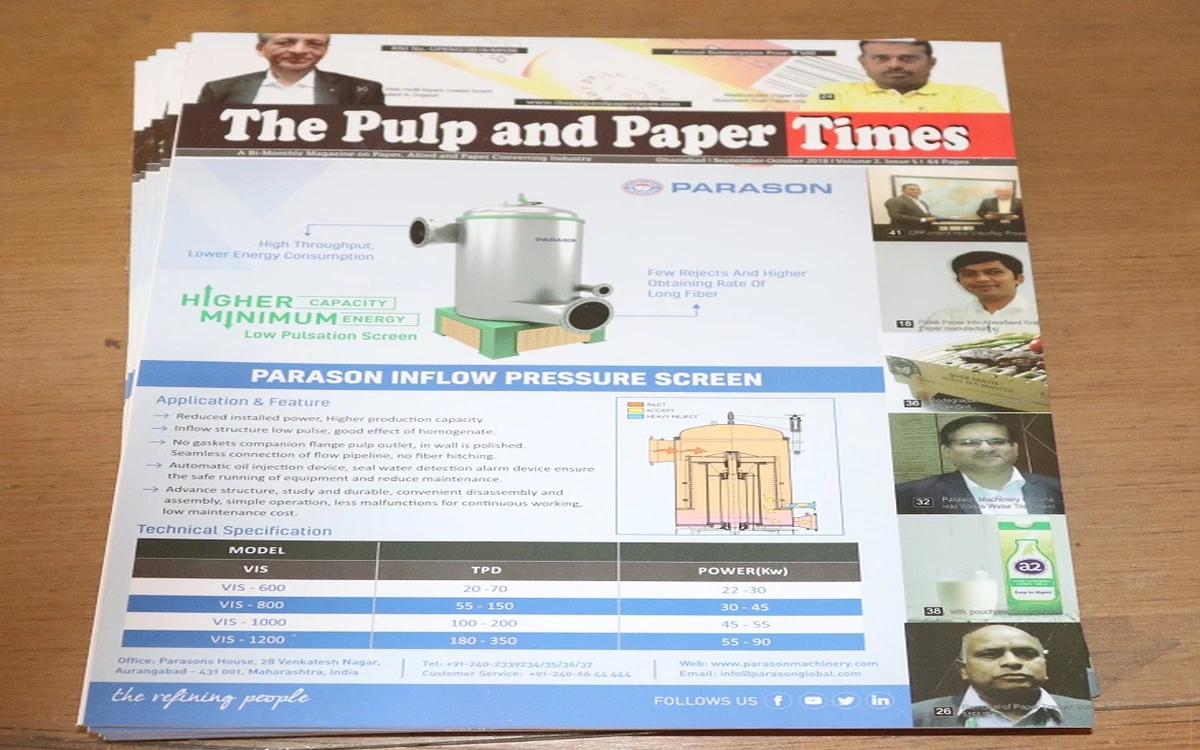
The Pulp and Paper Times: Volume 2 Issue 5

The Pulp and Paper Times, Volume 1, Issue 3
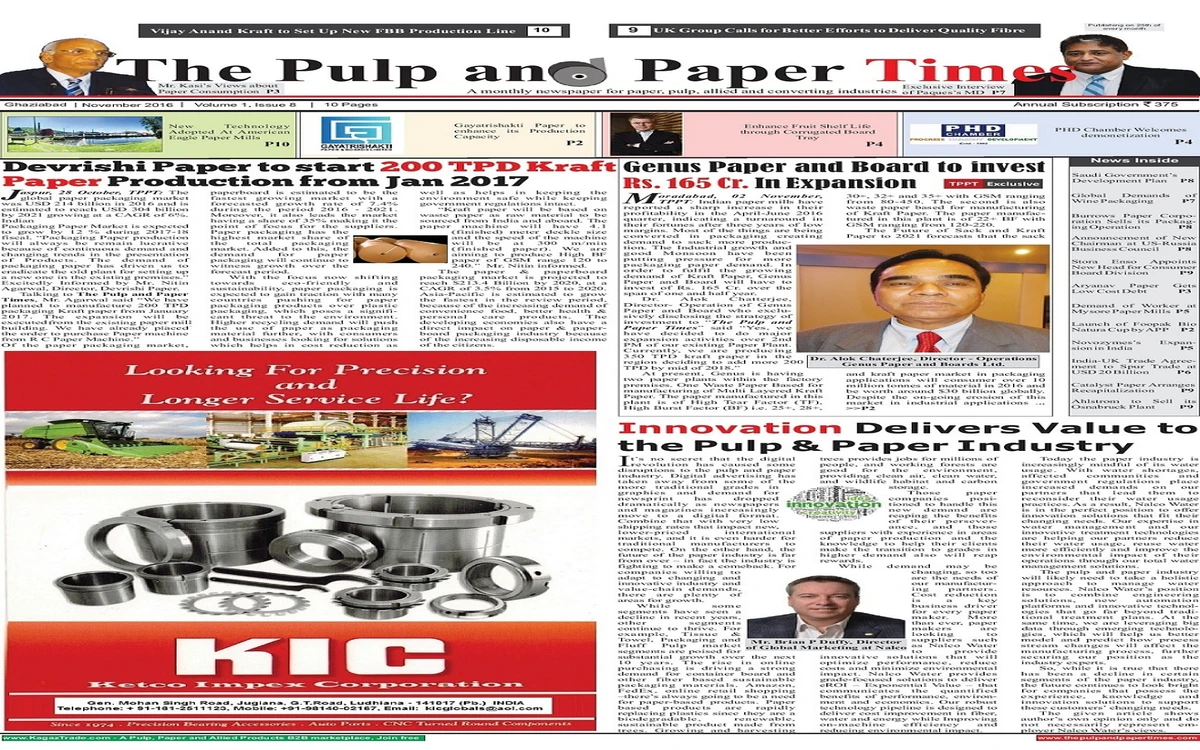
The Pulp and Paper Times, November 2016 Issue

The paper trade ecosystem is entering a new decade shaped by changing consumer needs, evolving market dynamics, sustainability expectations, global competition, and increasingly complex supply chains. As the vital link between manufacturers and end-users, distributors, dealers, traders, stockists, and importers are uniquely positioned to understand these changes and anticipate what the market will demand by 2036.
Against this backdrop, the perspectives of the paper trade community offer valuable insight into how the market may evolve, how pricing strategies could respond to volatility, and how policy and trade regulations may influence the competitiveness of India’s paper sector over the coming decade.
We also spoke to several industry experts across distribution and trading segments to better understand ground realities and future expectations. Here are Views of Satyapal Gupta, Chairman, Narsingh Dass & Co
“The paper trade will witness consolidation and survival of fewer players who can provide excellent services to their customers. These are going to race ahead and earn well”

The Pulp and Paper Times
Trade is all about compliance of laws, taxation, accounting, logistics, communication, risk management, customer service, financial management, use of information technology, purchase, sale, marketing, data management and the most important creating wealth for your family.
We need to understand the different facets of trade, understand the game and master it. We need to keep track of the cycles and economics of demand and supply. We need to keep our eyes, ears and minds open to the national and global happenings. We need to have an independent policy and act with conviction. We need to have a play book of our own and play the game in accordance with the rules of the game decided much before the game is started and adjust to any changes to the rules mid-way.

It is important that we practice the “Trade First” policy, an independent policy largely in the interest of the trade. We should communicate timely, firmly and with conviction in clear language. We should have the spine to stand up and stand firm, and communicate our views and displeasure without any fear at the appropriate forums. We need to expose hypocrisy, stop being preached, and resist external pressures. We should become self-reliant in all respects, be patient, resist and not retaliate, and create options and choices. The trade must be firm in principle but flexible in approach. We should not appease anyone and lose our credibility. The trade must project a consistent message of independent decision making, grounded in economic logic and trader’s interest.
Times have changed and so has the trade. The memories of the past needs to be recoded for learning. But with times, we need to change our thinking and working. You can’t have a better tomorrow, if you are thinking about yesterday. You can’t predict the future, but you can prepare for it. Let us ‘Rethink our role’, ‘Reinvent ourselves’, and become ‘Receptive to Change’. Let me be very clear – Only I can change my life and how I do my business. No one can do it for me.

Time has made you learn that artificial intelligence is going to rule the decision making and so one need to read a lot to develop one’s wisdom to see what is Right and what to implement for the growth of your business domestically and overseas. The paper trade will witness consolidation and survival of fewer players who can provide excellent services to their customers. These are going to race ahead and earn well.
The consumers will start demanding more services adapting themselves to Just in Time (JIT) principle, in terms of stocks, to ensure quality product every time. They prefer Indian products and yet import when the functionality is not met or the grade is not available.
Lot of new usages are going to rule the Indian market scenario. Hygiene and food sector is booming and will continue to grow. The development of new varieties to mark the usages will be the order of the day.

West Asia crisis has provided more caution to the emerging market and the paper industry is witnessing a shift globally. The impact on the trade will be felt in the days to come. The pricing policies and logistics cost will move erratically due to the volatility being seen in the input cost to the paper mill and trade channel.
Global paper industry growth Is becoming increasingly concentrated as capital is flowing toward a relatively small number of regions that offer the strongest combination of demand growth, cost competitiveness, and long-term strategic value. Across much of the industry, producers are replacing smaller, older, higher-cost assets with larger, more efficient operations capable of delivering stronger long-term returns. Instead of adding capacity, simply because demand exists, producers are increasingly asking whether existing assets can be upgraded to meet future market needs more efficiently.
A trend may emerge wherein the Technology JV may emerge among the paper producers to have the grades produced in the region having cost effective raw material and market reach is within the region of operation.
Speciality paper segment is growing rapidly and food grade papers are witnessing a pull from the brand owners and SUP alternatives requirement. Export potential being experienced in these grades as well but increasing compliance from European union is limiting the growth. This sector holds promise and the opportunity to grow. Green products are in demand but policies around it is not clear. It might take some time to get accepted in the time to come.

Packaging grades account for a significant share of the market, reflecting continued confidence in corrugated and consumer packaging demand. Writing printing paper is still going strong in India compare to the global demand. It still continues to serve the needs of the young mind. Newsprint demand is stable and is shifting southwards. The important thing that has happened in the recent past is that the imports of newsprint has reduced as domestic newsprint grades are finding greater acceptance amongst the domestic consumers.
Policy interventions, import restrictions and BIS compliance is helping Indian paper industry grow. The domestic manufacturers are poised for a period of continued growth.
E-commerce, computerised warehousing, and just in time deliveries are going to be the order of the day for the Trader. Widespread handshake may be seen among traders and with Mill owners to service the customer with the best of services.

8 hours ago
Total Views : 294
6 days ago
Total Views : 726

last week
Total Views : 3585

last week
Total Views : 2364

2 weeks ago
Total Views : 674

2 weeks ago
Total Views : 3682

3 weeks ago
Total Views : 5816
3 weeks ago
Total Views : 2624

last month
Total Views : 3626
last month
Total Views : 3053