Join Groups & Channels, No Spamming









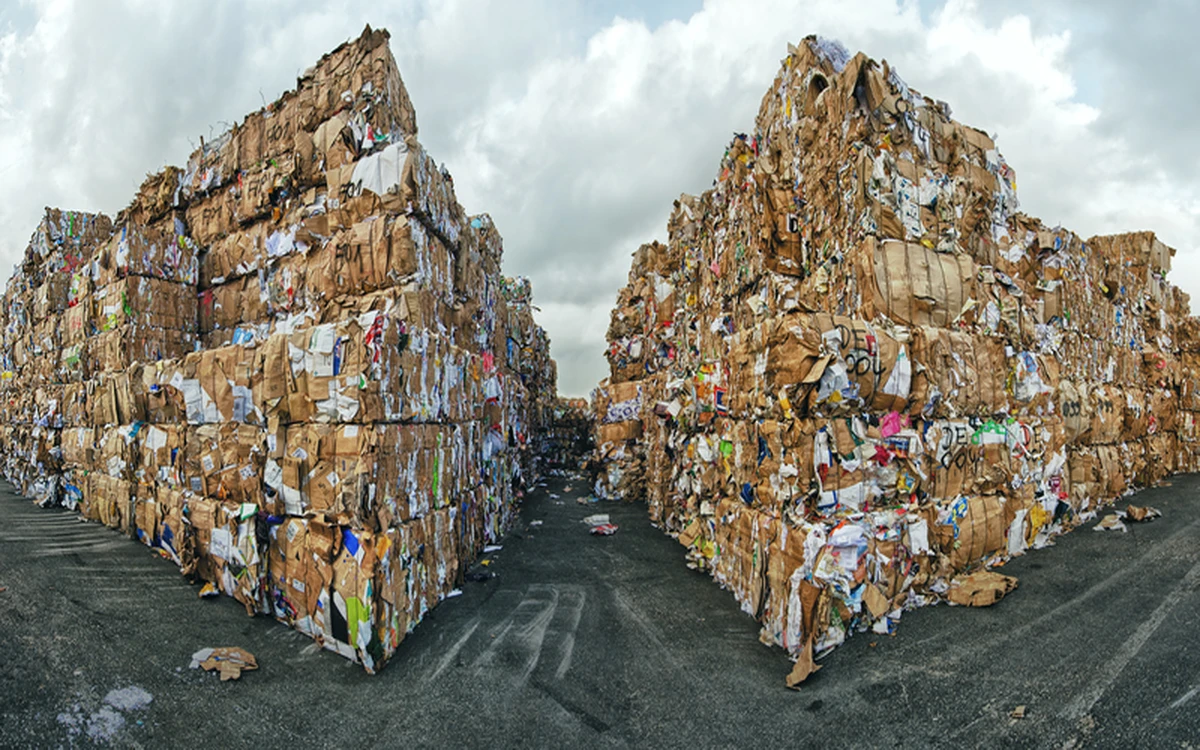
Morbi paper mills see full-capacity operations as ceramic industry revives; Kraft paper exports to China spike, Prices strengthen; Janmashtami shutdown ahead
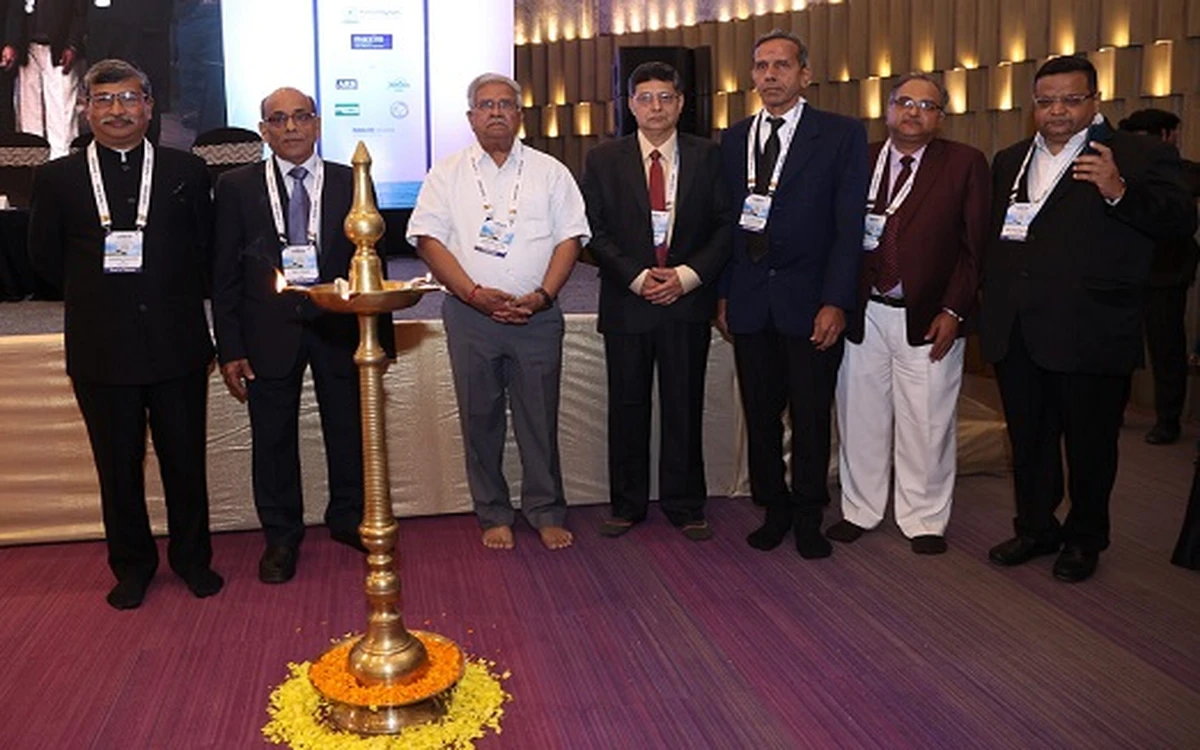
The BE and caustic soda plant marks a key milestone for Mohit Paper Mills, enabling full utilization of installed capacity and enhancing overall production efficiency
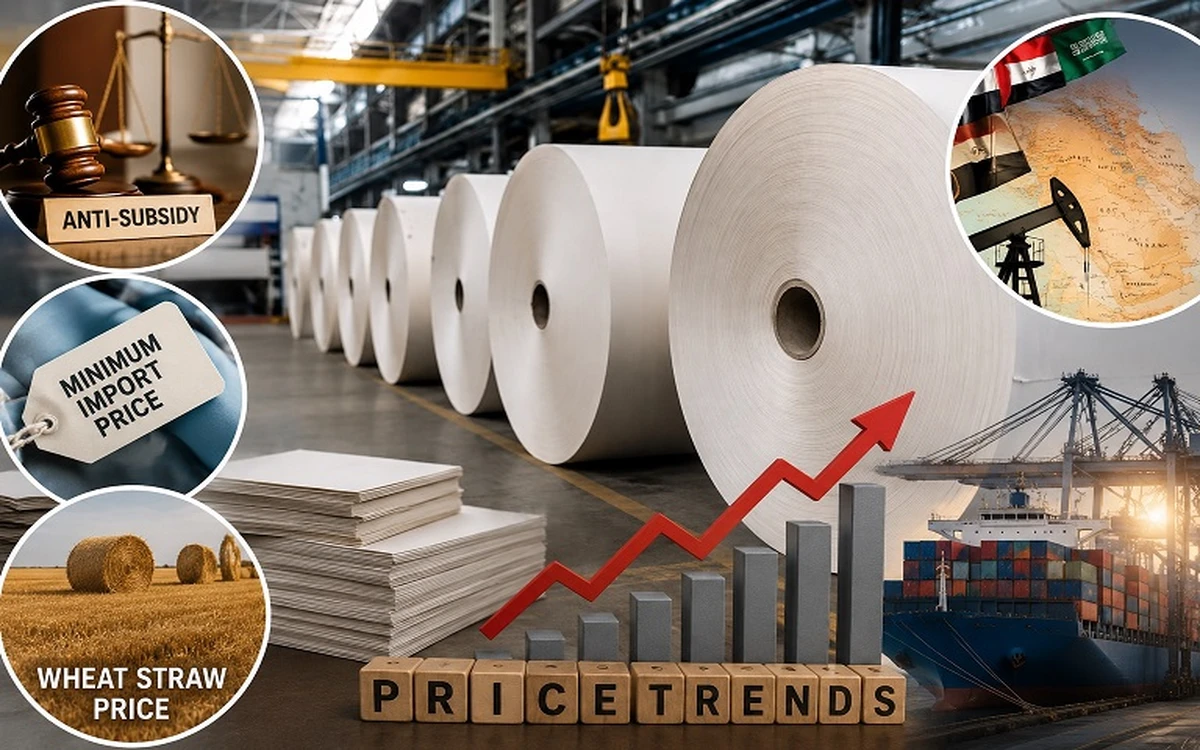
Expert Views on the paper market scenario, How the West Asia Crisis Helped the Industry, MIP for WPP, Anti-Subsidy implementation, and paper price trends
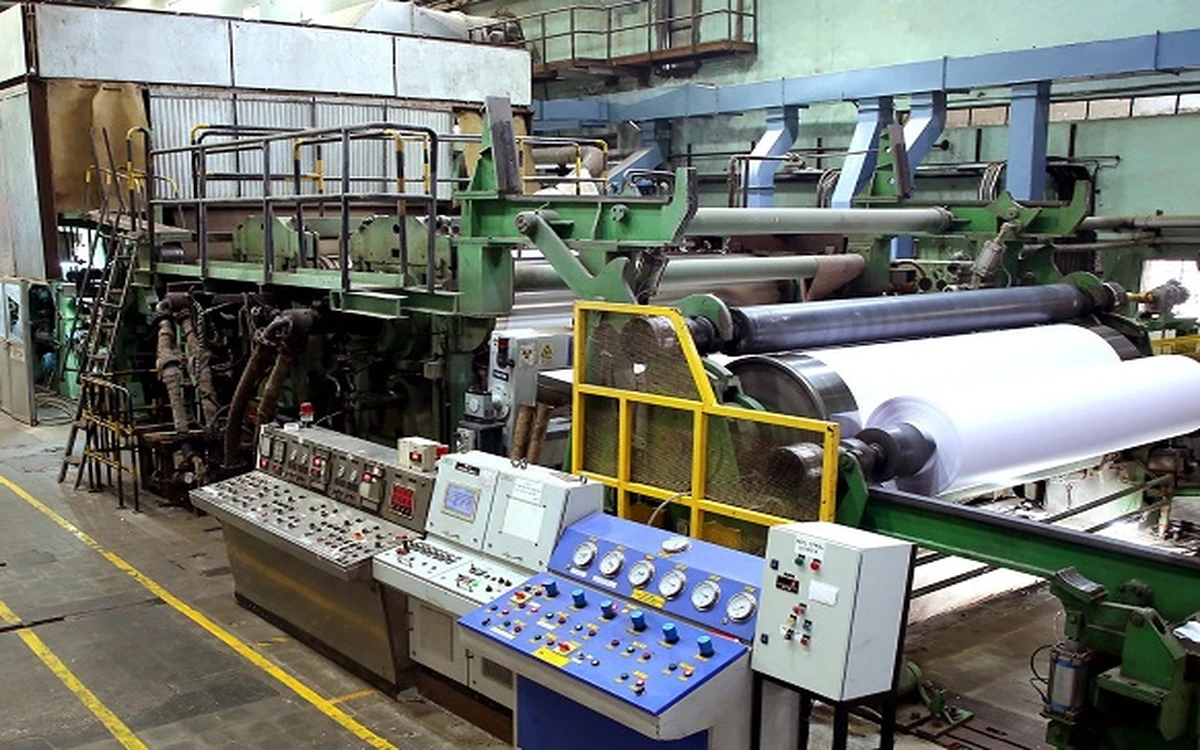
Pudumjee Paper intends to develop new varieties addressing applications for stronger paper bags and cupcakes; Plans 68,000 MT Mahad Specialty Paper Facility within 5 years
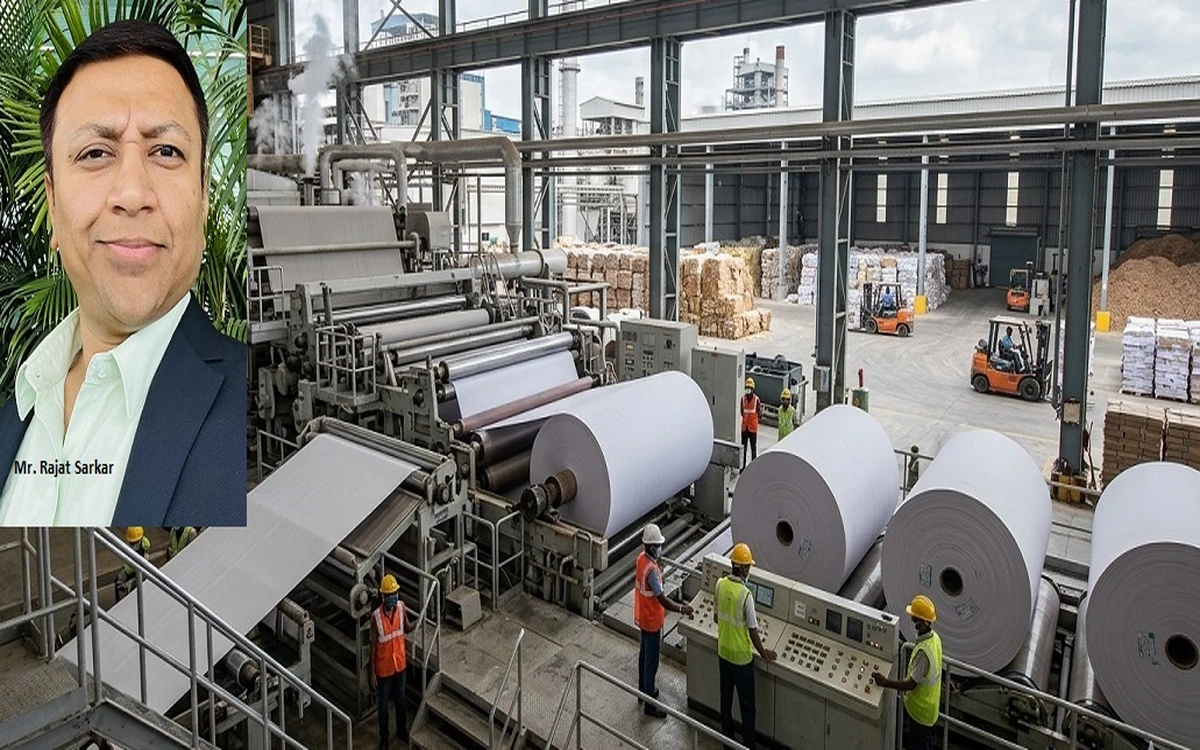
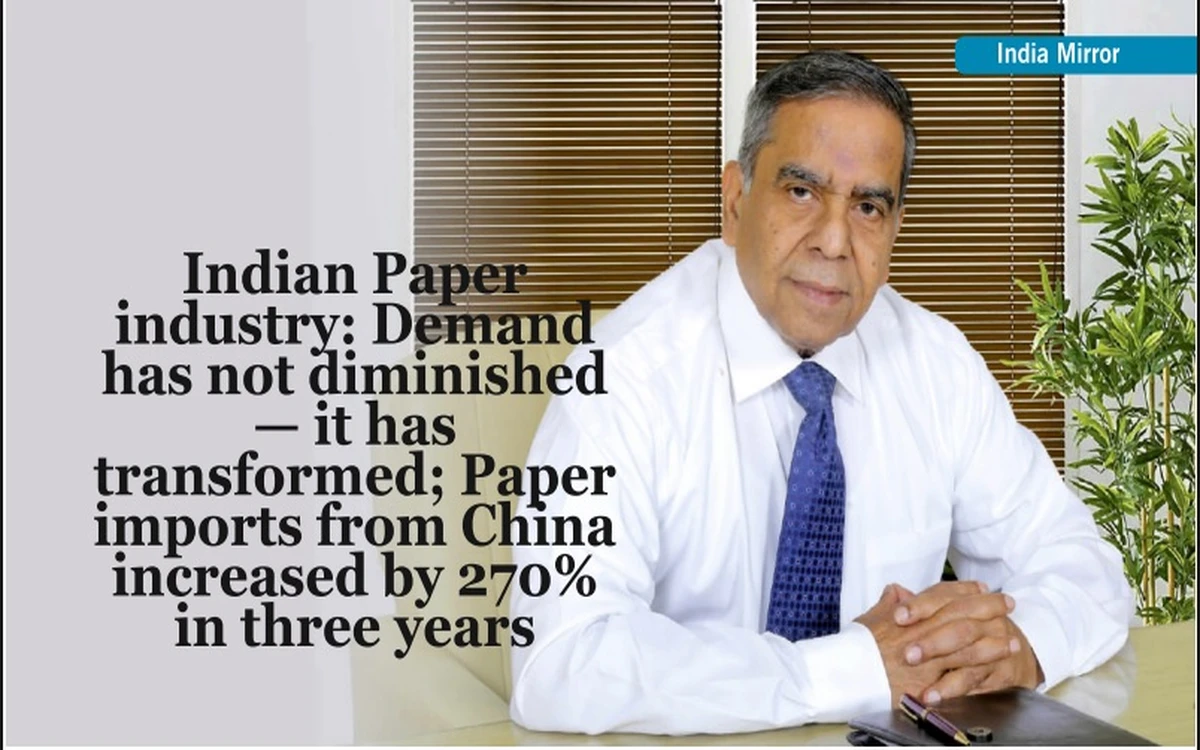
India Paper Industry at an Inflection Point: War, Costs, and Capacity; Demand growth expected at 5–7% in FY26
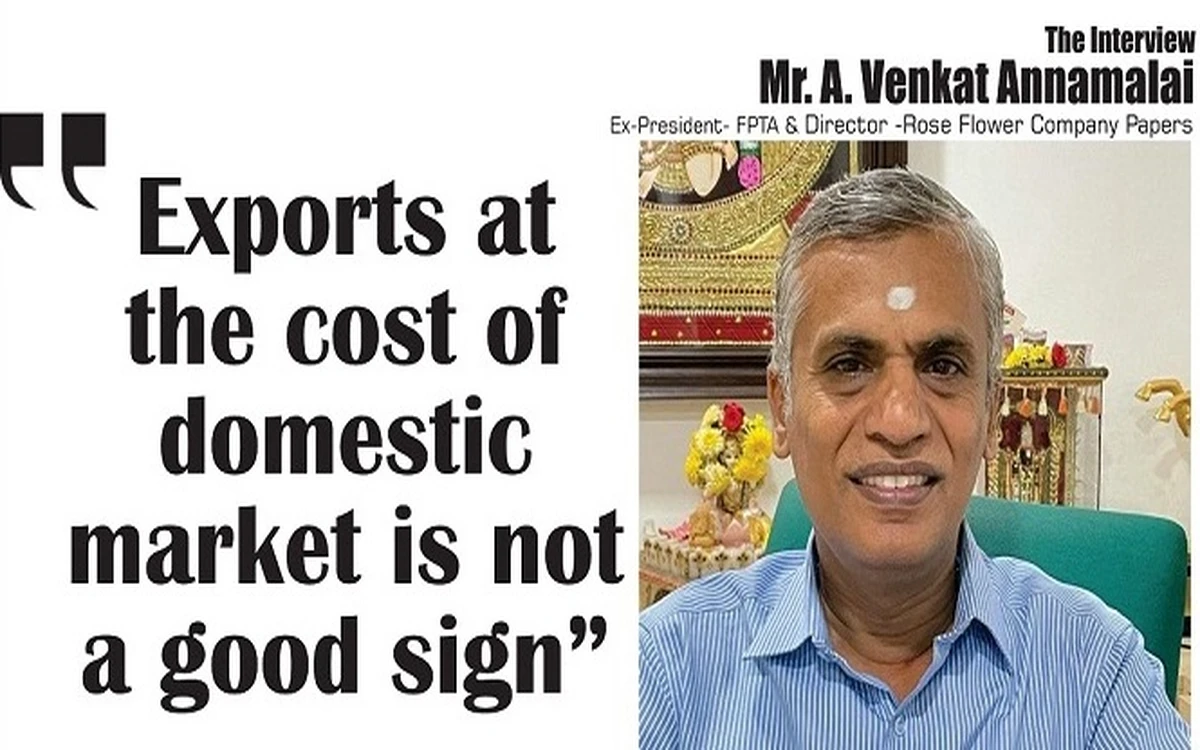
“Surging exports of paper will most certainly keep the domestic prices quite high”: Mr. A. Annamalai, Director – RFC
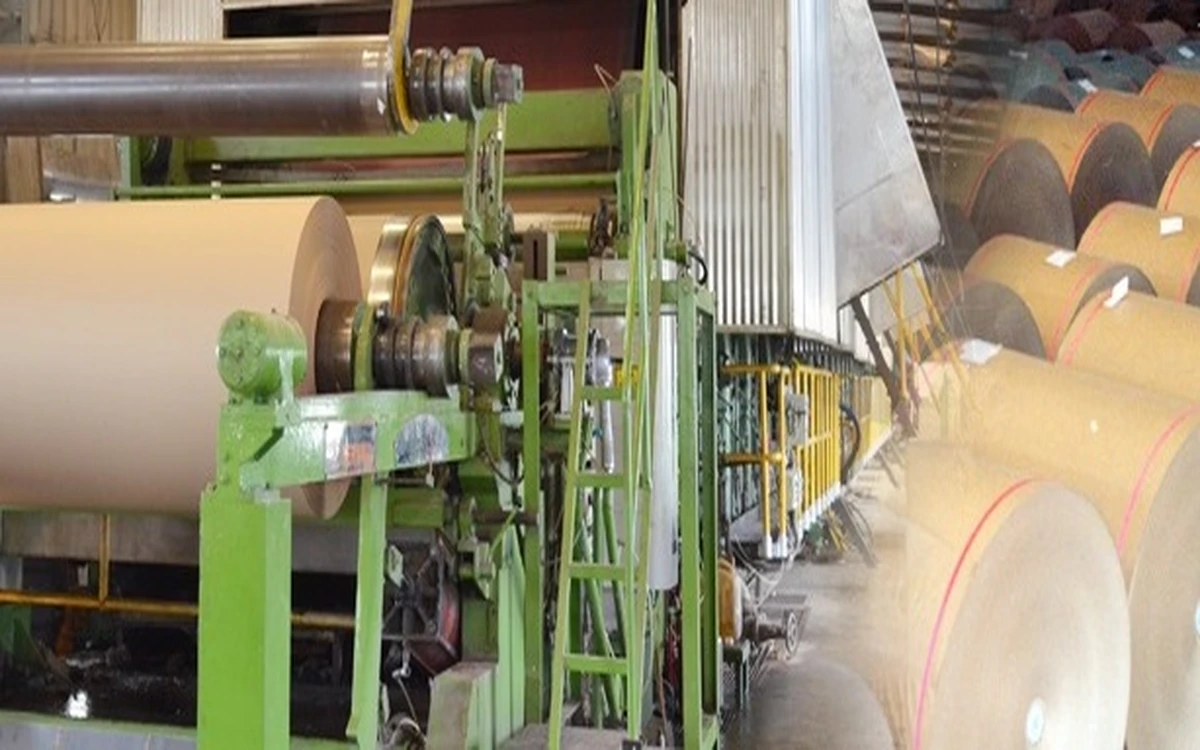
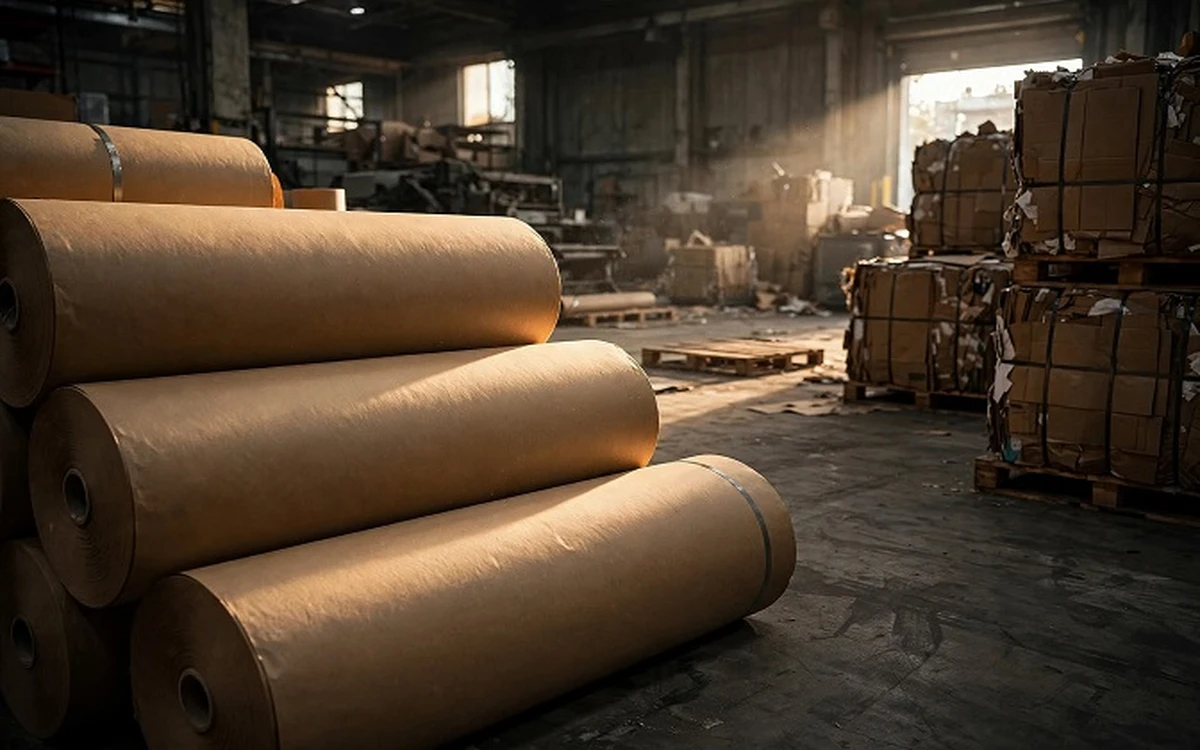
The Status of the Global Container board Industry, Recycled Paper Demand and Supply and its impact on the Indian Industry

Akshay Jain, director of Silverton Pulp & Paper, says it's time to promote agro residue as a raw material to lessen the scarcity of fibre
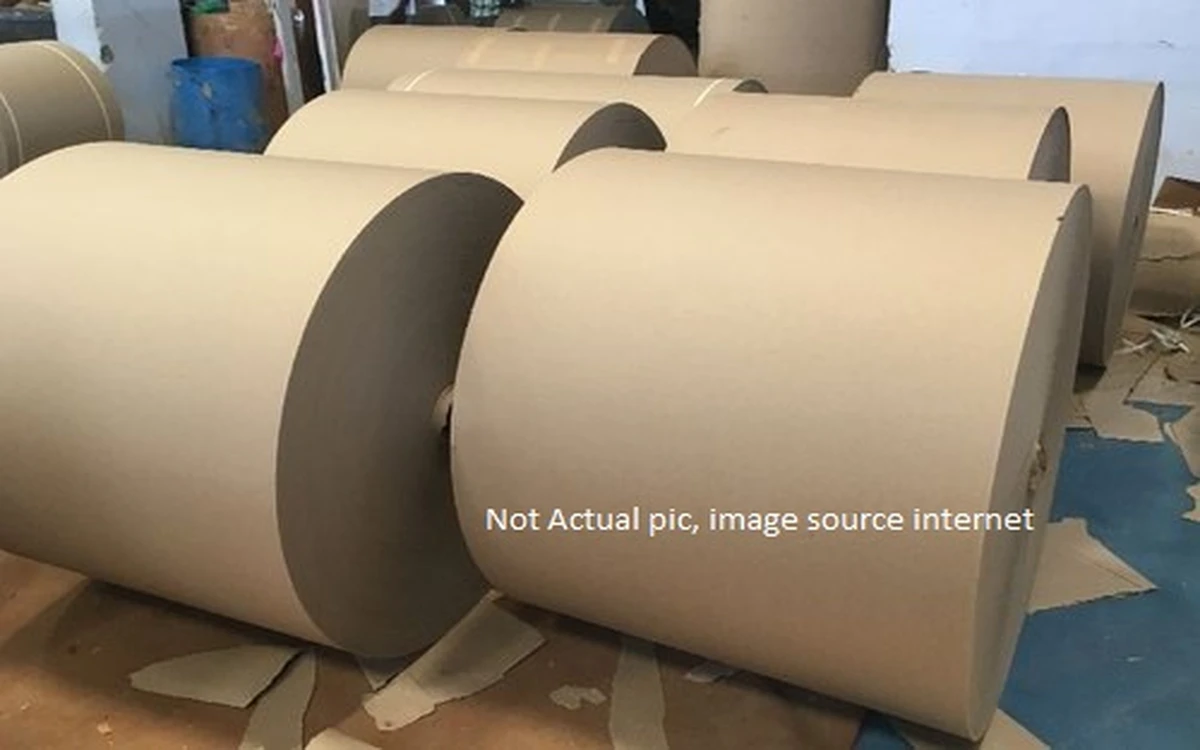
Advantageously located, a new paper mill is all set to roll kraft paper in Madhya Pradesh
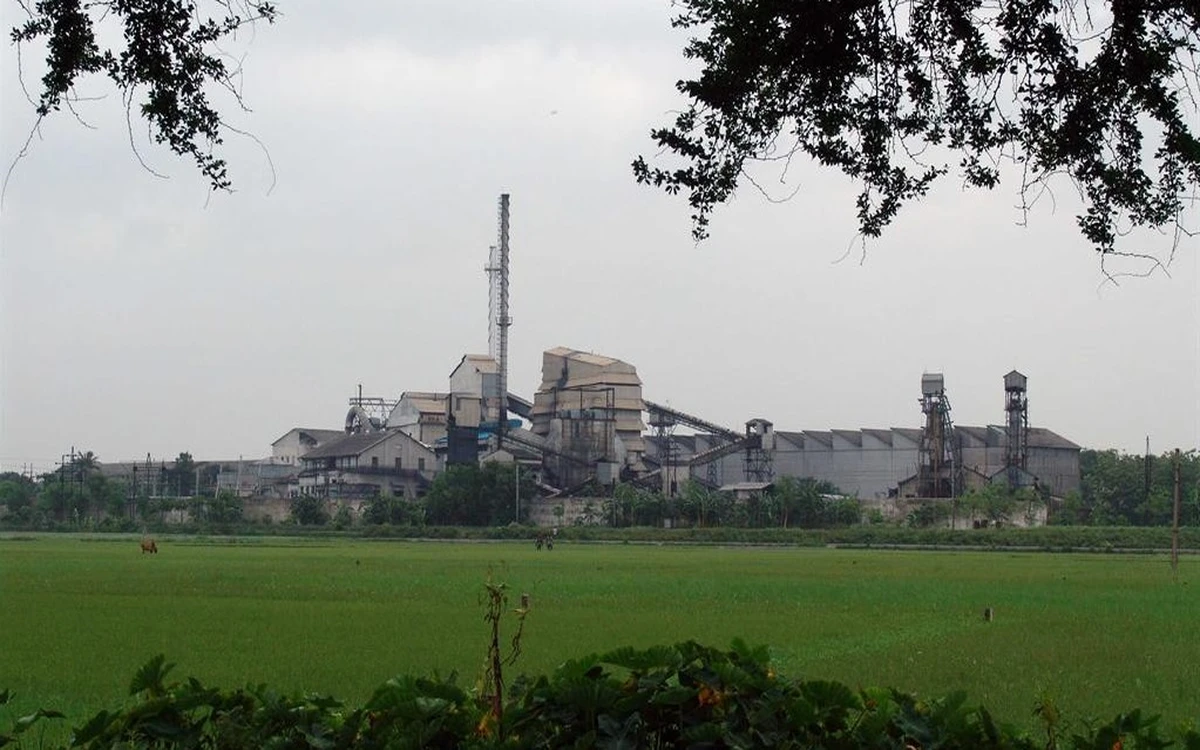
Several agile interventions helped ITC-PSPD fortify its clear leadership of the Value Added Paperboards (VAP) segment
Steeper-than-expected drop in realisations hits Seshasayee Paper’s FY2025–26 operating margins; Box boards, Absorption Kraft, and Virgin Kraft now form a growing share of the product mix
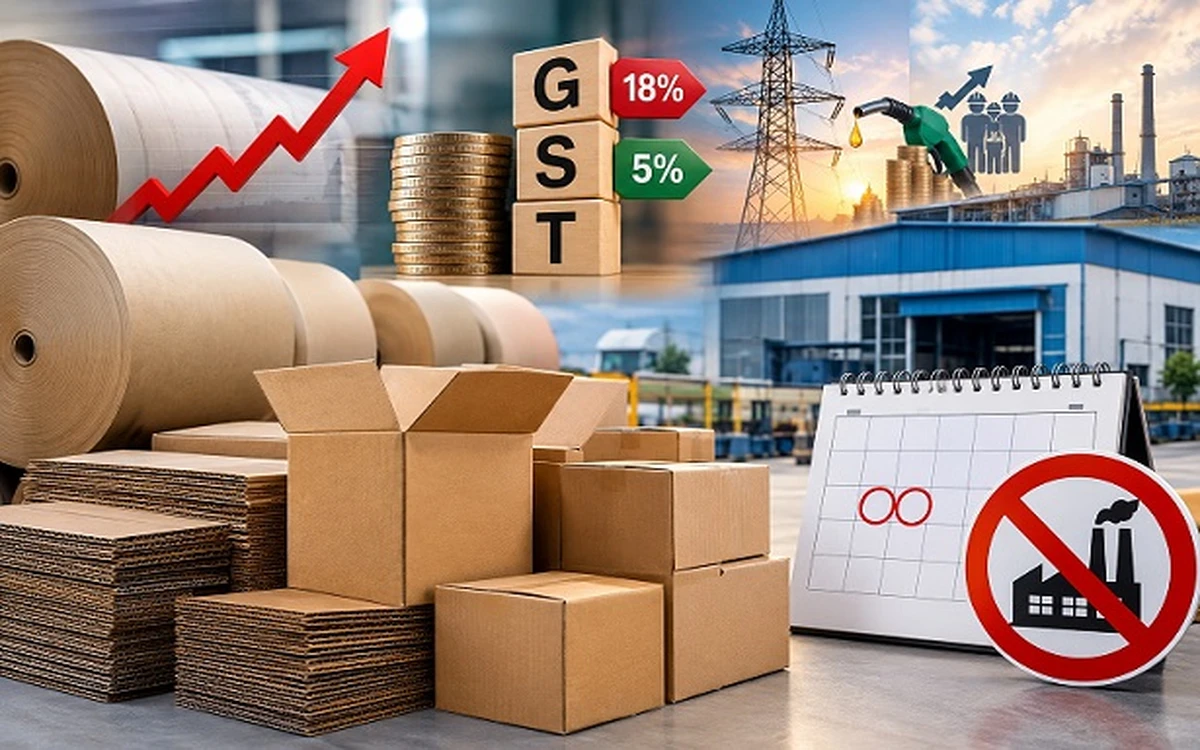
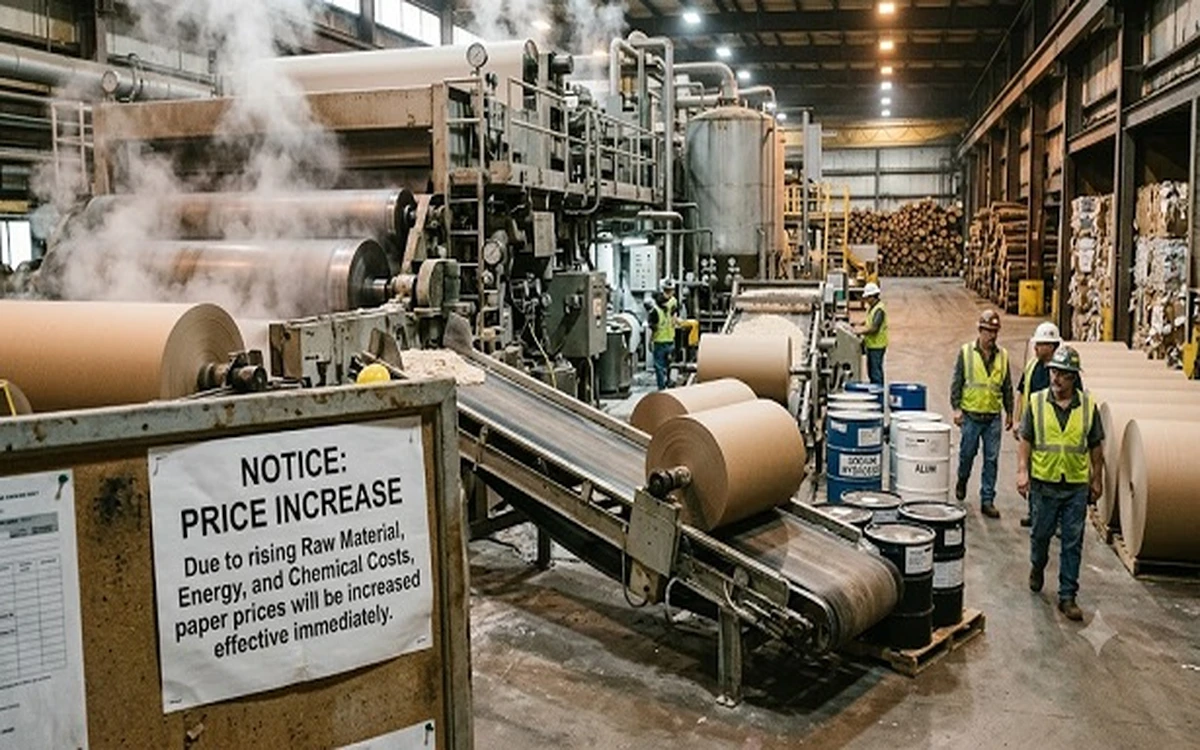
Overall Increase in Kraft Paper Prices Could Reach 35%; Industry Calls for 20% Box Price Increase, Voluntary Shutdown Proposed
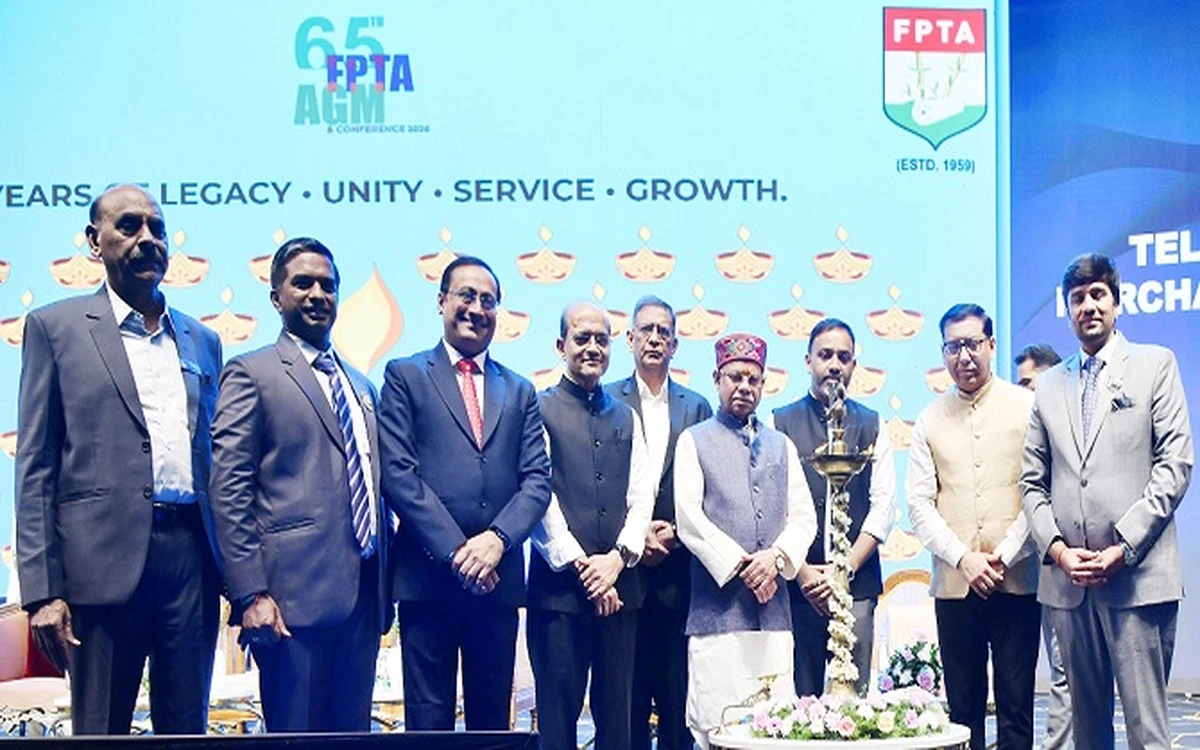
Paper Mills and Dealers Must Work Together to Create New Demand, Say Industry Leaders at FPTA’s 65th AGM

Ruchira Papers Invests a Sizeable Capex of Rs. 235–240 Crore Towards Writing & Printing Paper Capacity Expansion
Paper mills inflated the basic ex-mill price of paper post GST 2.0, AINMA seeks action against Anti-Profiteering
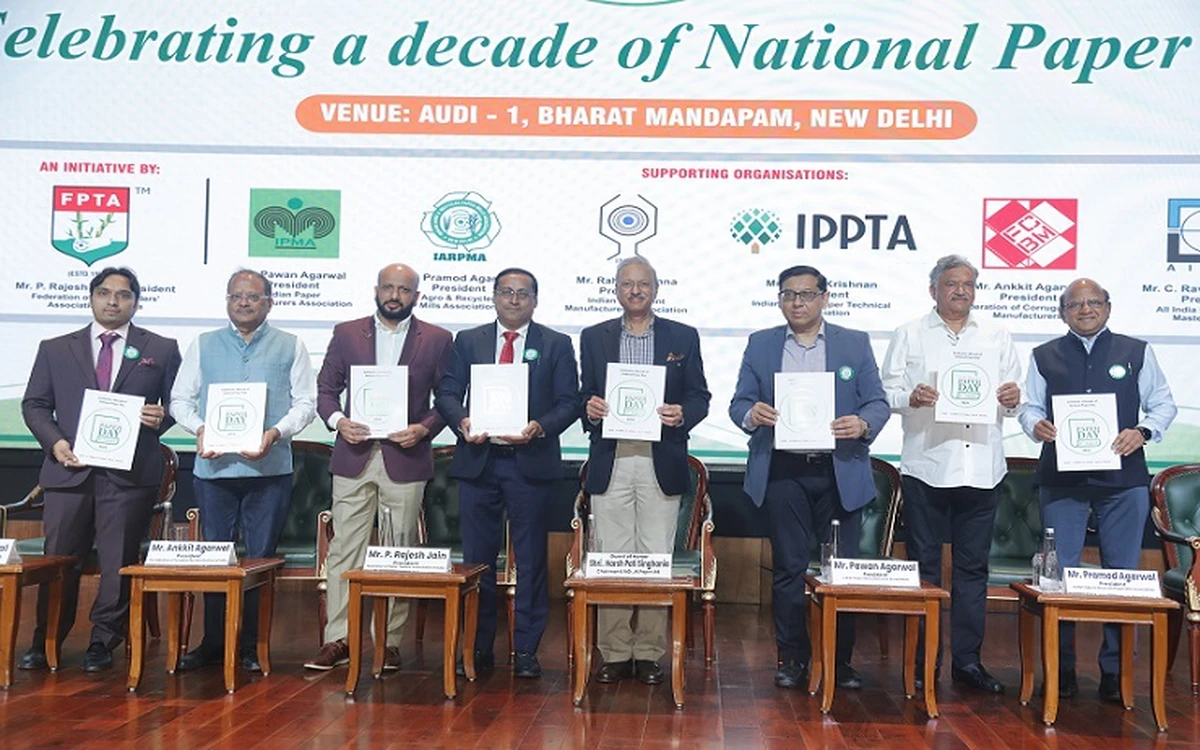
Seven Leading Associations Unite to Celebrate National Paper Day, Highlighting Paper's Sustainability and Circular Economy Advantage
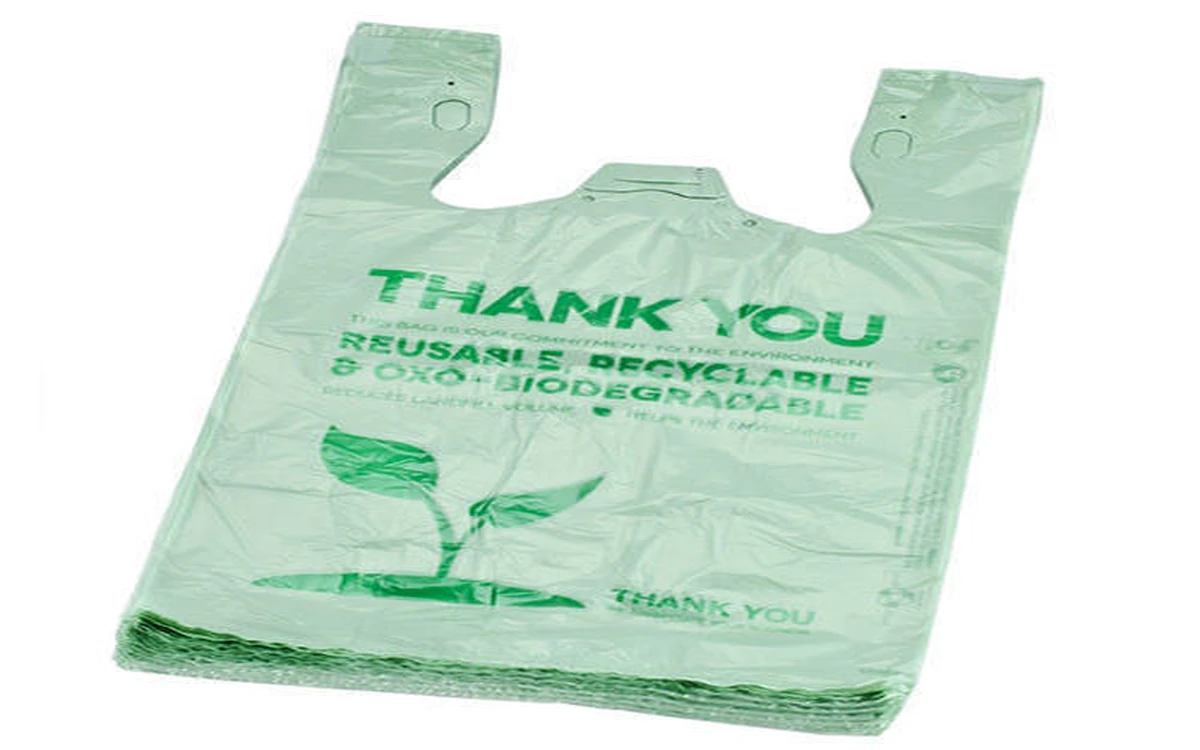
Scientists from IIT-Guwahati develop India's first biodegradable plastic

Navneet Education focuses on brand building, curriculum-led growth, and export recovery; expects stationery margins to improve in FY27

It is estimated that USD10B to USD20B worth of single-use plastic packaging will convert to molded fiber, ZUME
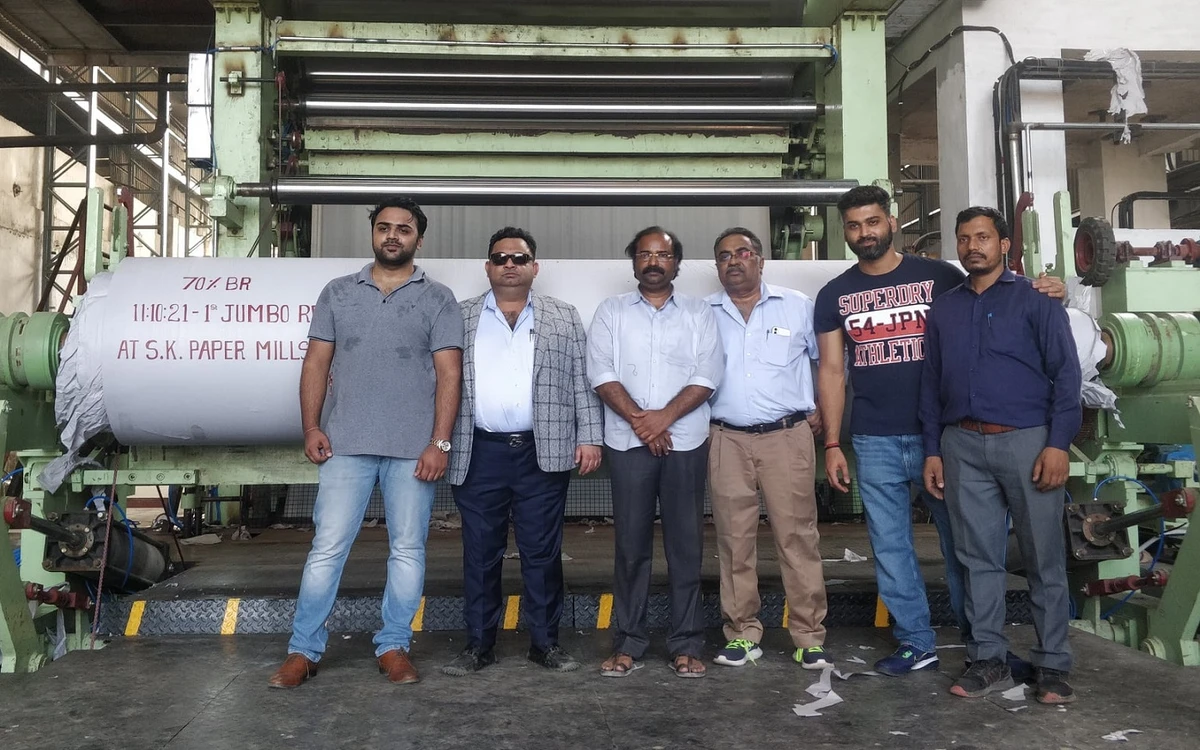
Muzaffarnagar gets a new capacity of Tissue Paper and MG Poster paper

“The integration of digitalization, automation, and Artificial Intelligence (AI) is no longer a futuristic concept—it is the baseline for competitiveness in 2036” - Vinit Garg, Director, Vizen Solutions
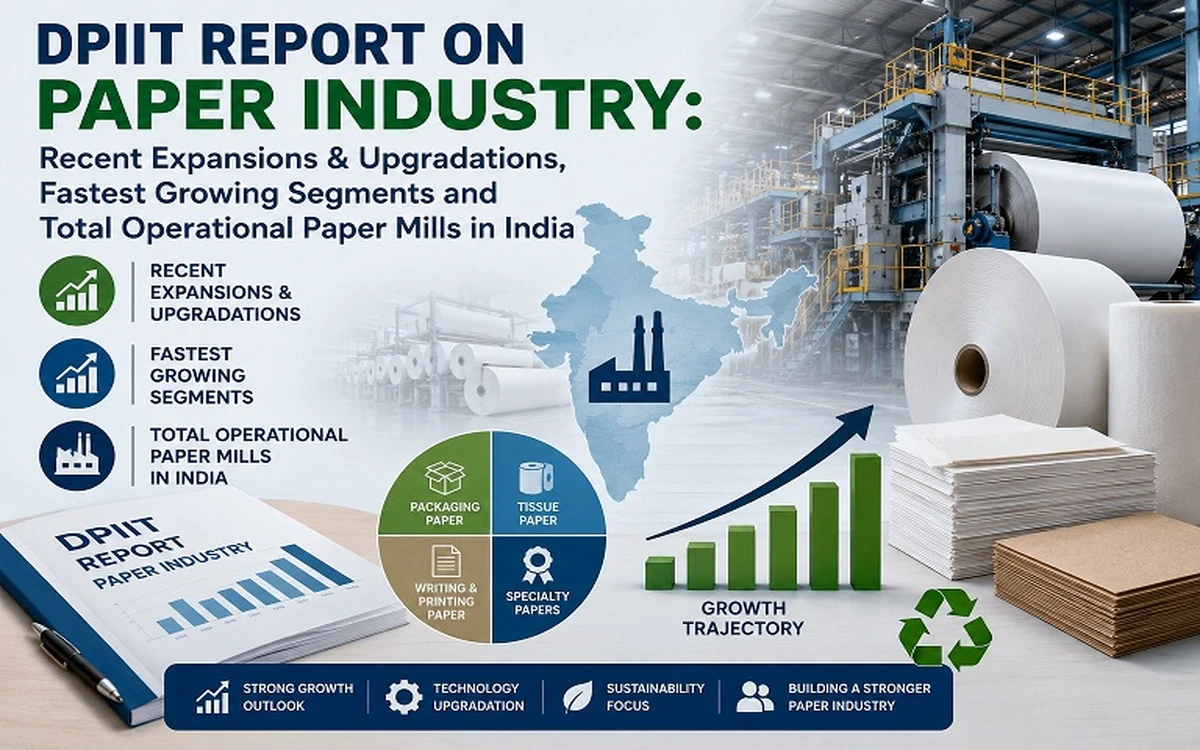
DPIIT Report on the Paper Industry: Recent Expansions & Upgrades, Fastest-Growing Segments, and Total Operational Paper Mills in India
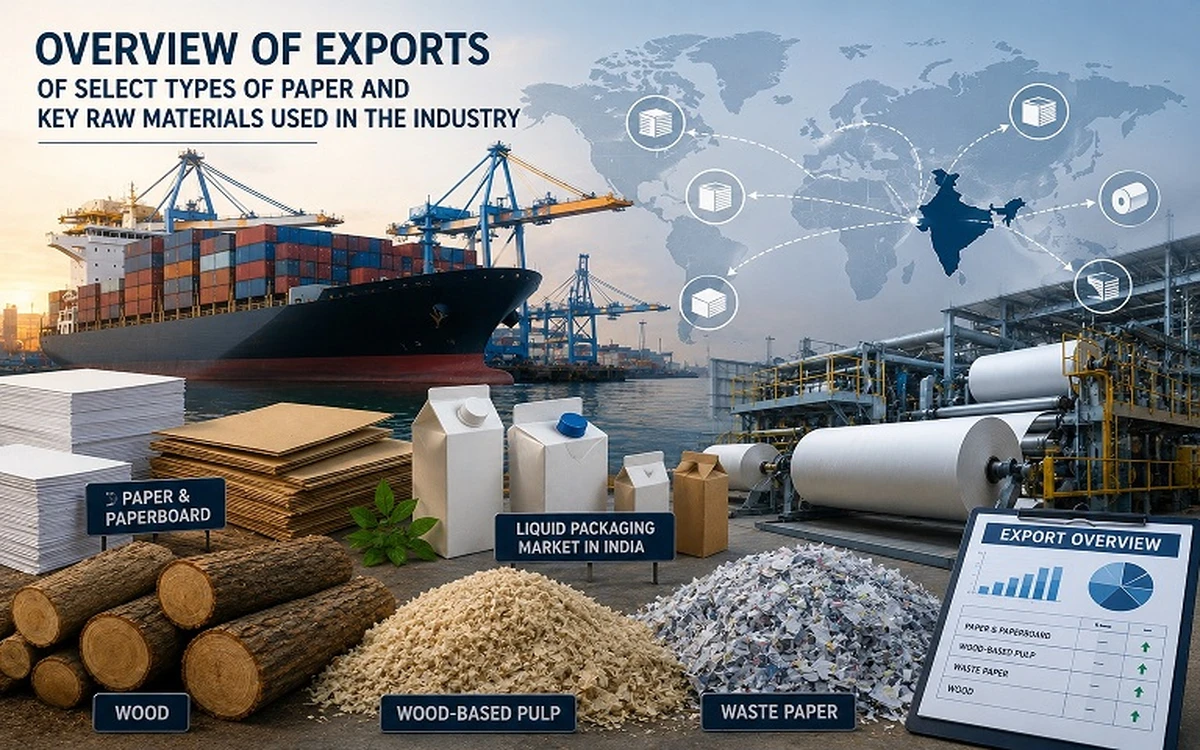
Overview of exports of select type of paper and key raw material used in the industry by Crisil Intelligence

Margin pressure pushes Pulp & Paper Packaging sector toward AI-Driven cost optimization, Cutting costs by 8–20%
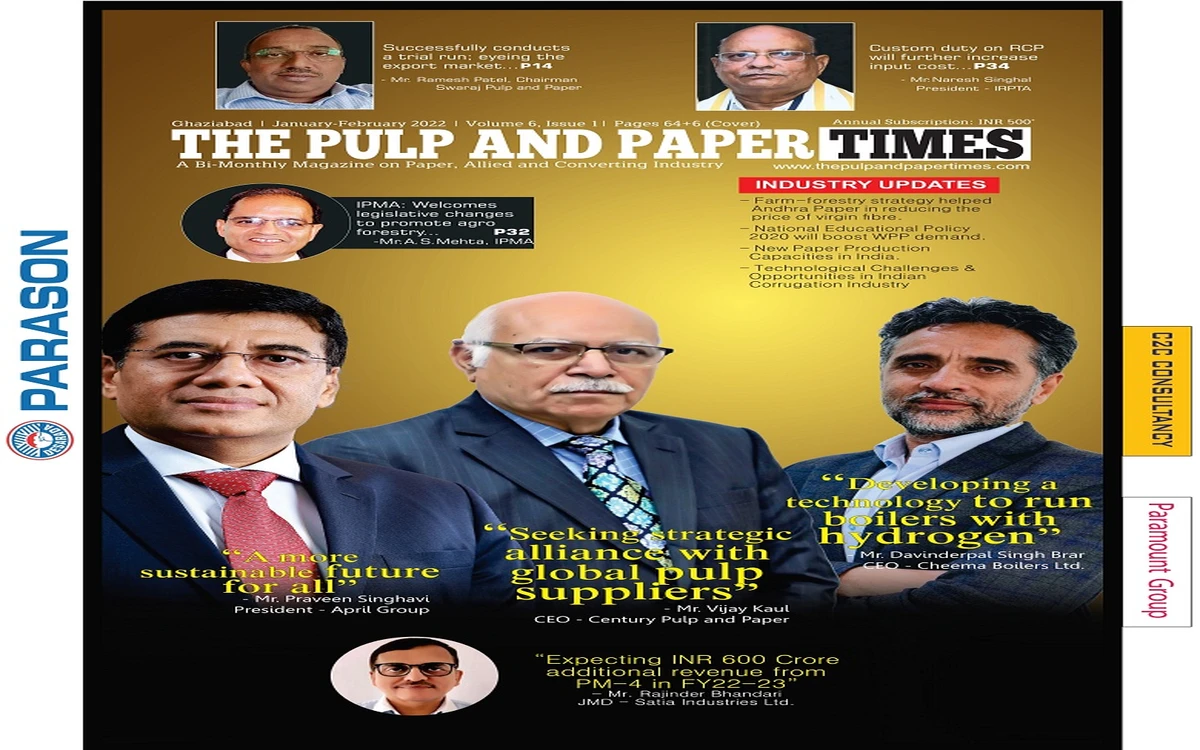
The Pulp and Paper Times Magazine : Volume 6, Issue 1

The Pulp and Paper Times Magazine : Volume 5, Issue 6
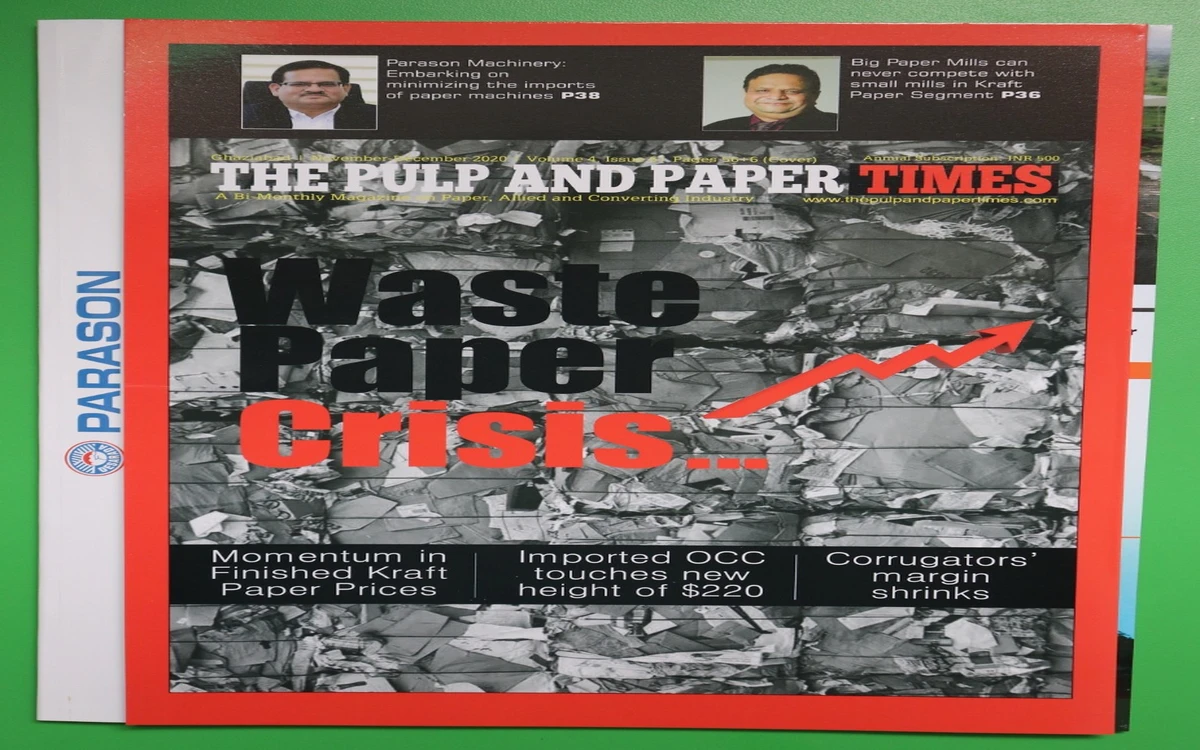
The Pulp and Paper Times: Volume 4, Issue 6
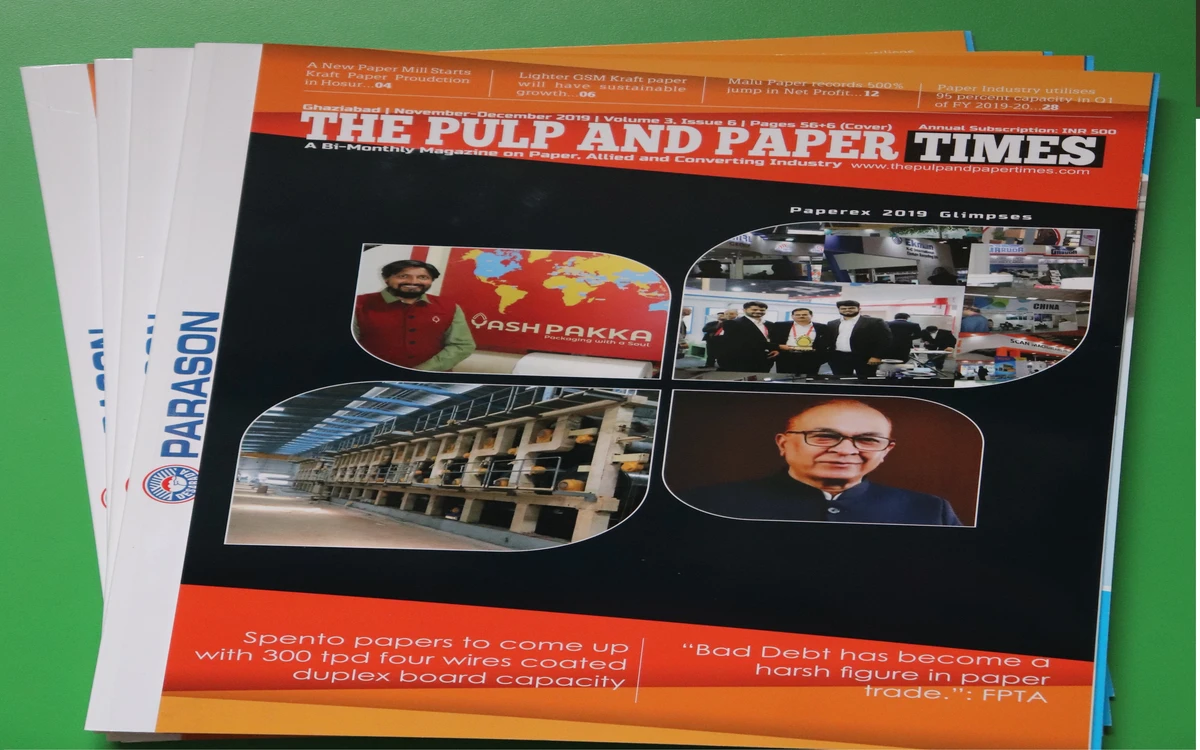
The Pulp and Paper Times : Volume 3, Issue 6
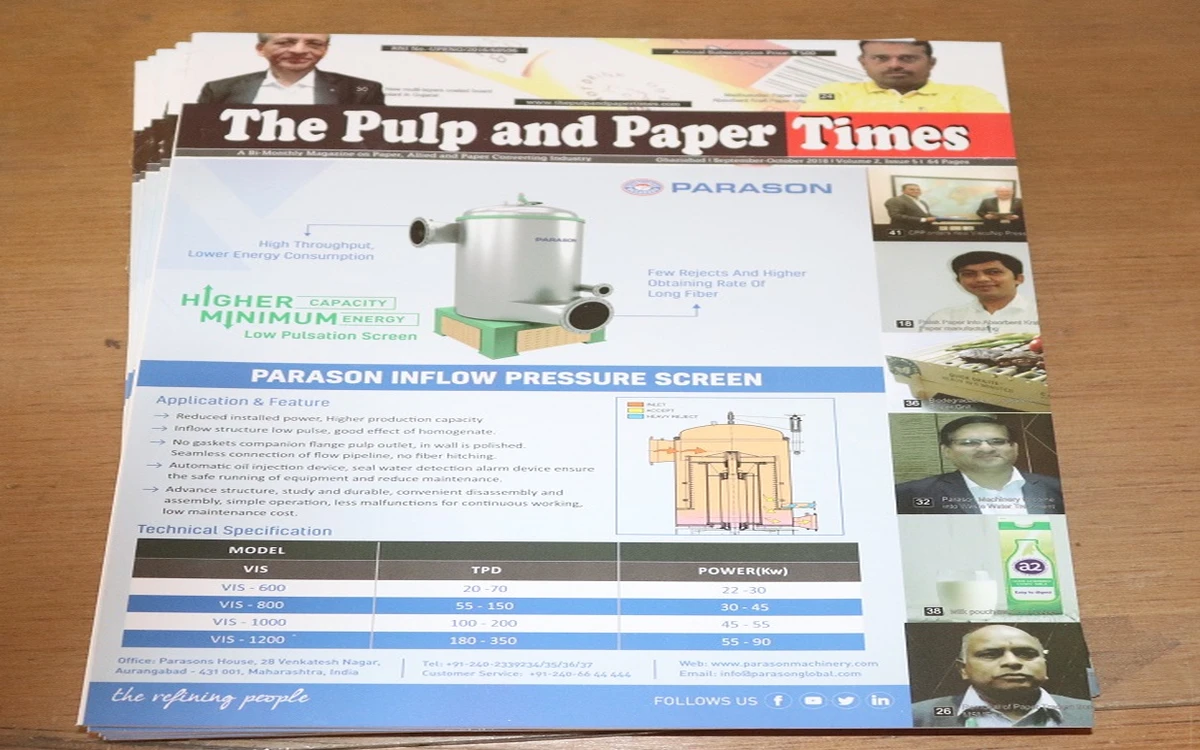
The Pulp and Paper Times: Volume 2 Issue 5

The Pulp and Paper Times, Volume 1, Issue 3
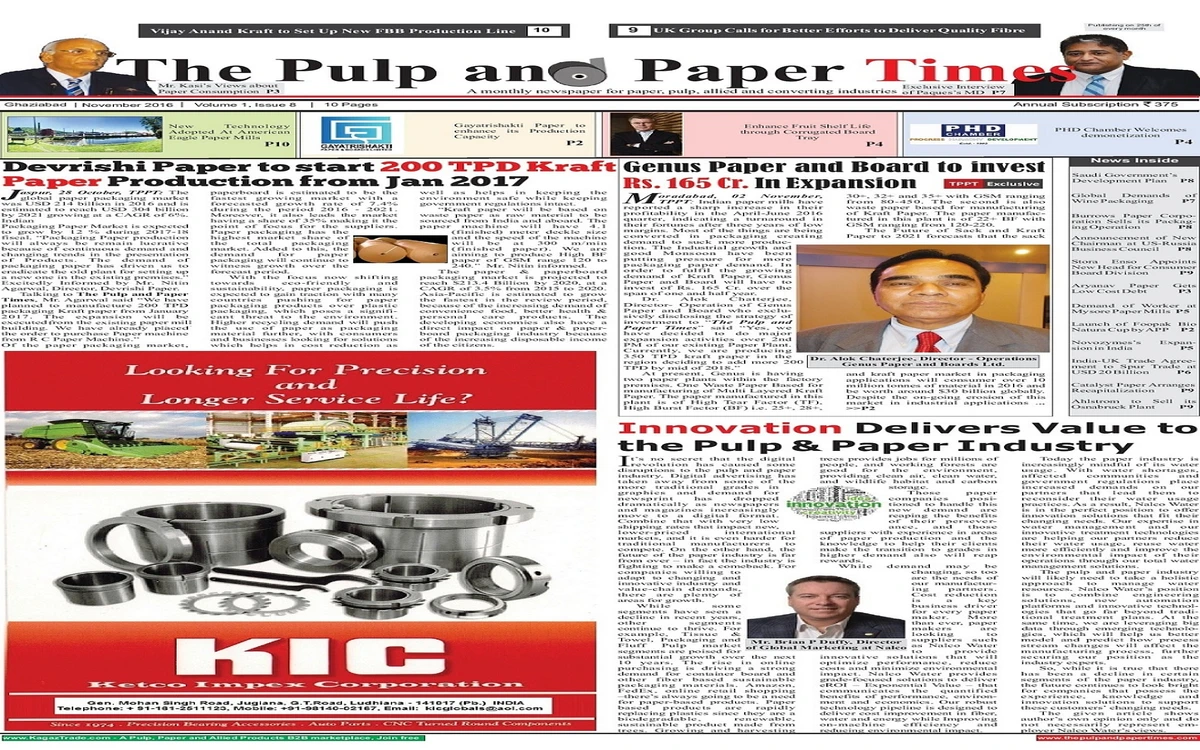
The Pulp and Paper Times, November 2016 Issue

“This expansion fosters a robust, resilient business model that complements the stability of established writing and printing operations with the dynamic growth potential of the tissue segment”
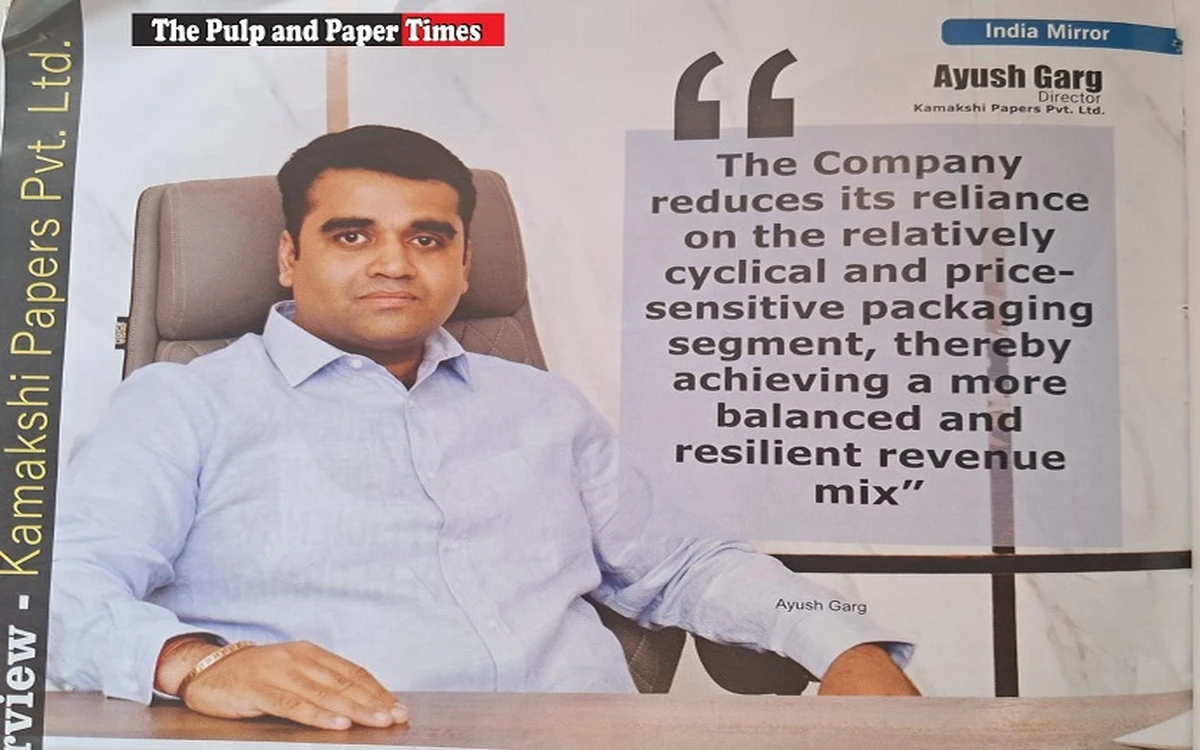
In an exclusive conversation with The Pulp and Paper Times, Mr. Ayush Garg, Director of Kamakshi Papers Pvt. Ltd., shared insights into the company's journey since its establishment in 1987. Over the years, the company has steadily expanded its operations, upgraded its technology, and diversified into writing and printing grades in response to evolving market demands.
Mr. Ayush delves into the intricate challenges and opportunities within the Indian paper market and sheds light on the company's new expansion in the tissue segment, as well as the emerging challenges and opportunities in the recycled paper industry. Here, he shares his vision for Kamakshi Papers and the role of recycled paper mills in meeting India's future paper demand.

The Pulp and Paper Times
Q: Kamakshi Papers has been a pioneer in the recycled paper industry since its establishment in 1987. How has the company evolved over the years, and what key milestones have shaped its journey?
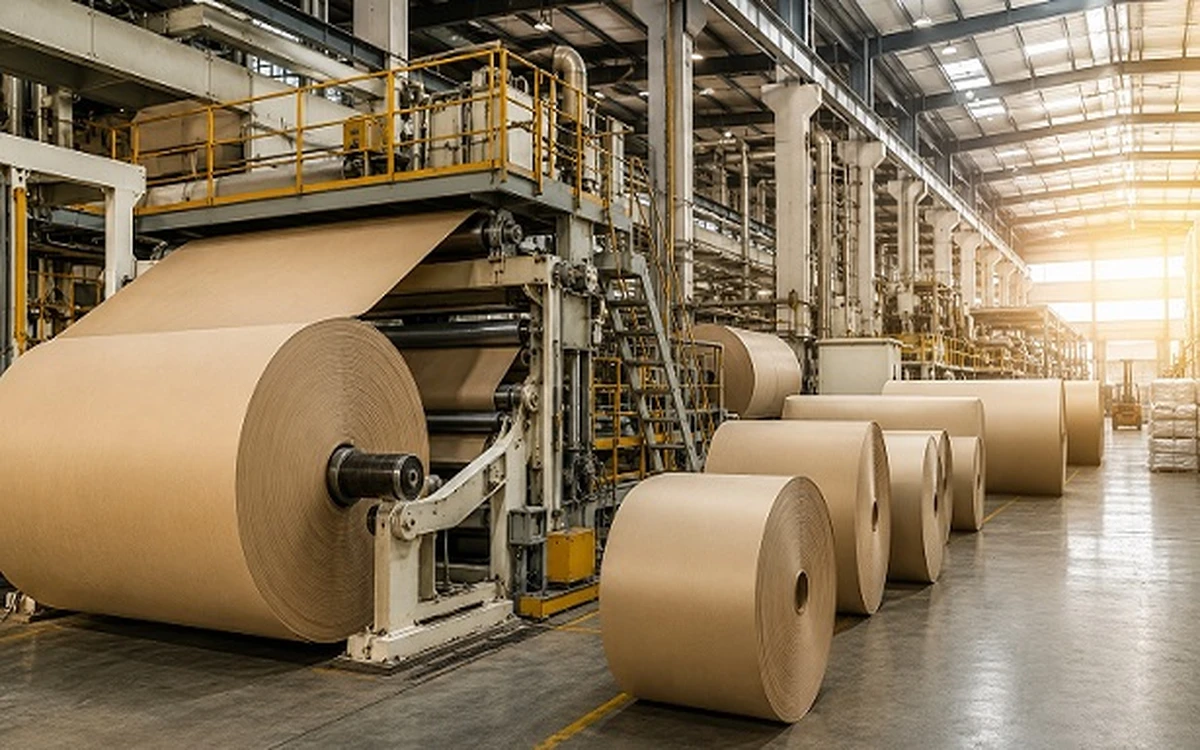
Kamakshi Papers Pvt. Ltd. was established in 1987 by Late Mr. Sudhir Garg, a visionary first-generation entrepreneur, with an initial capacity of 12 TPD of newsprint. Built on disciplined growth, continuous modernization, and a strong commitment to quality, the company steadily expanded its operations, upgraded technology, and diversified into writing and printing grades in response to evolving market demands.
Following his untimely demise, the legacy has been ably carried forward by the family members and descendants, ensuring continuity of vision and strategic advancement. A significant milestone in this journey will be the establishment of Tissue paper mill as the first dedicated recycled soft tissue Crescent Former mill in India, reflecting its commitment to innovation and sustainable manufacturing.
Through sustained expansion and technological upgradation, the company has grown from a modest 12 TPD unit to an approximately 120 TPD diversified recycled paper mill, marking a multifold increase in capacity and standing as a testament to its enduring focus on growth, quality excellence, and operational progress.

Q: With rising global emphasis on circular economy and sustainability, how do you see the role of recycled paper mills in India’s future paper demand?
India’s paper industry is poised for sustained and resilient growth, underpinned by a population of 1.4 billion, rising literacy levels, rapid urbanization, and the continued expansion of organized retail and e-commerce. While digitalization has moderated demand in traditional paper segments, this structural shift is being substantially offset by robust growth in other segments such as : packaging, corrugated materials, and tissue products- closely aligned with evolving consumption patterns.
In this context, recycled paper mills are set to assume a pivotal role in shaping the industry’s future. Meeting India’s expanding paper requirements solely through virgin fiber would exert significant pressure on forests, water resources, and energy consumption. Recycled paper manufacturing, by contrast, supports resource conservation, reduces environmental impact, and strengthens the domestic waste collection and recycling ecosystem—thereby reinforcing circular economy objectives.
With increasing regulatory emphasis on sustainability and growing adoption of ESG-driven procurement practices, recycled paper is expected to gain further prominence in both domestic and international markets. Consequently, recycled paper mills will not merely supplement India’s future paper demand; they will form the foundation of sustainable and responsible industry growth, ensuring that expansion is aligned with environmental stewardship and long-term resource security.

Q: Kamakshi Papers manufactures writing & printing papers for both domestic and international markets. How do you balance product quality and cost competitiveness across these segments?
Balancing product quality with cost competitiveness across the writing & printing segments requires a disciplined integration of operational efficiency, technological advancement, and strategic market alignment, particularly for a recycled-fiber–based enterprise such as Kamakshi Papers Pvt. Ltd.
This balance is achieved through a differentiated production strategy—ensuring superior brightness, smoothness, and GSM uniformity for writing & printing grades, while prioritizing other parameters as per consumer requirements without incurring unnecessary costs. Strategic raw material management, including optimized sourcing and blending of waste paper, coupled with improved fiber recovery systems, ensures cost control and consistent quality output.

Continuous investment in automation, energy efficiency, and quality control enhances productivity and reduces rejection rates, thereby protecting margins in price-sensitive markets. Complementing this technological foundation is a strategic focus on human capital. By investing in specialized training and fostering a culture of ownership, the workforce becomes the final arbiter of efficiency. A skilled team not only operates machinery at peak performance but serves as the first line of quality control, reducing waste and ensuring that cost-competitiveness is a shop-floor reality rather than just a top-down mandate.
A diversified presence across domestic and export markets further strengthens realization and risk management. By combining operational discipline, technological upgradation, cost control, and sustainability-driven positioning, the company maintains equilibrium between quality excellence and cost competitiveness, ensuring long-term stability and competitive advantage.
Q: Kamakshi Papers is expanding its capacity with the commissioning of a new tissue plant. What inspired this strategic move into the tissue segment?
Kamakshi Papers’ strategic entry into the tissue manufacturing sector signifies a deliberate evolution of its product portfolio, engineered to capture high-growth market opportunities while diversifying revenue streams against the structural shifts in the writing and printing paper industry. This initiative is underpinned by the accelerated demand for hygiene solutions and macro-trend of rapid urbanization. By integrating tissue production, the company shifts its focus toward value-added, margin-accretive products where performance attributes such as absorbency, texture, and hygiene standards command market premiums. This diversification leverages existing operational competencies in fiber management and energy optimization, thereby ensuring seamless integration and cost-efficient scaling. Ultimately, this expansion fosters a robust, resilient business model that complements the stability of established writing and printing operations with the dynamic growth potential of the tissue segment, securing long-term stakeholder value and market leadership.
Q: What market opportunities do you foresee in the tissue sector, both in India and globally?
The tissue sector is transitioning from a niche hygiene category to a high-growth essential segment across India and global markets. In India, low per capita tissue consumption combined with rapid urbanization, rising disposable incomes, expanding organized retail, and increasing hygiene awareness presents significant structural growth potential; even marginal increases in usage can drive substantial volume expansion given the country’s large population. Institutional demand from hospitality, healthcare, aviation, education, and corporate sectors—particularly within the “Away-from-Home” segment—is accelerating, supported by post-pandemic hygiene consciousness and government-led sanitation initiatives. Simultaneously, organized retail and e-commerce are expanding private labels, multipack formats, and premium eco-friendly SKUs. Emerging markets across Southeast Asia, Africa, the Middle East, and Latin America mirror India’s growth trajectory, creating export opportunities also. Overall, the tissue industry represents a dual-track opportunity—volume-led expansion in India and value-added, sustainability-driven premium growth globally—positioning it as a resilient, higher-margin, and strategically attractive segment for forward-looking paper manufacturers.

Q: How will the new tissue plant enhance Kamakshi Papers’ overall product portfolio and growth outlook?
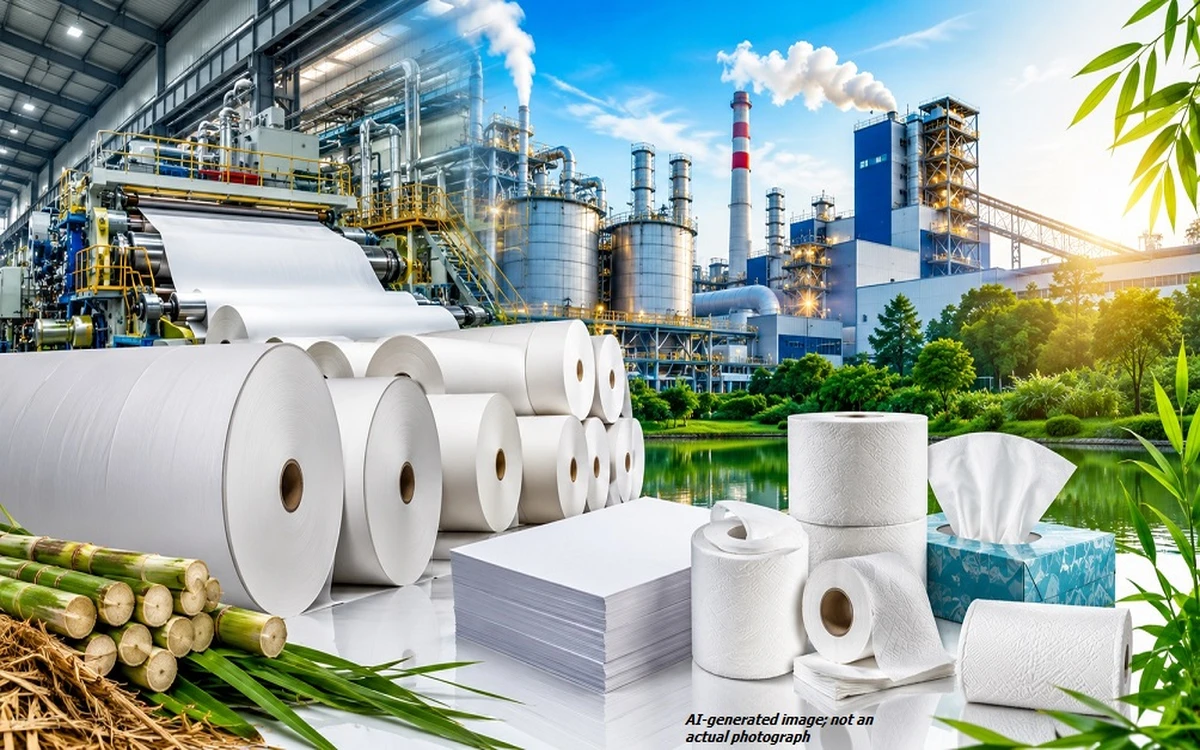
The commissioning of the new tissue plant represents a significant strategic expansion for Kamakshi Papers, marking its evolution from a predominantly commodity-focused paper manufacturer to a diversified producer of value-added hygiene products. By incorporating tissue products such as facial tissues, toilet rolls, napkins, and kitchen towels into its existing portfolio of writing, printing, the Company reduces its reliance on the relatively cyclical and price-sensitive packaging segment, thereby achieving a more balanced and resilient revenue mix. The tissue segment offers comparatively higher realizations, enhanced branding and private-label opportunities, and access to stable institutional supply arrangements across hospitality, healthcare, aviation, and corporate sectors, contributing to improved margin stability and profitability. This expansion also facilitates entry into FMCG-linked retail channels and export-oriented hygiene markets, broadening the Company’s addressable market beyond traditional B2B customers. Leveraging established fiber sourcing capabilities, utilities, and infrastructure, the new plant strengthens operational synergies and enhances Return on Capital Employed (ROCE). Furthermore, as a recycled fiber-based manufacturer, the Company reinforces its commitment to circular economy principles and aligns with ESG-driven procurement trends, thereby strengthening its sustainability positioning. Overall, the tissue plant is not merely a capacity addition but a strategic initiative aimed at portfolio diversification, value enhancement, risk mitigation, and long-term, sustainable growth in both domestic and international markets.
Q: Please shed some light on the technology used in manufacturing Tissue ?
Modern tissue manufacturing is a high-speed, precision-driven process that integrates specialized fiber preparation with advanced machine and finishing technologies to simultaneously achieve softness, absorbency, bulk, and strength. Unlike conventional paper production, the core of the process lies in Crescent Former technology combined with the Yankee Dryer system, where the defining creping action—performed by a doctor blade scraping the sheet from a steam-heated cylinder—creates the micro-folds that impart characteristic softness, stretch, and absorbency. To maintain cost competitiveness despite high thermal energy demands, modern plants incorporate energy-efficient hood drying systems, heat recovery mechanisms, and advanced automation for real-time monitoring of GSM, moisture, thickness, and reel profiles, ensuring consistent product quality at high operating speeds. This technology will enable us to manufacture high quality soft tissue of gsm range from 11gsm to 40gsm. Underpinning these technical operations is an increasing emphasis on sustainability, with integrated water recycling, effluent treatment systems, recycled fiber utilization, and eco-friendly packaging solutions aligning tissue production with evolving circular economy and ESG standards.
Q: What are your growth and expansion plans for the next five years?
The five-year growth roadmap for Kamakshi Papers is anchored in a strategic transformation from a traditional paper manufacturer into a diversified, future-ready enterprise driven by capacity optimization and higher-margin product expansion. Central to this vision is the stabilization and scaling of the new tissue facility, enabling deeper penetration into institutional and FMCG-linked retail markets through value-added products such as facial tissues, napkins, toilet rolls, and kitchen towels, while progressively building private-label and branded presence. At the same time, the Company intends to strengthen its competitiveness in the writing & printing segments through cost optimization, advanced automation, AI-driven quality control, machinery upgrades, and improved fiber sourcing strategies to mitigate commodity price volatility and protect margins. This operational evolution is reinforced by a strong sustainability commitment, including renewable energy integration, enhanced water recycling, zero-liquid discharge systems, and carbon footprint reduction to strengthen global ESG positioning. By expanding its geographic footprint across Asia, Africa, and the Middle East, the Company aims to diversify revenue streams, improve EBITDA margins, enhance working capital efficiency, and achieve a healthier Return on Capital Employed (ROCE), thereby positioning itself as a sustainability-driven leader in both domestic and international hygiene and packaging markets.
Q: How has import pressure, particularly from low-priced global supplies, affected domestic WPP and Board market manufacturers?
Low-priced global imports represent a persistent cyclical challenge for India’s Writing & Printing Paper (WPP) and board sectors, exerting sustained downward pressure on domestic price realizations and market share. During periods of surplus capacity in international markets—particularly in China and Southeast Asia—aggressive export pricing compels Indian mills to discount products to retain price-sensitive institutional and converter clients. This dynamic compresses margins, especially when input costs such as pulp, wastepaper, chemicals, and power remain elevated and cannot be fully passed through. The resulting stress often leads to lower capacity utilization, rising inventories, and working capital blockages, disproportionately impacting non-integrated and recycled fiber-based mills compared to larger, integrated players with stronger cost structures.
Import penetration is particularly visible in segments such as maplitho and copier grades in WPP, as well as coated and folding box boards, where even marginal price differentials create substitution risks. While trade safeguard measures such as anti-dumping duties or minimum import pricing can offer temporary relief, they do not address structural competitiveness. Notably, sustained import pressure has also acted as a catalyst for modernization within the domestic industry, encouraging investments in quality upgradation, energy efficiency, automation, and the development of higher-value specialty grades. Increasingly, manufacturers are diversifying toward differentiated and less price-sensitive segments such as premium packaging boards, sustainable grades, and tissue products to mitigate pure commodity exposure. Ultimately, long-term resilience for domestic WPP and board producers will depend on competitive cost structures, operational efficiency, product differentiation, and market diversification rather than reliance on protective measures alone.
Q: What message would you like to share with stakeholders regarding the future of recycled paper manufacturing in India?
The future of recycled paper manufacturing in India has evolved into a strategic necessity, positioned at the critical intersection of economic expansion and environmental stewardship. By transforming waste into value and reducing reliance on virgin fiber, recycled paper mills form the backbone of the nation’s circular economy—lowering landfill burdens, conserving water and energy, and supporting responsible industrial growth. As India’s packaging, hygiene, and printing sectors continue to expand, the industry must scale responsibly through improved waste collection systems, enhanced recycling infrastructure, and investments in modern, energy-efficient technologies. Leadership in this next phase will be defined by the integration of automation, digital process control, higher fiber recovery rates, and advanced water conservation systems, enabling a shift from a cost-driven model to a sustainability-led growth engine.
With global markets increasingly favoring recycled content, lower carbon footprints, and ESG-aligned sourcing, Indian manufacturers are well positioned to access new export opportunities and strengthen their role as trusted suppliers of sustainable paper products. The sector’s continued advancement will depend on collaboration between policymakers, industry participants, customers, and investors to promote disciplined capacity growth, quality enhancement, and environmental compliance. Ultimately, recycled paper manufacturing is poised to become a cornerstone of India’s green industrial transformation—building a resilient, future-ready ecosystem that balances profitability with a steadfast commitment to sustainability and long-term national progress.

2 hours ago
Total Views : 315
1 days ago
Total Views : 481
4 days ago
Total Views : 1184
last week
Total Views : 3503
last week
Total Views : 2579
last week
Total Views : 751
last week
Total Views : 3453
2 weeks ago
Total Views : 3524
2 weeks ago
Total Views : 6826

2 weeks ago
Total Views : 1044