Join Groups & Channels, No Spamming









Morbi paper mills see full-capacity operations as ceramic industry revives; Kraft paper exports to China spike, Prices strengthen; Janmashtami shutdown ahead

The BE and caustic soda plant marks a key milestone for Mohit Paper Mills, enabling full utilization of installed capacity and enhancing overall production efficiency
Expert Views on the paper market scenario, How the West Asia Crisis Helped the Industry, MIP for WPP, Anti-Subsidy implementation, and paper price trends
Pudumjee Paper intends to develop new varieties addressing applications for stronger paper bags and cupcakes; Plans 68,000 MT Mahad Specialty Paper Facility within 5 years
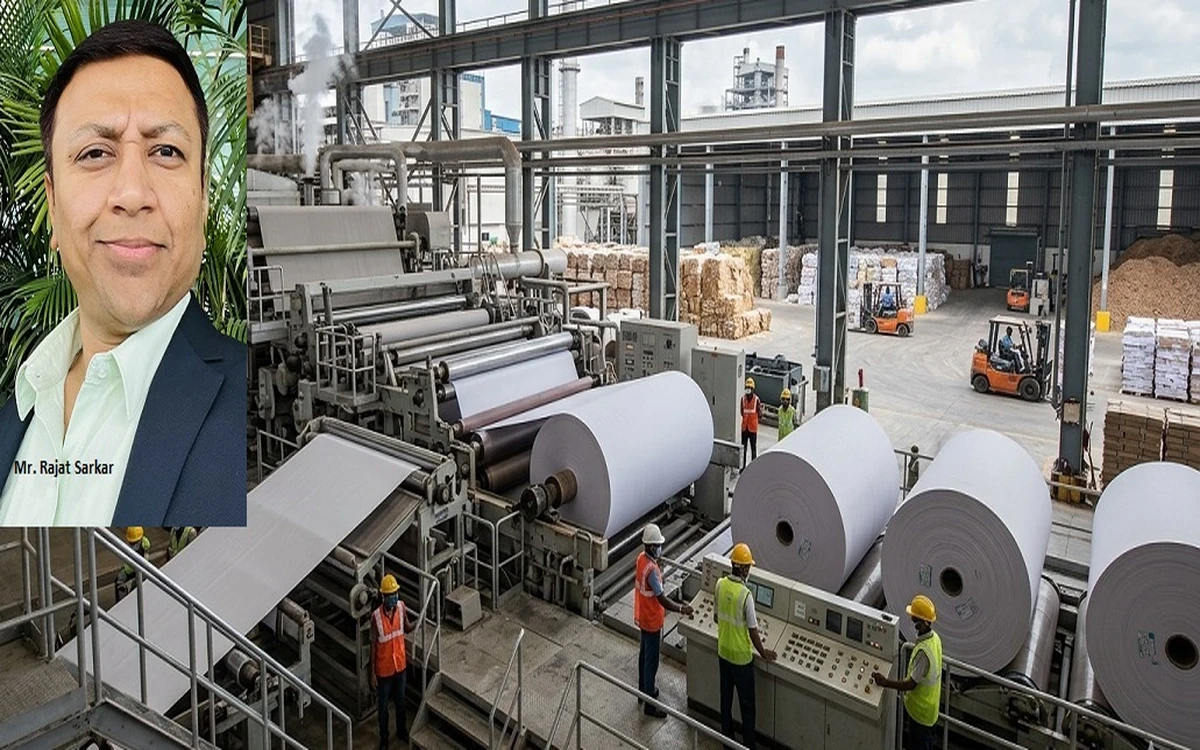
India Paper Industry at an Inflection Point: War, Costs, and Capacity; Demand growth expected at 5–7% in FY26
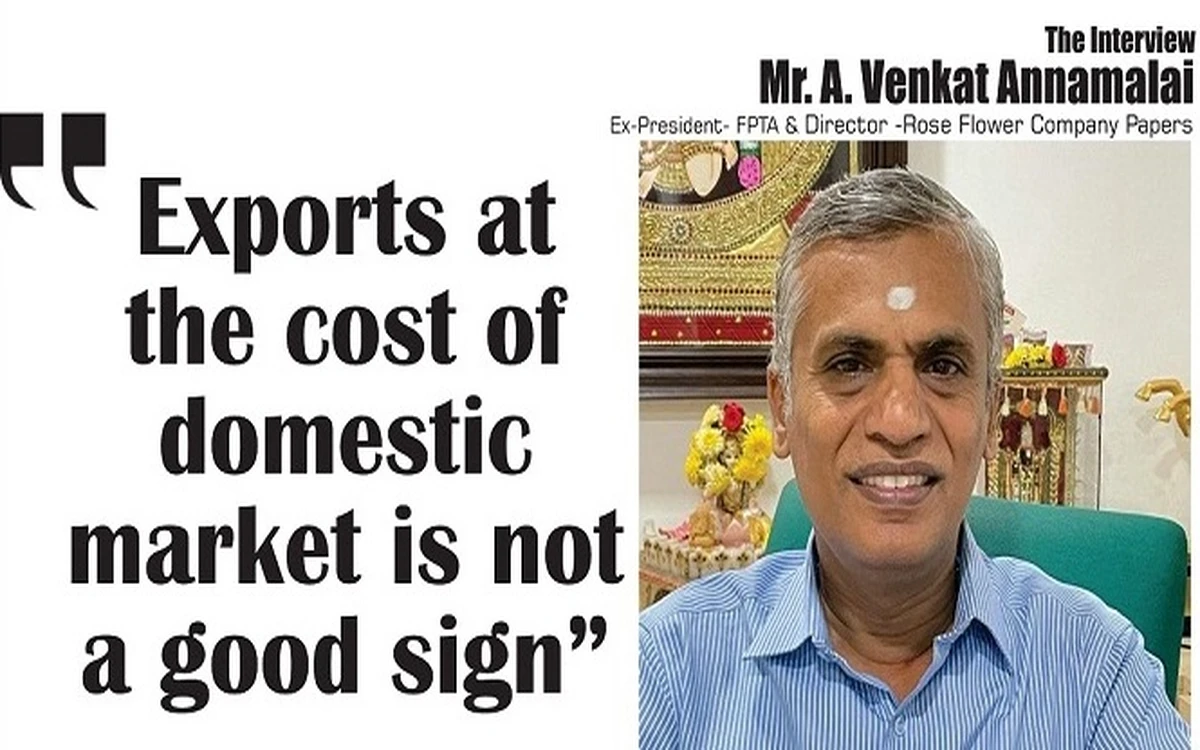
“Surging exports of paper will most certainly keep the domestic prices quite high”: Mr. A. Annamalai, Director – RFC
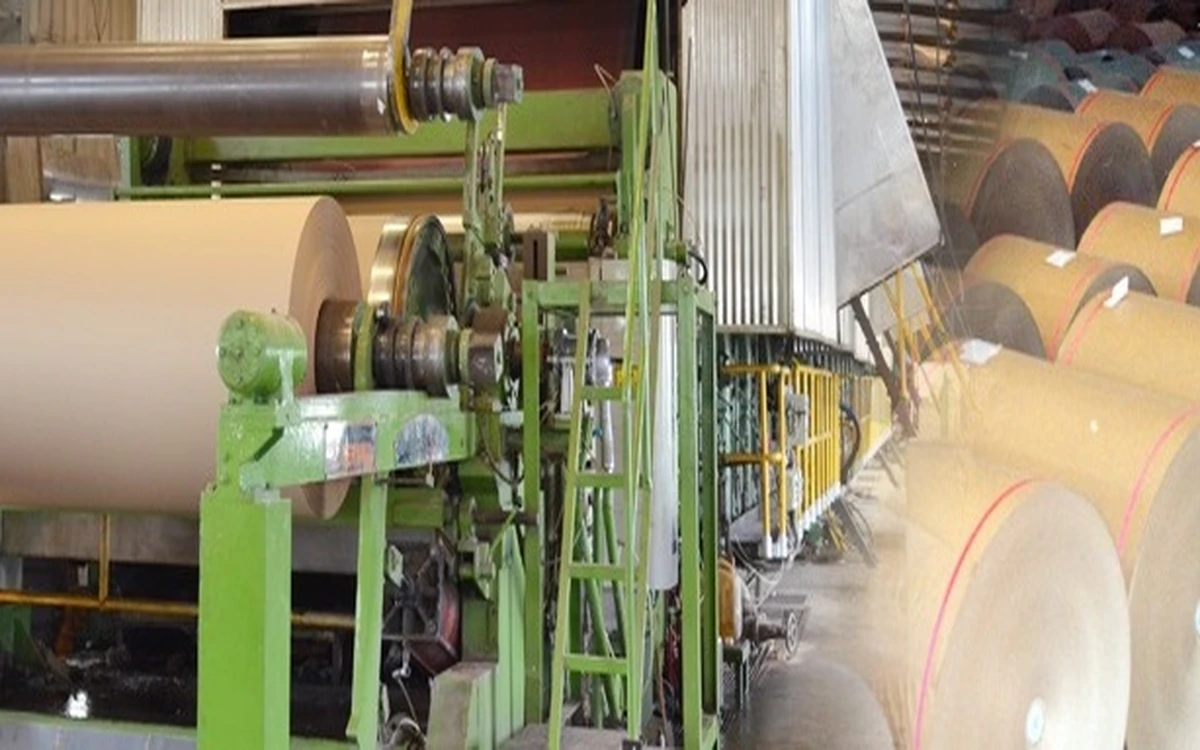
The Status of the Global Container board Industry, Recycled Paper Demand and Supply and its impact on the Indian Industry

Akshay Jain, director of Silverton Pulp & Paper, says it's time to promote agro residue as a raw material to lessen the scarcity of fibre
Advantageously located, a new paper mill is all set to roll kraft paper in Madhya Pradesh
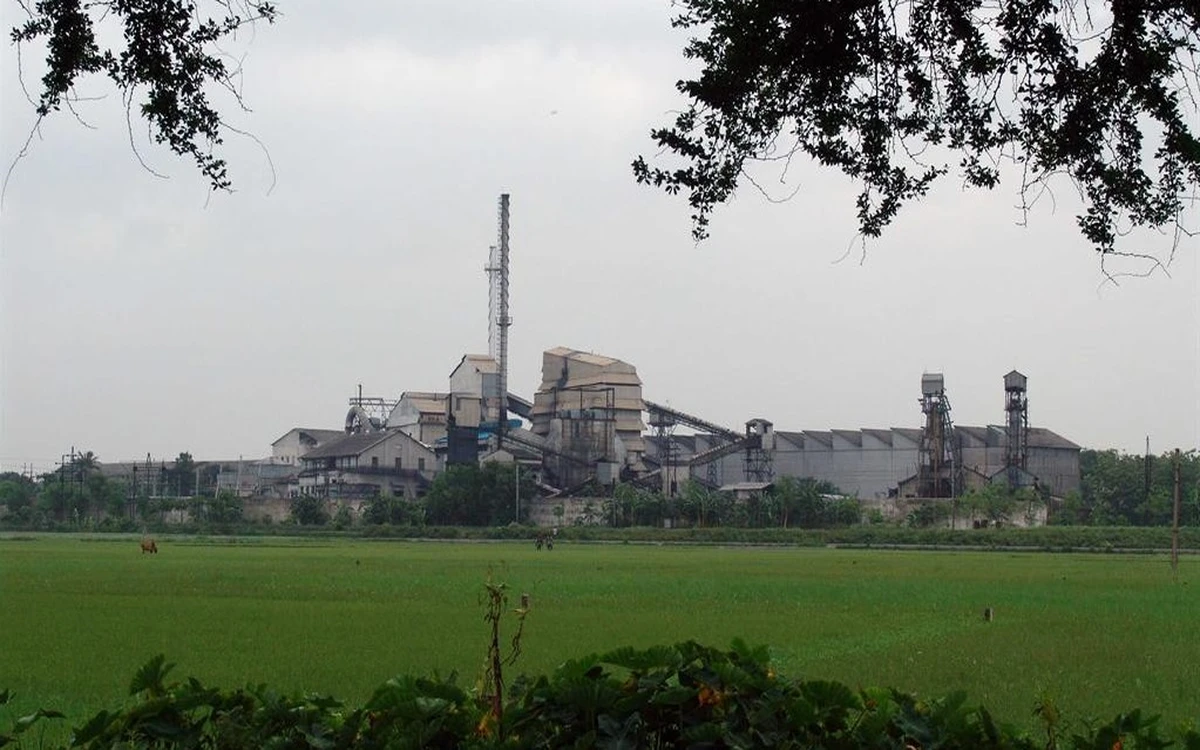
Several agile interventions helped ITC-PSPD fortify its clear leadership of the Value Added Paperboards (VAP) segment
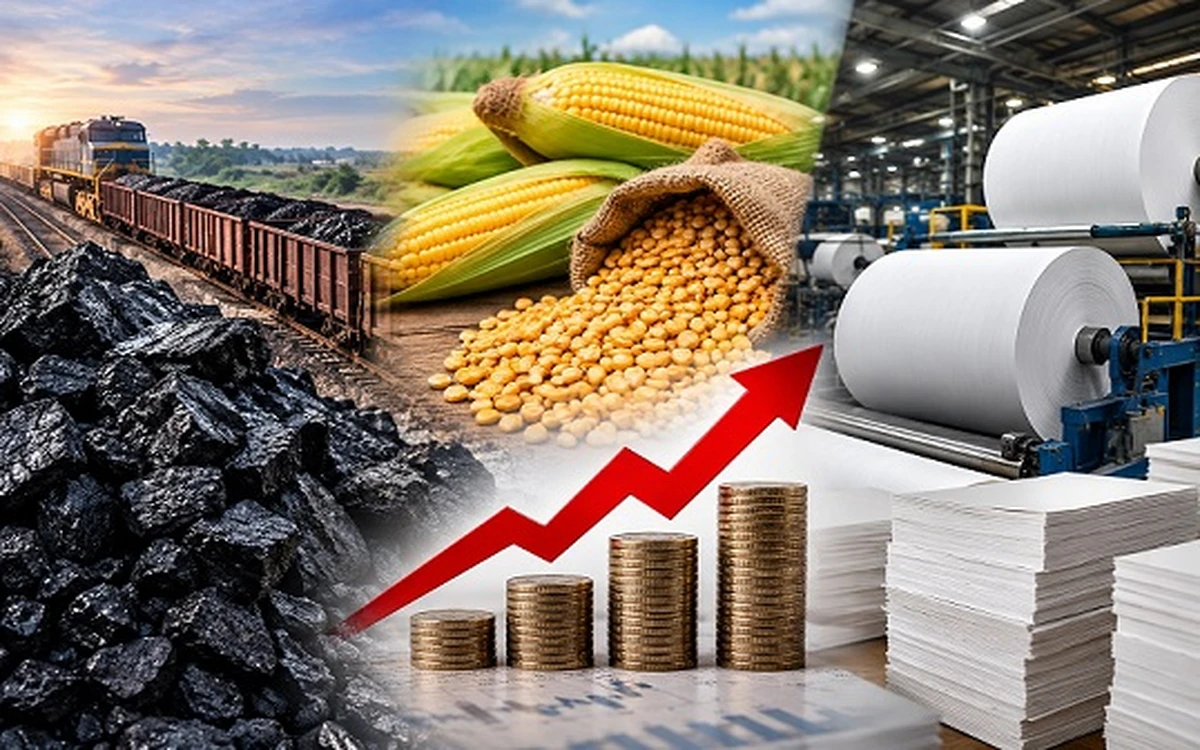
Indian paper industry is entering a sensitive phase, with coal and starch availability emerging as critical concerns; Price Hikes Indicated

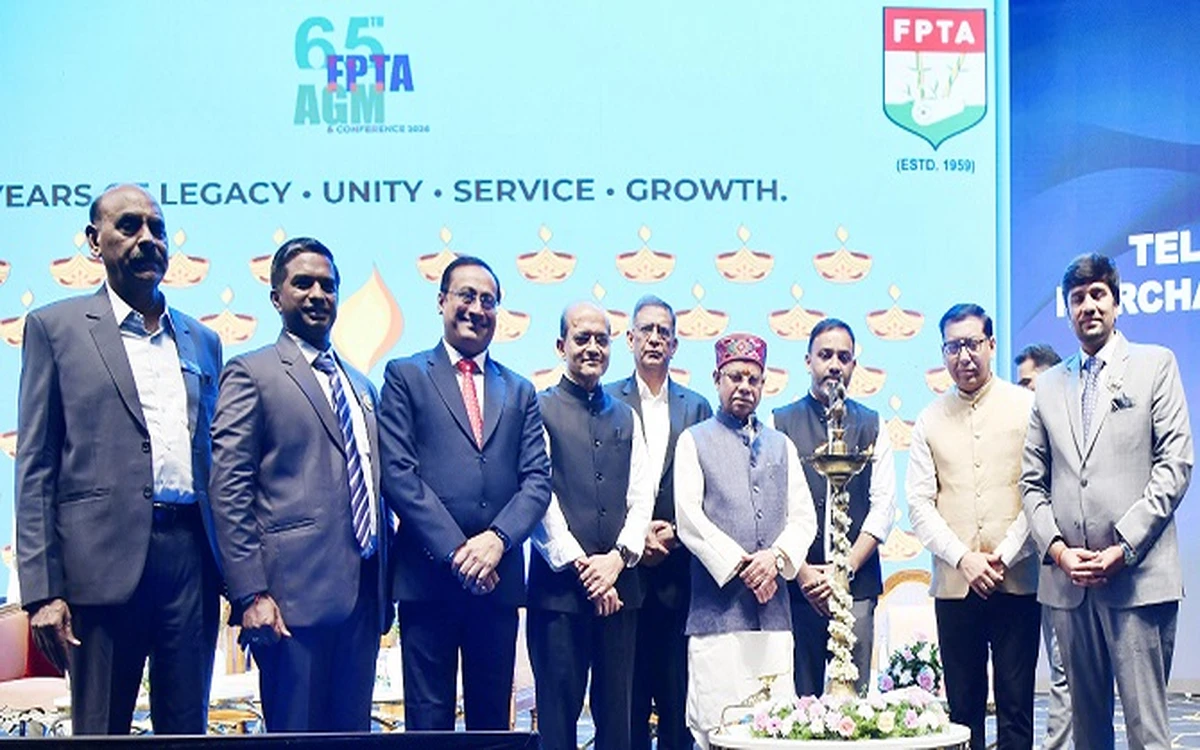
Paper and Packaging Board Market May Face Cost Pressures Through March 2027; FPTA Advises Traders
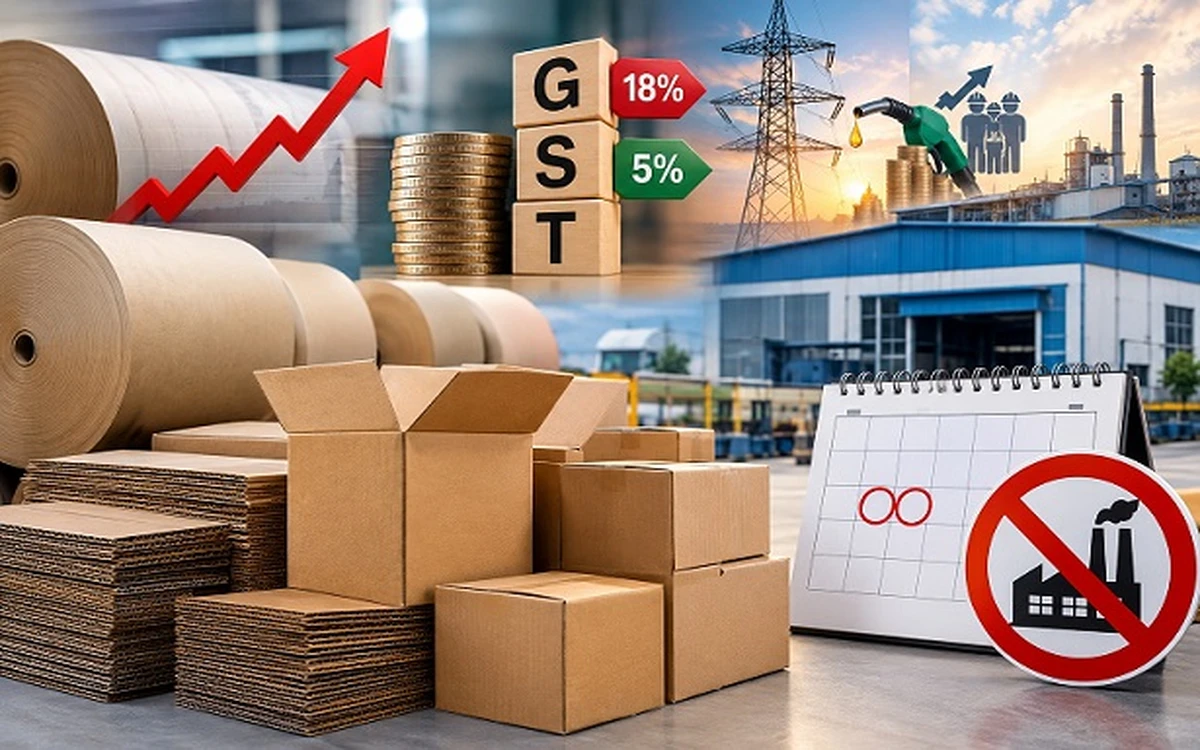
Overall Increase in Kraft Paper Prices Could Reach 35%; Industry Calls for 20% Box Price Increase, Voluntary Shutdown Proposed
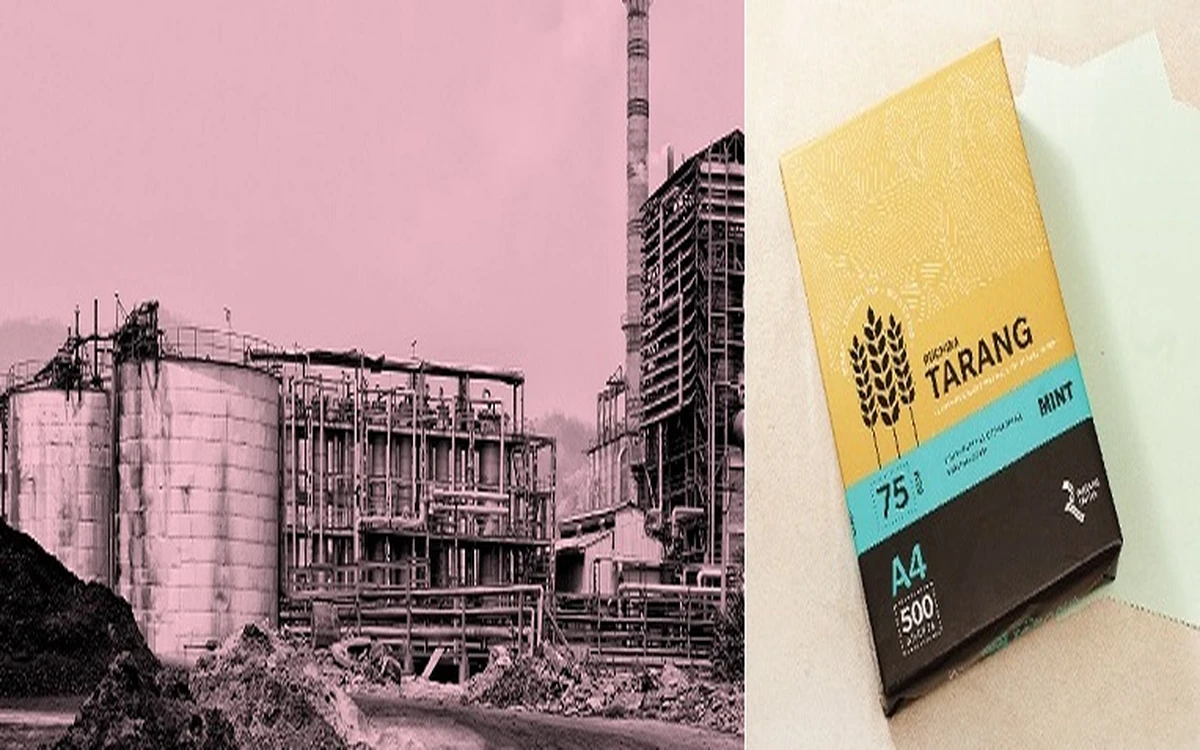
Ruchira Papers Invests a Sizeable Capex of Rs. 235–240 Crore Towards Writing & Printing Paper Capacity Expansion

Paper mills inflated the basic ex-mill price of paper post GST 2.0, AINMA seeks action against Anti-Profiteering
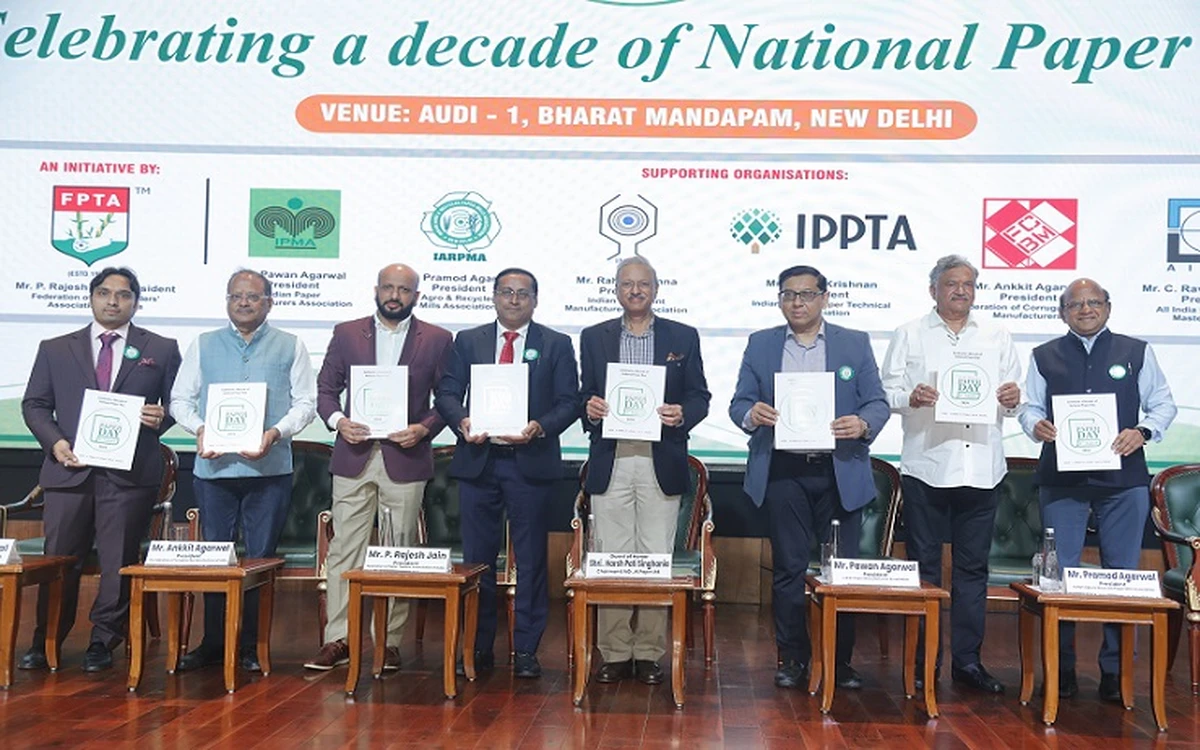
Seven Leading Associations Unite to Celebrate National Paper Day, Highlighting Paper's Sustainability and Circular Economy Advantage

Scientists from IIT-Guwahati develop India's first biodegradable plastic

Navneet Education focuses on brand building, curriculum-led growth, and export recovery; expects stationery margins to improve in FY27

It is estimated that USD10B to USD20B worth of single-use plastic packaging will convert to molded fiber, ZUME
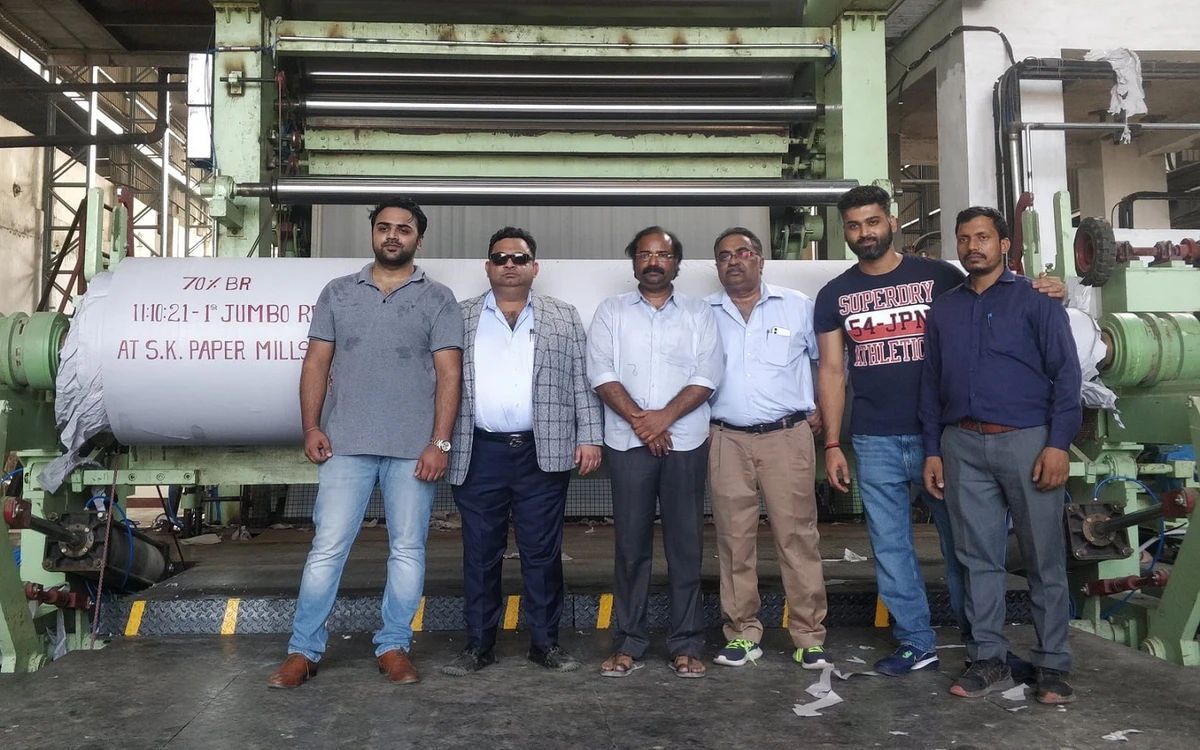
Muzaffarnagar gets a new capacity of Tissue Paper and MG Poster paper

“The integration of digitalization, automation, and Artificial Intelligence (AI) is no longer a futuristic concept—it is the baseline for competitiveness in 2036” - Vinit Garg, Director, Vizen Solutions
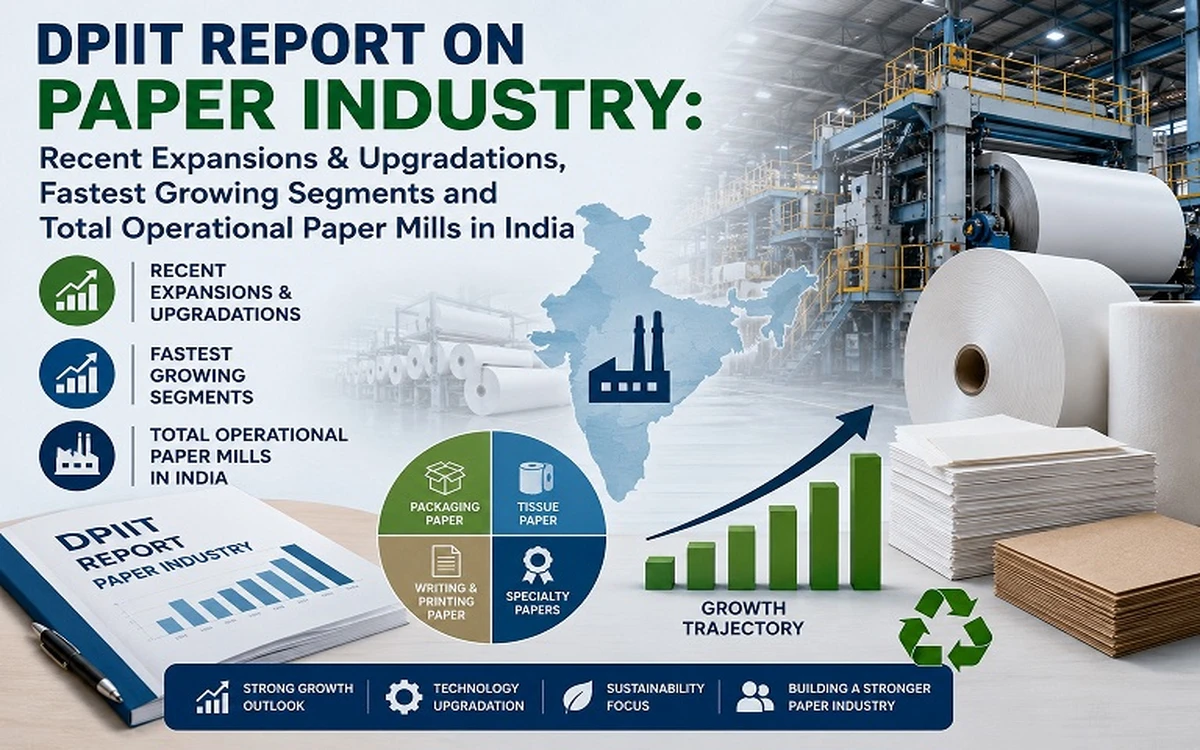
DPIIT Report on the Paper Industry: Recent Expansions & Upgrades, Fastest-Growing Segments, and Total Operational Paper Mills in India
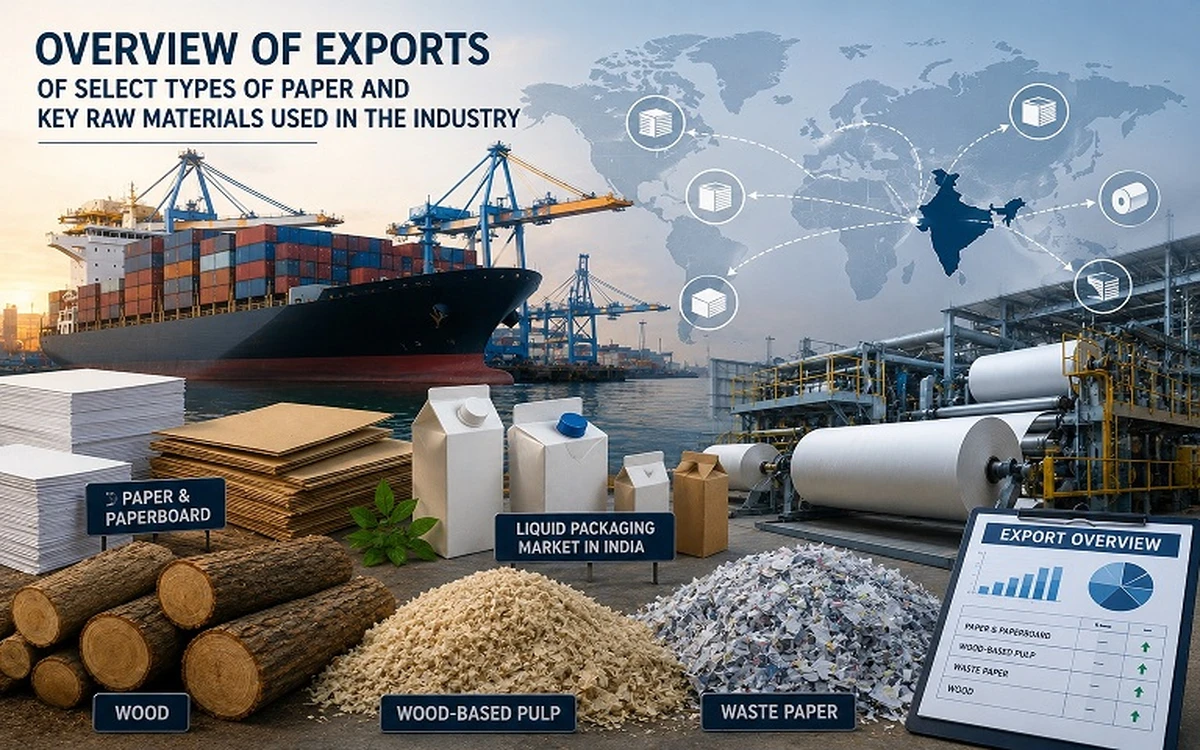
Overview of exports of select type of paper and key raw material used in the industry by Crisil Intelligence

Margin pressure pushes Pulp & Paper Packaging sector toward AI-Driven cost optimization, Cutting costs by 8–20%
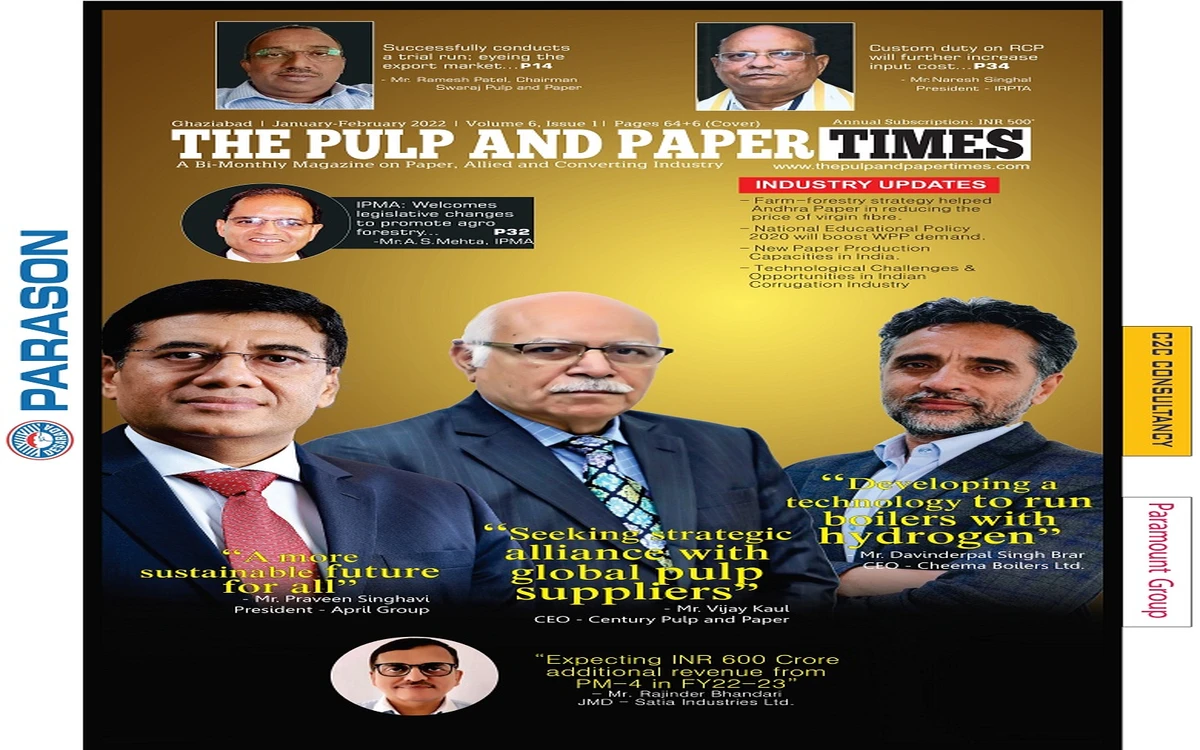
The Pulp and Paper Times Magazine : Volume 6, Issue 1

The Pulp and Paper Times Magazine : Volume 5, Issue 6
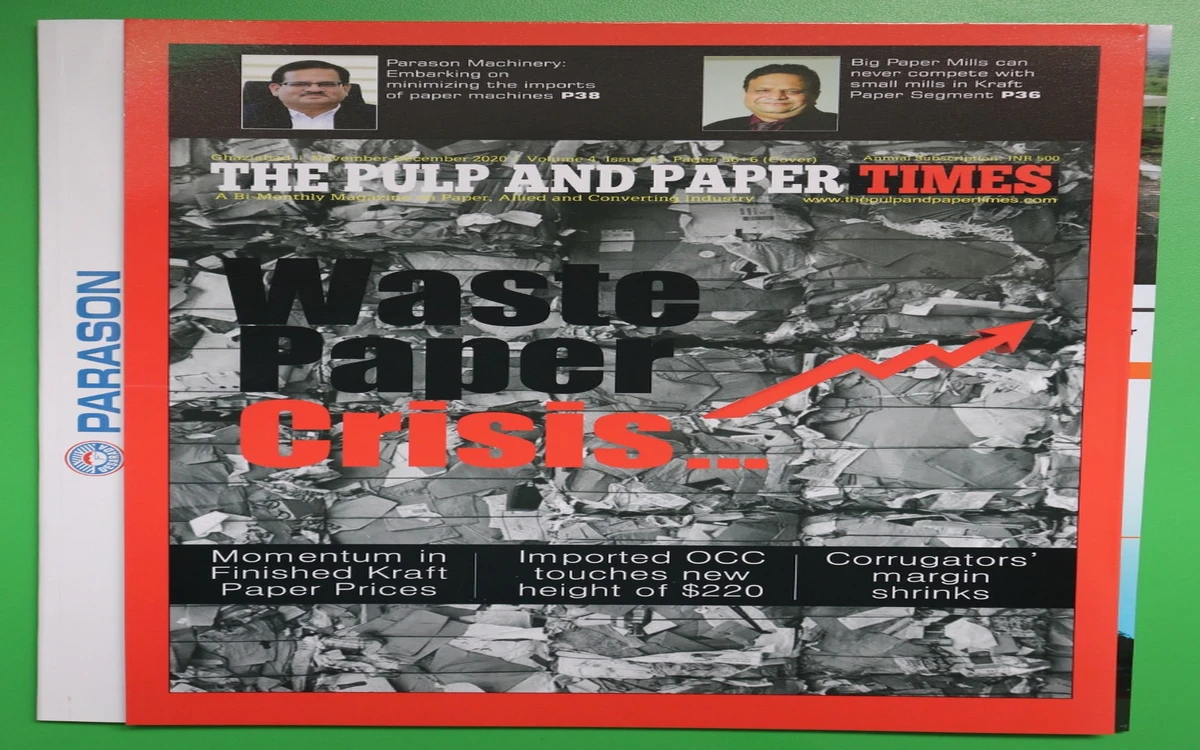
The Pulp and Paper Times: Volume 4, Issue 6
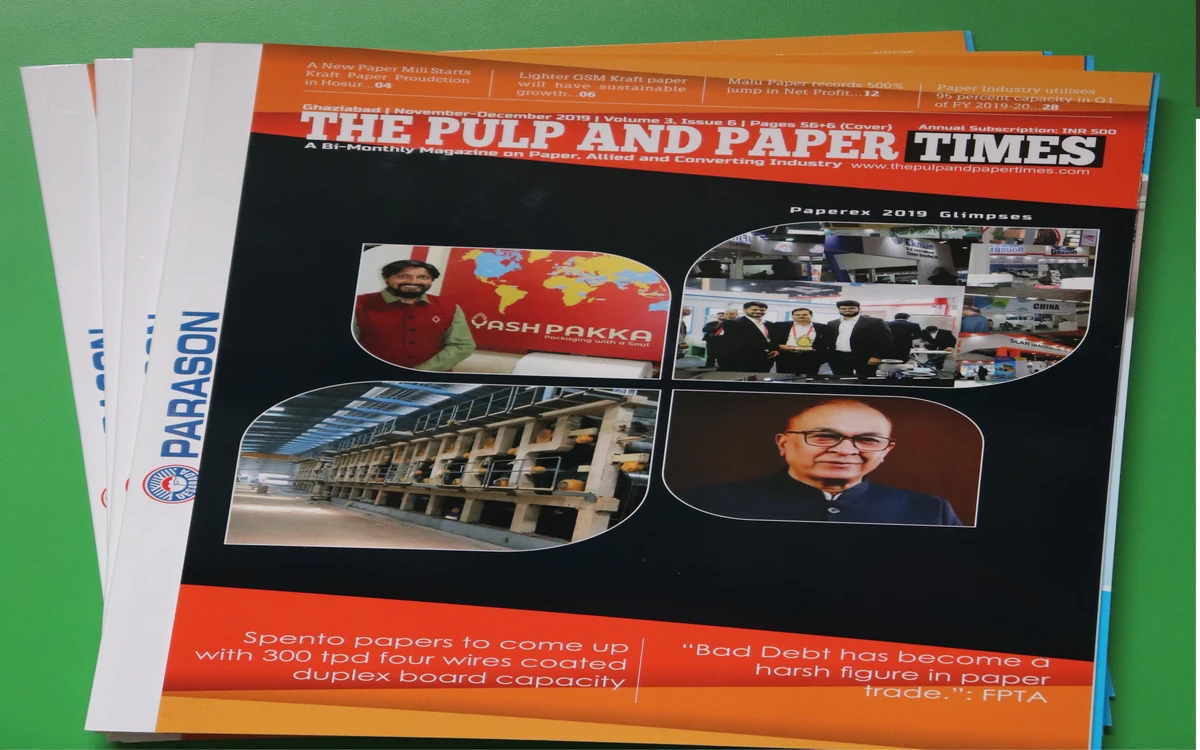
The Pulp and Paper Times : Volume 3, Issue 6
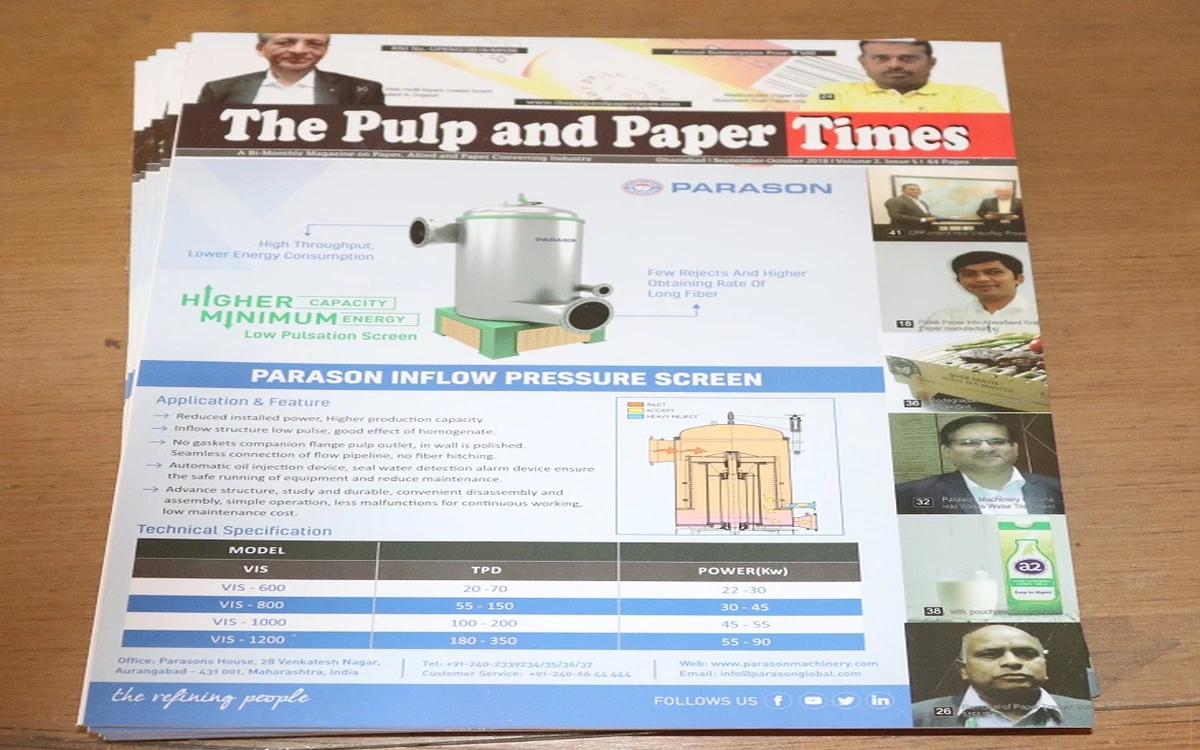
The Pulp and Paper Times: Volume 2 Issue 5

The Pulp and Paper Times, Volume 1, Issue 3
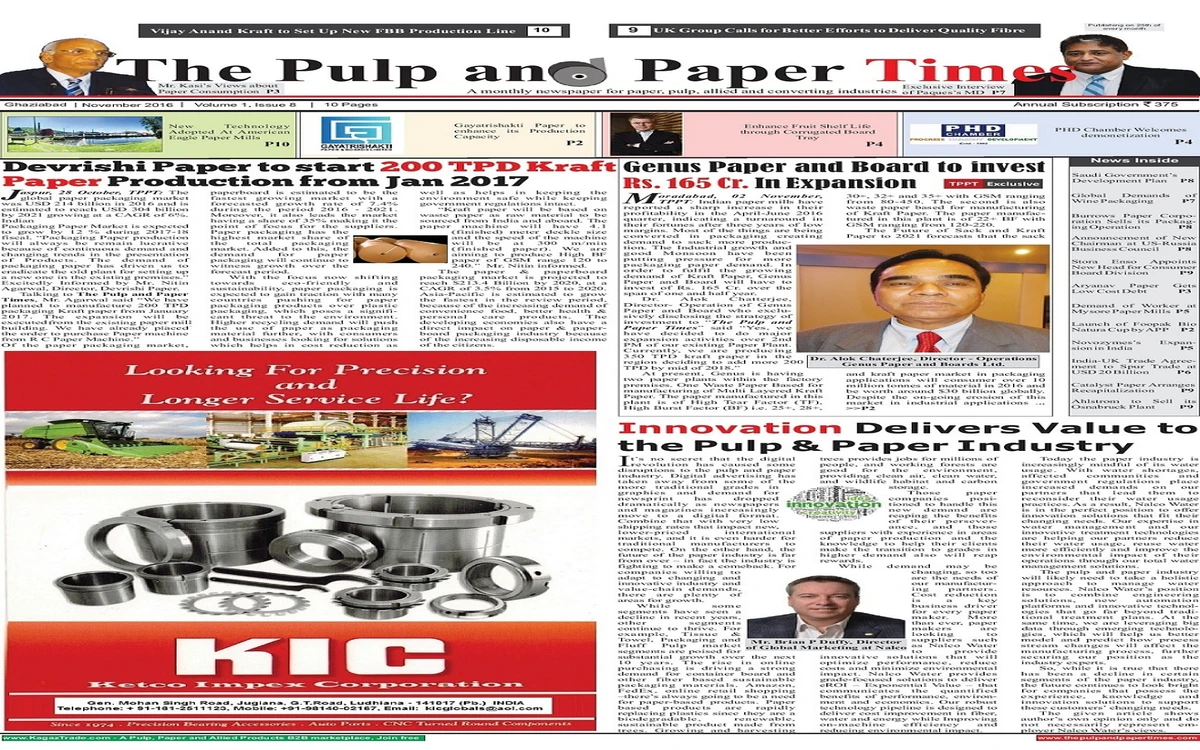
The Pulp and Paper Times, November 2016 Issue

Coal Supply Disruptions and Maize Starch Shortages Push Up Cost Pressures, Prompting Paper Mills to Raise Prices
The Pulp and Paper Times
The global situation continues to evolve, and the second-order effects of the ongoing war are becoming increasingly evident across industries. What initially appeared to be a disruption in energy markets and international supply chains is now translating into a broader challenge involving fuel availability, industrial inputs, production costs and supply continuity.
The Paper Industry continues to face significant cost pressures arising from geopolitical uncertainties, elevated energy and logistics/shipping costs. These direct cost drivers, along with their second-order effects, continue to impact the overall cost structure.

BGPPL said in its circular dated 22 Oct 2026, said, The Indian Paper industry is entering a particularly sensitive phase, with Coal and Starch availability now emerging as critical concerns. The industry has raised serious concerns over irregular Coal dispatches, delays in the movement of Coal rakes and the diversion of supplies towards the Power sector. Consequently, some mills are being forced to procure Coal from the open market at substantially higher costs and rely on expensive grid power to sustain operations. Starch availability adds another dimension to the challenges. Maize Starch is an essential input in Paper manufacturing. A 22% increase in demand for maize for Ethanol production, coupled with a 15% decline in maize production compared to last year, is placing additional pressure on starch availability for the Paper industry. BGPPL alone consumes approximately 1,500 MT of Starch every month, highlighting the significance of any disruption in its availability and impact on Cost.

Although Coal and Starch serve different purposes, the pressure on both demonstrates how disruptions originating outside the industry can progressively affect the entire manufacturing ecosystem.
“Our objective in sharing this assessment is to provide our associates with a clear understanding of the evolving industry landscape. BGPPL is closely monitoring the situation. If the current pressures persist, further price increases in both Coated and Uncoated Papers may become unavoidable in order to continue supplies.” BGPPL said.
Coal allocation between electricity generation and industrial consumption has emerged as a concern for newsprint manufacturers, with the Indian Newsprint Manufacturers Association (INMA) seeking changes to improve access to contracted supplies. The association has written to Prime Minister Narendra Modi, citing difficulties in obtaining adequate coal from public sector mining companies under long-term Fuel Supply Agreements (FSAs).

INMA has identified irregular dispatches and inadequate deliveries through rail and road networks as constraints on manufacturing operations. The association has also sought implementation of a coal allocation policy recommended by the Cabinet Committee on Economic Affairs (CCEA), which proposes a 75:25 distribution ratio between the power and non-power sectors.
BGPPL said in its circular dated 19 Oct 2026, that On the Demand side, the Season has gained strong momentum. Despite record billing in September and sustained dispatches thereafter, supply remains stretched. High order pendency, coupled with persistent shipping uncertainties and elevated freight rates, further reinforces the firm Market outlook.
Inventory Levels Remain Low
Coal availability remains a concern across NTPC’s fleet and the wider thermal power sector. As of 5 October, NTPC’s standalone fleet held 4.58 MT of coal against a prescribed requirement of 12.83 MT, equivalent to 36 per cent of the normative level.
Based on the consumption rate assumed by the Central Electricity Authority (CEA), the available inventory was sufficient for nearly six days. Ten NTPC plants had been classified as critical because of inadequate coal stocks.

The broader position across domestic-coal-based thermal power plants also reflected the gap between available stocks and prescribed requirements. Inventory stood at 18.15 MT on 5 October, sufficient for 6.5 days of consumption, against a normative requirement of 57.23 MT. Of the 176 domestic-coal-based plants, 81 were classified as critical, with stocks below 25 per cent of their respective normative requirements.
INMA has raised concerns that the existing dispatch pattern directs more than 95 per cent of coal supplies to power plants. This leaves industrial consumers struggling to secure sufficient quantities under their long-term contractual arrangements.
The resulting supply gap has pushed manufacturers towards open-market coal purchases at substantially higher prices. They have also had to depend on grid electricity at greater cost to maintain plant operations. The proposed allocation framework would alter the balance between power generation and industrial consumption. Its implementation, however, comes against the backdrop of shortages at thermal power plants, where coal inventories have remained below prescribed requirements.
Price Increase
BGPPL said on 19th Oct 2026 circular that In view of the above, we shall implement P7 (+Rs 1,000/MT) w.e.f. 24.10.2026 on all grades of Unit BPU PM#1–6, including Copy Paper (all brands & GSMs).
“We are implementing these revisions in phased steps to minimise Market disruption. Given the ongoing cost pressures, further price increases in both Coated and Uncoated grades are inevitable. Please note that No old price benefits will be extended based on bookings, volumes, or prior arrangements, irrespective of the date of order placement, unless specified by the Regional Sales Office. The applicable price will be strictly based on the billing date. Distributors may convert their pending orders to the new prices” BGPPL informed.
“The Prices of all our Writing & Printing Grades will be increased by INR 3,000 PMT, with immediate effect. This price revision has become necessary due to the Continued escalation in the costs of Coal Prices, Raw Materials, Pulp & other Manufacturing Inputs, including Chemicals, Packing Materials, Fuel, logistics and other Consumables. This price adjustment is necessary to offset the sustained increase in Input Costs and ensure the Continued Supply of quality products and services to our valued customers.” Khanna Paper said in its circular dt. 22 Oct 2026.

1 hour ago
Total Views : 236
2 days ago
Total Views : 1808
6 days ago
Total Views : 2776
last week
Total Views : 2565

last week
Total Views : 782

last week
Total Views : 1338
2 weeks ago
Total Views : 3916
2 weeks ago
Total Views : 2800

2 weeks ago
Total Views : 817
2 weeks ago
Total Views : 3647