Join Groups & Channels, No Spamming









Morbi paper mills see full-capacity operations as ceramic industry revives; Kraft paper exports to China spike, Prices strengthen; Janmashtami shutdown ahead

The BE and caustic soda plant marks a key milestone for Mohit Paper Mills, enabling full utilization of installed capacity and enhancing overall production efficiency
Expert Views on the paper market scenario, How the West Asia Crisis Helped the Industry, MIP for WPP, Anti-Subsidy implementation, and paper price trends
Pudumjee Paper intends to develop new varieties addressing applications for stronger paper bags and cupcakes; Plans 68,000 MT Mahad Specialty Paper Facility within 5 years
India Paper Industry at an Inflection Point: War, Costs, and Capacity; Demand growth expected at 5–7% in FY26
“Surging exports of paper will most certainly keep the domestic prices quite high”: Mr. A. Annamalai, Director – RFC
The Status of the Global Container board Industry, Recycled Paper Demand and Supply and its impact on the Indian Industry

Akshay Jain, director of Silverton Pulp & Paper, says it's time to promote agro residue as a raw material to lessen the scarcity of fibre
Advantageously located, a new paper mill is all set to roll kraft paper in Madhya Pradesh
Several agile interventions helped ITC-PSPD fortify its clear leadership of the Value Added Paperboards (VAP) segment
Steeper-than-expected drop in realisations hits Seshasayee Paper’s FY2025–26 operating margins; Box boards, Absorption Kraft, and Virgin Kraft now form a growing share of the product mix
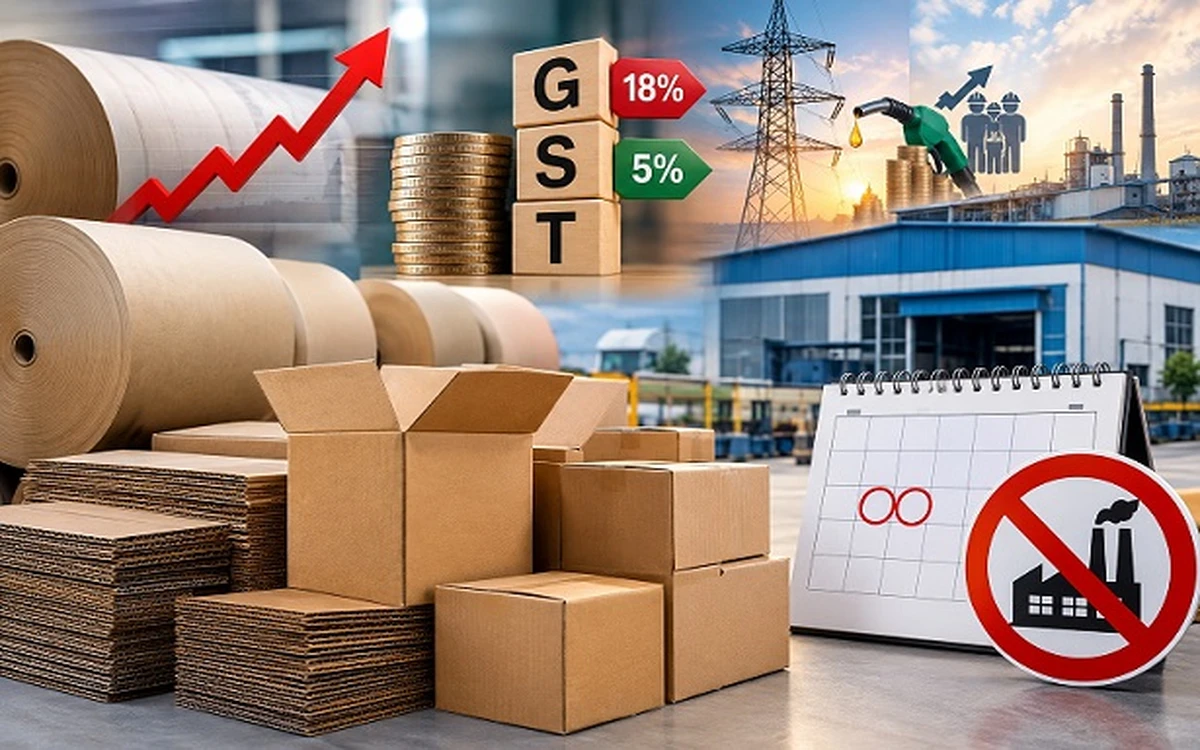
Overall Increase in Kraft Paper Prices Could Reach 35%; Industry Calls for 20% Box Price Increase, Voluntary Shutdown Proposed
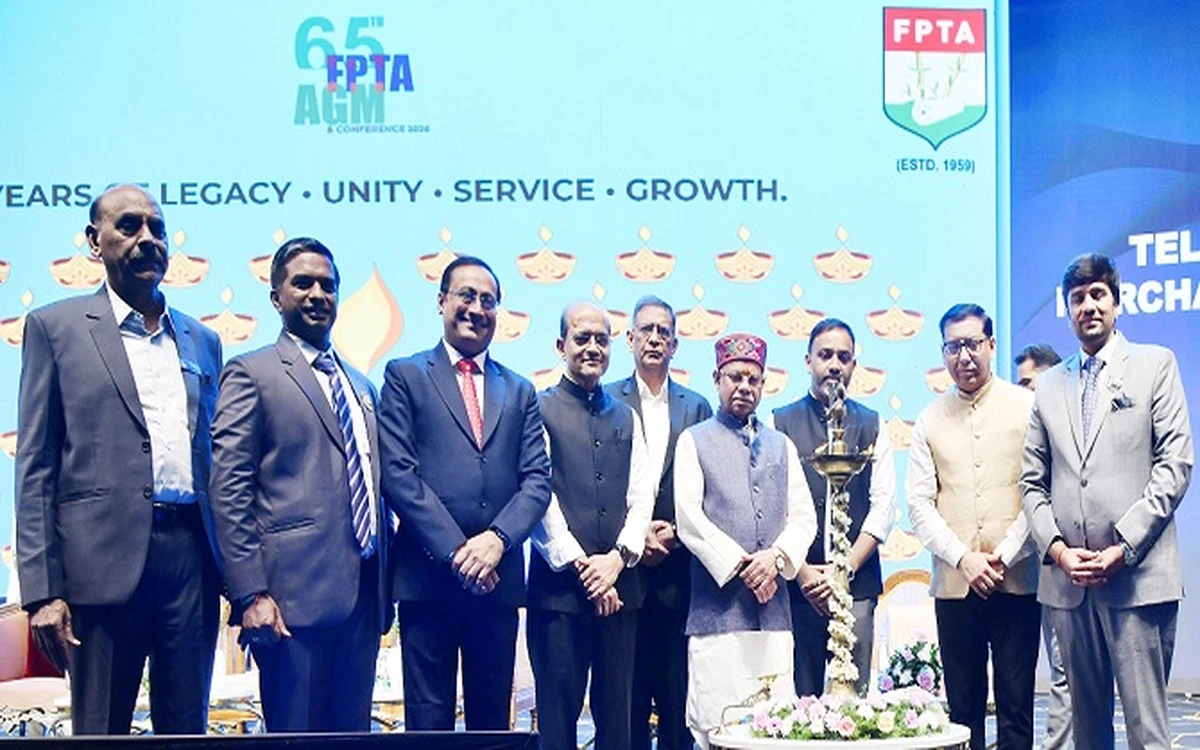
Paper Mills and Dealers Must Work Together to Create New Demand, Say Industry Leaders at FPTA’s 65th AGM
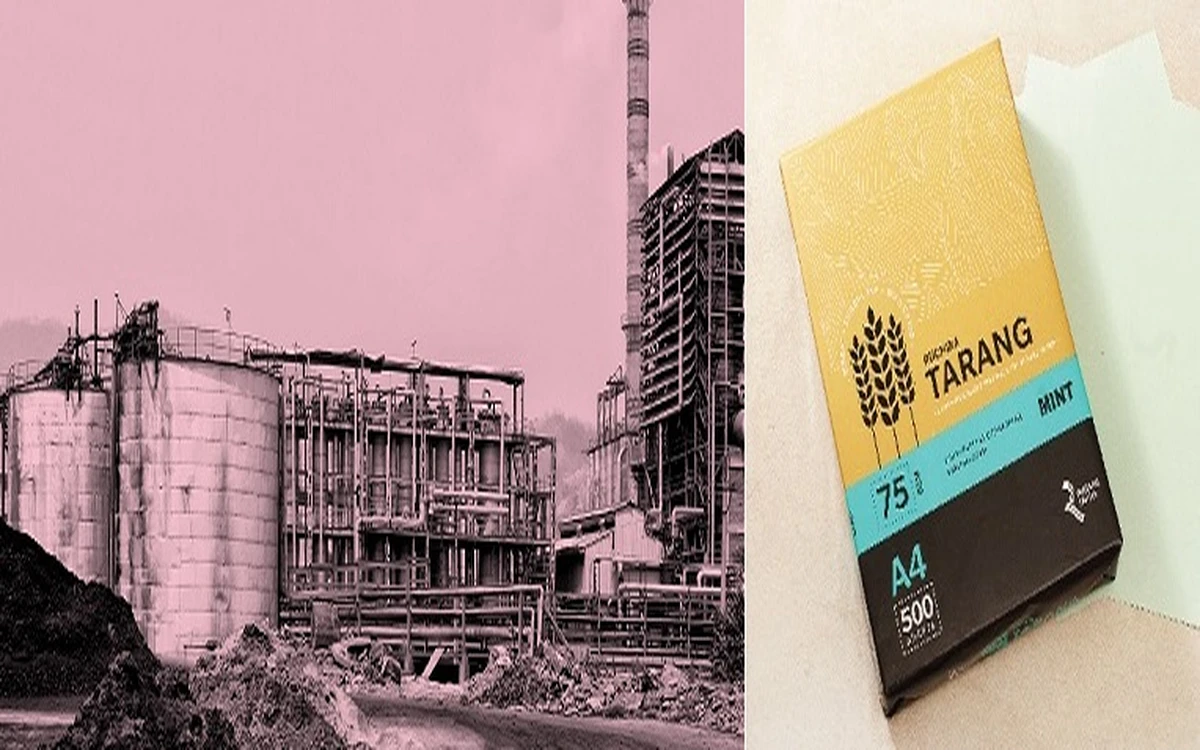
Ruchira Papers Invests a Sizeable Capex of Rs. 235–240 Crore Towards Writing & Printing Paper Capacity Expansion
Paper mills inflated the basic ex-mill price of paper post GST 2.0, AINMA seeks action against Anti-Profiteering
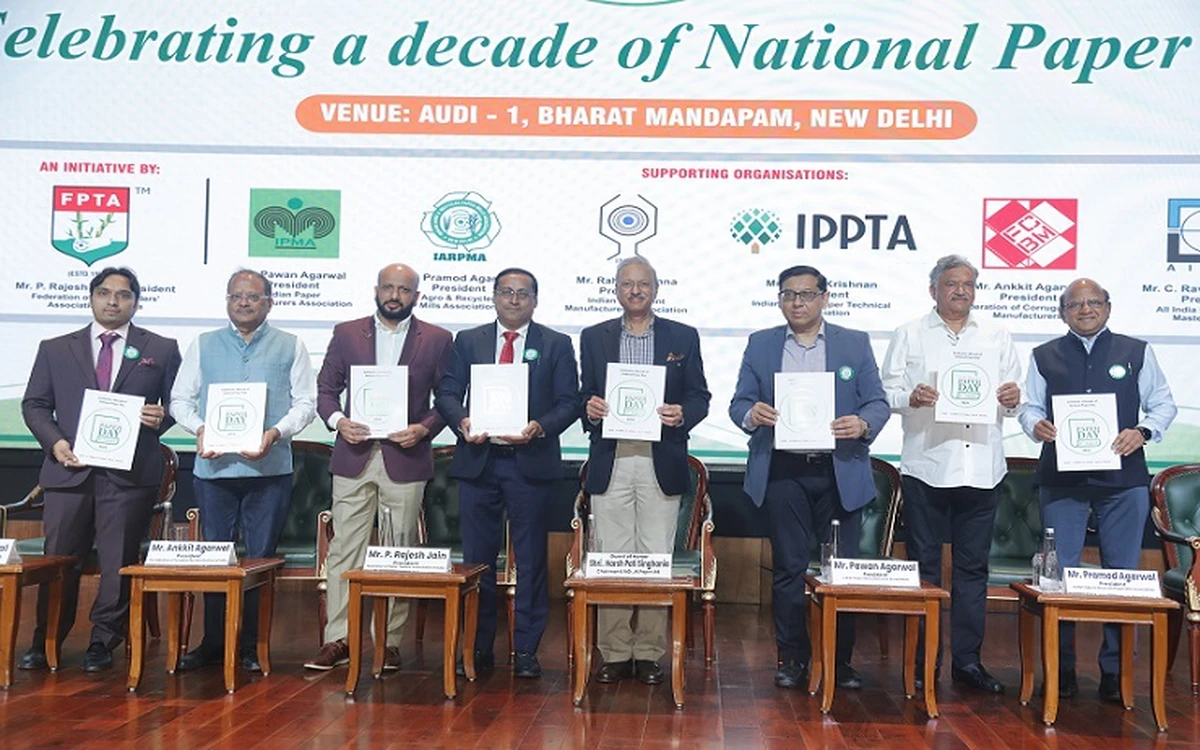
Seven Leading Associations Unite to Celebrate National Paper Day, Highlighting Paper's Sustainability and Circular Economy Advantage

Scientists from IIT-Guwahati develop India's first biodegradable plastic

Navneet Education focuses on brand building, curriculum-led growth, and export recovery; expects stationery margins to improve in FY27

It is estimated that USD10B to USD20B worth of single-use plastic packaging will convert to molded fiber, ZUME
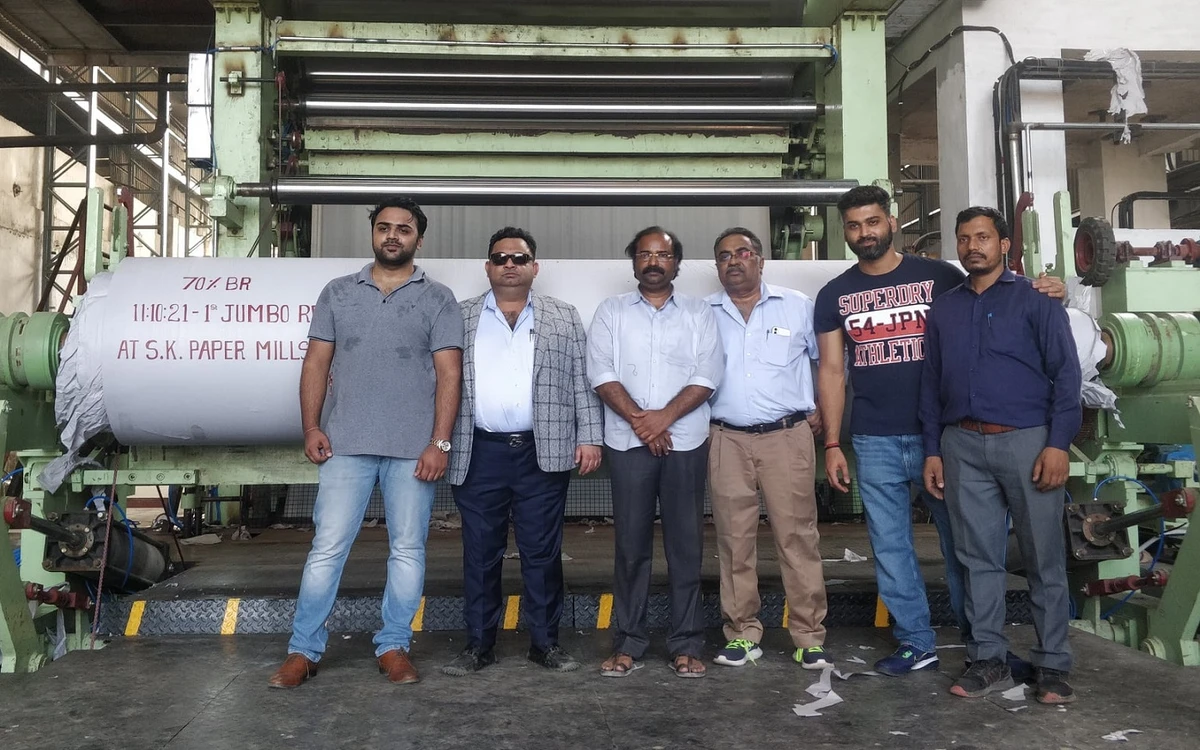
Muzaffarnagar gets a new capacity of Tissue Paper and MG Poster paper

“The integration of digitalization, automation, and Artificial Intelligence (AI) is no longer a futuristic concept—it is the baseline for competitiveness in 2036” - Vinit Garg, Director, Vizen Solutions
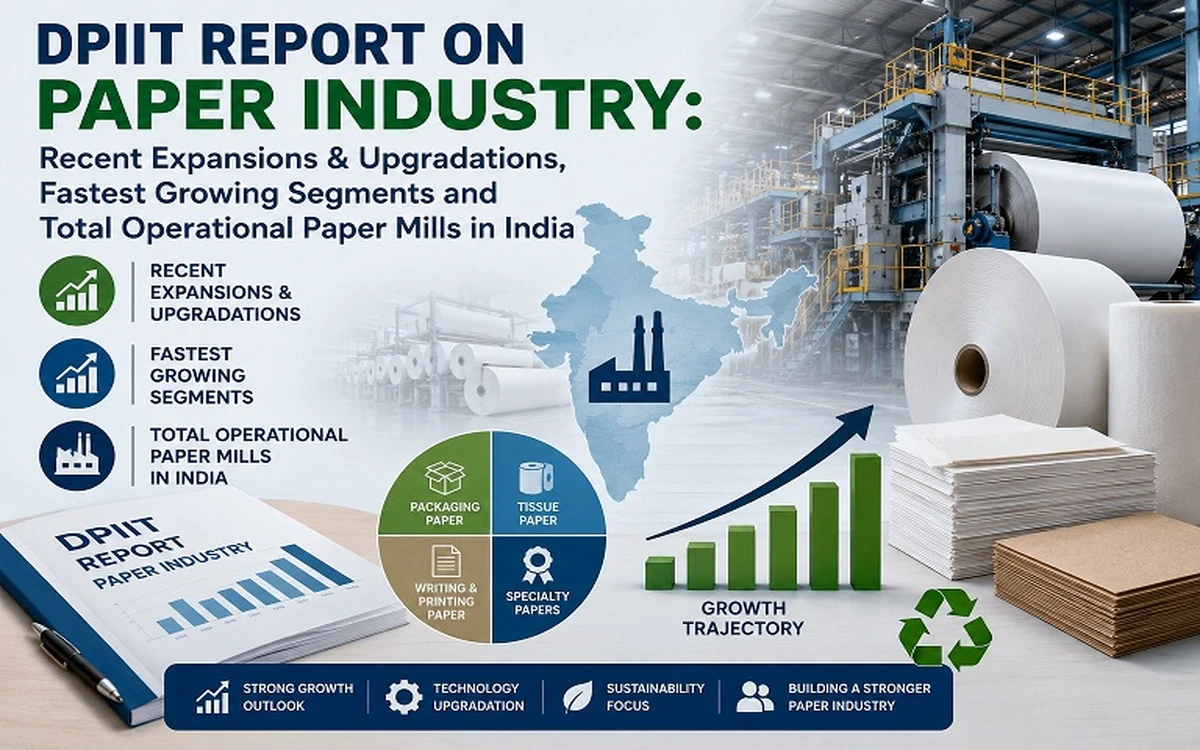
DPIIT Report on the Paper Industry: Recent Expansions & Upgrades, Fastest-Growing Segments, and Total Operational Paper Mills in India
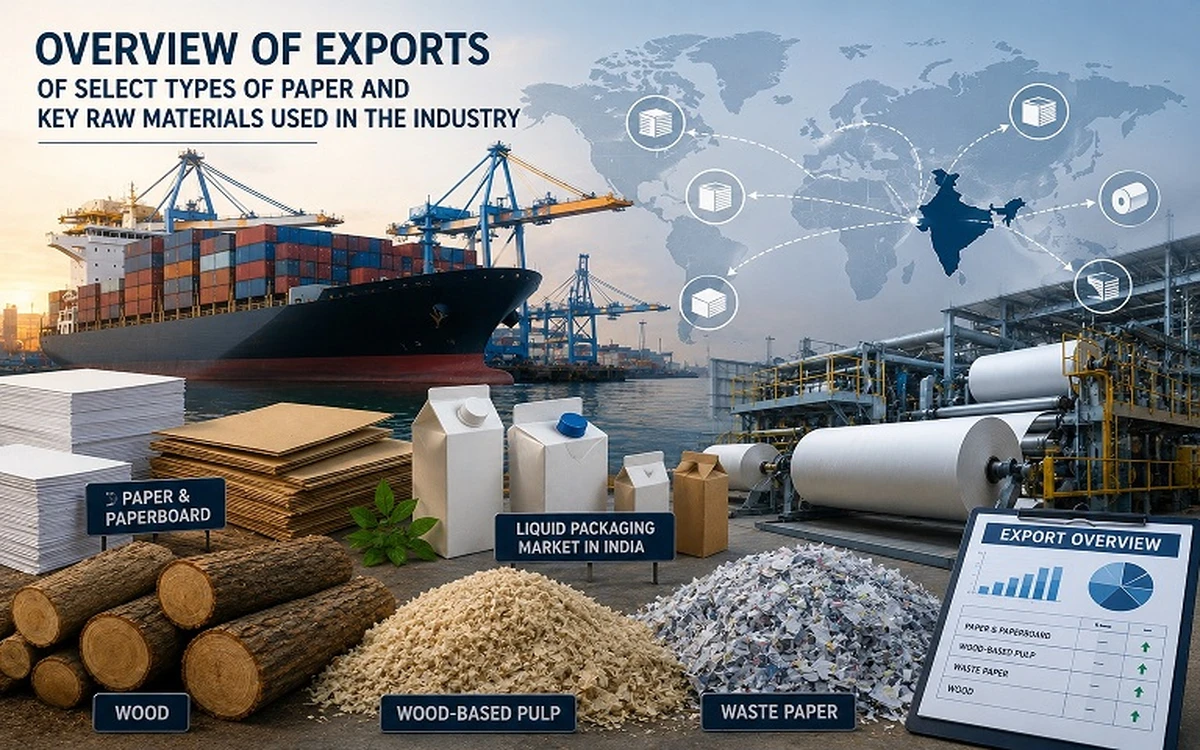
Overview of exports of select type of paper and key raw material used in the industry by Crisil Intelligence

Margin pressure pushes Pulp & Paper Packaging sector toward AI-Driven cost optimization, Cutting costs by 8–20%
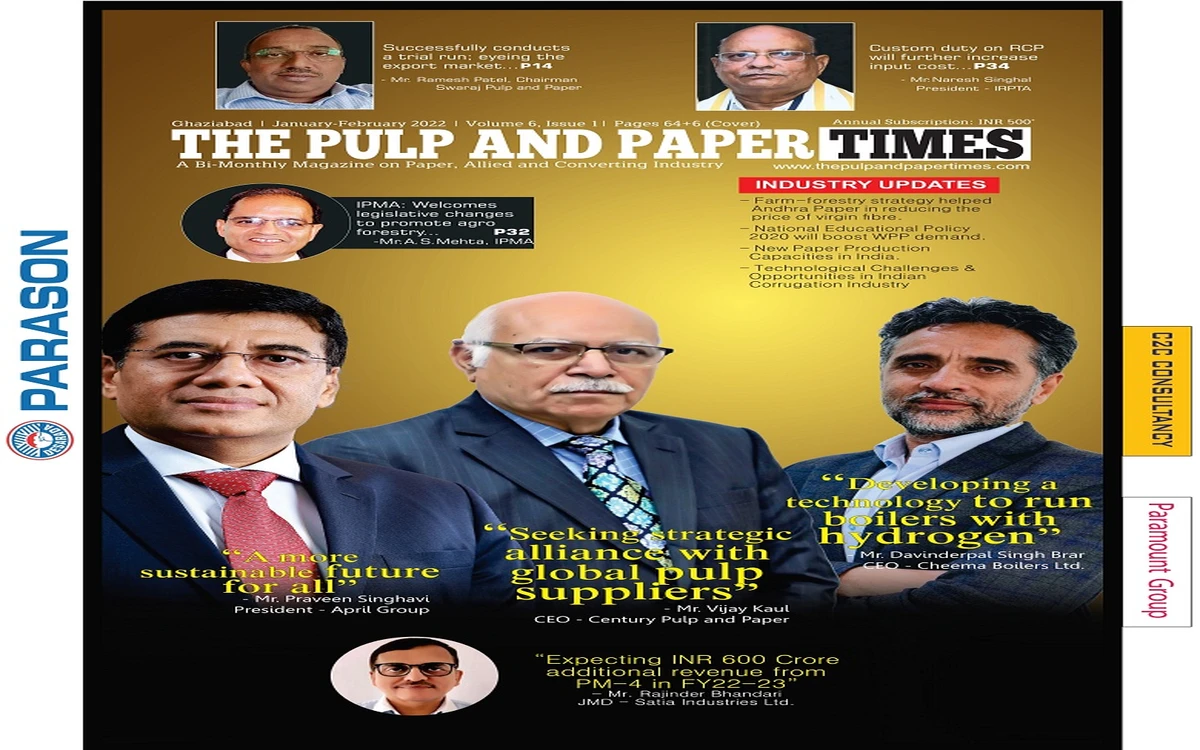
The Pulp and Paper Times Magazine : Volume 6, Issue 1

The Pulp and Paper Times Magazine : Volume 5, Issue 6
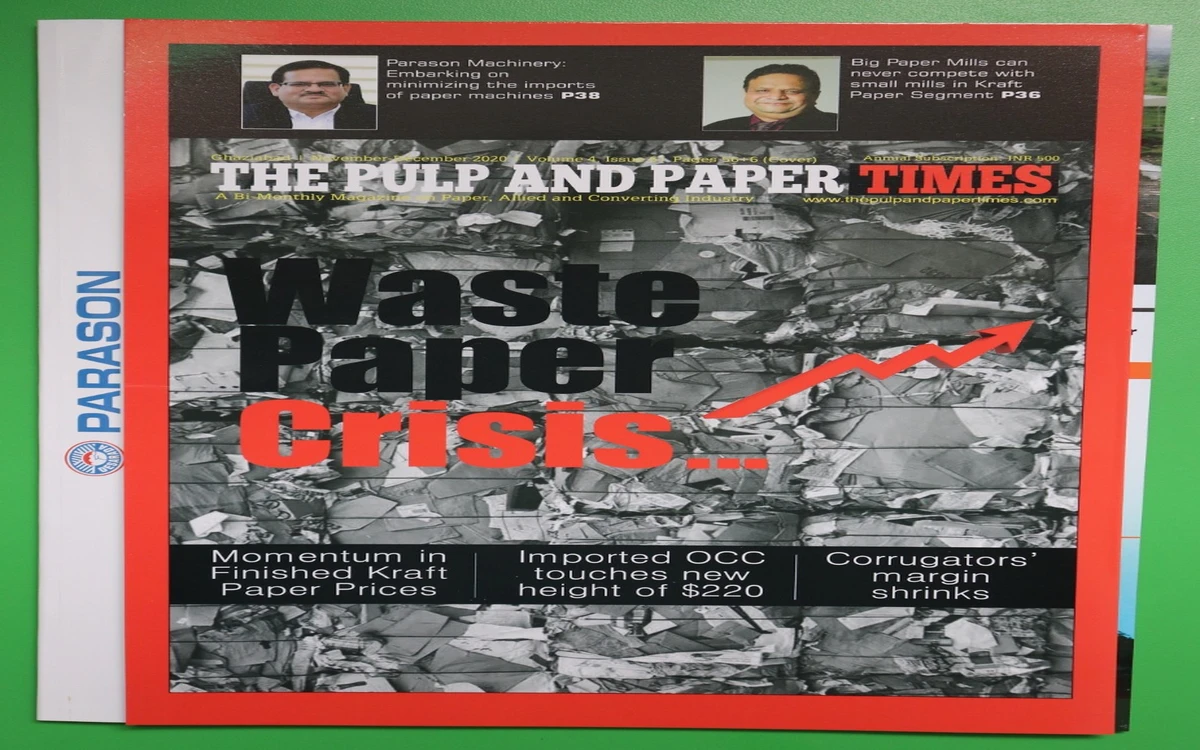
The Pulp and Paper Times: Volume 4, Issue 6
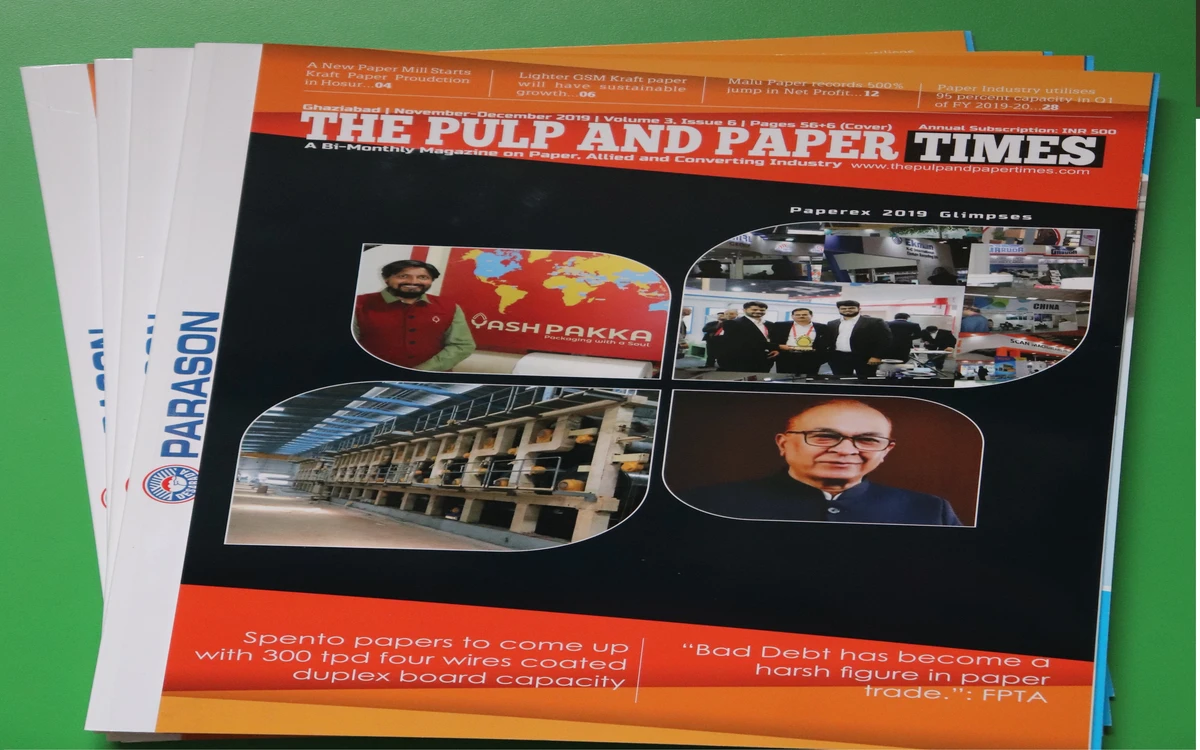
The Pulp and Paper Times : Volume 3, Issue 6
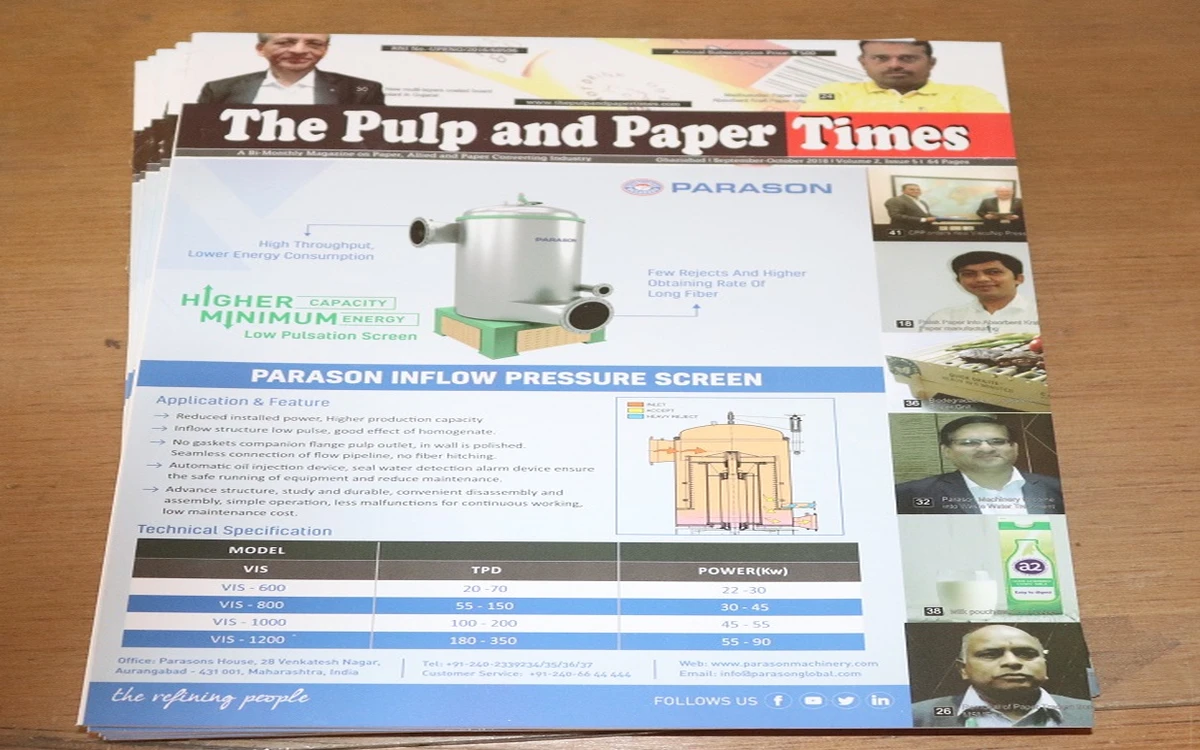
The Pulp and Paper Times: Volume 2 Issue 5
The Pulp and Paper Times, Volume 1, Issue 3
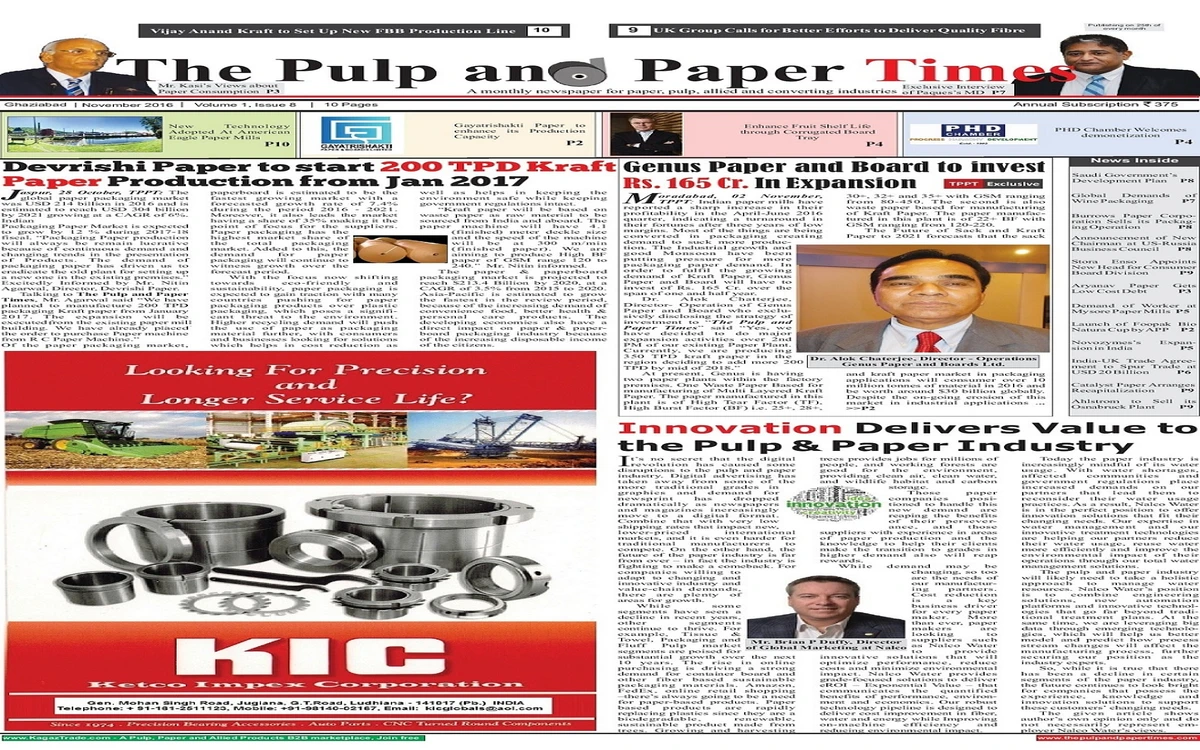
The Pulp and Paper Times, November 2016 Issue

- Company has invested approximately Rs. 100–125 crore in the new project (PM2)
- Paper mills are increasing production mainly as a means of reducing costs rather than responding to growth in demand
- it is difficult to predict when the market will recover, as new units continue to enter the sector while existing mills are simultaneously increasing capacities
The Pulp and Paper Times
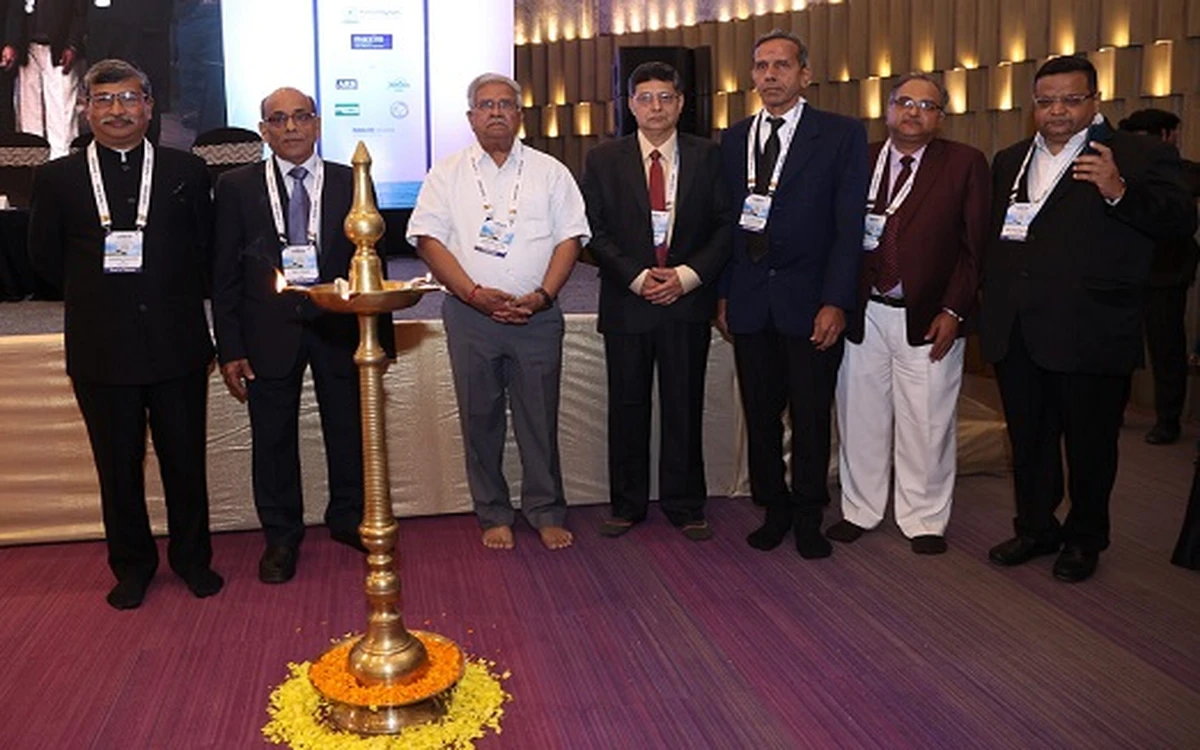
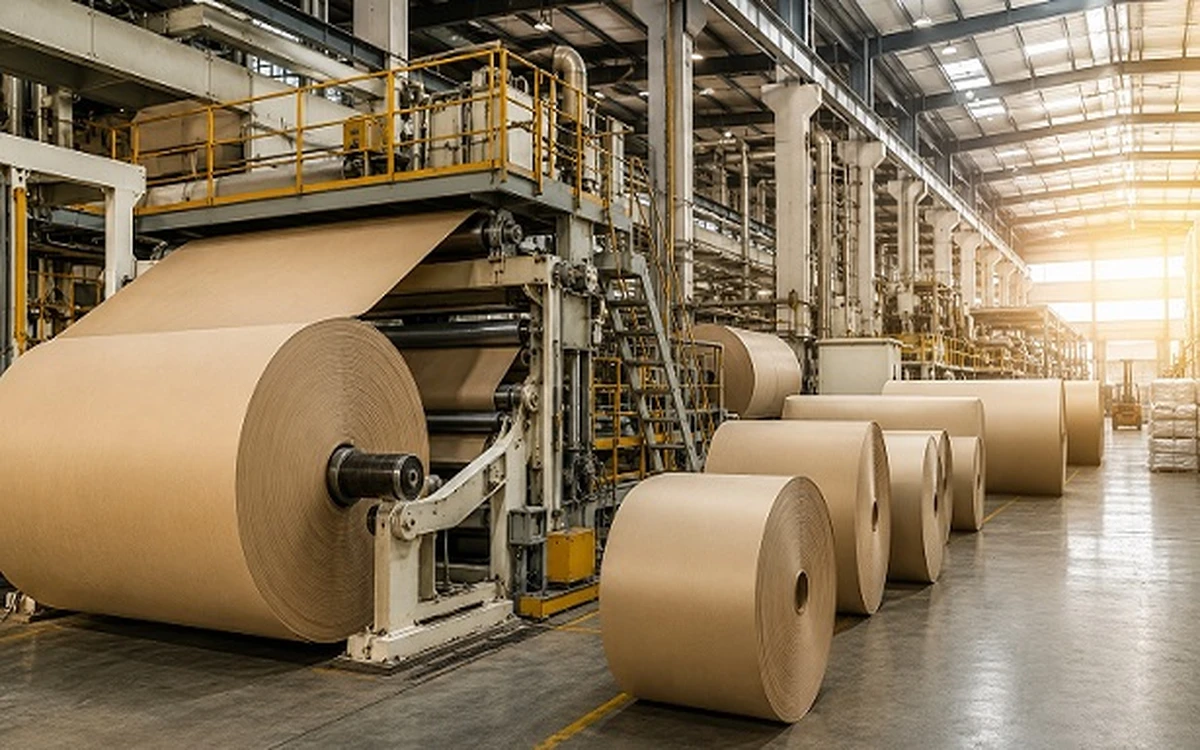
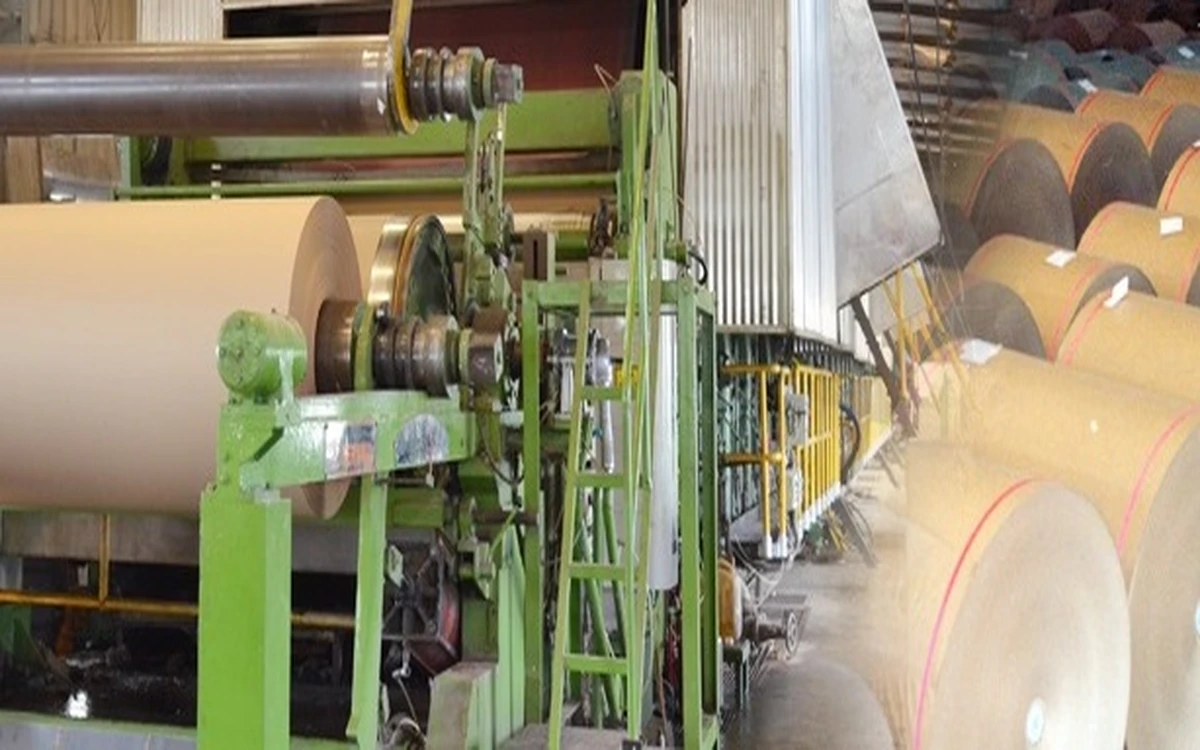
Mr. Sanjay Rastogi, Managing Director of Sardhana Paper Mill, shared his views on the company’s latest expansion, the kraft paper market, and the challenges confronting the industry. Taking to The Pulp and Paper Times, he informed that Sardhana Paper Mill currently has PM-1 with a capacity of 150 TPD, which is a 30-year-old machine. Currently, we have expanded our production by setting up a new machine (PM-2) with a capacity of around 250 TPD, which is already in operation. The total production capacity of the mill is 400 TPD.

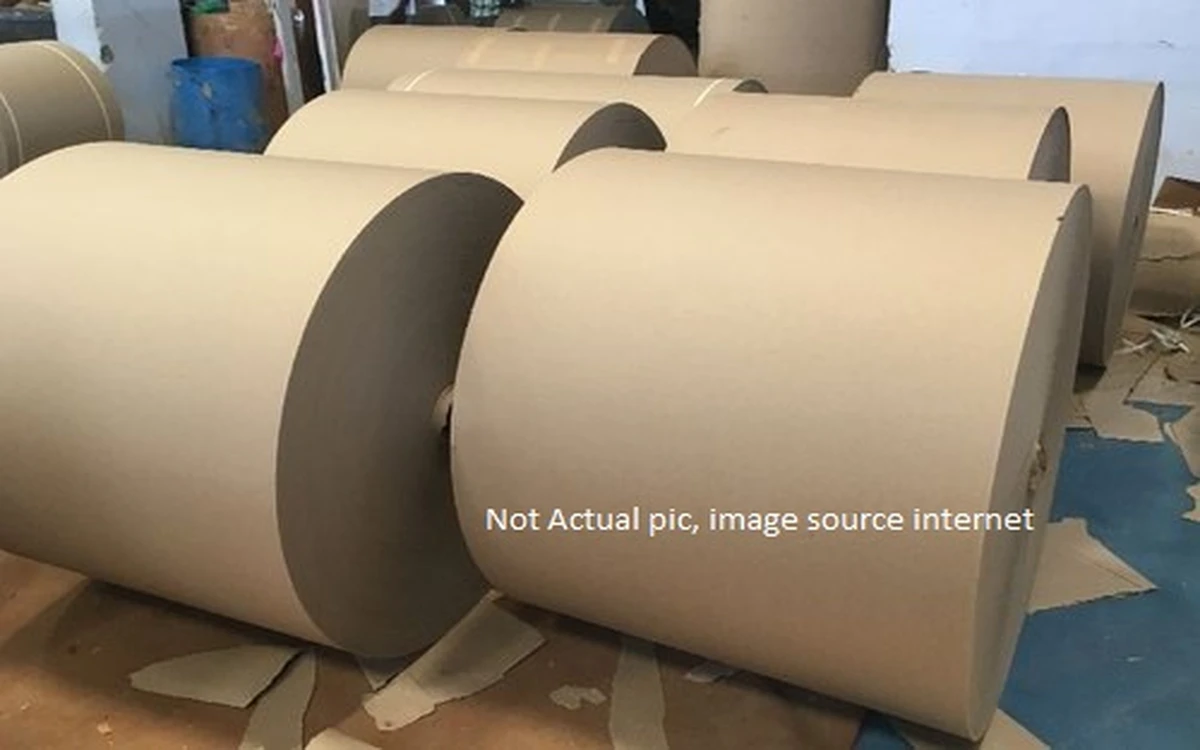
Both machines are engaged in the production of kraft paper. The company manufactures kraft paper in a GSM range of 60 GSM to 250 GSM, catering primarily to packaging applications. At present, the mill is producing 18 BF grade paper, while higher BF grades are planned for the future.
Discussing the machinery, Mr. Rastogi stated that most of the equipment has been sourced domestically, although critical components such as the headbox and dryer have been imported. The machine has been supplied by CAD Machinery. The company is currently serving domestic markets including Delhi, Gurugram, Himachal Pradesh, and Punjab, with its products mainly used for corrugated box manufacturing.

Explaining the rationale behind the expansion, he said that the existing machine has been operating for nearly three decades, and the new 250 TPD machine has been added as part of the company's growth strategy. The production is largely focused on supplying paper for corrugated box applications.
Commenting on the current market environment, Mr. Rastogi observed that conditions are not very encouraging at present and described the market as challenging. He emphasized that such projects are conceived much earlier, noting that the planning for the new machine began almost one and a half to two years ago, while installation itself required around eighteen months. The company has targeted light grammage paper production, and with the new high-capacity machine, it intends to manufacture higher BF grades in the coming years. The company intends to manufacture 60 to 80 GSM paper with 28 BF suitable for paper bags.
According to him, demand for kraft paper has weakened considerably in Western Uttar Pradesh, and several paper mills in the region are facing difficulties. He pointed out that the industry is grappling with excess production capacity. In his opinion, it is difficult to predict when the market will recover, as new units continue to enter the sector while existing mills are simultaneously increasing capacities in an effort to reduce operating costs and remain competitive.

Mr. Rastogi noted that many mills have significantly expanded their capacities, just as Sardhana Paper Mill has increased its own production capabilities on PM1 that were earlier producing around 70 TPD. Existing mills are adding capacity primarily to lower costs and ensure survival in an increasingly competitive market.
He further explained that advancements in technology are enabling mills to increase output from existing machines, thereby adding more capacity to the industry. However, he acknowledged concerns about whether the market is capable of absorbing such additional volumes. According to him, mills are increasing production mainly as a means of reducing costs rather than responding to growth in demand.

Addressing operating practices in the paper industry, Mr. Rastogi stated that paper manufacturing is a continuous process industry, making it difficult to shut down machines frequently. Mills equipped with turbines cannot stop operations intermittently, as maximum production helps in reducing fixed costs such as labour, energy, and overhead expenses.
At the same time, he admitted that margins remain under severe pressure. He estimated the prevailing fixed cost at around Rs. 2.5–3 per kilogram. He observed that if production levels are reduced, profitability declines further, making survival increasingly difficult. Therefore, mills continue operating despite lower margins and, in some cases, even losses, because shutting down operations completely may threaten their long-term existence.
Talking about excess capacity, he highlighted that regional advantages play a crucial role in determining competitiveness. He informed that in Assam and Rajasthan, waste paper prices are Rs. 3 per kg lower compared to other areas, so paper mills in Assam are benefiting from lower raw material costs. Certain areas benefit from lower power tariffs, better logistics, and easier access to raw materials. Government policies and GST-related benefits, including a 100% refund of GST on waste paper, are making paper mills viable. He mentioned that mills in Muzaffarnagar, Uttar Pradesh, that have installed turbines on RDF are saving Rs. 2–2.5 per kg, and those enjoying lower electricity costs and operational advantages are better positioned to withstand adverse market conditions.

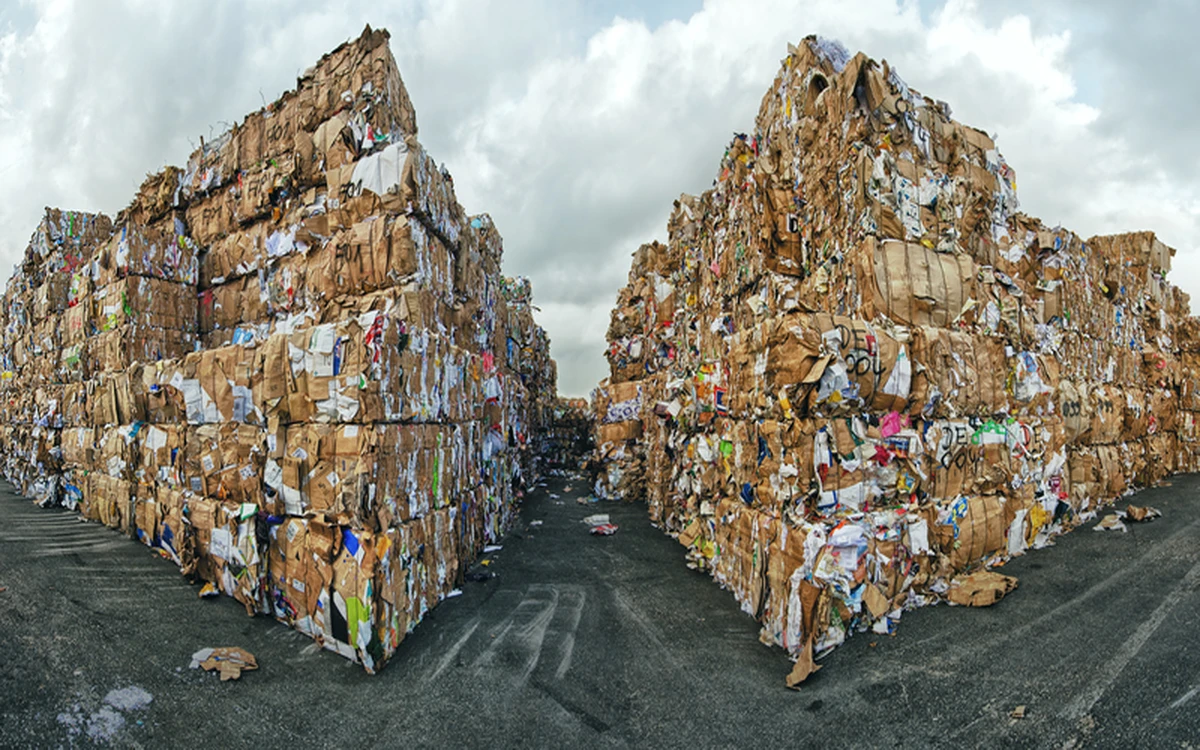
Another major concern identified by Mr. Rastogi is the limited availability of waste paper in Western Uttar Pradesh. He stated that waste paper supplies remain constrained, despite material arriving from various regions like Assam and Rajasthan, and availability continues to be insufficient to meet industry demand.
Discussing prices, he said waste paper is currently trading at around Rs. 20 per kilogram, while finished kraft paper prices are in the range of Rs. 28–28.5 per kilogram. Conversion costs are estimated at approximately Rs.10 per kilogram, but paper mills are bearing losses as the realization is only around Rs. 8, indicating that several mills are operating under considerable financial stress and some are even incurring losses.
As a result, the industry is increasingly discussing production cuts. According to Mr. Rastogi, many stakeholders are advocating temporary shutdowns of six to eight days every month to balance supply and demand. Such a measure could reduce production by nearly 25 percent. However, mills continue to bear fixed costs even during shutdown periods, making such decisions difficult to implement.
He remarked that survival remains the immediate priority for paper manufacturers and believes that weaker units may gradually exit the market, eventually helping to restore equilibrium between demand and supply.
On the subject of imports, Mr. Rastogi stated that imported kraft paper continues to remain expensive due to the war situation, with prices currently around Rs. 22–23 per kilogram. He believes that either domestic waste paper prices will increase further by Rs. 1 per kg or imported prices may soften, leading to market stabilization.
However, he cautioned that international developments and geopolitical conflicts continue to influence market dynamics. Although imported paper prices had earlier led to an increase of Rs. 2–3 per kilogram in domestic kraft paper prices, those gains subsequently moderated.
Mr. Rastogi clarified that the grades manufactured by Sardhana Paper Mill do not face significant import competition because the company specializes in lighter grammage and 18 BF kraft paper. Imported products are generally concentrated in higher BF grades and premium-quality segments.
Speaking about the tissue paper sector, he acknowledged that the segment has witnessed substantial investments over the last three years, with nearly fifteen new units being established. Producers manufacturing high-quality tissue products using advanced imported machinery are performing well, while local manufacturers are also entering the segment.
According to him, demand remains healthy for premium tissue grades, particularly in the 16–18 GSM category. However, recycled tissue paper products are experiencing weaker demand. He observed that premium tissue products are largely based on virgin fibre, whereas recycled tissue grades have yet to gain comparable market acceptance.
Sharing details of the recent investment at Sardhana Paper Mill, Mr. Rastogi revealed that the company has invested approximately Rs. 100–125 crore in the new project. The investment includes modern infrastructure such as an IBL boiler, turbine, and associated facilities. At present, the company is not considering backward integration into corrugation operations.
Concluding his observations, Mr. Rastogi stated that the kraft paper industry is currently navigating a phase characterized by excess capacity, subdued demand, tight margins, and raw material constraints. Despite these challenges, paper mills continue to operate with the objective of sustaining their businesses and positioning themselves for improved opportunities when market conditions eventually recover.

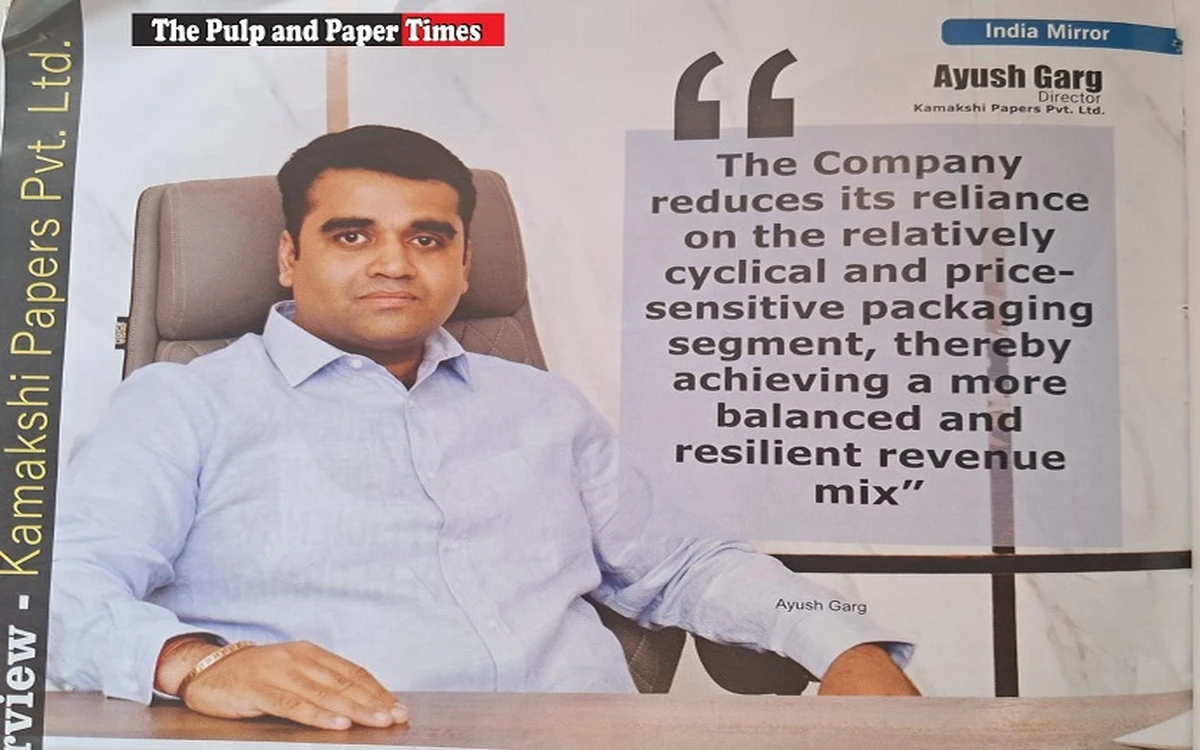
23 hours ago
Total Views : 1657
2 days ago
Total Views : 553
4 days ago
Total Views : 1221
last week
Total Views : 3569
last week
Total Views : 2613
last week
Total Views : 765
last week
Total Views : 3493
2 weeks ago
Total Views : 3559
2 weeks ago
Total Views : 6865

2 weeks ago
Total Views : 1057