Join Groups & Channels, No Spamming









Morbi paper mills see full-capacity operations as ceramic industry revives; Kraft paper exports to China spike, Prices strengthen; Janmashtami shutdown ahead

The BE and caustic soda plant marks a key milestone for Mohit Paper Mills, enabling full utilization of installed capacity and enhancing overall production efficiency
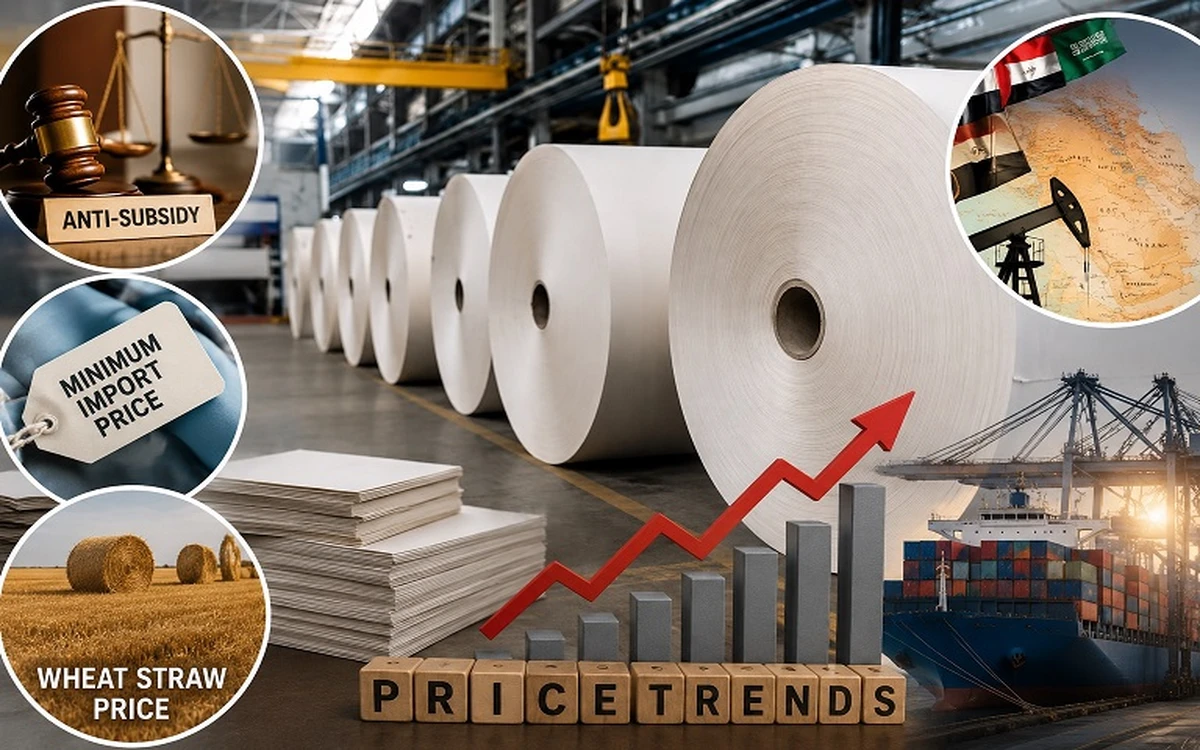
Expert Views on the paper market scenario, How the West Asia Crisis Helped the Industry, MIP for WPP, Anti-Subsidy implementation, and paper price trends
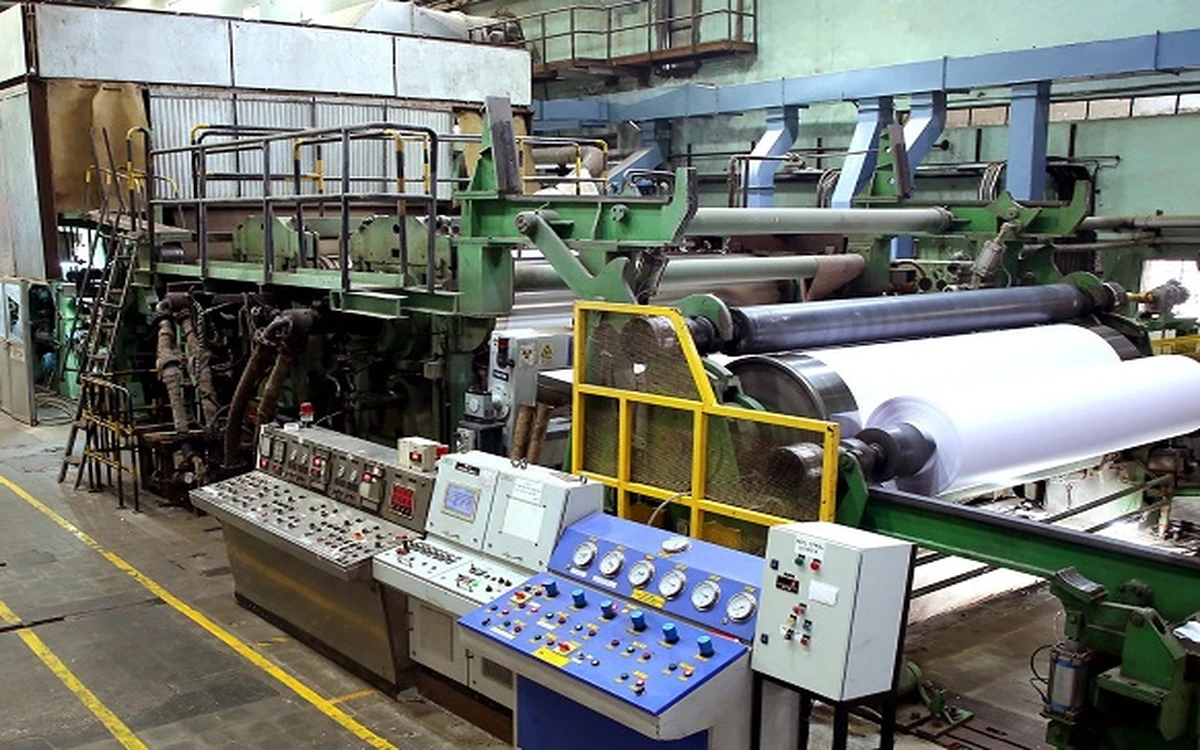
Pudumjee Paper intends to develop new varieties addressing applications for stronger paper bags and cupcakes; Plans 68,000 MT Mahad Specialty Paper Facility within 5 years
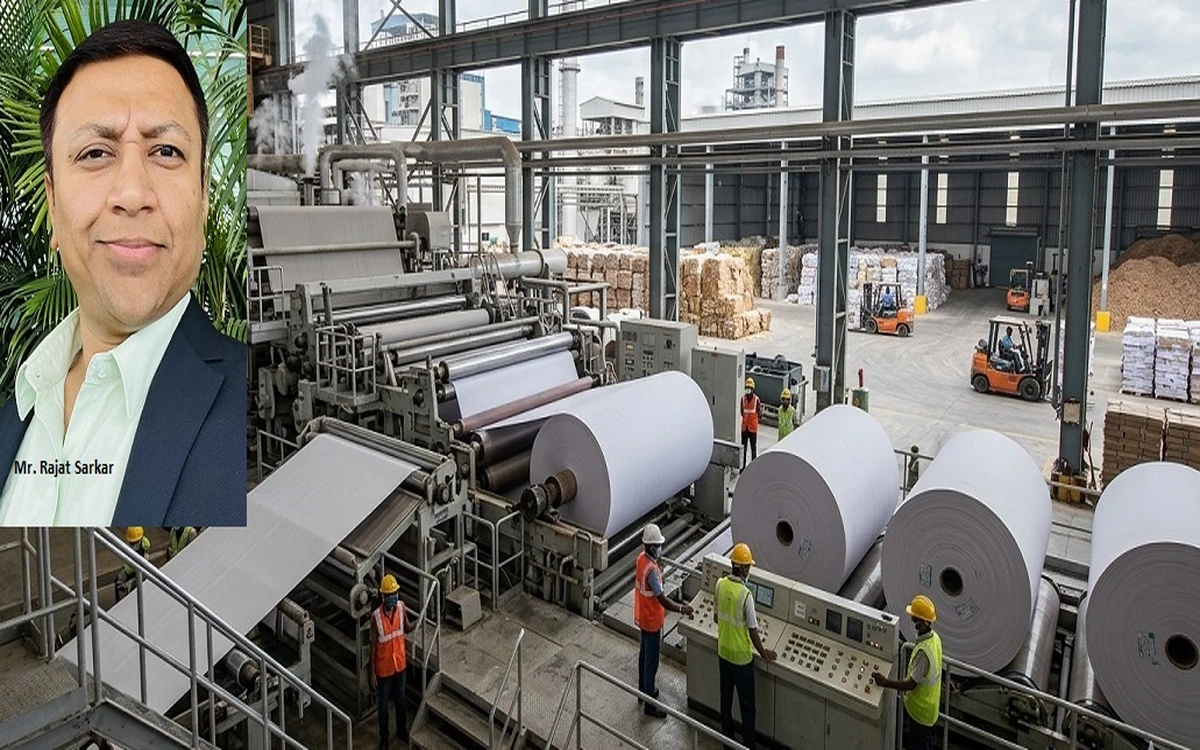
India Paper Industry at an Inflection Point: War, Costs, and Capacity; Demand growth expected at 5–7% in FY26
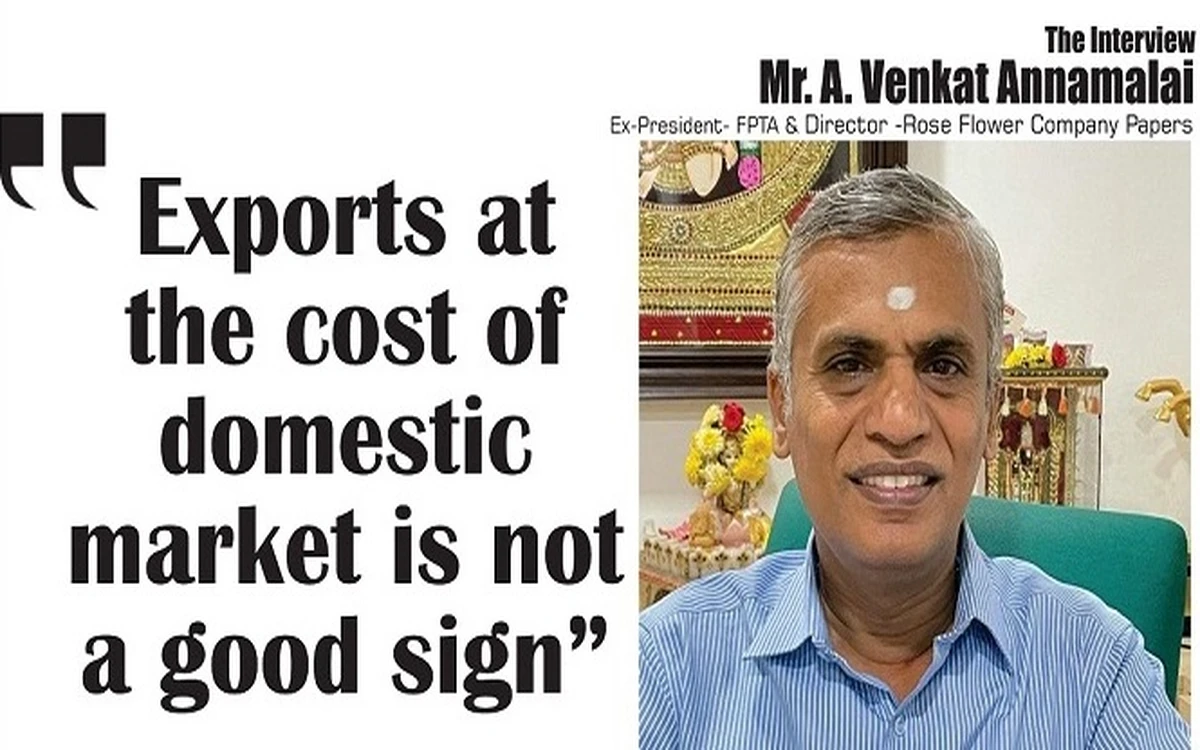
“Surging exports of paper will most certainly keep the domestic prices quite high”: Mr. A. Annamalai, Director – RFC
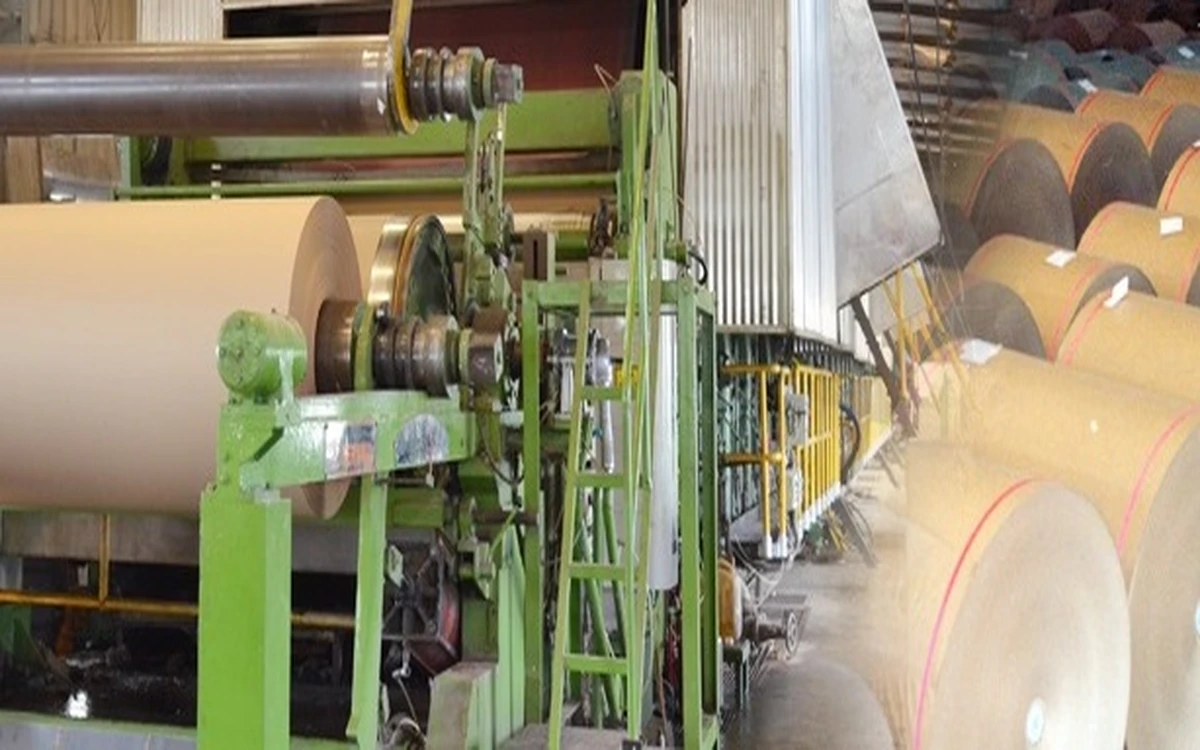
The Status of the Global Container board Industry, Recycled Paper Demand and Supply and its impact on the Indian Industry

Akshay Jain, director of Silverton Pulp & Paper, says it's time to promote agro residue as a raw material to lessen the scarcity of fibre
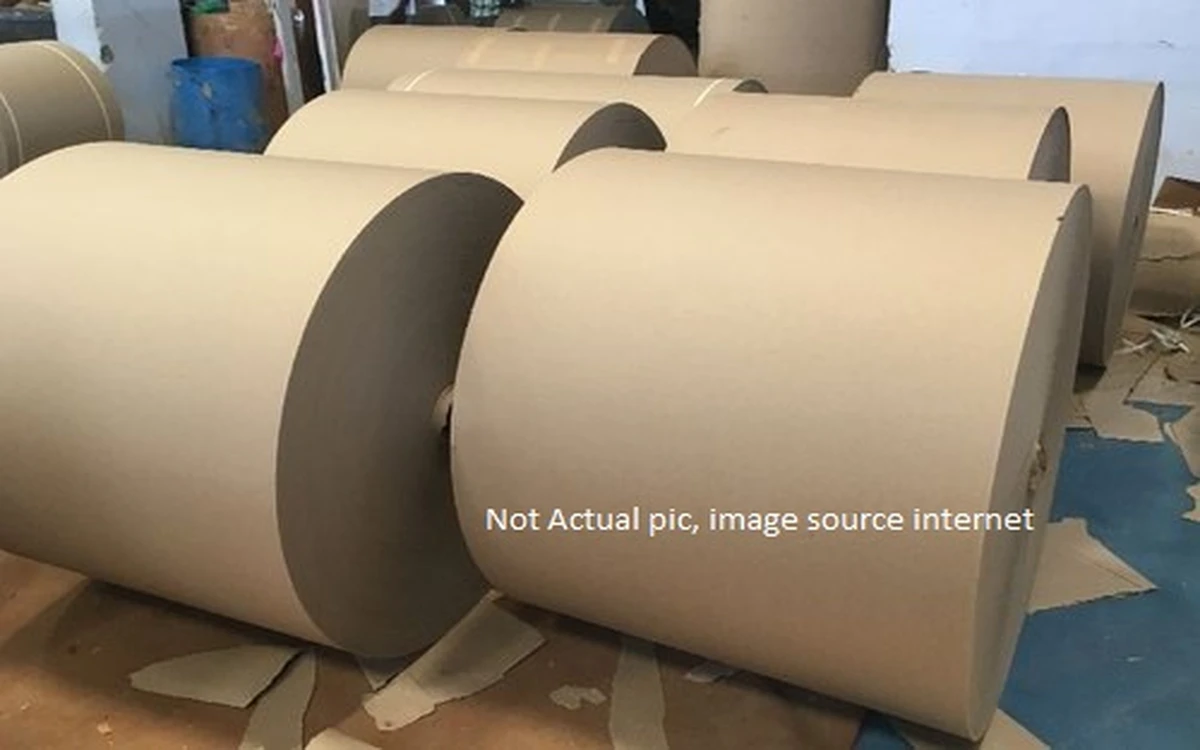
Advantageously located, a new paper mill is all set to roll kraft paper in Madhya Pradesh
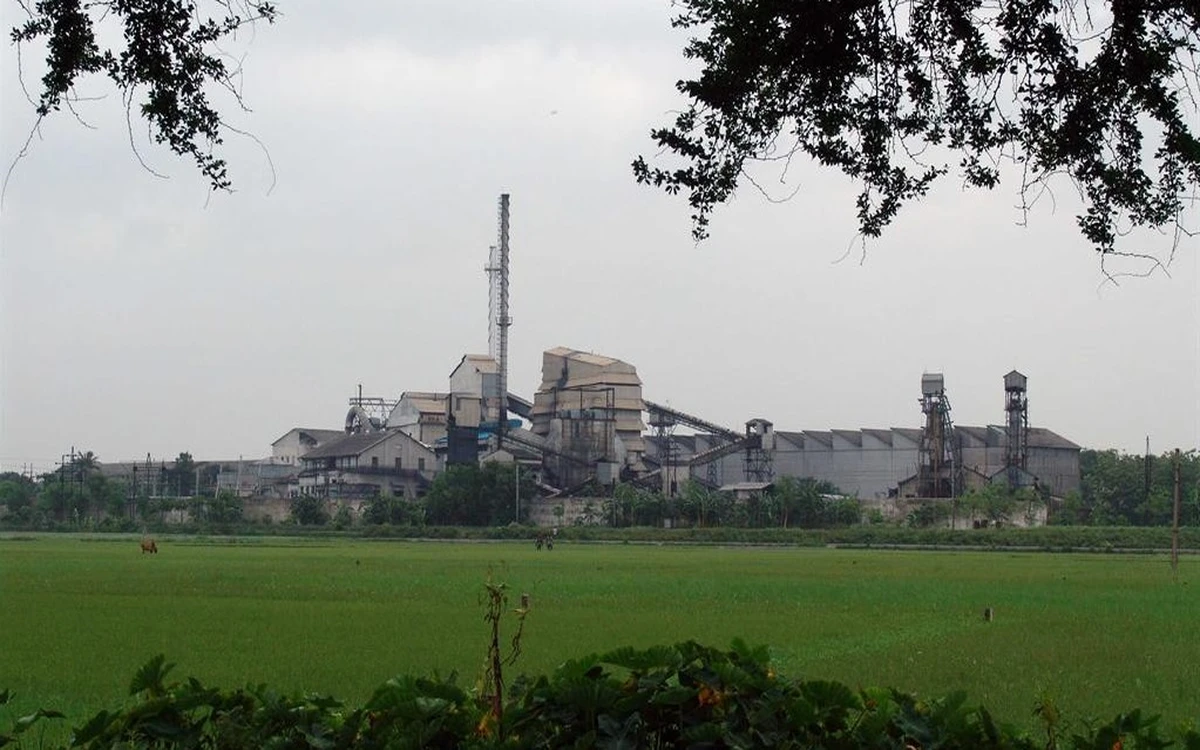
Several agile interventions helped ITC-PSPD fortify its clear leadership of the Value Added Paperboards (VAP) segment
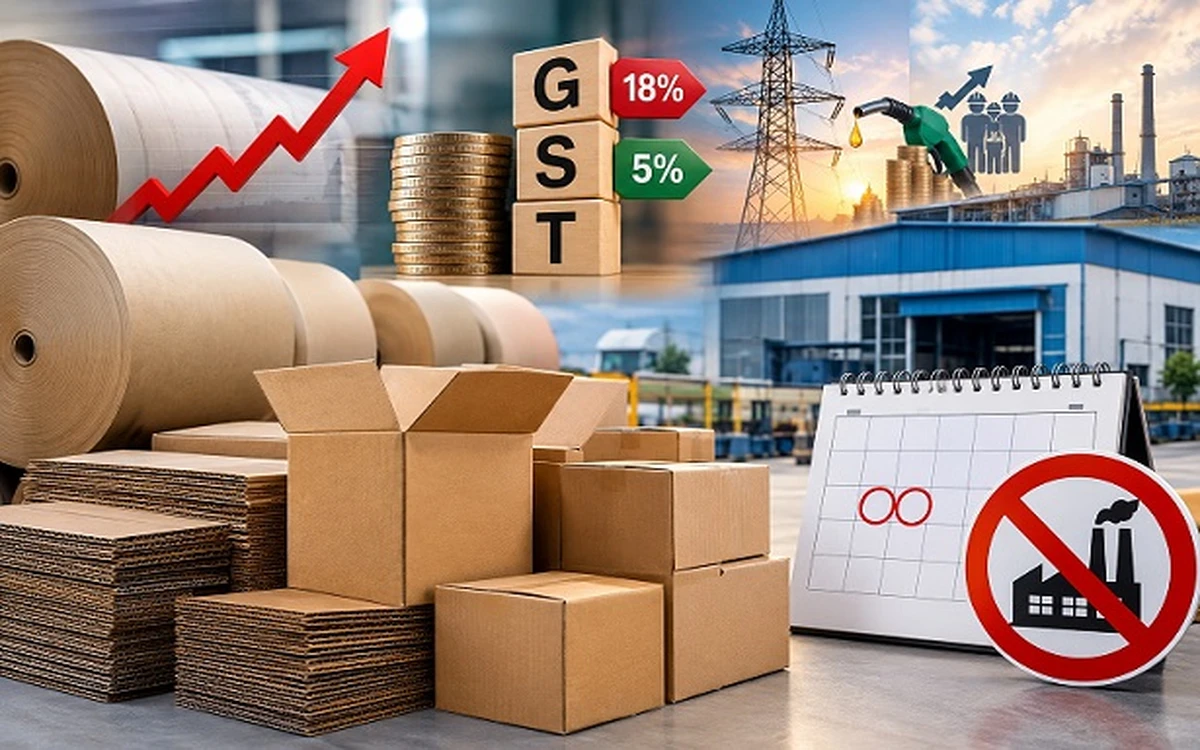
Overall Increase in Kraft Paper Prices Could Reach 35%; Industry Calls for 20% Box Price Increase, Voluntary Shutdown Proposed
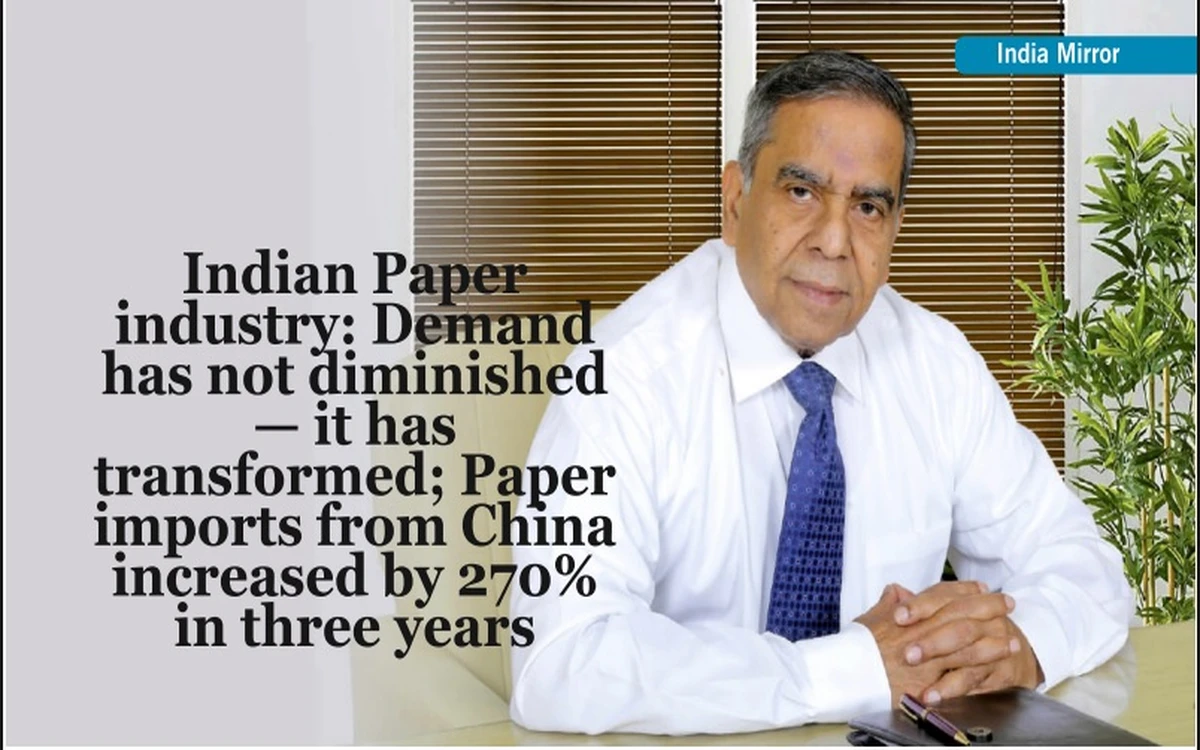
Indian Paper industry: Demand has not diminished — it has transformed; Paper imports from China increased by 270% in three years
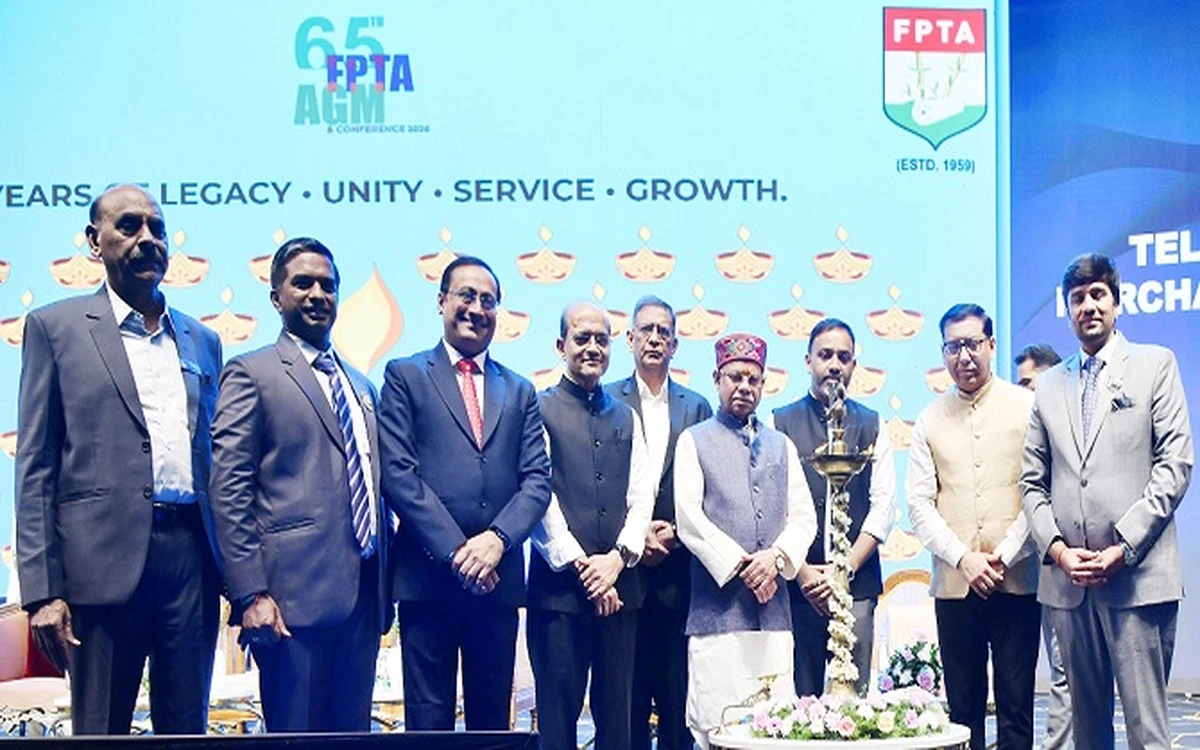
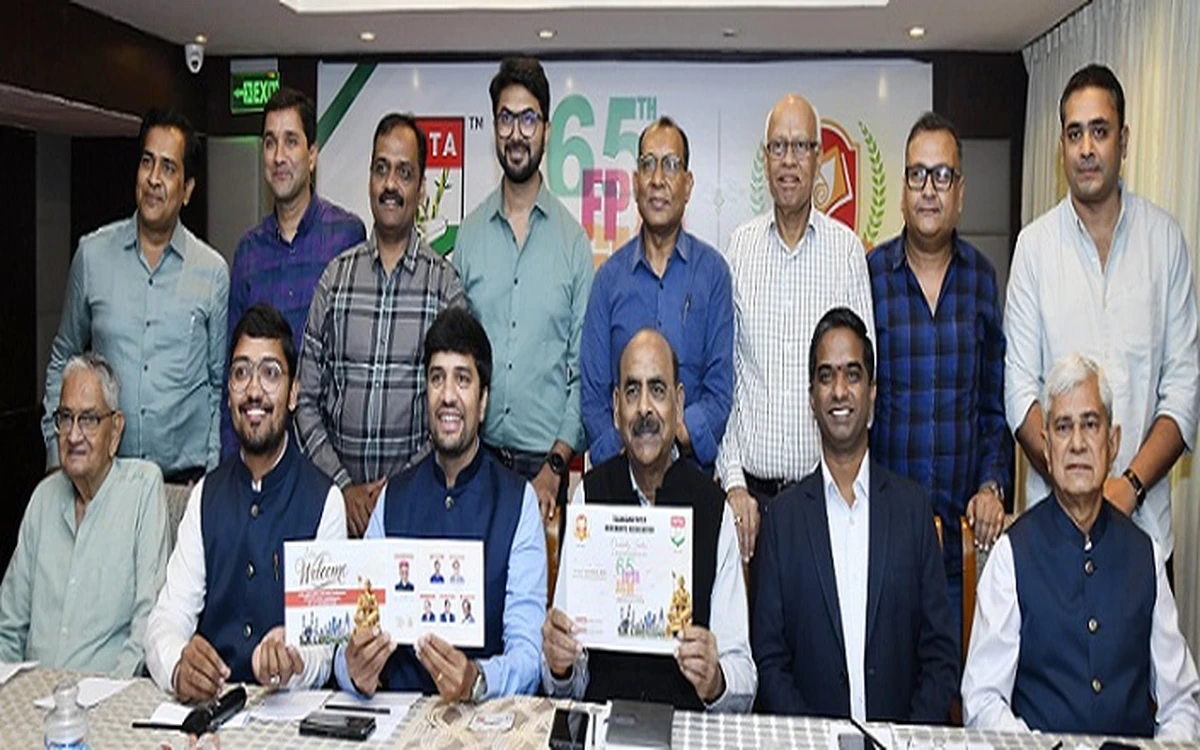
Paper Mills and Dealers Must Work Together to Create New Demand, Say Industry Leaders at FPTA’s 65th AGM
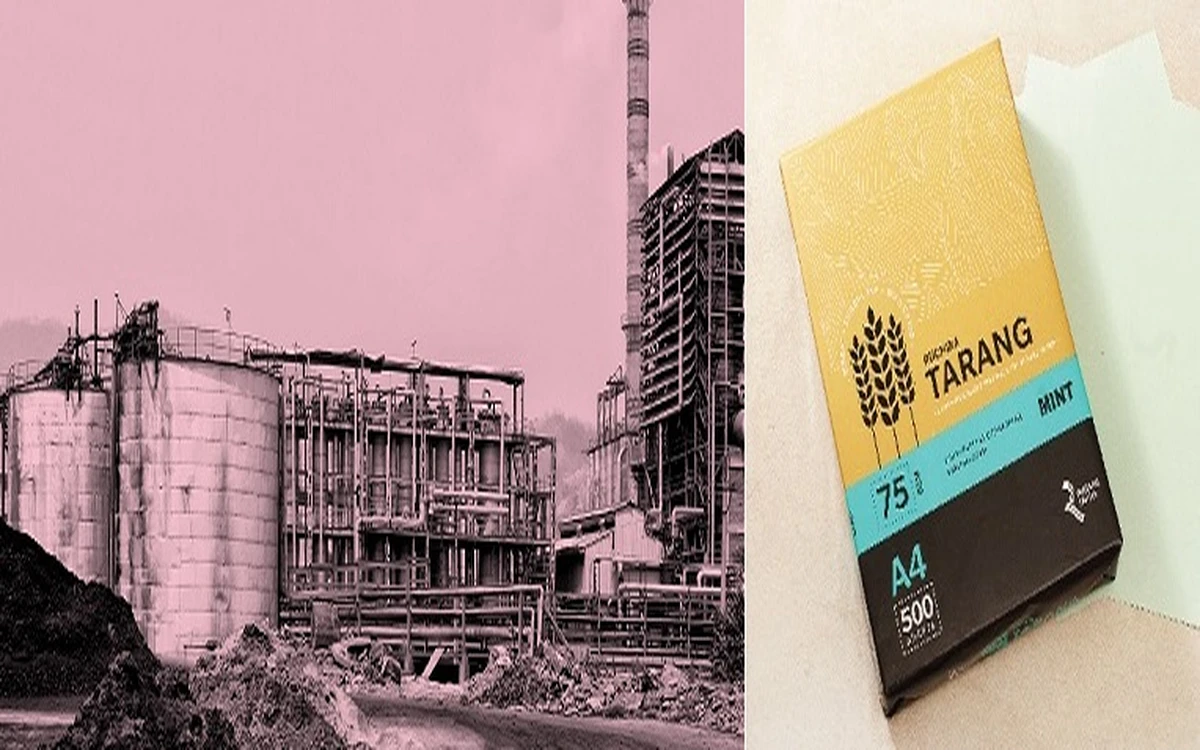
Ruchira Papers Invests a Sizeable Capex of Rs. 235–240 Crore Towards Writing & Printing Paper Capacity Expansion
Paper mills inflated the basic ex-mill price of paper post GST 2.0, AINMA seeks action against Anti-Profiteering
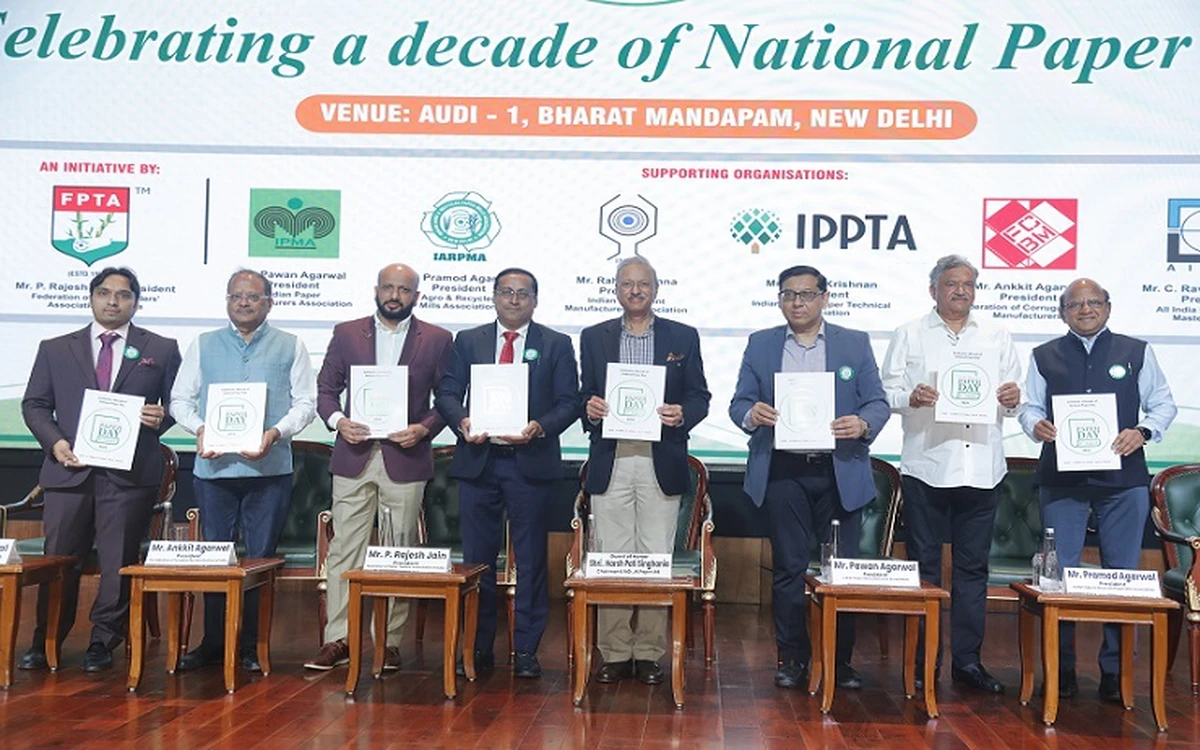
Seven Leading Associations Unite to Celebrate National Paper Day, Highlighting Paper's Sustainability and Circular Economy Advantage
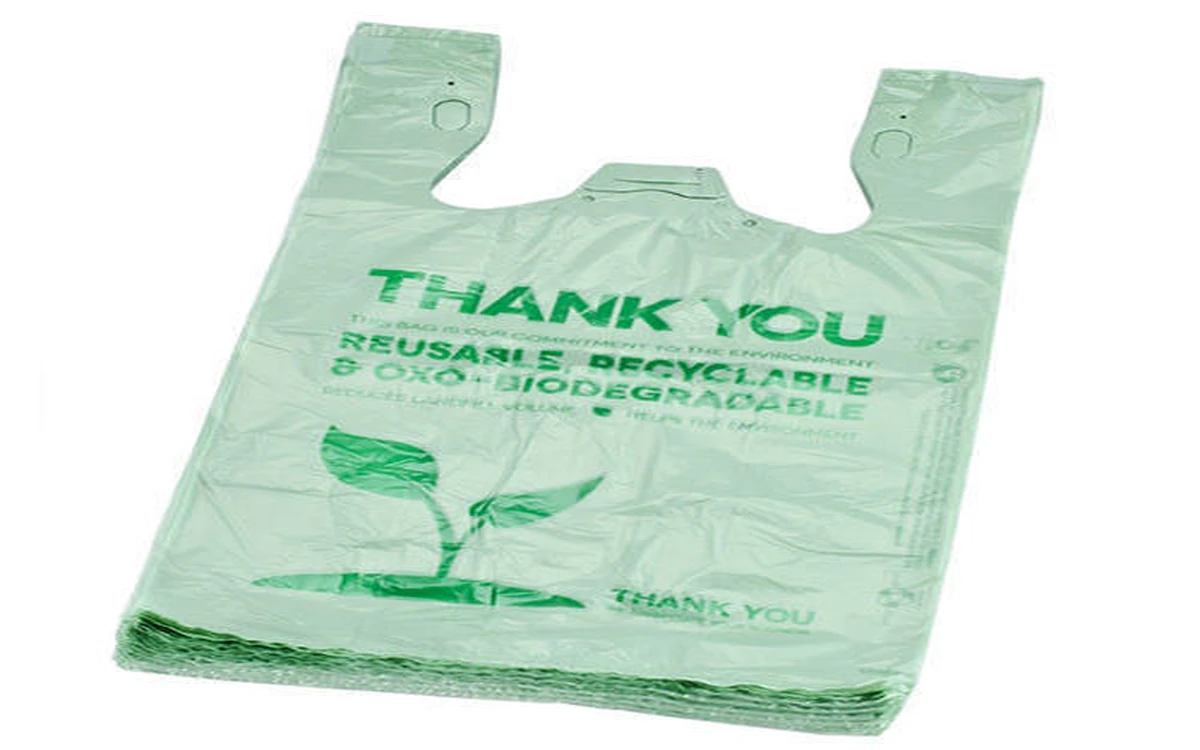
Scientists from IIT-Guwahati develop India's first biodegradable plastic

Navneet Education focuses on brand building, curriculum-led growth, and export recovery; expects stationery margins to improve in FY27

It is estimated that USD10B to USD20B worth of single-use plastic packaging will convert to molded fiber, ZUME
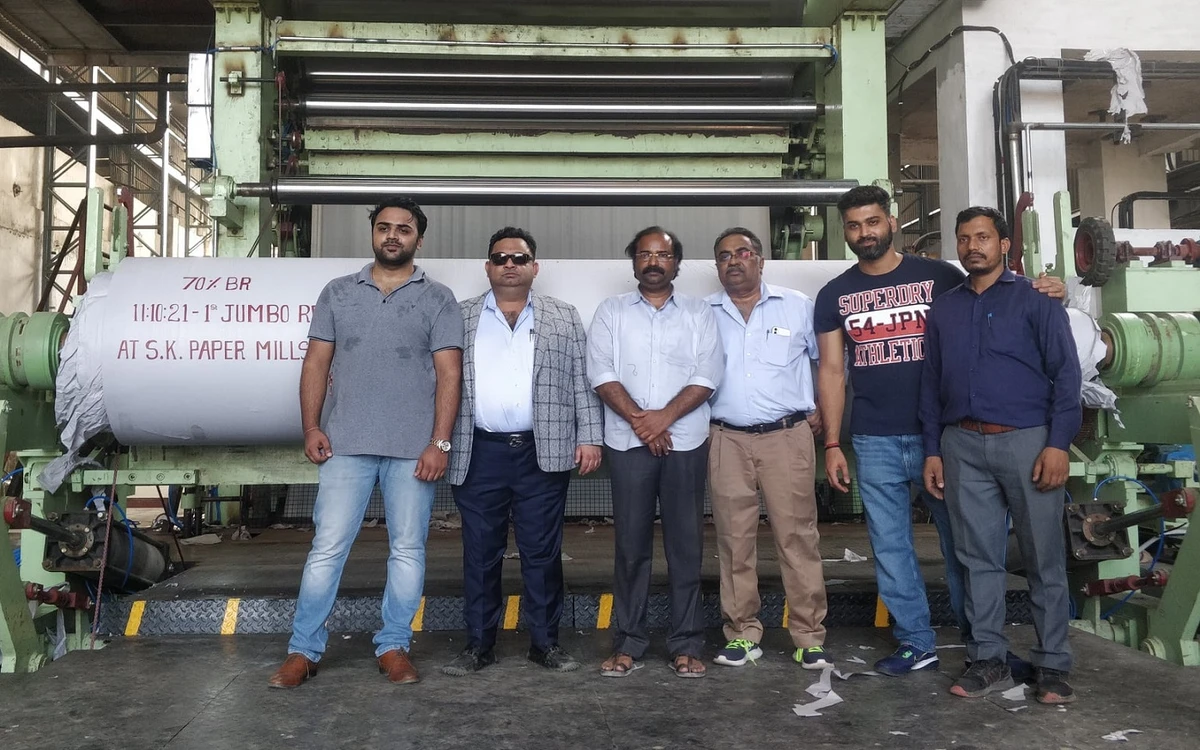
Muzaffarnagar gets a new capacity of Tissue Paper and MG Poster paper

“The integration of digitalization, automation, and Artificial Intelligence (AI) is no longer a futuristic concept—it is the baseline for competitiveness in 2036” - Vinit Garg, Director, Vizen Solutions
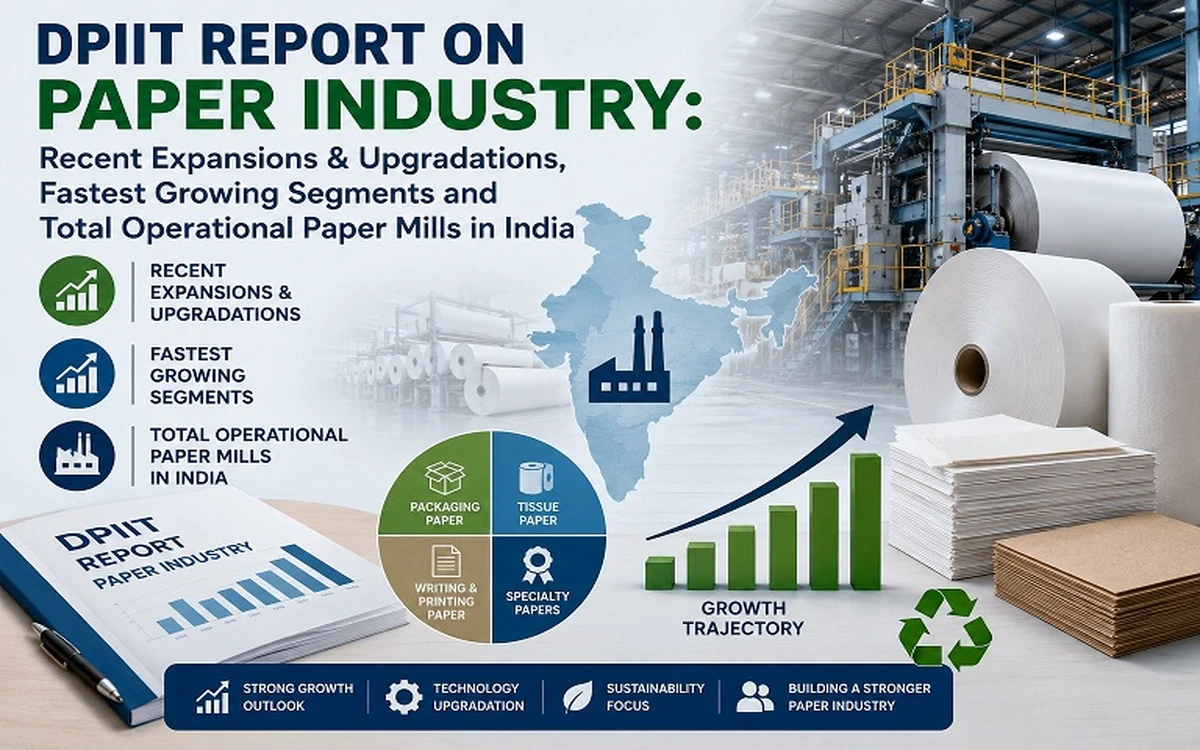
DPIIT Report on the Paper Industry: Recent Expansions & Upgrades, Fastest-Growing Segments, and Total Operational Paper Mills in India
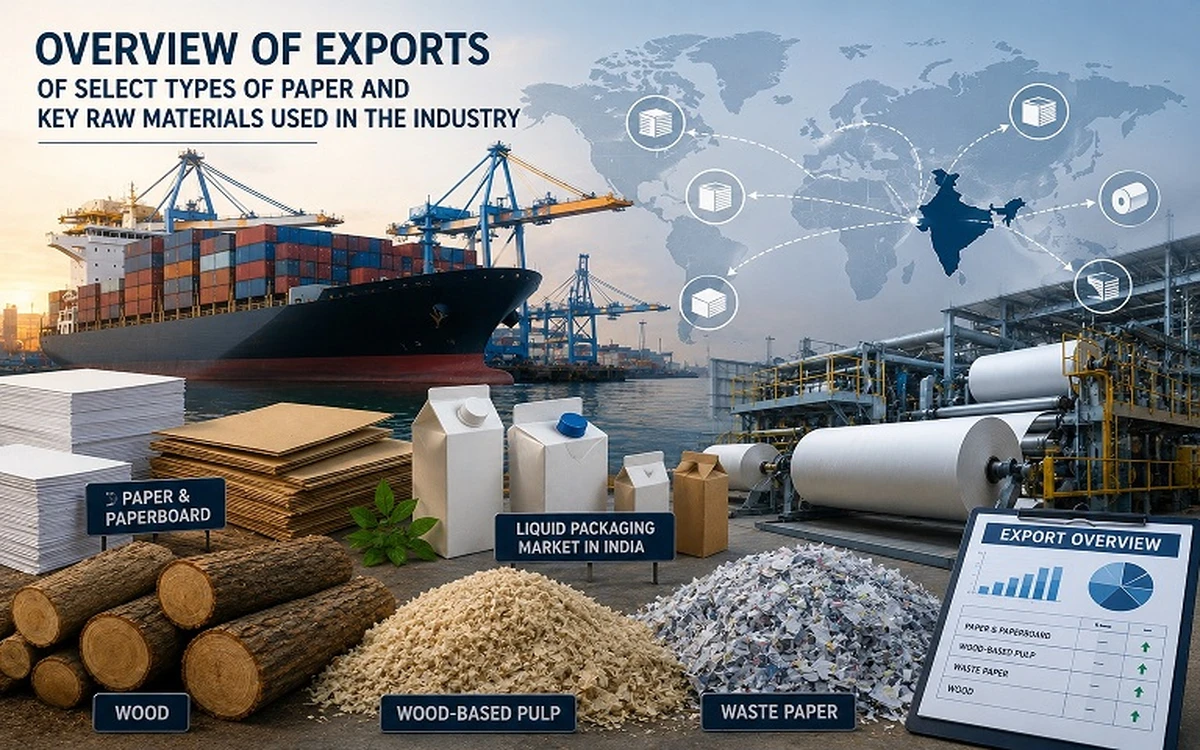
Overview of exports of select type of paper and key raw material used in the industry by Crisil Intelligence

Margin pressure pushes Pulp & Paper Packaging sector toward AI-Driven cost optimization, Cutting costs by 8–20%
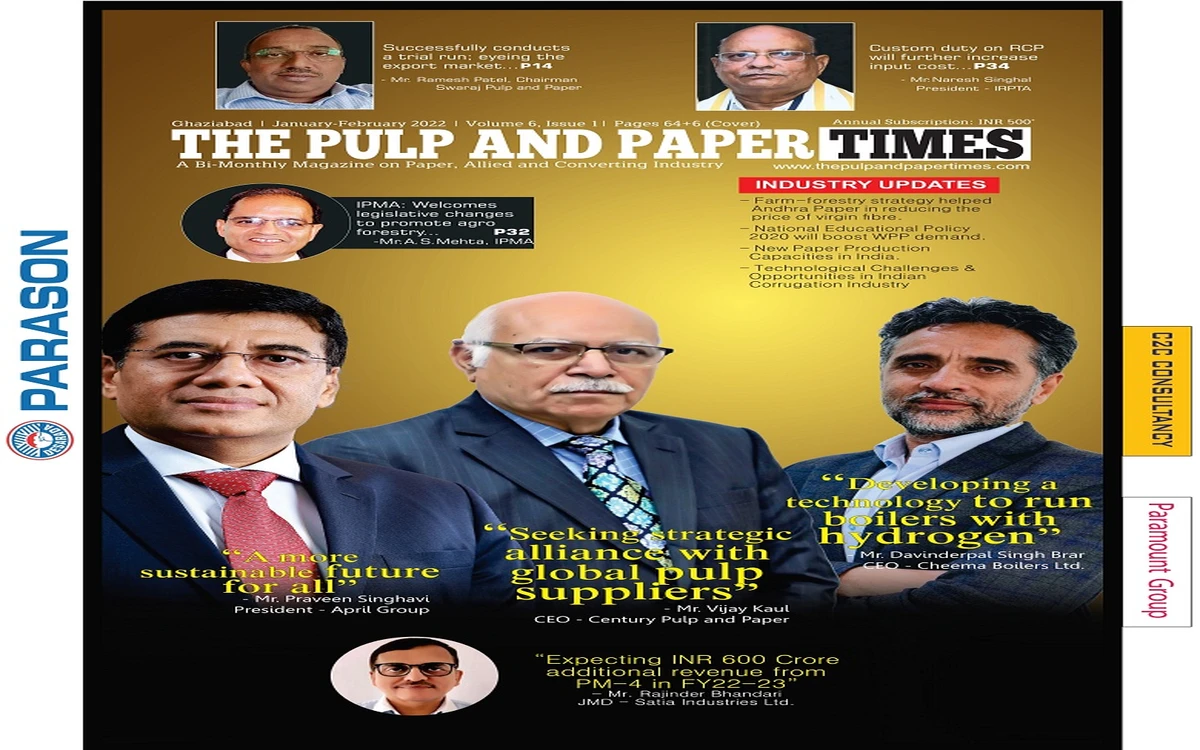
The Pulp and Paper Times Magazine : Volume 6, Issue 1

The Pulp and Paper Times Magazine : Volume 5, Issue 6
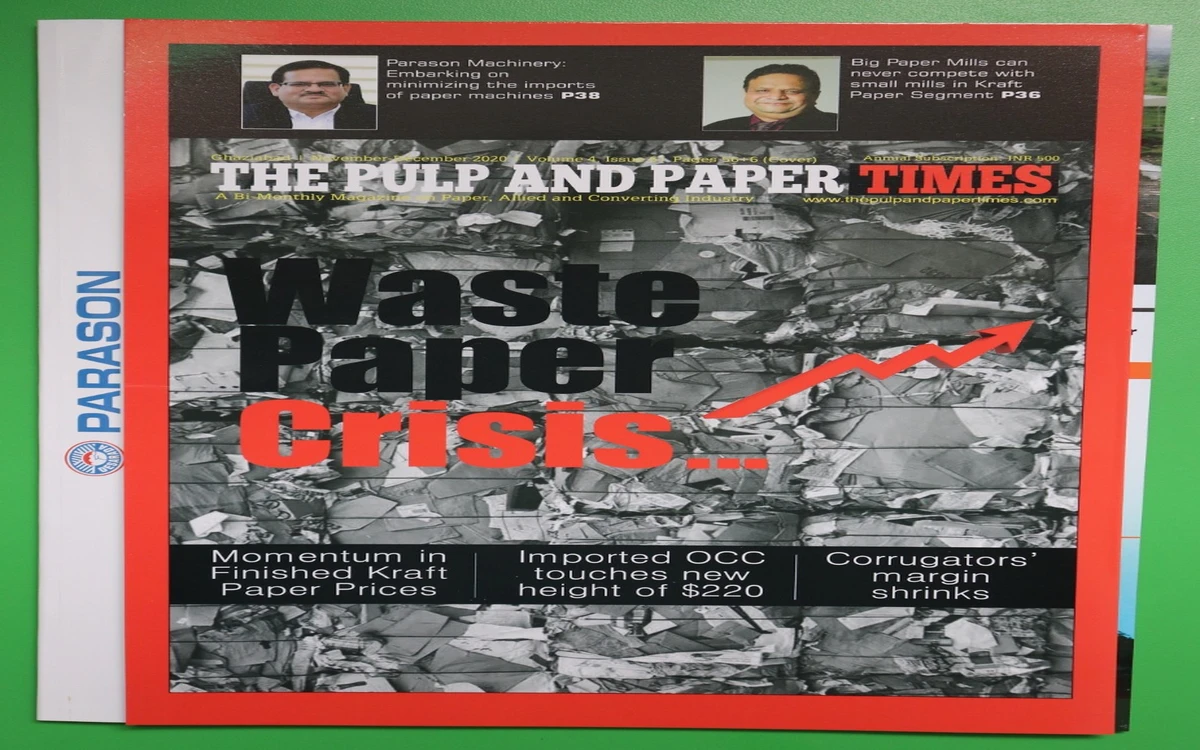
The Pulp and Paper Times: Volume 4, Issue 6
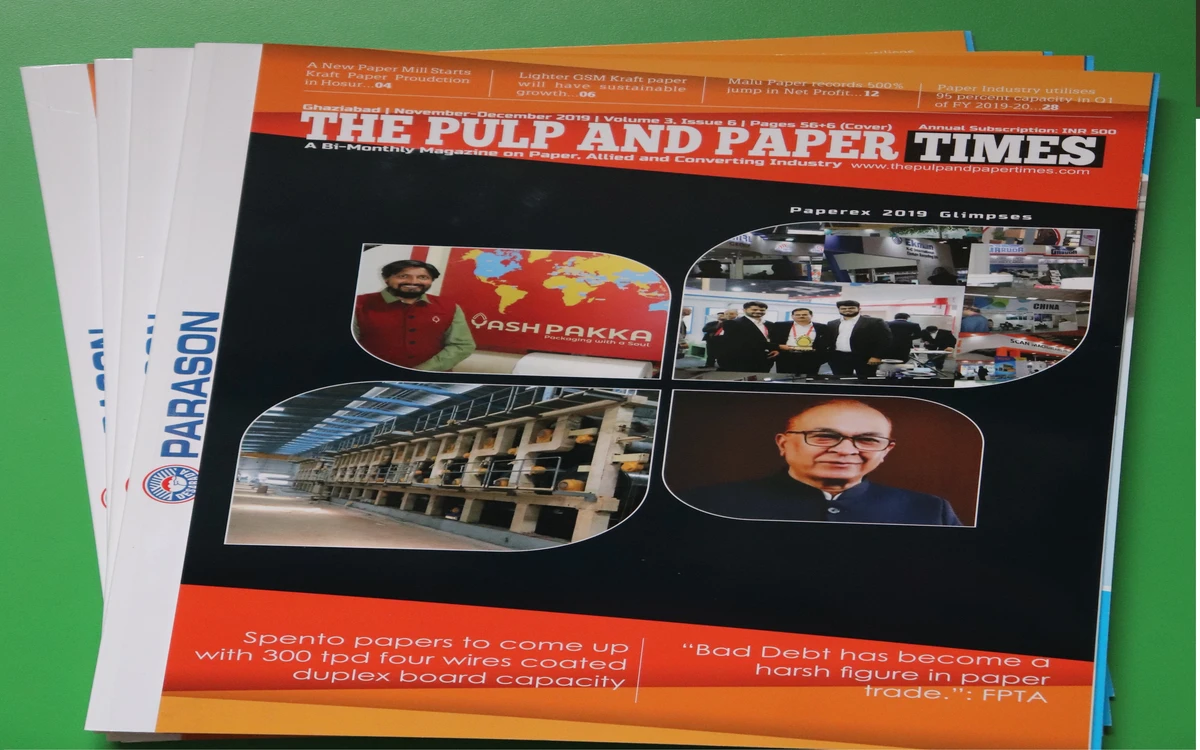
The Pulp and Paper Times : Volume 3, Issue 6
The Pulp and Paper Times: Volume 2 Issue 5

The Pulp and Paper Times, Volume 1, Issue 3
The Pulp and Paper Times, November 2016 Issue

- The scope includes Folding Box Board (FBB), Solid Bleached Sulfate Board (SBS), Cup Stock Paper or Board, and Liquid Packaging Board (LPB) in the range of 140 GSM to 450 GSM.
- the MIP merely establishes a floor price and remains below the cost of sales of domestic producers.
- Interested parties argued that imports from Indonesia accounted for only 4.24% market share during the investigation period and therefore could not be considered a significant cause of injury.
The Pulp and Paper Times
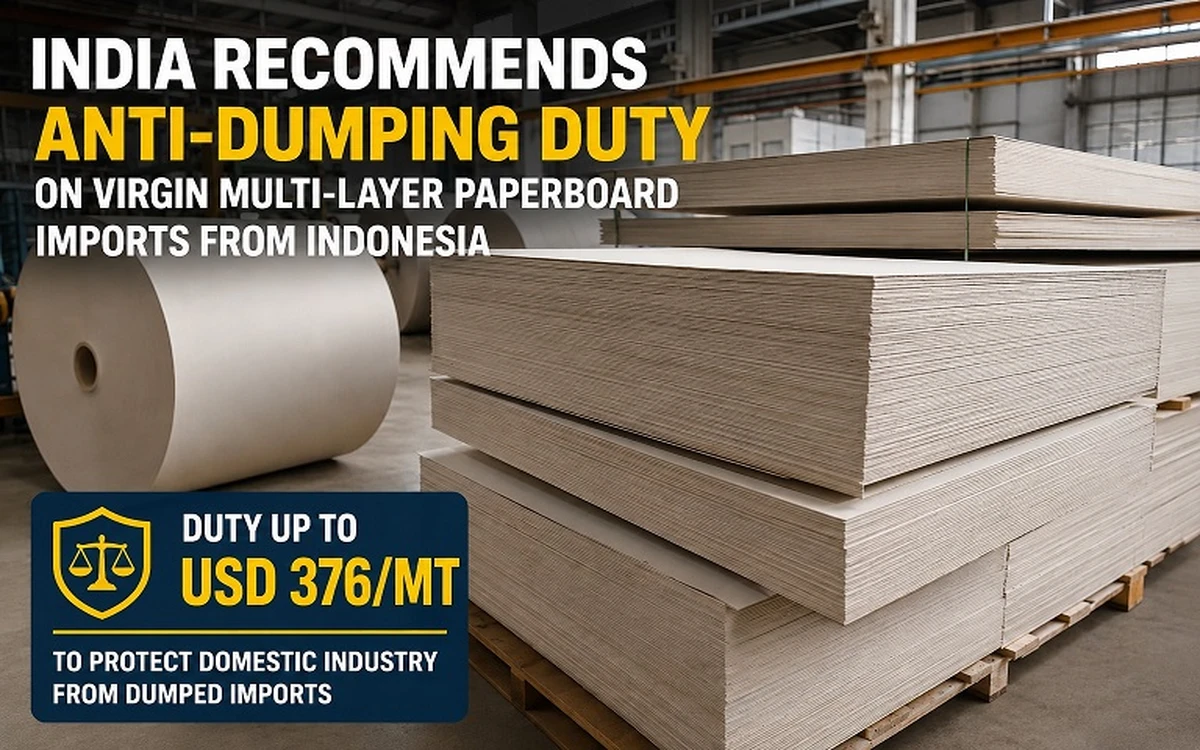
The Directorate General of Trade Remedies (DGTR), Government of India, has issued its final findings dated June 25, 2026, in the anti-dumping investigation concerning imports of Virgin Multi-Layer Paperboard originating in or exported from Indonesia. Concluding that dumped imports from Indonesia have caused material injury to the domestic industry, the Authority has recommended the imposition of anti-dumping duty ranging from USD 261 per metric tonne (MT) to USD 376 per MT for a period of five years.

The investigation was initiated following an application filed by the Indian Paper Manufacturer Association (IPMA) on behalf of the domestic industry. The participating domestic producers included Aditya Birla Real Estate Limited (formerly Century Textiles and Industries Limited), Emami Paper Mills Limited, JK Paper Limited, ITC Limited, and Tamil Nadu Newsprint and Papers Limited (TNPL). The period of investigation covered April 1, 2024, to March 31, 2025, while the injury assessment examined data from 2021-22 through the investigation period.
According to the final findings, the product under consideration is Virgin Multi-Layer Paperboard made solely from white or virgin wood pulp, whether coated or uncoated. The scope includes Folding Box Board (FBB), Solid Bleached Sulfate Board (SBS), Cup Stock Paper or Board, and Liquid Packaging Board (LPB) in the range of 140 GSM to 450 GSM. The Authority excluded paperboards manufactured using recycled or brown pulp, coated or uncoated cigarette boards, two-side coated artboard imported for printing purposes, and four or more layered paperboards used in liquid packaging applications.

A key issue during the investigation was whether SBS and LPB should be excluded from the scope. Interested parties argued that these grades were not imported from Indonesia during the investigation period and differed from other product categories. However, the Authority rejected the request, noting that the domestic industry manufactures and supplies SBS and LPB and that the same machinery and production processes can be used to manufacture these grades. The Authority observed that there was no justification for excluding these products merely because imports were not recorded during the period of investigation.
The Authority further noted that Virgin Multi-Layer Paperboard is primarily imported under Customs Tariff headings 4805 and 4810, although imports have also been reported under multiple other tariff classifications.
Several interested parties contended that the existing Minimum Import Price (MIP) mechanism already addressed any injury caused by imports and that anti-dumping duty would result in overlapping protection. They argued that the MIP effectively neutralized price undercutting and therefore fulfilled the objective of trade remedial measures.
The domestic industry, however, maintained that the MIP is only a temporary measure and does not eliminate dumping. According to the industry, the MIP merely establishes a floor price and remains below the cost of sales of domestic producers. The industry also argued that injury margins remained significant even when the MIP was considered as the import price.

The Authority agreed with the domestic industry's position, observing that the MIP remains temporary in nature and is valid only up to September 30, 2026. It concluded that the existence of the MIP neither eliminates dumping nor removes the need for anti-dumping duties. The Authority further found that imports at MIP levels could still cause injury to the domestic industry.
Regarding injury and causal link, interested parties argued that imports from Indonesia accounted for only 4.24% market share during the investigation period and therefore could not be considered a significant cause of injury. They also pointed to imports from China and Chile as a major source of competitive pressure on domestic producers.
The domestic industry countered that imports from Indonesia had increased sharply during the investigation period due to low-priced offerings by Indonesian exporters. It stated that while imports from China and Chile exerted pressure in earlier years, Indonesian imports became a significant factor during the investigation period, forcing domestic producers to lower prices below their cost of sales.

The Authority found that import volumes from Indonesia increased dramatically from just 108 MT in 2021-22 to 61,567 MT during the period of investigation. After examining all known factors, including demand trends, productivity, technology changes, consumption patterns, and imports from other countries, the Authority concluded that dumped imports from Indonesia had caused material injury to the domestic industry. It noted that imports from Finland and Sweden were priced higher, Chilean imports were de minimis, and Indonesian landed prices were lower than Chinese imports by Rs. 4,147 per MT.
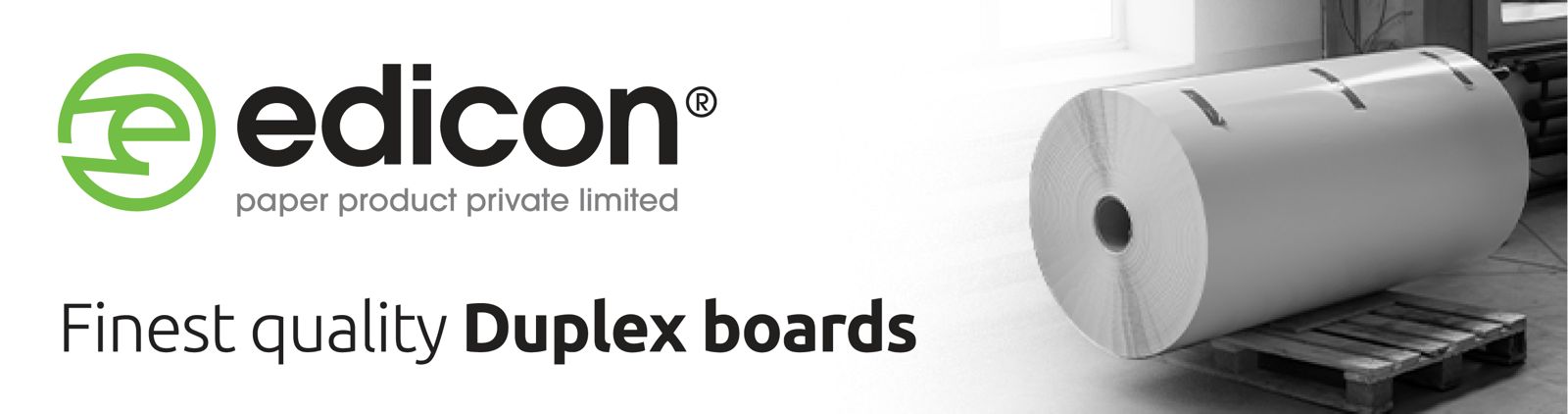
Based on its examination of dumping, injury, and causal link, the Authority recommended the following anti-dumping duties on imports of Virgin Multi-Layer Paperboard:
Producer Recommended Duty
PT Riau Andalan Paperboard International USD 261/MT
PT Indah Kiat Pulp & Paper Tbk Nil
Any other Indonesian producer/exporter USD 376/MT
Exports from countries other than Indonesia but originating in Indonesia USD 376/MT
The Authority concluded that the domestic industry has suffered material injury due to dumped imports from Indonesia and that anti-dumping duties are necessary to offset the impact of such imports. Accordingly, it has recommended the imposition of anti-dumping duty on imports of Virgin Multi-Layer Paperboard originating in or exported from Indonesia for a period of five years from the date of notification by the Central Government.

1 days ago
Total Views : 1606
1 days ago
Total Views : 166
2 days ago
Total Views : 607
3 days ago
Total Views : 3033
6 days ago
Total Views : 2621
last week
Total Views : 6184

last week
Total Views : 893
last week
Total Views : 855
last week
Total Views : 768
2 weeks ago
Total Views : 3636