Join Groups & Channels, No Spamming









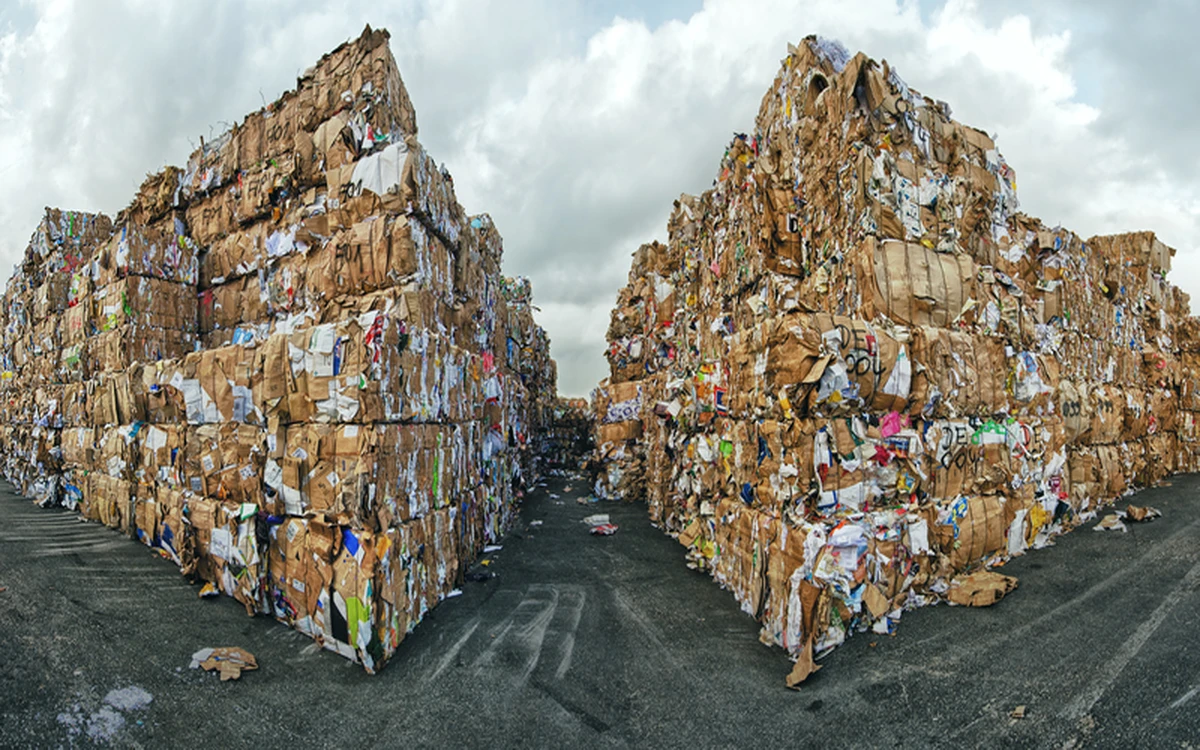
Morbi paper mills see full-capacity operations as ceramic industry revives; Kraft paper exports to China spike, Prices strengthen; Janmashtami shutdown ahead
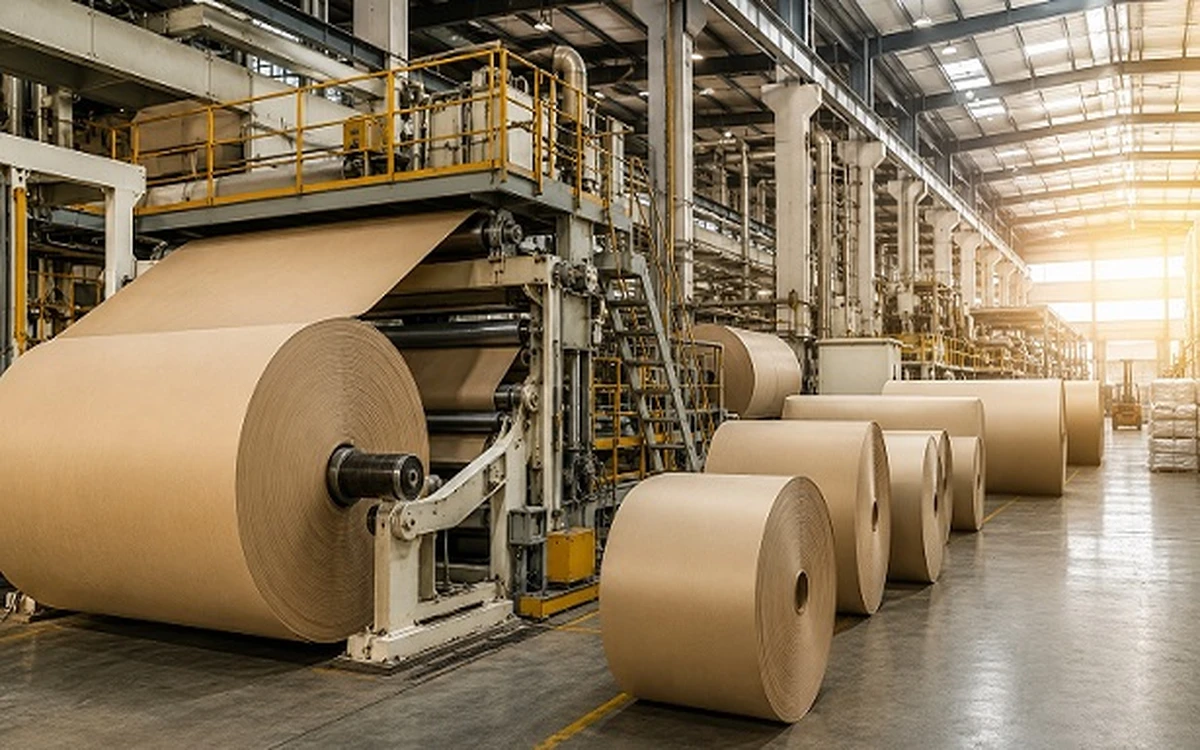
The BE and caustic soda plant marks a key milestone for Mohit Paper Mills, enabling full utilization of installed capacity and enhancing overall production efficiency
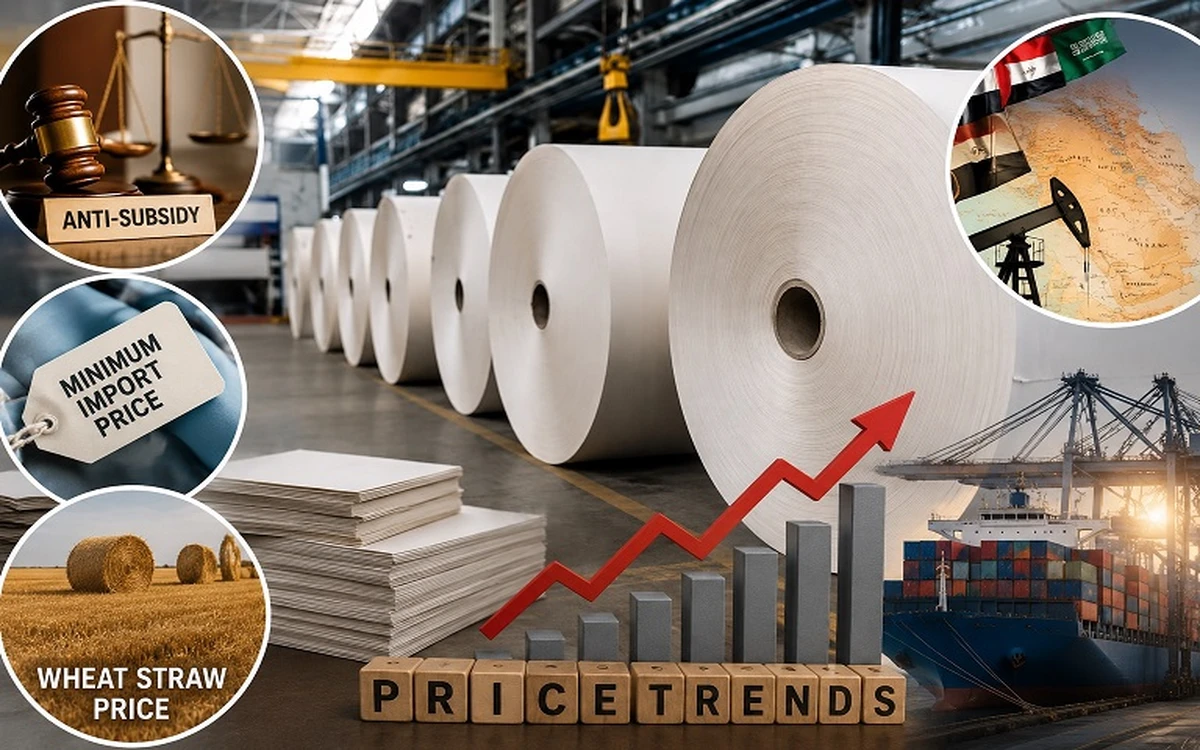
Expert Views on the paper market scenario, How the West Asia Crisis Helped the Industry, MIP for WPP, Anti-Subsidy implementation, and paper price trends
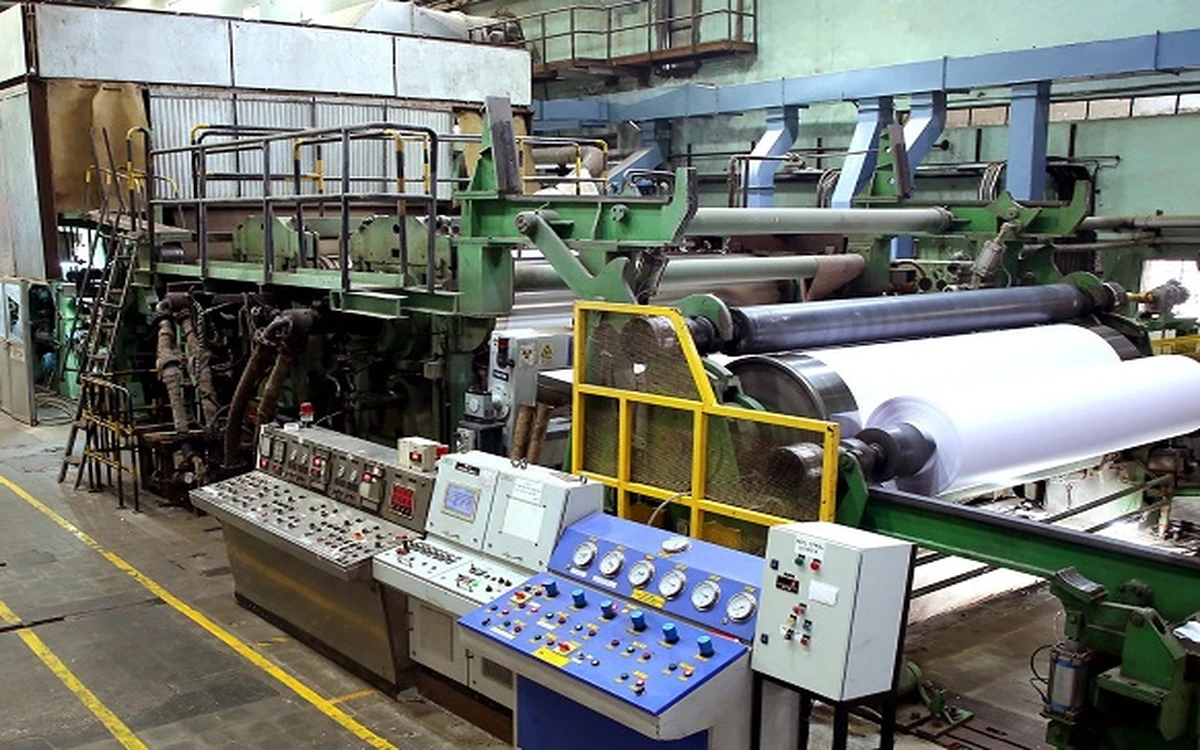
Pudumjee Paper intends to develop new varieties addressing applications for stronger paper bags and cupcakes; Plans 68,000 MT Mahad Specialty Paper Facility within 5 years
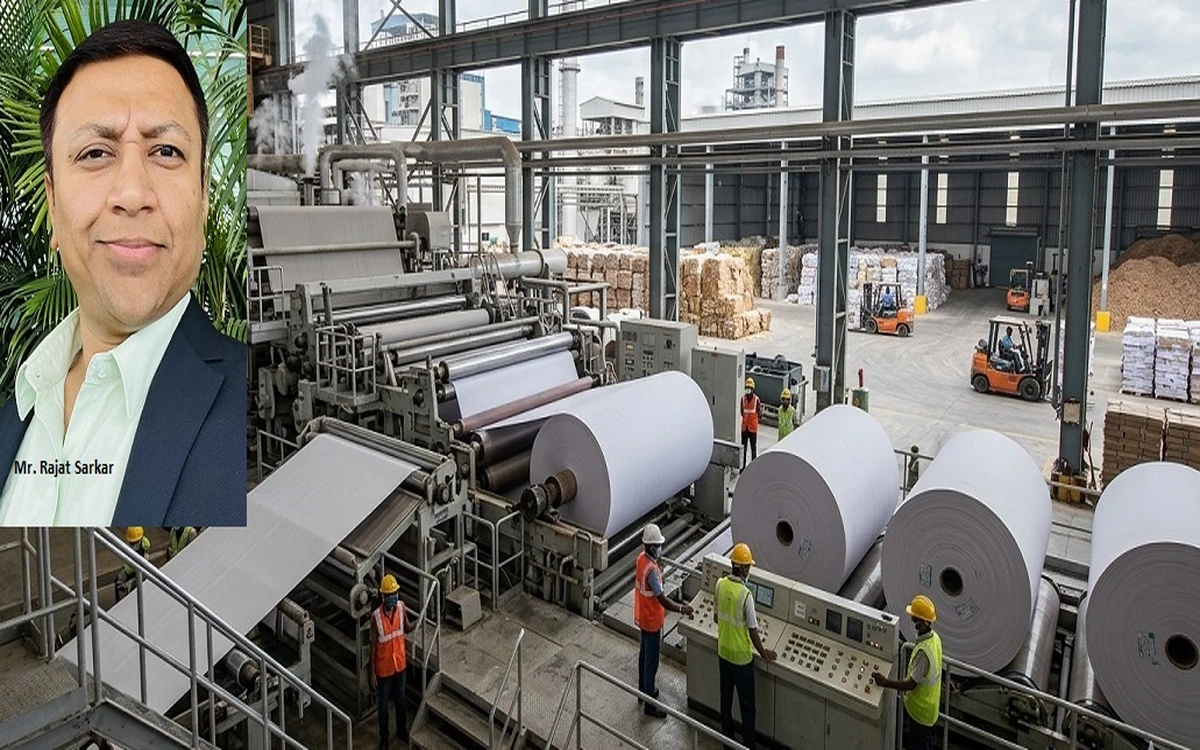
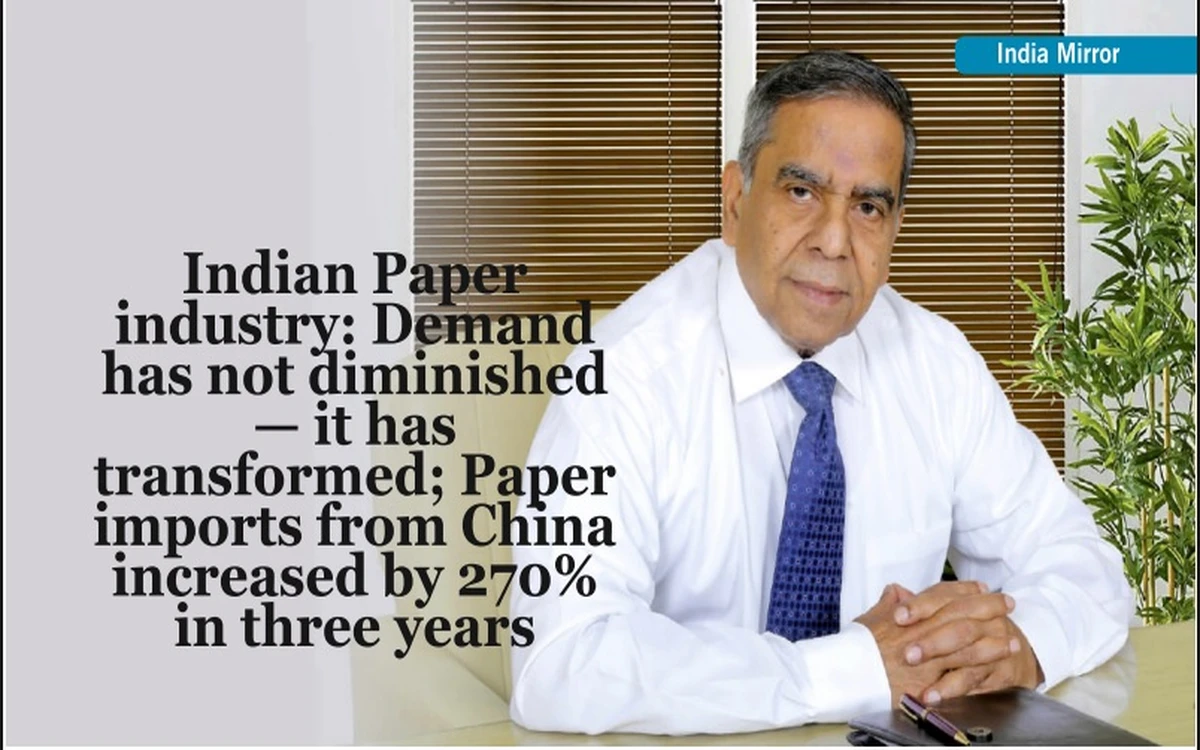
India Paper Industry at an Inflection Point: War, Costs, and Capacity; Demand growth expected at 5–7% in FY26
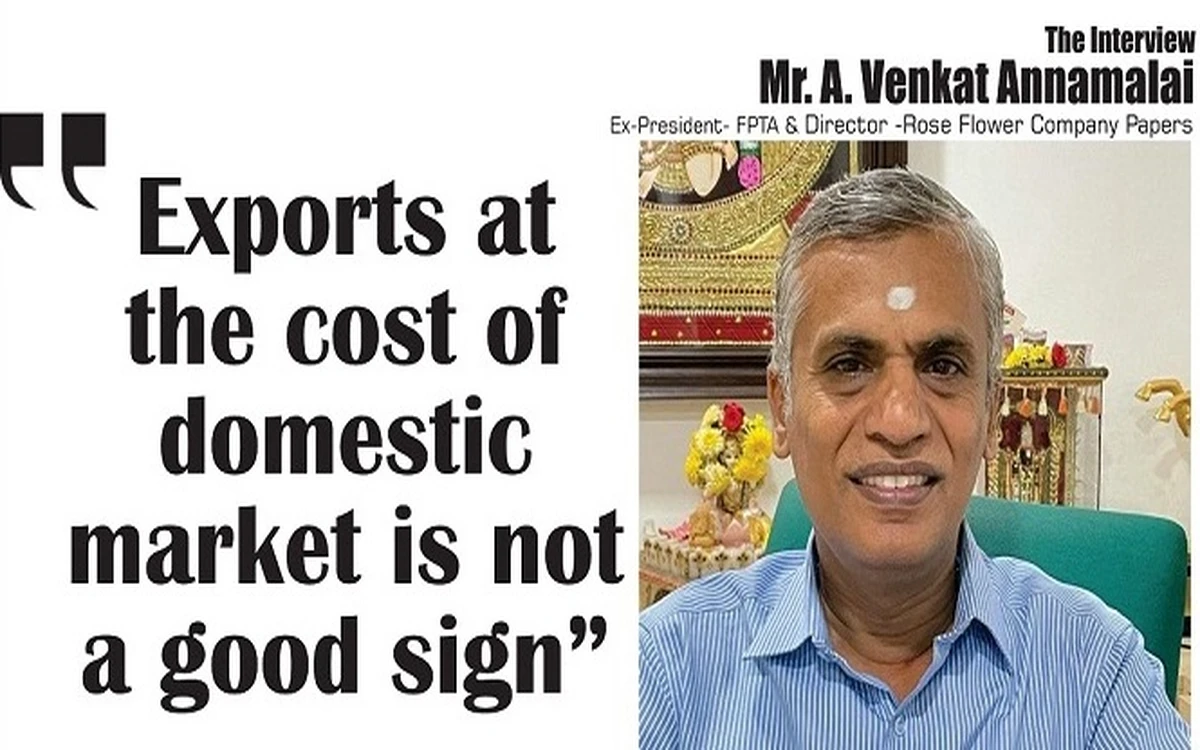
“Surging exports of paper will most certainly keep the domestic prices quite high”: Mr. A. Annamalai, Director – RFC
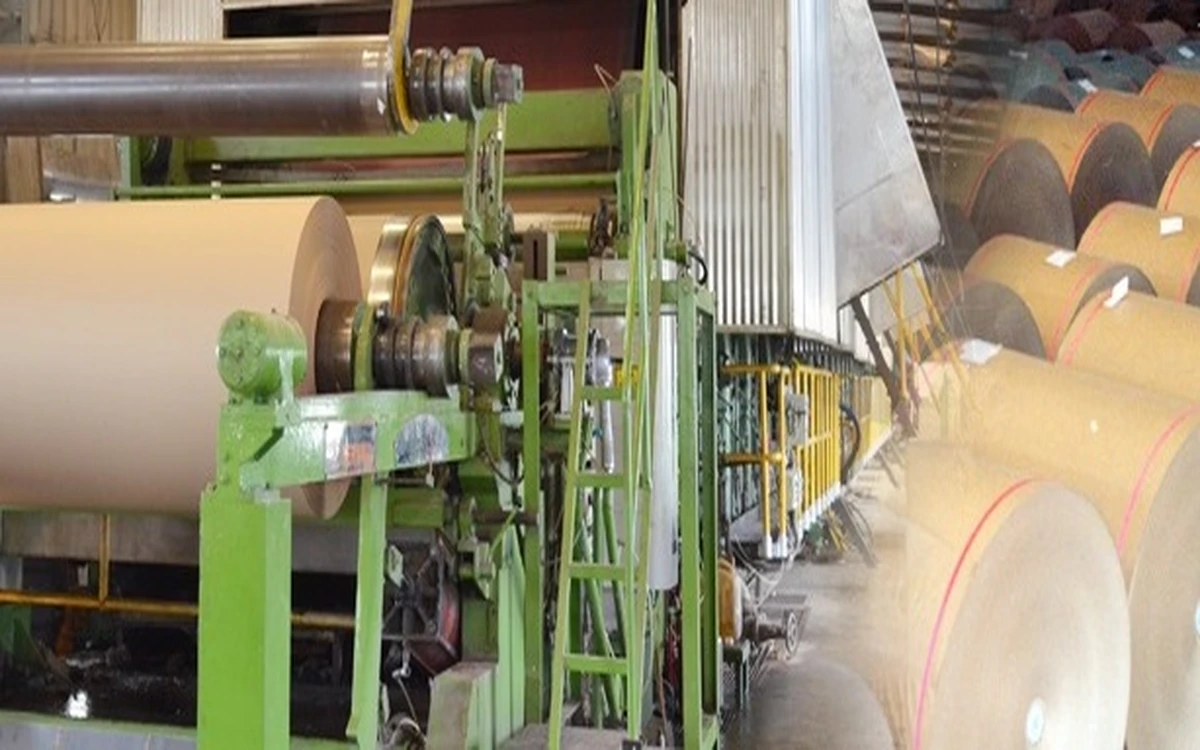
The Status of the Global Container board Industry, Recycled Paper Demand and Supply and its impact on the Indian Industry

Akshay Jain, director of Silverton Pulp & Paper, says it's time to promote agro residue as a raw material to lessen the scarcity of fibre
Advantageously located, a new paper mill is all set to roll kraft paper in Madhya Pradesh
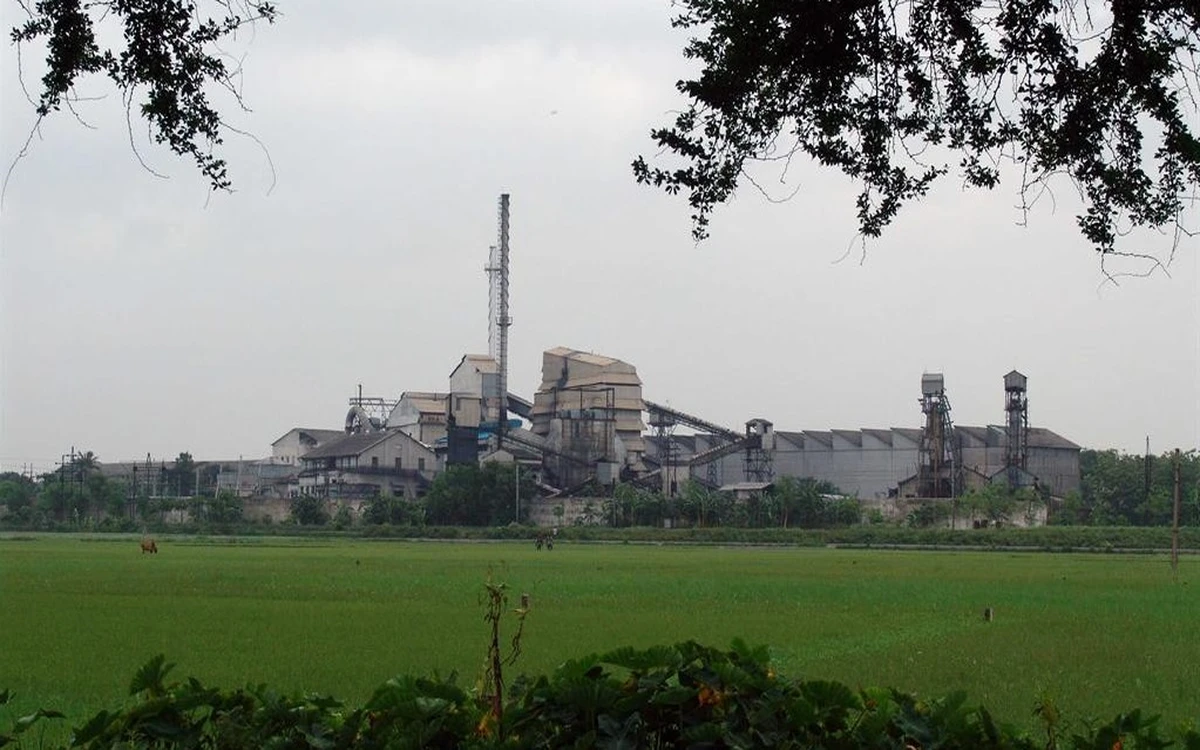
Several agile interventions helped ITC-PSPD fortify its clear leadership of the Value Added Paperboards (VAP) segment
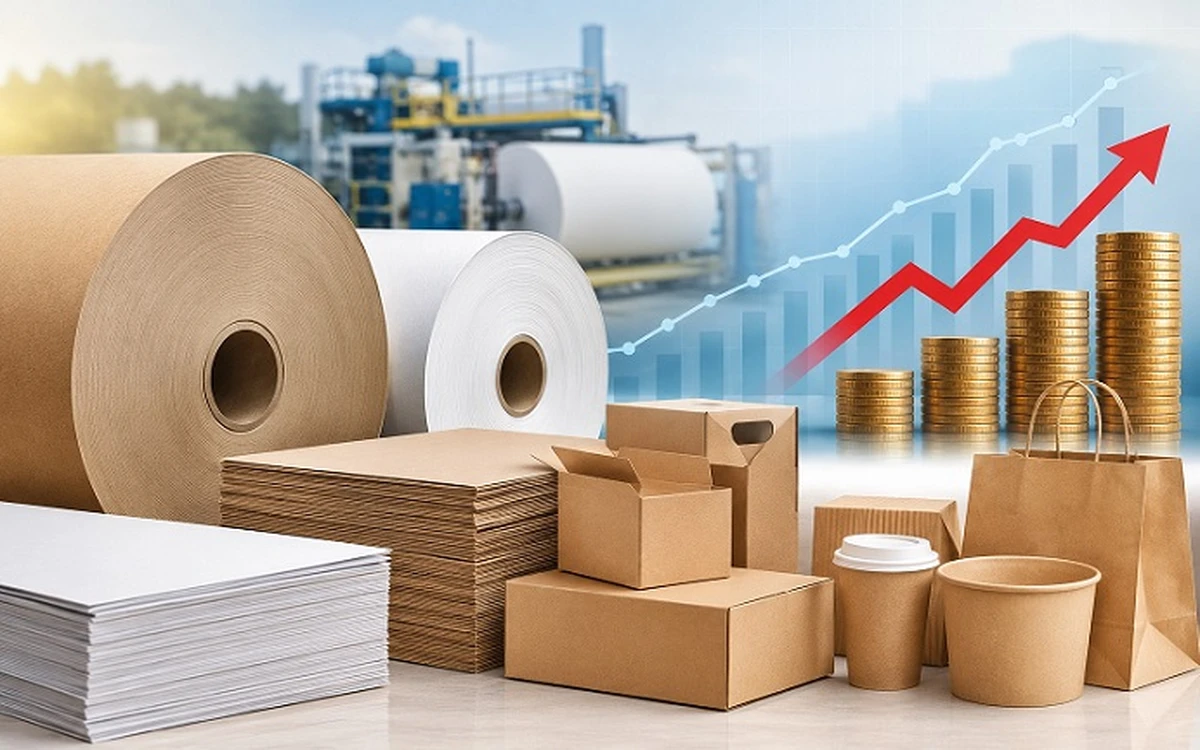
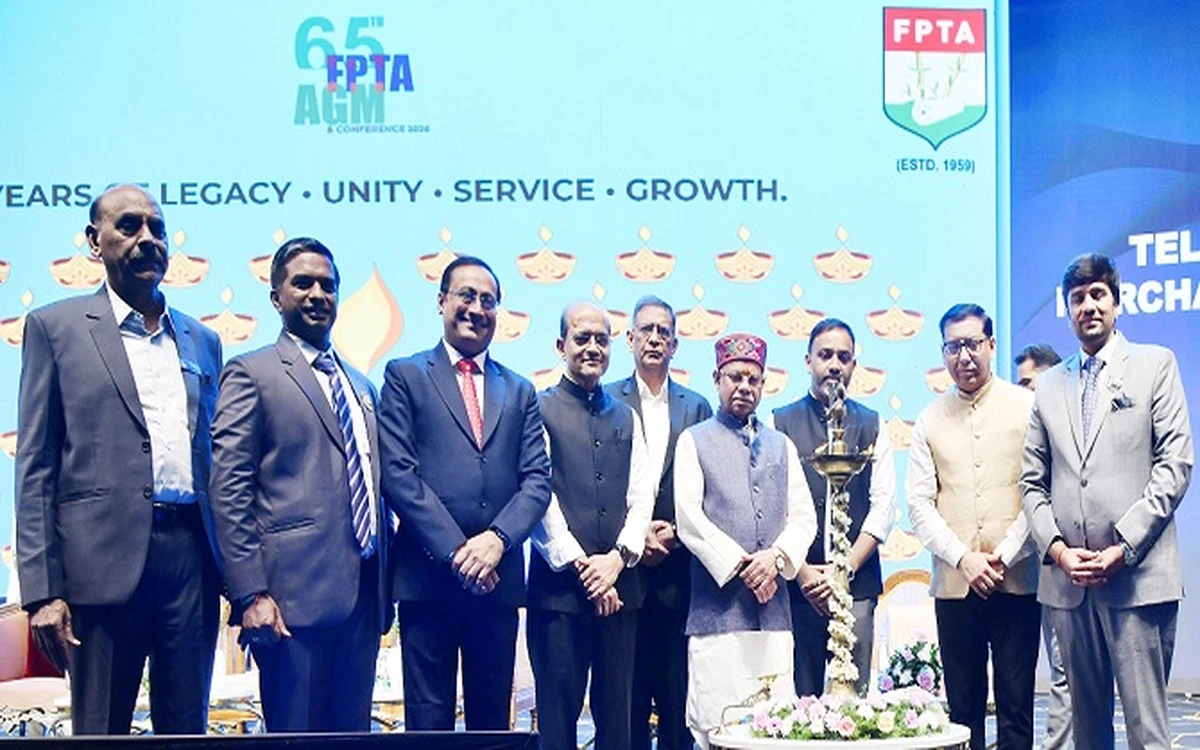
Paper and Packaging Board Market May Face Cost Pressures Through March 2027; FPTA Advises Traders
Steeper-than-expected drop in realisations hits Seshasayee Paper’s FY2025–26 operating margins; Box boards, Absorption Kraft, and Virgin Kraft now form a growing share of the product mix
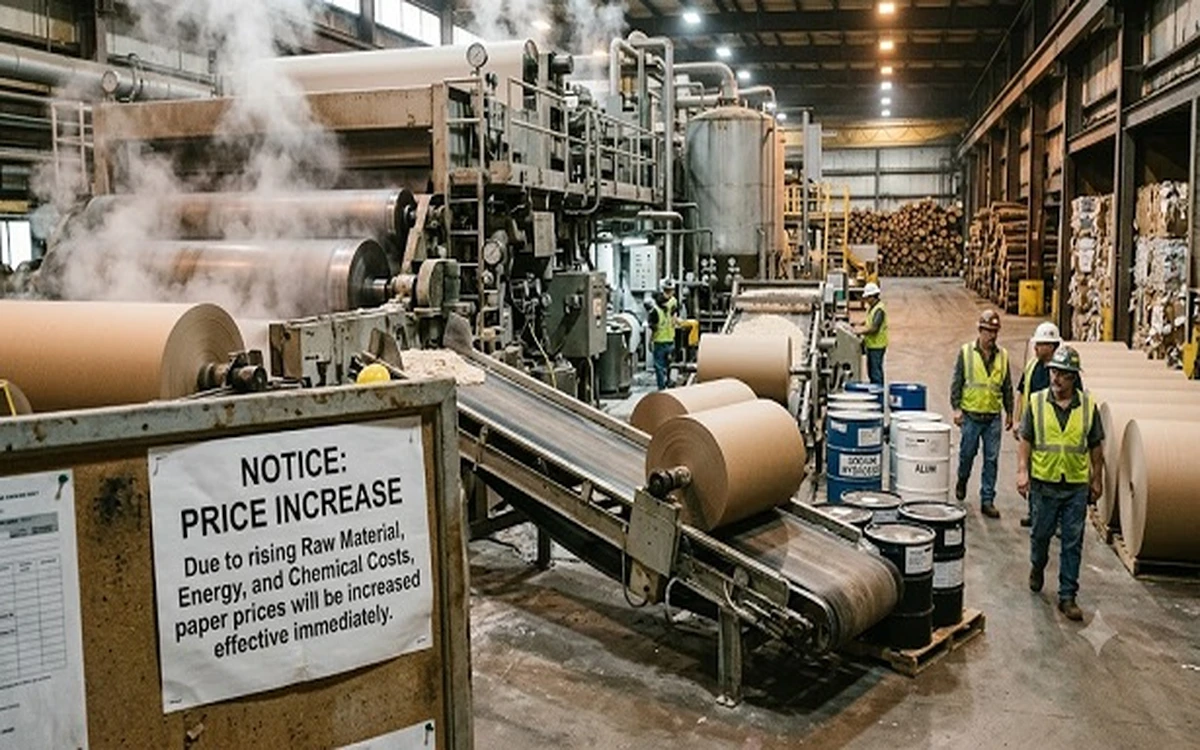
Overall Increase in Kraft Paper Prices Could Reach 35%; Industry Calls for 20% Box Price Increase, Voluntary Shutdown Proposed
Ruchira Papers Invests a Sizeable Capex of Rs. 235–240 Crore Towards Writing & Printing Paper Capacity Expansion
Paper mills inflated the basic ex-mill price of paper post GST 2.0, AINMA seeks action against Anti-Profiteering
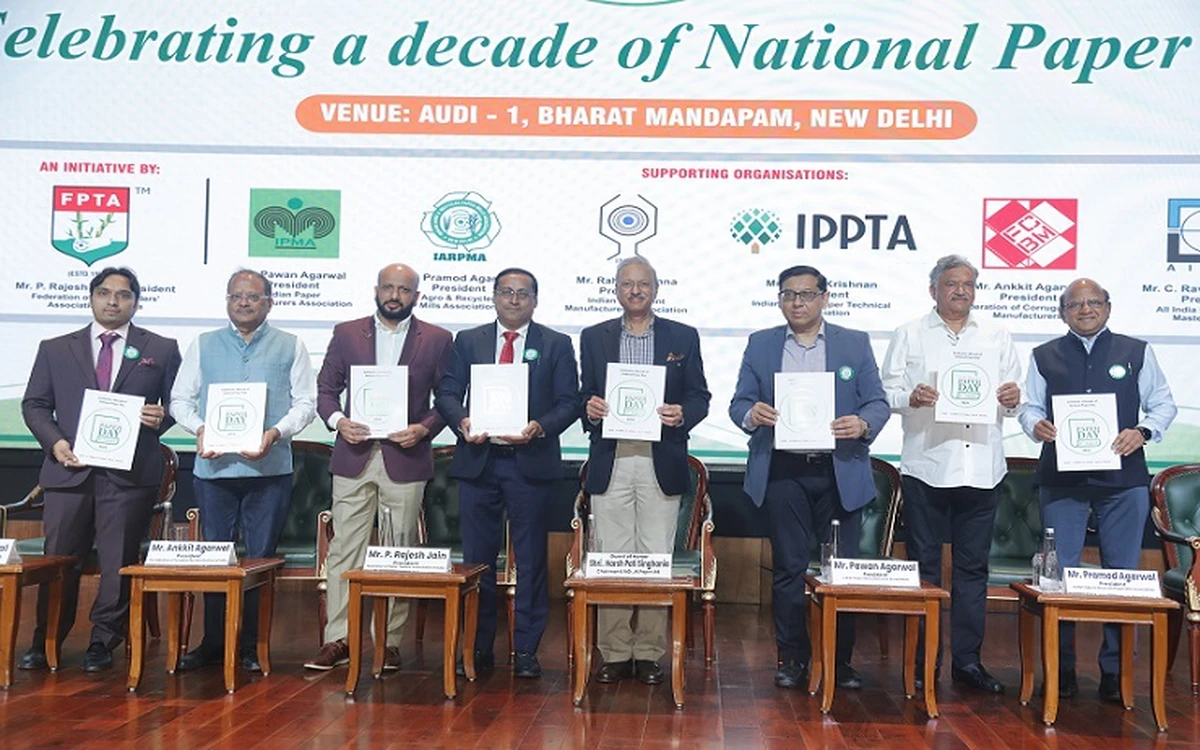
Seven Leading Associations Unite to Celebrate National Paper Day, Highlighting Paper's Sustainability and Circular Economy Advantage
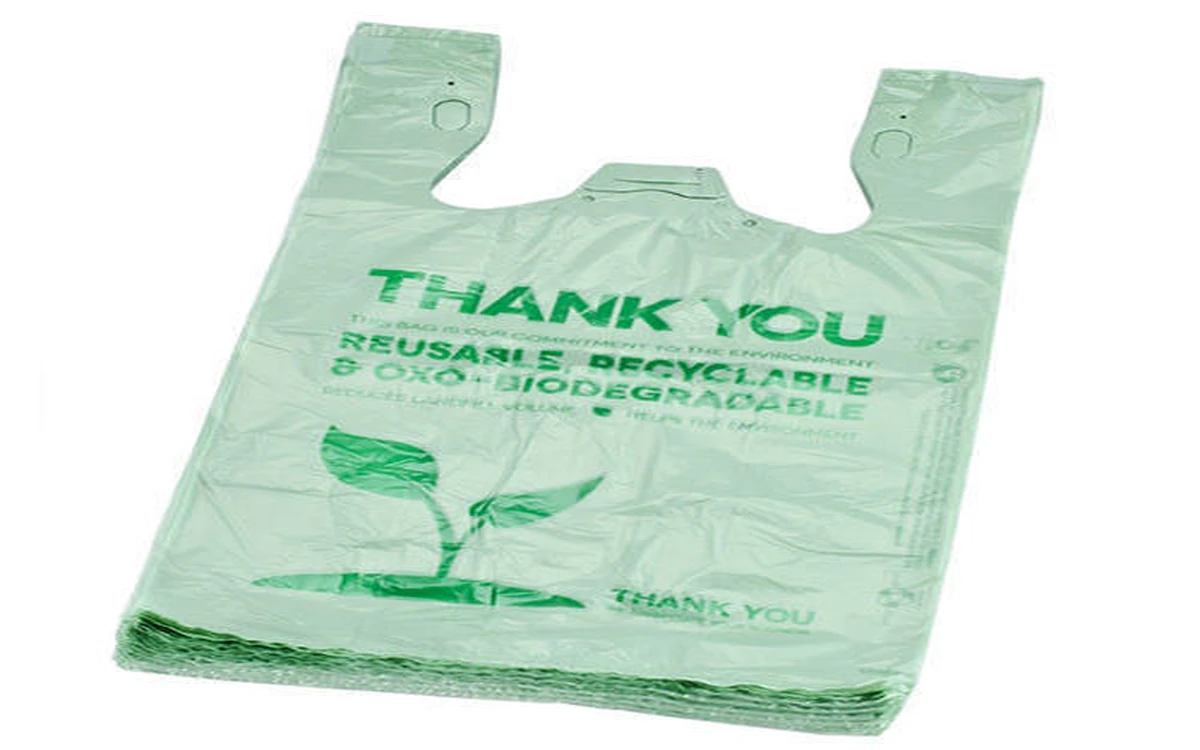
Scientists from IIT-Guwahati develop India's first biodegradable plastic
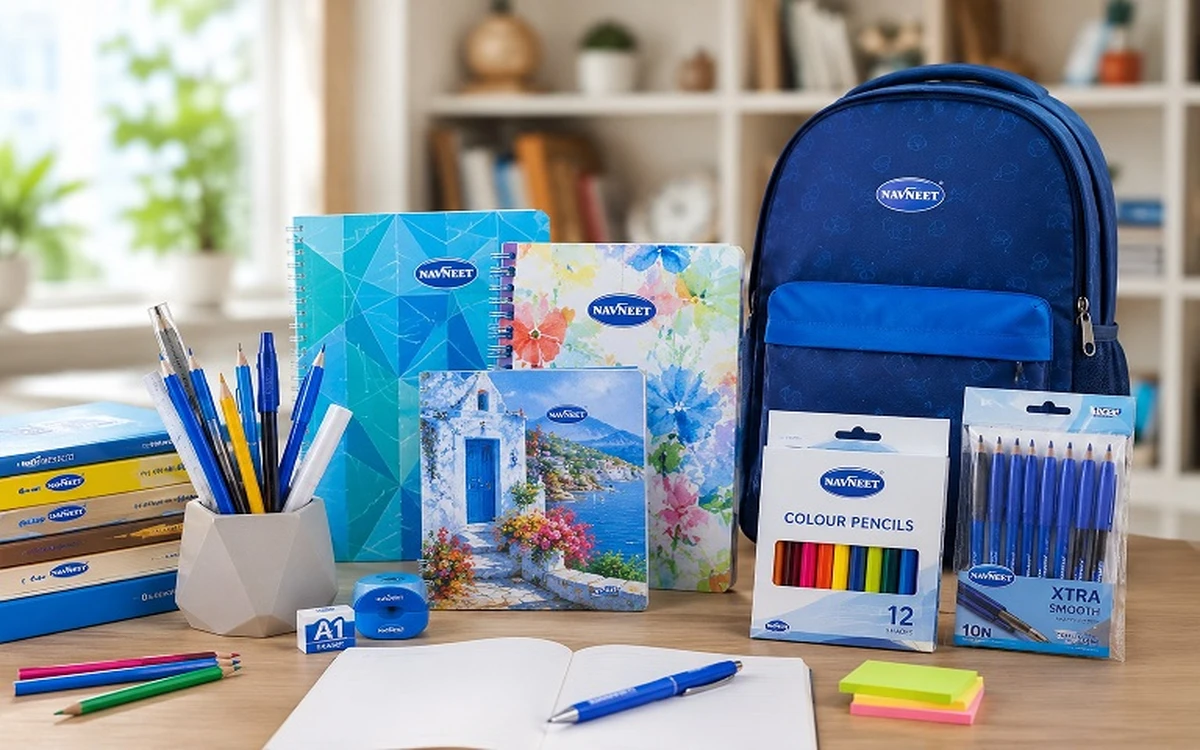
Navneet Education focuses on brand building, curriculum-led growth, and export recovery; expects stationery margins to improve in FY27

It is estimated that USD10B to USD20B worth of single-use plastic packaging will convert to molded fiber, ZUME
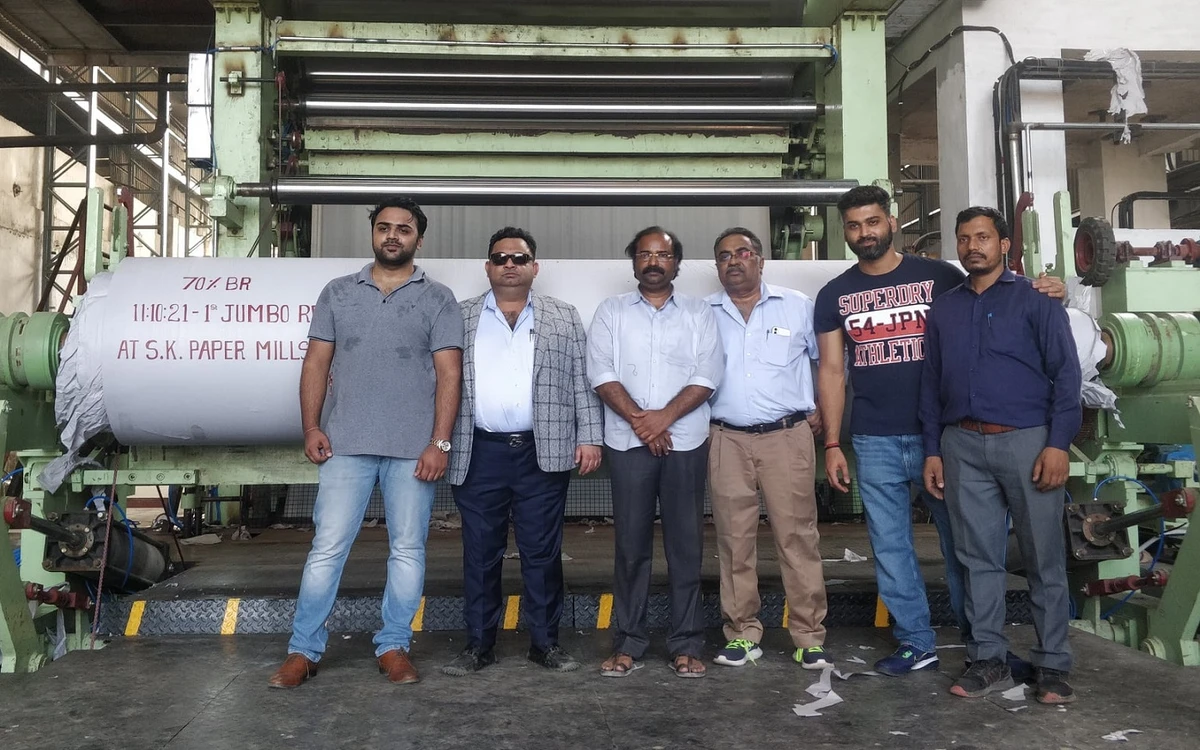
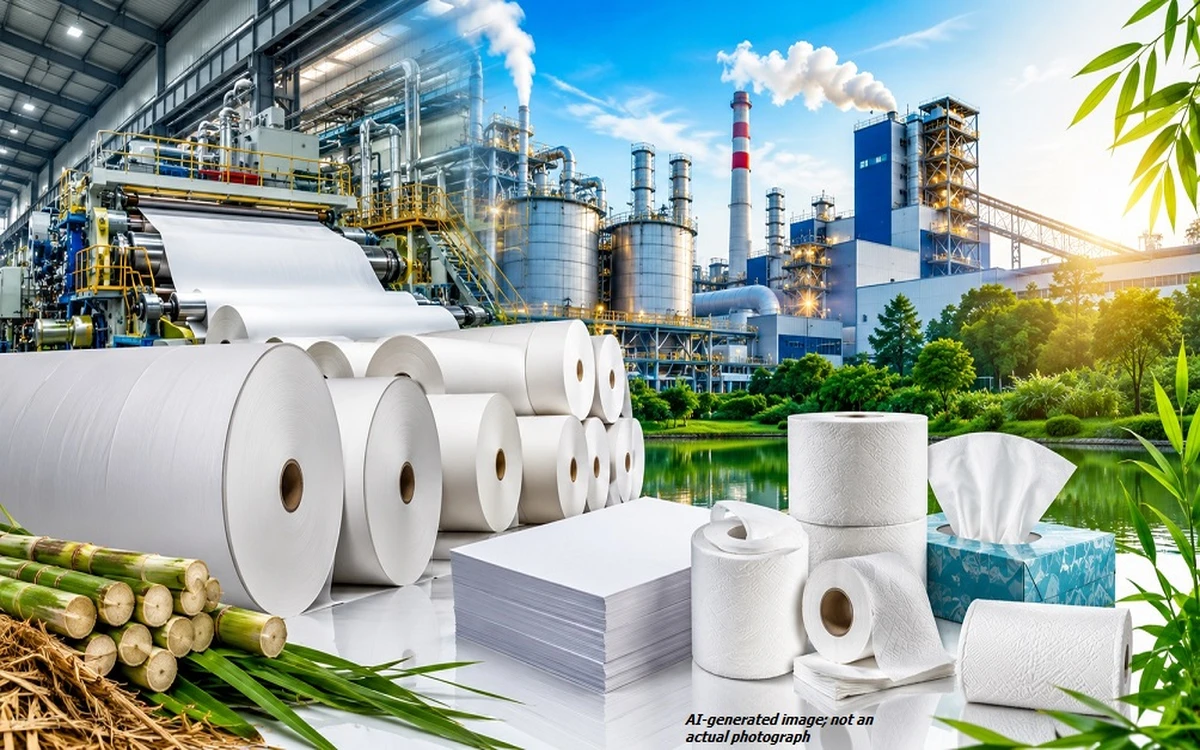
Muzaffarnagar gets a new capacity of Tissue Paper and MG Poster paper

“The integration of digitalization, automation, and Artificial Intelligence (AI) is no longer a futuristic concept—it is the baseline for competitiveness in 2036” - Vinit Garg, Director, Vizen Solutions
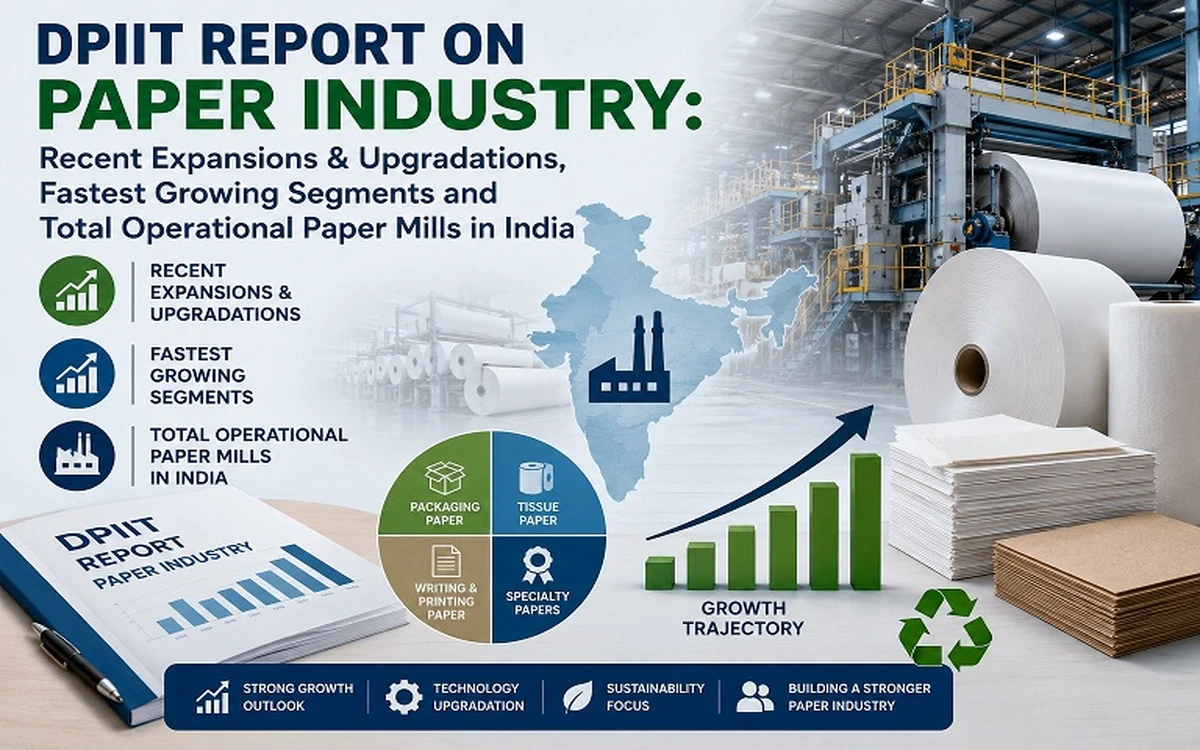
DPIIT Report on the Paper Industry: Recent Expansions & Upgrades, Fastest-Growing Segments, and Total Operational Paper Mills in India
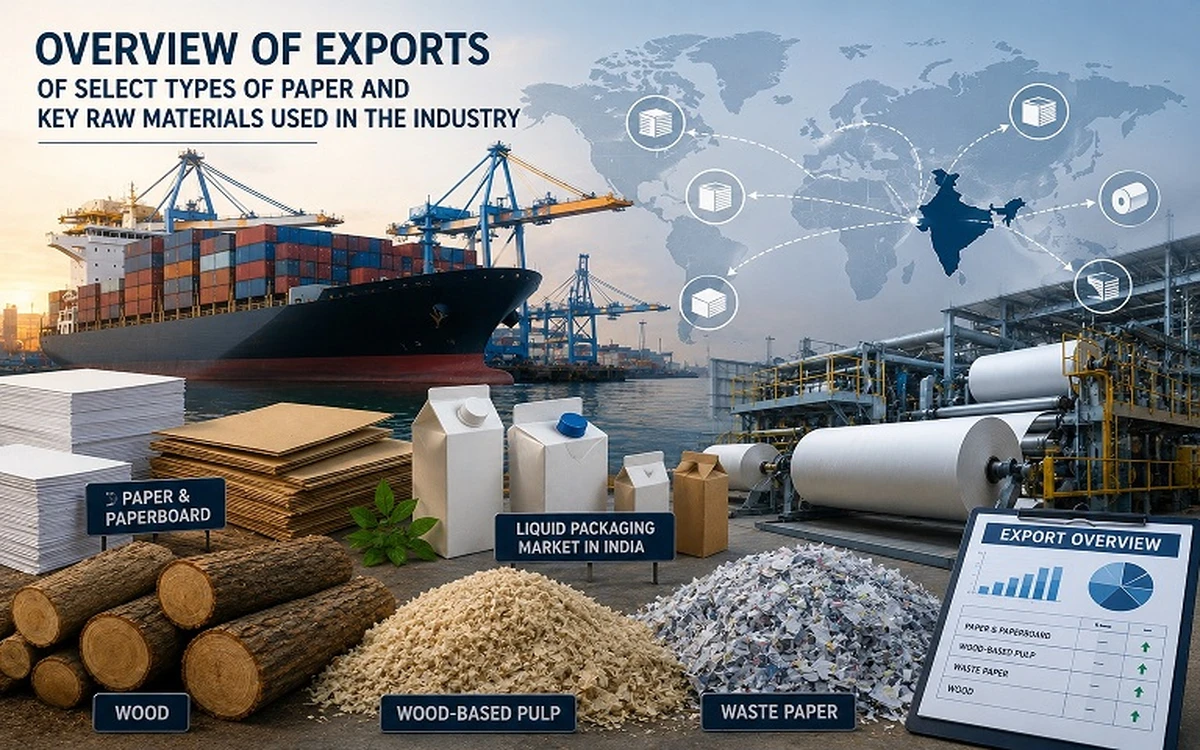
Overview of exports of select type of paper and key raw material used in the industry by Crisil Intelligence

Margin pressure pushes Pulp & Paper Packaging sector toward AI-Driven cost optimization, Cutting costs by 8–20%
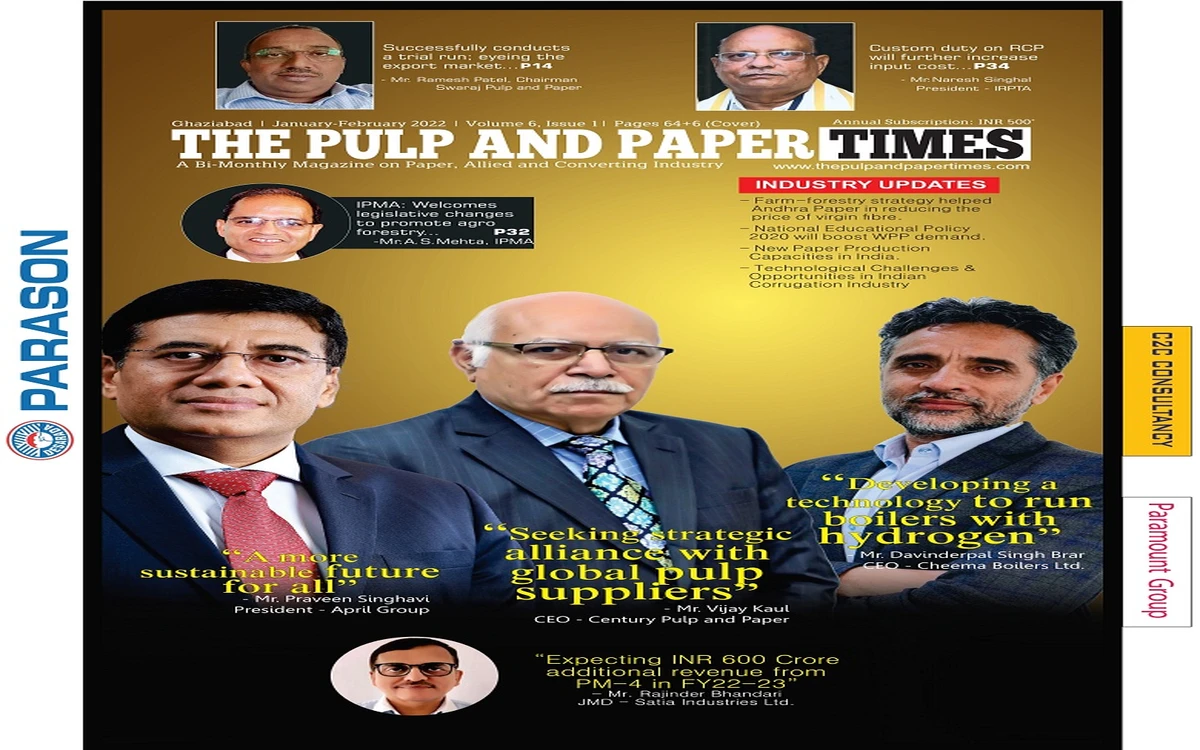
The Pulp and Paper Times Magazine : Volume 6, Issue 1
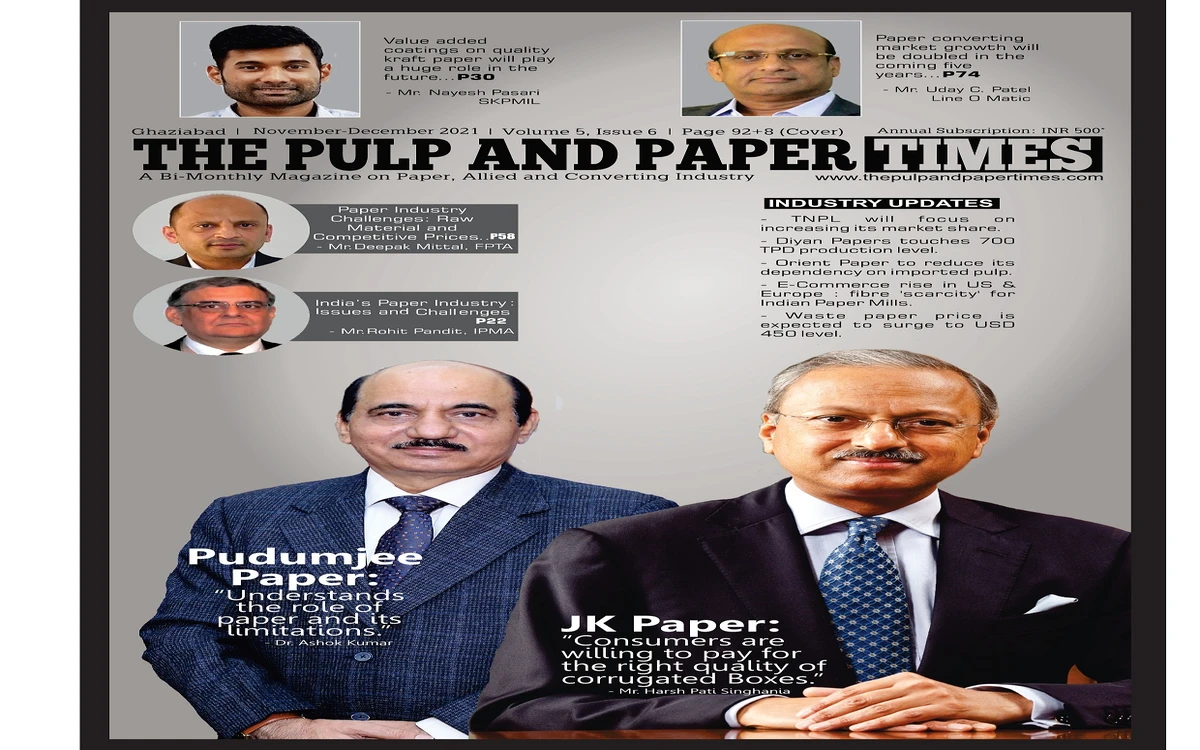
The Pulp and Paper Times Magazine : Volume 5, Issue 6
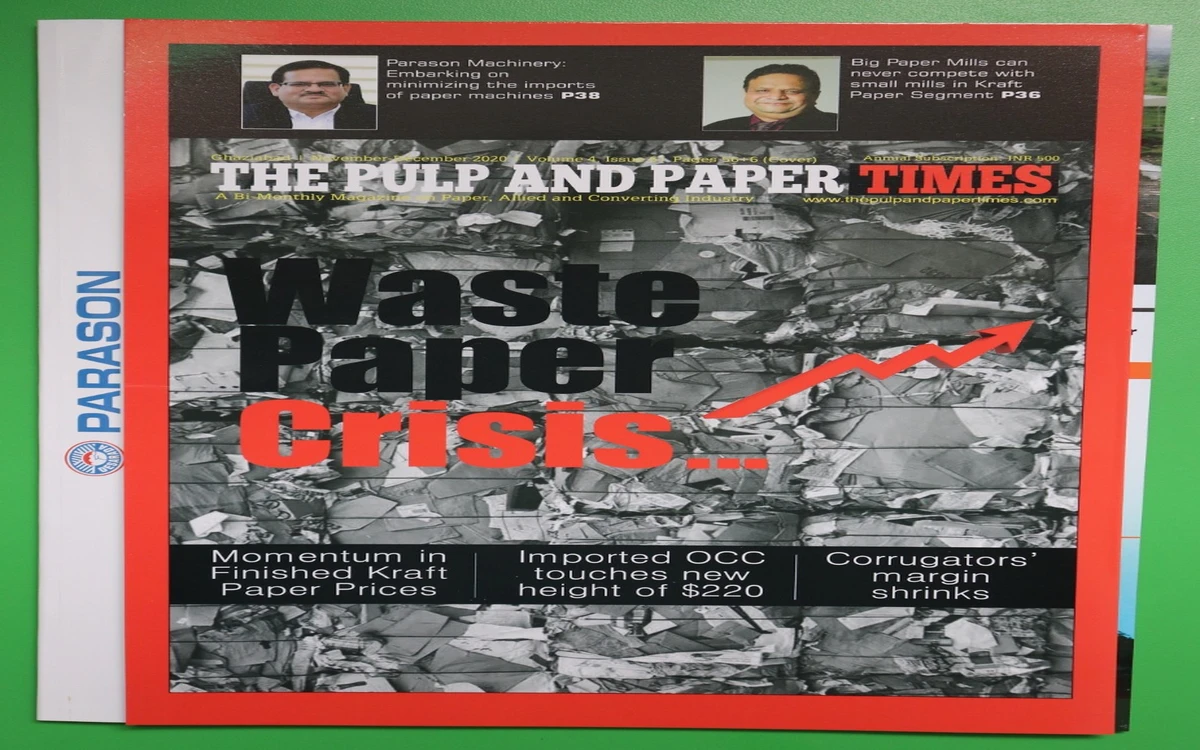
The Pulp and Paper Times: Volume 4, Issue 6
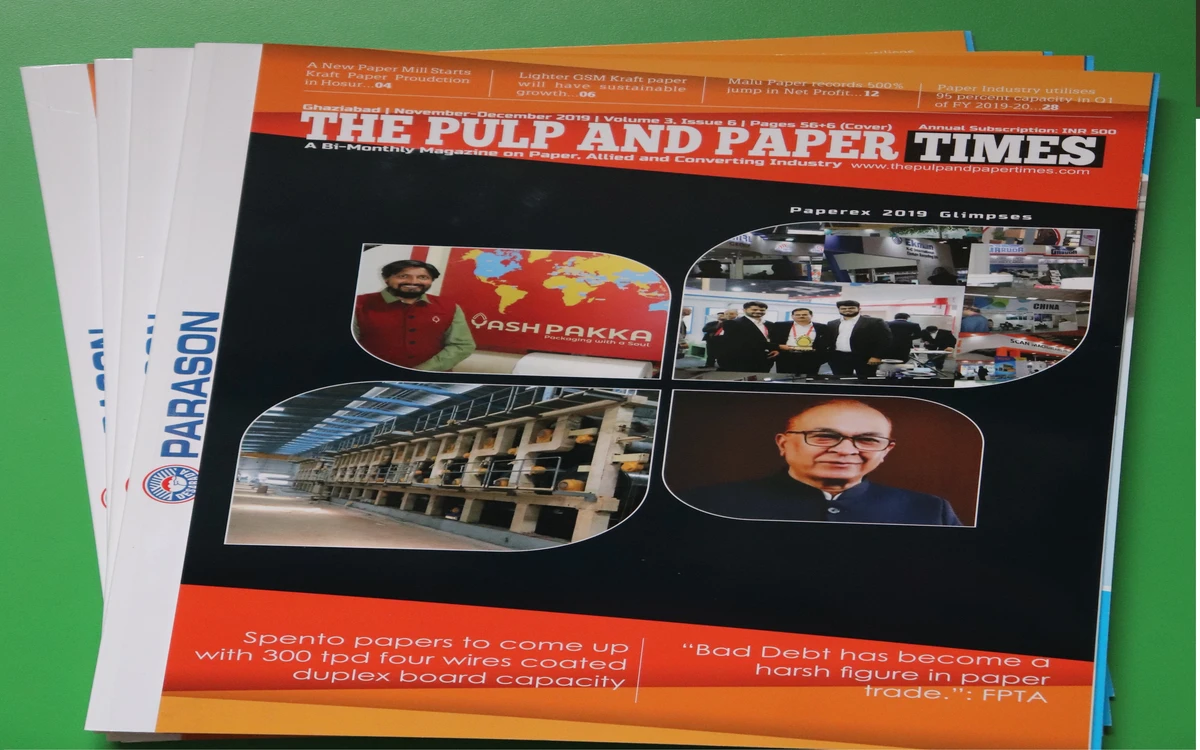
The Pulp and Paper Times : Volume 3, Issue 6
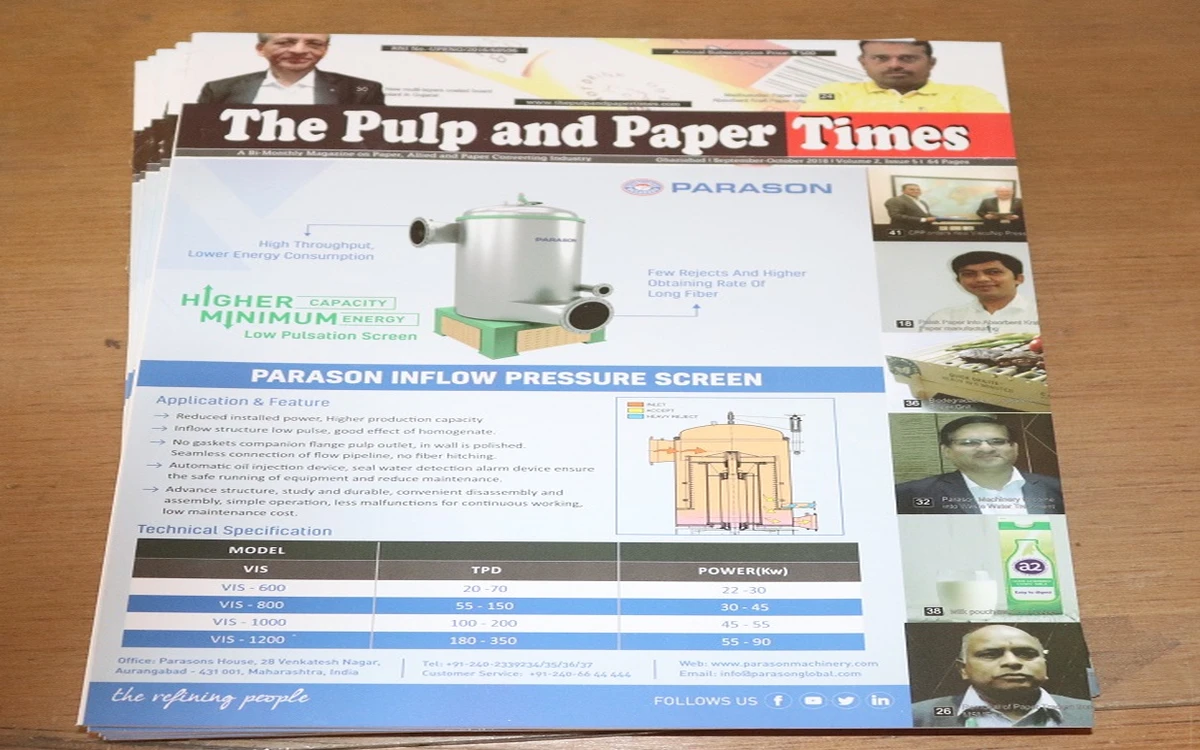
The Pulp and Paper Times: Volume 2 Issue 5
The Pulp and Paper Times, Volume 1, Issue 3
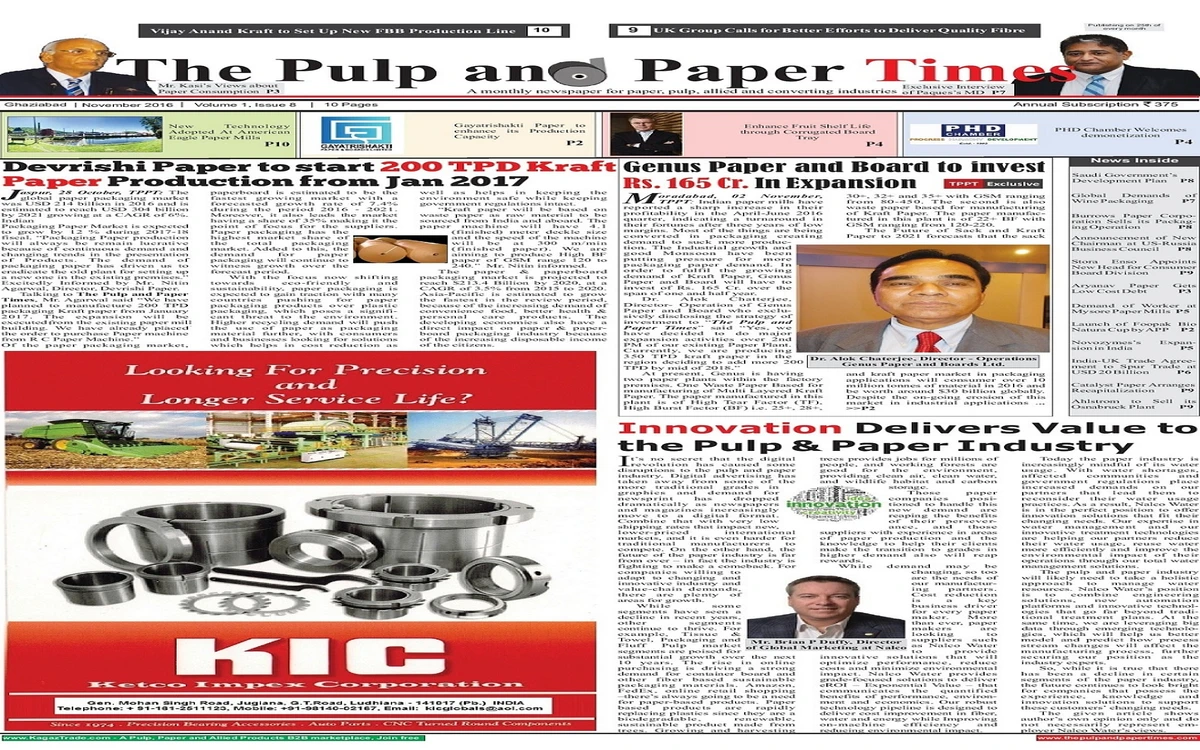
The Pulp and Paper Times, November 2016 Issue

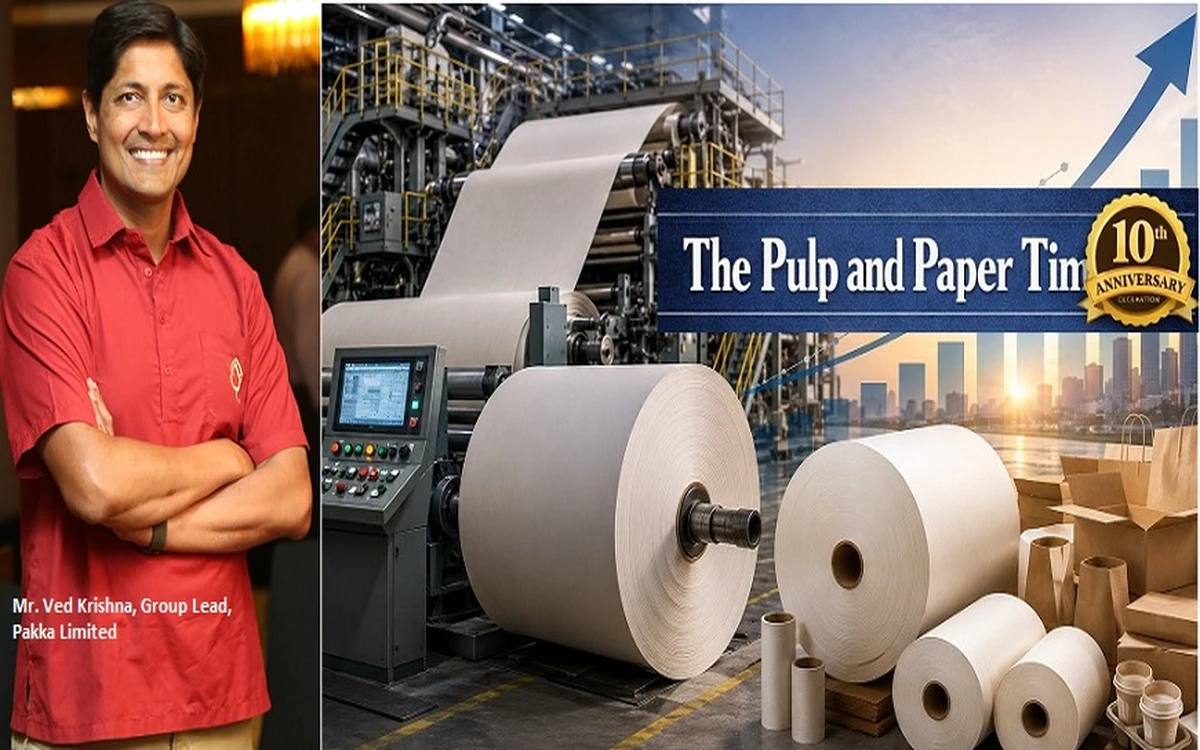
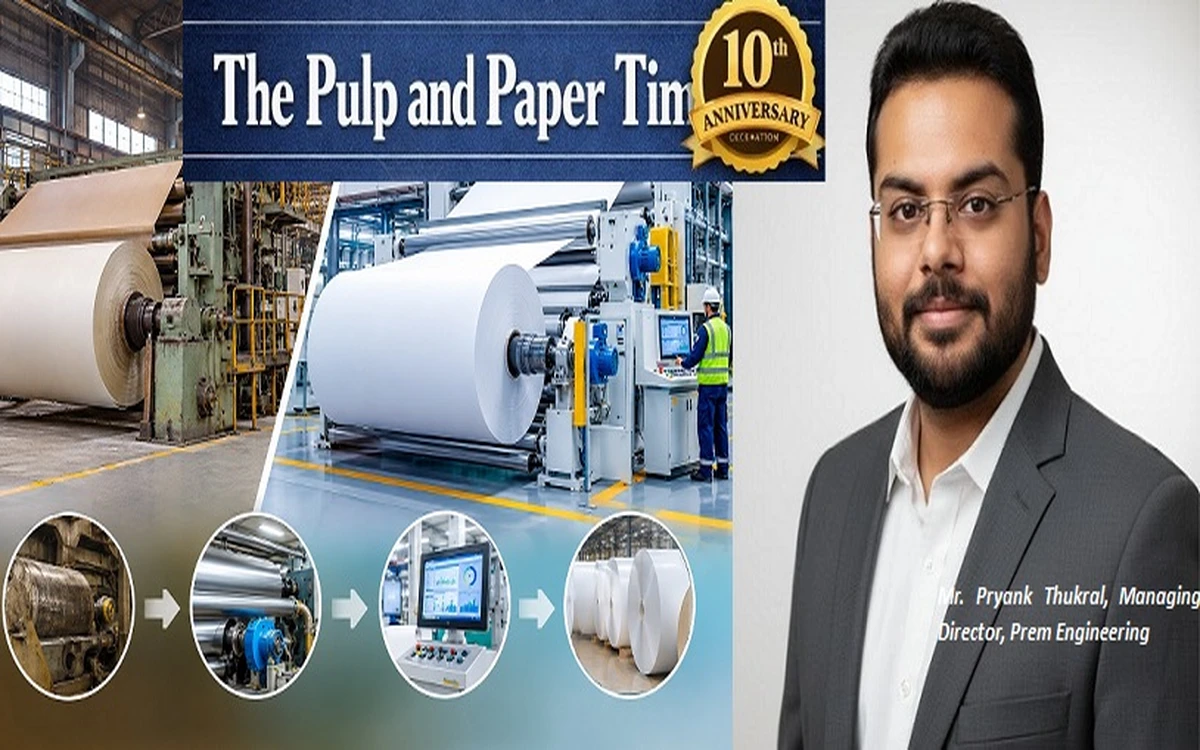
As The Pulp and Paper Times marks its 10th anniversary, we celebrate a decade of meaningful and industry-focused journalism.
Over the past decade, we have established ourselves as a trusted voice of the pulp and paper sector, connecting paper mills, industry leaders, technology providers, and global stakeholders. With a strong readership base across India and overseas, our platform has consistently delivered credible insights, market intelligence, and exclusive industry interactions that support informed decision-making.
On this special milestone, we talked to Mr. Ved Krishna, Group Lead, Pakka Limited, about his perspective on the future of the paper business. We shared our theme, “Market Factors, Technology, and Consumer Interests Shaping the Indian Pulp and Paper Industry in the Next 10 Years.” We received very informative and deeply insightful views that everyone associated with the paper industry, in any capacity, should read. Here are a few insights.

The Pulp and Paper Times
India’s Paper Industry: The Next Decade of Transformation
Packaging will anchor growth
India’s pulp and paper industry is being reshaped by a clear demand pivot toward packaging, which today accounts for over 55–65% of total consumption. Growth across e-commerce, food delivery, and organized retail continues to accelerate this shift, with packaging demand expected to grow at 6–8% annually, outpacing traditional segments.
This evolution is also changing what customers expect from paper. There is a visible move toward high-performance, application-specific grades, particularly in food service and flexible packaging, where strength, consistency, and reliability are critical. This is reflected in how companies like Pakka are aligning their portfolios ¬– focusing on paper solutions that perform under real-world conditions such as moisture, load, and extended usage cycles.
Capacity is being built around emerging applications
The next phase of growth will be shaped by how well capacity aligns with future demand. Investments are increasingly targeted toward segments that require higher performance and consistency.
The upcoming PM4 machine at Pakka is being developed with this direction in mind, with an estimated capacity of 115 TPD and a focus on greaseproof and flexible packaging grades. Rather than incremental expansion, such investments indicate a shift toward purpose-built capacity designed for evolving applications.
This approach allows manufacturers to participate more meaningfully in high-growth segments like food packaging, where performance requirements and value realization are significantly higher.

Fibre strategy is becoming central to stability
Raw material availability continues to be a defining challenge, with dependence on imported pulp and recovered fibre exposing the industry to global volatility.
In response, there is a growing emphasis on diversified fibre strategies, particularly the use of agricultural residues such as bagasse. This not only strengthens supply security but also triggers greater flexibility in production.
Designing new capacity to effectively utilize such fibres reflects a broader shift in the industry where fibre choice is no longer just a sourcing decision, but a strategic lever for cost stability and long-term resilience.
Technology will enable performance at scale
Delivering consistent, high-quality paper – especially for packaging applications requires advanced manufacturing capabilities.
New-age machines, including those developed in collaboration with global technology providers like Allimand, a partner with Pakka Ltd. incorporate features such as hydraulic headboxes, shoe presses, and optimized drying systems. These help in better formation, improved strength at lower grammage, and higher operational efficiency.

Such advancements are critical in meeting tighter quality specifications, while also supporting resource efficiency across water and energy usage.
Sustainability and food safety are becoming non-negotiable
Consumer brands today are integrating sustainability deeply into their packaging decisions. There is a clear and growing preference for materials that are responsibly sourced, recyclable, and aligned with long-term environmental goals.
At the same time, food safety is coming out as an equally critical consideration. As more consumers become aware of what comes in direct contact with their food, expectations around safe, compliant, and reliable paper materials are increasing – particularly in food service and delivery applications.

This is moulding how paper is developed and evaluated. There is increasing focus on clean fibre sources, controlled manufacturing processes, and consistency in quality, ensuring that packaging is not only functional and sustainable, but also safe for end use.
Such shifts are encouraging closer collaboration between manufacturers and brands, with greater emphasis on material integrity, traceability, and performance assurance.
A defining opportunity for the industry
The Indian pulp and paper industry is entering a phase where growth will be defined by capability, alignment with demand, and execution discipline. Packaging-led expansion, fibre innovation, and technology adoption will collectively shape the next decade.
Investments in next-generation capacity, diversified fibre strategies, and advanced manufacturing systems indicate a clear industry direction – toward higher-value, performance-driven paper solutions. As demand continues to evolve, the opportunity lies in anticipating these shifts and building the right capabilities to support them at scale and this is where Pakka stands as a key-enabler.

14 hours ago
Total Views : 1411
1 days ago
Total Views : 1965
3 days ago
Total Views : 600
5 days ago
Total Views : 1248
last week
Total Views : 3609
last week
Total Views : 2646
last week
Total Views : 772
last week
Total Views : 3512
2 weeks ago
Total Views : 3590
2 weeks ago
Total Views : 6916