Join Groups & Channels, No Spamming









Morbi paper mills see full-capacity operations as ceramic industry revives; Kraft paper exports to China spike, Prices strengthen; Janmashtami shutdown ahead

The BE and caustic soda plant marks a key milestone for Mohit Paper Mills, enabling full utilization of installed capacity and enhancing overall production efficiency
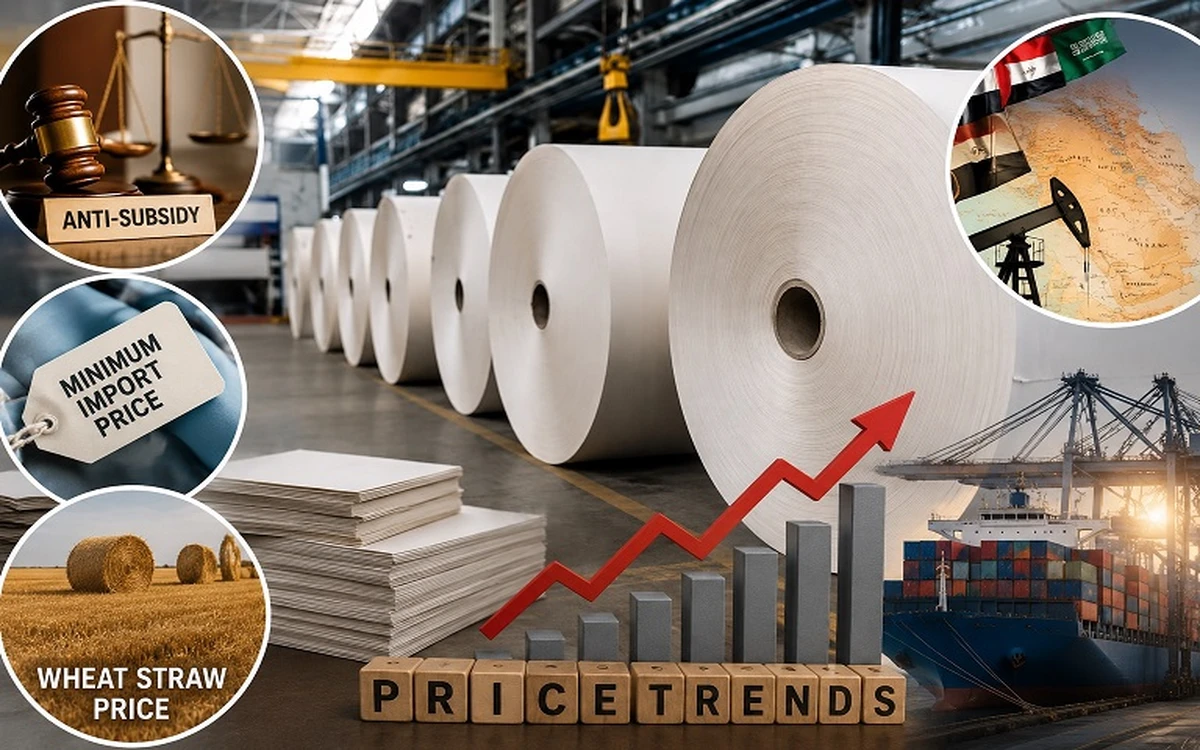
Expert Views on the paper market scenario, How the West Asia Crisis Helped the Industry, MIP for WPP, Anti-Subsidy implementation, and paper price trends
Pudumjee Paper intends to develop new varieties addressing applications for stronger paper bags and cupcakes; Plans 68,000 MT Mahad Specialty Paper Facility within 5 years
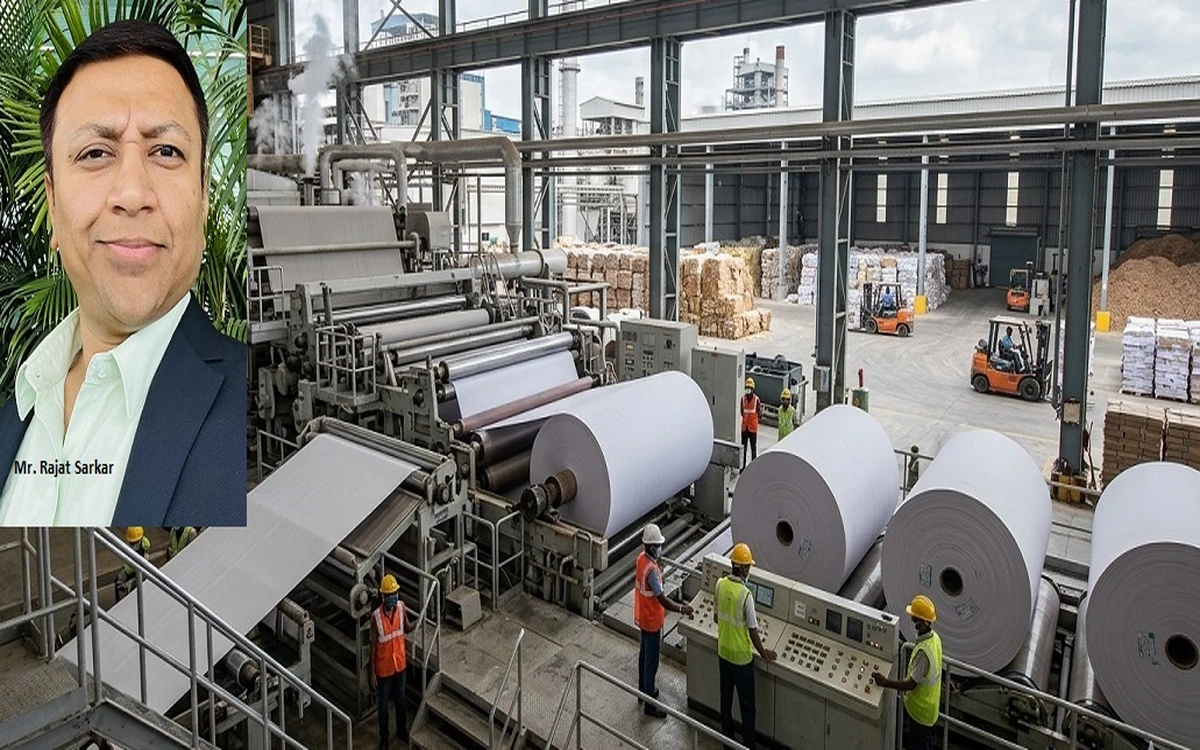
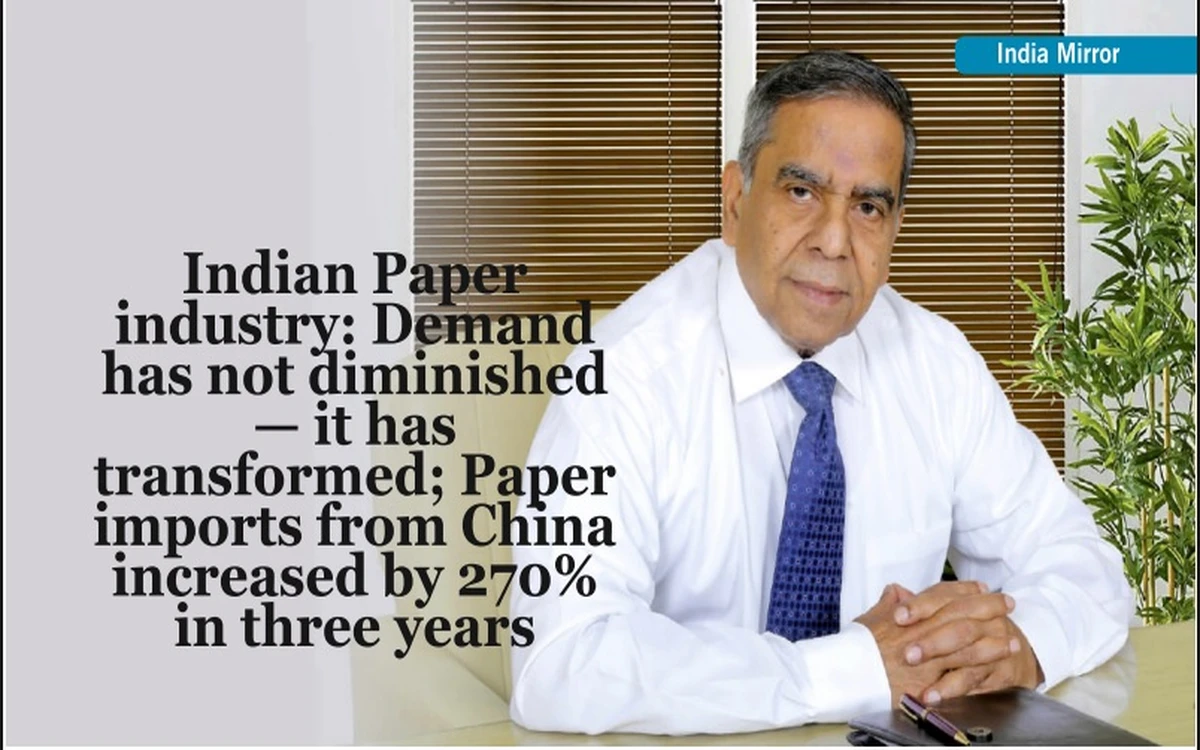
India Paper Industry at an Inflection Point: War, Costs, and Capacity; Demand growth expected at 5–7% in FY26
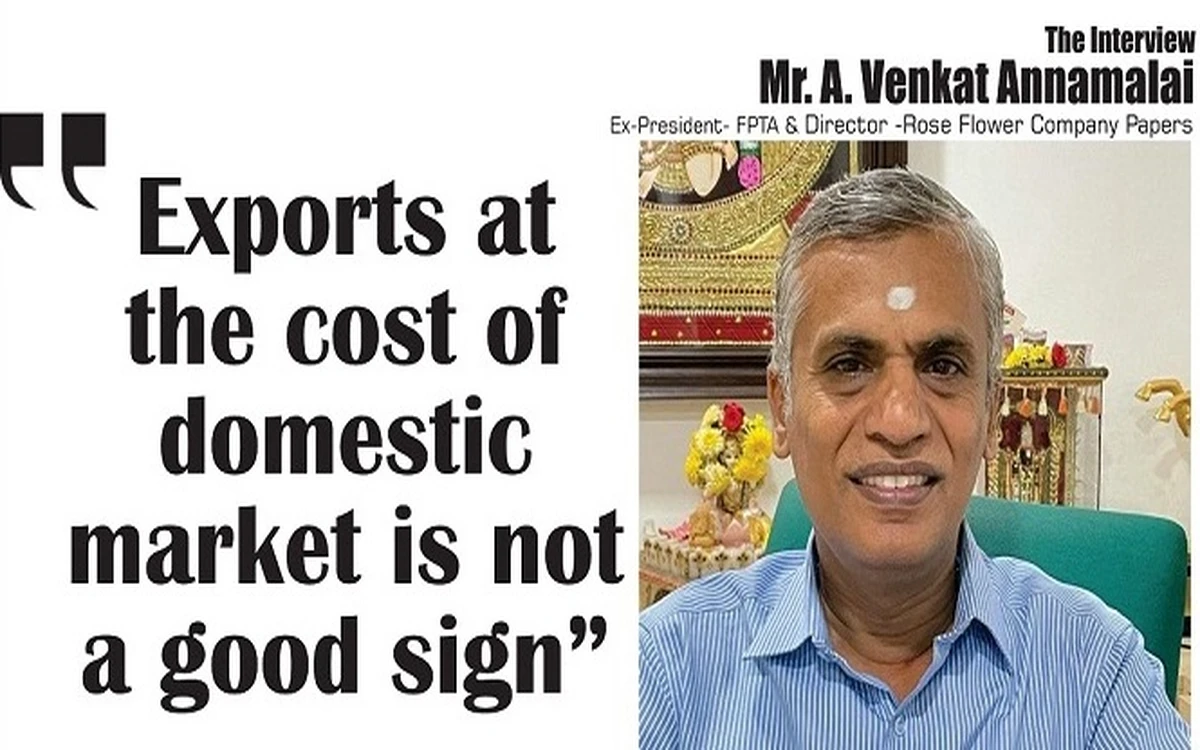
“Surging exports of paper will most certainly keep the domestic prices quite high”: Mr. A. Annamalai, Director – RFC
The Status of the Global Container board Industry, Recycled Paper Demand and Supply and its impact on the Indian Industry

Akshay Jain, director of Silverton Pulp & Paper, says it's time to promote agro residue as a raw material to lessen the scarcity of fibre
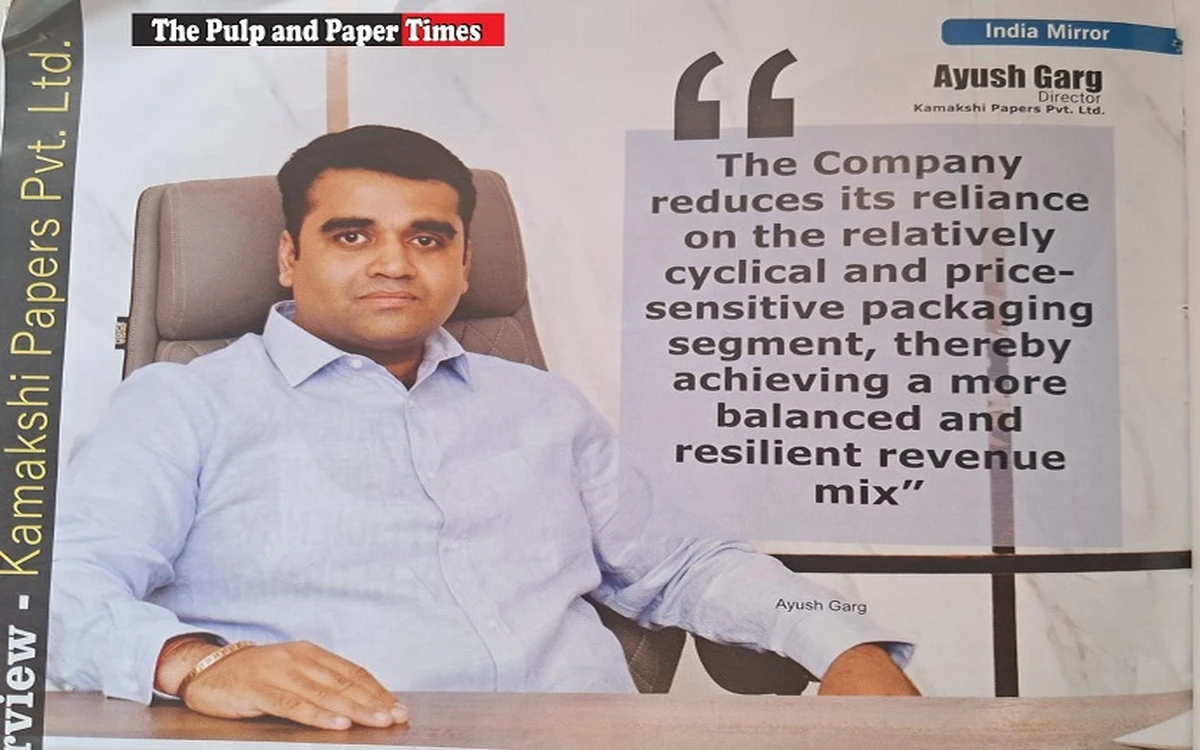
Advantageously located, a new paper mill is all set to roll kraft paper in Madhya Pradesh

Several agile interventions helped ITC-PSPD fortify its clear leadership of the Value Added Paperboards (VAP) segment

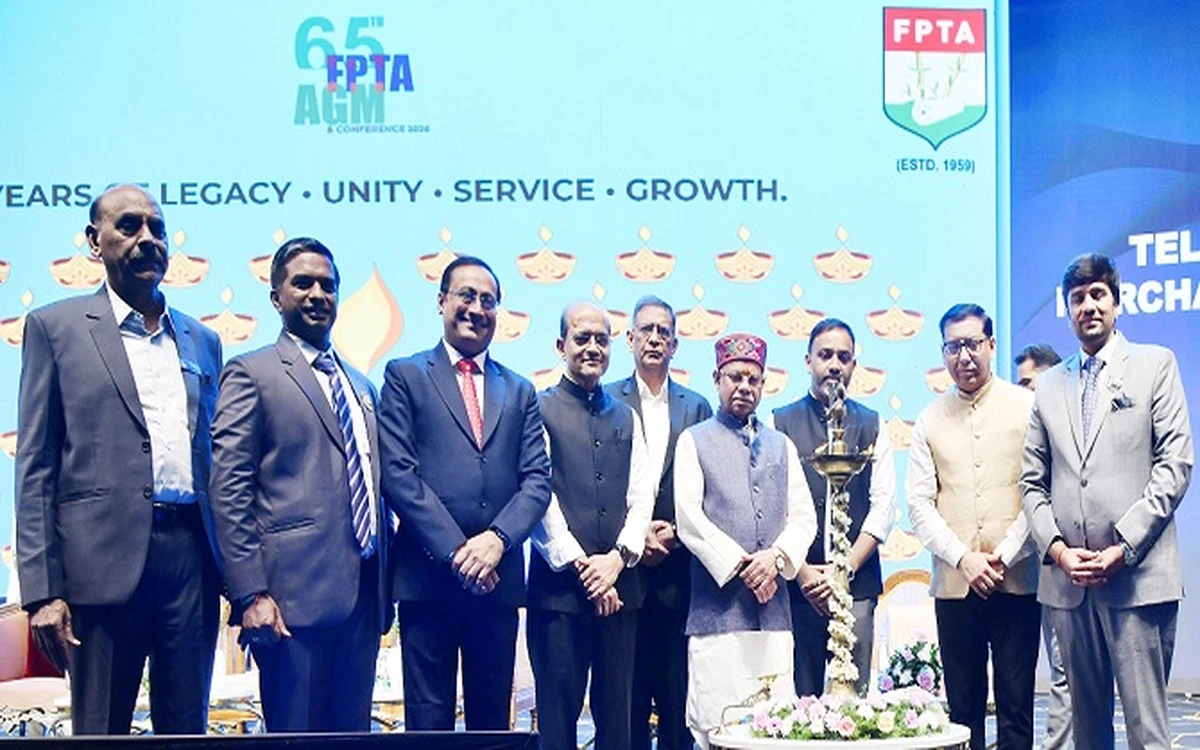
Paper and Packaging Board Market May Face Cost Pressures Through March 2027; FPTA Advises Traders

Steeper-than-expected drop in realisations hits Seshasayee Paper’s FY2025–26 operating margins; Box boards, Absorption Kraft, and Virgin Kraft now form a growing share of the product mix
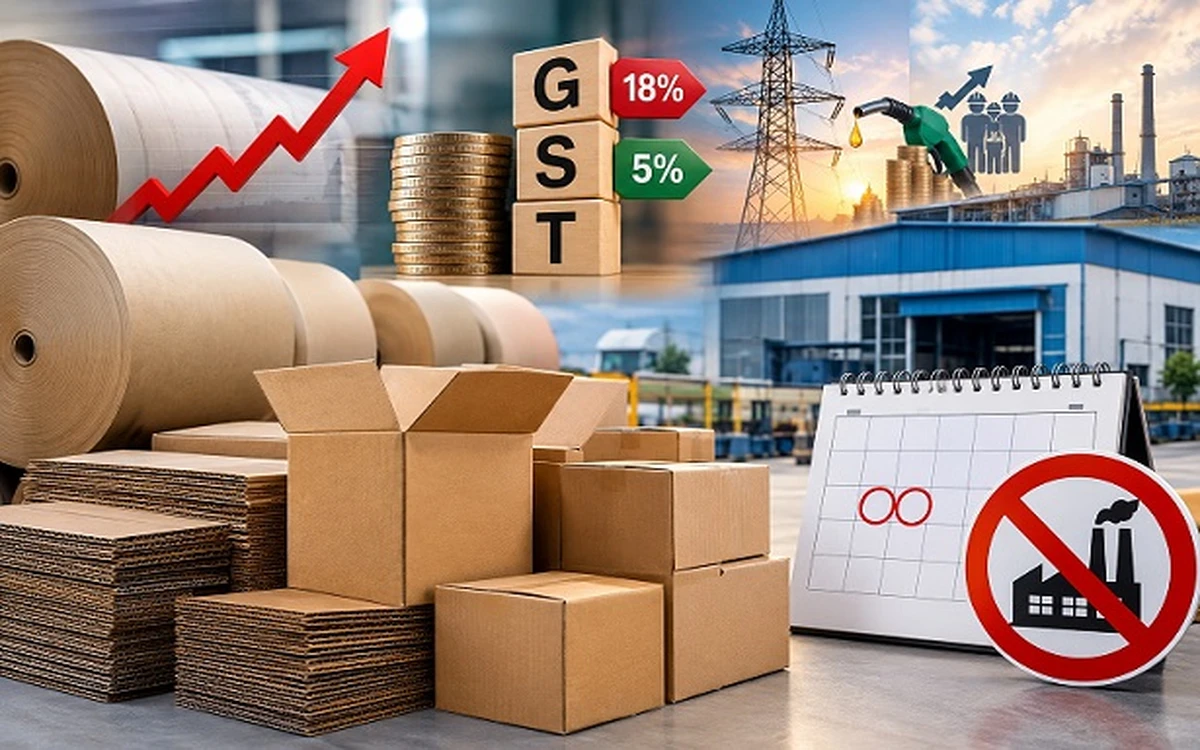
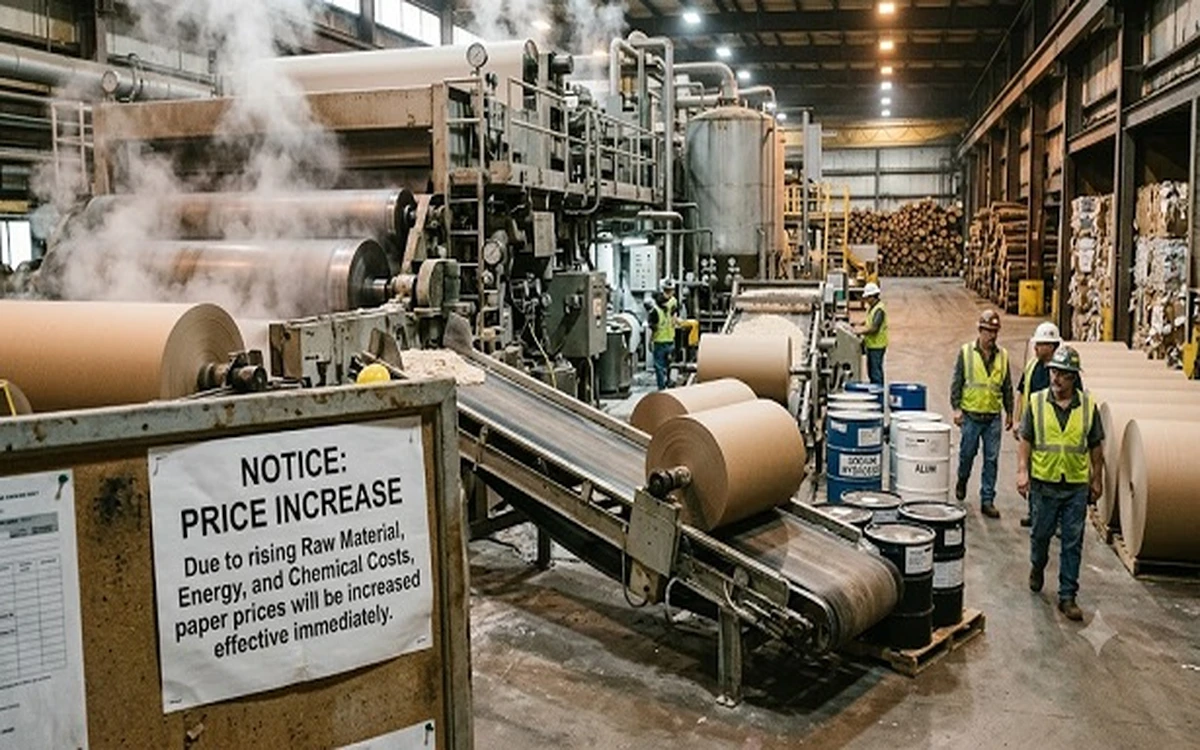
Overall Increase in Kraft Paper Prices Could Reach 35%; Industry Calls for 20% Box Price Increase, Voluntary Shutdown Proposed

Ruchira Papers Invests a Sizeable Capex of Rs. 235–240 Crore Towards Writing & Printing Paper Capacity Expansion
Paper mills inflated the basic ex-mill price of paper post GST 2.0, AINMA seeks action against Anti-Profiteering
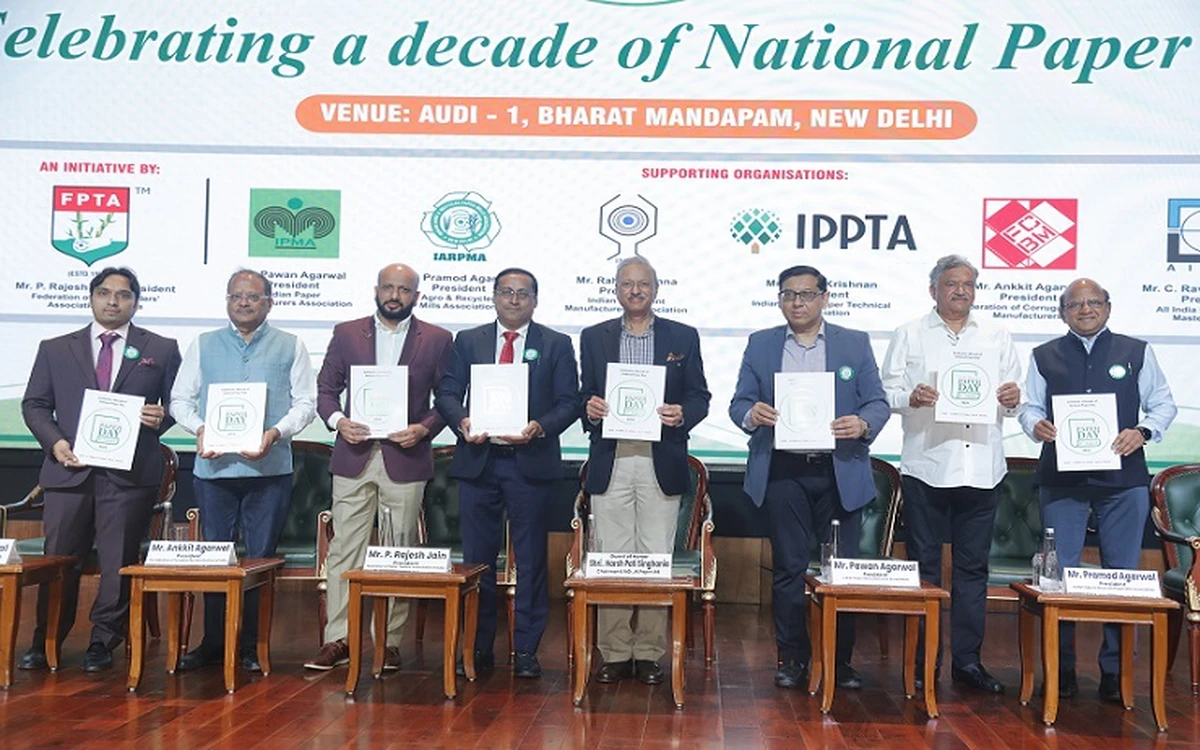
Seven Leading Associations Unite to Celebrate National Paper Day, Highlighting Paper's Sustainability and Circular Economy Advantage

Scientists from IIT-Guwahati develop India's first biodegradable plastic

Navneet Education focuses on brand building, curriculum-led growth, and export recovery; expects stationery margins to improve in FY27

It is estimated that USD10B to USD20B worth of single-use plastic packaging will convert to molded fiber, ZUME
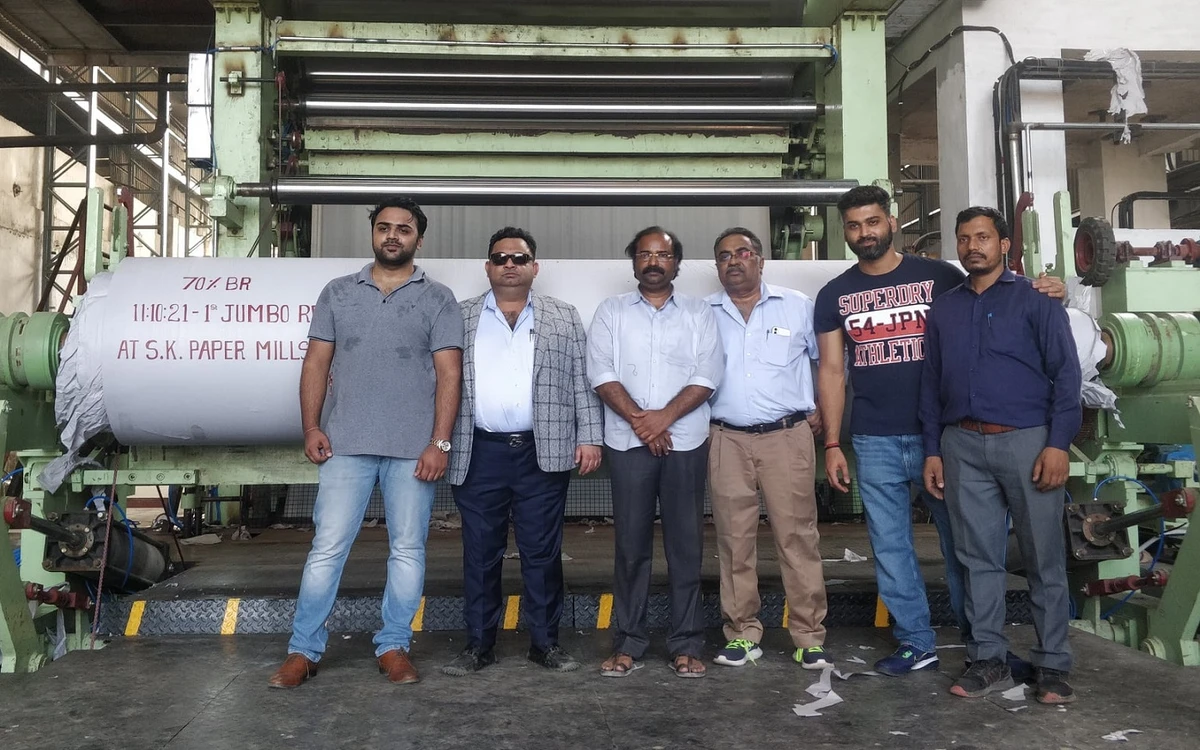
Muzaffarnagar gets a new capacity of Tissue Paper and MG Poster paper

“The integration of digitalization, automation, and Artificial Intelligence (AI) is no longer a futuristic concept—it is the baseline for competitiveness in 2036” - Vinit Garg, Director, Vizen Solutions
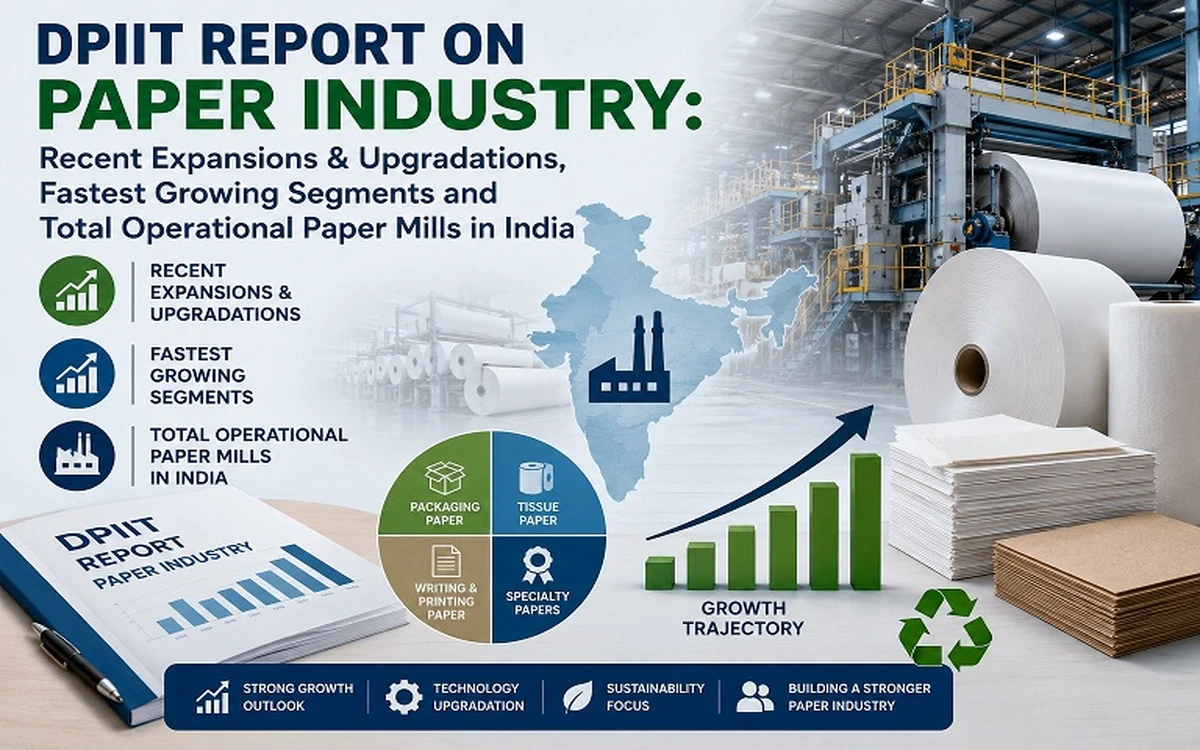
DPIIT Report on the Paper Industry: Recent Expansions & Upgrades, Fastest-Growing Segments, and Total Operational Paper Mills in India
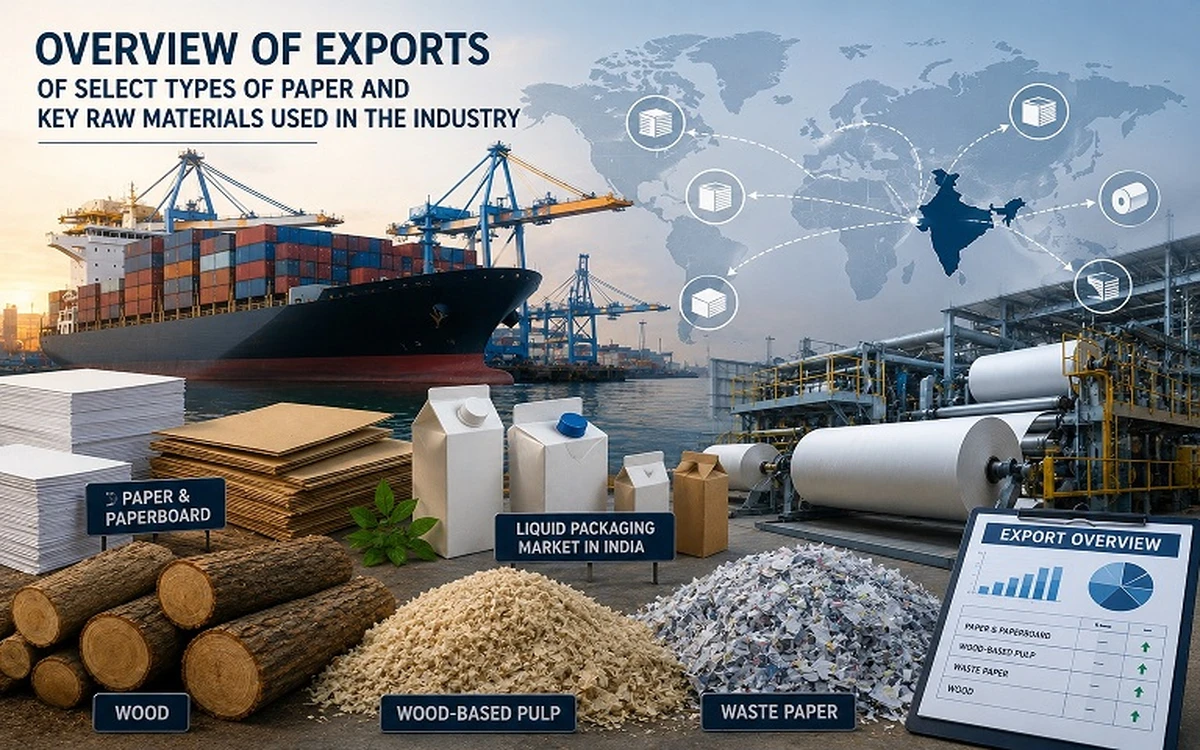
Overview of exports of select type of paper and key raw material used in the industry by Crisil Intelligence

Margin pressure pushes Pulp & Paper Packaging sector toward AI-Driven cost optimization, Cutting costs by 8–20%
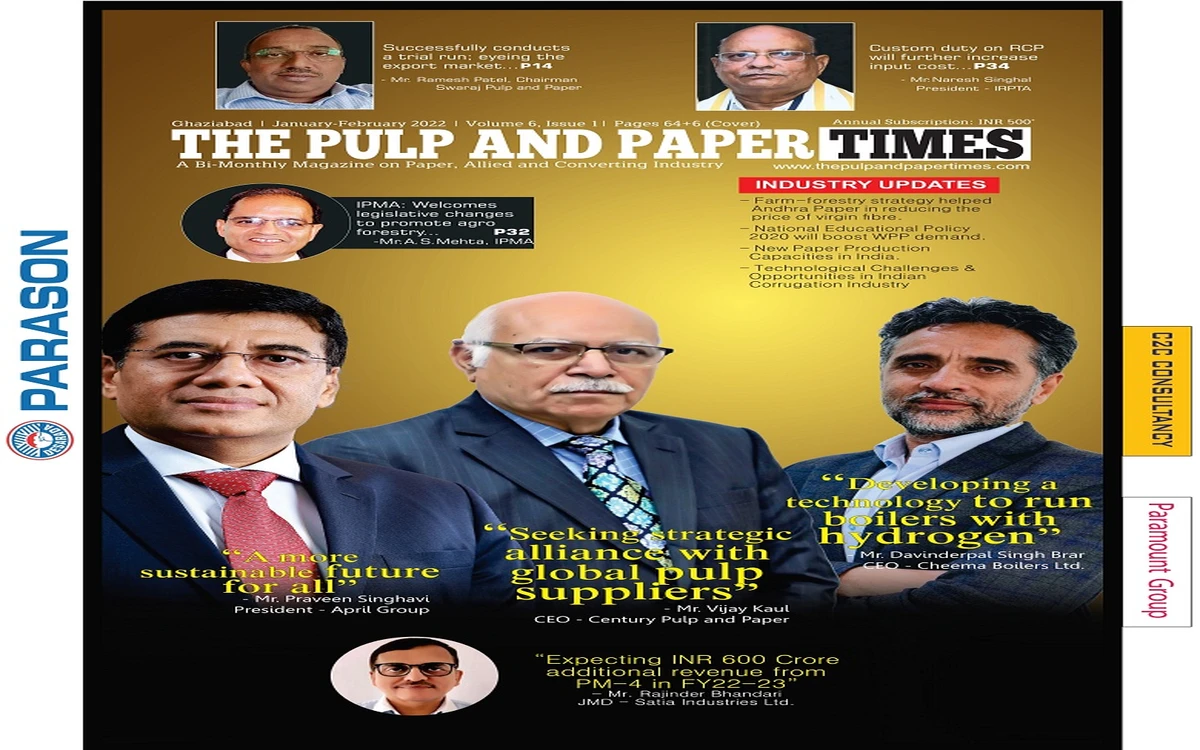
The Pulp and Paper Times Magazine : Volume 6, Issue 1
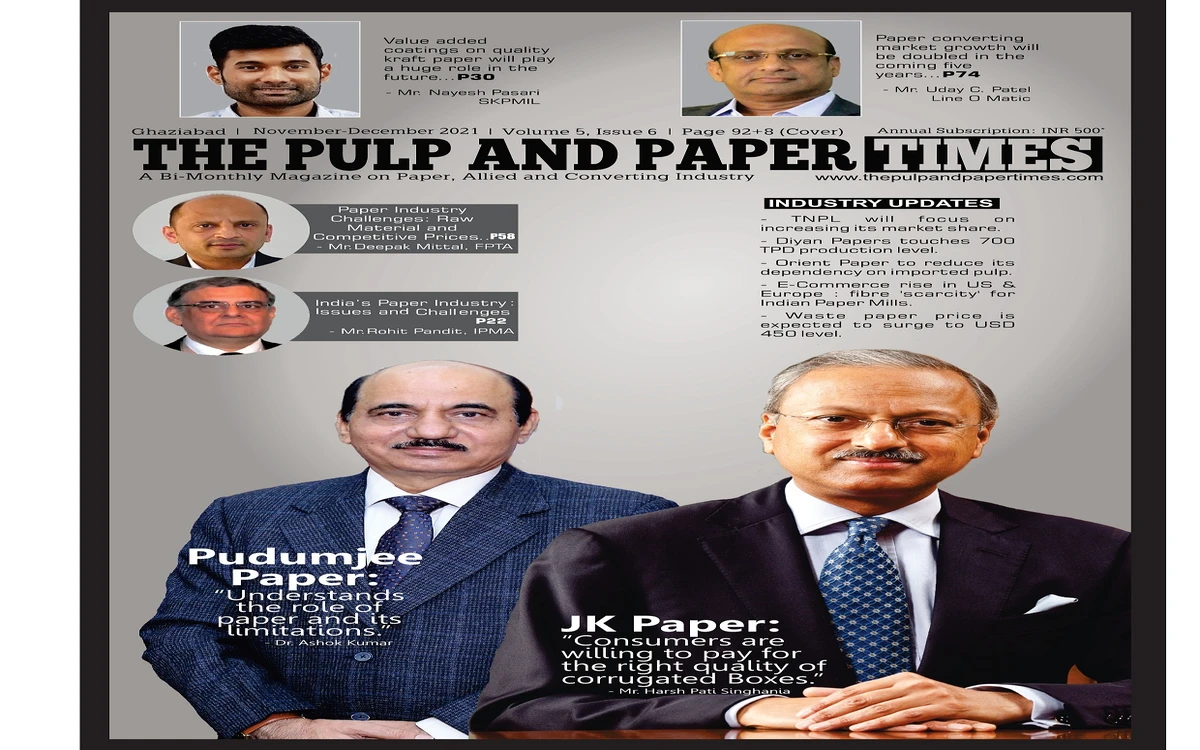
The Pulp and Paper Times Magazine : Volume 5, Issue 6
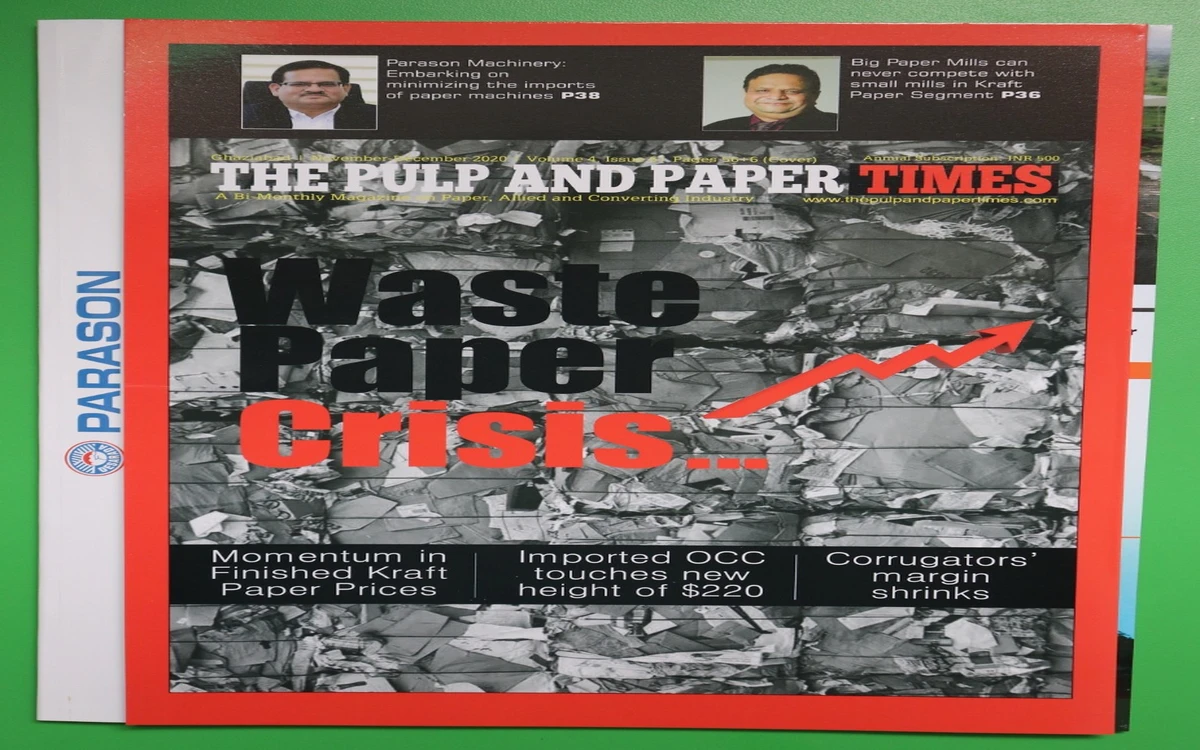
The Pulp and Paper Times: Volume 4, Issue 6
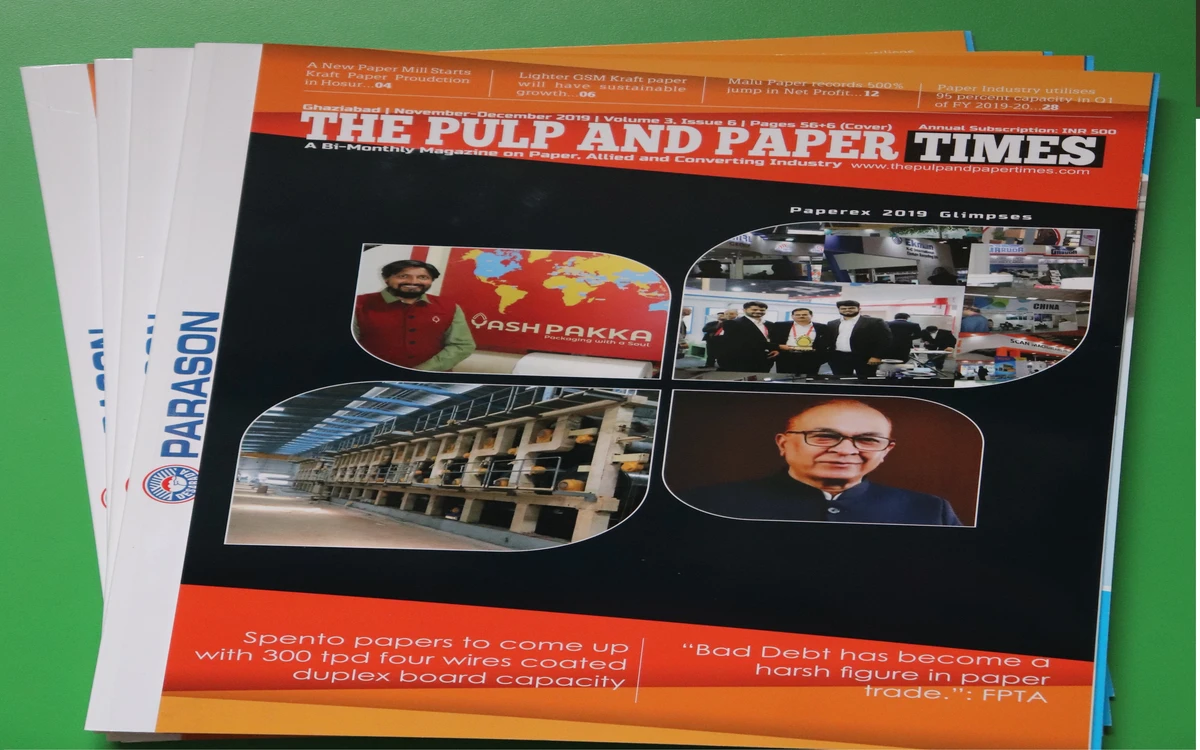
The Pulp and Paper Times : Volume 3, Issue 6
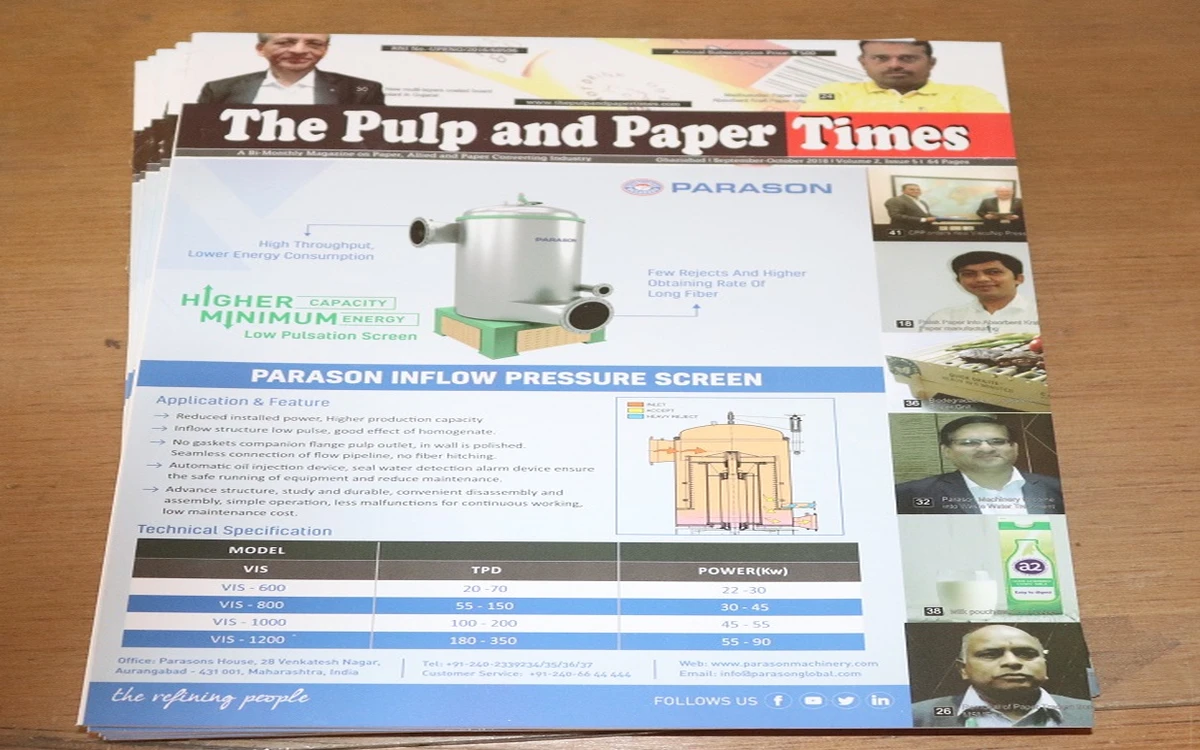
The Pulp and Paper Times: Volume 2 Issue 5

The Pulp and Paper Times, Volume 1, Issue 3
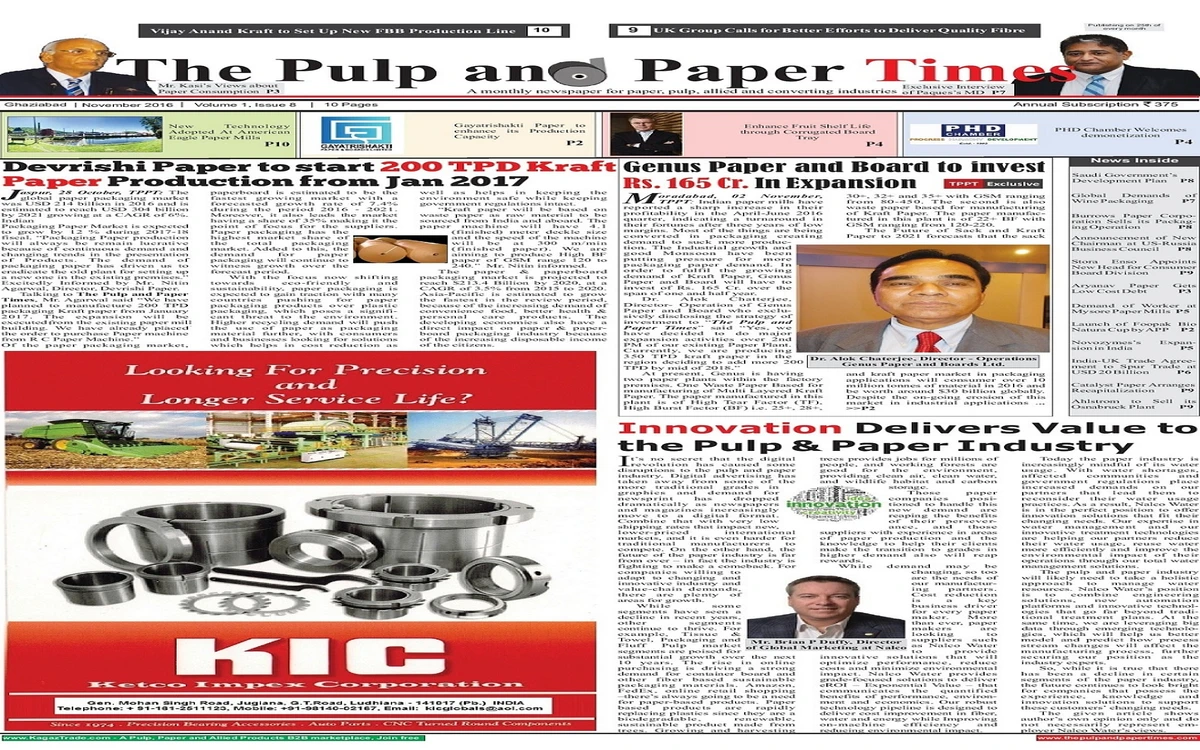
The Pulp and Paper Times, November 2016 Issue

Key points:
- For Indian stationery exporters, higher freight and insurance costs can affect price competitiveness, particularly in highly price-sensitive markets in Africa
- GST on notebooks has become zero, the effective cost of manufacturing notebooks has increased
- The US-Iran conflict has not caused a major direct disruption to notebook manufacturing demand in India
- The market is also gradually shifting from unorganised products towards trusted and organised brands.
The Pulp and Paper Times
Sundaram Multi Pap Limited is a pioneering company specializing in paper stationery products and also provides e-learning digital classroom solutions. In an exclusive conversation, Mr. Hardik Shah, Chief Executive Officer of Sundaram Multi Pap Limited, discusses various aspects of the paper stationery business and its impact on India and the global market.
Mr. Shah shares his insights on the future of the paper stationery market, paper prices, the impact of GST 2.0 on the notebook business, notebook exports and imports, and several other key industry issues. Here are his views:

Q: What is the current demand and supply scenario for the notebook manufacturing industry following GST 2.0 and the US-Iran conflict?
Demand for notebooks continues to remain strong, primarily because education continues to be a core priority for Indian households, schools, government institutions, and corporate social responsibility programmes. India’s large student population, rising enrolment levels, increasing focus on organised education, and the expansion of private and government-supported educational infrastructure continue to support the long-term demand for notebooks and other paper stationery products.
From a supply perspective, India has adequate domestic manufacturing capacity for notebooks and writing and printing paper. However, the recent GST changes have created a significant cost challenge for domestic notebook manufacturers. While finished notebooks are subject to nil GST, various key inputs used in manufacturing, including paper, board, printing material, packaging material, adhesives, machinery spares, transportation, and other services, continue to attract GST.

Since manufacturers are unable to claim or utilise input tax credit against the sale of nil-rated finished products, the input GST becomes an additional cost of production. Therefore, although GST on notebooks has become zero, the effective cost of manufacturing notebooks has increased. This cost ultimately has to be absorbed either by manufacturers, distributors and retailers, or passed on to consumers through higher product prices.
The US-Iran conflict has not caused a major direct disruption to notebook manufacturing demand in India. However, it has indirectly affected the industry through higher uncertainty in crude oil prices, shipping costs, freight rates, packaging inputs, chemicals, inks, adhesives, imported pulp and certain grades of imported paper. At present, the impact is manageable, but any prolonged escalation could increase cost pressures across the supply chain.
Overall, notebook demand remains healthy, while manufacturers are facing pressure on margins due to the loss of input tax credit and continued firmness in raw material and logistics costs.

Q: Amid the conflict between the US and Iran, what has been the overall impact on the paper stationery import and export business?
The conflict has had an impact on the paper and stationery import-export business, although the extent of the impact varies depending on the country, shipping route, product category and duration of the shipment.
The primary impact has been in the form of uncertainty in international freight rates, insurance costs, vessel availability, container movement and delivery schedules. Exporters and importers are becoming more cautious while entering into long-term contracts because logistics costs and transit times may change at short notice.
For Indian stationery exporters, higher freight and insurance costs can affect price competitiveness, particularly in highly price-sensitive markets in Africa, the Middle East and other developing regions. Buyers in these markets generally compare landed costs very closely, and even a moderate increase in freight can influence purchase decisions.
At the same time, disruptions in international supply chains can also create opportunities for Indian manufacturers. Global buyers looking to diversify their sourcing away from uncertain or congested routes may increasingly consider India as a dependable manufacturing base. India has strong domestic paper and notebook manufacturing capabilities, skilled labour, competitive production costs and the ability to manufacture products according to international specifications.

Therefore, while the conflict has created near-term uncertainty and additional costs, it may also offer medium-term export opportunities for well-organised Indian notebook and stationery manufacturers.
Q: Has paper import been affected due to logistics congestion caused by the conflict? If so, have you observed any increase in paper prices by domestic paper mills?
Yes, paper imports have been affected to some extent by increased logistics uncertainty and congestion. Importers are facing longer lead times, higher freight costs, increased insurance costs and uncertainty regarding vessel schedules and container availability.
Even where shipments are not directly routed through the affected region, broader disruptions in global shipping networks can influence container positioning, freight rates and delivery timelines. This makes imported paper less predictable and can reduce the willingness of buyers to depend heavily on overseas supplies.

In the domestic market, writing and printing paper prices have remained firm. We have not seen any meaningful or sustained reduction in prices from domestic paper mills. Domestic mills are maintaining strong pricing, supported by stable demand, higher energy and logistics costs, imported pulp prices and reduced competitive pressure from imports.
If import-related disruptions continue, domestic paper mills may gain further pricing power. However, any price increase will depend on factors such as pulp prices, coal and energy costs, wood and waste-paper availability, demand from the education sector and inventory levels across the supply chain.
At present, the market appears firm rather than sharply inflationary, but there is limited visibility of any significant decline in writing and printing paper prices in the immediate future.
Q: Is the import of notebooks into India at 0% IGST impacting the domestic market?
Yes, the import of finished notebooks into India at 0% IGST is having a significant adverse impact on domestic manufacturers.
Indian notebook manufacturers purchase raw materials and services on which GST is charged. However, because the finished notebook is nil-rated, manufacturers are unable to utilise the input tax credit. This results in a direct increase in the effective cost of domestic production.
Imported finished notebooks, on the other hand, may enter the Indian market without a comparable IGST burden on the finished product. This creates an uneven playing field where a foreign manufacturer can supply a finished notebook into India at a tax advantage, while an Indian manufacturer bears embedded taxes on paper, printing, packaging, freight, services and other inputs.
This situation is contrary to the objectives of Make in India, Atmanirbhar Bharat and domestic employment generation. India has sufficient paper manufacturing capacity, notebook conversion capacity, printing infrastructure, labour availability and distribution networks. There is no strategic requirement to encourage zero-tax imports of finished notebooks when the product can be manufactured competitively within India.

Unrestricted or tax-advantaged imports can negatively affect domestic capacity utilisation, employment, investment in machinery, working capital cycles and the growth of organised Indian brands.
The government should therefore urgently review the tax structure applicable to imported finished notebooks. Possible measures may include:
• allowing refund or utilisation of accumulated input tax credit for domestic notebook manufacturers;
• introducing an appropriate IGST or customs duty structure on imported finished notebooks;
• ensuring that imported notebooks comply with the same quality, labelling and regulatory standards as Indian products; and
• creating safeguards against under-invoicing and dumping of low-priced finished stationery products.
The objective should not be to restrict fair competition, but to ensure equal tax treatment and a level playing field between Indian manufacturers and overseas suppliers.
Q: What is your outlook on raw material prices in the coming quarters, particularly for writing and printing paper?
Our outlook for writing and printing paper prices is broadly stable to firm in the coming quarters.

We do not currently expect a major or sustained decline in paper prices because domestic demand remains healthy and production costs for paper mills continue to be supported by energy, chemicals, pulp, wood, waste paper, logistics and labour costs.
At the same time, sharp price increases may be limited if domestic mills maintain adequate production levels and if global pulp and freight markets remain stable. Therefore, prices are likely to move within a relatively narrow range, with occasional increases depending on seasonal demand and international developments.
The key factors that will influence prices include:
• international pulp prices;
• crude oil and energy costs;
• shipping and container freight rates;
• availability of imported paper;
• wood, agro-residue and waste-paper prices;
• seasonal demand from schools and educational institutions;
• government textbook and education-related procurement; and
• capacity utilisation and inventory levels at domestic paper mills.
For notebook manufacturers, the larger concern is not only the base price of paper but also the cumulative impact of GST on inputs, freight, packaging, conversion and financing costs. Even if paper prices remain stable, the overall cost of manufacturing may remain elevated due to the inability to claim input tax credit.
Q: Do you have any additional views or insights on the paper notebook market?
The Indian notebook market remains large, resilient and structurally attractive. Education is a recurring and essential requirement, and notebooks continue to be an integral part of the learning process despite the growth of digital education.
Digital tools are increasingly complementing physical learning, but they are not fully replacing notebooks. Writing by hand continues to be important for classroom participation, examinations, practice, memory retention and skill development. As a result, the long-term demand for notebooks is expected to remain strong.
The market is also gradually shifting from unorganised products towards trusted and organised brands. Consumers are becoming more conscious of paper quality, ruling accuracy, binding strength, cover design, product durability, safety, consistency and value for money. This creates growth opportunities for branded manufacturers with established distribution networks and reliable quality standards.
Going forward, growth in the notebook market is likely to be supported by:
• increasing school and college enrolment;
• rising education expenditure;
• expansion into Tier-II, Tier-III and rural markets;
• government and CSR-led education programmes;
• growth of modern retail and e-commerce;
• premiumisation and demand for differentiated products;
• customised notebooks for schools and institutions; and
• increasing export opportunities for Indian manufacturers.
However, the industry requires a rational and balanced GST framework. Making the finished product nil-rated without allowing input tax credit does not necessarily make notebooks cheaper. Instead, it transfers the tax burden into the manufacturing cost and may ultimately increase the final price paid by consumers.

A mechanism should therefore be introduced to either refund accumulated input tax credit or permit its utilisation. This would help reduce manufacturing costs, support domestic producers, protect employment, encourage investment and ensure that the benefit of lower taxation genuinely reaches students and consumers.
In conclusion, the outlook for the Indian notebook industry remains positive. Demand is strong, the market is expanding, and organised brands are well positioned for future growth. However, policy support is required to address the inverted tax structure and ensure that domestic manufacturers are not placed at a disadvantage compared with imported finished notebooks.

3 days ago
Total Views : 2627
5 days ago
Total Views : 2493
6 days ago
Total Views : 716
last week
Total Views : 1306
last week
Total Views : 3805
last week
Total Views : 2750
2 weeks ago
Total Views : 805
2 weeks ago
Total Views : 3597
2 weeks ago
Total Views : 3743
2 weeks ago
Total Views : 7075