Join Groups & Channels, No Spamming










Morbi paper mills see full-capacity operations as ceramic industry revives; Kraft paper exports to China spike, Prices strengthen; Janmashtami shutdown ahead

The BE and caustic soda plant marks a key milestone for Mohit Paper Mills, enabling full utilization of installed capacity and enhancing overall production efficiency

Expert Views on the paper market scenario, How the West Asia Crisis Helped the Industry, MIP for WPP, Anti-Subsidy implementation, and paper price trends

Pudumjee Paper intends to develop new varieties addressing applications for stronger paper bags and cupcakes; Plans 68,000 MT Mahad Specialty Paper Facility within 5 years
India Paper Industry at an Inflection Point: War, Costs, and Capacity; Demand growth expected at 5–7% in FY26

“Surging exports of paper will most certainly keep the domestic prices quite high”: Mr. A. Annamalai, Director – RFC
The Status of the Global Container board Industry, Recycled Paper Demand and Supply and its impact on the Indian Industry

Akshay Jain, director of Silverton Pulp & Paper, says it's time to promote agro residue as a raw material to lessen the scarcity of fibre

Advantageously located, a new paper mill is all set to roll kraft paper in Madhya Pradesh

Several agile interventions helped ITC-PSPD fortify its clear leadership of the Value Added Paperboards (VAP) segment

Steeper-than-expected drop in realisations hits Seshasayee Paper’s FY2025–26 operating margins; Box boards, Absorption Kraft, and Virgin Kraft now form a growing share of the product mix
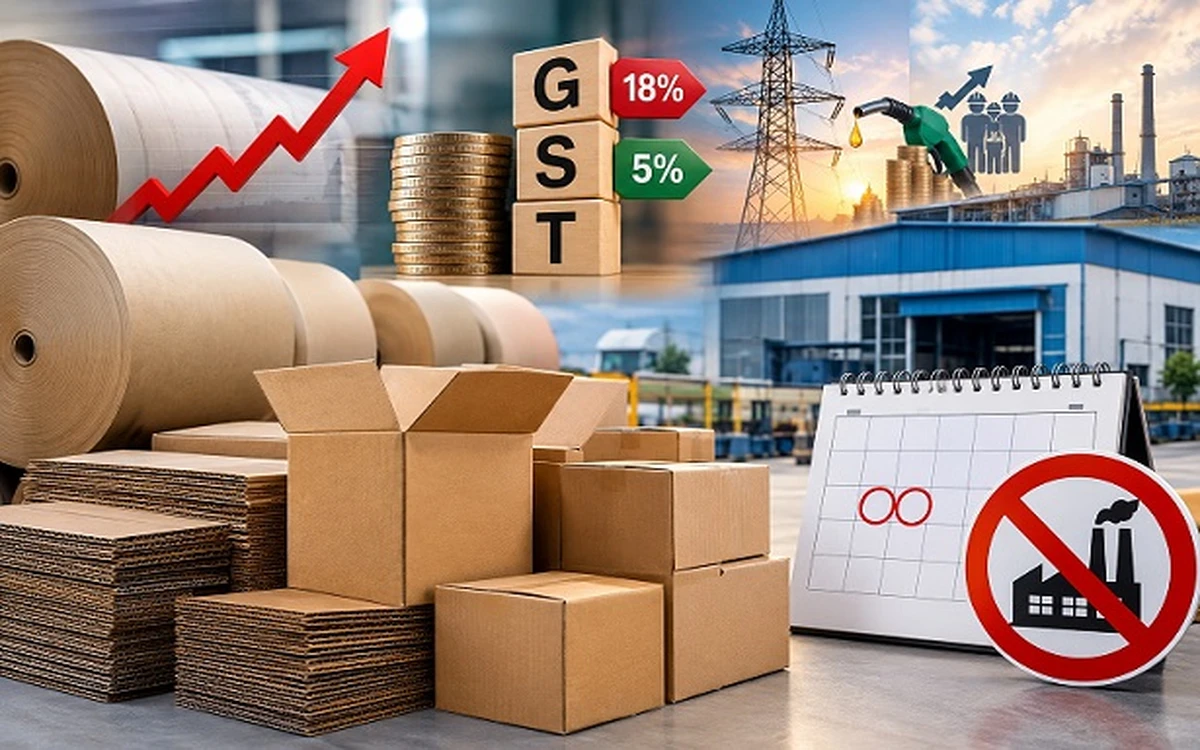
Overall Increase in Kraft Paper Prices Could Reach 35%; Industry Calls for 20% Box Price Increase, Voluntary Shutdown Proposed
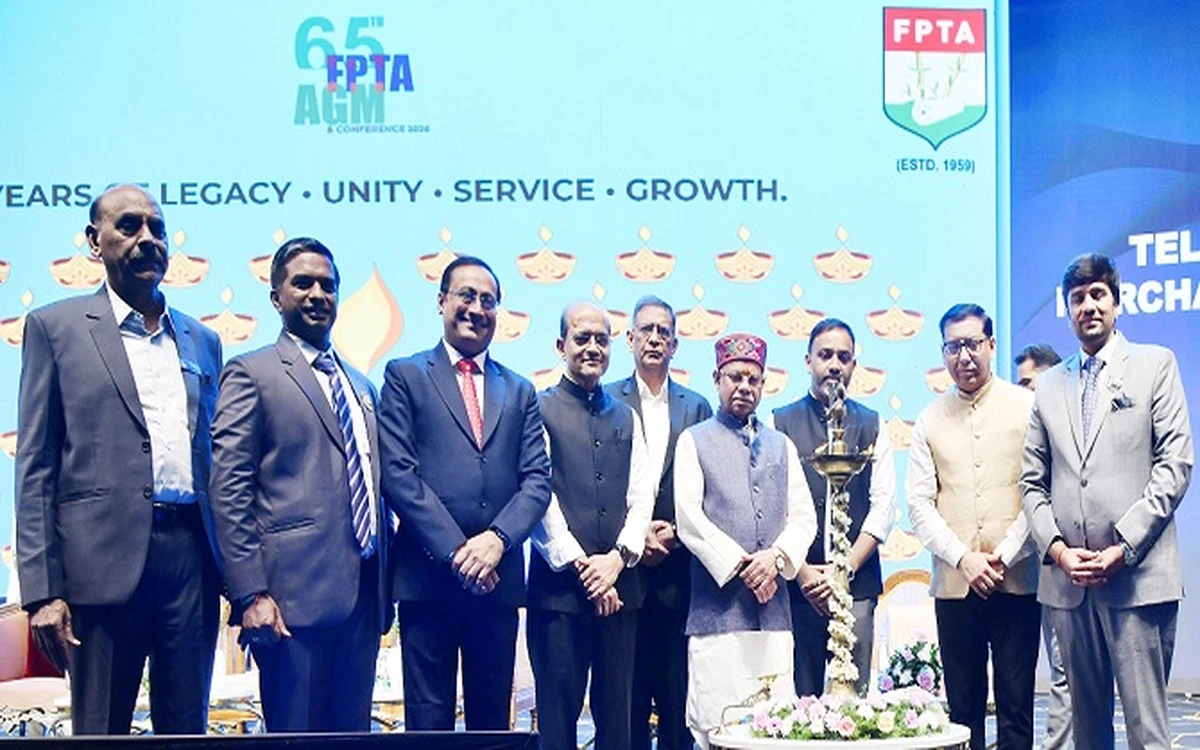
Paper Mills and Dealers Must Work Together to Create New Demand, Say Industry Leaders at FPTA’s 65th AGM

Ruchira Papers Invests a Sizeable Capex of Rs. 235–240 Crore Towards Writing & Printing Paper Capacity Expansion

Paper mills inflated the basic ex-mill price of paper post GST 2.0, AINMA seeks action against Anti-Profiteering
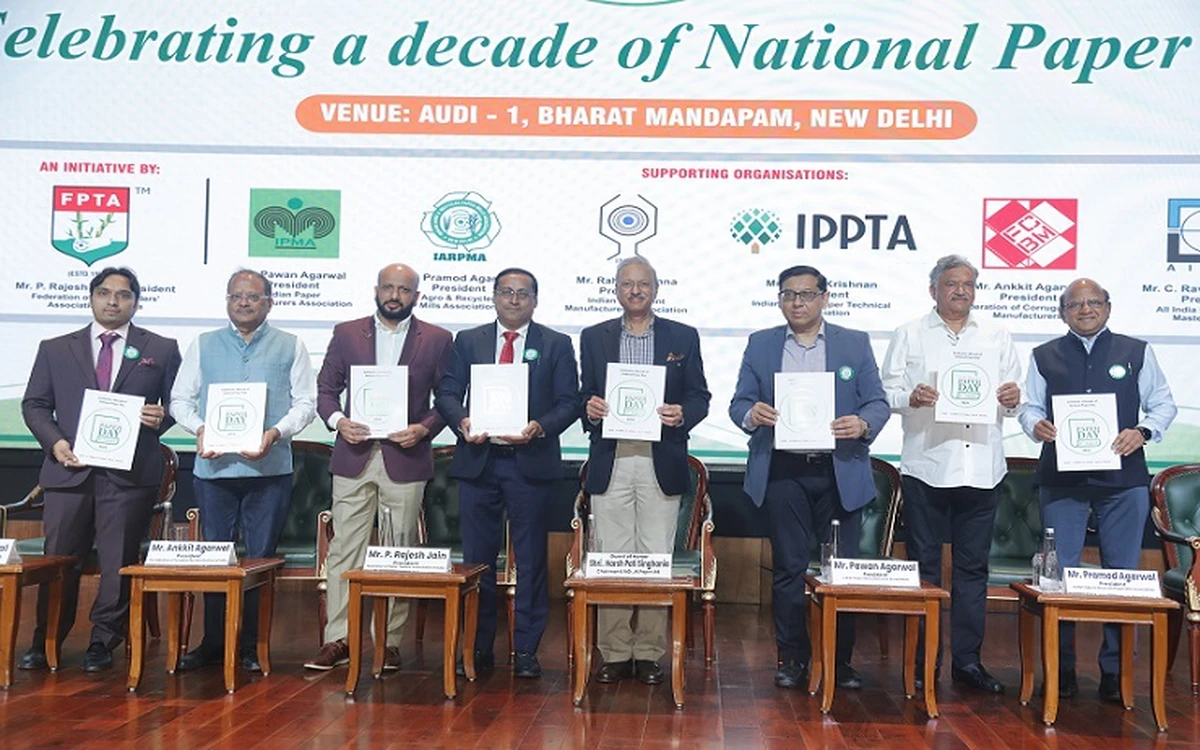
Seven Leading Associations Unite to Celebrate National Paper Day, Highlighting Paper's Sustainability and Circular Economy Advantage

Scientists from IIT-Guwahati develop India's first biodegradable plastic

Navneet Education focuses on brand building, curriculum-led growth, and export recovery; expects stationery margins to improve in FY27

It is estimated that USD10B to USD20B worth of single-use plastic packaging will convert to molded fiber, ZUME
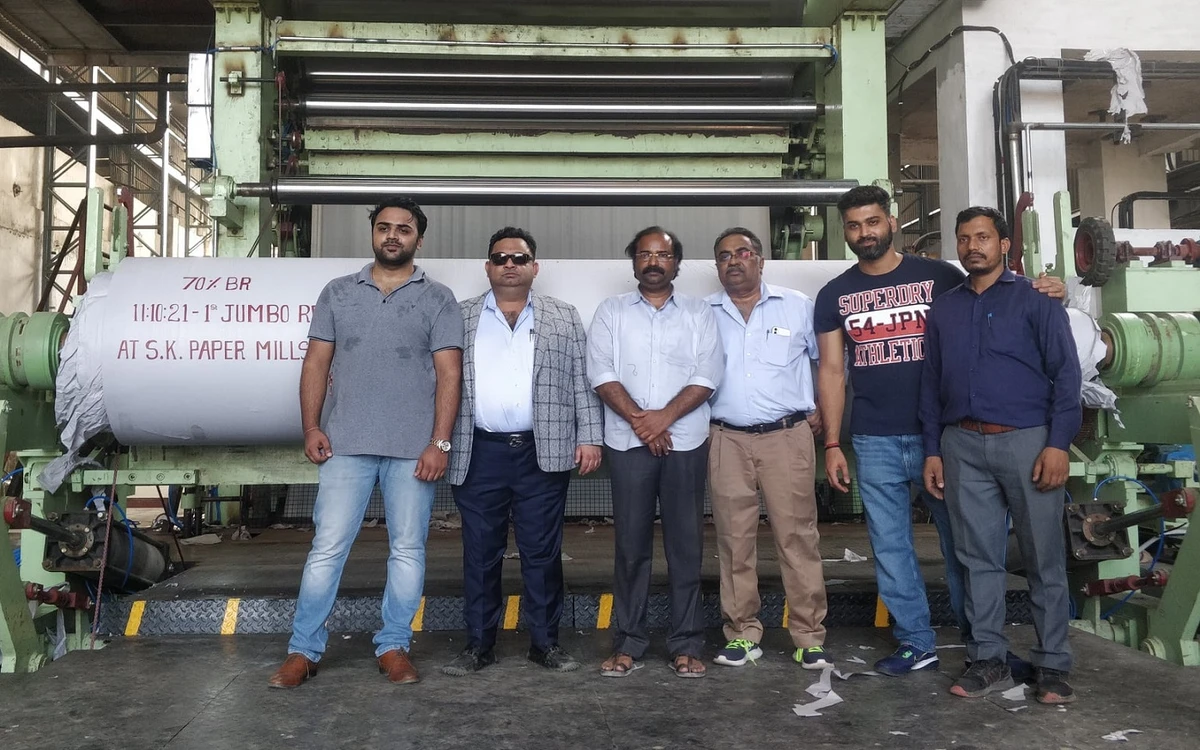
Muzaffarnagar gets a new capacity of Tissue Paper and MG Poster paper

“The integration of digitalization, automation, and Artificial Intelligence (AI) is no longer a futuristic concept—it is the baseline for competitiveness in 2036” - Vinit Garg, Director, Vizen Solutions

DPIIT Report on the Paper Industry: Recent Expansions & Upgrades, Fastest-Growing Segments, and Total Operational Paper Mills in India

Overview of exports of select type of paper and key raw material used in the industry by Crisil Intelligence

Margin pressure pushes Pulp & Paper Packaging sector toward AI-Driven cost optimization, Cutting costs by 8–20%

The Pulp and Paper Times Magazine : Volume 6, Issue 1

The Pulp and Paper Times Magazine : Volume 5, Issue 6
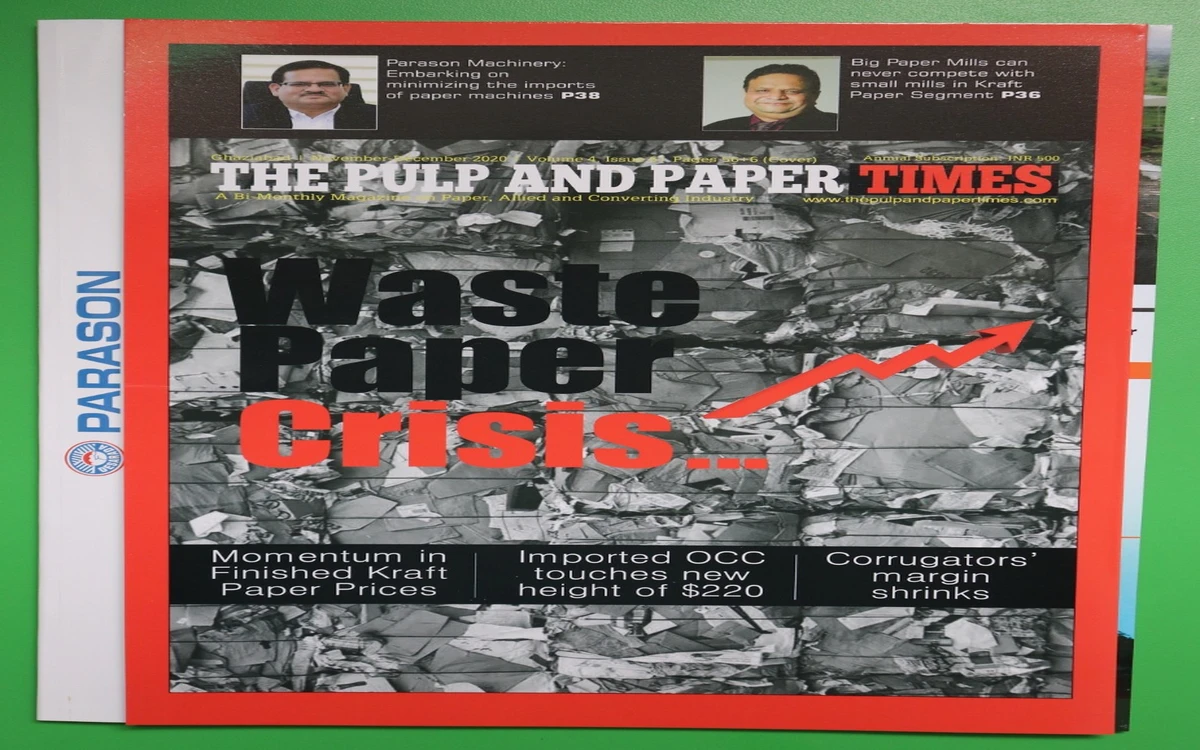
The Pulp and Paper Times: Volume 4, Issue 6

The Pulp and Paper Times : Volume 3, Issue 6
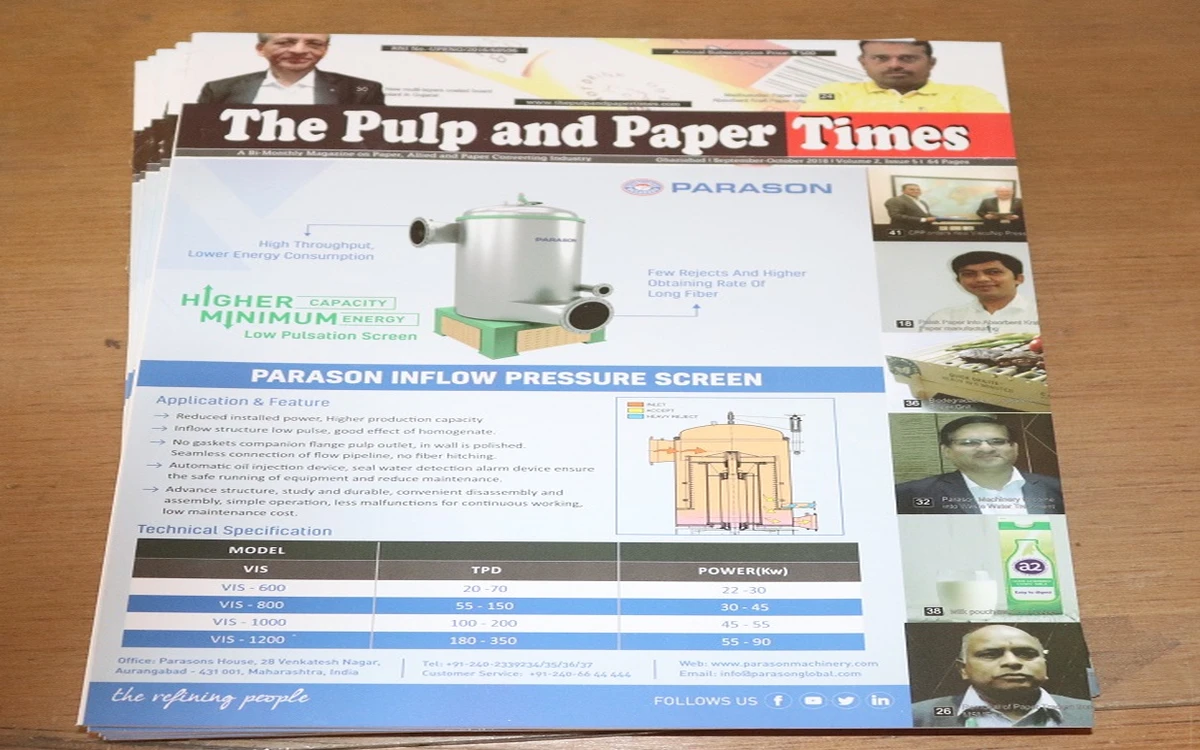
The Pulp and Paper Times: Volume 2 Issue 5

The Pulp and Paper Times, Volume 1, Issue 3

The Pulp and Paper Times, November 2016 Issue

Paper Mills Show Mixed Performance as Realisations, Efficiency and Modernisation Shape Results
The Pulp and Paper Times
The first-quarter results of FY27 from Tamil Nadu Newsprint Limited (TNPL), Pudumjee Paper Products, West Coast Paper Mills and Satia Industries present a mixed picture for India’s paper sector. While companies faced pressure from geopolitical developments, higher input costs and production disruptions, improved realisations, operational efficiencies, product mix and ongoing modernisation supported performance across several businesses.
The results indicate that the quarter was less about broad-based volume growth and more about cost management, pricing, operational efficiency and strategic investment in manufacturing capabilities.
TNPL: Profitability Returns Despite Lower Production
Tamil Nadu Newsprint Limited (TNPL) reported relatively stable revenue in Q1 FY27, with total revenue increasing marginally to Rs. 1,160.38 crore, compared with Rs. 1,154.55 crore in the corresponding quarter of the previous year.

The more significant improvement came at the operating level. EBITDA increased to Rs. 128.61 crore from Rs. 113.92 crore, representing an improvement of around 13% year-on-year. This suggests that despite limited revenue growth, the company was able to achieve better operating profitability.
The improvement became even more significant at the bottom line. TNPL moved from a loss before tax of Rs. 11.82 crore in Q1 FY26 to a profit before tax of Rs. 7.68 crore in Q1 FY27. Similarly, the company reported profit after tax of Rs. 5.74 crore, compared with a loss after tax of Rs. 7.41 crore in the previous-year quarter.
However, the recovery took place against a challenging production environment. Paper production declined to 99,914 MT from 106,375 MT, while packaging board production fell to 48,064 MT from 49,682 MT.

The company also highlighted the impact of geopolitical uncertainty arising from the West Asia crisis, which pushed up the prices of key imported inputs including coal, pulp and chemicals. These increases affected the cost of production for both paper and packaging board.
TNPL's Q1 performance therefore highlights a key industry trend: profitability can improve even without volume growth when operational performance and realisations offset cost pressures.
Satia Industries: Modernisation Drives the Q1 Story
Satia Industries experienced a different set of pressures during the quarter. Revenue from operations stood at INR 3,618 million, down 2% from INR 3,709 million in Q1 FY26 and 7% from INR 3,896 million in Q4 FY26.

The company said pricing witnessed an uptick during the quarter, but volumes were affected by the planned shutdown of Paper Machine 3 (PM3) from June 1, 2026.
At first glance, the company's INR 171 million net loss appears to represent a significant deterioration from the INR 316 million profit recorded in Q1 FY26. However, the company clarified that the loss was primarily attributable to a one-time, non-cash deferred tax charge resulting from the transition to the concessional tax regime.
Consequently, the reported net loss does not represent a corresponding cash outflow or necessarily indicate deterioration in underlying operating performance.
More importantly, Satia's management highlighted that demand remained steady and realisations improved due to moderation in import dumping. This is an important development for domestic writing and printing paper manufacturers, as improved realisations can support margins even when volumes remain under pressure.

The major strategic development during the quarter was the modernisation and upgradation of PM3. The refurbishment is expected to continue for four to five months and is intended to increase production capacity, improve product quality and strengthen operating efficiencies.
Therefore, Satia's Q1 results should be viewed largely through the lens of capacity modernisation rather than the reported bottom-line loss. The quarter involved a deliberate production disruption as the company invested in its manufacturing platform.
Pudumjee Paper: Revenue Growth, but EBITDA Margin Moderates
Pudumjee Paper Products reported turnover of Rs. 203 crore in Q1 FY27, compared with Rs. 196 crore in the corresponding period last year, representing growth of approximately 4%.
However, EBITDA declined slightly to Rs. 51 crore from Rs. 52 crore despite the increase in turnover. Consequently, the EBITDA margin moderated to 25% from 27%.
This indicates that while Pudumjee continued to benefit from higher turnover, the incremental revenue did not translate into corresponding EBITDA growth.
The company's strategic focus remains on biodegradable and compostable specialty papers with barrier properties, designed to protect packaged contents. These products serve sustainable packaging applications across food, pharmaceuticals, hospital supplies, hygiene, confectionery and related sectors.
Pudumjee is also in the process of applying for environment clearance for construction of its project at Mahad. The company's focus on specialty and sustainable packaging papers positions it toward segments where demand is witnessing growth.

The Q1 numbers therefore show a business combining relatively healthy revenue performance with continued investment in higher-value sustainable paper applications.
West Coast Paper: Strong Sequential Profit Recovery
West Coast Paper Mills delivered the strongest sequential profit improvement among the four companies based on the figures provided.
The company reported standalone profit after tax of Rs. 108.68 crore in Q1 FY27, compared with Rs. 48 crore in Q4 FY26, representing a 122% quarter-on-quarter increase.
According to Chairman and Managing Director Mr. S.K. Bangur, the improvement was primarily driven by better operational efficiency in the Paper Division and higher realisations, while the Cable Division benefited from a better product mix.
The company's performance highlights the importance of operational efficiency and product mix in a market where input costs and demand conditions remain dynamic.
West Coast's Q1 performance also demonstrates that improved realisations, when combined with operational efficiencies, can have a significant impact on profitability even without relying solely on volume expansion.

Four Companies, Four Different Q1 FY27 Stories
The combined results reveal four distinct operating narratives.
TNPL demonstrated a turnaround in profitability, with revenue remaining broadly stable while EBITDA improved and the company moved from losses to profit.
Satia Industries faced temporary volume pressure because of the PM3 shutdown, but improved realisations and steady demand provided operational support. Its reported net loss was largely linked to a one-time, non-cash deferred tax charge.
Pudumjee Paper Products delivered revenue growth, although EBITDA and EBITDA margin moderated. Its continued emphasis on biodegradable, compostable and barrier specialty papers reflects a strategic shift toward sustainable packaging applications.
West Coast Paper Mills recorded a sharp sequential improvement in profit, supported by better operational efficiency, higher realisations and improved product mix.
Realisations and Efficiency Emerging as Key Profit Drivers
A common thread across the results is the growing importance of realisations and operational efficiency.
TNPL improved EBITDA despite a decline in paper and packaging board production. Satia reported improved pricing even as volumes were affected by the PM3 shutdown. West Coast specifically attributed its improved performance to higher realisations and better operational efficiency. Pudumjee, meanwhile, saw turnover increase but EBITDA decline, highlighting the challenge of converting revenue growth into proportional profitability.
At the same time, geopolitical developments remain a significant risk for the sector. TNPL specifically pointed to higher prices of imported coal, pulp and chemicals following the West Asia crisis, while Satia noted continuing changes in global trade flows and logistics.
The Q1 FY27 results therefore suggest that the Indian paper industry continues to operate in a highly dynamic cost and demand environment, where companies with stronger operational control, improved realisations, differentiated products and modernised assets may be better positioned to protect profitability.
For the coming quarters, the performance of these companies will depend not only on paper demand and pricing, but also on how effectively they manage input costs, production efficiency, capacity modernisation and product mix.

22 hours ago
Total Views : 1639
2 days ago
Total Views : 548

4 days ago
Total Views : 1218
last week
Total Views : 3564
last week
Total Views : 2611

last week
Total Views : 764
last week
Total Views : 3492
2 weeks ago
Total Views : 3557

2 weeks ago
Total Views : 6865

2 weeks ago
Total Views : 1055