Join Groups & Channels, No Spamming









Morbi paper mills see full-capacity operations as ceramic industry revives; Kraft paper exports to China spike, Prices strengthen; Janmashtami shutdown ahead

The BE and caustic soda plant marks a key milestone for Mohit Paper Mills, enabling full utilization of installed capacity and enhancing overall production efficiency
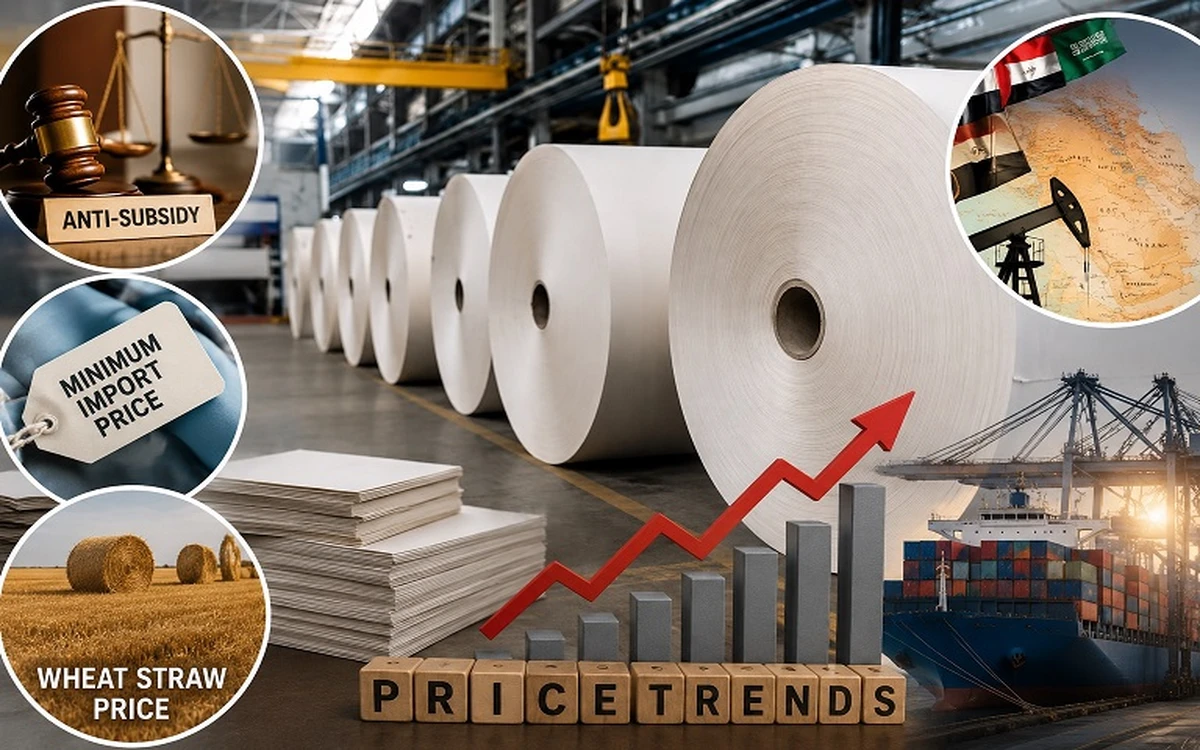
Expert Views on the paper market scenario, How the West Asia Crisis Helped the Industry, MIP for WPP, Anti-Subsidy implementation, and paper price trends
Pudumjee Paper intends to develop new varieties addressing applications for stronger paper bags and cupcakes; Plans 68,000 MT Mahad Specialty Paper Facility within 5 years
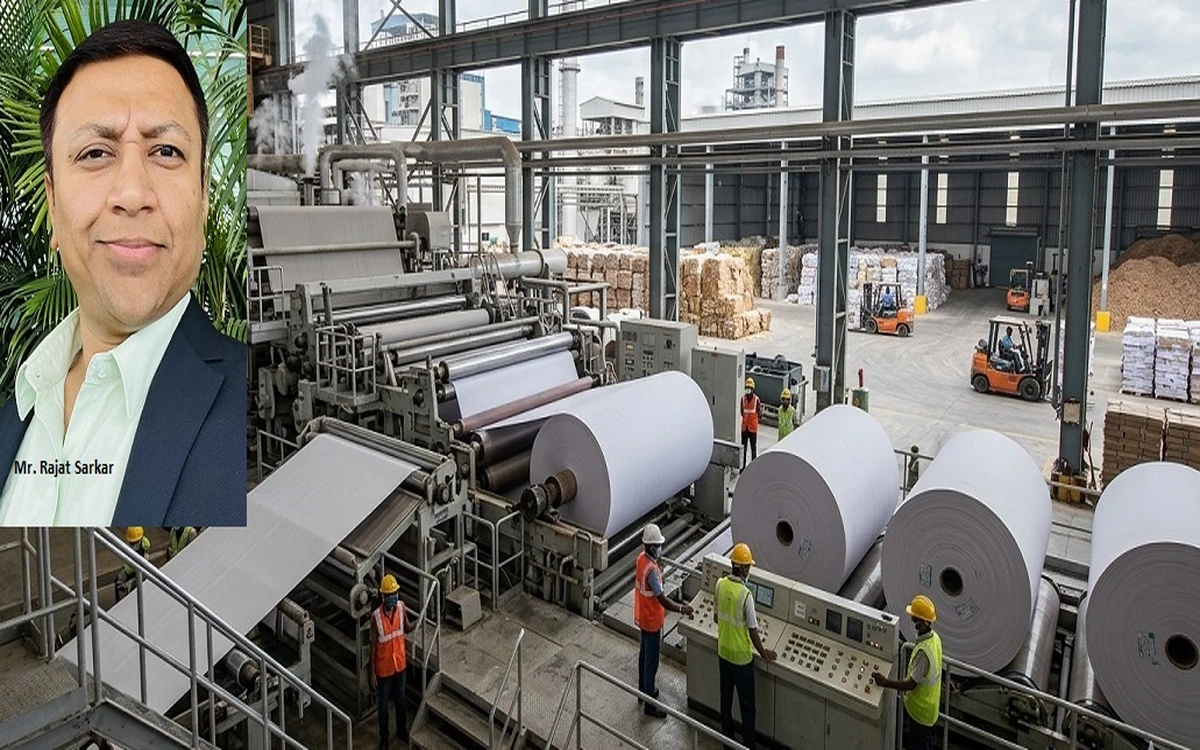
India Paper Industry at an Inflection Point: War, Costs, and Capacity; Demand growth expected at 5–7% in FY26
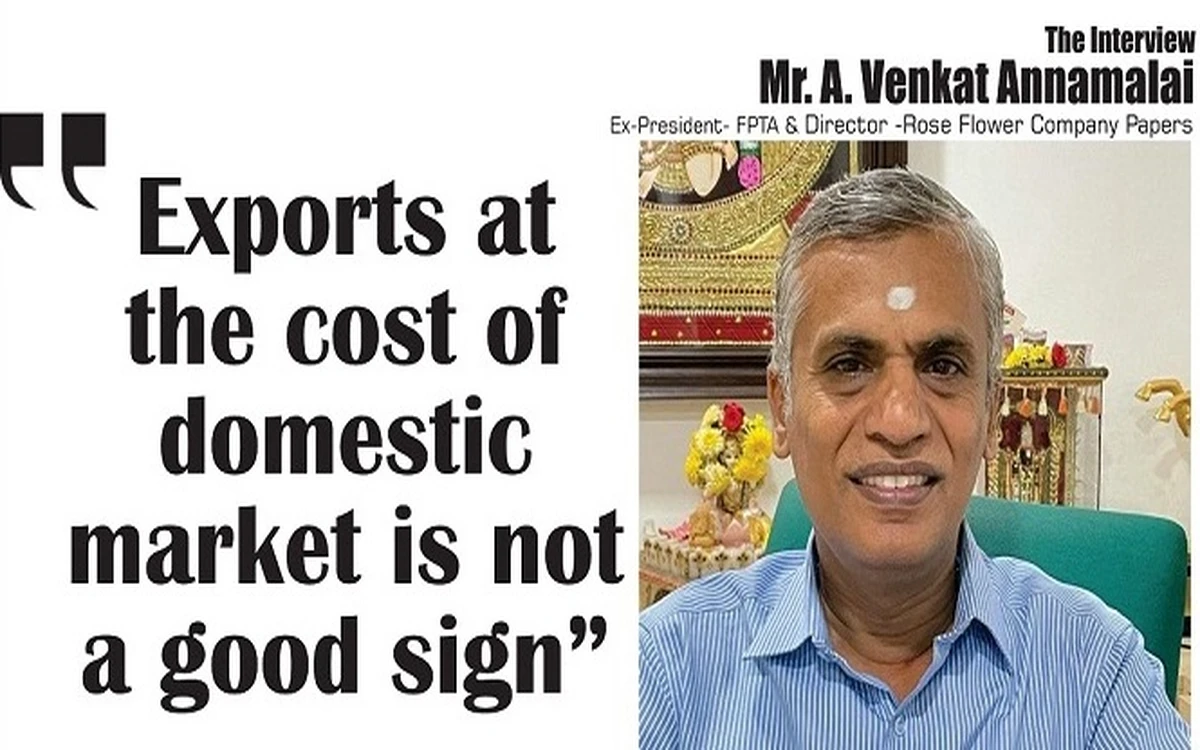
“Surging exports of paper will most certainly keep the domestic prices quite high”: Mr. A. Annamalai, Director – RFC
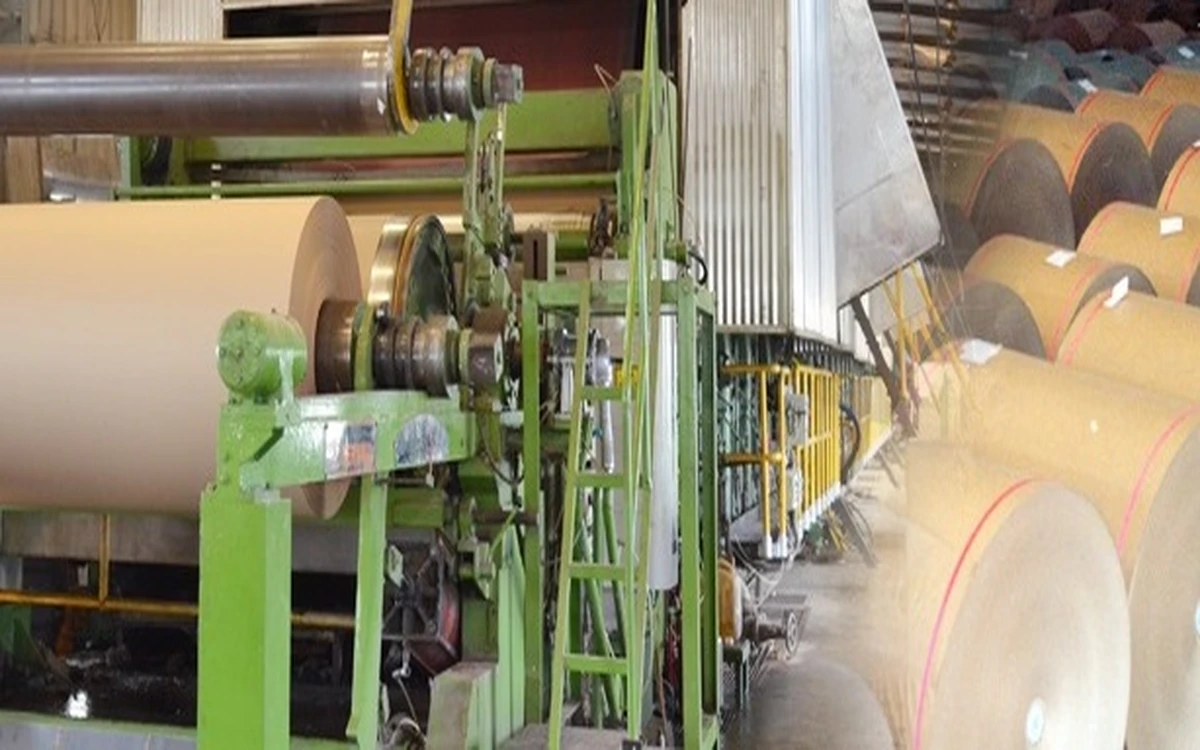
The Status of the Global Container board Industry, Recycled Paper Demand and Supply and its impact on the Indian Industry

Akshay Jain, director of Silverton Pulp & Paper, says it's time to promote agro residue as a raw material to lessen the scarcity of fibre
Advantageously located, a new paper mill is all set to roll kraft paper in Madhya Pradesh
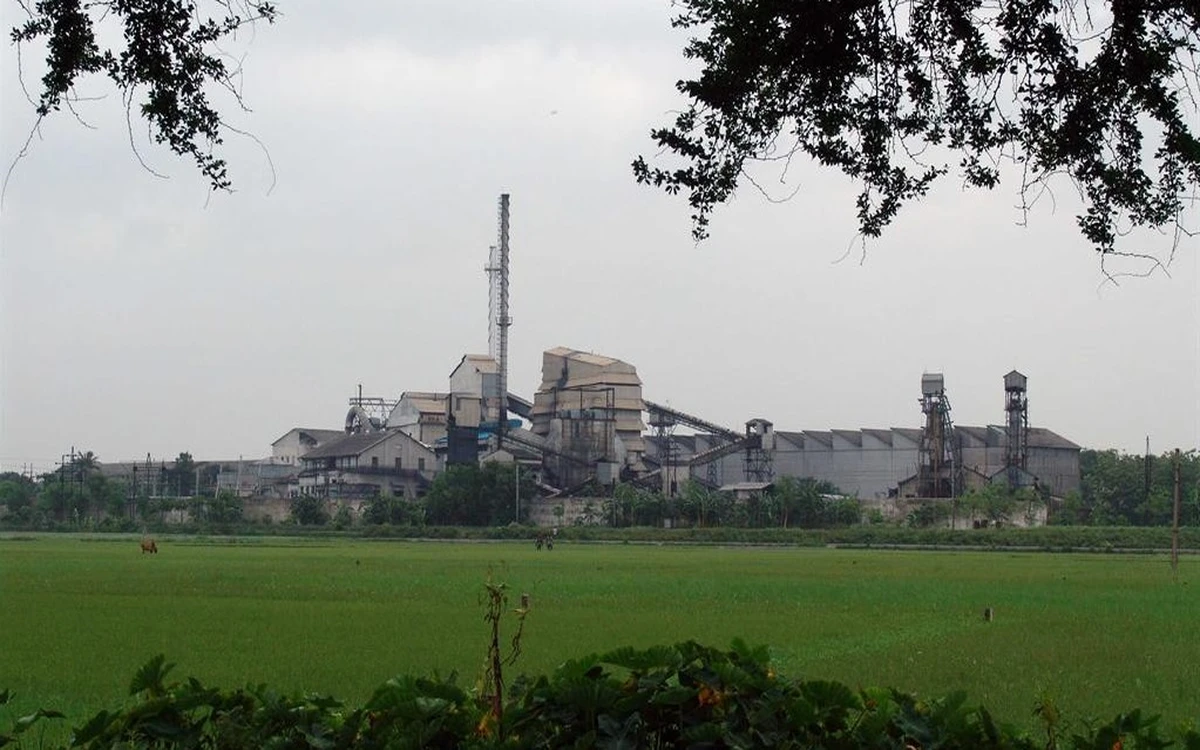
Several agile interventions helped ITC-PSPD fortify its clear leadership of the Value Added Paperboards (VAP) segment
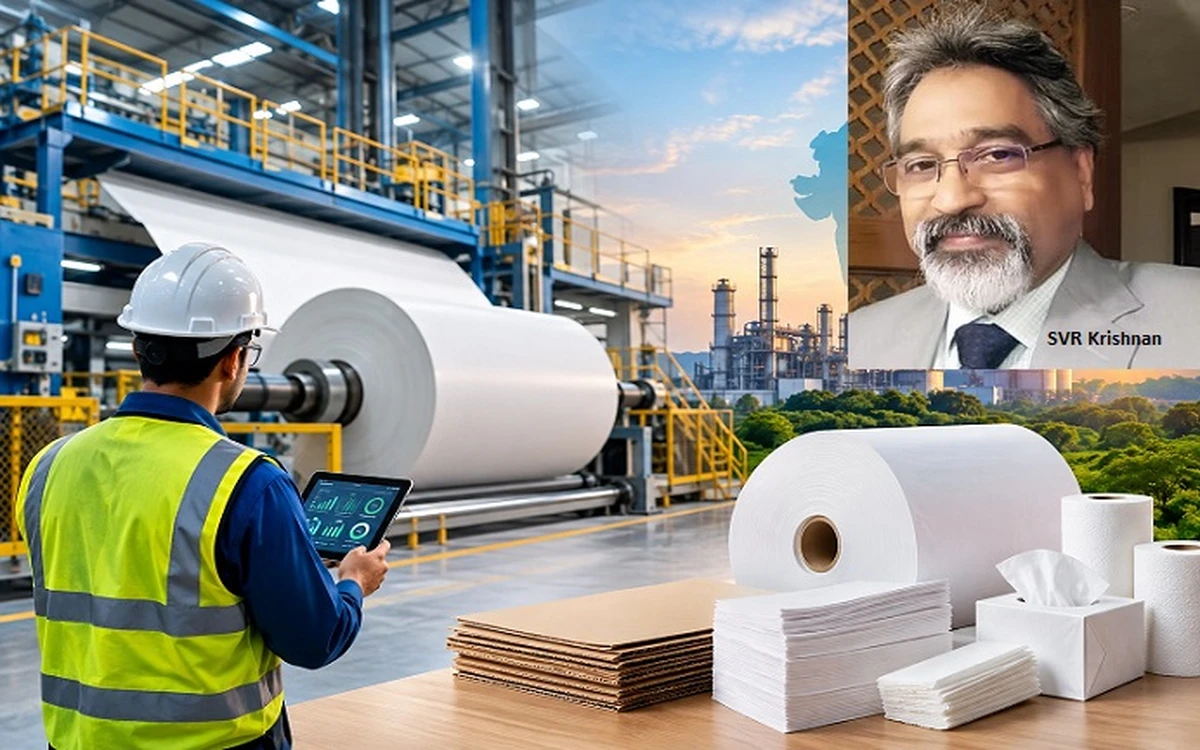
Operational Excellence, Not Just Capex, Will Drive India's Paper Industry Forward: IPPTA President

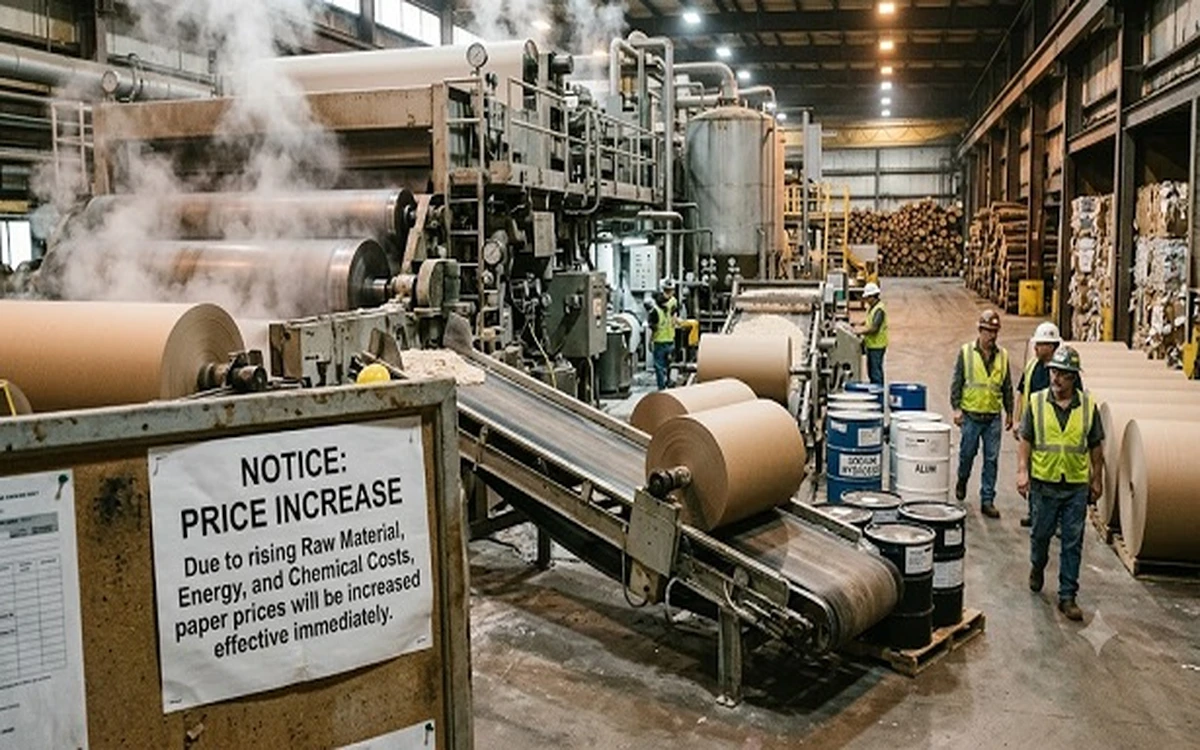
Overall Increase in Kraft Paper Prices Could Reach 35%; Industry Calls for 20% Box Price Increase, Voluntary Shutdown Proposed

Paper Mills and Dealers Must Work Together to Create New Demand, Say Industry Leaders at FPTA’s 65th AGM

Ruchira Papers Invests a Sizeable Capex of Rs. 235–240 Crore Towards Writing & Printing Paper Capacity Expansion
Paper mills inflated the basic ex-mill price of paper post GST 2.0, AINMA seeks action against Anti-Profiteering
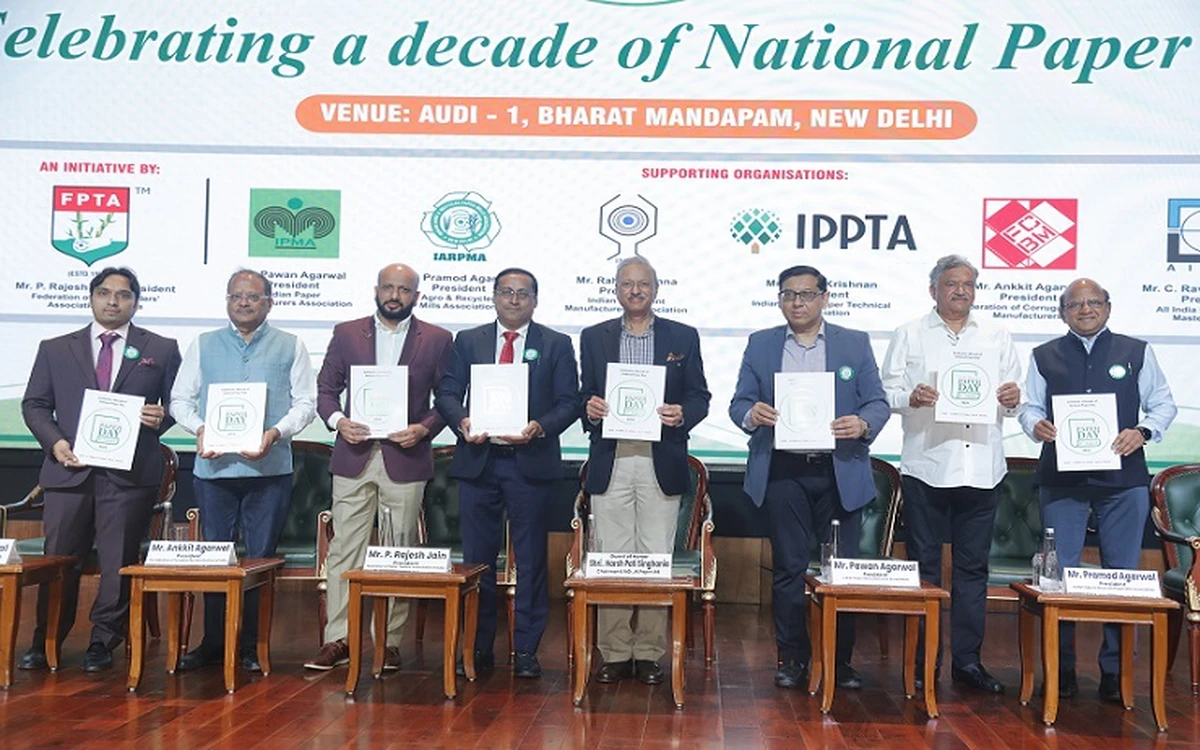
Seven Leading Associations Unite to Celebrate National Paper Day, Highlighting Paper's Sustainability and Circular Economy Advantage

Scientists from IIT-Guwahati develop India's first biodegradable plastic

Navneet Education focuses on brand building, curriculum-led growth, and export recovery; expects stationery margins to improve in FY27

It is estimated that USD10B to USD20B worth of single-use plastic packaging will convert to molded fiber, ZUME
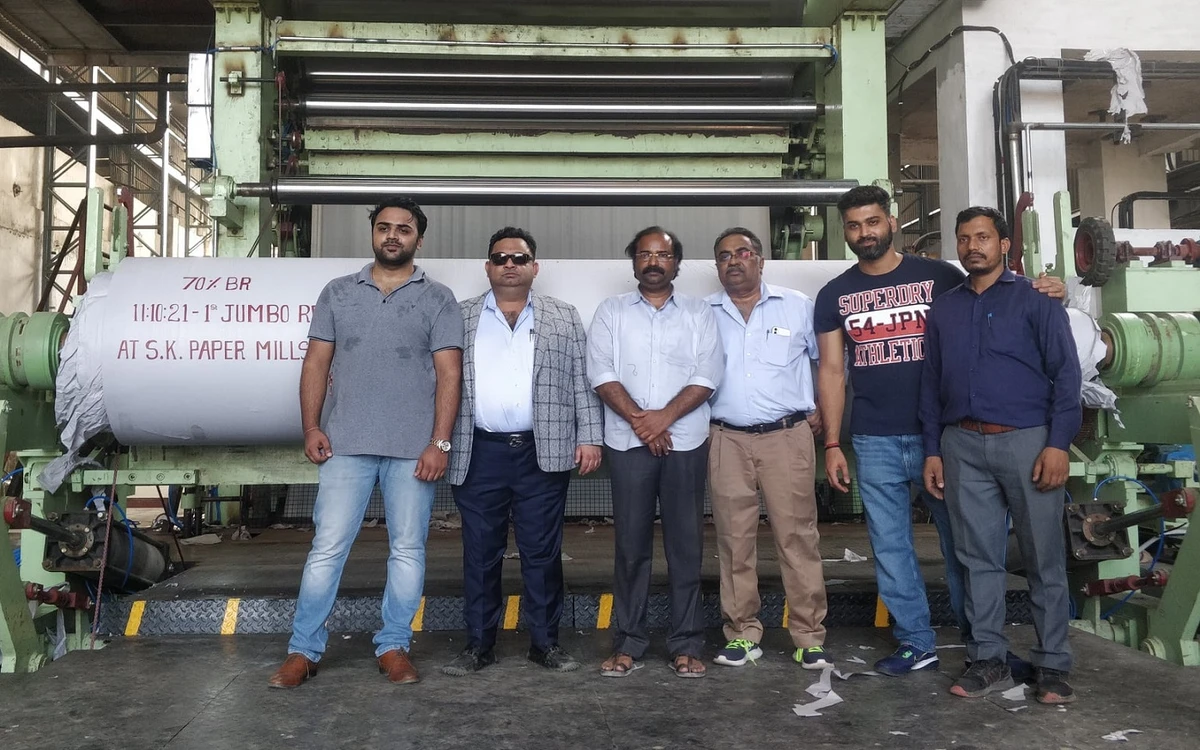
Muzaffarnagar gets a new capacity of Tissue Paper and MG Poster paper

“The integration of digitalization, automation, and Artificial Intelligence (AI) is no longer a futuristic concept—it is the baseline for competitiveness in 2036” - Vinit Garg, Director, Vizen Solutions
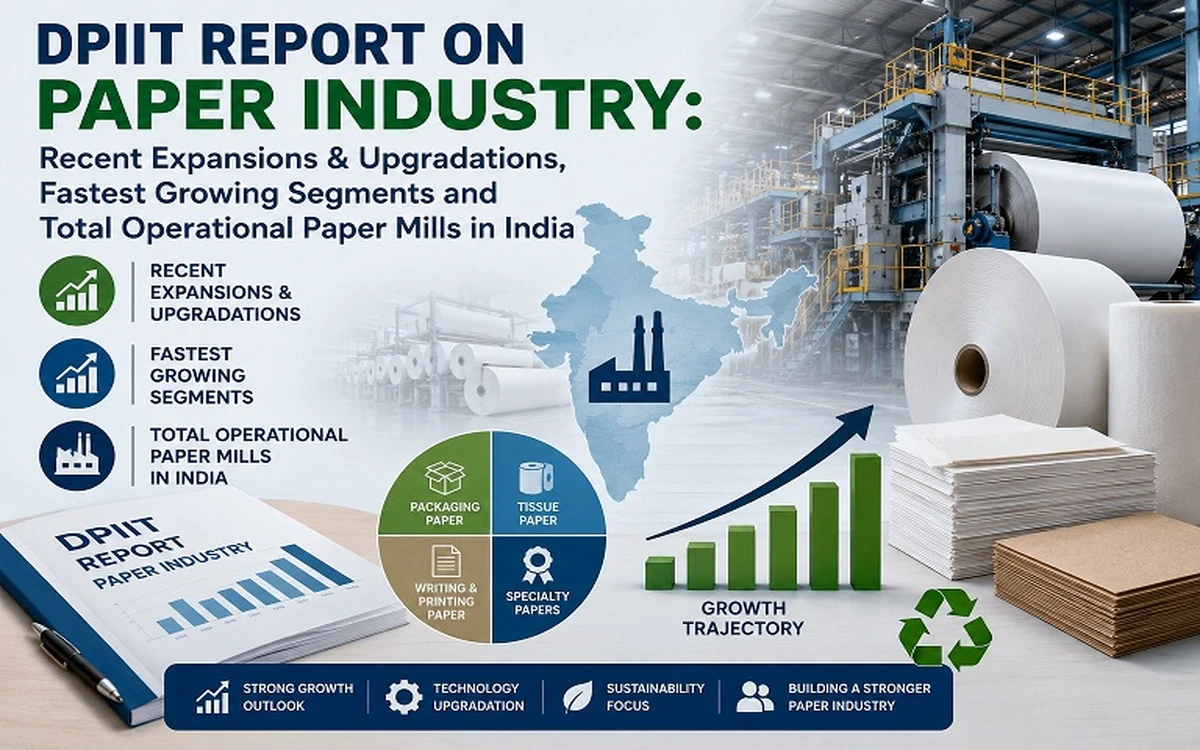
DPIIT Report on the Paper Industry: Recent Expansions & Upgrades, Fastest-Growing Segments, and Total Operational Paper Mills in India
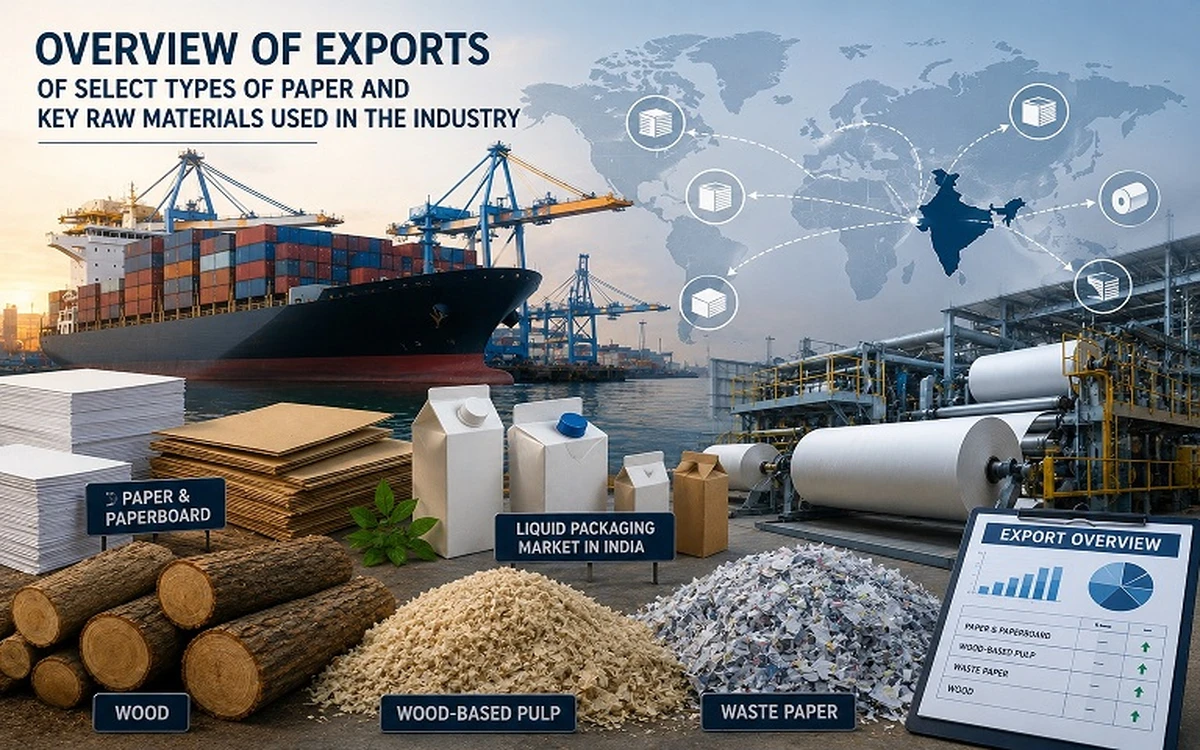
Overview of exports of select type of paper and key raw material used in the industry by Crisil Intelligence

Margin pressure pushes Pulp & Paper Packaging sector toward AI-Driven cost optimization, Cutting costs by 8–20%
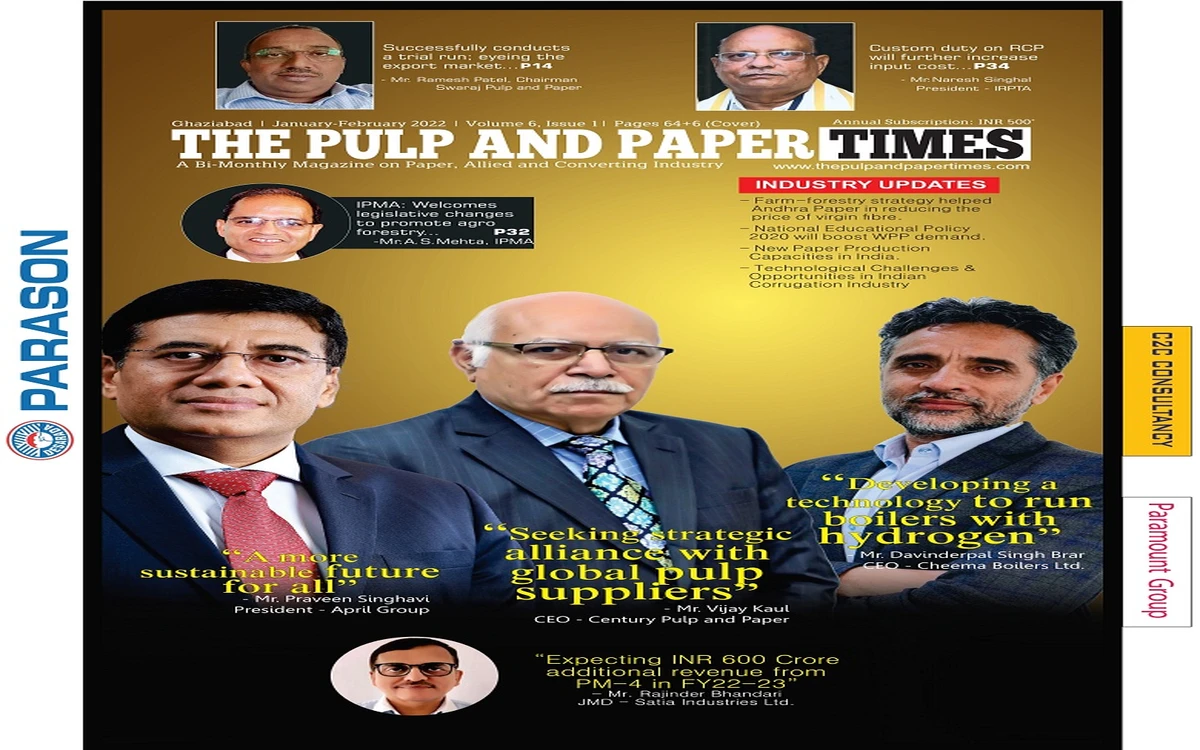
The Pulp and Paper Times Magazine : Volume 6, Issue 1
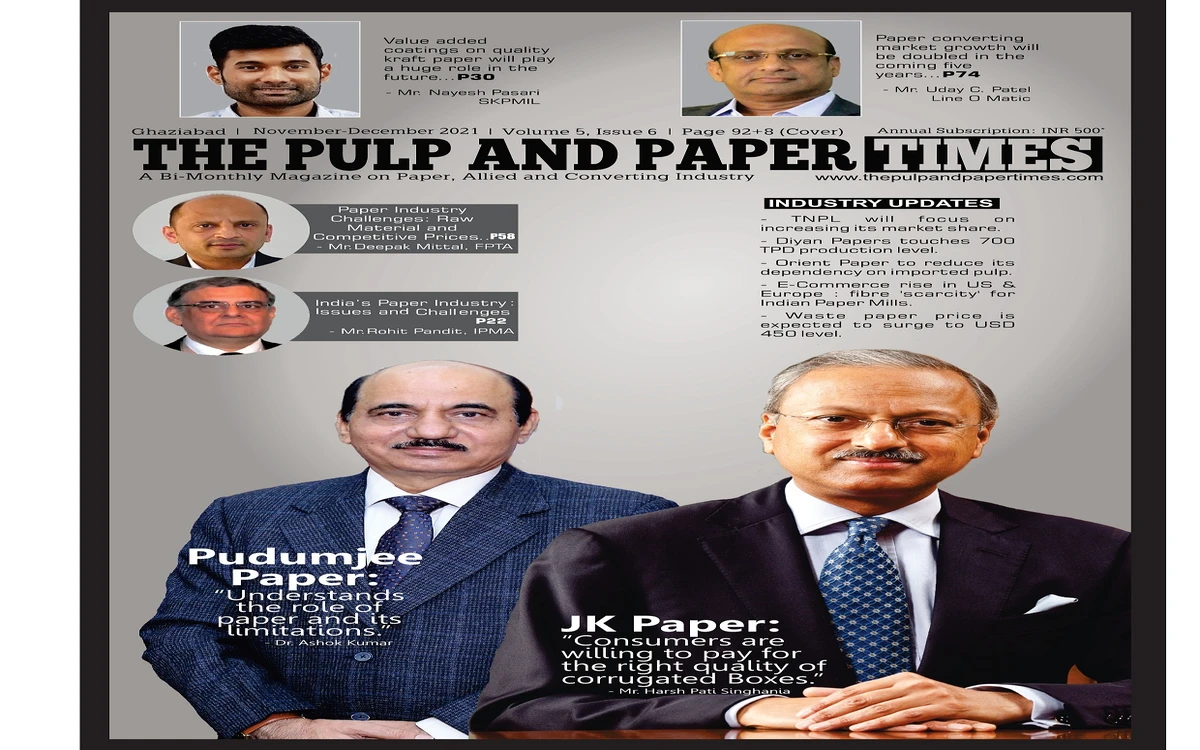
The Pulp and Paper Times Magazine : Volume 5, Issue 6
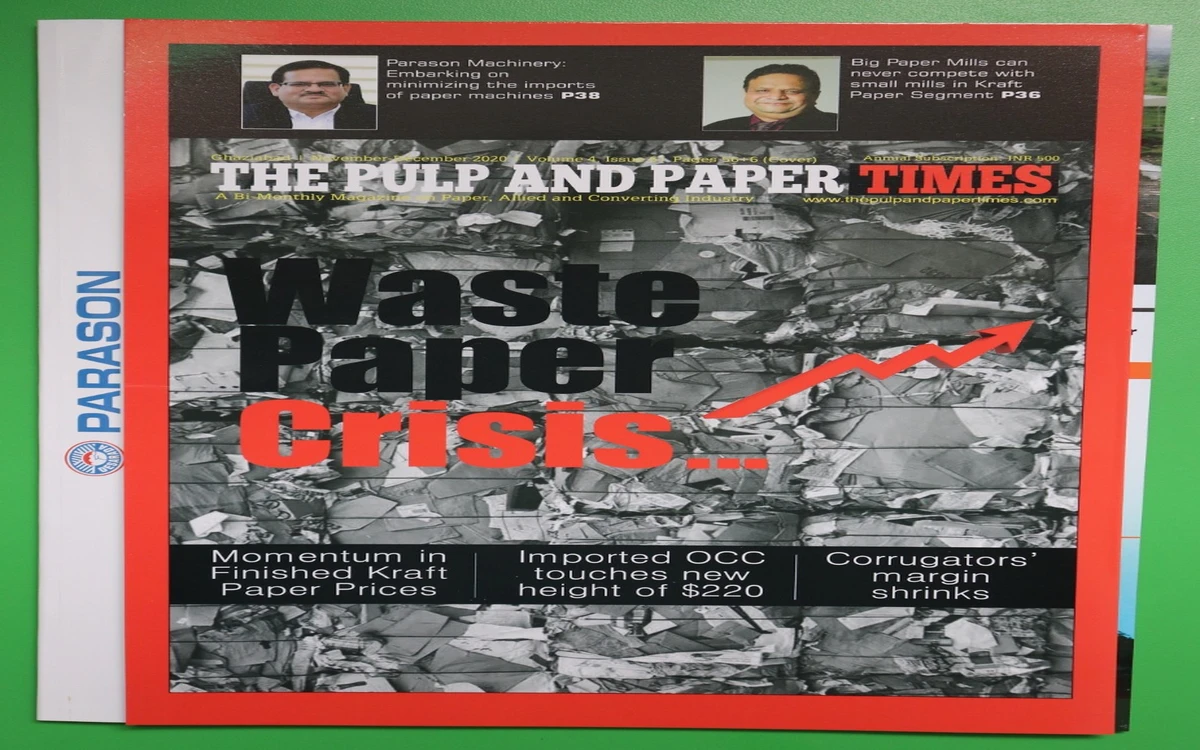
The Pulp and Paper Times: Volume 4, Issue 6
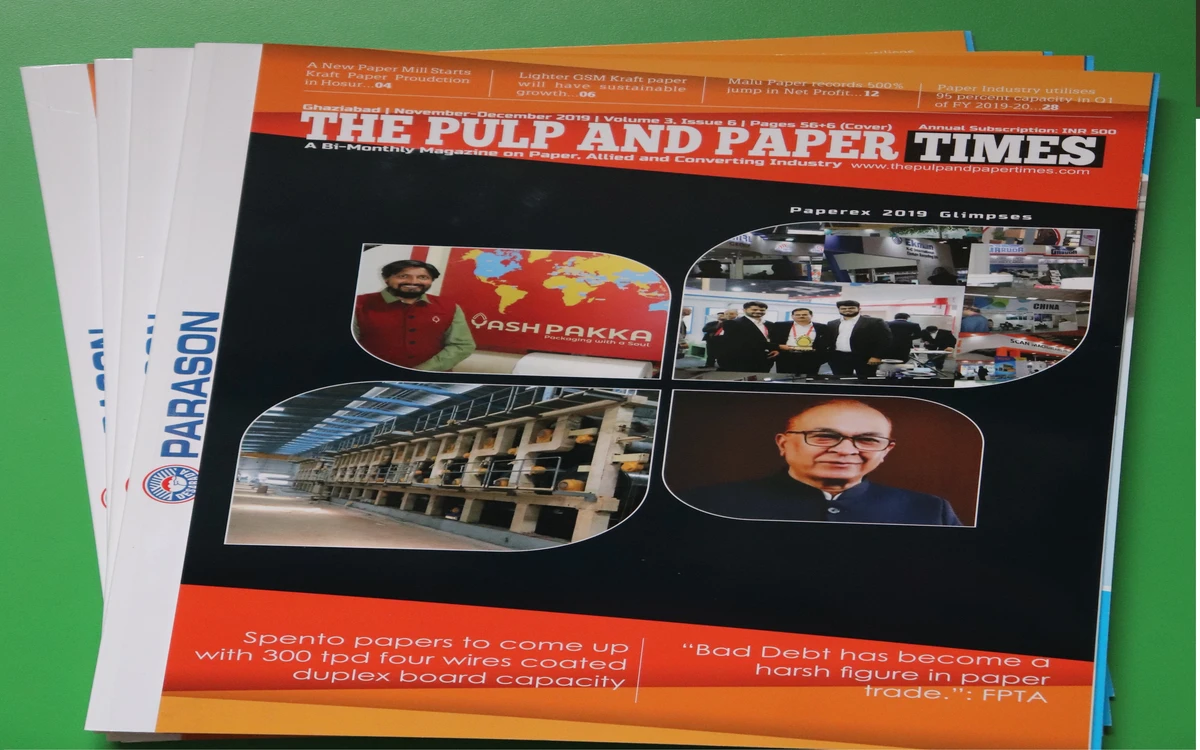
The Pulp and Paper Times : Volume 3, Issue 6
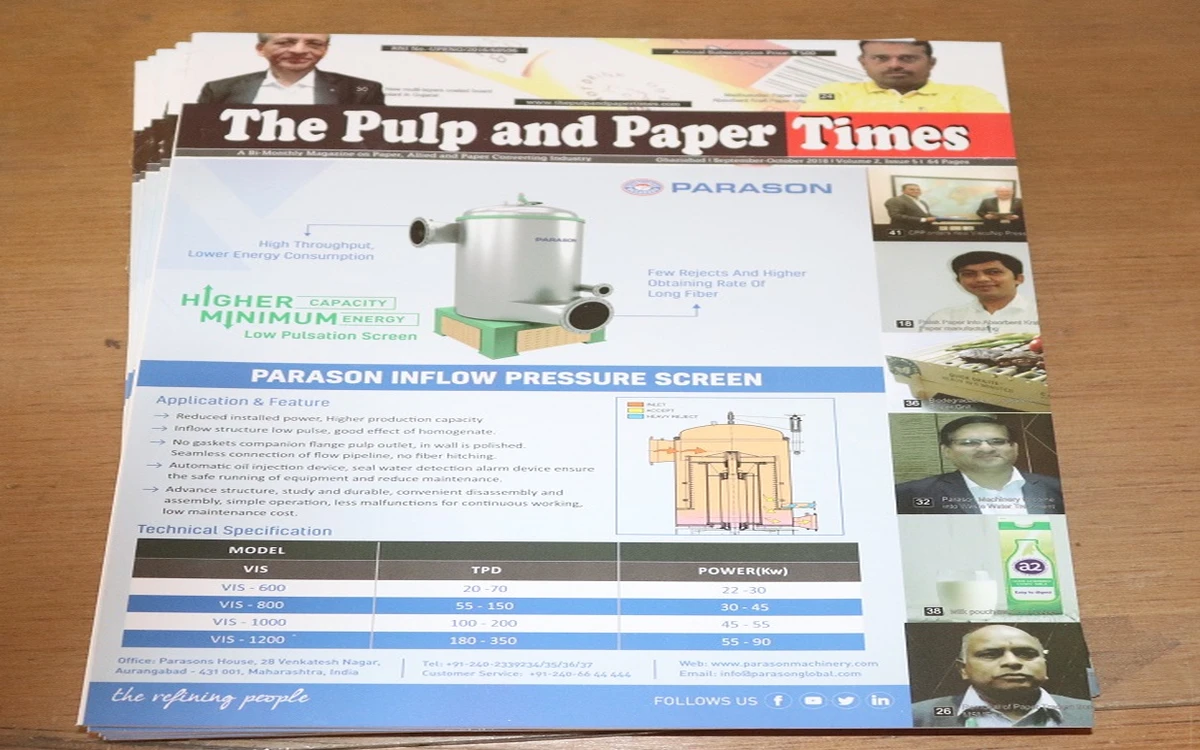
The Pulp and Paper Times: Volume 2 Issue 5
The Pulp and Paper Times, Volume 1, Issue 3
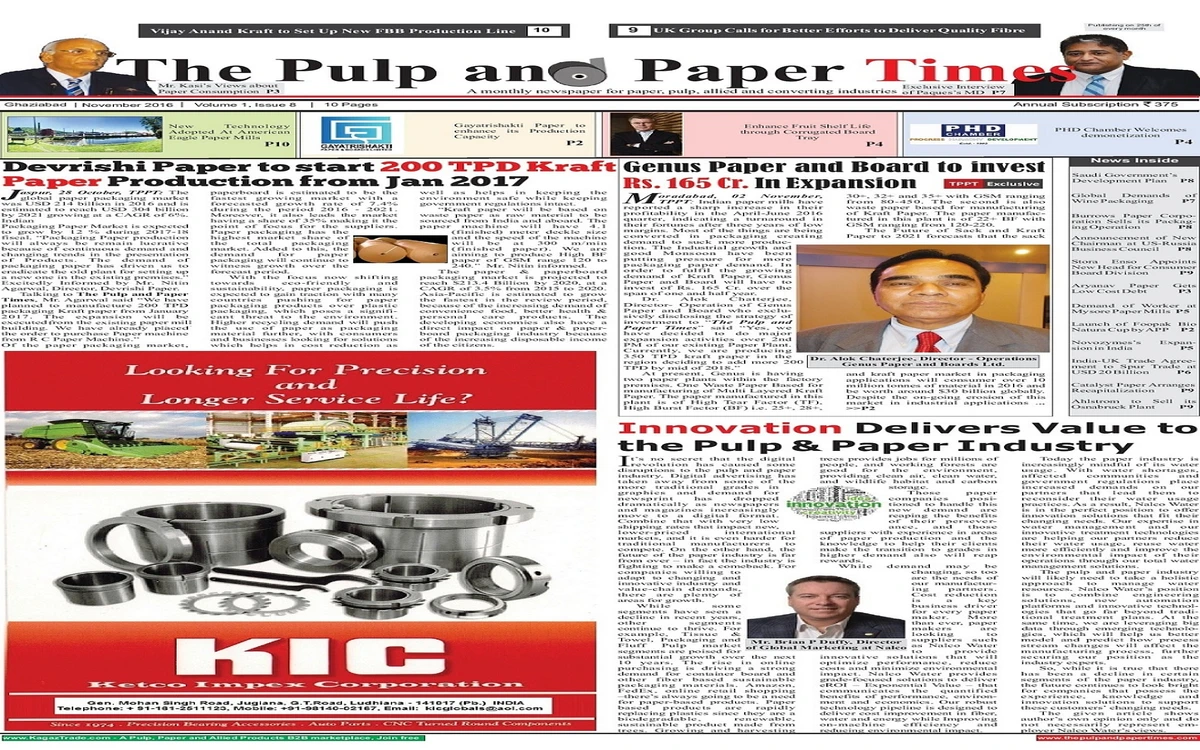
The Pulp and Paper Times, November 2016 Issue

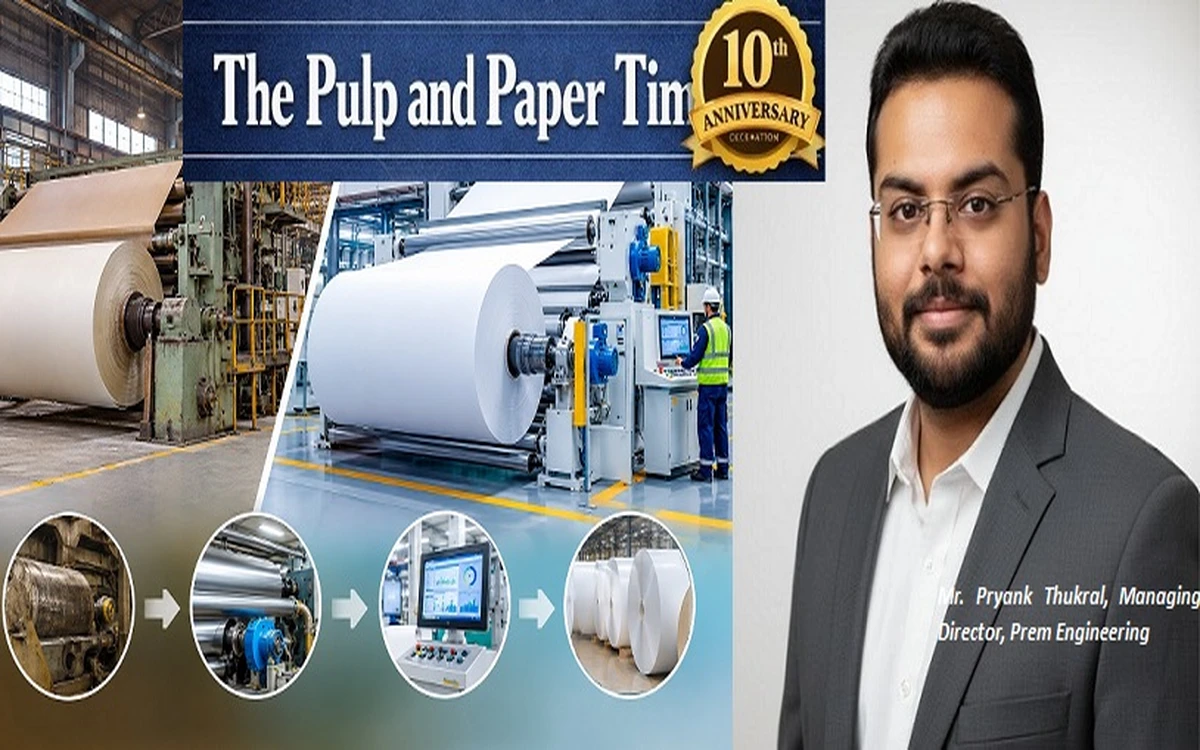
Completing a decade of industry-focused journalism, The Pulp and Paper Times proudly presents this special anniversary feature exploring the future of paper manufacturing. With the theme “Smart, Sustainable, Scalable: How Paper Machine & Technology Suppliers Will Shape the Paper Industry 2036,” we invited some of the world's leading machine builders and technology suppliers to share their vision for the next ten years. From intelligent automation and energy efficiency to next-generation production technologies, their perspectives reveal how the industry is preparing for a new era of growth and sustainability. Here is perspective of Mr. Ankur Dwivedi, Manager – India Region, Runtech Systems
The Pulp and Paper Times
The paper industry has continuously evolved over the years. From manually operated machines to highly automated and high-speed paper machines, each phase of development has brought new opportunities and challenges. As the industry moves toward the next decade, success will depend not only on production capacity, but increasingly on efficiency, sustainability and intelligent process control.
Earlier, paper mills focused primarily on increasing machine speed and maximizing output. Today, expectations are far more comprehensive. Mills must deliver consistent product quality while reducing energy consumption, water usage and total operating costs. Environmental responsibility has become central to business strategy, making efficient resource utilization and reduction of carbon footprint critical for long-term sustainability.

Modern paper machines already generate vast amounts of real-time operational data. In the future, this data will increasingly be utilized through AI-driven analytics and predictive control systems. These technologies will allow mills to simulate process conditions, identify inefficiencies in advance and continuously optimize operations. As a result, mills will move from reactive operation to fully predictive and self-optimizing systems.
Energy efficiency and water management will remain major drivers of future investments. Advanced technologies such as high-efficiency vacuum systems, optimized drives, heat recovery systems and next-generation dewatering solutions will significantly reduce power consumption and freshwater usage. Improved dewatering efficiency will further reduce steam demand in the dryer section, lowering operating costs and carbon emissions.
A key area of transformation will be vacuum system technology. The industry is moving toward high efficiency turbo blower vacuum systems, including both advanced conventional designs and magnetic levitation (maglev)-based systems. Modern conventional turbo blowers already deliver substantial energy savings and improved reliability compared to legacy systems. Maglev technology further enhances performance by eliminating mechanical contact, reducing friction and maintenance requirements.

In the coming years, these systems will be combined with intelligent vacuum controls that automatically adjust vacuum levels based on machine conditions. This will improve sheet formation, enhance runnability and optimize energy consumption, leading to better productivity and lower operational costs.
Automation systems will evolve toward more autonomous operations. Intelligent platforms will monitor performance and take corrective actions in real time. Combined with machine vision and advanced sensors, future mills will detect defects and process deviations earlier, improving consistency and reducing waste.
Remote monitoring, commissioning and digital service support will continue to expand, enabling faster expert intervention and reduced downtime. These solutions also reduce travel-related costs and emissions, supporting both economic efficiency and sustainability.

In addition to efficiency and sustainability, safety remains a top priority. Advanced automation and predictive systems help identify abnormal conditions early, reduce manual intervention and improve overall operational safety.
For developing markets such as India, adoption will follow a scalable approach. Mills will modernize through phased upgrades and modular technologies, allowing gradual improvement while managing capital investment effectively.
Technology providers, including Runtech Systems along with leading European and Indigenous machinery and technology providers, will play a crucial role in developing energy efficient, intelligent and sustainable solutions for the next generation of paper mills.
However, the successful adoption of these technologies depends on skilled manpower. Educational institutions must update curriculum to include automation, sustainability, digitalization and data analytics. Collaboration between industry and academia is essential.
The paper industry of the next decade will be more connected, efficient and sustainable. Productivity improvements will come from smarter processes, cost efficiency from optimized energy use and reliability, and environmental performance from reduced water usage and emissions.
By integrating AI-driven systems, predictive controls and advanced turbo blower technologies—both conventional and maglev-based—mills can achieve higher efficiency, improved product quality, enhanced safety and reduced environmental impact.
The transformation toward smarter and more sustainable paper mills has already begun. Organizations that invest in innovation, embrace digitalization and focus on continuous improvement will be best positioned to succeed in the years ahead.
Along with technology adoption, choosing the right partner is equally important. Mills benefit from working with solution providers who understand both paper making and engineering, and who offer continued support beyond equipment supply. Such partnerships help ensure consistent performance, better process optimization and long-term value from investments.

16 hours ago
Total Views : 661
5 days ago
Total Views : 3012
5 days ago
Total Views : 2383
6 days ago
Total Views : 702
last week
Total Views : 3347
last week
Total Views : 3166

last week
Total Views : 6580

last week
Total Views : 986

2 weeks ago
Total Views : 905
2 weeks ago
Total Views : 842