Join Groups & Channels, No Spamming









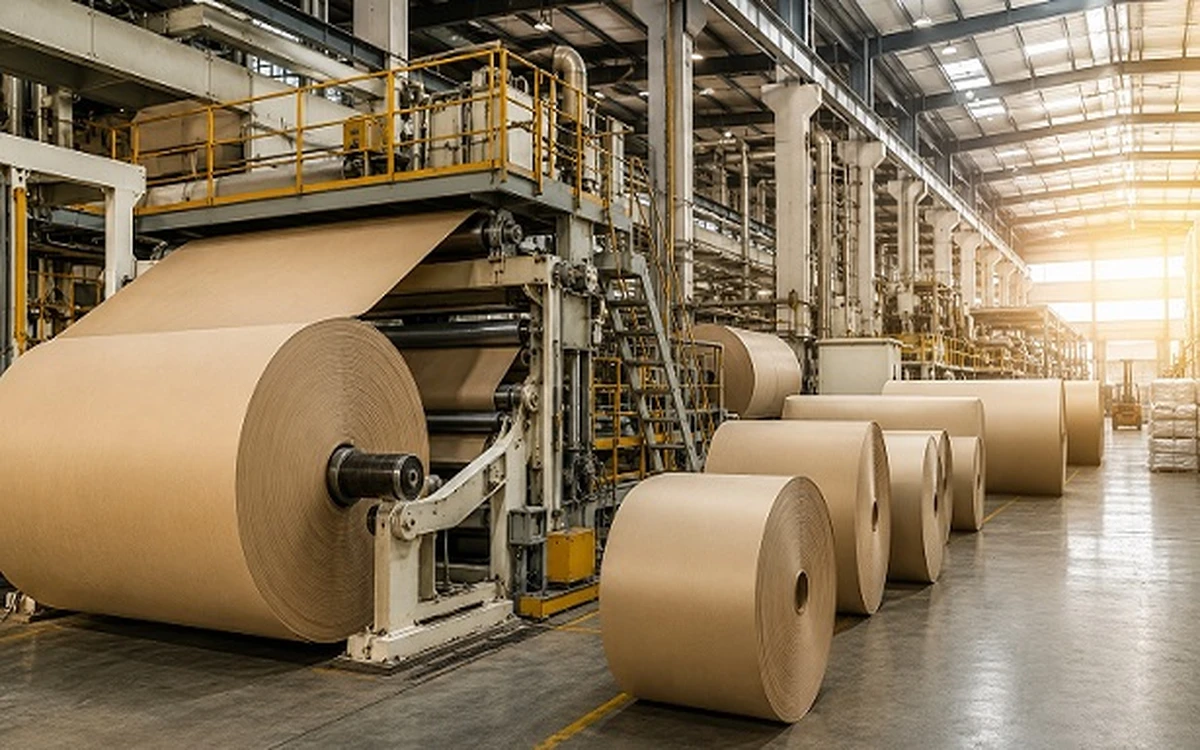
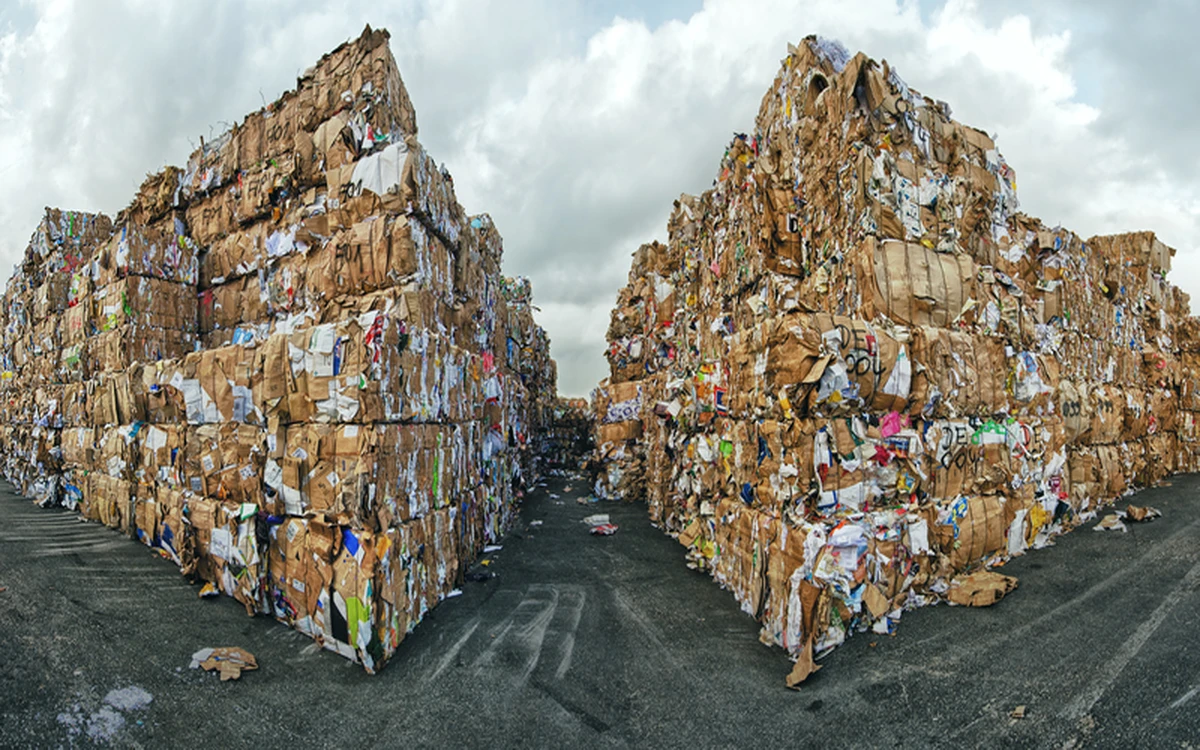
Morbi paper mills see full-capacity operations as ceramic industry revives; Kraft paper exports to China spike, Prices strengthen; Janmashtami shutdown ahead
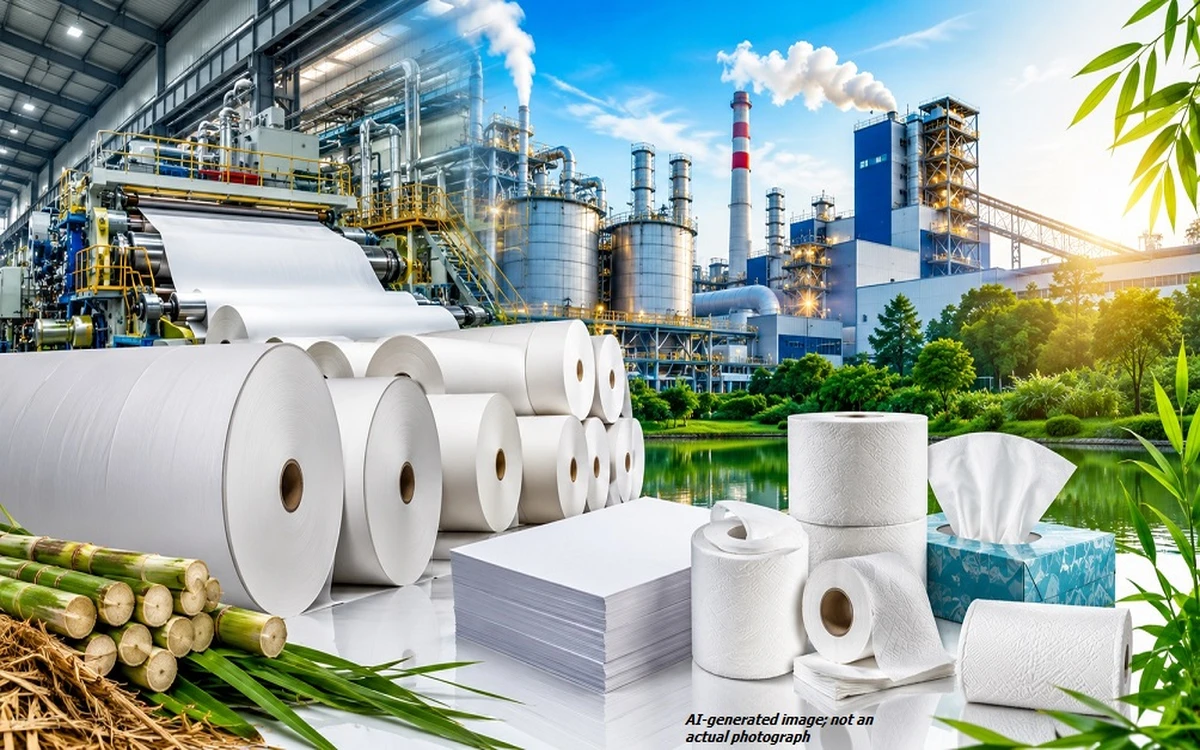
The BE and caustic soda plant marks a key milestone for Mohit Paper Mills, enabling full utilization of installed capacity and enhancing overall production efficiency
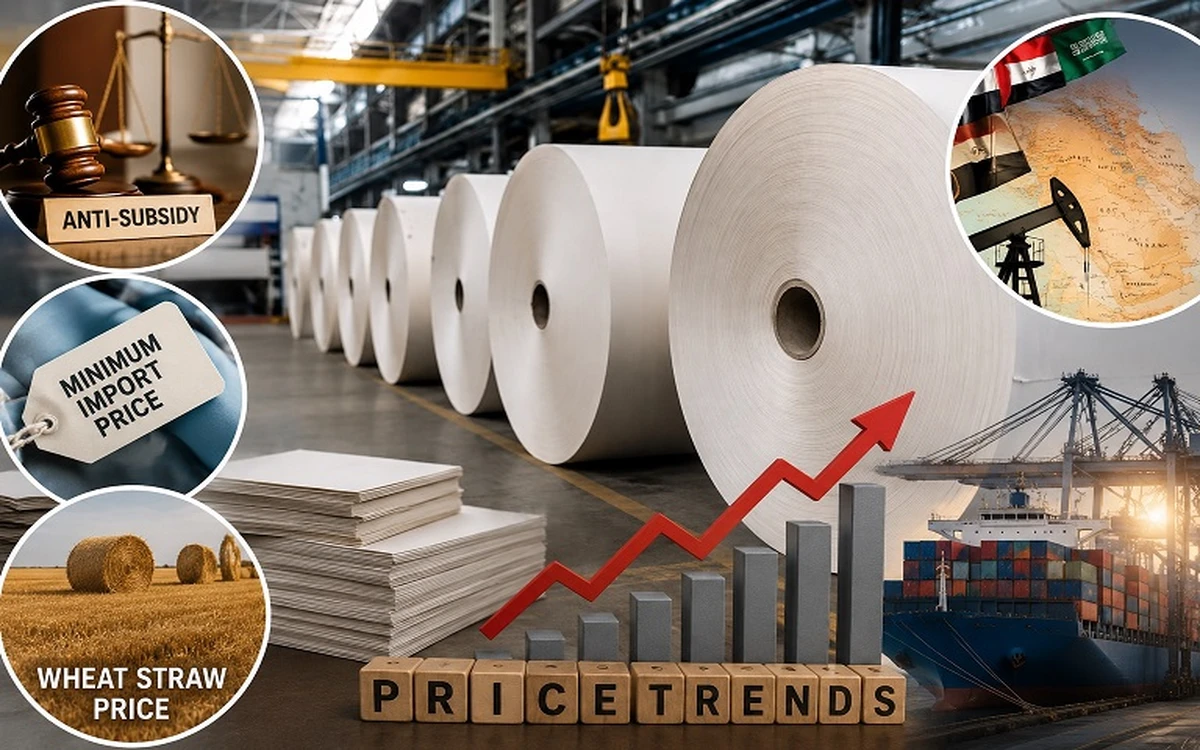
Expert Views on the paper market scenario, How the West Asia Crisis Helped the Industry, MIP for WPP, Anti-Subsidy implementation, and paper price trends
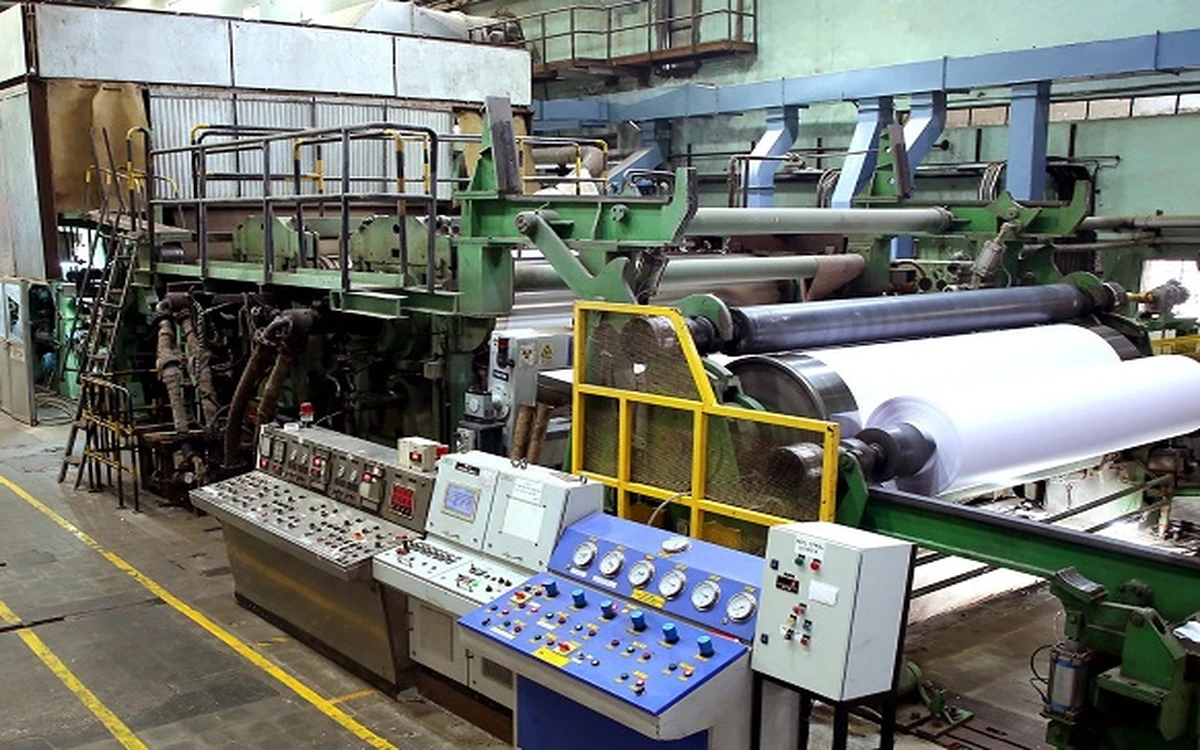
Pudumjee Paper intends to develop new varieties addressing applications for stronger paper bags and cupcakes; Plans 68,000 MT Mahad Specialty Paper Facility within 5 years
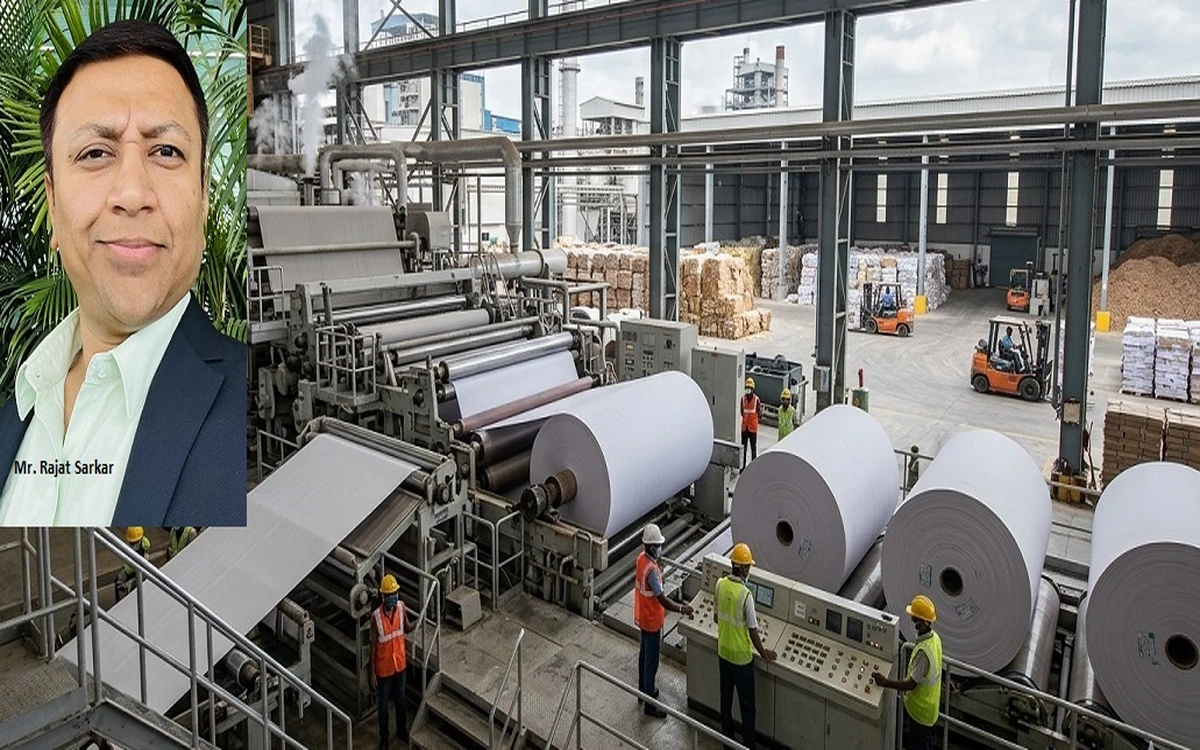
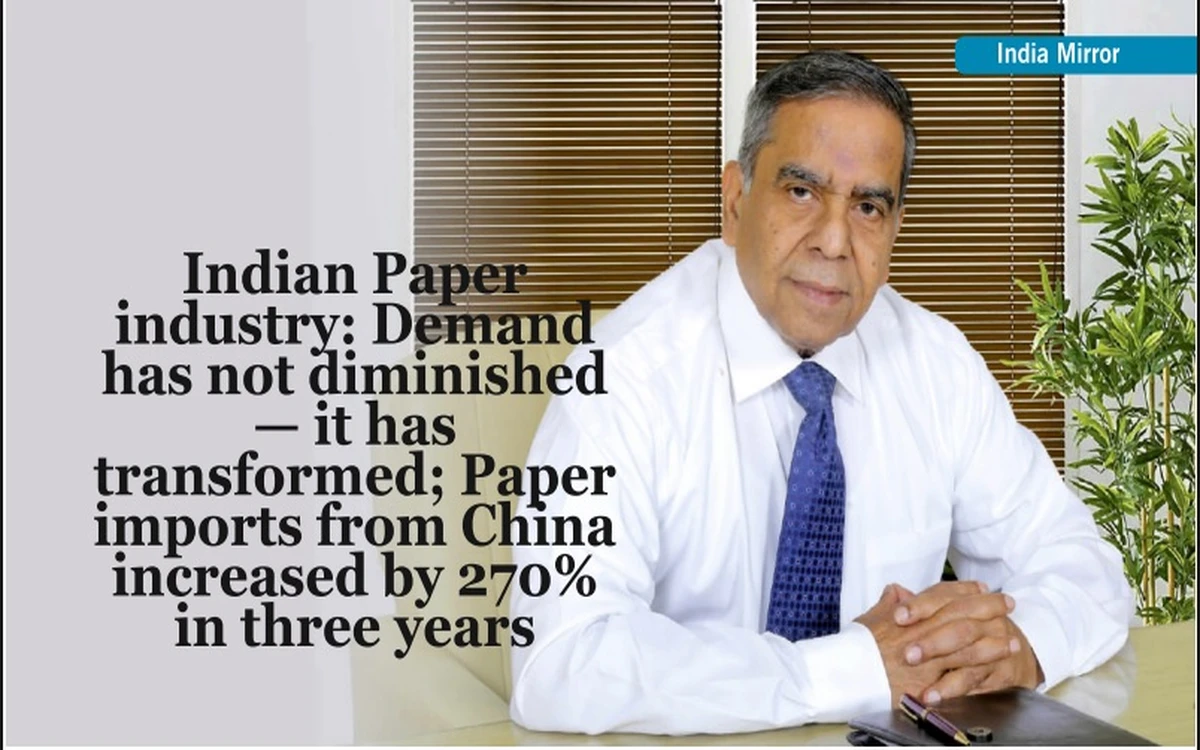
India Paper Industry at an Inflection Point: War, Costs, and Capacity; Demand growth expected at 5–7% in FY26
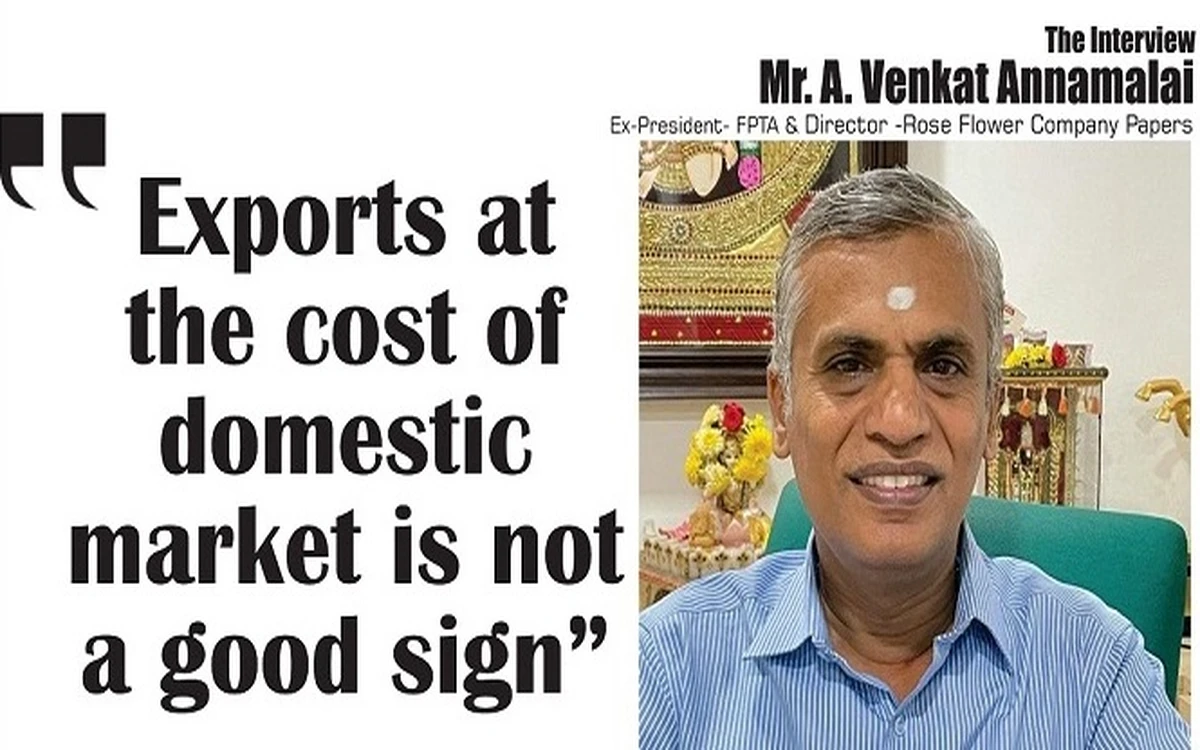
“Surging exports of paper will most certainly keep the domestic prices quite high”: Mr. A. Annamalai, Director – RFC
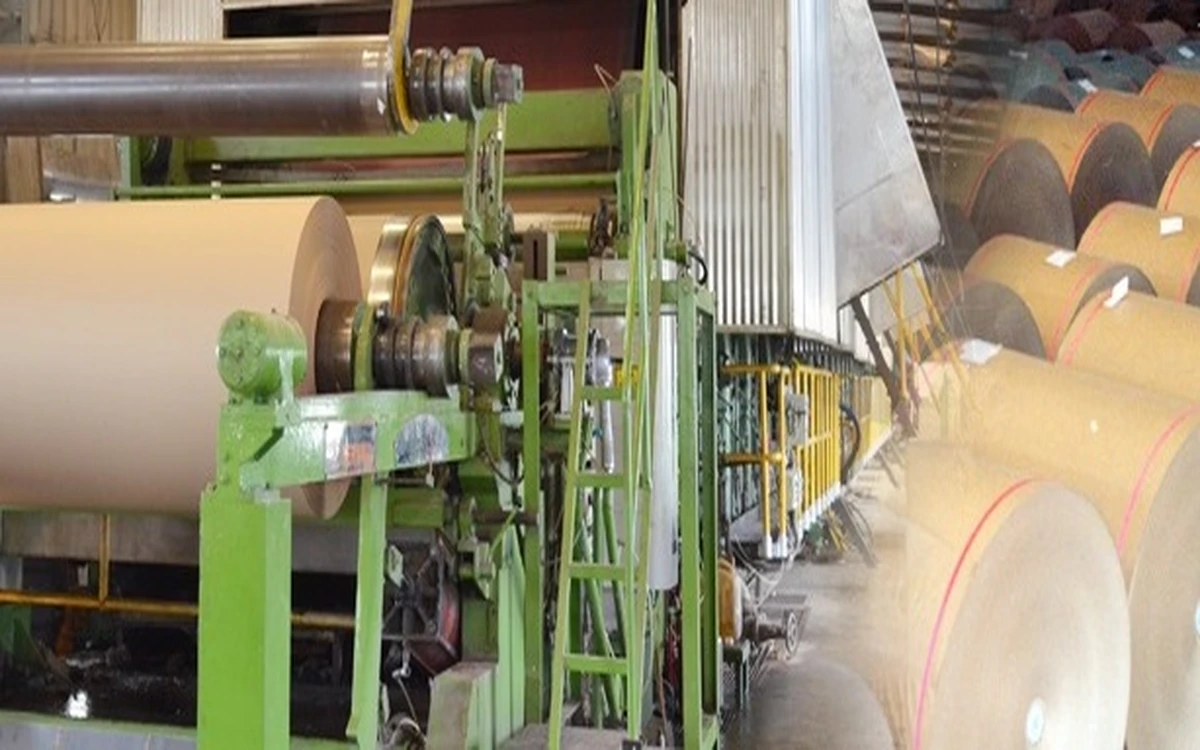
The Status of the Global Container board Industry, Recycled Paper Demand and Supply and its impact on the Indian Industry

Akshay Jain, director of Silverton Pulp & Paper, says it's time to promote agro residue as a raw material to lessen the scarcity of fibre
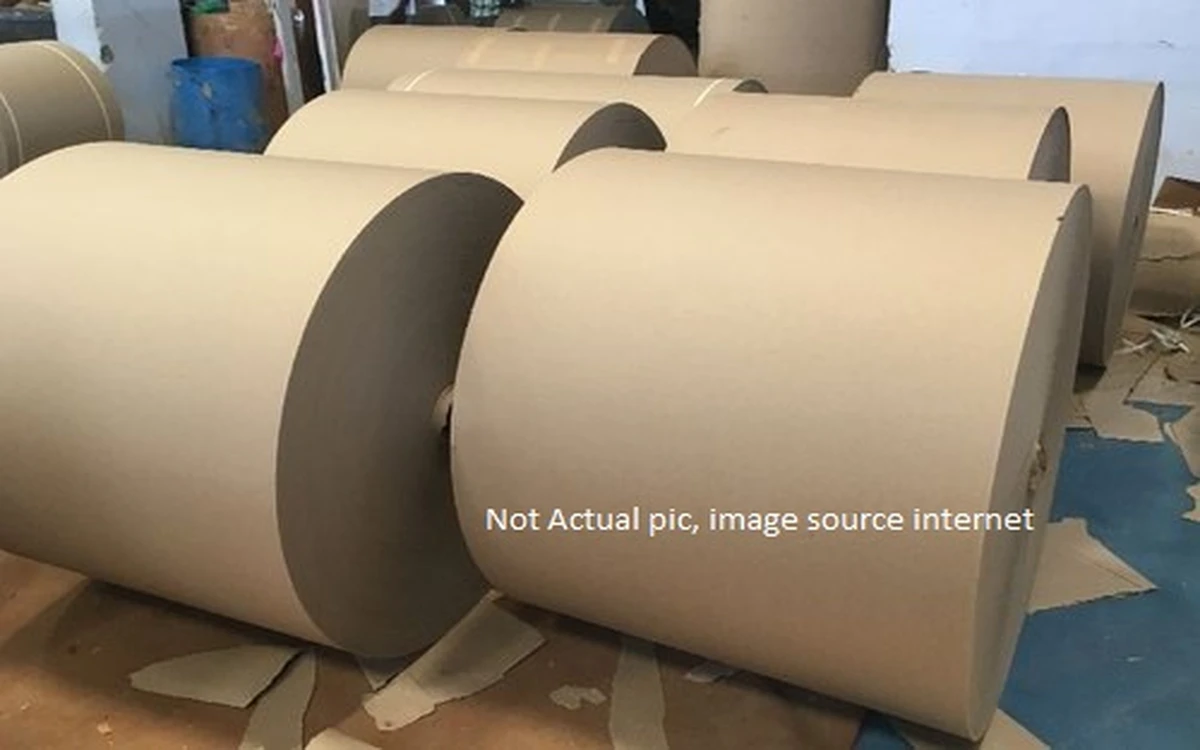
Advantageously located, a new paper mill is all set to roll kraft paper in Madhya Pradesh
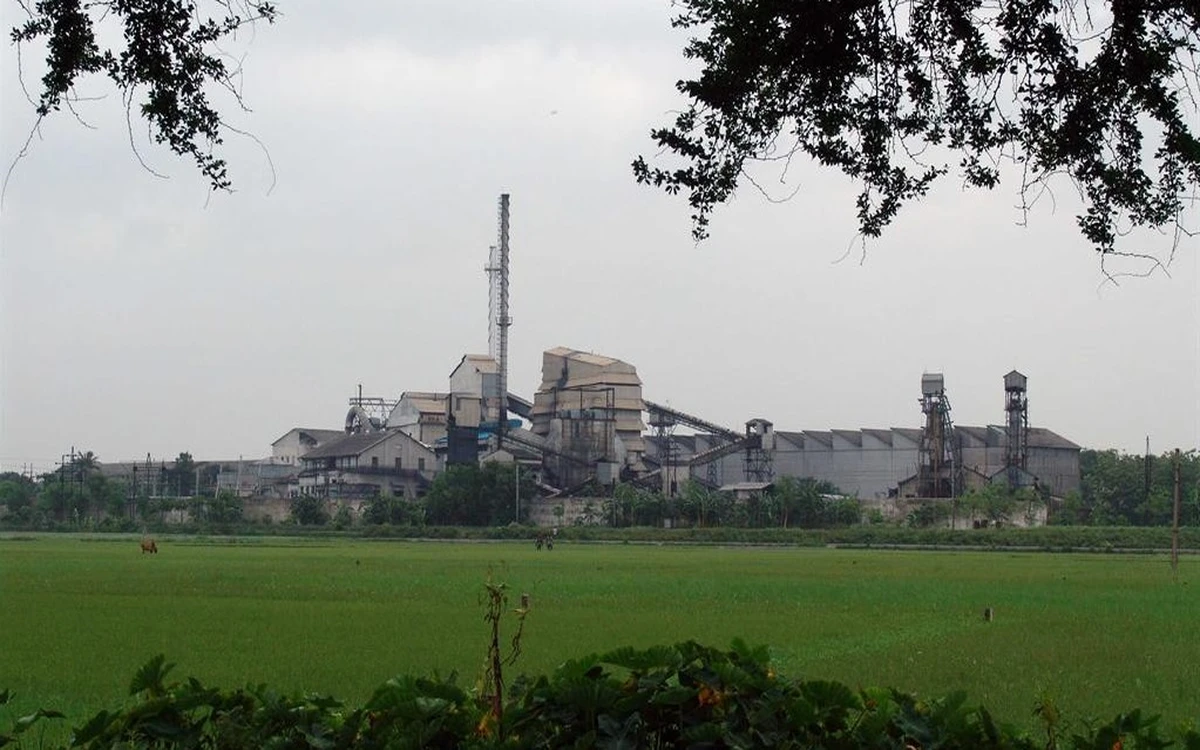
Several agile interventions helped ITC-PSPD fortify its clear leadership of the Value Added Paperboards (VAP) segment
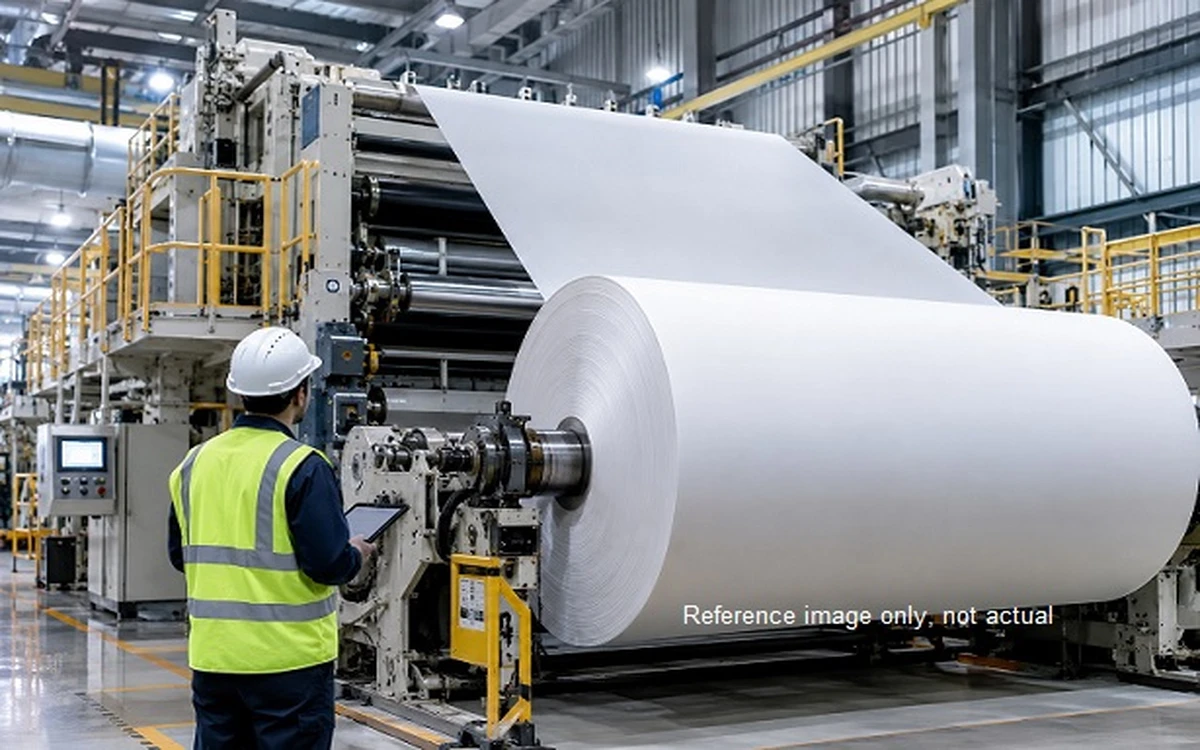
Pakka Advances PM4 Development; flexC Base Paper Trials Underway in Europe, with a Distributor Soft Launch Expected
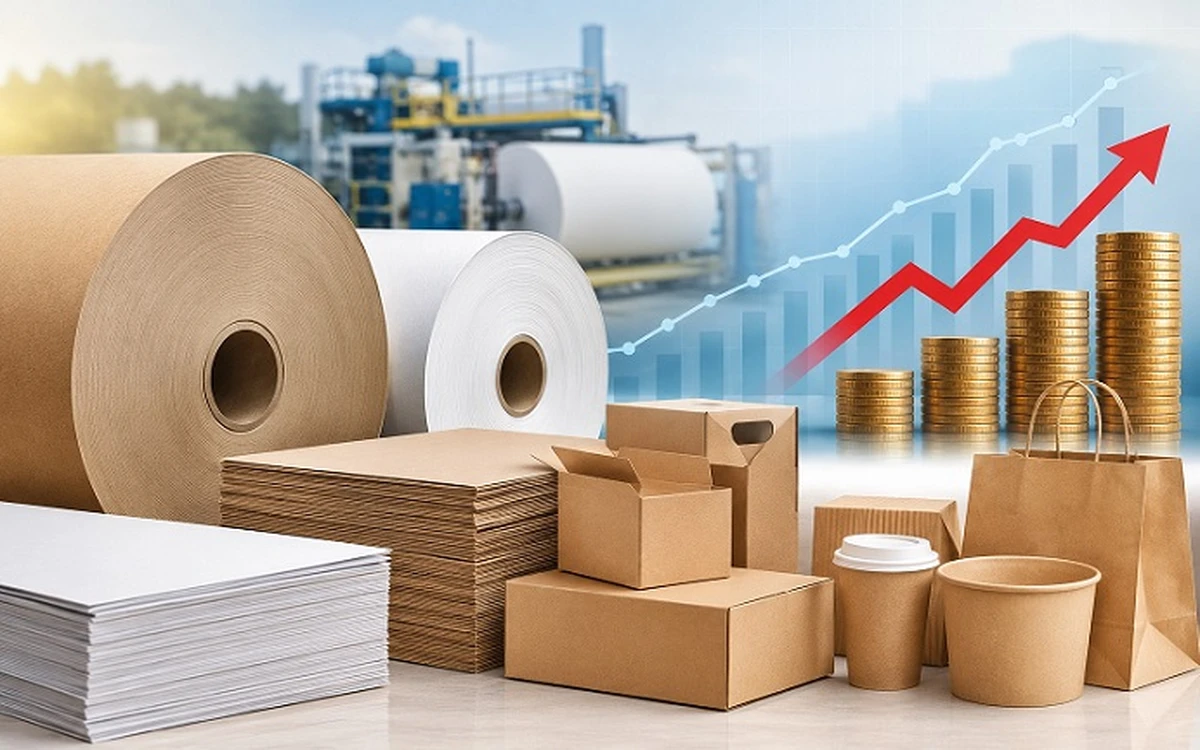
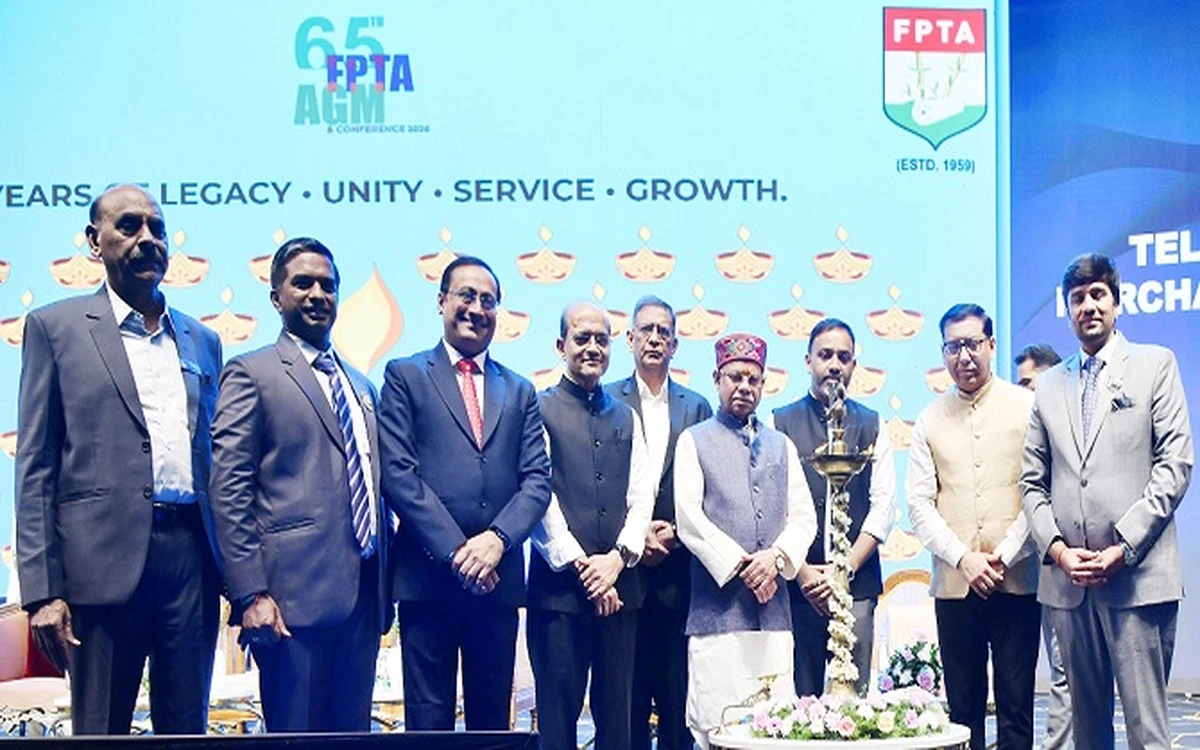
Paper and Packaging Board Market May Face Cost Pressures Through March 2027; FPTA Advises Traders
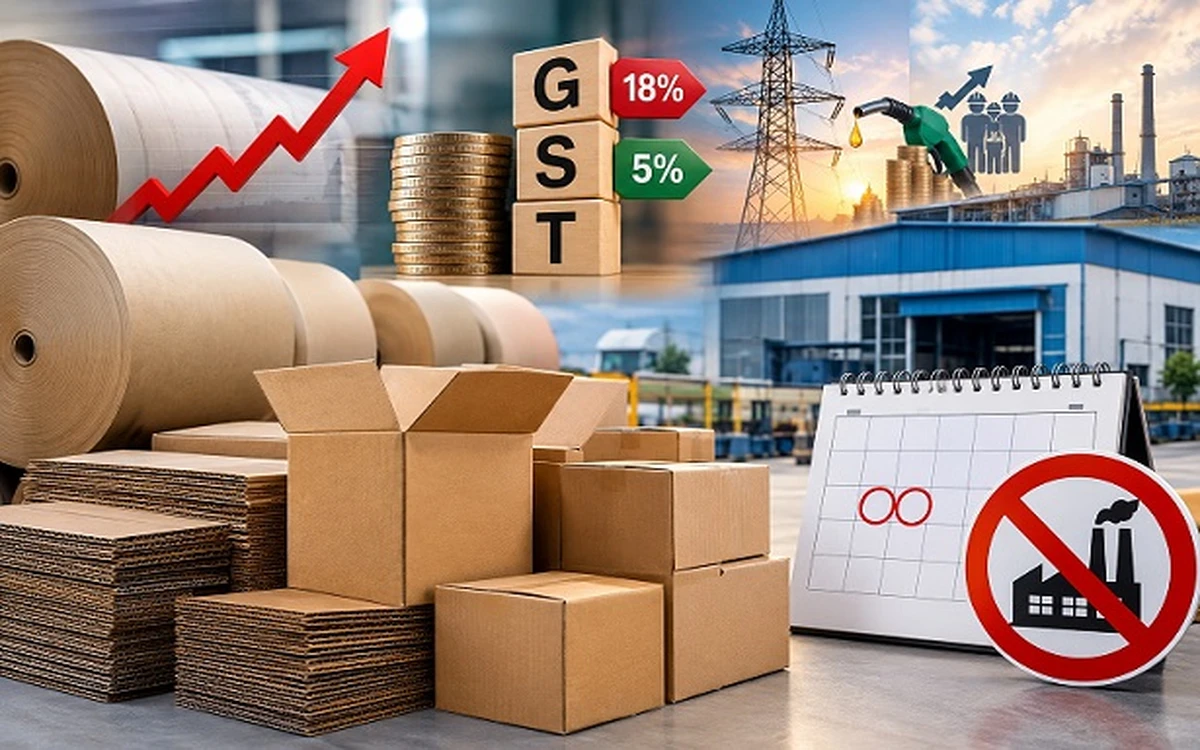
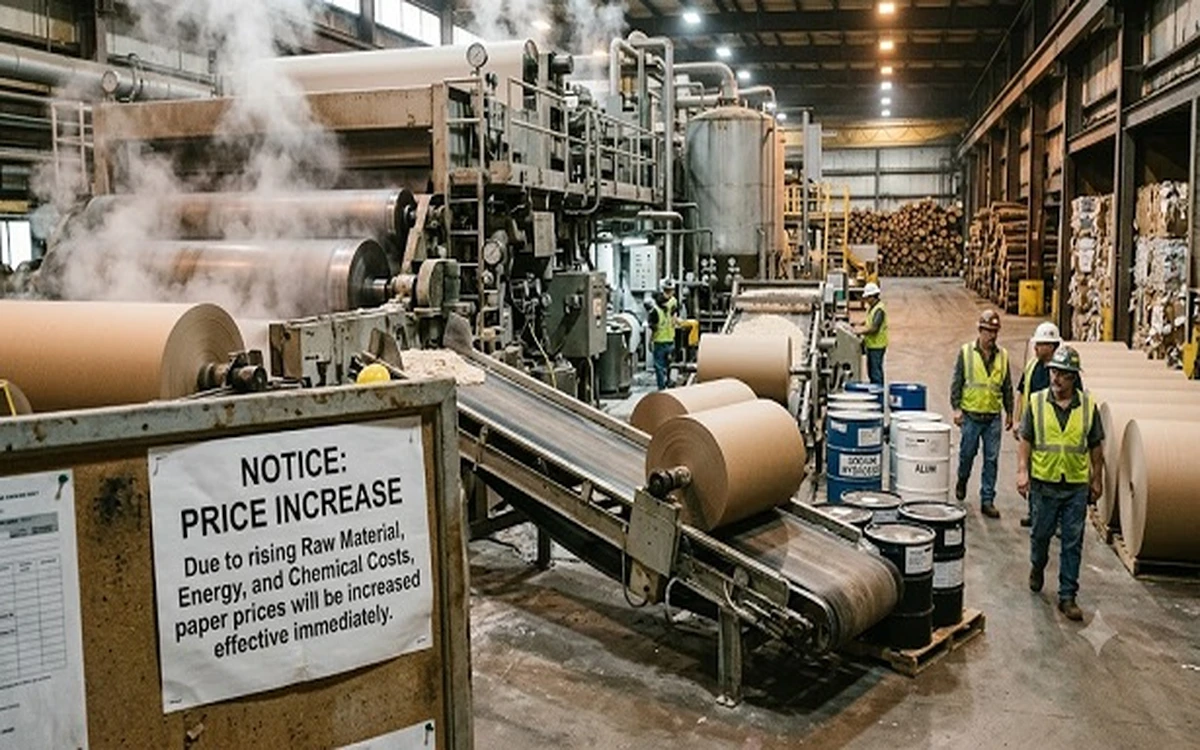
Overall Increase in Kraft Paper Prices Could Reach 35%; Industry Calls for 20% Box Price Increase, Voluntary Shutdown Proposed
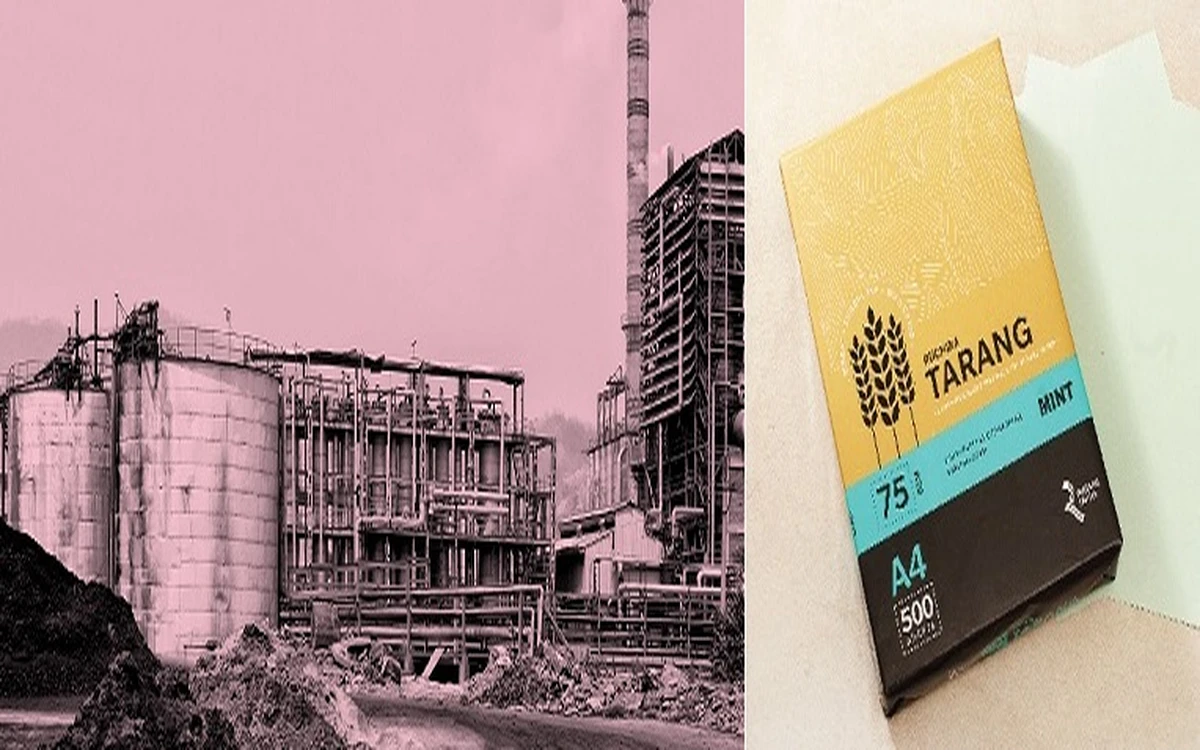
Ruchira Papers Invests a Sizeable Capex of Rs. 235–240 Crore Towards Writing & Printing Paper Capacity Expansion
Paper mills inflated the basic ex-mill price of paper post GST 2.0, AINMA seeks action against Anti-Profiteering
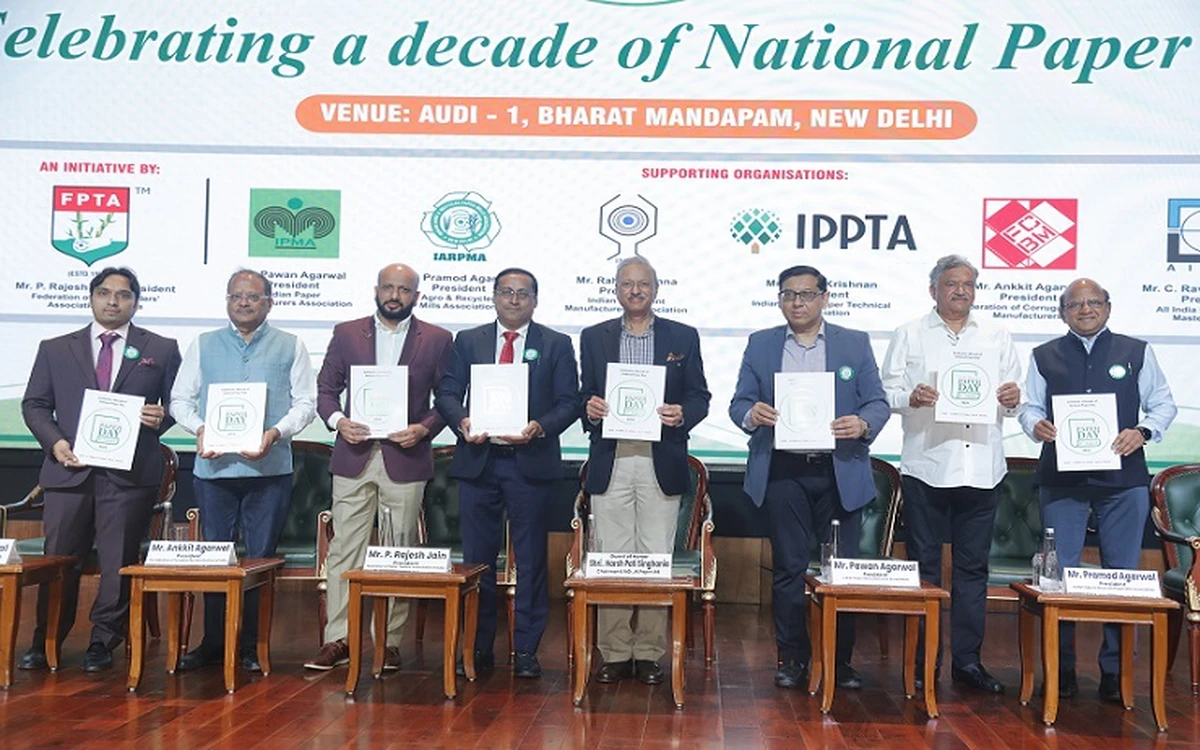
Seven Leading Associations Unite to Celebrate National Paper Day, Highlighting Paper's Sustainability and Circular Economy Advantage
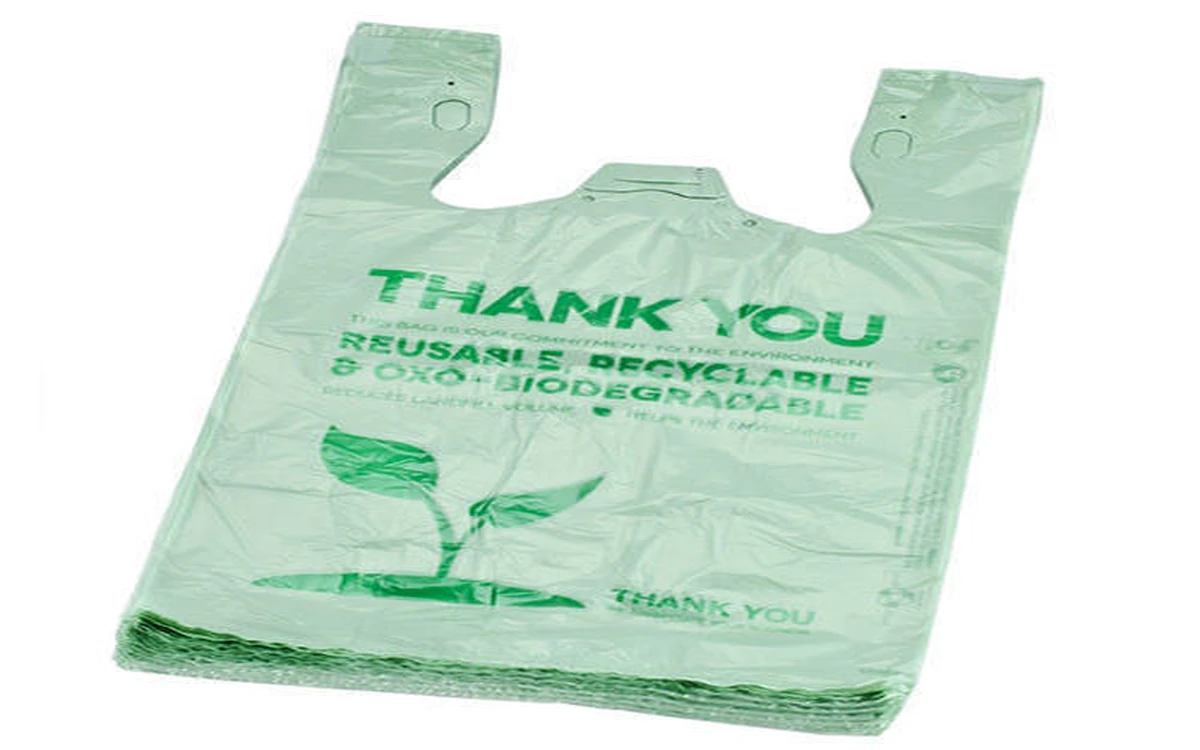
Scientists from IIT-Guwahati develop India's first biodegradable plastic

Navneet Education focuses on brand building, curriculum-led growth, and export recovery; expects stationery margins to improve in FY27

It is estimated that USD10B to USD20B worth of single-use plastic packaging will convert to molded fiber, ZUME
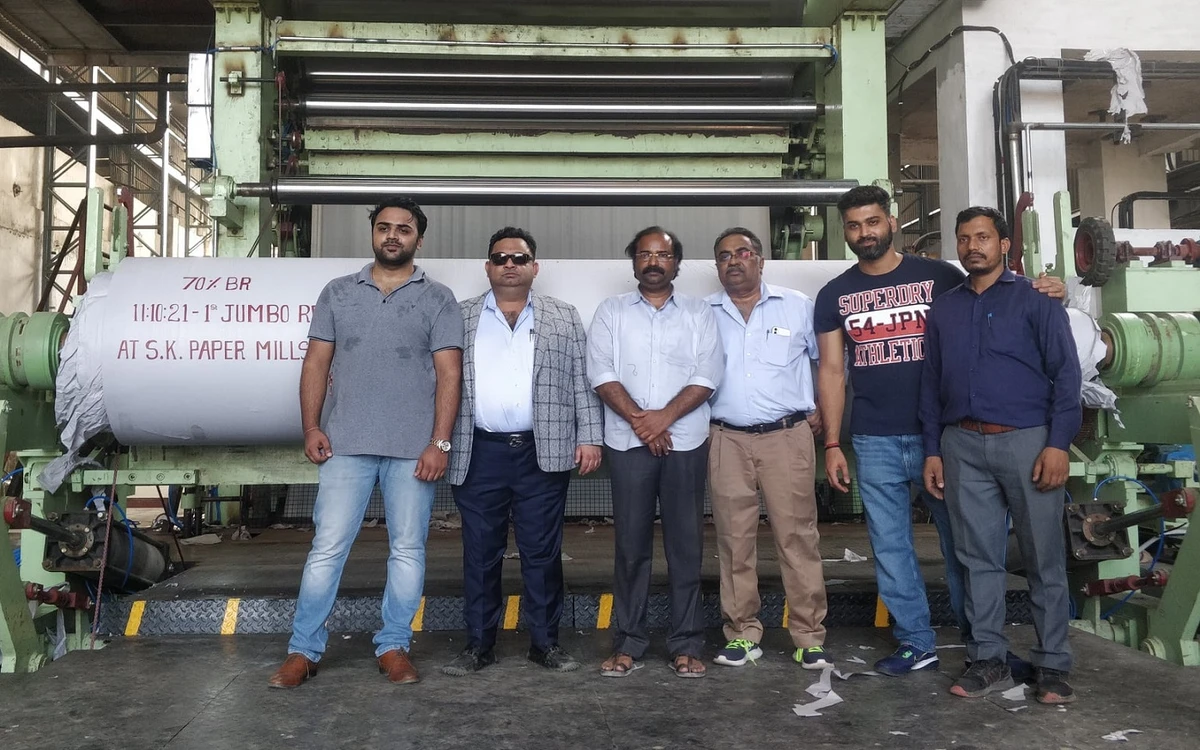
Muzaffarnagar gets a new capacity of Tissue Paper and MG Poster paper

“The integration of digitalization, automation, and Artificial Intelligence (AI) is no longer a futuristic concept—it is the baseline for competitiveness in 2036” - Vinit Garg, Director, Vizen Solutions
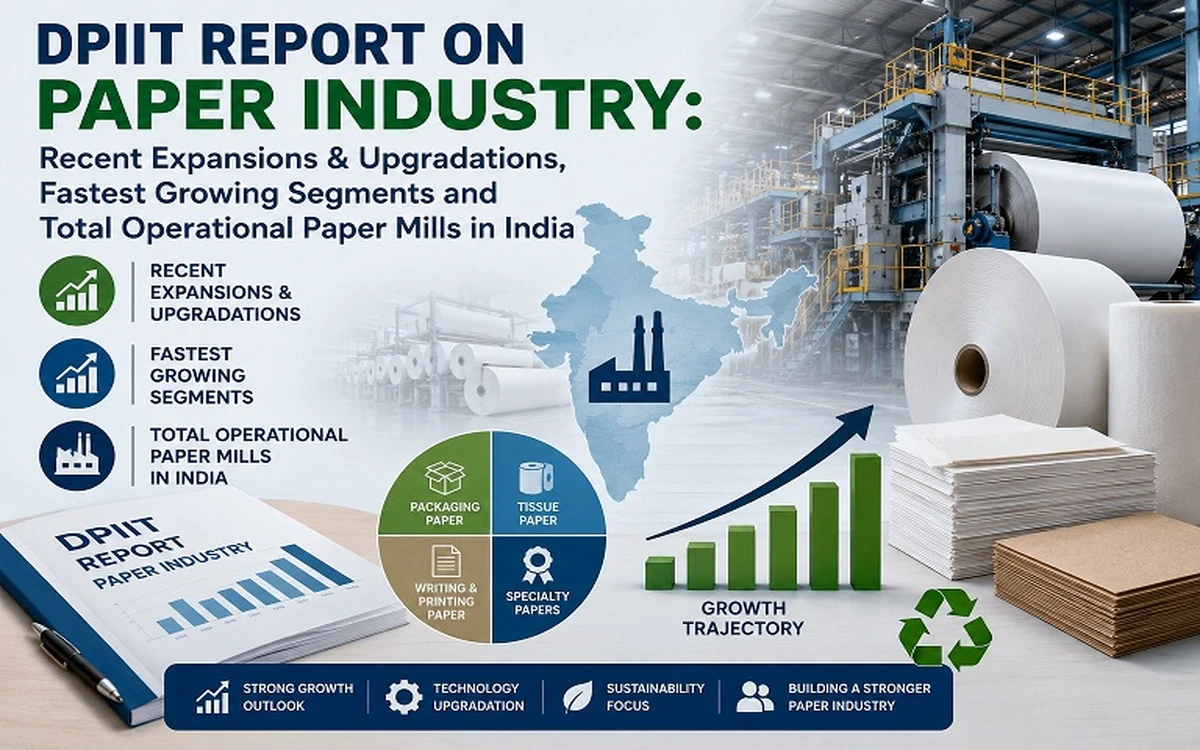
DPIIT Report on the Paper Industry: Recent Expansions & Upgrades, Fastest-Growing Segments, and Total Operational Paper Mills in India
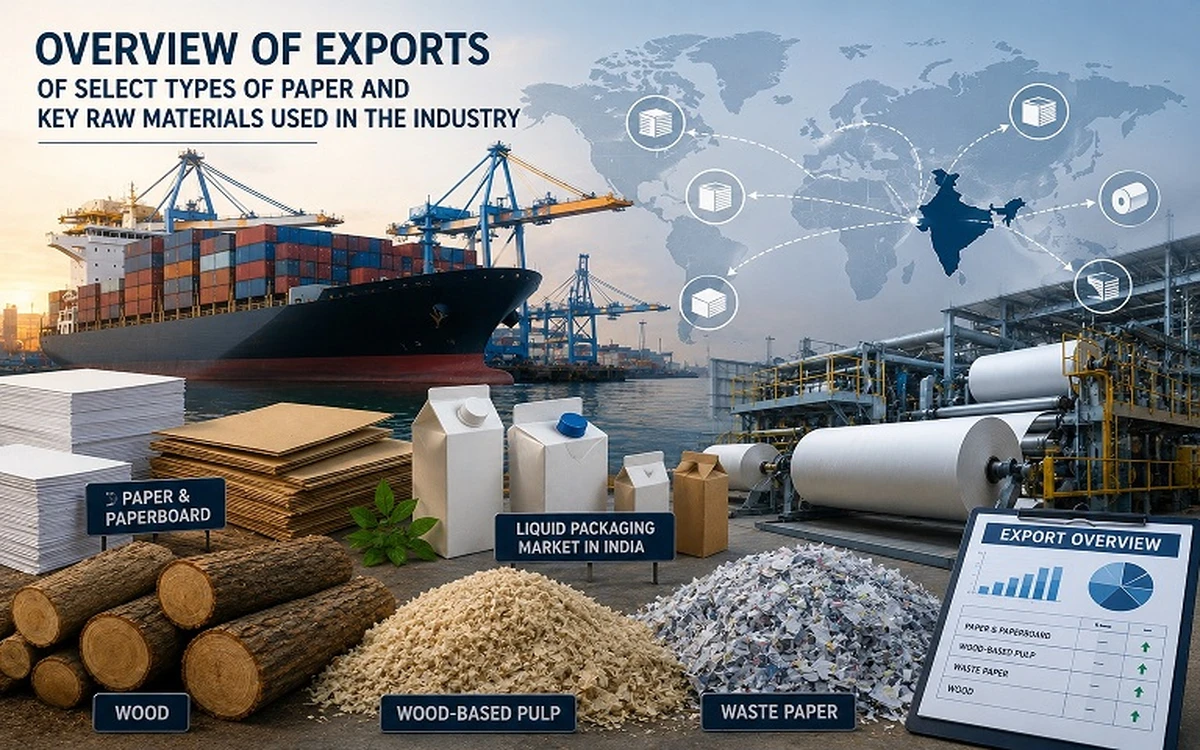
Overview of exports of select type of paper and key raw material used in the industry by Crisil Intelligence

Margin pressure pushes Pulp & Paper Packaging sector toward AI-Driven cost optimization, Cutting costs by 8–20%
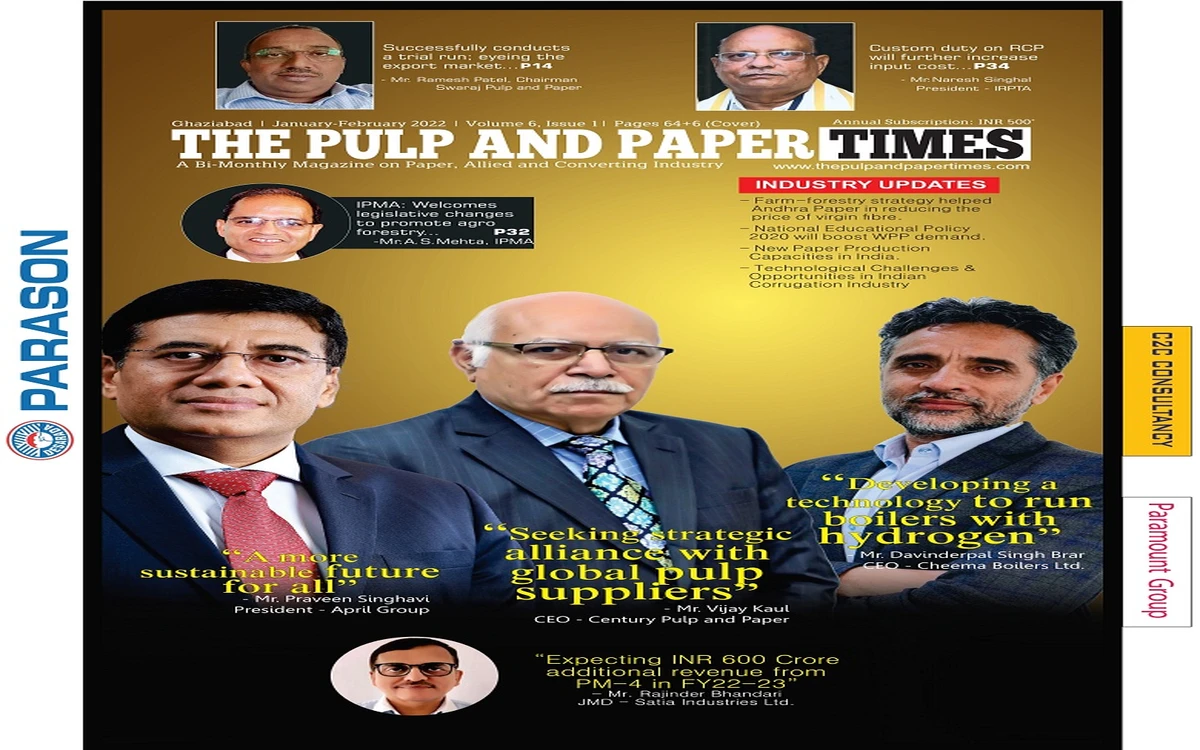
The Pulp and Paper Times Magazine : Volume 6, Issue 1
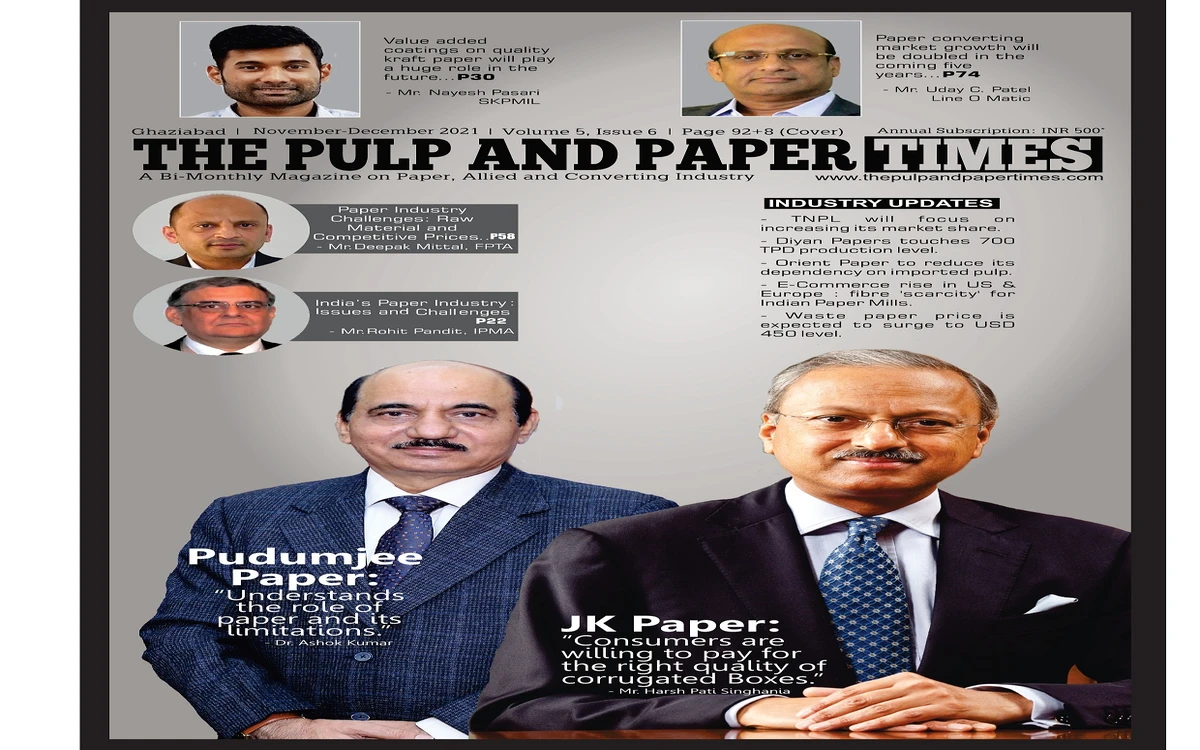
The Pulp and Paper Times Magazine : Volume 5, Issue 6
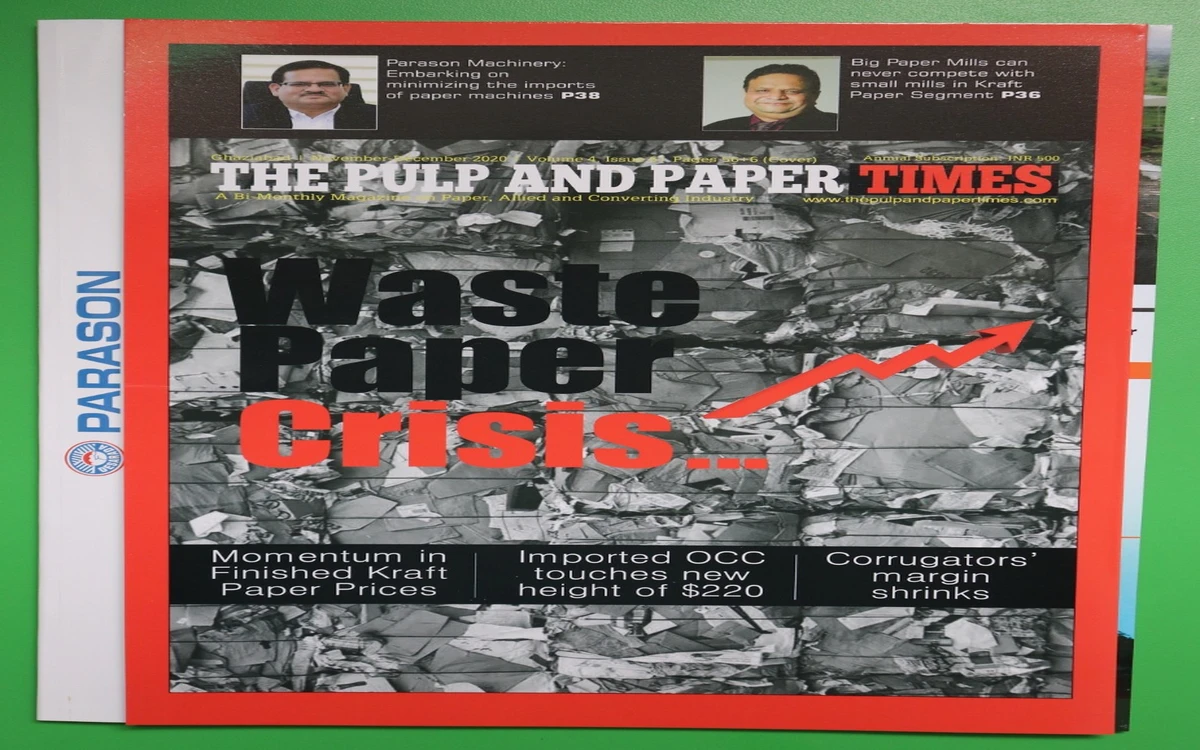
The Pulp and Paper Times: Volume 4, Issue 6
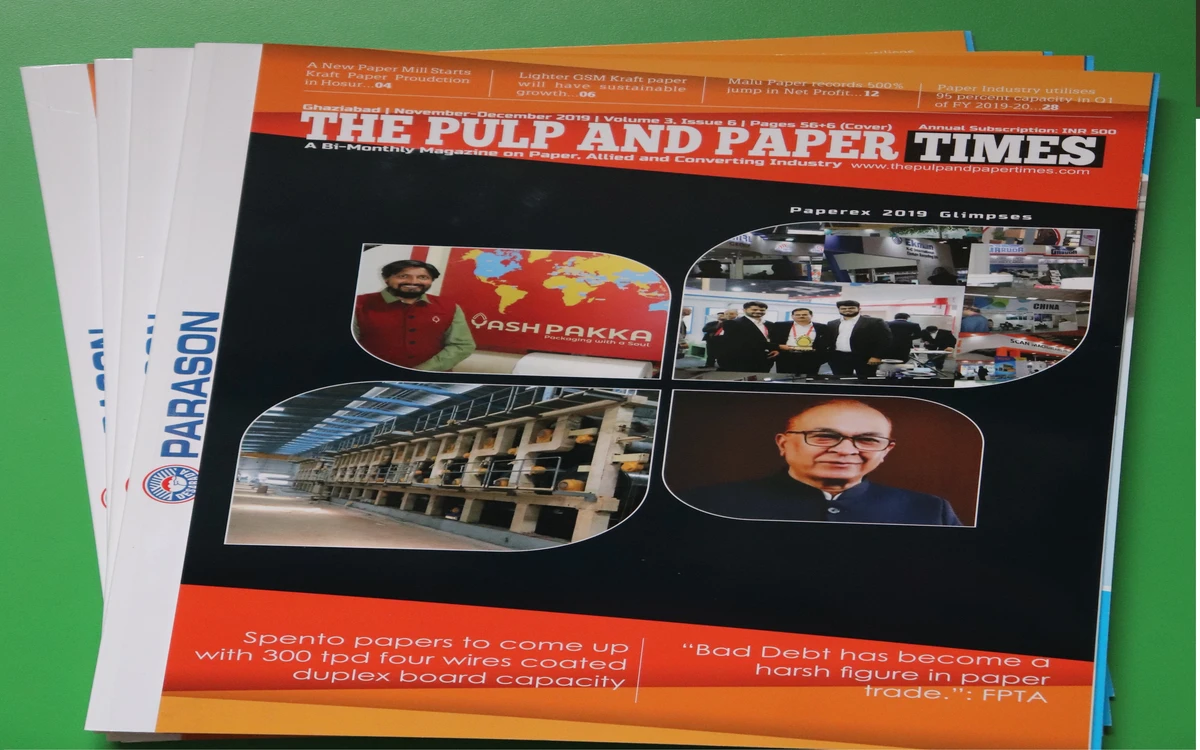
The Pulp and Paper Times : Volume 3, Issue 6
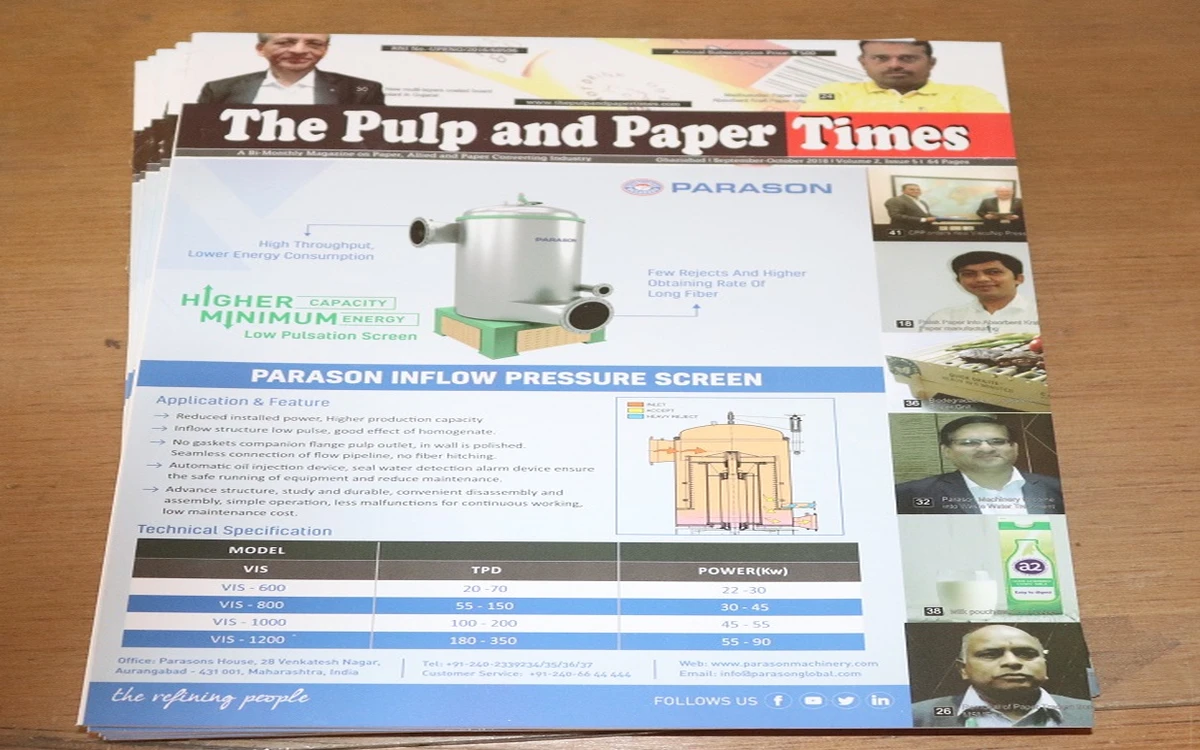
The Pulp and Paper Times: Volume 2 Issue 5
The Pulp and Paper Times, Volume 1, Issue 3
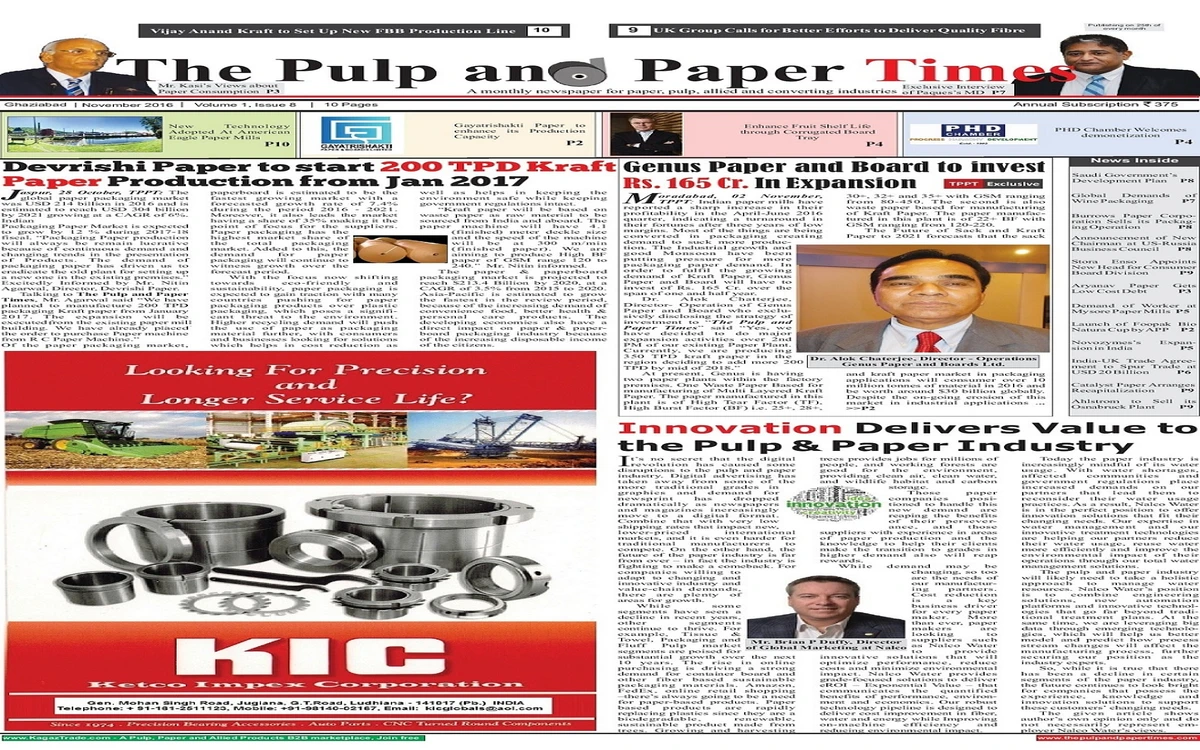
The Pulp and Paper Times, November 2016 Issue
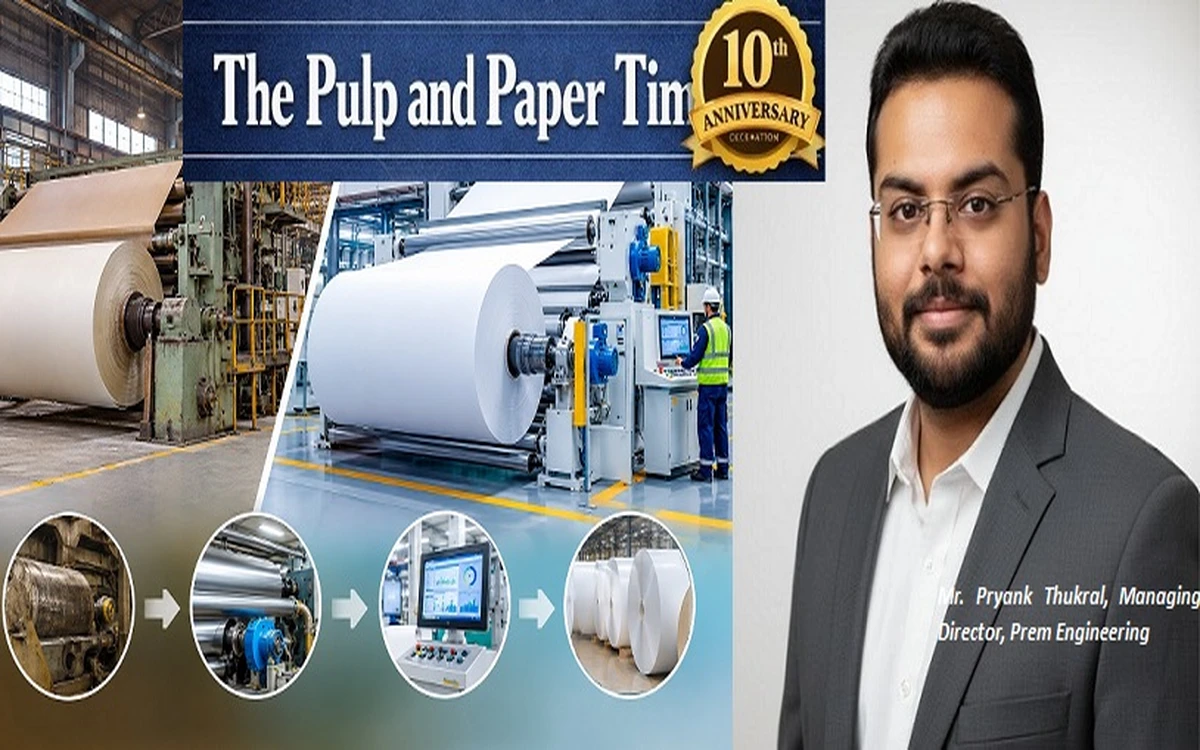
As The Pulp and Paper Times marks its 10th anniversary, we celebrate a decade of meaningful and industry-focused journalism.
Over the past decade, we have established ourselves as a trusted voice of the pulp and paper sector, connecting paper mills, industry leaders, technology providers, and global stakeholders. With a strong readership base across India and overseas, our platform has consistently delivered credible insights, market intelligence, and exclusive industry interactions that support informed decision-making.
On this special milestone, we talked to Saifee Jani, Chairman, Jani Sales Pvt. Ltd, about his perspective on the future of the paper business. We shared our theme, “Market Factors, Technology, and Consumer Interests Shaping the Indian Pulp and Paper Industry in the Next 10 Years.” We received very informative and deeply insightful views that everyone associated with the paper industry, in any capacity, should read. Here are his insights
- Over the next decade, the Indian pulp and paper industry will undergo a profound transformation.
The Pulp and Paper Times
The Indian pulp and paper industry stands at a pivotal juncture, driven by a unique convergence of market dynamics, technological evolution, and rapidly changing consumer preferences. As one of the fastest-growing paper markets globally, India is poised to witness transformative growth over the next decade. However, this growth will not merely be a function of scale, but of adaptability, sustainability, and innovation.
Market Factors: Growth with Structural Shifts
India’s paper consumption has traditionally been lower than the global average, but rising literacy rates, urbanization, and economic expansion are steadily bridging this gap. While the demand for writing and printing paper has plateaued due to digitization, segments such as packaging paper and specialty grades are experiencing robust growth. The exponential rise of e-commerce, organized retail, and food delivery services has significantly boosted demand for containerboard, kraft paper, and flexible packaging solutions.

At the same time, regulatory pressures and environmental policies are reshaping the industry. Increasing restrictions on single-use plastics are creating new opportunities for paper-based alternatives. Government initiatives promoting sustainability and circular economy practices are encouraging manufacturers to invest in eco-friendly processes and recyclable materials.
Raw material availability remains a critical concern. India’s dependence on imported pulp and recovered paper exposes the industry to global price volatility and supply chain disruptions. Over the next decade, there will be a stronger push towards agro-based raw materials, farm forestry, and improved waste paper collection systems to enhance domestic self-reliance.

Technology: Driving Efficiency and Sustainability
Technological advancement will be the cornerstone of the industry’s transformation. Automation, digitalization, and data analytics are already redefining operational efficiency in modern paper mills. The adoption of Industry 4.0 practices—including IoT-enabled monitoring, predictive maintenance, and AI-driven quality control—will enable manufacturers to optimize production, reduce downtime, and minimize waste.
Sustainability will be a key driver of technological investment. Water and energy consumption, traditionally high in paper manufacturing, are being addressed through innovative solutions such as closed-loop water systems, energy-efficient machinery, and the use of renewable energy sources. Chemical recovery systems and advanced pulping technologies will further enhance resource efficiency and reduce environmental impact.
In addition, product innovation will play a crucial role. The development of high-performance specialty papers, biodegradable packaging materials, and barrier-coated papers as substitutes for plastic will open new avenues for growth. Technology will also enable customization, allowing manufacturers to cater to niche markets with specific performance requirements.

Digital integration across the value chain—from procurement to distribution—will improve transparency, traceability, and responsiveness. This will be particularly important in meeting the expectations of global clients who demand consistent quality and adherence to environmental standards.
Consumer Interests: Sustainability and Convenience
Consumer behaviour is undergoing a significant transformation, influencing the direction of the paper industry. Today’s consumers are more environmentally conscious and prefer products that align with sustainable practices. This shift is driving demand for recyclable, biodegradable, and responsibly sourced paper products.
Packaging is at the forefront of this change. Brands are increasingly adopting paper-based packaging to enhance their environmental credentials and meet regulatory requirements. At the same time, consumers expect packaging to be functional, durable, and aesthetically appealing. This dual demand for sustainability and performance will push manufacturers to innovate continuously.

The rise of online shopping and home delivery has also altered consumption patterns. Packaging is no longer just a protective layer but an integral part of the customer experience. This has led to increased demand for high-quality corrugated packaging, innovative designs, and branding opportunities.
In the hygiene and tissue segment, growing awareness of health and sanitation is fuelling demand for tissue paper, napkins, and other disposable products. Rising incomes and changing lifestyles will further accelerate this trend, particularly in urban and semi-urban areas.
The Road Ahead: Collaboration and Resilience
The future of the Indian pulp and paper industry will depend on its ability to balance growth with sustainability. Collaboration across the value chain—between manufacturers, technology providers, policymakers, and consumers—will be essential to address challenges and seize opportunities.
Investments in research and development, skill development, and infrastructure will play a critical role in building a resilient and competitive industry. Policymakers must continue to support the sector through favourable regulations, incentives for sustainable practices, and initiatives to strengthen raw material supply chains.
At the same time, industry players must embrace a forward-looking approach, prioritizing innovation, efficiency, and environmental responsibility. Companies that can align their strategies with emerging market trends and consumer expectations will be well-positioned to lead the industry into the future.
Conclusion
Over the next decade, the Indian pulp and paper industry will undergo a profound transformation. Market expansion, technological innovation, and evolving consumer preferences will collectively shape its trajectory. While challenges such as raw material constraints and environmental concerns persist, they also present opportunities for innovation and growth.
By embracing change and committing to sustainable development, the industry can not only meet the demands of the future but also contribute meaningfully to India’s economic and environmental goals. The journey ahead is one of evolution, and those who adapt will thrive in this dynamic landscape.

5 hours ago
Total Views : 387
4 days ago
Total Views : 2675
5 days ago
Total Views : 2511
last week
Total Views : 731
last week
Total Views : 1315
2 weeks ago
Total Views : 3834
2 weeks ago
Total Views : 2757
2 weeks ago
Total Views : 806
2 weeks ago
Total Views : 3613
2 weeks ago
Total Views : 3756