Join Groups & Channels, No Spamming









Morbi paper mills see full-capacity operations as ceramic industry revives; Kraft paper exports to China spike, Prices strengthen; Janmashtami shutdown ahead

The BE and caustic soda plant marks a key milestone for Mohit Paper Mills, enabling full utilization of installed capacity and enhancing overall production efficiency
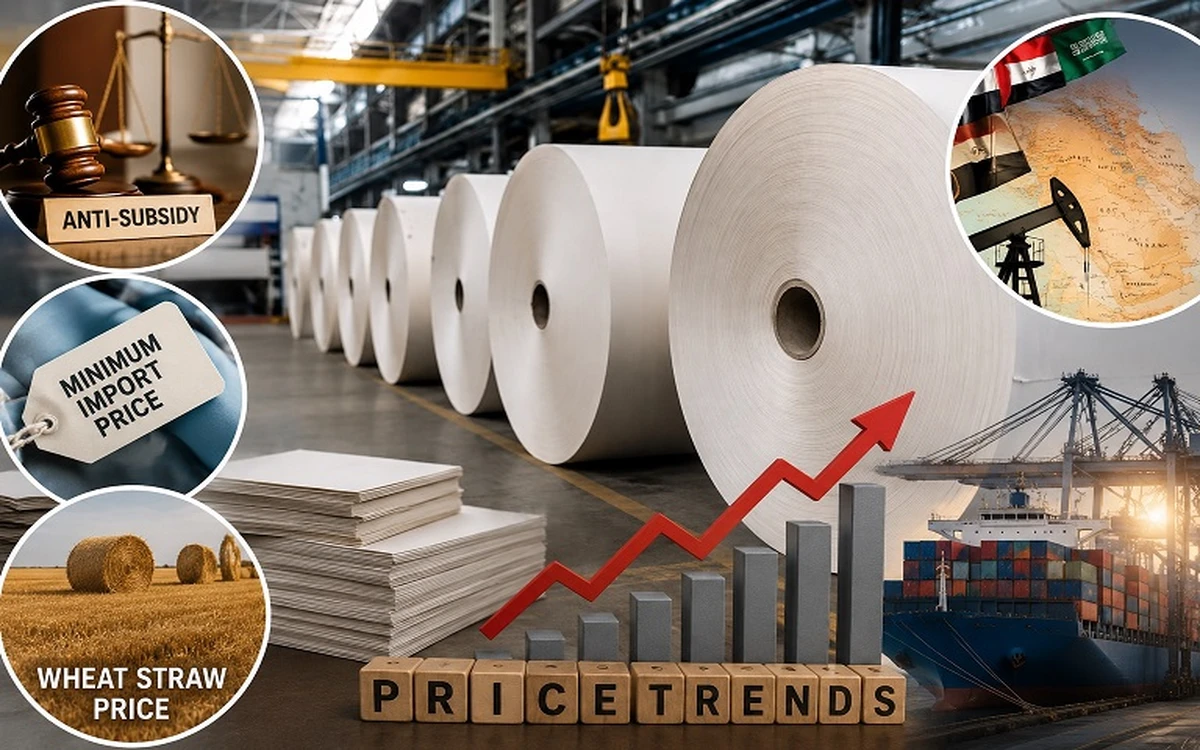
Expert Views on the paper market scenario, How the West Asia Crisis Helped the Industry, MIP for WPP, Anti-Subsidy implementation, and paper price trends
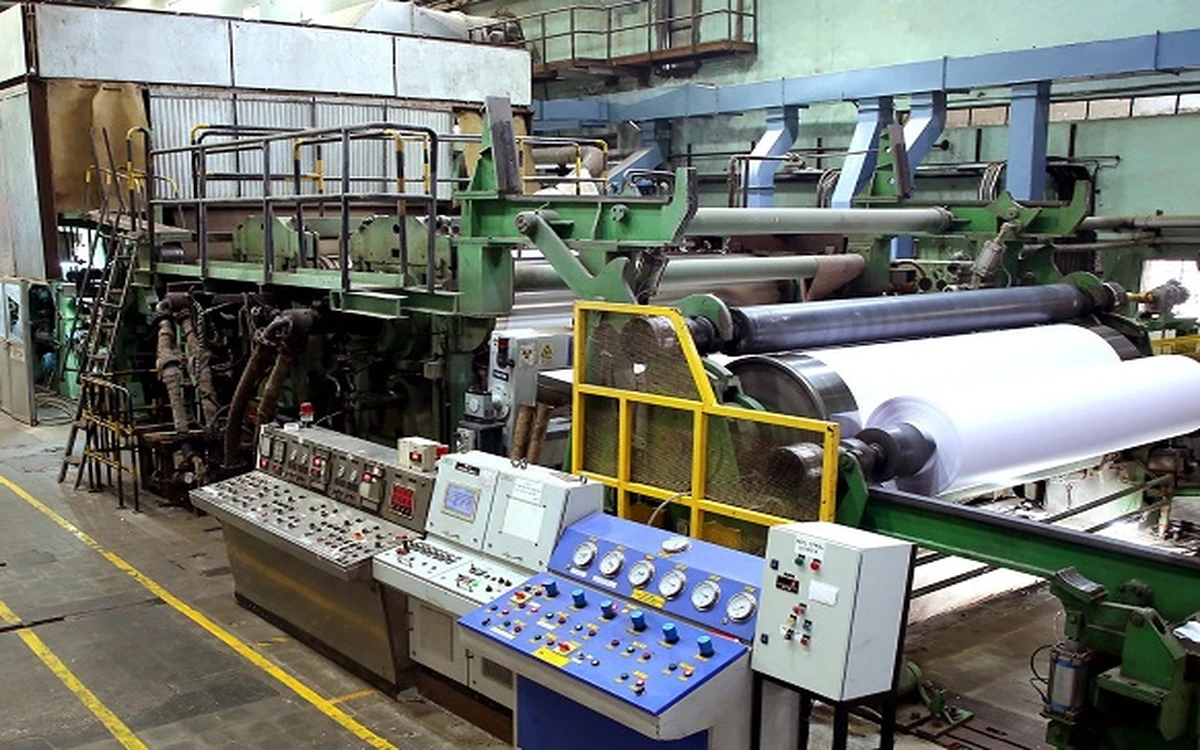
Pudumjee Paper intends to develop new varieties addressing applications for stronger paper bags and cupcakes; Plans 68,000 MT Mahad Specialty Paper Facility within 5 years
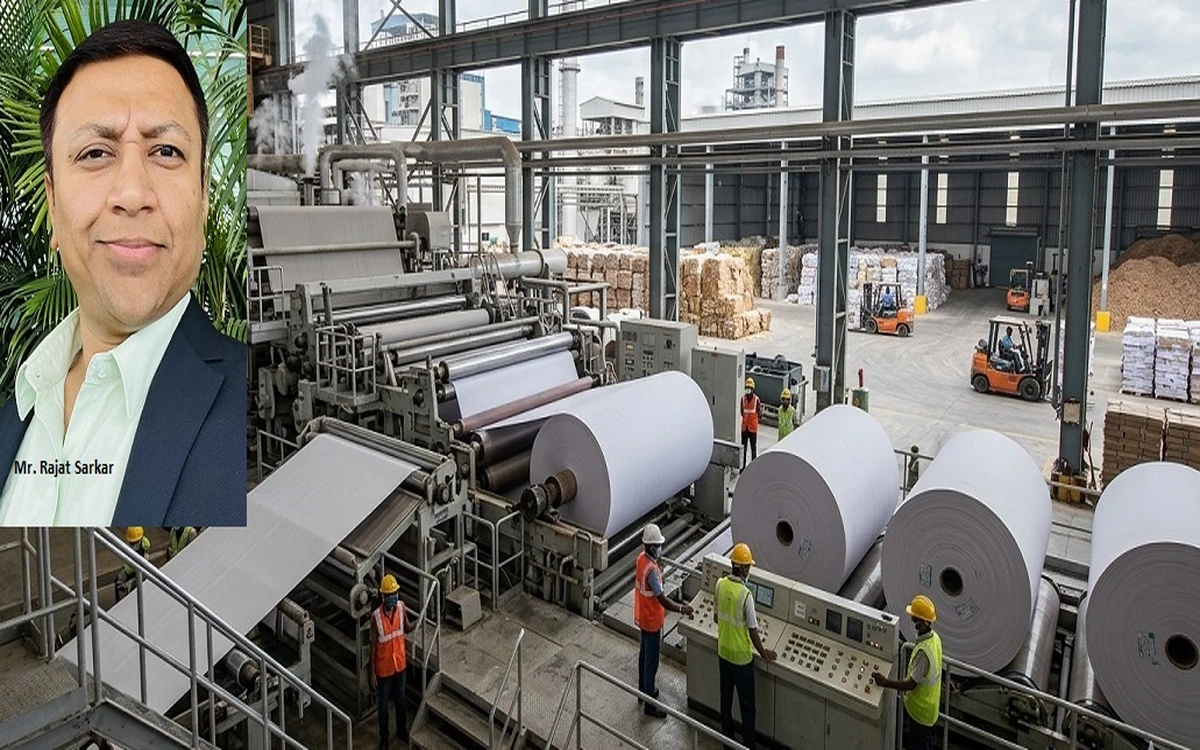
India Paper Industry at an Inflection Point: War, Costs, and Capacity; Demand growth expected at 5–7% in FY26

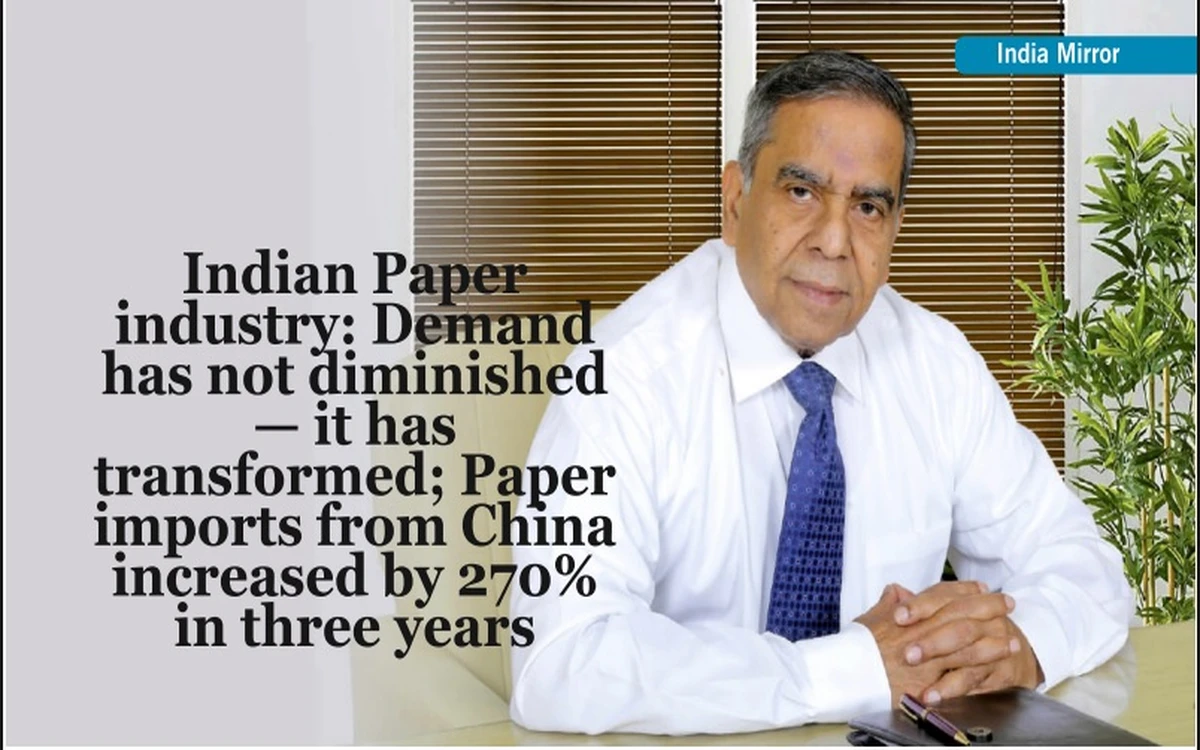
“Surging exports of paper will most certainly keep the domestic prices quite high”: Mr. A. Annamalai, Director – RFC
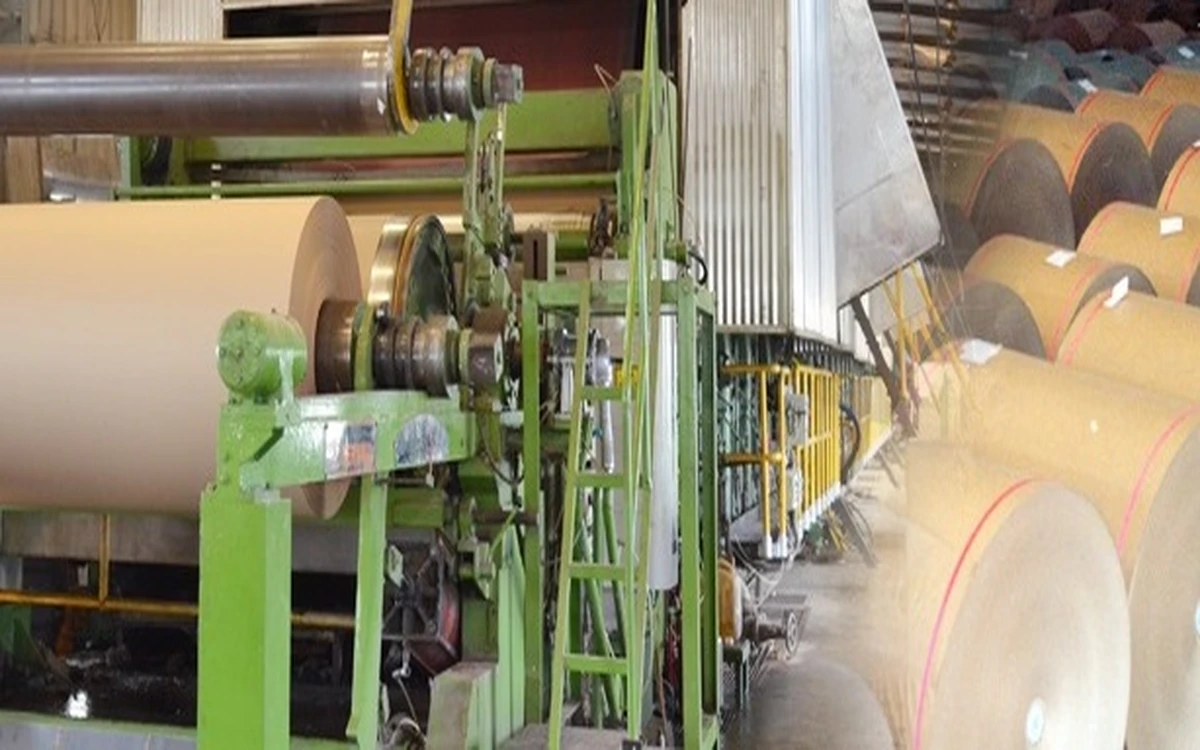
The Status of the Global Container board Industry, Recycled Paper Demand and Supply and its impact on the Indian Industry

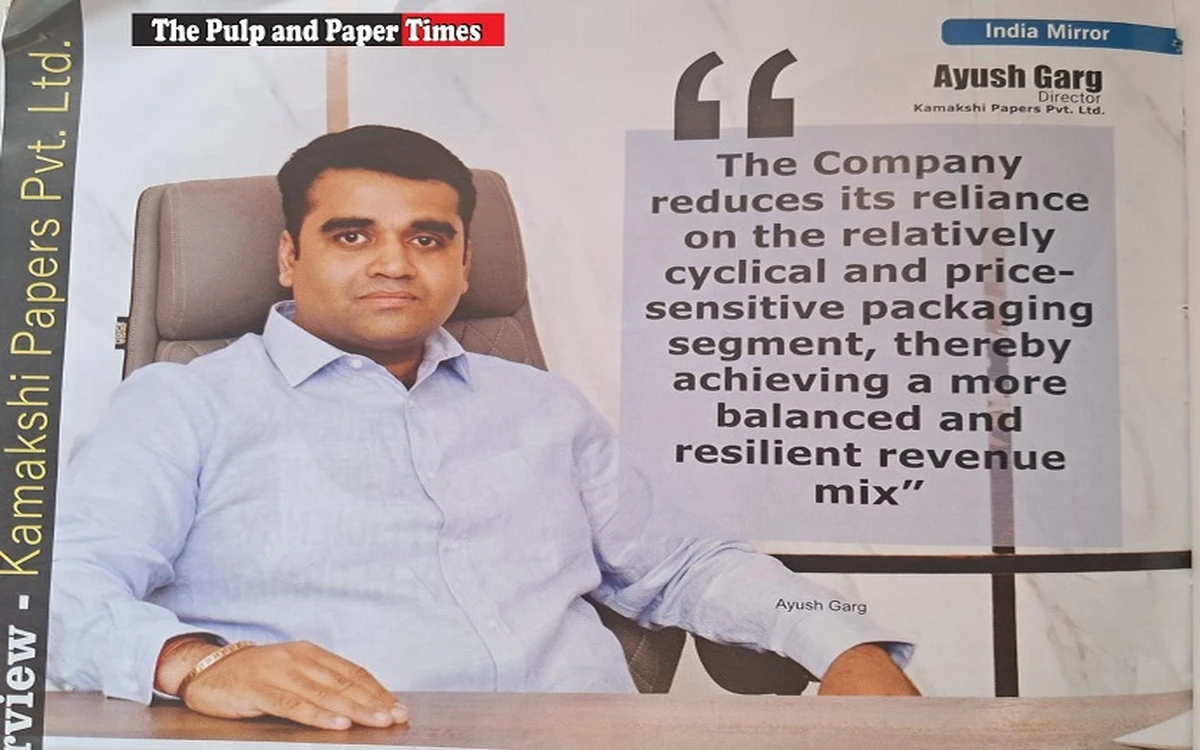
Akshay Jain, director of Silverton Pulp & Paper, says it's time to promote agro residue as a raw material to lessen the scarcity of fibre
Advantageously located, a new paper mill is all set to roll kraft paper in Madhya Pradesh
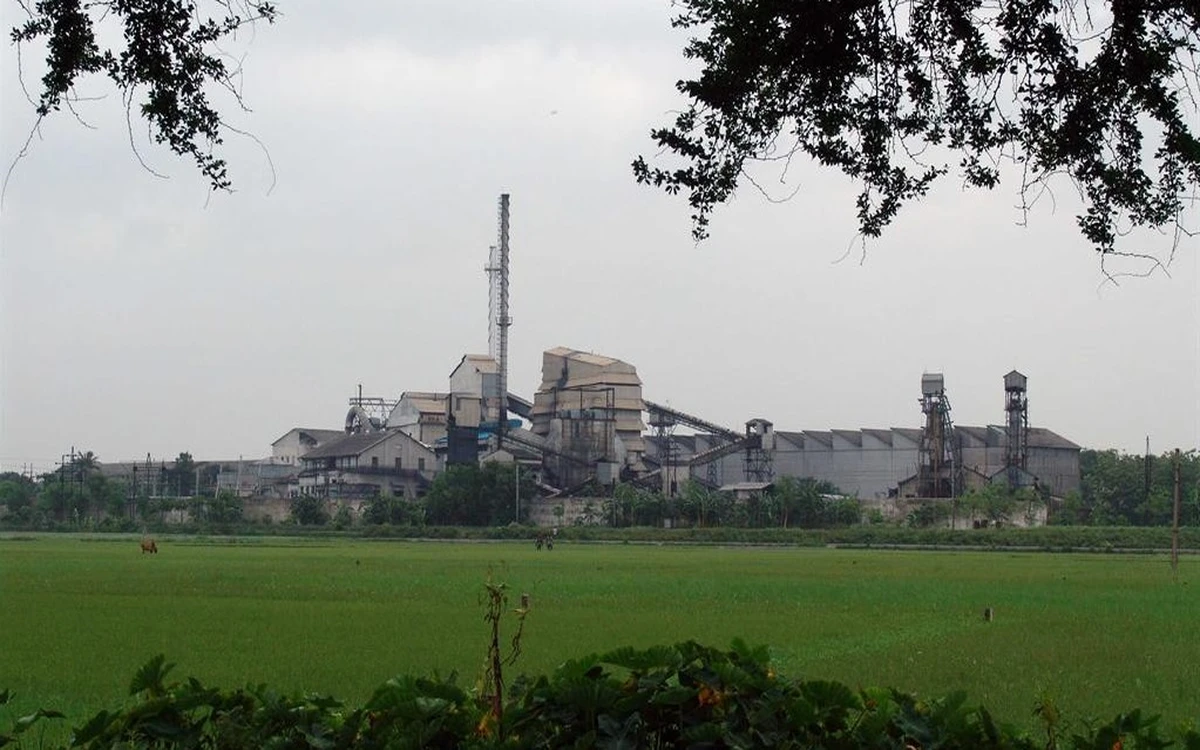
Several agile interventions helped ITC-PSPD fortify its clear leadership of the Value Added Paperboards (VAP) segment
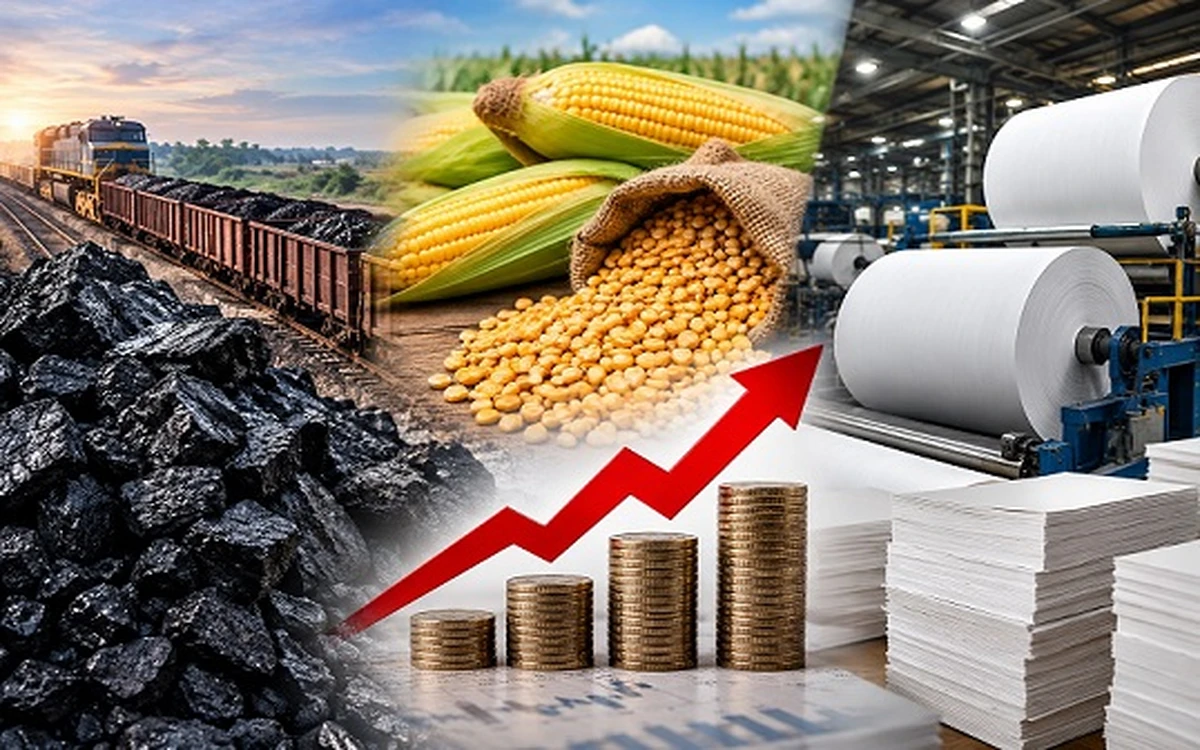
Indian paper industry is entering a sensitive phase, with coal and starch availability emerging as critical concerns; Price Hikes Indicated

Paper and Packaging Board Market May Face Cost Pressures Through March 2027; FPTA Advises Traders

Overall Increase in Kraft Paper Prices Could Reach 35%; Industry Calls for 20% Box Price Increase, Voluntary Shutdown Proposed

Ruchira Papers Invests a Sizeable Capex of Rs. 235–240 Crore Towards Writing & Printing Paper Capacity Expansion
Paper mills inflated the basic ex-mill price of paper post GST 2.0, AINMA seeks action against Anti-Profiteering
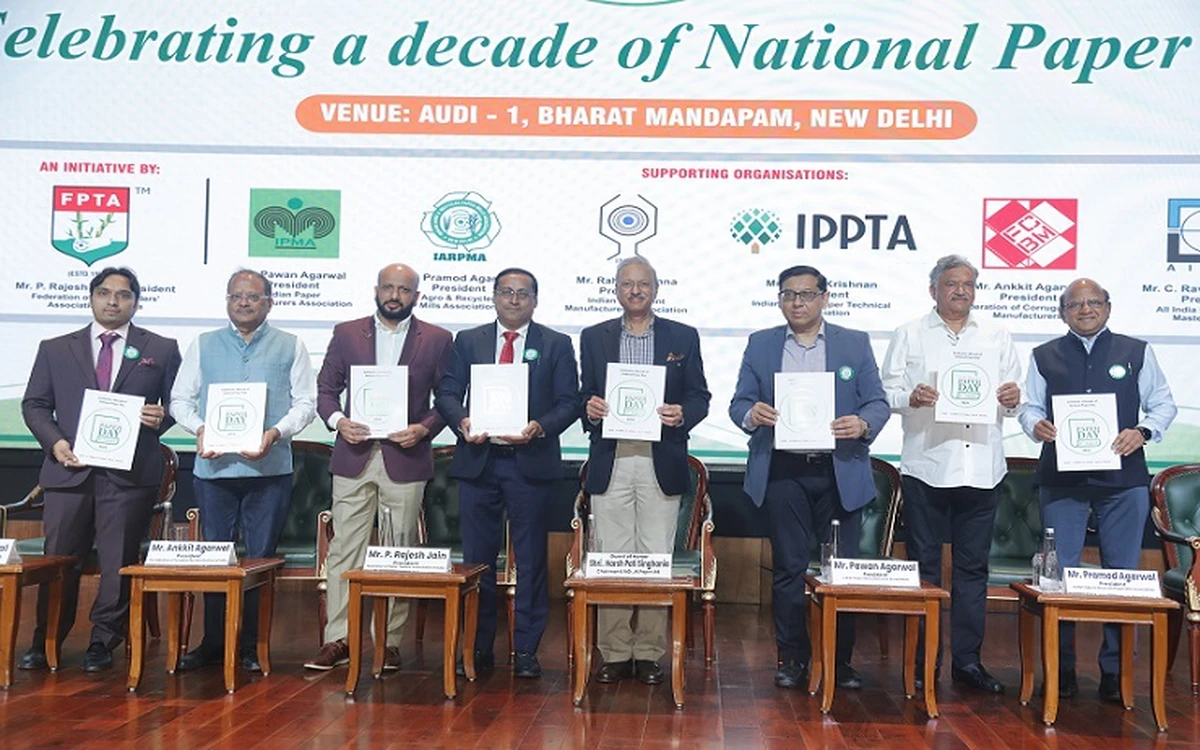
Seven Leading Associations Unite to Celebrate National Paper Day, Highlighting Paper's Sustainability and Circular Economy Advantage

Scientists from IIT-Guwahati develop India's first biodegradable plastic

Navneet Education focuses on brand building, curriculum-led growth, and export recovery; expects stationery margins to improve in FY27

It is estimated that USD10B to USD20B worth of single-use plastic packaging will convert to molded fiber, ZUME
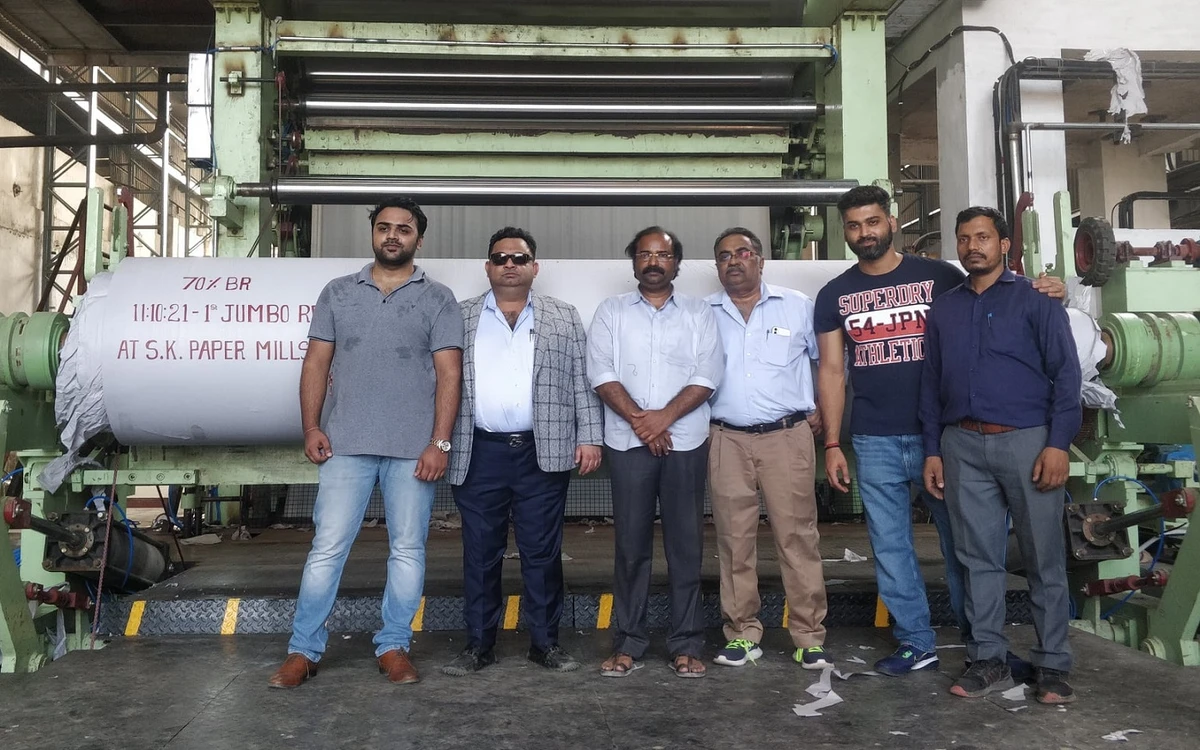
Muzaffarnagar gets a new capacity of Tissue Paper and MG Poster paper

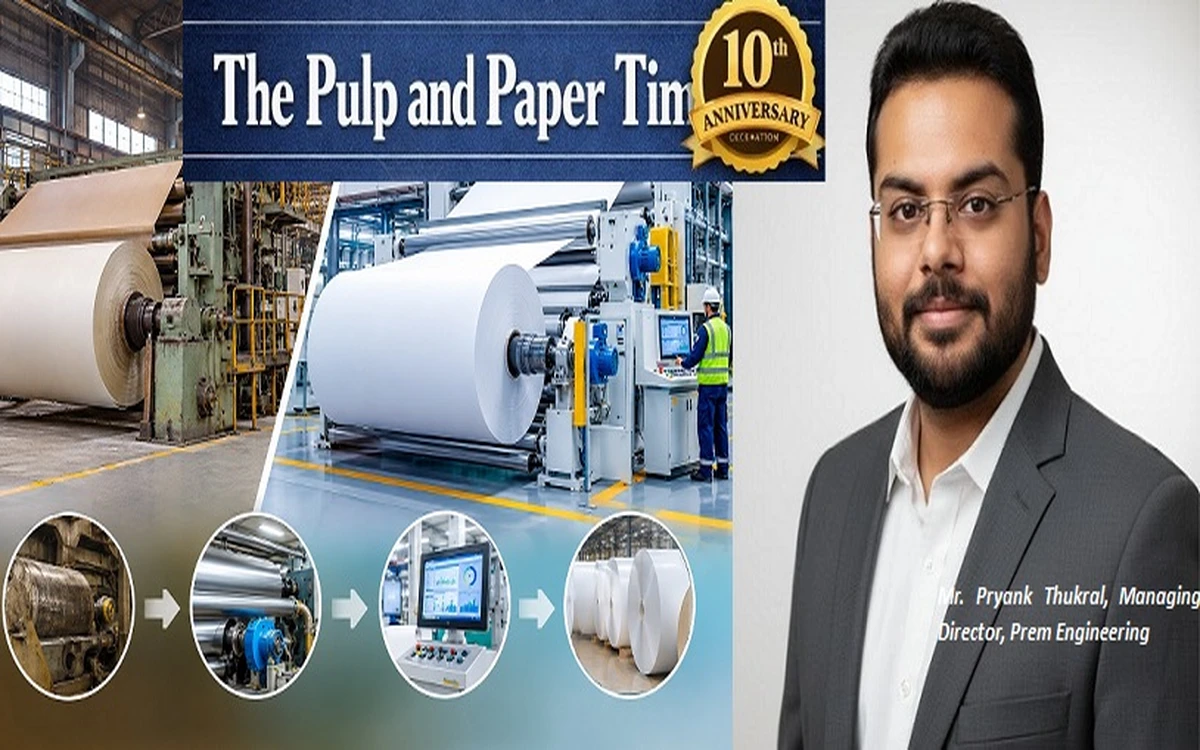
“The integration of digitalization, automation, and Artificial Intelligence (AI) is no longer a futuristic concept—it is the baseline for competitiveness in 2036” - Vinit Garg, Director, Vizen Solutions
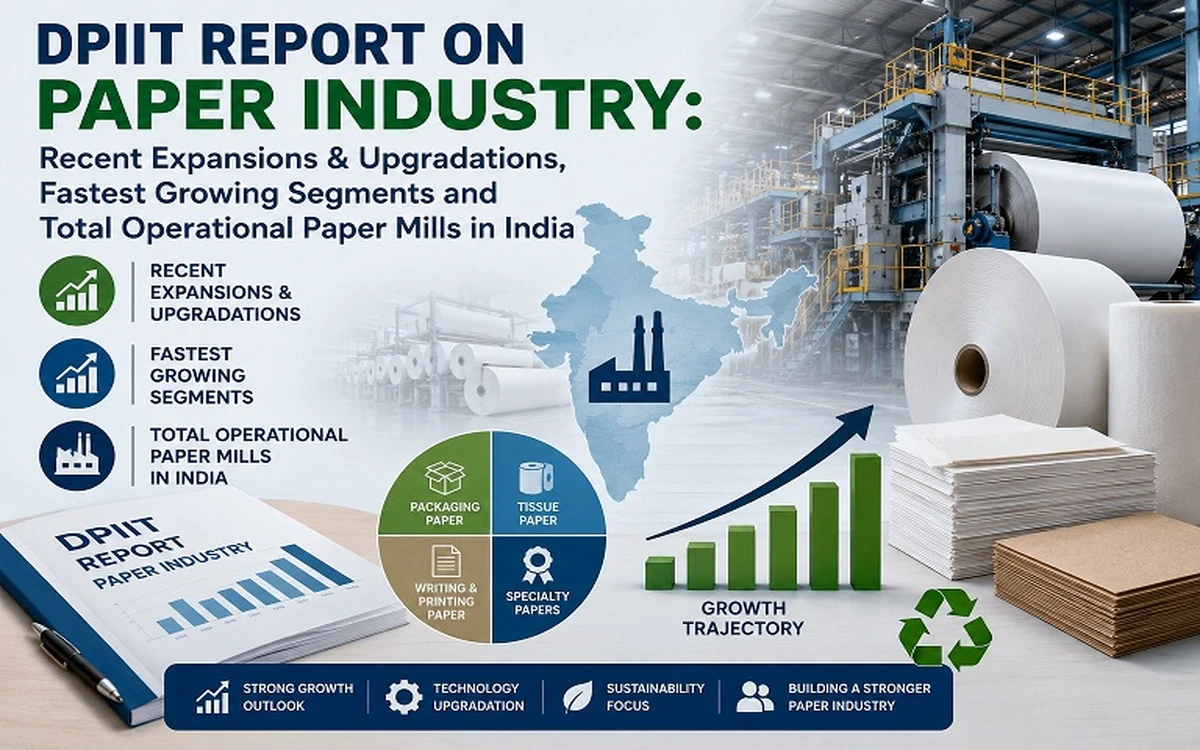
DPIIT Report on the Paper Industry: Recent Expansions & Upgrades, Fastest-Growing Segments, and Total Operational Paper Mills in India
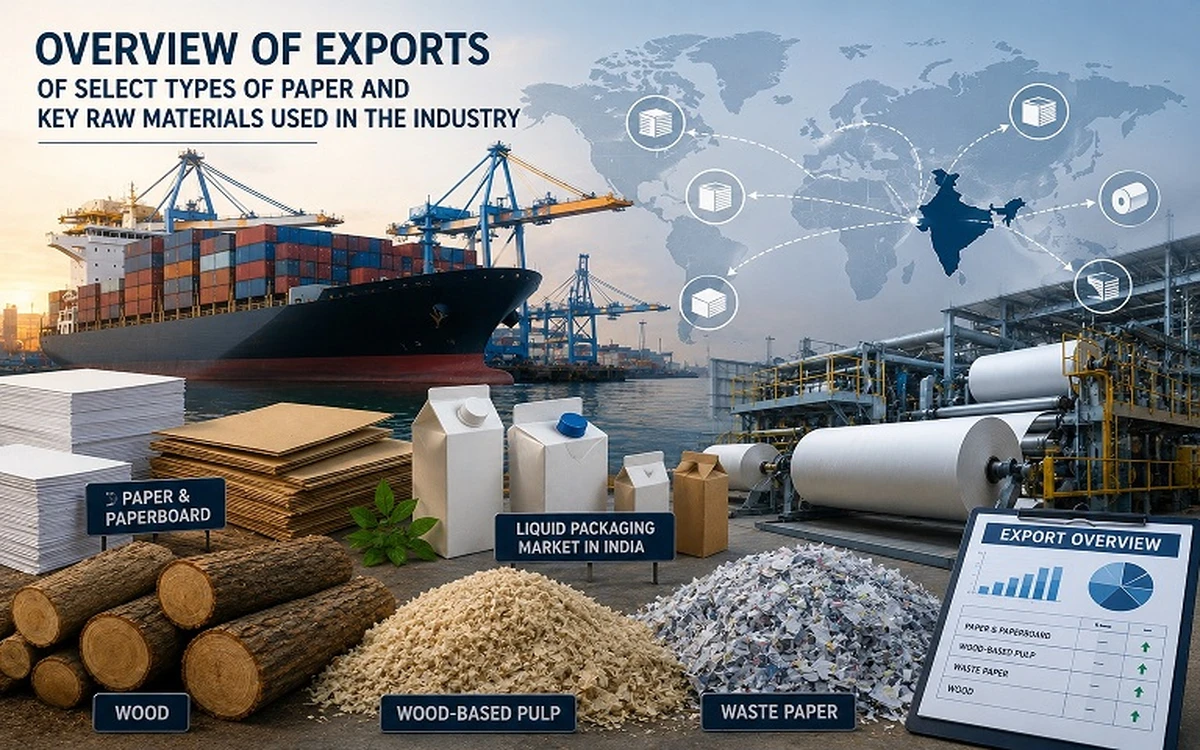
Overview of exports of select type of paper and key raw material used in the industry by Crisil Intelligence

Margin pressure pushes Pulp & Paper Packaging sector toward AI-Driven cost optimization, Cutting costs by 8–20%
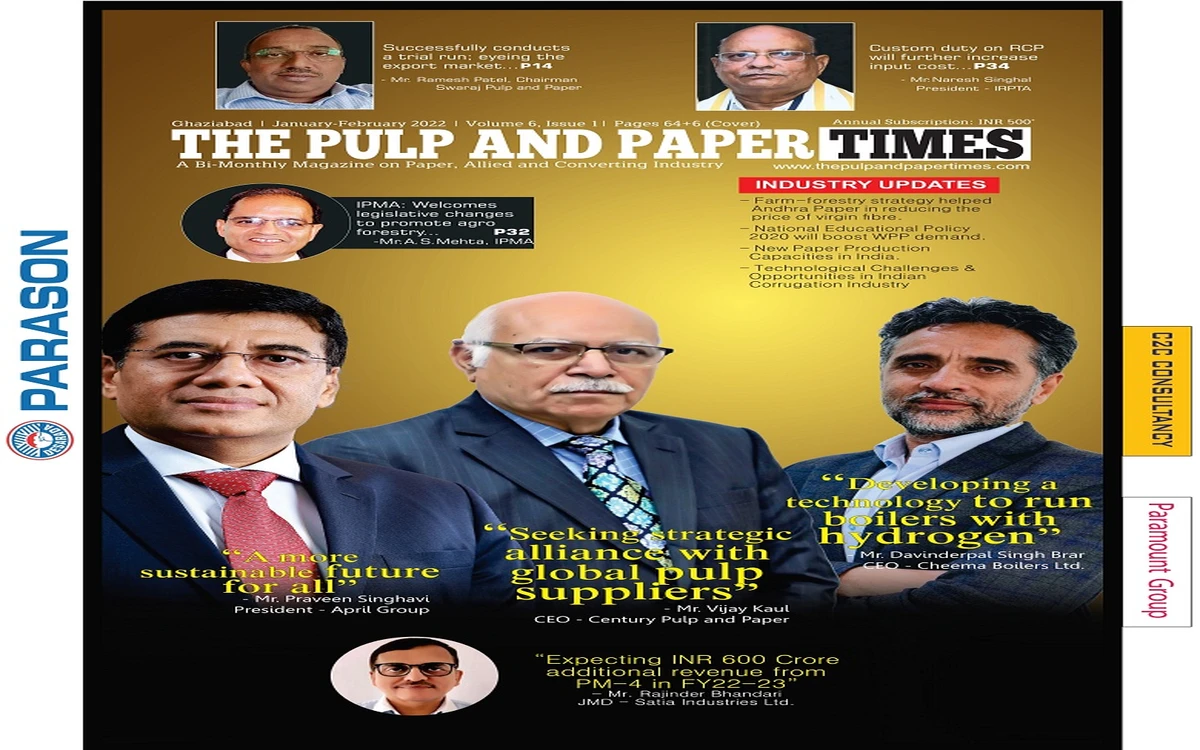
The Pulp and Paper Times Magazine : Volume 6, Issue 1
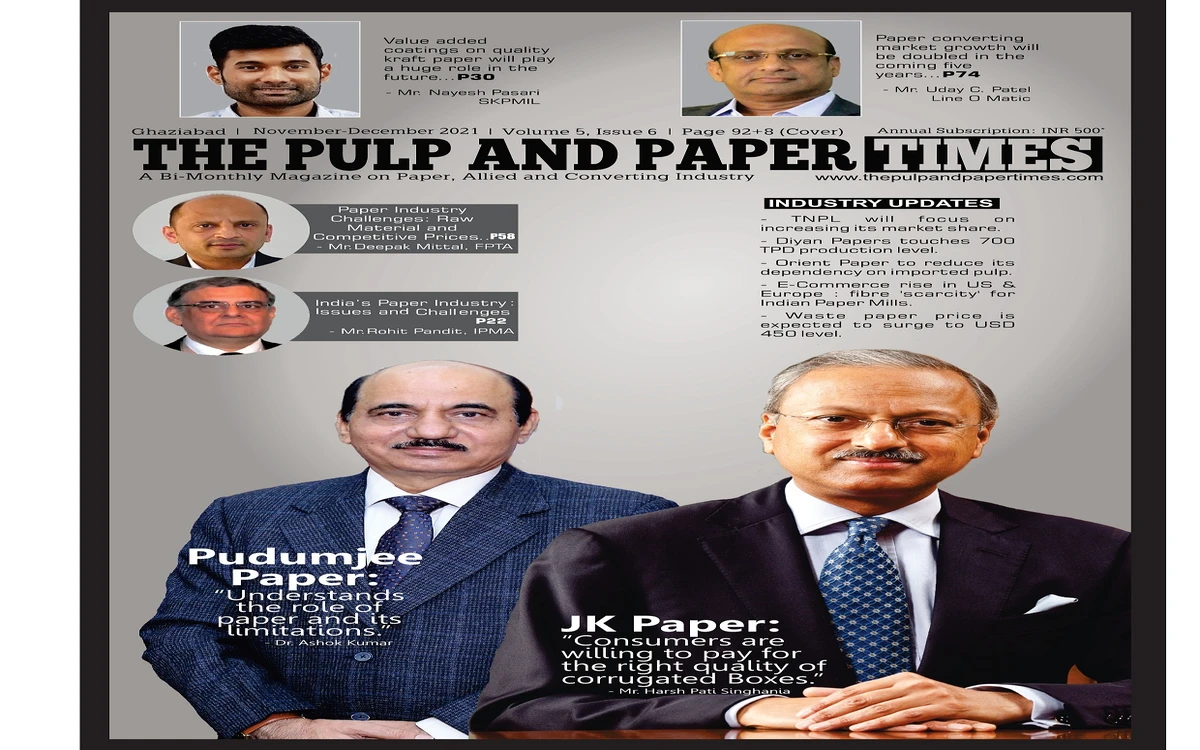
The Pulp and Paper Times Magazine : Volume 5, Issue 6
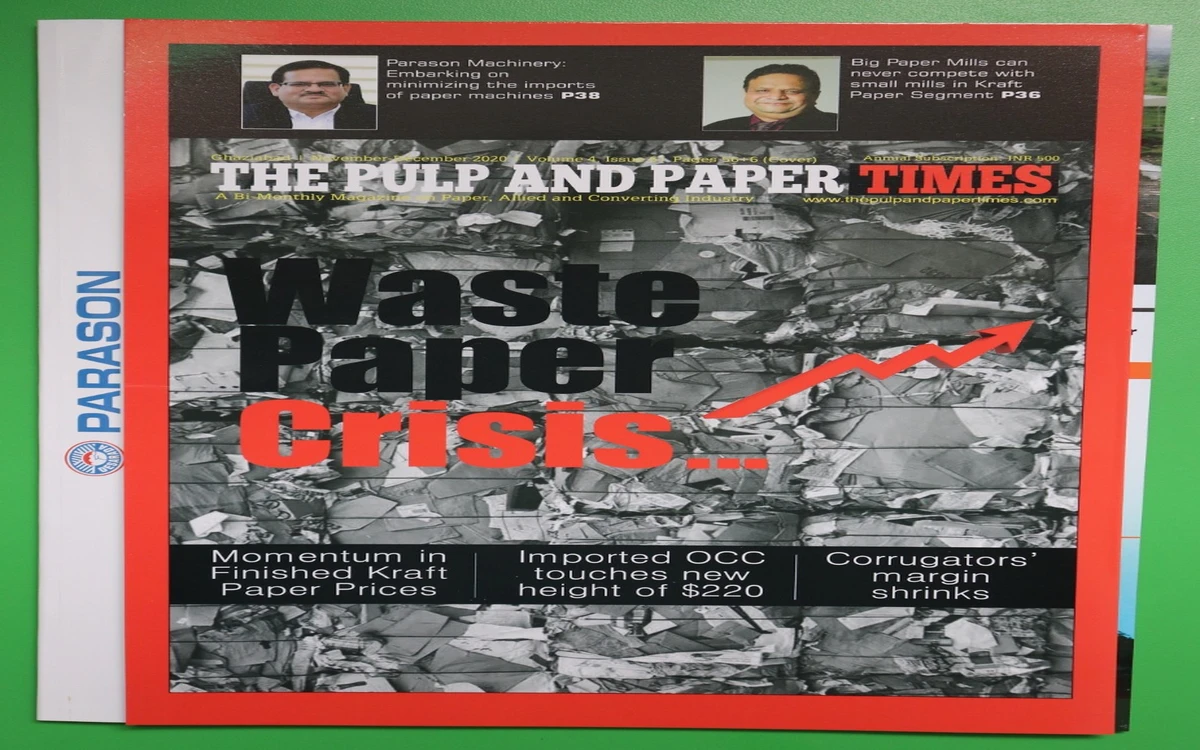
The Pulp and Paper Times: Volume 4, Issue 6
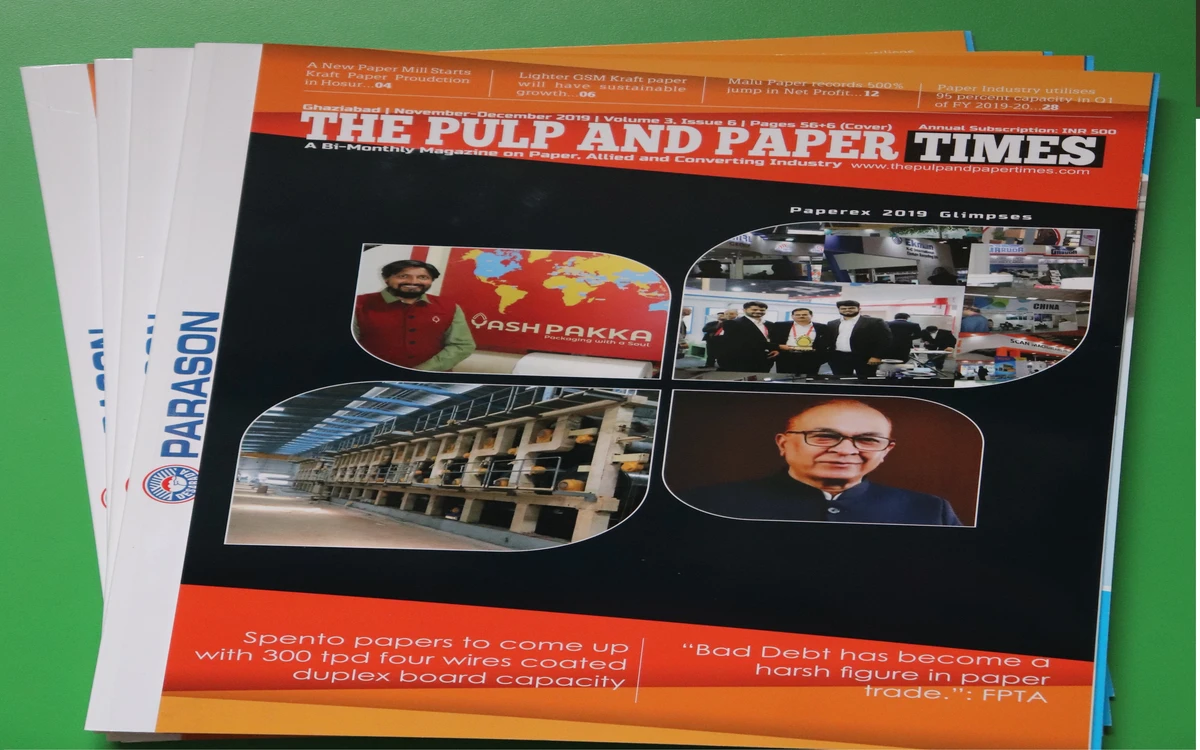
The Pulp and Paper Times : Volume 3, Issue 6
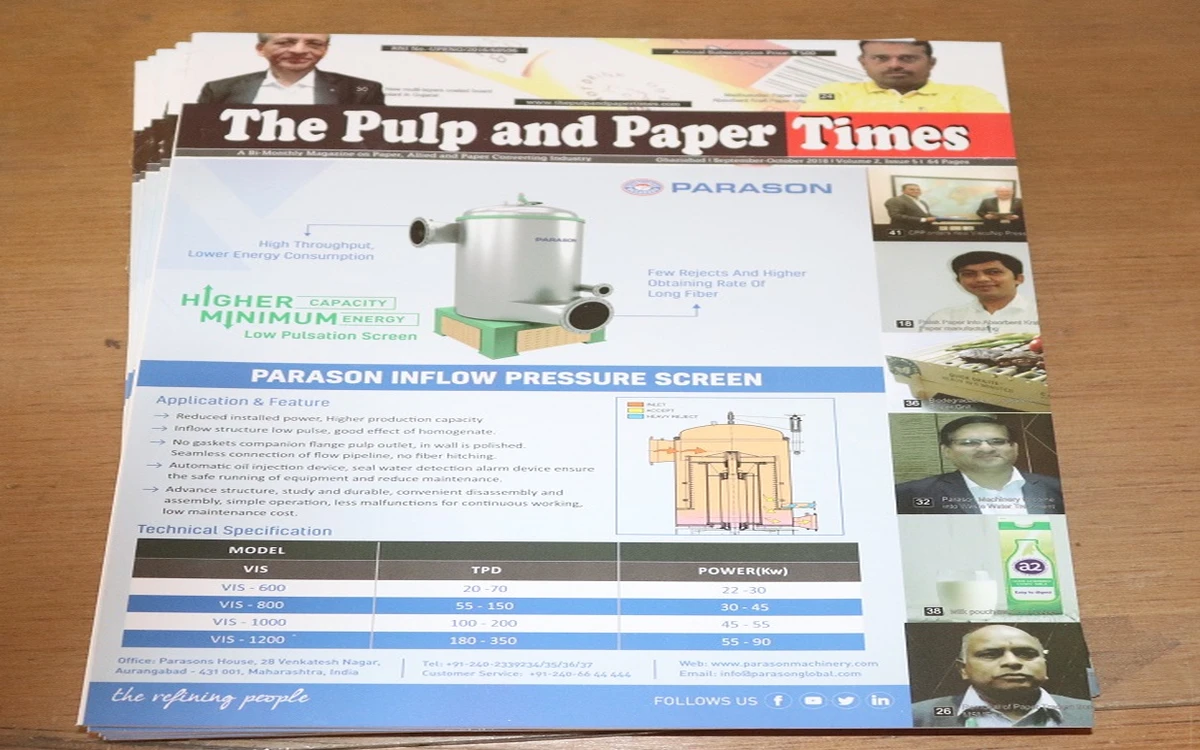
The Pulp and Paper Times: Volume 2 Issue 5
The Pulp and Paper Times, Volume 1, Issue 3
The Pulp and Paper Times, November 2016 Issue

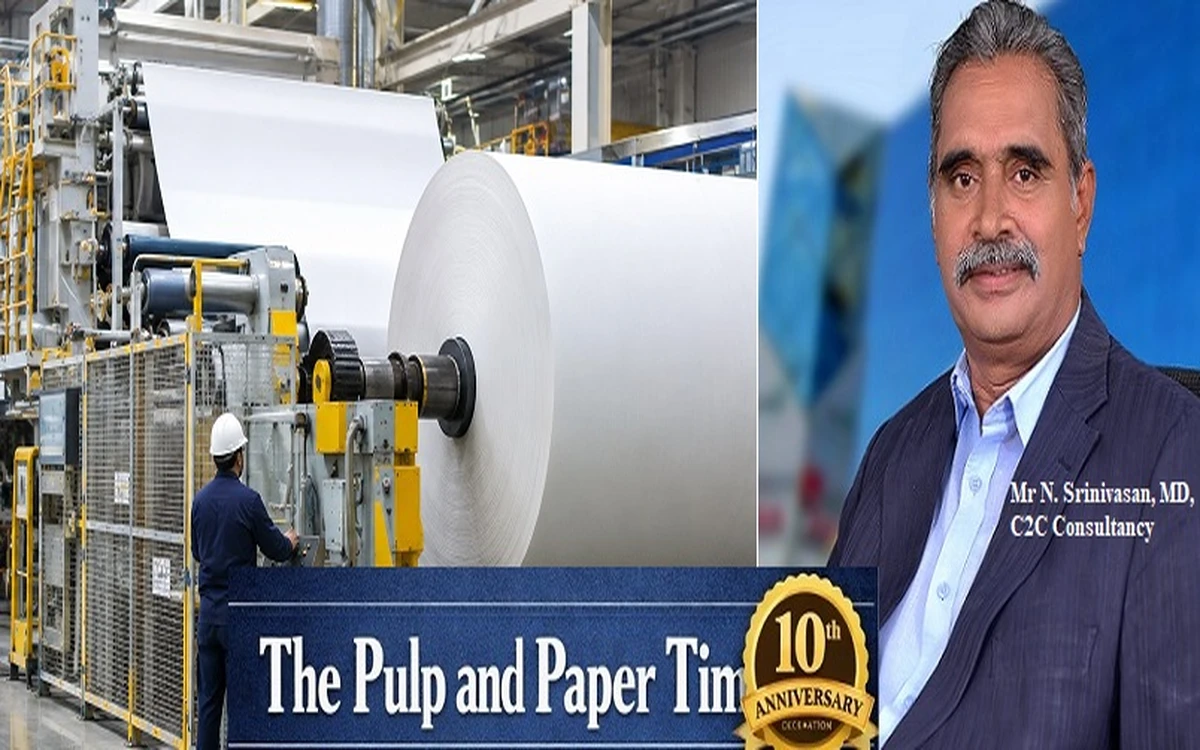
Completing a decade of industry-focused journalism, The Pulp and Paper Times proudly presents this special anniversary feature exploring the future of paper manufacturing. With the theme “Smart, Sustainable, Scalable: How Paper Machine & Technology Suppliers Will Shape the Paper Industry 2036,” we invited some of the world's leading machine builders and technology suppliers to share their vision for the next ten years. From intelligent automation and energy efficiency to next-generation production technologies, their perspectives reveal how the industry is preparing for a new era of growth and sustainability. Here is perspective of Mr N. Srinivasan, Managing Director, C2C Consultancy
- Evolution of Paper Mills Towards 2036: Smart, Efficient, and Sustainable Technology Solutions
-The technologies outlined above are applicable to both paper machine rebuild projects and new greenfield installations. However, given the substantial capital investment involved, a phased implementation strategy is recommended
The Pulp and Paper Times

The global paper industry is entering a transformative era driven by technological innovation, sustainability requirements, digitalization, and increasing market competitiveness. While paper manufacturers continue to focus on improving product quality and production performance, they also face growing challenges in optimizing operating parameters, reducing operating costs, conserving resources, and complying with stringent environmental regulations.
To remain competitive, future paper mills must prioritize energy efficiency, water conservation, production optimization, product quality improvement, food safety compliance (including FSSC requirements), automation, and environmental sustainability. By 2036, the adoption of advanced and economically viable technologies from international and Asian suppliers is expected to accelerate significantly, reshaping the way paper mills are designed, operated, and modernized.

Technology and equipment suppliers will increasingly evolve from conventional machinery providers into strategic partners, supporting mills through innovation, digitalization, process optimization, and sustainable manufacturing solutions. Their role will be critical in helping paper producers improve resource utilization, operational reliability, profitability, and global competitiveness.
As many existing paper machines are expected to remain in operation beyond 2036, rebuilding and modernization projects will become increasingly important. Rather than complete machine replacement, mills are likely to adopt phased expansion and technology upgrade strategies to enhance capacity, quality, efficiency, and reliability while optimizing capital investment.
Key technological advancements expected to gain wider adoption include:
• Short circulation systems to improve stock preparation efficiency, paper quality, and operating cost performance.
• Low-pulsation fan pumps for improved machine runnability, process stability, and reduced operating costs.
• Dilution control headboxes to achieve superior cross-direction (CD) profile control and improved machine efficiency.
• Advanced drainage technologies designed to enhance formation, retention, drainage control, and machine runnability, particularly at machine speeds exceeding 600 m/min.
• Top former installations to reduce sheet two-sidedness, improve formation, and enhance strength properties such as SCT, RCT, and CMT.
• Shoe press technology to increase sheet dryness after the press section, significantly reducing steam consumption in the dryer section.
• Perforated UHLE boxes to lower vacuum energy requirements and machine drive loads.
• High-pressure (8–10 bar) dryer cylinders, which are becoming the industry standard for high-speed machines, offering improved evaporation rates and reduced specific energy consumption.
• Film size press technology to improve surface strength while reducing overall steam energy demand.
• Oil-heated calender rolls with crown control systems for enhanced paper properties, improved profile uniformity, and superior product quality.
• Automatic nip load control pope reels to produce consistently high-quality parent reels and minimize downstream converting losses.
Energy optimization will remain a primary focus area. Mills are expected to increasingly replace conventional vacuum systems with turbo blowers, reducing both electrical power and water consumption. Similarly, the adoption of Permanent Magnet (PM) motors will continue to grow due to their higher efficiency, lower operating costs, and reduced energy consumption compared with conventional induction motors.
Advanced process control will play a vital role in future paper manufacturing. Integration of sophisticated dryer control software with Distributed Control Systems (DCS) will optimize steam and condensate systems, resulting in smoother machine operation, improved product quality, and enhanced energy efficiency. These solutions will be particularly valuable in rebuild projects where space limitations restrict the addition of new dryer cylinders.
Further energy savings can be achieved through the implementation of closed hoods and pocket ventilation systems, which improve heat recovery, reduce steam consumption, and maintain uniform moisture profiles across the sheet.
As production volumes and reel sizes continue to increase, mills will increasingly adopt automated reel handling systems, intelligent warehousing, and smart logistics technologies. These solutions will improve operational safety, streamline material movement, reduce manpower dependency, and enhance overall supply chain efficiency.
Future high-speed paper machines will also incorporate advanced low-friction, hybrid ceramic, and smart bearings to improve machine reliability, reduce maintenance requirements, and increase energy efficiency.
The next generation of paper mills will be highly data-driven, utilizing Artificial Intelligence (AI), machine learning, and predictive maintenance platforms from leading automation providers to enable smart manufacturing, reduce unplanned downtime, optimize asset performance, and improve profitability.
Environmental compliance will become increasingly important. To consistently meet stringent pollution control requirements, mills are expected to adopt anaerobic reactors, advanced wastewater treatment technologies, and waste-to-energy systems capable of utilizing rejects such as plastics, sludge, and other process wastes for energy recovery.
Additionally, high-speed machines operating above 600 m/min will increasingly incorporate modern technologies such as automated tail threading systems, smart cleaning showers, high-pressure water tail cutters, intelligent doctoring systems with condition monitoring sensors, and sensor-based auto-guide systems to enhance safety, productivity, and machine efficiency.
The technologies outlined above are applicable to both paper machine rebuild projects and new greenfield installations. However, given the substantial capital investment involved, a phased implementation strategy is recommended. Such an approach enables paper mills to progressively adopt advanced technologies while balancing operational requirements, investment costs, and return on investment. By 2036, smart, energy-efficient, and sustainable technologies will become essential enablers of long-term growth and competitiveness in the global paper industry.

1 days ago
Total Views : 3726
3 days ago
Total Views : 1954
last week
Total Views : 2865
last week
Total Views : 2612

last week
Total Views : 799
last week
Total Views : 1358
2 weeks ago
Total Views : 3961
2 weeks ago
Total Views : 2824
2 weeks ago
Total Views : 828

2 weeks ago
Total Views : 3697