Join Groups & Channels, No Spamming









Morbi paper mills see full-capacity operations as ceramic industry revives; Kraft paper exports to China spike, Prices strengthen; Janmashtami shutdown ahead

The BE and caustic soda plant marks a key milestone for Mohit Paper Mills, enabling full utilization of installed capacity and enhancing overall production efficiency
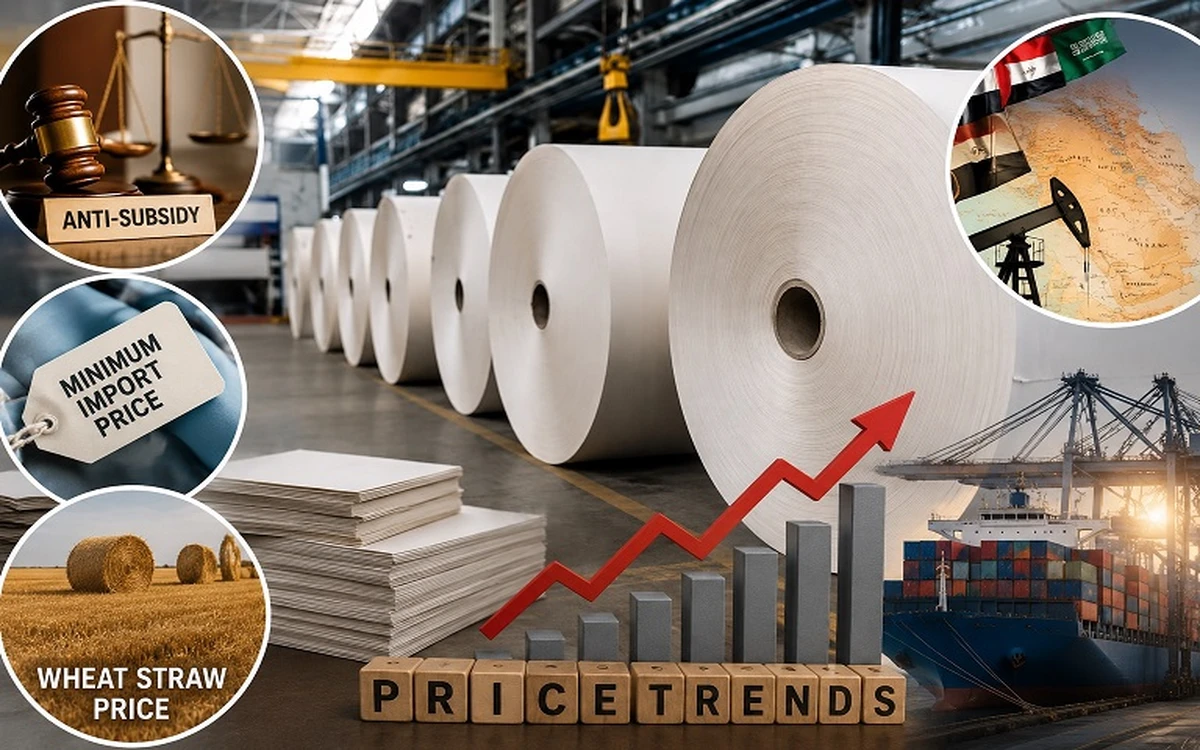
Expert Views on the paper market scenario, How the West Asia Crisis Helped the Industry, MIP for WPP, Anti-Subsidy implementation, and paper price trends
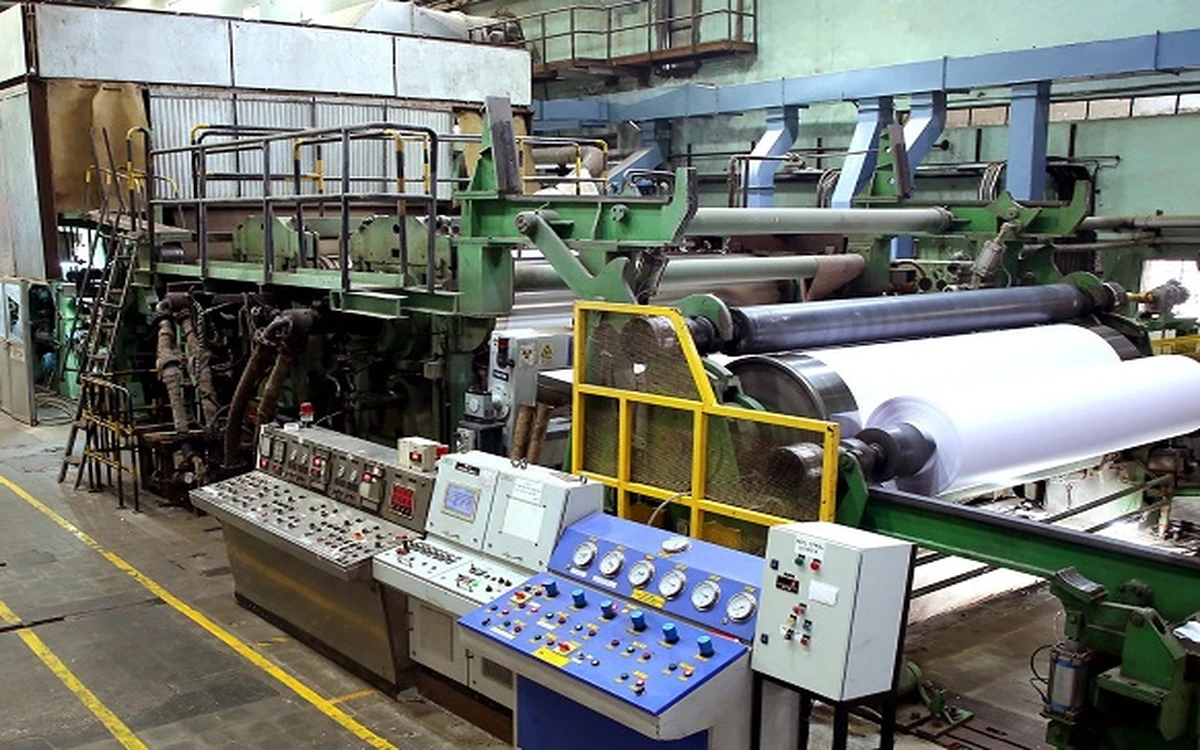
Pudumjee Paper intends to develop new varieties addressing applications for stronger paper bags and cupcakes; Plans 68,000 MT Mahad Specialty Paper Facility within 5 years
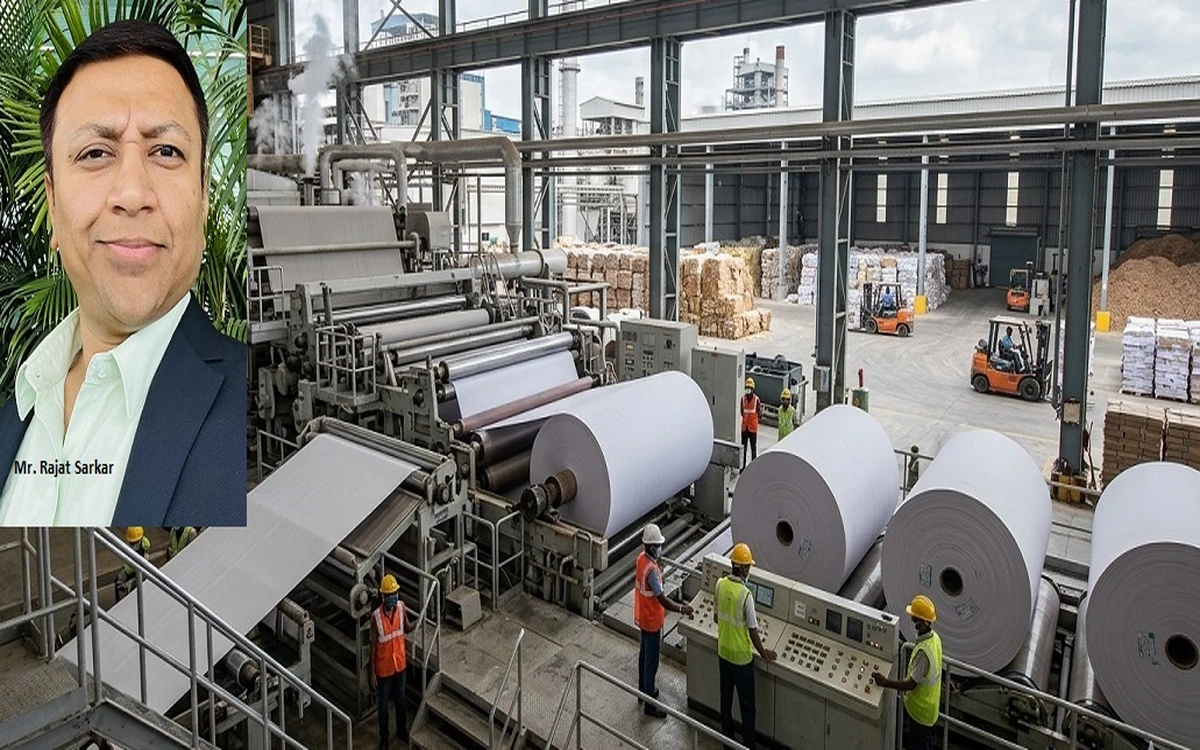
India Paper Industry at an Inflection Point: War, Costs, and Capacity; Demand growth expected at 5–7% in FY26
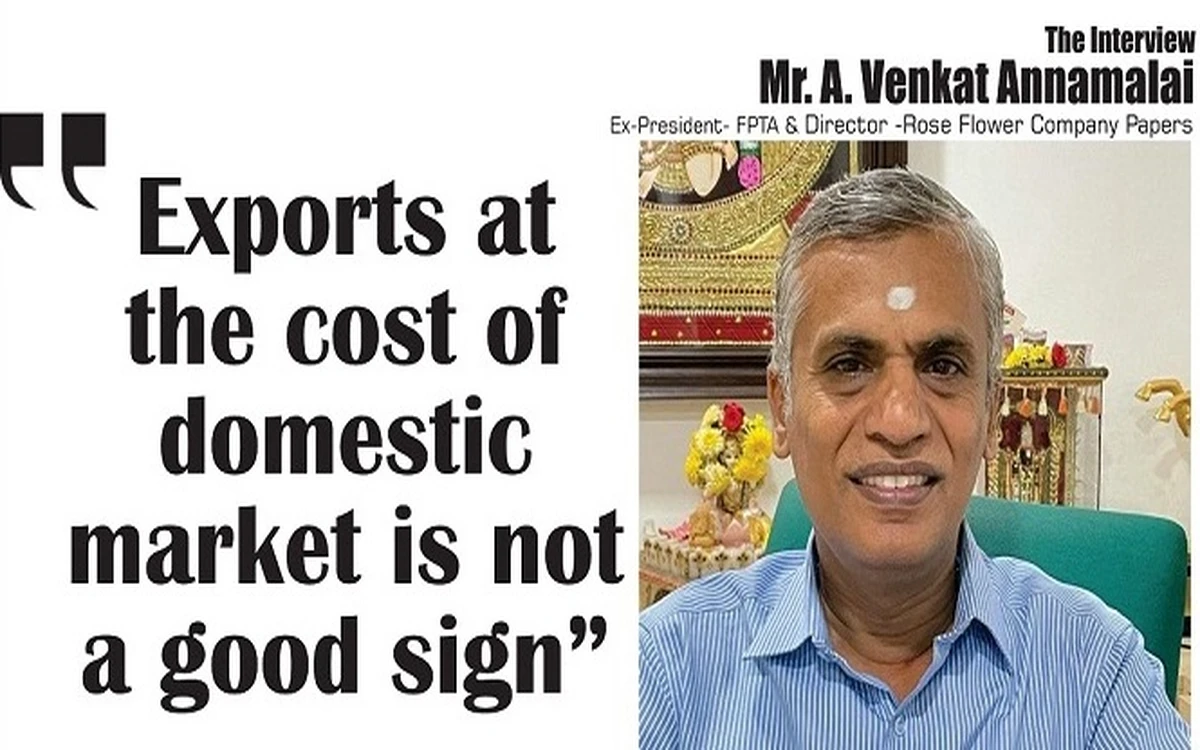
“Surging exports of paper will most certainly keep the domestic prices quite high”: Mr. A. Annamalai, Director – RFC
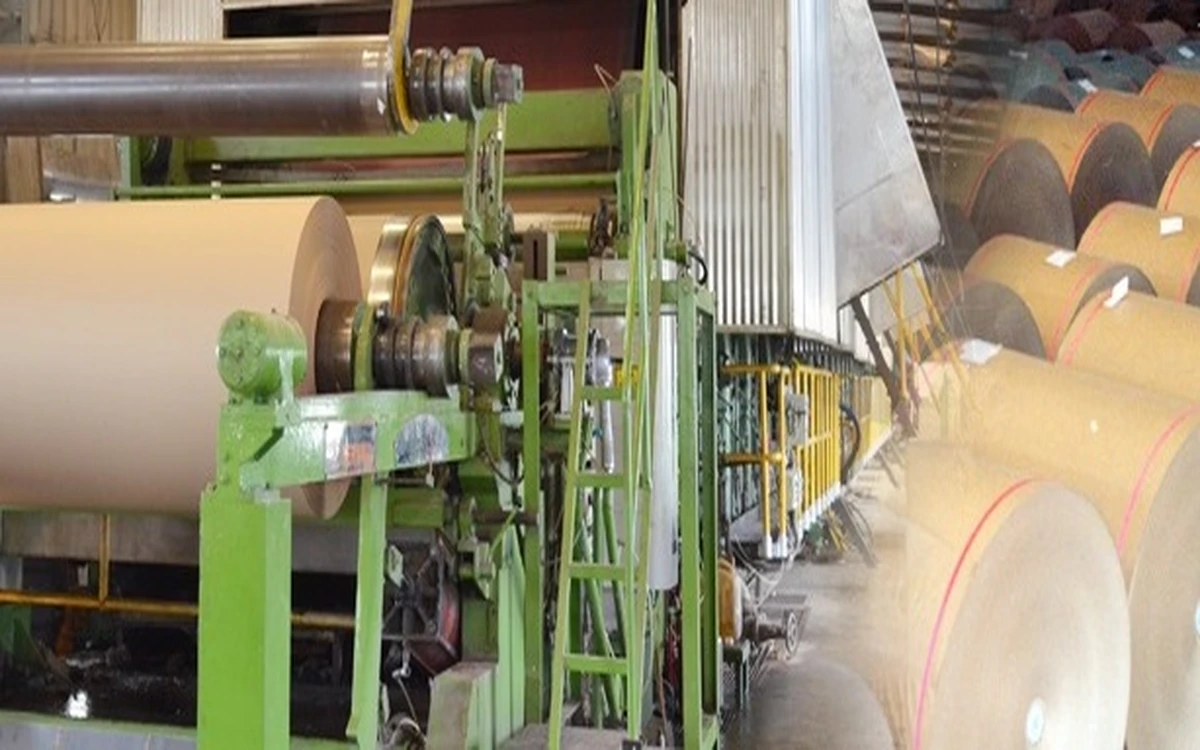
The Status of the Global Container board Industry, Recycled Paper Demand and Supply and its impact on the Indian Industry

Akshay Jain, director of Silverton Pulp & Paper, says it's time to promote agro residue as a raw material to lessen the scarcity of fibre
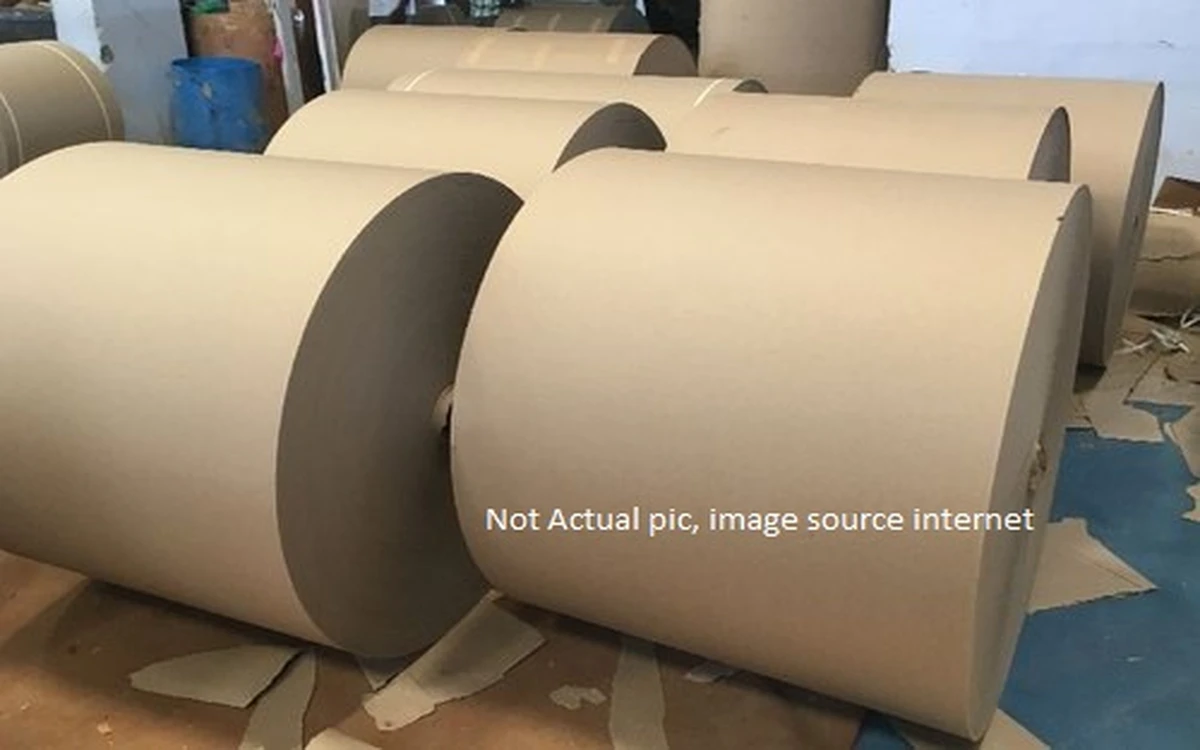
Advantageously located, a new paper mill is all set to roll kraft paper in Madhya Pradesh
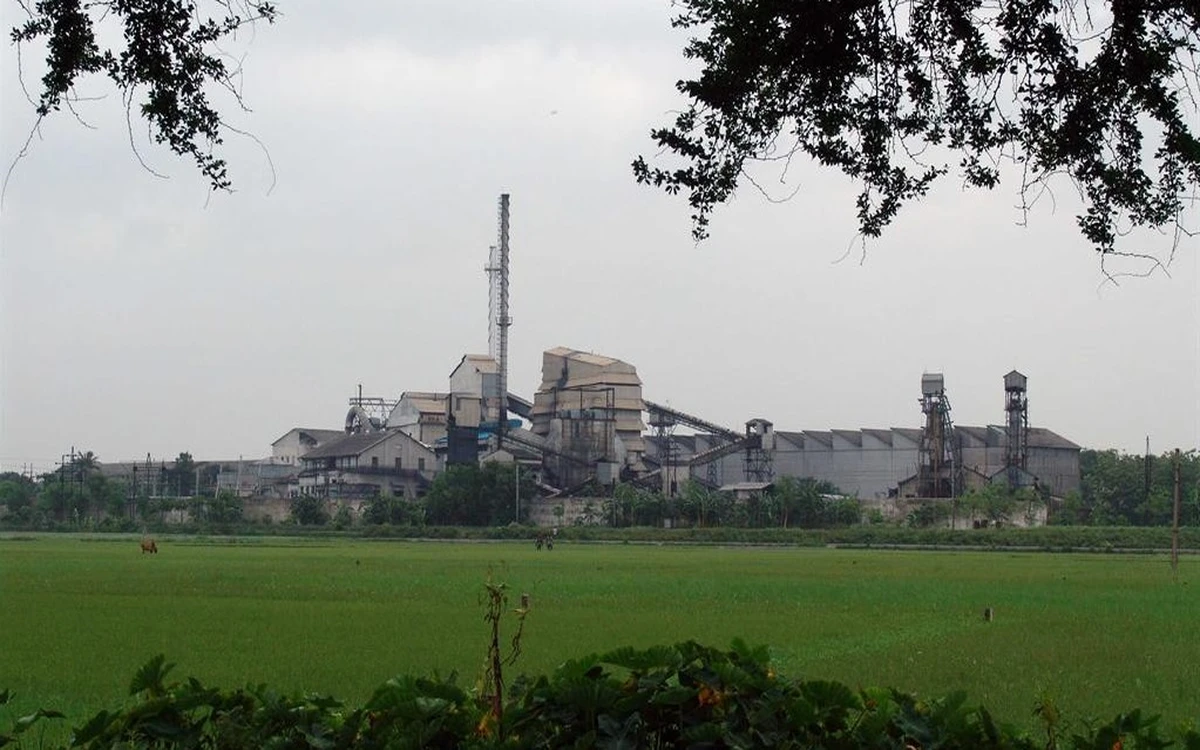
Several agile interventions helped ITC-PSPD fortify its clear leadership of the Value Added Paperboards (VAP) segment
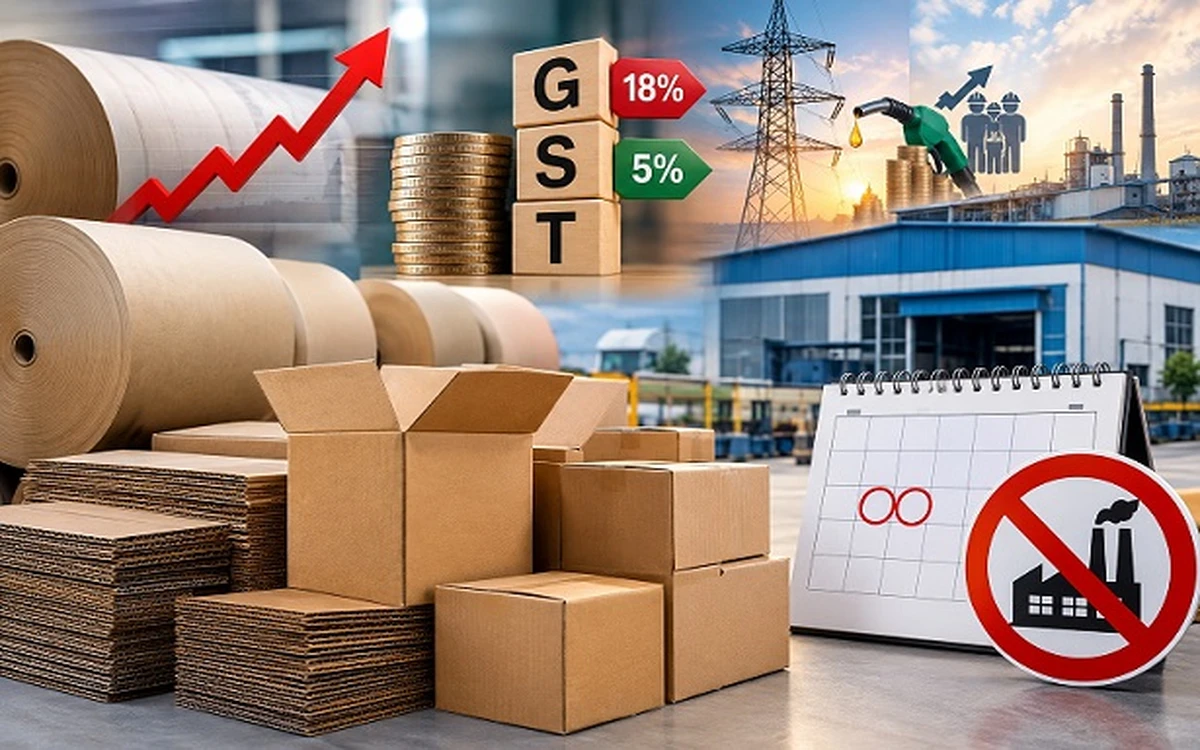
Overall Increase in Kraft Paper Prices Could Reach 35%; Industry Calls for 20% Box Price Increase, Voluntary Shutdown Proposed
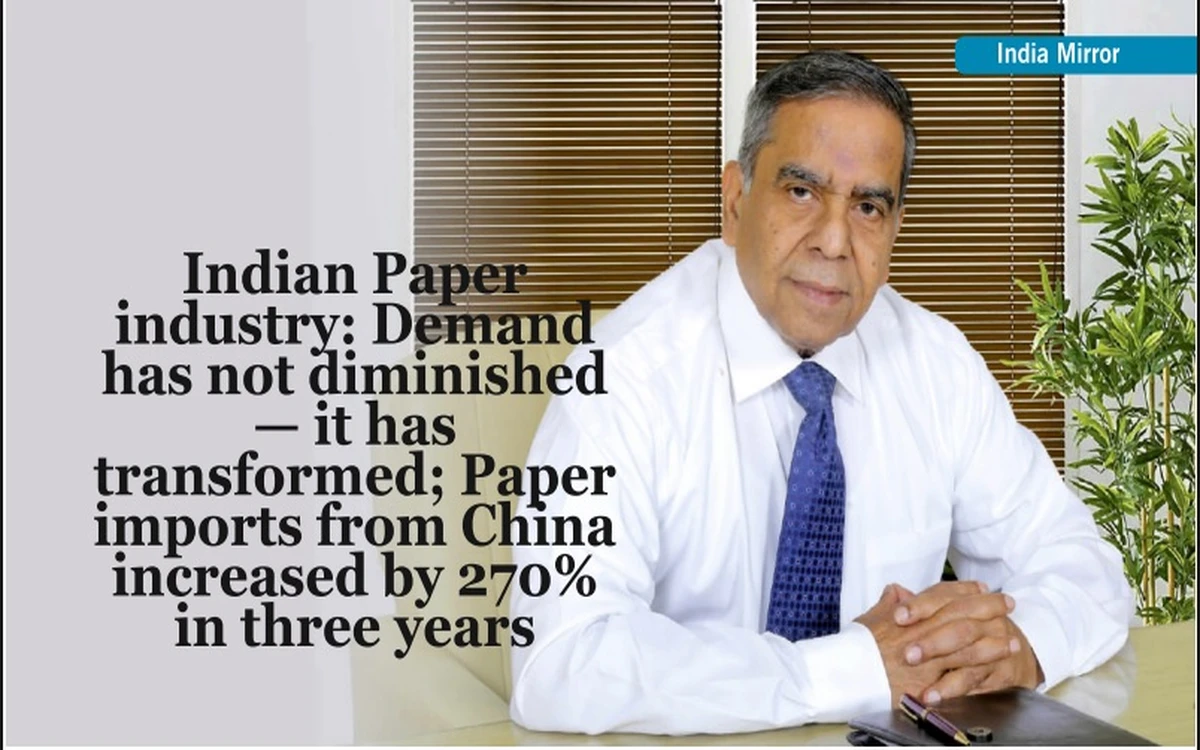
Indian Paper industry: Demand has not diminished — it has transformed; Paper imports from China increased by 270% in three years
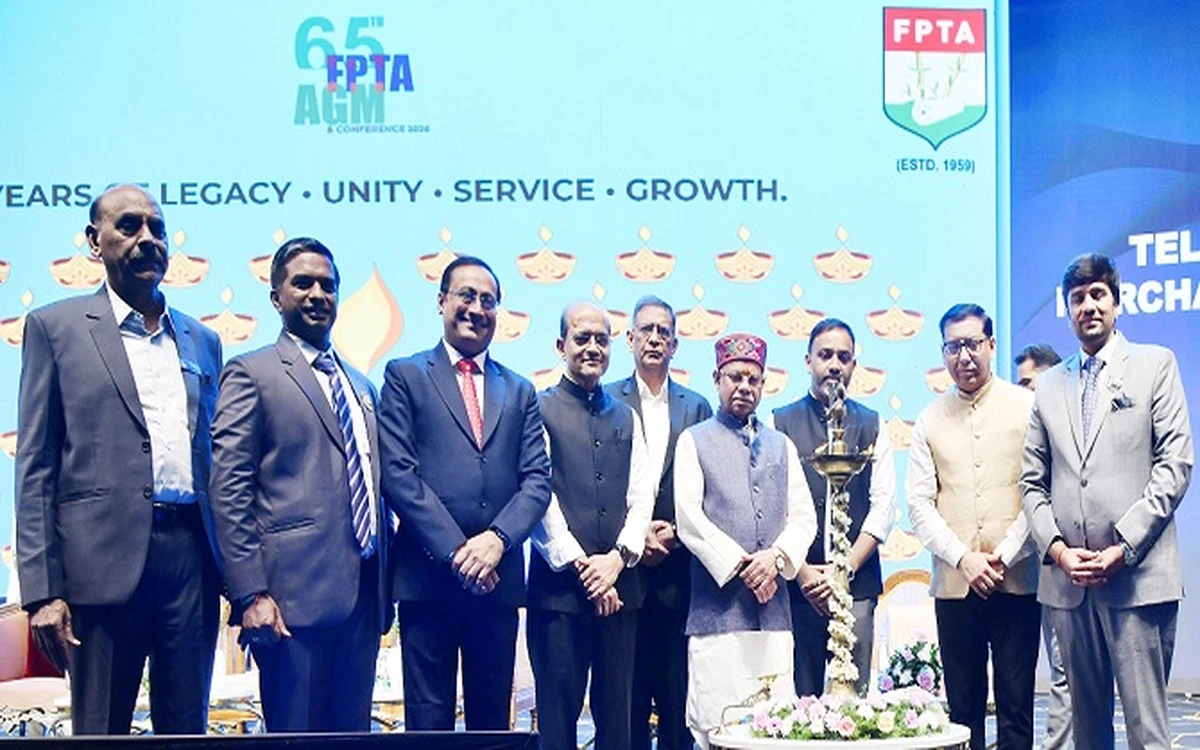
Paper Mills and Dealers Must Work Together to Create New Demand, Say Industry Leaders at FPTA’s 65th AGM
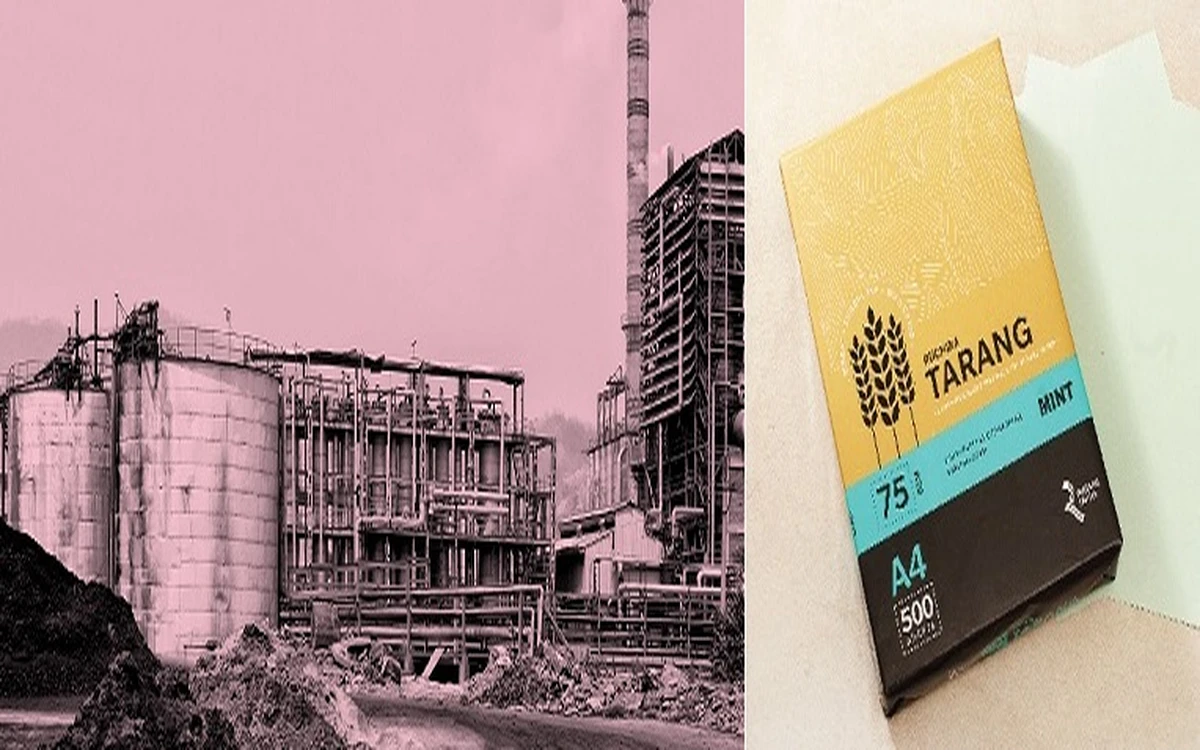
Ruchira Papers Invests a Sizeable Capex of Rs. 235–240 Crore Towards Writing & Printing Paper Capacity Expansion
Paper mills inflated the basic ex-mill price of paper post GST 2.0, AINMA seeks action against Anti-Profiteering
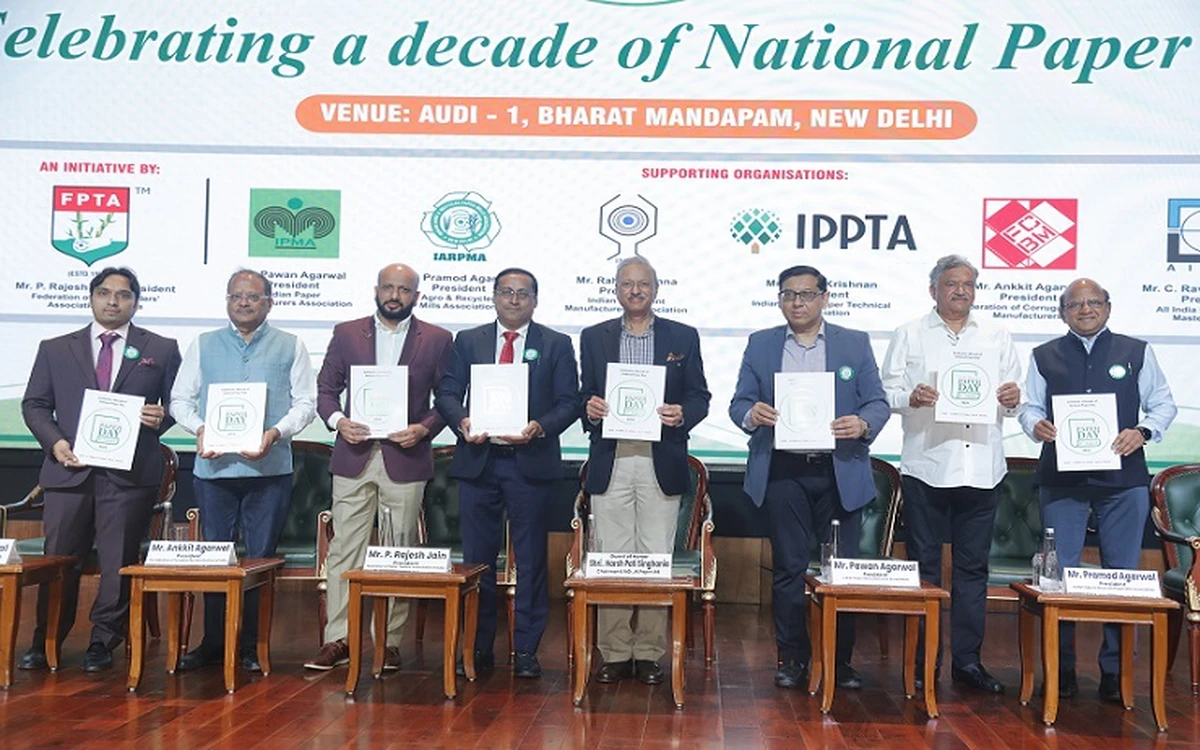
Seven Leading Associations Unite to Celebrate National Paper Day, Highlighting Paper's Sustainability and Circular Economy Advantage
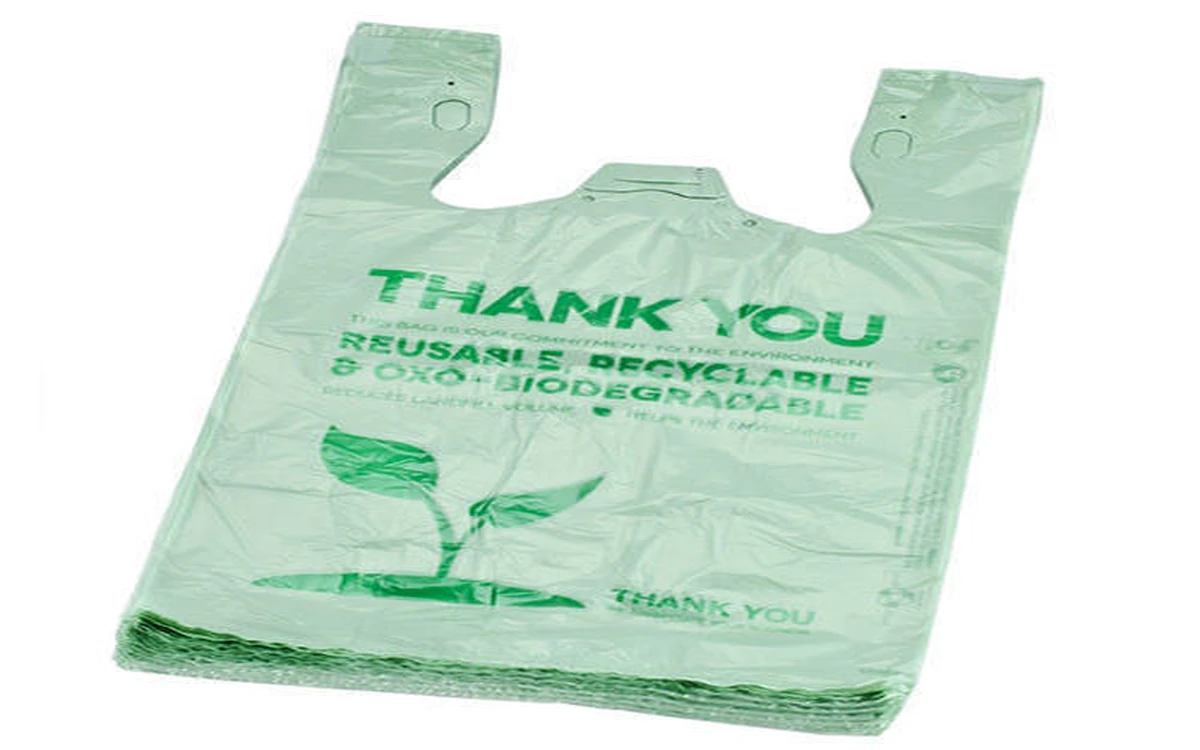
Scientists from IIT-Guwahati develop India's first biodegradable plastic

Navneet Education focuses on brand building, curriculum-led growth, and export recovery; expects stationery margins to improve in FY27

It is estimated that USD10B to USD20B worth of single-use plastic packaging will convert to molded fiber, ZUME
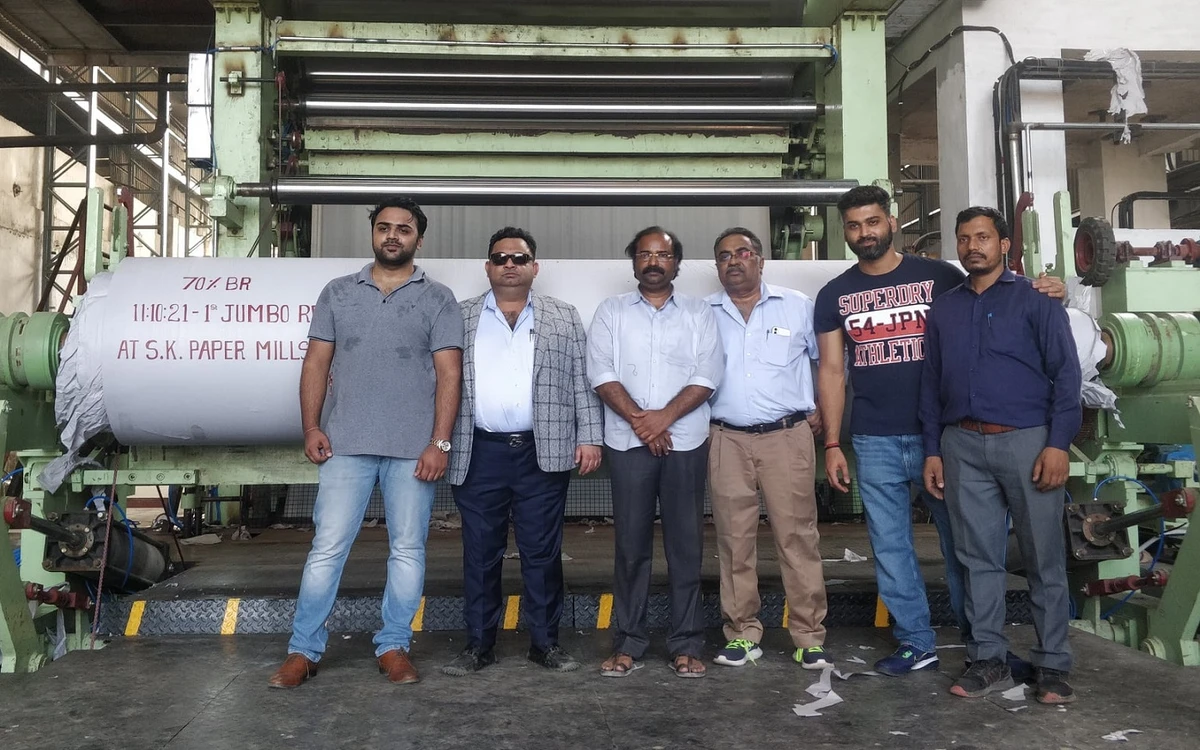
Muzaffarnagar gets a new capacity of Tissue Paper and MG Poster paper

“The integration of digitalization, automation, and Artificial Intelligence (AI) is no longer a futuristic concept—it is the baseline for competitiveness in 2036” - Vinit Garg, Director, Vizen Solutions
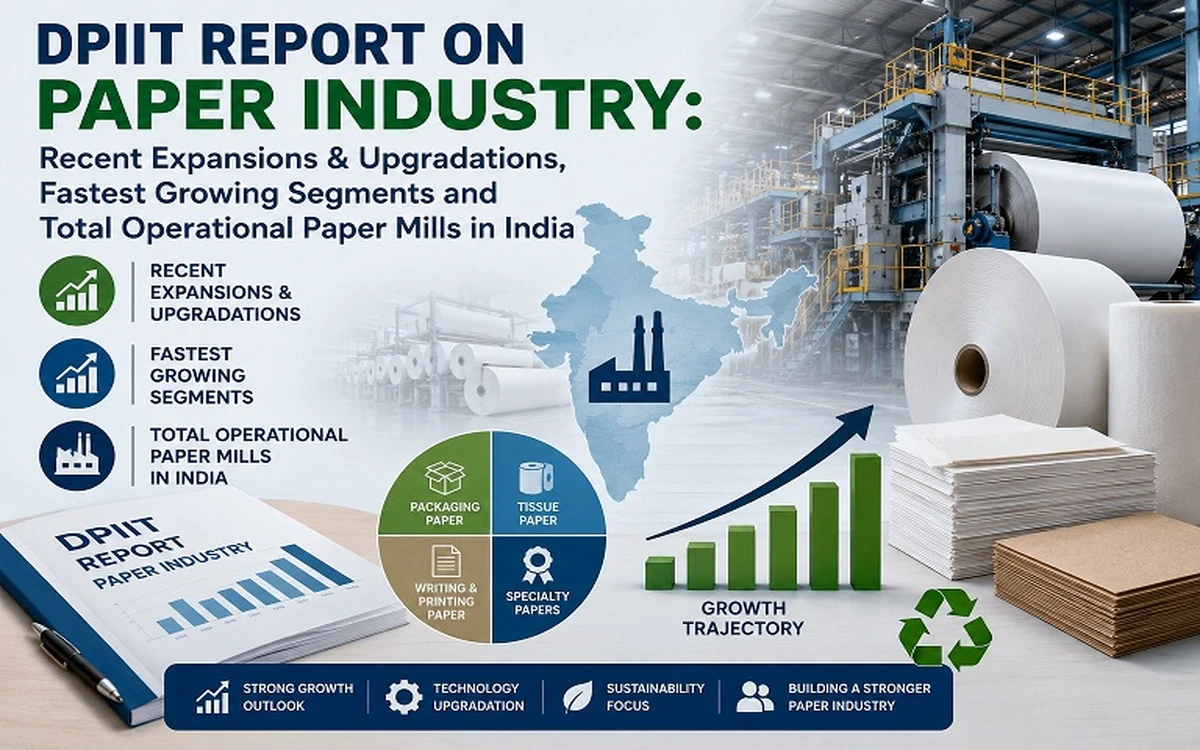
DPIIT Report on the Paper Industry: Recent Expansions & Upgrades, Fastest-Growing Segments, and Total Operational Paper Mills in India
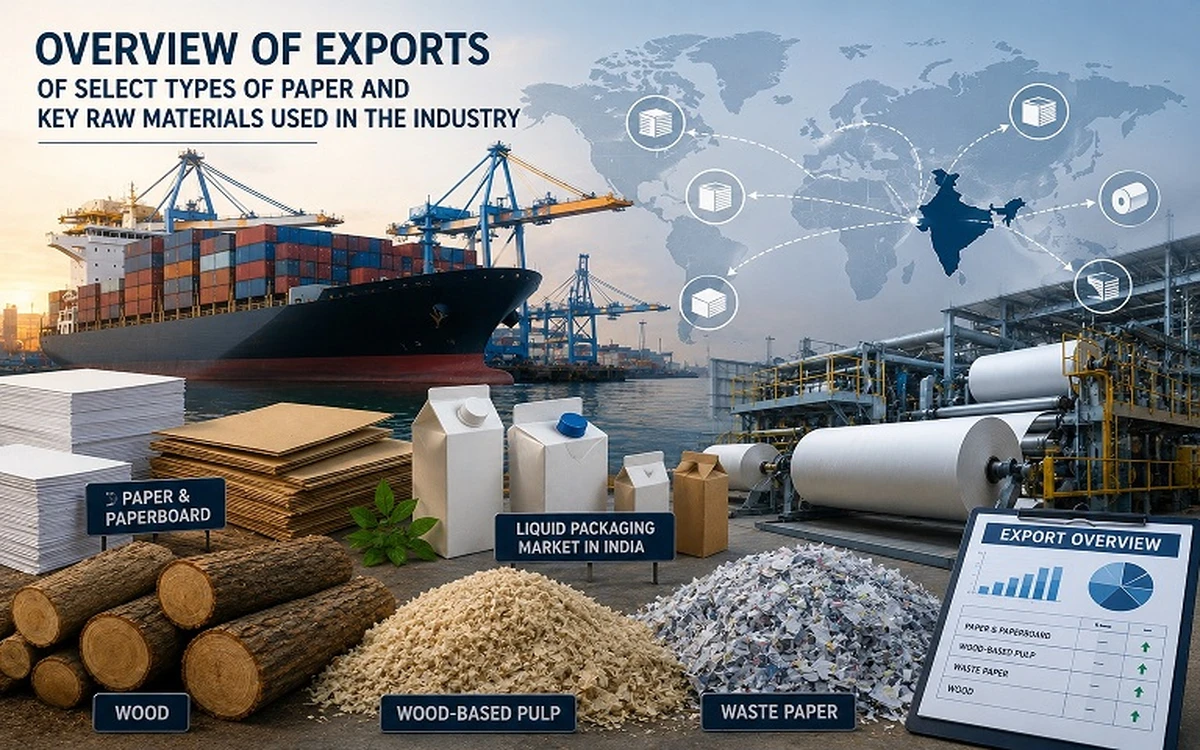
Overview of exports of select type of paper and key raw material used in the industry by Crisil Intelligence

Margin pressure pushes Pulp & Paper Packaging sector toward AI-Driven cost optimization, Cutting costs by 8–20%
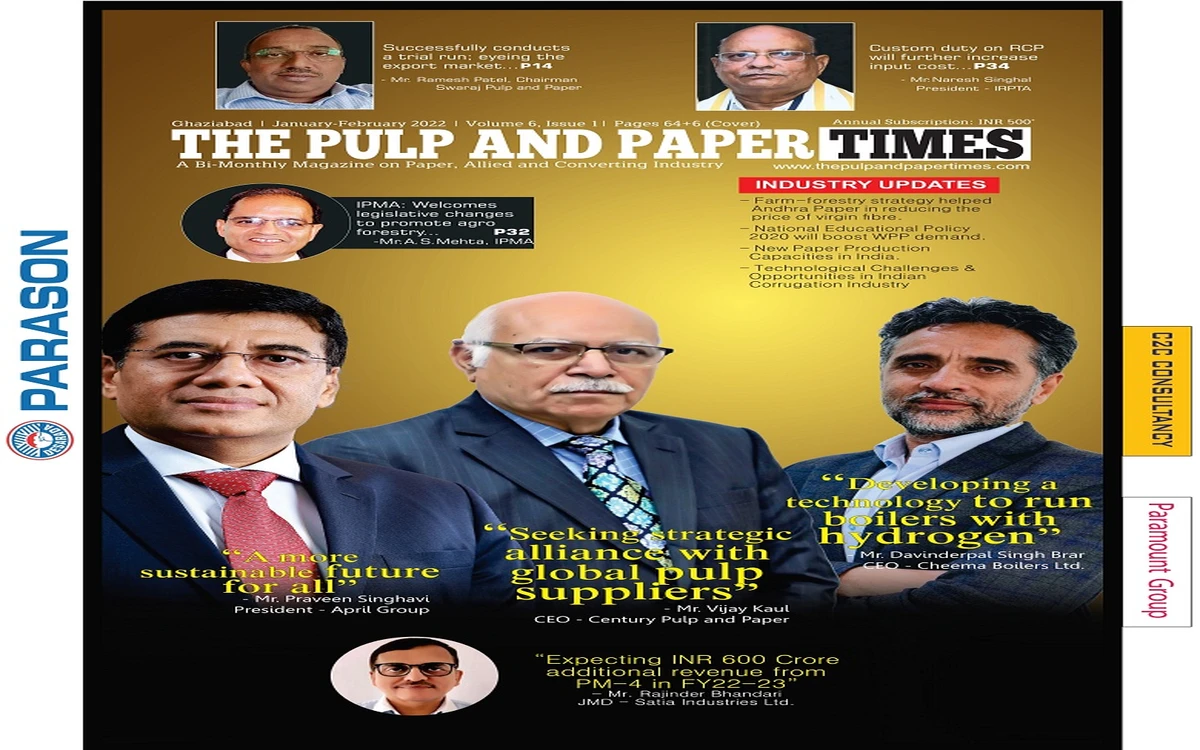
The Pulp and Paper Times Magazine : Volume 6, Issue 1

The Pulp and Paper Times Magazine : Volume 5, Issue 6
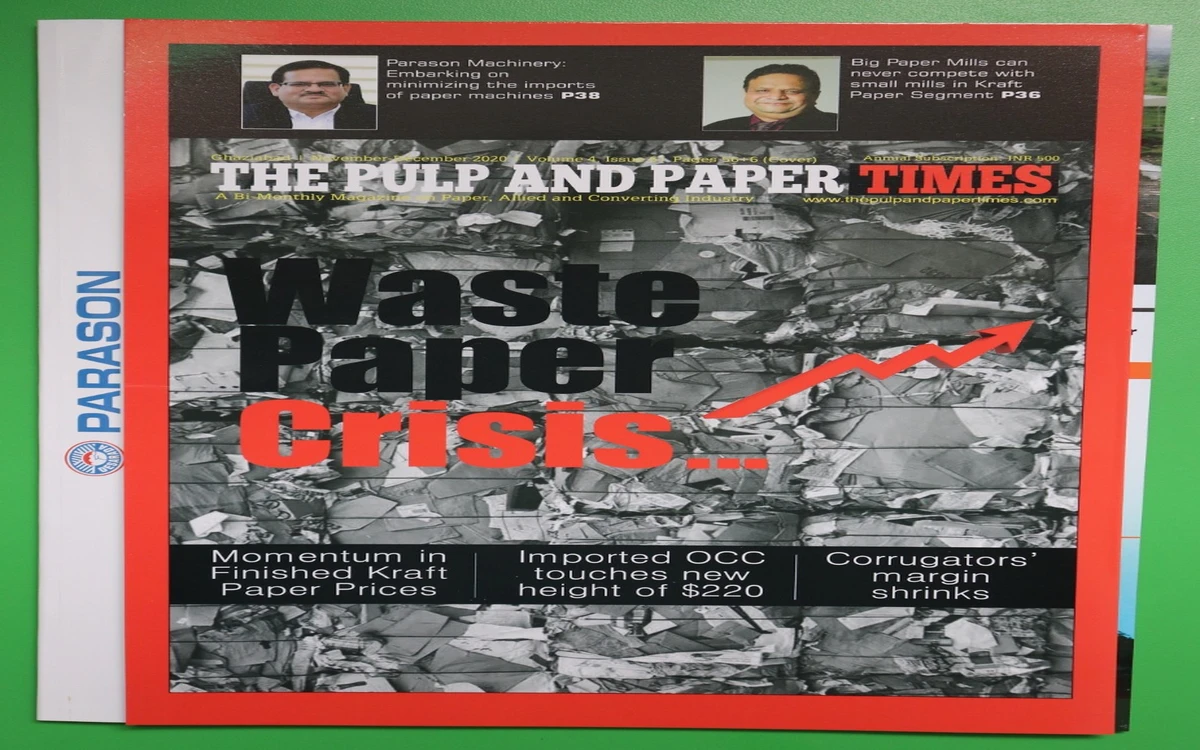
The Pulp and Paper Times: Volume 4, Issue 6
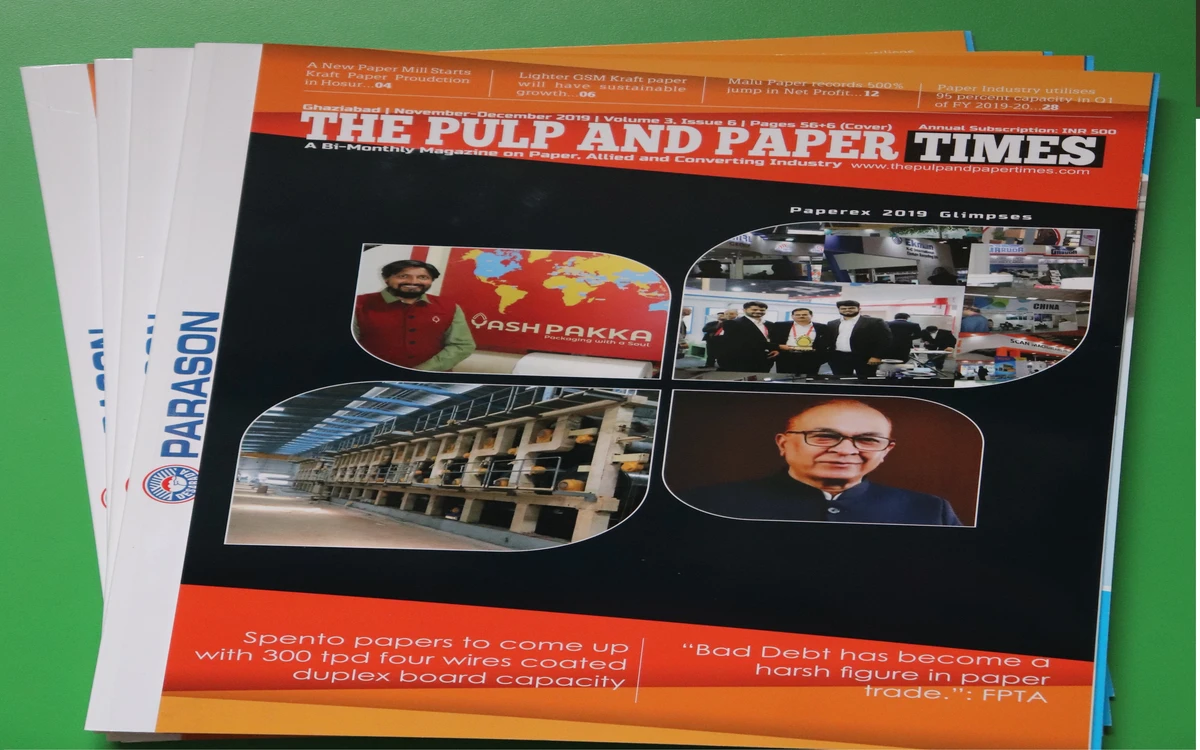
The Pulp and Paper Times : Volume 3, Issue 6
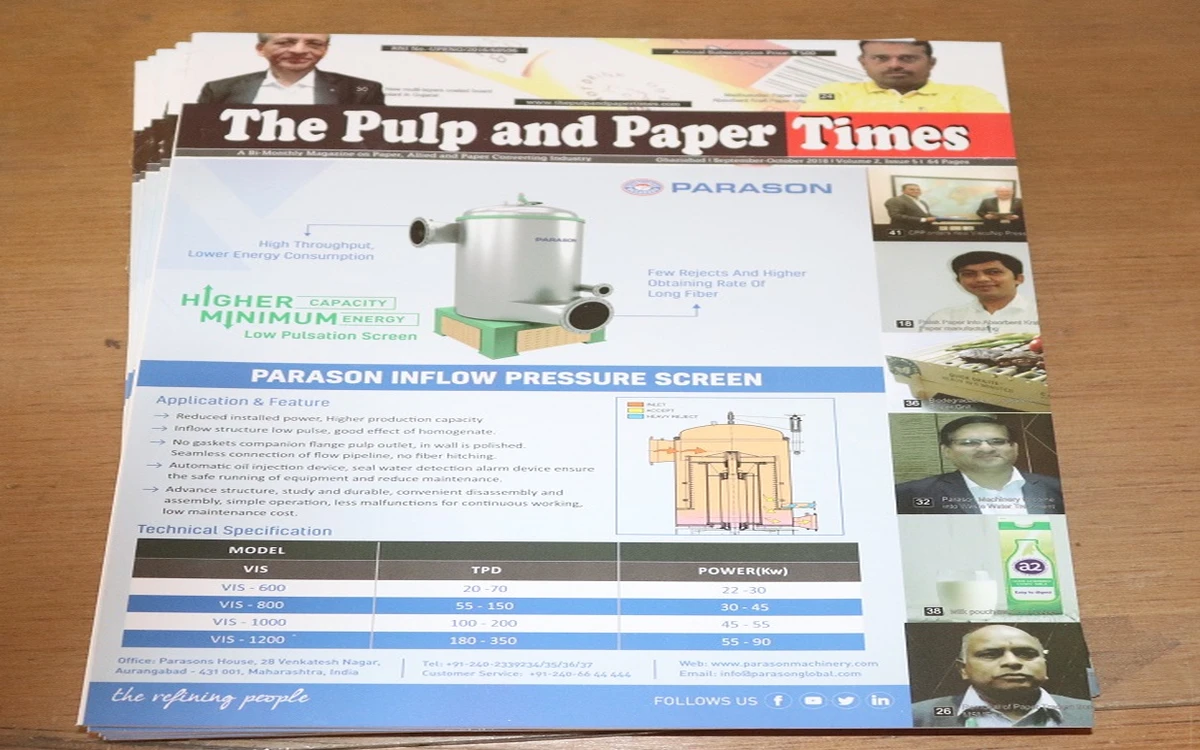
The Pulp and Paper Times: Volume 2 Issue 5

The Pulp and Paper Times, Volume 1, Issue 3
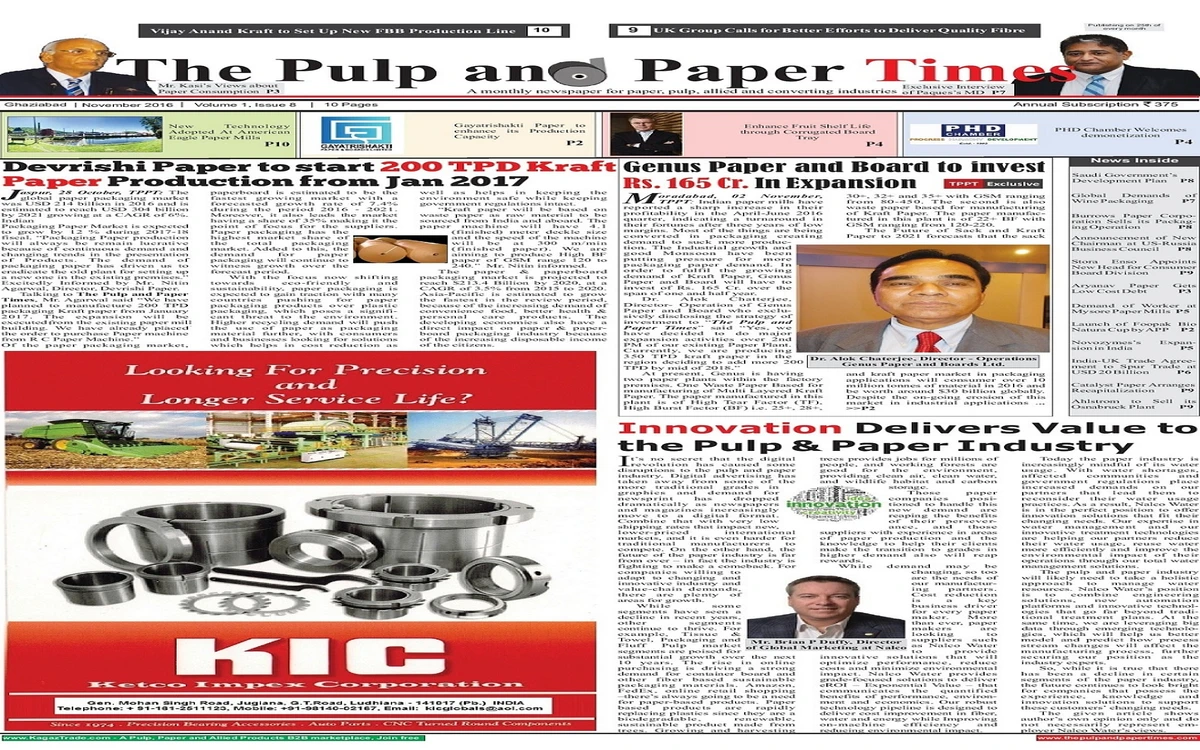
The Pulp and Paper Times, November 2016 Issue

- Kraft paper prices have increased by about Rs. 4–5 per kg in recent weeks
- When Kraft Paper prices, conversion costs and GST Impact is combined, the total cost impact on corrugated packaging is around 20%, which is impossible for any tertiary industry to absorb.
West Asia crisis drives up pulp, chemicals, and freight costs, disrupting supply chains and pushing Indian paper and corrugated packaging prices higher amid demand uncertainty. In view of the crisis, The Pulp and Paper Times talks to Indian Corrugated Case Manufacturers Association (ICCMA)’s President Mr. Rishabh Agarwal, here are his views:
The Pulp and Paper Times
Q1. What is the direct impact that the corrugation industry is experiencing due to the West Asia crisis?

The impact is quite significant.
The crisis has increased every direct cost component. Disrupted supply chains, higher freight rates, war-related surcharges, and adverse currency movements have all raised the cost of each and every raw material.
But apart from the price it is the availability which is a bigger impact and we are grappling with that, so supply chain disruptions are a given. Supply chain planning is as good as not possible.
Q2. Kraft paper is a key raw material for box manufacturing. How have box costs been affected in recent times?
Disrupted supply chains, higher freight rates, war-related surcharges, and adverse currency movements have all raised the cost of waste fibre for kraft paper producers.
Since kraft paper manufacturing is highly energy-intensive, this has resulted in higher input costs and uncertainty in raw material availability for corrugated box industry.
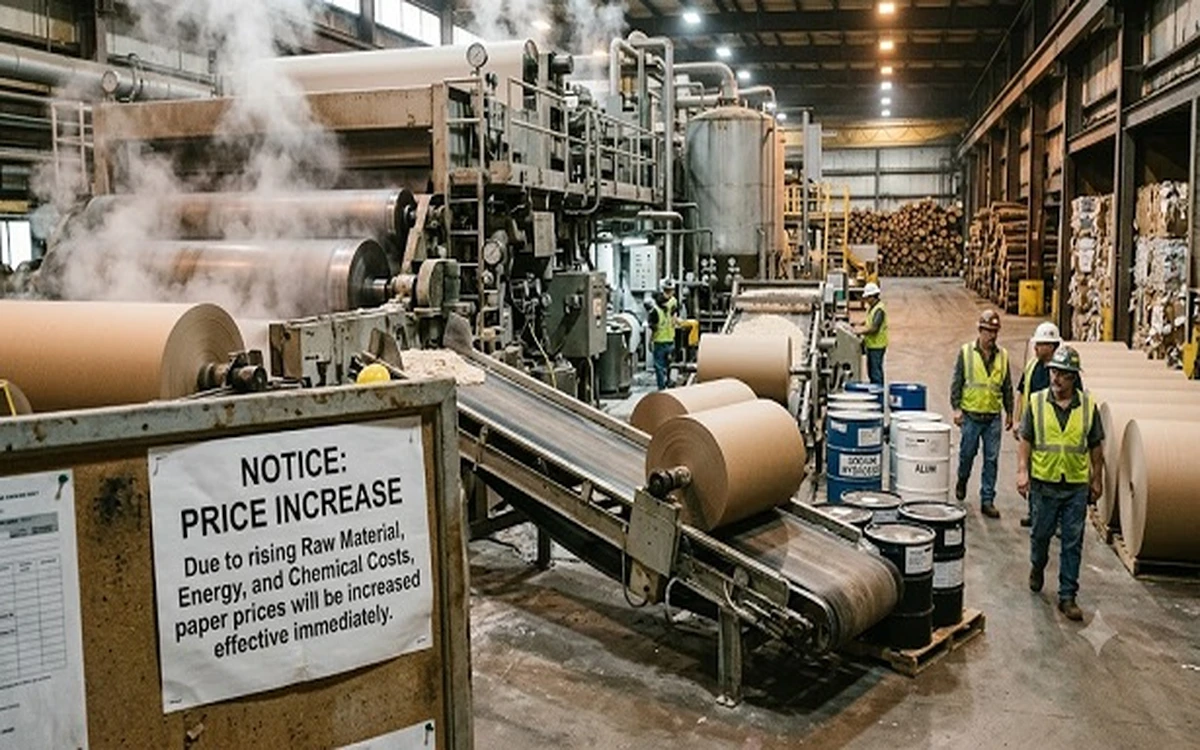
Kraft paper prices have increased by about Rs. 4–5 per kg in recent weeks, which alone translates to a 10–12% rise in finished corrugated packaging costs, depending on specifications and volumes.

The largest volume of waste paper required by Kraft paper mills in India come from America and Europe. As it is an extremely low value commodity the freight cost is a big impact. So if the situation continues as it is there is bound to be a major disruption in supply continuity of this critical component in our supply chain and availability issue can become bigger than price.
So even if the War ends the worldwide logistics will not get back to normal for several weeks and therefore this pain may not end immediately.
Q3. Kraft paper mills have increased prices by Rs. 3 to 5 per kg. Is the current market demand able to absorb these price increases?
Beyond kraft paper, other inputs have also seen sharp increases—ink prices are up by over 20%, PVA adhesive by more than 50%, and costs of plastic packaging materials, stitching wire, and fuel have all risen by over 10 %. Together, this amounts to 4–5% increase in corrugated packaging conversion costs.

The industry has already been dealing with cost pressures due to the inverted duty structure over the past six months, the full impact of which is only now becoming evident. Input tax credits on capital goods and a significant portion of service taxes have effectively become costs, along with increased compliance requirements and working capital blockage of at least three months. This alone has added about 4–6% to costs.
When Kraft Paper prices, conversion costs and GST Impact is combined, the total cost impact on corrugated packaging is around 20%, which is impossible for any tertiary industry to absorb.
Q4. Have corrugated box manufacturers passed on these increased costs to their customers? Are the end customers willing to pay this hike?

Many large corporates have been forthcoming to give the increase as this is a force-mejeure scenario. Forward-looking supply chain managers recognize the situation and are willing to support sustainable pricing to ensure continuity of supply.
Q5. Are the recent increases in paper prices primarily driven by market forces, or do you believe there are other contributing factors?
A: Not entirely. Factors like GST-related cost structures, currency fluctuations, and geopolitical conflicts are not market-driven. While supply-demand dynamics play a role, the current price increases are largely influenced by external factors, including global disruptions and ongoing geopolitical uncertainties.
Q6. Exports in several sectors have also been hampered due to the ongoing conflict, which has a direct impact on packaging materials. Do you feel that demand for corrugated boxes has declined in the export segment?
Absolutely. Corrugated packaging suppliers catering to export sectors have been affected and under pressure for several months, initially due to disruptions such as US tariff issues and now further impacted by the Middle East conflict.
There are situations where suppliers are left with excess raw materials or finished goods due to sudden order cancellations, while at other times they face urgent, unplanned demand spikes. This unpredictability makes planning extremely difficult.
Sectors such as fresh fruit exports to the Middle East have been heavily impacted. Other affected industries include plastics, manmade fibre textiles, and tiles—segments that typically have substantial corrugated packaging requirements.
Q7. Any additional observations?
A: The biggest challenge currently is volatility and uncertainty. Planning has become extremely difficult for both manufacturers and customers, and margins are under pressure across the value chain.

Lastly, while the government has been making efforts to keep fuel prices stable, a prolonged crisis could eventually impact fuel availability and pricing. If that happens, the situation could become even more complex and challenging for the entire industry.

4 days ago
Total Views : 2616
4 days ago
Total Views : 2230
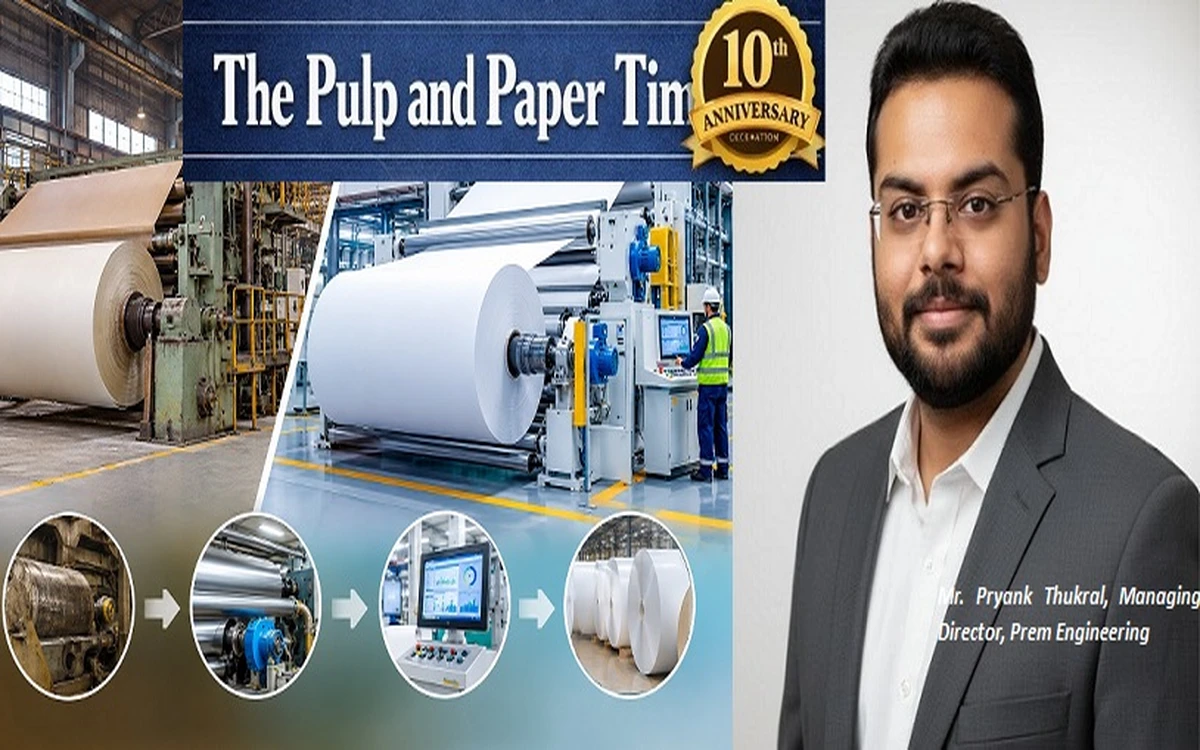
5 days ago
Total Views : 663
6 days ago
Total Views : 3221
last week
Total Views : 2992
last week
Total Views : 6449

last week
Total Views : 956

last week
Total Views : 889
2 weeks ago
Total Views : 810
2 weeks ago
Total Views : 3701