India Paper Industry at an Inflection Point: War, Costs, and Capacity; Demand growth expected at 5–7% in FY26
A new capacity in Tissue and specialty paper mfg.; Machine Design, Installation, and commissioning by Saloni Paper Machines
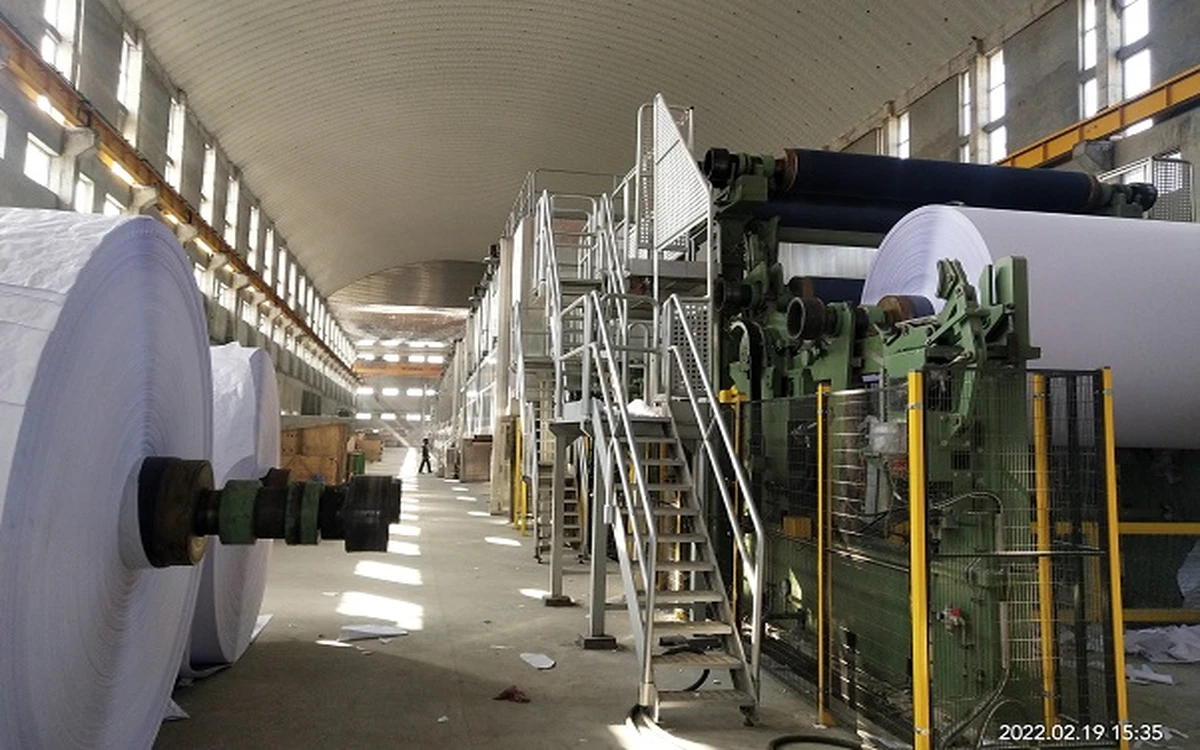
Satia Industries: better product mix and higher sales realization drive increased revenue in Q2FY23
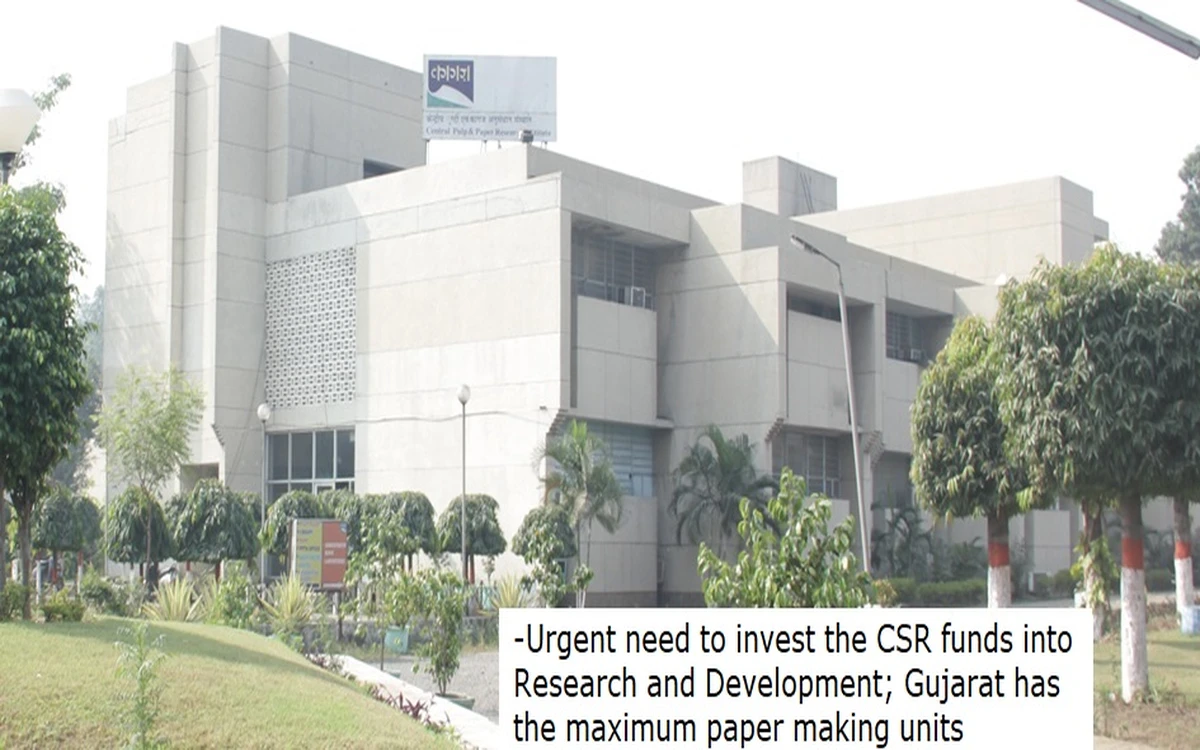
CPPRI: Paper Industry contributes Rs. 8000 Crores to the National exchequer with a turnover of Rs.70000 Crores
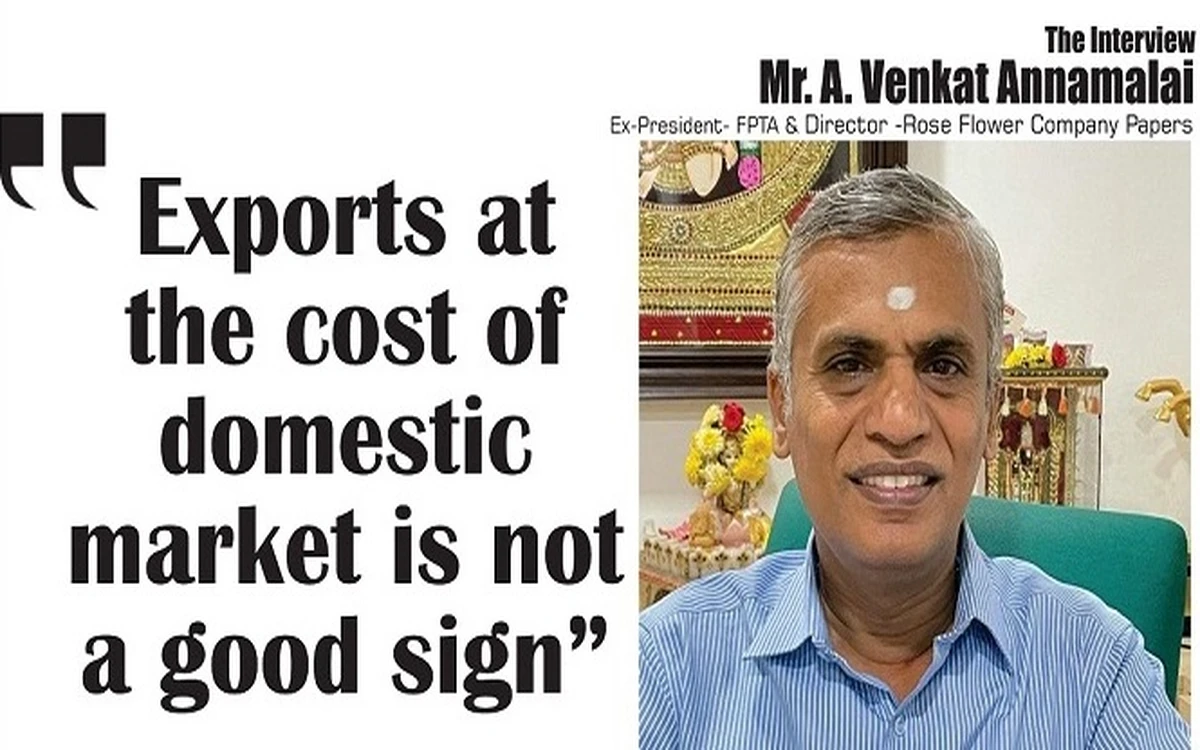
“Surging exports of paper will most certainly keep the domestic prices quite high”: Mr. A. Annamalai, Director – RFC
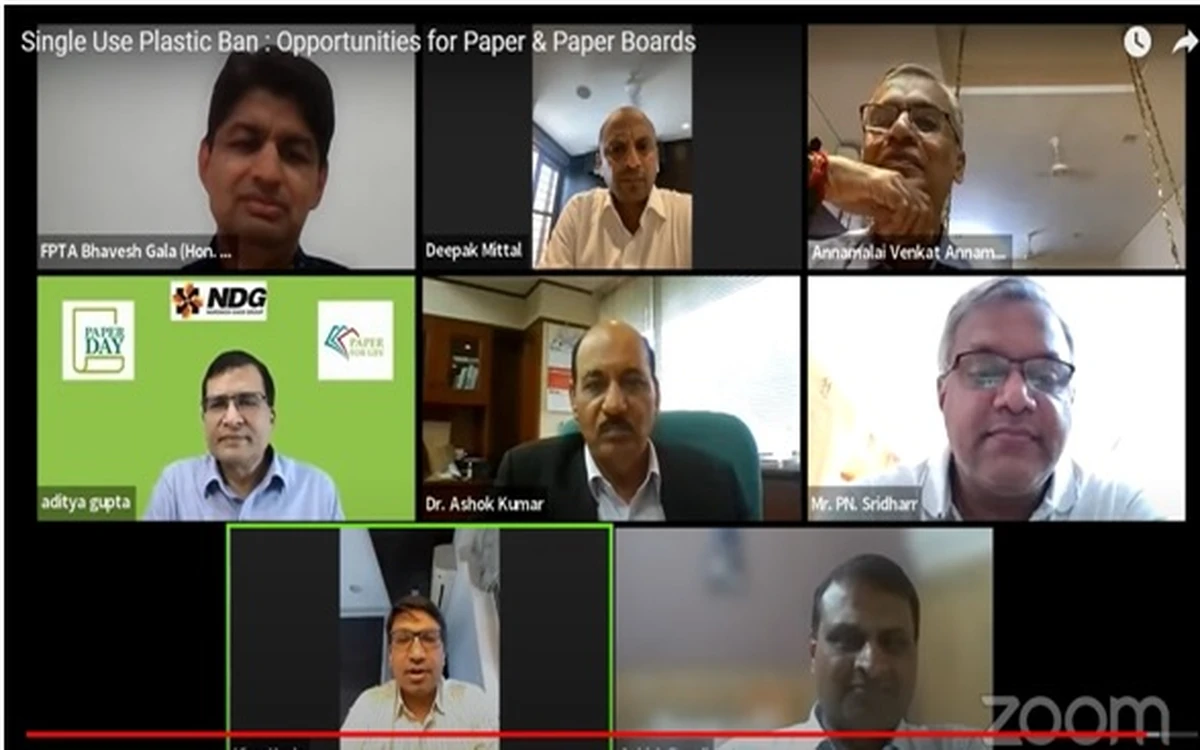
Single-Use Plastic Ban: Everything, at each level, alternative for plastic will be expected from paper
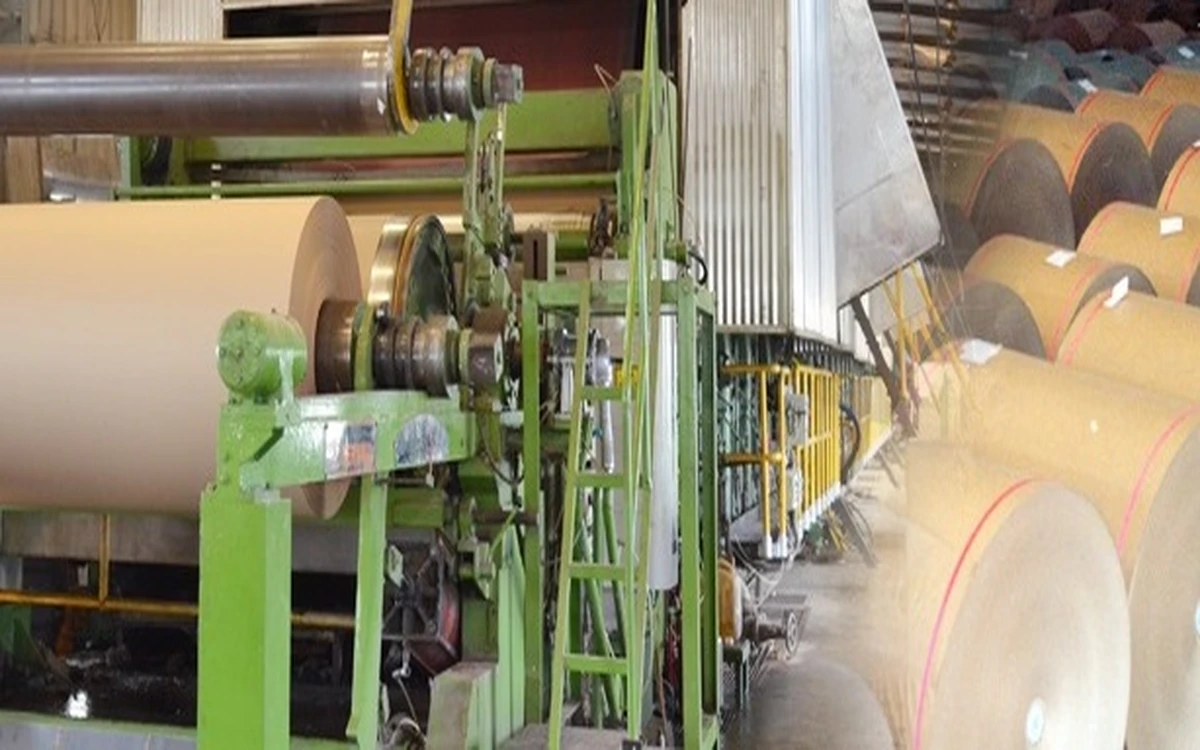
The Status of the Global Container board Industry, Recycled Paper Demand and Supply and its impact on the Indian Industry
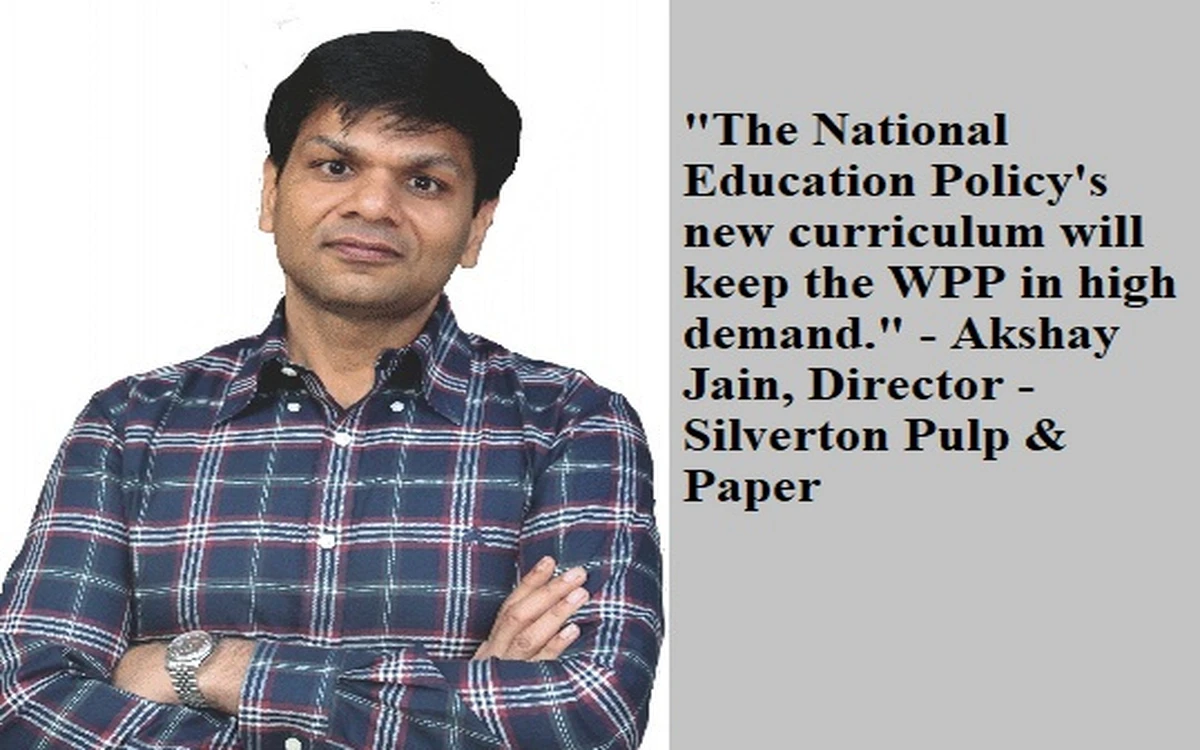
Akshay Jain, director of Silverton Pulp & Paper, says it's time to promote agro residue as a raw material to lessen the scarcity of fibre
Advantageously located, a new paper mill is all set to roll kraft paper in Madhya Pradesh

Several agile interventions helped ITC-PSPD fortify its clear leadership of the Value Added Paperboards (VAP) segment
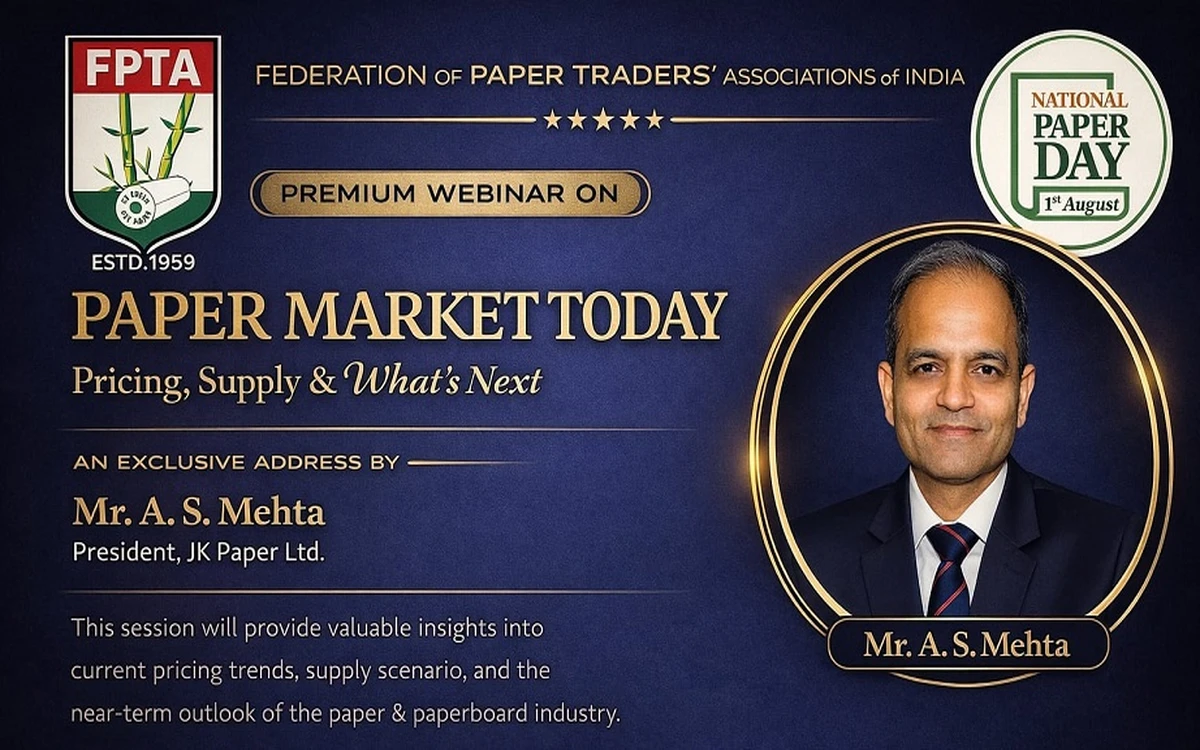
Paper Industry to Grow at 6–7% in Next Five Years; Packaging & Tissue to Lead Demand: A.S. Mehta of JK Paper
Paper prices push corrugated packaging costs up by 10–12%, while global logistics may take several weeks to stabilize even after the war ends: ICCMA President
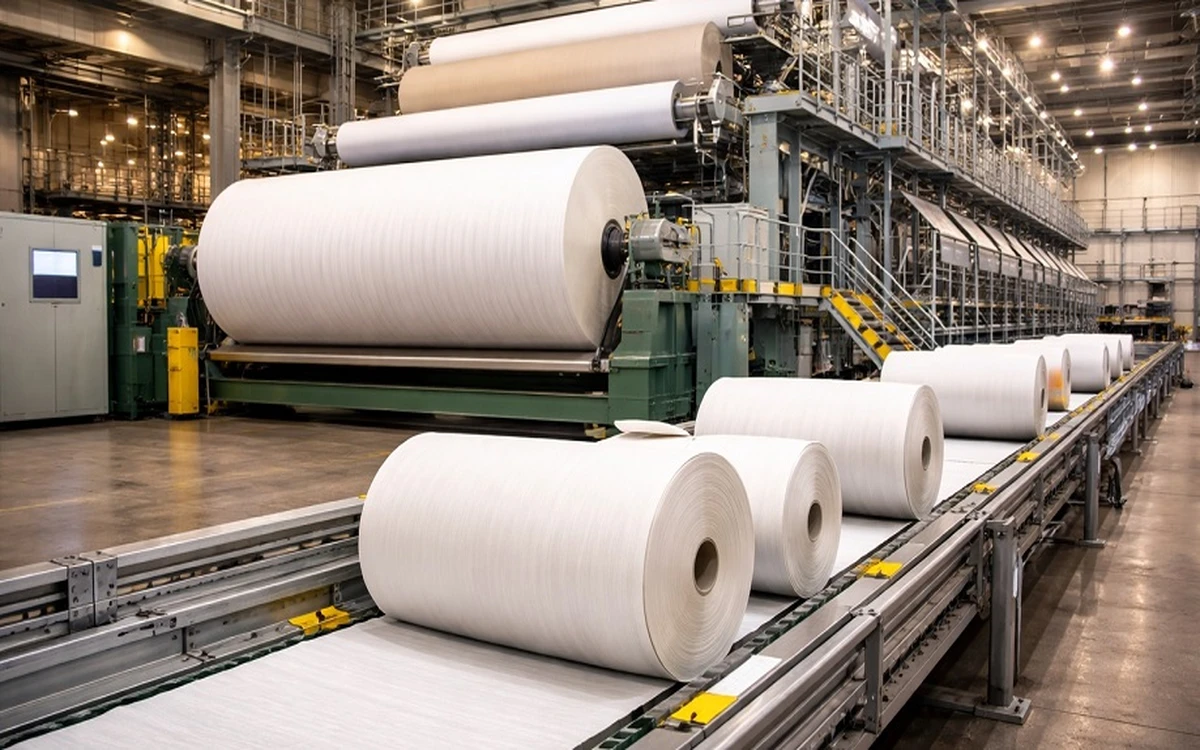
Orient Paper and Industries revises capex plan, Approves 23,400 TPA new Tissue Machine at Amlai unit
“Paper mills are supplying at 0% GST but with a increased price to the extent of their Input credit loss,” says Mr. Shailendra Gala of Navneet Education
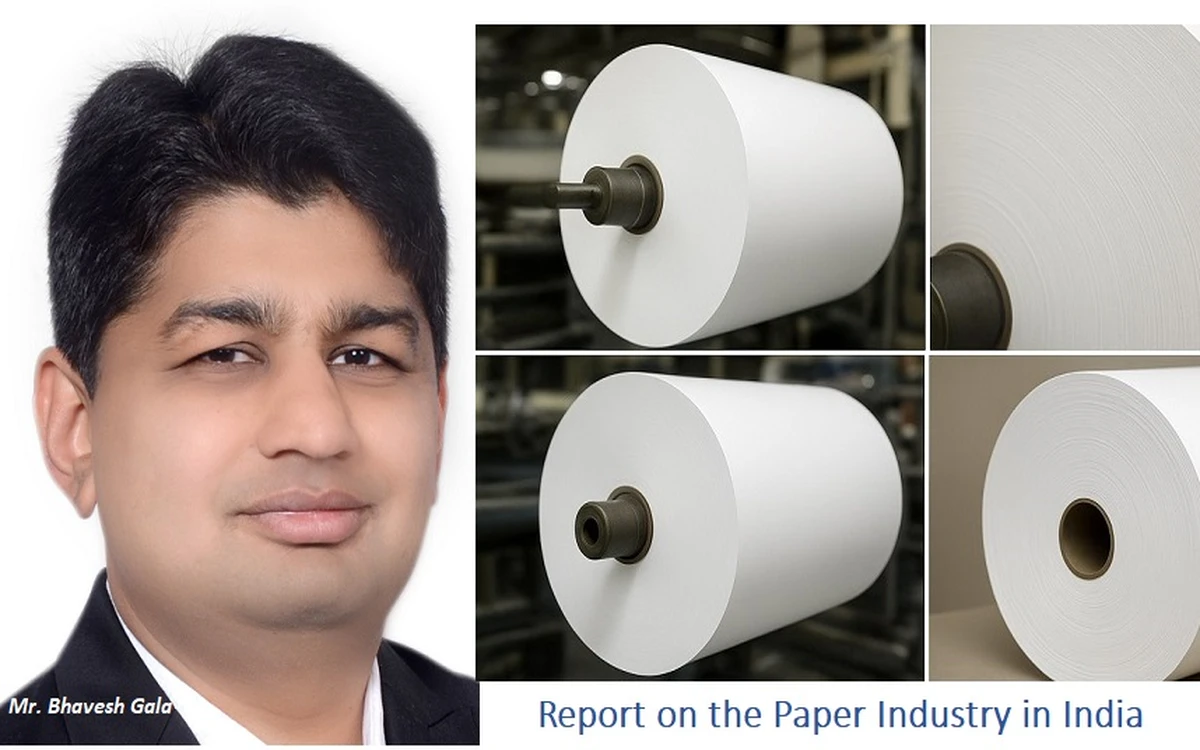
Paper Market scenario of WPP, Coated, and Packaging Boards, and MIP impact: Insights by Mr. Bhavesh Gala
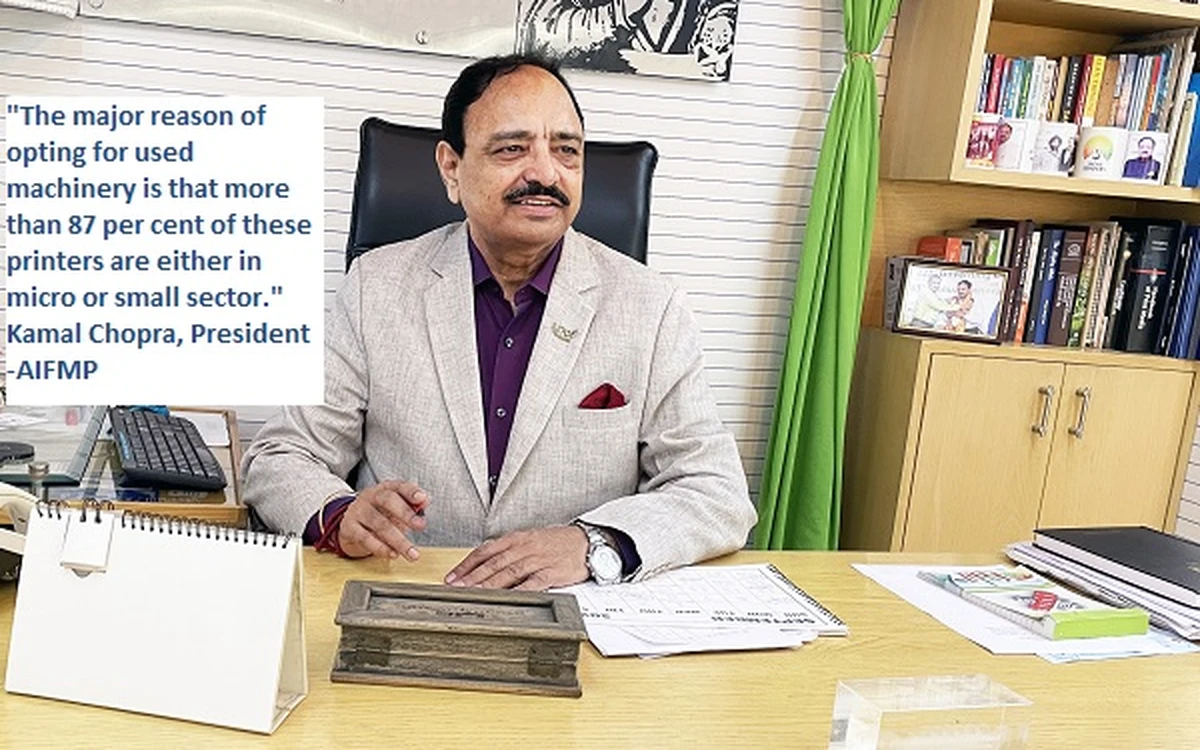
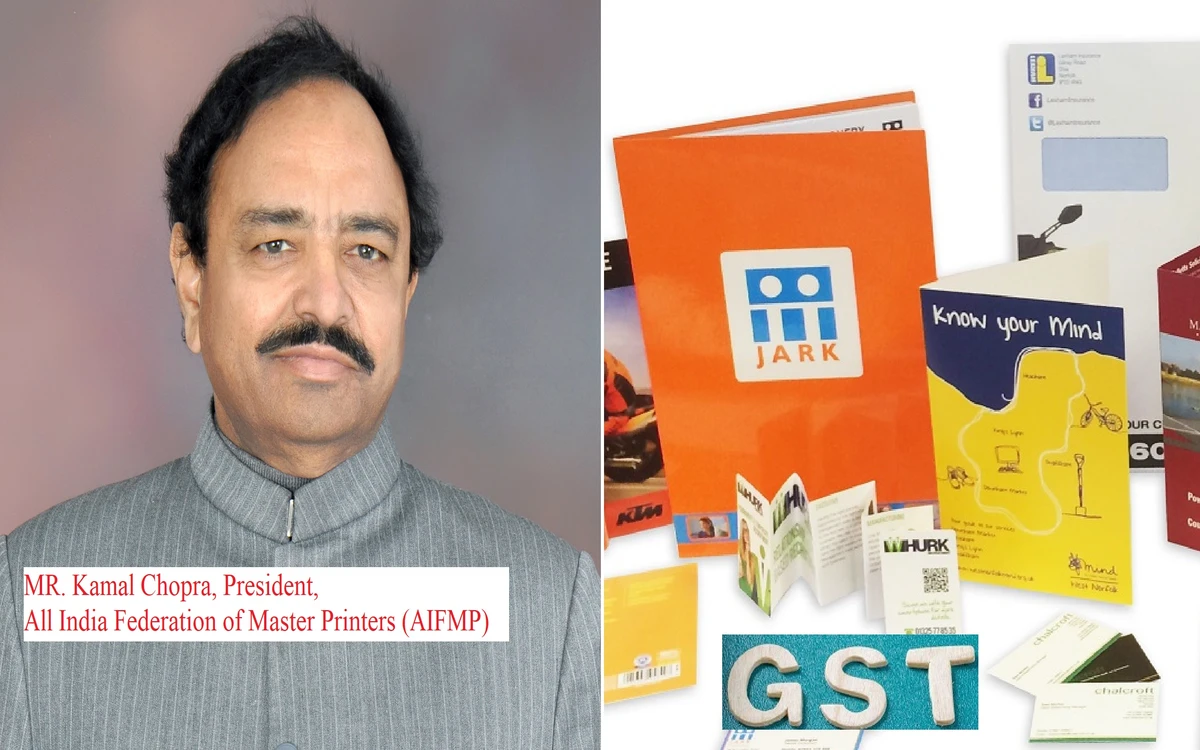
"We have to think unique and produce distinct items to remain in the business, Printers are stuck between manufacturers and customers", Says Kamal Chopra, President - AIFMP

Scientists from IIT-Guwahati develop India's first biodegradable plastic

EBMA: With books exempt from GST, imported finished books enter India tax-free; notebook prices may climb 15–20% with GST hike

It is estimated that USD10B to USD20B worth of single-use plastic packaging will convert to molded fiber, ZUME
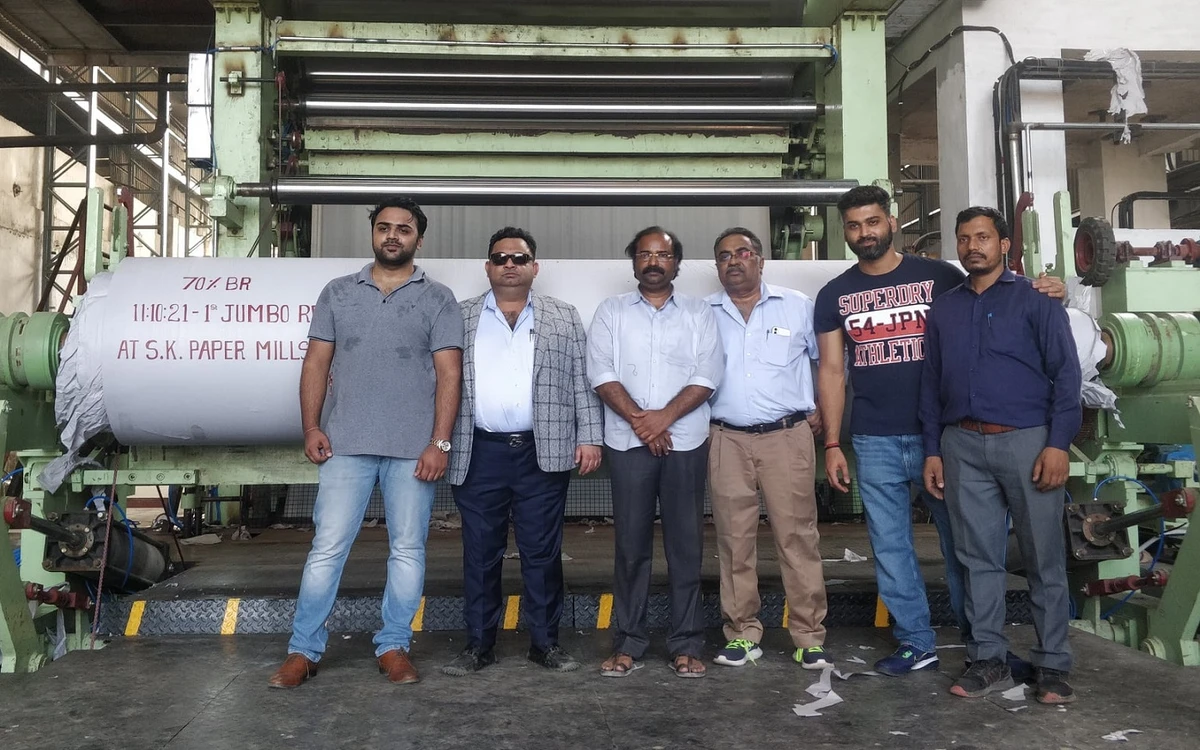
Muzaffarnagar gets a new capacity of Tissue Paper and MG Poster paper
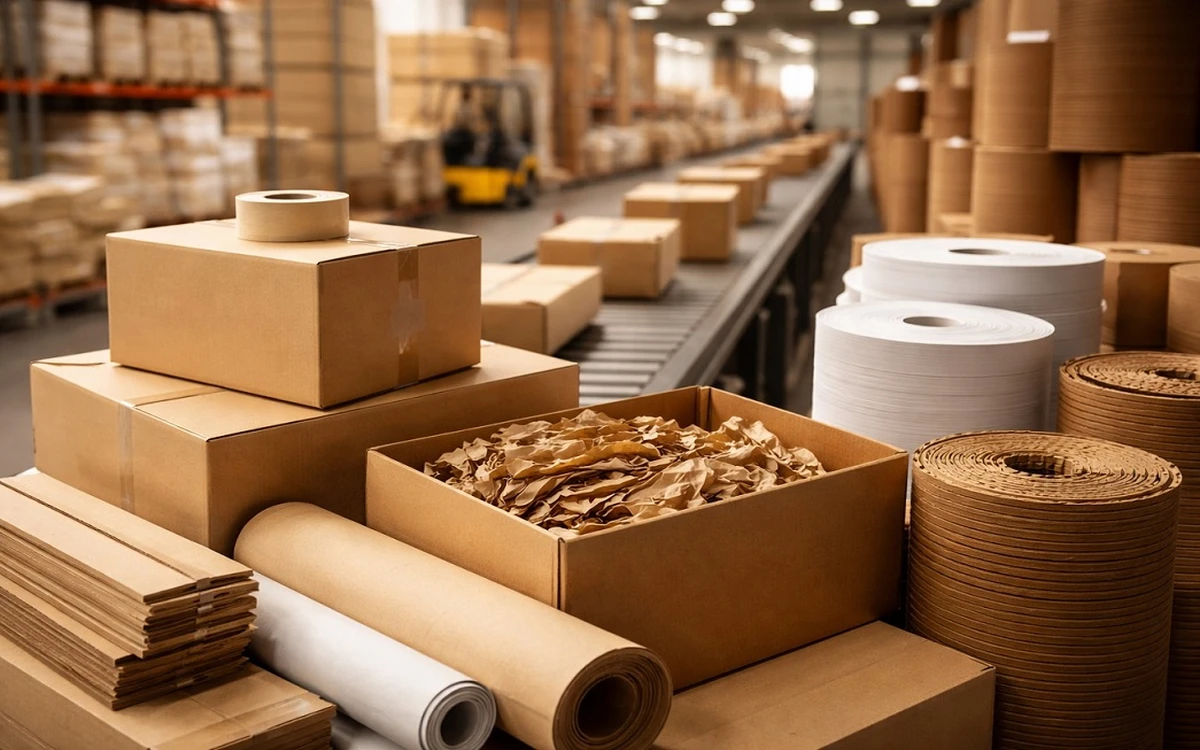
“Every parcel shipped anywhere in the world has strengthened the demand for packaging board, corrugated boxes, protective papers, and specialty grades,” said Pavan Khaitan at Paperex
India Paper Industry at an Inflection Point: War, Costs, and Capacity; Demand growth expected at 5–7% in FY26

BioCNG from paper mill effluent: India’s & Asia’s First Paper mill, Sainsons Paper to Produce & Sell CBG/BioCNG From Waste Water
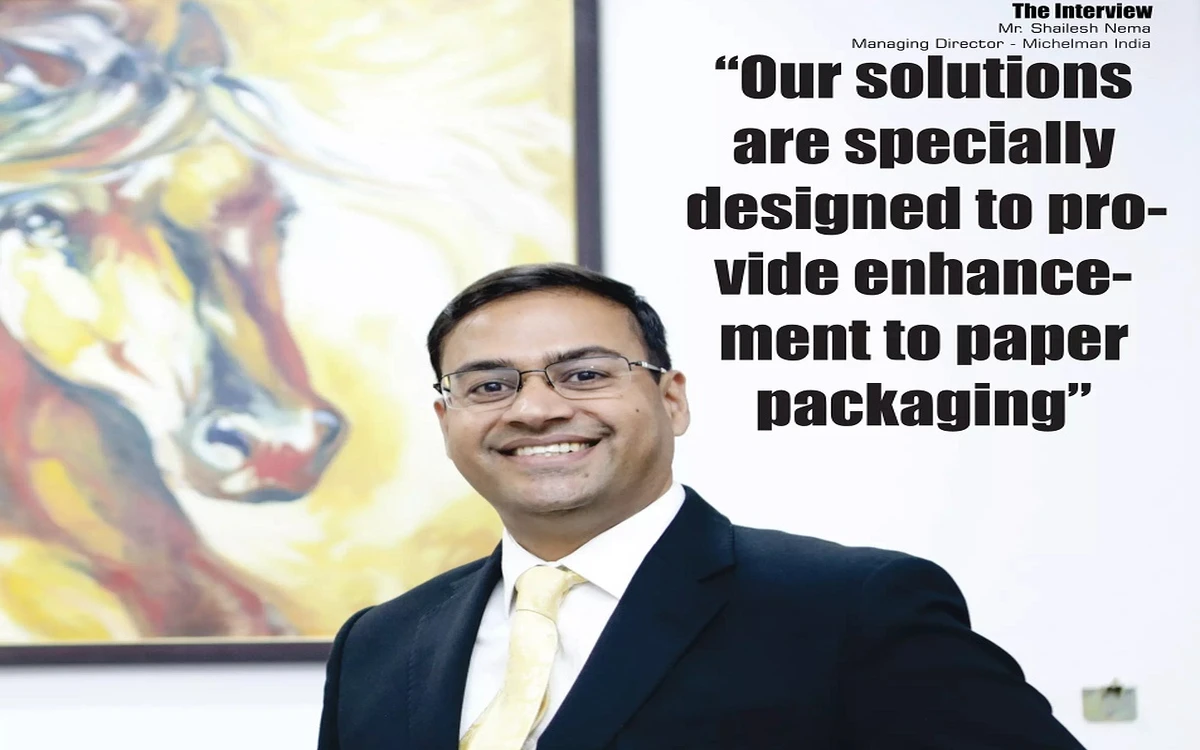
Michelman: Coating Solutions especially moisture and gas barrier on paper significantly improves the shelf life of food
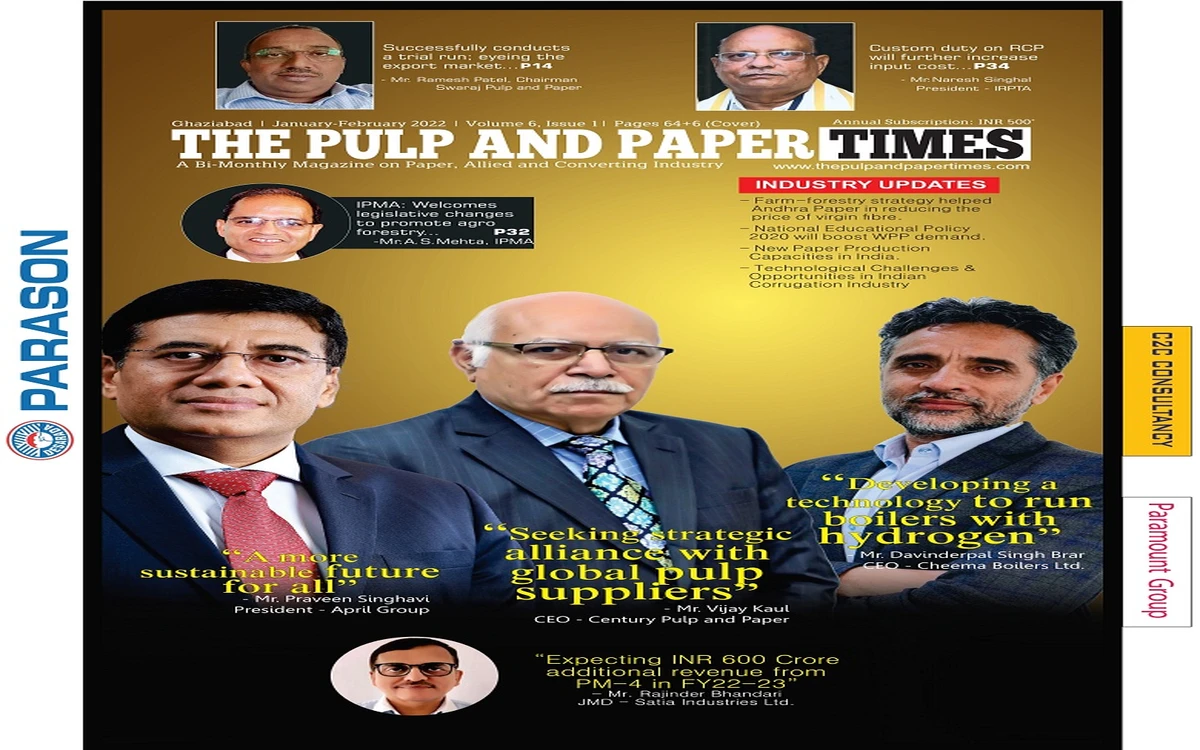
The Pulp and Paper Times Magazine : Volume 6, Issue 1
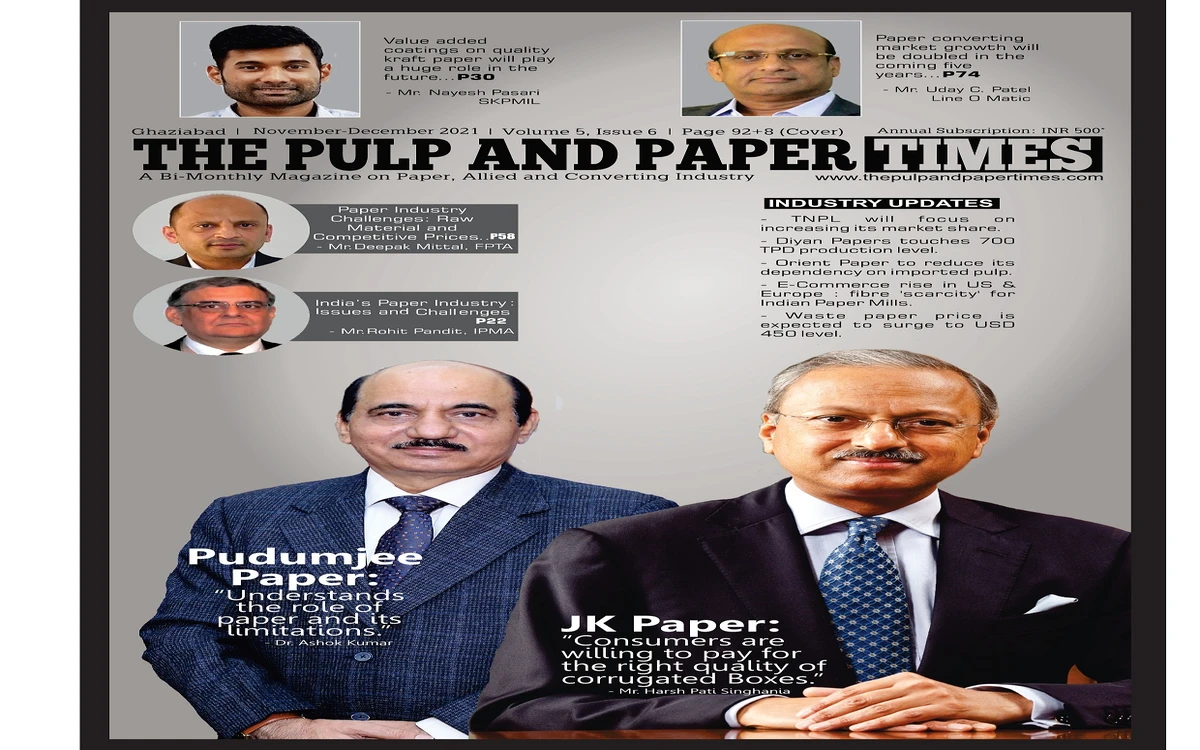
The Pulp and Paper Times Magazine : Volume 5, Issue 6
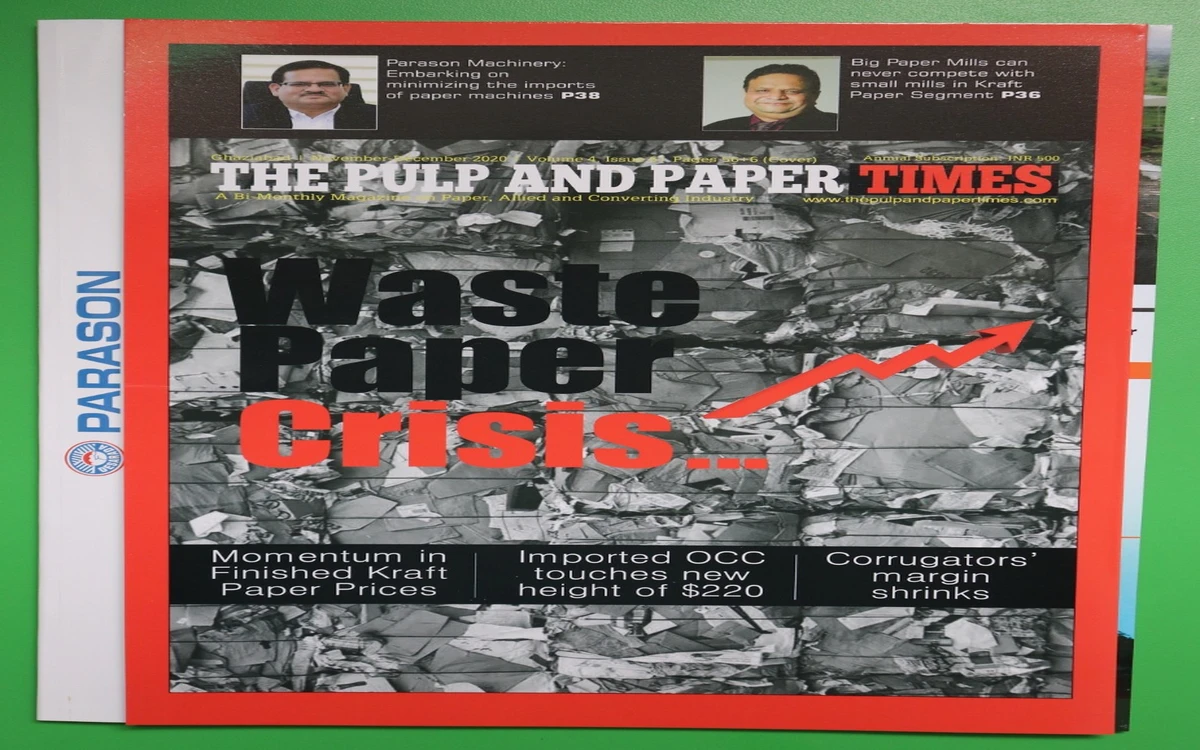
The Pulp and Paper Times: Volume 4, Issue 6
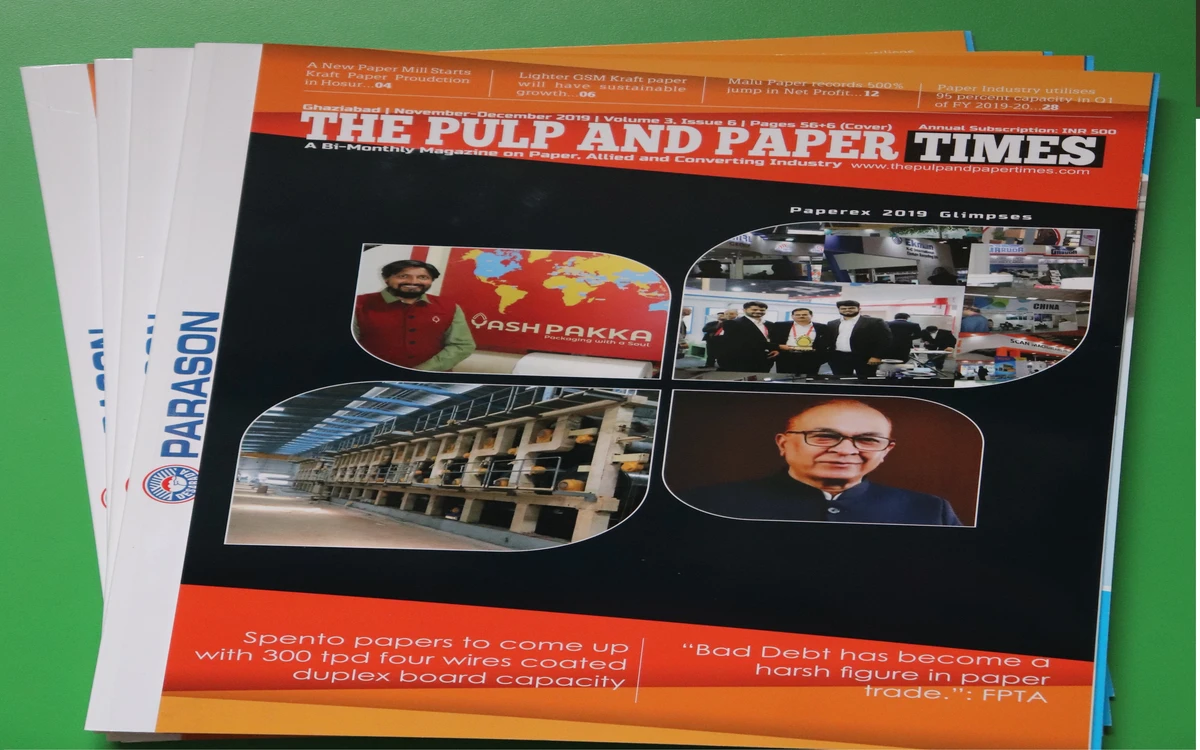
The Pulp and Paper Times : Volume 3, Issue 6
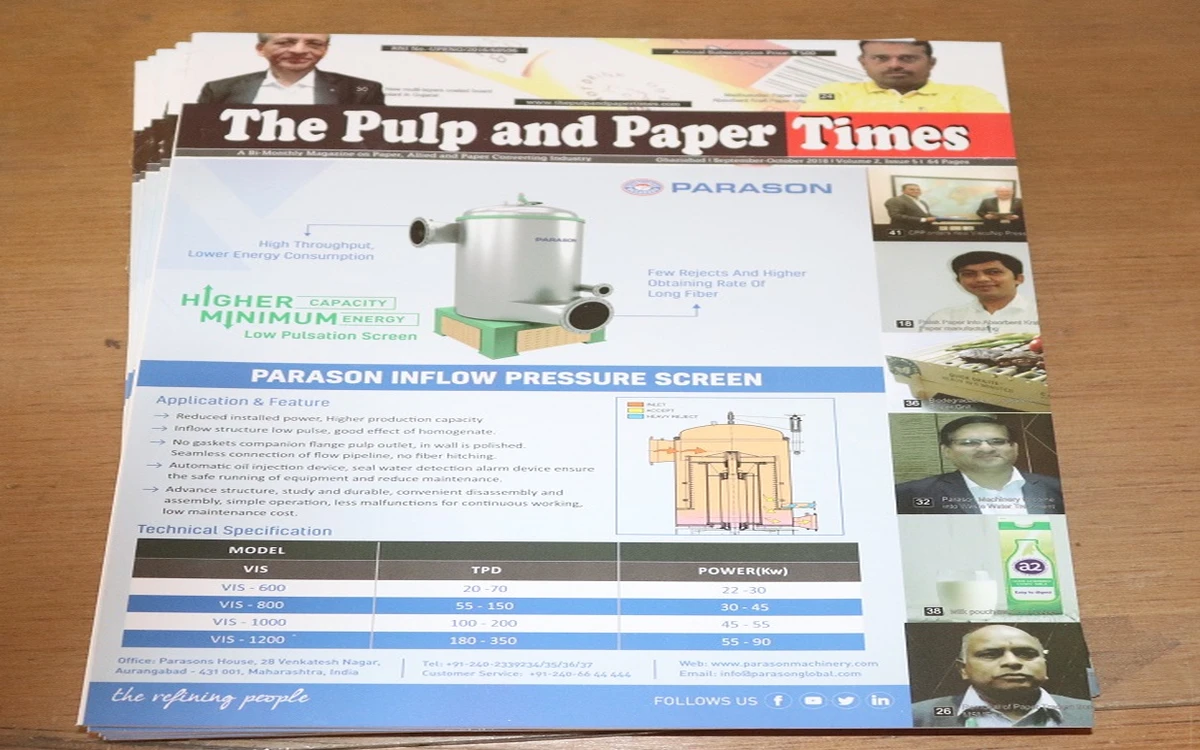
The Pulp and Paper Times: Volume 2 Issue 5

The Pulp and Paper Times, Volume 1, Issue 3
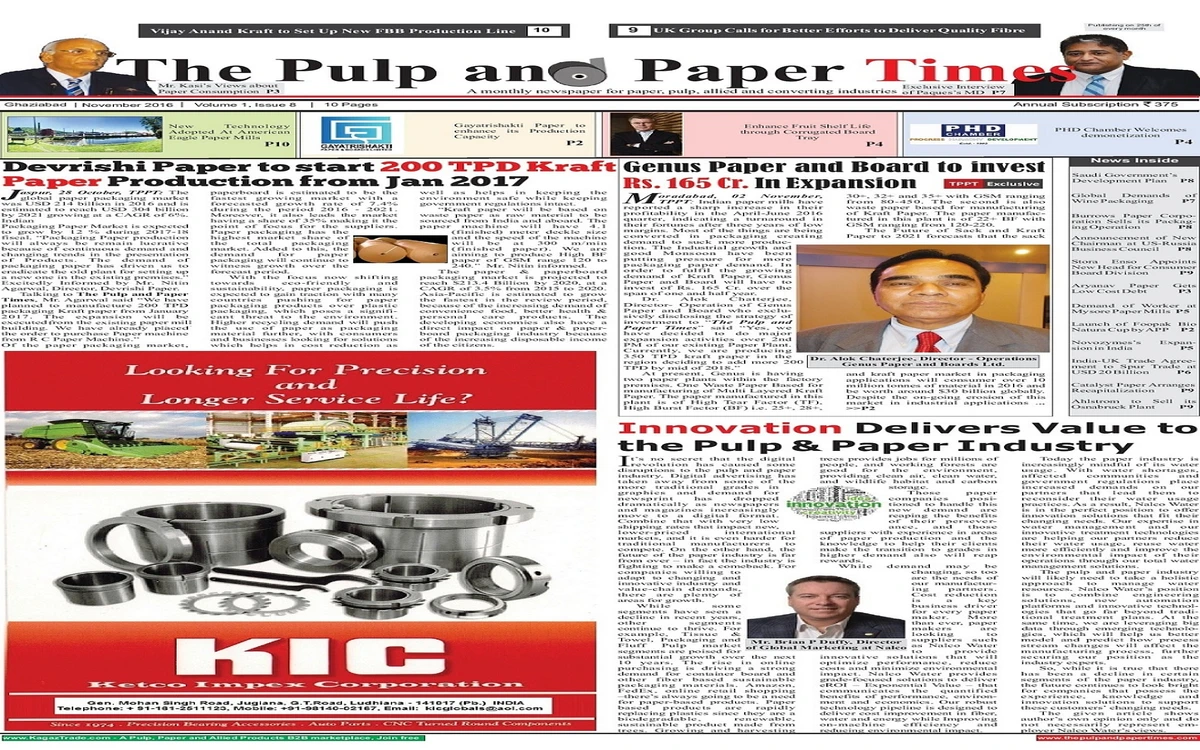
The Pulp and Paper Times, November 2016 Issue

Established in 1953, All India Federation of Master Printers (AIFMP) is sole representative of 250,000 printing companies of India and is the world's largest printers' association. AIFMP is the member of World Print & Communication Forum (WPCF), which is a collaborative platform for the world’s major transnational and national printing associations to work together to promote the development and prosperity of the global printing industry. 'PRINTING TIMES'™is the official journal of AIFMP, publish bi-monthly over the last 40 years PT is considered to be most authoritative source of information decision-makers in the printing industry look to. Just to remember Johannes Gutenberg, father of modern printing, 24th February is celebrated as 'Printers'™ Day™ by AIFMP. Several knowledge seminars are organized every year under the banner ‘Romancing Print’ at different and remote locations of the country. National Awards for Excellence in Printing (NAEP) – considered to be Oscars of the Printing, is organized by AIFMP to motivate and recognise the printers in their quest for quality. The international trade show, PAMEX is the prime event, which is organized every alternate year to keep the printers abreast with the technological developments taking place in the global printing industry.
September 2021 | The Pulp and Paper Times:
Q: Does AIFMP has any estimation of consumption of paper by commercial Printers pre lockdown and post lockdown segment-wise like WPP and Packaging paper, Art Paper, and other papers?
It is evident that the per capita paper consumption in India at a little over 13 kg, is way behind the global average of 57 kg. Regarding commercial printing sector, practically speaking there may not be any reliable data available, however, it is estimated that today commercial print business is about 10% as compared to 2019 numbers. From April to August 2020 it was almost 0%, however from September 2020 to March 2021, it rose to 25% but again it is back to 10% between April to June 2021. From this the consumption of paper by commercial printers can easily be estimated.
Q: There are a lot of fine grades printing applications and techniques in which special papers are required, do you think that Indian paper mills are producing this kind of paper at par with European mills or US mills?
As per available statics 813 Indian paper mills accounts for about 3% of the world’s production of paper. First paper mill in India was set up at Sreeramur, West Bengal, in the year 1812. It was based on grasses and jute as raw material. Large-scale mechanized technology of papermaking was introduced in India in early 1905. The Indian Pulp and Paper Industry at present is very well developed and established. Due to growth in literacy, change in lifestyle and increasing consciousness for personal hygiene, per capita consumption of paper and tissue in India is increasing day by day. Outlook for paper industry in India looks extremely positive as the demand for upstream market of paper products, like tissue paper, tea bags, filter paper, light weight online coated paper, medical-grade paper, etc is growing. Yet, the road ahead is fraught with hurdles. Capacity enhancement and quality production is a serious concern if the industry wants to increase the production numbers.

Q: Post lockdown, the price of finished paper has been skyrocketed, how did printers manage this price burden while demand was low?
It is the biggest hurdle for the printing companies especially for the micro and small printers of the country. There is an increase of 40 to 90 per cent on different kind of papers in India. The misery of printer is that, Printing is an intermediary industry and most of the printers in this part of the world are operating in micro sector and also bound to abide by the contracts and tenders signed with private and government agencies. The rates are increased by the mills, with immediate effect, without giving any buffer time. Whereas printers’ are supposed to supply the goods at the quoted rates calculated at the time of receiving orders. Printers are stuck between manufacturers who increase the prices of raw material without any consideration and customers who are not willing to pay the additional costs, due to the increase of raw material.
Q: What are new trends do you see in the printing segment arising out due to the COVID pandemic?
This part of the printing world is dominated by Micro and Small printers, going with the statistics more than 87 per cent printers are Micro or Small. These 87 per cent printers who may be in commercial sector or in packaging sector are suffering more than others due to the Pandemic. For them it is a question of survival, I know many such printers in India who converted to other professions for their livelihood, some even started small tea shops and some preferred to be hawkers to sustain their livelihood due to the shutdown. Despite the dark news the recent data shows, there are bright spots in our industry. It will now be essential for all stripes of printing companies to help their customers, communicate effectively with their clients. It is essential in establishing the trust, needed to open the economy, manage the crisis, and maintain safety. A lot of it is going to have to be printed. Like stars illuminating the darkness of the night, the efforts of printing companies to stay strong, protect employees, grasp opportunity, and share goodwill can astonish and amaze.
Q: There has been a lot of discussion about digital advent; do you think Digital will obsolete the printing business in the long term?
2021 is the 573rd birthday of modern printing. Developed in the heart of medieval Europe, printing spread throughout the world and brought literacy and learning to everyone touched by it. Printing is considered to be the biggest invention of mankind till date, because printing is the foundation stone of modern civilization. Because His press unharnessed the power of ideas on the world, Gutenberg was declared “Man of the Millennium†at the turn of the century. Printing survived cinema, radio, and television; Printing survived censorship, poor writing, and bad ideas; Printing survived war and peace, boom and bust; Printing survived mechanization, automation and endless technology upheaval; Printing will survive the Internet and e-books and those misguided souls who say that ‘Printing is dead.’ Printing is more alive than at any other time in its history. Printed word, which has survived variations of time, across centuries. What a distance the printing industry, world-wide, has travelled from the age of stone and wooden blocks to digital printing, 3-D Printing, printed electronic and much more. Yes, of course, Printing is changing shape these days, and we have to cope with it the system of printing, the style of working and methodology may change but Printing will remain. I would like to share the report published in the Economic Times only couple of days before, that ‘Print Medium is one of the Most Credible Source of Information’. It plays key role in influencing brand perception, the complete report is available at: www.economictimes.com.

Q: How do you analyze the post-COVID situation in terms of finished paper price and its impact on printers?
Prices of Paper is on the increasing trend at the same time the printing units are not running to their full capacity, it is hard time but we take it as a challenge and educating the printers to adopt other means of production like variable data printing and smart packaging etc.
Q: Are you satisfied with the support of Indian paper mills/ traders in this tragic time?
We are fully satisfied with the support extended by the Indian Paper mills, distributors and dealers but the increase in the prices even without any notice.
Q: According to a media Survey, a close reading reveals that at least 3,000 print businesses across India could go bust by March 2021, what is AIFMP stand on this?
Change is the law of universe and Printing is also changing, as already said printing industry here is dominated by Micro or Small players and it is question of their survival. What media report is saying, may be correct but it is not elaborating how many from these will adapt the change. I would like to add that HMT watches; Bajaj Scooter; Murphy Radio; Rajdoot Bike; Ambassador Car all these were market leaders one time, these were the quality products and there was nothing against their productivity, but these are now out of market only because they have not synchronised themselves with the changing time. That is why I always say: – ‘Those who resist change, will lose, what they want to keep and those who merely print will be under PRESSURE.’ Merely Ink on Paper is not the printing now we have to think unique and produce distinct items to remain in the business, is the advice of AIFMP in these times.
Q: What factors do you see are behind the increasing cost of publication & decreasing readerships? Please elaborate. How can the cost of publication bring down?
Decreasing volumes and Increasing production costs can be blamed for increase in the cost of publication. To bring down the prices it is essential to check the cost of production, I feel with close networking and working in cluster can be one solution for the printers to bring down their cost of production, thus bringing down the prices of publication.
Q: Indian printing is witnessing the increasing use of Used Machinery in their operations, What factors do you see behind this move? Where does the Indian Printing Machinery market stand in terms of manufacturing quality machinery in a global perspective?

With about 250,000 print companies India is the leading country in the world, the major reason of opting for used machinery is that more than 87 per cent of these printers are either in micro or small sector. There is another truth, though we have maximum number of print companies in India but no of persons working in printing and packaging sector is more in China, because as per average there are 100 employees per company in China in contrast with 10 per company in India. Thus the financial conditions of the establishment is clearly visible. The capital investment in printing and packaging (Machinery) is huge and beyond their financial reach, it is therefore they prefer low cost used machinery which is easily available. Because of old technologies, though the used equipment needs constant vigil, daily maintenance, and leads of less production, but because of less financial instability, the printers are trying to make both ends meet. The need of hour is to work in close cooperation, ‘holding hands of each other’ to jointly invest in the latest and most modern technologies (definitely not used one), so as to be competitive in global market not only for price but also for quality and above all timely supplies.
Regarding Indian machinery, I may add that the major European supplies of printing equipment and machinery are increasingly catering to the high end technology and automation needed for their markets. They are no longer in a position to meet the requirements of the traditional and rural markets of India, where they are yet to convert; because high and sophisticated technology is not in demand. This traditional market offer Indian manufacturers an edge to produce more cost conscious products for such a market. The emerging markets in Asia and Africa have provided ample incentive to the Indian manufacturers of printing and allied machinery. At the same time Manugraph India has achieved the distinction of being one of the largest manufactures of the newspaper printing machines in the world.





 Join WhatsApp Group
 Join Telegram Channel
 Join YouTube Channel
 Join Job Channel (View | Submit Jobs)
 Join Buy Sell Channel (Free to Submit)
 Paper News Headlines Channel (Free to read)