Join Groups & Channels, No Spamming









Morbi paper mills see full-capacity operations as ceramic industry revives; Kraft paper exports to China spike, Prices strengthen; Janmashtami shutdown ahead
The BE and caustic soda plant marks a key milestone for Mohit Paper Mills, enabling full utilization of installed capacity and enhancing overall production efficiency
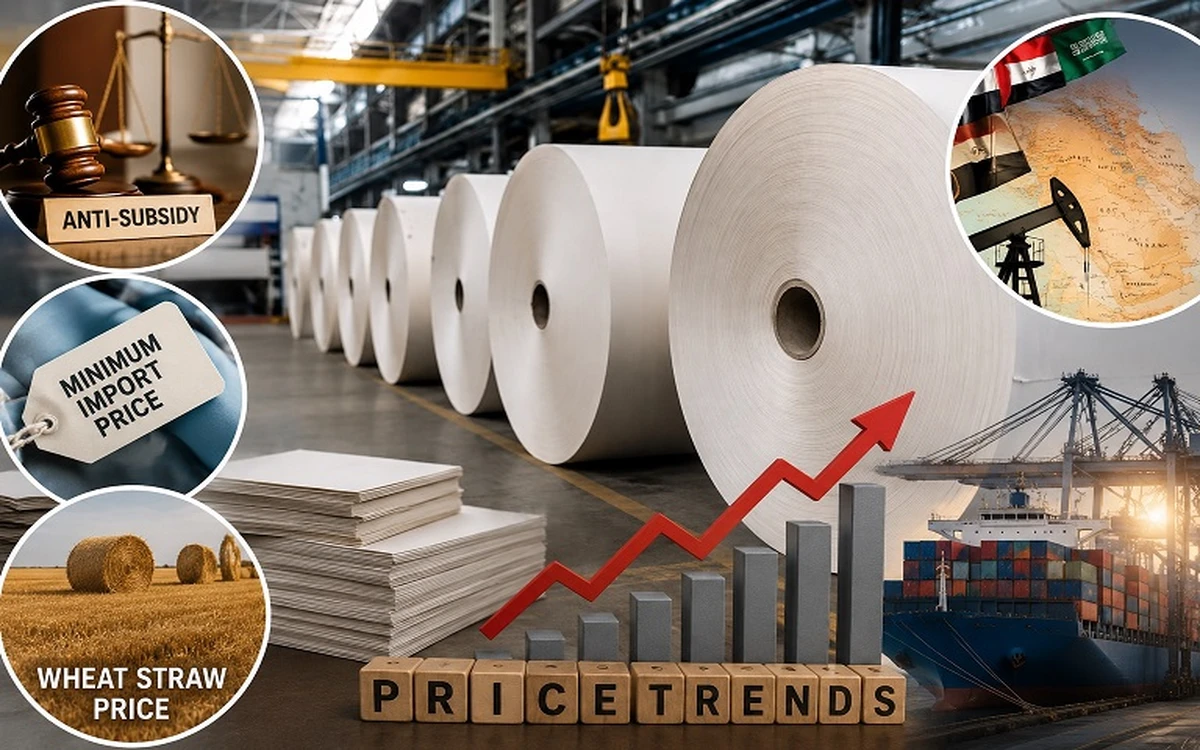
Expert Views on the paper market scenario, How the West Asia Crisis Helped the Industry, MIP for WPP, Anti-Subsidy implementation, and paper price trends
Pudumjee Paper intends to develop new varieties addressing applications for stronger paper bags and cupcakes; Plans 68,000 MT Mahad Specialty Paper Facility within 5 years
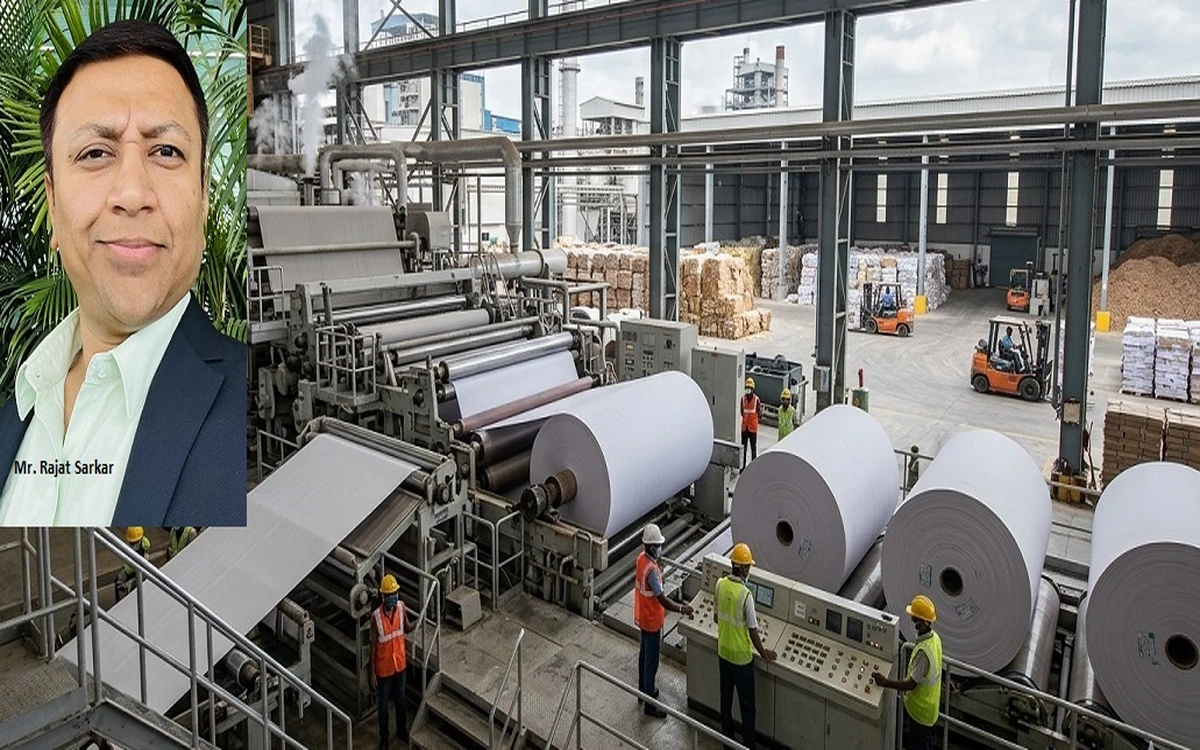
India Paper Industry at an Inflection Point: War, Costs, and Capacity; Demand growth expected at 5–7% in FY26
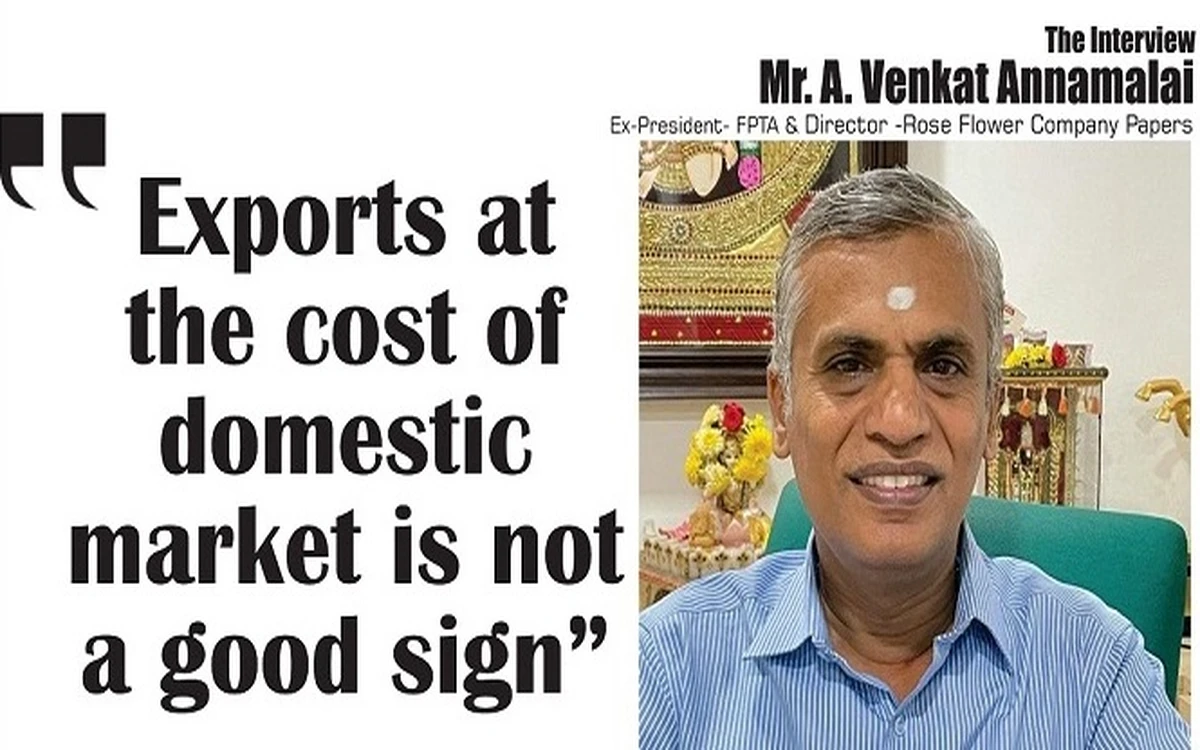
“Surging exports of paper will most certainly keep the domestic prices quite high”: Mr. A. Annamalai, Director – RFC
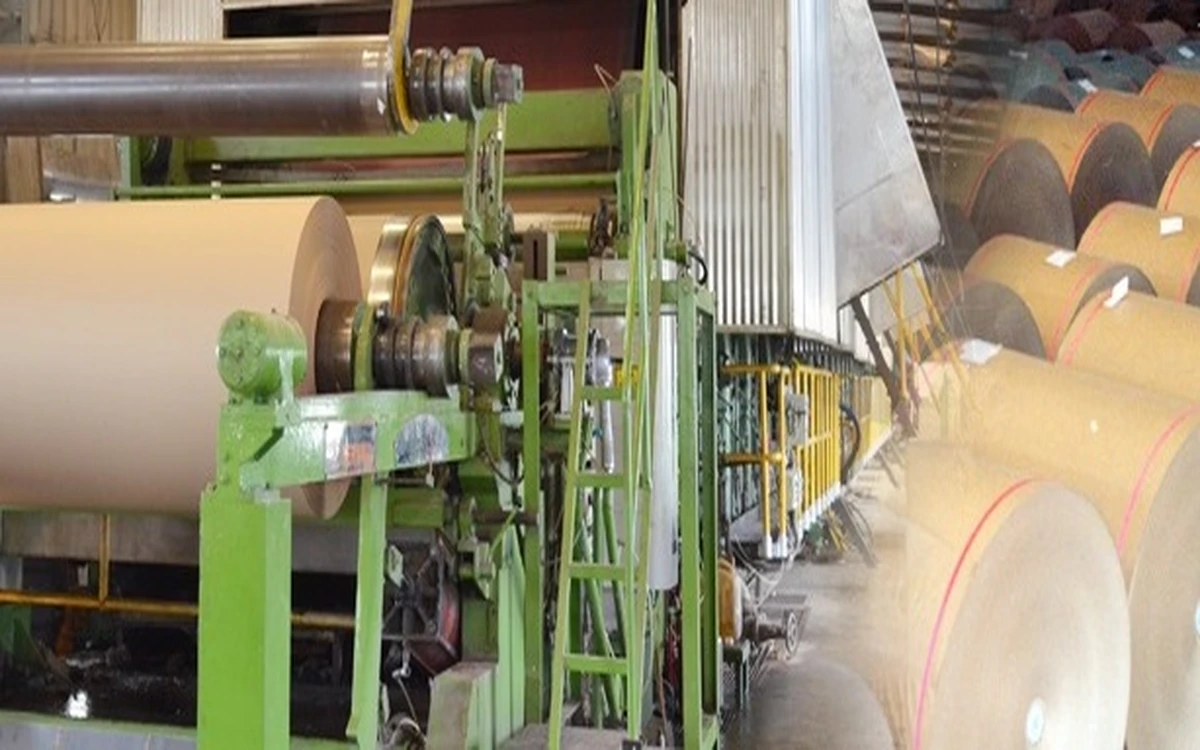
The Status of the Global Container board Industry, Recycled Paper Demand and Supply and its impact on the Indian Industry
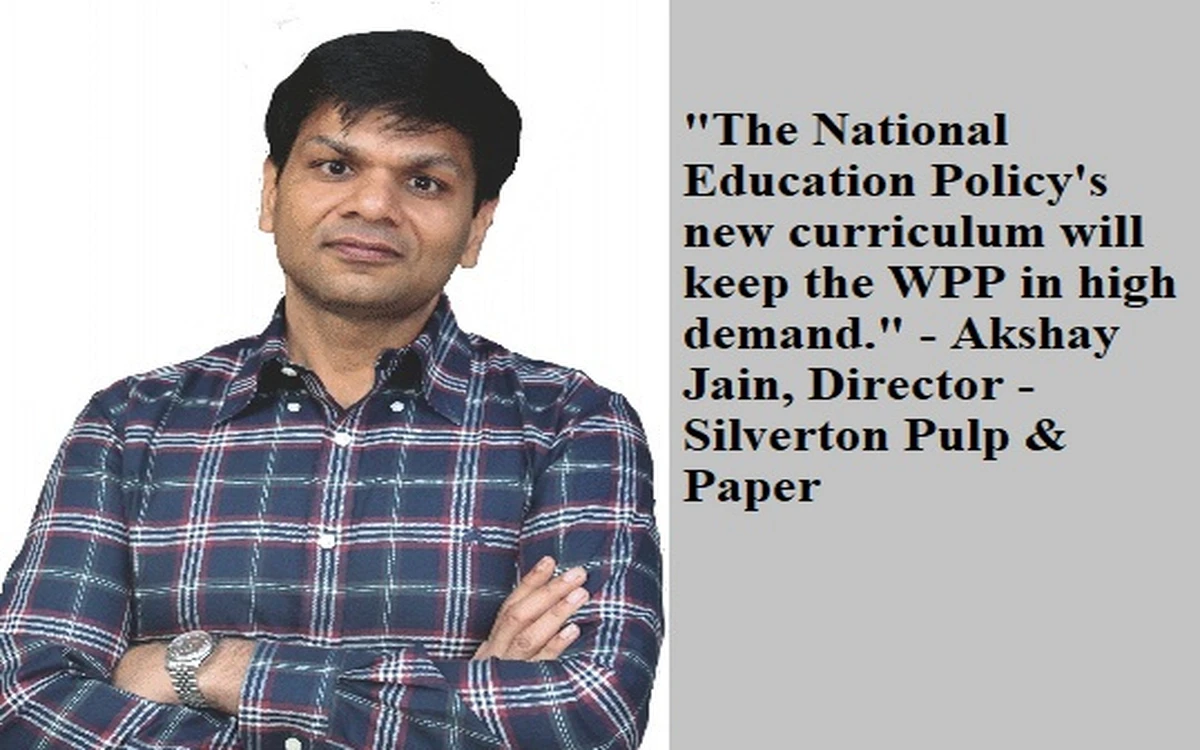
Akshay Jain, director of Silverton Pulp & Paper, says it's time to promote agro residue as a raw material to lessen the scarcity of fibre
Advantageously located, a new paper mill is all set to roll kraft paper in Madhya Pradesh
Several agile interventions helped ITC-PSPD fortify its clear leadership of the Value Added Paperboards (VAP) segment
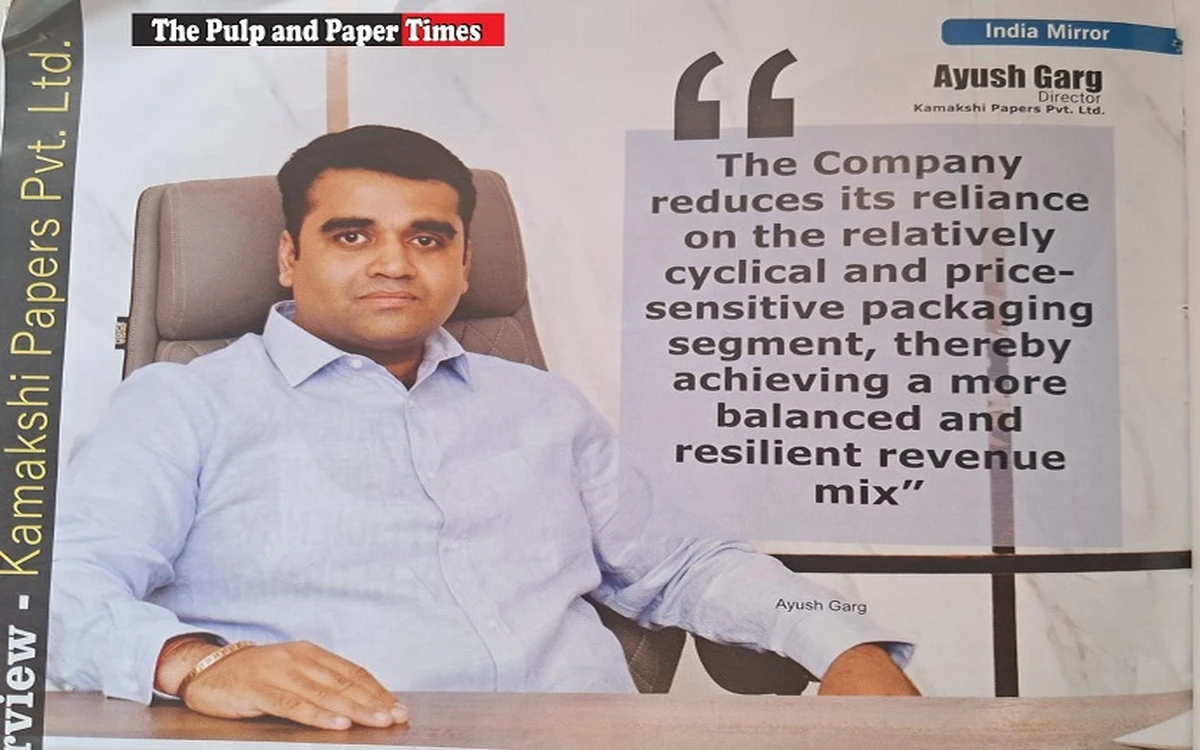
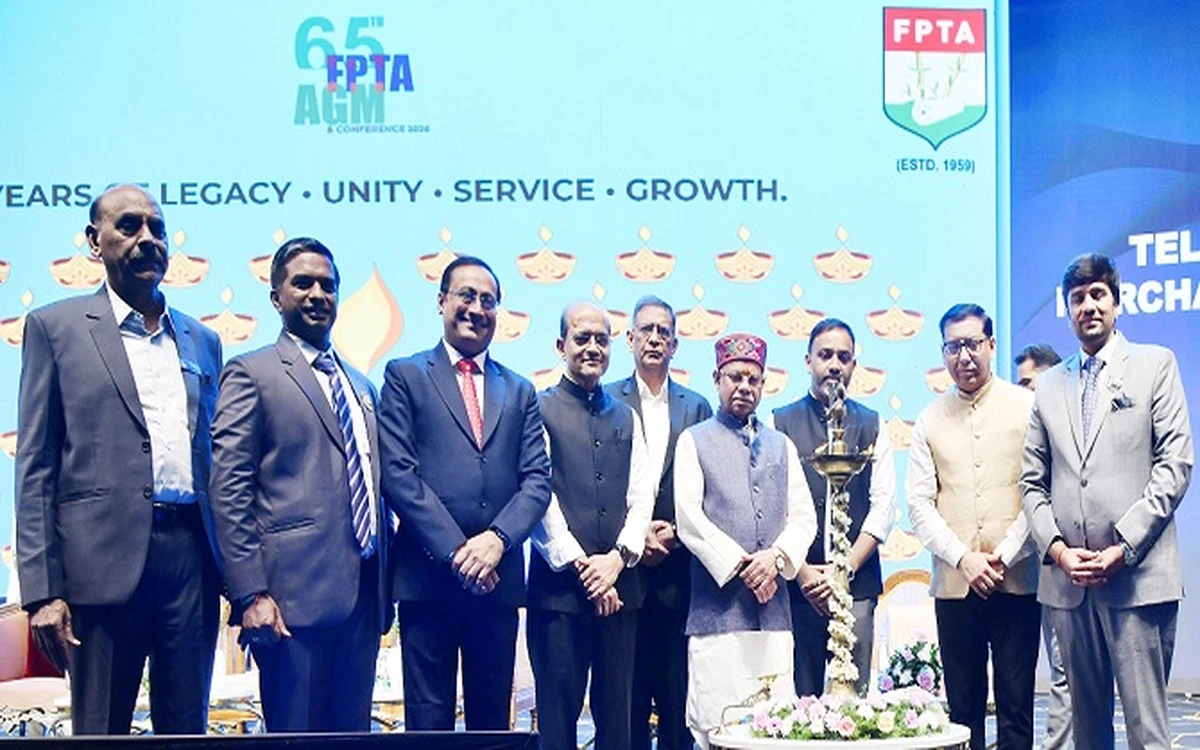
Paper and Packaging Board Market May Face Cost Pressures Through March 2027; FPTA Advises Traders
Steeper-than-expected drop in realisations hits Seshasayee Paper’s FY2025–26 operating margins; Box boards, Absorption Kraft, and Virgin Kraft now form a growing share of the product mix
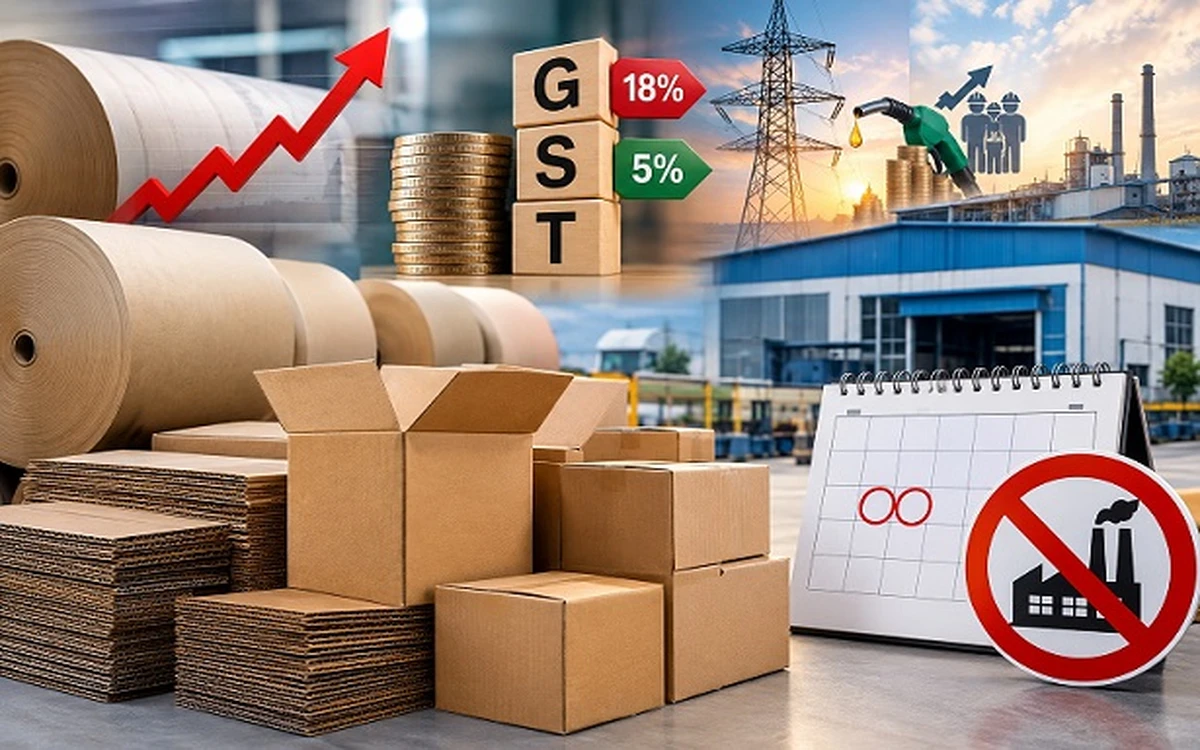
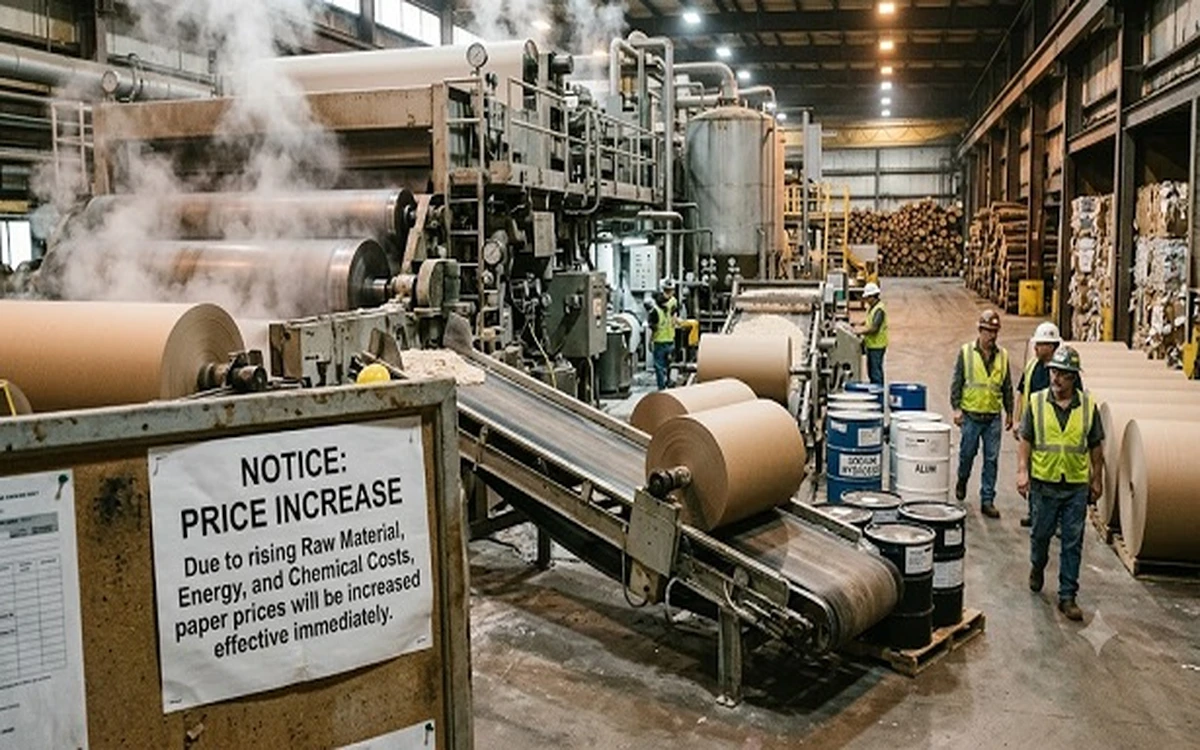
Overall Increase in Kraft Paper Prices Could Reach 35%; Industry Calls for 20% Box Price Increase, Voluntary Shutdown Proposed
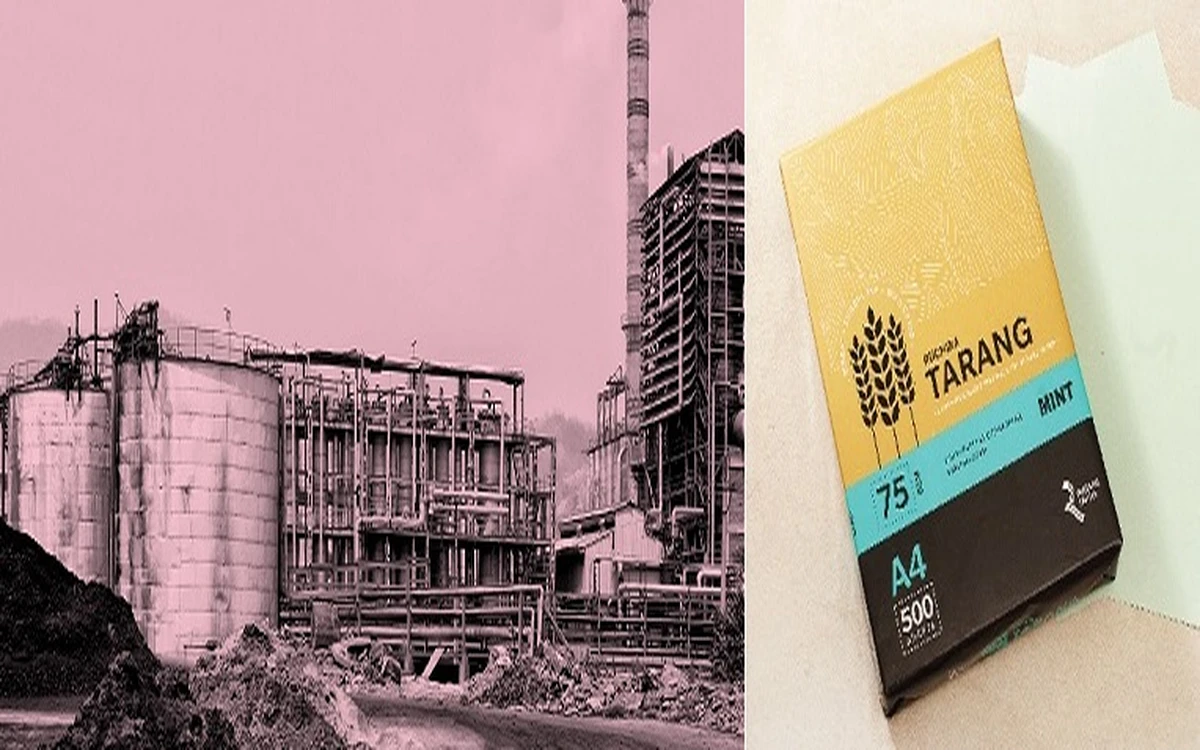
Ruchira Papers Invests a Sizeable Capex of Rs. 235–240 Crore Towards Writing & Printing Paper Capacity Expansion
Paper mills inflated the basic ex-mill price of paper post GST 2.0, AINMA seeks action against Anti-Profiteering
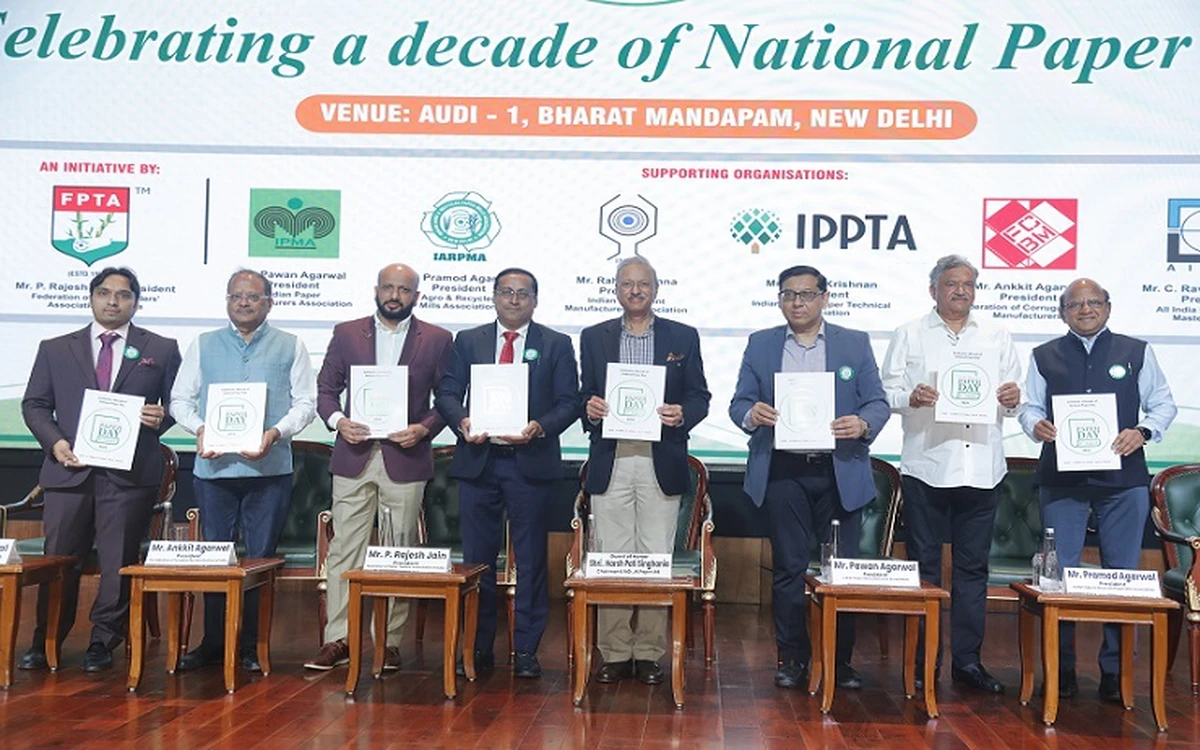
Seven Leading Associations Unite to Celebrate National Paper Day, Highlighting Paper's Sustainability and Circular Economy Advantage
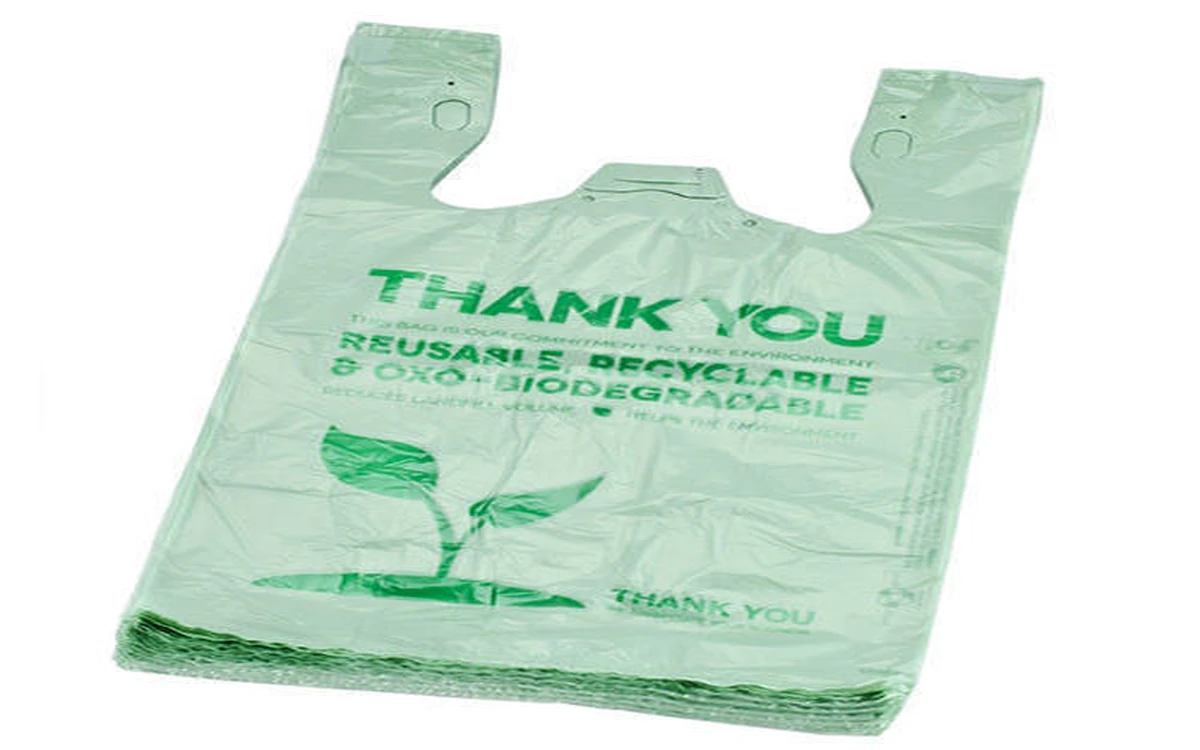
Scientists from IIT-Guwahati develop India's first biodegradable plastic
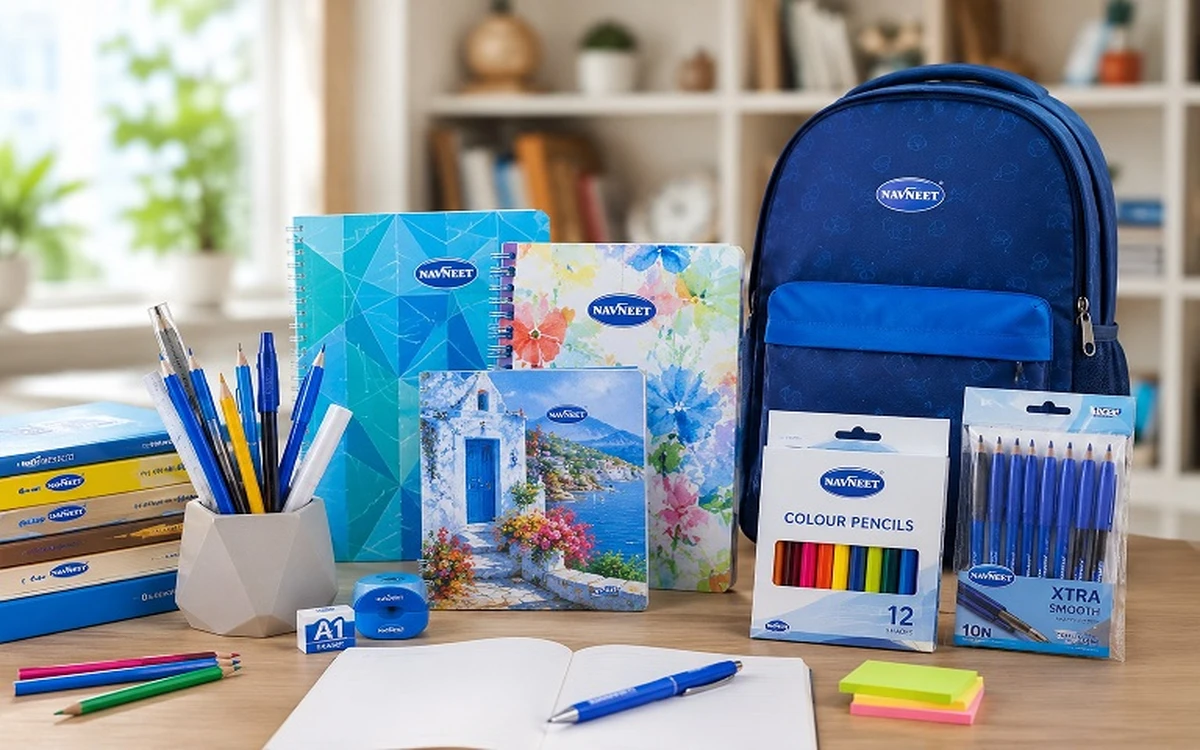
Navneet Education focuses on brand building, curriculum-led growth, and export recovery; expects stationery margins to improve in FY27

It is estimated that USD10B to USD20B worth of single-use plastic packaging will convert to molded fiber, ZUME
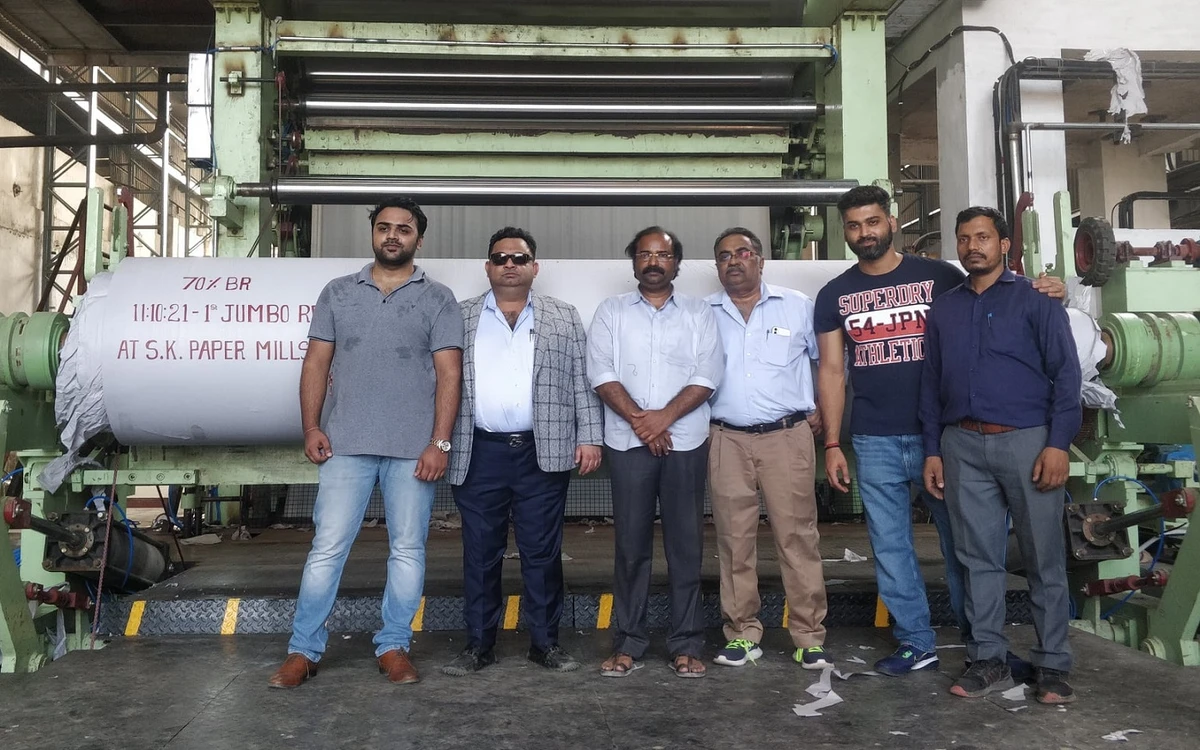
Muzaffarnagar gets a new capacity of Tissue Paper and MG Poster paper

“The integration of digitalization, automation, and Artificial Intelligence (AI) is no longer a futuristic concept—it is the baseline for competitiveness in 2036” - Vinit Garg, Director, Vizen Solutions
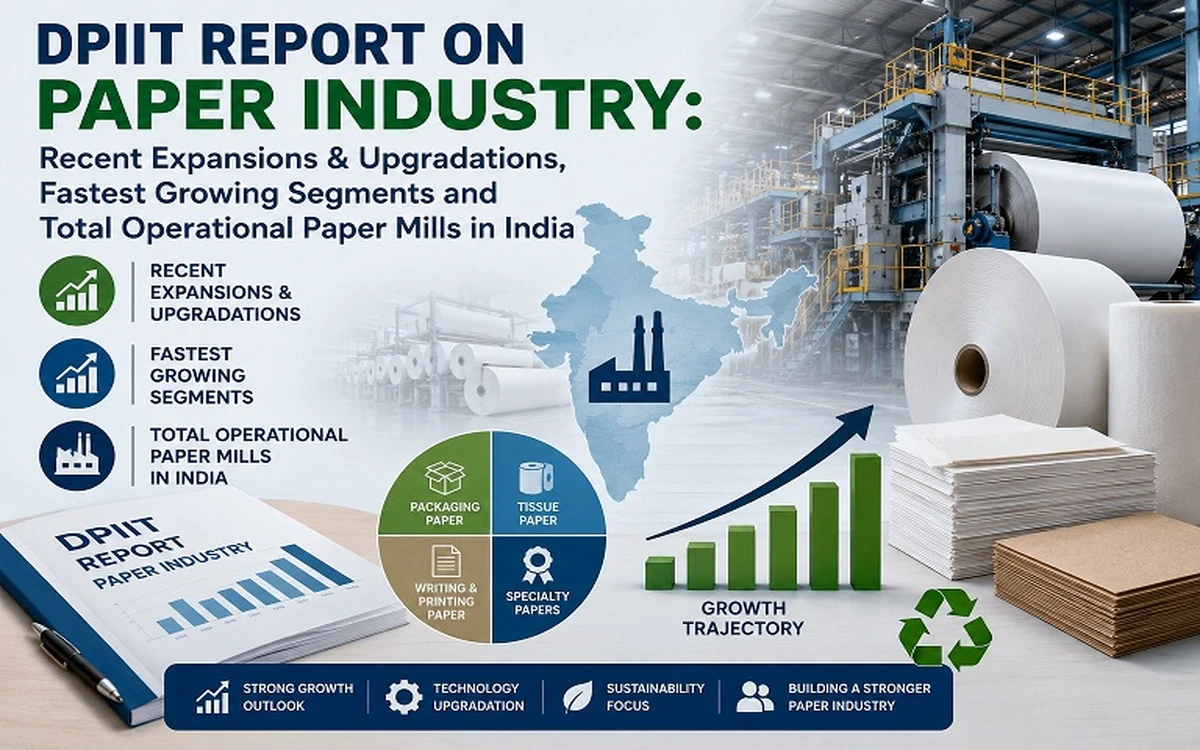
DPIIT Report on the Paper Industry: Recent Expansions & Upgrades, Fastest-Growing Segments, and Total Operational Paper Mills in India
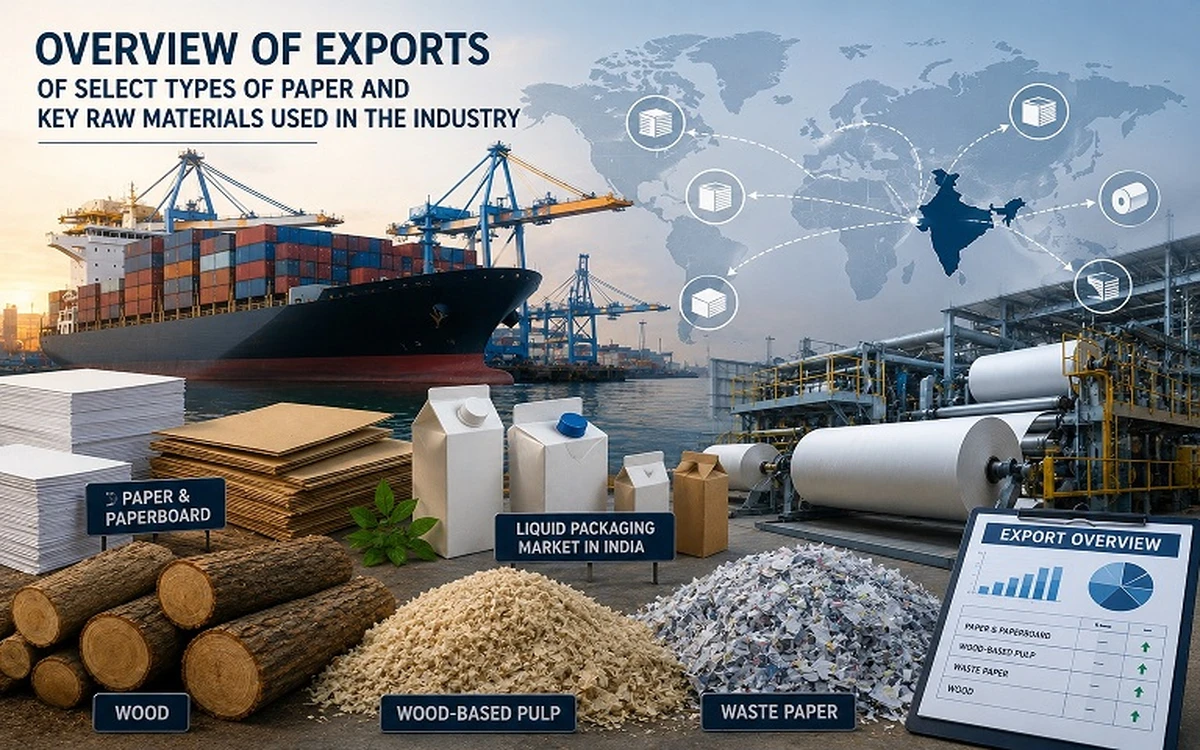
Overview of exports of select type of paper and key raw material used in the industry by Crisil Intelligence

Margin pressure pushes Pulp & Paper Packaging sector toward AI-Driven cost optimization, Cutting costs by 8–20%
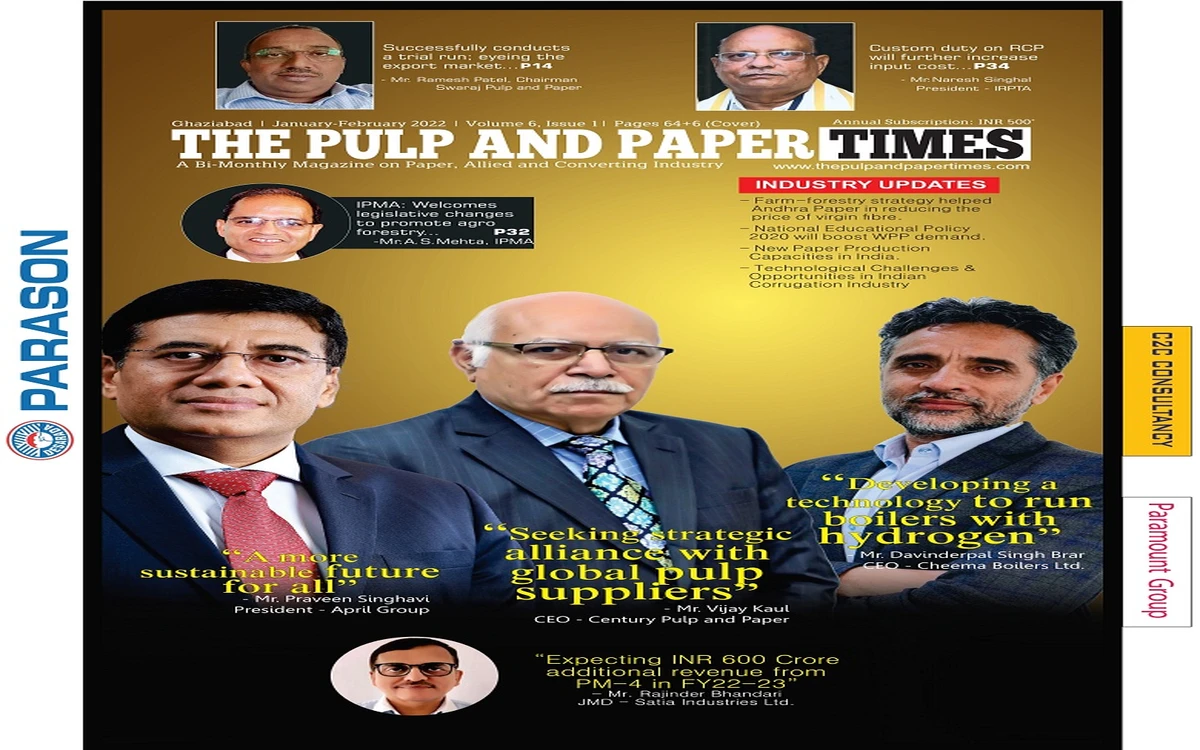
The Pulp and Paper Times Magazine : Volume 6, Issue 1
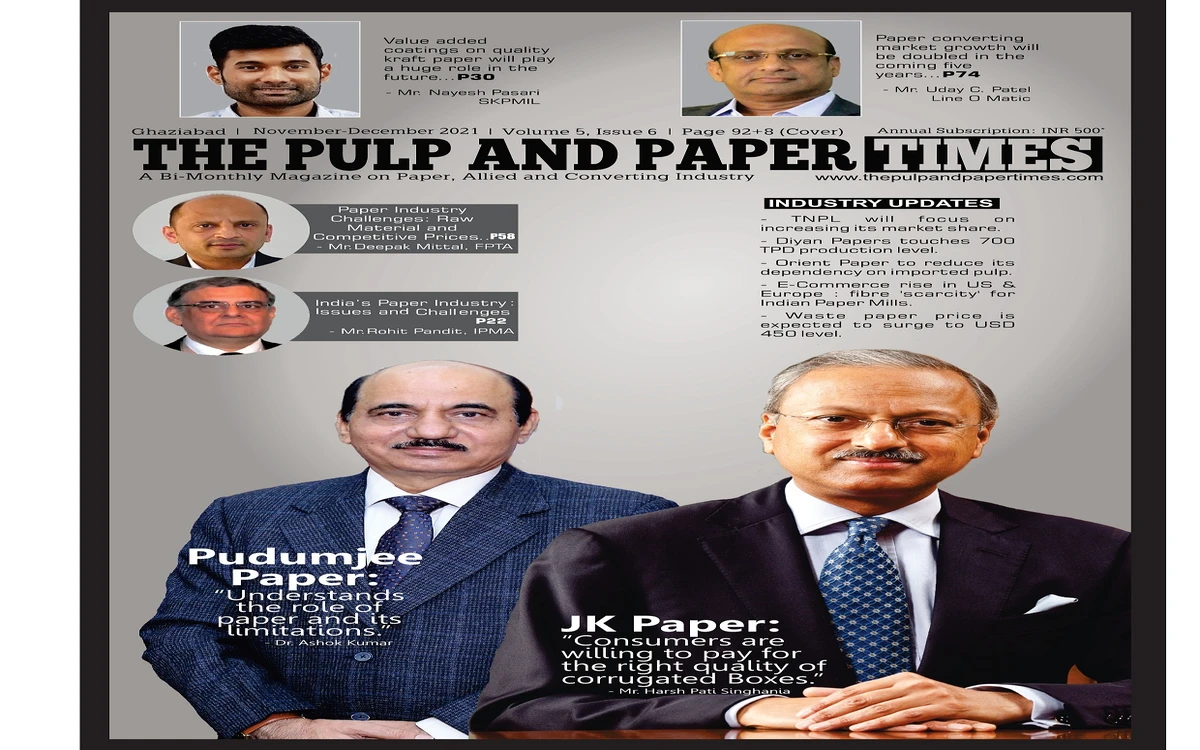
The Pulp and Paper Times Magazine : Volume 5, Issue 6
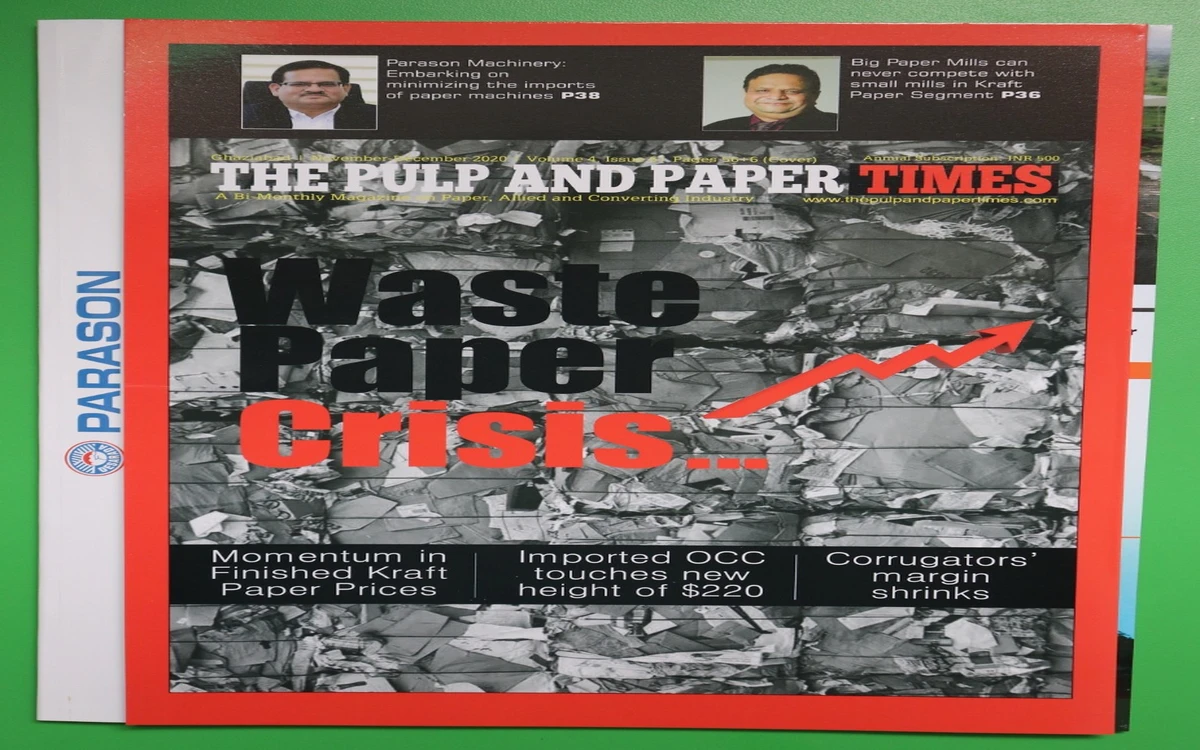
The Pulp and Paper Times: Volume 4, Issue 6
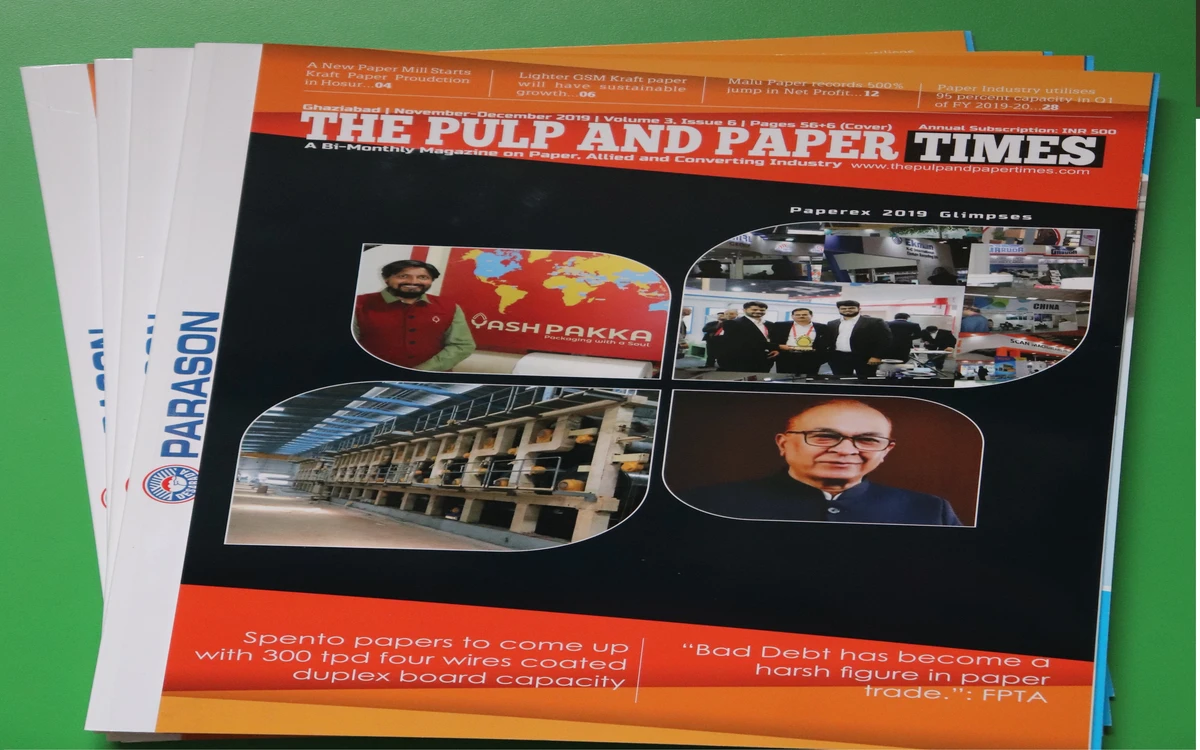
The Pulp and Paper Times : Volume 3, Issue 6
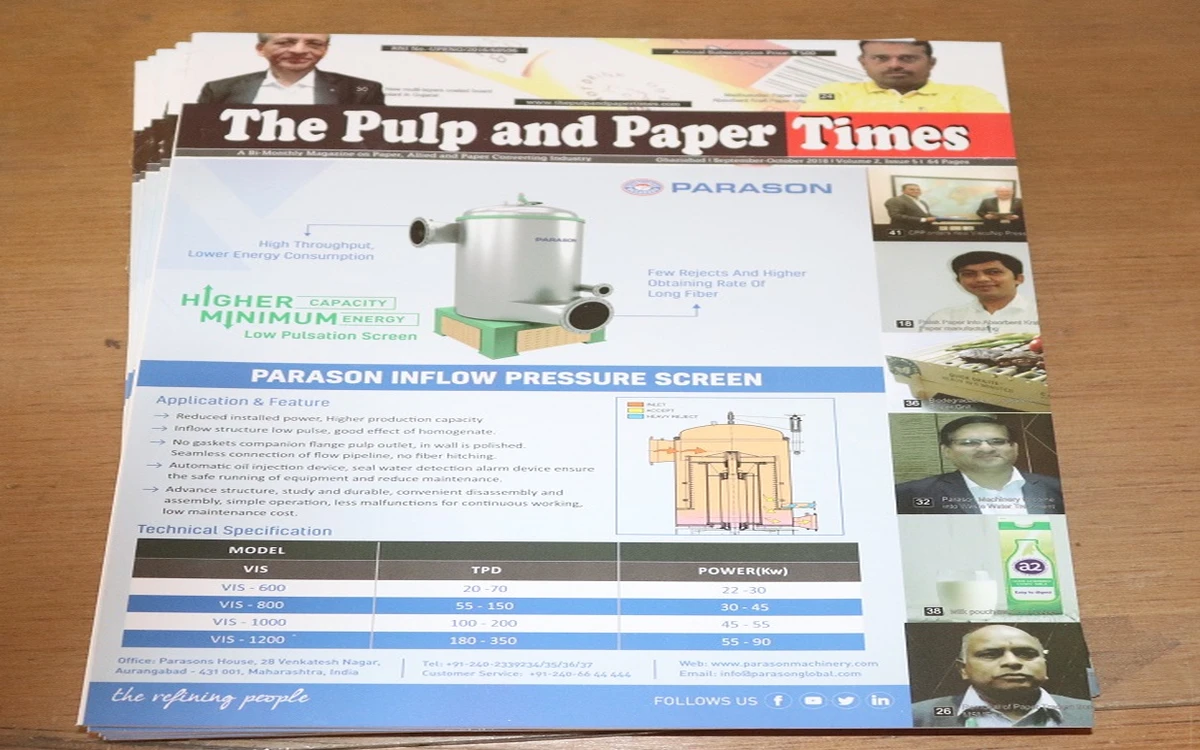
The Pulp and Paper Times: Volume 2 Issue 5
The Pulp and Paper Times, Volume 1, Issue 3
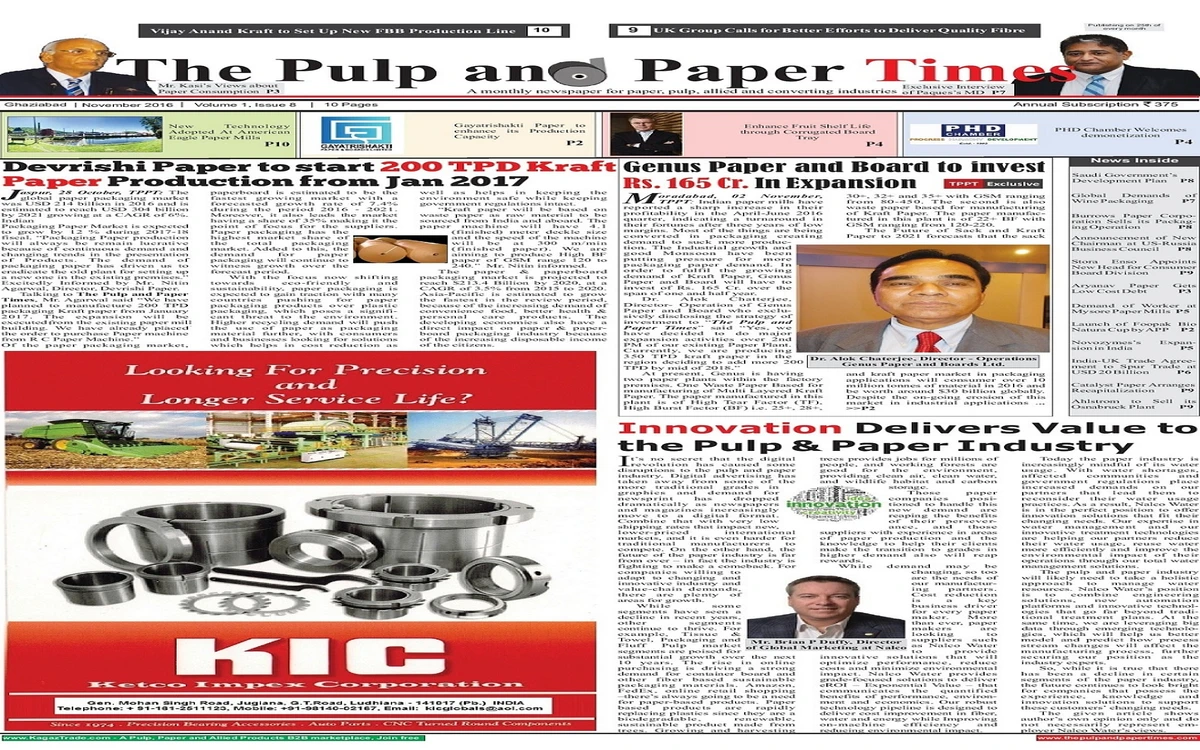
The Pulp and Paper Times, November 2016 Issue
Barrier-Coated Paper, RTE Demand, and E-Commerce: Experts Predict Paper-Based Packaging Market to Reach USD 46 Billion by 2030
- Paper-based packaging is expanding faster, valued at approximately USD 19 billion in 2025 and projected to grow to around USD 46 billion by 2030 (roughly 19–20% CAGR)
- The RTE food market in India is Currently estimated at about USD 1.5 billion with a projected growth rate of ~15% CAGR
The Pulp and Paper Times:

India’s paper and packaging industry is undergoing a major transformation as sustainability, specialty paper innovation, and the need for consistent production performance take center stage. With rising demand from e-commerce, RTE foods, and FMCG segments, industry leaders emphasize that paper-based and specialty packaging solutions are rapidly gaining ground over plastics. At the same time, manufacturers stress the importance of regulatory support, raw material stability, and technological advancements to ensure sustainable, high-quality production for the future.
In an interview with INPAPER Magazine, Mr. Harsh Pati Singhania, CMD, JK Paper, said, “Sustainability is no longer an aspiration; it is a business imperative. The global packaging industry is transitioning to renewable, recyclable, and low-impact materials and is projected to reach USD 1.2 trillion by 2028. India is a major part of this shift: the total Indian packaging market is estimated at USD 101 billion in 2025 and is expected to reach USD 170 billion by 2030 (approx. 10.7% CAGR). Within this aggregate, paper-based packaging is expanding faster, valued at approximately USD 19 billion in 2025 and projected to grow to around USD 46 billion by 2030 (roughly 19–20% CAGR) as Ready-to-Eat (RTE), FMCG, and retail demand accelerate,”

“The RTE food market in India is a core driver of this opportunity. Currently estimated at about USD 1.5 billion with a projected growth rate of ~15% CAGR, RTE is being propelled by urbanisation, rising disposable incomes, dual-income households, and rapid adoption of e-commerce and quick-commerce platforms. These behavioural shifts elevate packaging from a functional need to a strategic lever for food safety, shelf life, convenience, and brand differentiation.”
“Paper's technical evolution has made it a practical substitute for many existing polymer-based applications. Advances in aqueous barrier coatings, grease- and moisture-resistant laminates, compostable mono-material boards, and moulded-fibre formats now allow paper to meet the barrier, sealing, and mechanical needs of frozen foods, hot/oily takeaways, beverages, and single-serve on-the-go formats. For perspective: the flexible paper packaging segment is estimated at USD 4.7 billion (2024) and is forecast to reach roughly USD 6.8 billion by 2030 (approx. 6% CAGR), reflecting steady migration from multi-material plastic laminates to recyclable paper solutions,” he said.
Mr. Singhania further stated that regulation and consumer preference are accelerating adoption. The nationwide push against single-use plastics, tighter Extended Producer Responsibility (EPR) norms, and the Food Safety and Standards Authority of India's growing scrutiny of PFAS (Perfluoroalkyl and polyfluoroalkyl substances) and BPA (bisphenol A) have created a clear regulatory tailwind. At the same time, urban consumer surveys show strong preference for sustainably packaged goods, a shift that translates directly into willingness to pay and brand premium for RTE and convenience foods packaged in responsible formats.

“Industry innovation is focused on providing functionality and performance. New coating technologies (applied using gravure, air-knife, and reverse-gravure systems) enable water-based and bio-polymer barriers that deliver grease and moisture resistance while remaining recyclable or compostable. Aqueous-coated food boards represent a critical step: they provide the required barrier performance without polymer films, facilitating easier recycling and reducing downstream contamination in fibre recovery streams,” he said.
The packaging sector in India is undergoing a significant transformation, with a strong shift towards sustainable and eco-friendly solutions. Talking about the future of paper-based packaging in the Indian market, Dr. Sandeep Saxena, CMD of TNPL, said in the interview with INPAPER, “Sustainable packaging has become the buzzword across the country, with growing emphasis on cellulose-based solutions driven by increasing awareness of plastic pollution and the rising demand for paper-based alternatives. As plastic pollution poses a serious threat to the environment, cellulose-based packaging—being renewable, recyclable, and compostable—has emerged as a viable and sustainable alternative.
“With the rapid growth of e-commerce, paper-based packaging has gained significant traction across online platforms. It is also witnessing strong momentum in the food packaging sector, where it is increasingly replacing plastic-based materials.
“We envisage a major shift toward paper-based packaging with aqueous barrier coatings, capable of replacing many forms of plastic-based food packaging—whether for milk currently packed in plastic pouches or containers used to carry solid food, even under hot or warm conditions. As consumer lifestyles and food habits evolve, especially among the new generation, the transition toward paper-based food packaging is expected to accelerate substantially,” Dr. Saxena stated.
Pudumjee Paper is well known for its diverse range of specialty paper manufacturing. In light of the growing environmental health consciousness among end users, Dr. Ashok Kumar, ED and CEO of Pudumjee Paper Products, presents his view in the INPAPER interview over the demand for various grades of specialty paper.
Dr. Kumar stated that the market for speciality paper products is promising, but the industry has to first clearly understand the true meaning of speciality papers. The mills producing lower GSM papers, higher strength papers, etc., compared to their traditional range of products, have started calling their products ‘speciality papers’. There is a wide range of speciality products, but it is important to understand the meaning and application of their products before branding them in this category.
“Due to the ban on SUP (Single Use Plastic), which is yet to be enforced effectively, the demand for paper-based products has increased in some applications, such as paper bags, paper straws, paper cups, etc., but the application is much bigger. The barrier products which can provide a barrier to oil & grease, oxygen, water, and mineral oil are required, which have not yet been developed in a cost-effective manner. There are manufacturers in India making claims for manufacturing some of these products, but a lot of work will have to be done before there are suitable alternatives to plastic-based products. This needs a collaborative approach among brand owners, paper manufacturers, barrier chemical suppliers, converting machinery manufacturers, and finally the converters,” Dr. Kumar concluded.
Achieving consistent production performance remains a significant challenge for the Indian paper industry. In Mr. Chirag Jain, Director of MLM India, view, what are the key factors necessary to ensure reliable and sustainable production performance?
Mr. Jain stated in his interview to INPAPER that this is a critical challenge, and addressing reliable and sustainable production performance primarily requires stabilizing the raw material supply and fostering internal efficiencies.
“Since India cannot significantly reduce its dependence on pulp imports, mills must prioritize more cost-effective raw materials, exploring alternative pulp substitutes, or focusing on greater integration in pulp production to maintain global competitiveness. Currently, most Indian mills rely on spot buying; establishing more long-term collaborations for pulp supply is necessary to enhance sustainability and achieve consistent pricing.
“From a supply chain perspective, we actively manage inventory to mitigate disruptions. For instance, maintaining wide variety of stock for pulp at key Indian ports ensures a steady and reliable supply for domestic mills. Additionally, to reduce reliance on natural forests, the government could promote aggressive cultivation of hardwood trees on barren lands in India, and the industry should explore sustainable solutions like agro-pulp. Lastly, for sustained growth, stable government policies and fostering greater collaboration within the Indian business community are paramount for encouraging innovation,” Mr. Jain concluded.

21 hours ago
Total Views : 1643
1 days ago
Total Views : 2054
3 days ago
Total Views : 617
5 days ago
Total Views : 1258
last week
Total Views : 3631
last week
Total Views : 2655
last week
Total Views : 777
last week
Total Views : 3517
2 weeks ago
Total Views : 3608
2 weeks ago
Total Views : 6927