Join Groups & Channels, No Spamming









Morbi paper mills see full-capacity operations as ceramic industry revives; Kraft paper exports to China spike, Prices strengthen; Janmashtami shutdown ahead
The BE and caustic soda plant marks a key milestone for Mohit Paper Mills, enabling full utilization of installed capacity and enhancing overall production efficiency
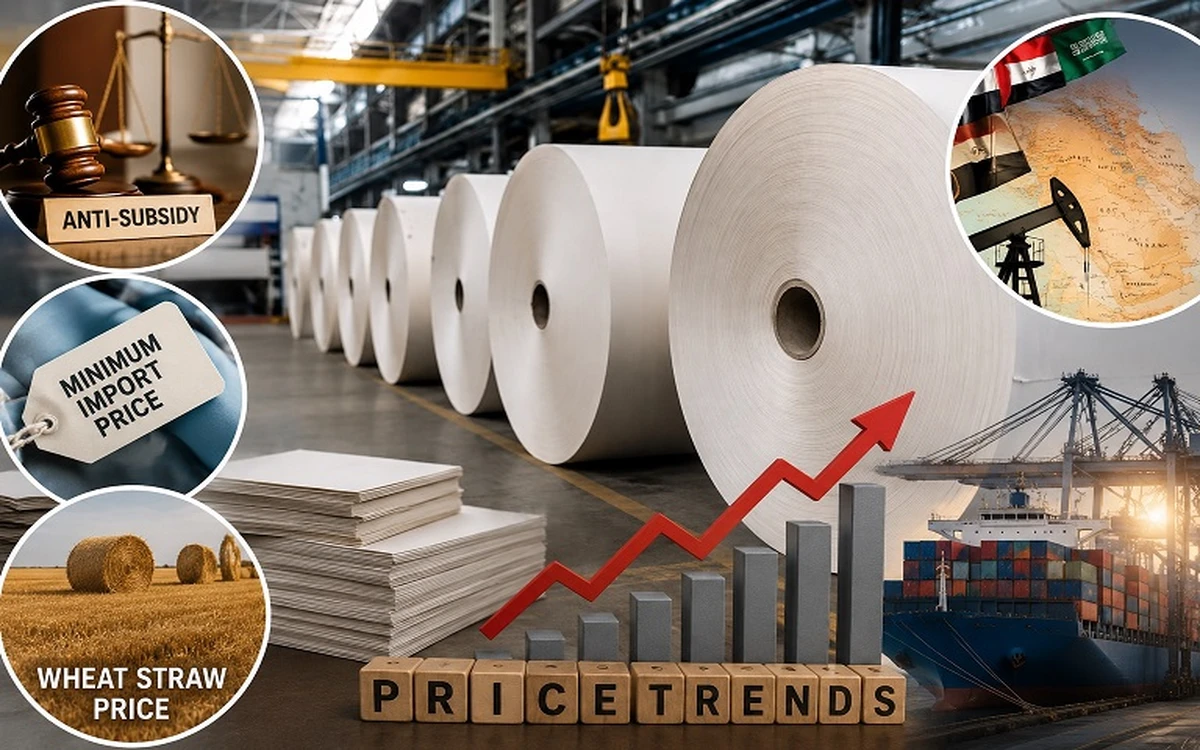
Expert Views on the paper market scenario, How the West Asia Crisis Helped the Industry, MIP for WPP, Anti-Subsidy implementation, and paper price trends
Pudumjee Paper intends to develop new varieties addressing applications for stronger paper bags and cupcakes; Plans 68,000 MT Mahad Specialty Paper Facility within 5 years
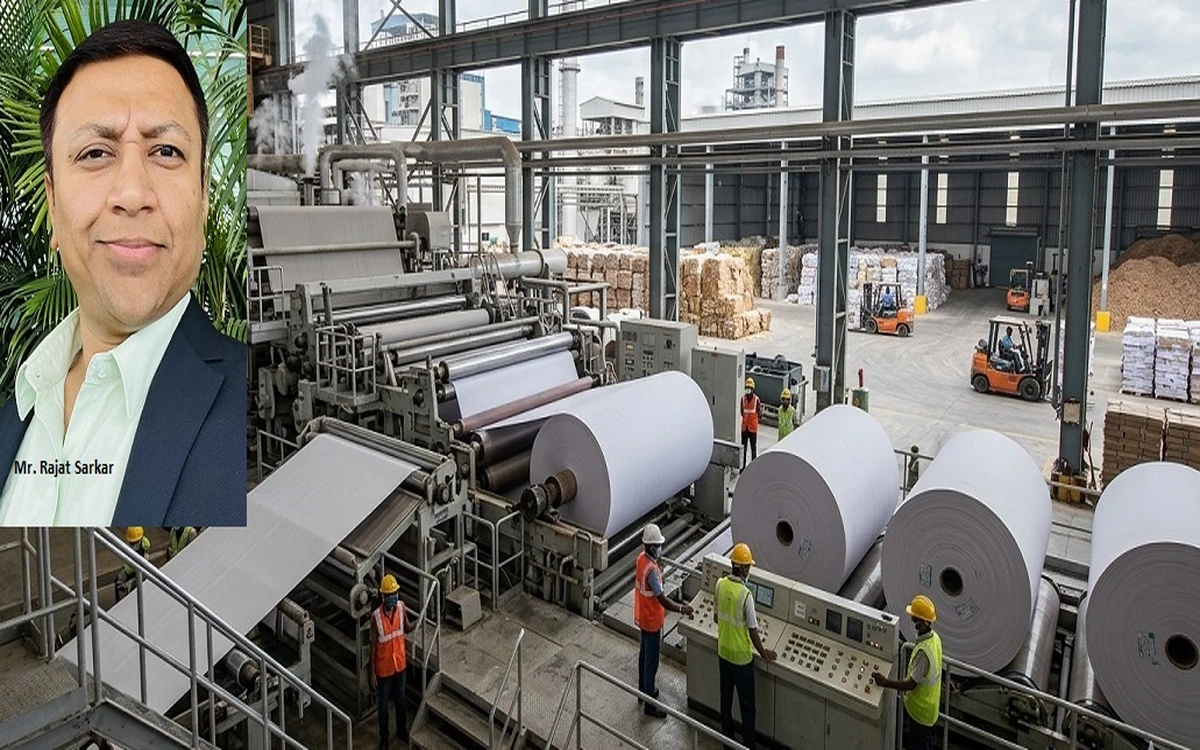
India Paper Industry at an Inflection Point: War, Costs, and Capacity; Demand growth expected at 5–7% in FY26
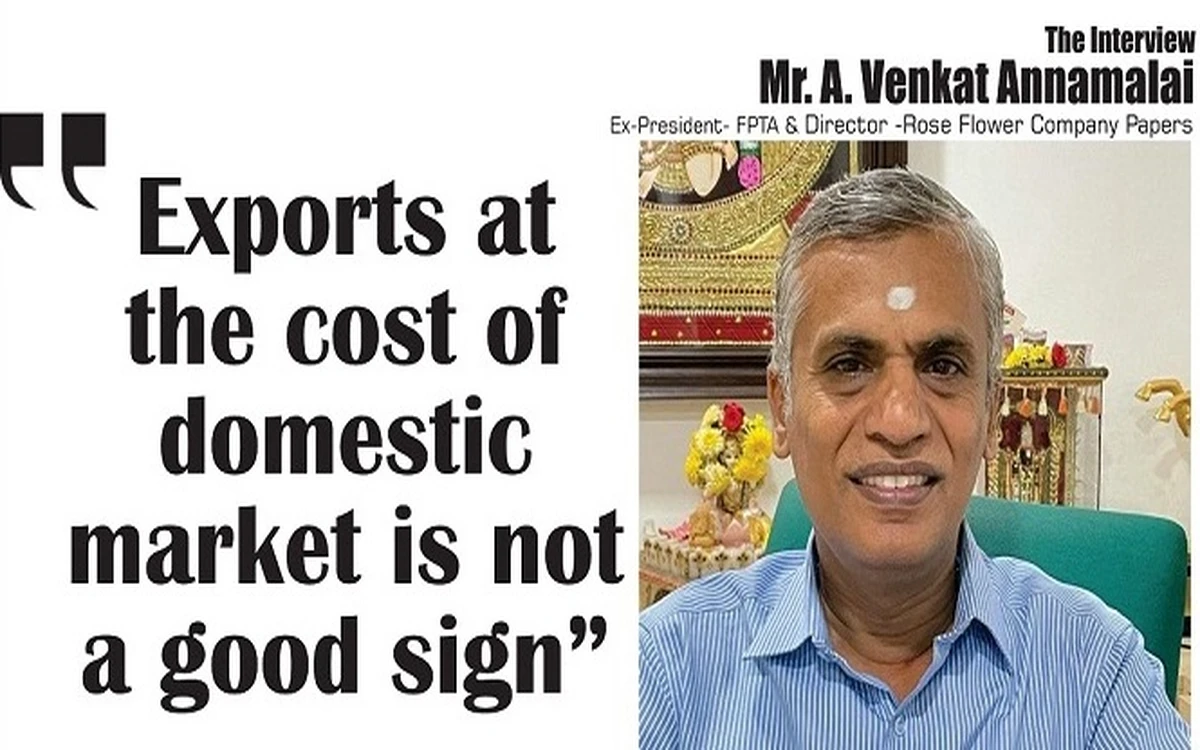
“Surging exports of paper will most certainly keep the domestic prices quite high”: Mr. A. Annamalai, Director – RFC
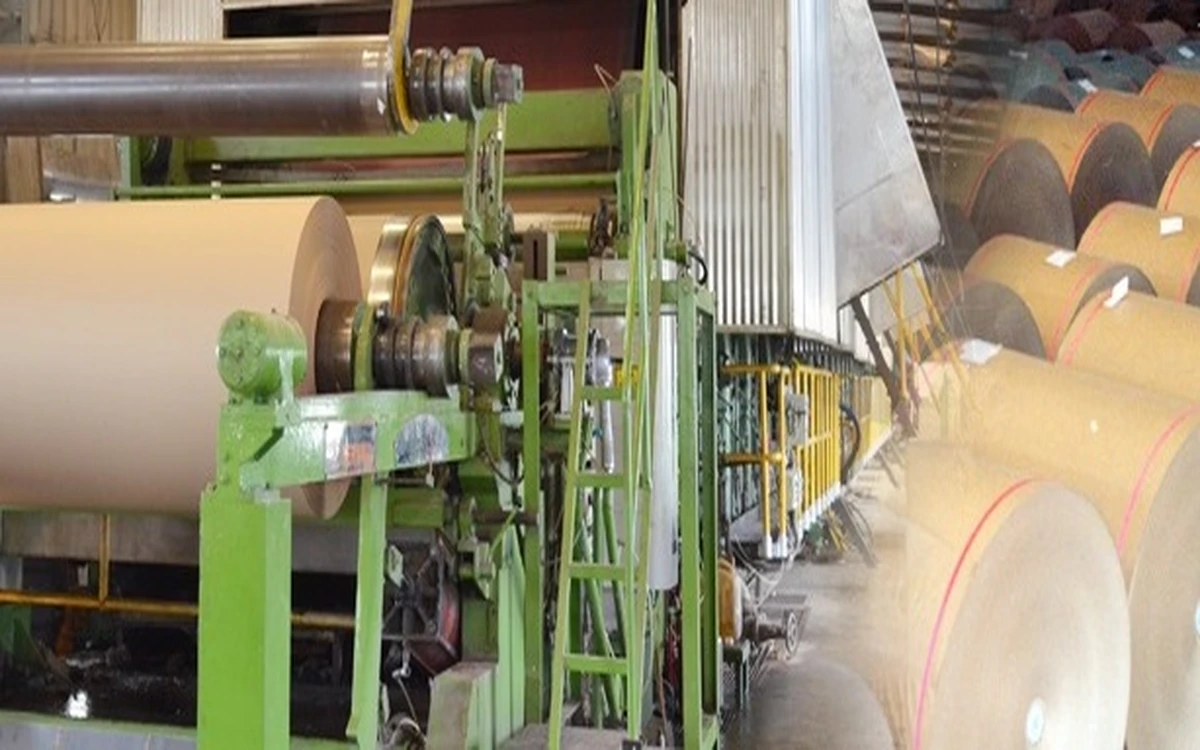
The Status of the Global Container board Industry, Recycled Paper Demand and Supply and its impact on the Indian Industry
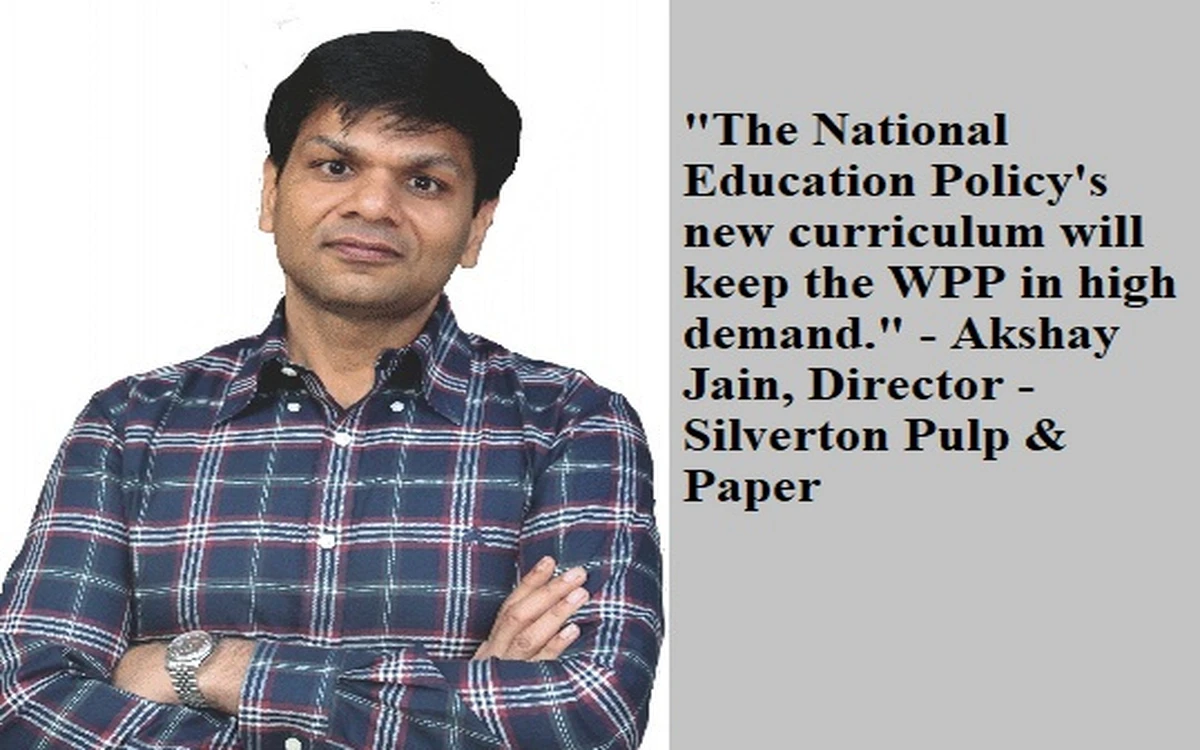
Akshay Jain, director of Silverton Pulp & Paper, says it's time to promote agro residue as a raw material to lessen the scarcity of fibre
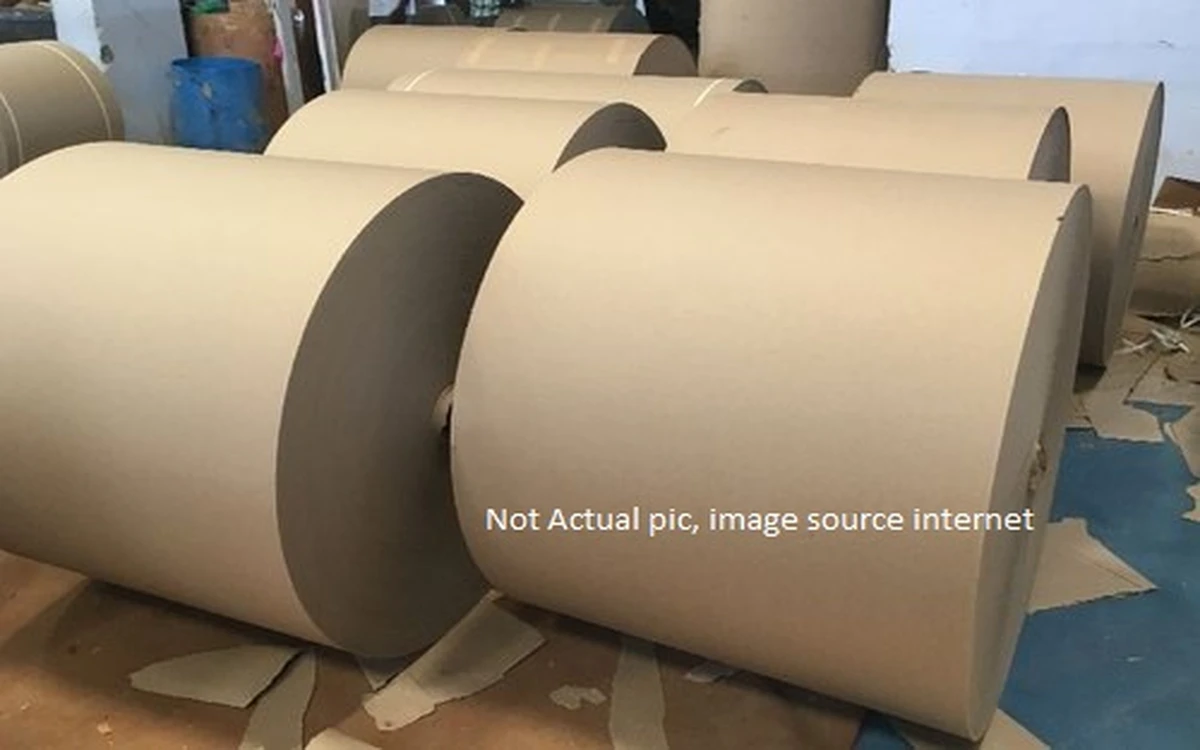
Advantageously located, a new paper mill is all set to roll kraft paper in Madhya Pradesh
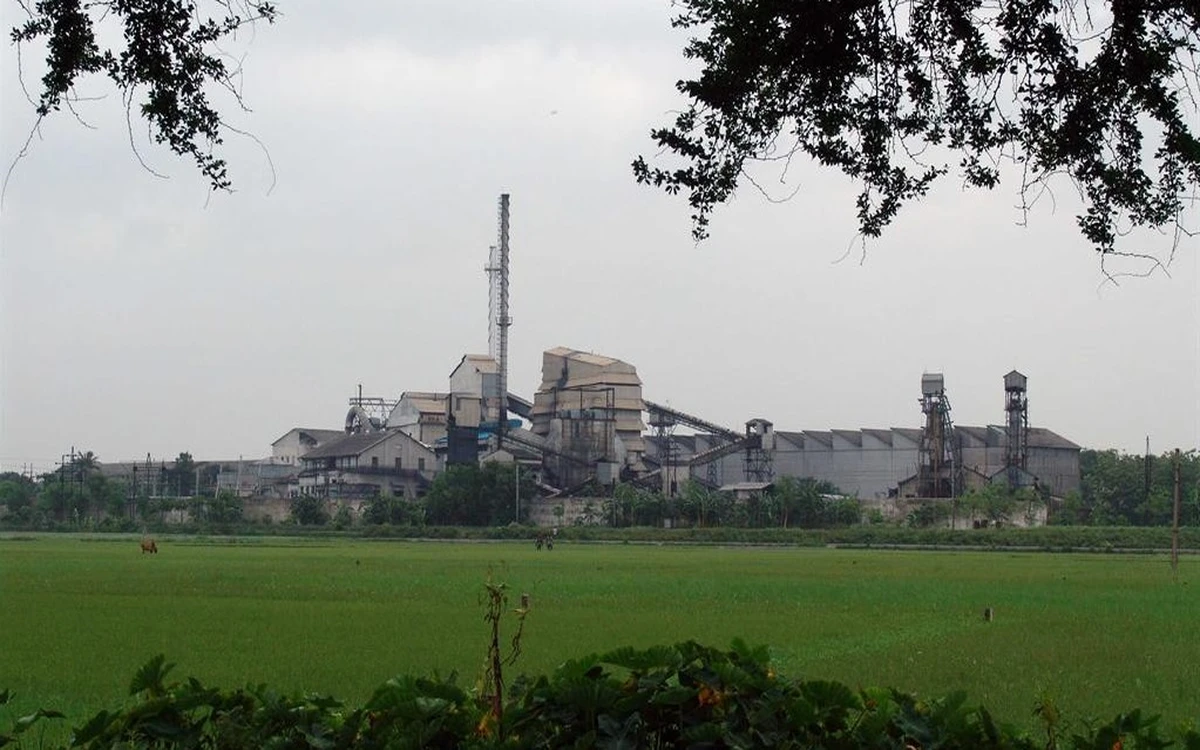
Several agile interventions helped ITC-PSPD fortify its clear leadership of the Value Added Paperboards (VAP) segment
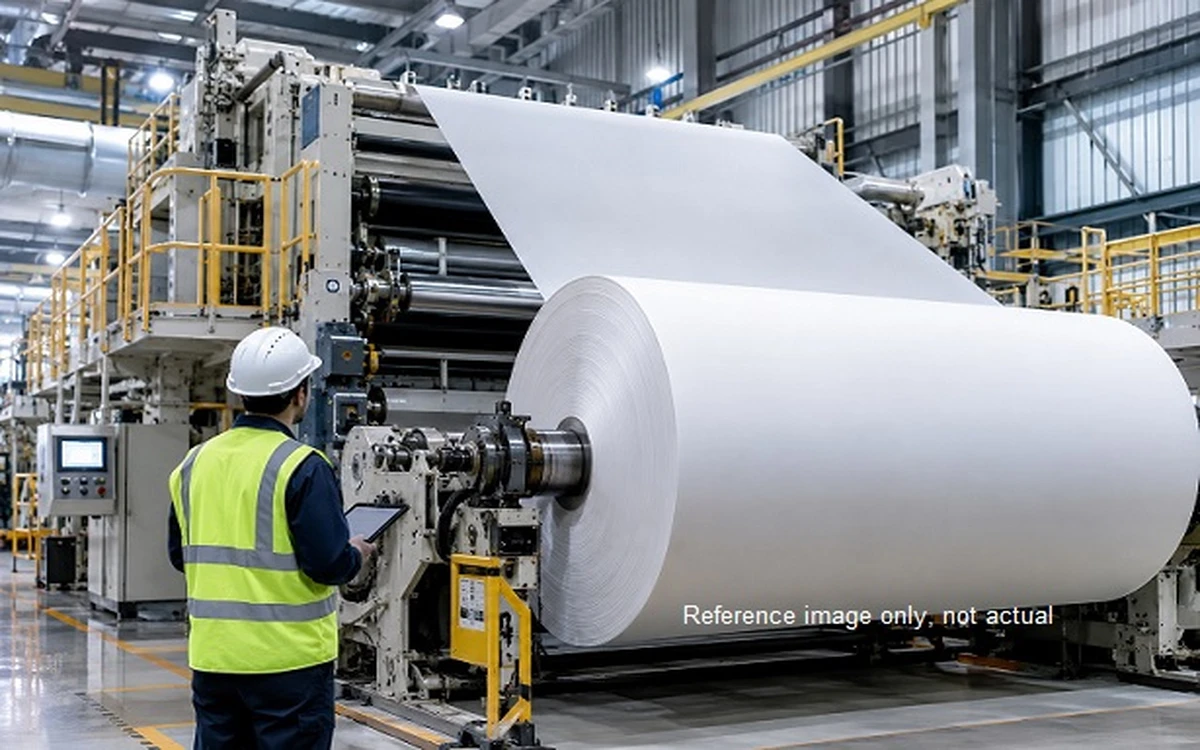
Pakka Advances PM4 Development; flexC Base Paper Trials Underway in Europe, with a Distributor Soft Launch Expected
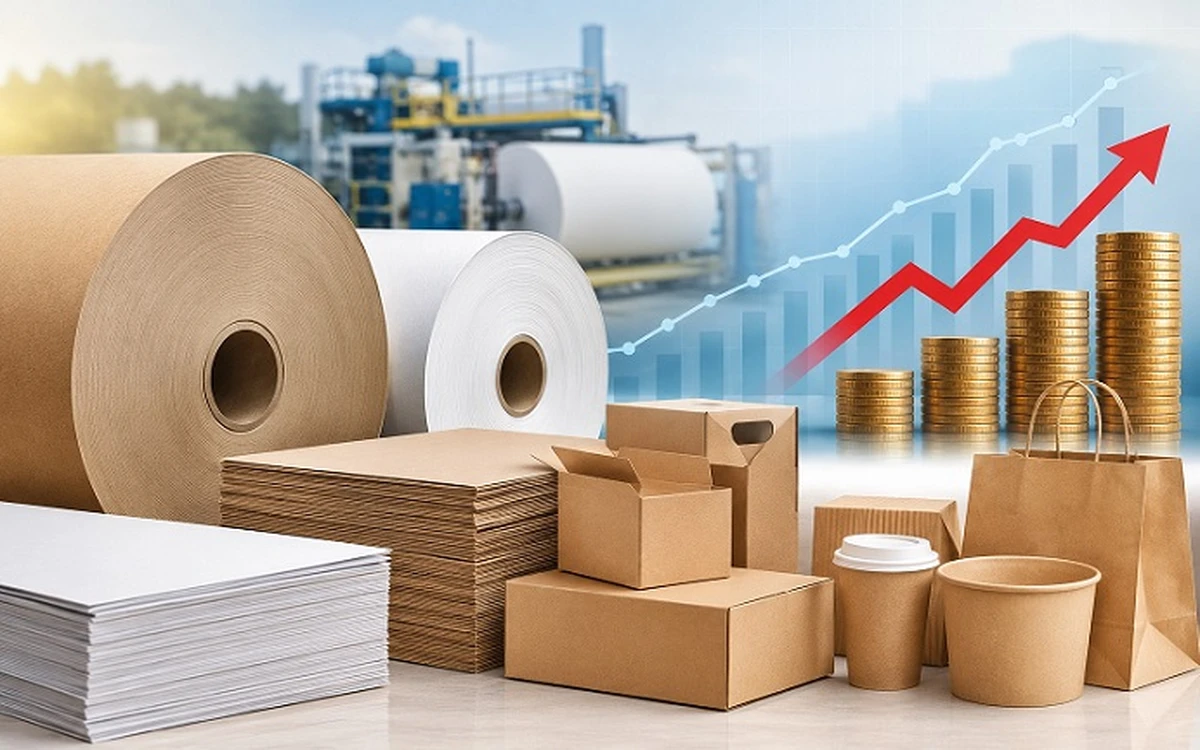
Paper and Packaging Board Market May Face Cost Pressures Through March 2027; FPTA Advises Traders
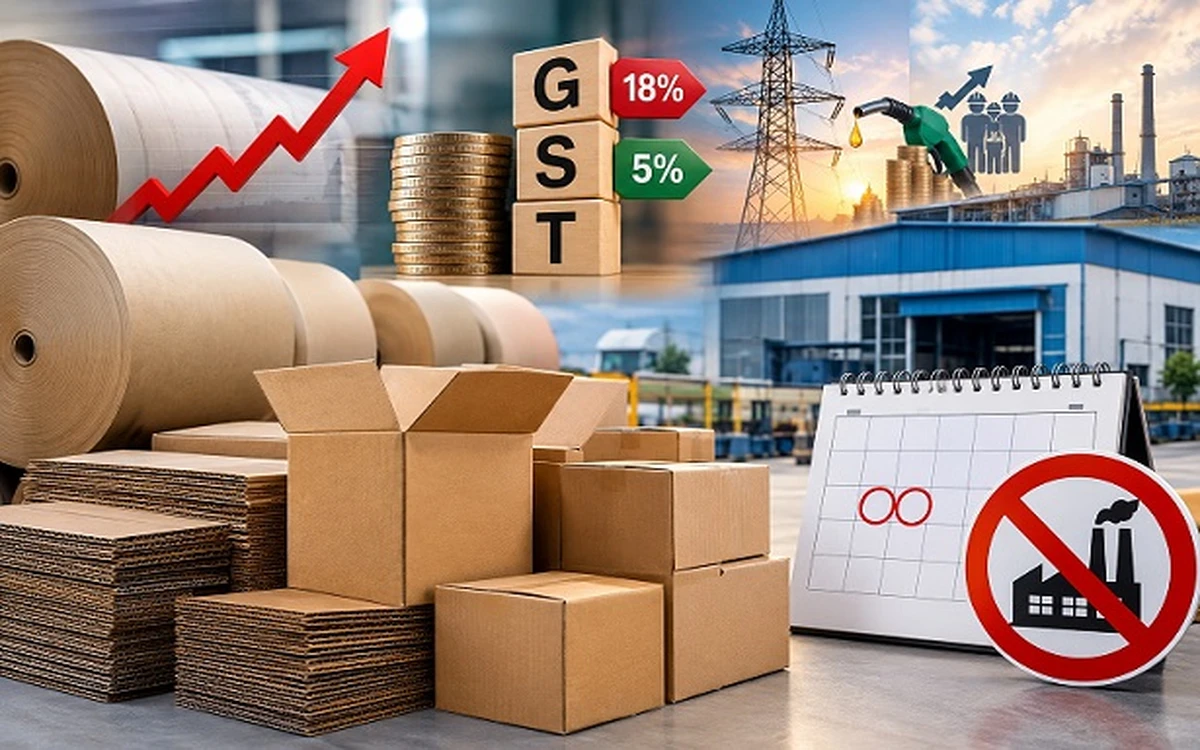
Overall Increase in Kraft Paper Prices Could Reach 35%; Industry Calls for 20% Box Price Increase, Voluntary Shutdown Proposed
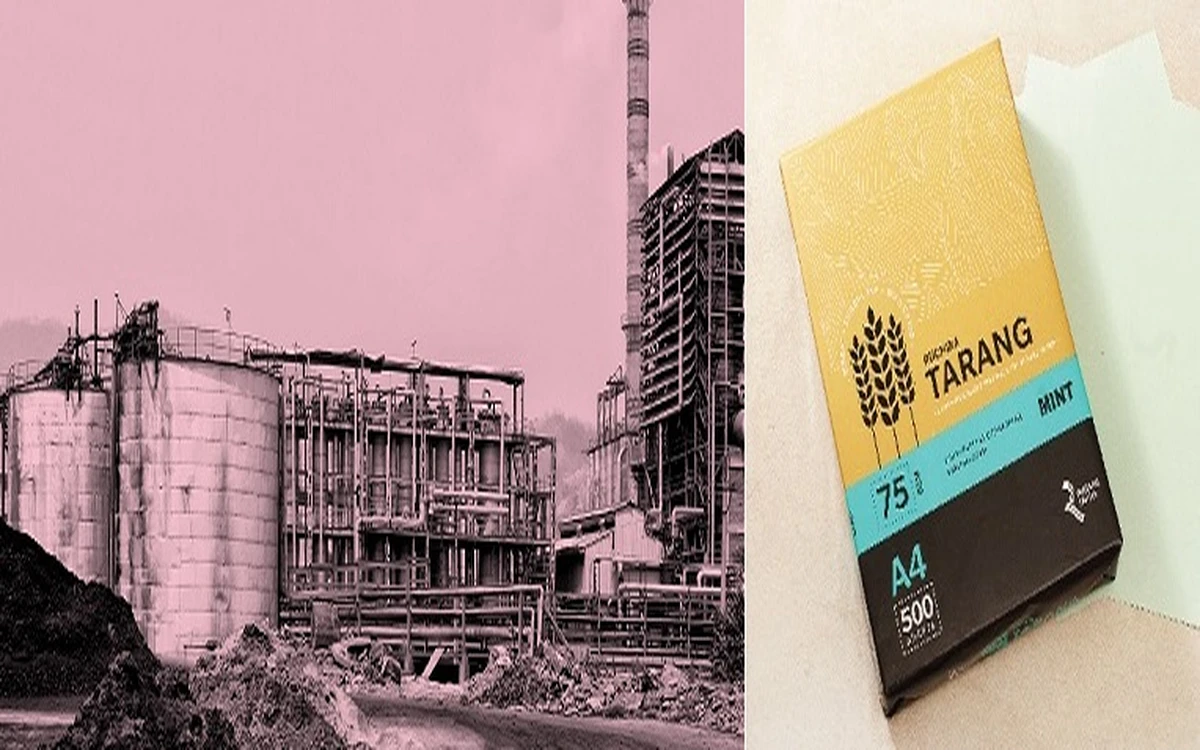
Ruchira Papers Invests a Sizeable Capex of Rs. 235–240 Crore Towards Writing & Printing Paper Capacity Expansion
Paper mills inflated the basic ex-mill price of paper post GST 2.0, AINMA seeks action against Anti-Profiteering
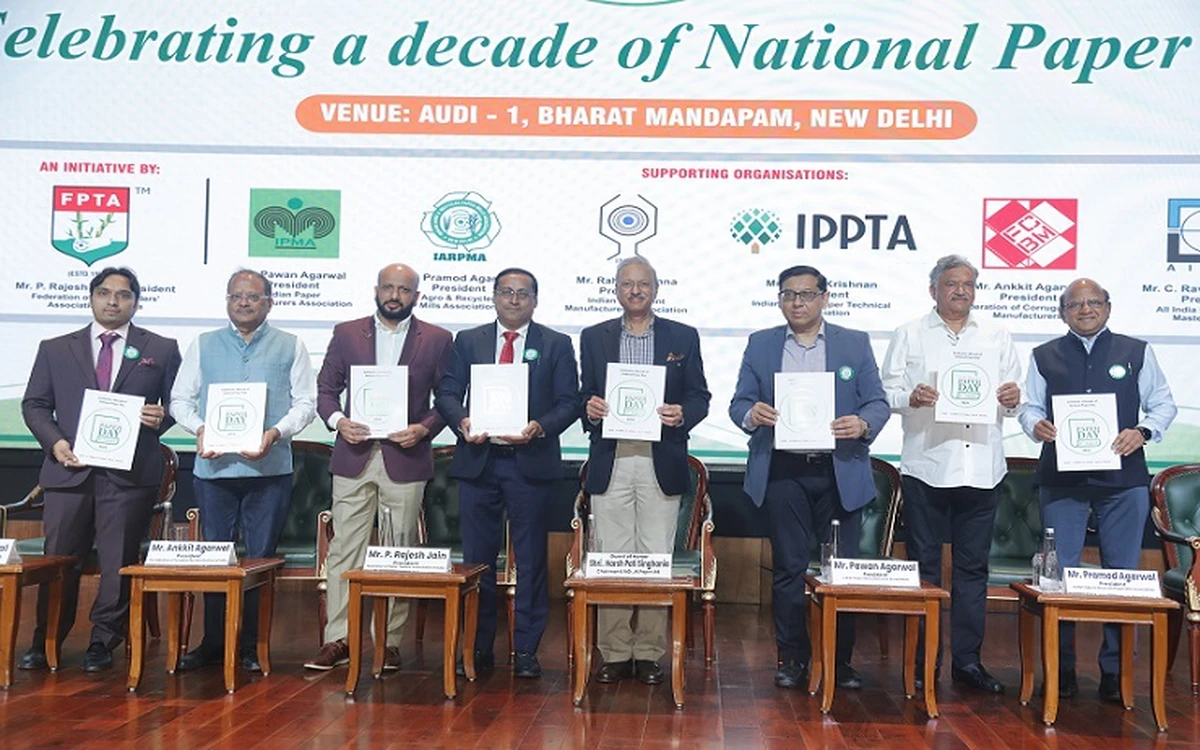
Seven Leading Associations Unite to Celebrate National Paper Day, Highlighting Paper's Sustainability and Circular Economy Advantage
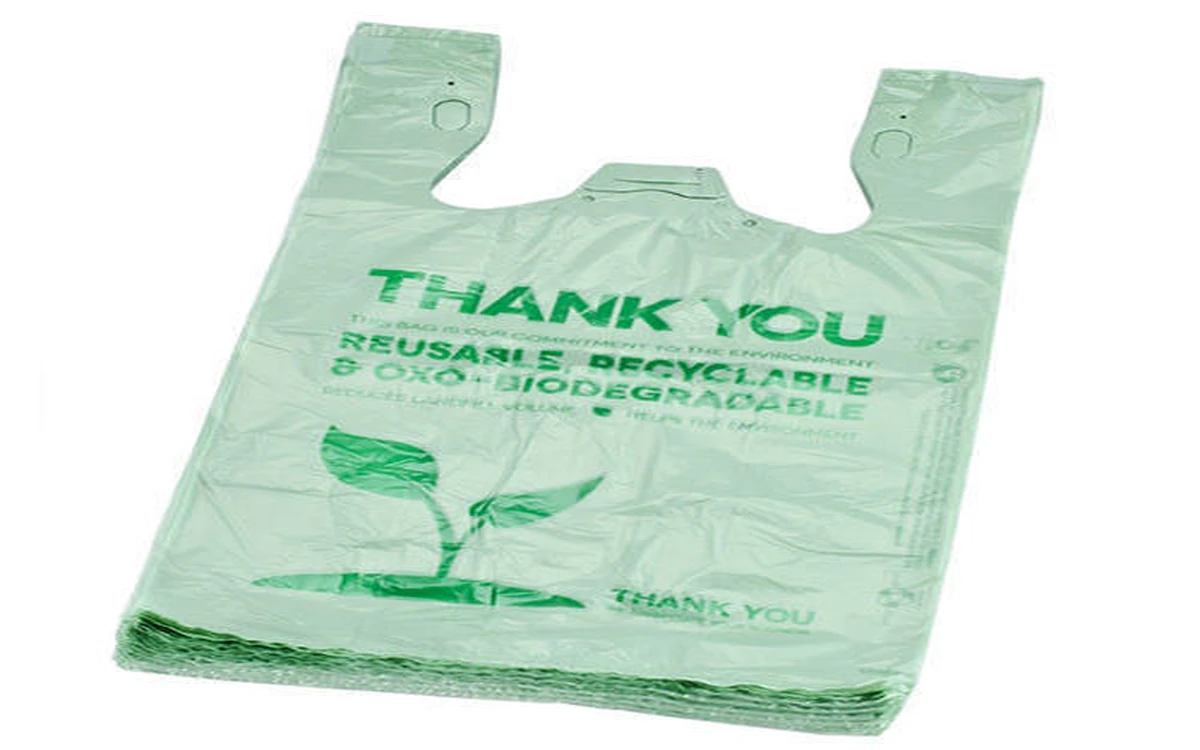
Scientists from IIT-Guwahati develop India's first biodegradable plastic
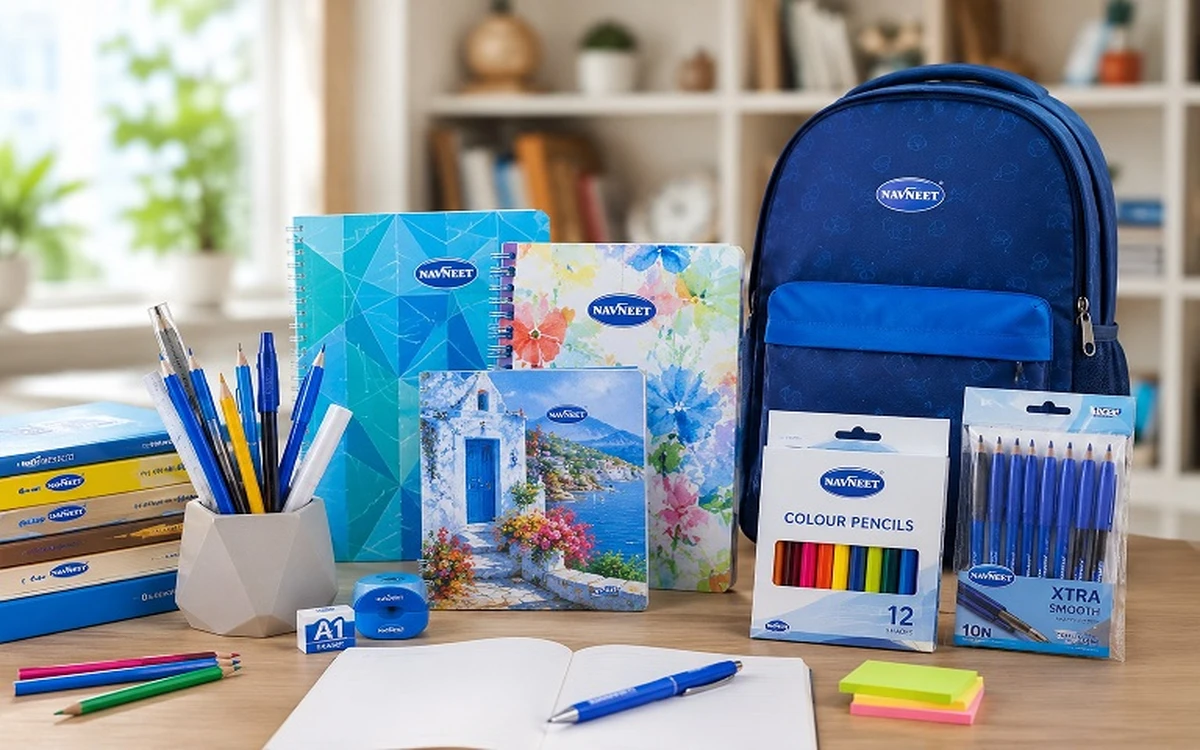
Navneet Education focuses on brand building, curriculum-led growth, and export recovery; expects stationery margins to improve in FY27

It is estimated that USD10B to USD20B worth of single-use plastic packaging will convert to molded fiber, ZUME
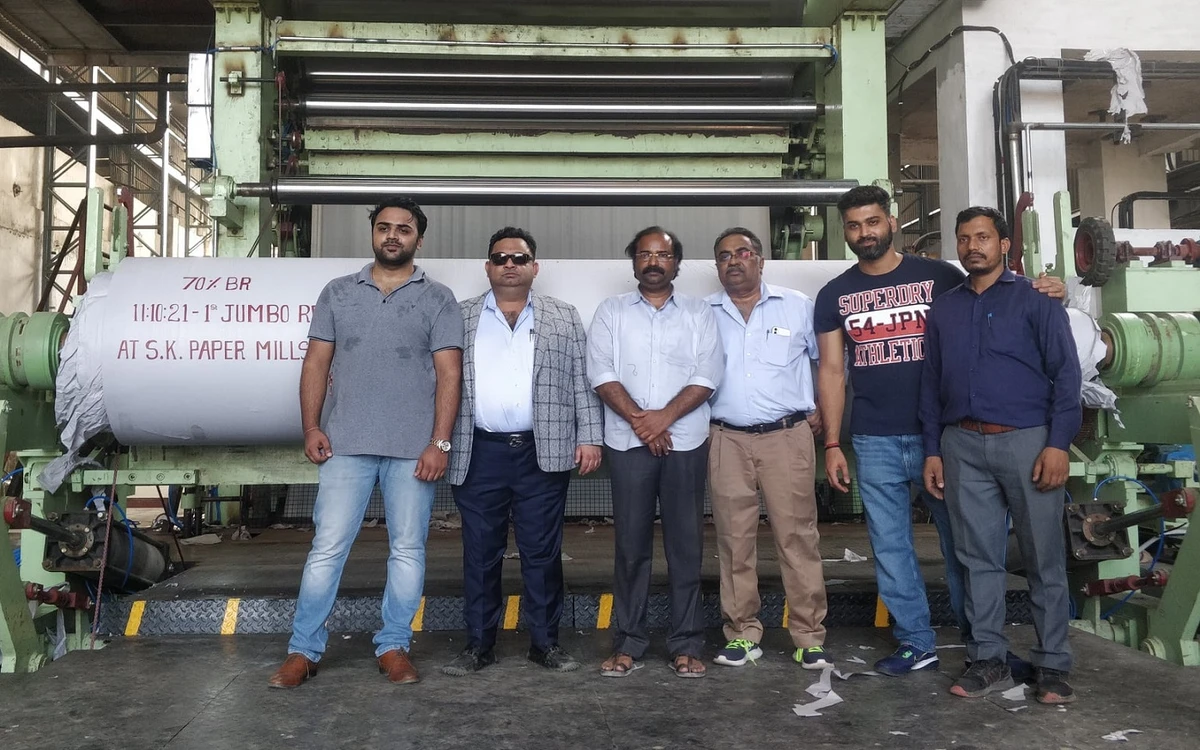
Muzaffarnagar gets a new capacity of Tissue Paper and MG Poster paper
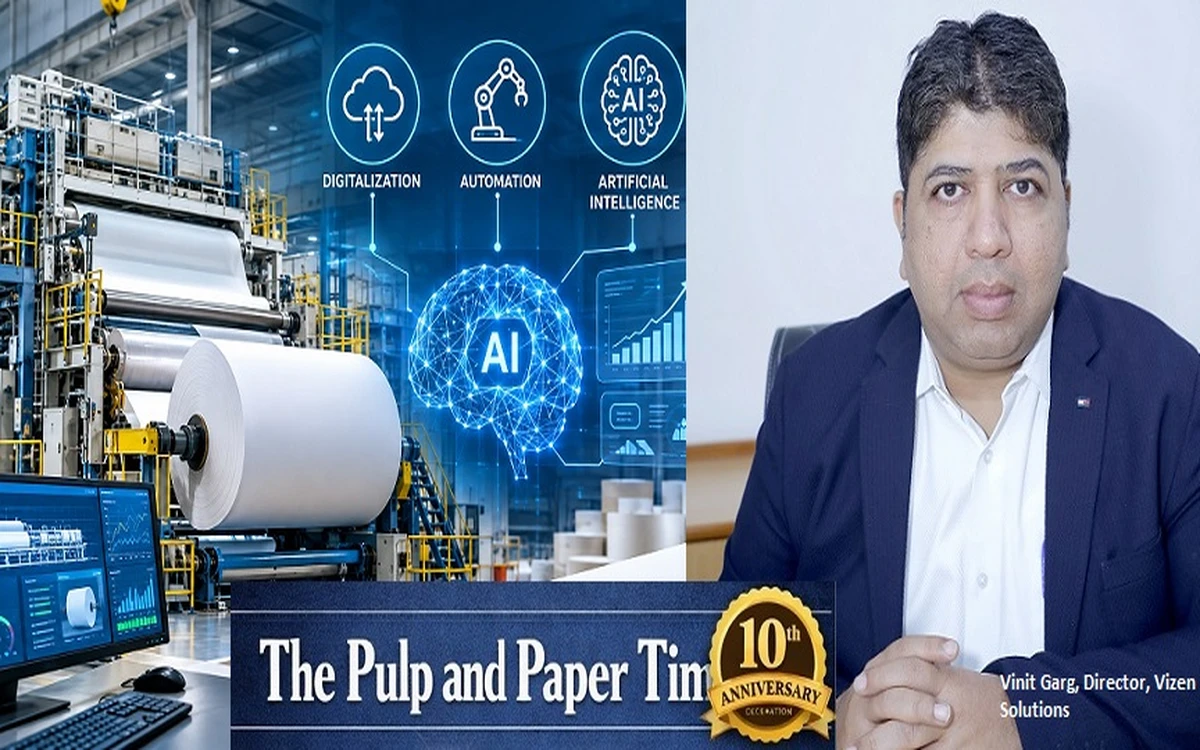
“The integration of digitalization, automation, and Artificial Intelligence (AI) is no longer a futuristic concept—it is the baseline for competitiveness in 2036” - Vinit Garg, Director, Vizen Solutions
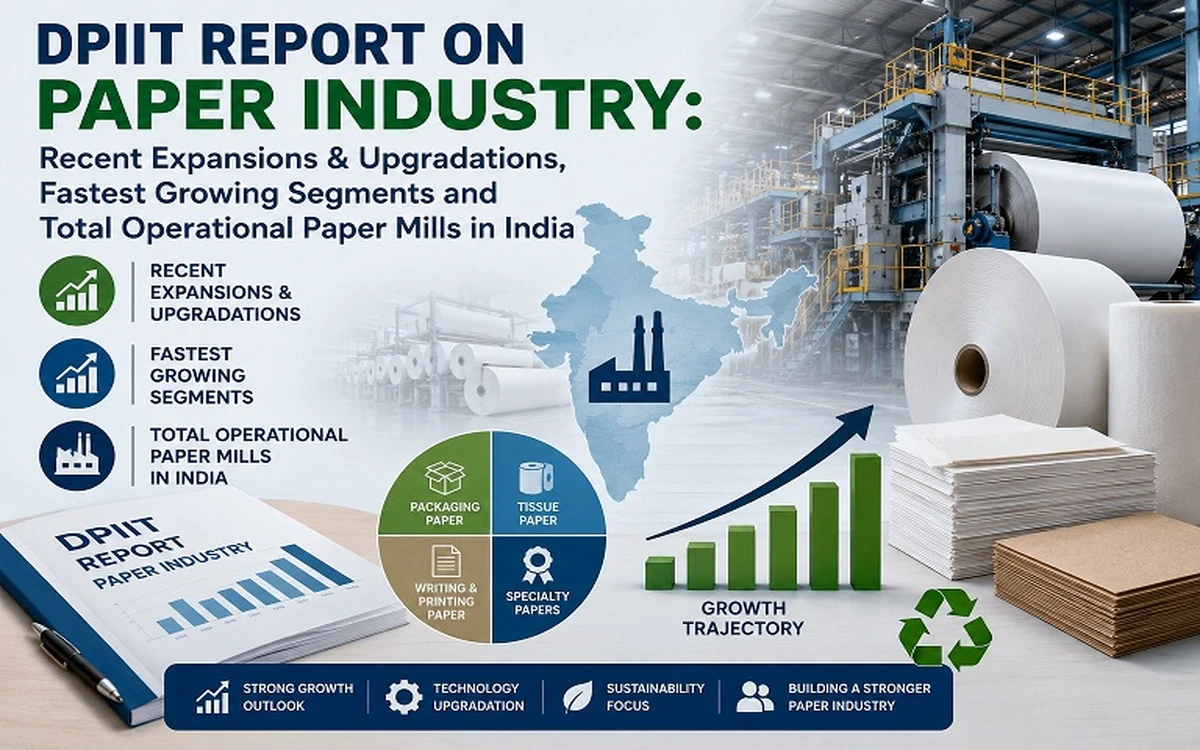
DPIIT Report on the Paper Industry: Recent Expansions & Upgrades, Fastest-Growing Segments, and Total Operational Paper Mills in India
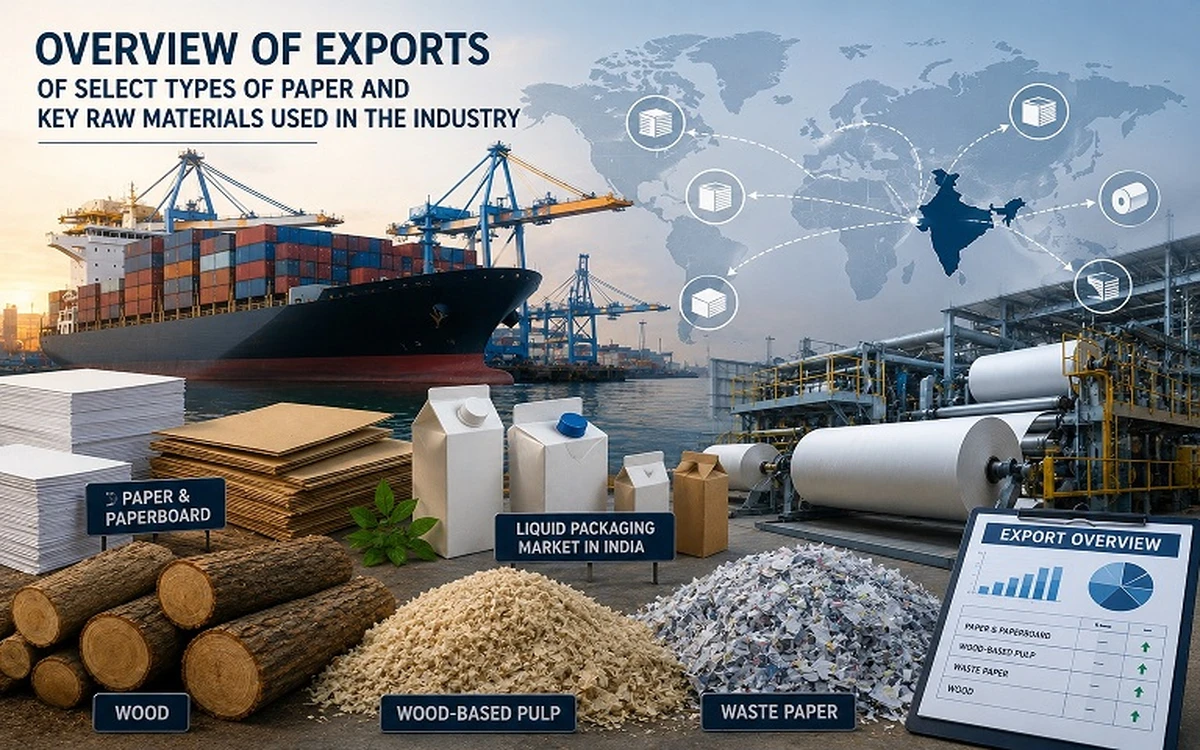
Overview of exports of select type of paper and key raw material used in the industry by Crisil Intelligence

Margin pressure pushes Pulp & Paper Packaging sector toward AI-Driven cost optimization, Cutting costs by 8–20%
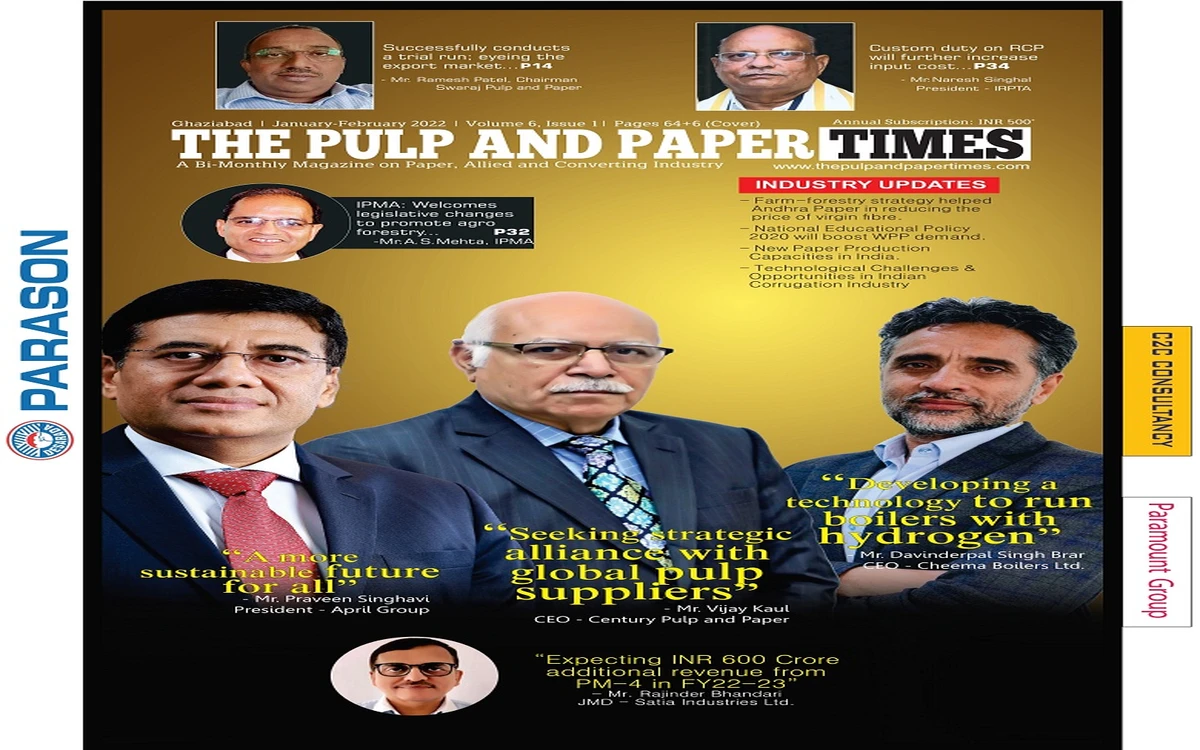
The Pulp and Paper Times Magazine : Volume 6, Issue 1
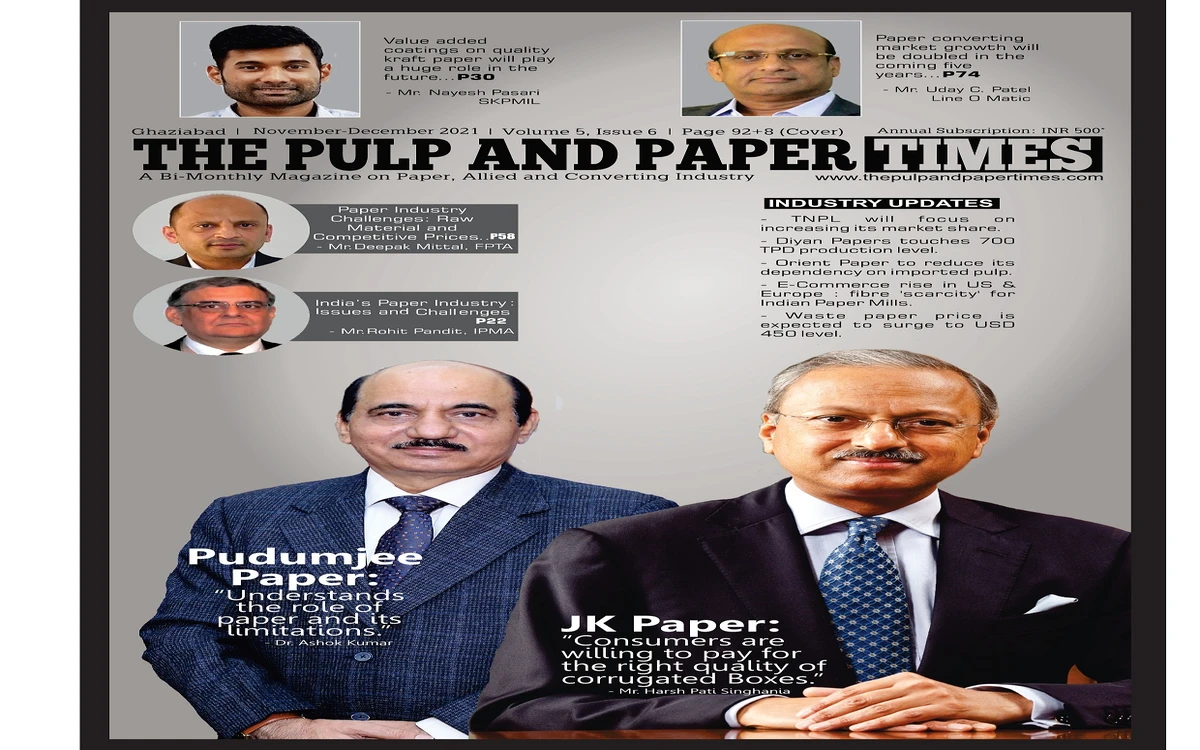
The Pulp and Paper Times Magazine : Volume 5, Issue 6
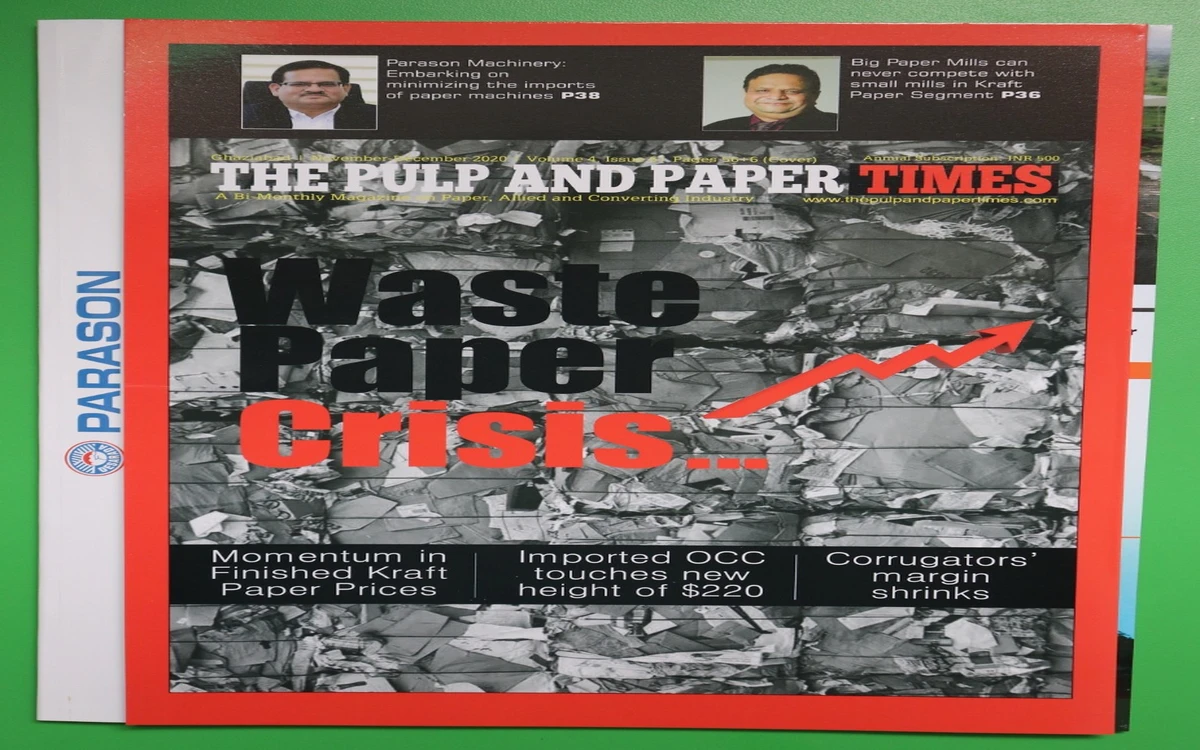
The Pulp and Paper Times: Volume 4, Issue 6
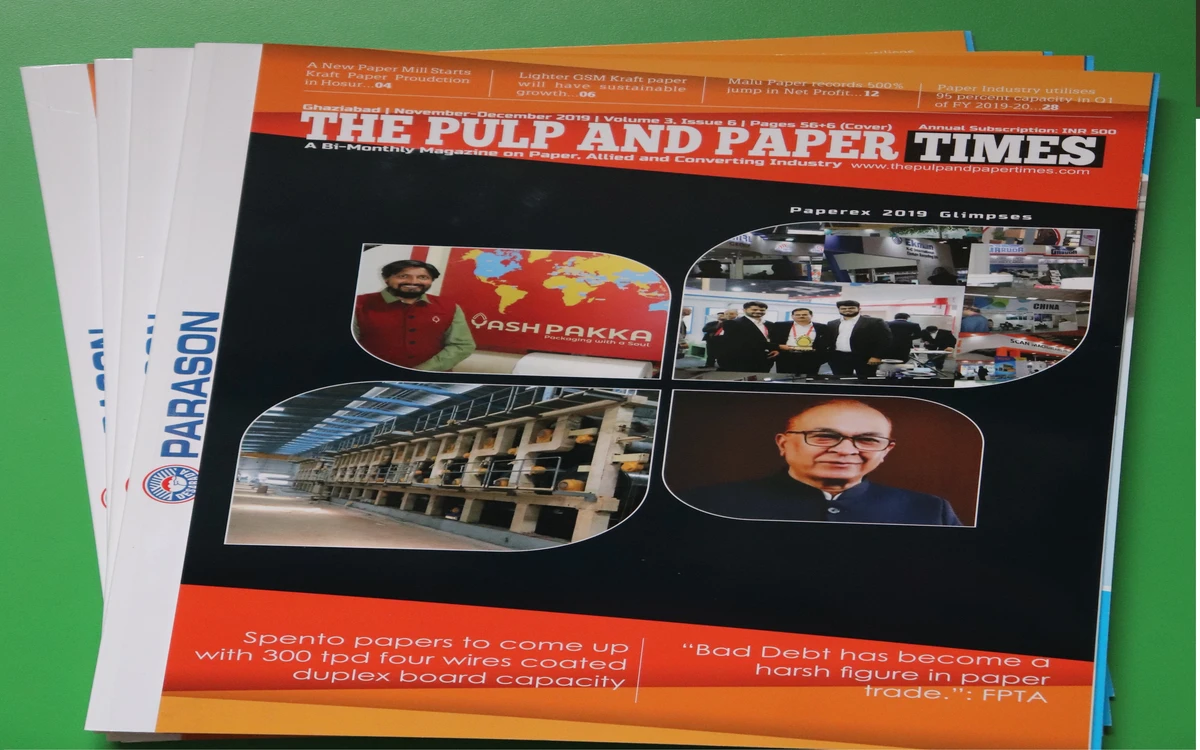
The Pulp and Paper Times : Volume 3, Issue 6
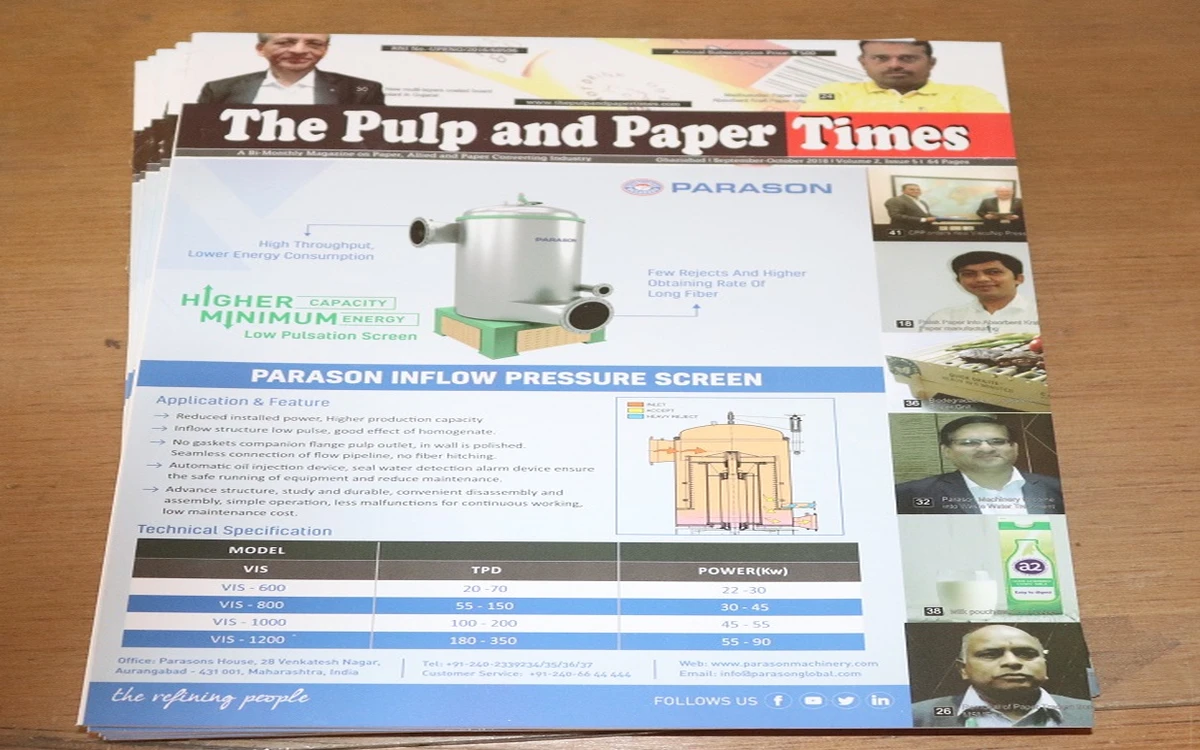
The Pulp and Paper Times: Volume 2 Issue 5
The Pulp and Paper Times, Volume 1, Issue 3
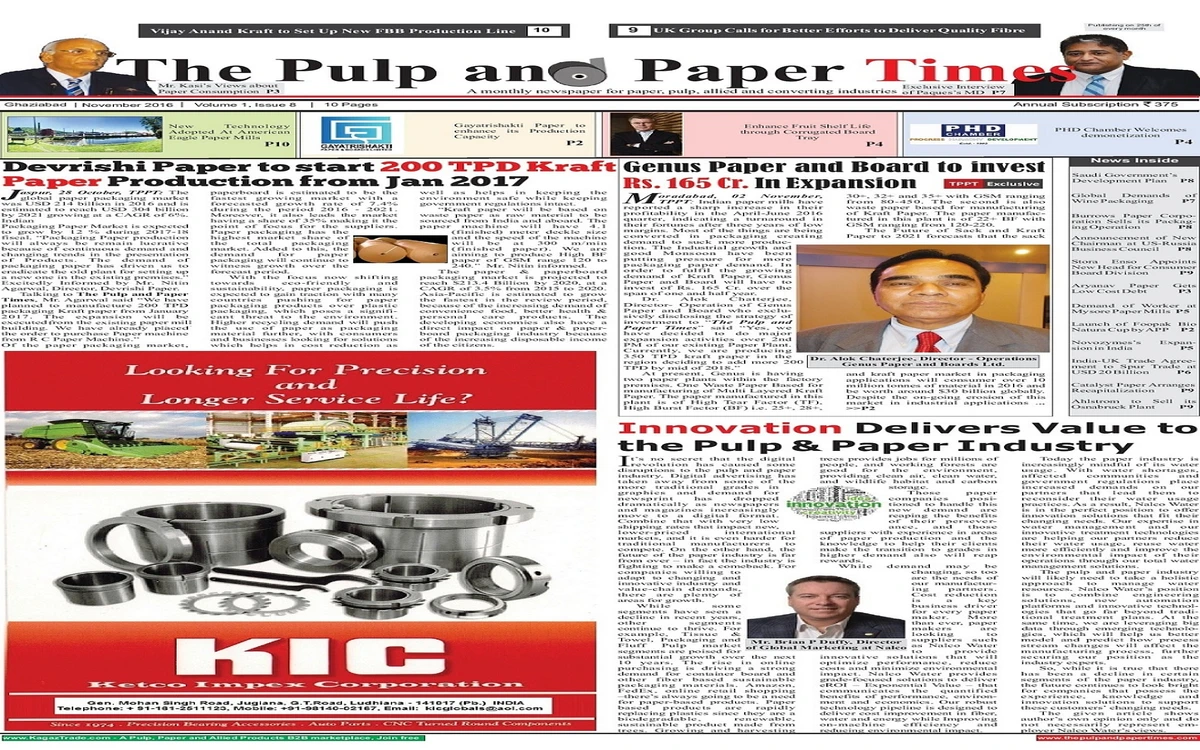
The Pulp and Paper Times, November 2016 Issue

Dec, 16, 2018
One of the biggest issues recyclers run into when it comes to contamination may seem counter-intuitive: plastic bags.
"Plastic bags are the No. 1 cause of contamination," said Erika Deyarmin-Young, a spokeswoman for Waste Management.
It's not that the bags aren't recyclable. It's that they require a different collection system and different processing equipment than most curbside recyclers use.
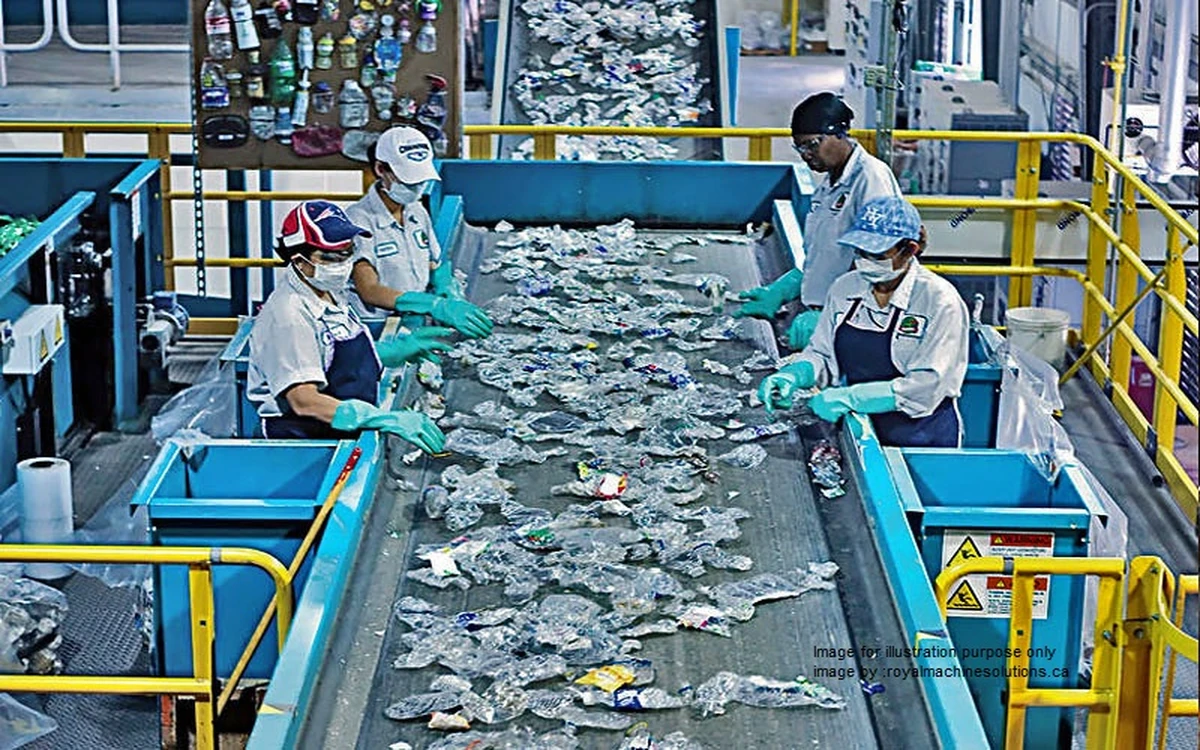
Waste Management workers spend an inordinate amount of time untangling plastic bags from the sorting machines at their material recovery facilities, Deyarmin-Young said.
"Place items loose into your recycling bin," she said.
Recycling rules change frequently and differ from one community to the next, one hauler to the next and one country to the next.
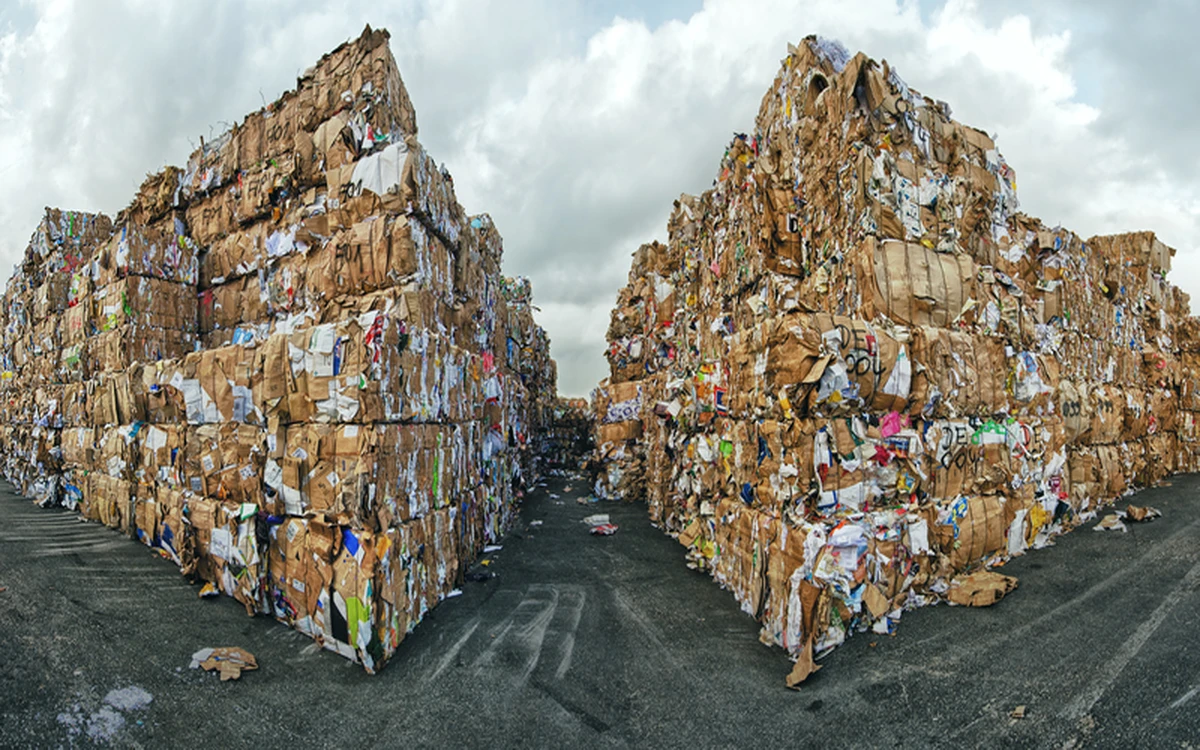
That final difference made waves in the U.S. recycling industry throughout 2018, with China enforcing its National Sword policy — a rigorous set of new rules that ban 24 types of solid waste such as certain plastics and unsorted mixed paper products. The largest consumer of U.S. recycling also restricted accepting recycled fiber goods that are less than 99.5 percent free of contaminants.
China once accepted 30 to 40 percent of U.S. paper, plastic and metal recyclables — with recyclable materials from here being the sixth-largest import to the Chinese economy, according to the Pennsylvania Recycling Markets Center, which is headquartered at Penn State Harrisburg.
In 2016, China imported 16.2 million tons of U.S. recyclables, the Solid Waste Association of North America reported. Since January, it has accepted very little because of the new restrictions.
How that has impacted the recycling industry in Western Pennsylvania largely depends on who you ask.
“We’re really focusing on contamination and trying to eliminate it at the curb,†said Erika Deyarmin-Young, a spokeswoman for Waste Management. “Our recycling facility is strongly enforcing our contamination guidelines, and our drivers are spot-checking commercial recycling containers at the curb prior to collection.â€
Heavily contaminated material won’t be accepted as recycling.
“And the customer may face a monetary penalty,†Deyarmin-Young said.

Contamination spot checks for residential customers starts at the beginning of 2019, she said.
Jerry Powell, executive editor for industry trade publication Recycling Resources Inc., said Chinese policy on recycling has affected industry sectors in different ways.
“China banned certain plastics, what we’d call numbers 3 through 7, but that type of plastic only represents about 5 percent of total recycled plastics,†Powell said.
Waste Management this week announced that it will cease accepting certain plastics and all glass in communities from Allegheny County’s South Hills to Ohio.
Republic Services, another major hauler in Western Pennsylvania, in September stopped accepting those types of plastics from local communities, including Delmont .
The company did not respond to requests for comment.
The contamination policy, also known as a sorting standard, has had a much larger effect.
“The sorting standards are so tight that for many processors, it’s essentially a ban,†Powell said. “Sorting standards are much higher, and so costs are much higher,†Powell said. “The net effect is that there is an increased effort by Chinese as well as North American processors to wash and ship clean plastic to China, rather than just taking bales of plastic from the curbs of places like Western Pennsylvania.â€
Single-stream ‘solution’?
For Justin Stock dale, regional director of the Pennsylvania Resources Council, the gradual shift toward single-stream recycling has played a large role in where the U.S. finds itself.
“It’s not really just about the U.S. and China,†Stockdale said. “It’s more about how First World economies got used to sending dirtier and dirtier materials to Third World and Asian markets.â€