Join Groups & Channels, No Spamming









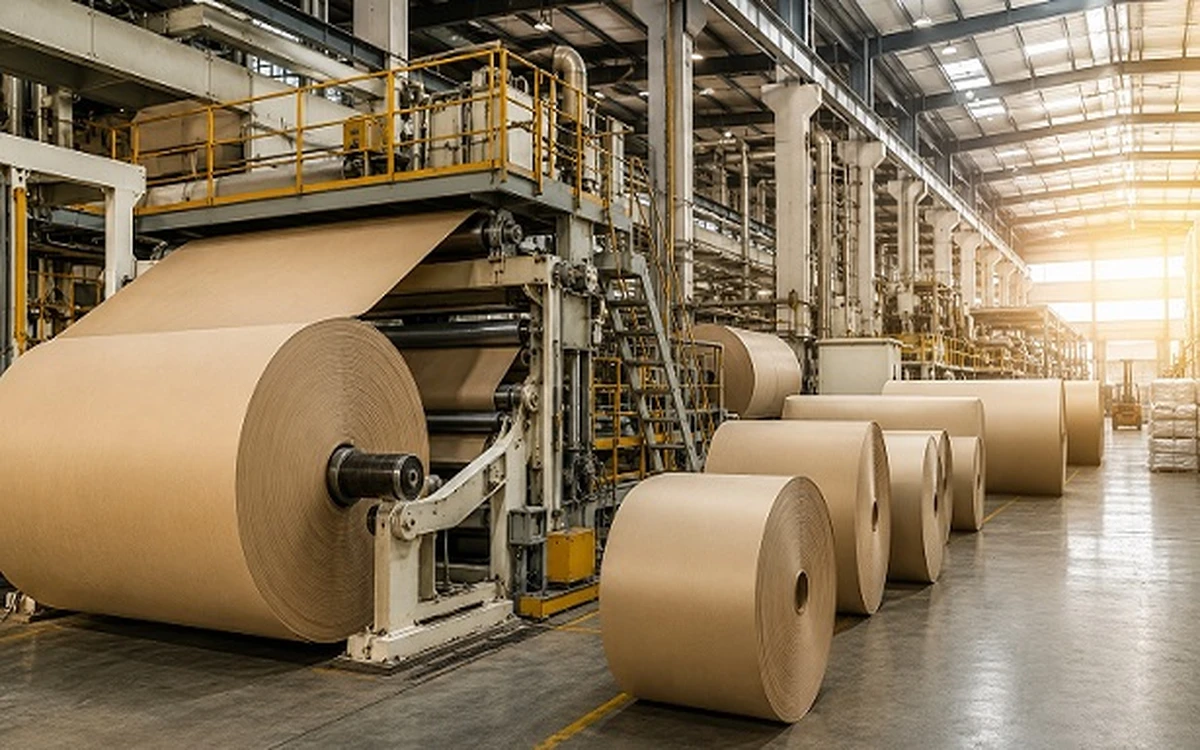
Morbi paper mills see full-capacity operations as ceramic industry revives; Kraft paper exports to China spike, Prices strengthen; Janmashtami shutdown ahead
The BE and caustic soda plant marks a key milestone for Mohit Paper Mills, enabling full utilization of installed capacity and enhancing overall production efficiency
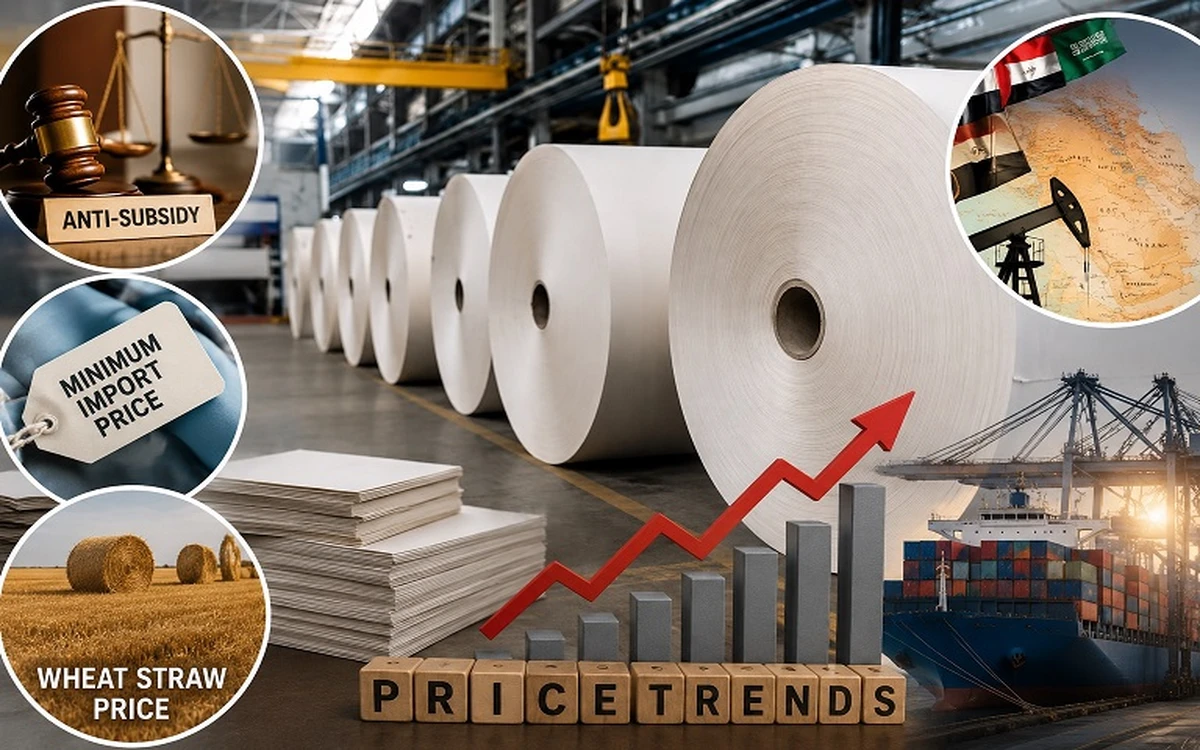
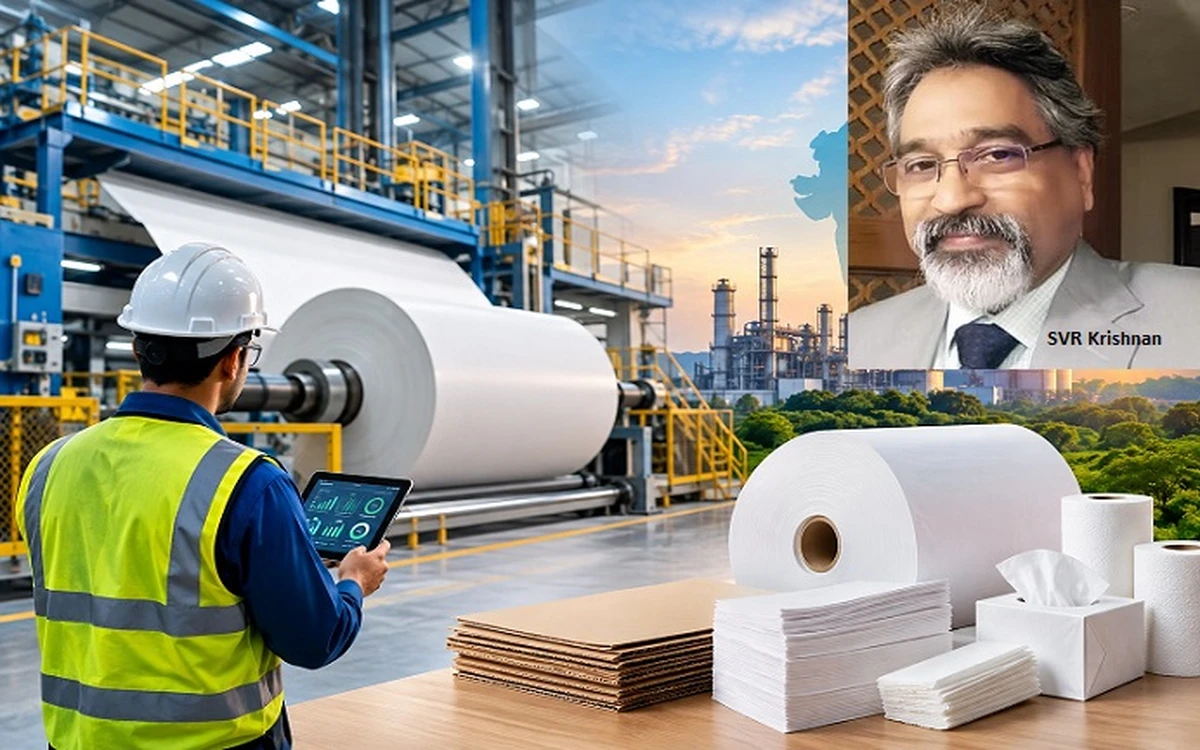
Expert Views on the paper market scenario, How the West Asia Crisis Helped the Industry, MIP for WPP, Anti-Subsidy implementation, and paper price trends
Pudumjee Paper intends to develop new varieties addressing applications for stronger paper bags and cupcakes; Plans 68,000 MT Mahad Specialty Paper Facility within 5 years
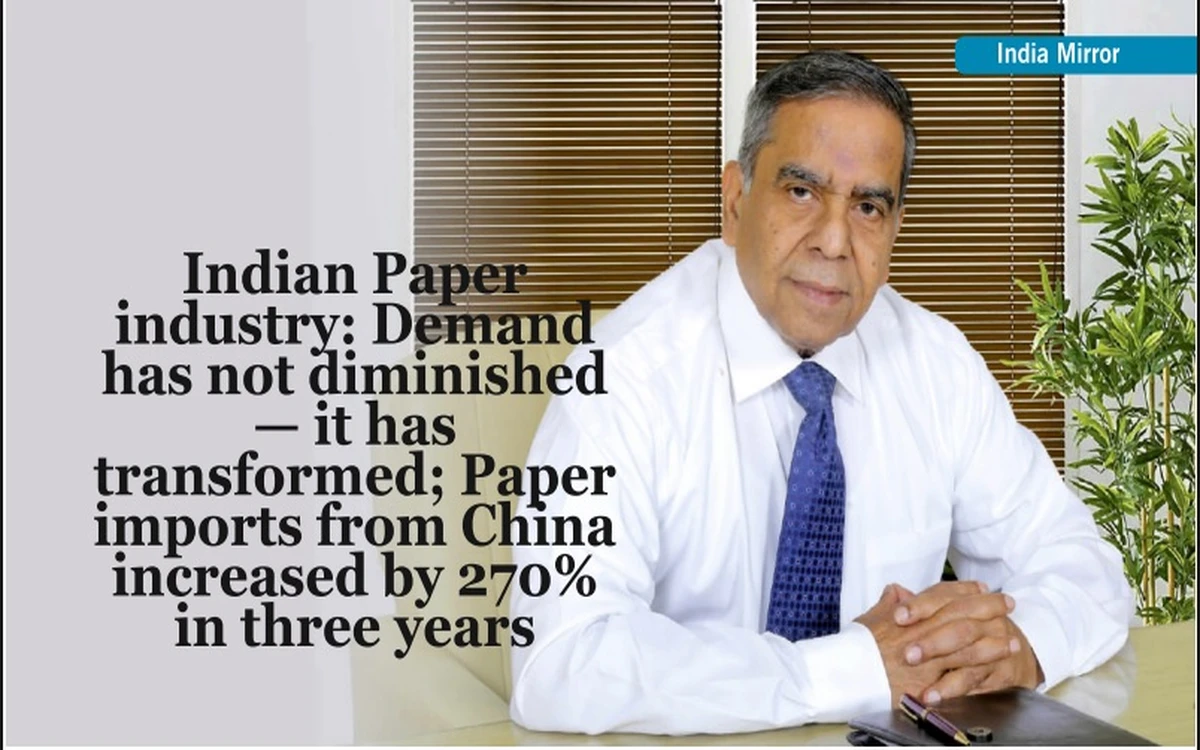
India Paper Industry at an Inflection Point: War, Costs, and Capacity; Demand growth expected at 5–7% in FY26
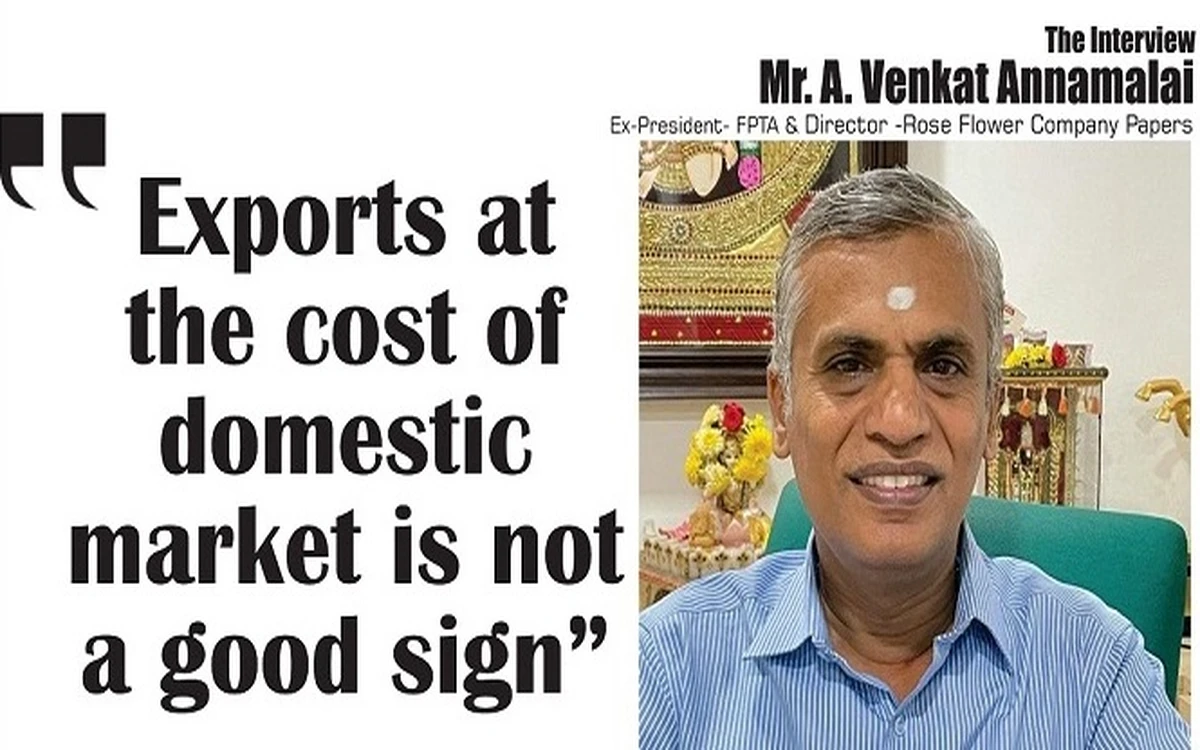
“Surging exports of paper will most certainly keep the domestic prices quite high”: Mr. A. Annamalai, Director – RFC
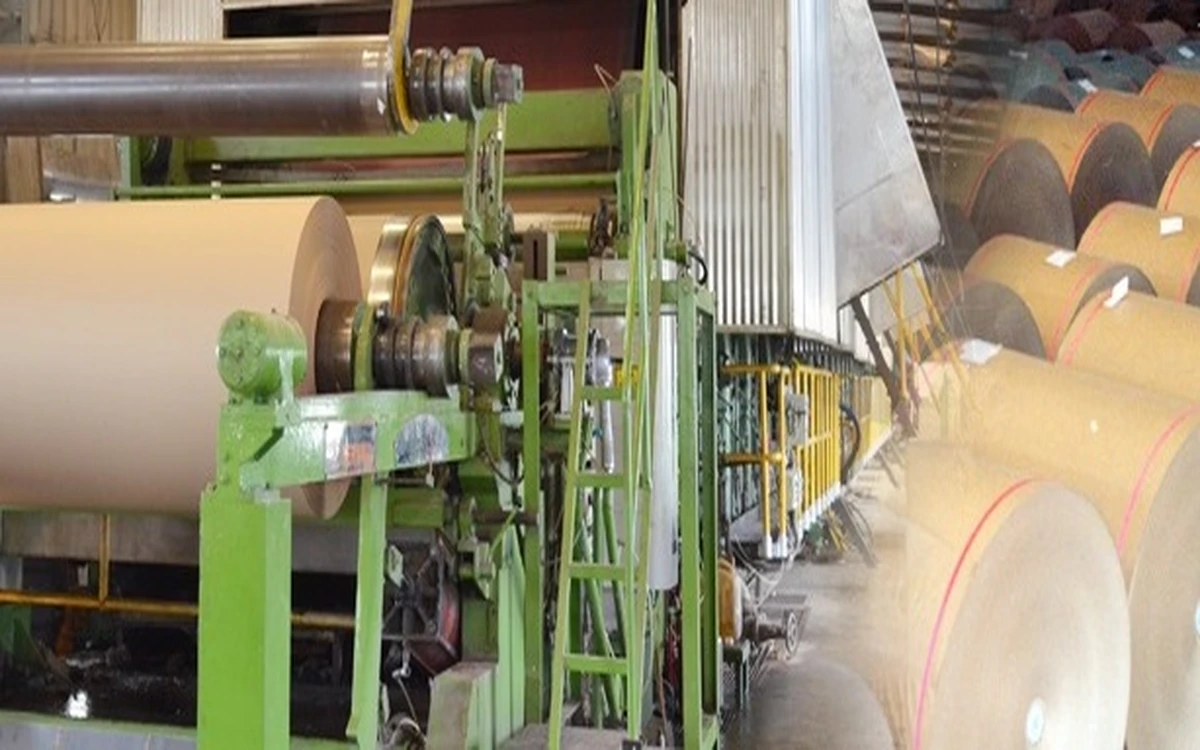
The Status of the Global Container board Industry, Recycled Paper Demand and Supply and its impact on the Indian Industry
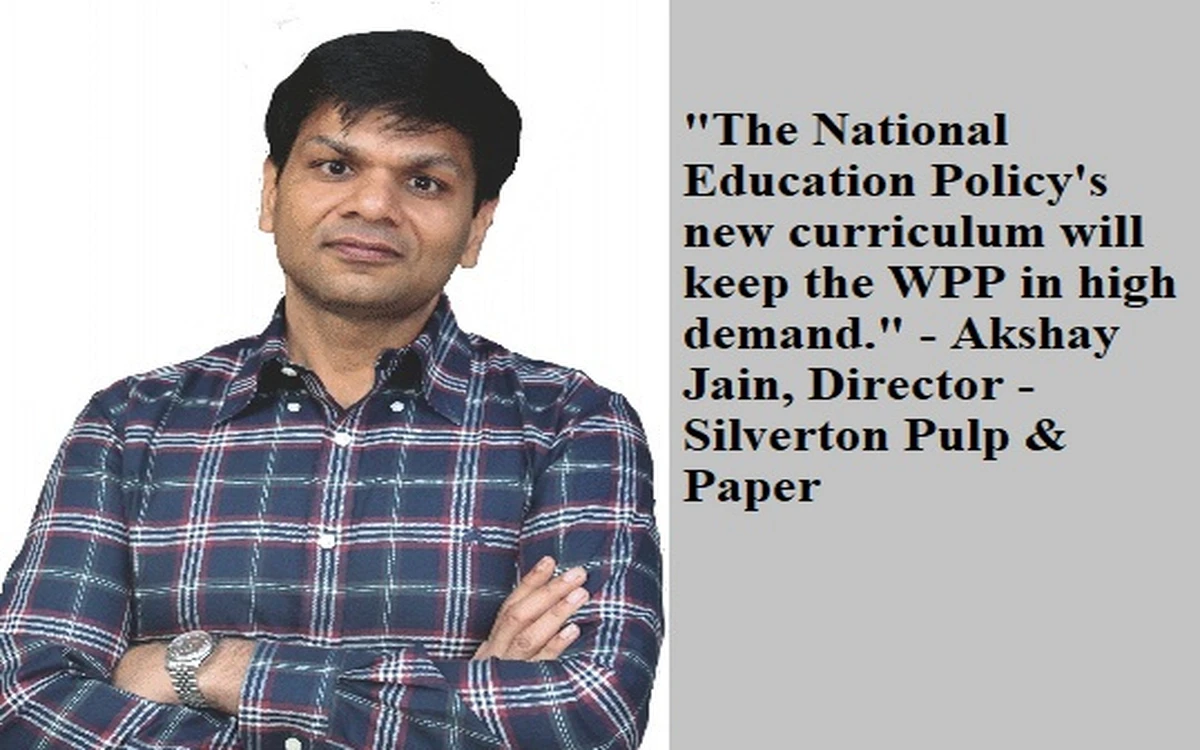
Akshay Jain, director of Silverton Pulp & Paper, says it's time to promote agro residue as a raw material to lessen the scarcity of fibre
Advantageously located, a new paper mill is all set to roll kraft paper in Madhya Pradesh
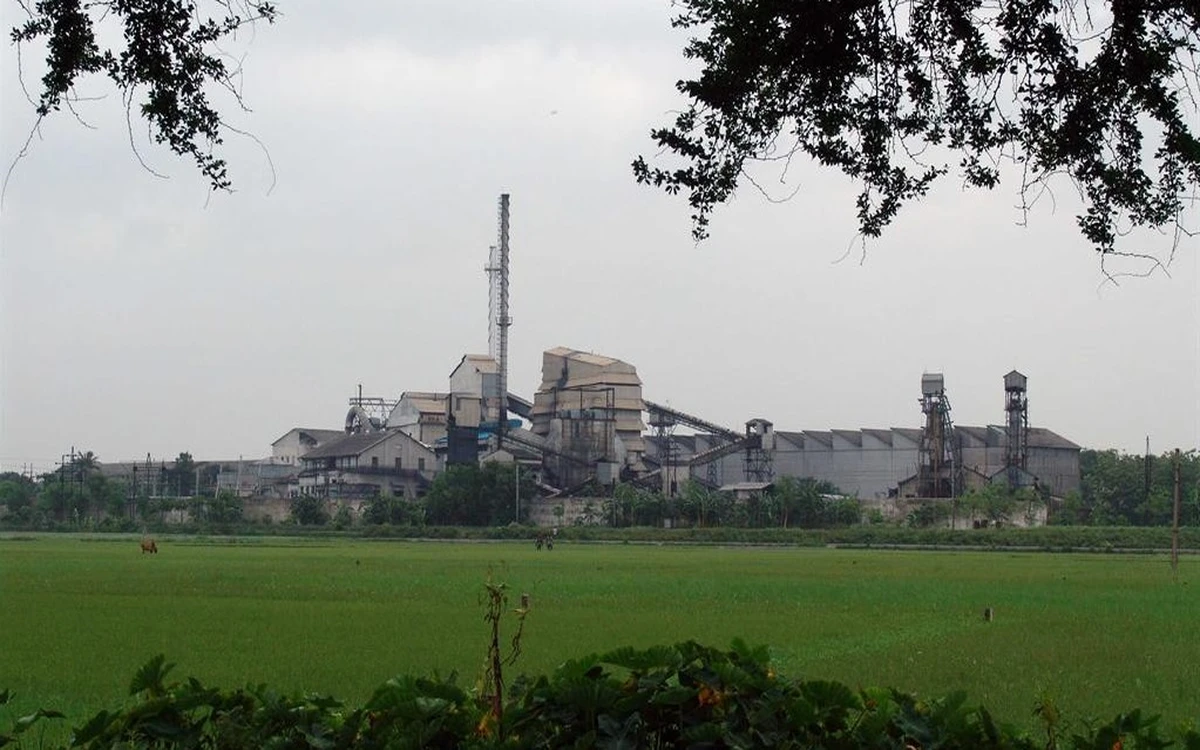
Several agile interventions helped ITC-PSPD fortify its clear leadership of the Value Added Paperboards (VAP) segment
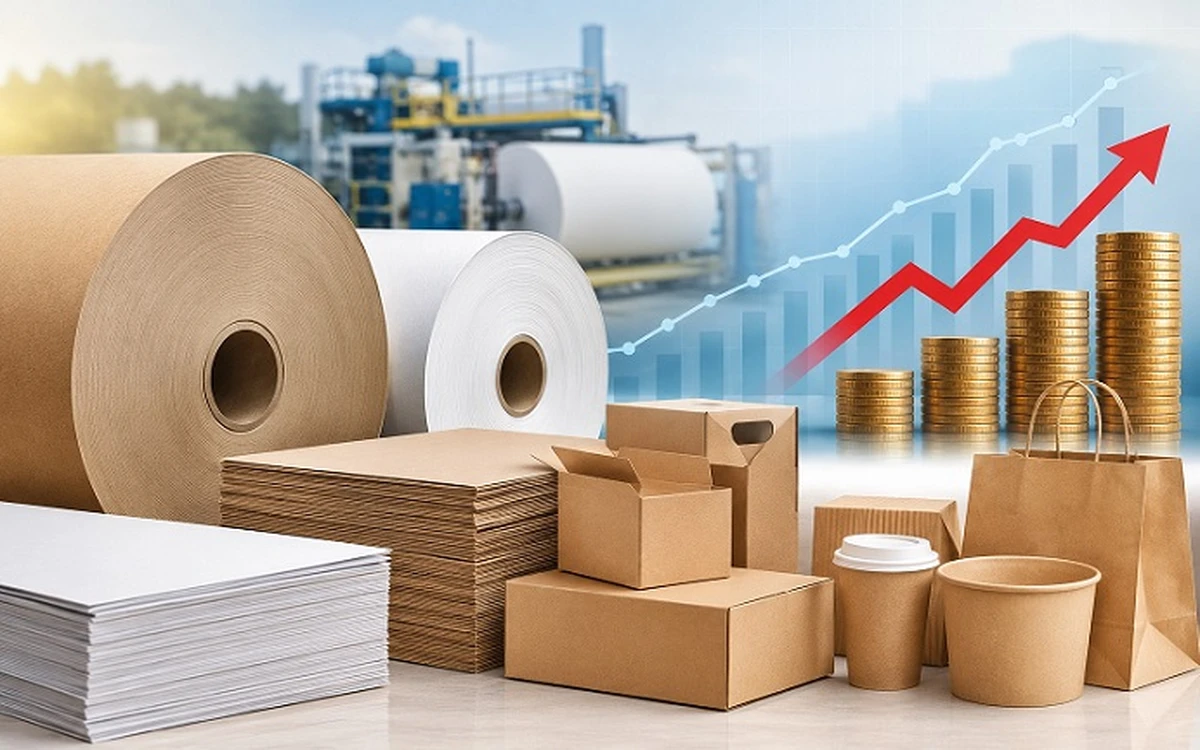
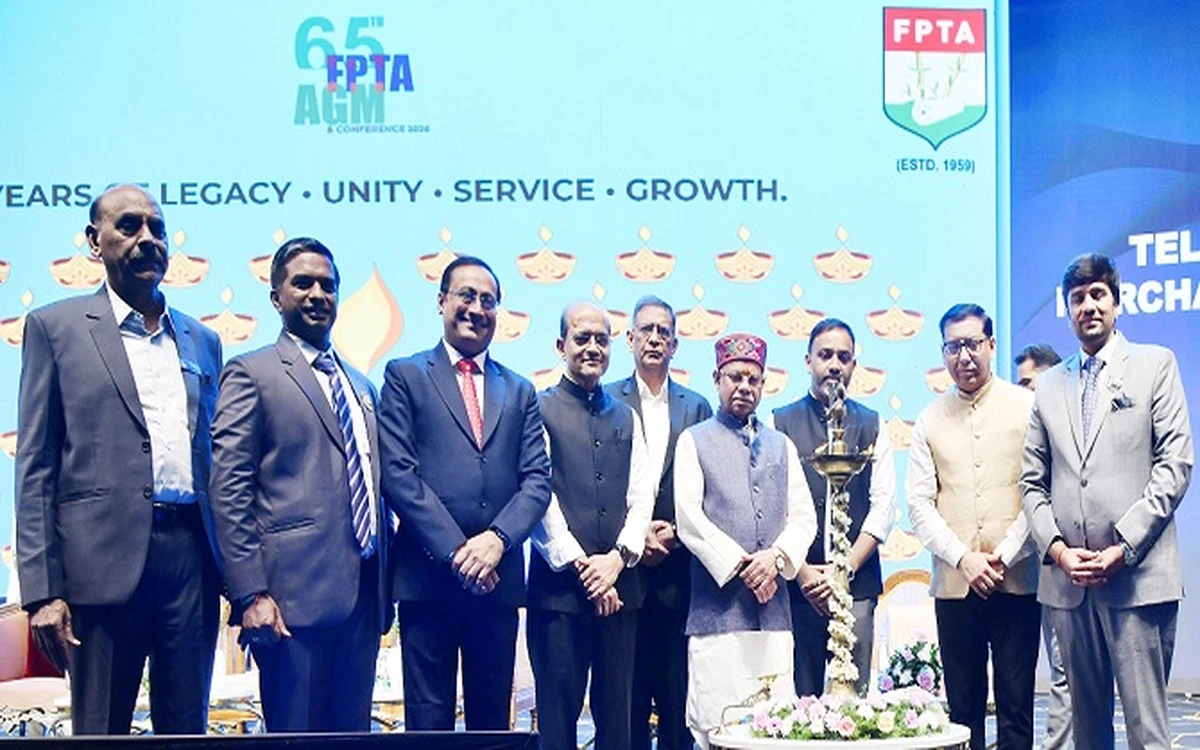
Paper and Packaging Board Market May Face Cost Pressures Through March 2027; FPTA Advises Traders
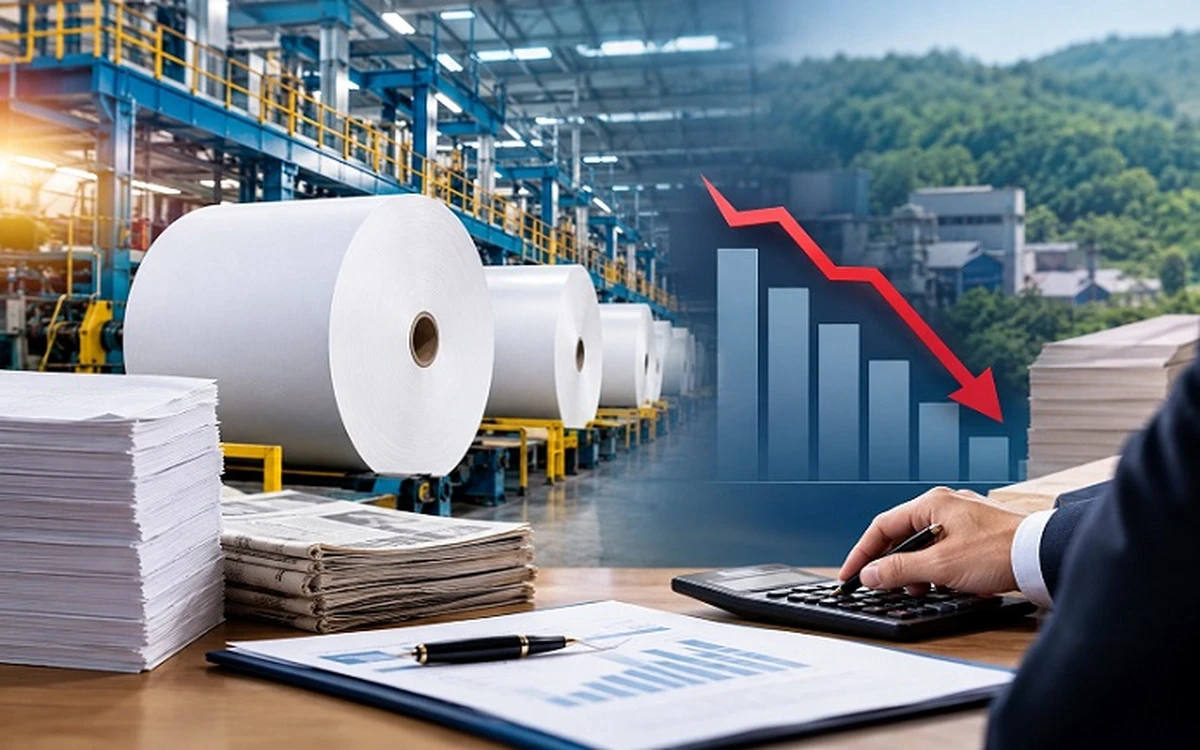
Steeper-than-expected drop in realisations hits Seshasayee Paper’s FY2025–26 operating margins; Box boards, Absorption Kraft, and Virgin Kraft now form a growing share of the product mix
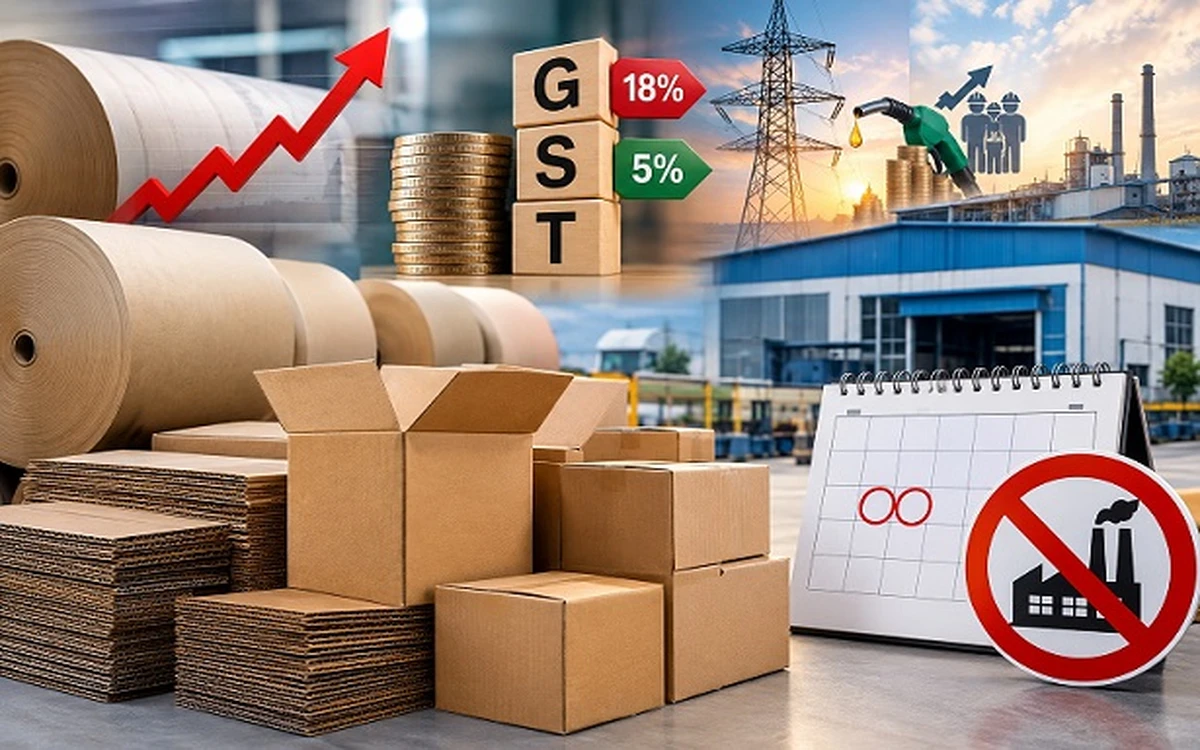
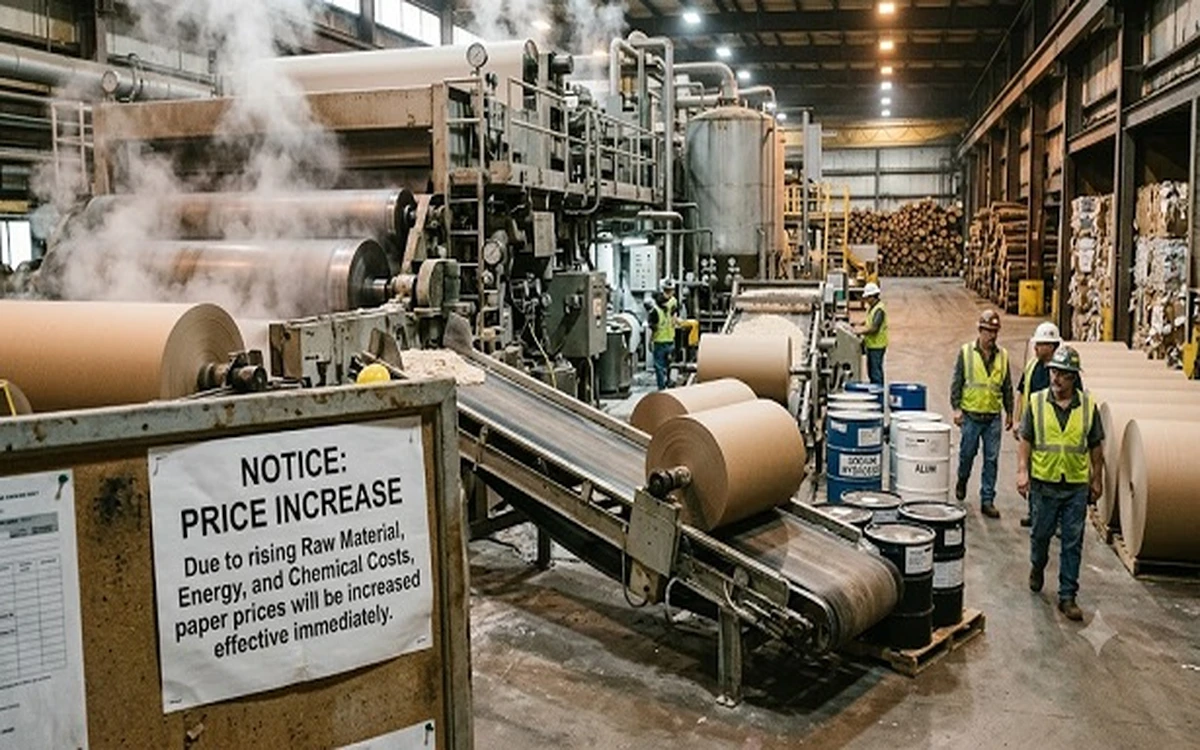
Overall Increase in Kraft Paper Prices Could Reach 35%; Industry Calls for 20% Box Price Increase, Voluntary Shutdown Proposed
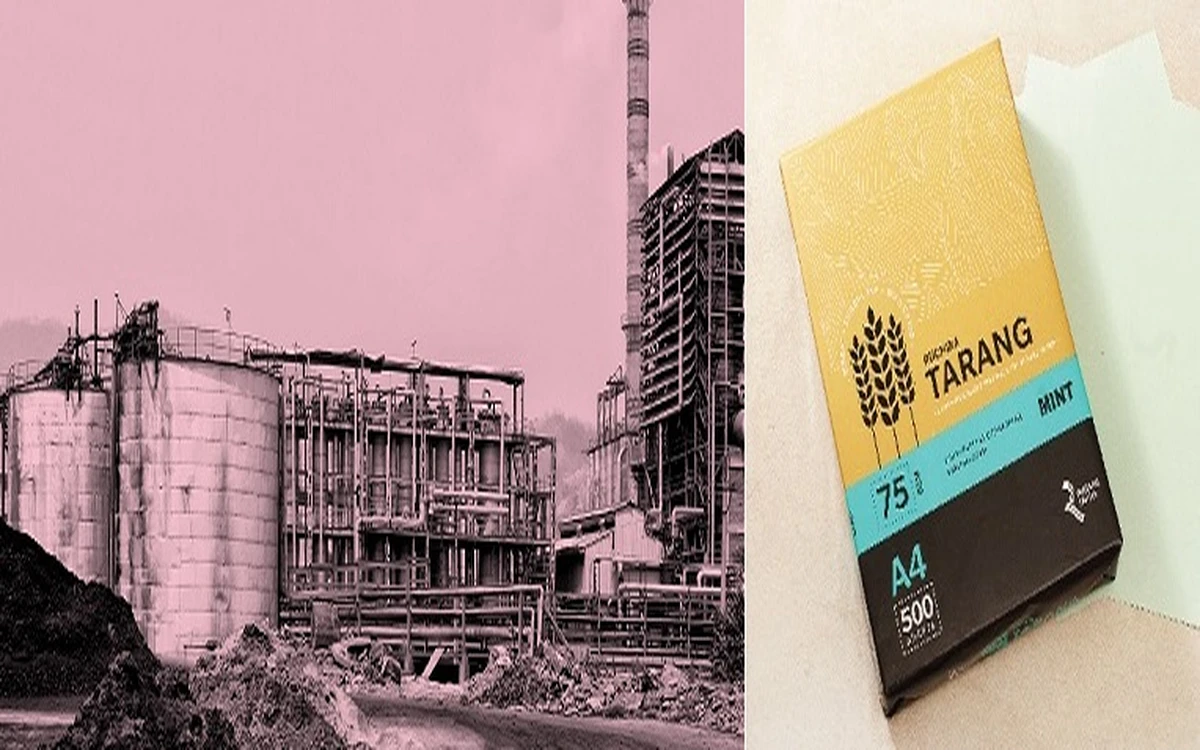
Ruchira Papers Invests a Sizeable Capex of Rs. 235–240 Crore Towards Writing & Printing Paper Capacity Expansion
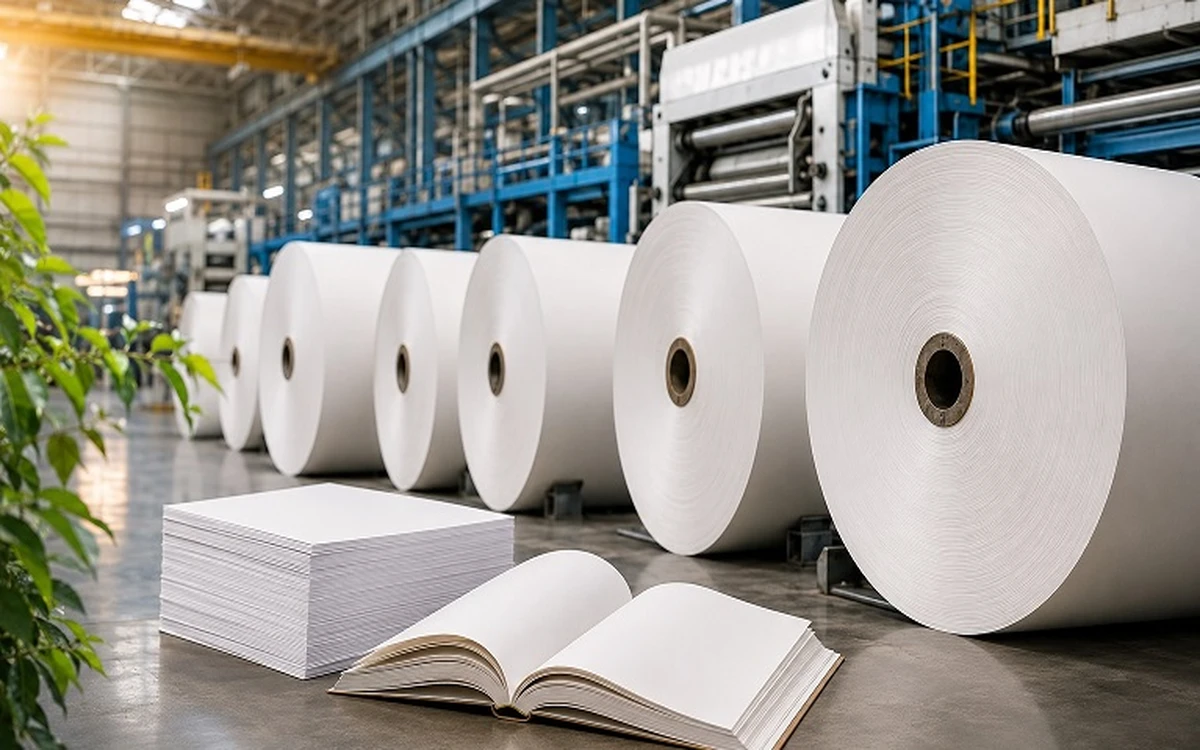
Paper mills inflated the basic ex-mill price of paper post GST 2.0, AINMA seeks action against Anti-Profiteering
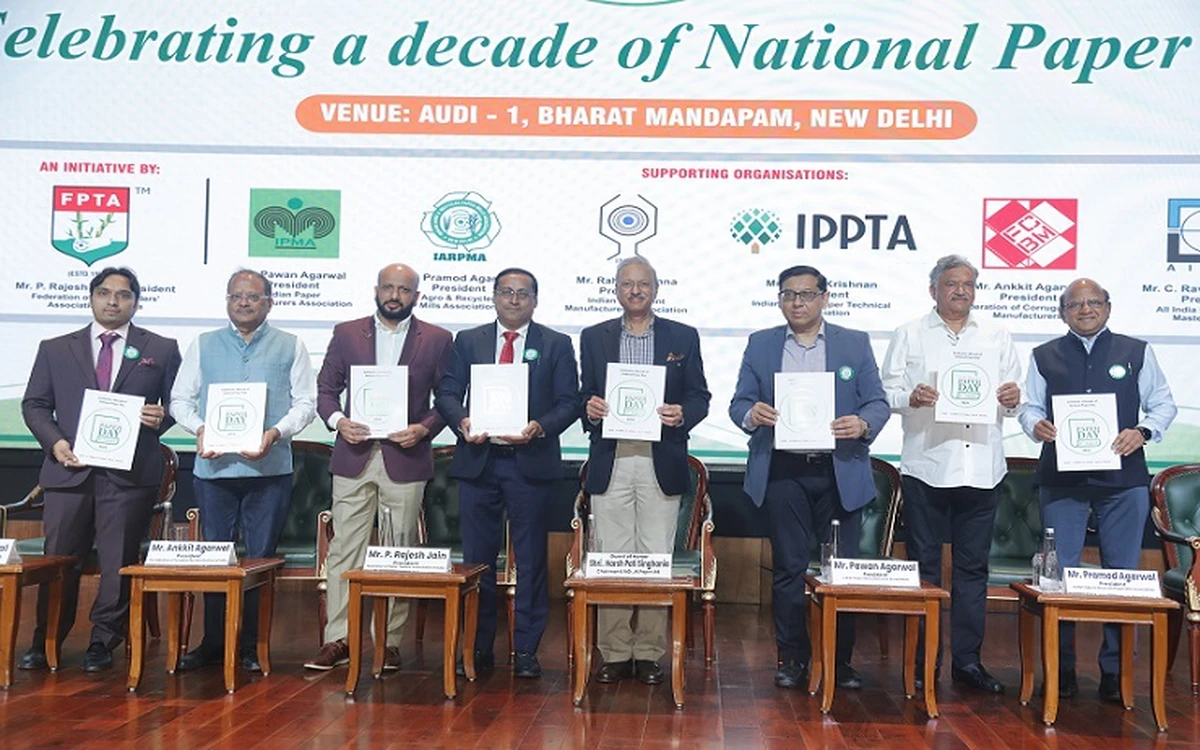
Seven Leading Associations Unite to Celebrate National Paper Day, Highlighting Paper's Sustainability and Circular Economy Advantage
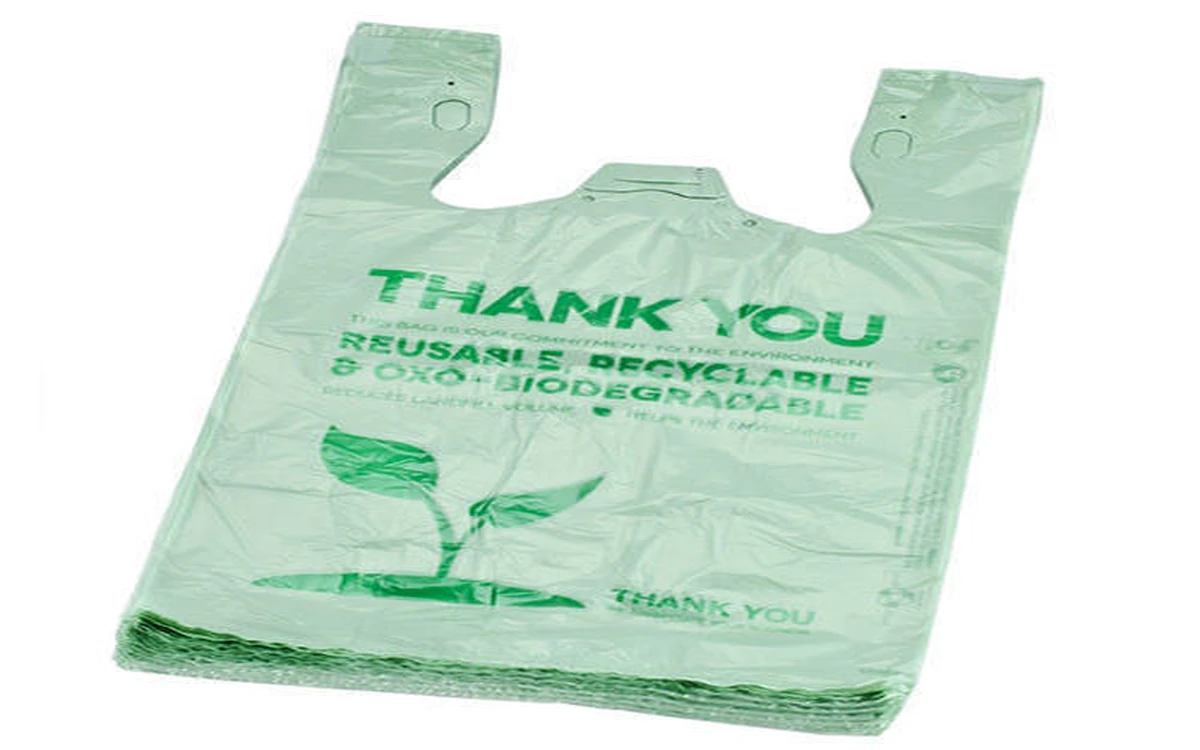
Scientists from IIT-Guwahati develop India's first biodegradable plastic
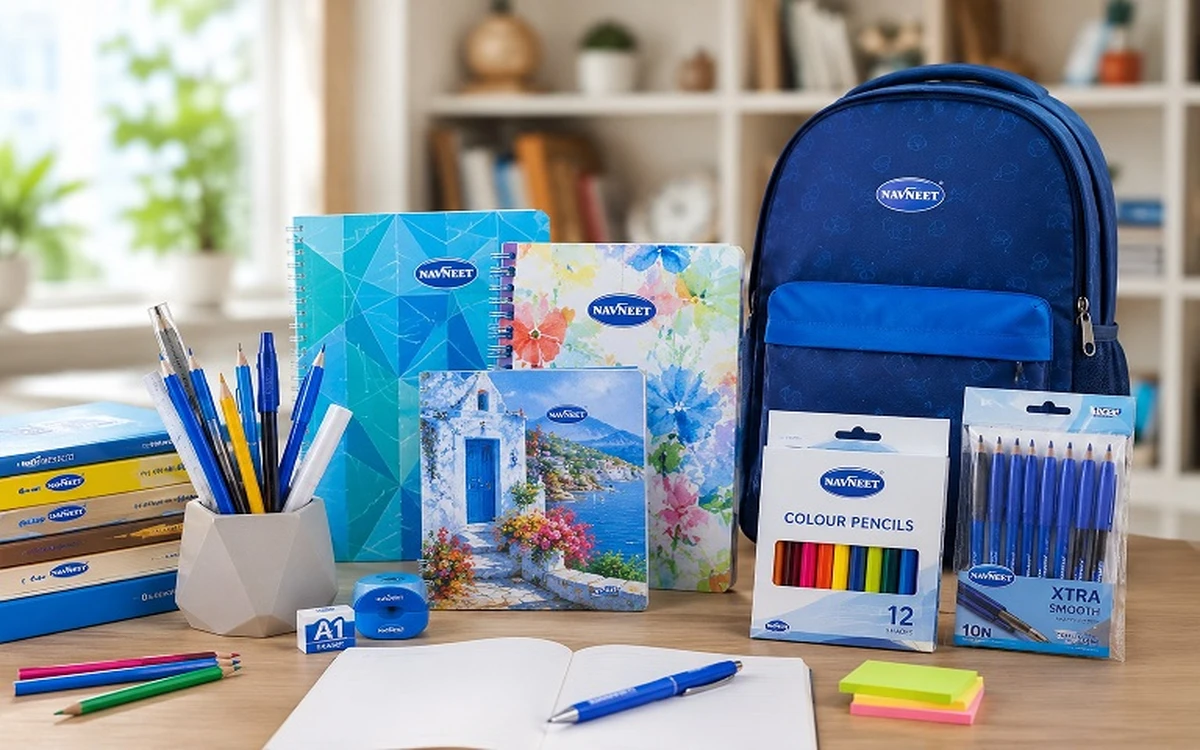
Navneet Education focuses on brand building, curriculum-led growth, and export recovery; expects stationery margins to improve in FY27

It is estimated that USD10B to USD20B worth of single-use plastic packaging will convert to molded fiber, ZUME
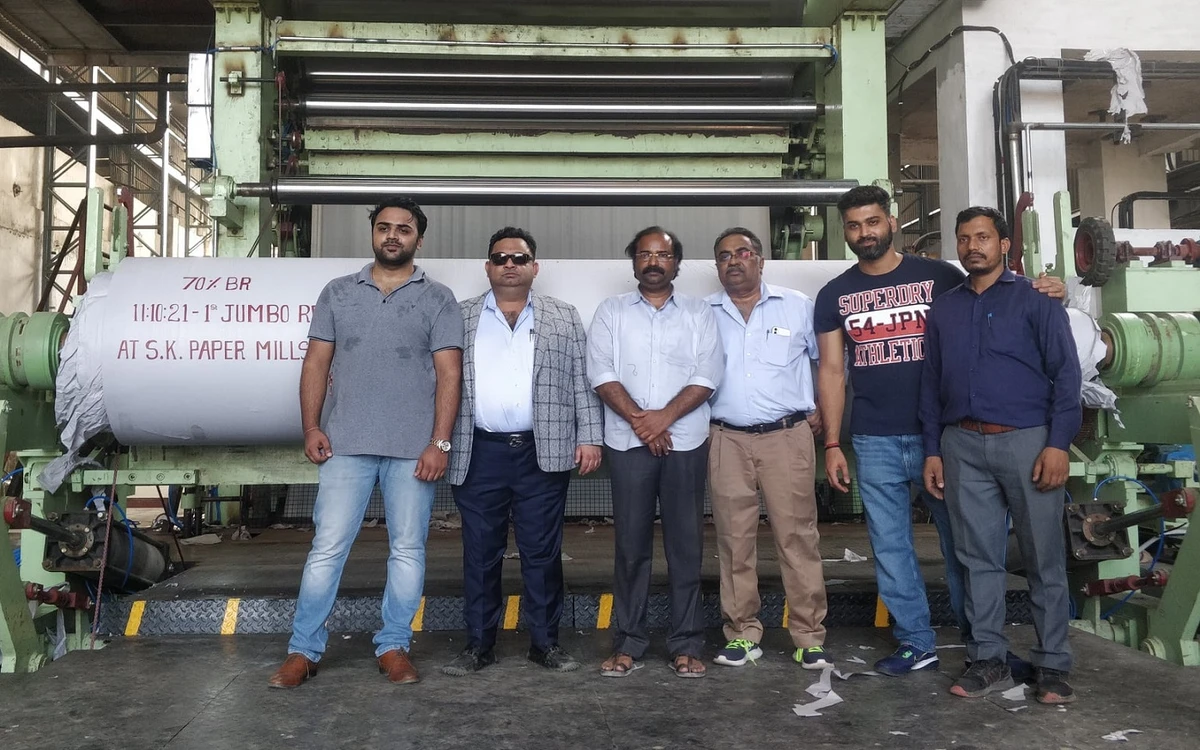
Muzaffarnagar gets a new capacity of Tissue Paper and MG Poster paper
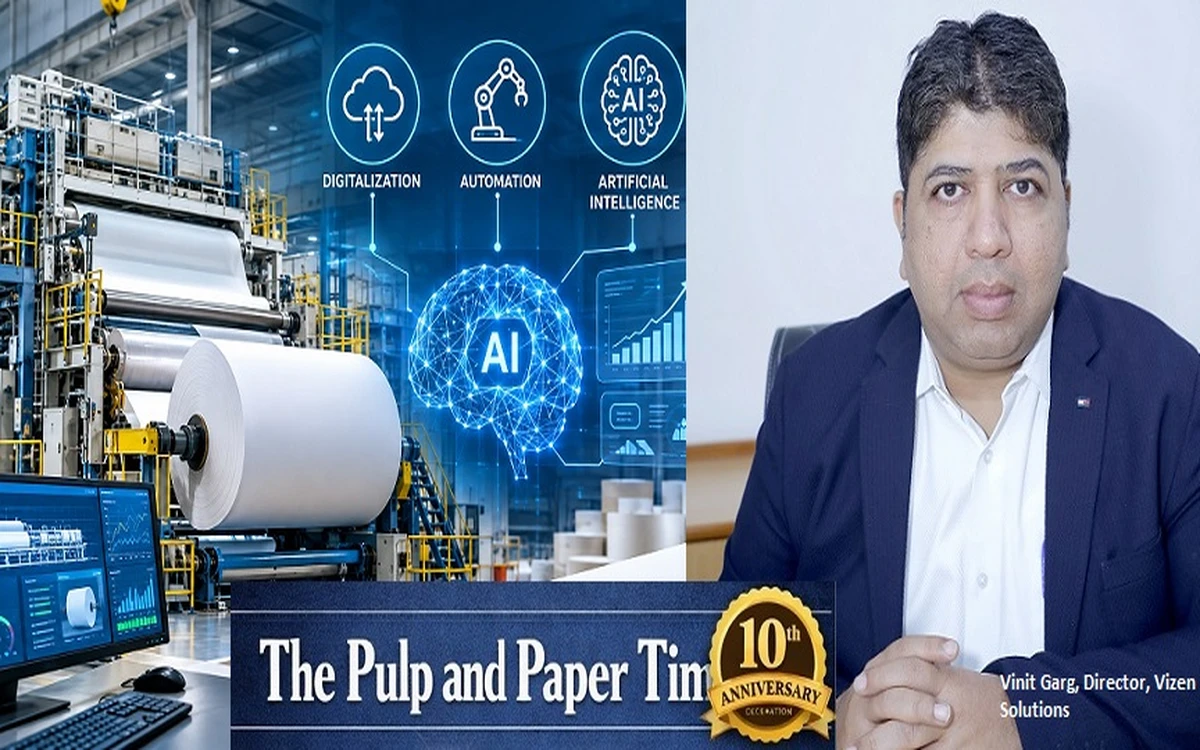
“The integration of digitalization, automation, and Artificial Intelligence (AI) is no longer a futuristic concept—it is the baseline for competitiveness in 2036” - Vinit Garg, Director, Vizen Solutions
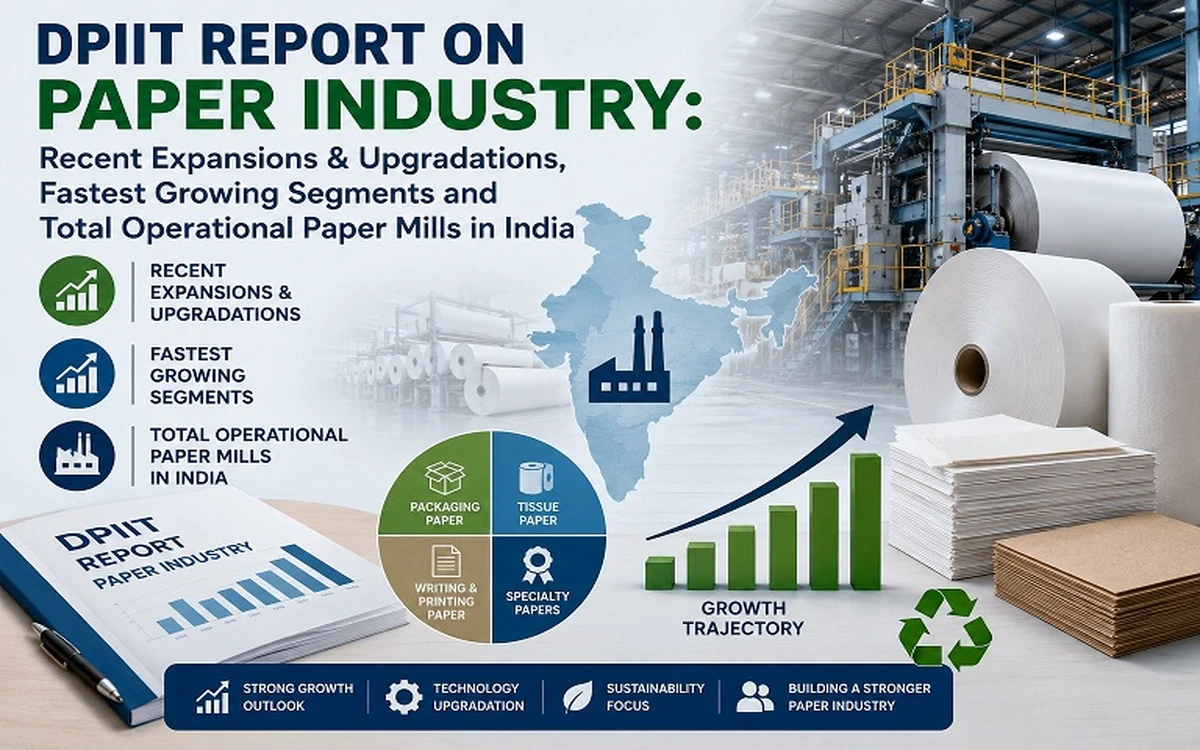
DPIIT Report on the Paper Industry: Recent Expansions & Upgrades, Fastest-Growing Segments, and Total Operational Paper Mills in India
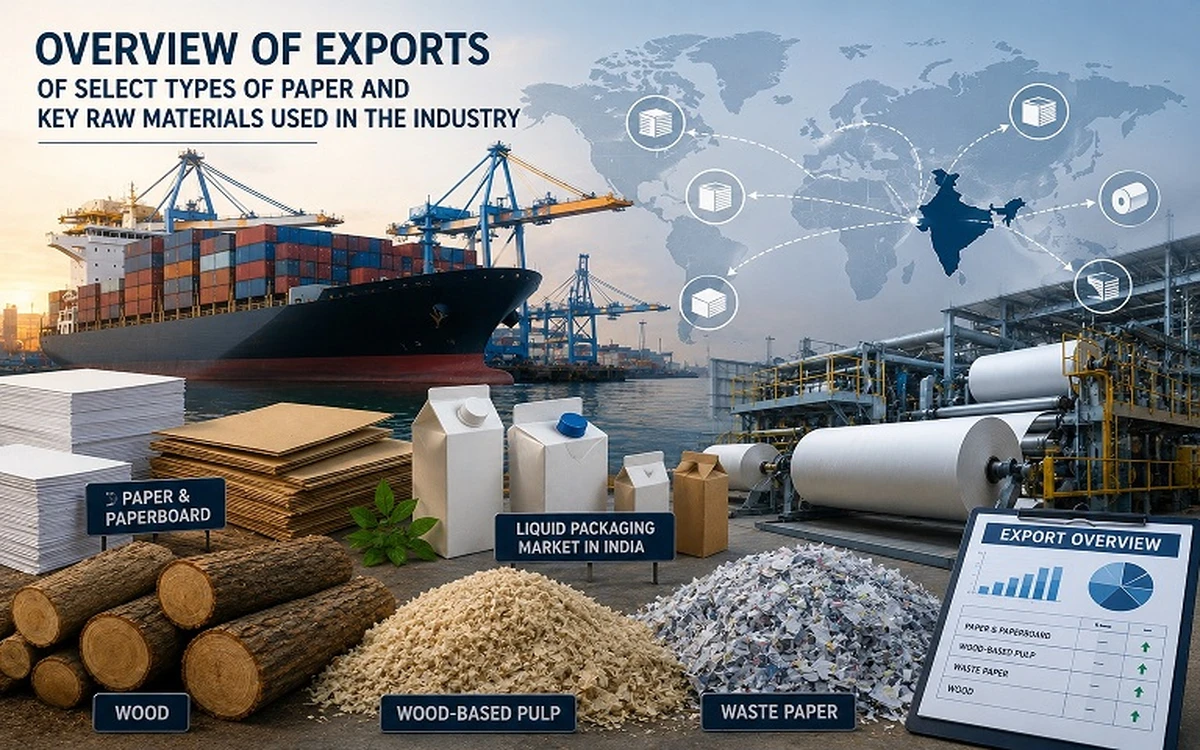
Overview of exports of select type of paper and key raw material used in the industry by Crisil Intelligence
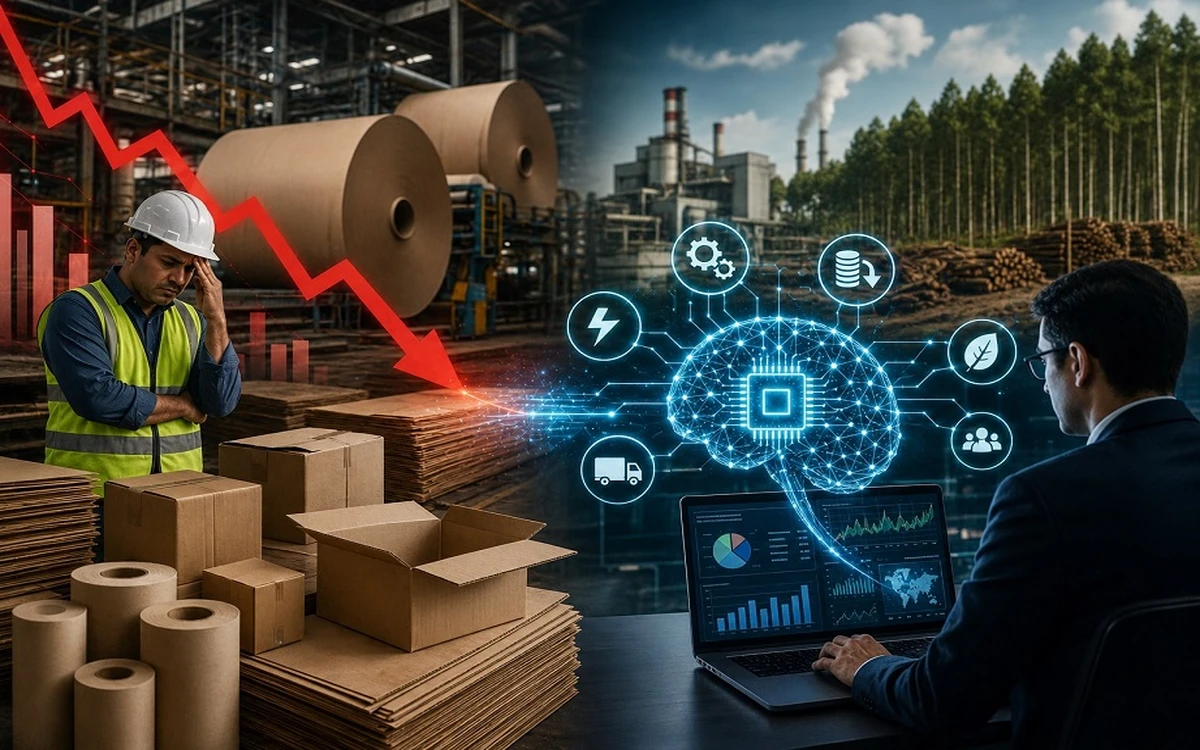
Margin pressure pushes Pulp & Paper Packaging sector toward AI-Driven cost optimization, Cutting costs by 8–20%
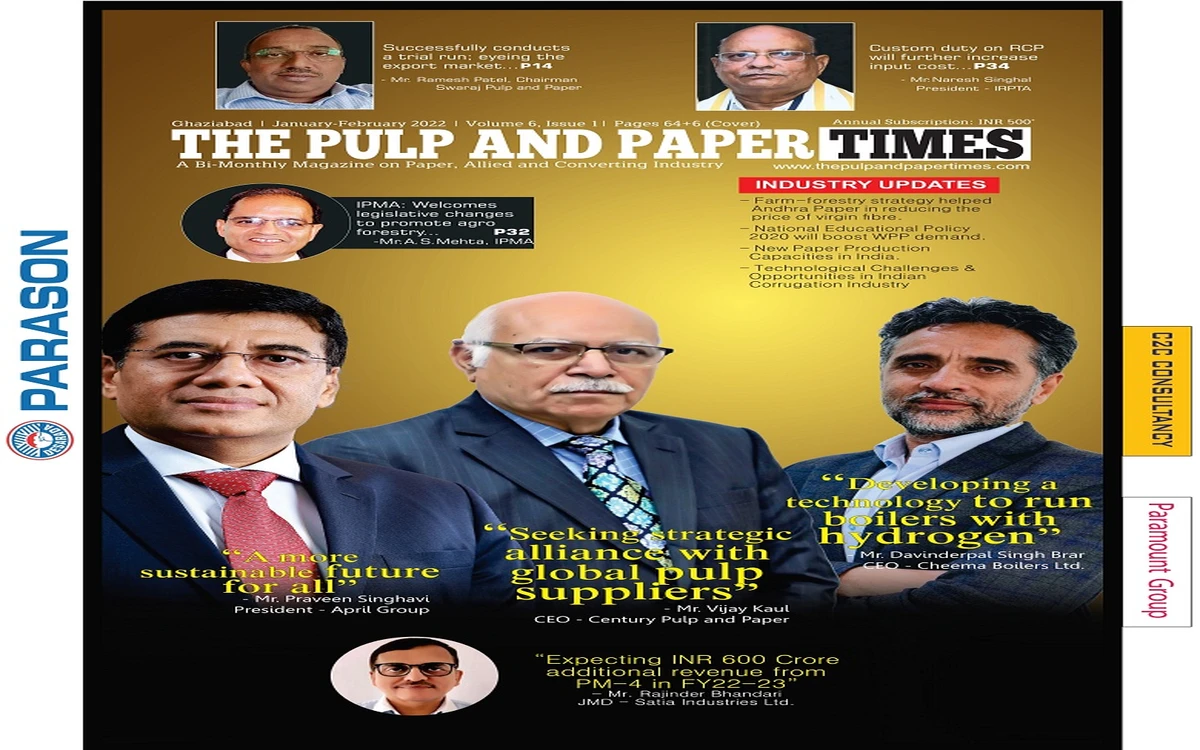
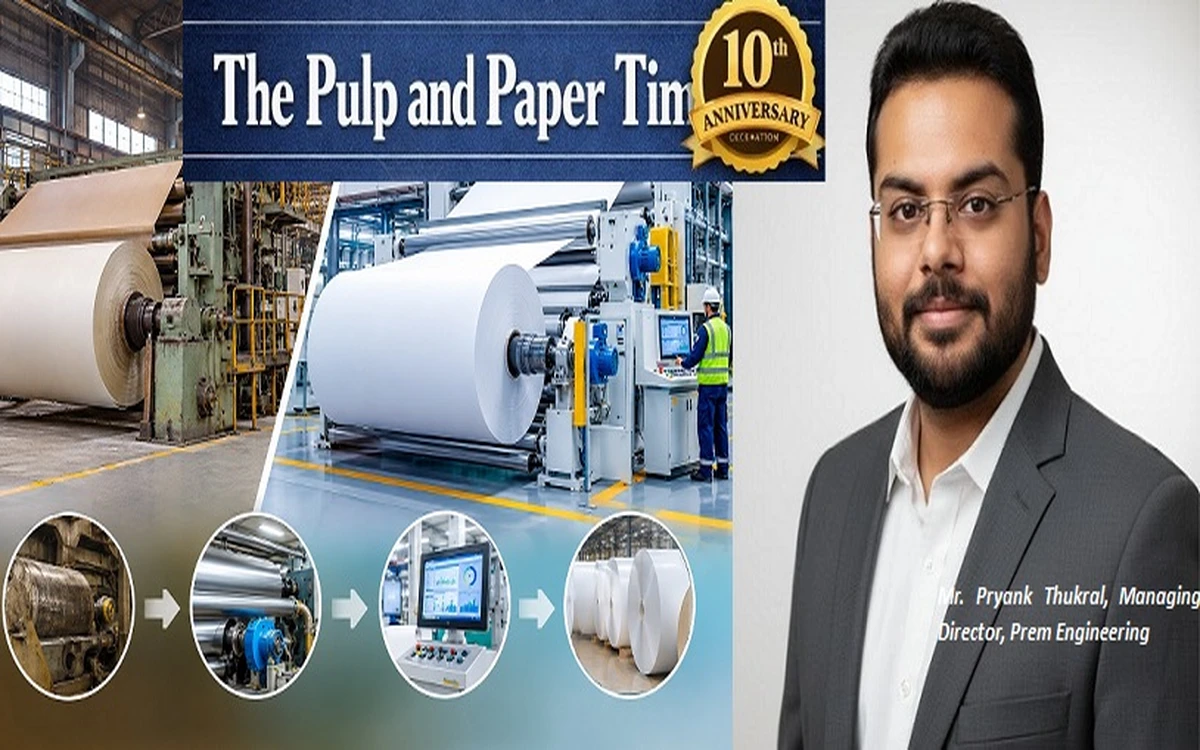
The Pulp and Paper Times Magazine : Volume 6, Issue 1
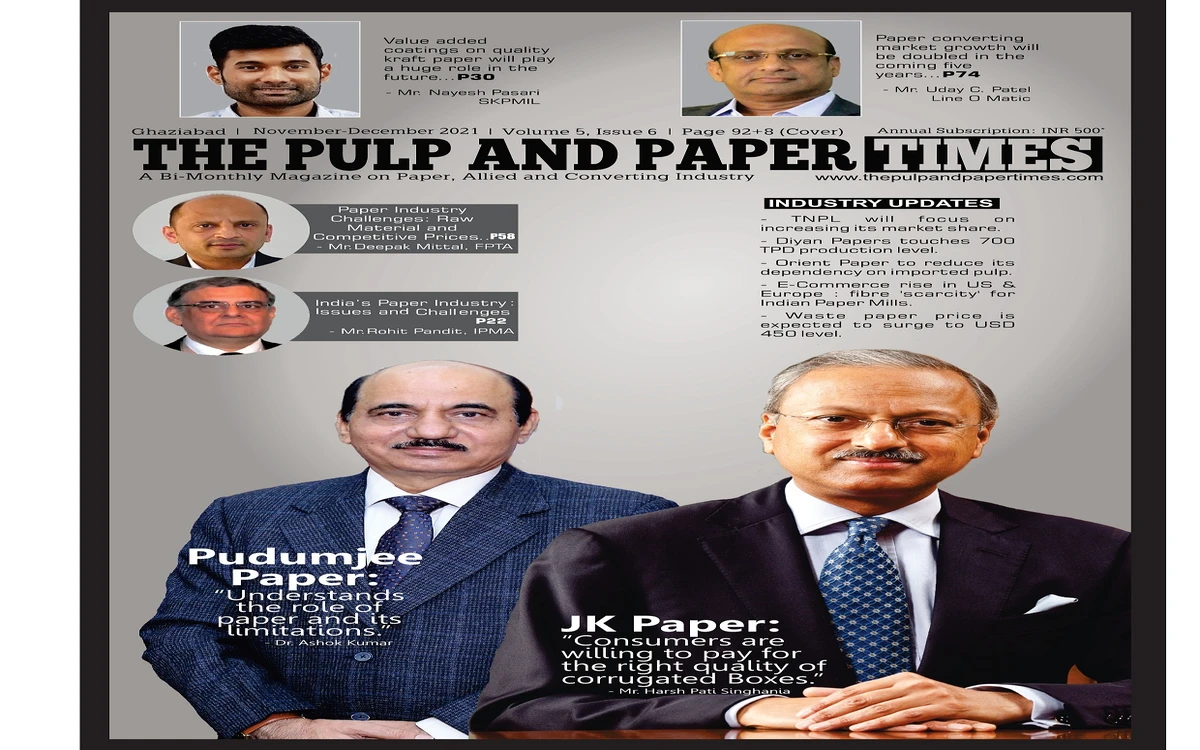
The Pulp and Paper Times Magazine : Volume 5, Issue 6
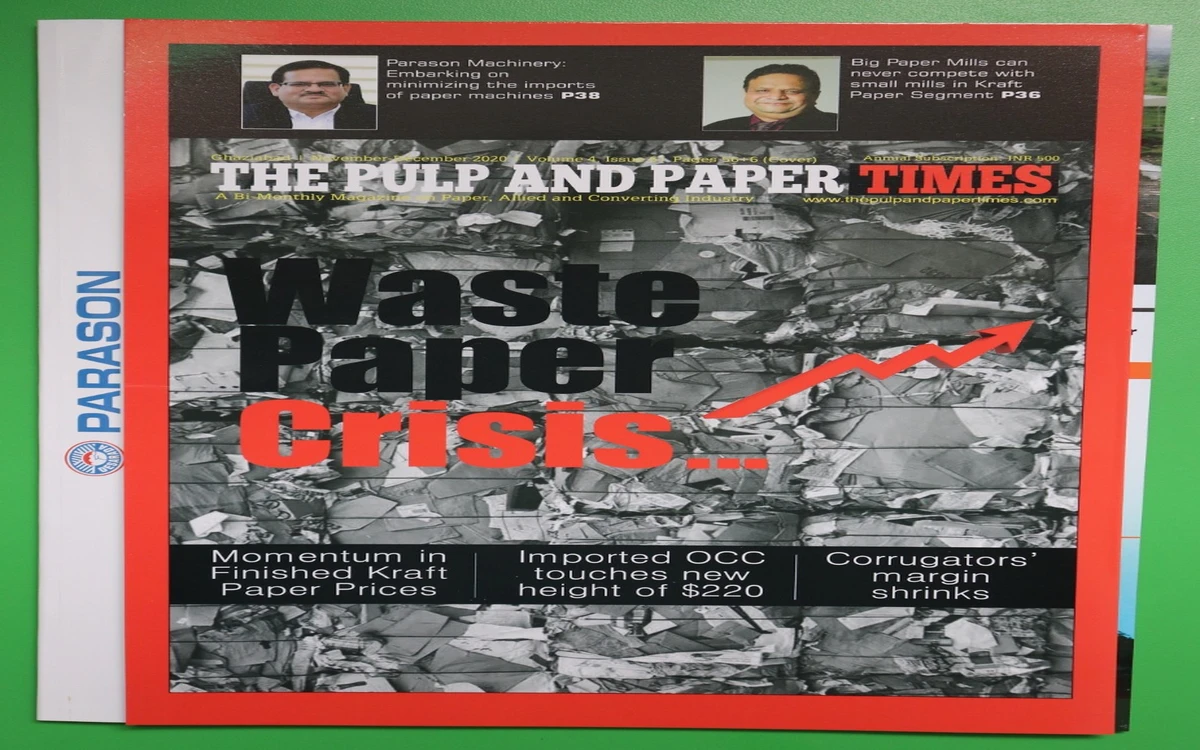
The Pulp and Paper Times: Volume 4, Issue 6
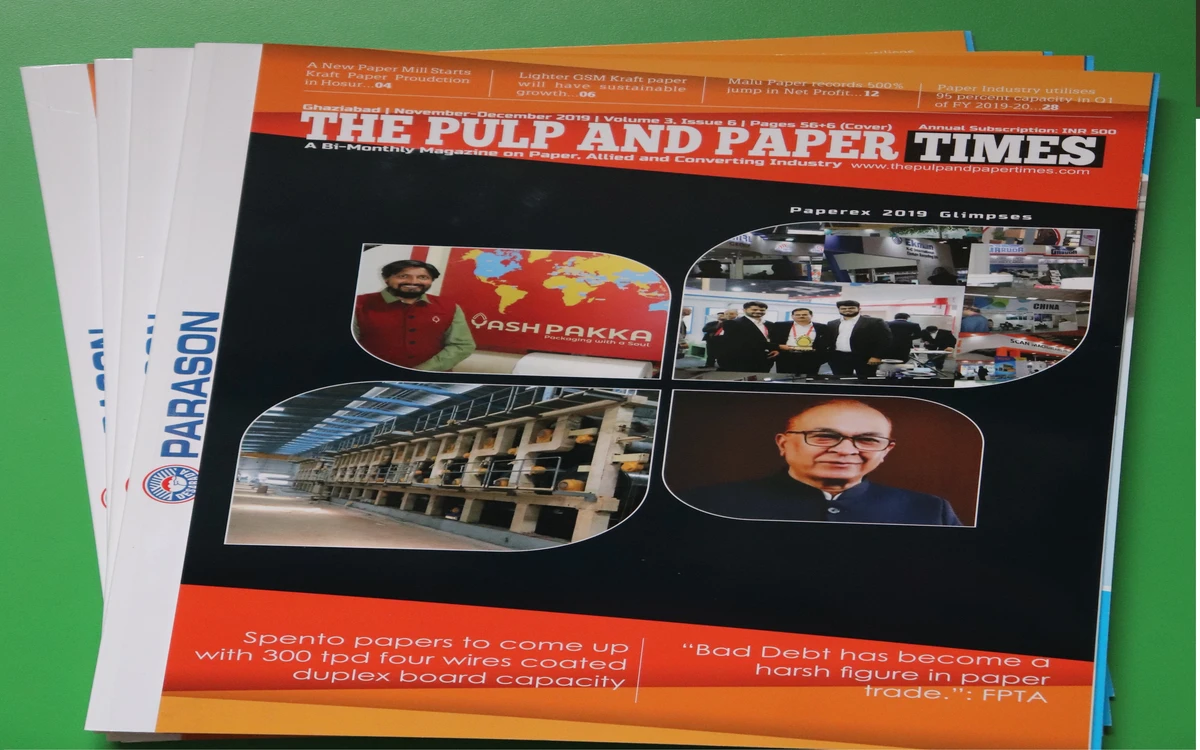
The Pulp and Paper Times : Volume 3, Issue 6
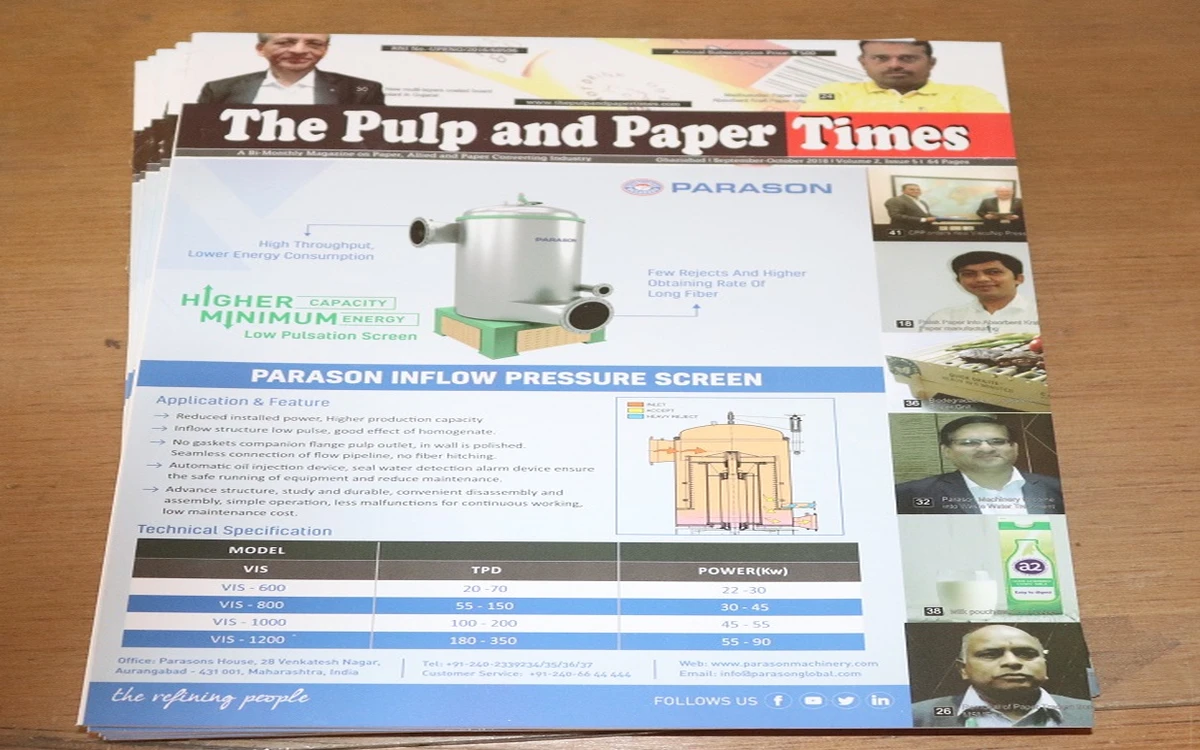
The Pulp and Paper Times: Volume 2 Issue 5
The Pulp and Paper Times, Volume 1, Issue 3
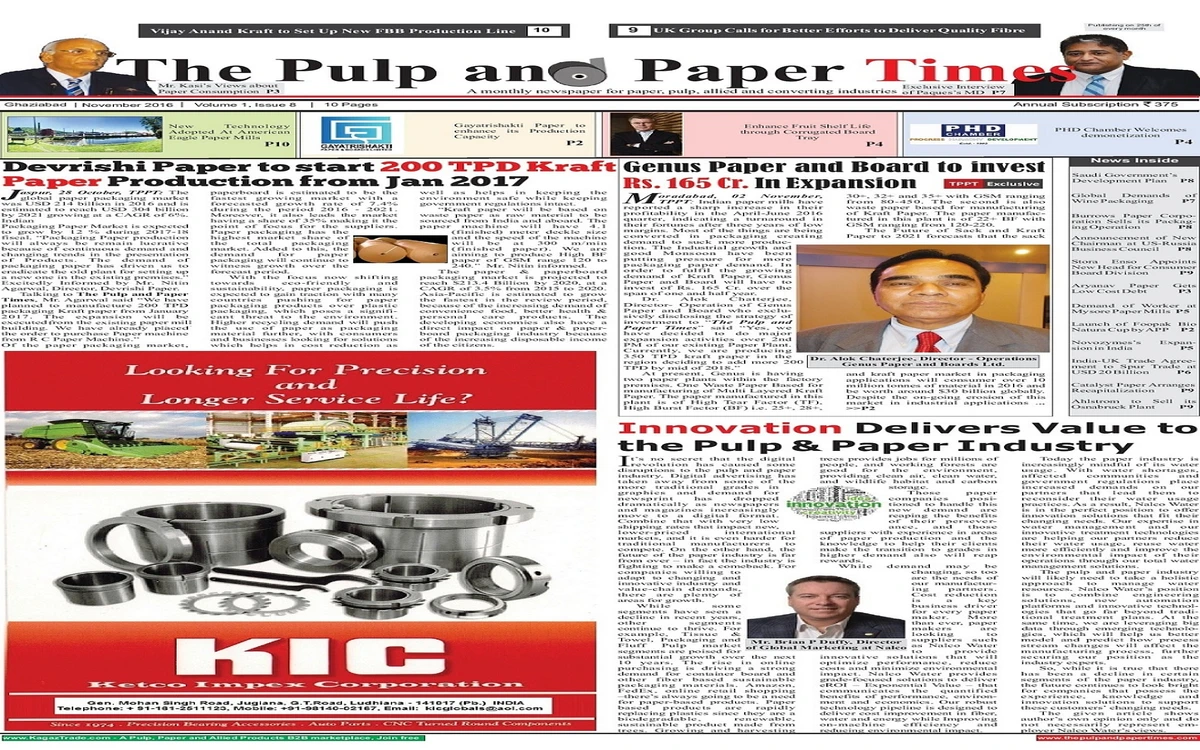
The Pulp and Paper Times, November 2016 Issue

The Pulp and Paper Times
Mr. Akshay Kanoria, Executive Director of TCPL Packaging Limited, addressed the Q3 FY26 conference call and responded to questions from investors regarding the company’s performance and outlook.
After a measured start to the quarter, demand improved gradually across key segments, enabling the company to deliver healthy double-digit growth in the domestic market. The strong domestic performance helped offset the decline in export volumes, which remained subdued amid continued softness in international markets. In this environment, the company said it remains focused on strengthening customer relationships across geographies while taking a calibrated approach.
Coming to the financial performance, consolidated revenue for Q3 FY26 stood at INR 471 crore. On the profitability front, the company reported a strong improvement, with EBITDA increasing by about 15 percent year-on-year to INR 81 crore and margins expanding to 17.2 percent, reflecting an improvement of over 240 basis points. The expansion was primarily driven by better gross margins, supported by favourable product mix and tighter cost control.
During the quarter, the company recognized an exceptional loss of INR 11.57 crore related to the implementation of the revised labour code framework, representing a one-time impact. Reported PAT for the quarter stood at INR 25 crore, while cash profit was INR 56.5 crore.
Mr. Kanoria also highlighted the commissioning of the gravure cylinder manufacturing facility at Silvassa, established under the company’s wholly owned subsidiary Accura Technik Private Limited. He said the facility marks an important milestone in the company’s backward integration journey. By bringing this critical input in-house, the company enhances process control, improves print precision and quality consistency, and reduces dependence on external outsourcing. The facility has been designed with surplus space, providing flexibility to address external demand over time and further strengthening integrated capabilities.
Alongside operational milestones, the company also received important recognitions during the quarter. TCPL Packaging Limited was awarded the Most Preferred Workplace Award 2025–26 in the manufacturing category, reflecting its continued focus on building a strong, inclusive and performance-driven organization. In addition, the company secured six wins at the IFCA Star Awards 2025, reaffirming its commitment to creativity, innovation and excellence in delivering differentiated packaging solutions.

On the outlook, the company stated that domestic demand continues to remain healthy and is expected to be a key driver of growth, supported by policy measures aimed at boosting consumption and strengthening manufacturing competitiveness. In addition, recent trade developments involving the EU and the US, as well as some other markets, are expected to improve export sentiment and create a more favourable operating environment over time. With an expanding manufacturing footprint, diversified product portfolio and disciplined capital allocation approach, the company believes it is well-positioned to capture growth opportunities as the industry continues to consolidate towards organized players.
Before closing the address, Mr. Kanoria acknowledged that the Board conferred the honorary title of Chairman Emeritus on his grandfather, K. K. Kanoria, the founder of TCPL Packaging Limited. He noted that Mr. Kanoria laid the foundations of the company and shaped its early growth trajectory. Over the years, he served the organization in various capacities, including as Chairman, and has been instrumental in building a strong institution anchored in values, governance and long-term strategic thinking.
Commenting on paper prices, Mr. Kanoria said that paper prices going down are not necessarily bad for the company. He explained that when there is a very weak commodities market, the differentiation between larger players and smaller players tends to go down, which is not good. However, he noted that there is now more protectionism in the world, making it more difficult for producers to dump products. He added that in India there is a minimum import price imposed on virgin paperboard, so dumping is not possible, and therefore the negative effect is not really felt.
On the Minimum Import Price (MIP), he said it is only applicable if the material is meant for domestic use. If the material is imported under an advance license for export purposes, it can be re-exported without any issue. Therefore, even with the MIP in place, it does not make the company uncompetitive.
Speaking about free trade agreements with the US and the EU, Mr. Kanoria noted that earlier tariffs of around 50 percent in the US made business difficult, but with tariffs around 18 percent it opens a door that was previously closed. With the EU, folding cartons were already at zero tariff, while on the flexible packaging side there is some tariff saving. He also pointed out that the main positive from such trade developments will come from other industries exporting from India, such as toys and textiles, which will require packaging, creating second-order benefits for the packaging industry.

2 days ago
Total Views : 2082
3 days ago
Total Views : 2338
5 days ago
Total Views : 668
last week
Total Views : 1281
last week
Total Views : 3708
last week
Total Views : 2698
last week
Total Views : 791
2 weeks ago
Total Views : 3552
2 weeks ago
Total Views : 3667
2 weeks ago
Total Views : 6993