Join Groups & Channels, No Spamming









Morbi paper mills see full-capacity operations as ceramic industry revives; Kraft paper exports to China spike, Prices strengthen; Janmashtami shutdown ahead

The BE and caustic soda plant marks a key milestone for Mohit Paper Mills, enabling full utilization of installed capacity and enhancing overall production efficiency
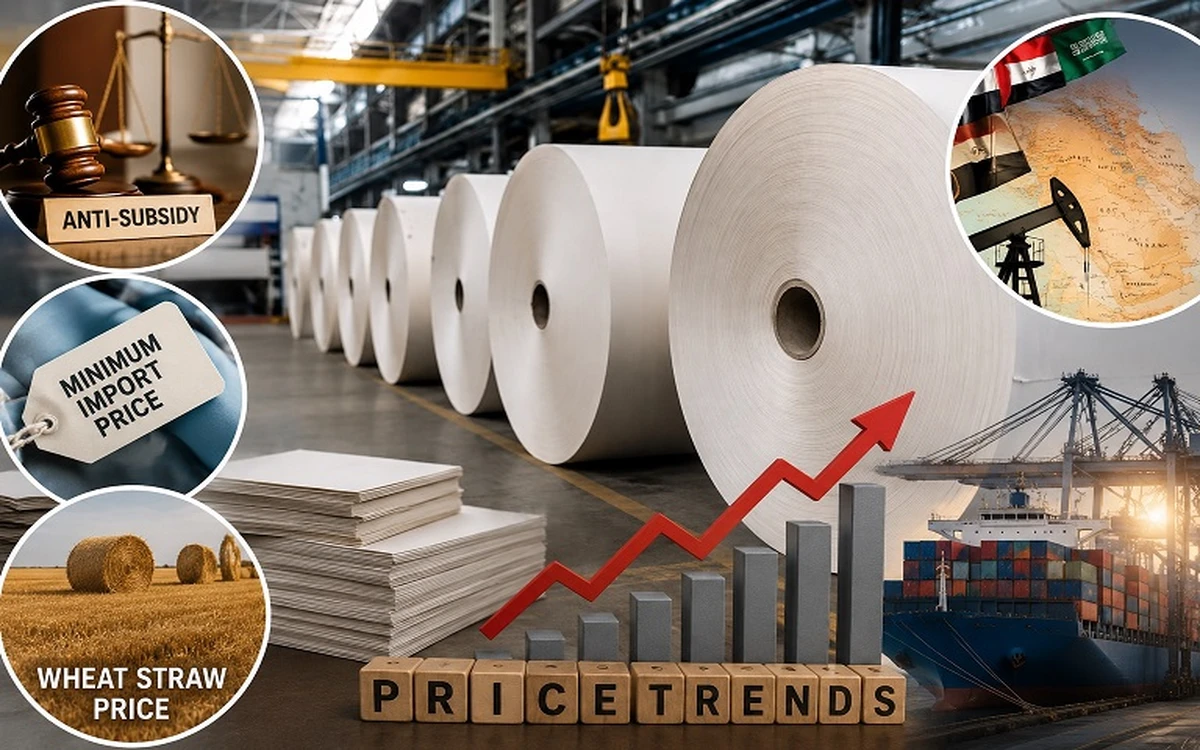
Expert Views on the paper market scenario, How the West Asia Crisis Helped the Industry, MIP for WPP, Anti-Subsidy implementation, and paper price trends
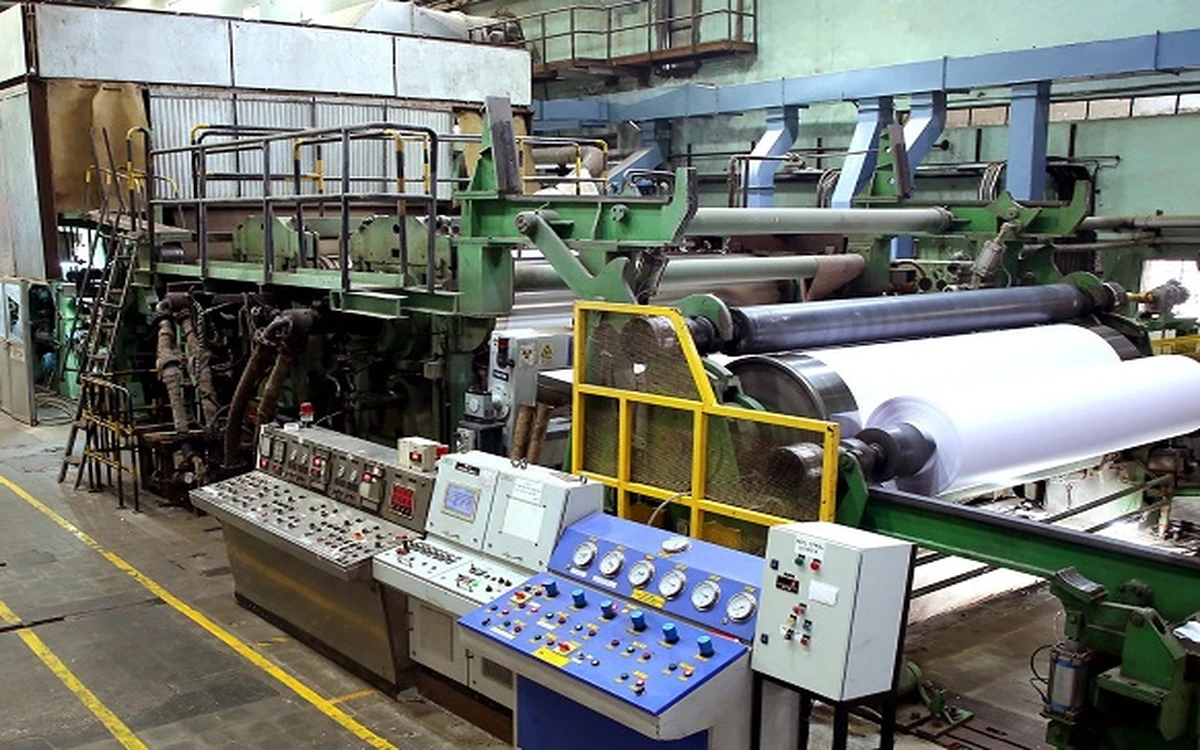
Pudumjee Paper intends to develop new varieties addressing applications for stronger paper bags and cupcakes; Plans 68,000 MT Mahad Specialty Paper Facility within 5 years
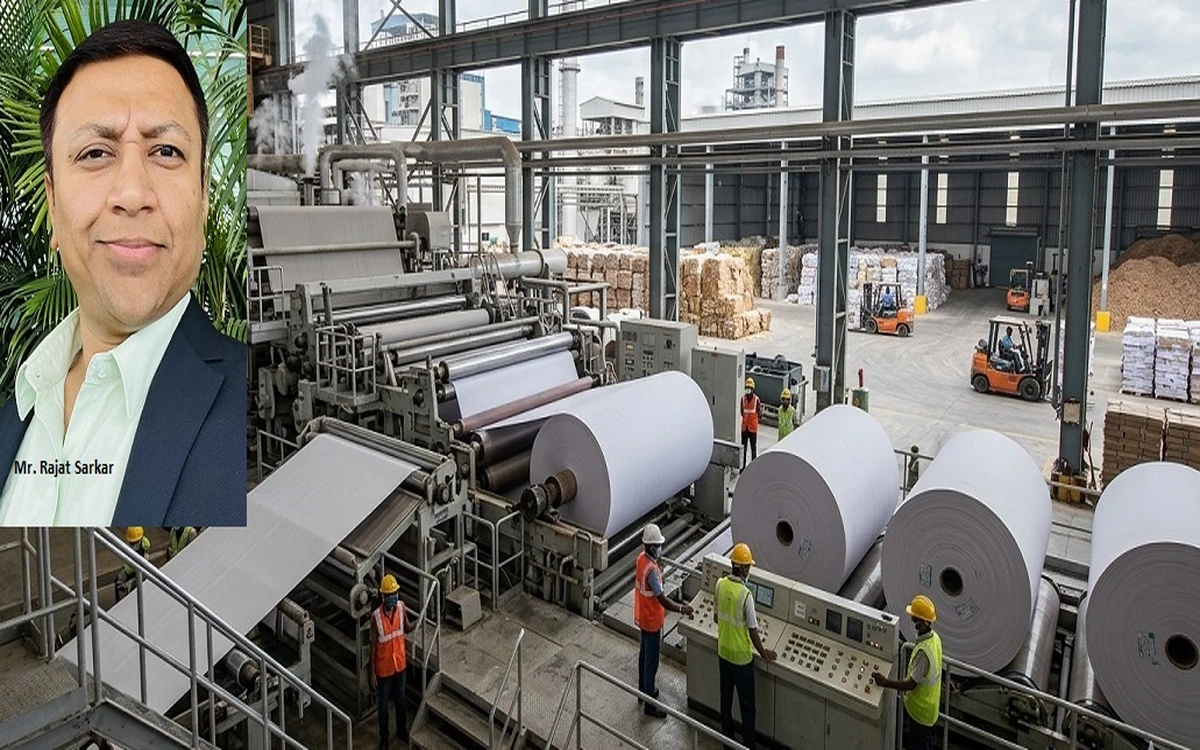
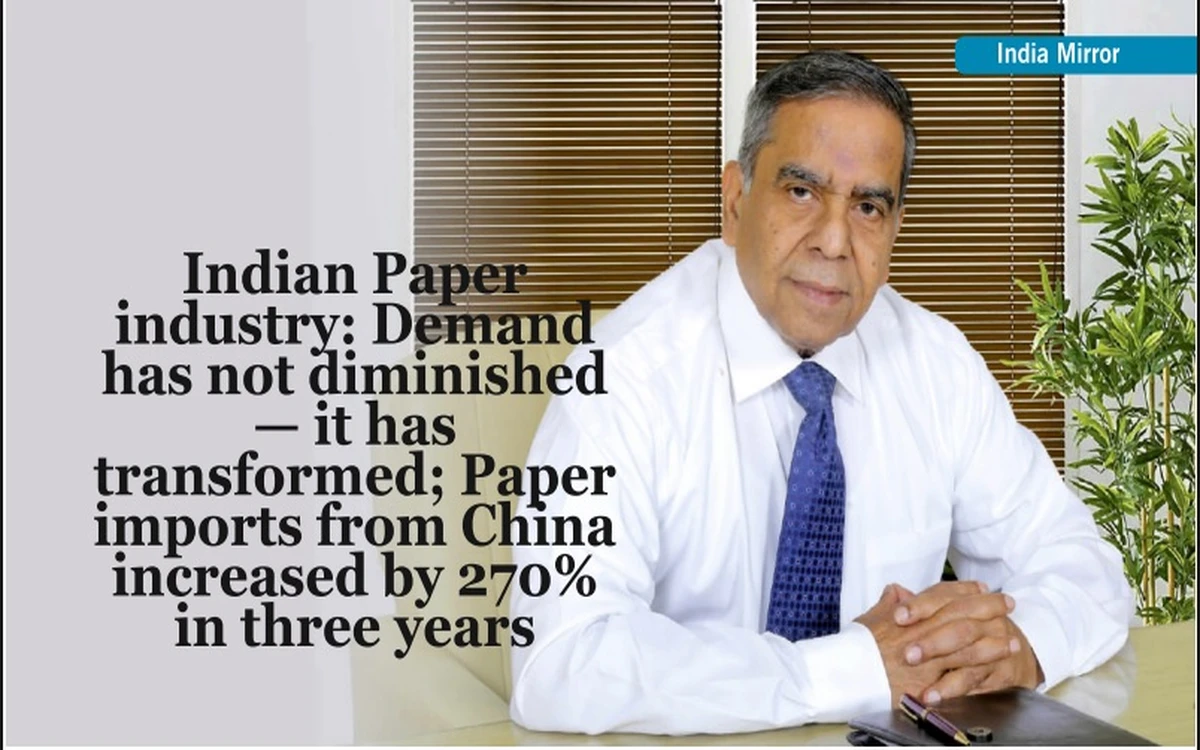
India Paper Industry at an Inflection Point: War, Costs, and Capacity; Demand growth expected at 5–7% in FY26
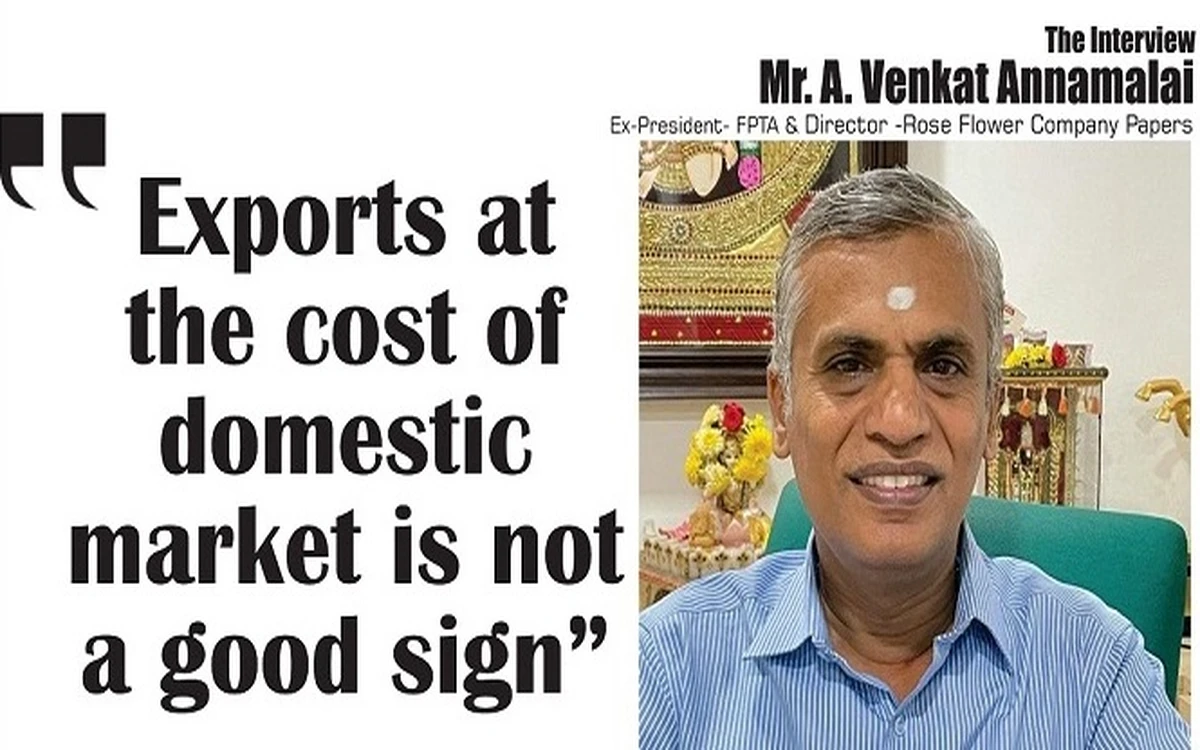
“Surging exports of paper will most certainly keep the domestic prices quite high”: Mr. A. Annamalai, Director – RFC
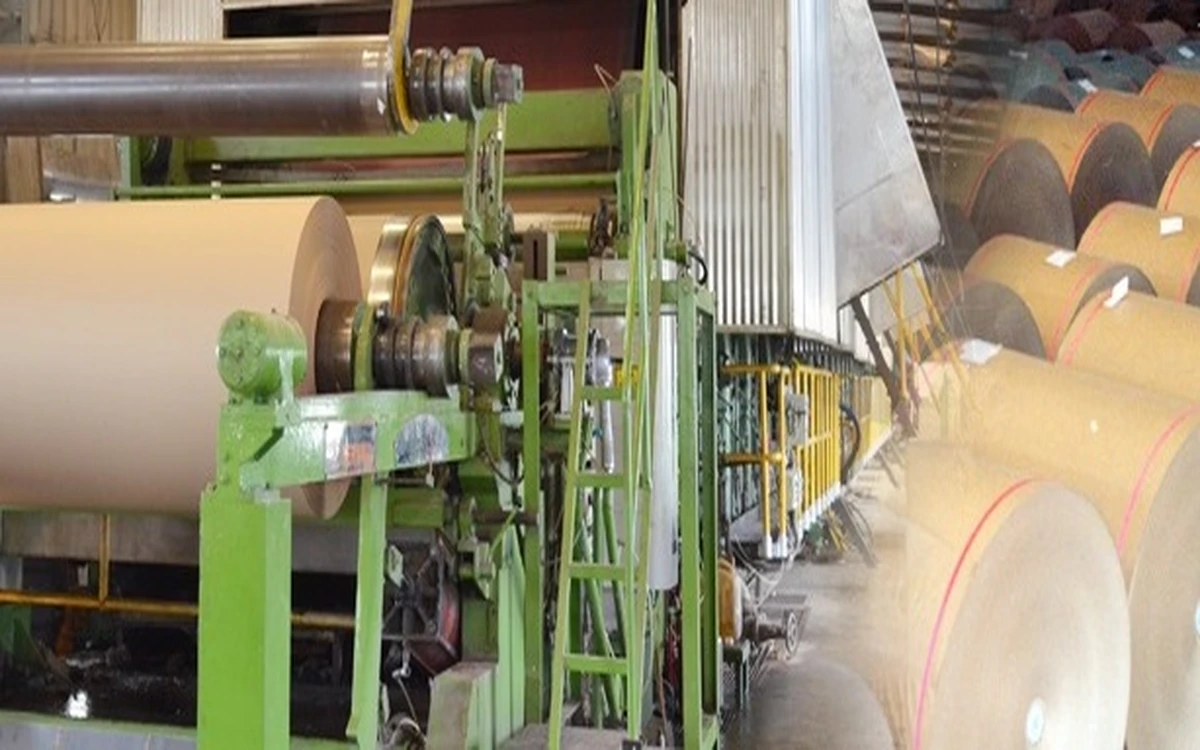
The Status of the Global Container board Industry, Recycled Paper Demand and Supply and its impact on the Indian Industry

Akshay Jain, director of Silverton Pulp & Paper, says it's time to promote agro residue as a raw material to lessen the scarcity of fibre
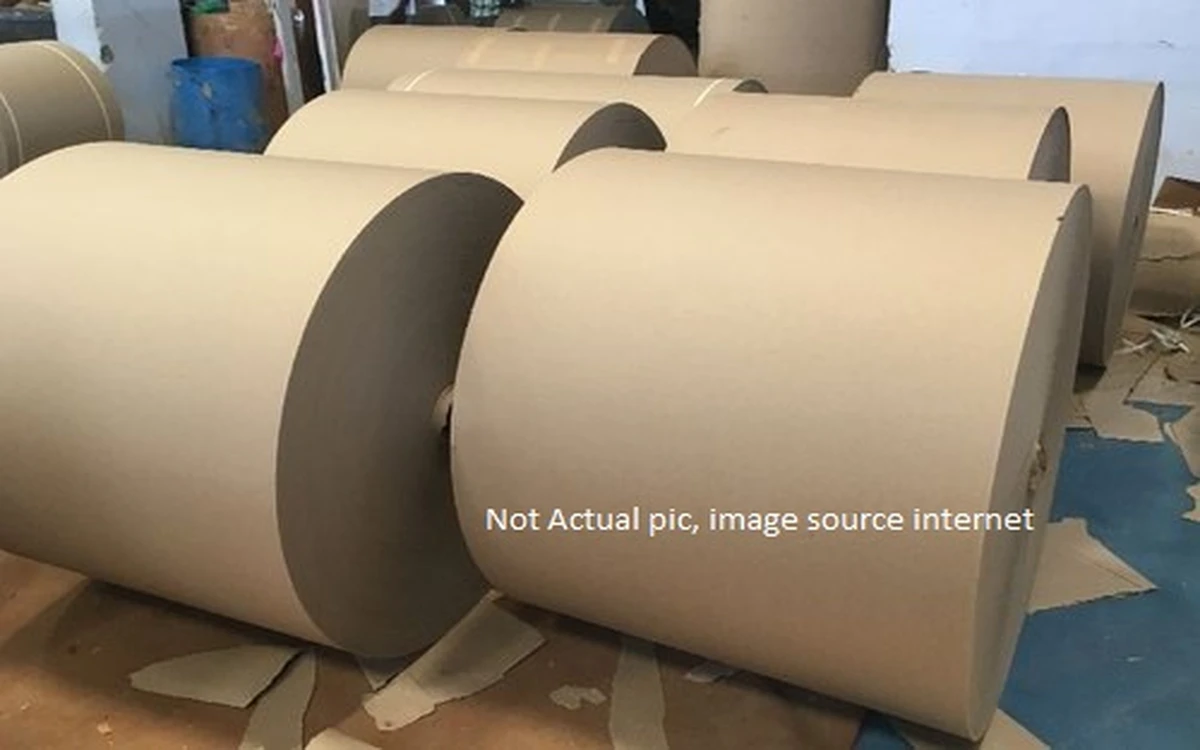
Advantageously located, a new paper mill is all set to roll kraft paper in Madhya Pradesh
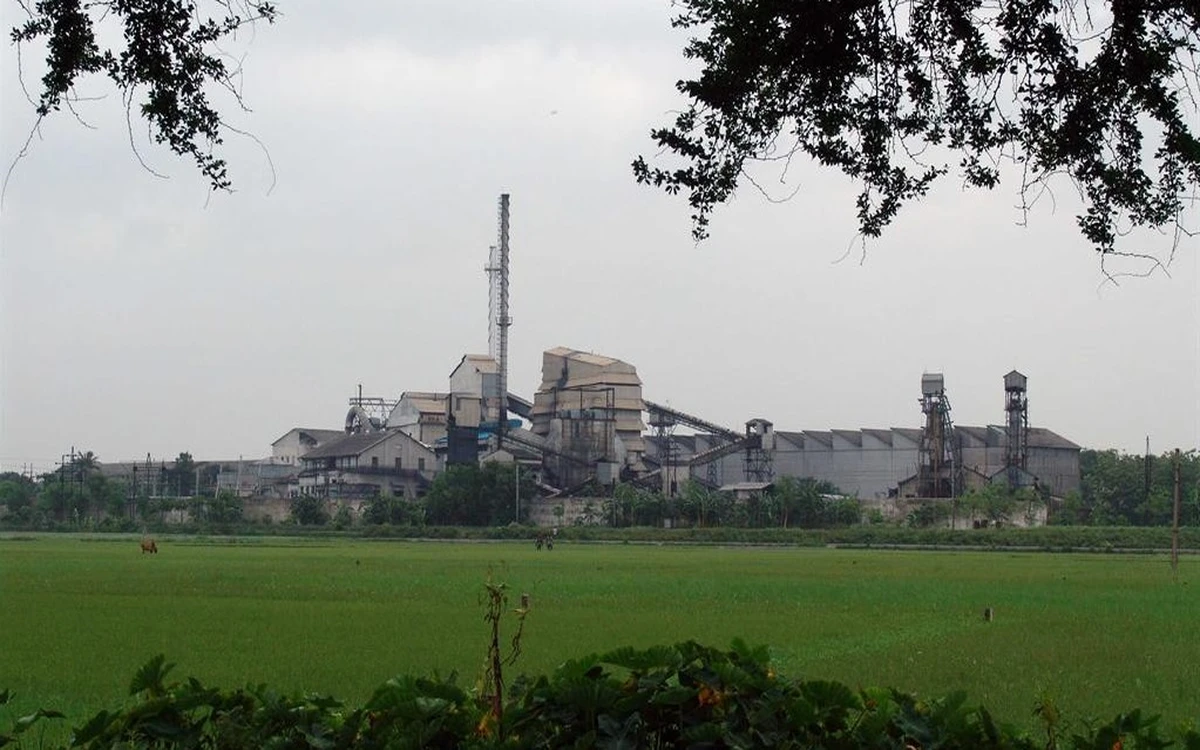
Several agile interventions helped ITC-PSPD fortify its clear leadership of the Value Added Paperboards (VAP) segment
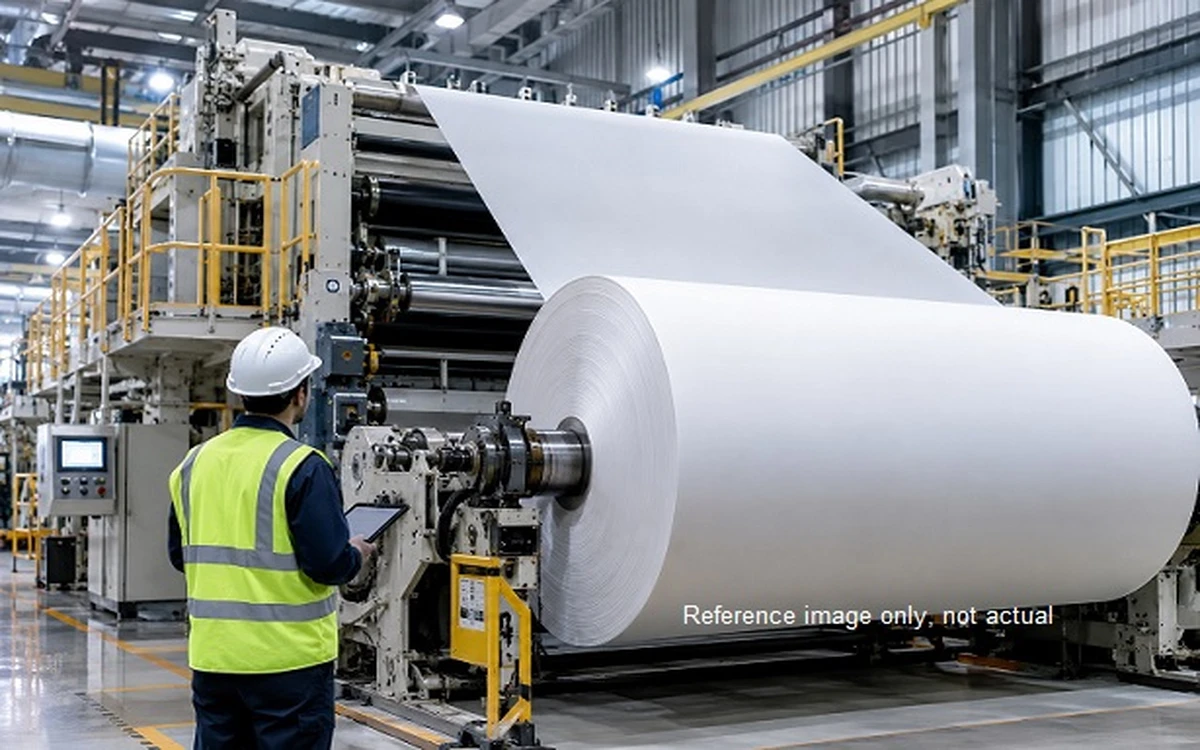
Pakka Advances PM4 Development; flexC Base Paper Trials Underway in Europe, with a Distributor Soft Launch Expected
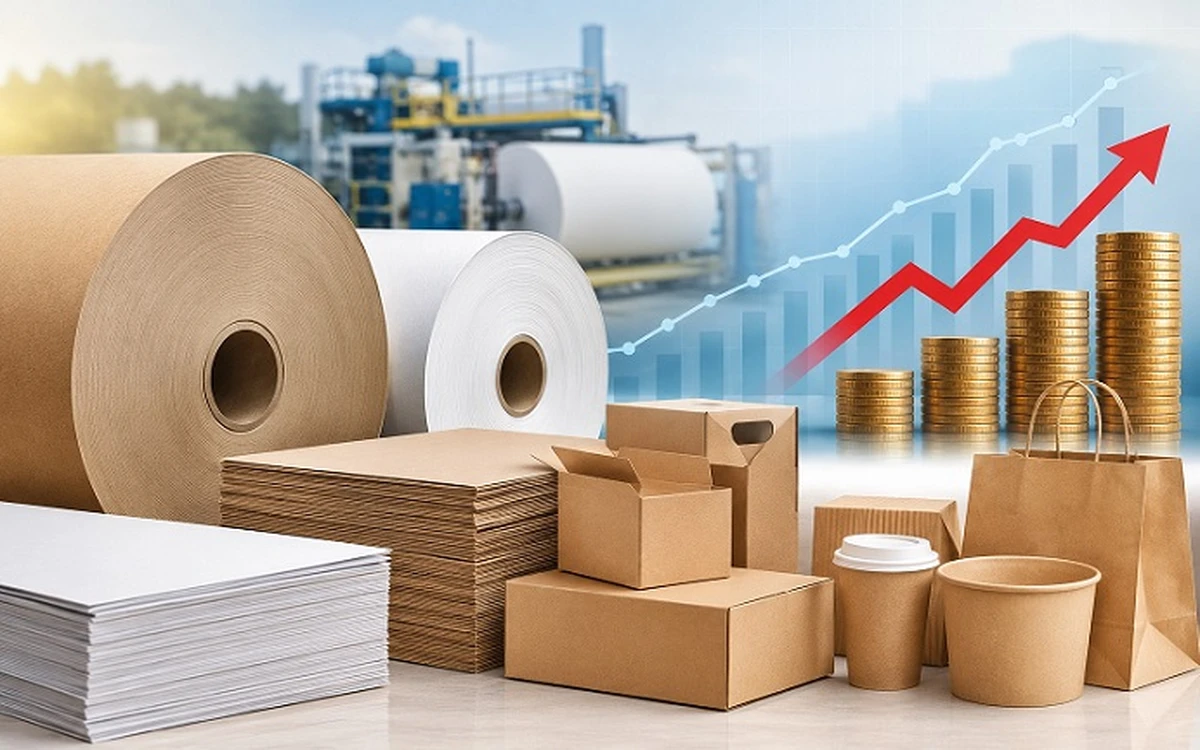
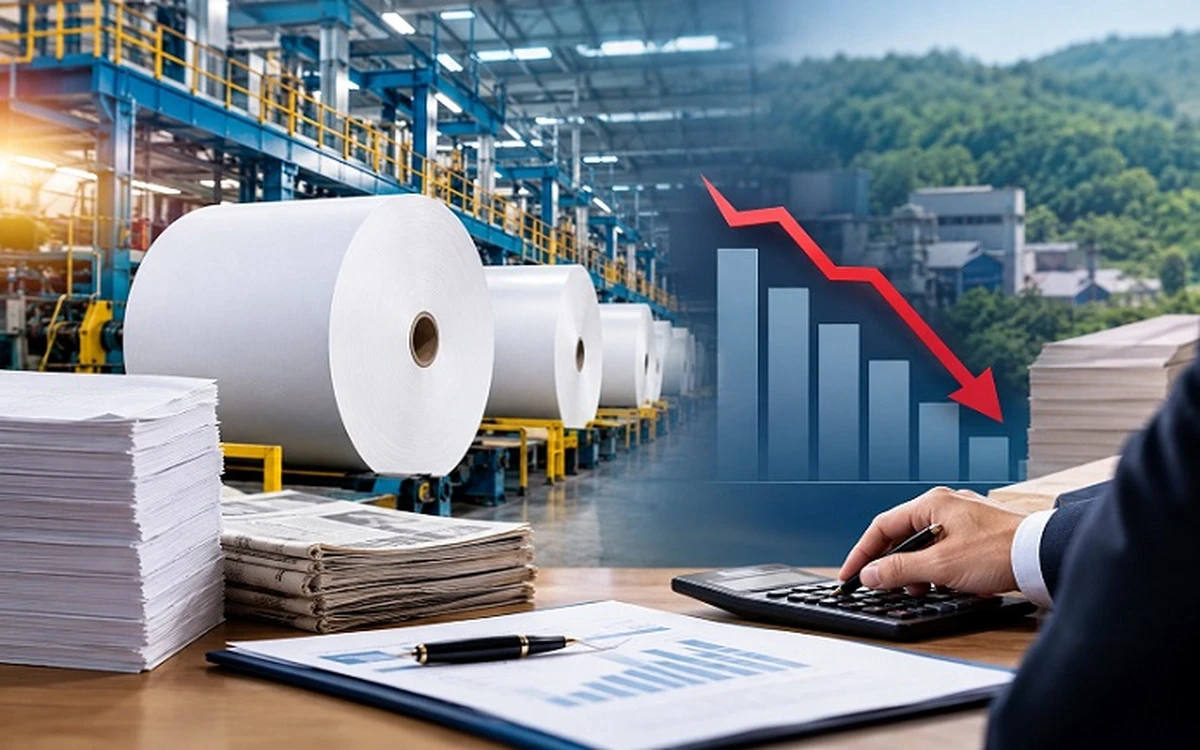
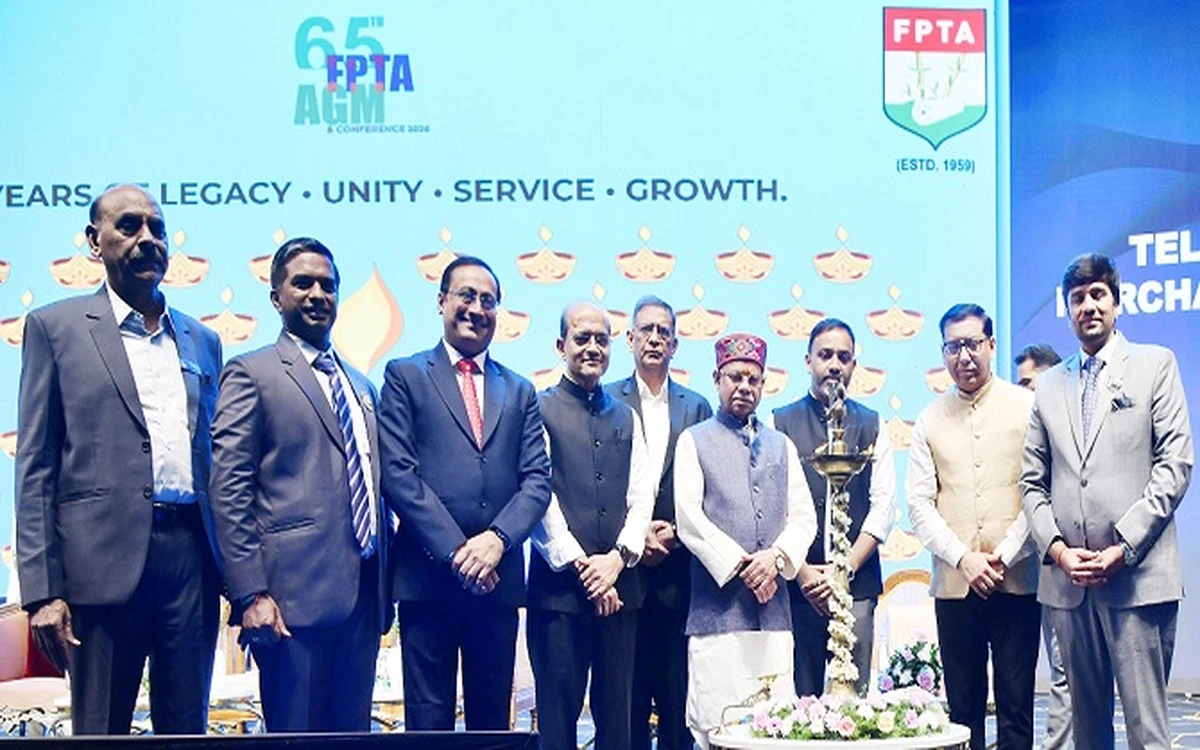
Paper and Packaging Board Market May Face Cost Pressures Through March 2027; FPTA Advises Traders
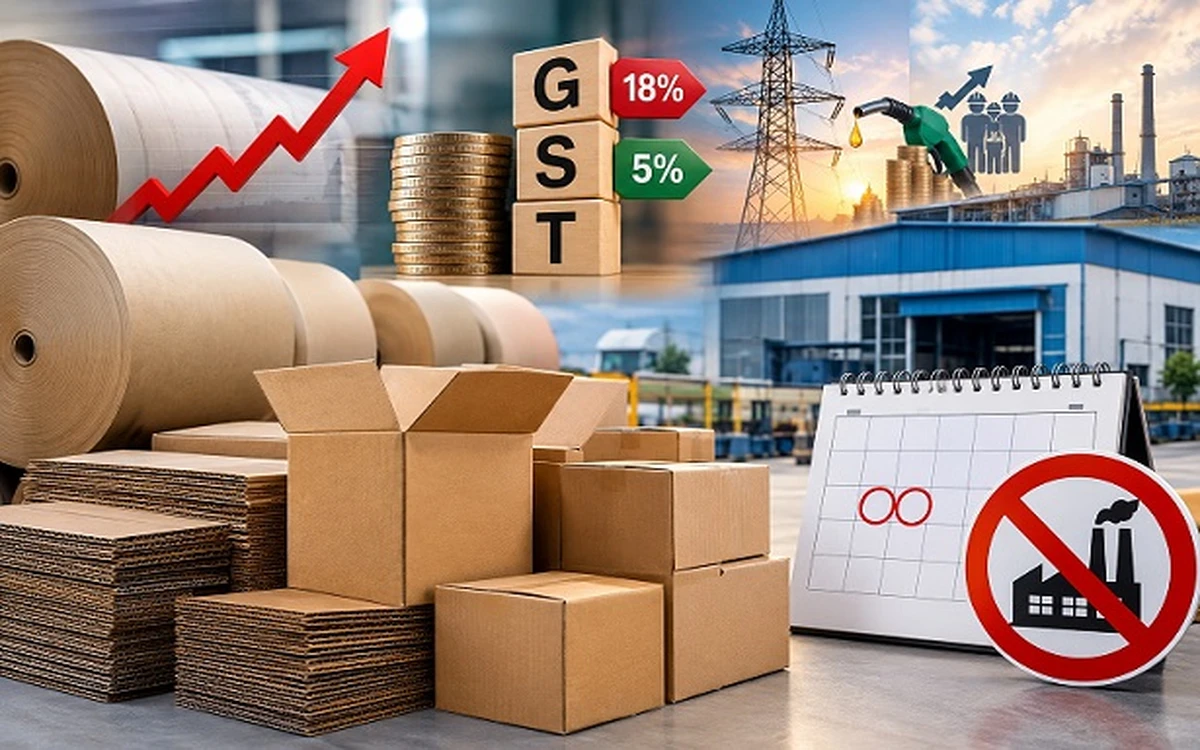
Overall Increase in Kraft Paper Prices Could Reach 35%; Industry Calls for 20% Box Price Increase, Voluntary Shutdown Proposed

Ruchira Papers Invests a Sizeable Capex of Rs. 235–240 Crore Towards Writing & Printing Paper Capacity Expansion
Paper mills inflated the basic ex-mill price of paper post GST 2.0, AINMA seeks action against Anti-Profiteering
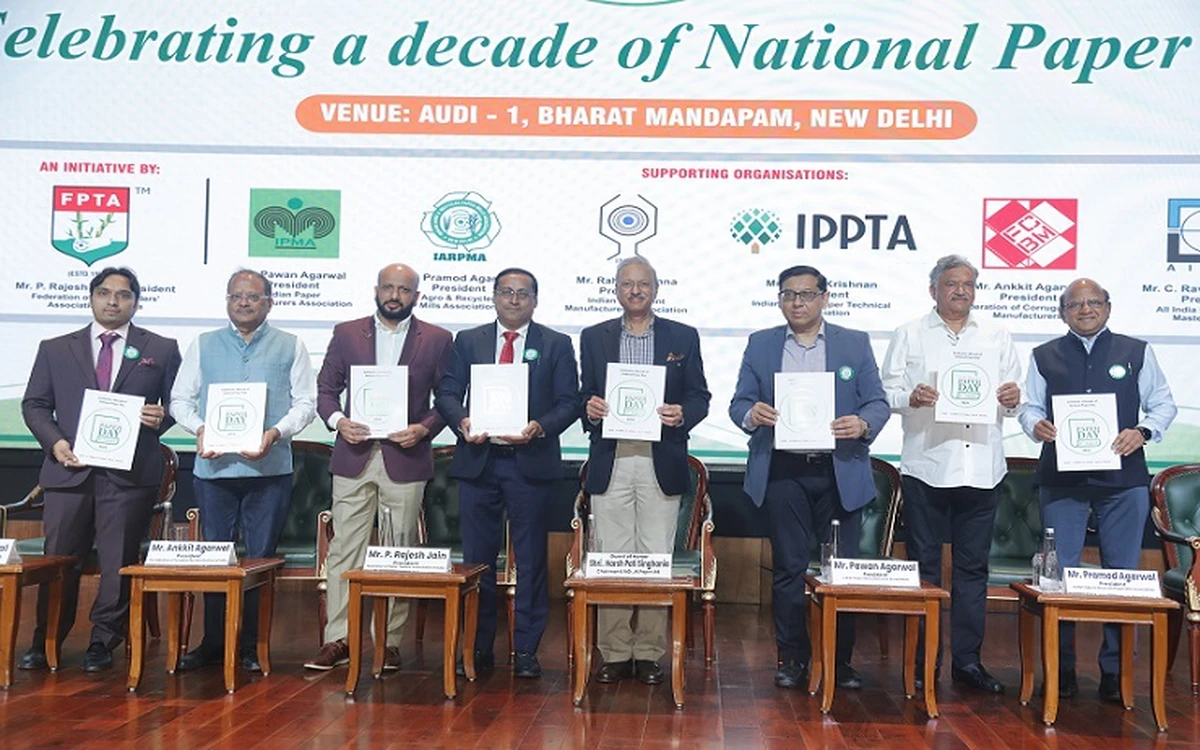
Seven Leading Associations Unite to Celebrate National Paper Day, Highlighting Paper's Sustainability and Circular Economy Advantage

Scientists from IIT-Guwahati develop India's first biodegradable plastic

Navneet Education focuses on brand building, curriculum-led growth, and export recovery; expects stationery margins to improve in FY27

It is estimated that USD10B to USD20B worth of single-use plastic packaging will convert to molded fiber, ZUME
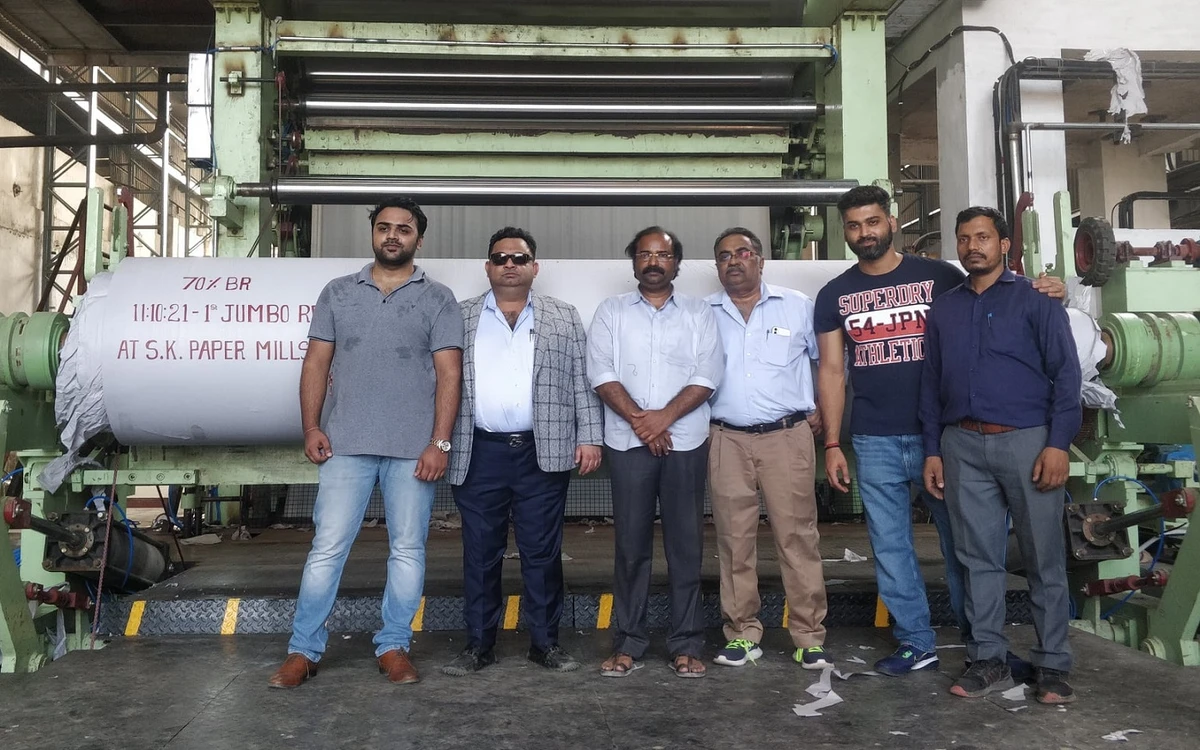
Muzaffarnagar gets a new capacity of Tissue Paper and MG Poster paper

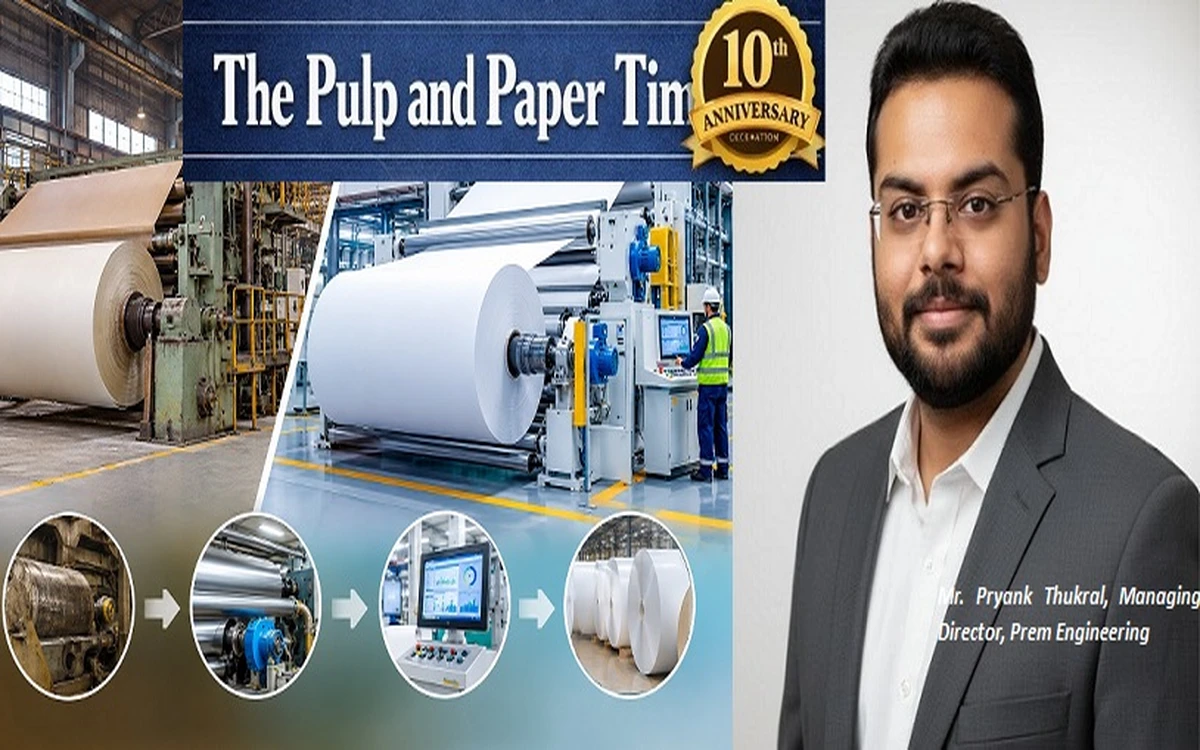
“The integration of digitalization, automation, and Artificial Intelligence (AI) is no longer a futuristic concept—it is the baseline for competitiveness in 2036” - Vinit Garg, Director, Vizen Solutions
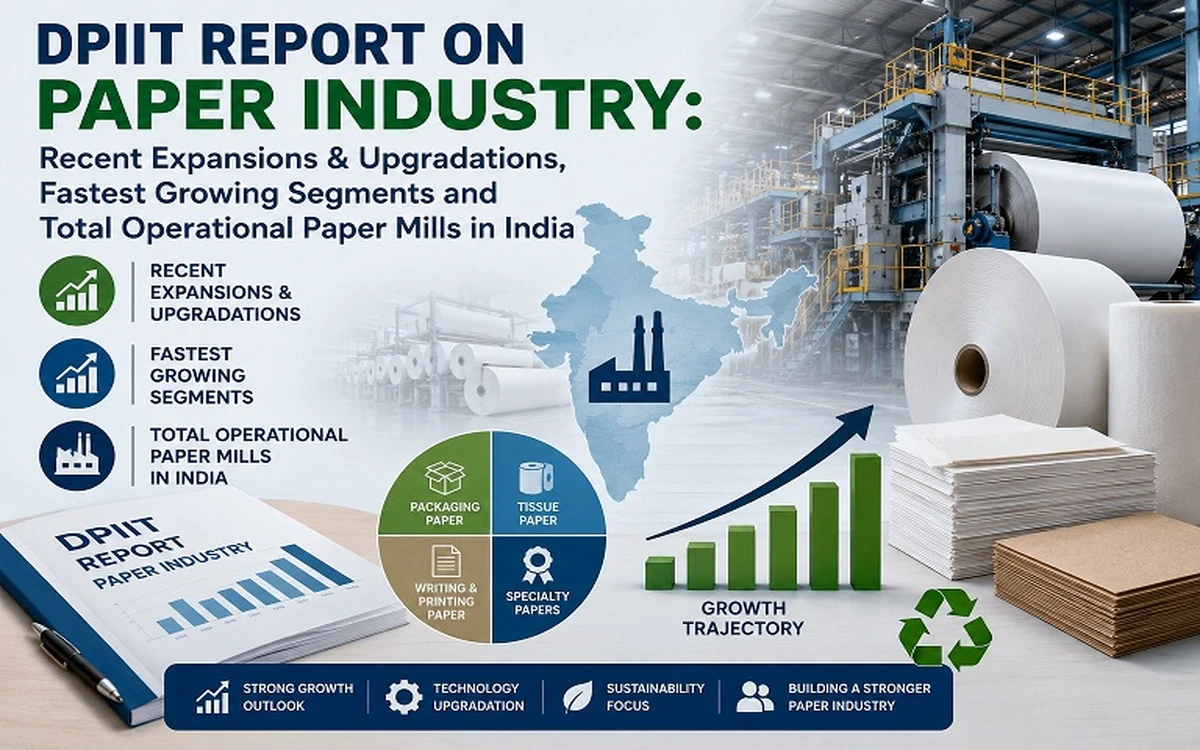
DPIIT Report on the Paper Industry: Recent Expansions & Upgrades, Fastest-Growing Segments, and Total Operational Paper Mills in India
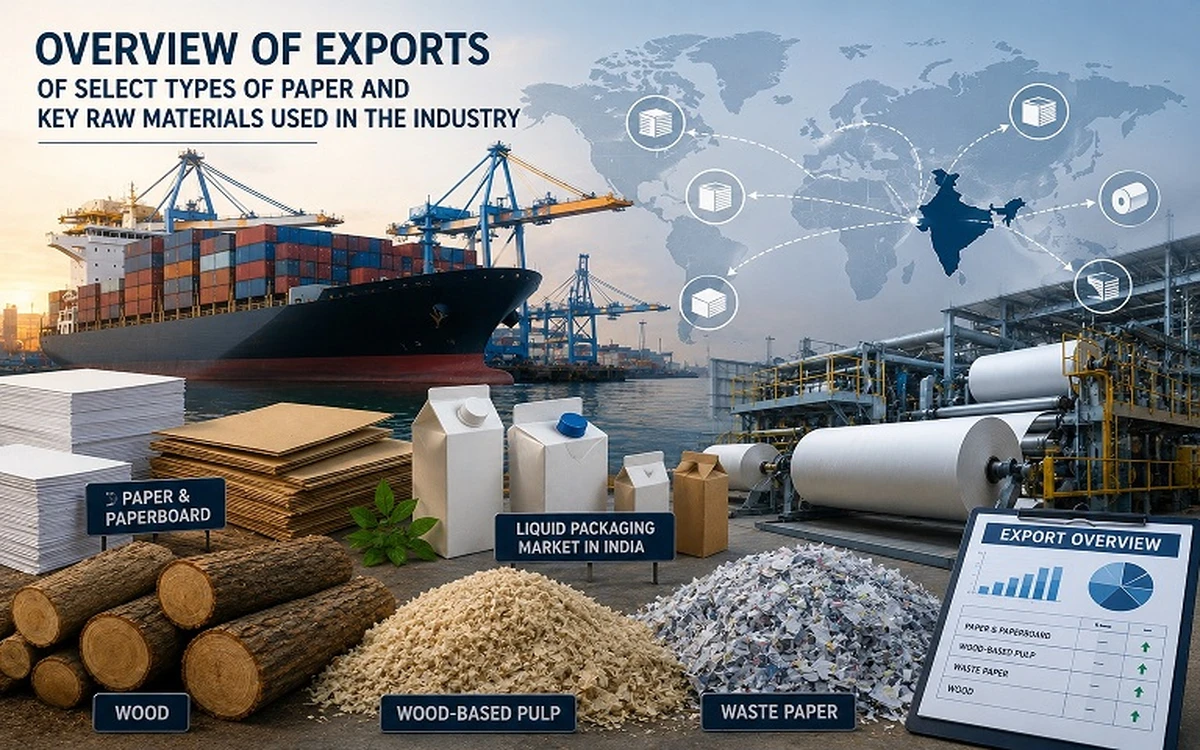
Overview of exports of select type of paper and key raw material used in the industry by Crisil Intelligence

Margin pressure pushes Pulp & Paper Packaging sector toward AI-Driven cost optimization, Cutting costs by 8–20%
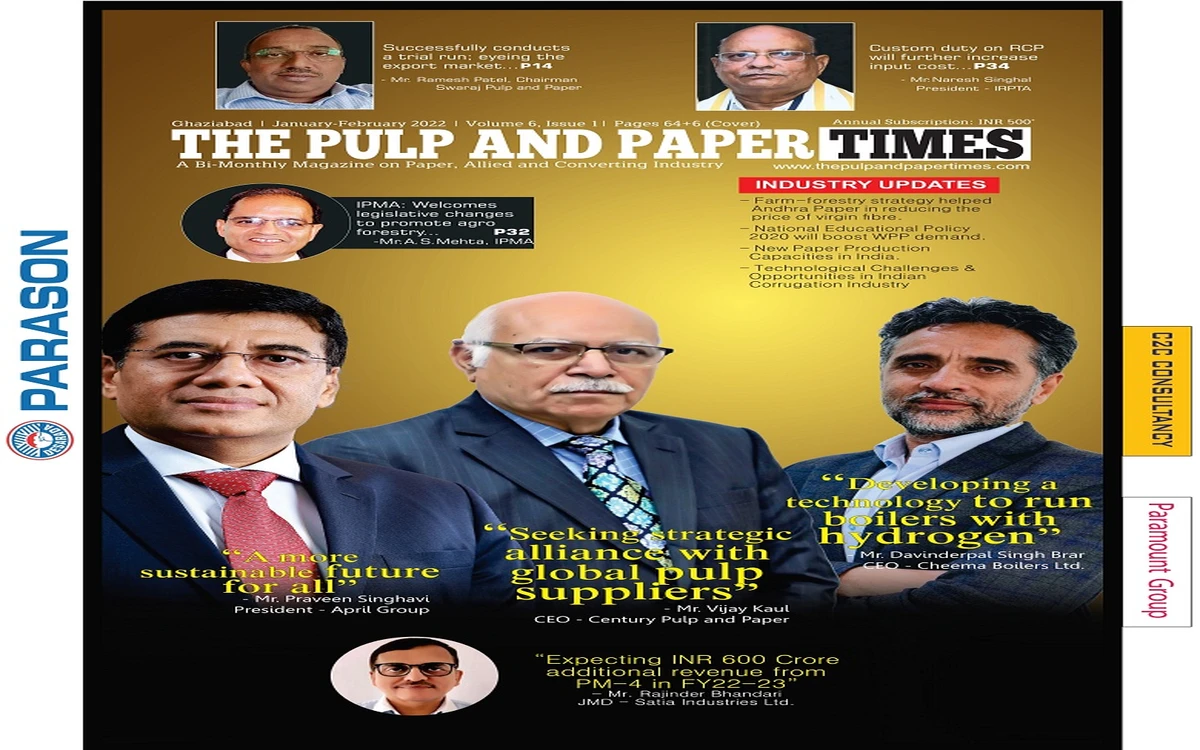
The Pulp and Paper Times Magazine : Volume 6, Issue 1

The Pulp and Paper Times Magazine : Volume 5, Issue 6
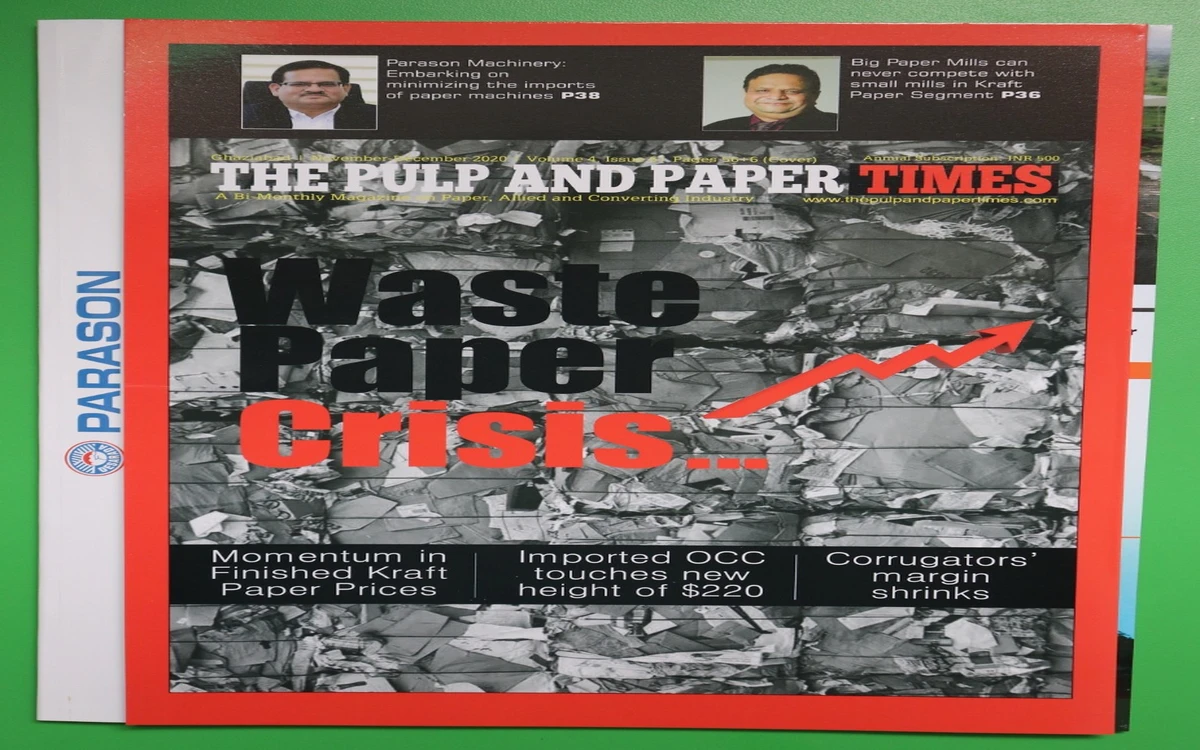
The Pulp and Paper Times: Volume 4, Issue 6
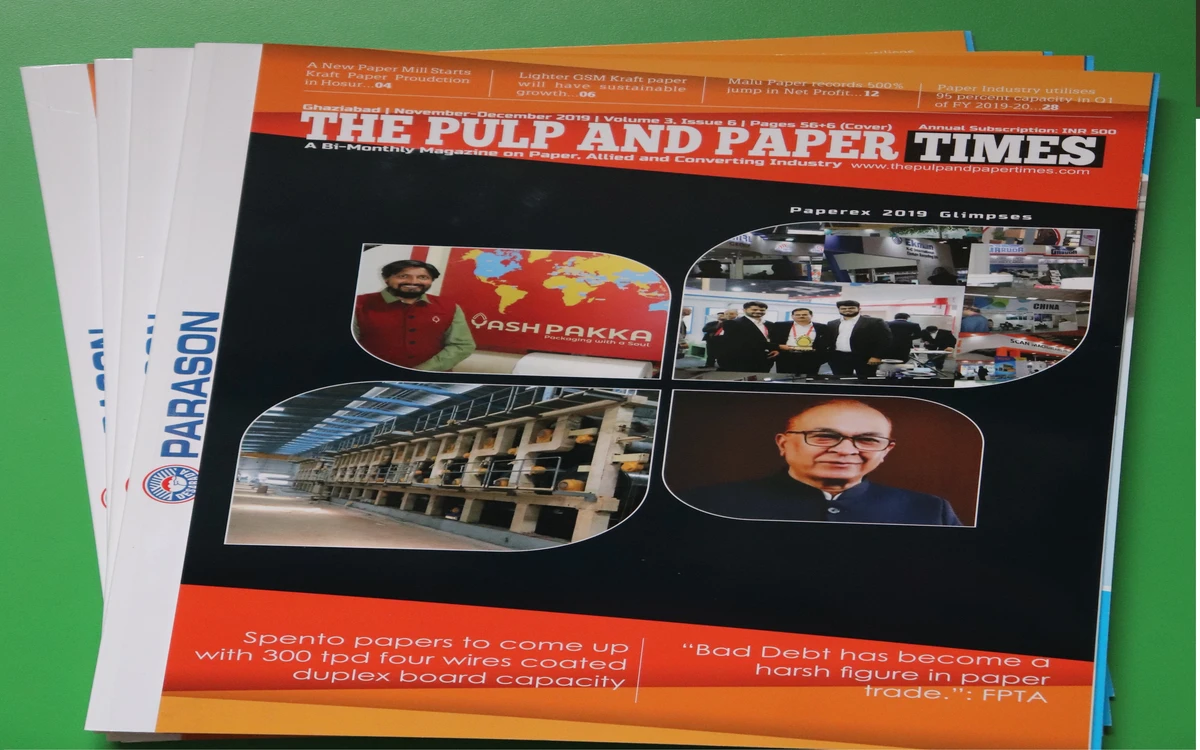
The Pulp and Paper Times : Volume 3, Issue 6
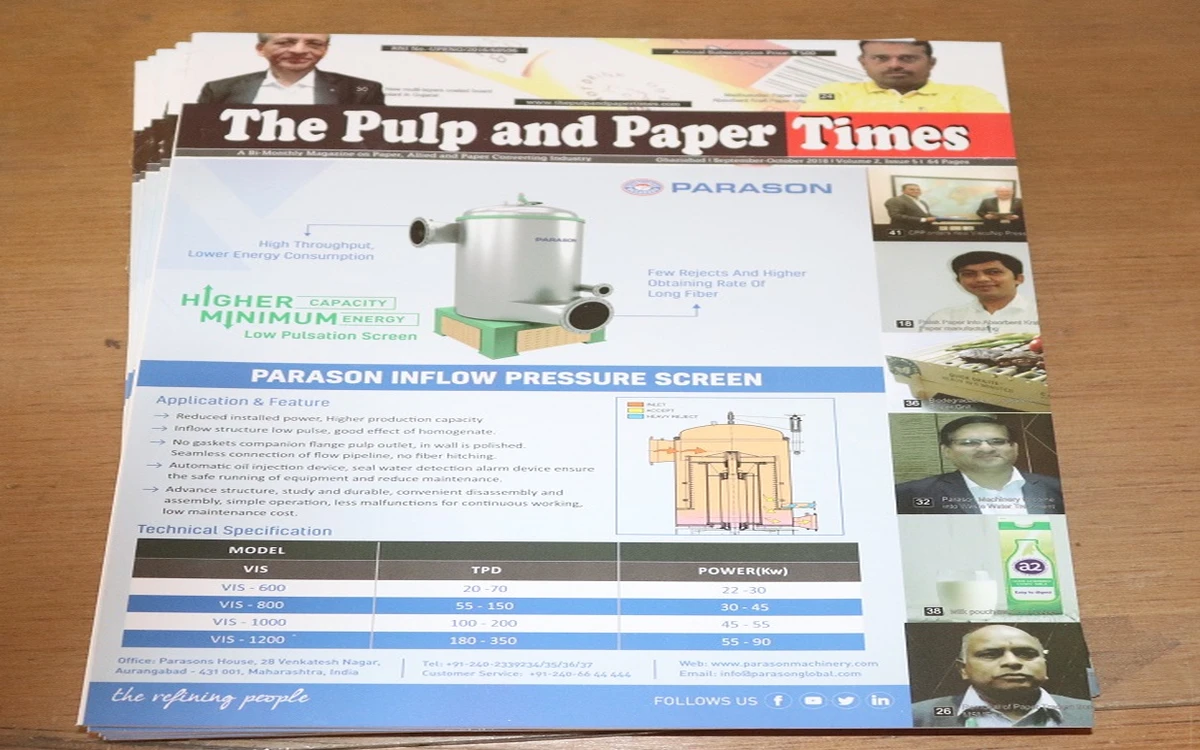
The Pulp and Paper Times: Volume 2 Issue 5

The Pulp and Paper Times, Volume 1, Issue 3
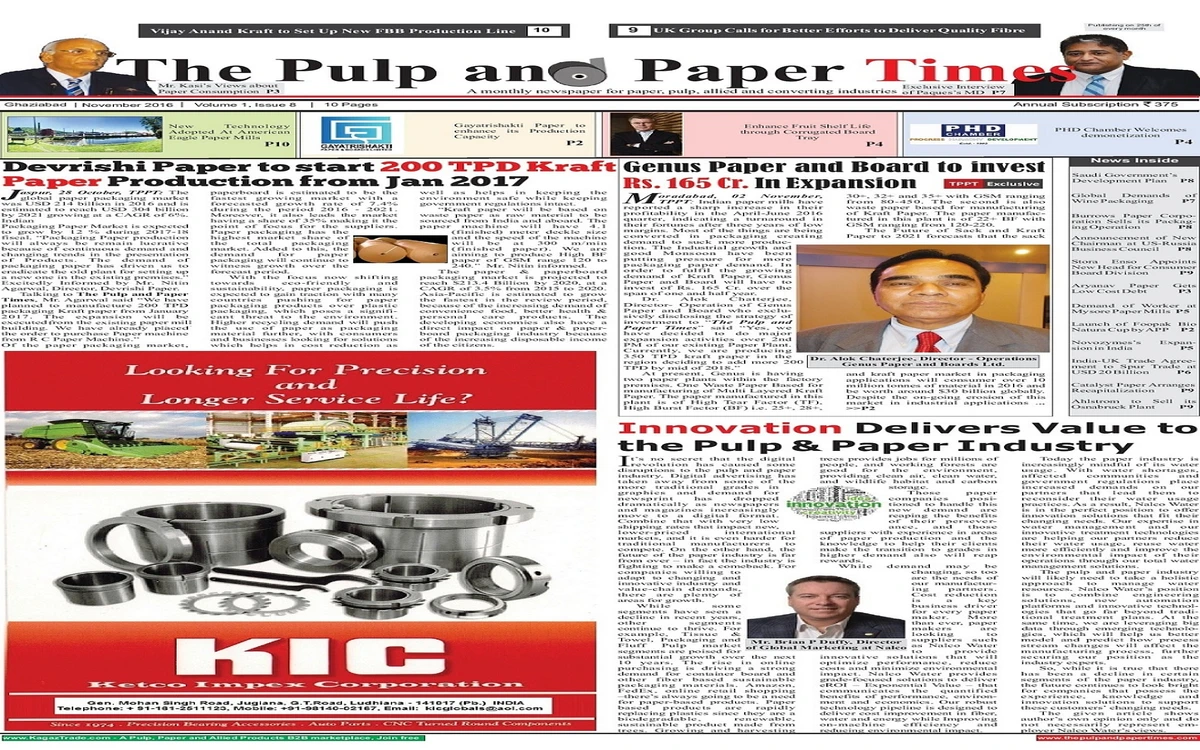
The Pulp and Paper Times, November 2016 Issue

US–Iran Tensions: Kraft paper prices may rise by around 5–8% in the near term; waste paper prices have increased
-Shipping lines adjust pricing due to higher operating costs and route uncertainties, importers are compelled to bear additional expenses.
The ongoing West Asia crisis may impact India’s paper industry through higher energy prices, rising ocean freight rates, and disruptions in the import of key raw materials such as recovered paper, pulp, and coal. The Pulp and Paper Times talks to Mr. Pankaj Mishra, Head of Sales & Marketing of Vamshadhara Paper Mills Ltd (Sennars), specialises in kraft paper (both lower and higher gsm) and newsprint paper for diverse applications like packaging, printing, and publishing. Here are his views:
The Pulp and Paper Times | 31 March 2026

The ongoing tensions between the United States and Iran are increasingly influencing global trade dynamics, with noticeable effects on industries that are closely linked to energy and logistics. The waste paper and finished paper sectors are among those beginning to feel the pressure.
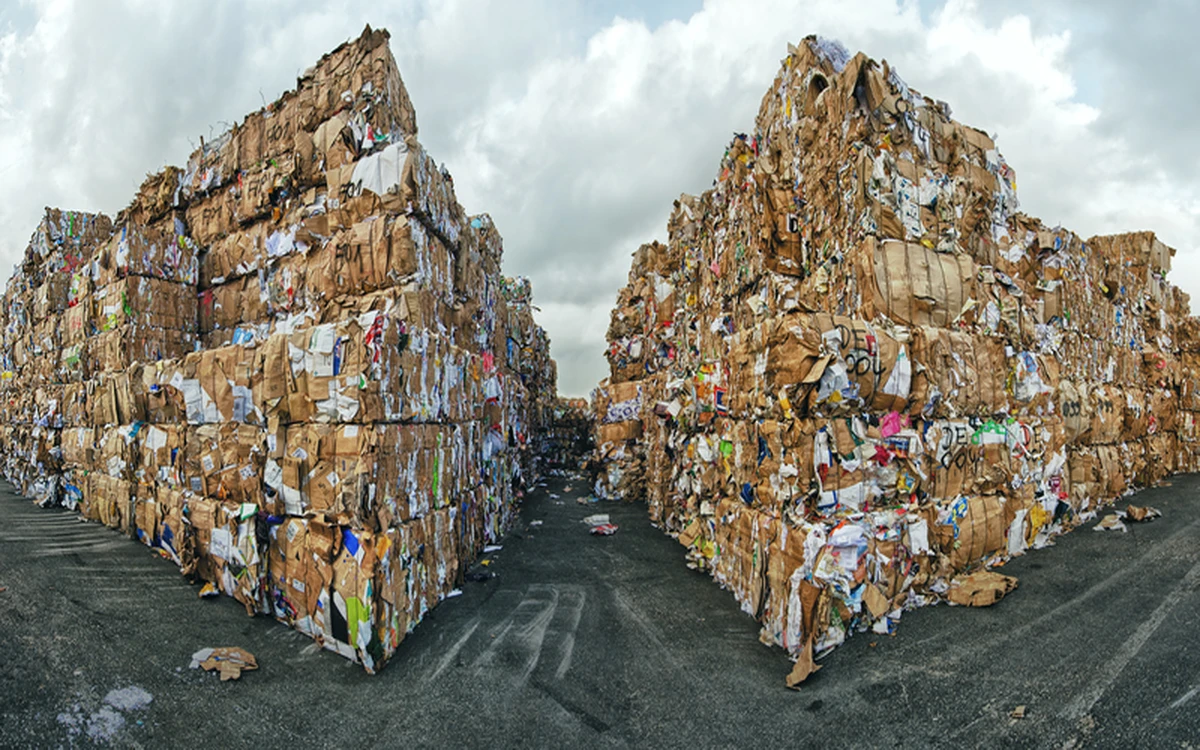
One of the primary drivers of this impact is the rise in crude oil prices. Instability in the Middle East typically leads to volatility in fuel markets, directly affecting shipping and transportation costs. Since international trade in waste paper relies heavily on ocean freight, even a moderate increase in fuel prices significantly raises the landed cost of raw materials.

Waste paper imports, particularly from the United States and Europe, are highly sensitive to freight movements. As shipping lines adjust pricing due to higher operating costs and route uncertainties, importers are compelled to bear additional expenses. At the same time, delays in transit due to rerouting or cautious shipping operations further complicate supply timelines.
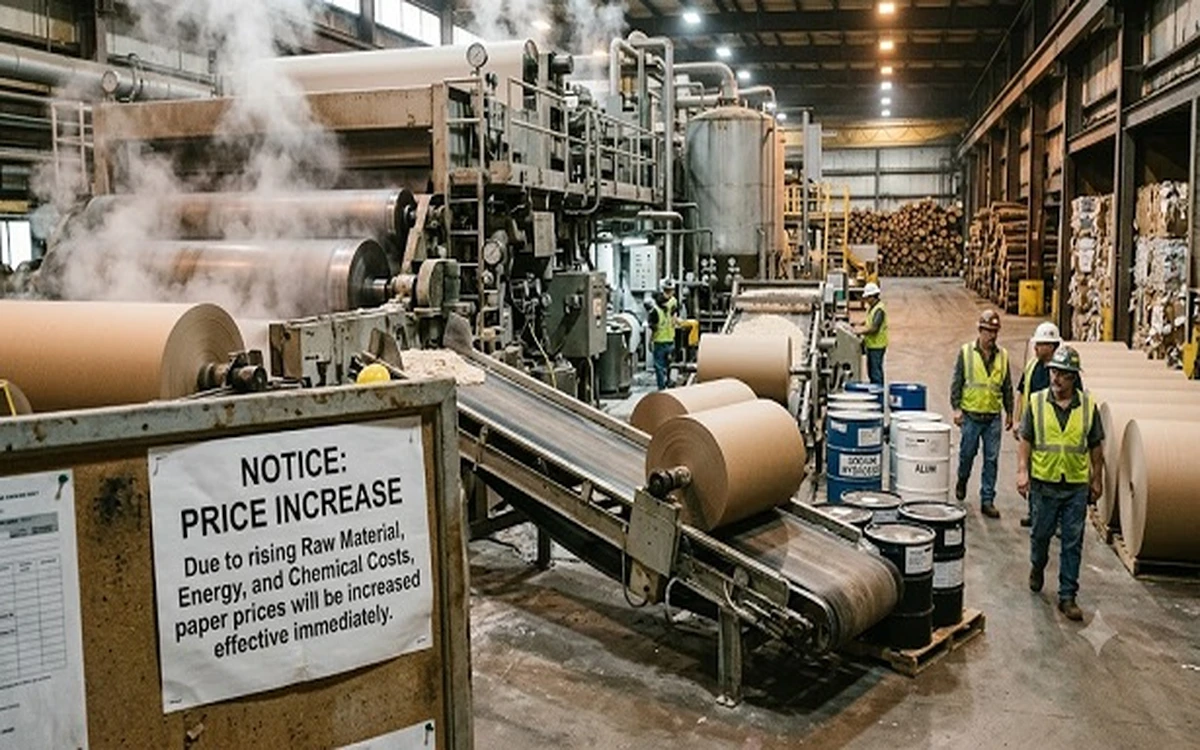
Over the past 15 days, Finished Kraft paper prices have increased by Rs. 2.50 to Rs. 4 per kg. A further rise of around 5–8% is expected in the near term. On the other side, Waste paper prices have gone up by Rs. 1.50 to Rs. 3 per kg and are currently trading in the range of Rs 19–Rs. 21 per kg. While there is demand in the market, excess production capacity (overcapacity) is preventing mills from realizing fair prices.
Due to the ongoing conflict in West Asia, exports have been severely impacted. Additionally, rising coal and electricity costs have forced several mills in Gujarat and North India to either shut down or operate at reduced capacity.

On the supply side, uncertainty often leads suppliers to take a conservative approach—either holding back volumes or revising prices. This creates tighter availability in the short term and puts upward pressure on recovered paper prices.
For kraft paper mills, the situation is becoming increasingly challenging. Input costs across the board are rising—fuel, energy, raw materials, and chemicals—all contributing to a higher cost of production. Under such circumstances, mills are left with limited flexibility. Absorbing these continuous cost increases is not sustainable, and as a result, the industry is being forced to implement price increases in finished paper products to maintain operational viability.
In fact, the impact is already visible in the market, where finished kraft paper prices are showing a consistent upward trend, with increases being observed on a near-daily basis. This reflects the real-time pressure on mills, as they adjust pricing to cope with rapidly rising input costs and uncertain supply conditions.
At present, the impact is partly sentiment-driven, but if tensions persist for another 10 to 15 days, the pressure is likely to intensify. The industry may experience further increases in freight rates, shipment delays, tighter raw material availability, and continued escalation in input costs.
In conclusion, while the situation remains manageable in the short term, prolonged geopolitical instability will inevitably translate into sustained cost pressures. This leaves manufacturers with little choice but to pass on the increased burden, making continuous price corrections in the finished paper market unavoidable.

1 days ago
Total Views : 1718
5 days ago
Total Views : 2764
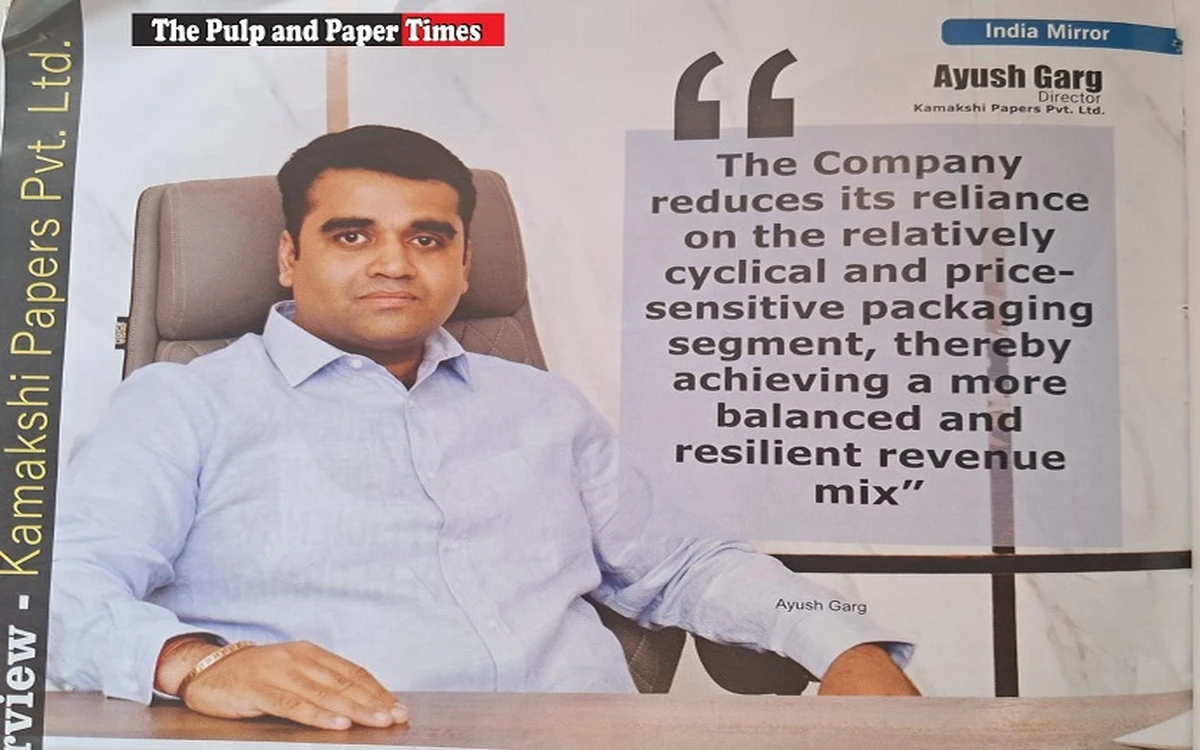
6 days ago
Total Views : 2560
last week
Total Views : 777

last week
Total Views : 1335
2 weeks ago
Total Views : 3901
2 weeks ago
Total Views : 2796
2 weeks ago
Total Views : 815
2 weeks ago
Total Views : 3643
2 weeks ago
Total Views : 3811