Join Groups & Channels, No Spamming









Morbi paper mills see full-capacity operations as ceramic industry revives; Kraft paper exports to China spike, Prices strengthen; Janmashtami shutdown ahead

The BE and caustic soda plant marks a key milestone for Mohit Paper Mills, enabling full utilization of installed capacity and enhancing overall production efficiency
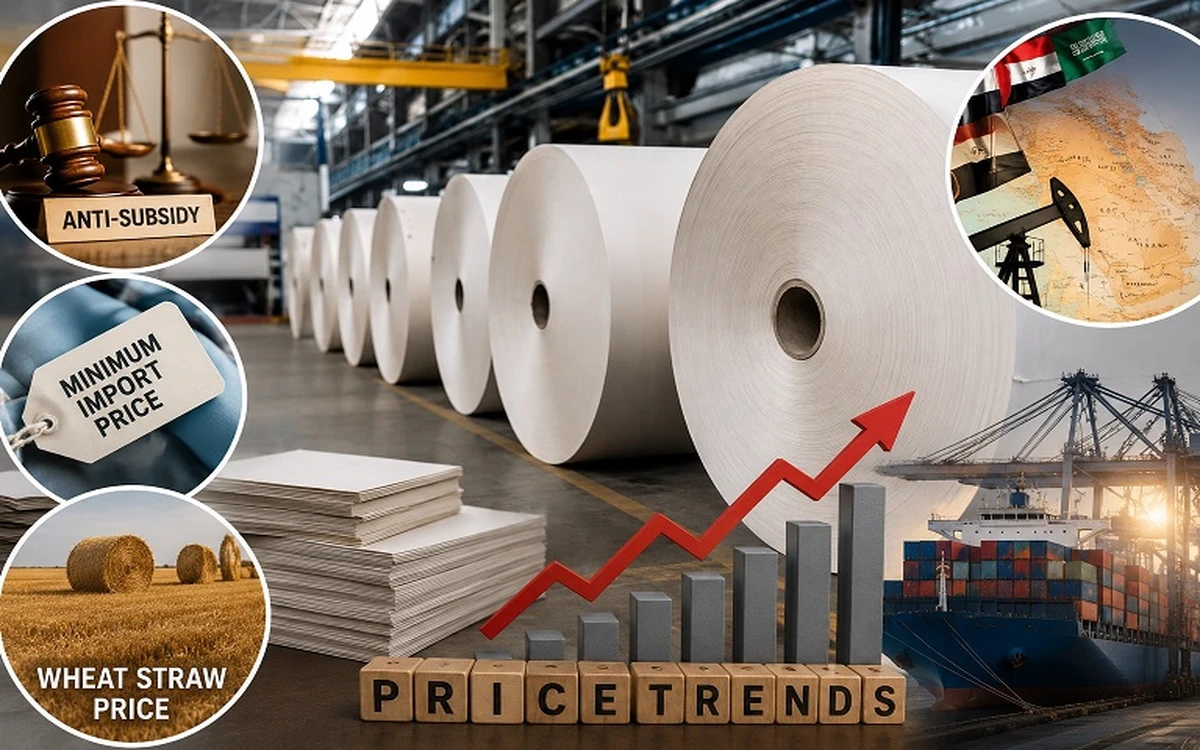
Expert Views on the paper market scenario, How the West Asia Crisis Helped the Industry, MIP for WPP, Anti-Subsidy implementation, and paper price trends
Pudumjee Paper intends to develop new varieties addressing applications for stronger paper bags and cupcakes; Plans 68,000 MT Mahad Specialty Paper Facility within 5 years
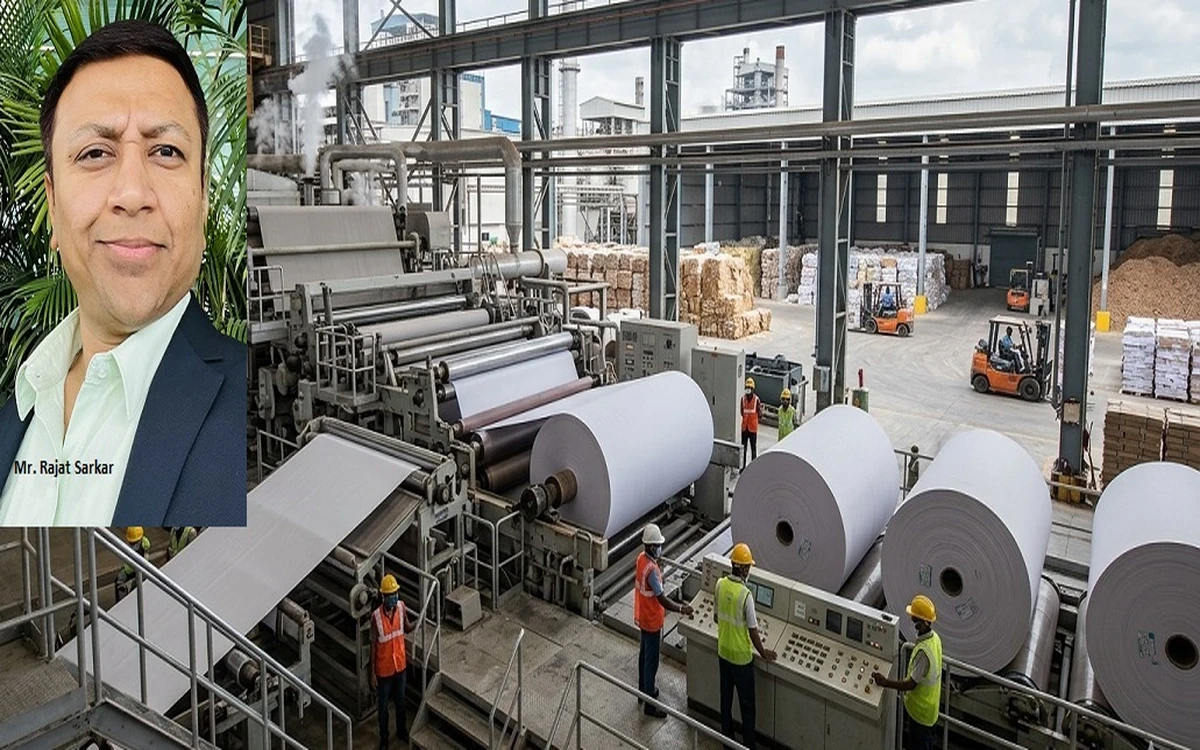
India Paper Industry at an Inflection Point: War, Costs, and Capacity; Demand growth expected at 5–7% in FY26

“Surging exports of paper will most certainly keep the domestic prices quite high”: Mr. A. Annamalai, Director – RFC
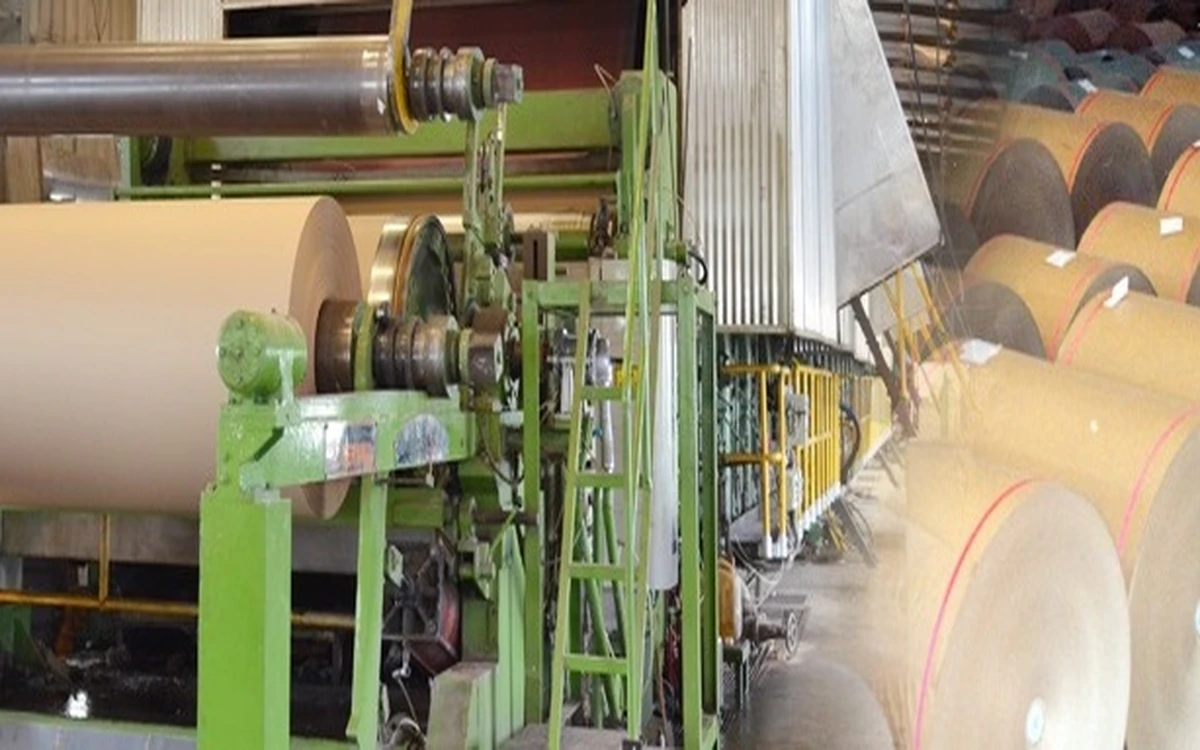
The Status of the Global Container board Industry, Recycled Paper Demand and Supply and its impact on the Indian Industry

Akshay Jain, director of Silverton Pulp & Paper, says it's time to promote agro residue as a raw material to lessen the scarcity of fibre
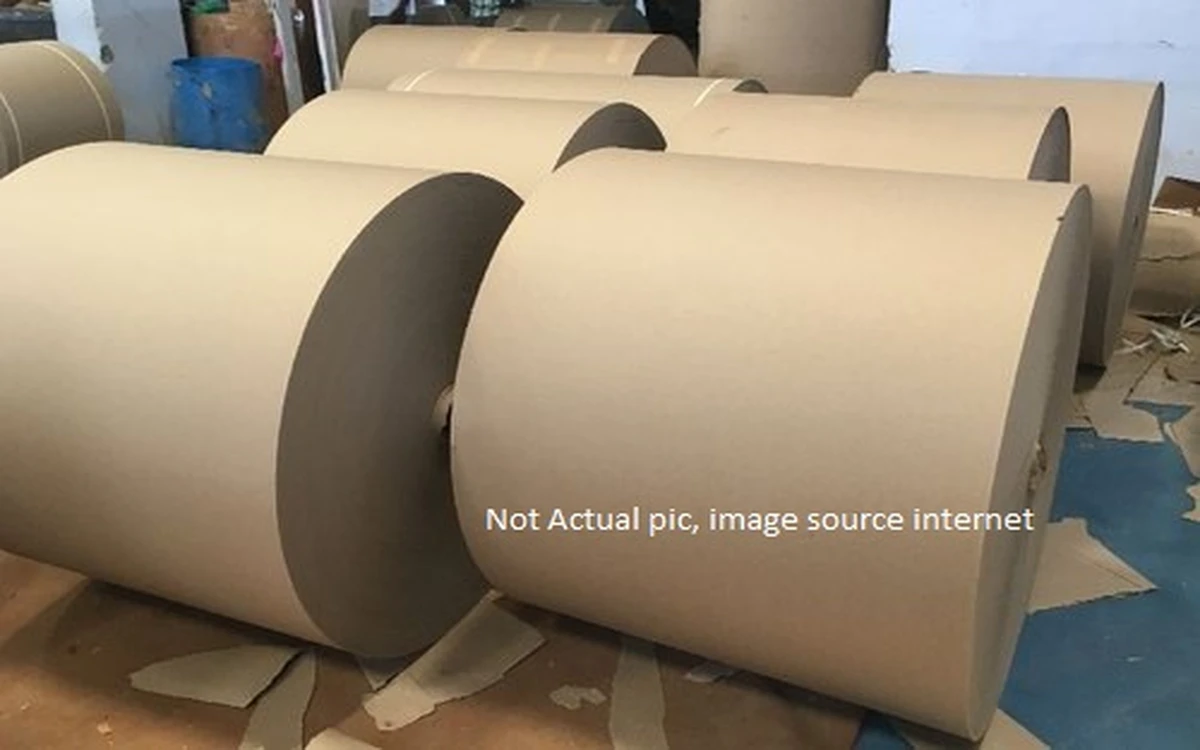
Advantageously located, a new paper mill is all set to roll kraft paper in Madhya Pradesh

Several agile interventions helped ITC-PSPD fortify its clear leadership of the Value Added Paperboards (VAP) segment

The Story of ITC-PSPD: Strengthening Long-Term Fibre Security, Futuristic Packaging Solutions, Meaningful Acquisition, and Reinforcing Its Solid Waste Recycling Footprint
Over AED 1.3 Billion in Investments in the Paper Industry Underscore Growth Potential in the GCC Region

Paper and Packaging Board Market May Face Cost Pressures Through March 2027; FPTA Advises Traders
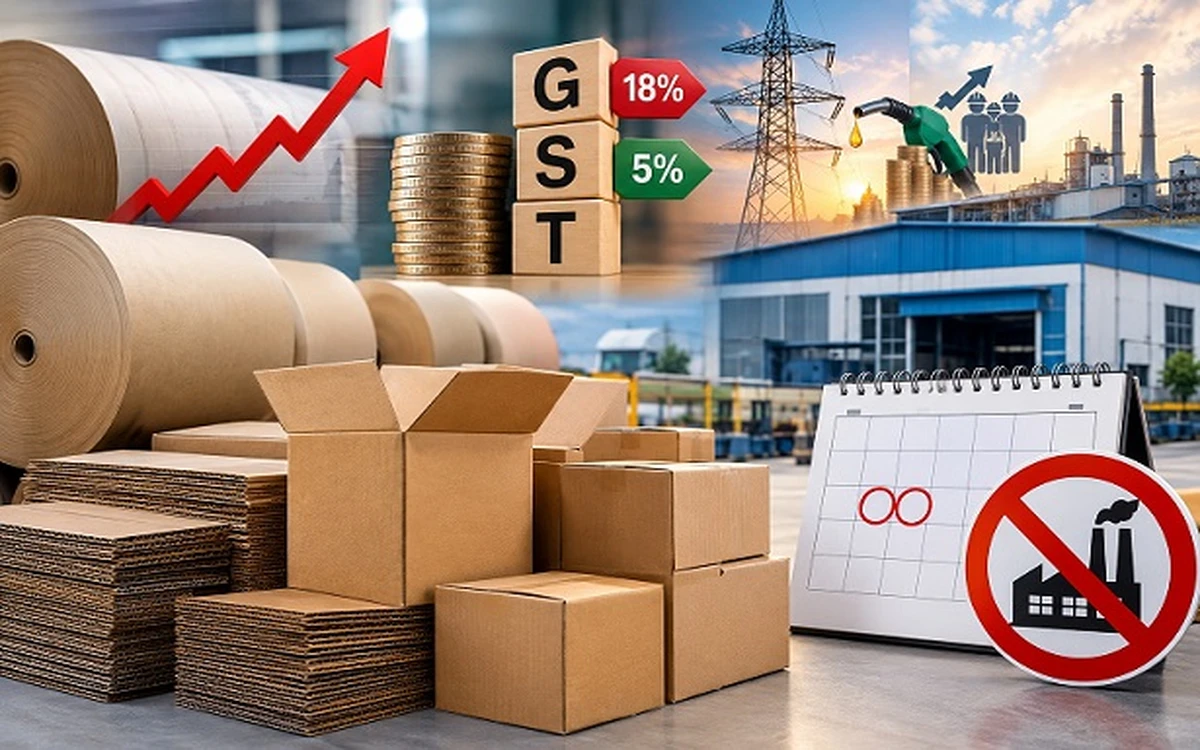
Overall Increase in Kraft Paper Prices Could Reach 35%; Industry Calls for 20% Box Price Increase, Voluntary Shutdown Proposed
Paper mills inflated the basic ex-mill price of paper post GST 2.0, AINMA seeks action against Anti-Profiteering
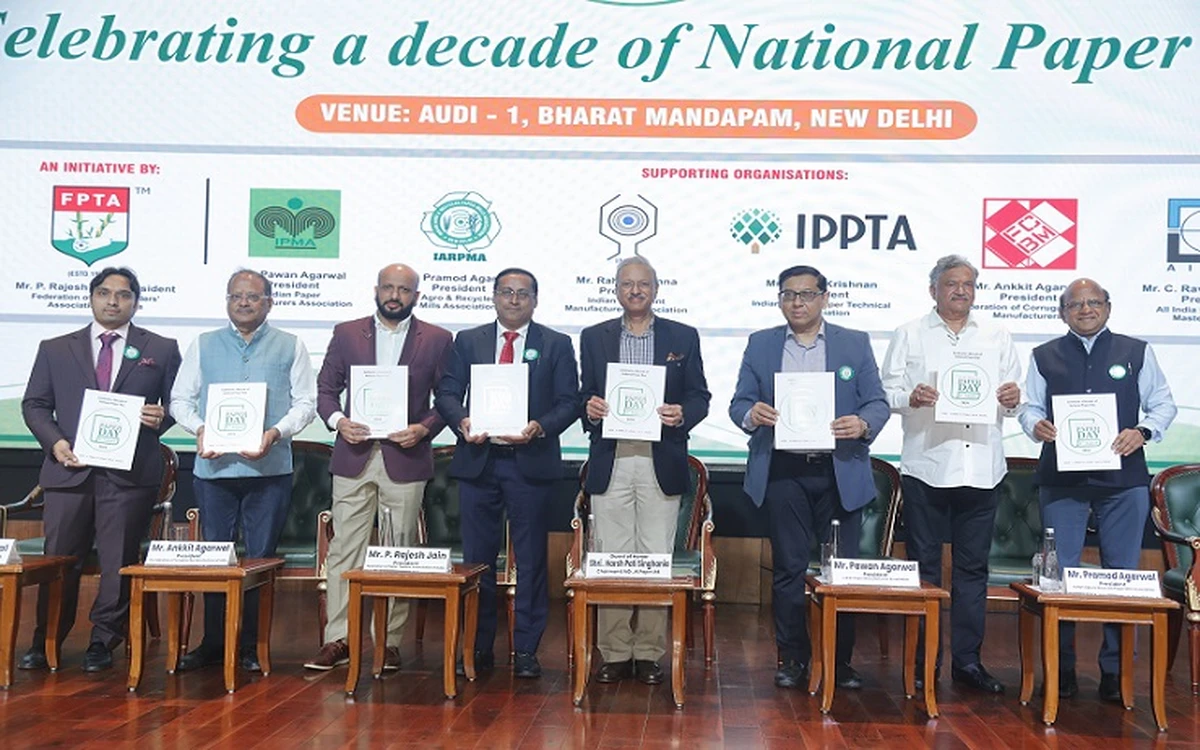
Seven Leading Associations Unite to Celebrate National Paper Day, Highlighting Paper's Sustainability and Circular Economy Advantage
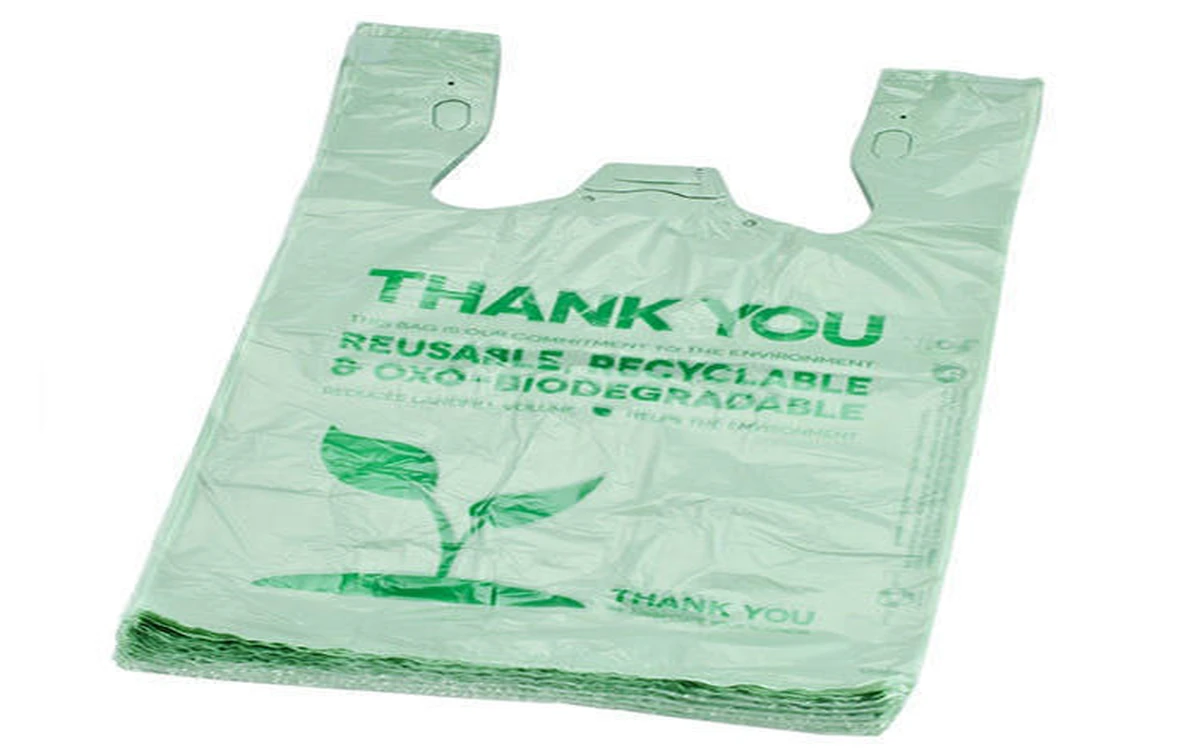
Scientists from IIT-Guwahati develop India's first biodegradable plastic

Navneet Education focuses on brand building, curriculum-led growth, and export recovery; expects stationery margins to improve in FY27

It is estimated that USD10B to USD20B worth of single-use plastic packaging will convert to molded fiber, ZUME
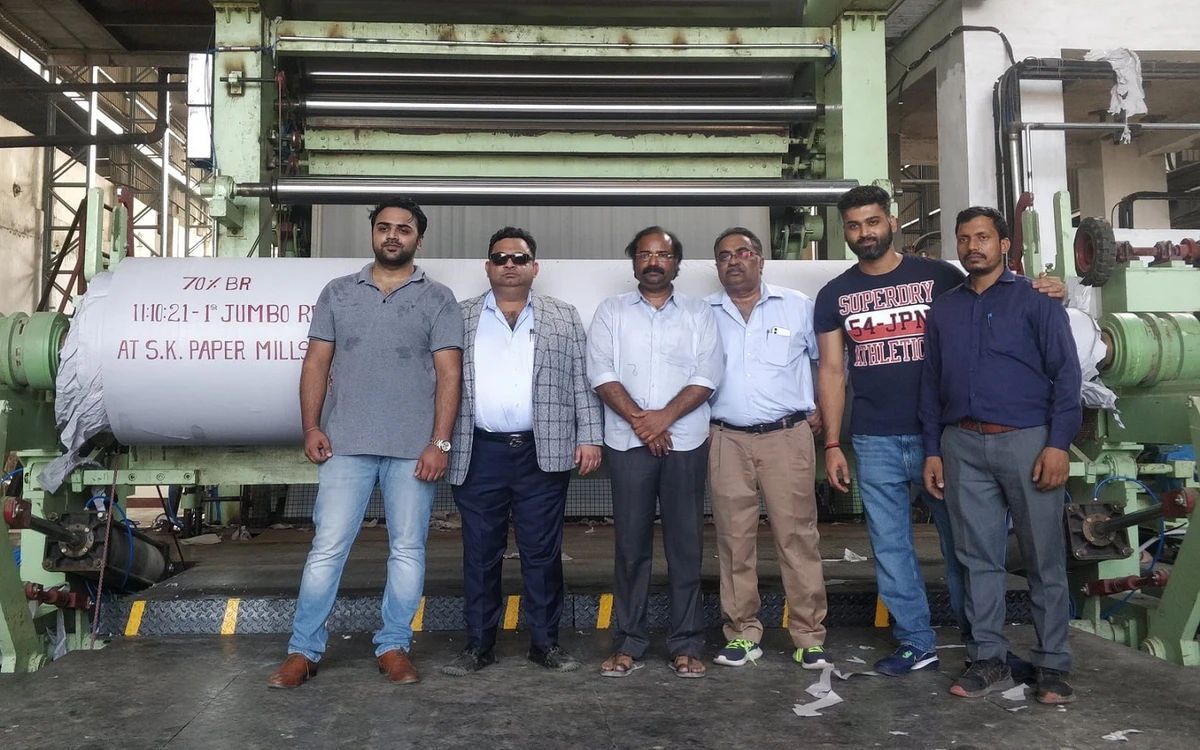
Muzaffarnagar gets a new capacity of Tissue Paper and MG Poster paper

“The integration of digitalization, automation, and Artificial Intelligence (AI) is no longer a futuristic concept—it is the baseline for competitiveness in 2036” - Vinit Garg, Director, Vizen Solutions

DPIIT Report on the Paper Industry: Recent Expansions & Upgrades, Fastest-Growing Segments, and Total Operational Paper Mills in India
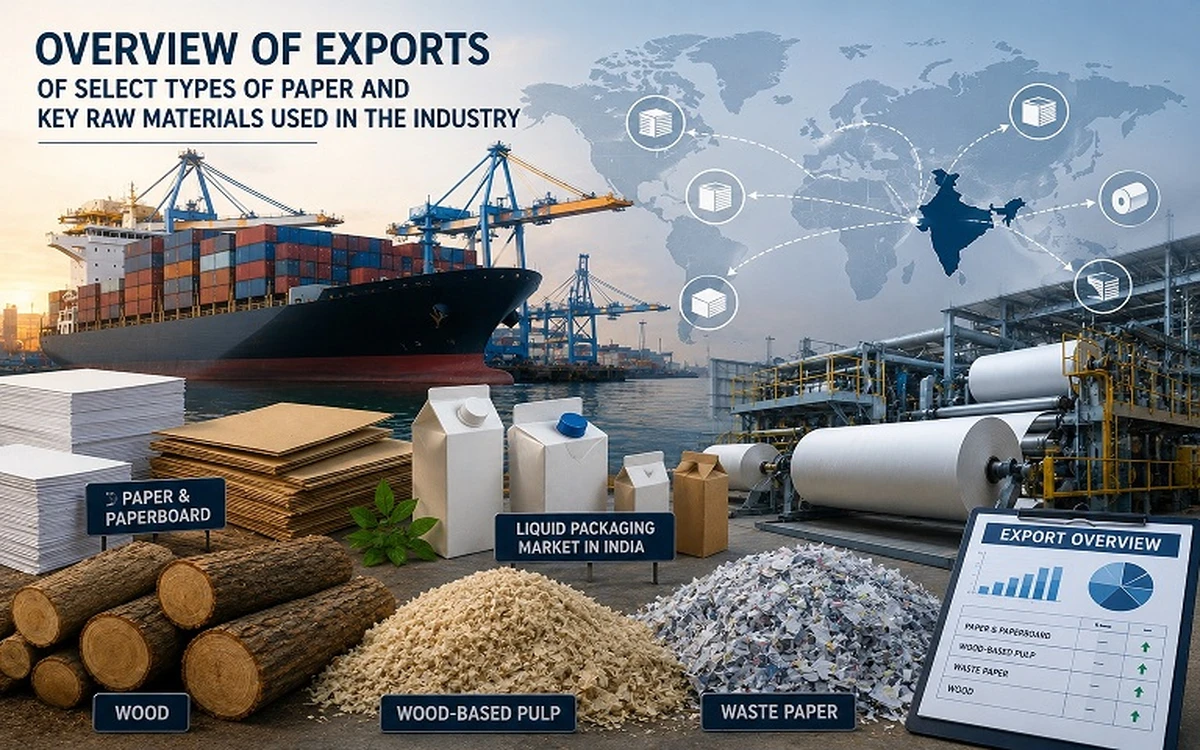
Overview of exports of select type of paper and key raw material used in the industry by Crisil Intelligence

Margin pressure pushes Pulp & Paper Packaging sector toward AI-Driven cost optimization, Cutting costs by 8–20%

The Pulp and Paper Times Magazine : Volume 6, Issue 1

The Pulp and Paper Times Magazine : Volume 5, Issue 6
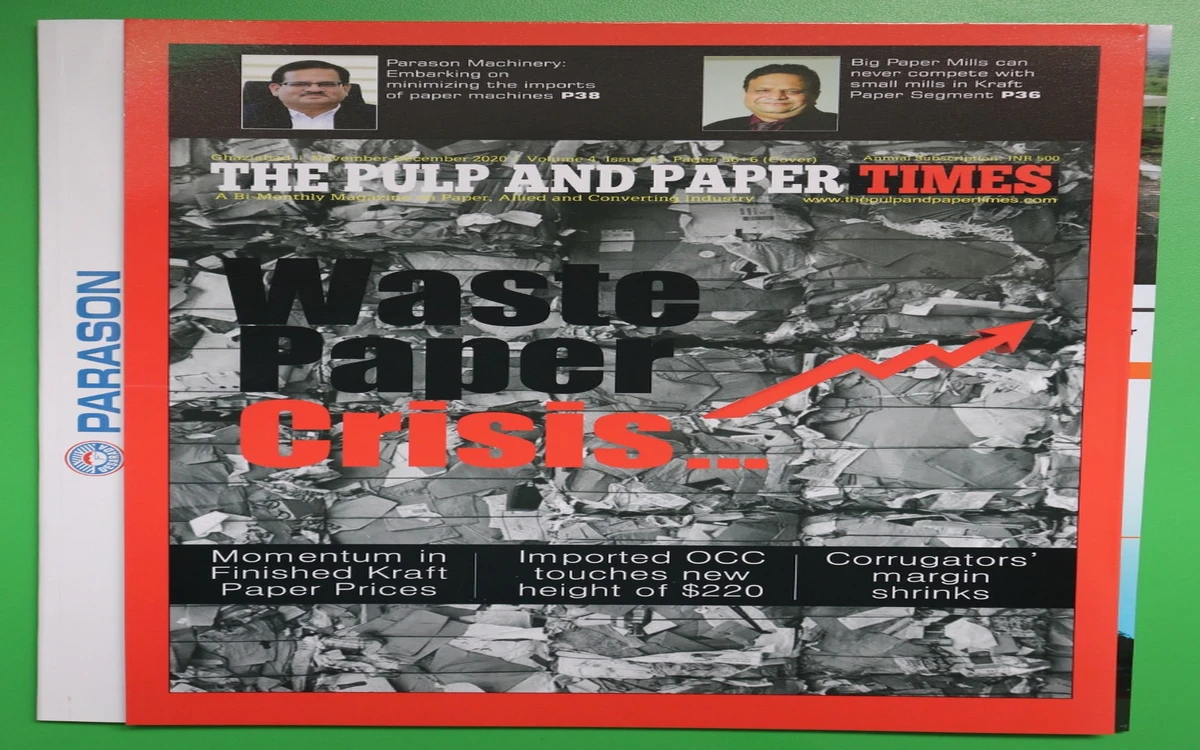
The Pulp and Paper Times: Volume 4, Issue 6
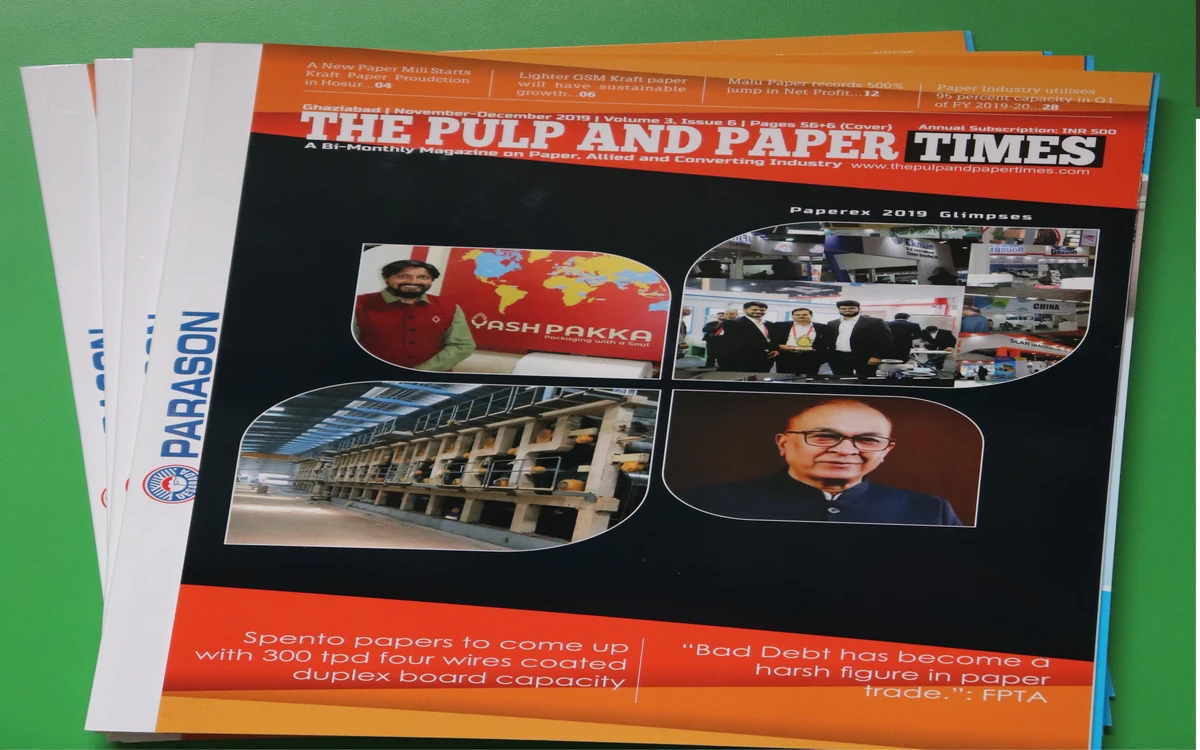
The Pulp and Paper Times : Volume 3, Issue 6
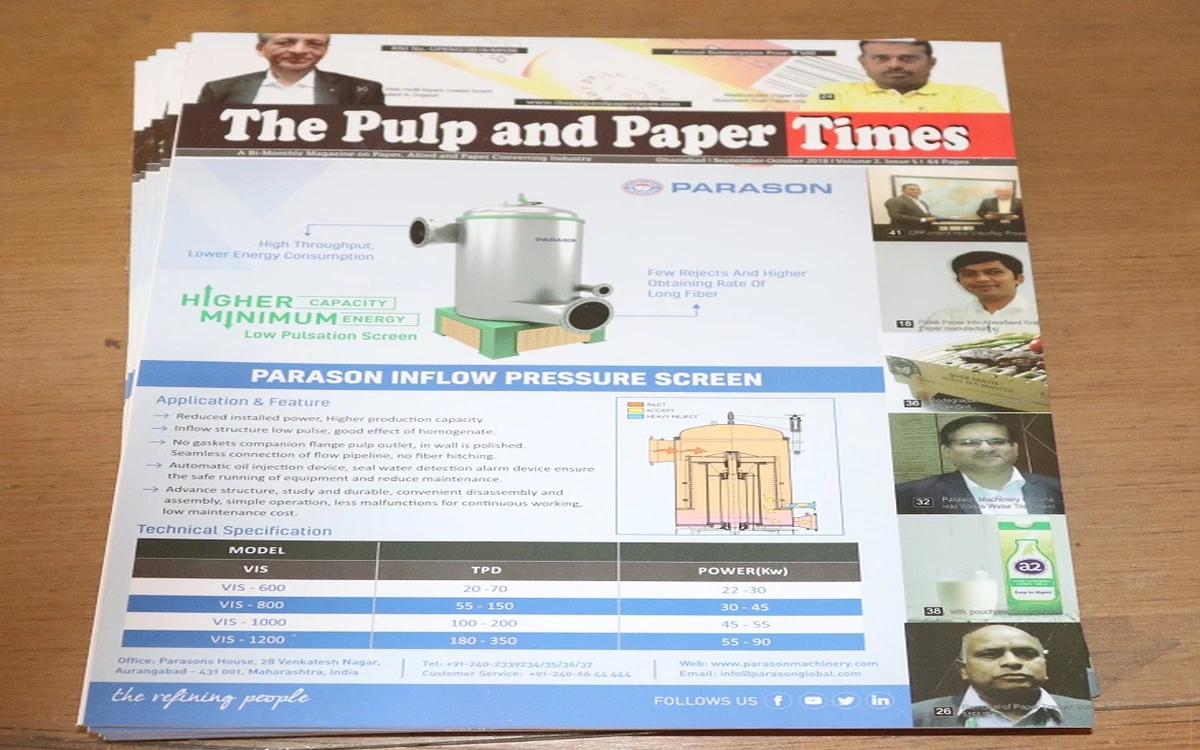
The Pulp and Paper Times: Volume 2 Issue 5

The Pulp and Paper Times, Volume 1, Issue 3
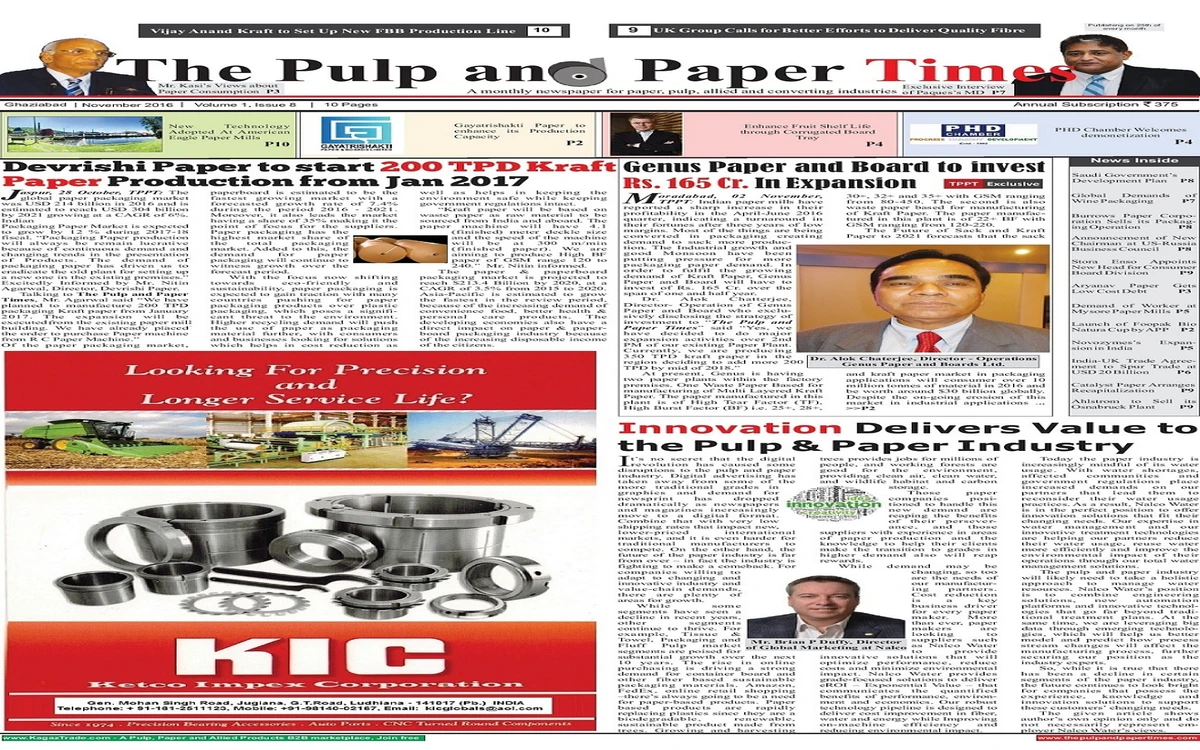
The Pulp and Paper Times, November 2016 Issue

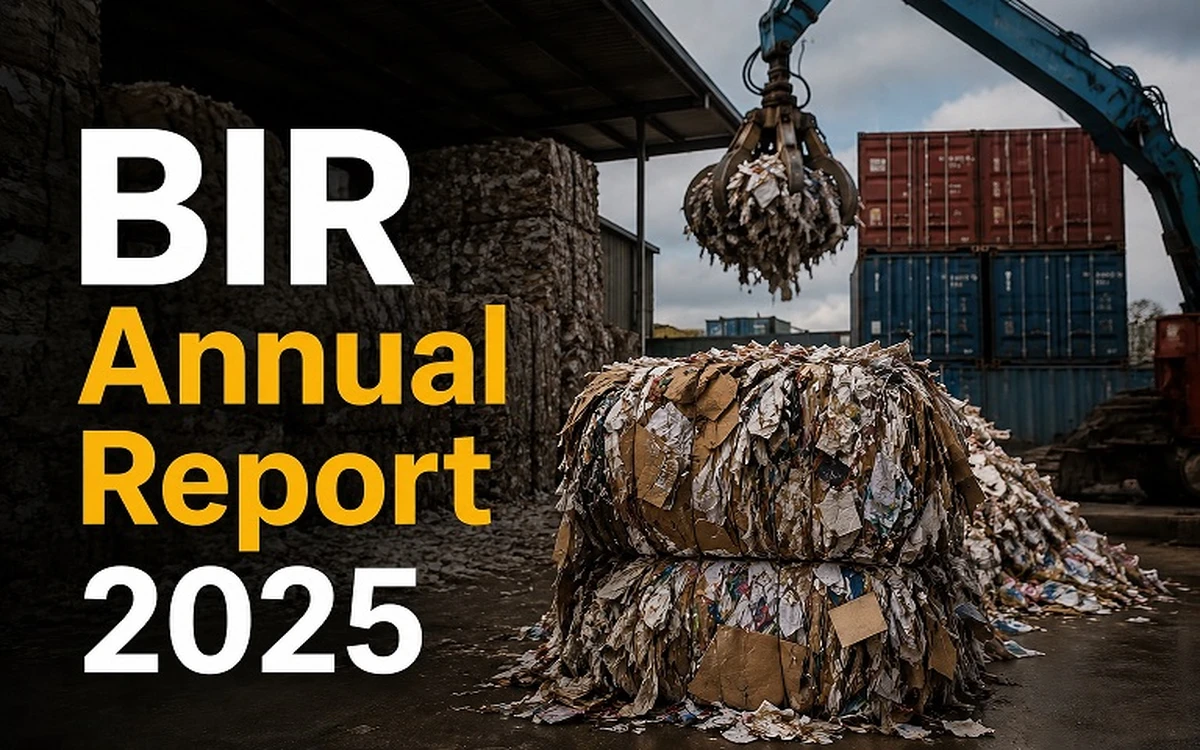
-BIR Report: Global Recovered Paper Market Strengthens Amid Tight Fibre Availability, Rising Logistics Costs and Regulatory Challenges
-India and Southeast Asia Remain Key Destinations for European Recovered Fibre; OCC Prices Rise 35–45% in Europe and the United States Since Early 2026
The Pulp and Paper Times
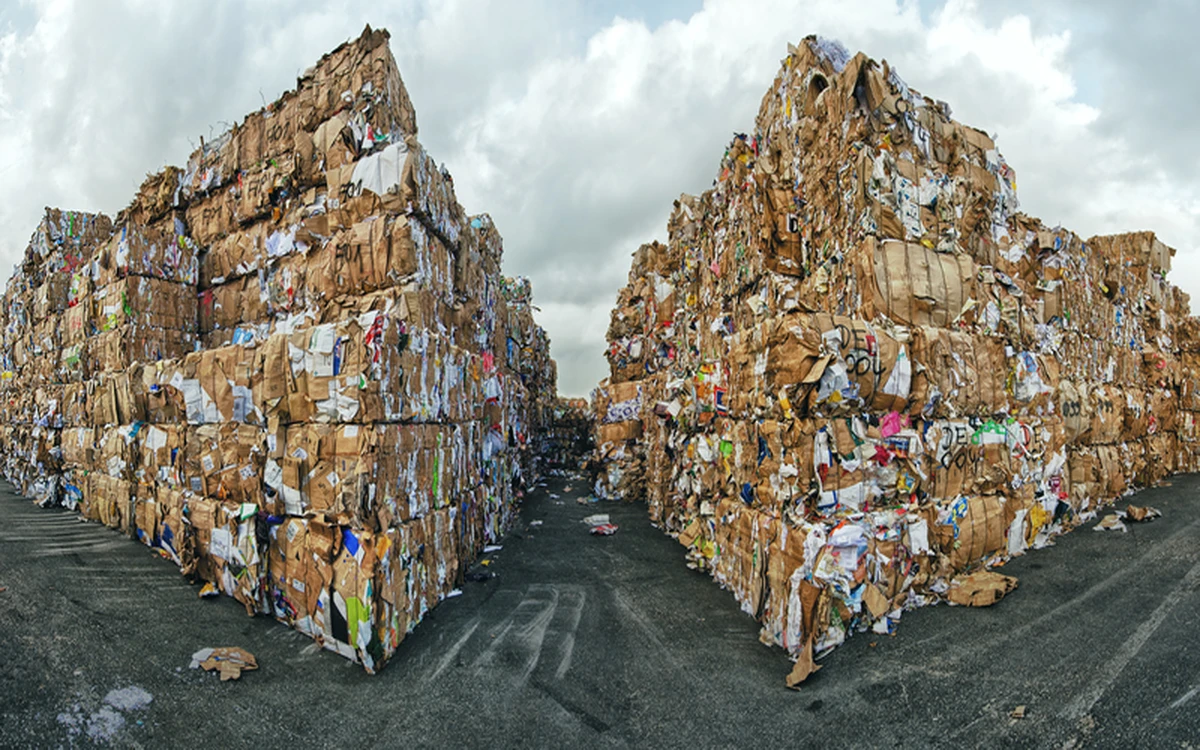
The global recovered paper market is entering the final quarter of 2026 with firmer prices, tighter fibre availability and increasing competition among international buyers. According to the October 2026 Paper Quarterly Report of the Bureau of International Recycling (BIR), presented by Francisco Donoso, President of the BIR Recovered Paper Division and DOLAF Servicios Verdes S.L. (Spain), the market has witnessed significant changes during the year, driven by reduced collection volumes, stronger export demand, rising transportation costs and evolving regulatory requirements.

The report highlights that the European recovered paper market has strengthened compared with the beginning of 2026, particularly in the Old Corrugated Containers (OCC) segment. However, this improvement does not necessarily indicate a broad recovery in paper and board production. Instead, restricted recovered fibre availability, seasonal inventory rebuilding by European mills and increased international demand have played a significant role in supporting prices.
India continues to be one of the principal destinations for internationally traded recovered fibre, while Southeast Asian markets, including Vietnam, Malaysia and Indonesia, are also contributing to international demand. Meanwhile, developments in North America, particularly lower recovered fibre availability and tariff-related uncertainty between the United States and Canada, are influencing global market dynamics.
European Recovered Paper Market Shows Firmer Prices
The European recovered paper market has maintained a relatively firm position during the third quarter of 2026, with prices broadly stable to slightly higher across major markets, including Germany, France, Italy and the United Kingdom. Upward price movements were particularly visible in OCC during September.

European export indicators for OCC recovered approximately 20–25% from early-spring levels, while the domestic European OCC market recorded increases of approximately 35–45% from the lows observed at the beginning of the year. Mixed paper also followed an upward trend, although at a more moderate pace. Among higher grades, Sorted Office Paper (SOP) remained comparatively stable, while certain pulp substitutes showed greater firmness.
In the United Kingdom, strong export demand combined with persistently low collection volumes pushed OCC prices higher. Italy also experienced stable market conditions, with slight upward pressure on the same grade.
However, the report points out that the price improvement is primarily associated with limited recovered fibre availability rather than a substantial increase in demand for finished paper and packaging products. Collection volumes remained weak in several major European markets, while mills continued to protect or rebuild inventories, increasing competition for available OCC, mixed paper and other recovered fibre grades.

Germany, which accounts for approximately 31% of total European recovered paper consumption, has experienced a significant decline in recovered paper exports. According to provisional figures from the Federal Statistical Office, Germany exported 678,000 tonnes of recovered paper during the first six months of 2026. This follows a 15% decline in full-year exports in 2025, when shipments fell to 1.46 million tonnes, the lowest level in 20 years.
The summer period further influenced market conditions. German mills increased their OCC inventories despite low collection volumes, partly due to planned production stoppages during July and August. In Spain, despite rising domestic consumption, OCC prices remained under pressure because of increased imports and ample supply.
Packaging demand, a fundamental driver of OCC consumption, remains relatively subdued. A 2026 survey of approximately 400 European brand owners across the UK, Germany, France and Spain indicated an uneven recovery in packaging demand. While 40% of respondents reported an increase in packaging volumes, 23% reported a decline. Analysts had projected full-year 2026 containerboard demand growth of only 1–1.5%, reflecting the cautious outlook for the sector.

India and Southeast Asia Drive International Recovered Fibre Demand
International demand continues to play an important role in supporting the European recovered paper market. India remains one of the most important destinations for European recovered fibre, supported by packaging demand and periods of reduced domestic collection.
Vietnam, Malaysia, Indonesia and Thailand also remain significant destinations for European recovered paper. Southeast Asian buyers have shown renewed activity, although purchasing decisions are increasingly influenced by freight costs, material quality and regulatory requirements.
The report highlights that European mills are now competing not only with one another but also with international buyers for the same available recovered fibre. Stronger Asian demand encourages European exporters to increase their purchasing activity, forcing domestic European mills to compete more aggressively to retain material.
European OCC export values towards Asia increased by approximately 15–25%, depending on the destination, quality and period of comparison. This has strengthened the relationship between European domestic prices and Asian import demand.

The resulting market mechanism is increasingly evident: stronger Asian demand leads to greater export competition, which supports European recovered paper prices and increases purchasing costs for domestic mills.
India continued to be a relatively reliable volume destination, although buyer caution persisted due to rupee weakness and uncertainty surrounding maritime freight costs. Vietnam and Malaysia remained active buyers, generally making purchases through short-term commitments while closely monitoring freight economics.
Rising Transportation Costs Add Pressure to Recovered Paper Trade
Logistics has emerged as one of the most important factors influencing international recovered paper transactions during 2026. Geopolitical disruptions, longer transit times, carrier surcharges and changes in shipping routes have increased the overall cost of transporting recovered fibre.
According to the report, European road transportation costs increased by approximately 10–15%, directly affecting the delivered cost of recovered paper. Ocean freight from Europe to Asia rose by approximately 20–35%, with temporarily higher increases on routes particularly affected by geopolitical and shipping disruptions.
The continuing situation around the Strait of Hormuz has added transit time and carrier surcharges to Asia-bound shipments. Rerouting vessels around the Cape of Good Hope, initially adopted as an emergency measure, has increasingly become a standard operating procedure for several shipping services.

Although Europe-to-Asia trade continues to benefit from structural backhaul container availability, freight volatility remains a significant concern. Relatively small changes in transportation costs can influence the competitiveness of recovered paper shipments and redirect international trade flows.
The report also notes that businesses with larger operating scale, access to multiple shipping routes, hedged fuel exposure and established carrier relationships have been better positioned to manage these challenges. Smaller independent traders face increasing disadvantages as freight economics become a more important part of market access.
Regulatory Changes in Indonesia and Europe Create New Challenges
Regulatory developments are also reshaping international recovered paper trade. Indonesia's earlier restrictions on contaminated mixed paper imports created port delays, held containers and forced exporters to reassess their quality-control systems.
Initially, Indonesian authorities announced a contamination limit of 0.5%, broadly aligned with China's stringent import quality requirements. Subsequently, the guidelines were revised to align with ReMA specifications, allowing 1–2% prohibitives and 3–4% outthrows. Two bales per container are now required to be opened and inspected for quality upon arrival.
Although the immediate disruption has eased, the regulatory framework remains under discussion. The report highlights that exporters will increasingly need to demonstrate effective quality management throughout the supply chain, from collection and sorting to baling and container loading.
These requirements could make the Indonesian market more difficult for smaller traders that lack the necessary sorting infrastructure or contractual arrangements to guarantee material specifications.
In Europe, the revised EU Waste Shipment Regulation (WSR) and its associated Digital Waste Shipment System (DIWASS) are introducing further compliance requirements for recovered paper exporters.
The revised WSR became effective on May 21, 2026, with DIWASS launched on the same date. The digital platform is mandatory for intra-EU shipments, covering documentation and reporting requirements. Operators can continue using the previous paper-based procedure until December 31, 2026, after which the transition becomes mandatory.
According to Francisco Donoso, the revised WSR could pose a serious risk to Europe's recovered paper industry beyond 2027 because it may restrict the movement of waste-classified recovered paper to non-OECD countries, including India and most Southeast Asian markets.
The question of end-of-waste status for recovered paper has consequently gained importance. Germany and Austria are pursuing national solutions, while Italy maintains that its domestic recovered paper exporters are not required to use DIWASS because the material has already lost its waste classification under Italian end-of-waste criteria. The Italian position has reached the European Parliament for clarification from the European Commission.
The outcome of these regulatory discussions could significantly influence Europe's ability to maintain access to international recovered paper markets.
United States Recovered Fibre Market Faces Tariff Uncertainty
In North America, the recovered fibre market continues to operate under uncertainty arising from tariff-related tensions between the United States and Canada.
The United States initially announced tariffs following unsuccessful negotiations between the two countries, after which Canada introduced counter-tariffs that explicitly include pulp and paper products. The tariffs range from 25% to 50%, potentially affecting integrated cross-border supply chains.
The American Forest and Paper Association has warned that tariffs could increase costs and uncertainty throughout the industry, threatening cross-border supply chains that support investment, manufacturing and employment. The association has urged both governments to resume negotiations.
Although the full impact on recovered fibre supply, demand and pricing remains uncertain, the report recommends closely monitoring developments because pulp, paper, packaging and tissue supply chains are deeply integrated between the two countries.
Meanwhile, the domestic recovered fibre market has experienced relatively low generation of OCC, Double-Lined Kraft (DLK) and mixed paper. Slower retail sales and wet weather, which disrupted collection activities, contributed to the lower availability.
At the same time, consecutive three- and four-day holiday weekends encouraged domestic mills to build inventories. Higher domestic demand consequently pushed prices upwards for both domestic consumption and exports.
During the last month covered by the report, recovered paper prices in the United States increased by approximately US$10–15 per tonne. Since January 2026, OCC and mixed paper prices have risen by approximately 35–45%.
The report suggests that this upward trend could continue through the fourth quarter of 2026 before stabilising. However, potential production downtime at domestic paper mills during October and November could lead to some price corrections and increased export availability.
Outlook: Fibre Availability, Asian Demand and Freight to Shape the Market
The global recovered paper market is expected to remain influenced by the interaction of collection volumes, international demand, logistics costs and regulatory developments.
In Europe, the immediate outlook will depend on whether recovered fibre collection improves and whether Asian buyers maintain their purchasing activity. If Asian demand remains firm while European availability stays limited, significant downward pressure on recovered paper prices appears unlikely.
The report also highlights the importance of monitoring containerboard operating rates, developments in virgin pulp markets, North American export availability and Europe-to-Asia freight conditions.
Virgin pulp markets have shown signs of stabilisation following considerable volatility. Hardwood pulp has recovered from weaker levels earlier in the year, while softwood pulp has remained comparatively stable. However, the direct impact on OCC and mixed paper is limited because these grades are more closely influenced by packaging production, collection volumes and export demand.
The outlook is somewhat different for SOP, pulp substitutes and other higher grades, where movements in virgin pulp prices can have a more direct influence. The structural decline in printing and office paper is also reducing the availability of high-quality recovered fibre, potentially increasing sensitivity to supply shortages.
Overall, the BIR report indicates that the recovered paper market has become increasingly interconnected, with developments in Europe, Asia and North America influencing prices and trade flows across regions.
As 2026 progresses towards its final quarter, the industry's ability to manage fibre availability, quality standards, transportation costs and regulatory compliance will remain critical. The market's performance will depend not only on the availability of recovered paper but also on the ability of traders and mills to manage increasingly complex international supply chains.


8 hours ago
Total Views : 595
4 days ago
Total Views : 1587

2 weeks ago
Total Views : 1279

2 weeks ago
Total Views : 1246
last month
Total Views : 1054
last month
Total Views : 2107

3 months ago
Total Views : 599
3 months ago
Total Views : 1286
4 months ago
Total Views : 2984
4 months ago
Total Views : 1477