Join Groups & Channels, No Spamming









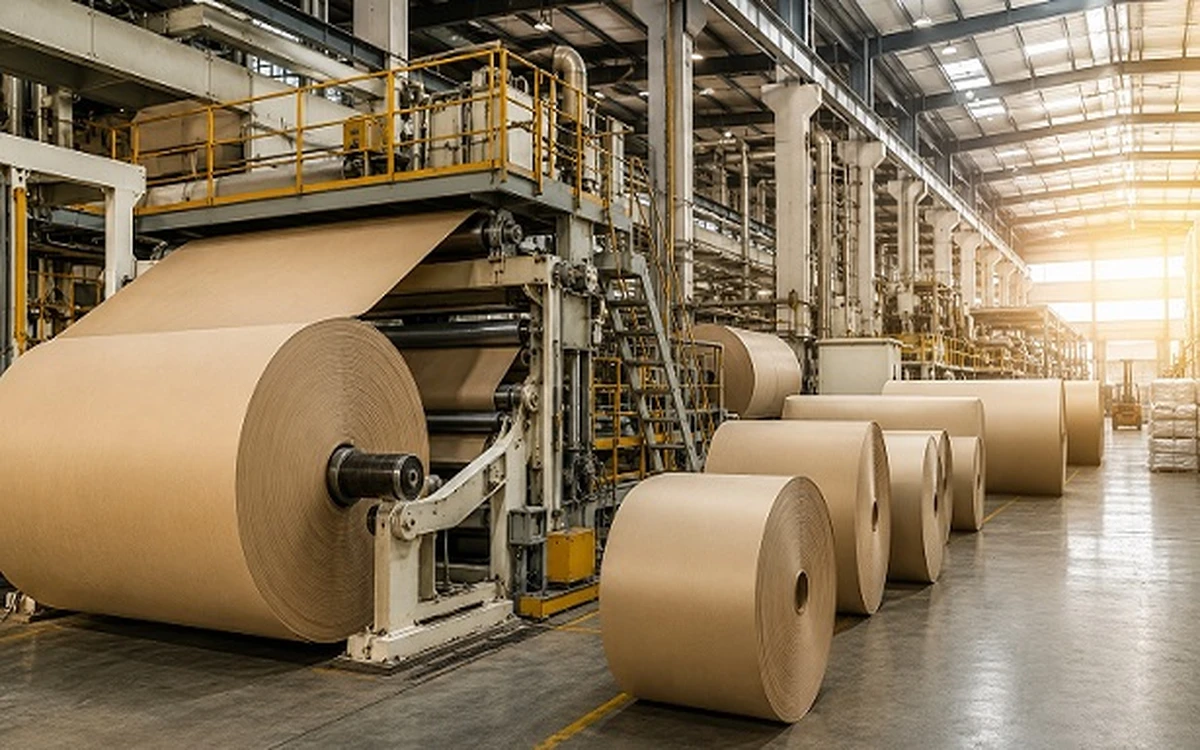
Morbi paper mills see full-capacity operations as ceramic industry revives; Kraft paper exports to China spike, Prices strengthen; Janmashtami shutdown ahead

The BE and caustic soda plant marks a key milestone for Mohit Paper Mills, enabling full utilization of installed capacity and enhancing overall production efficiency
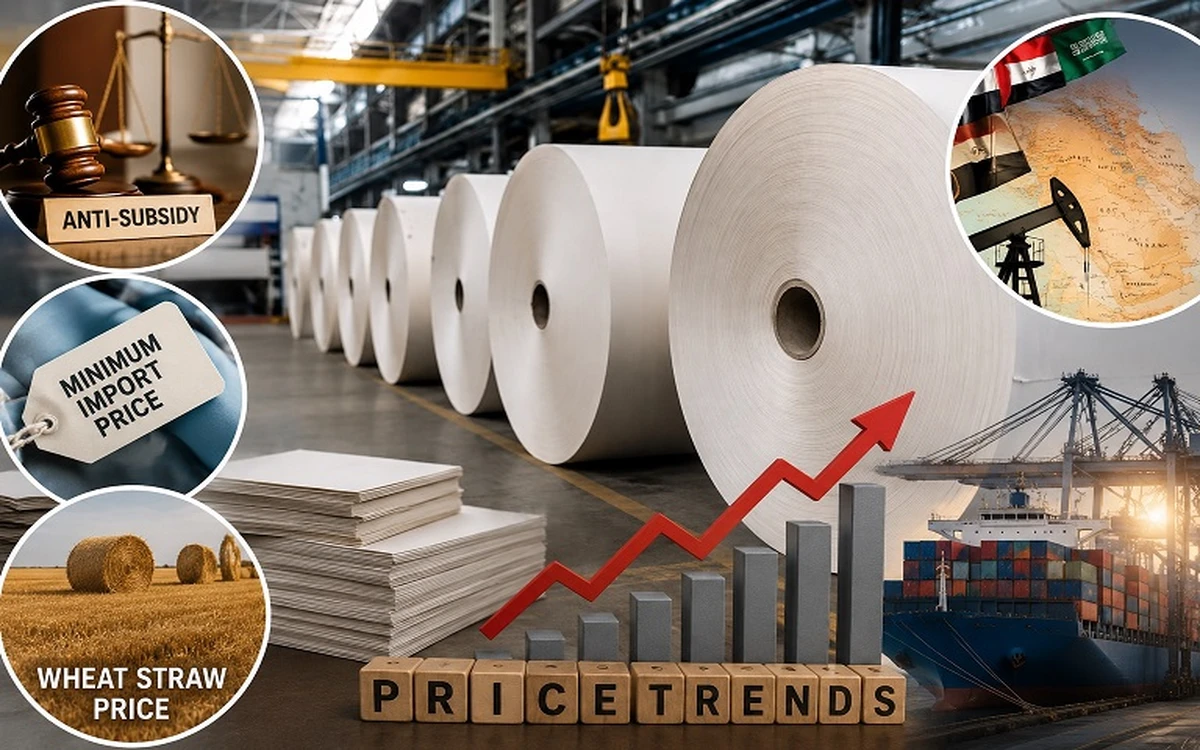
Expert Views on the paper market scenario, How the West Asia Crisis Helped the Industry, MIP for WPP, Anti-Subsidy implementation, and paper price trends
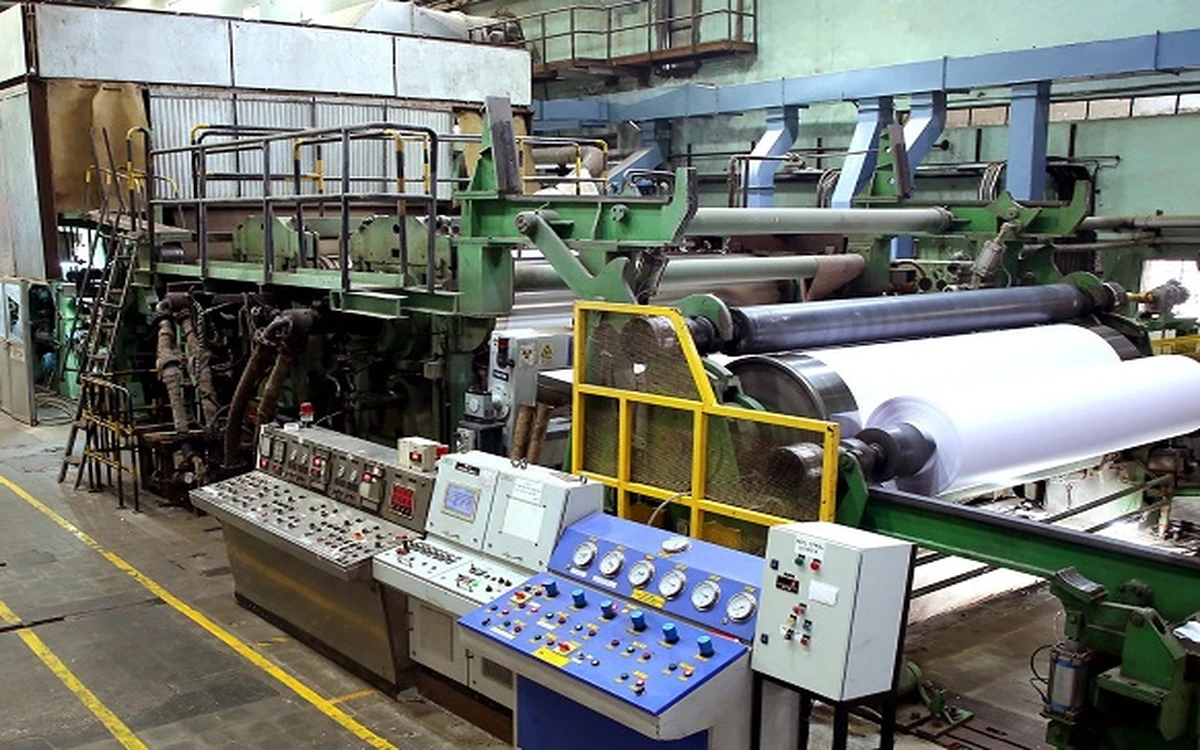
Pudumjee Paper intends to develop new varieties addressing applications for stronger paper bags and cupcakes; Plans 68,000 MT Mahad Specialty Paper Facility within 5 years
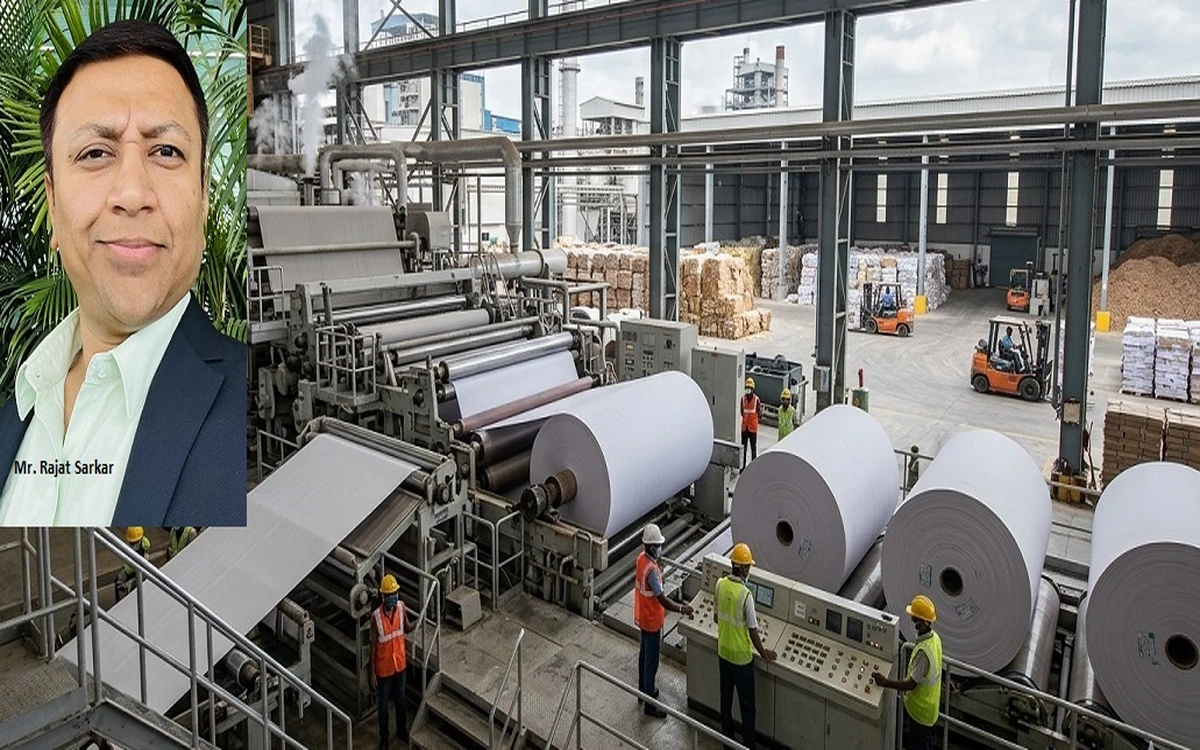
India Paper Industry at an Inflection Point: War, Costs, and Capacity; Demand growth expected at 5–7% in FY26
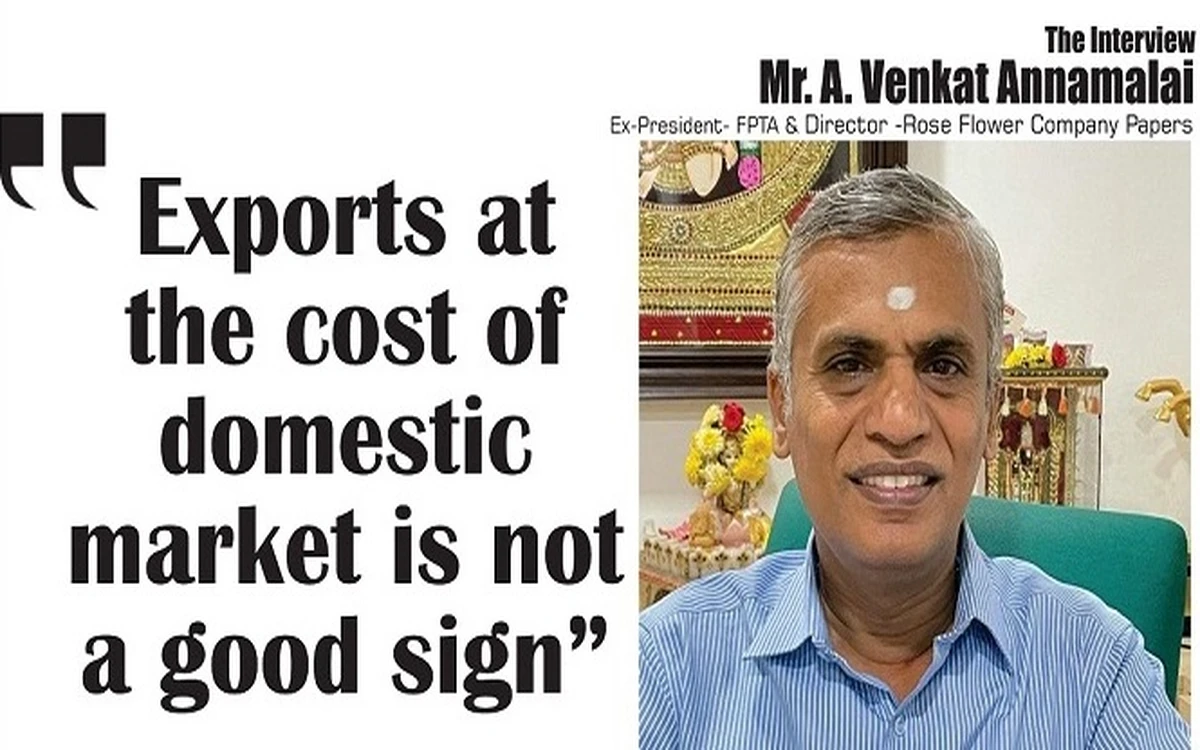
“Surging exports of paper will most certainly keep the domestic prices quite high”: Mr. A. Annamalai, Director – RFC
The Status of the Global Container board Industry, Recycled Paper Demand and Supply and its impact on the Indian Industry

Akshay Jain, director of Silverton Pulp & Paper, says it's time to promote agro residue as a raw material to lessen the scarcity of fibre
Advantageously located, a new paper mill is all set to roll kraft paper in Madhya Pradesh
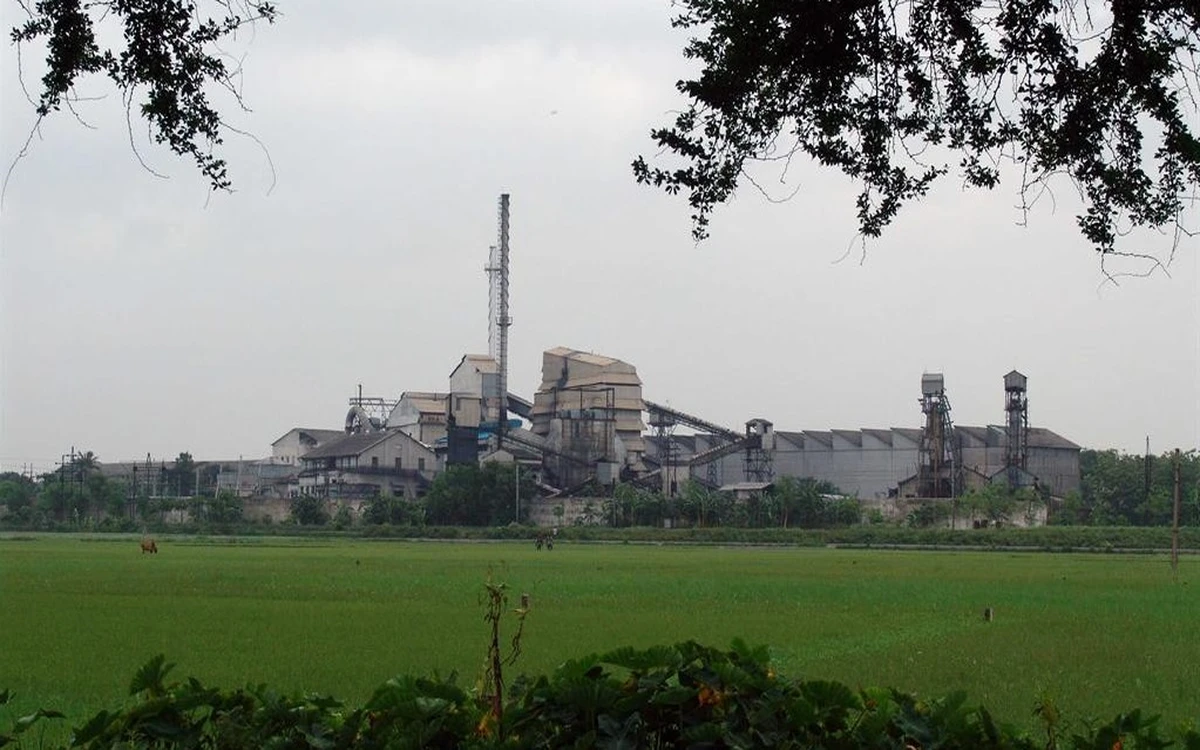
Several agile interventions helped ITC-PSPD fortify its clear leadership of the Value Added Paperboards (VAP) segment

Operational Excellence, Not Just Capex, Will Drive India's Paper Industry Forward: IPPTA President
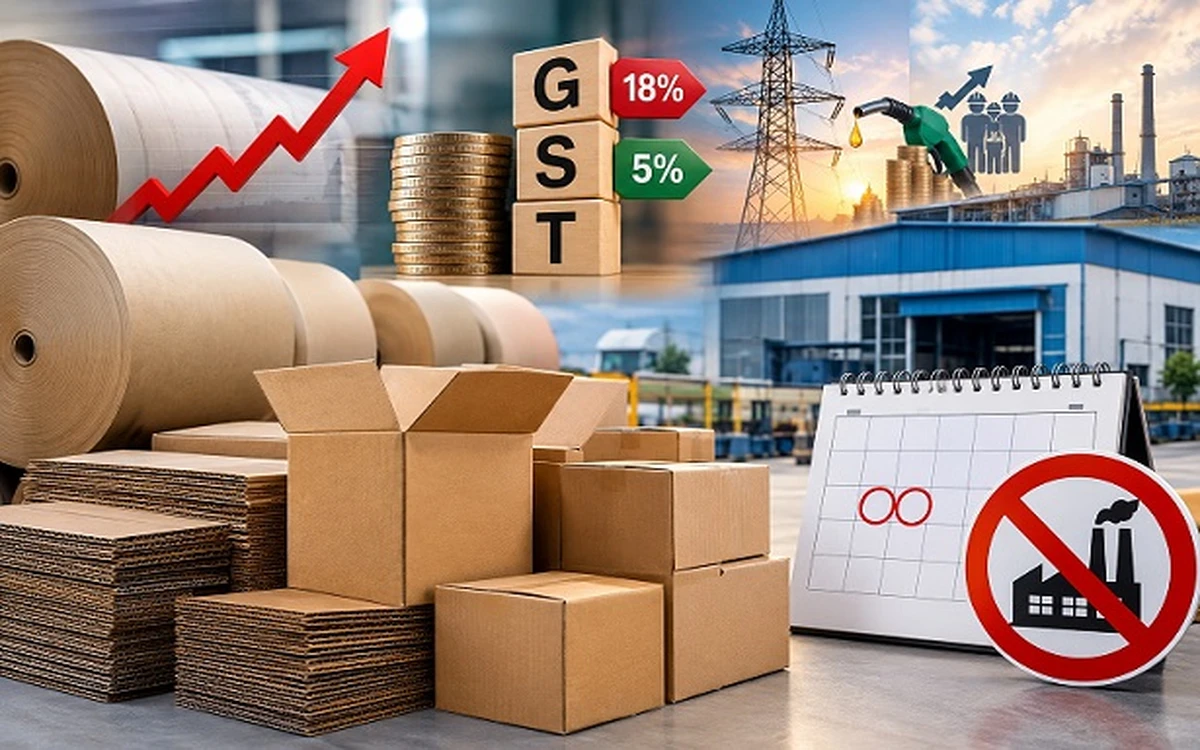
Overall Increase in Kraft Paper Prices Could Reach 35%; Industry Calls for 20% Box Price Increase, Voluntary Shutdown Proposed

Paper Mills and Dealers Must Work Together to Create New Demand, Say Industry Leaders at FPTA’s 65th AGM

Ruchira Papers Invests a Sizeable Capex of Rs. 235–240 Crore Towards Writing & Printing Paper Capacity Expansion
Paper mills inflated the basic ex-mill price of paper post GST 2.0, AINMA seeks action against Anti-Profiteering
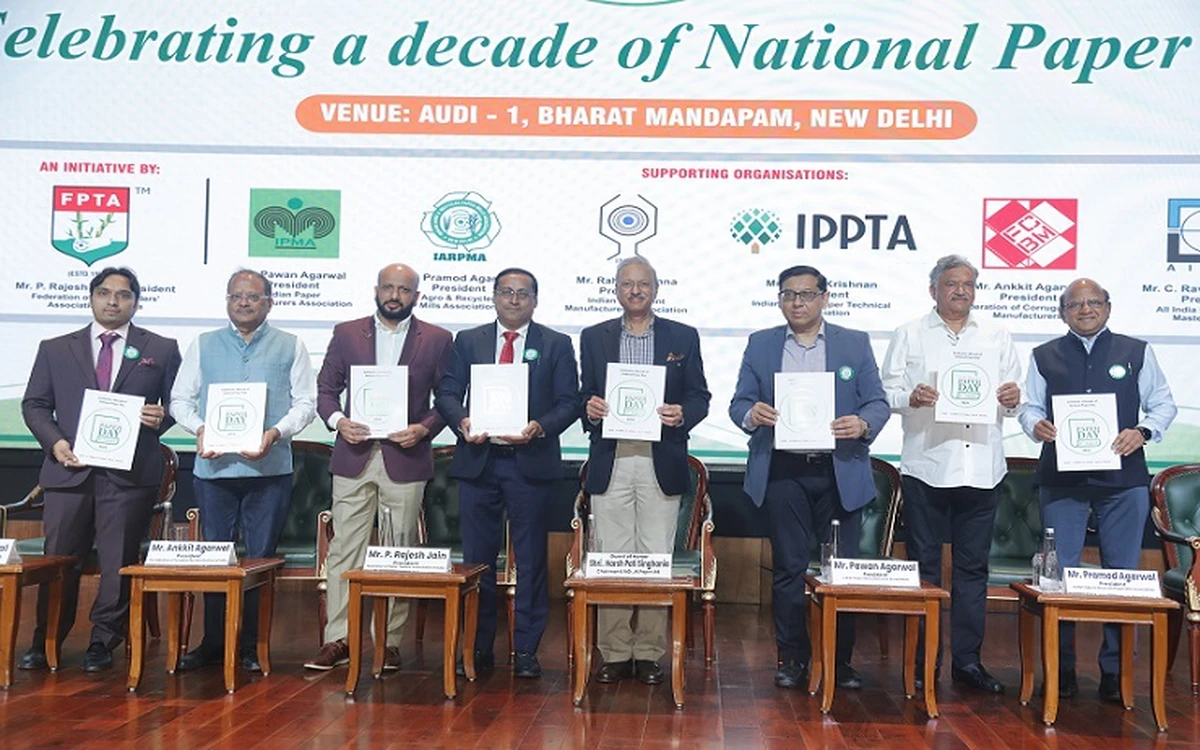
Seven Leading Associations Unite to Celebrate National Paper Day, Highlighting Paper's Sustainability and Circular Economy Advantage
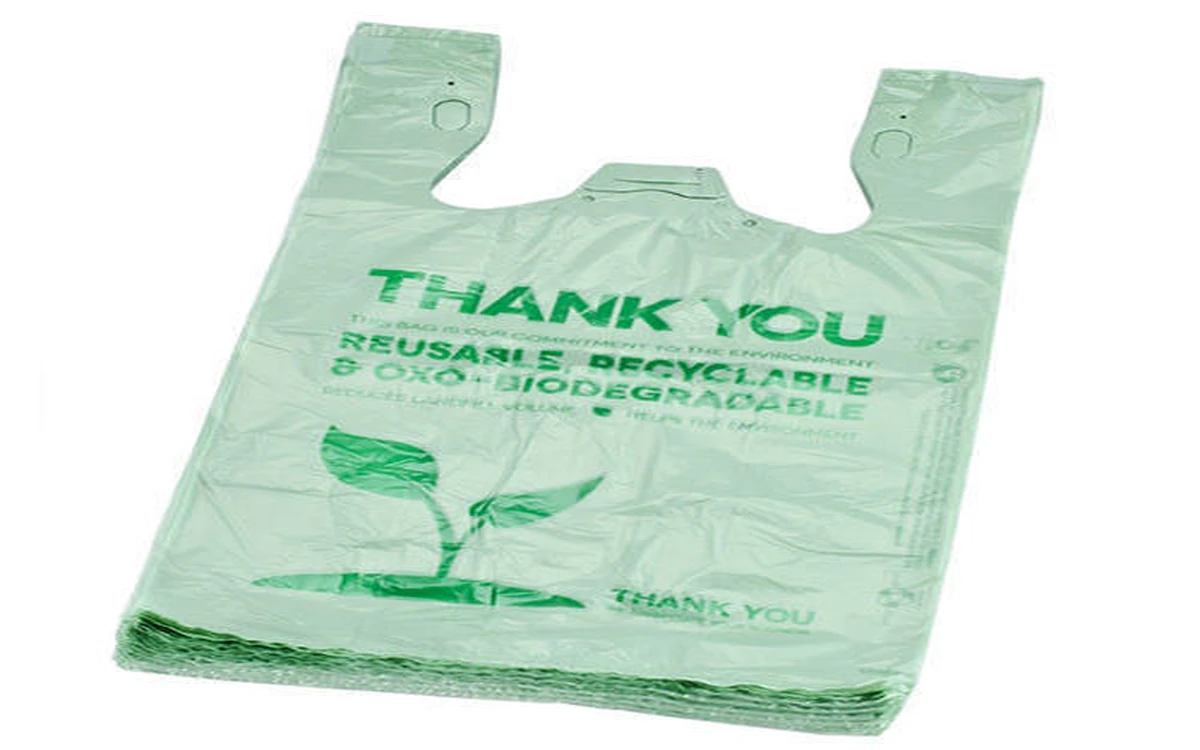
Scientists from IIT-Guwahati develop India's first biodegradable plastic

Navneet Education focuses on brand building, curriculum-led growth, and export recovery; expects stationery margins to improve in FY27

It is estimated that USD10B to USD20B worth of single-use plastic packaging will convert to molded fiber, ZUME
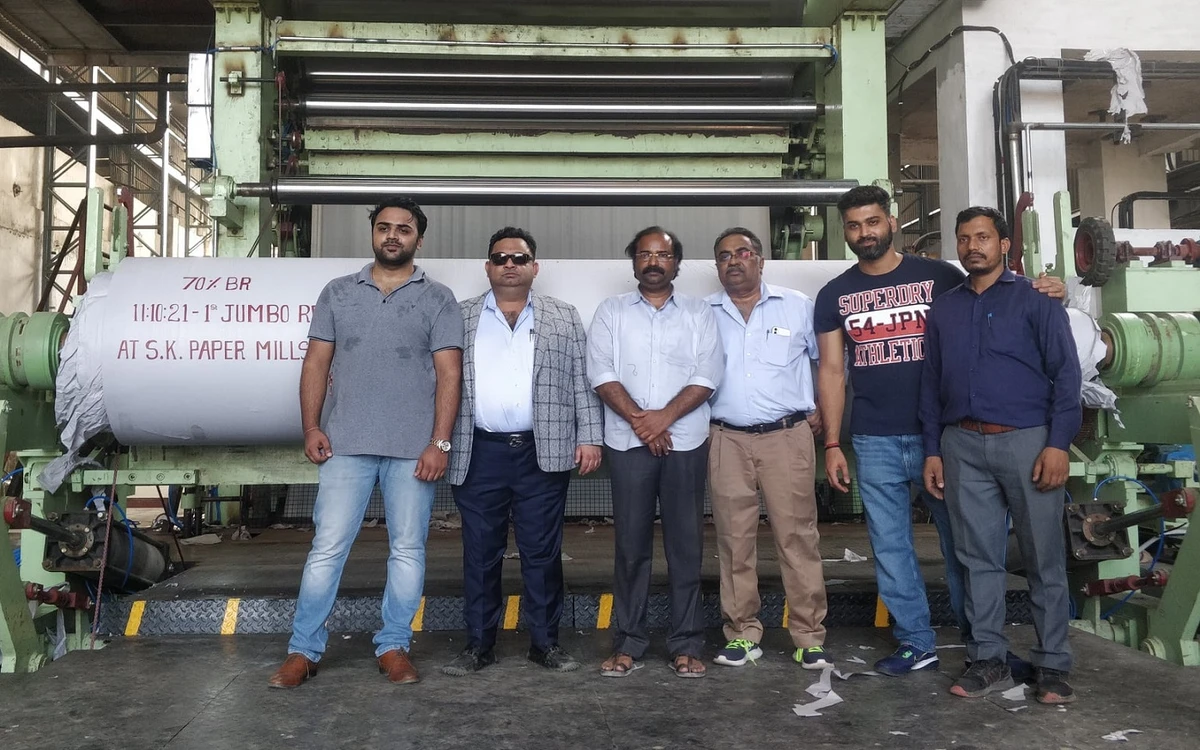
Muzaffarnagar gets a new capacity of Tissue Paper and MG Poster paper

“The integration of digitalization, automation, and Artificial Intelligence (AI) is no longer a futuristic concept—it is the baseline for competitiveness in 2036” - Vinit Garg, Director, Vizen Solutions
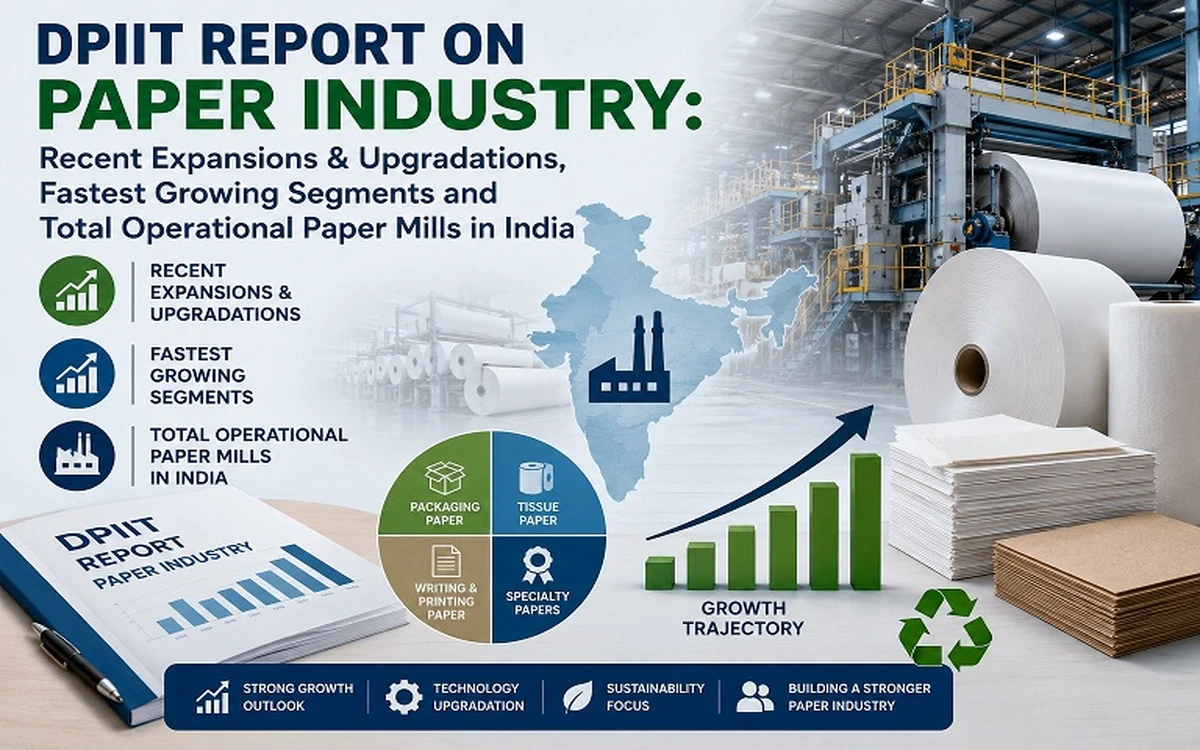
DPIIT Report on the Paper Industry: Recent Expansions & Upgrades, Fastest-Growing Segments, and Total Operational Paper Mills in India
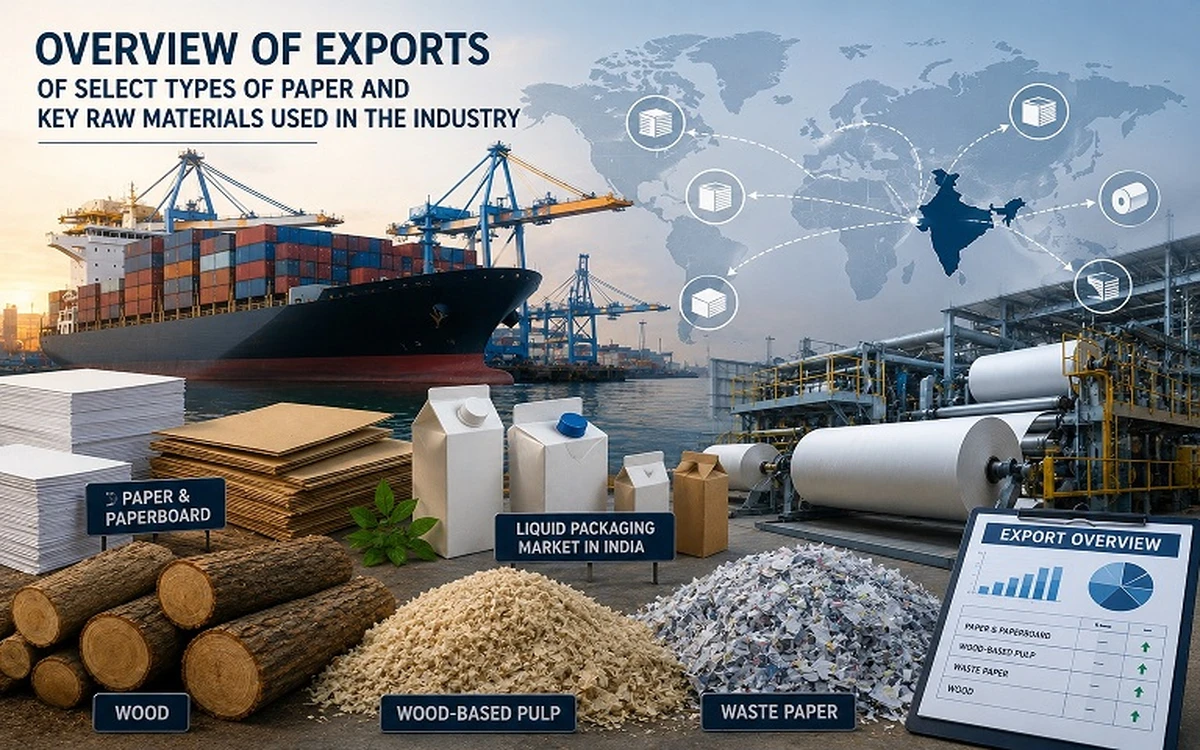
Overview of exports of select type of paper and key raw material used in the industry by Crisil Intelligence

Margin pressure pushes Pulp & Paper Packaging sector toward AI-Driven cost optimization, Cutting costs by 8–20%
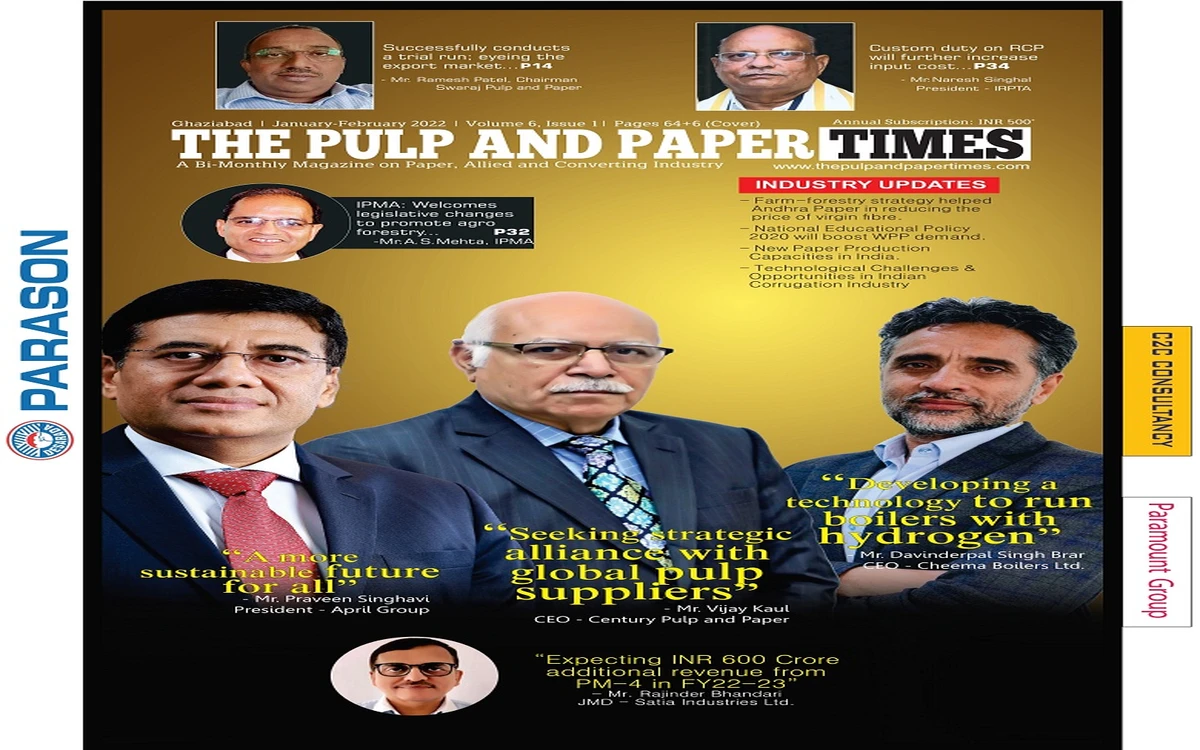
The Pulp and Paper Times Magazine : Volume 6, Issue 1

The Pulp and Paper Times Magazine : Volume 5, Issue 6
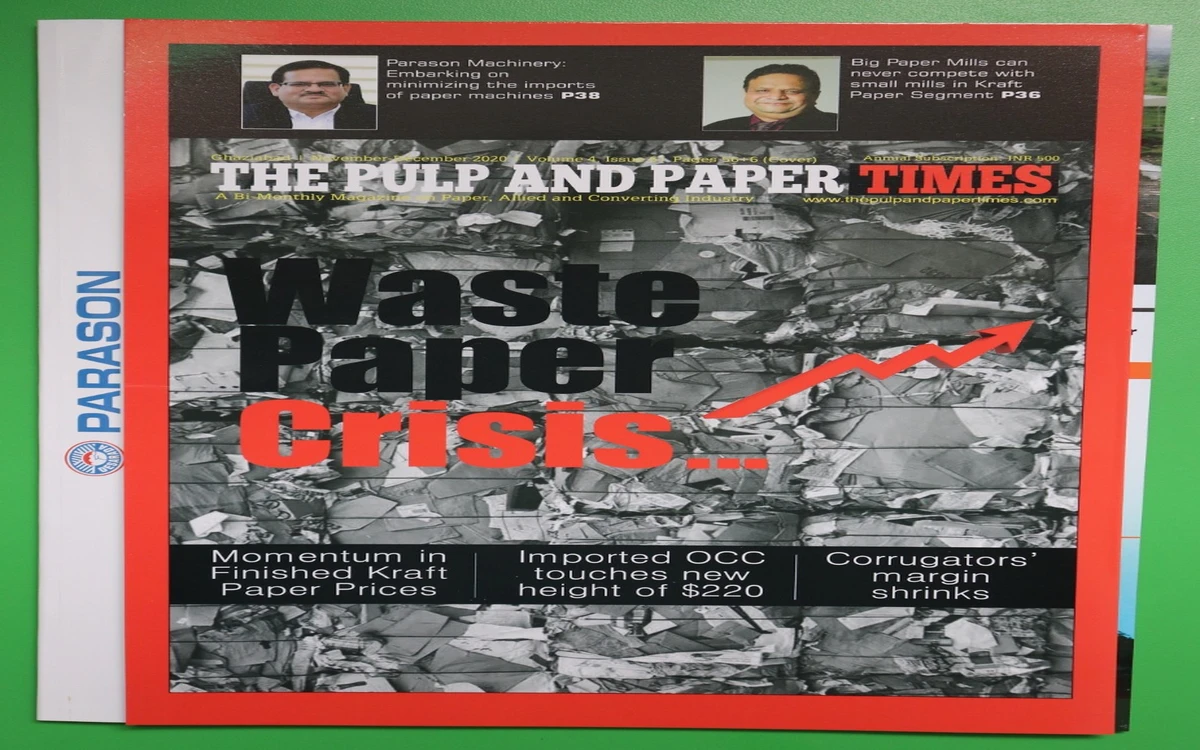
The Pulp and Paper Times: Volume 4, Issue 6
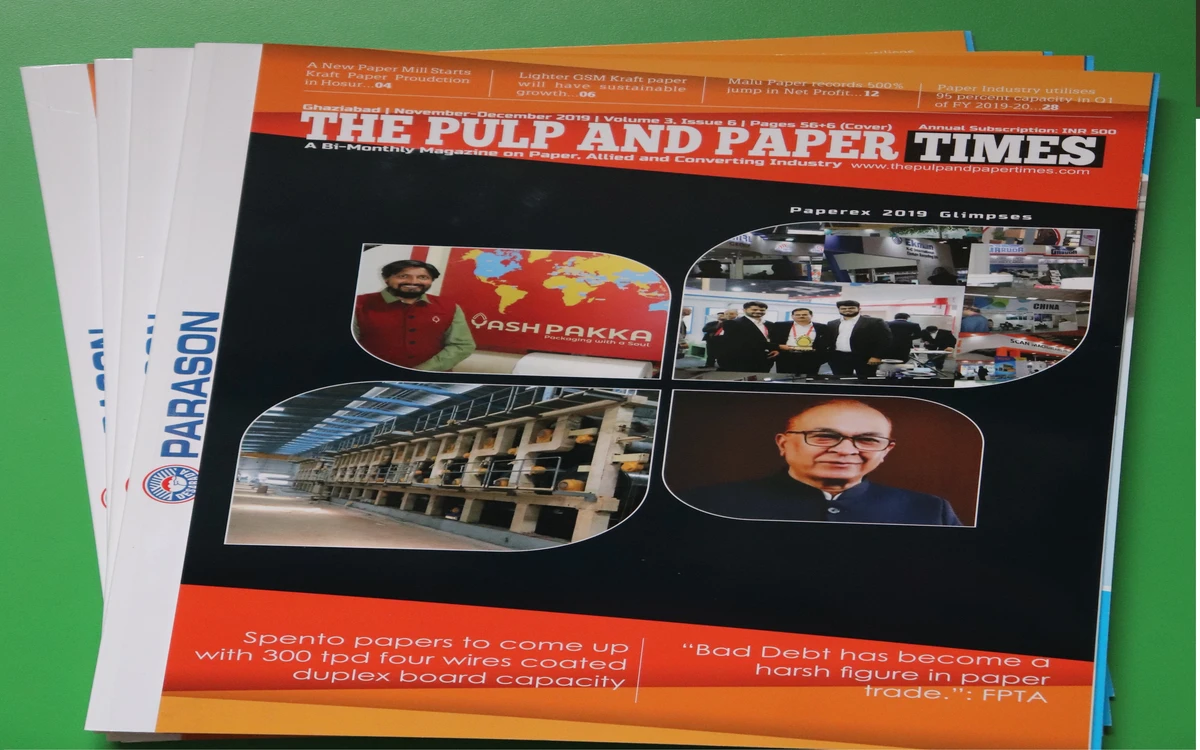
The Pulp and Paper Times : Volume 3, Issue 6
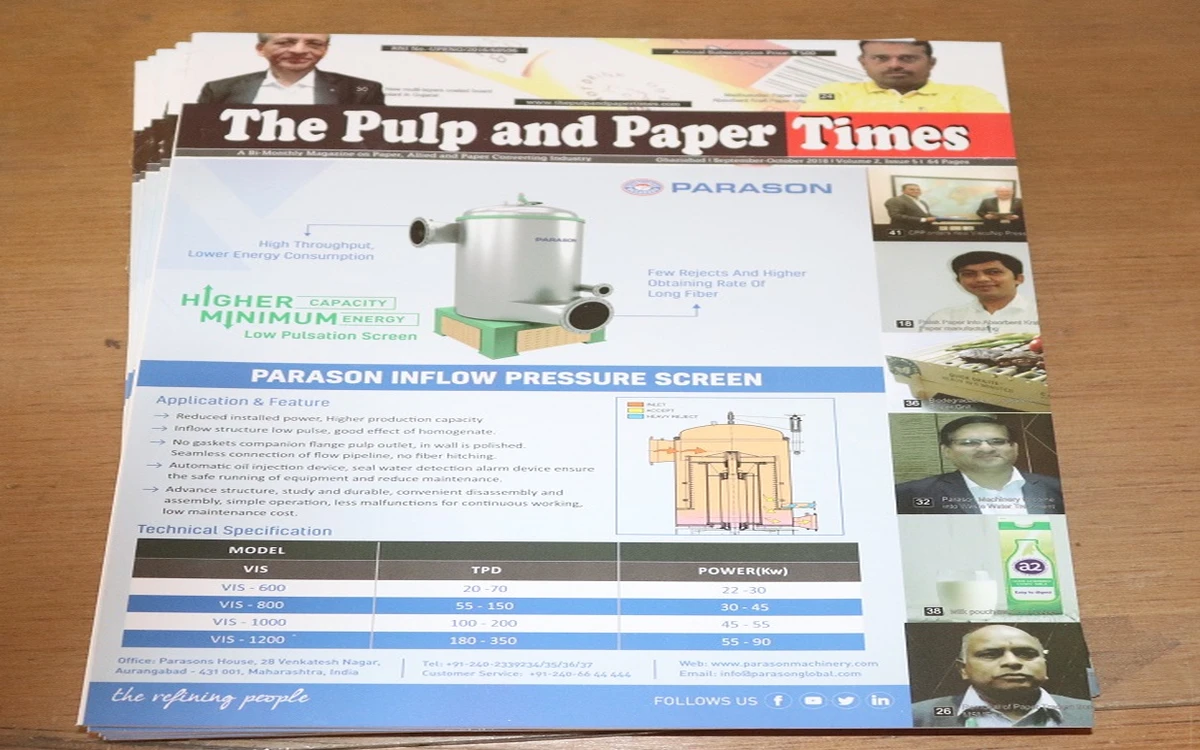
The Pulp and Paper Times: Volume 2 Issue 5

The Pulp and Paper Times, Volume 1, Issue 3
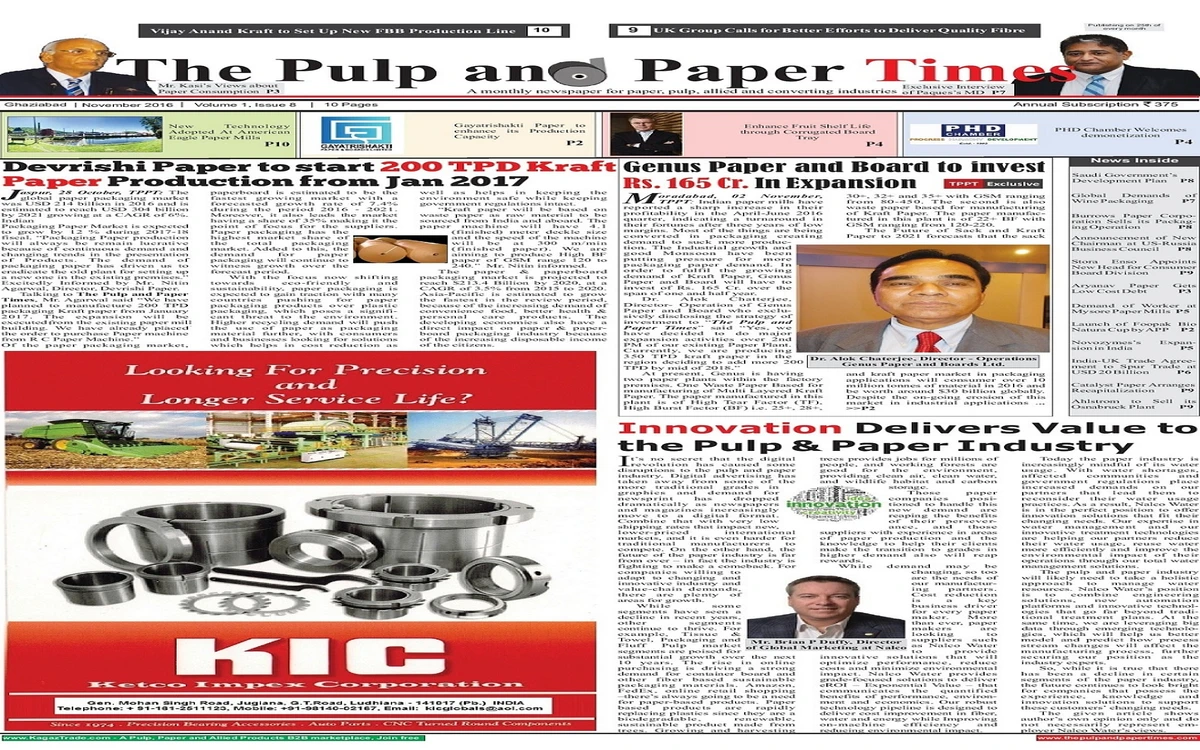
The Pulp and Paper Times, November 2016 Issue

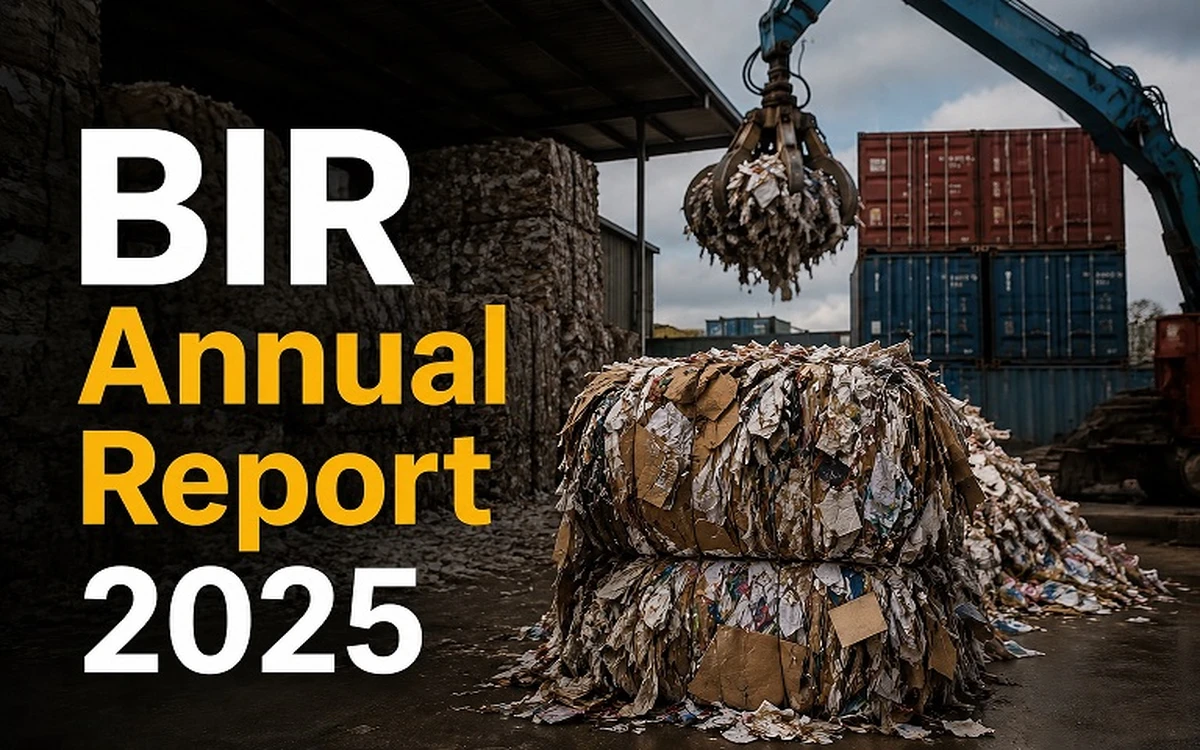
BIR Annual Report 2025
The Pulp and Paper Times
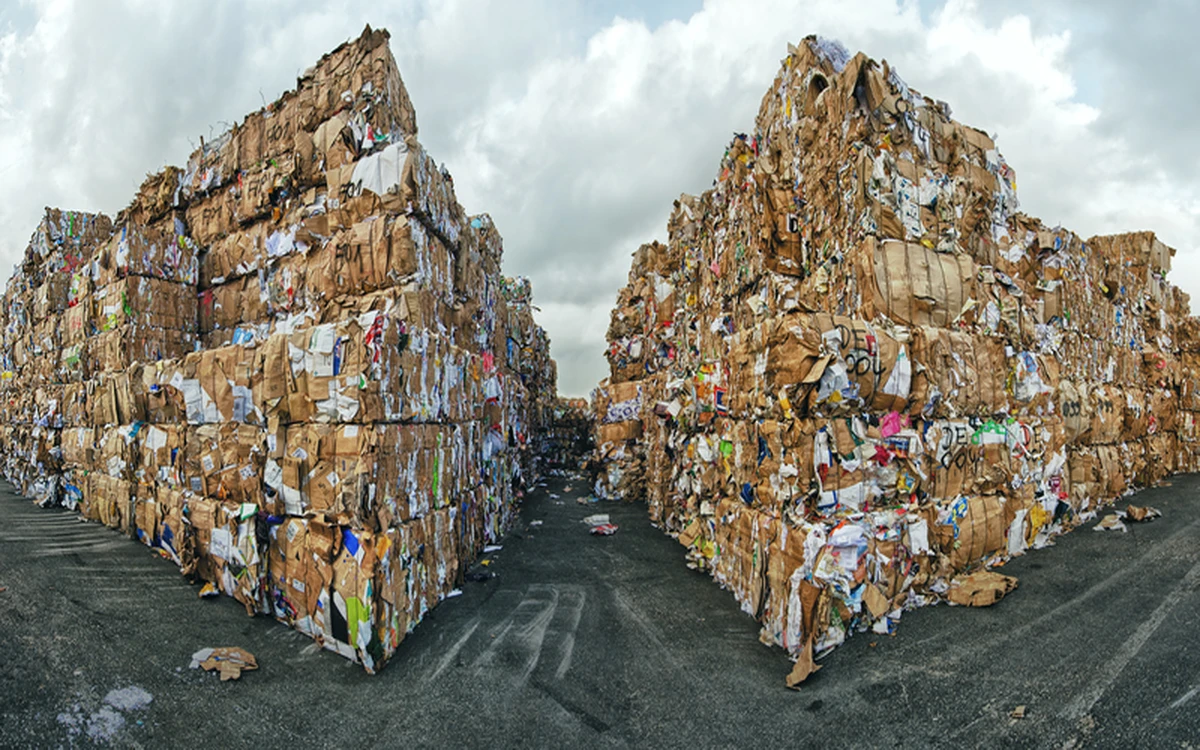
The global recovered paper industry continued to struggle through 2025 as volatile prices, weak demand, shipping disruptions, and growing regulatory uncertainty created one of the most challenging operating environments in recent years, according to an article by Francisco J. Donoso published in the 2025 annual report of Bureau of International Recycling.
Donoso noted that the sector found “few crumbs of comfort” during the year, with turbulence affecting nearly every segment of the recovered fibre business. While lower grades of recovered paper had already experienced severe price volatility in previous years, 2025 witnessed increasing instability even in higher grades, creating additional uncertainty for recyclers, traders, and mills worldwide.

The industry also grappled with subdued global demand, sharp price differences across regions, and persistent shipping challenges that made freight costs and delivery schedules difficult to forecast. Rising tariffs and nationalist trade policies further complicated international business operations, adding pressure to an already strained global recycling supply chain.
According to the report, the sector entered 2026 with even greater concerns, particularly in Europe, where businesses are closely monitoring the implementation of the revised European Union Waste Shipment Regulation (WSR). Industry participants fear the new regulation could significantly disrupt recovered paper exports to non-OECD countries, which have long served as important destinations for surplus fibre generated in Europe.

The revised WSR introduces stricter compliance requirements, including permits and proof that exported material will undergo environmentally sound treatment at destination facilities. While the regulation aims to strengthen environmental safeguards, industry leaders warn that the administrative burden and additional documentation requirements could increase operational costs and slow export flows.
Even if exporters successfully comply with the revised rules and maintain shipment volumes, companies are expected to face significant resource allocation challenges in managing expanded traceability and reporting obligations.
The report highlighted concerns raised during industry discussions in Valencia, where global recycling leaders warned that increasing restrictions on cross-border trade could threaten the sustainability of the circular economy itself.

Brian Henesey reportedly cautioned that mounting trade barriers are endangering the “finely-tuned web of global interdependence” on which the recycling industry has depended for decades. According to Henesey, the global system has historically allowed recovered materials to move efficiently from regions where they are discarded to regions where demand exists.
Similarly, Julia Ettinger questioned the consequences if Europe’s annual recovered paper exports — estimated at between five and eight million tonnes — were effectively blocked by legislation. Industry experts argued that restricting these export flows would create structural oversupply in Europe while depriving fibre-deficient regions of essential raw material, ultimately undermining environmental objectives rather than supporting them.
The article stressed that regulations such as the WSR should include practical transition periods, clearly defined criteria, and stronger technical support from authorities to avoid major market disruptions while pursuing environmental goals. Industry stakeholders also emphasized the importance of consistent “end-of-waste” criteria to reduce unnecessary restrictions on recyclable materials moving across borders.

In this context, Francesco Sicilia explained during the Valencia meeting that Italy had introduced a decree establishing criteria for paper and board materials to qualify as “end-of-waste.” The measure is expected to improve regulatory clarity, standardize recycling processes, and potentially expand opportunities for certain materials to remain outside the scope of the WSR.
Meanwhile, logistics challenges remained another major concern throughout 2025. Nuria Rubio highlighted continuing instability in the shipping market and stressed the importance of maintaining flexibility within supply chains to manage disruptions effectively.
Additional concerns emerged from Asia and North America. Jun Park stated during the BIR meeting in Bangkok that newly introduced Chinese pulp regulations aimed at reducing contamination would likely increase demand for cleaner OCC (Old Corrugated Containers). At the same event, Brian Reese outlined mounting challenges for US OCC exports to Southeast Asia, including growing tariff-related pressures.
The report ultimately portrays a global recovered paper sector navigating a highly uncertain landscape, where environmental regulation, trade policy, logistics, and market dynamics are becoming increasingly interconnected.

1 days ago
Total Views : 507
2 weeks ago
Total Views : 1836

2 months ago
Total Views : 461
2 months ago
Total Views : 1015
3 months ago
Total Views : 2658
4 months ago
Total Views : 1209
4 months ago
Total Views : 2247
4 months ago
Total Views : 2994

4 months ago
Total Views : 2019
5 months ago
Total Views : 1354