Join Groups & Channels, No Spamming









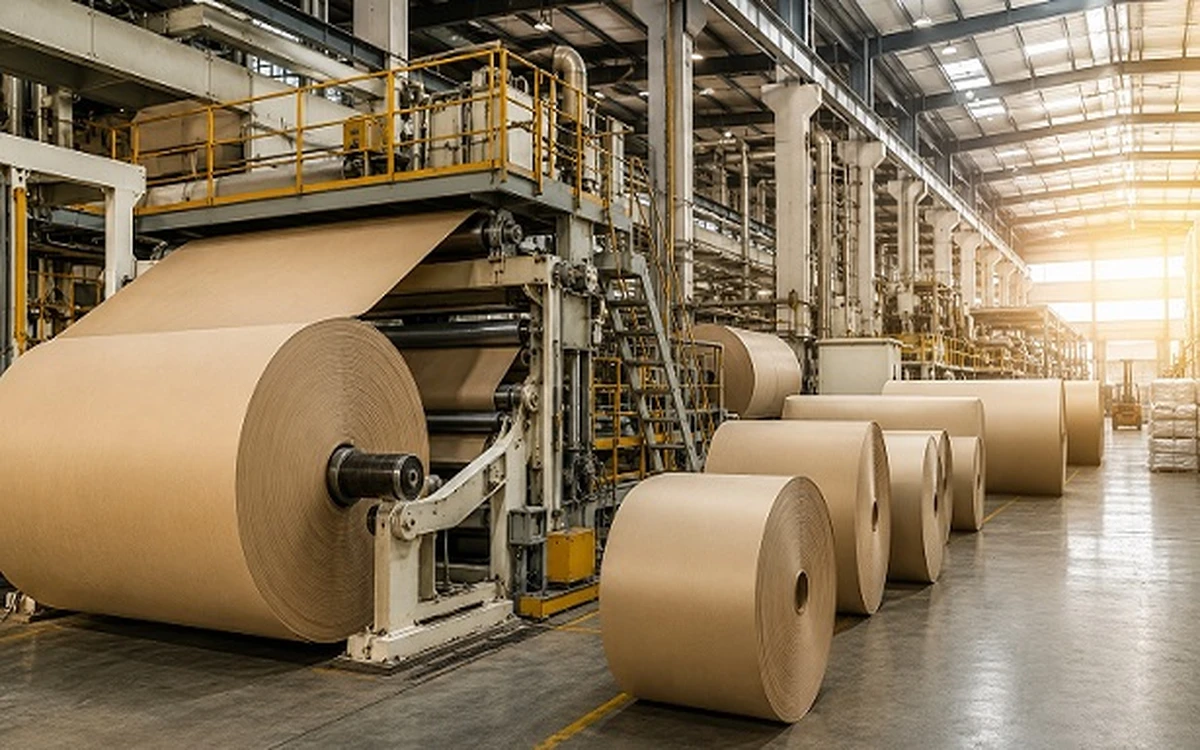
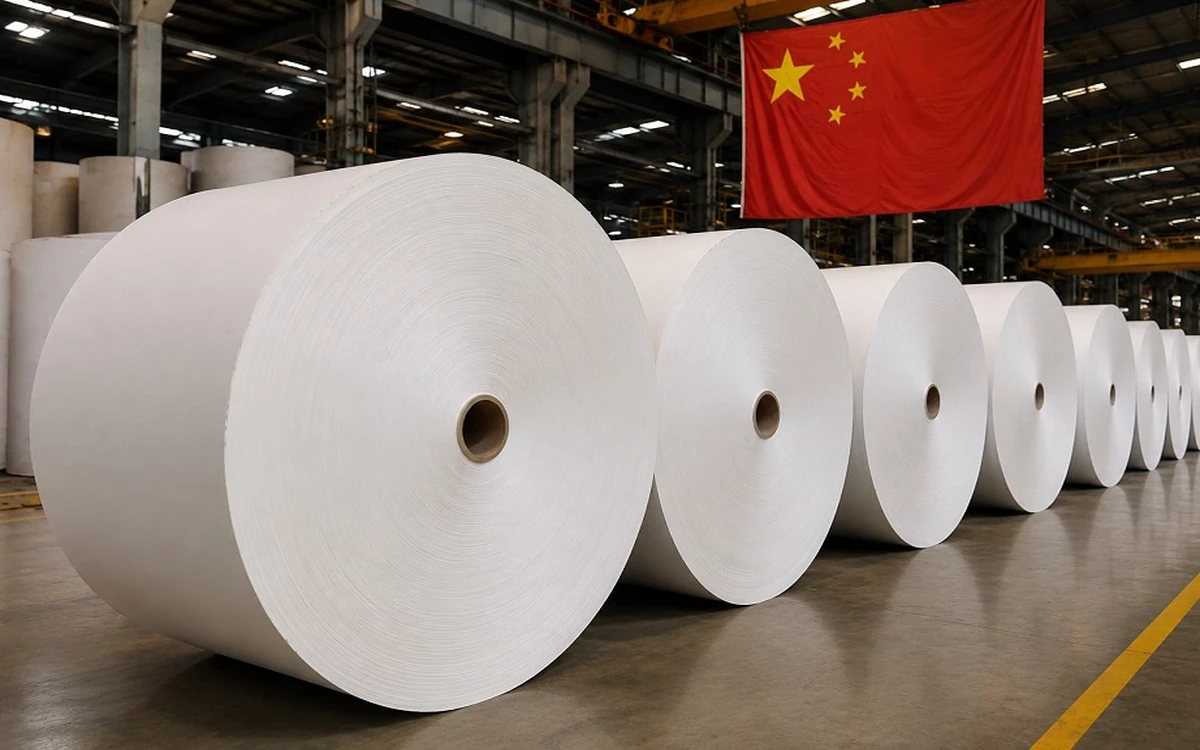
Morbi paper mills see full-capacity operations as ceramic industry revives; Kraft paper exports to China spike, Prices strengthen; Janmashtami shutdown ahead

The BE and caustic soda plant marks a key milestone for Mohit Paper Mills, enabling full utilization of installed capacity and enhancing overall production efficiency
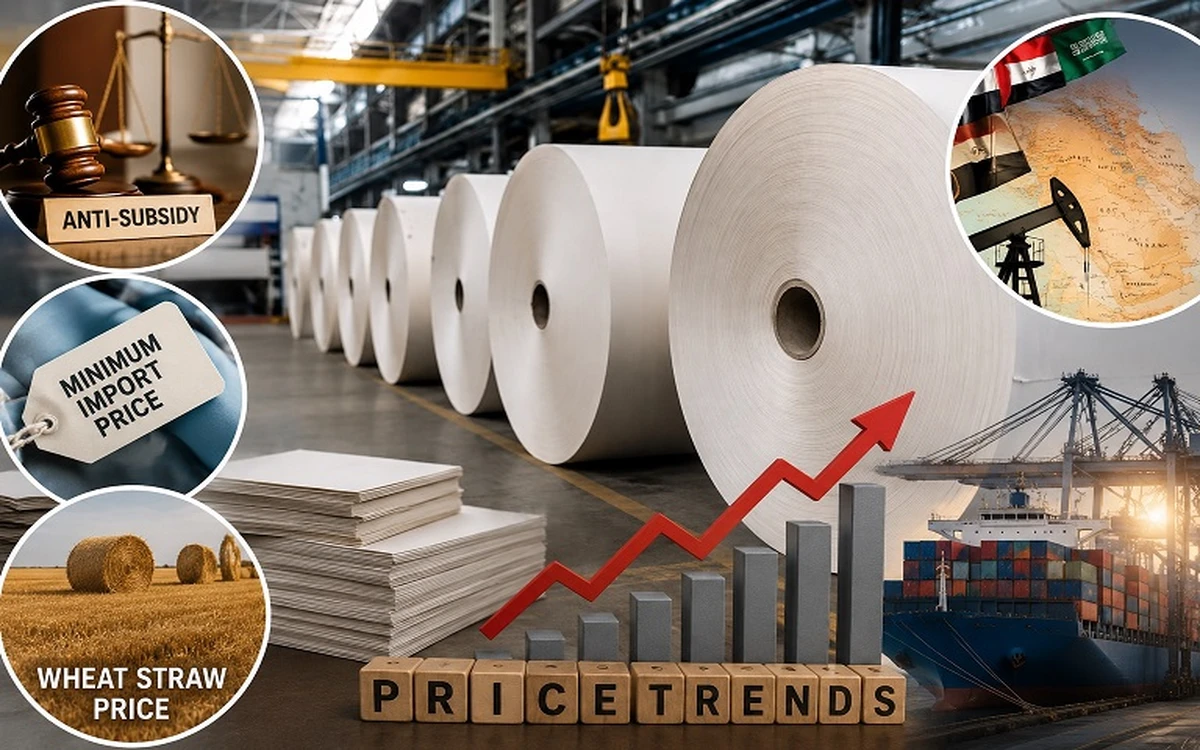
Expert Views on the paper market scenario, How the West Asia Crisis Helped the Industry, MIP for WPP, Anti-Subsidy implementation, and paper price trends
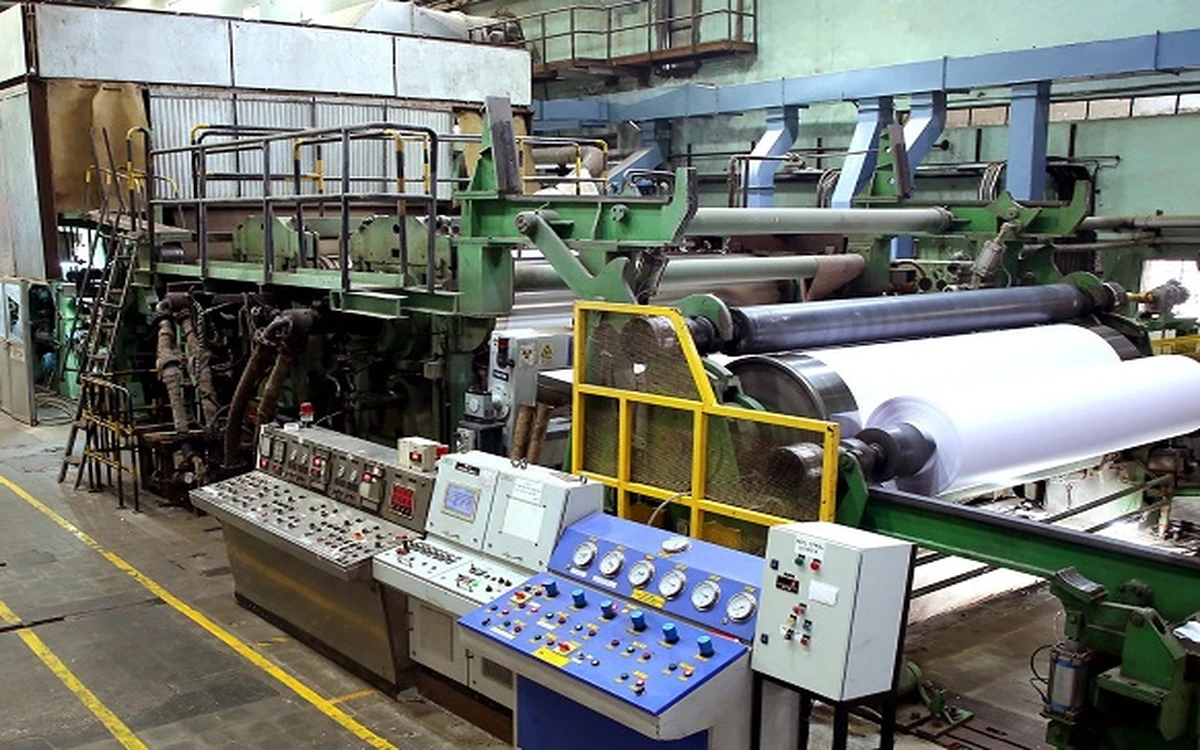
Pudumjee Paper intends to develop new varieties addressing applications for stronger paper bags and cupcakes; Plans 68,000 MT Mahad Specialty Paper Facility within 5 years
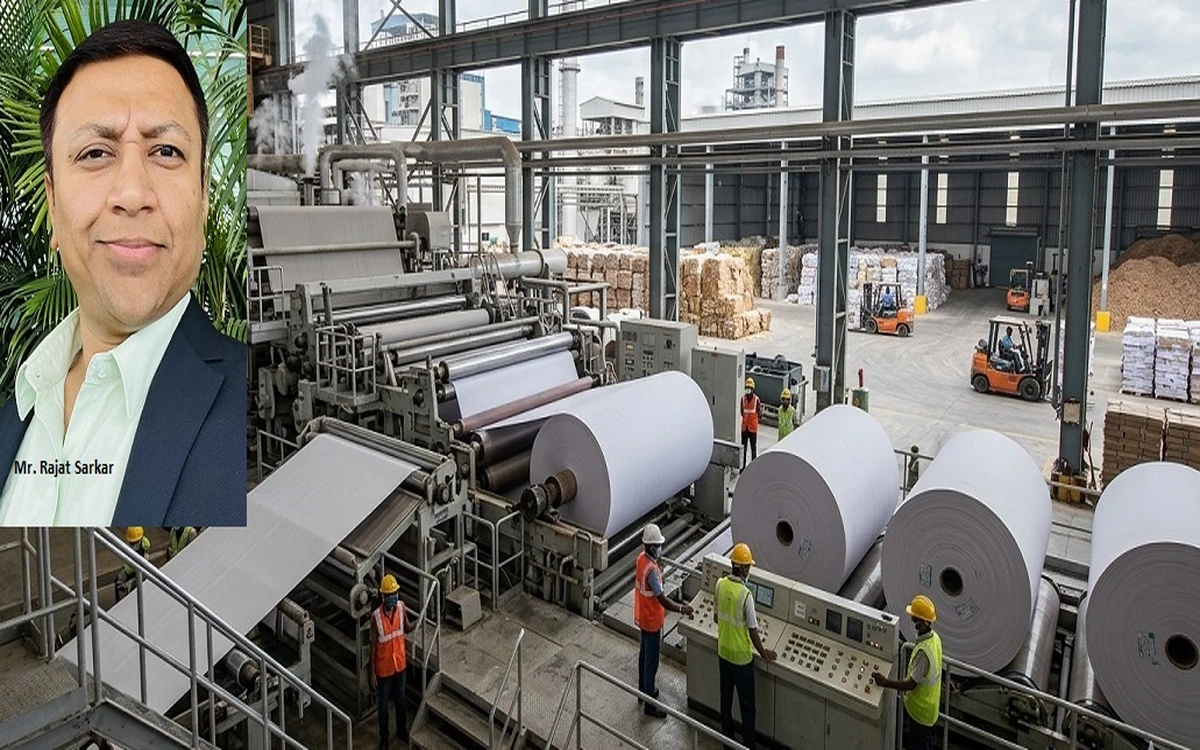
India Paper Industry at an Inflection Point: War, Costs, and Capacity; Demand growth expected at 5–7% in FY26
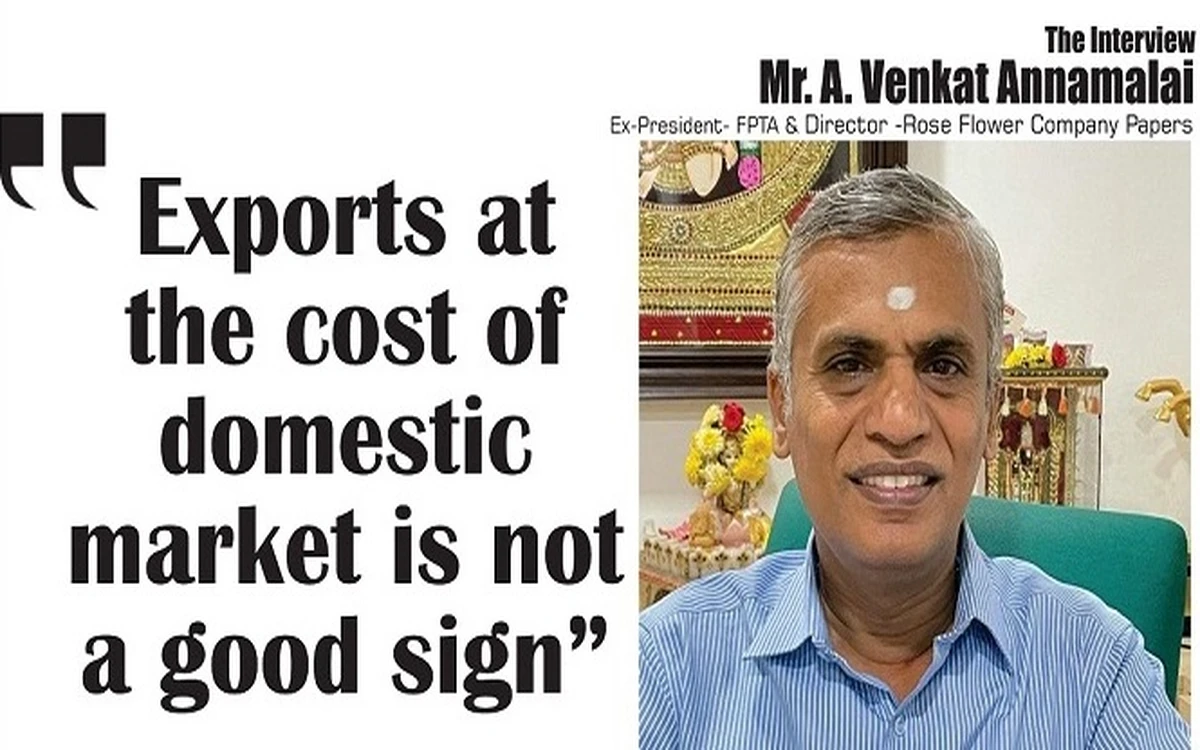
“Surging exports of paper will most certainly keep the domestic prices quite high”: Mr. A. Annamalai, Director – RFC
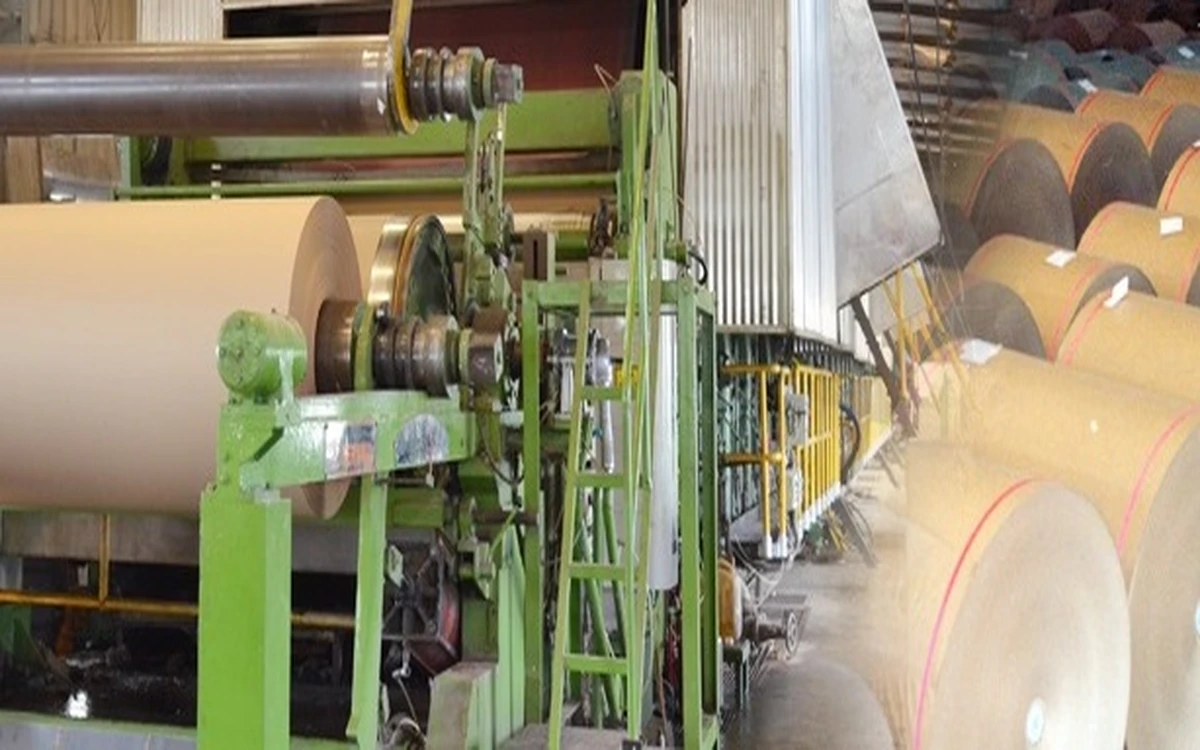
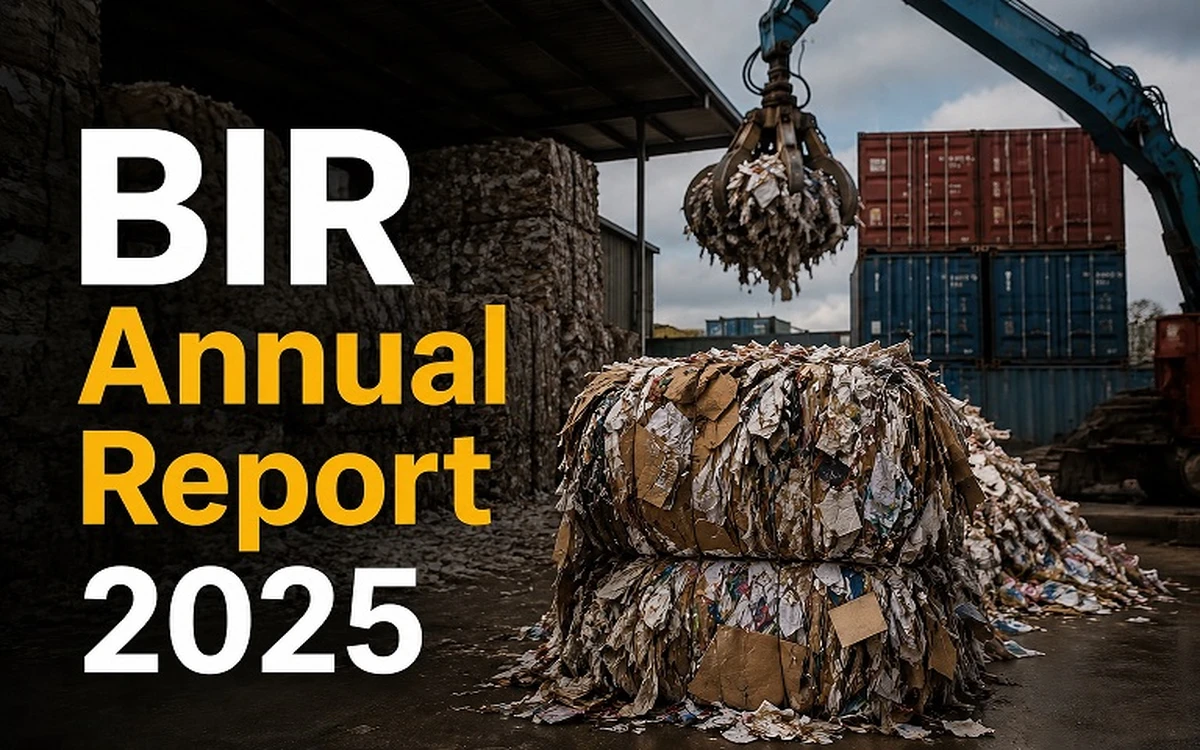
The Status of the Global Container board Industry, Recycled Paper Demand and Supply and its impact on the Indian Industry

Akshay Jain, director of Silverton Pulp & Paper, says it's time to promote agro residue as a raw material to lessen the scarcity of fibre
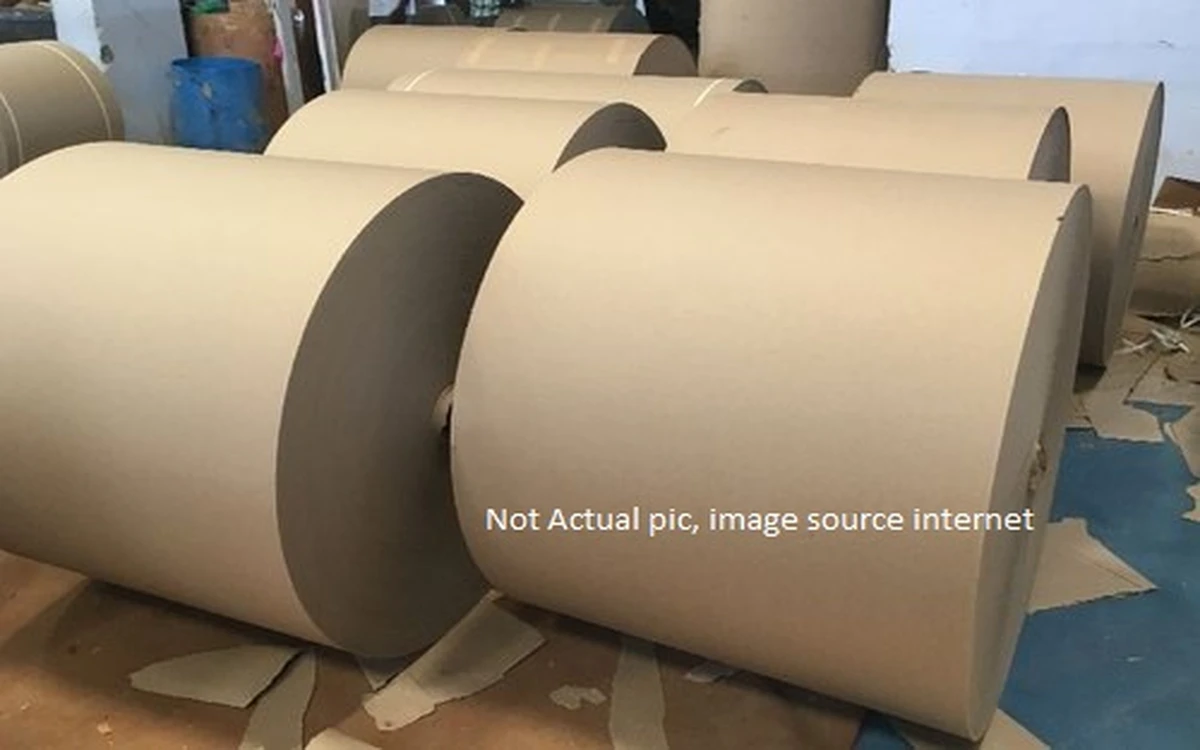
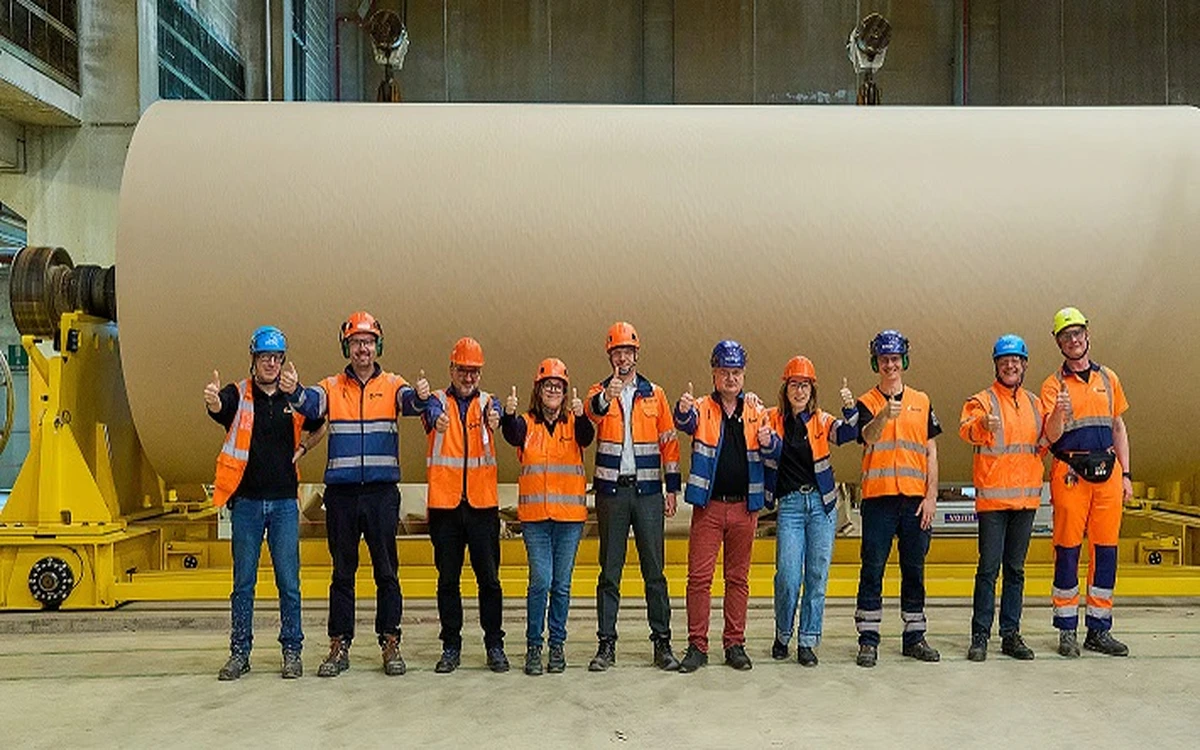
Advantageously located, a new paper mill is all set to roll kraft paper in Madhya Pradesh
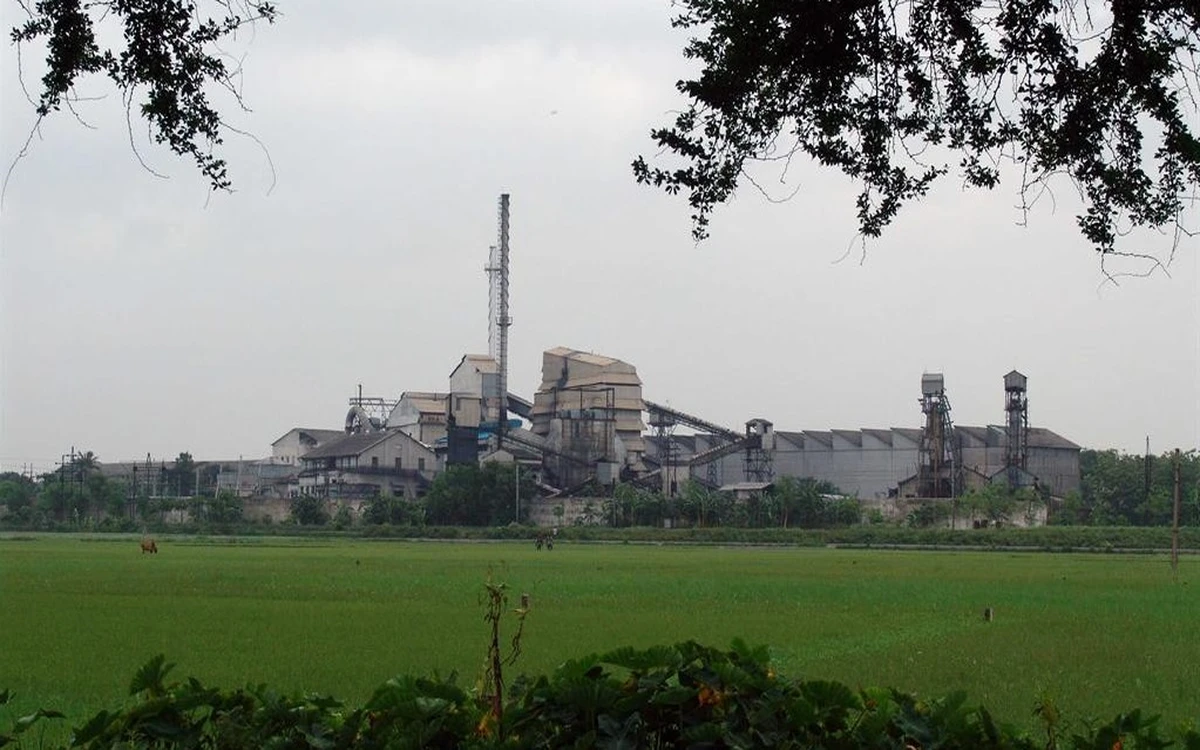
Several agile interventions helped ITC-PSPD fortify its clear leadership of the Value Added Paperboards (VAP) segment
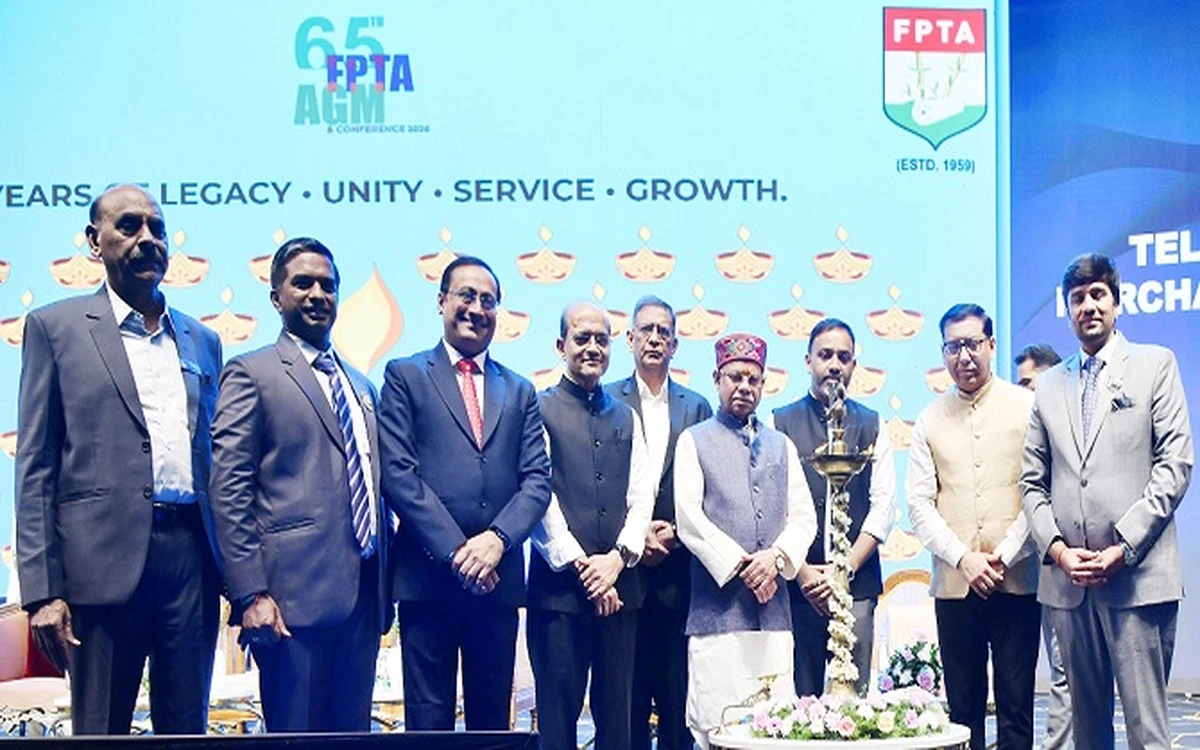
Paper Mills and Dealers Must Work Together to Create New Demand, Say Industry Leaders at FPTA’s 65th AGM
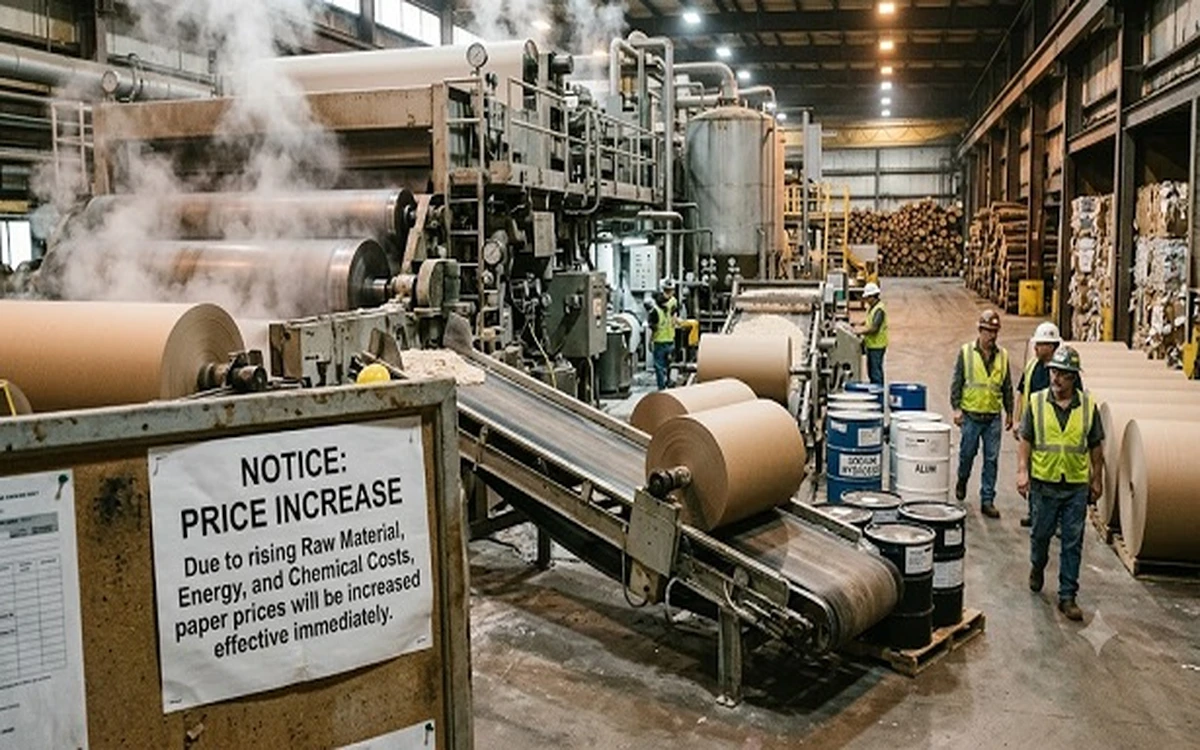
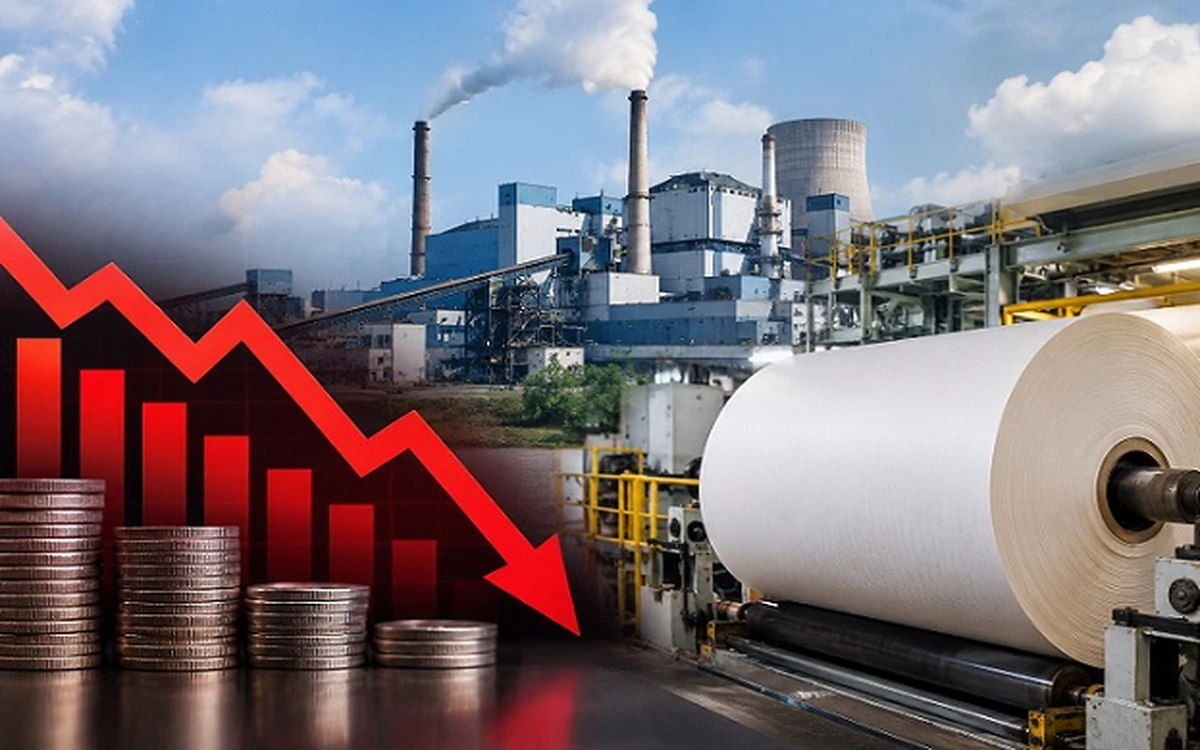
Paper Industry Cost Pressures Deepen; Price Revisions Announced Across Writing & Printing Grades
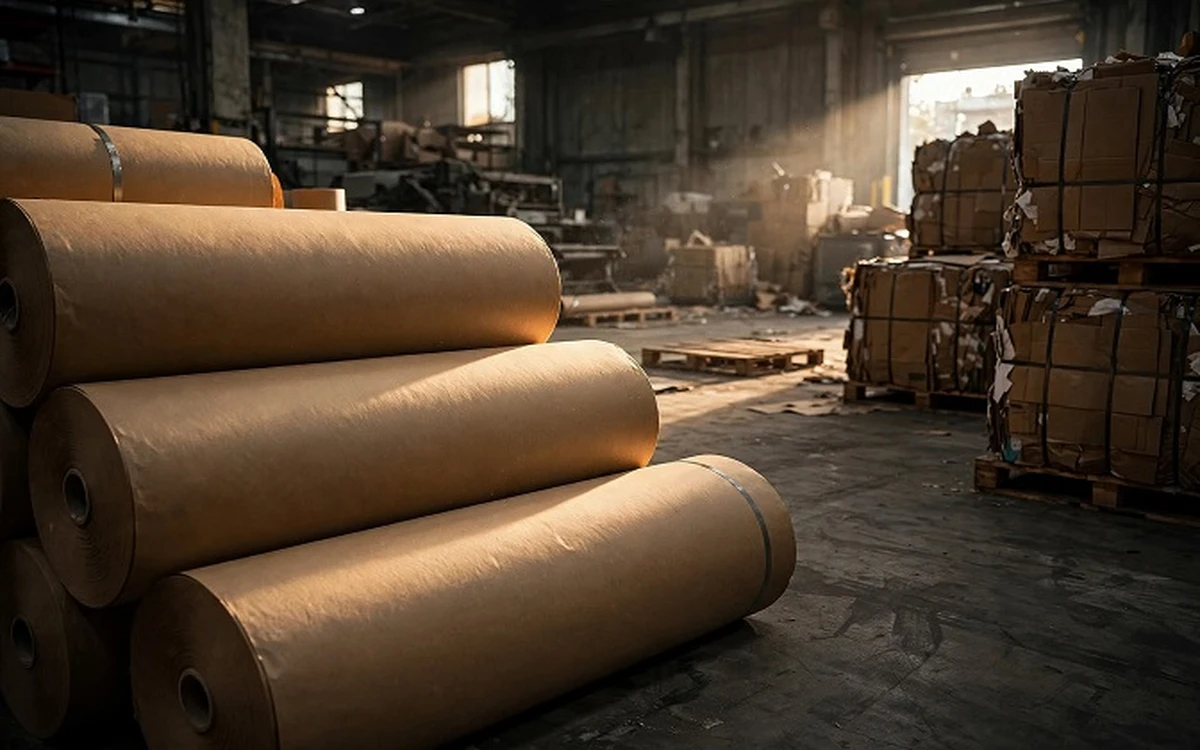
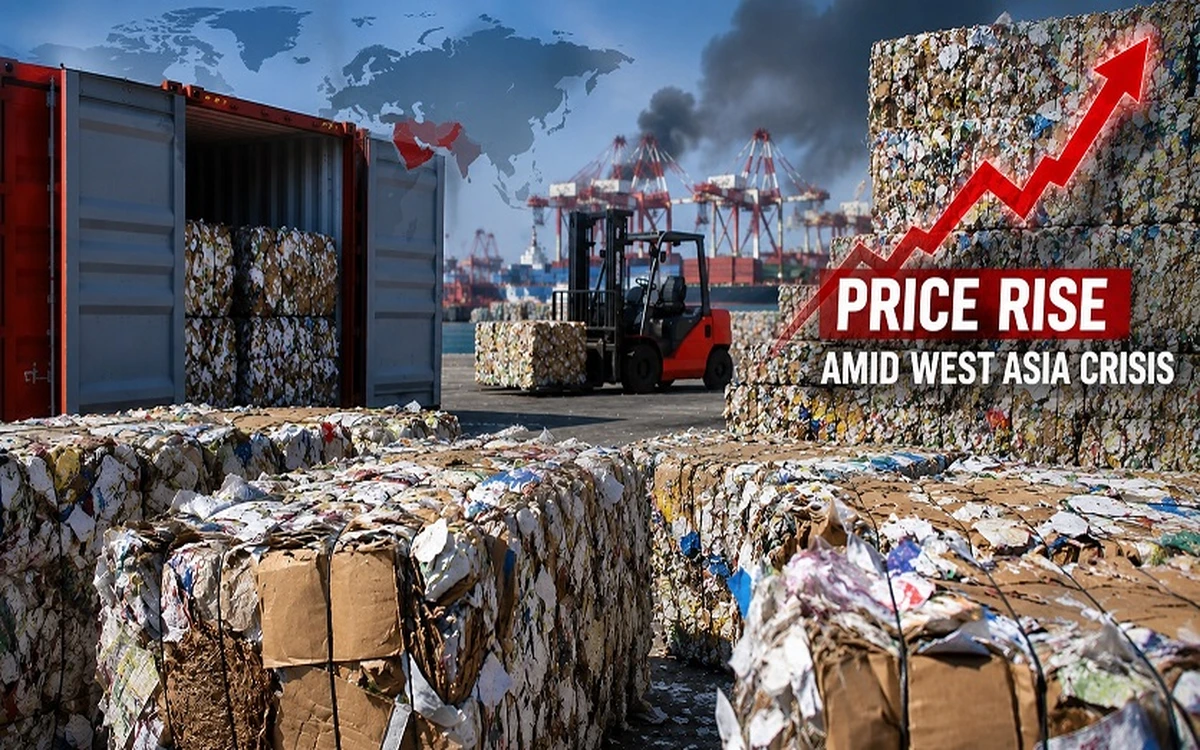
Imported Waste Paper Shortage Pushes Kraft Paper Prices Higher; Domestic Market Remains Firm
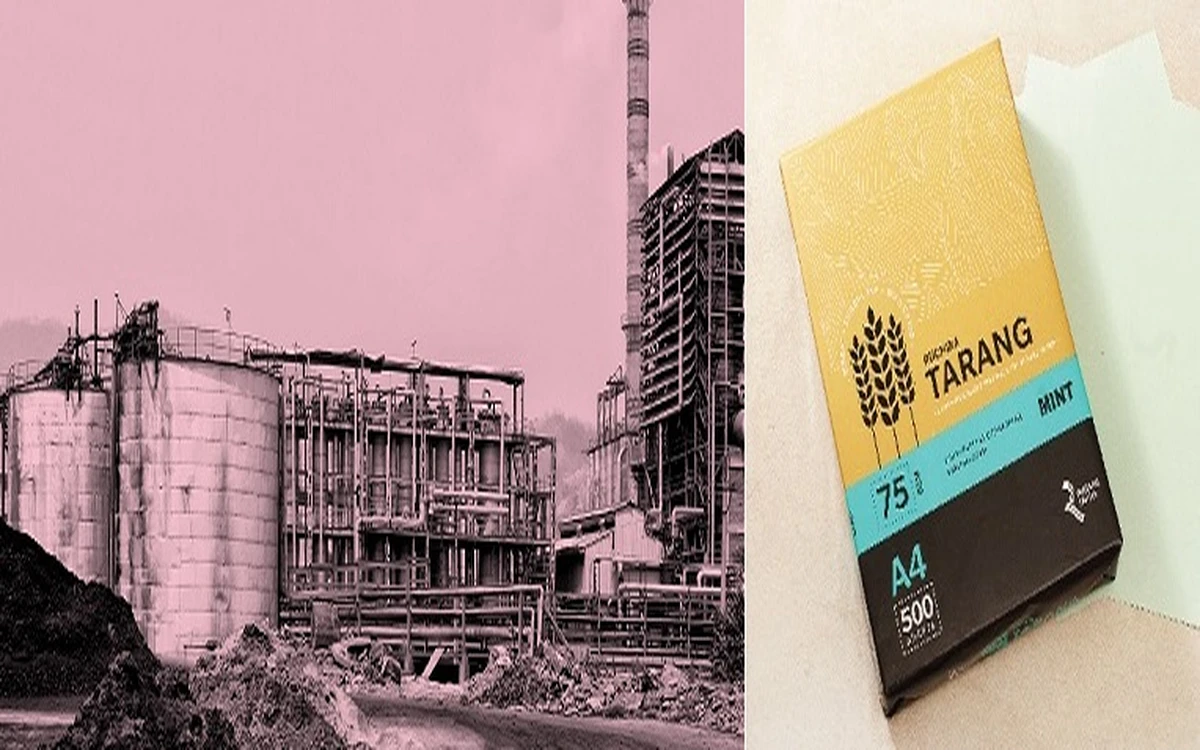
Ruchira Papers Invests a Sizeable Capex of Rs. 235–240 Crore Towards Writing & Printing Paper Capacity Expansion
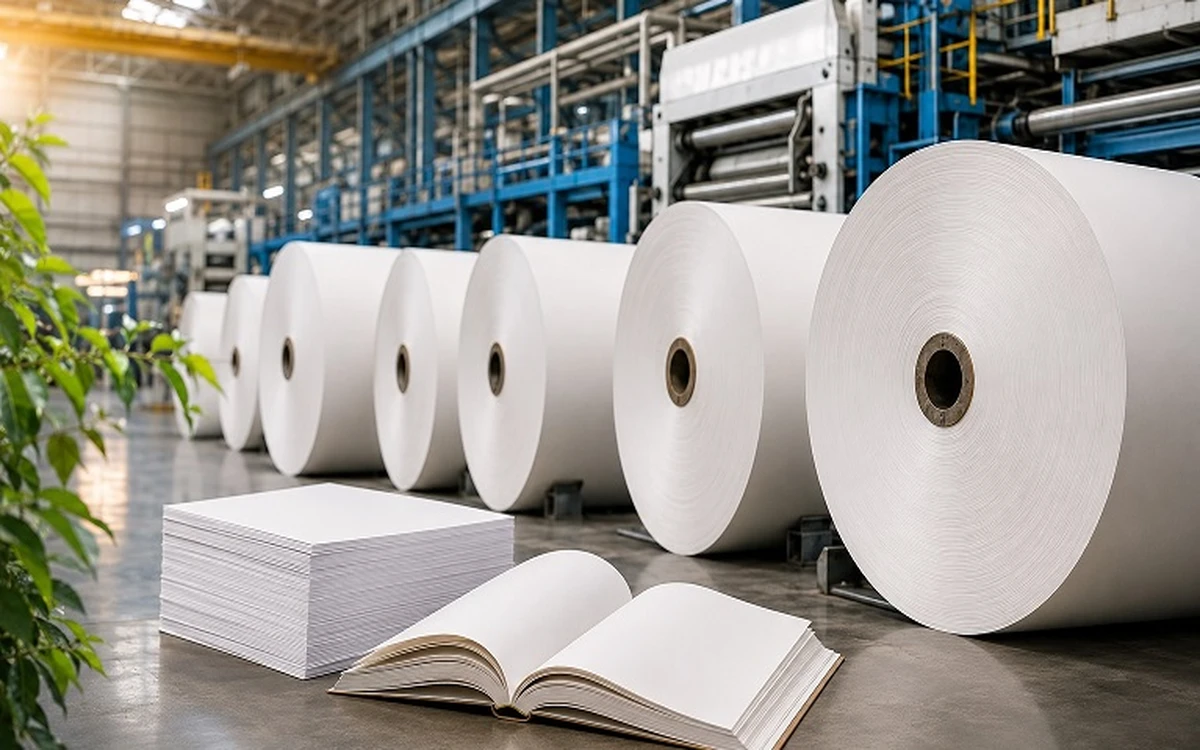
Paper mills inflated the basic ex-mill price of paper post GST 2.0, AINMA seeks action against Anti-Profiteering
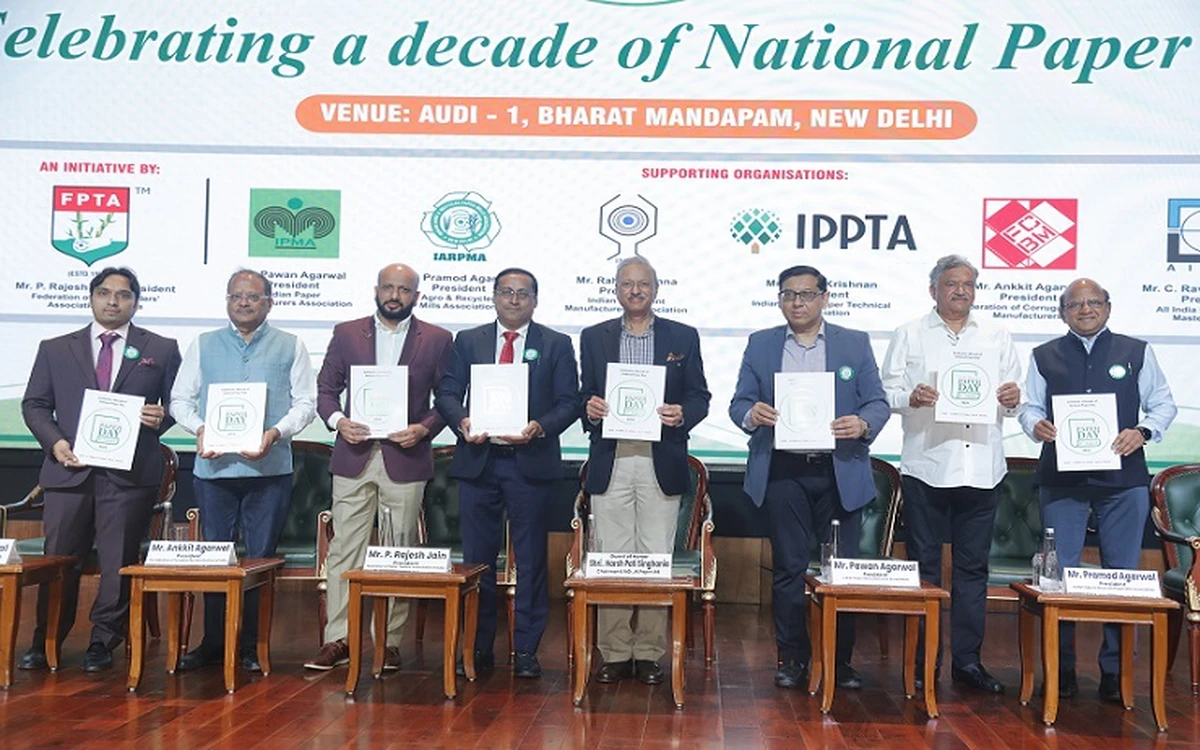
Seven Leading Associations Unite to Celebrate National Paper Day, Highlighting Paper's Sustainability and Circular Economy Advantage
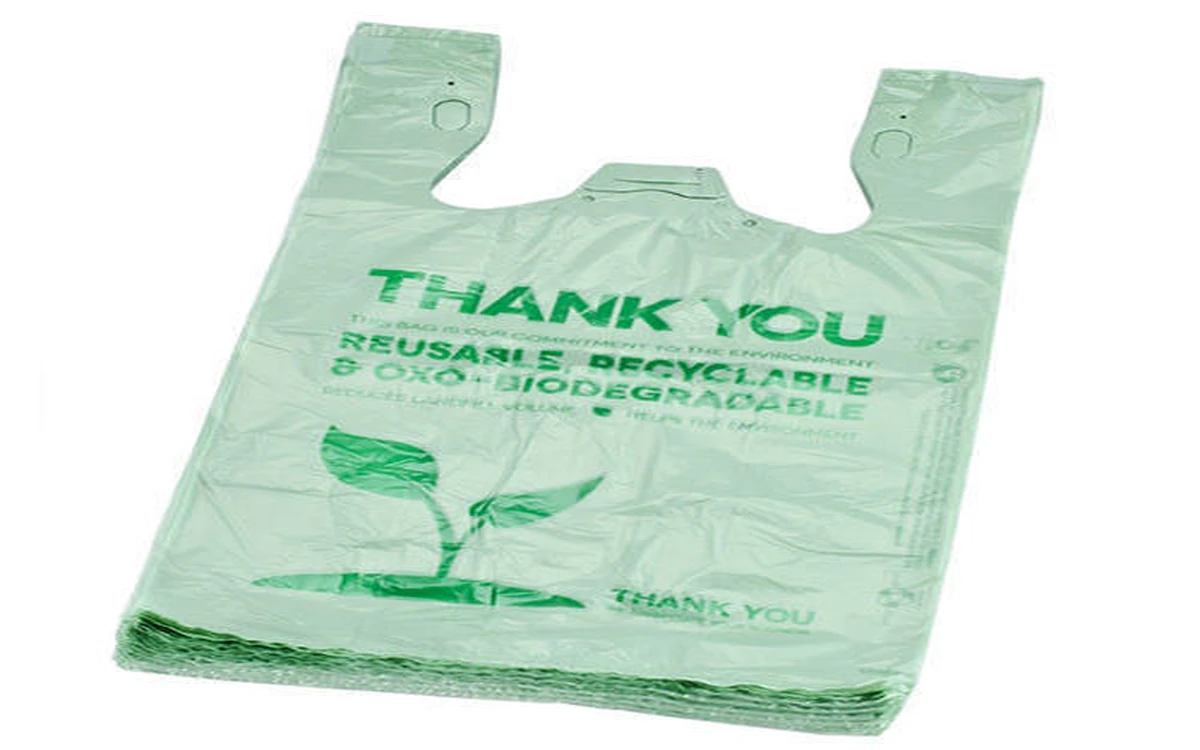
Scientists from IIT-Guwahati develop India's first biodegradable plastic
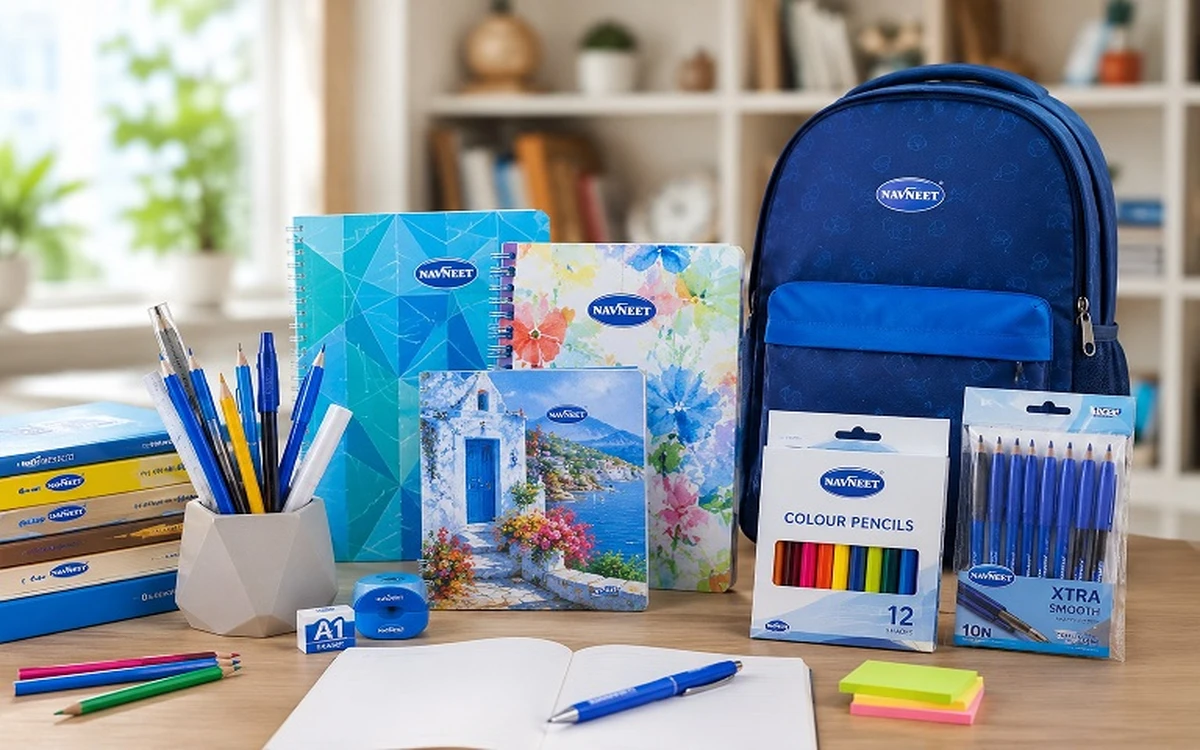
Navneet Education focuses on brand building, curriculum-led growth, and export recovery; expects stationery margins to improve in FY27

It is estimated that USD10B to USD20B worth of single-use plastic packaging will convert to molded fiber, ZUME
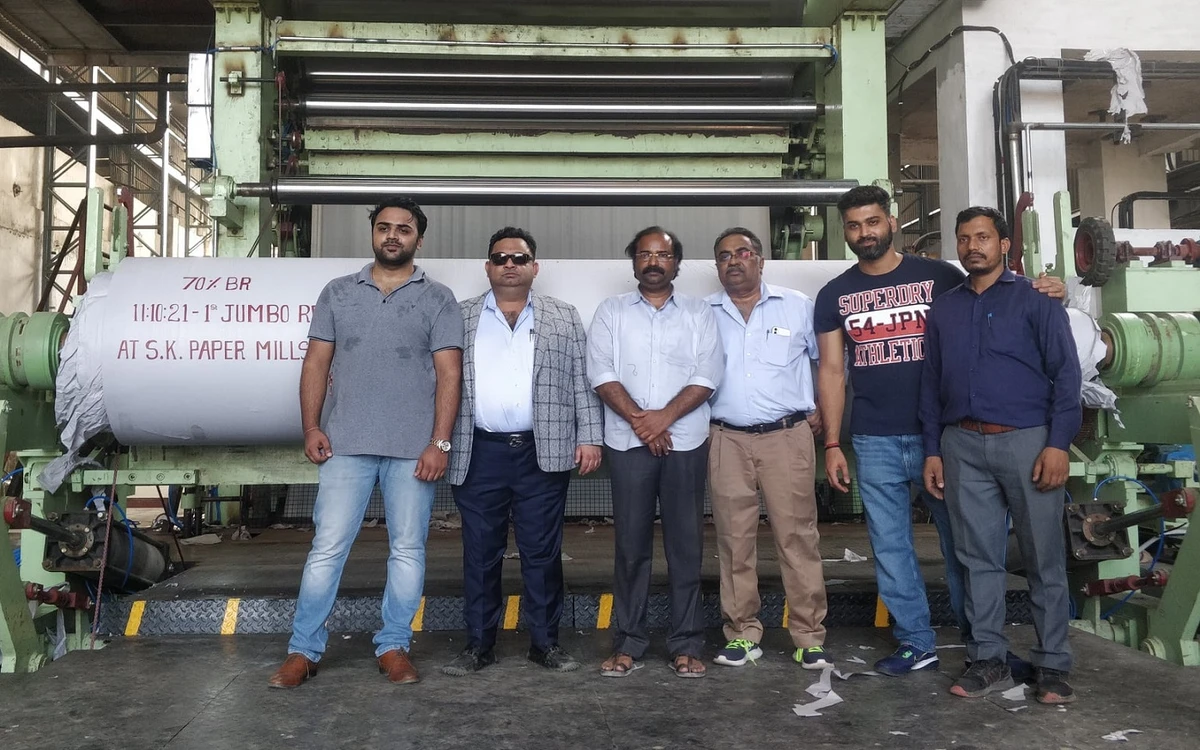
Muzaffarnagar gets a new capacity of Tissue Paper and MG Poster paper

“The integration of digitalization, automation, and Artificial Intelligence (AI) is no longer a futuristic concept—it is the baseline for competitiveness in 2036” - Vinit Garg, Director, Vizen Solutions
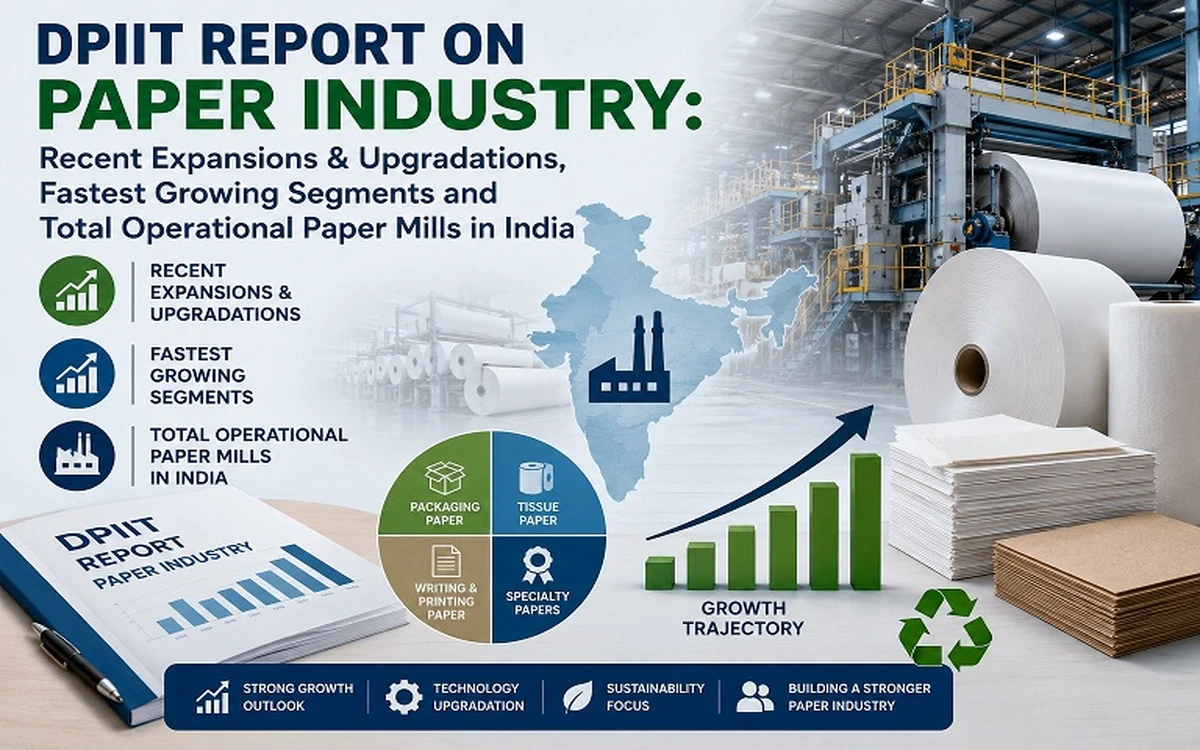
DPIIT Report on the Paper Industry: Recent Expansions & Upgrades, Fastest-Growing Segments, and Total Operational Paper Mills in India
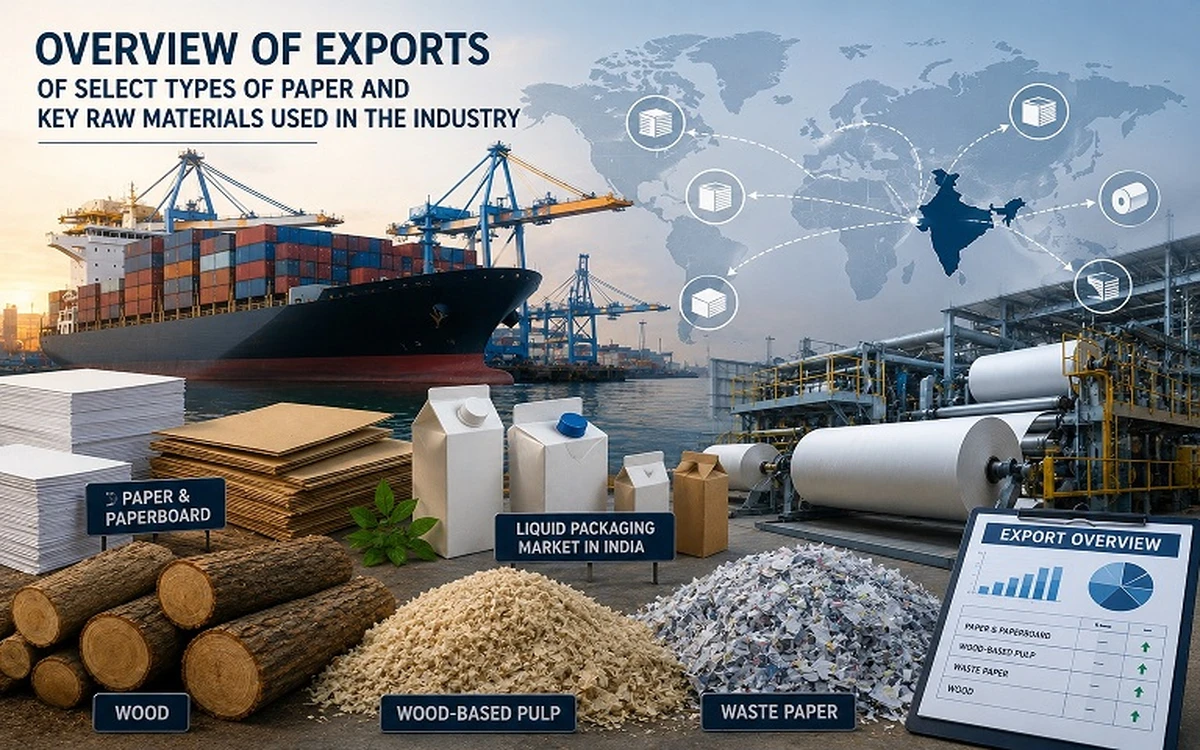
Overview of exports of select type of paper and key raw material used in the industry by Crisil Intelligence

Margin pressure pushes Pulp & Paper Packaging sector toward AI-Driven cost optimization, Cutting costs by 8–20%
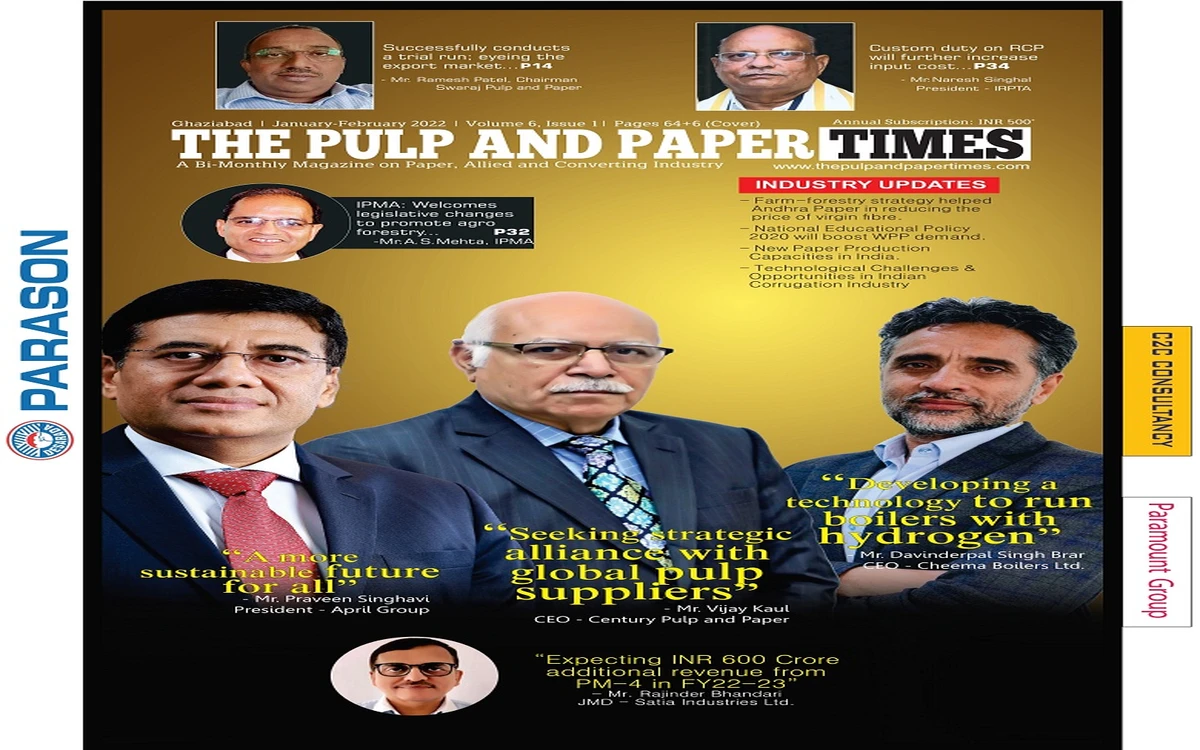
The Pulp and Paper Times Magazine : Volume 6, Issue 1

The Pulp and Paper Times Magazine : Volume 5, Issue 6
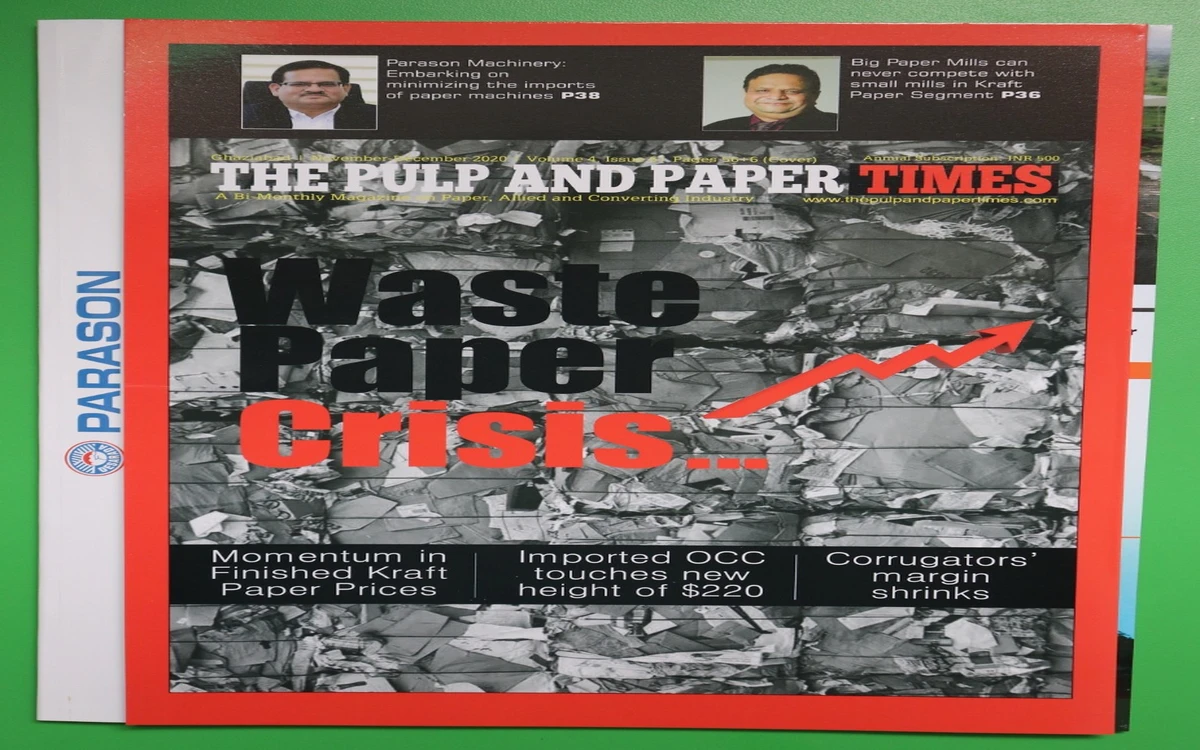
The Pulp and Paper Times: Volume 4, Issue 6
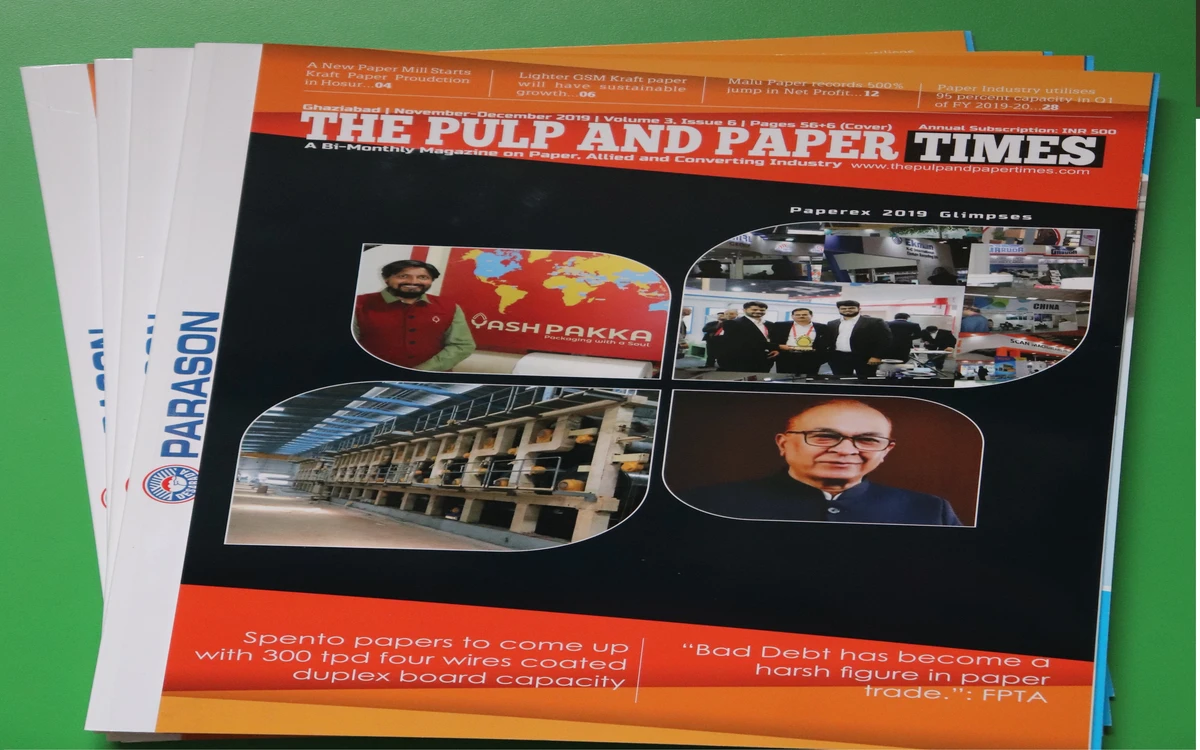
The Pulp and Paper Times : Volume 3, Issue 6
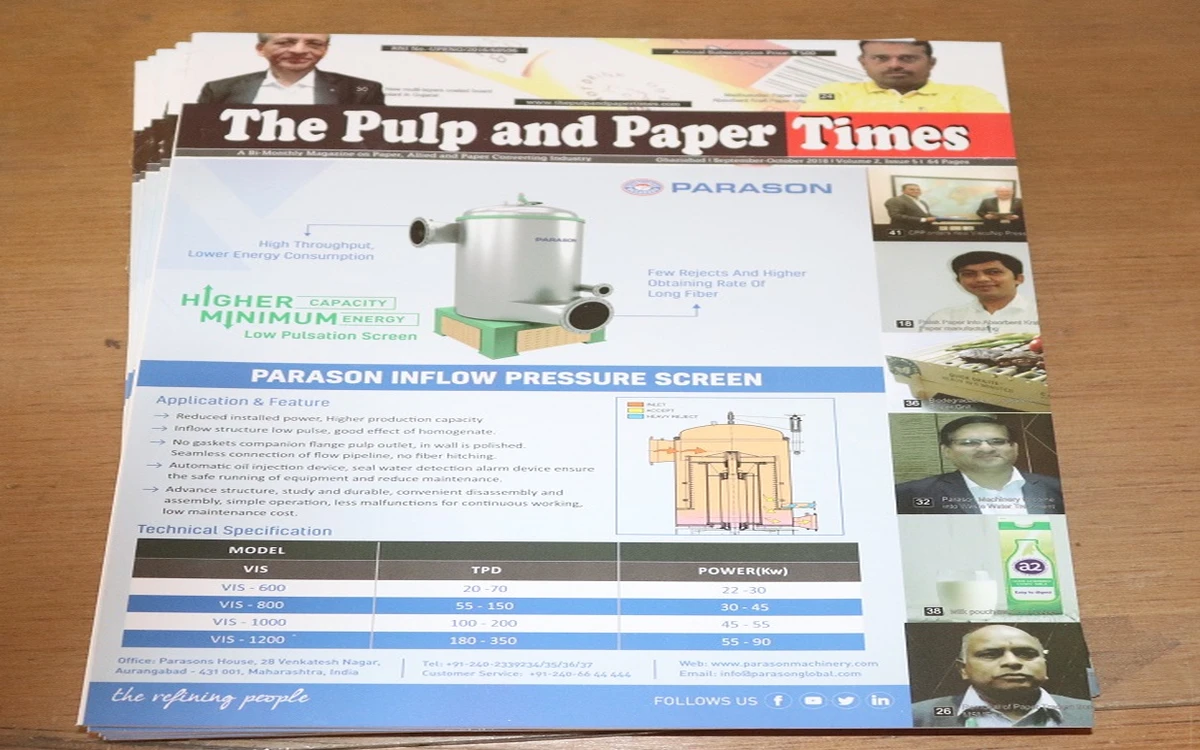
The Pulp and Paper Times: Volume 2 Issue 5
The Pulp and Paper Times, Volume 1, Issue 3
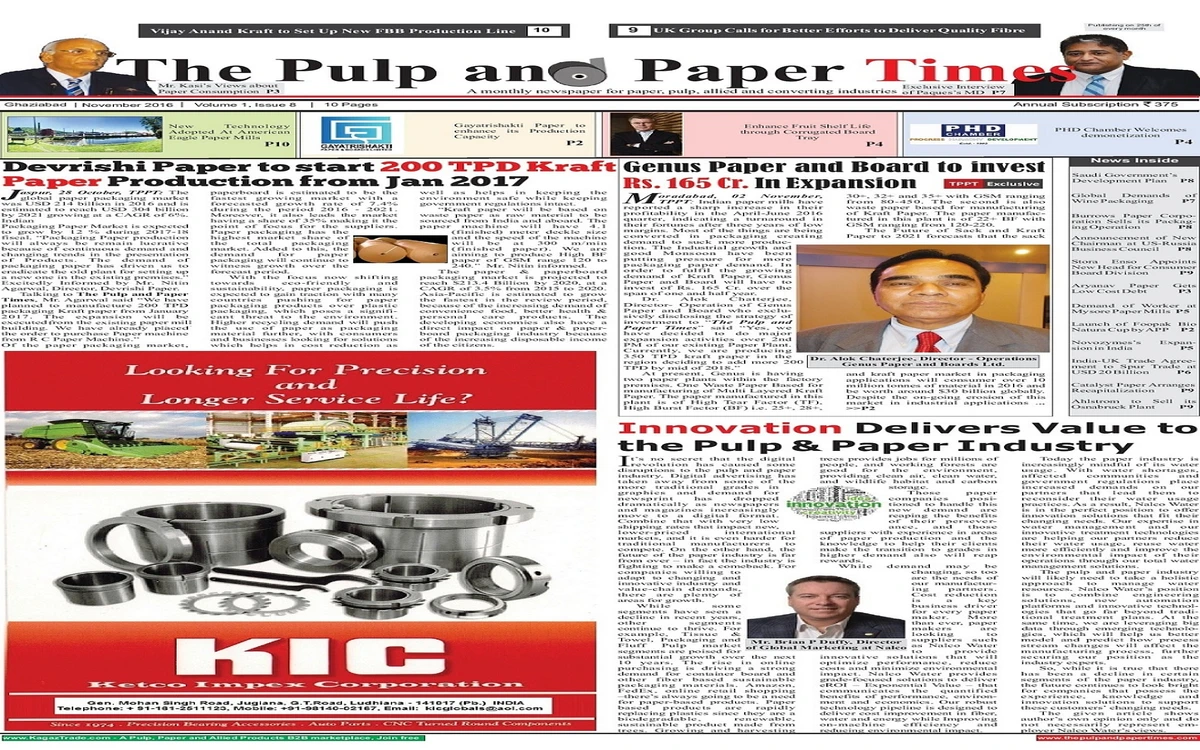
The Pulp and Paper Times, November 2016 Issue
- Huhtamaki invested in expanding capacity at several existing production locations across its global footprint
- Paperboard prices remained close to 2024 levels, while prices for plastics and virgin fiber decreased slightly
The Pulp and Paper Times
Global packaging leader Huhtamaki has reaffirmed its commitment to sustainable packaging innovation, disciplined capital allocation, and strategic growth initiatives, even as global market conditions remain challenging. The company, which has a legacy of more than 105 years and a strong Nordic heritage, continues to focus on developing next-generation packaging solutions designed to improve convenience and wellbeing for consumers worldwide.
Operating across 35 countries with 106 production locations, Huhtamaki employs approximately 17,400 people globally. The company’s broad packaging expertise spans three key technologies—paperboard, molded fiber, and flexible packaging—organized into four main business segments: Foodservice Packaging, North America, Flexible Packaging, and Fiber Packaging. Through these segments, Huhtamaki delivers sustainable packaging solutions to a wide range of industries, including quick-service restaurants, fast-casual dining chains, consumer goods brands, coffee shops, retailers, vending operators, and producers of eggs, fruits, and vegetables.

According to Ralf K. Wunderlich, President and Chief Executive Officer of Huhtamaki, the company’s newly defined value drivers—growth through all levers, disciplined capital allocation, and accountability with speed of execution—have already contributed positively to the company’s performance in 2025.
“Our new value drivers have supported our performance in 2025. To reach our financial ambitions, we are accelerating growth by using all these levers,” Wunderlich said in the company’s annual report for FY2025. He added that Huhtamaki has been strengthening its relationships with both regional and local customers, while continuing to maintain strong partnerships with global players.
During the year, the company achieved volume growth in two of its business segments and revived its mergers and acquisitions strategy through the acquisition of Zellwin Farms in the North America segment. This acquisition marks a significant step in expanding the company’s presence in molded fiber packaging solutions.

Huhtamaki’s capital allocation strategy remains focused on prioritizing investments in high-growth and high-return segments. The company emphasized disciplined investment planning, noting that capital expenditure in recent years has been optimized by utilizing earlier investments, resulting in lower capex levels during the current reporting period.
Despite these strategic advances, the global business environment remained complex throughout the year. Consumer cautiousness, ongoing geopolitical tensions, and trade uncertainties—particularly those related to tariff policies in the United States—continued to influence demand patterns across different markets and product categories.
Demand trends varied significantly between business segments. In the Foodservice Packaging and Flexible Packaging segments, demand remained relatively muted due to persistent inflationary pressures affecting consumer spending. However, the North American market showed signs of improvement across several product categories, and the Fiber Packaging segment experienced particularly strong demand, driven by increased requirements for egg and fruit packaging solutions.

Raw material costs also played a role in shaping the industry environment during 2025. According to the company’s annual report, most raw material prices remained relatively stable compared with the previous year. Paperboard prices remained close to 2024 levels, while prices for plastics and virgin fiber decreased slightly. In contrast, recycled paper prices experienced an upward trend. Among other cost components, labor costs increased globally, though at a slower pace than in 2024, while transportation and energy costs remained broadly stable.
The Foodservice Packaging segment, which provides paperboard and molded fiber packaging for food and beverage applications, faced challenging market conditions during the year. The segment supplies packaging solutions to a wide range of customers, including fast-food restaurants, coffee chains, and fast-moving consumer goods (FMCG) companies.

Consumer caution continued to impact demand in this segment, as inflationary pressures dampened spending across several markets. As a result, comparable net sales declined by 4 percent, while overall net sales fell by 5 percent during the year. The decline was particularly evident in certain European markets, including the United Kingdom.
Despite the drop in sales, Huhtamaki managed to maintain its adjusted EBIT margin in the segment through operational efficiencies and cost-management initiatives implemented across the group.
Innovation remained a central pillar of the company’s growth strategy. During the year, Huhtamaki introduced several new sustainable packaging solutions aimed at reducing reliance on traditional plastic-based materials. Among these were next-generation hot and cold paper cups designed for fast-food restaurants and coffee shops, featuring less than 5 percent polymer coating.
For the FMCG sector, the company introduced new packaging innovations intended to replace plastic-based packaging formats. One such product is ProDairy, a single-coated paper cup designed for yogurt and dairy applications. Additionally, the company developed home-compostable and recyclable ice cream cups featuring a bio-based coating, reflecting the growing industry focus on environmentally responsible packaging alternatives.
The North America segment also continued to play a significant role in Huhtamaki’s overall performance. This segment primarily serves local markets with branded disposable tableware products such as the Chinet® range, along with private-label foodservice packaging and consumer goods packaging products including ice cream containers and egg cartons.
Although consumer demand in North America remained somewhat sluggish during the year, the company reported steady progress toward its strategic objectives. Market conditions were influenced by multiple factors, including inflation and uncertainty related to tariff policies. At the same time, regulatory changes in several US states banning foam packaging created new opportunities for fiber-based packaging solutions, supporting demand for Huhtamaki’s sustainable product offerings.
The Fiber Packaging segment emerged as one of the company’s strongest performers during the year. This segment provides molded fiber products such as egg cartons, fruit packaging trays, cup carriers for quick-service restaurants and cafés, and bottle dividers designed to protect delicate products during transportation and handling.
Huhtamaki currently operates 11 production units for fiber packaging across Europe, Africa, Asia, Oceania, and South America. Demand for egg and fruit packaging remained robust throughout the year, contributing to favorable market conditions for the segment.
Net sales in the Fiber Packaging segment increased by 5 percent during the year, while comparable net sales growth reached 8 percent. The growth was driven by both higher sales volumes and improved pricing levels. In addition, the segment achieved a 16 percent increase in adjusted EBIT, reflecting both strong demand and the company’s cost-reduction initiatives.
To support continued growth in this segment, Huhtamaki invested in expanding capacity at several existing production locations across its global footprint. The company also initiated a new expansion project in Egypt aimed at establishing an additional production facility to complement its existing operations in the region.
Although the project remains in its early stages, the company believes that such investments are essential to meet rising global demand for sustainable fiber-based packaging.
Looking ahead, Huhtamaki emphasized that it will continue investing in critical capabilities and resources required to achieve its long-term growth objectives. At the same time, the company has implemented stricter internal prioritization for investment projects to ensure that capital is allocated efficiently.
Future investments will focus primarily on projects expected to deliver the highest returns, with particular emphasis on opportunities within the molded fiber packaging segment. After several years of relatively high capital expenditure, Huhtamaki moderated its capex levels in 2024 and further reduced them in 2025.
The company aims to maintain a balanced capital allocation strategy in which investments are distributed across maintenance requirements, efficiency improvements, and growth initiatives. A smaller portion of capital will also be allocated to safety enhancements and regulatory compliance projects.
As the global packaging industry continues to evolve amid sustainability demands, regulatory changes, and shifting consumer preferences, Huhtamaki’s focus on innovation, fiber-based solutions, and disciplined financial management positions the company to navigate market uncertainties while capturing long-term growth opportunities in sustainable packaging.

2 weeks ago
Total Views : 1755

last month
Total Views : 425
last month
Total Views : 948
3 months ago
Total Views : 2583
3 months ago
Total Views : 1146
4 months ago
Total Views : 2149
4 months ago
Total Views : 2907
4 months ago
Total Views : 1961
5 months ago
Total Views : 1318

6 months ago
Total Views : 2559