Join Groups & Channels, No Spamming









Morbi paper mills see full-capacity operations as ceramic industry revives; Kraft paper exports to China spike, Prices strengthen; Janmashtami shutdown ahead
The BE and caustic soda plant marks a key milestone for Mohit Paper Mills, enabling full utilization of installed capacity and enhancing overall production efficiency
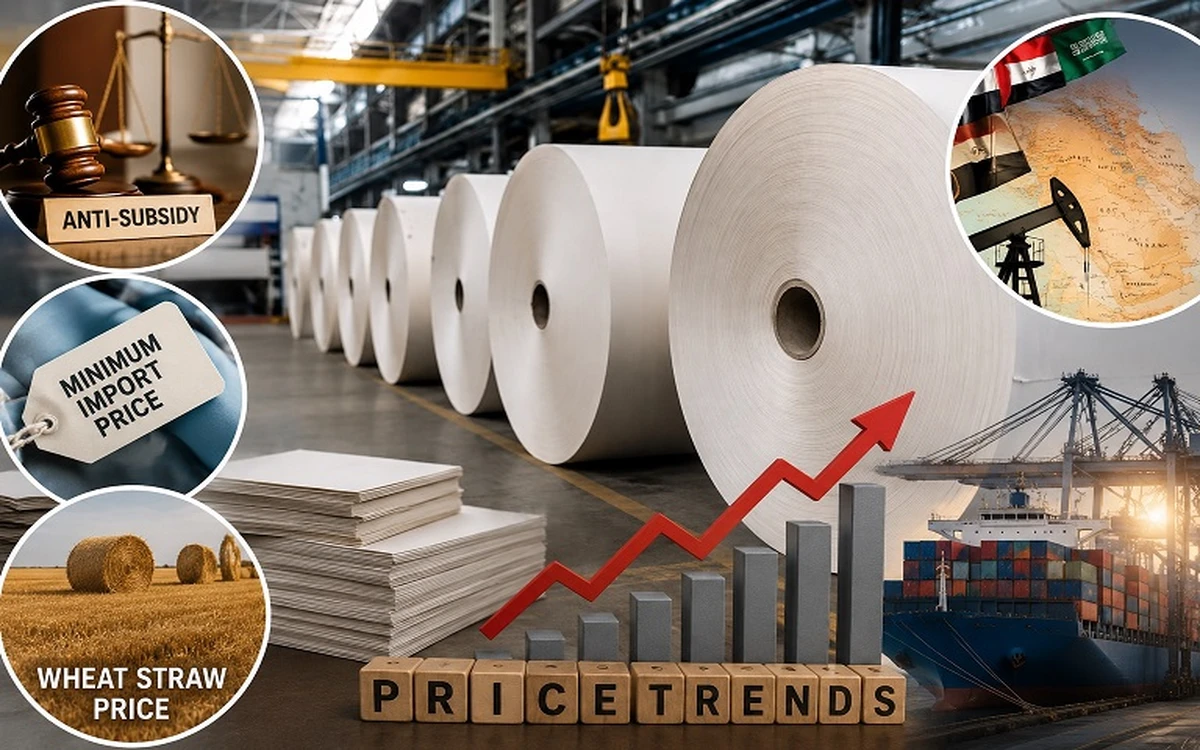
Expert Views on the paper market scenario, How the West Asia Crisis Helped the Industry, MIP for WPP, Anti-Subsidy implementation, and paper price trends
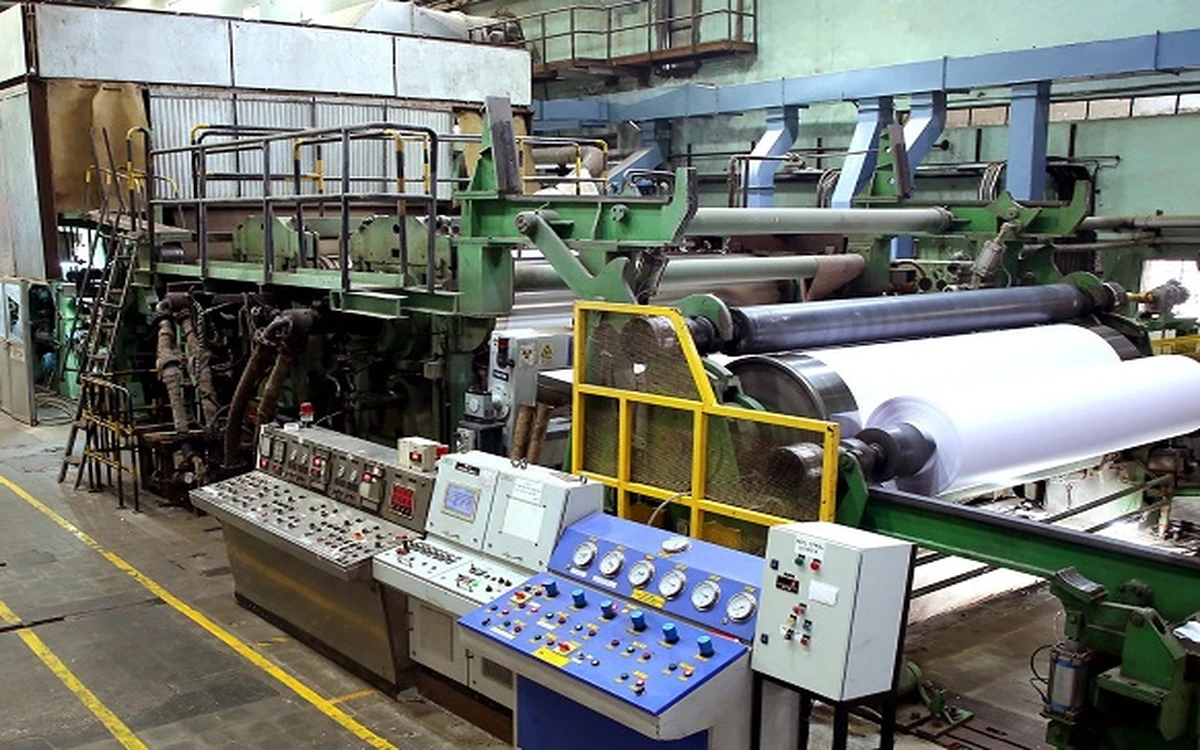
Pudumjee Paper intends to develop new varieties addressing applications for stronger paper bags and cupcakes; Plans 68,000 MT Mahad Specialty Paper Facility within 5 years
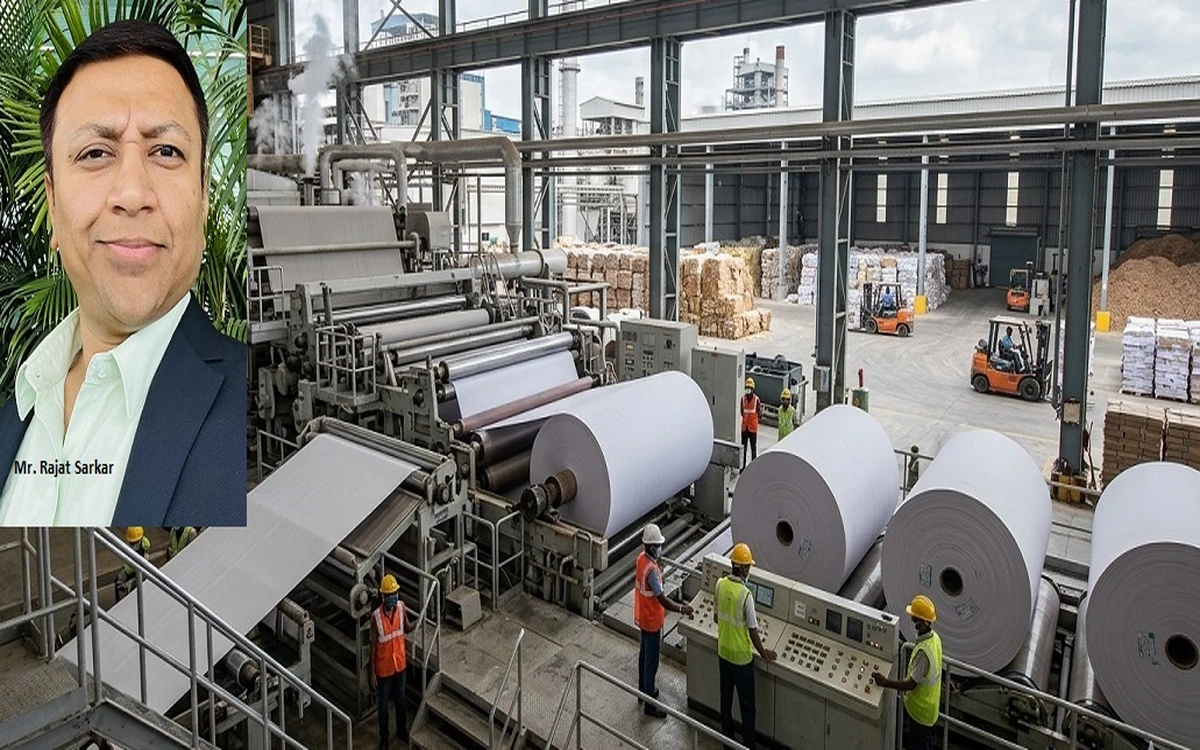
India Paper Industry at an Inflection Point: War, Costs, and Capacity; Demand growth expected at 5–7% in FY26
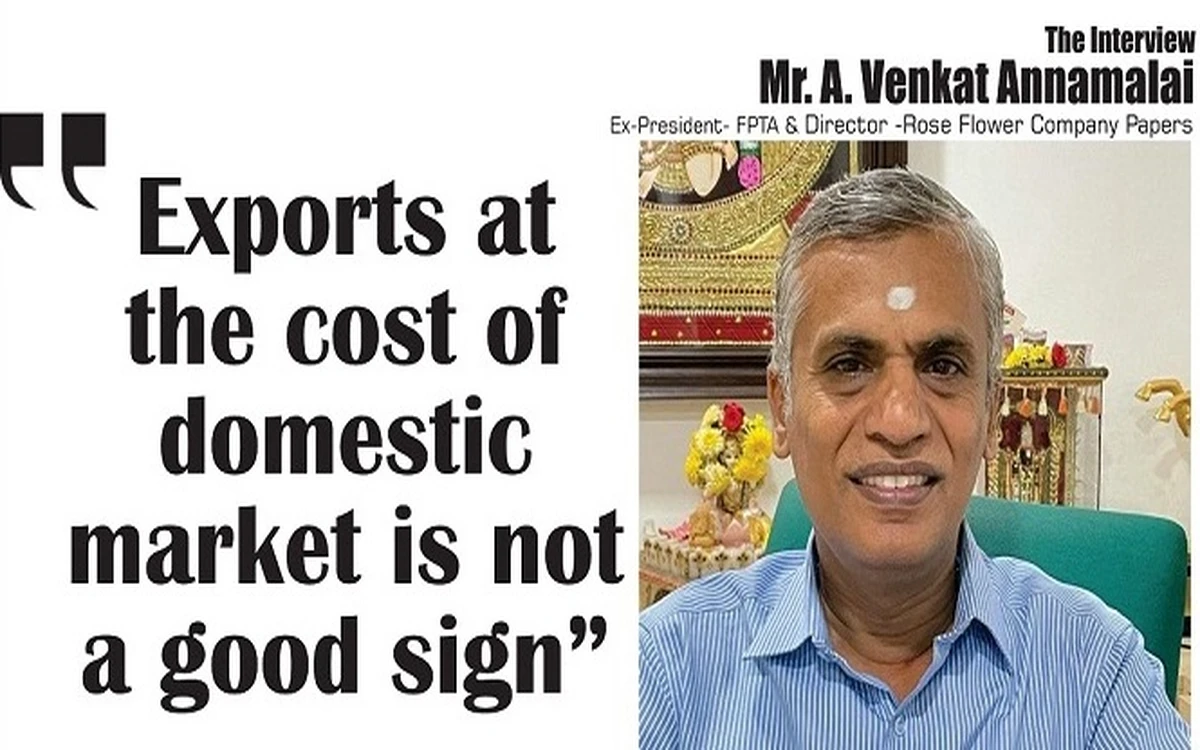
“Surging exports of paper will most certainly keep the domestic prices quite high”: Mr. A. Annamalai, Director – RFC
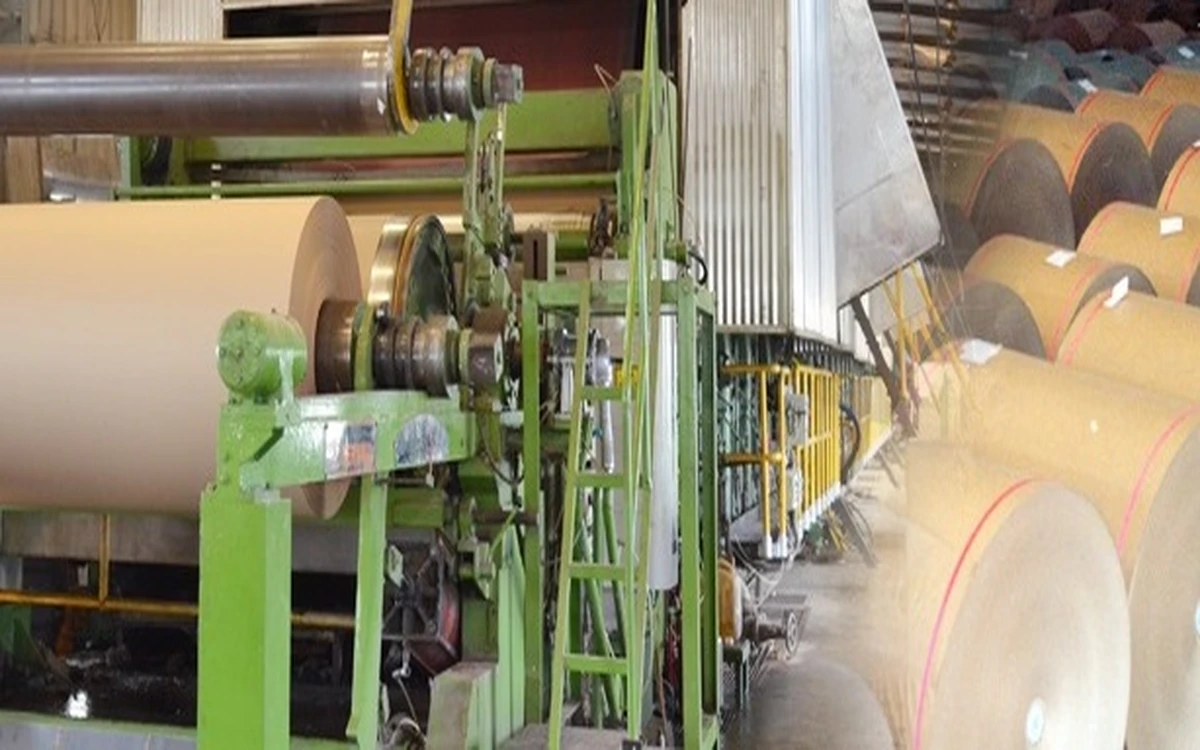
The Status of the Global Container board Industry, Recycled Paper Demand and Supply and its impact on the Indian Industry

Akshay Jain, director of Silverton Pulp & Paper, says it's time to promote agro residue as a raw material to lessen the scarcity of fibre
Advantageously located, a new paper mill is all set to roll kraft paper in Madhya Pradesh
Several agile interventions helped ITC-PSPD fortify its clear leadership of the Value Added Paperboards (VAP) segment
Operational Excellence, Not Just Capex, Will Drive India's Paper Industry Forward: IPPTA President
Overall Increase in Kraft Paper Prices Could Reach 35%; Industry Calls for 20% Box Price Increase, Voluntary Shutdown Proposed
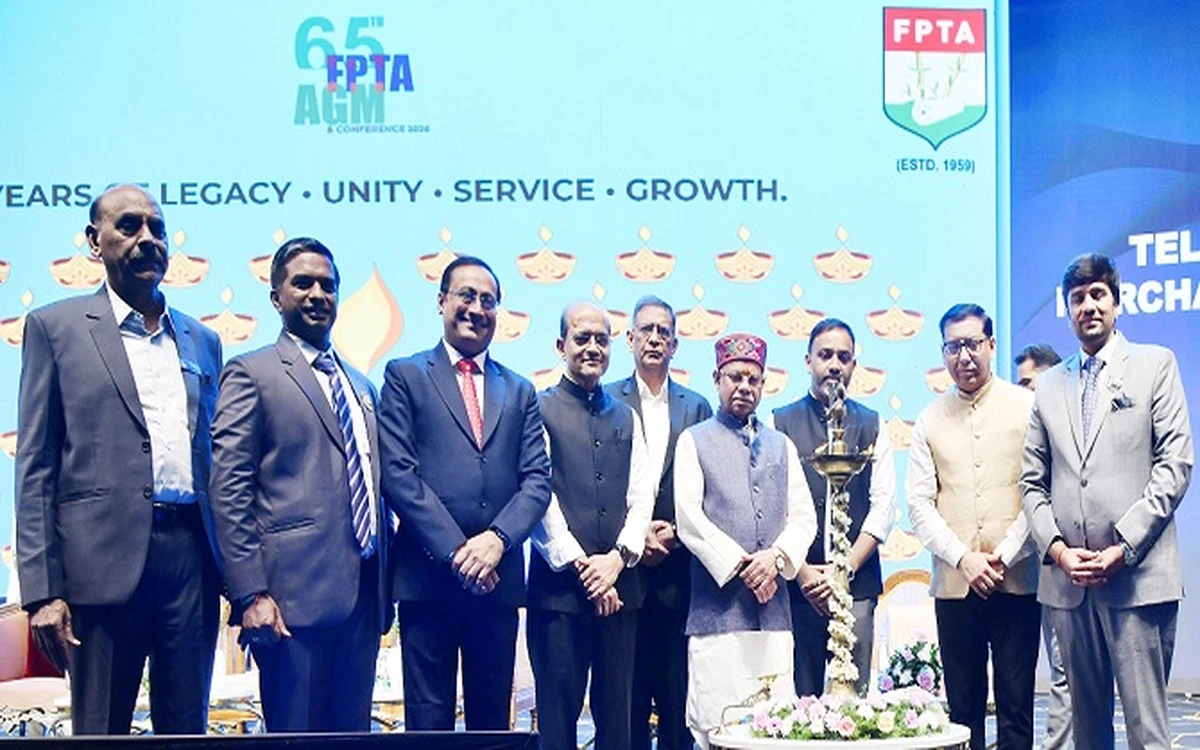
Paper Mills and Dealers Must Work Together to Create New Demand, Say Industry Leaders at FPTA’s 65th AGM
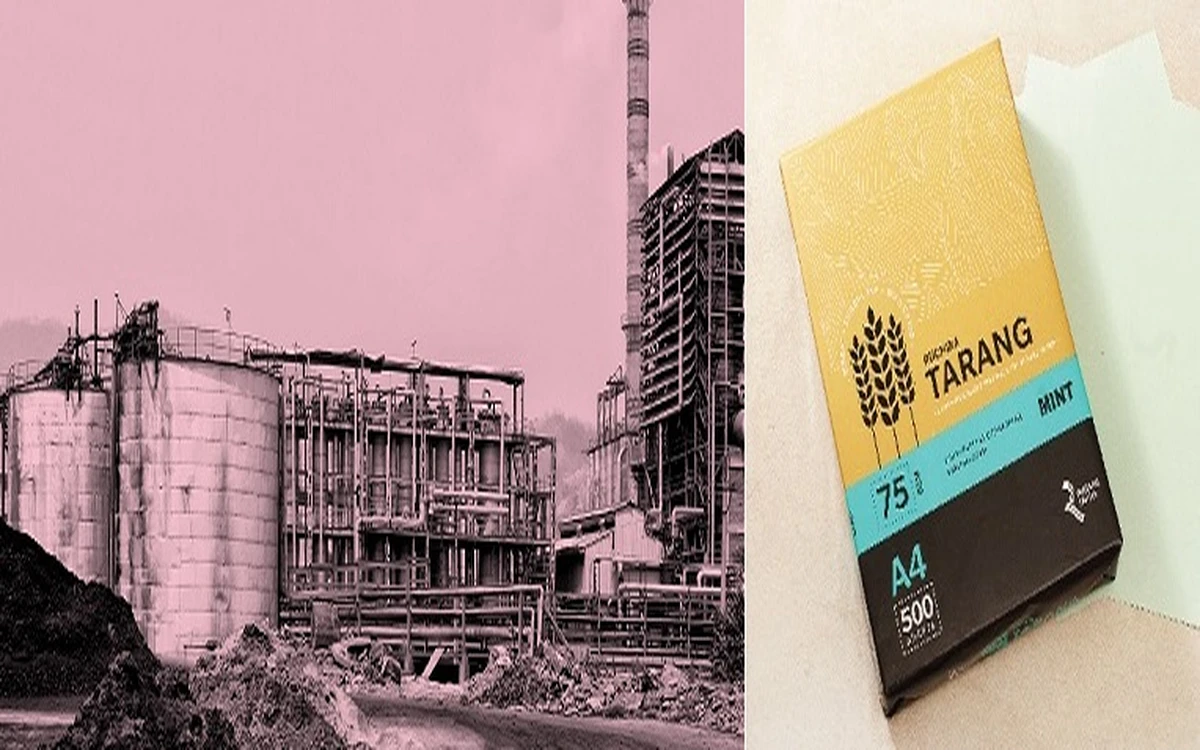
Ruchira Papers Invests a Sizeable Capex of Rs. 235–240 Crore Towards Writing & Printing Paper Capacity Expansion
Paper mills inflated the basic ex-mill price of paper post GST 2.0, AINMA seeks action against Anti-Profiteering
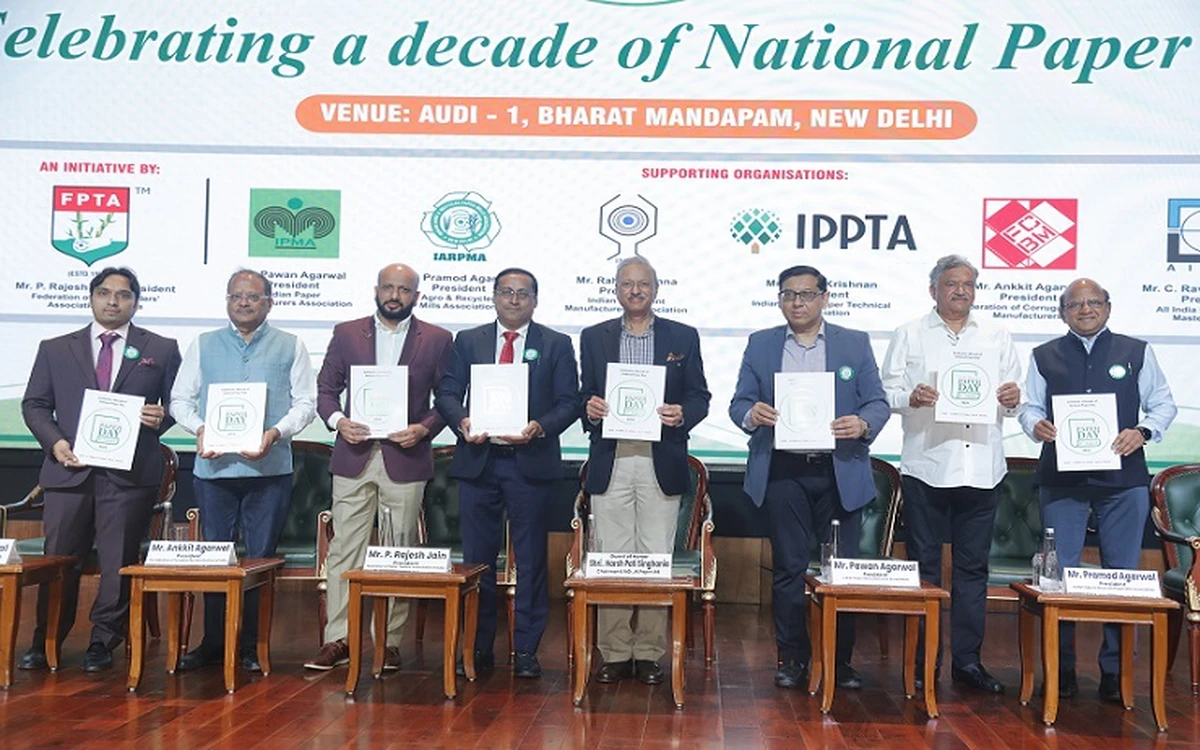
Seven Leading Associations Unite to Celebrate National Paper Day, Highlighting Paper's Sustainability and Circular Economy Advantage
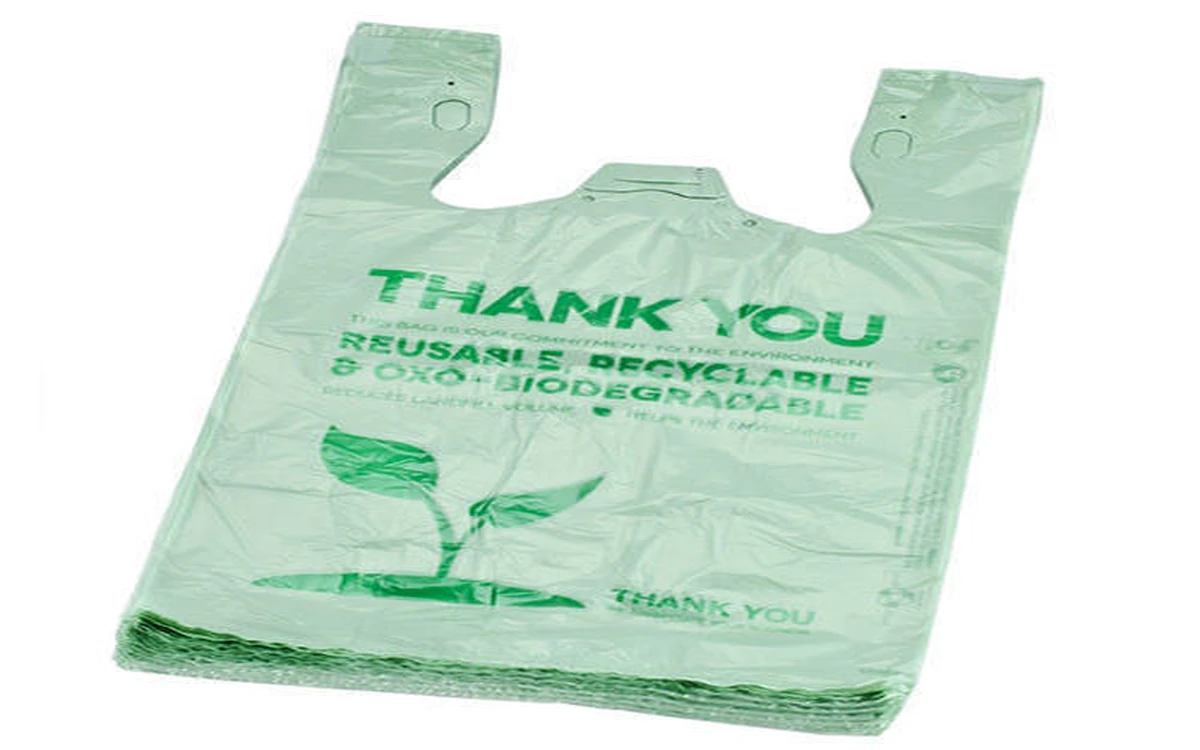
Scientists from IIT-Guwahati develop India's first biodegradable plastic

Navneet Education focuses on brand building, curriculum-led growth, and export recovery; expects stationery margins to improve in FY27

It is estimated that USD10B to USD20B worth of single-use plastic packaging will convert to molded fiber, ZUME
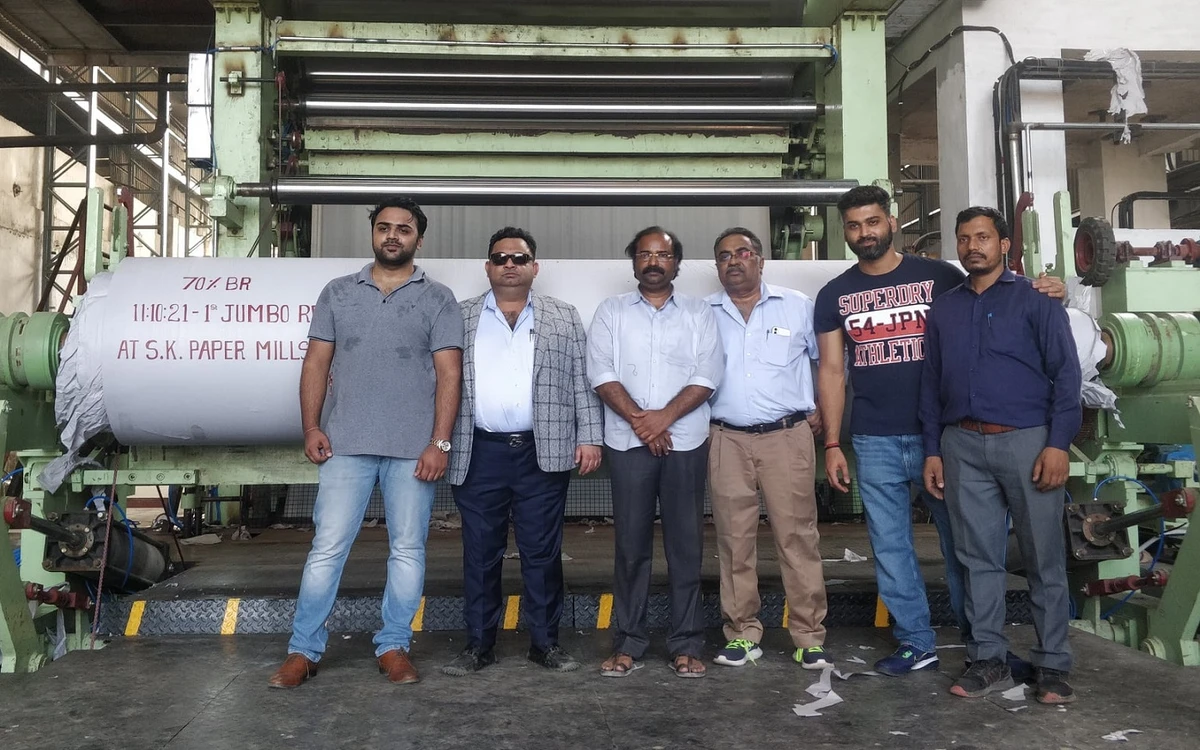
Muzaffarnagar gets a new capacity of Tissue Paper and MG Poster paper

“The integration of digitalization, automation, and Artificial Intelligence (AI) is no longer a futuristic concept—it is the baseline for competitiveness in 2036” - Vinit Garg, Director, Vizen Solutions
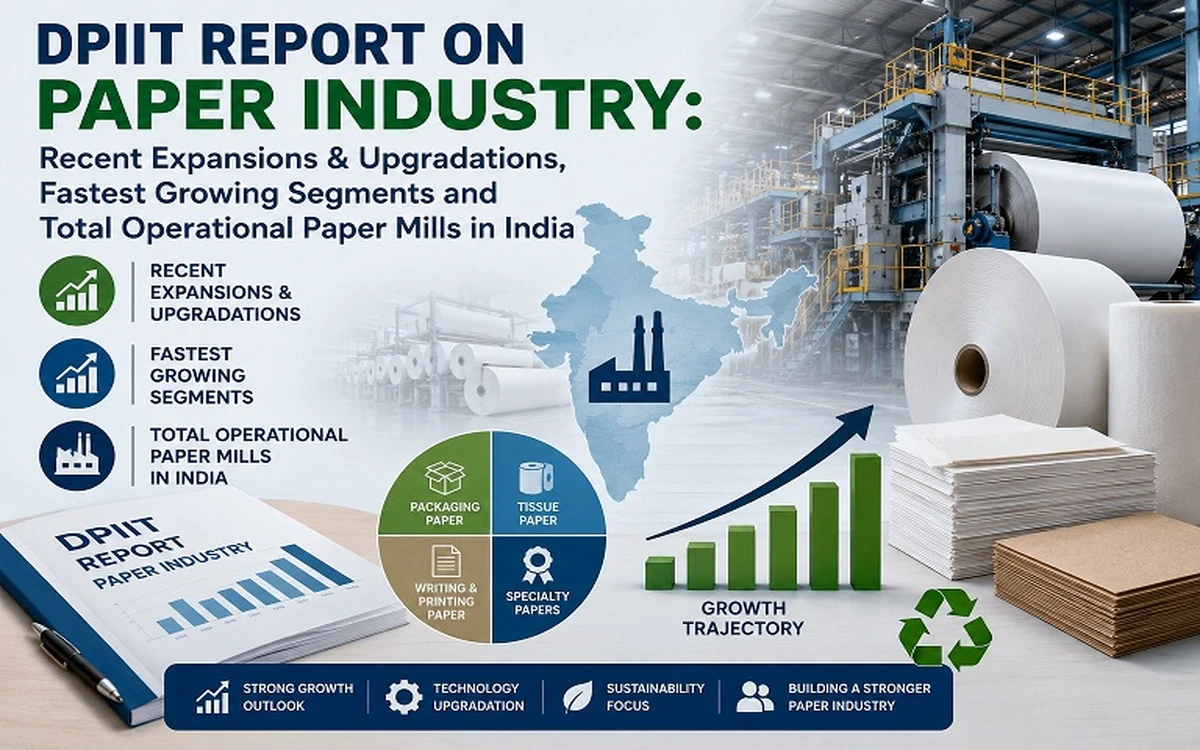
DPIIT Report on the Paper Industry: Recent Expansions & Upgrades, Fastest-Growing Segments, and Total Operational Paper Mills in India
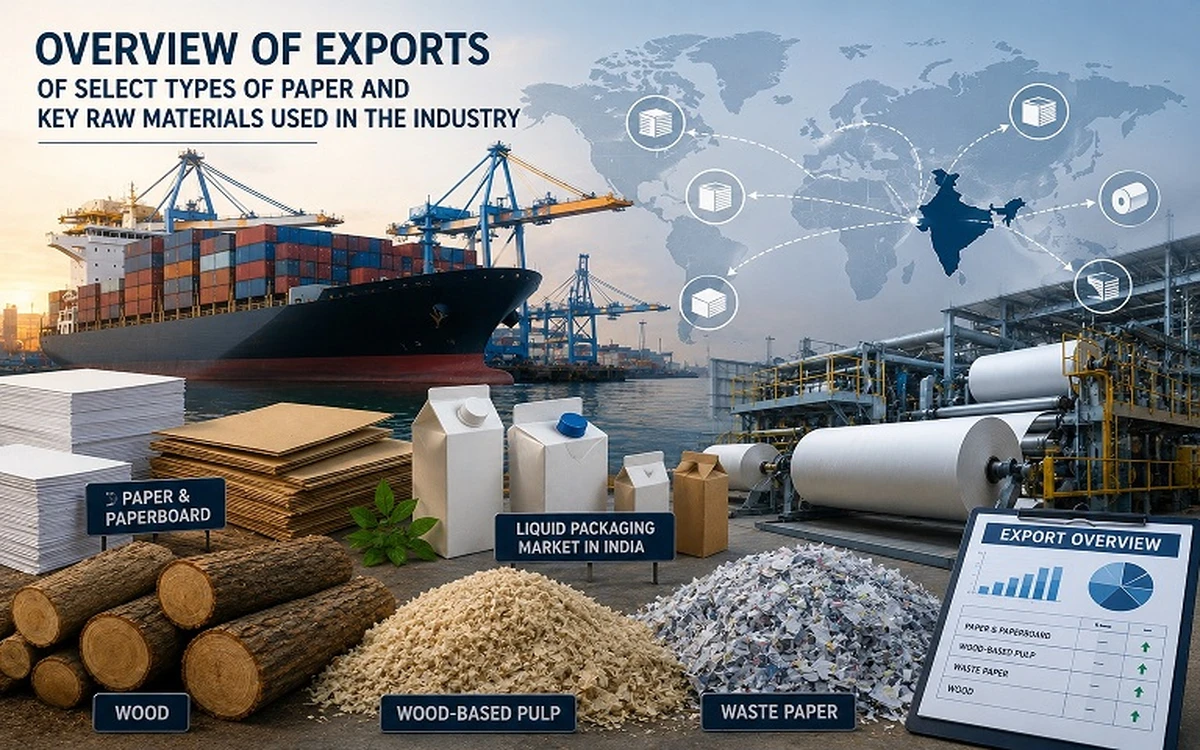
Overview of exports of select type of paper and key raw material used in the industry by Crisil Intelligence

Margin pressure pushes Pulp & Paper Packaging sector toward AI-Driven cost optimization, Cutting costs by 8–20%
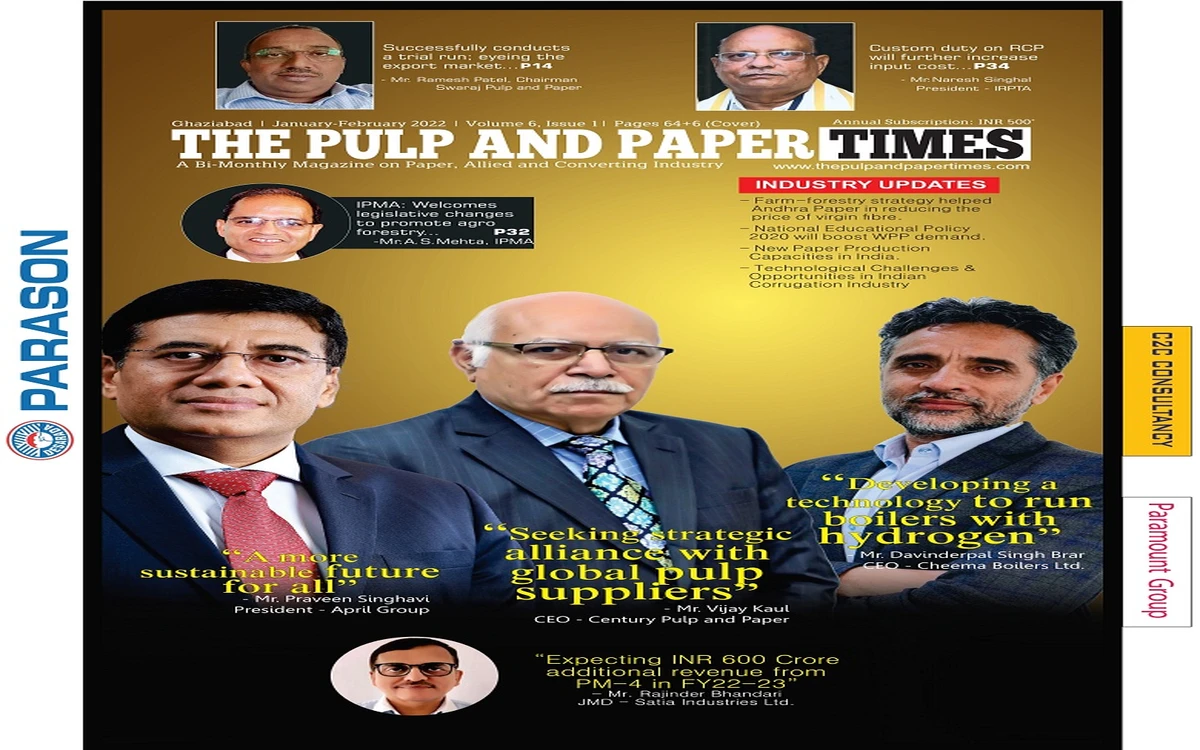
The Pulp and Paper Times Magazine : Volume 6, Issue 1
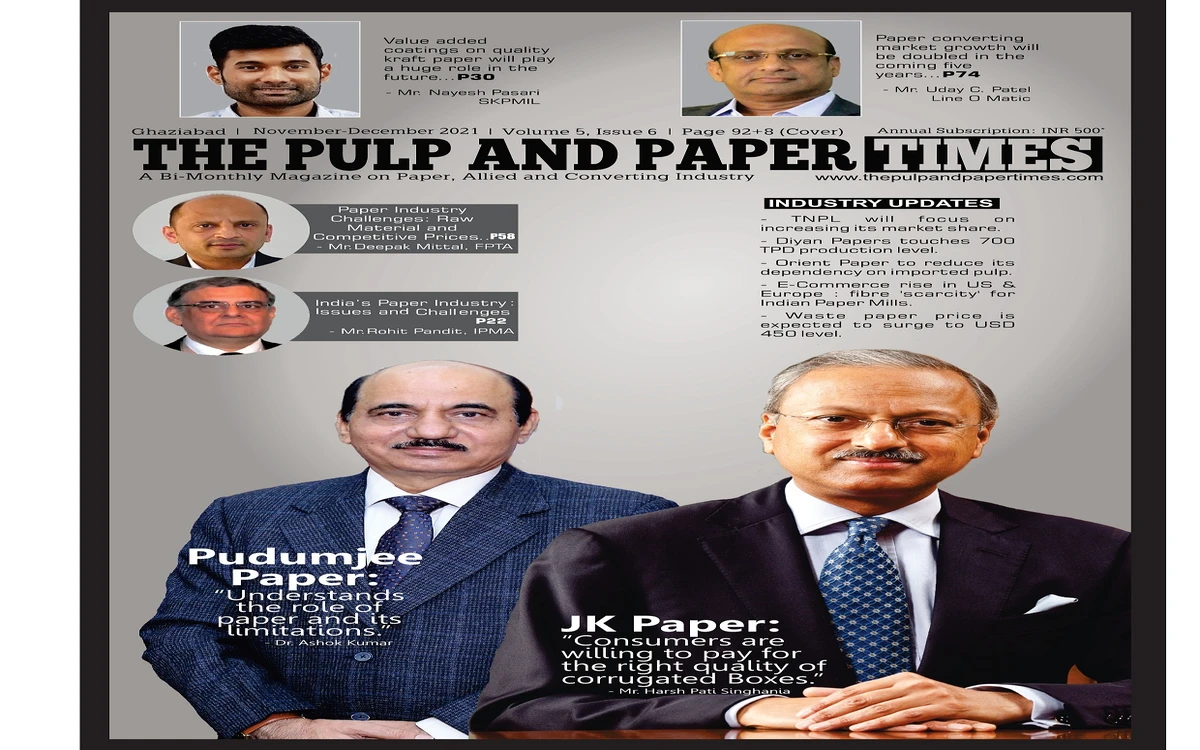
The Pulp and Paper Times Magazine : Volume 5, Issue 6
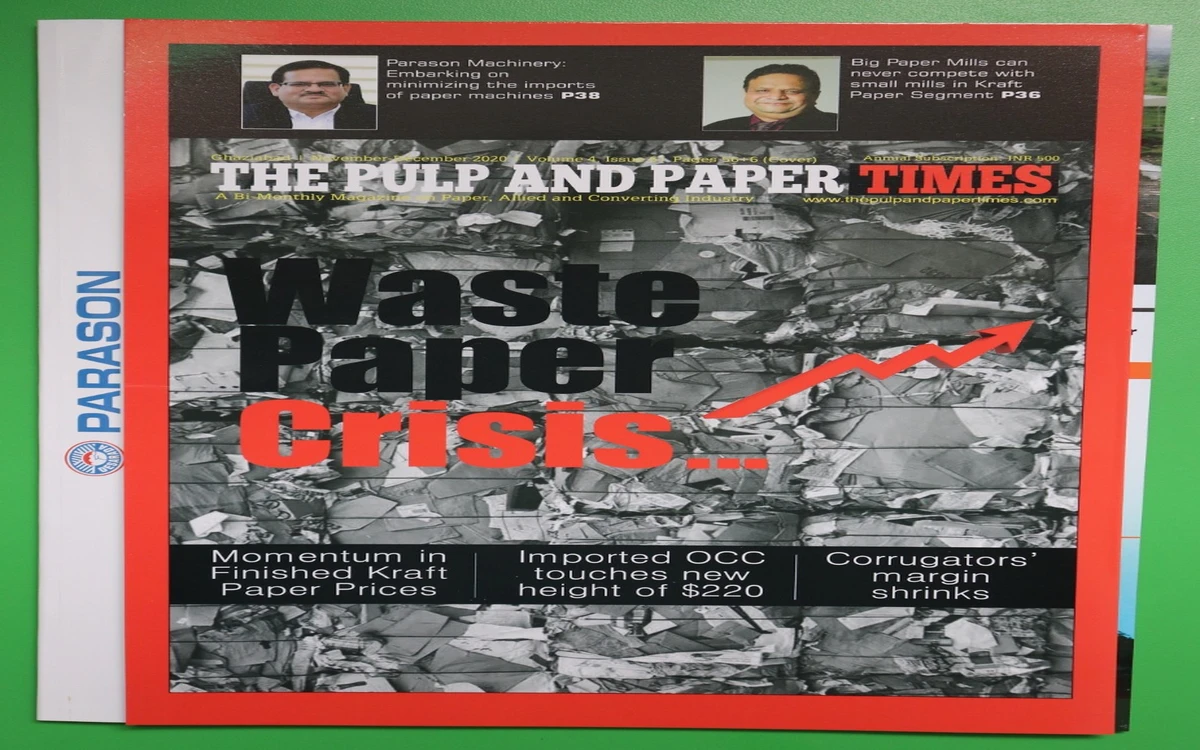
The Pulp and Paper Times: Volume 4, Issue 6
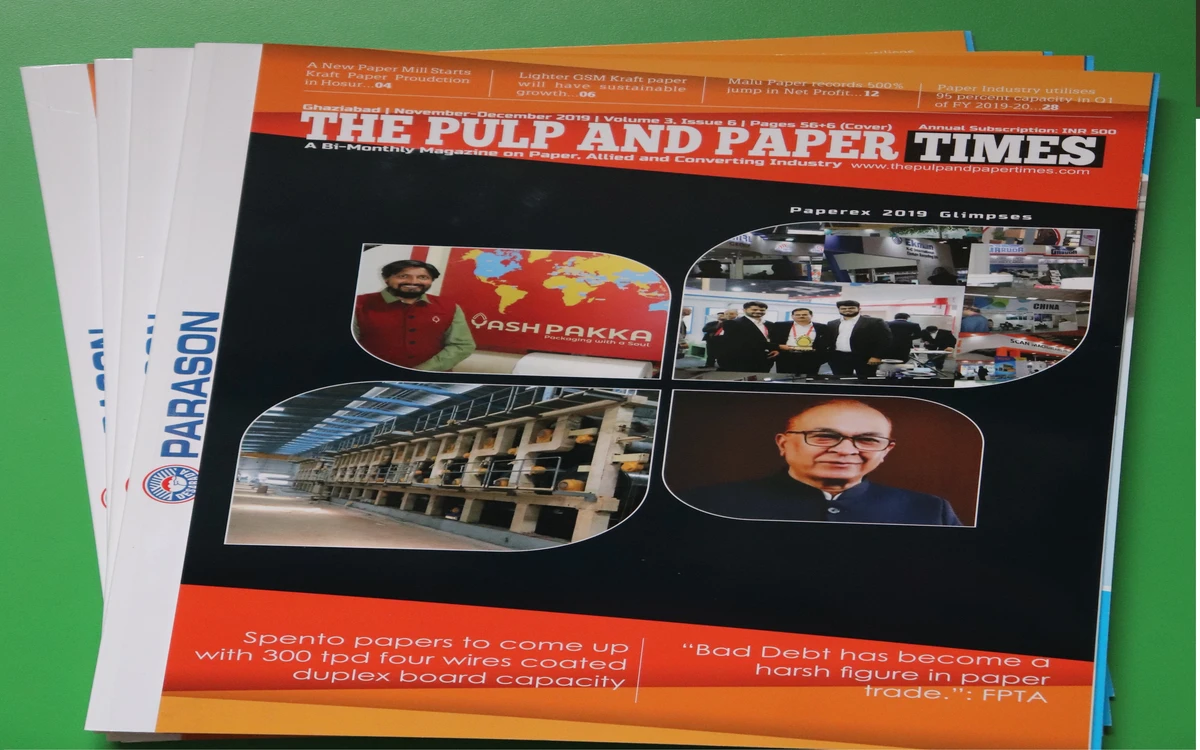
The Pulp and Paper Times : Volume 3, Issue 6
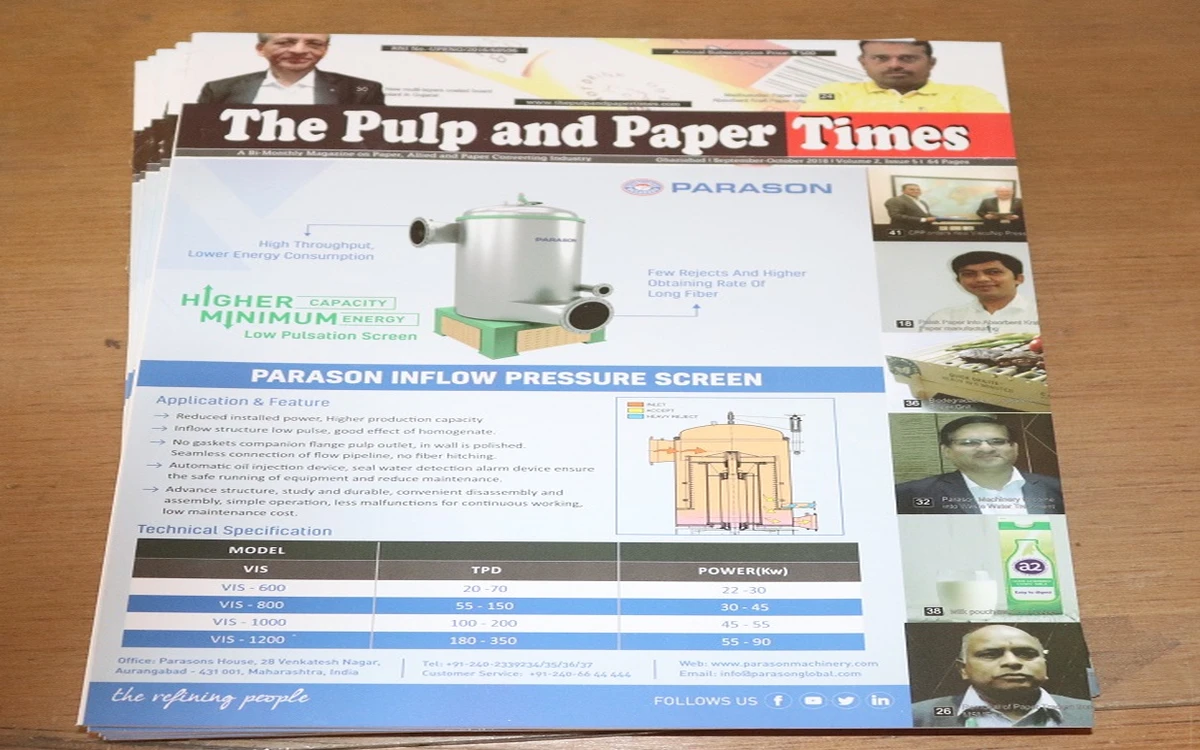
The Pulp and Paper Times: Volume 2 Issue 5
The Pulp and Paper Times, Volume 1, Issue 3
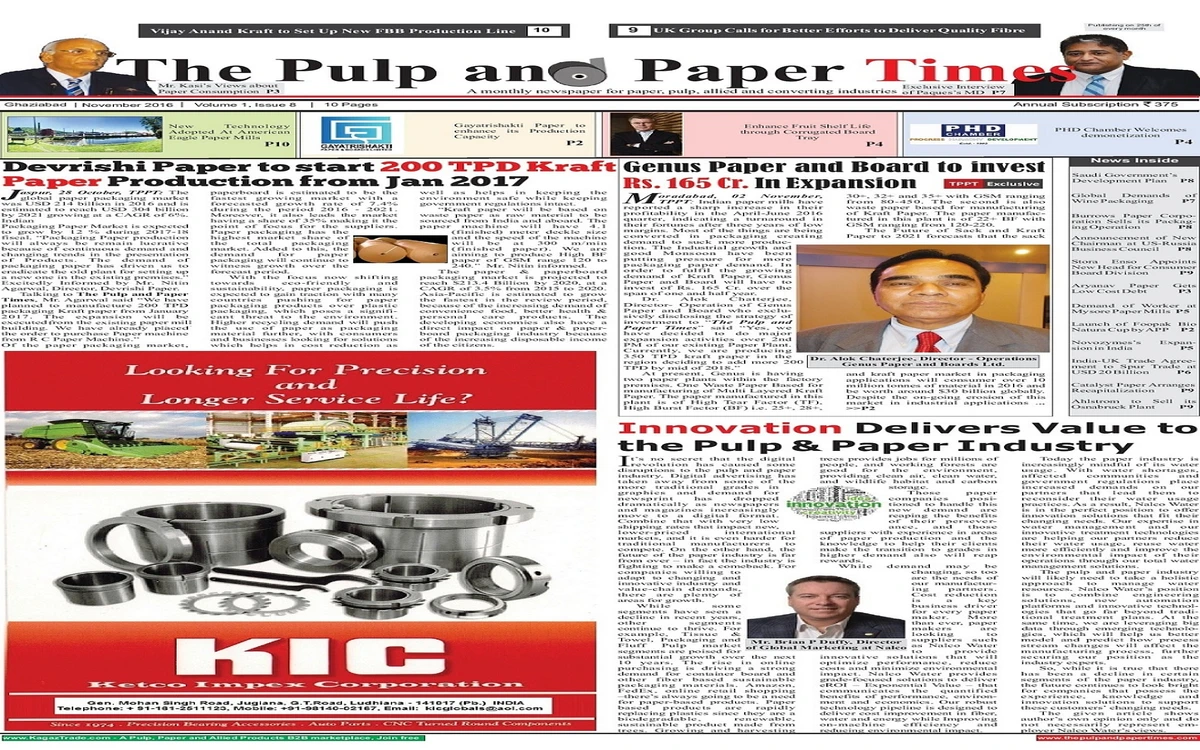
The Pulp and Paper Times, November 2016 Issue

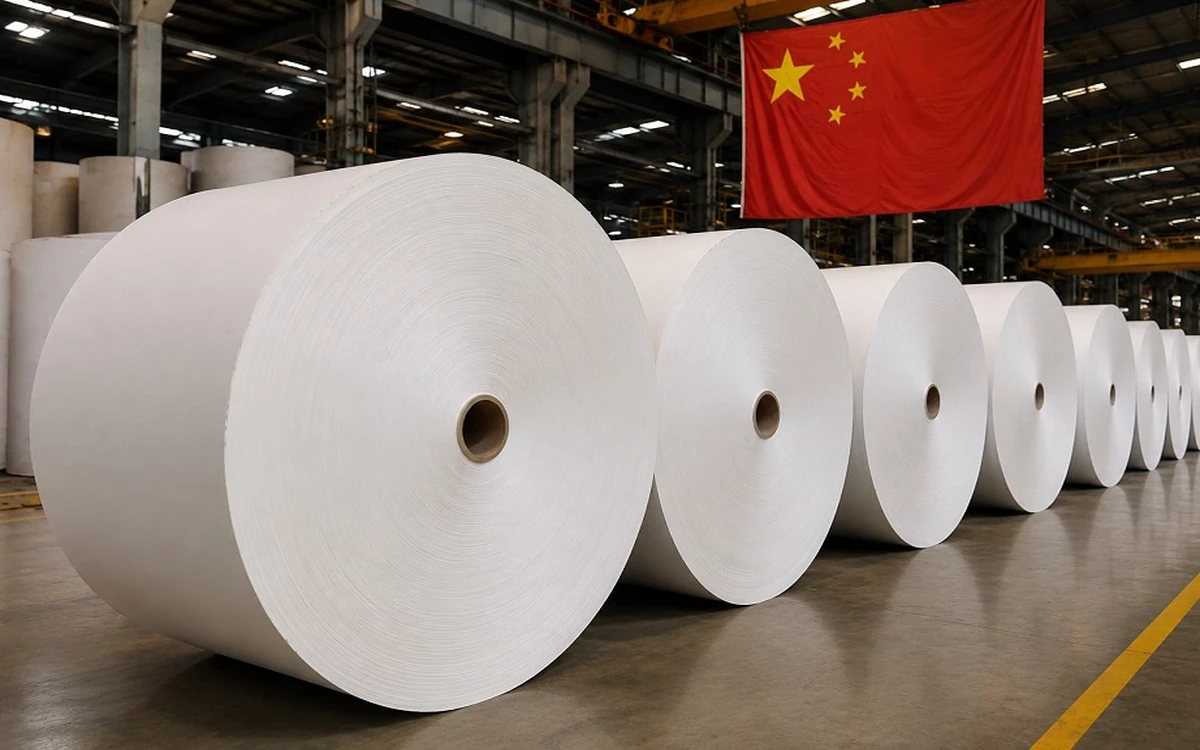
- China’s Paper Industry Exports Cross RMB 80 Billion Despite Domestic Demand Pressure
- Supply-Side Reforms and Carbon Policies Expected to Improve China’s Paper Industry Outlook
The Pulp and Paper Times
Currently, China’s paper industry has entered a phase of high-quality transformation and development, with its primary focus shifting entirely from scale expansion to structural upgrading. Green and low-carbon practices have become the core guiding principles for the industry’s growth, while energy efficiency, environmental protection and carbon footprint are now key prerequisites for market entry and competitiveness. Meanwhile, the trend toward industrial chain integration is becoming increasingly prominent, and outdated production capacity is continuously being phased out. The industry as a whole has transitioned from rapid growth to a new stage of high-quality, sustainable, eco-friendly, and intensive development, gradually establishing a policy landscape that supports superior enterprises while restricting inferior ones. Since 2025, a series of industry-related policies have been rapidly introduced and implemented to further regulate industry development and guide industrial upgrading.
On 1 May, the Norm of Energy Consumption per Unit Product of Pulp and Paper (GB31825- 2024) officially took effect, which further tightened energy consumption limits and broadened the scope of energy consumption accounting. In August, the Shandong Provincial Department of Industry and Information Technology issued the Guidelines for the Cultivation and Development of New Quality Productive Forces in the Paper and Biomass Refining Industrial Chain in Shandong (2025 Edition), which covered the entire upstream and downstream industrial chain, including pulping, biomass refining, papermaking, and paper products, and provided development guidelines on independent innovation, digital and intelligent transformation, brand marketing, and green safety to help enterprises foster new quality productive forces. In November, the Ministry of Emergency Management issued the industry standard of AQ7022-2025 Specification for Pulp and Paper Safety. In addition to outlining the general requirements for safety protection and safety signage, it also provided detailed provisions for critical areas such as specialised equipment and confined spaces, as well as safety management protocols spanning from raw material storage to wastewater treatment. This standard will officially come into effect on 1 November 2026

Official data from the National Bureau of Statistics indicates that in 2025, China’s paper and paper products industry generated a revenue of RMB1,418.67 billion, representing a year-on-year decrease of 2.6%. Operating costs amounted to RMB1,246.37 billion, representing a year-on-year decrease of 2.8%, while total profits amounted to RMB44.30 billion, representing a year-on-year decrease of 13.6%. The export delivery value was RMB80.72 billion, surpassing the RMB80 billion mark for the first time. Overall, the paper industry is currently in a development phase of cyclical bottoming and marginal recovery, and the imbalance between supply and demand has yet to be fundamentally resolved. On the supply side, as new production capacity was gradually put into operation, the total supply continued to grow. In 2025, the national output of machine-made paper and paperboard reached 164.054 million tonnes, representing a year-on-year increase of 2.9%. On the demand side, the industry is highly correlated with the wider economy, retail sales of consumer goods, packaging and printing, as well as publishing and education. Influenced by the trends in these related sectors, the overall demand for cultural paper, white cardboard and coated paper remained weak, keeping product prices under pressure. On the cost side, the price of wood pulp, the primary raw material for the paper industry, was impacted by multiple factors, including supply and demand fundamentals and tariff policy conflicts. In the first half of 2025, prices experienced a brief surge followed by a rapid decline. In the second half of the year, the price trends for softwood and hardwood pulp diverged, where softwood pulp continued to fluctuate at low levels, while hardwood pulp stopped falling and rebounded from low to high. Overall, wood pulp prices in 2025 saw a year-on-year decrease, which partially alleviated the cost pressure on enterprises and restored profit margins.

Looking ahead, as supply-side structural reforms deepen, the domestic circulation system improves, and domestic demand gradually recovers, coupled with the ongoing impact of policies aimed at curbing “involution” and standardising orderly competition, the supply and demand dynamics in the paper industry will continue to improve, and the industry’s overall business atmosphere is expected to gradually rebound. Against the backdrop of the deepening implementation of the “dual carbon” strategic goals, the industry’s green and low-carbon transition is becoming more profound and concrete. Lowcarbon practices, energy conservation and recycling will become standard requirements for industry development. Outdated production capacity from small and medium-sized enterprises will be orderly phased out, further increasing industry concentration. Competitive advantages will increasingly shift toward leading enterprises equipped with complete industrial chains, outstanding technological capabilities, and top-tier environmental standards. Meanwhile, as China accelerates the cultivation and development of new quality productive forces, the pace of digital and intelligent transformation within the paper industry will continue to speed up.

The construction of smart factories and the level of digitalisation and intelligence across the entire value chain will steadily improve. Technological empowerment will inject new momentum into the industry, driving cost reductions, efficiency gains and quality upgrades. Going forward, the Company will closely align with the “OneTwo-Five” strategic development plan, focusing on its principal activities of pulp production and papermaking. It will also continuously strengthen its core competitiveness, actively seize structural development opportunities within the industry and adhere to a steady business philosophy in a bid to drive the enterprise towards high-quality and sustainable development.
The above report has been extracted from Shandong Chenming Paper Holdings Limited’s annual report for FY 2025

2 days ago
Total Views : 545
3 weeks ago
Total Views : 1843

2 months ago
Total Views : 463
2 months ago
Total Views : 1021
3 months ago
Total Views : 2666
4 months ago
Total Views : 1213
4 months ago
Total Views : 2258
4 months ago
Total Views : 3001

4 months ago
Total Views : 2025
5 months ago
Total Views : 1356