Join Groups & Channels, No Spamming









Morbi paper mills see full-capacity operations as ceramic industry revives; Kraft paper exports to China spike, Prices strengthen; Janmashtami shutdown ahead

The BE and caustic soda plant marks a key milestone for Mohit Paper Mills, enabling full utilization of installed capacity and enhancing overall production efficiency
Expert Views on the paper market scenario, How the West Asia Crisis Helped the Industry, MIP for WPP, Anti-Subsidy implementation, and paper price trends
Pudumjee Paper intends to develop new varieties addressing applications for stronger paper bags and cupcakes; Plans 68,000 MT Mahad Specialty Paper Facility within 5 years
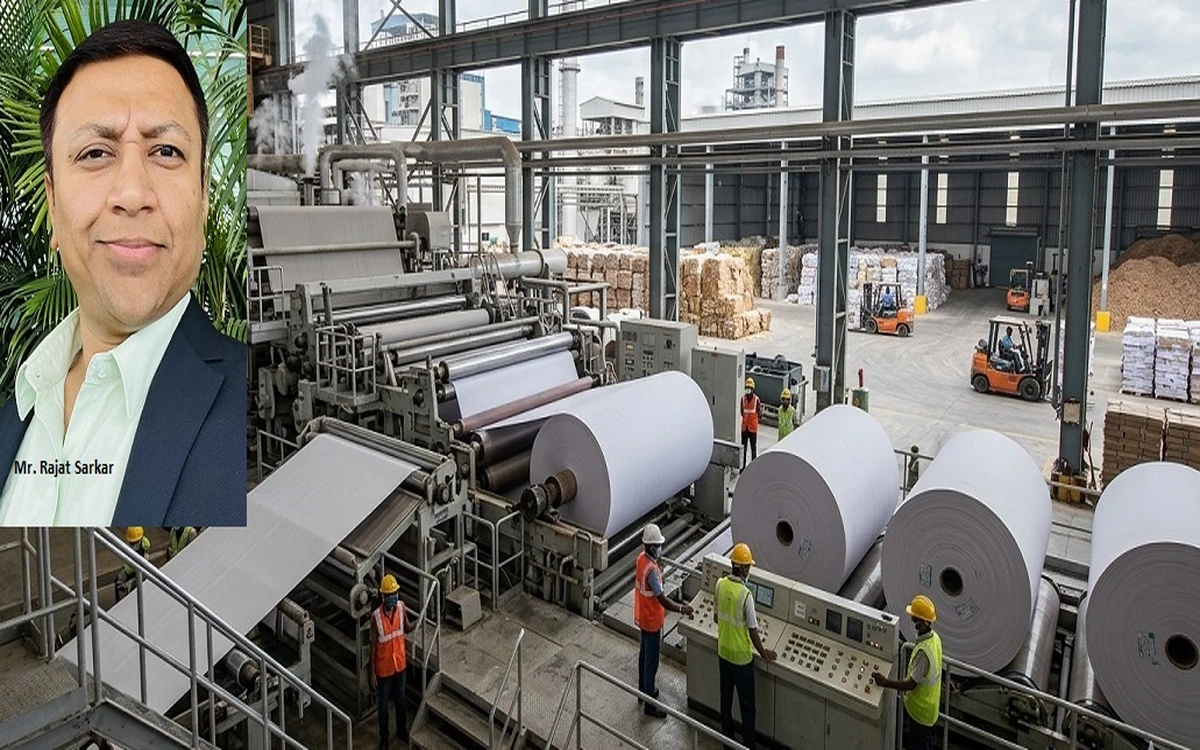
India Paper Industry at an Inflection Point: War, Costs, and Capacity; Demand growth expected at 5–7% in FY26
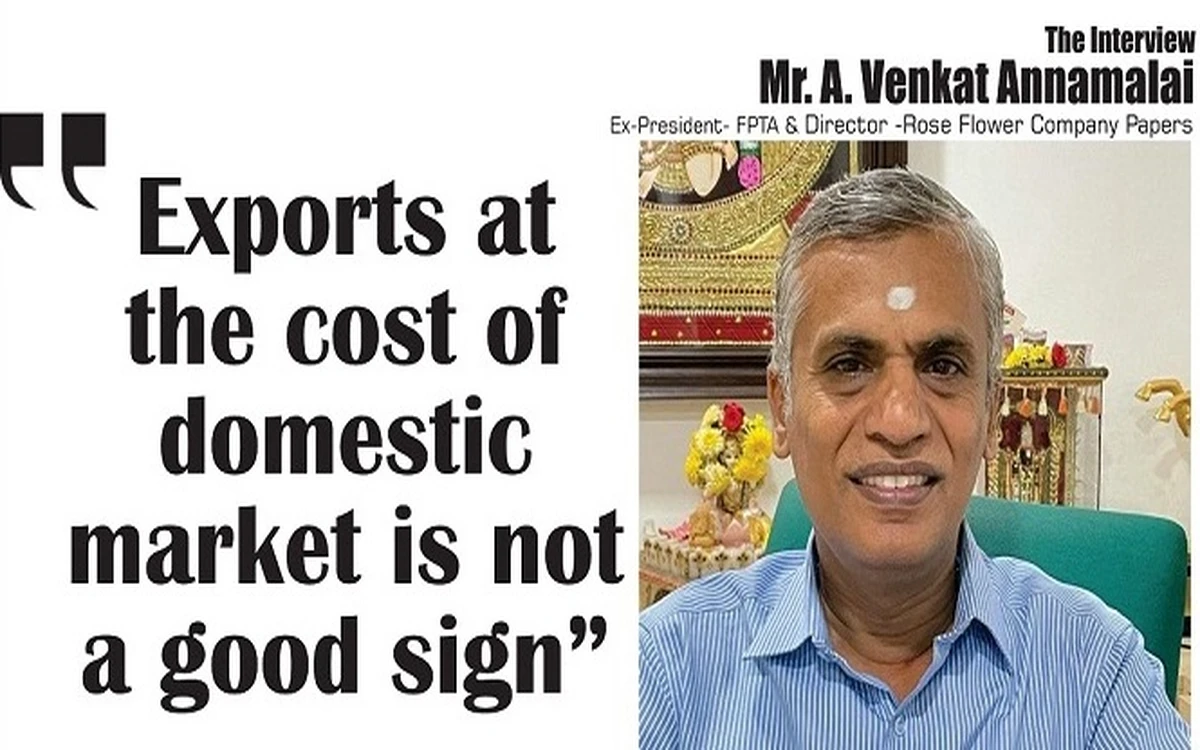
“Surging exports of paper will most certainly keep the domestic prices quite high”: Mr. A. Annamalai, Director – RFC
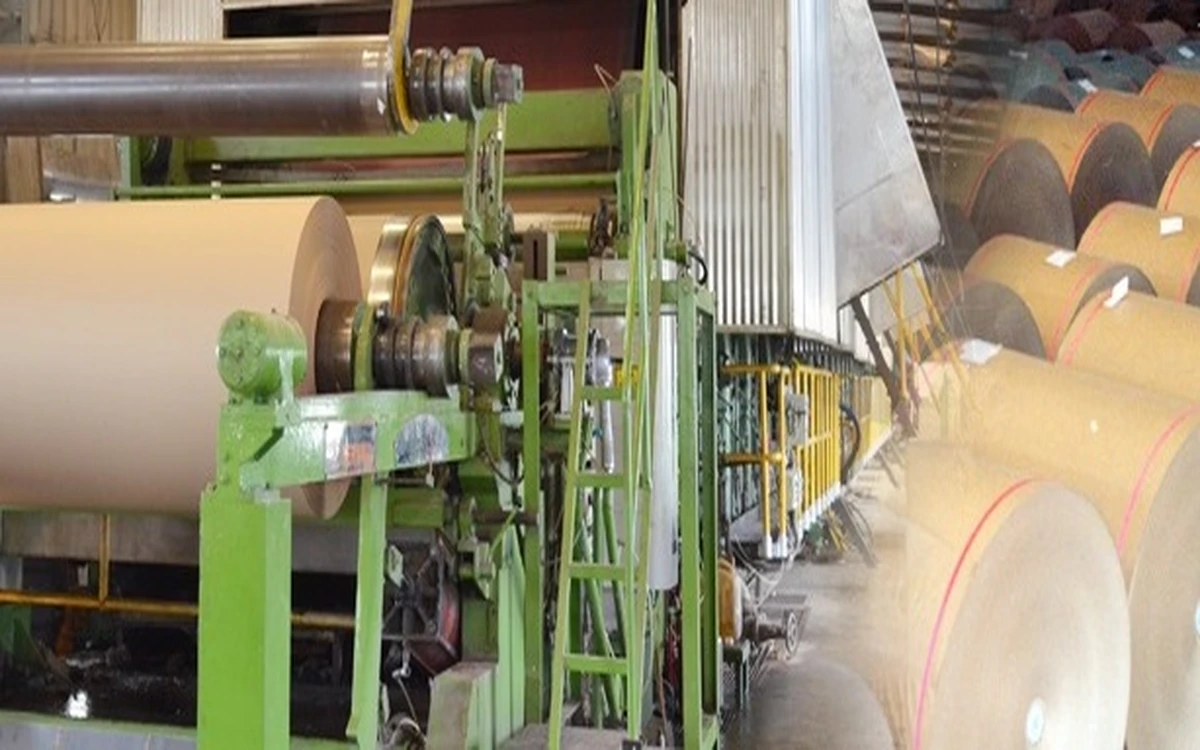
The Status of the Global Container board Industry, Recycled Paper Demand and Supply and its impact on the Indian Industry

Akshay Jain, director of Silverton Pulp & Paper, says it's time to promote agro residue as a raw material to lessen the scarcity of fibre
Advantageously located, a new paper mill is all set to roll kraft paper in Madhya Pradesh
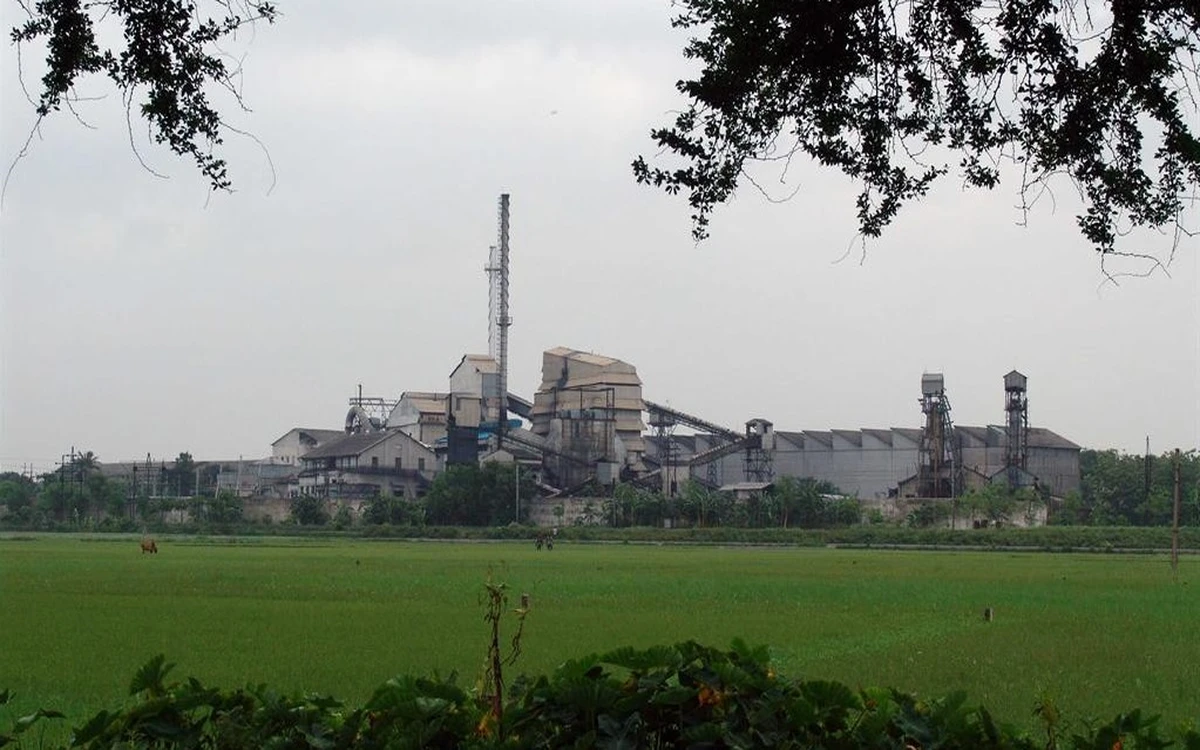
Several agile interventions helped ITC-PSPD fortify its clear leadership of the Value Added Paperboards (VAP) segment
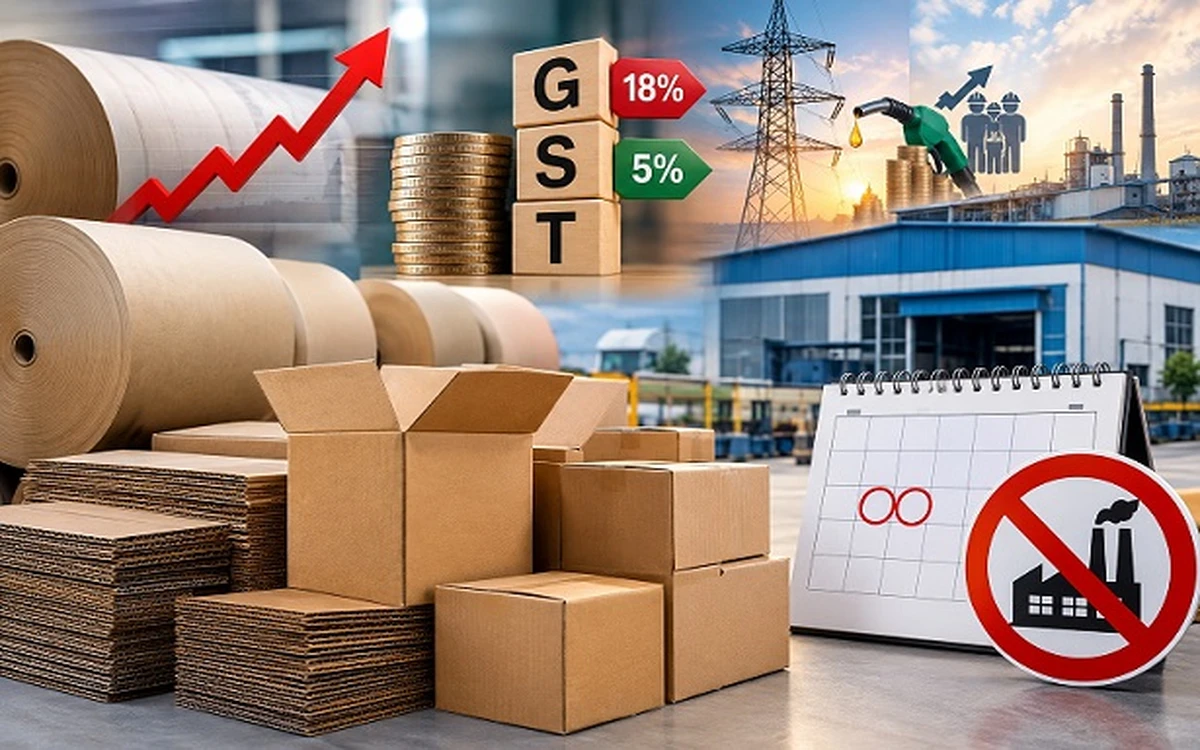
Overall Increase in Kraft Paper Prices Could Reach 35%; Industry Calls for 20% Box Price Increase, Voluntary Shutdown Proposed
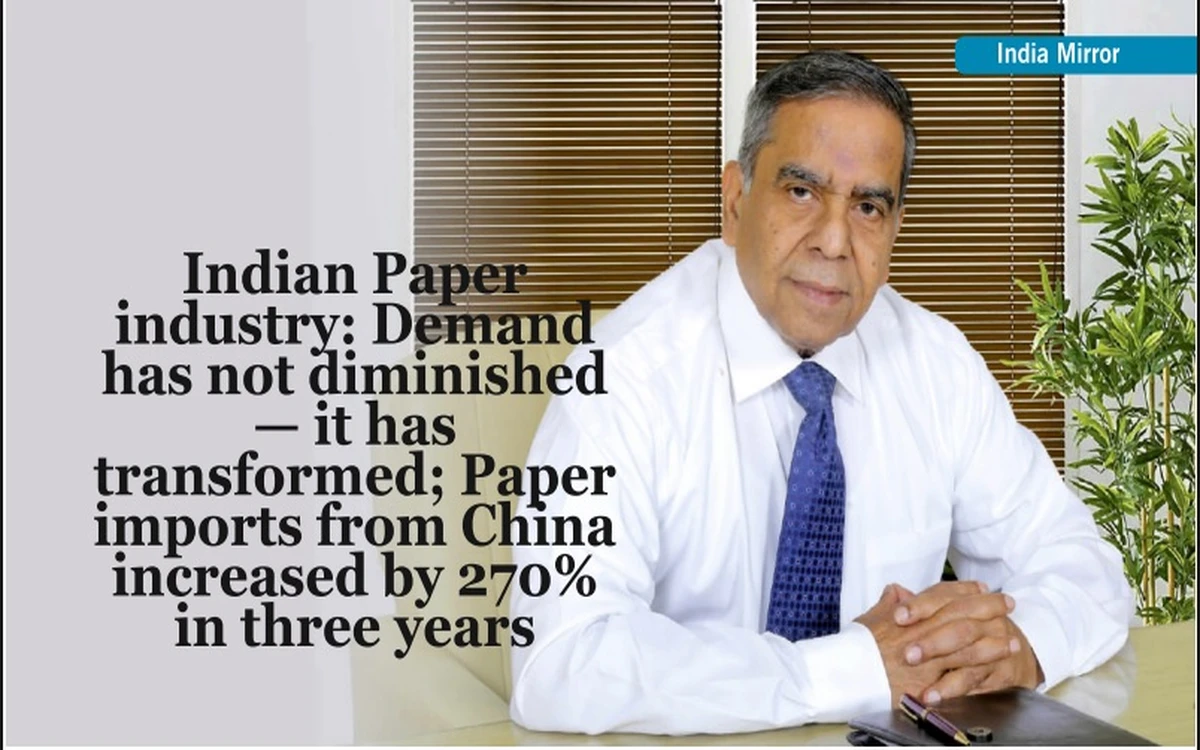
Indian Paper industry: Demand has not diminished — it has transformed; Paper imports from China increased by 270% in three years
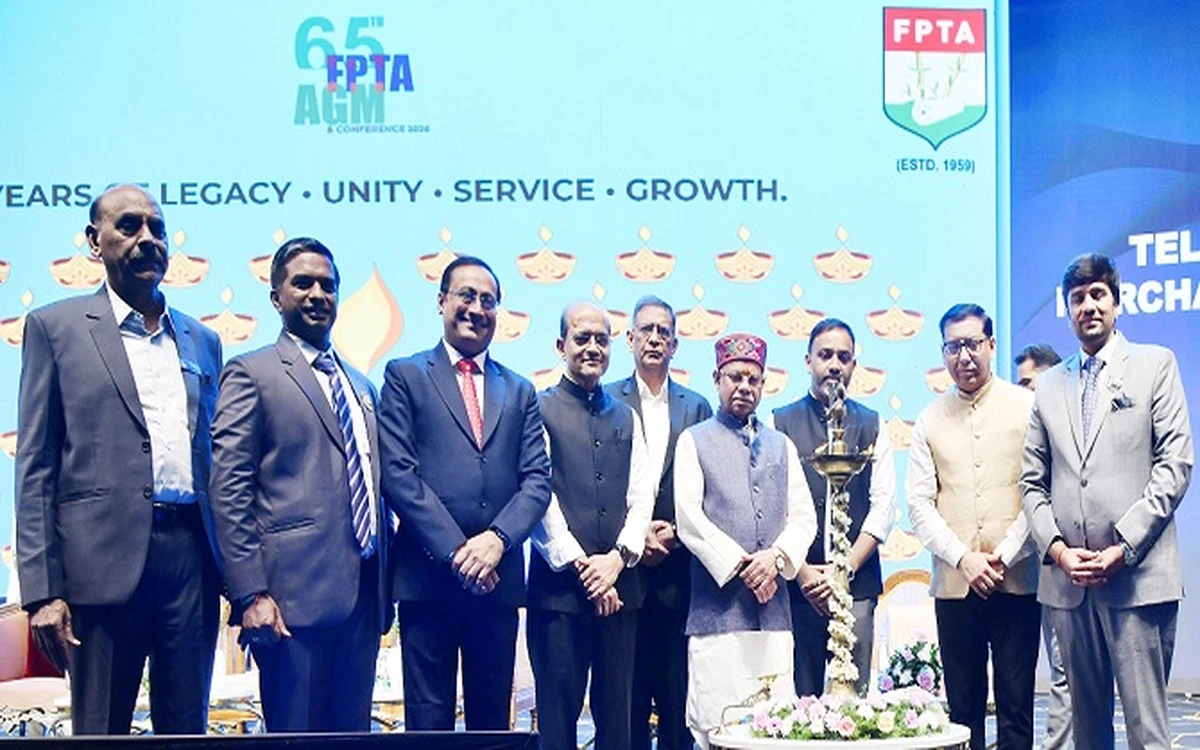
Paper Mills and Dealers Must Work Together to Create New Demand, Say Industry Leaders at FPTA’s 65th AGM

Ruchira Papers Invests a Sizeable Capex of Rs. 235–240 Crore Towards Writing & Printing Paper Capacity Expansion
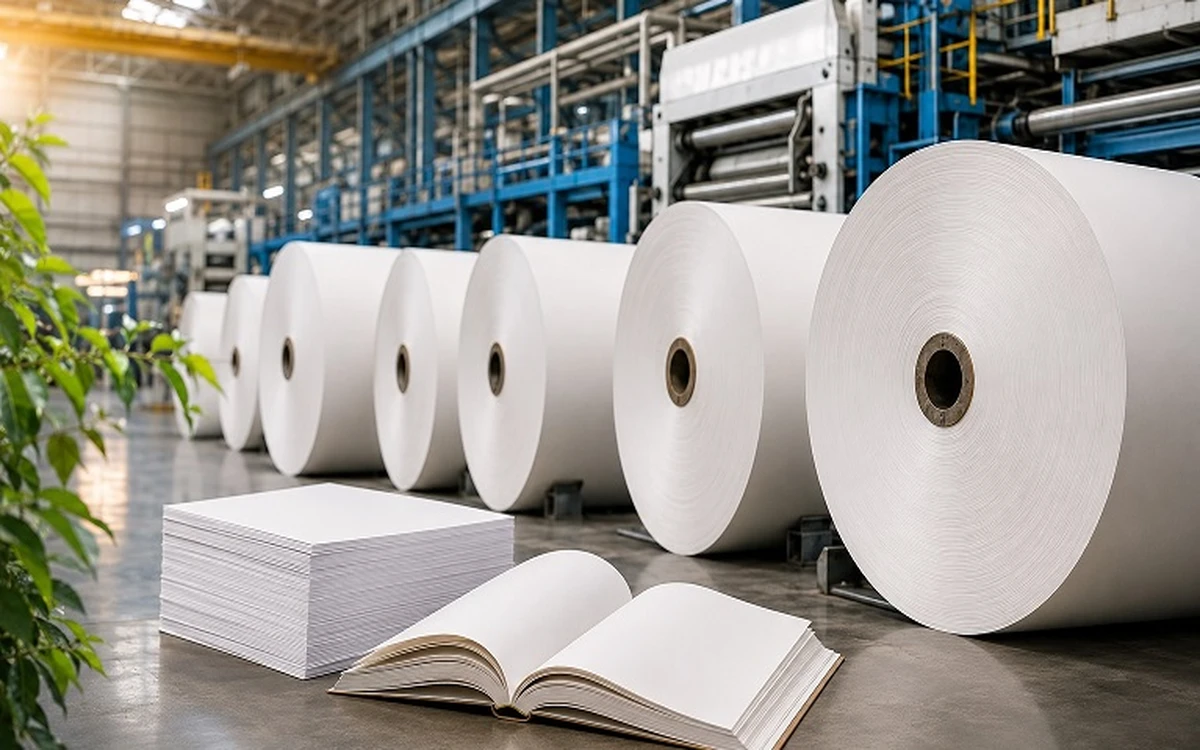
Paper mills inflated the basic ex-mill price of paper post GST 2.0, AINMA seeks action against Anti-Profiteering

Seven Leading Associations Unite to Celebrate National Paper Day, Highlighting Paper's Sustainability and Circular Economy Advantage
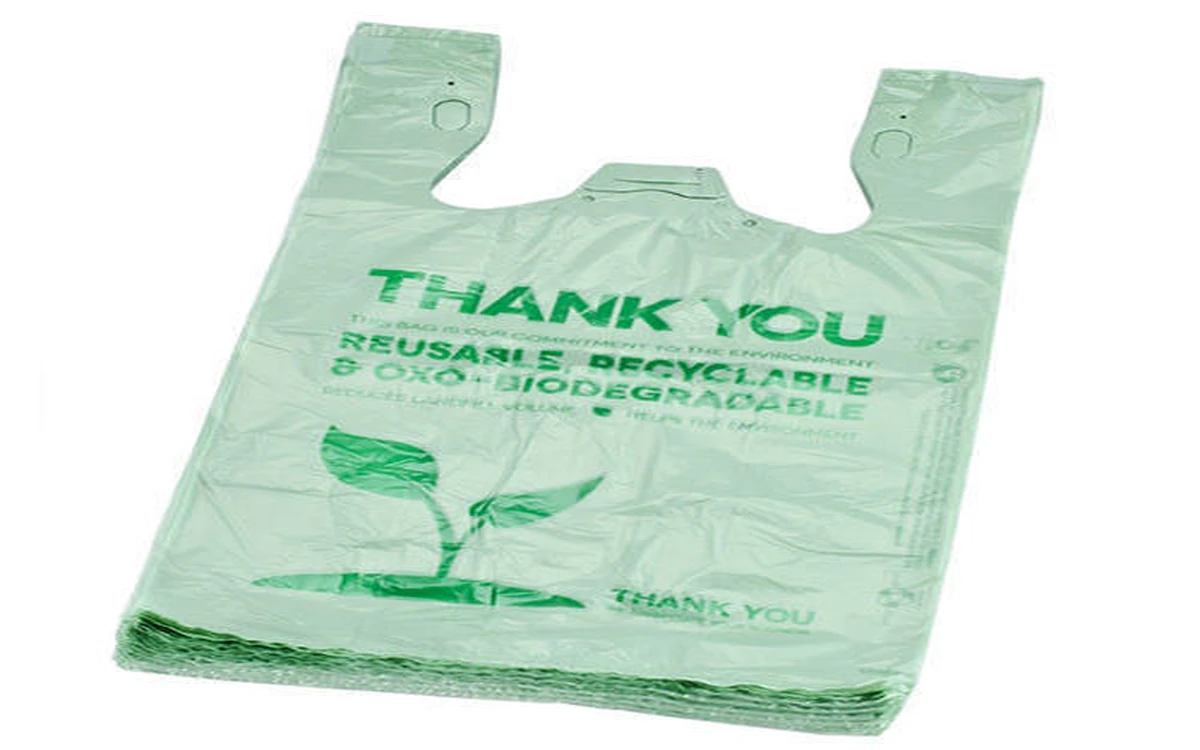
Scientists from IIT-Guwahati develop India's first biodegradable plastic

Navneet Education focuses on brand building, curriculum-led growth, and export recovery; expects stationery margins to improve in FY27

It is estimated that USD10B to USD20B worth of single-use plastic packaging will convert to molded fiber, ZUME
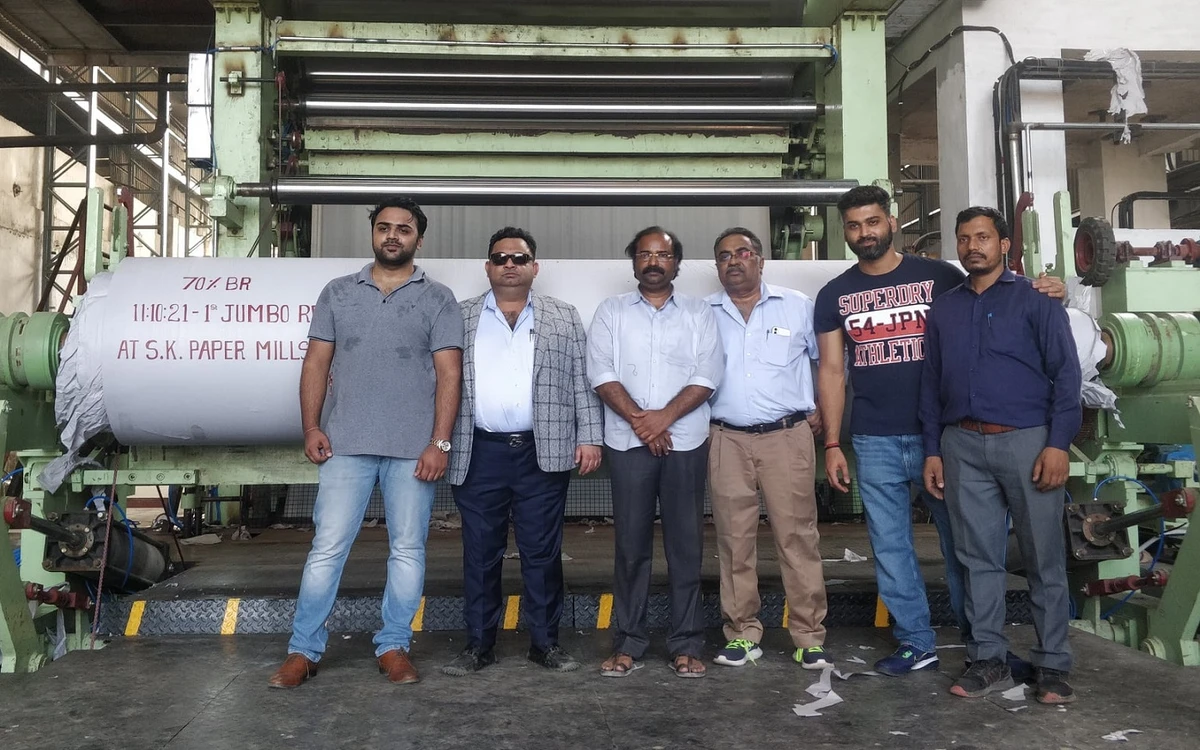
Muzaffarnagar gets a new capacity of Tissue Paper and MG Poster paper

“The integration of digitalization, automation, and Artificial Intelligence (AI) is no longer a futuristic concept—it is the baseline for competitiveness in 2036” - Vinit Garg, Director, Vizen Solutions
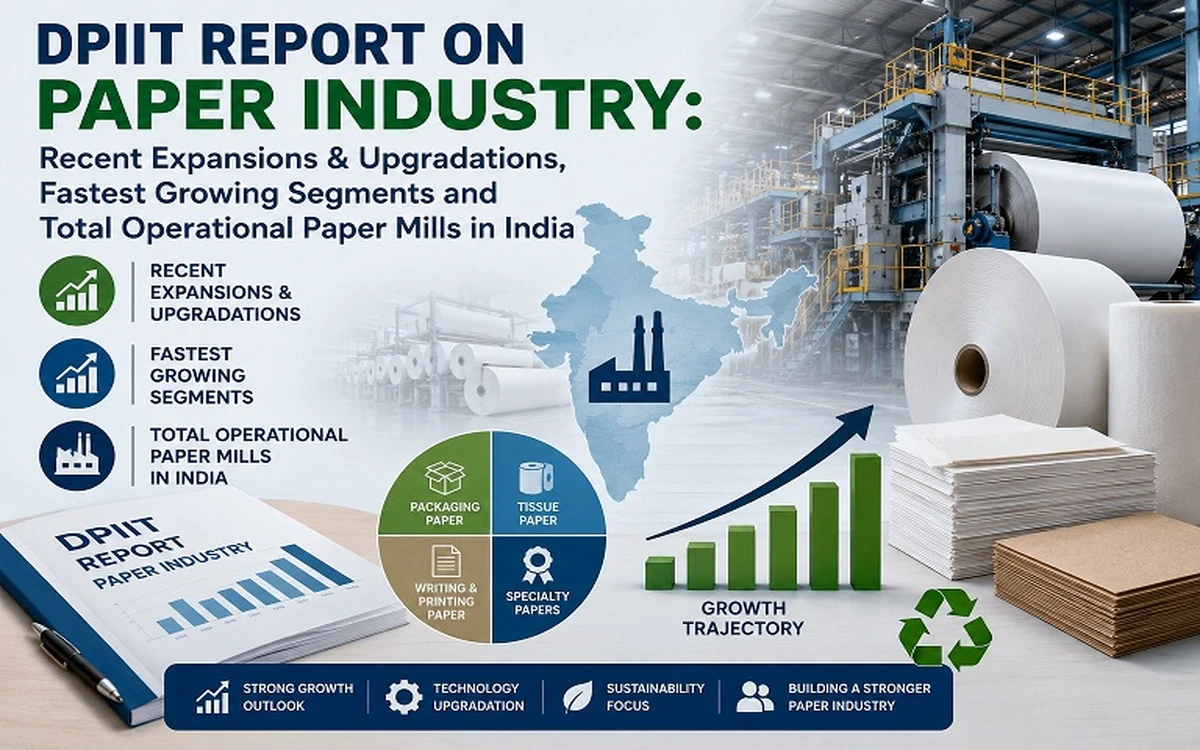
DPIIT Report on the Paper Industry: Recent Expansions & Upgrades, Fastest-Growing Segments, and Total Operational Paper Mills in India
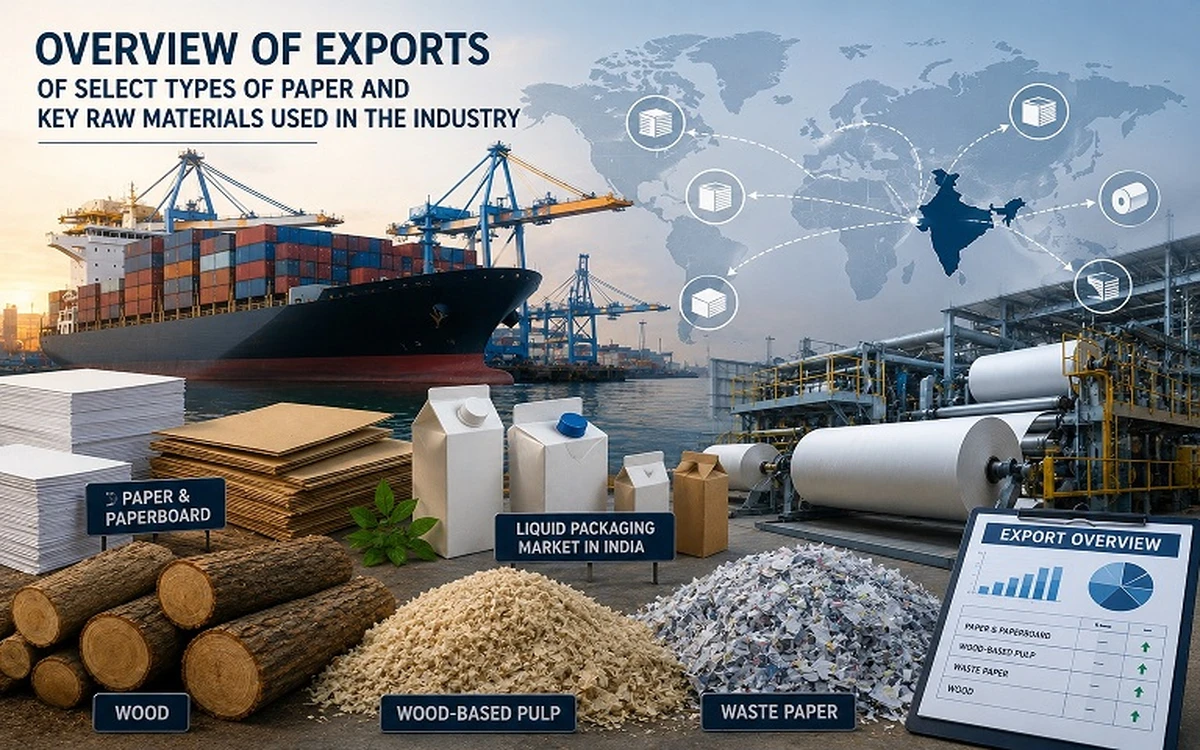
Overview of exports of select type of paper and key raw material used in the industry by Crisil Intelligence

Margin pressure pushes Pulp & Paper Packaging sector toward AI-Driven cost optimization, Cutting costs by 8–20%
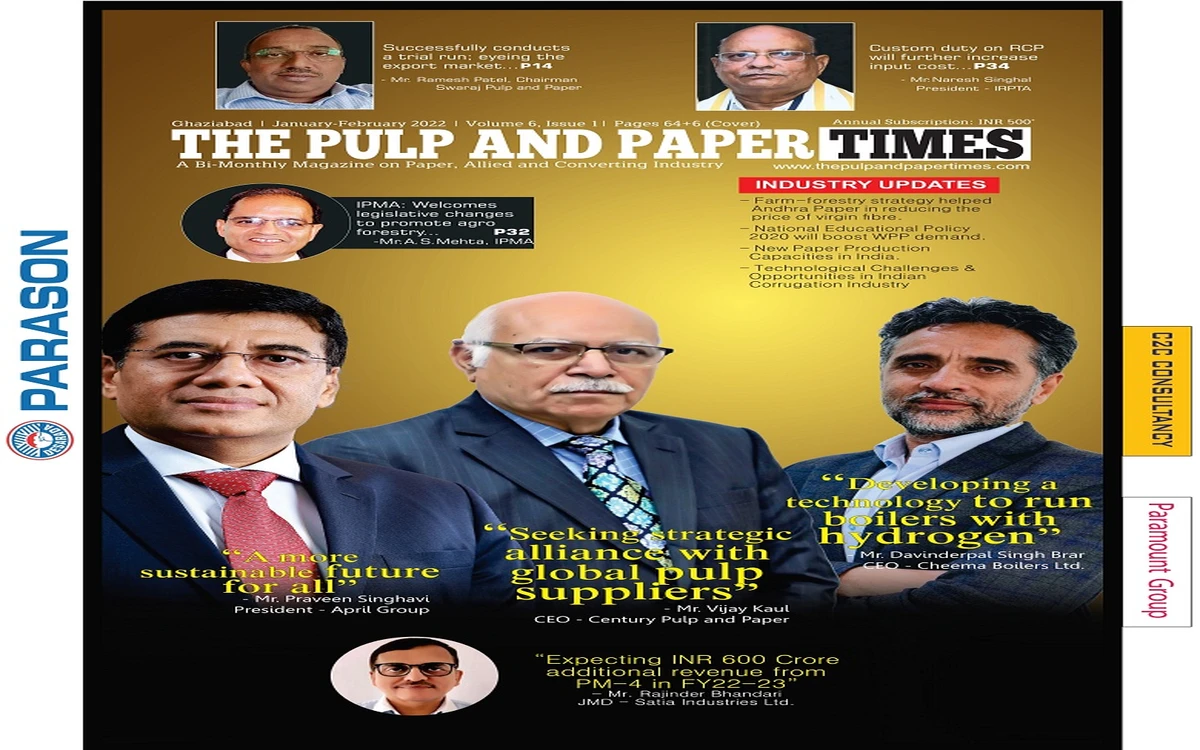
The Pulp and Paper Times Magazine : Volume 6, Issue 1

The Pulp and Paper Times Magazine : Volume 5, Issue 6
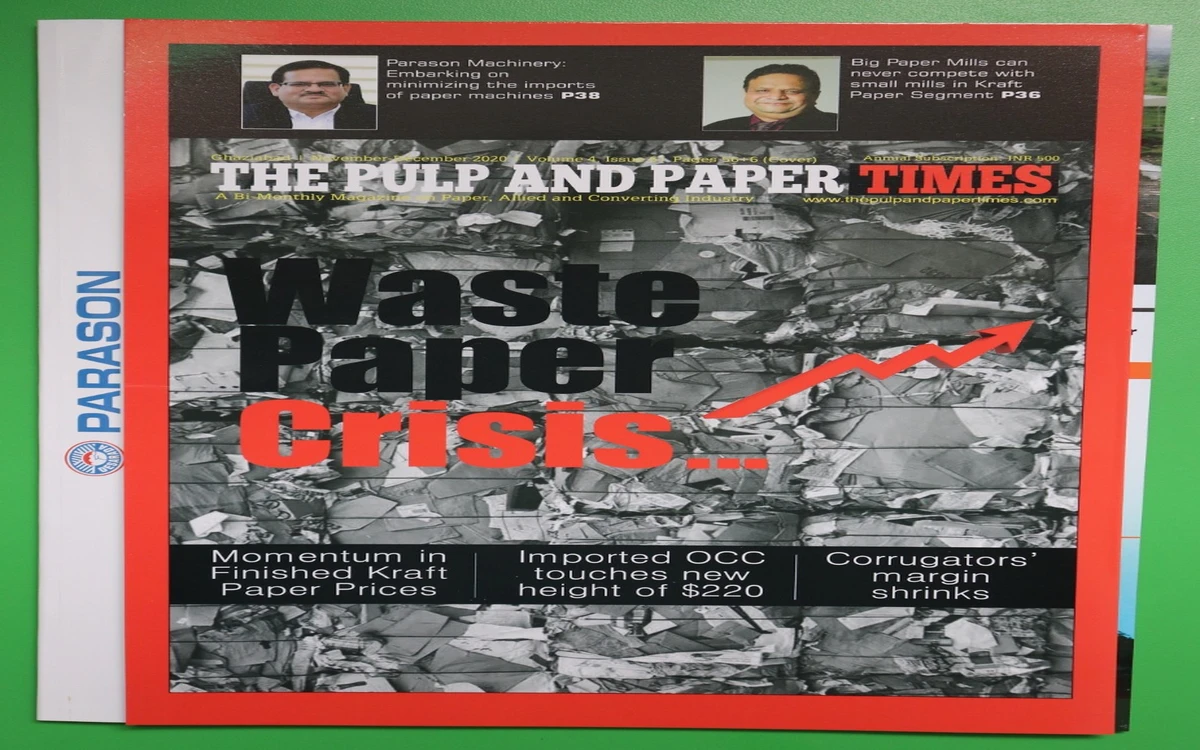
The Pulp and Paper Times: Volume 4, Issue 6
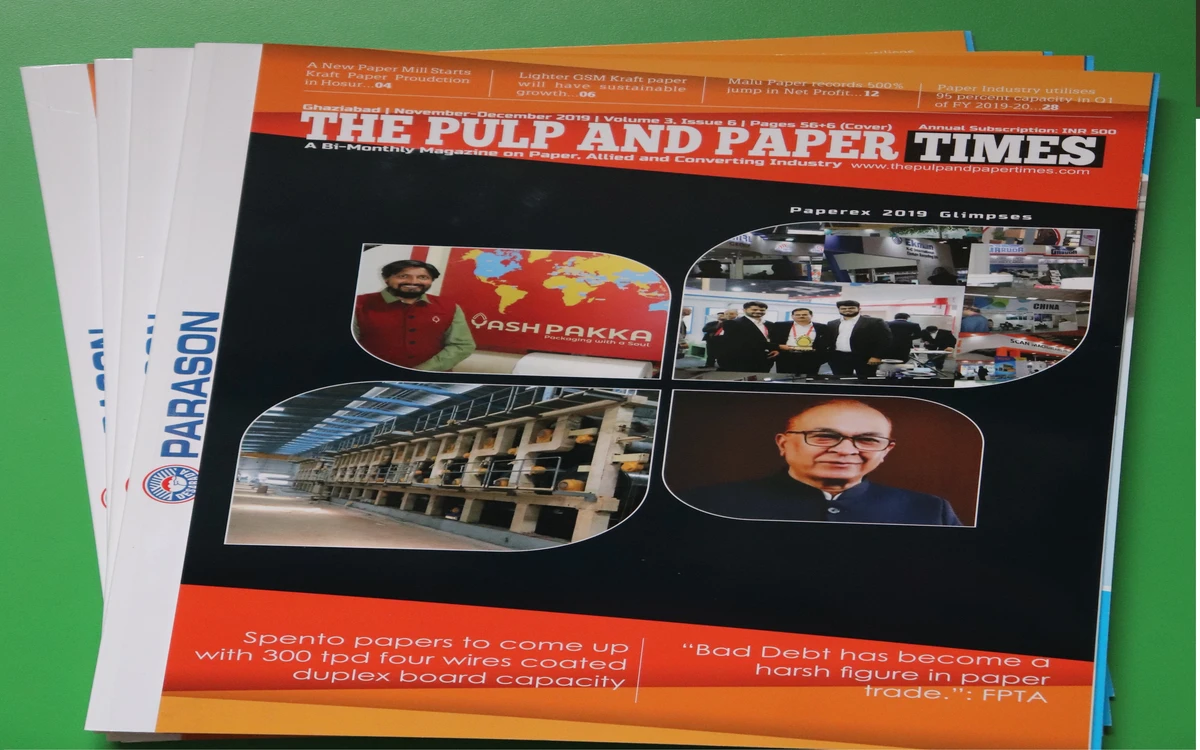
The Pulp and Paper Times : Volume 3, Issue 6
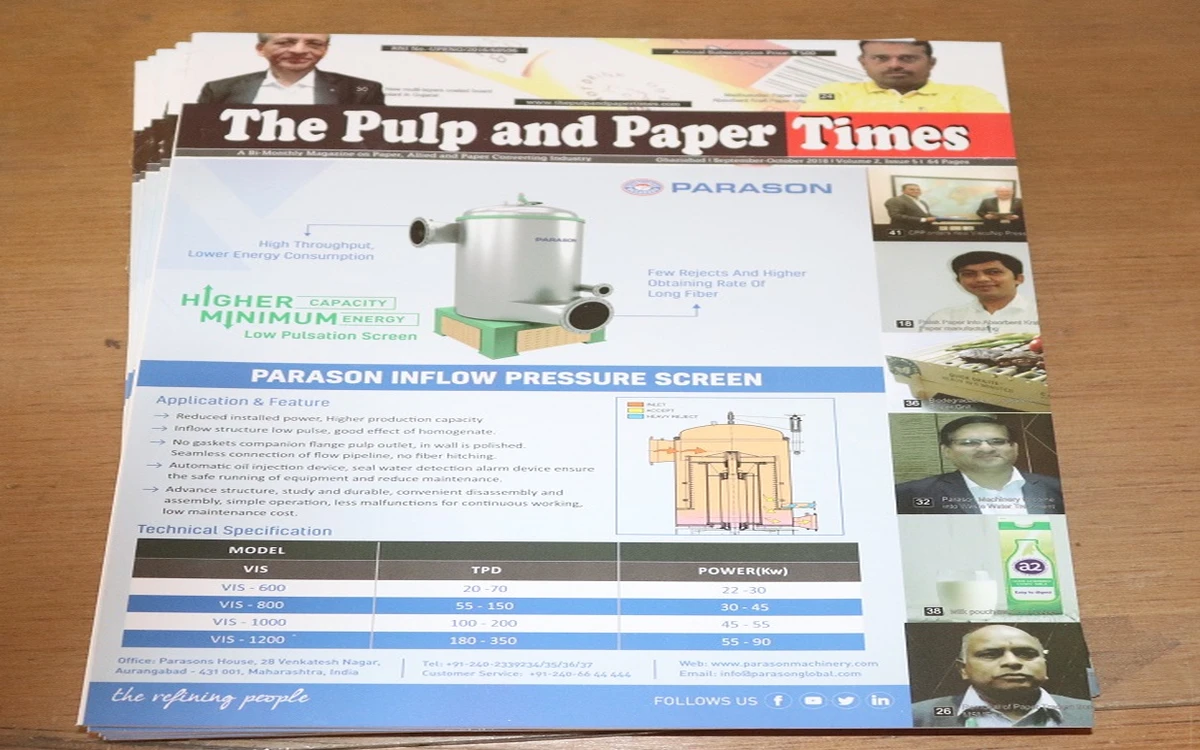
The Pulp and Paper Times: Volume 2 Issue 5

The Pulp and Paper Times, Volume 1, Issue 3
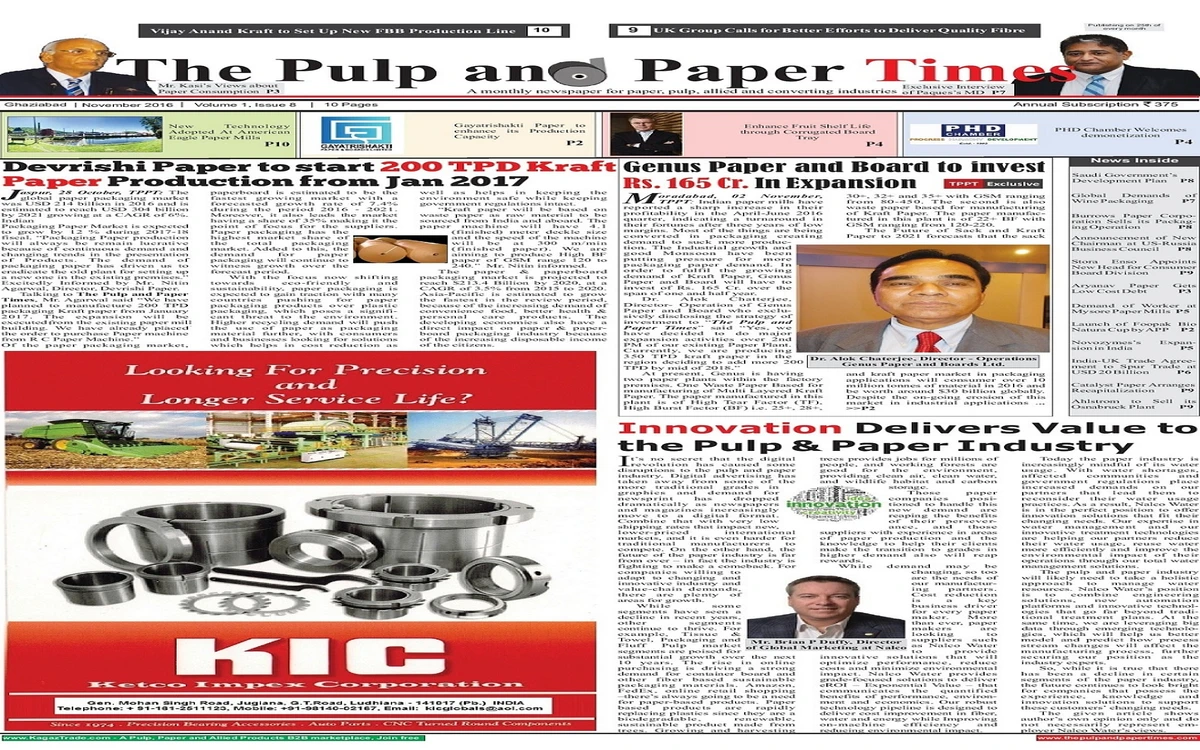
The Pulp and Paper Times, November 2016 Issue

The most important geopolitical shift in the recovered paper industry is undoubtedly the rise of India as the world’s key structural buyer
- Excessive export regulation has potential to be major market risk
-. Low recovered paper generation is preventing a major price collapse, especially for OCC and the high-grade paper categories
- Two or three mills in southeast USA will be taking some downtime in the coming months - potentially for normal maintenance, but most likely owing to weaker markets
- Waste Shipment Regulation introduces stricter controls over cross-border waste movements and a new digital reporting framework through the Digital Waste Shipment System, known as DIWASS.
BIR Paper Division’s World Mirror on Recovered Paper, featuring in-depth reports on market developments from around the world by Francisco Donoso, President-Paper Division
The Pulp and Paper Times

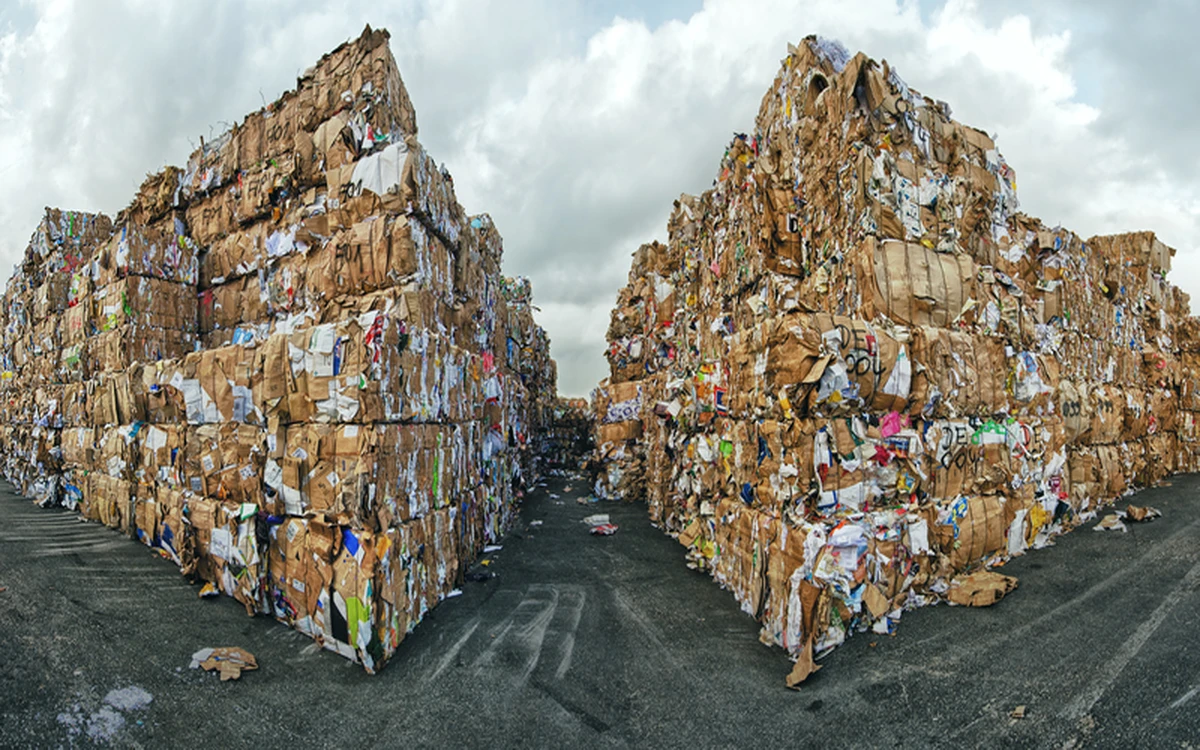
The global recovered paper market is undergoing one of the most significant transformations in decades. After years dominated by China’s industrial capacity and traditional packaging cycles, the sector is now entering a completely different landscape: South Asia is emerging as the new centre of demand; logistics costs are reshaping profitability; regulation is becoming more intrusive; and the circular economy is becoming just as important as industrial consumption itself.
it is clear that logistics and freight volatility are now among the biggest risks in the industry, often impacting profitability more than the paper market itself.
This comes at a time when Europe and North America are continuing to face weak industrial demand, particularly in the packaging and graphic paper sectors. Low recovered paper generation is preventing a major price collapse, especially for OCC and the high-grade paper categories.
Against this backdrop, we can say that the market is increasingly favouring those large international traders who are capable of managing freight exposure, quality control and financial risk.

Recovered paper is evolving from a purely industrial commodity into a strategic circular economy resource, driven by sustainability regulations and the global shift away from plastic packaging. However, excessive export regulation could become a growing market risk, as tighter waste shipment controls may restrict international trade flows, increase administrative burdens and weaken the role of free-market mechanisms in balancing global recovered fibre supply and demand.
Global summary
Far from collapsing, the market is currently operating in a fragile balance. Demand across Europe and North America remains relatively weak, especially in the packaging and graphic paper sectors, but recovered paper generation is also limited. The result is a largely sideways market, interrupted by increasingly frequent periods of volatility.
OCC continues to dominate the recovered fibre industry worldwide. The evolution of the global recovered paper trade is now closely tied to the packaging sector, corrugated board demand and the expansion of e-commerce distribution networks. However, the growth of e-commerce no longer automatically guarantees stronger industrial paper consumption. While packaging demand still benefits from solid long-term structural support, several regions are experiencing weaker box demand and softer containerboard production.
In the USA, paper mills are continuing to operate cautiously, with moderate utilisation rates and ongoing declines in graphic paper production. Several mills have reduced operating schedules or implemented temporary downtime in response to softer market conditions.
At the same time, OCC prices have remained relatively resilient owing to reduced recovered paper generation. Material recovery facilities are receiving lower inbound volumes, limiting oversupply and helping stabilise international pricing.

Europe continues to face industrial weakness, but the situation is far from a collapse. Recycled containerboard mills remain cautious, purchasing fibre on a hand-to-mouth basis and carefully controlling inventories and production levels. As domestic demand weakens, exports have once again become the balancing mechanism for the European market. India and South East Asia are absorbing significant volumes of European OCC, helping support pricing despite subdued local consumption.
The European industry still benefits from an important structural advantage: its highly developed recycling system and strong environmental regulations. Europe remains one of the world’s leading regions in terms of paper recovery, with recycling rates exceeding 75% and providing a relatively stable foundation even during periods of slower economic growth.
Nevertheless, Europe’s competitiveness is becoming increasingly dependent on external factors - especially freight costs, regulatory clarity and continued access to Asian export markets.
The most important geopolitical shift in the recovered paper industry is undoubtedly the rise of India as the world’s key structural buyer. Following China’s withdrawal from direct recovered paper imports, India has effectively become the marginal buyer supporting international OCC pricing. Rapid packaging growth, urban expansion, rising domestic consumption and the gradual replacement of plastic packaging are all driving strong demand for recycled fibre.

India’s paper industry depends heavily on imported recovered paper, making the country extremely sensitive to changes in pricing, freight conditions and material quality.
Meanwhile, South East Asian countries such as Indonesia, Vietnam, Thailand and Malaysia are becoming increasingly important destinations for European and North American exporters. However, Asian buyers are behaving far more cautiously than in previous market cycles, focusing on short-term purchases, strict quality requirements and careful freight management.
If one single factor could be said to be dominating the recovered paper market at present, it is logistics. Recovered paper remains a relatively low-value commodity per tonne, meaning even modest increases in freight costs can eliminate trading margins entirely. Geopolitical tensions in the Middle East and disruptions along major shipping routes have triggered significant increases in transportation costs, fuel surcharges and transit times.
Many shipping routes to Asia have experienced diversions, delays and substantial cost increases, creating major uncertainty for exporters and traders. In some cases, freight rates have risen sharply enough to force renegotiations or delays in cargo movements.
This logistics volatility is also transforming the competitive structure of the industry itself. Large international operators with strong balance sheets and diversified logistics networks are gaining a growing advantage over smaller independent traders who are struggling to absorb freight volatility, booking uncertainty and counterparty risk.

Alongside logistics and demand uncertainty, regulation is becoming an increasingly important factor in the recovered paper market. The EU’s new Waste Shipment Regulation introduces stricter controls over cross-border waste movements and a new digital reporting framework through the Digital Waste Shipment System, known as DIWASS. The objective is to improve traceability, prevent illegal shipments and ensure exported waste is managed under environmentally sound conditions.
From a regulatory and environmental perspective, these goals are understandable. Poorly controlled waste exports have historically created reputational, environmental and compliance risks. For the recovered paper industry, however, excessive regulation could also create unintended consequences.
Recovered paper is not waste: it is an internationally traded secondary raw material. If export procedures become too complex, slow or costly, they may reduce the efficiency of global recycling markets. This is particularly relevant for Europe where domestic consumption is not sufficient to absorb collected volumes and where exports to Asia remain essential to balance supply.
More restrictive export rules could also increase administrative burdens for exporters, brokers, carriers and recovery facilities. Smaller operators may find it harder to comply with digital documentation, audit requirements and procedural controls.
There is a broader free-market concern too. International recovered fibre flows allow material to move from regions with surplus collection to regions with strong industrial demand. If regulation becomes too restrictive, these flows may be distorted, reducing price transparency, weakening export parity and potentially leaving more material trapped in local markets where there is insufficient recycling capacity.
The challenge for regulators will be to distinguish clearly between problematic waste exports and legitimate trade in high-quality recyclable raw materials. If that balance is not achieved, regulation intended to support the circular economy could paradoxically undermine one of its most important mechanisms: the international movement of recyclable fibre to where it can actually be used.
Although OCC remains the industry benchmark, another trend is attracting growing attention: the tightening supply of high-grade recovered paper. Digitalisation is continuing to reduce the generation of office paper, coated book stock and other white grades. Yet industrial demand for these materials still exists across several paper applications and specialty products.

As a result, a structural supply reduction could create increasing pressure and stronger premiums for high-grade recovered fibre in the coming years.
Beyond the economic cycle itself, the recovered paper industry is undergoing a deeper structural transformation linked to sustainability and circular economy policies.
Regulatory pressure for recyclable packaging, recycled content targets and the global shift away from plastic materials are increasingly positioning recovered paper as a strategic industrial resource.
Investment in advanced sorting systems, traceability technologies and quality improvement continues to accelerate, while paper producers and major consumer brands are seeking long-term access to reliable recycled fibre supplies.
The global recovered paper market therefore no longer depends solely on economic growth or industrial production. Increasingly, it also depends on the worldwide transition towards more sustainable production and consumption models - and on whether regulation can support that transition without undermining international trade.
South East Asia
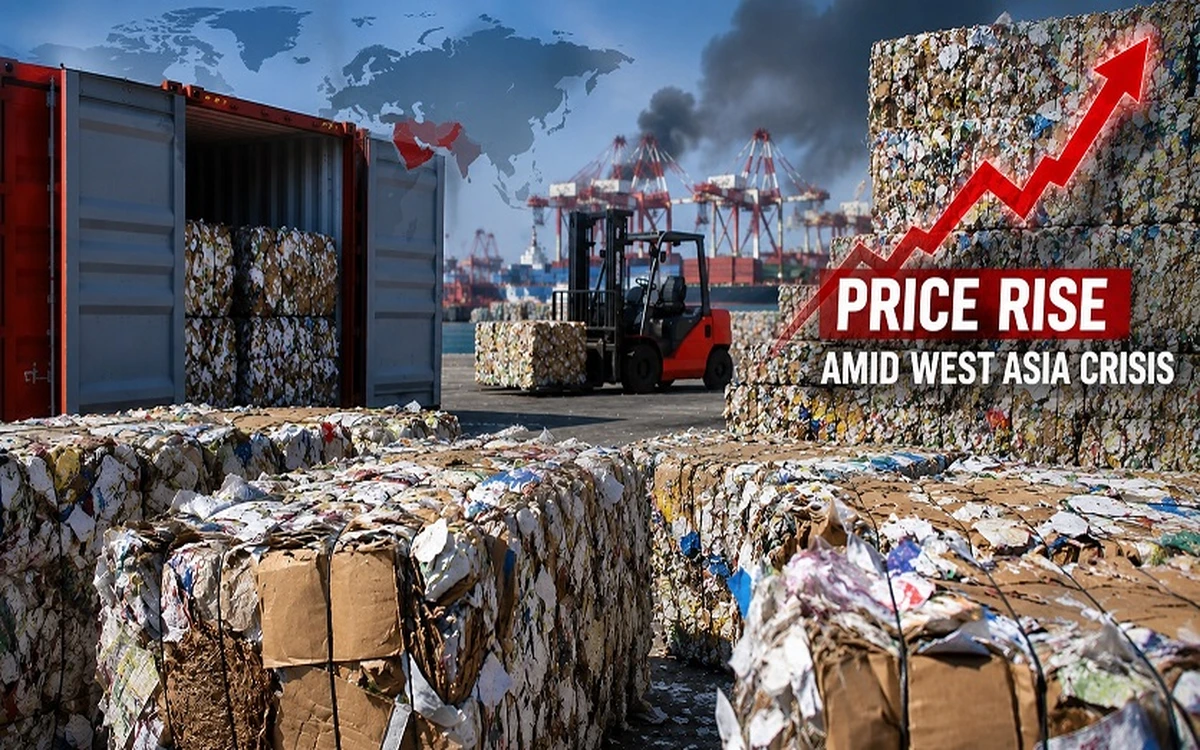
The outbreak of the US/Israel/Iran conflict in late February rapidly disrupted global trade, particularly through the Strait of Hormuz which represents a critical route for oil and shipping. Shipping costs surged almost immediately, increasing by 20% to 50% as fuel prices rose, vessels were rerouted and risk-related surcharges were introduced. Energy markets reacted strongly, with oil prices climbing 25% to 40% to create significant cost pressures across transport and industrial sectors.
In contrast, recovered paper prices did not react immediately. During the first weeks of the conflict, prices remained stable or even declined slightly by some 2% to 5% as demand weakened and market participants adopted a cautious, wait-and-see approach. However, as higher energy and logistics costs began to impact paper mills, production costs steadily increased.
By April and into May, this cost pressure started to feed into the market, pushing recovered paper prices between 5% and 10% higher depending on the grade and the region. Additional support came from the impact on demand from the gradual shift towards paper-based packaging.
So while shipping and energy costs surged immediately following the outbreak of the war, there was a delayed response in terms of recovered paper prices. These have risen more gradually as the broader cost increases worked through the supply chain.
United States
The American Forest and Paper Association recently released the January 2026 numbers for paper shipments in the USA. While packaging and specialty paper shipments were down only 1% from the previous year, it seems as though we may never see increases again. After all of the mill closures announced in 2025, we would expect to see mills’ operating rates on the increase - and yet they are in the low-80% range.
Packaging papers are the shining star with only a 1% decrease in shipments. Printing and writing paper production continues to experience double-digit declines from the previous year. While this decline might be expected to end at some point, I think we will continue to experience weaker and weaker printing and writing paper production for a few more years to come.
While we have not heard of any closures for several months now, Domtar’s fluff pulp mill initiated an indefinite shutdown from the second quarter of 2026. In addition, two or three mills in southeast USA will be taking some downtime in the coming months - potentially for normal maintenance, but most likely owing to weaker markets.
In terms of recovered fibre, we are continuing to hear the same old story regarding low generation; material recovery facilities (MRFs) are seeing fewer tons coming in the door.
While this is a typical phenomenon in every first quarter, this year seems slightly worse. So with generation being lower, there have been slight increases in prices because we still have decent demand for export tonnage. However, these increases were only of US$ 2 to US$ 5 per tonne when compared to February and March. In a few rare cases, Asian mills have been increasing the prices they are willing to pay for OCC and DLK by as much as US$ 10 per tonne compared to a month or so ago.
The grades continuing to show increased demand are the ones that are generally in short supply: sorted office paper, coated book and other high-grade paper types. Both domestic and export mills are bidding up the prices for these.
The general sentiment surrounding the early stages of the Middle East conflict is that: first, consumer confidence and hence spending will decline even further; and second, high energy costs are being passed on to the consumer and so disposable income and purchases will decrease, leading to lower demand for boxes.
Most shipping lines are announcing emergency fuel surcharges ranging from US$ 40 per container to as high as US$ 300. In addition, there will be inland fuel surcharges of up to US$ 150 per container for rail shipments of containers. Domestic truckers are also increasing their rates to get containers from the MRFs to the ports; at present, these seem to be of the order of 10% to 12% but, based on diesel price uncertainty, there is no certainty where these will settle.
The bottom line is that we have entered a new realm of recovered fibre uncertainty for the balance of 2026.
Europe
The first quarter of 2026 confirmed that Europe’s recovered paper sector is no longer navigating a short-term downturn but rather a structural adjustment in fibre flows, export economics and mill behaviour.
Across most grades, sentiment remained cautious. Domestic consumption of recycled fibre remained below expectations, containerboard demand continued to be weak and export channels - while still active - became increasingly selective. In particular, OCC continued to depend heavily on exports to maintain price stability.
Three developments shaped the market more than any others during the quarter: weak European packaging demand; the growing strategic importance of South and South East Asia; and renewed freight volatility.
The dominant theme in the first quarter remained the lack of a meaningful recovery in European packaging demand. Recycled containerboard mills across Germany, France, Benelux and Italy generally operated with cautious order books, slower machine speeds and periodic downtime. As a result, mills largely continued to buy hand-to-mouth rather than build inventory. This capped any meaningful upward movement in OCC pricing despite relatively low collection incentives in several regions.
European benchmark OCC prices, which had hovered around Euro 120 per tonne during the autumn of last year, drifted closer to Euro 105 by year-end before stabilising in early 2026. Deinking grades, meanwhile, eased from the high Euro 180s per tonne into the Euro 170 range.
The market therefore found itself in an unusual equilibrium: supply was not excessive but demand remained too weak to create genuine tightness. This was especially visible among the brown grades. While margins for recycled containerboard producers theoretically remained healthy - often at several hundred Euros per tonne above fibre input costs - mills preferred to control production rather than chase volume in a sluggish packaging environment.
Deinking and office grades faced a different challenge. Here, the issue was less cyclical and more structural, reflecting the continued decline in graphic paper consumption across Europe and cautious inventory management by mills.
With domestic demand under pressure, exports once again became the balancing mechanism for European fibre flows. India remained the most reliable outlet for European OCC during the quarter, although buying patterns remained highly price-sensitive owing to weak local box demand and the depreciation of the rupee. At the same time, South East Asian destinations such as Indonesia, Vietnam, Thailand and Malaysia became increasingly important for European exporters. This shift accelerated after China effectively halted imports of dry-ground recycled pulp in late 2025, removing an important indirect outlet for recovered fibre.
The consequence has been a significant redrawing of fibre flows. “Other Asia” is now central to European OCC exports, but buyers across the region remained disciplined throughout the first quarter. Mills generally purchased conservatively, monitored freight closely and showed little urgency to build inventories.
Export business therefore became increasingly dependent on quality consistency, logistics execution and counterparty reliability. Margins for traders narrowed further, particularly for lower grades where freight and financing costs can quickly eliminate profitability. In many cases, export parity effectively became the pricing floor for European OCC; when freight conditions temporarily weakened, that floor quickly disappeared.
The third major development in the first quarter was the renewed importance of freight and logistics risk. Recovered paper remains highly sensitive to shipping economics because transport costs account for a significant share of delivered value. During the quarter, uncertainty surrounding Middle East shipping routes and rerouting via the Cape of Good Hope increased both freight volatility and transit times. Some market estimates suggested freight costs on affected Asia routes rose by 55-70%, while transit times were extended by roughly two weeks.
At the same time, Europe-to-Asia freight still benefited from structurally weak backhaul economics. Container rates to South East Asia, which had previously fallen from around US$ 500 per container to US$ 300 or lower, continued to support exports despite difficult market fundamentals.
Nevertheless, volatility itself became a commercial problem. Traders faced rolling bookings, changing surcharges and fluctuating shipping economics while cargo was already committed.
This increasingly favoured larger operators with stronger balance sheets, broader logistics networks and a greater ability to absorb timing risk. For smaller independent traders, the margin for error narrowed considerably.
As Europe moves deeper into 2026, the recovered paper market continues to operate without a clear growth catalyst. The first quarter brought few signs of a strong cyclical rebound but equally little evidence of a collapse in fundamentals. Instead, the sector appears to be adapting to a more complex environment in which export flexibility is reduced, domestic demand growth remains modest and logistics management has become central to commercial success.
For OCC in particular, the balance between European mill demand and Asian export pull will remain decisive throughout the year. What has become increasingly clear is that success in recovered paper trading now depends less on simply moving tonnage and more on precision management of optionality, logistics exposure and quality consistency.

2 weeks ago
Total Views : 1765

last month
Total Views : 431
last month
Total Views : 961
3 months ago
Total Views : 2593
3 months ago
Total Views : 1156
4 months ago
Total Views : 2169
4 months ago
Total Views : 2921

4 months ago
Total Views : 1972
5 months ago
Total Views : 1326

6 months ago
Total Views : 2569