Join Groups & Channels, No Spamming









Morbi paper mills see full-capacity operations as ceramic industry revives; Kraft paper exports to China spike, Prices strengthen; Janmashtami shutdown ahead
The BE and caustic soda plant marks a key milestone for Mohit Paper Mills, enabling full utilization of installed capacity and enhancing overall production efficiency
Expert Views on the paper market scenario, How the West Asia Crisis Helped the Industry, MIP for WPP, Anti-Subsidy implementation, and paper price trends
Pudumjee Paper intends to develop new varieties addressing applications for stronger paper bags and cupcakes; Plans 68,000 MT Mahad Specialty Paper Facility within 5 years
India Paper Industry at an Inflection Point: War, Costs, and Capacity; Demand growth expected at 5–7% in FY26
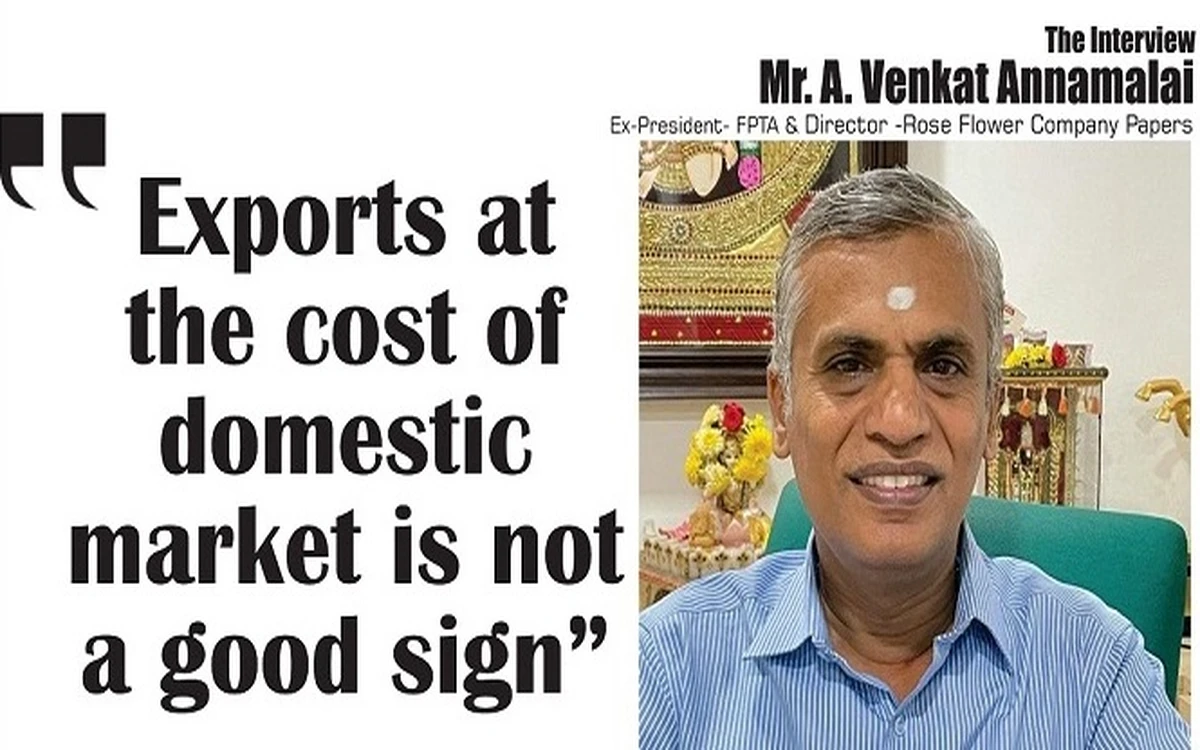
“Surging exports of paper will most certainly keep the domestic prices quite high”: Mr. A. Annamalai, Director – RFC
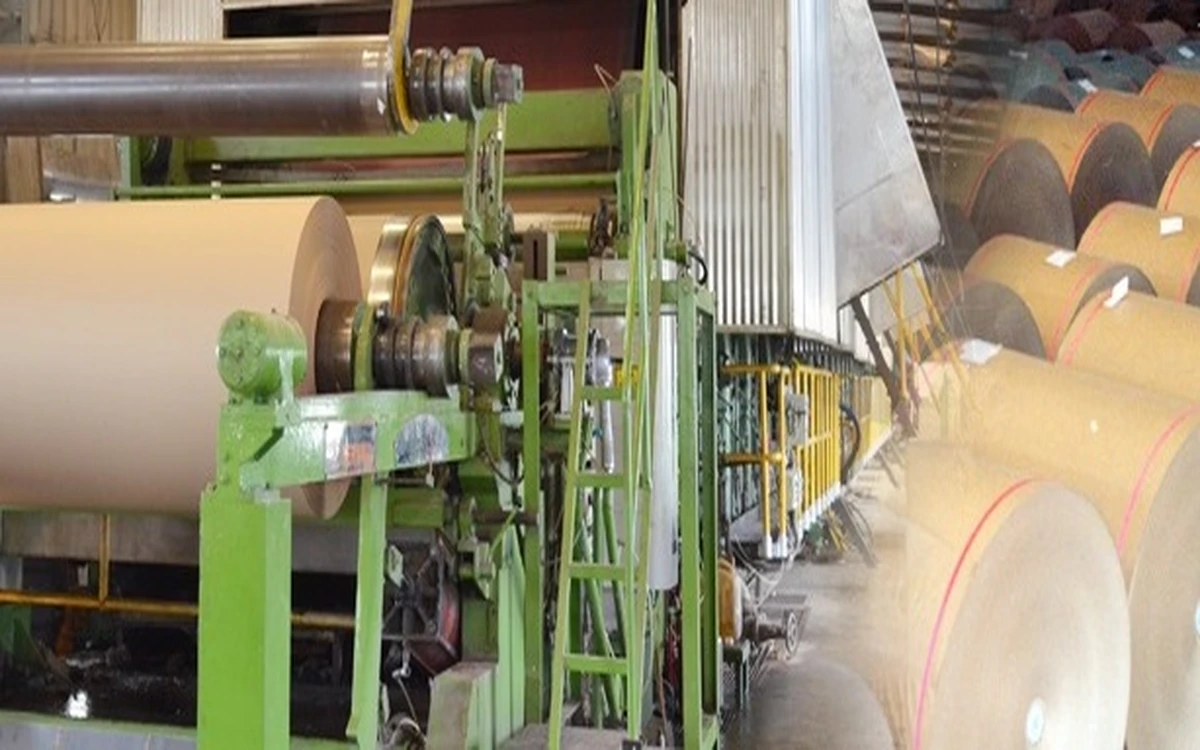
The Status of the Global Container board Industry, Recycled Paper Demand and Supply and its impact on the Indian Industry

Akshay Jain, director of Silverton Pulp & Paper, says it's time to promote agro residue as a raw material to lessen the scarcity of fibre
Advantageously located, a new paper mill is all set to roll kraft paper in Madhya Pradesh
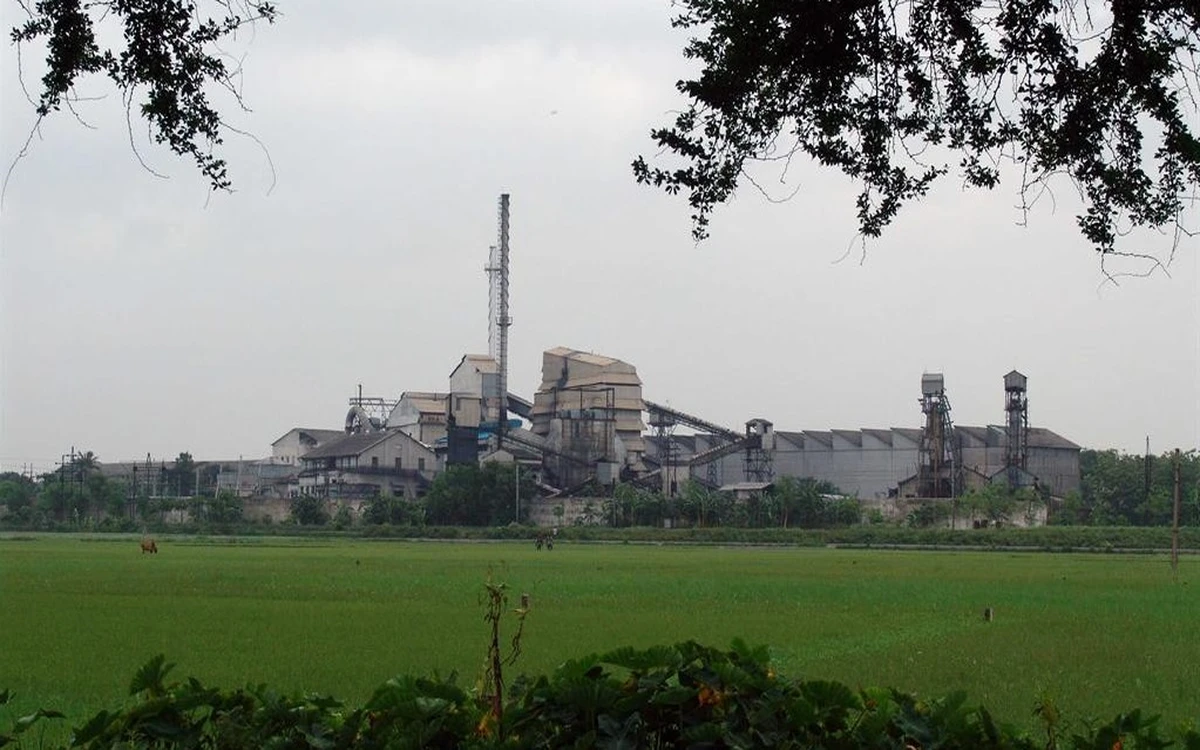
Several agile interventions helped ITC-PSPD fortify its clear leadership of the Value Added Paperboards (VAP) segment
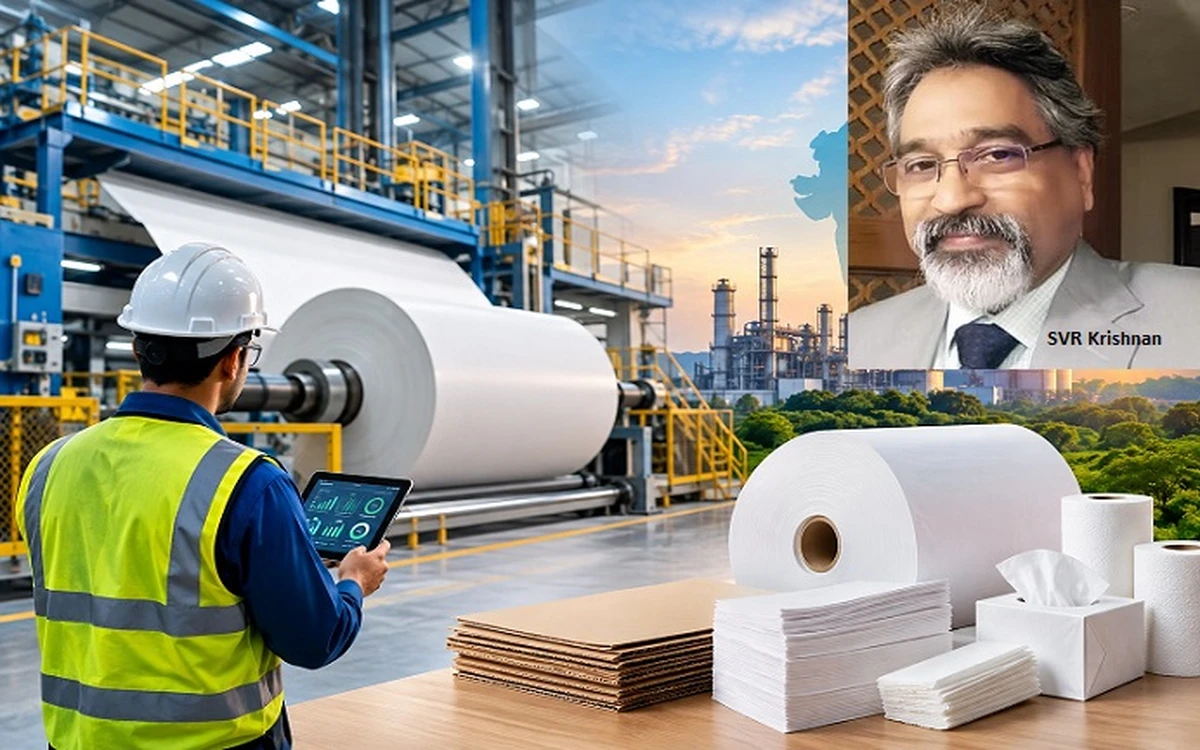
Operational Excellence, Not Just Capex, Will Drive India's Paper Industry Forward: IPPTA President
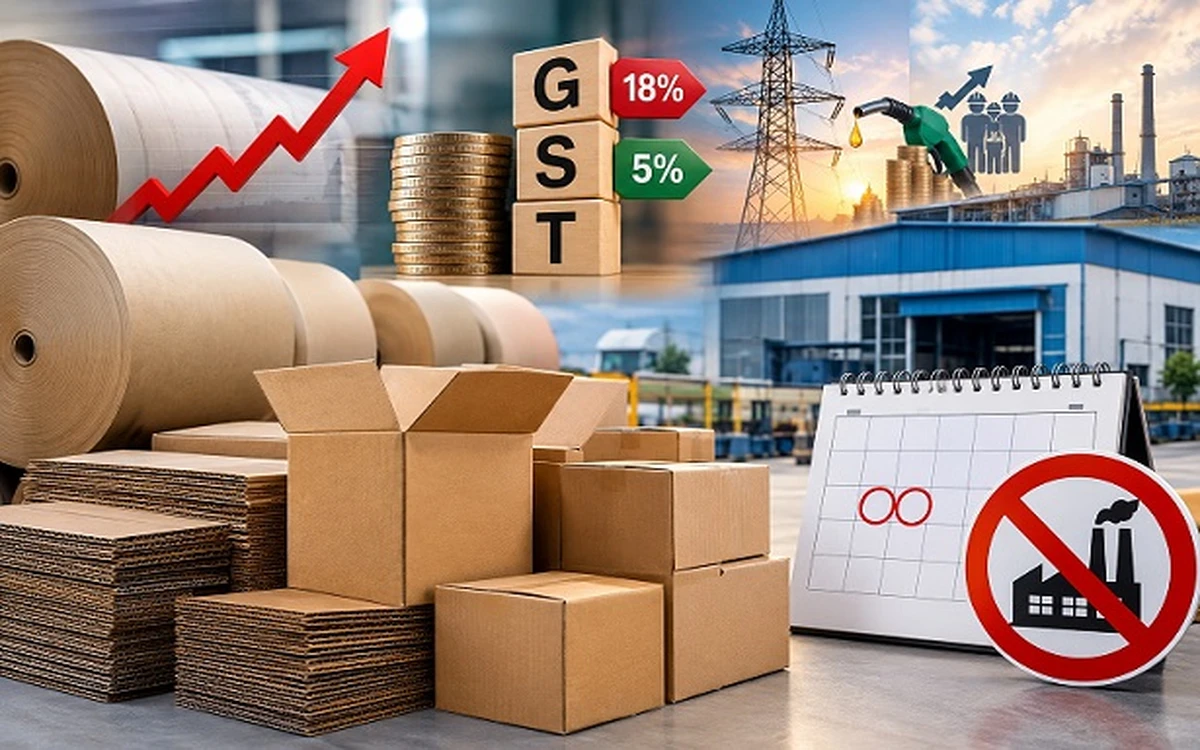
Overall Increase in Kraft Paper Prices Could Reach 35%; Industry Calls for 20% Box Price Increase, Voluntary Shutdown Proposed
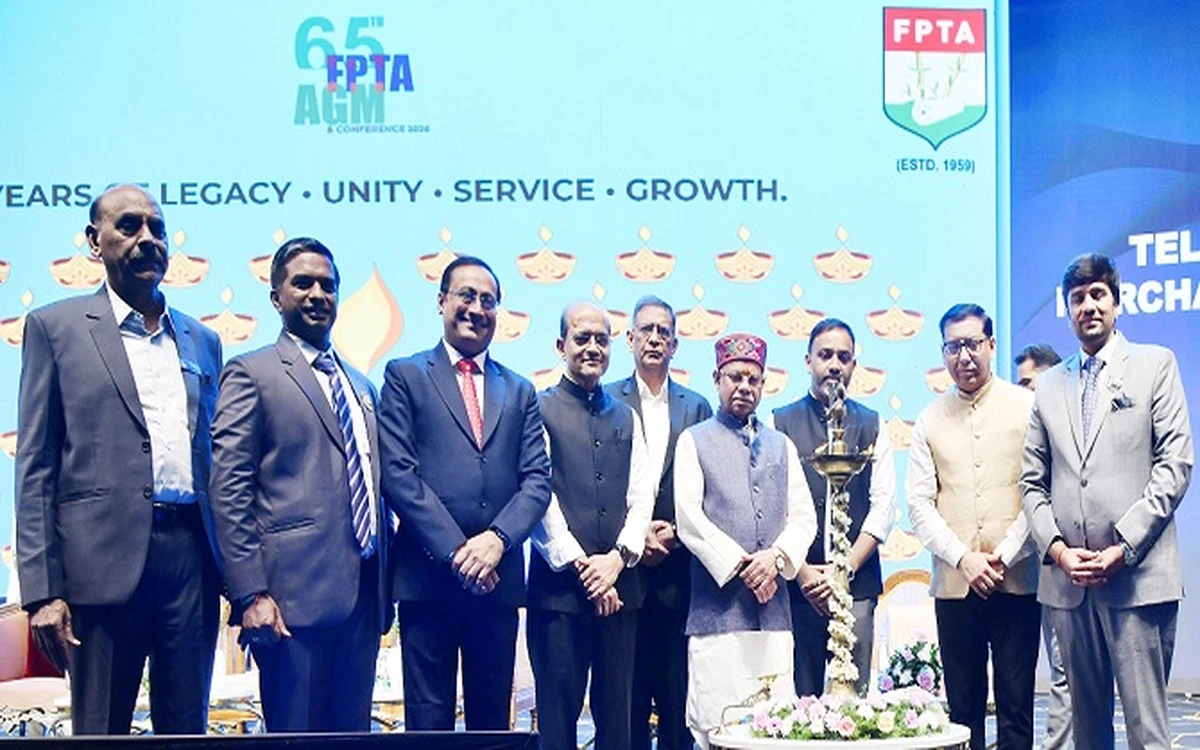
Paper Mills and Dealers Must Work Together to Create New Demand, Say Industry Leaders at FPTA’s 65th AGM
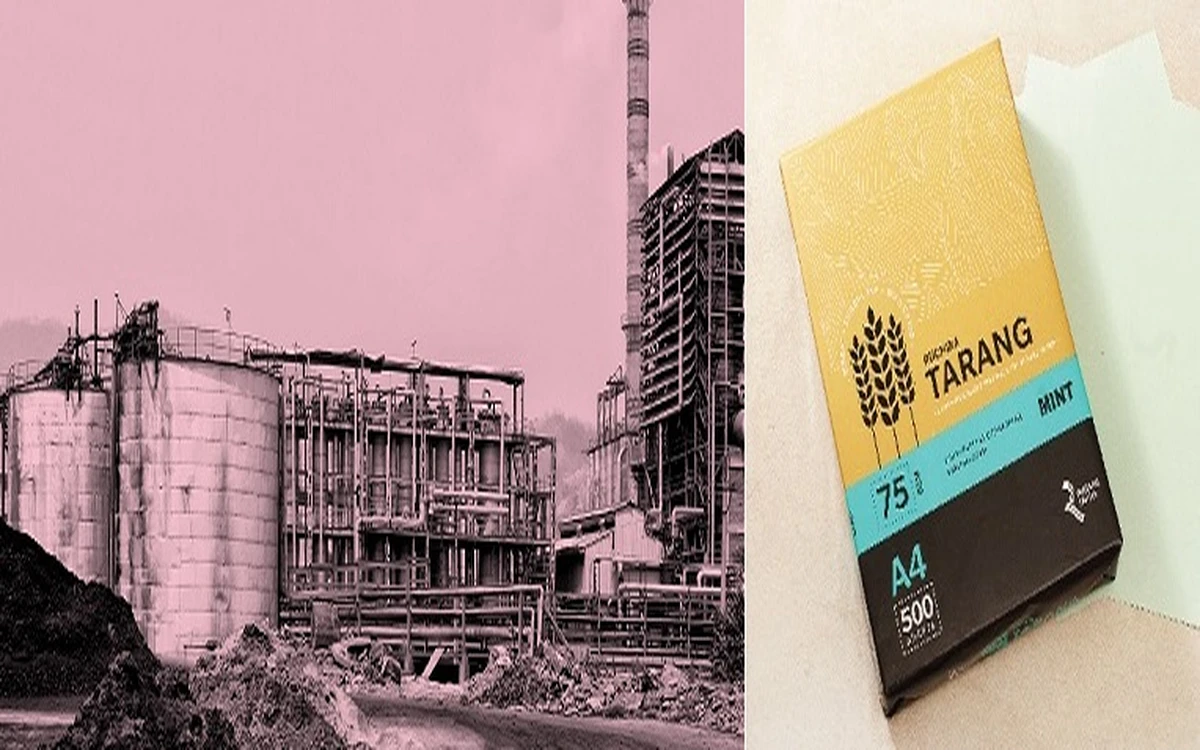
Ruchira Papers Invests a Sizeable Capex of Rs. 235–240 Crore Towards Writing & Printing Paper Capacity Expansion
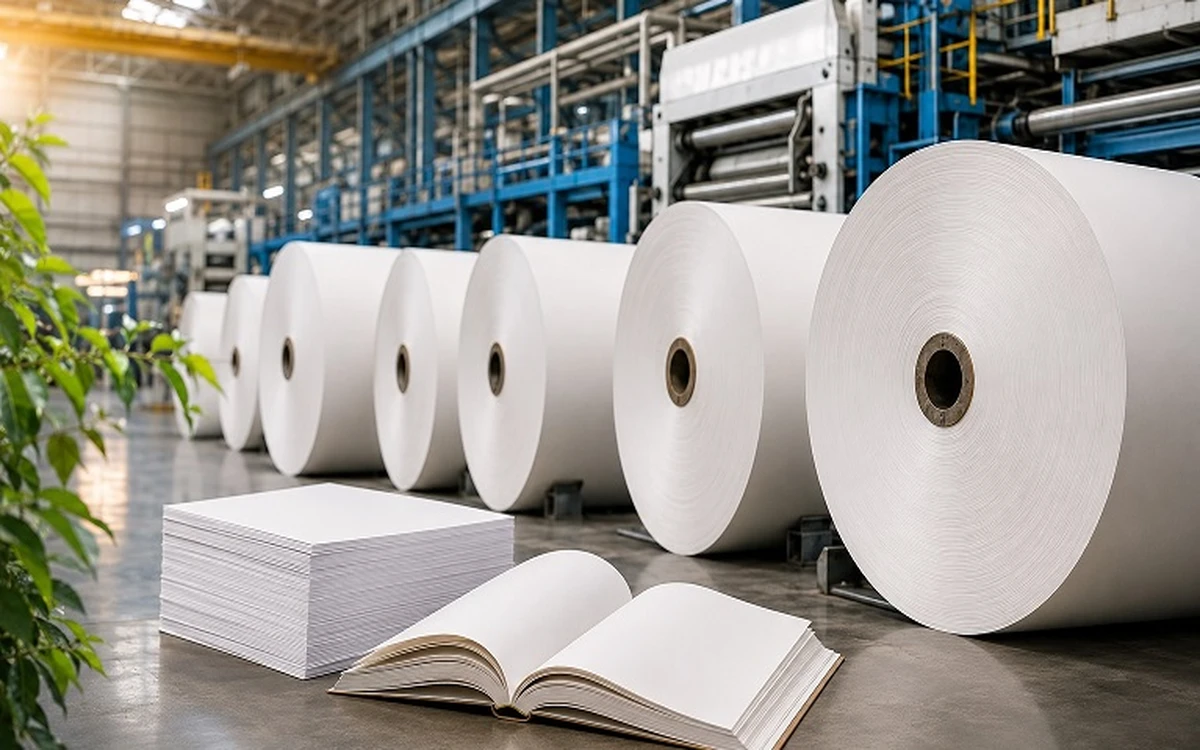
Paper mills inflated the basic ex-mill price of paper post GST 2.0, AINMA seeks action against Anti-Profiteering
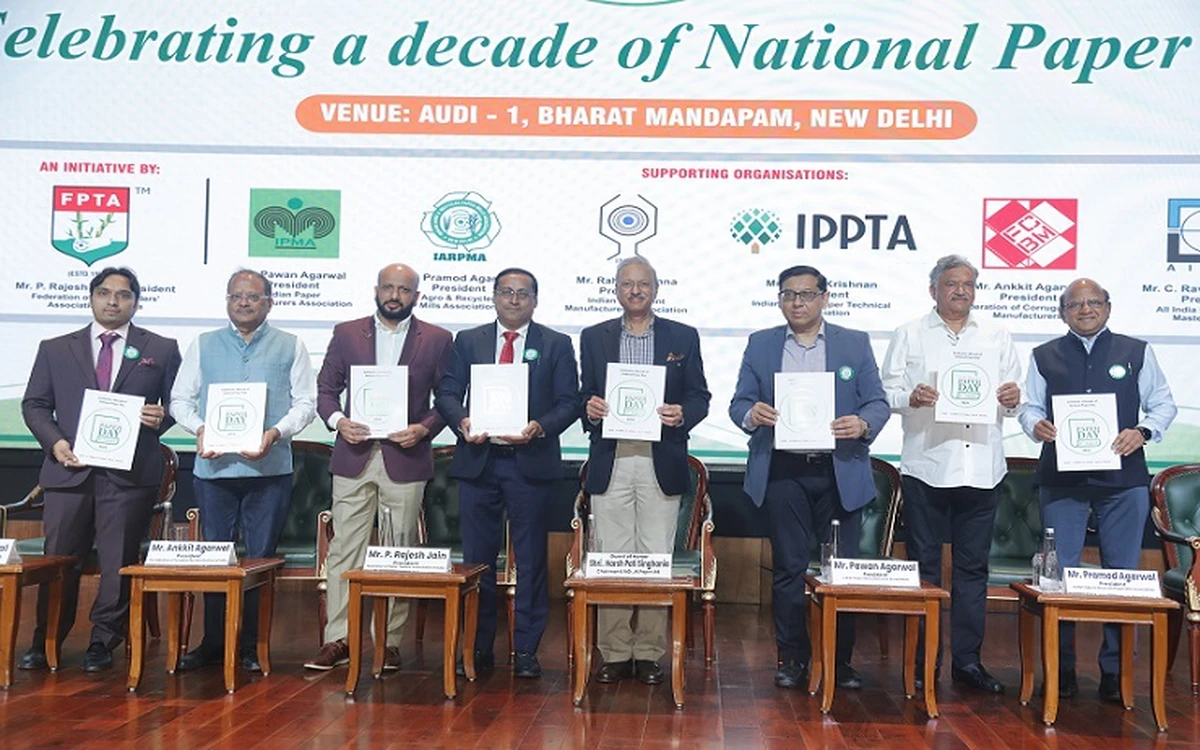
Seven Leading Associations Unite to Celebrate National Paper Day, Highlighting Paper's Sustainability and Circular Economy Advantage
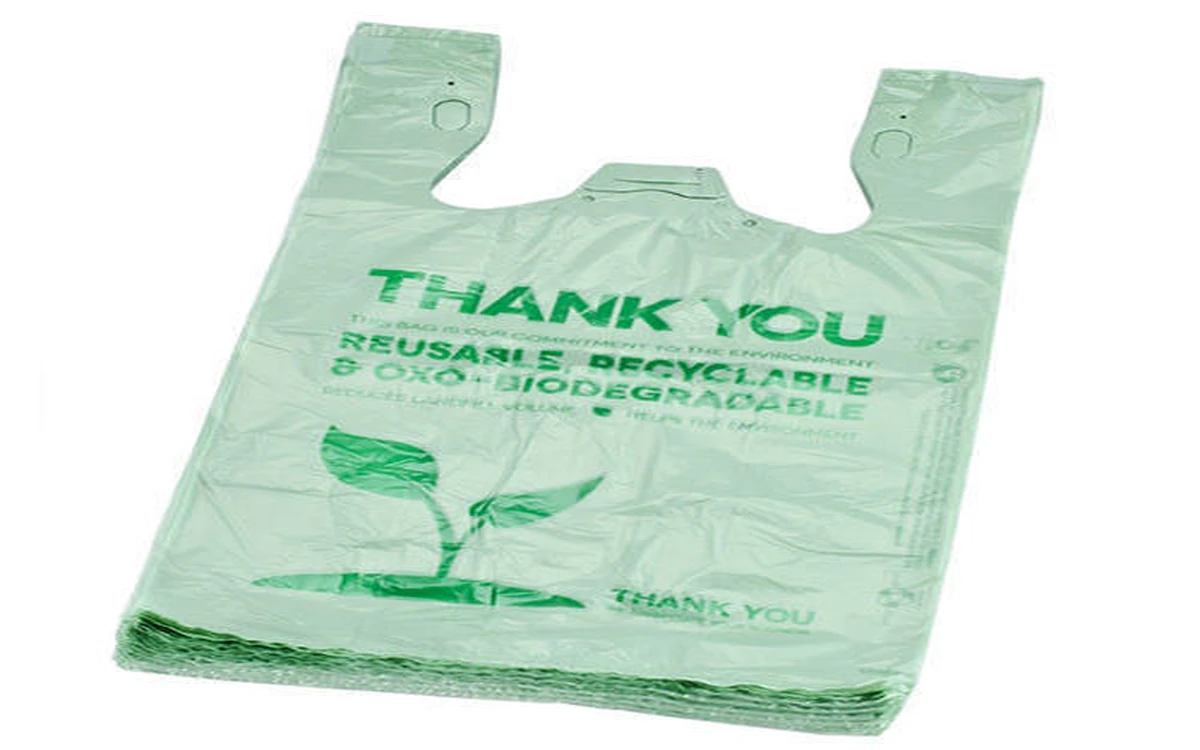
Scientists from IIT-Guwahati develop India's first biodegradable plastic

Navneet Education focuses on brand building, curriculum-led growth, and export recovery; expects stationery margins to improve in FY27

It is estimated that USD10B to USD20B worth of single-use plastic packaging will convert to molded fiber, ZUME
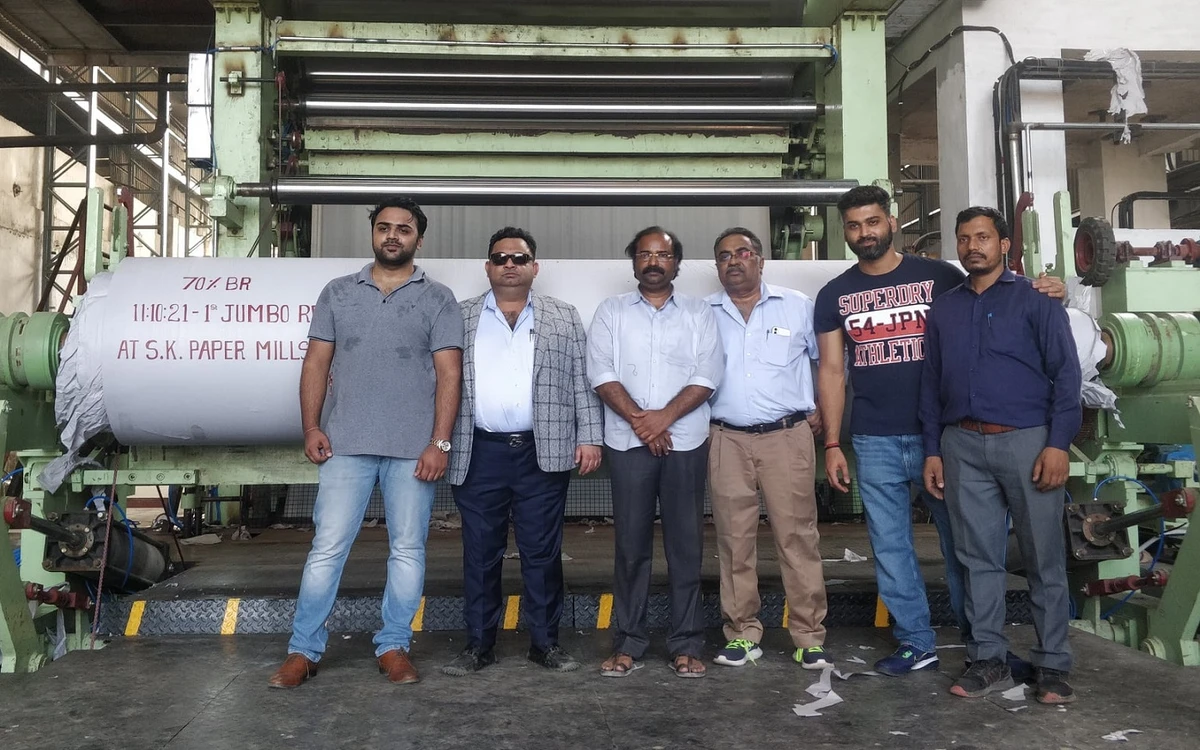
Muzaffarnagar gets a new capacity of Tissue Paper and MG Poster paper
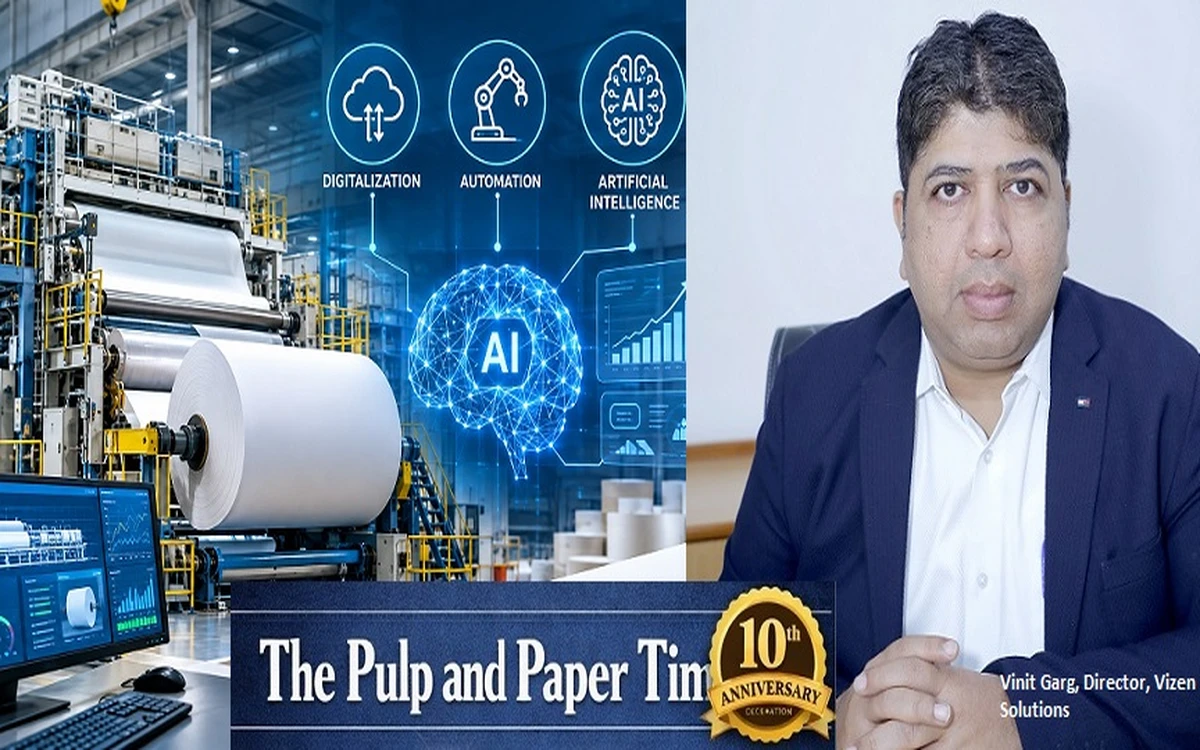
“The integration of digitalization, automation, and Artificial Intelligence (AI) is no longer a futuristic concept—it is the baseline for competitiveness in 2036” - Vinit Garg, Director, Vizen Solutions
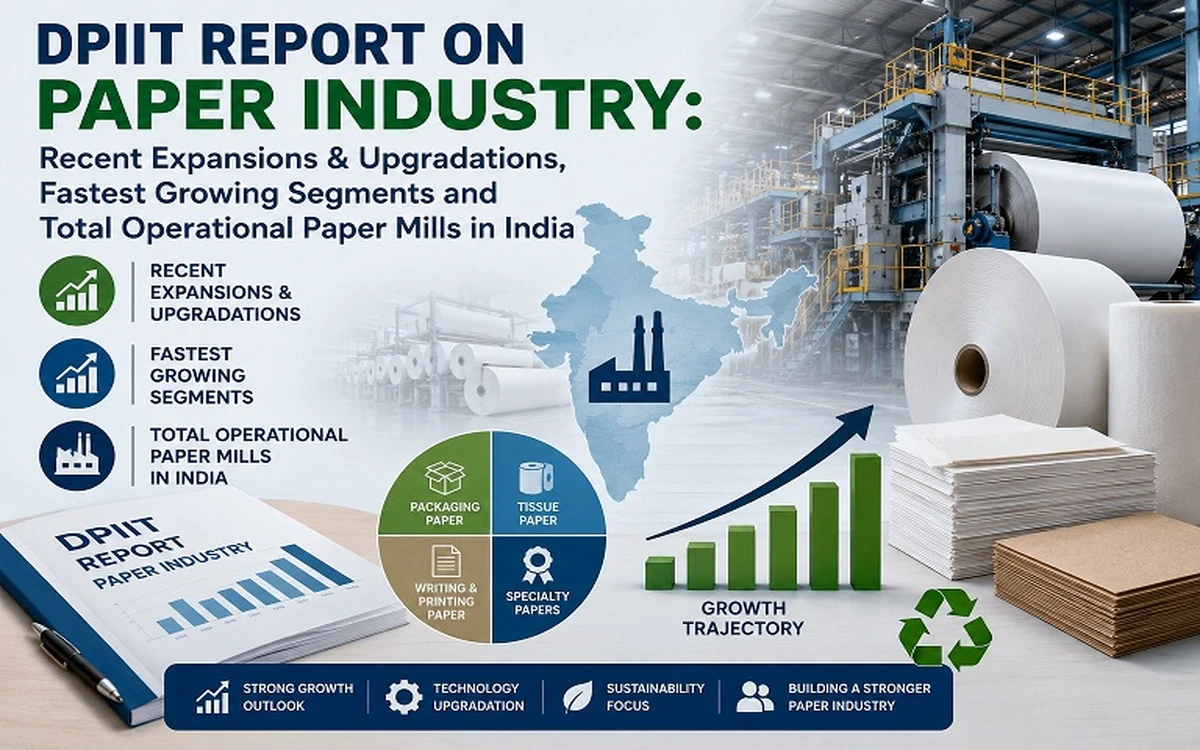
DPIIT Report on the Paper Industry: Recent Expansions & Upgrades, Fastest-Growing Segments, and Total Operational Paper Mills in India
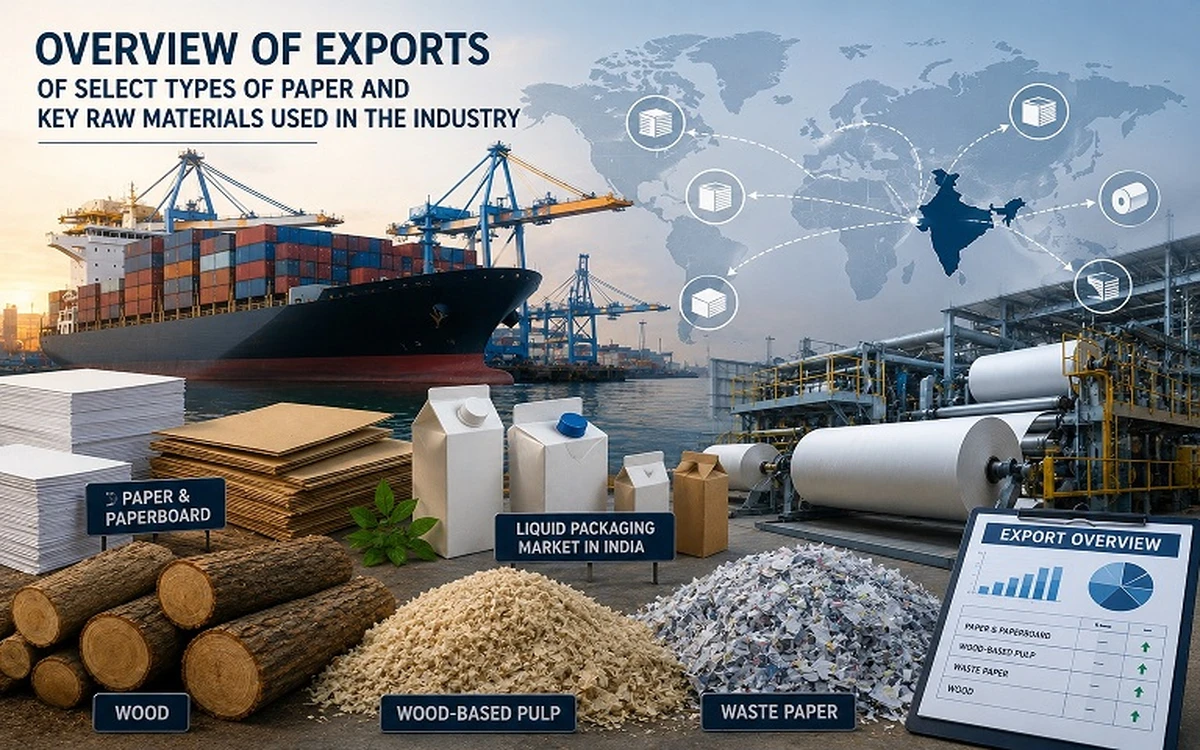
Overview of exports of select type of paper and key raw material used in the industry by Crisil Intelligence

Margin pressure pushes Pulp & Paper Packaging sector toward AI-Driven cost optimization, Cutting costs by 8–20%
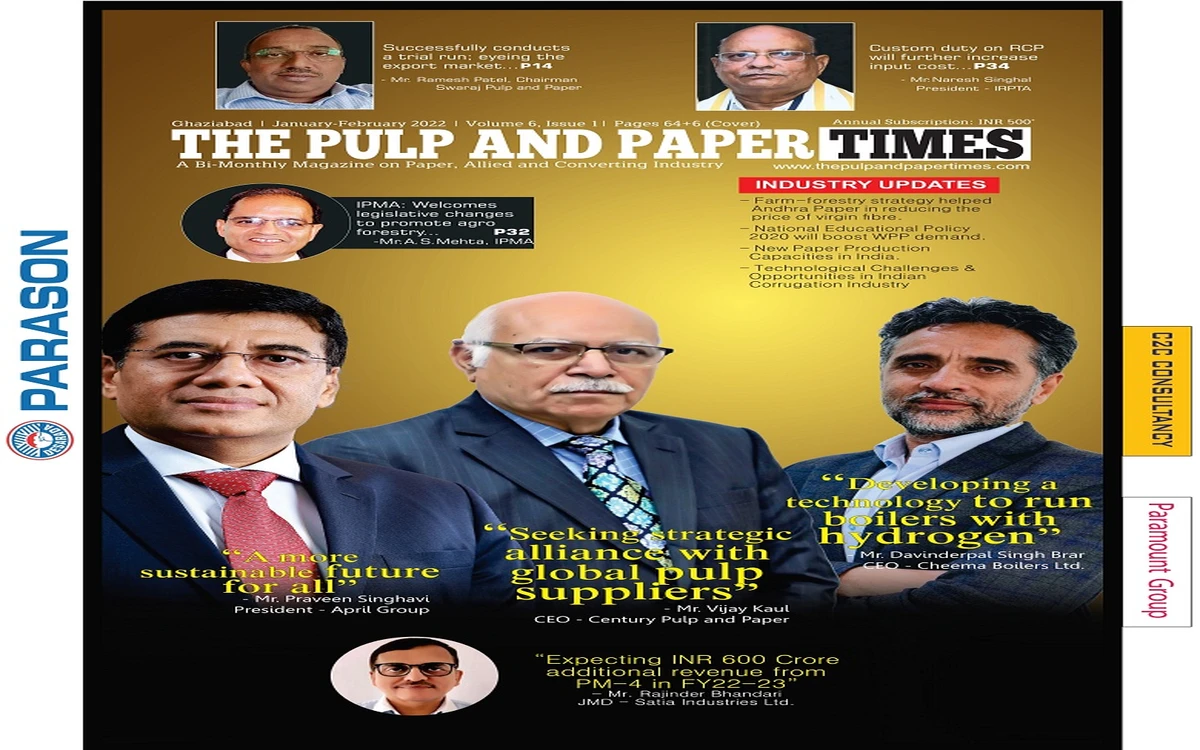
The Pulp and Paper Times Magazine : Volume 6, Issue 1
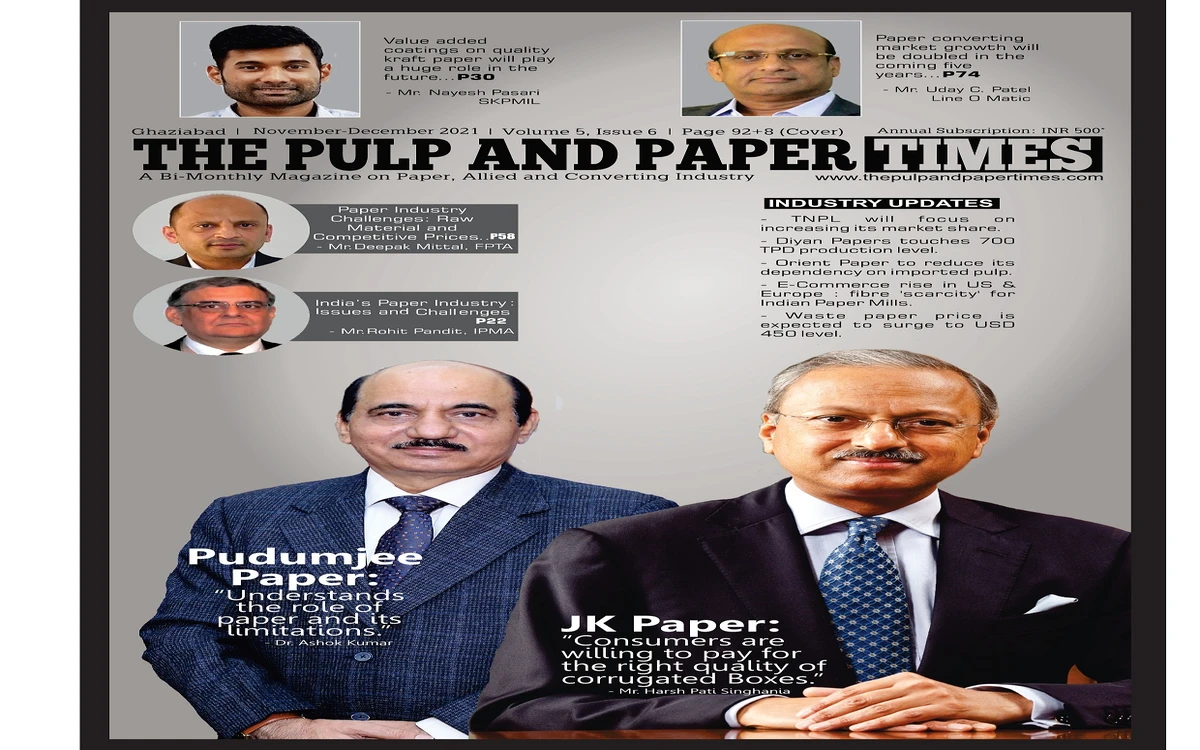
The Pulp and Paper Times Magazine : Volume 5, Issue 6
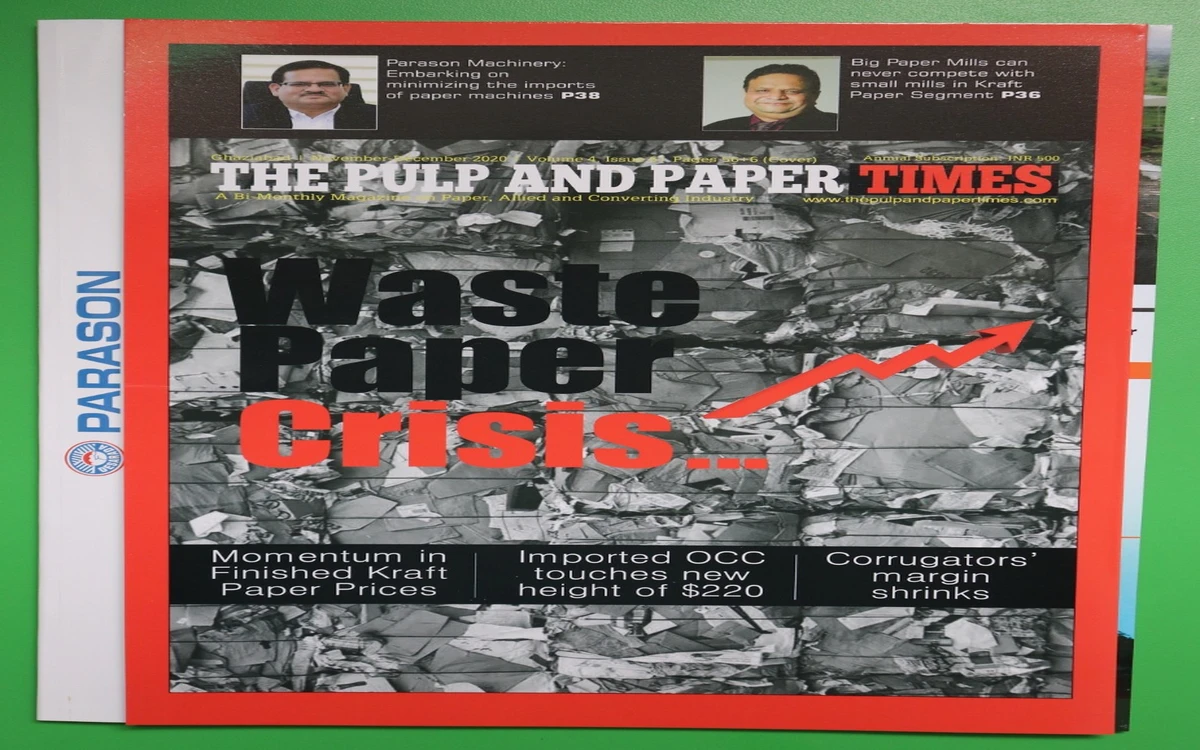
The Pulp and Paper Times: Volume 4, Issue 6
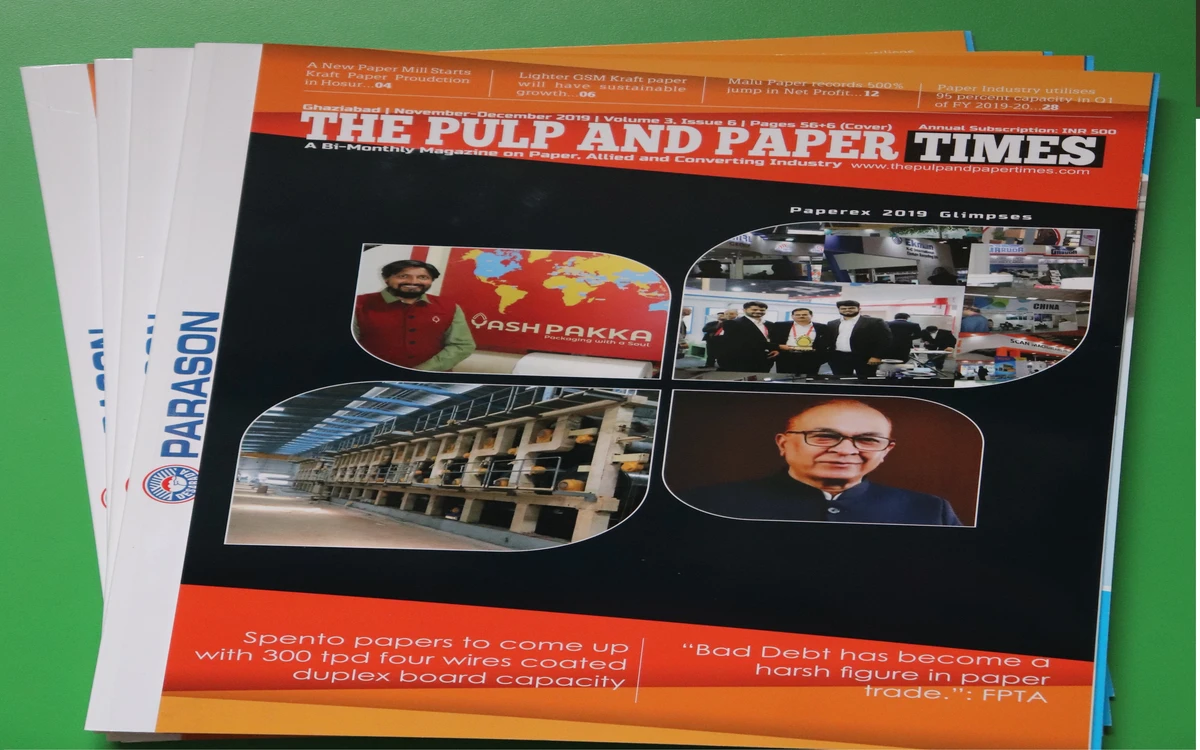
The Pulp and Paper Times : Volume 3, Issue 6
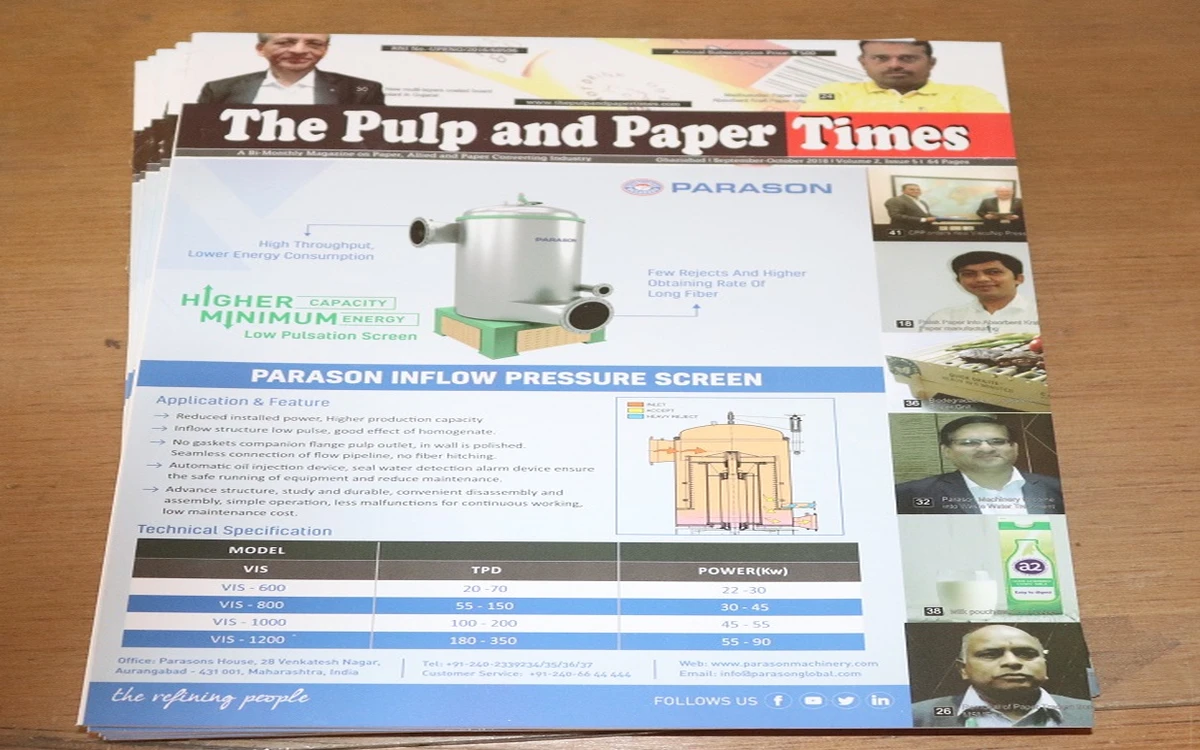
The Pulp and Paper Times: Volume 2 Issue 5
The Pulp and Paper Times, Volume 1, Issue 3
The Pulp and Paper Times, November 2016 Issue

Key Points from the Late Ms. Liana Bratasida:
“Indonesia’s industrial electricity tariffs are generally lower than many regional peers, and manufacturing labour costs remain significantly below those in China and many OECD countries, reinforcing cost competitiveness”
“Our priority is to maintain India as a key market by helping our members meet legitimate Indian standards, while working with both governments to ensure that QCOs and trade remedies remain transparent, proportionate and non-discriminatory”
“In Indonesia and India, the decline is slower because per-capita consumption is lower and education systems still rely strongly on printed materials”
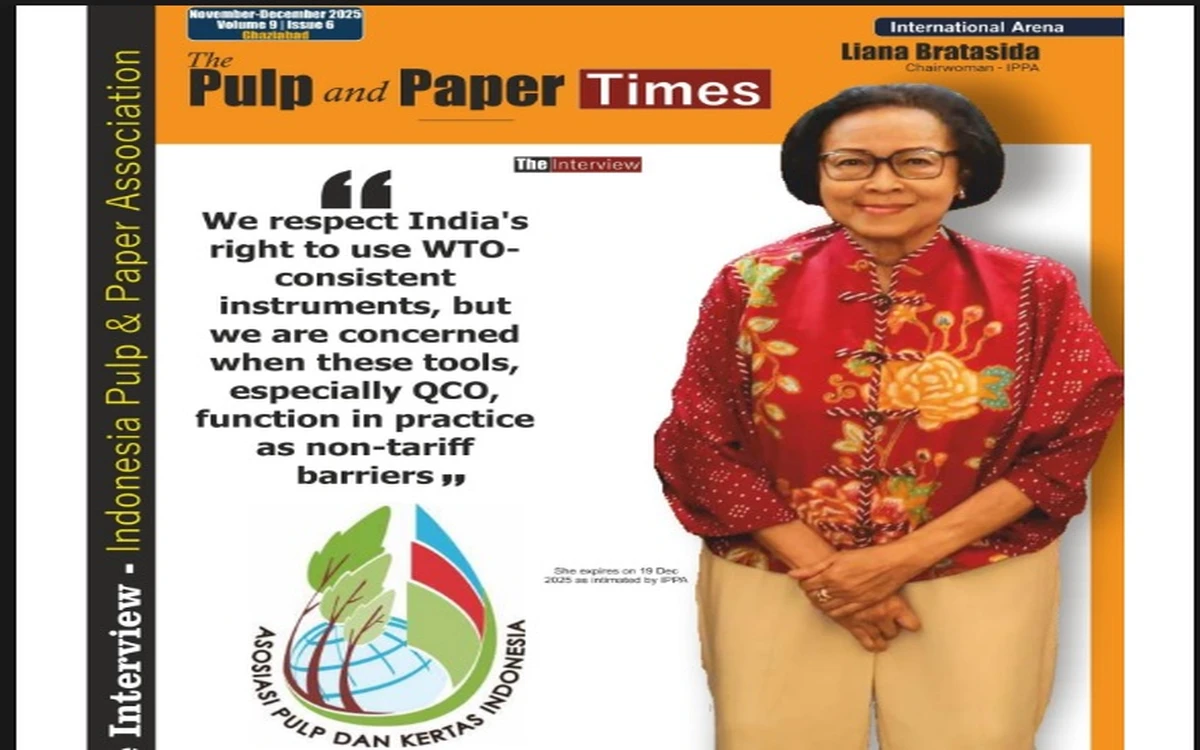
“We respect India’s right to use WTO-consistent instruments, but we are concerned when these tools, especially QCO, function in practice as non-tariff barriers”
“Overinvestment and softer domestic demand have pushed Chinese operating rates into the low-60s, depressing regional prices and utilization”
“Indonesian pulp exporters are therefore investing heavily in geospatial mapping, satellite monitoring and data systems. In the medium term, EUDR will raise the compliance bar but can also reward producers with robust legality and conservation systems”
Recently, The Pulp and Paper Times had the opportunity to interact with the Chairwoman of the Indonesia Pulp & Paper Association (IPPA), Ms. Liana Bratasida. IPPA is the national association of pulp, paper, and related industries in Indonesia, established in 1969. The discussion covered the current state of the paper market between India and Indonesia, price volatility, the impact of anti-dumping duty and MIP, paper market projections, imports and exports of paper, and various other issues. Here is her full interview:

Q: Could you briefly describe the Indonesia Pulp & Paper Association (IPPA) and its main objectives?
The Indonesia Pulp & Paper Association is the national association of pulp, paper and related industries in Indonesia, established in 1969. IPPA is a membership-based organisation that brings together pulp and paper companies and serves as a forum to facilitate and advocate the interests of its members, while acting as a strategic partner of the government in consulting, bridging and finding solutions to key challenges facing the industry.
IPPA’s vision is to be a strong association that helps position the pulp, paper and other paper-based industries as sustainable strategic national industries, in order to enhance Indonesia’s competitiveness at the national, regional and global levels.
To achieve this vision, IPPA’s main objectives include:
1.Supporting government as a partner and contributing to the formulation of policies and regulations related to pulp, paper and paper-related industries.
2.Promoting and enhancing the positive image of members and of the industry as a whole.
3.Facilitating recognition of members’ performance, legal compliance, certification and awards at national and international levels.
4. Strengthening diplomacy and advocacy for the sustainable development of the pulp and paper sector.
5. Providing a platform for sharing experiences and promoting best practices.
6. Organising training and certification to develop competent, credible and ethical human resources in pulp and paper.
7. Facilitating research and development for the application and transfer of Best Available Techniques (BAT) and clean technologies.
8. Providing support and assistance to members that require it.

Q: How would you summarise Indonesia’s competitive strengths in pulp & paper compared with other producing countries?
Indonesia’s strengths are structural rather than temporary:
• Scale and global position: Indonesian installed capacity is in the order of 14 million tonnes of pulp and more than 21 million tonnes of paper and paperboard per year, placing Indonesia among the top ten pulp producers and roughly in the top six paper producers globally, and clearly number one in ASEAN.
• Plantation-based fibre: Indonesia’s tropical climate supports fast-growing eucalyptus and acacia plantations with short rotations and high yields. This reduces delivered wood cost per tonne of pulp compared with producers relying mainly on slower-growing temperate or boreal forests.
• Young, integrated assets: Large integrated mills that combine pulp, paper and energy recovery (black liquor and biomass) deliver economies of scale and energy self-sufficiency, broadly comparable to the most competitive Latin American mills.

• Cost competitiveness: Asia, including Southeast Asia, occupying competitive positions on the global containerboard cost curve, with fibre as the main cost driver, and advantages in labour and certain energy costs versus Europe and North America.
• Favourable labour and energy costs: Indonesia’s industrial electricity tariffs are generally lower than many regional peers, and manufacturing labour costs remain significantly below those in China and many OECD countries, reinforcing cost competitiveness.
• ESG and market access: The industry operates under Indonesia’s timber legality (SVLK) system and increasingly adopts international certifications (FSC, PEFC), which strengthens access to demanding export markets and aligns with global ESG expectations.
In short, Indonesia combines competitive fibre, scale, integrated mills, favourable factor costs and improving ESG credentials.
Q: India has been an increasingly important market for paper and board — how do you view the current trade relationship between Indonesia and India in pulp & paper?

We see India as one of the most important and dynamic export markets for Indonesian paper and board, especially for writing & printing grades, coated paper and packaging board. India’s fast-growing demand and structural need for imports make it a natural long-term partner for our mills.
At the same time, the relationship is increasingly shaped by India’s regulatory and trade-remedy framework. Paper products must now comply with India’s Quality Control Orders (QCO) and obtain BIS licences under specific Indian Standards, and several Indonesian grades are also subject to anti-dumping investigations and, in some cases, a Minimum Import Price. These measures add complexity and cost for Indonesian exporters.
So, from IPPA’s perspective, the India–Indonesia relationship in pulp and paper is a combination of strong commercial complementarity and dense regulation. Our priority is to maintain India as a key market by helping our members meet legitimate Indian standards, while working with both governments to ensure that QCOs and trade remedies remain transparent, proportionate and non-discriminatory.
Q: What do you understand about the term “level playing field’ raised by Indian domestic paper manufacturers before the government and other forums? Or up to what extent do you justify this demand of Indian paper mills?

When Indian paper mills speak about a “level playing field”, they are essentially referring to three things:
1. tariff and FTA differentials, where some imported grades (including from ASEAN countries) enjoy lower duties;
2. structural cost gaps in fibre, energy, logistics and finance compared with integrated plantation-based exporters; and
3. concerns about unfair practices such as dumping, subsidies or under-invoicing that may distort market prices.
Q: With the ban on imported waste paper in China effective from January 2021, how has the world been affected by this major shift?
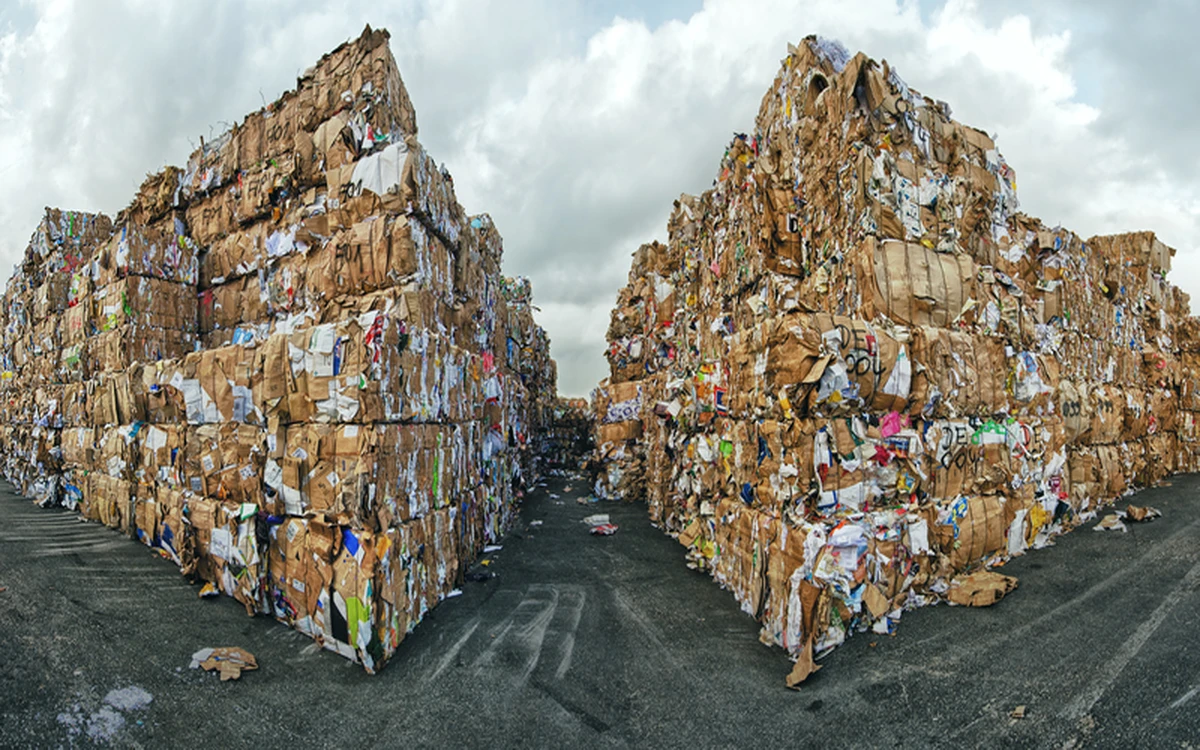
China’s ban on imported waste paper from 1 January 2021 has been a structural shock to global recovered fibre markets.
Before the ban, Chinese mills imported recovered paper (waste paper/OCC) directly in bale form. After the ban on “solid waste”, they could no longer import waste paper, so the supply model shifted: recovered paper is now increasingly processed in other countries into recycled pulp (cleaned, screened and formed into pulp sheets or bales), which is classified as a pulp product rather than waste and can still be exported to China.
This has led to three major changes:
• Redirection of fibre flows: US and European recovered paper that previously went straight to China has been diverted to India and Southeast Asia (including Indonesia, Vietnam, Thailand and Malaysia), where it is either used domestically or converted into recycled pulp and recycled board feeding back into regional supply chains, including China.

• India’s rising influence: India has emerged as the world’s largest importer of recovered paper. Its scale and buying power now play a key role in setting price levels and influencing the availability of quality OCC for other importing countries, including Indonesia.
• Investment wave and tighter competition in ASEAN: Anticipating and responding to China’s ban, there has been a strong wave of investment in packaging and recycled-board capacity in ASEAN. For Indonesia, this creates opportunities to process more fibre for regional demand (including India and China) but also intensifies competition for high-quality recovered paper and increases price volatility.
In short, the ban has transformed China from the dominant buyer of waste paper into a major buyer of recycled pulp and shifted more of the collection and initial processing of recovered fibre into countries like India and Indonesia.
Q: The ‘Cost of Production’ plays a very important role in imports and exports. What cost advantages do Indonesian paper manufacturers enjoy in terms of the availability of cheaper fibre, lower energy and labour costs, government subsidies, etc.?
Indonesia’s main cost advantages are:
• Cheaper fibre: Plantation-grown eucalyptus and acacia, often located close to mills, reduce delivered wood and transport costs, placing Indonesian hardwood producers among the lower-cost quartiles on global cost curves.
• Integrated energy systems: Kraft pulp mills generate large shares of their steam and electricity from black liquor and biomass, reducing dependence on external fossil energy.
• Labour costs: Manufacturing wage levels remain significantly below those in China and most OECD economies, supporting competitive cash-cost positions.
• Power tariffs: While energy is still a concern for industry, comparative data indicate that industrial electricity tariffs in Indonesia are generally lower than those of many neighbouring countries and substantially below European industrial tariffs.

Q: Being closely associated with the paper market, how would you differentiate the sustainability approaches of Indonesian paper manufacturers, and how do they manage pricing structures amid global factors and headwinds?
Indonesian mills have a common regulatory baseline but differ in the pace and depth of implementation:
• Legality and traceability: SVLK (Indonesia’s timber-legality system) and national forestry/environmental laws provide the baseline for legal and traceable wood supply.
• Certification and ESG: Many leading companies hold FSC and/or PEFC certificates, have peatland and conservation programmes, and publish climate targets. IPPA’s work programme explicitly frames the sector as “ESG-based” and aligned with Indonesia’s net-zero commitments.
• Circularity: There is a strong drive to increase recovered-paper utilisation, reduce water and energy intensity, and design packaging that is recyclable and compliant with emerging plastics and food-contact regulations.
• Decarbonisation: Asia’s pulp and paper sector still relies heavily on fossil fuels, leading to above-average CO₂ intensity; this is prompting Indonesian mills to accelerate fuel-mix changes and efficiency improvements.
On pricing, Indonesian producers are price-takers for global commodity grades. They manage headwinds (Chinese overcapacity, logistics disruptions, EUDR and other regulations) by:
• Tight cost control and operational excellence;
• Shifting portfolios towards higher-margin packaging, tissue and selected specialties;
• Building long-term customer partnerships to smooth price cycles.
Q: The European Union Deforestation Regulation (EUDR) mandates that products must be deforestation-free, produced in compliance with relevant laws, and accompanied by a due diligence statement containing precise geographic coordinates. How would you describe the state of the pulp market following the implementation of the EUDR?
The EUDR entered into force in June 2023 and covers commodities including wood, pulp and paper. It requires products placed on or exported from the EU market to be deforestation-free, compliant with producer-country law, and traceable to geolocated plots, with operators filing due-diligence statements.
EU institutions have agreed to delay full enforcement by about 12 months, shifting the main compliance obligations into late 2025 and 2026 depending on company size.
At this stage:
• Physical pulp flows have not changed dramatically, but European buyers are already demanding detailed geolocation data and risk assessments, especially from tropical suppliers such as Indonesia.
• There is concern that smallholder-based supply chains may struggle with the compliance burden, potentially shifting trade towards larger, well-capitalised suppliers.
• Indonesia and other producing countries have raised EUDR as a potential trade-restrictive measure in WTO committees and other fora, calling for science-based and non-discriminatory implementation.
Indonesian pulp exporters are therefore investing heavily in geospatial mapping, satellite monitoring and data systems. In the medium term, EUDR will raise the compliance bar but can also reward producers with robust legality and conservation systems.
Q: How do you foresee the growth of the paper and pulp market in FY25–26 amid the decline of the Chinese paper market?
• Pulp: Global BHKP demand is expected to grow by around 4–5 million tonnes over the next five years, driven mainly by tissue and packaging in Asia. New integrated capacity in China limits market-pulp import growth and puts downward pressure on prices.
• Paper and board: Asia now accounts for more than half of global containerboard capacity, with China alone holding over 60% of Asian capacity. Overinvestment and softer domestic demand have pushed Chinese operating rates into the low-60s, depressing regional prices and utilisation.
• RCP dynamics: Global recovered-paper markets remain tight and volatile; Asian net imports are slightly lower overall, but India’s imports are rising again while ASEAN producers strengthen domestic collection.
For FY25–26, we foresee:
• Continual structural decline in graphic papers;
• Low single-digit growth in total paper and board demand, with almost all growth in packaging and tissue, particularly in emerging Asia (India, Indonesia, Vietnam).
Indonesia and India should therefore see positive domestic demand in packaging and tissue, but in a global environment of tight margins and intense competition.
Q: India has used anti-dumping and safeguard measures like Minimum Import Price (MIP) in the past — how has that environment affected Indonesian exporters?
India is one of the most active users of trade remedies globally, and has also initiated the largest number of dumping investigations against Indonesian products (49 cases). Overall, Indonesian exports have faced more than 300 trade-remedy investigations worldwide.
In addition, QCO has become an effective instrument for India to slow imports, as explicitly recognised by Indonesia’s Directorate of Trade Safeguards; viscose staple fibre (VSF) exports from Indonesia to India dropped by around USD 110 million following QCO imposition in 2022 before a licence was finally obtained in 2025.
For pulp and paper specifically:
• In June 2025, DGTR launched an anti-dumping investigation on virgin multi-layer paperboard from Indonesia, with petitioners alleging very high dumping and injury margins.
• In August 2025, India also imposed a Minimum Import Price on certain virgin multi-layer paperboard grades up to March 2026.
• Under QCO, Indonesian paper exporters must obtain and renew BIS licences; in the past, renewal processes were slow and without clear deadlines, creating the risk of export disruption even when all requirements were met.
This environment:
1. Raises uncertainty and costs – exporters must factor in the risk of duties or delays and bear the cost of legal and technical defence.
2. Pressures product-mix and market strategies – companies redirect some volumes to other markets or shift to grades not affected by measures.
3. Demands strong coordination – IPPA works closely with the Ministry of Trade, BSN and our members to respond to investigations, manage QCO compliance and maintain market presence.
We respect India’s right to use WTO-consistent instruments, but we are concerned when these tools, especially QCO, function in practice as non-tariff barriers.
Q: What policy steps or trade remedies would you like to see from either side to reduce trade friction while protecting legitimate domestic interests?
Our position, informed by government briefings and the lessons learned from VSF and other affected products, is as follows:
1. Treat standards as legitimate but disciplined tools: We accept that standards and QCO are legal instruments to protect consumers and domestic producers. However, they must be transparent, proportionate, and based on real safety/quality needs, not used as disguised restrictions on trade.
2. Strengthen structured dialogue on QCO and trade remedies:
- Use existing mechanisms such as the WTO TBT Committee, the ASEAN–India Trade in Goods Agreement (AITIGA) and the Indonesia–India Working Group on Trade & Investment to raise Specific Trade Concerns and negotiate practical solutions.
- Establish a dedicated technical working group between Indian and Indonesian authorities and industry to discuss BIS certification, timelines and costs, including for paper and related products.
3. Promote compliance and mutual recognition:
- Support exporters in obtaining BIS licences and certificates of conformity, as was done successfully for VSF where, after intensive diplomacy and factory audits, APR obtained FMCS certification (CML 4100100245) and resumed exports with an initial 1,000-ton shipment in August 2025.
- Explore possibilities for mutual recognition or streamlined conformity assessment where standards are equivalent.
4. Upgrade domestic testing and production capabilities:
- Build or accredit domestic testing facilities that can perform tests to Indian standards, reducing costs and delays for exporters.
5. Revitalise products and supply chains:
- Encourage diversification and quality upgrading of Indonesian exports, and highlight sustainability credentials (e.g. ISPO in palm oil, SVLK in wood products), so that our products meet not only the letter but also the spirit of importing-country regulations.
In short, we advocate a combination of disciplined use of trade tools, active diplomacy, compliance support, and supply-chain upgrading, to protect legitimate domestic interests without undermining efficient bilateral trade.
Q: What new innovations or Research & Development activities are currently being carried out by Indonesian paper mills? Also, how do you see the growth and innovation in specialty papers, barrier coated grades, and flexible packaging papers?
Innovation in Indonesia is driven by cost, sustainability and market differentiation:
• Recyclable barrier solutions: Mills are developing water-based barrier boards for cups, food service and flexible packaging, designed to be repulpable and more easily recyclable than conventional PE-laminated boards (for example, APP’s Foopak range).
• Lightweight, high-performance packaging: R&D focuses on lighter grammages of containerboard and cartonboard without sacrificing strength, in response to e-commerce growth and brand-owners’ resource-efficiency targets.
• Process and ESG innovation: Investments include digital process control, improved recovery and boiler systems, water-recycling technologies, and in some cases non-wood fibres and advanced plantation genetics.
We see specialty papers, barrier-coated grades and fibre-based flexible packaging as high-growth, high-margin segments, particularly in food and retail applications where regulators and brand-owners seek alternatives to single-use plastics. While these niches will not match commodity grades in volume, they are central to Indonesia’s strategy for value-added and regulation-proof exports.
Q: How would you predict graphic paper demand in the coming years? … What is your outlook on the declining WPP market?
Global data show that graphic papers, including woodfree printing and writing (WPP), are in structural decline. OECD–FAO and specialist industry studies project that by 2030 global printing & writing paper consumption will be tens of millions of tonnes lower than in 2012, primarily due to digitalisation.
In Indonesia and India, the decline is slower because per-capita consumption is lower and education systems still rely strongly on printed materials. But we already observe:
• Fattening or contracting demand in office and publication papers;
• Increasing use of digital platforms in government, education and business.
Most major producers are therefore:
• Converting or planning to convert WPP machines to packaging or tissue where feasible;
• Focusing remaining WPP capacity on niches such as educational books, security papers and certain premium applications.
My outlook is that WPP demand in emerging markets will likely plateau and then gradually decline, while the share of packaging and tissue in total industry output continues to rise. Innovation in WPP will be about value, not volume.
Q: Any message to the Indian Paper Community.
To our colleagues in the Indian paper community, my message is one of partnership and shared responsibility.
India is not only a competitor but also a crucial partner in building a resilient, sustainable Asian pulp and paper industry. Our two countries face many of the same challenges: securing sustainable fibre and recovered paper after China’s waste-paper ban; responding to more frequent trade remedies and QCO-type regulations; and meeting increasingly demanding ESG and deforestation-free requirements.
IPPA stands ready to work with Indian associations and companies to:
• Improve recovered-paper collection, quality and traceability;
• Develop low-carbon, recyclable fibre-based packaging solutions;
• Engage in open, data-driven dialogue on standards and trade remedies, so that instruments like QCO genuinely protect consumers and domestic producers without becoming unnecessary barriers to legitimate trade.
If we focus on evidence, transparency and cooperation, Indonesia and India can together anchor a competitive, sustainable and inclusive pulp and paper value chain for the wider Asia–Pacific region.
Ms. Liana Bratasida expired on 19 December 2025

1 days ago
Total Views : 508
2 weeks ago
Total Views : 1836
2 months ago
Total Views : 461
2 months ago
Total Views : 1015
3 months ago
Total Views : 2658
4 months ago
Total Views : 1209
4 months ago
Total Views : 2247
4 months ago
Total Views : 2995

4 months ago
Total Views : 2021
5 months ago
Total Views : 1354