Join Groups & Channels, No Spamming









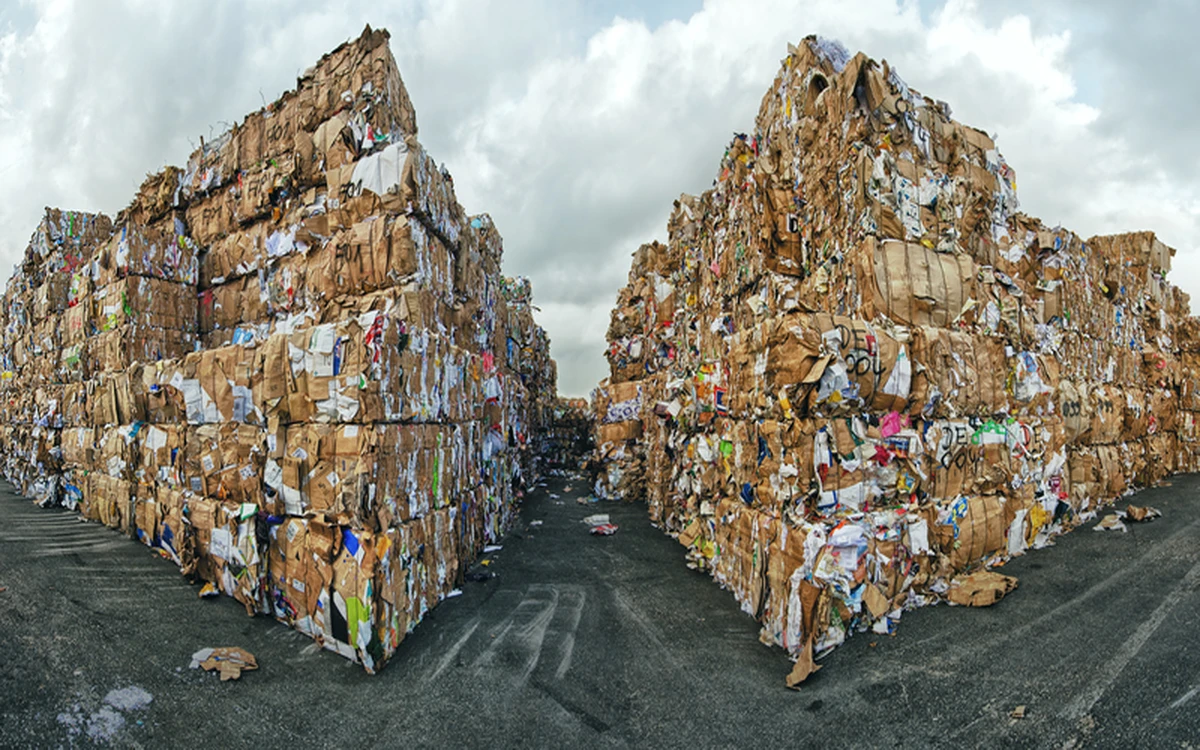
Morbi paper mills see full-capacity operations as ceramic industry revives; Kraft paper exports to China spike, Prices strengthen; Janmashtami shutdown ahead
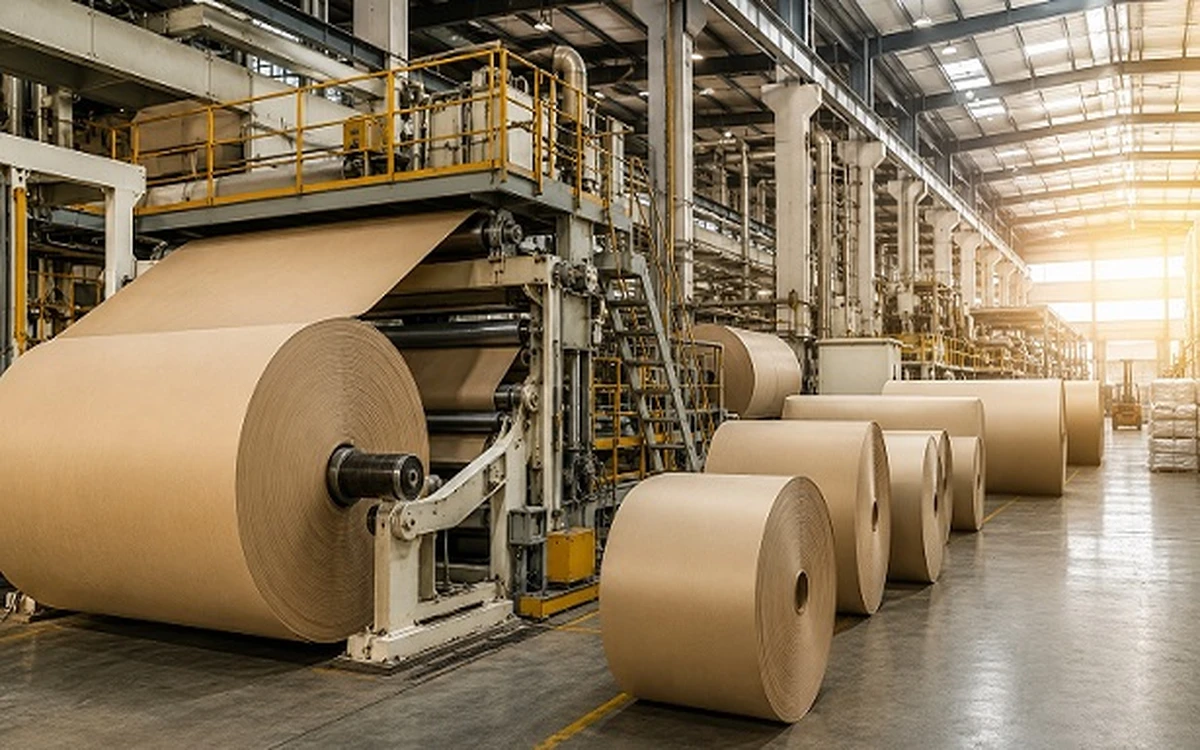
The BE and caustic soda plant marks a key milestone for Mohit Paper Mills, enabling full utilization of installed capacity and enhancing overall production efficiency
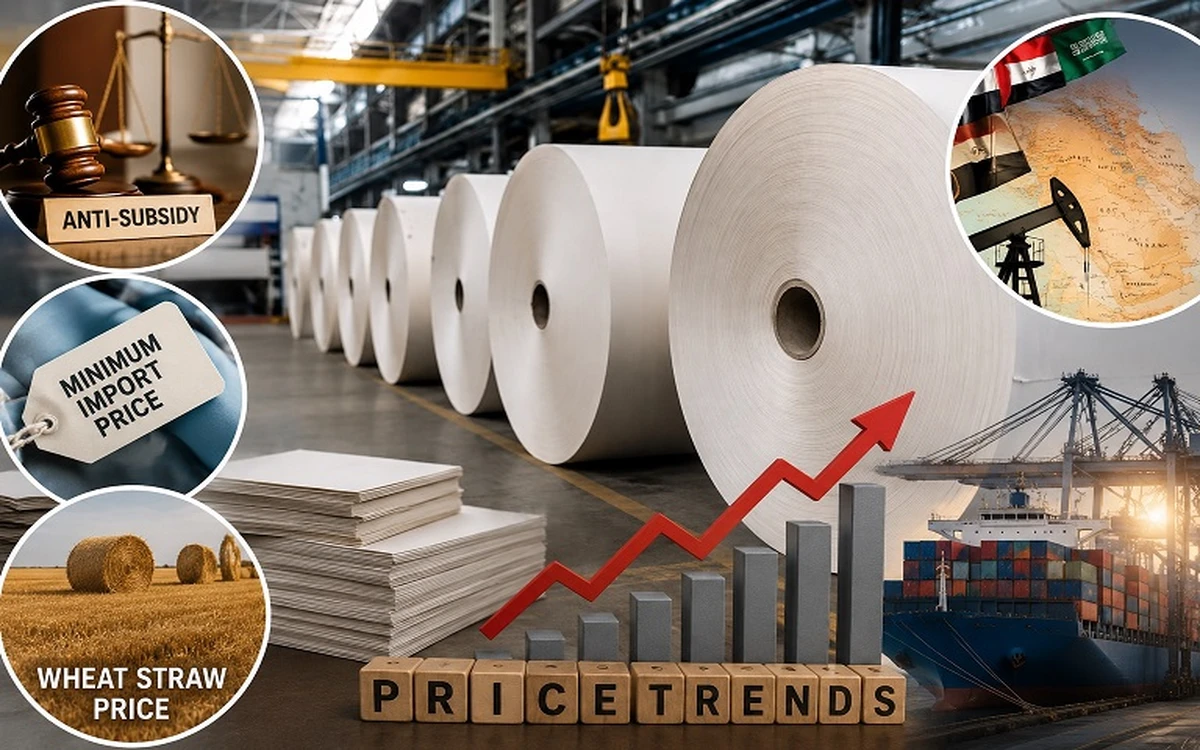
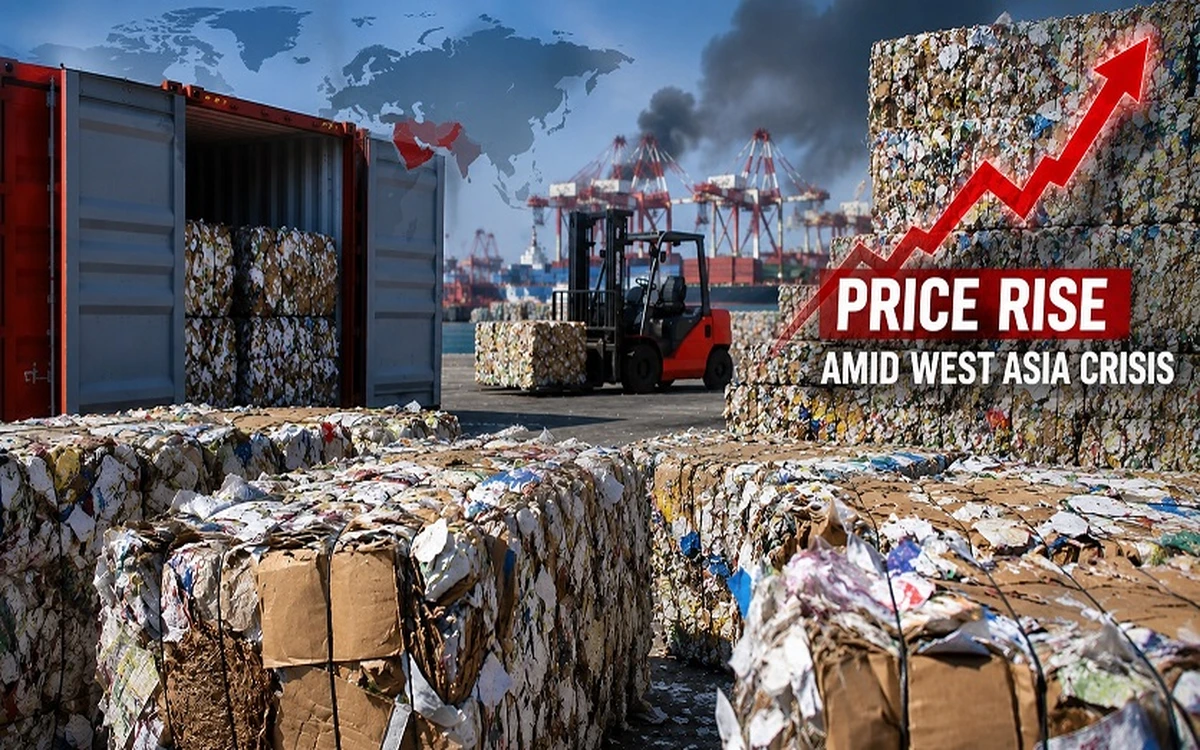
Expert Views on the paper market scenario, How the West Asia Crisis Helped the Industry, MIP for WPP, Anti-Subsidy implementation, and paper price trends
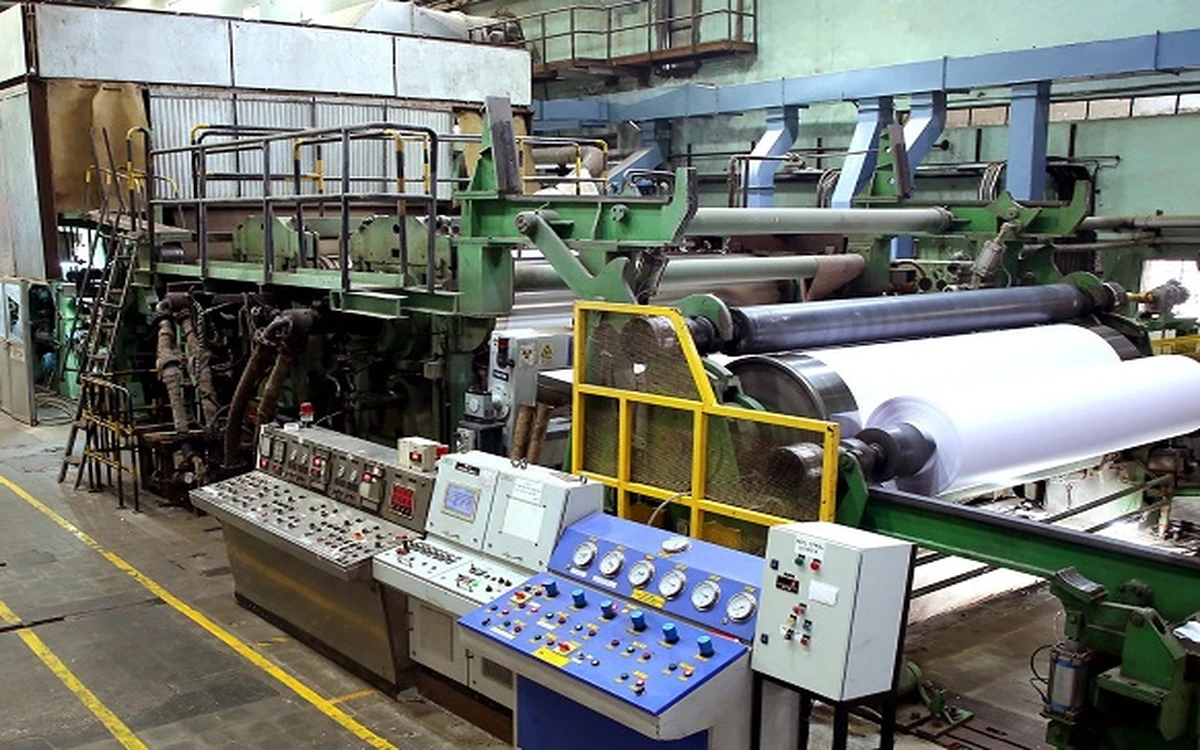
Pudumjee Paper intends to develop new varieties addressing applications for stronger paper bags and cupcakes; Plans 68,000 MT Mahad Specialty Paper Facility within 5 years
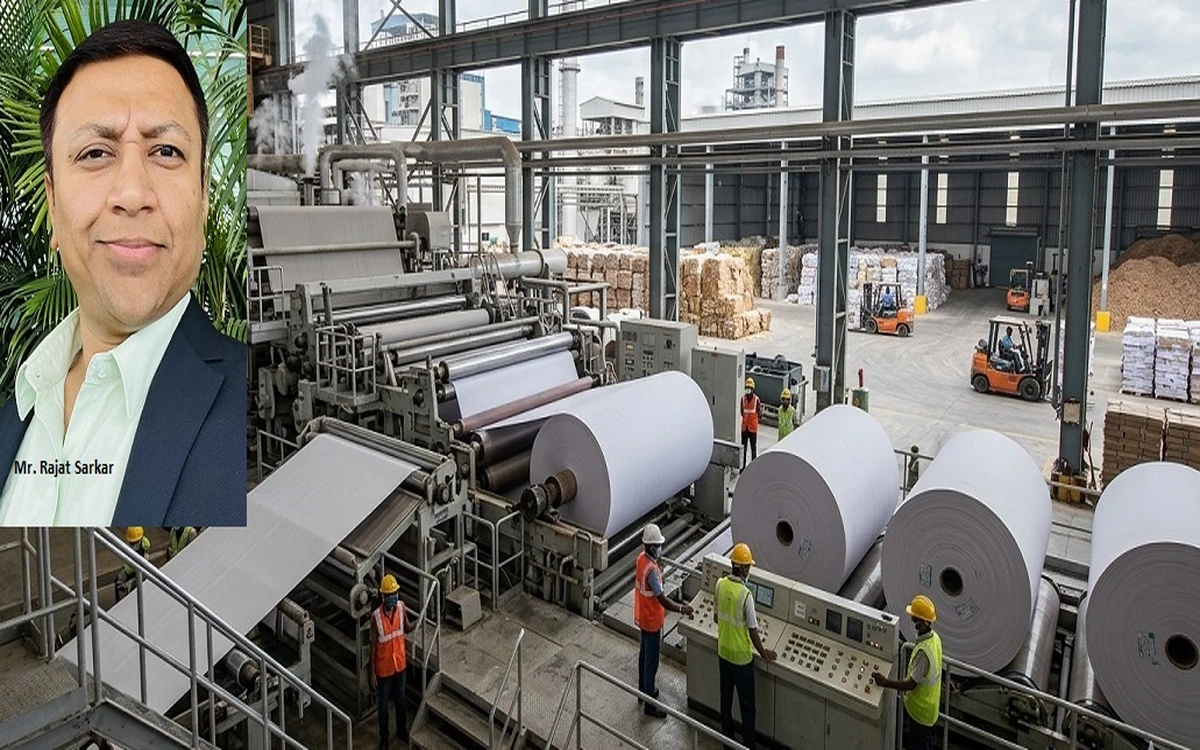
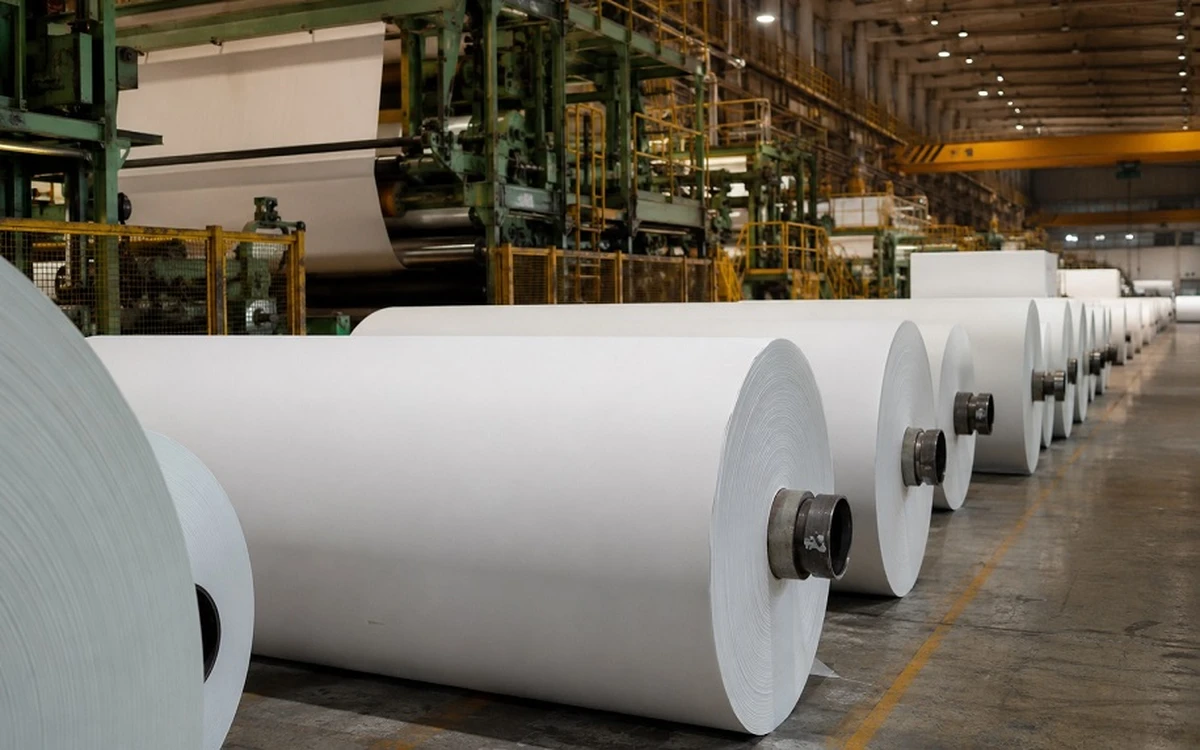
India Paper Industry at an Inflection Point: War, Costs, and Capacity; Demand growth expected at 5–7% in FY26
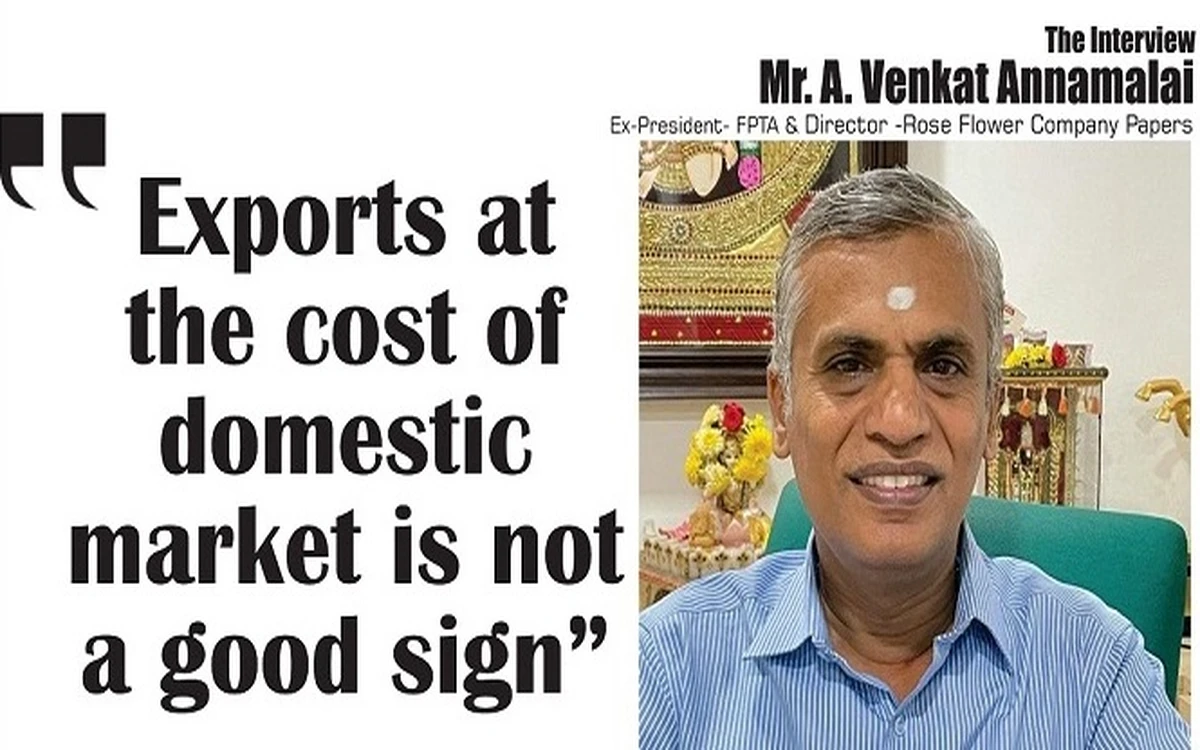
“Surging exports of paper will most certainly keep the domestic prices quite high”: Mr. A. Annamalai, Director – RFC
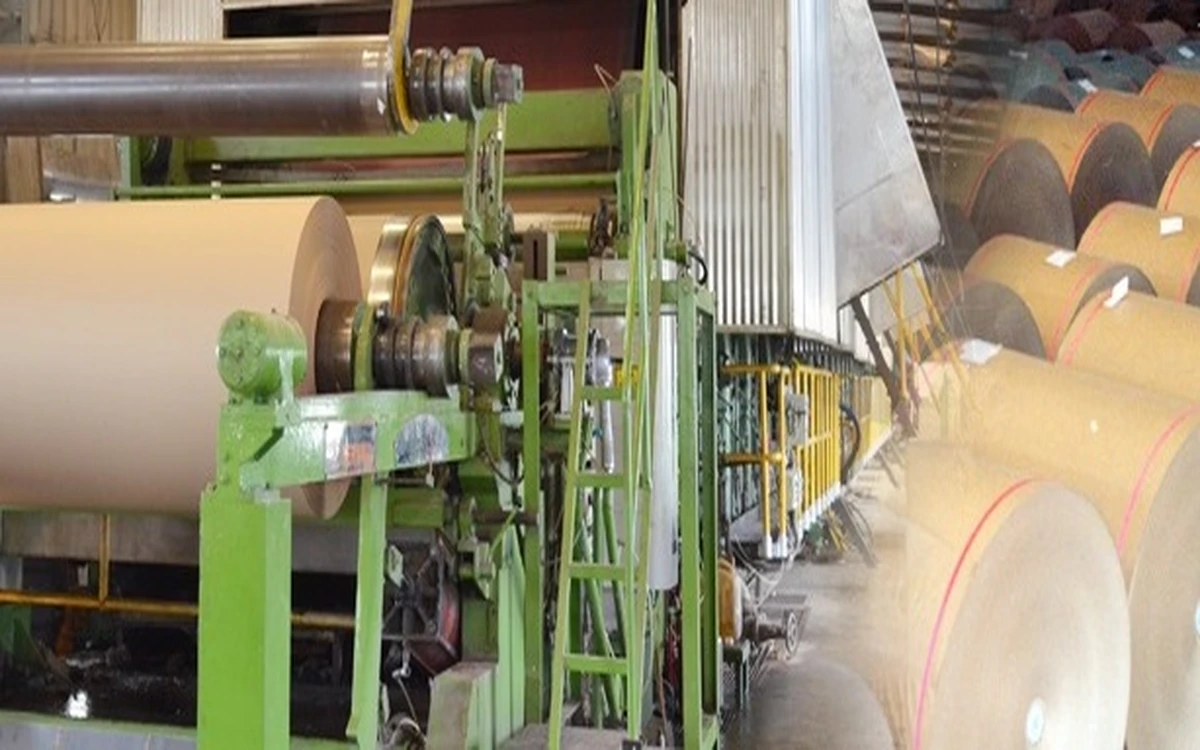
The Status of the Global Container board Industry, Recycled Paper Demand and Supply and its impact on the Indian Industry

Akshay Jain, director of Silverton Pulp & Paper, says it's time to promote agro residue as a raw material to lessen the scarcity of fibre
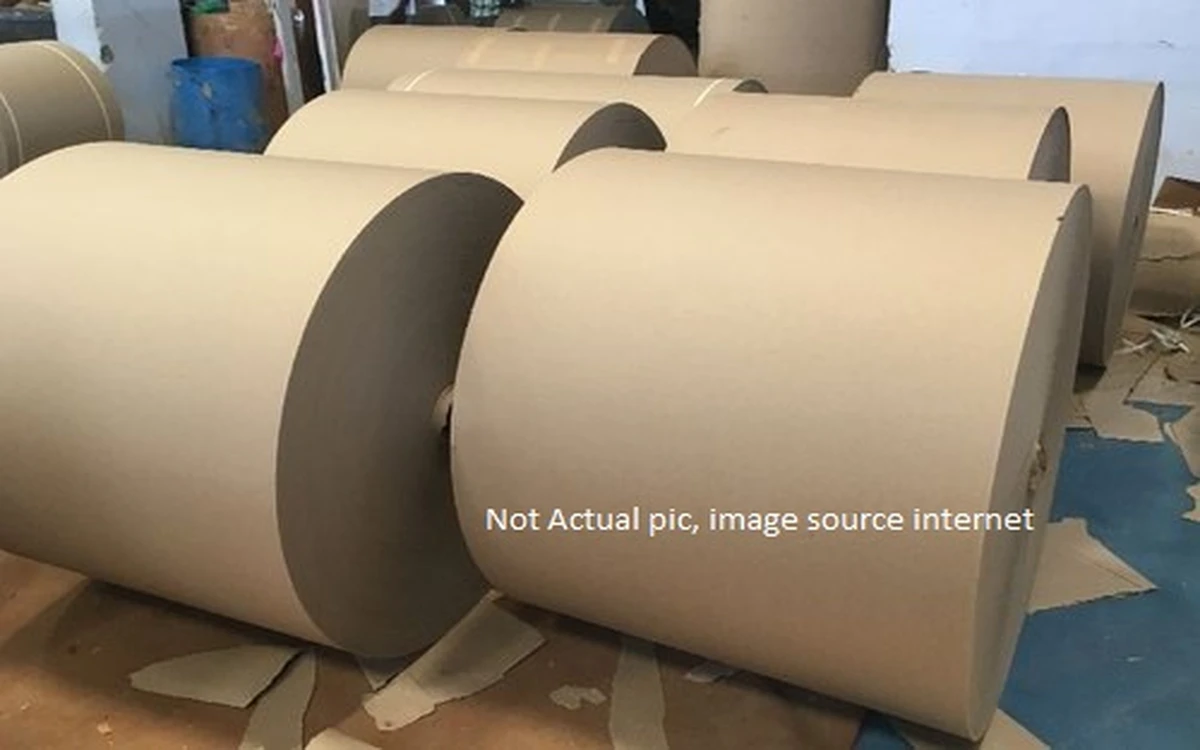
Advantageously located, a new paper mill is all set to roll kraft paper in Madhya Pradesh
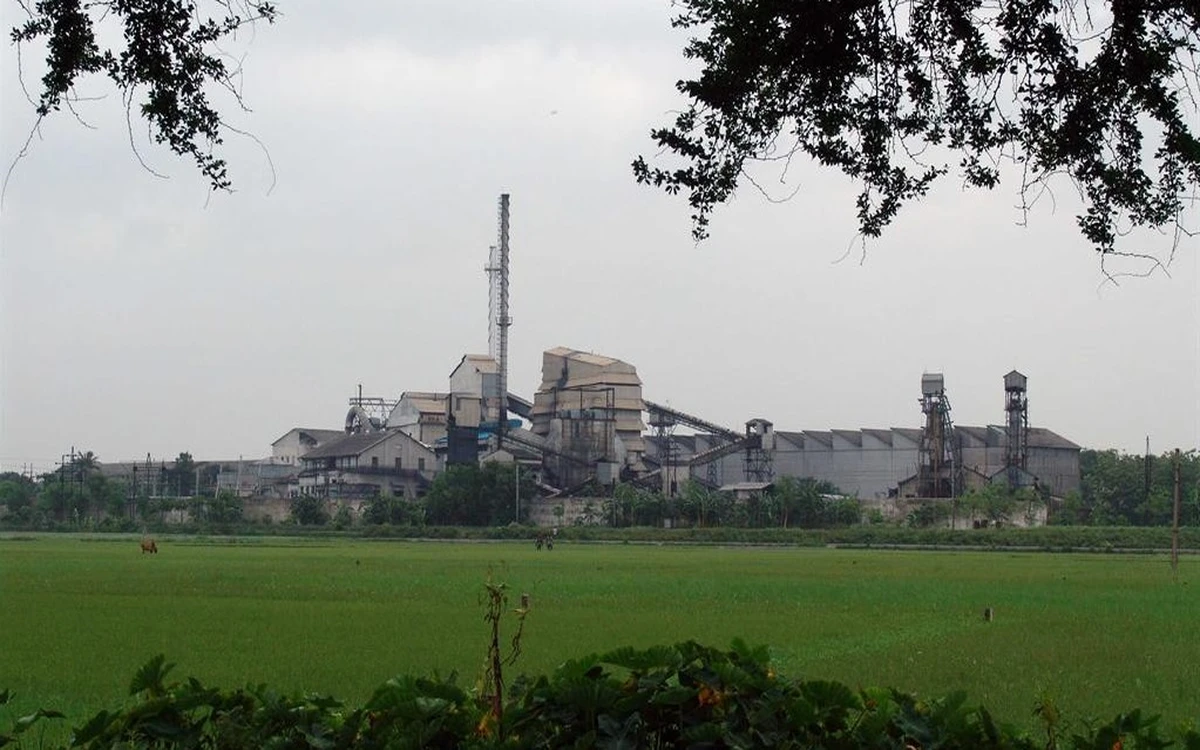
Several agile interventions helped ITC-PSPD fortify its clear leadership of the Value Added Paperboards (VAP) segment
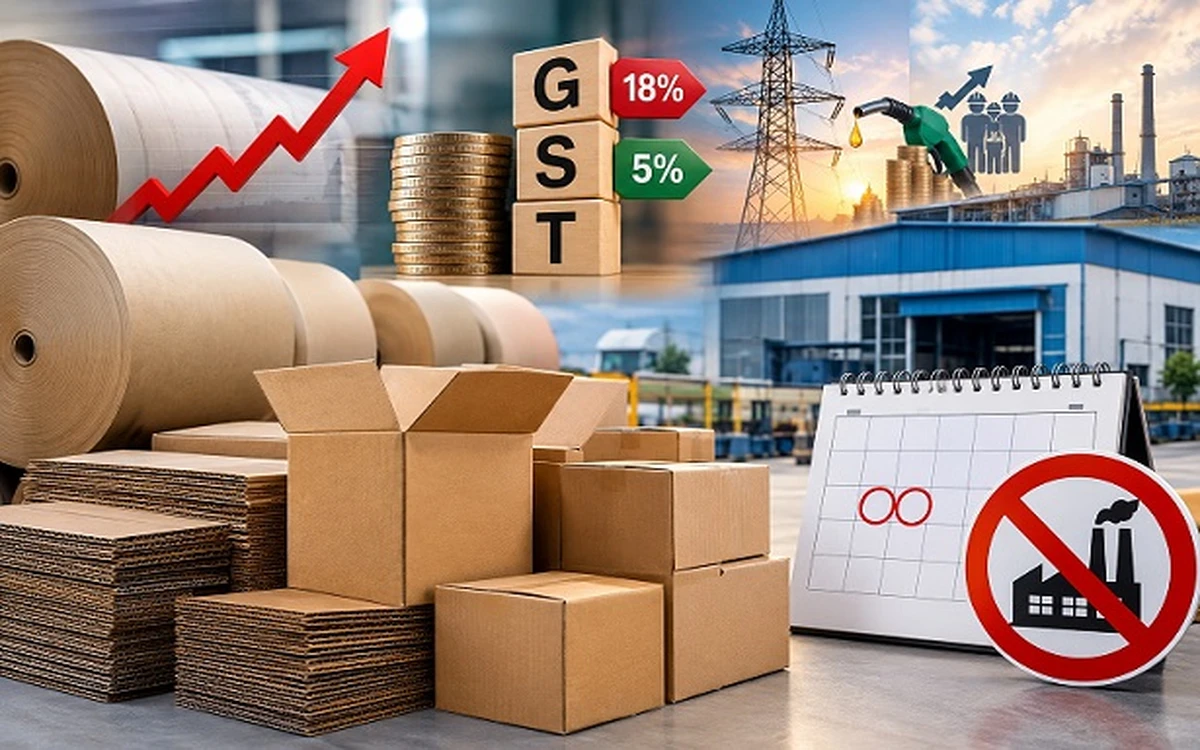
Overall Increase in Kraft Paper Prices Could Reach 35%; Industry Calls for 20% Box Price Increase, Voluntary Shutdown Proposed
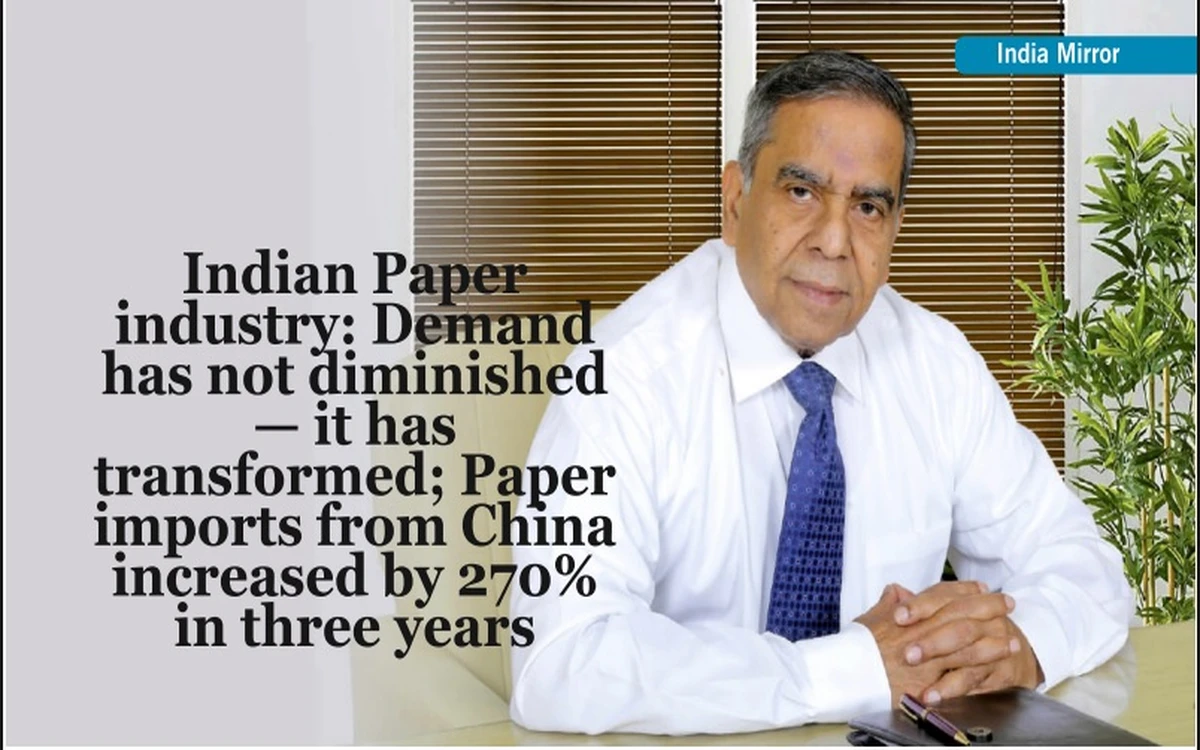
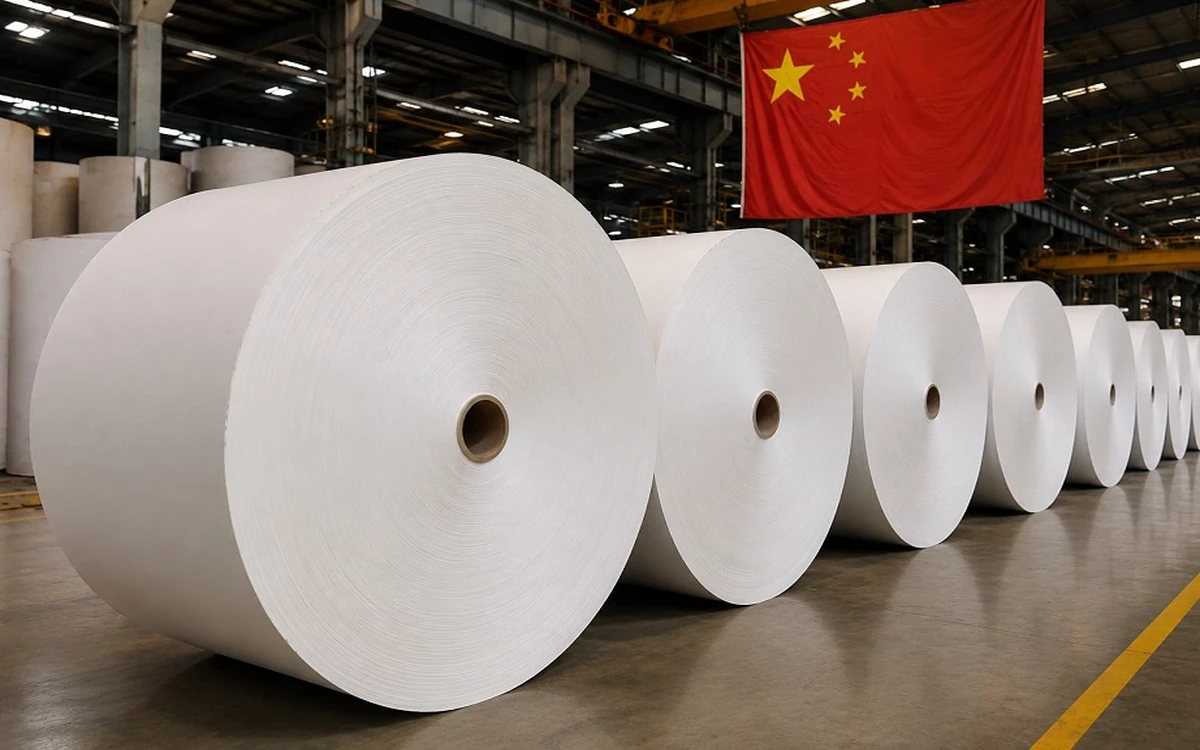
Indian Paper industry: Demand has not diminished — it has transformed; Paper imports from China increased by 270% in three years
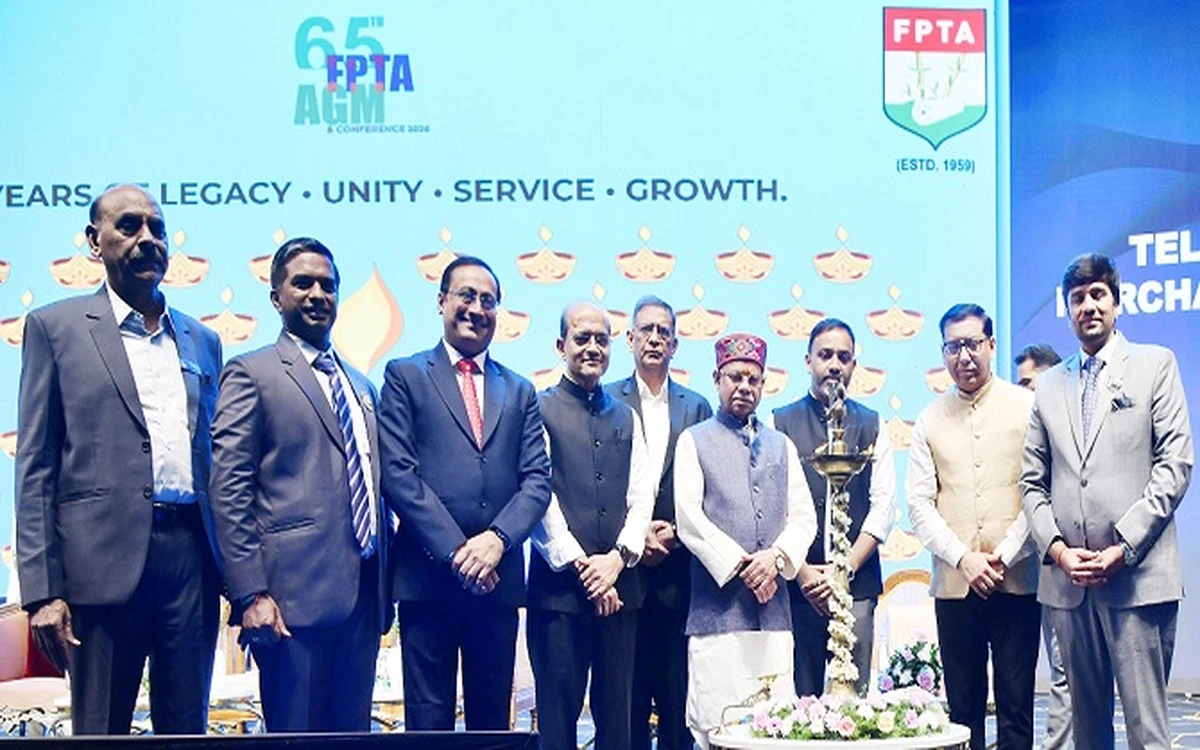
Paper Mills and Dealers Must Work Together to Create New Demand, Say Industry Leaders at FPTA’s 65th AGM
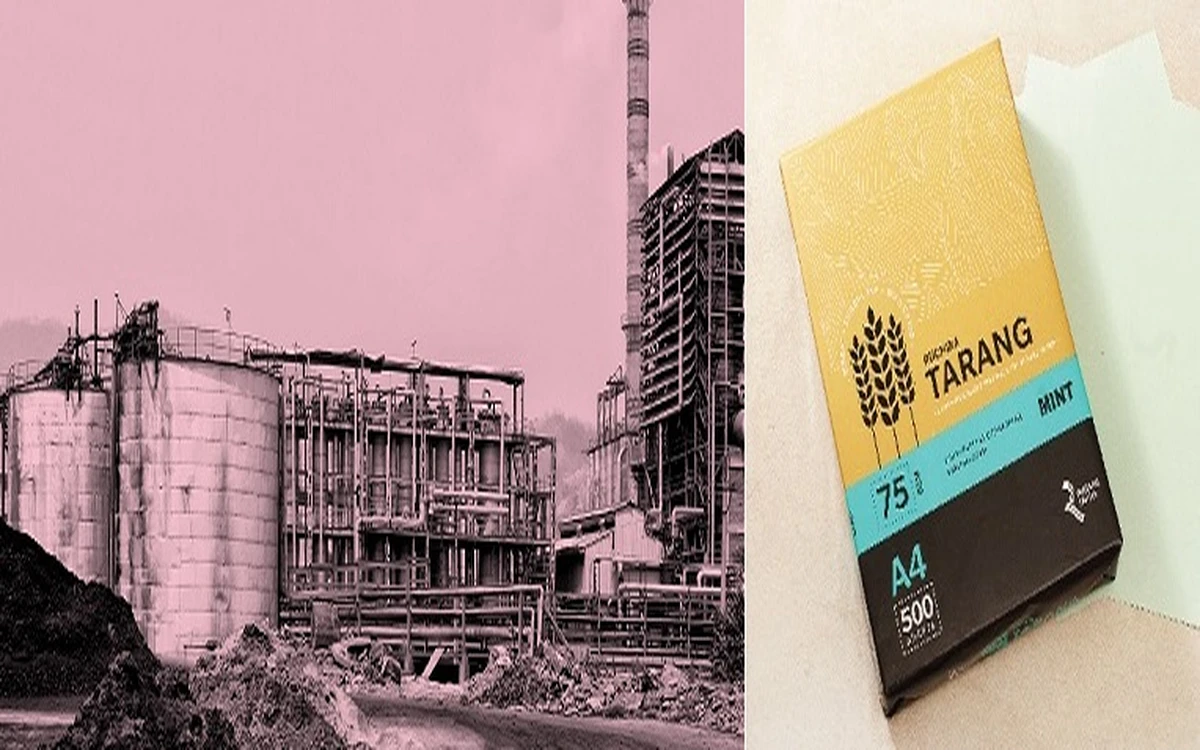
Ruchira Papers Invests a Sizeable Capex of Rs. 235–240 Crore Towards Writing & Printing Paper Capacity Expansion
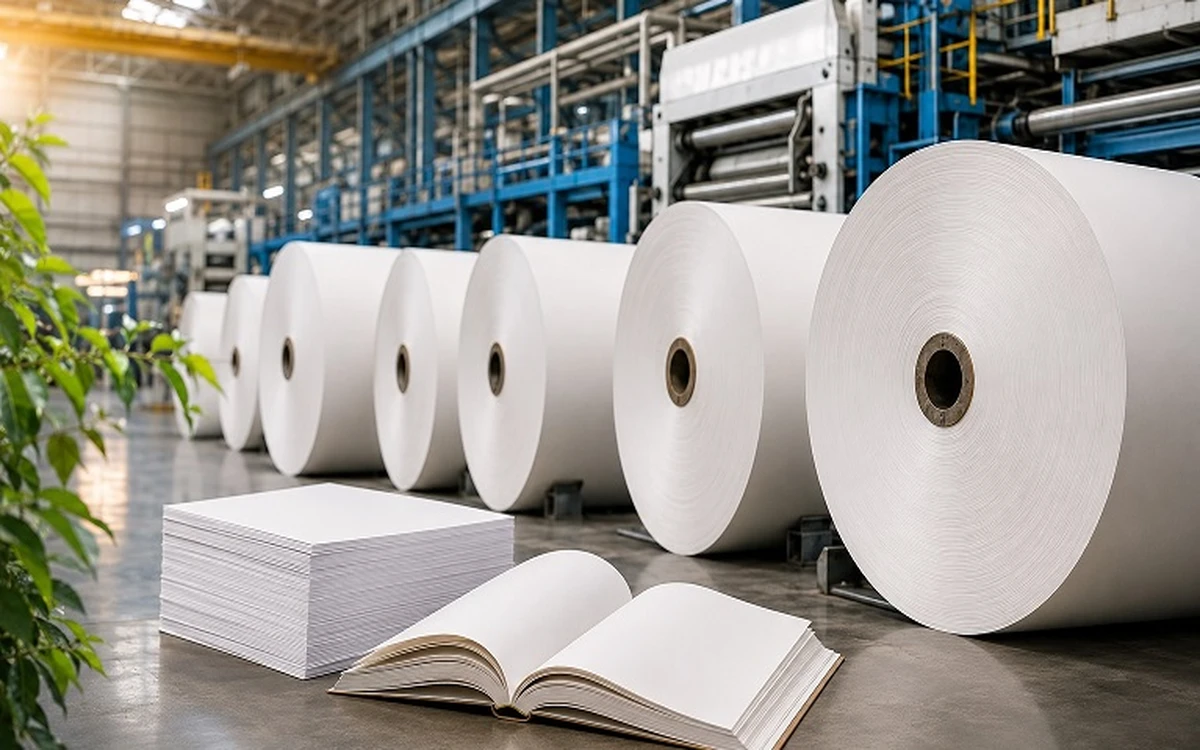
Paper mills inflated the basic ex-mill price of paper post GST 2.0, AINMA seeks action against Anti-Profiteering
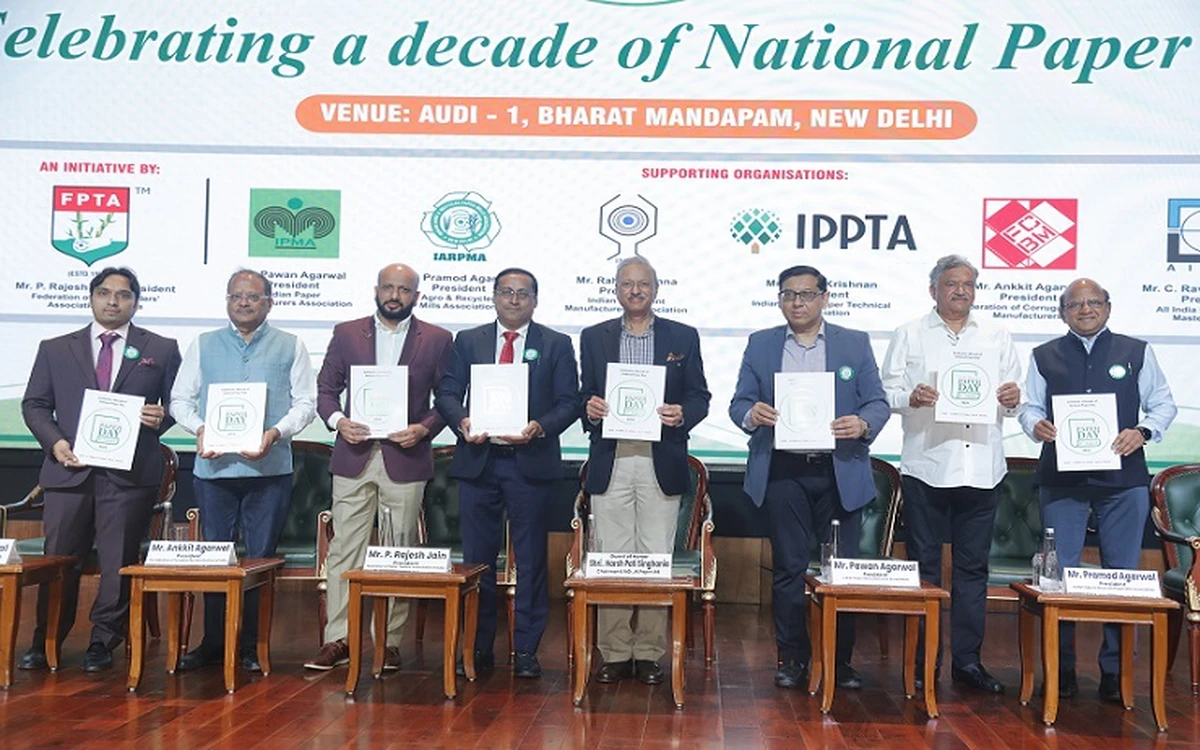
Seven Leading Associations Unite to Celebrate National Paper Day, Highlighting Paper's Sustainability and Circular Economy Advantage

Scientists from IIT-Guwahati develop India's first biodegradable plastic

Navneet Education focuses on brand building, curriculum-led growth, and export recovery; expects stationery margins to improve in FY27

It is estimated that USD10B to USD20B worth of single-use plastic packaging will convert to molded fiber, ZUME
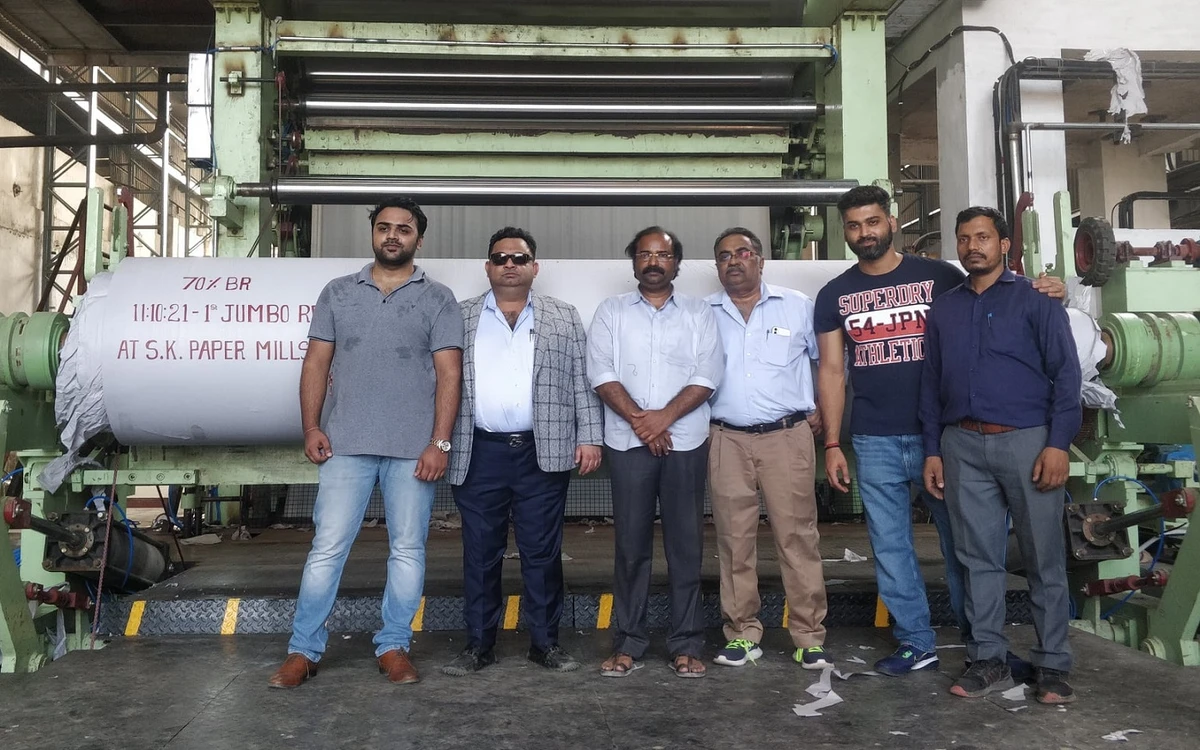
Muzaffarnagar gets a new capacity of Tissue Paper and MG Poster paper

“The integration of digitalization, automation, and Artificial Intelligence (AI) is no longer a futuristic concept—it is the baseline for competitiveness in 2036” - Vinit Garg, Director, Vizen Solutions
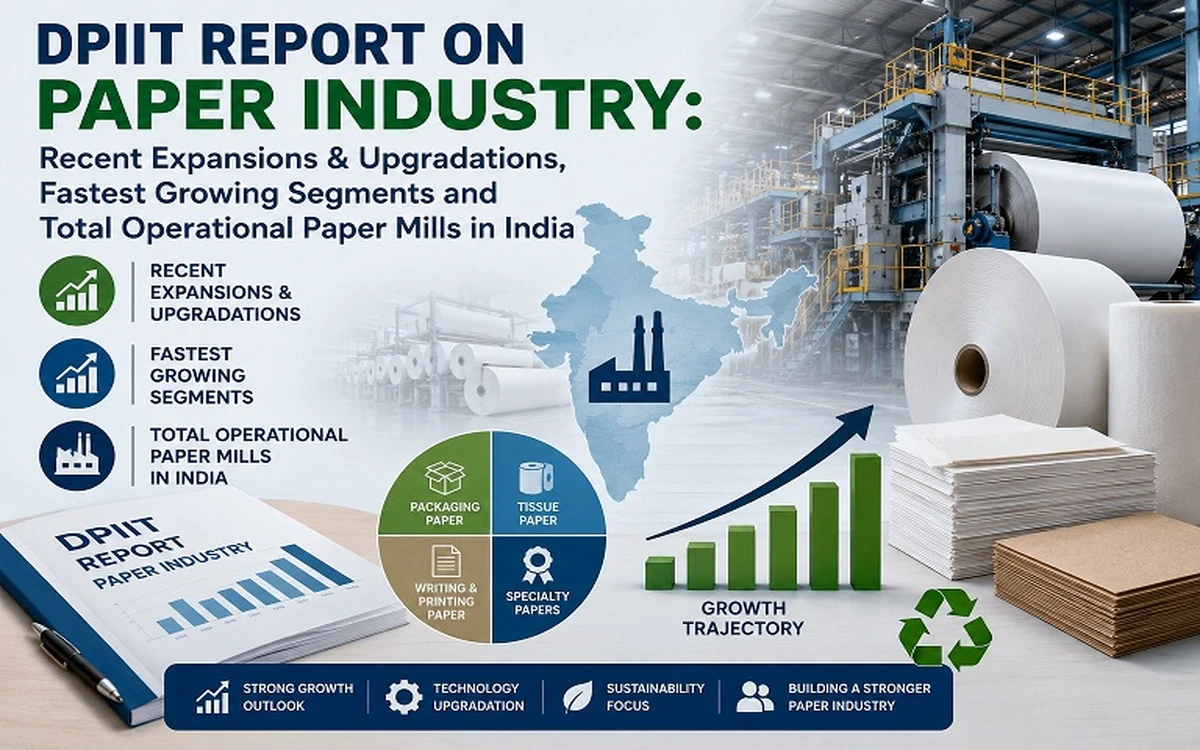
DPIIT Report on the Paper Industry: Recent Expansions & Upgrades, Fastest-Growing Segments, and Total Operational Paper Mills in India
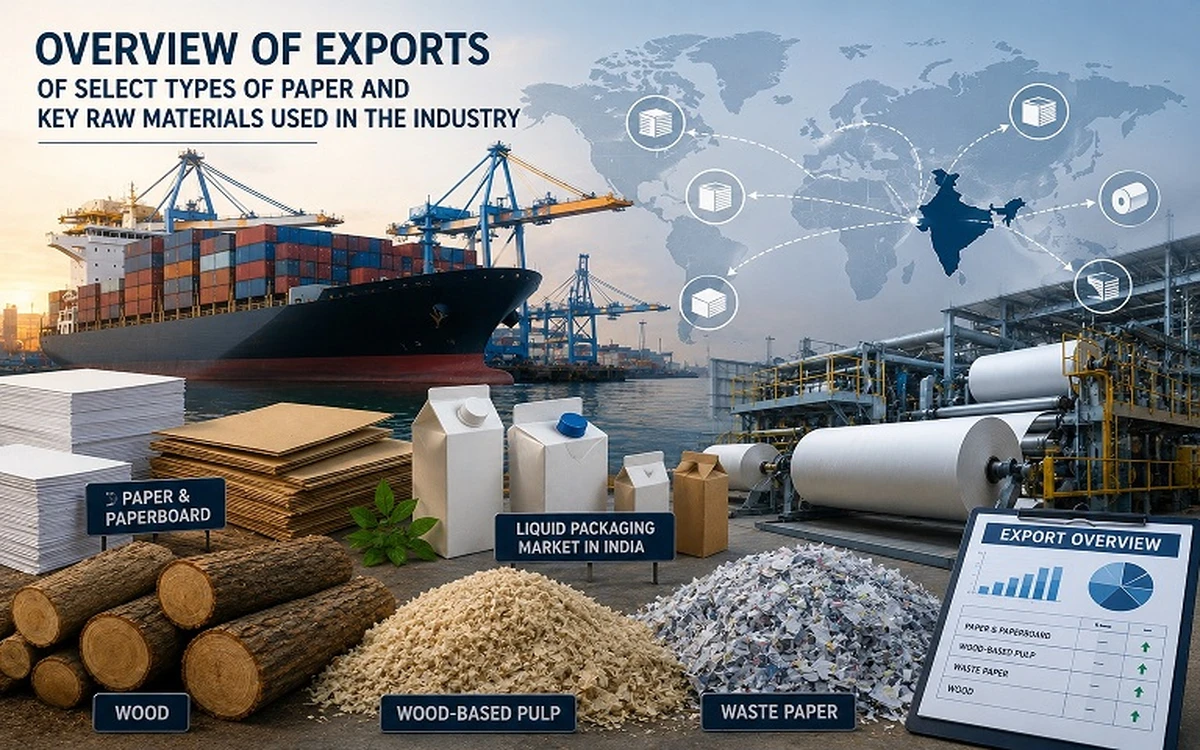
Overview of exports of select type of paper and key raw material used in the industry by Crisil Intelligence

Margin pressure pushes Pulp & Paper Packaging sector toward AI-Driven cost optimization, Cutting costs by 8–20%
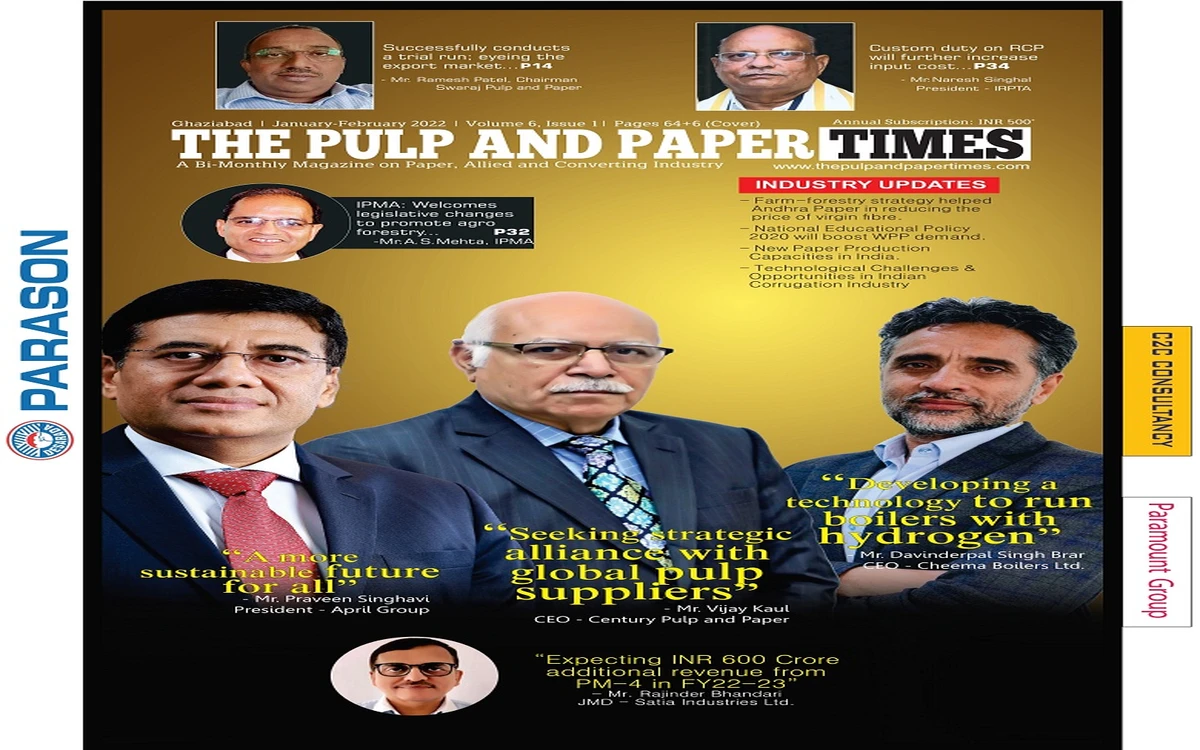
The Pulp and Paper Times Magazine : Volume 6, Issue 1
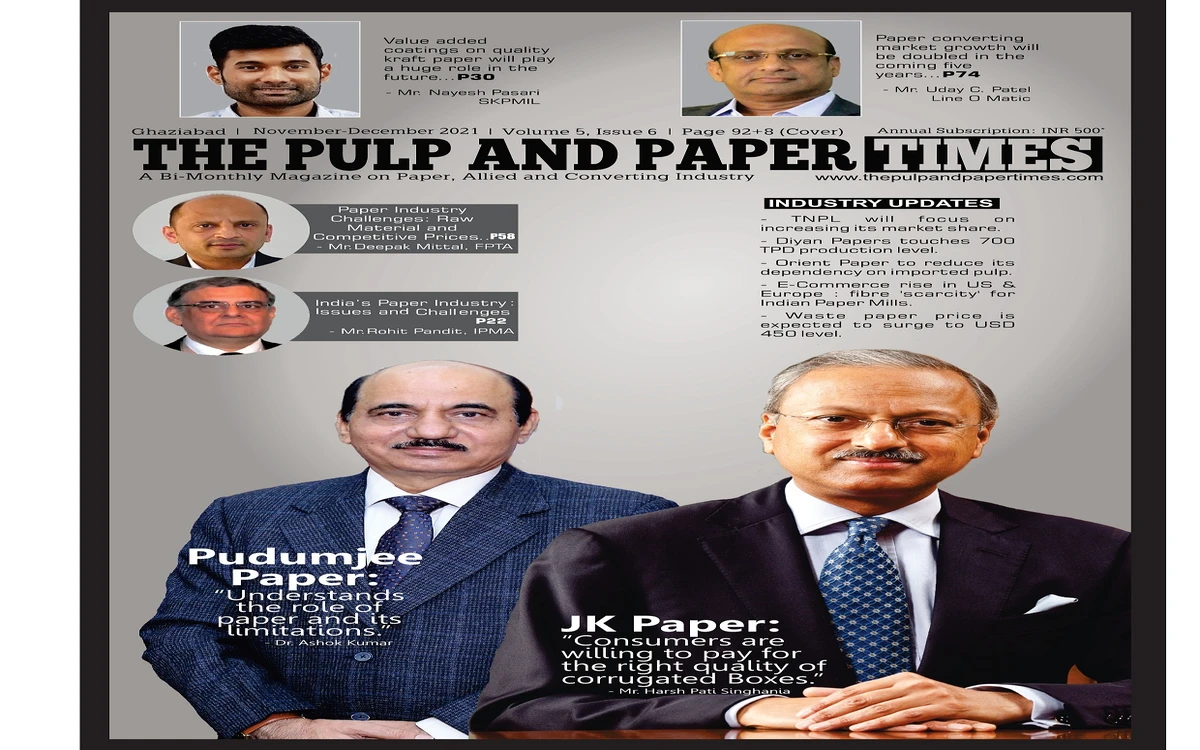
The Pulp and Paper Times Magazine : Volume 5, Issue 6
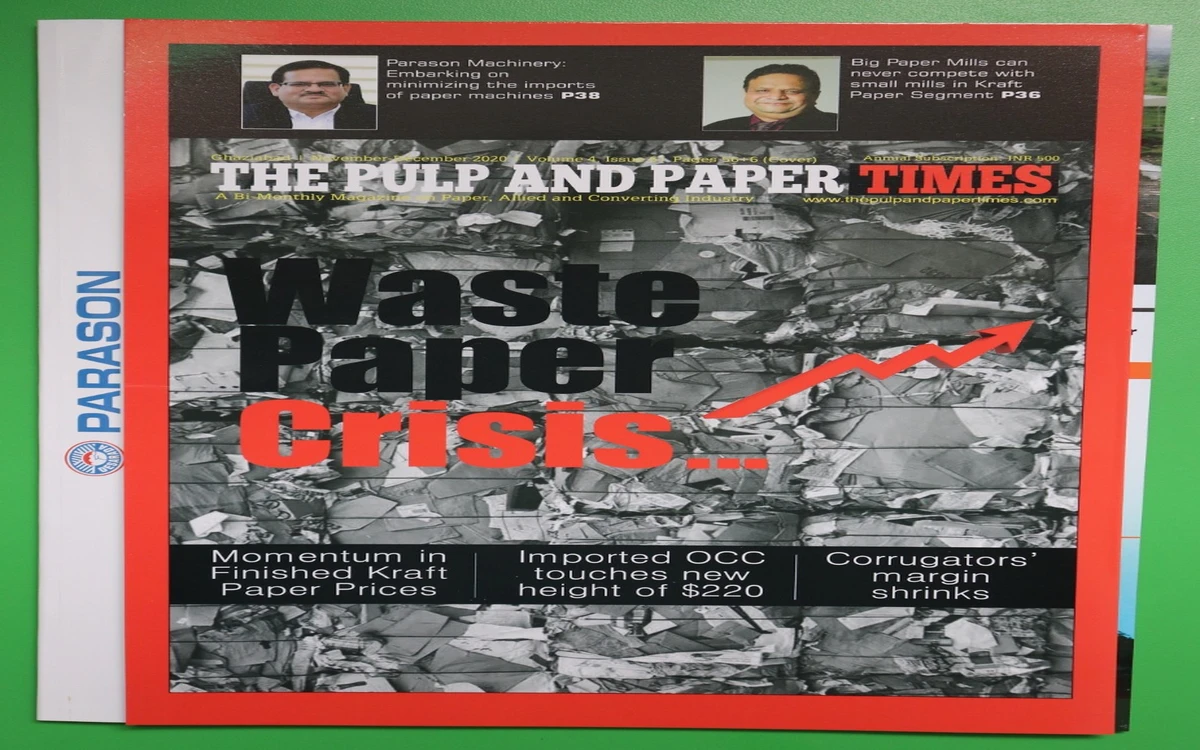
The Pulp and Paper Times: Volume 4, Issue 6
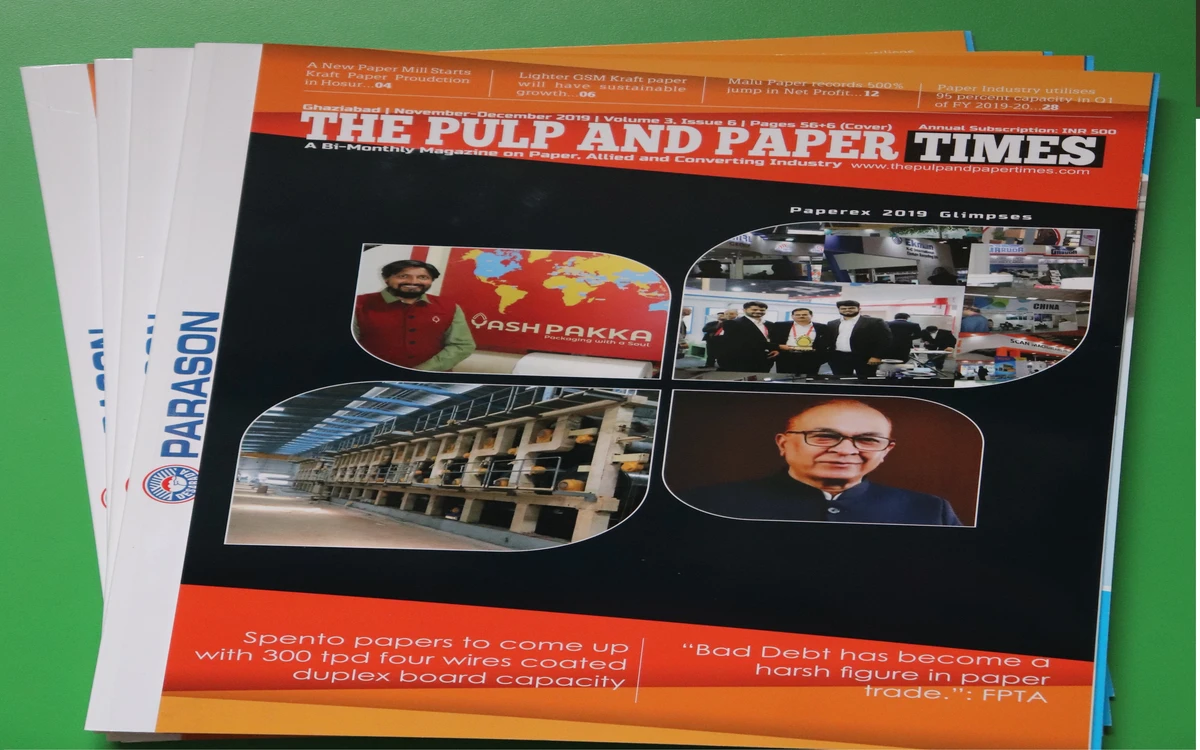
The Pulp and Paper Times : Volume 3, Issue 6
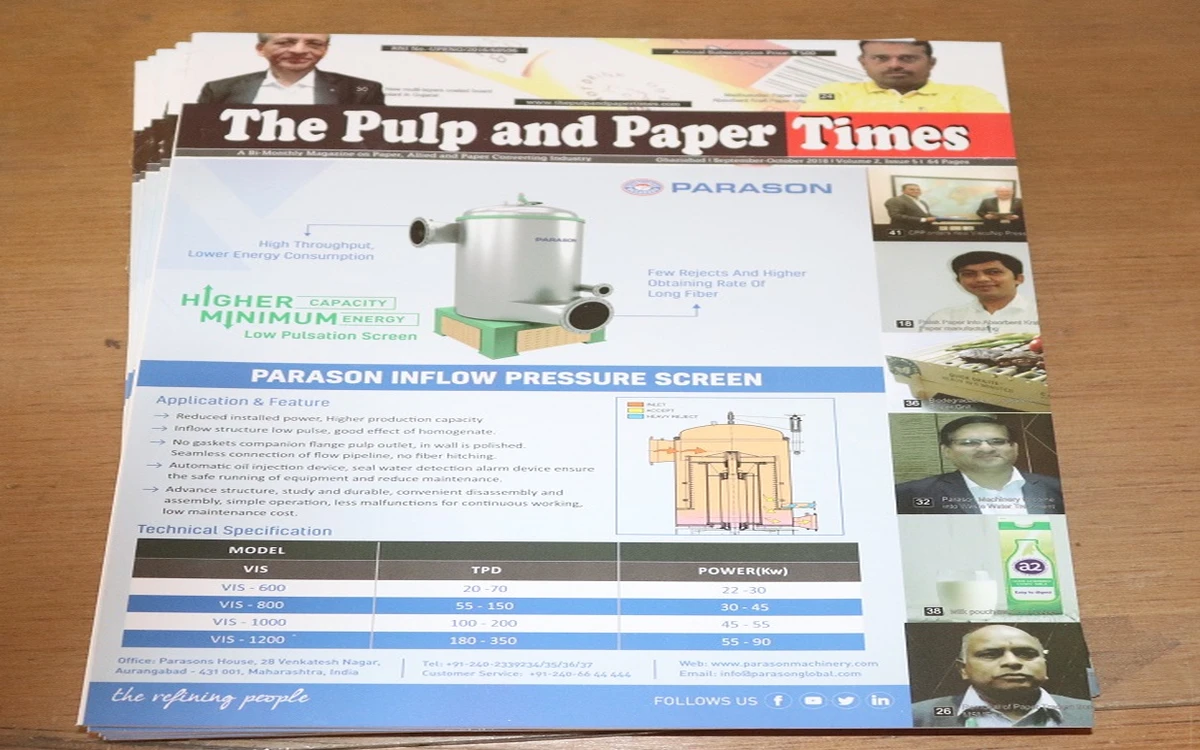
The Pulp and Paper Times: Volume 2 Issue 5
The Pulp and Paper Times, Volume 1, Issue 3
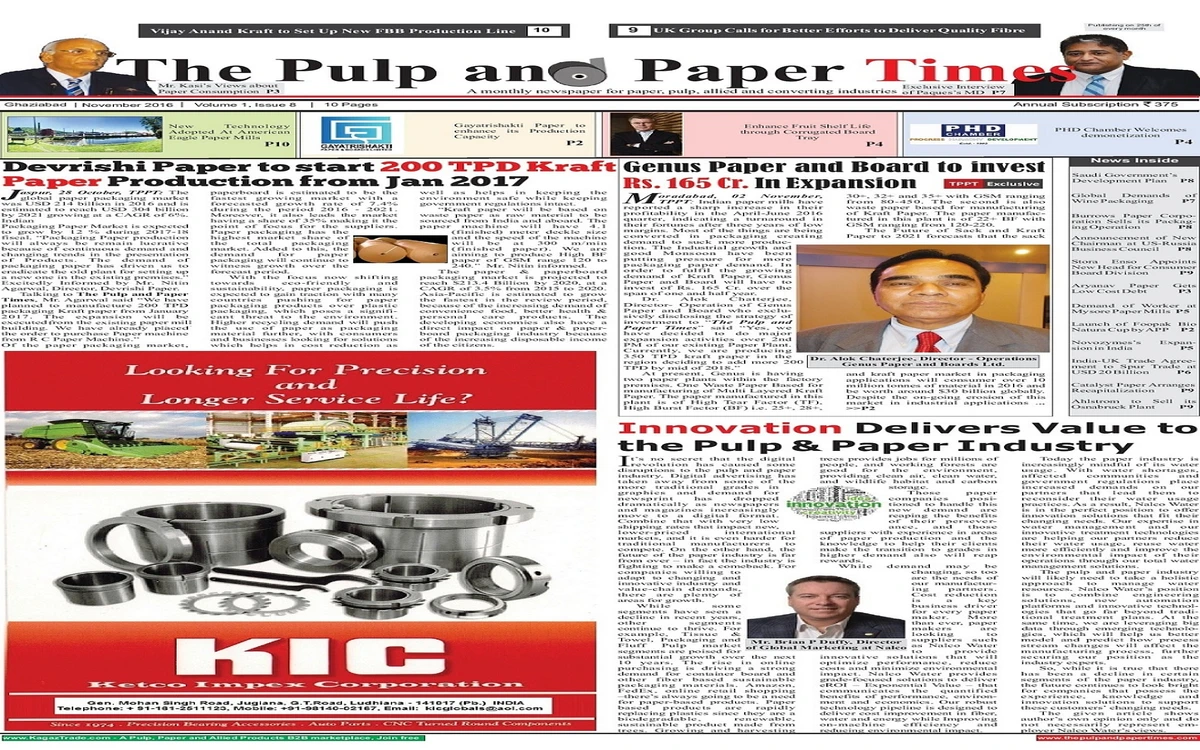
The Pulp and Paper Times, November 2016 Issue

- From January to June 2025, among industrial enterprises above the designated size nationwide, revenue of the manufacture of paper and paper products amounted to RMB681.21 billion.
- The purchasing price index for manufactured goods: timber and paper pulp stood at 96.9 from January to June 2025, representing a year-on-year decrease of 3.1%
The Pulp and Paper Times
The paper industry is an important basic industry of the national economy and an industry that guarantees people’s livelihood. It has the characteristics of a technology-capital-resource intensive industry. Its product applications penetrate all aspects of social and economic activities. They are deeply integrated into the defence and military industry (special functional materials), cultural communication (publishing and printing), industrial and agricultural production (supporting materials), modern logistics (packaging products) and other key areas of the national economy and are closely related to residents’ daily consumption. The paper industry as a typical cyclical industry is closely tied to the overall state of the economy. The consumption level of paper and paperboard has become one of the important indicators to measure a country’s level of modernisation and civilised development, and is widely recognised by the international community as a “social and economic barometer”.

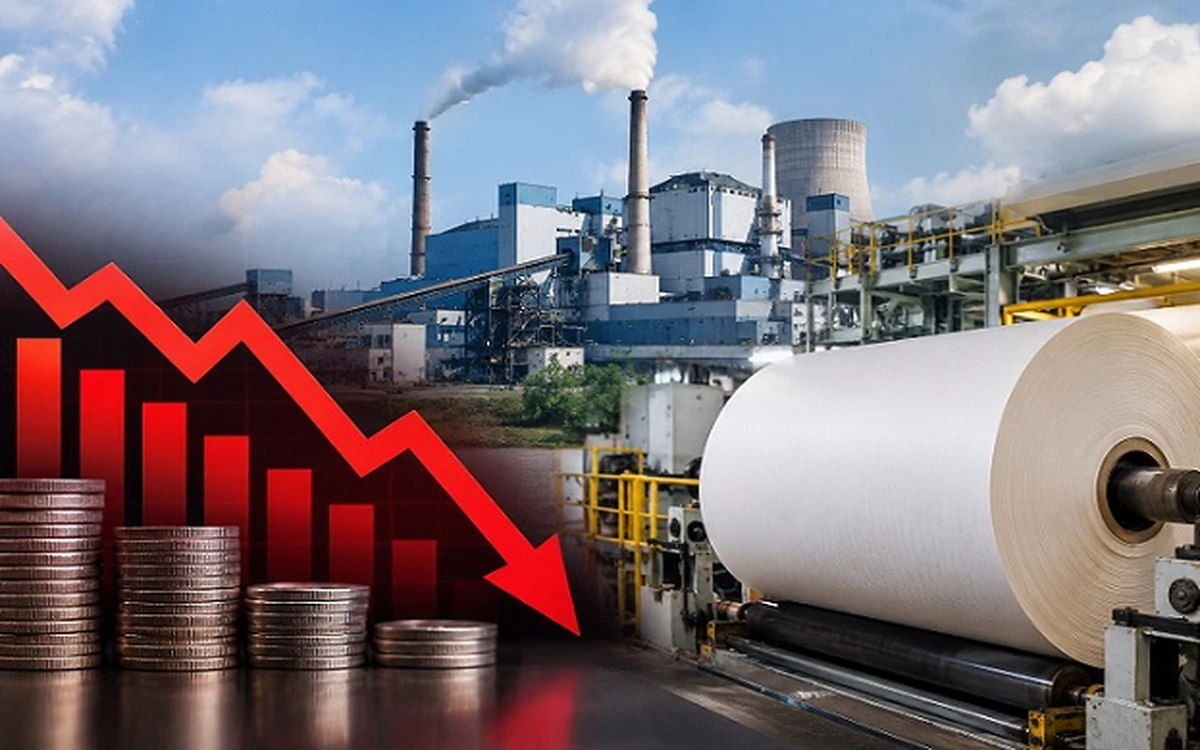
In recent years, the contradiction between supply and demand has been prominent due to the concentration of new production capacity in the paper industry coming into production, and the weakened support from end-user demand. In the first half of 2025, new production capacity in the paper industry in China gradually came into production, leading to a continuous increase in supply. The structural imbalance between supply and demand persisted, resulting in a significant decline in market prices for machine-made paper products such as culture paper and white cardboard. Meanwhile, although the prices of raw materials such as wood chips and pulp decreased, the decline in operating costs lagged behind the drop in revenue, making it difficult to effectively pass on cost pressures, further squeezing profit margins, leading to growth falling short of expectations. According to the data released by the National Bureau of Statistics, from the perspective of price performance, the producer prices for industrial products (PPI): manufacture of paper and paper products continued its downward trend in June 2025, with a cumulative year-on-year decline of 3.2%. From the perspective of raw material costs, the purchasing price index for manufactured goods: timber and paper pulp stood at 96.9 from January to June 2025, representing a year-on-year decrease of 3.1%, which was smaller than the decline in the producer prices, indicating weakened cost-side support for paper products and further pressure on market prices. From January to June 2025, among industrial enterprises above the designated size nationwide, revenue of the manufacture of paper and paper products amounted to RMB681.21 billion, representing a year-on-year decline of 2.3%, the operating costs amounted to RMB601.73 billion, representing a year-on-year decline of 2.1%, and the total profit amounted to RMB17.57 billion, representing a year-on-year decline of 21.4%. The decline in revenue was greater than the decline in operating costs, and the total profit declined significantly year on year.

In the medium to long term, the outlook for the paper industry is expected to improve, due to the dual forces of the deepening implementation of the “dual carbon” strategic goals and the policy aiming at curbing “rat race competition”, coupled with the ongoing improvement of the domestic economic circulation system and the gradual recovery of the domestic market. The new national standard, which has been implemented since May 2025 has strengthened energy consumption restrictions for various types of paper, which significantly raises energy consumption limits for existing production capacity, and includes auxiliary and ancillary production systems within the scope of statistics. The implementation of this standard substantially increases environmental compliance costs for outdated production capacity, and accelerate the phasing out of high energy consuming and inefficient equipment.

It is worth noting that, on 25 June 2025, the Shanghai Futures Exchange issued a public consultation announcement regarding the futures contracts, options contracts and business rules for offset paper, and, on 1 July, the sixth meeting of the Central Commission for Financial and Economic Affairs explicitly called for “governing enterprises’ disorderly low-price competition in accordance with laws and regulations, guiding enterprises to improve product quality, and promoting the orderly exit of outdated production capacity”, which will gradually improve the industry self-discipline mechanism and further optimise the market environment. Under the combined effect of policy guidance and the market mechanism, the paper industry will see accelerated elimination of outdated production capacity, undergo profound supply-side restructuring, sustain capacity structure optimisation and achieve further market concentration. Meanwhile, with the continued implementation of national policies aiming at expanding domestic demand, expectations for improvements in the demand side of the paper industry have strengthened, and overall operating performance is expected to gradually improve.
The above report has been extracted from Shandong Chenming Paper Holdings Limited’s interim review from January to June 2025

2 weeks ago
Total Views : 1765

last month
Total Views : 431
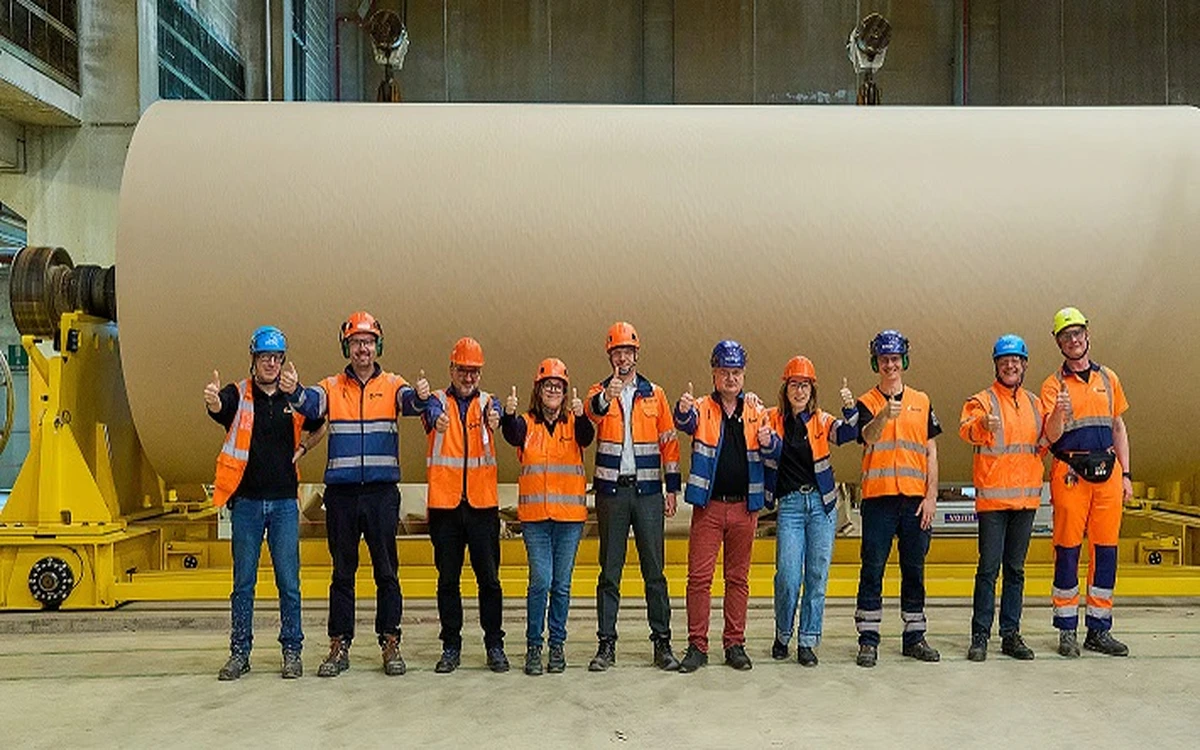
last month
Total Views : 961
3 months ago
Total Views : 2593
3 months ago
Total Views : 1156
4 months ago
Total Views : 2169
4 months ago
Total Views : 2921

4 months ago
Total Views : 1972
5 months ago
Total Views : 1326

6 months ago
Total Views : 2569