Join Groups & Channels, No Spamming









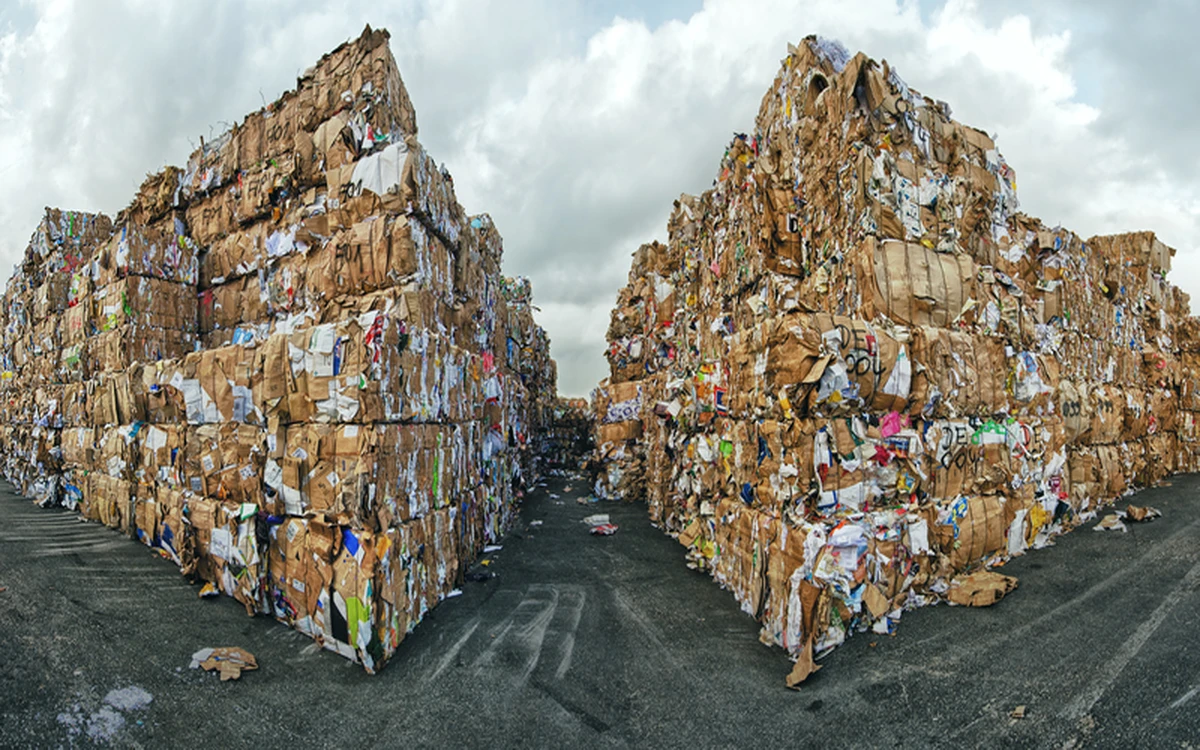
Morbi paper mills see full-capacity operations as ceramic industry revives; Kraft paper exports to China spike, Prices strengthen; Janmashtami shutdown ahead

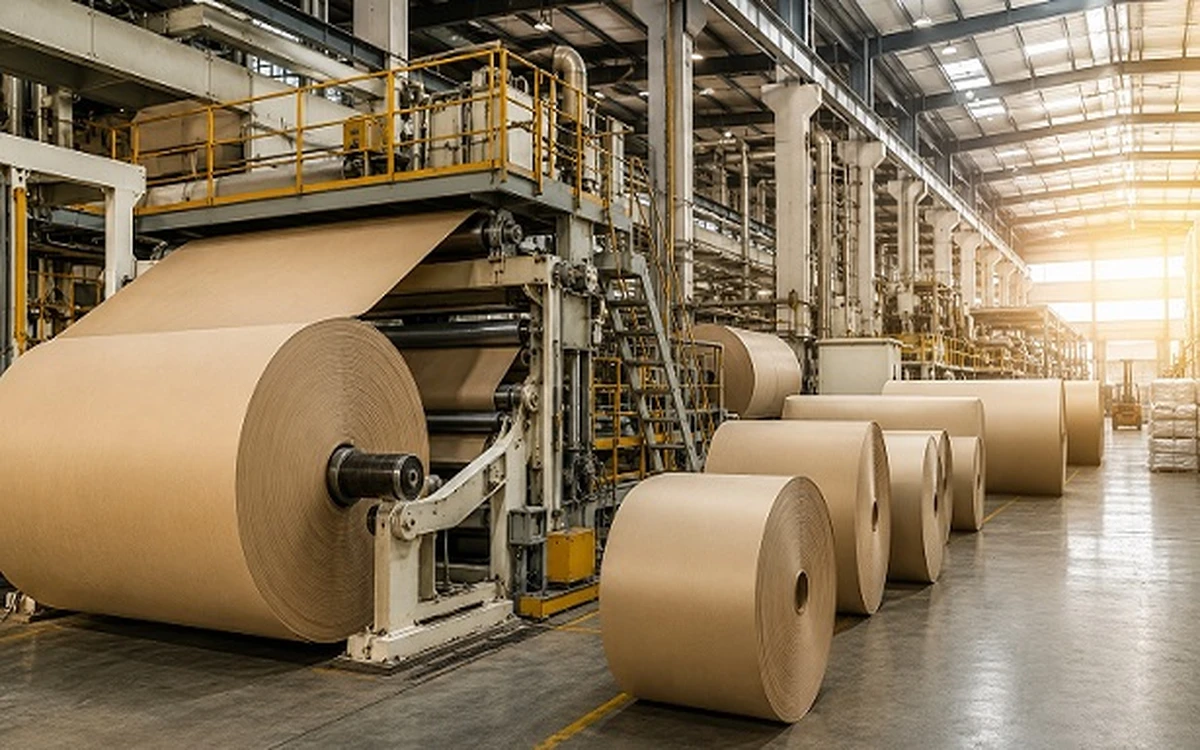
The BE and caustic soda plant marks a key milestone for Mohit Paper Mills, enabling full utilization of installed capacity and enhancing overall production efficiency
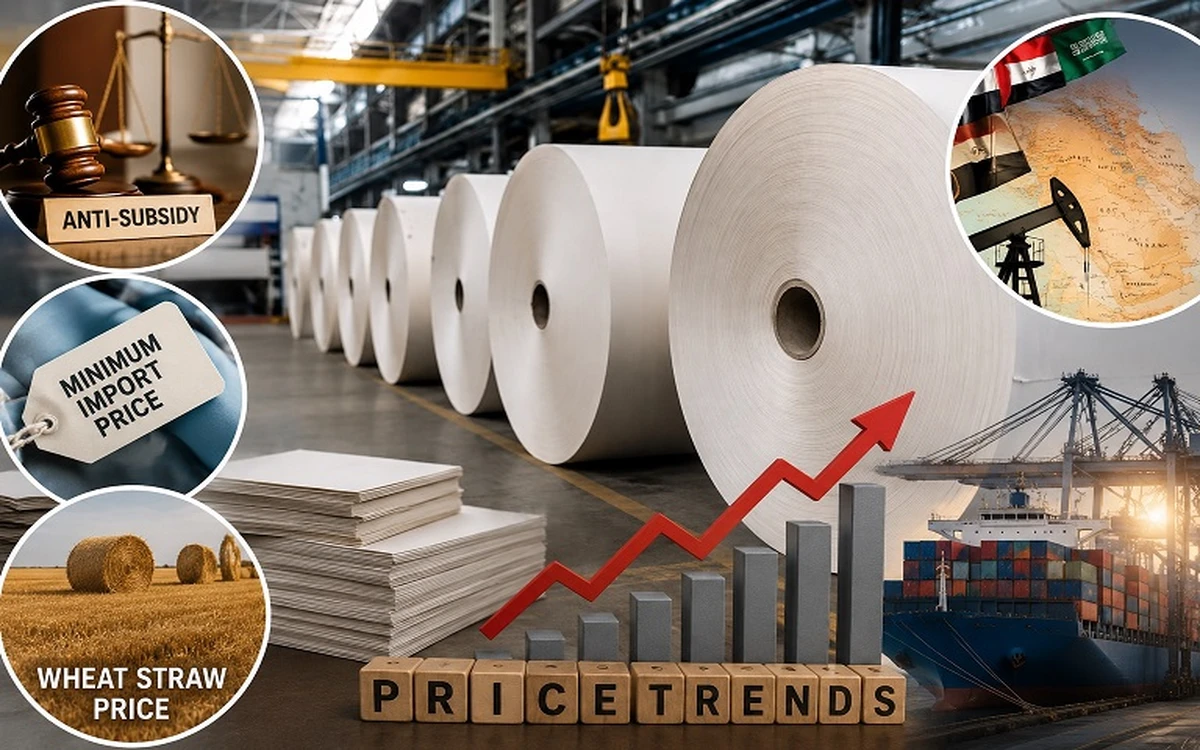
Expert Views on the paper market scenario, How the West Asia Crisis Helped the Industry, MIP for WPP, Anti-Subsidy implementation, and paper price trends
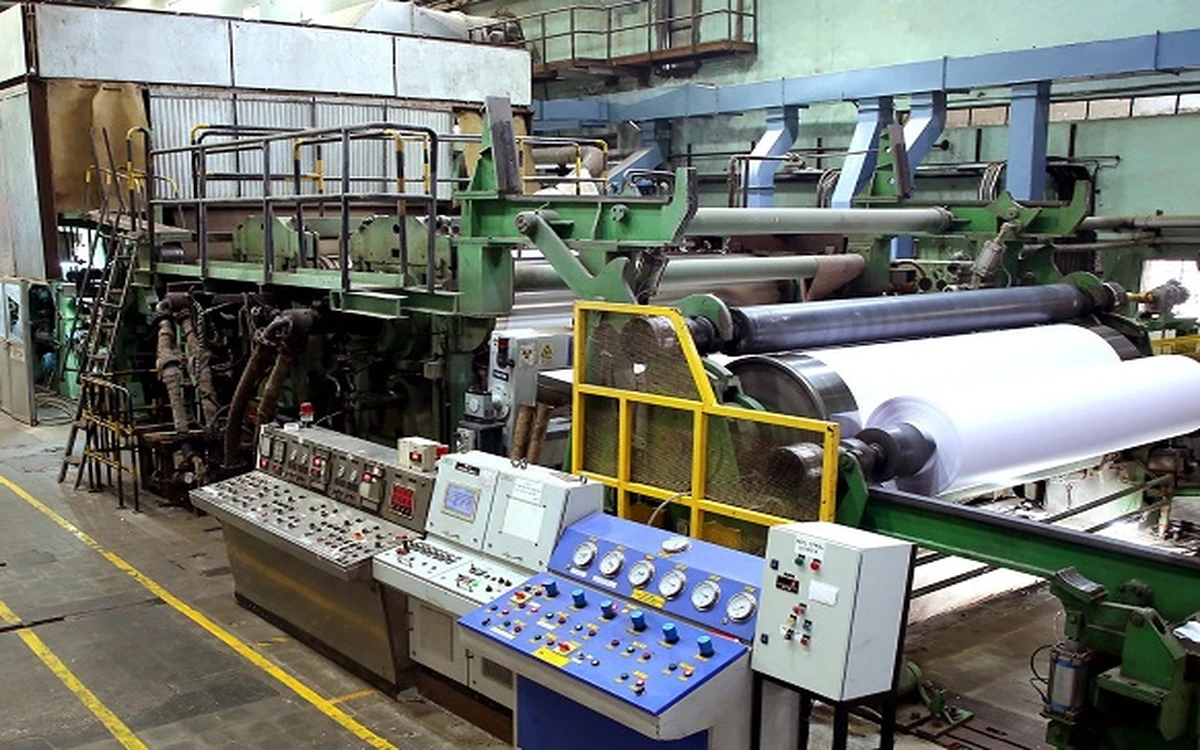
Pudumjee Paper intends to develop new varieties addressing applications for stronger paper bags and cupcakes; Plans 68,000 MT Mahad Specialty Paper Facility within 5 years
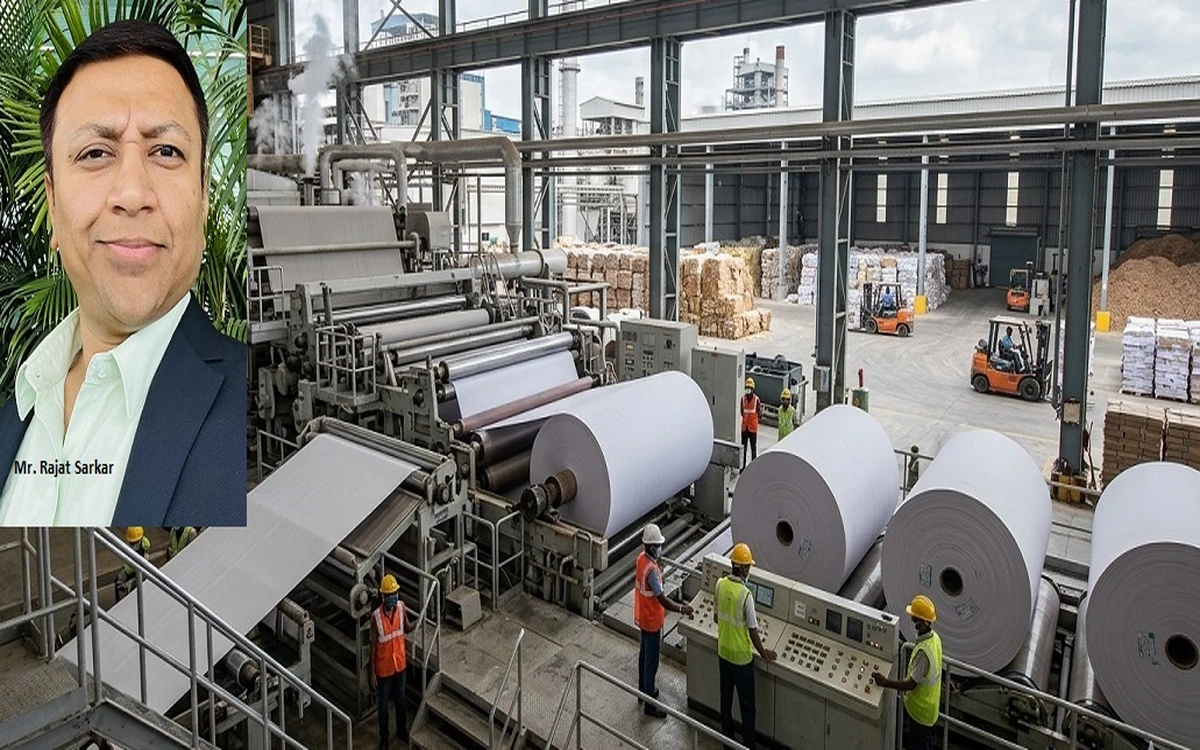
India Paper Industry at an Inflection Point: War, Costs, and Capacity; Demand growth expected at 5–7% in FY26
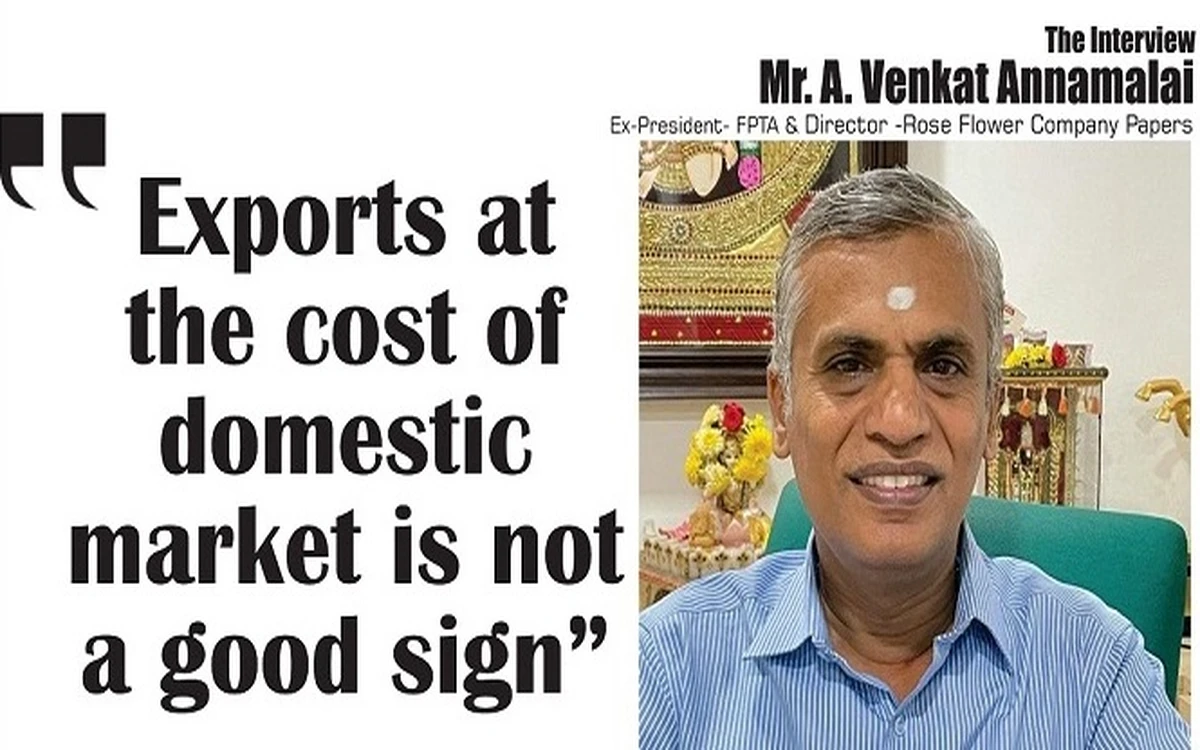
“Surging exports of paper will most certainly keep the domestic prices quite high”: Mr. A. Annamalai, Director – RFC
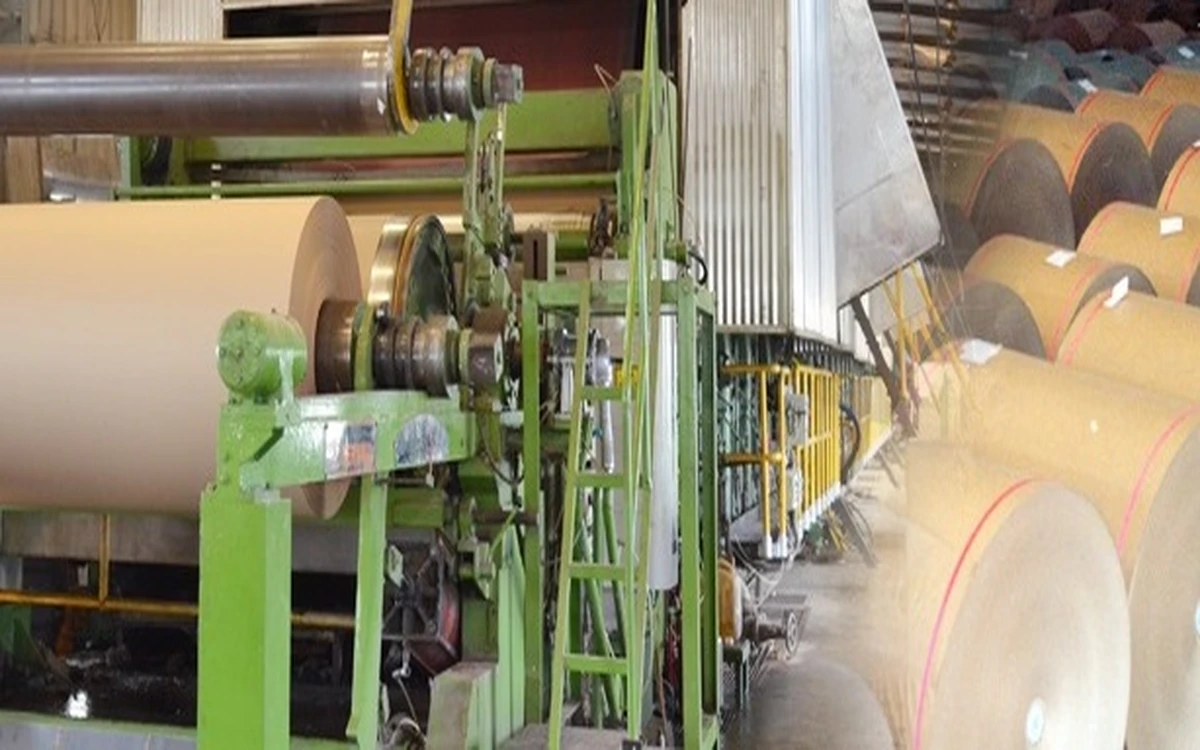
The Status of the Global Container board Industry, Recycled Paper Demand and Supply and its impact on the Indian Industry

Akshay Jain, director of Silverton Pulp & Paper, says it's time to promote agro residue as a raw material to lessen the scarcity of fibre
Advantageously located, a new paper mill is all set to roll kraft paper in Madhya Pradesh
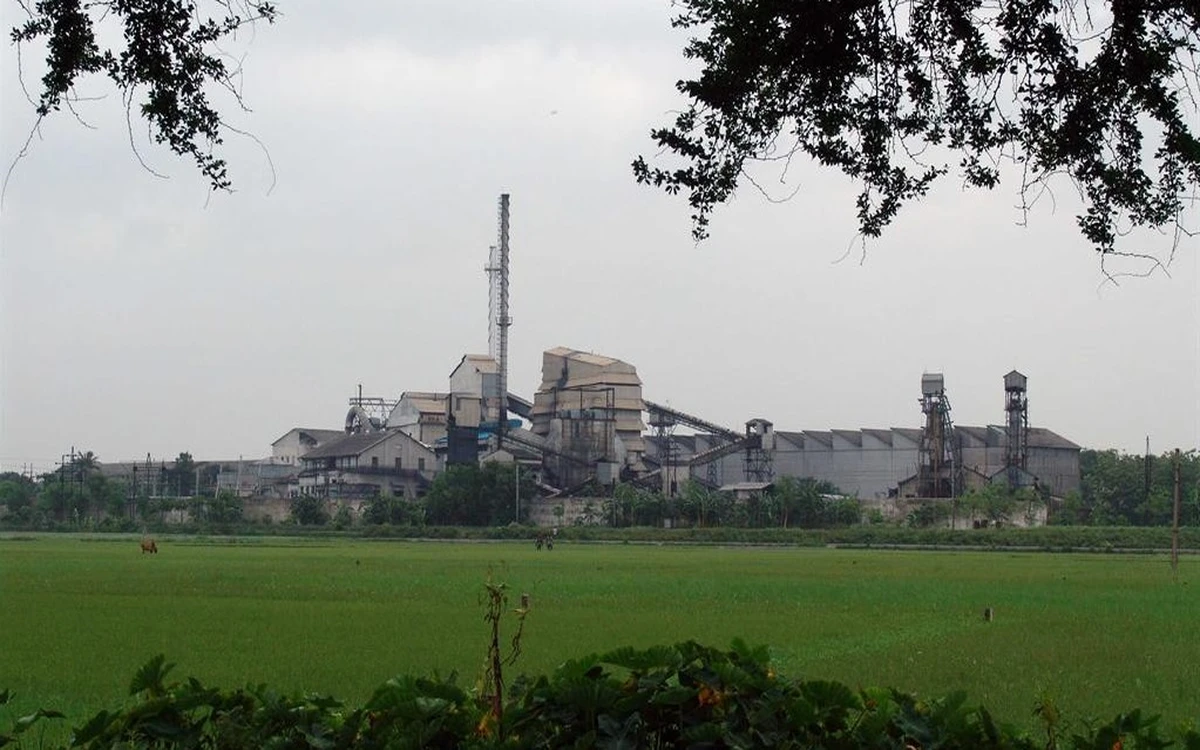
Several agile interventions helped ITC-PSPD fortify its clear leadership of the Value Added Paperboards (VAP) segment
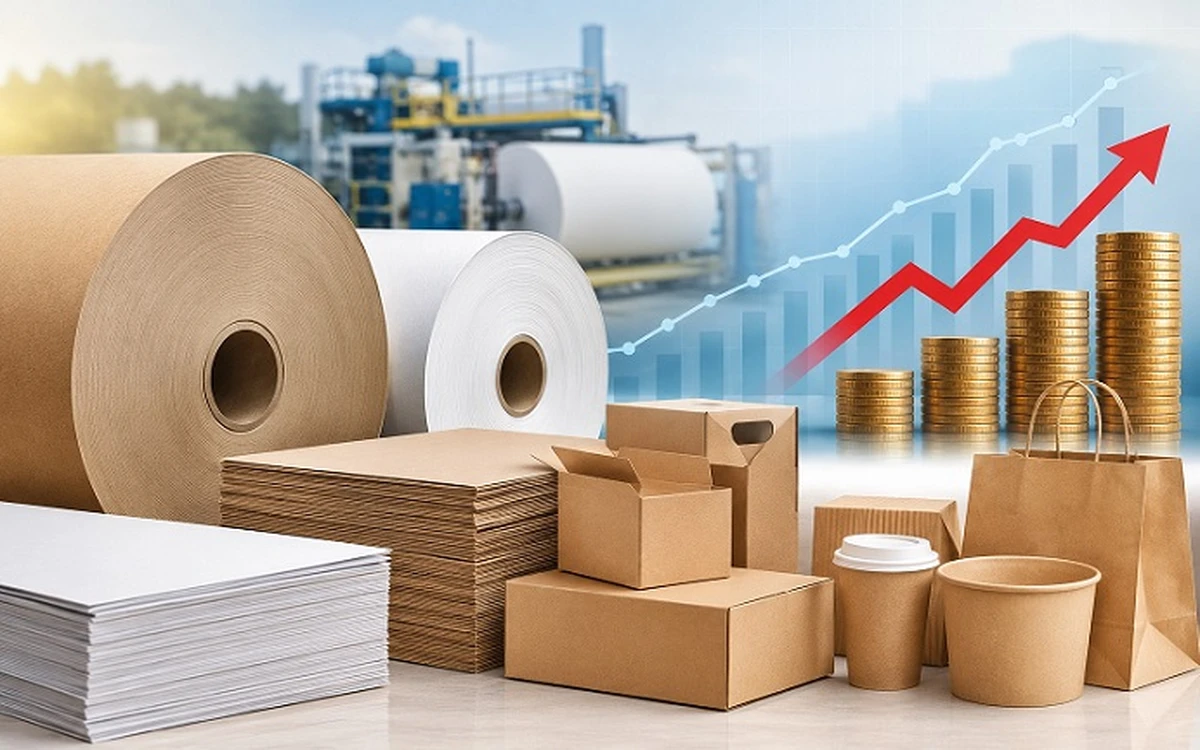
Paper and Packaging Board Market May Face Cost Pressures Through March 2027; FPTA Advises Traders
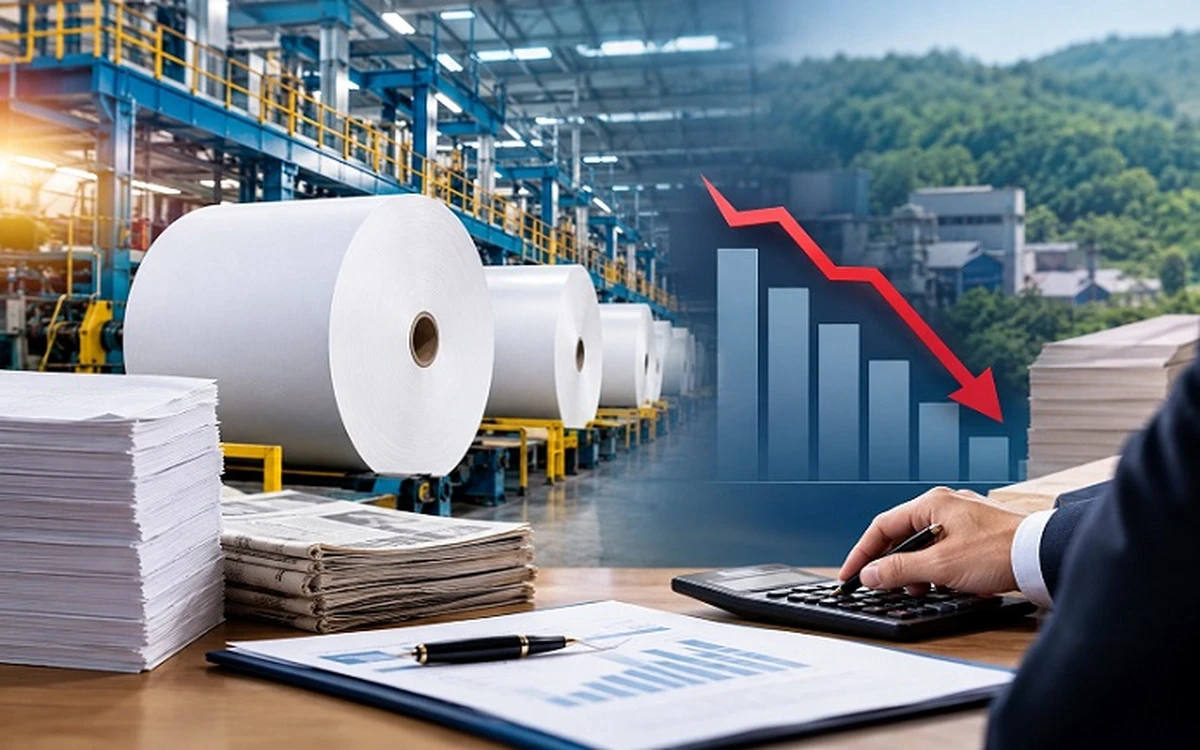
Steeper-than-expected drop in realisations hits Seshasayee Paper’s FY2025–26 operating margins; Box boards, Absorption Kraft, and Virgin Kraft now form a growing share of the product mix
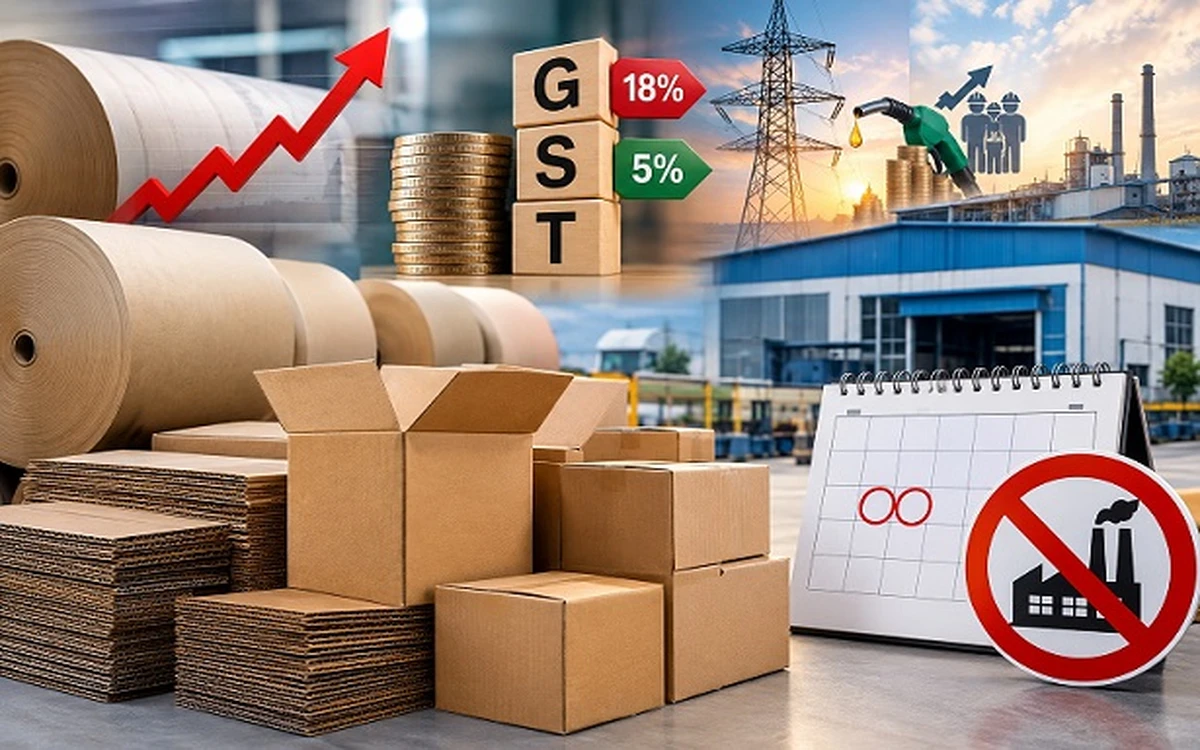
Overall Increase in Kraft Paper Prices Could Reach 35%; Industry Calls for 20% Box Price Increase, Voluntary Shutdown Proposed

Ruchira Papers Invests a Sizeable Capex of Rs. 235–240 Crore Towards Writing & Printing Paper Capacity Expansion
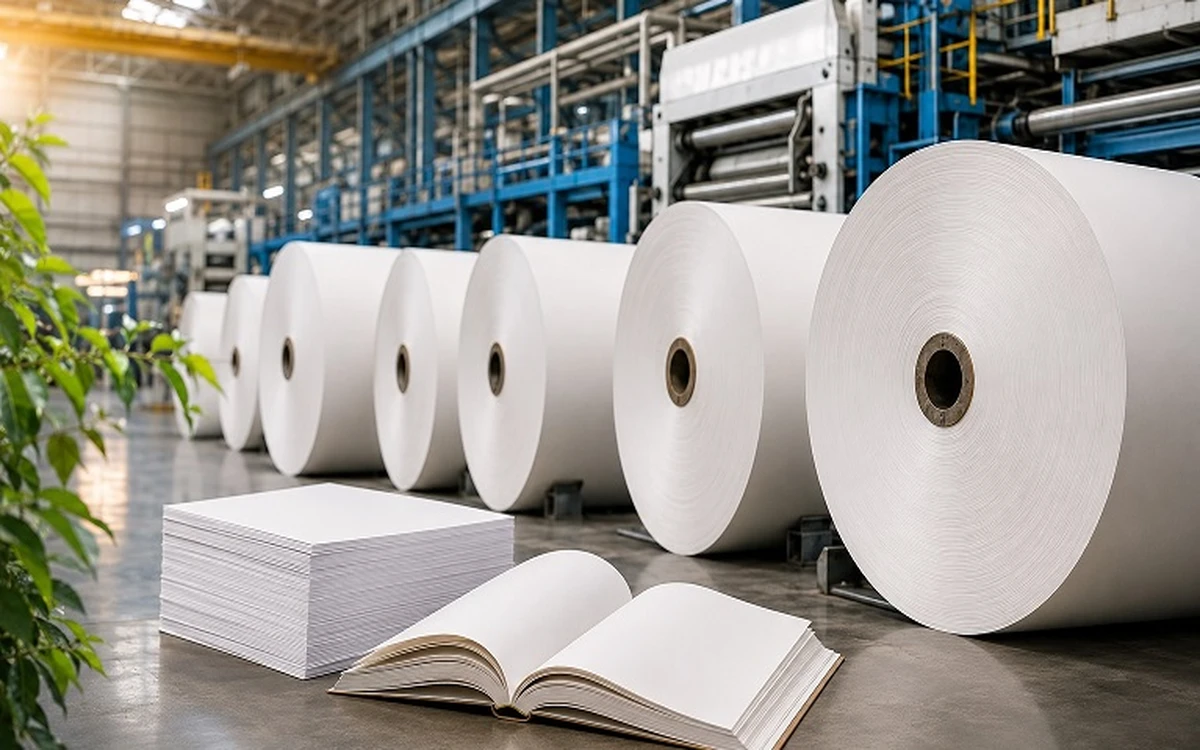
Paper mills inflated the basic ex-mill price of paper post GST 2.0, AINMA seeks action against Anti-Profiteering
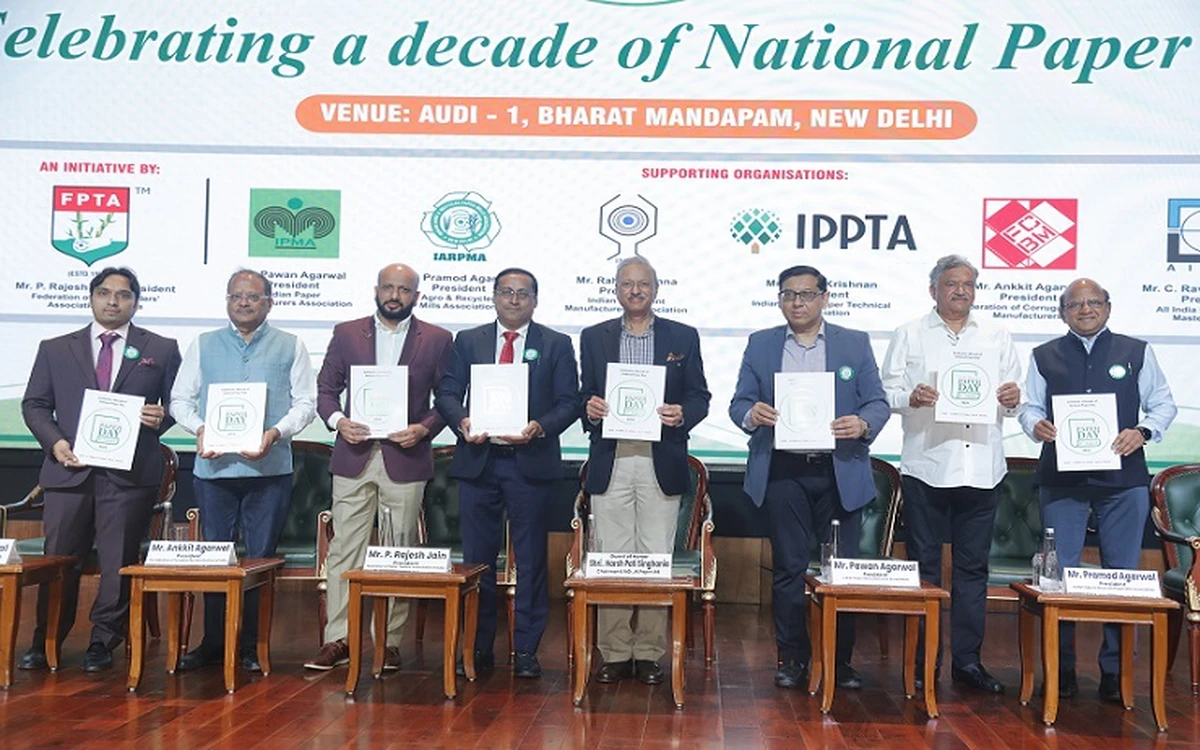
Seven Leading Associations Unite to Celebrate National Paper Day, Highlighting Paper's Sustainability and Circular Economy Advantage
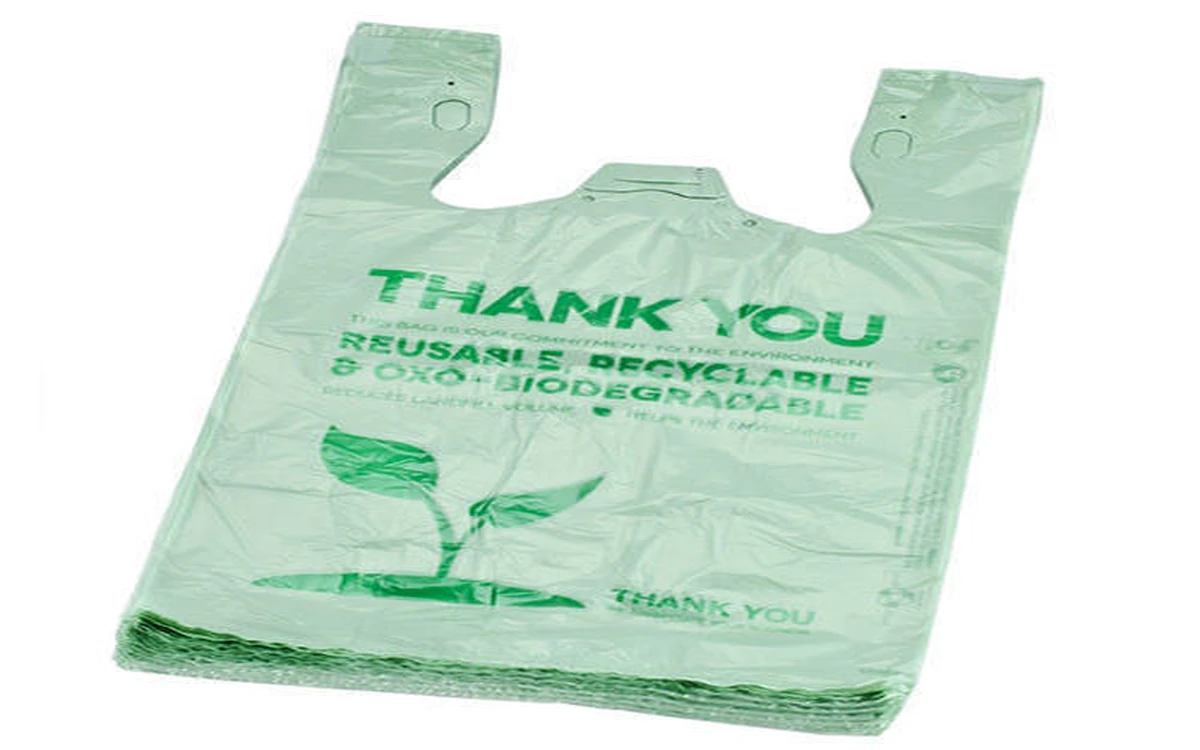
Scientists from IIT-Guwahati develop India's first biodegradable plastic

Navneet Education focuses on brand building, curriculum-led growth, and export recovery; expects stationery margins to improve in FY27

It is estimated that USD10B to USD20B worth of single-use plastic packaging will convert to molded fiber, ZUME
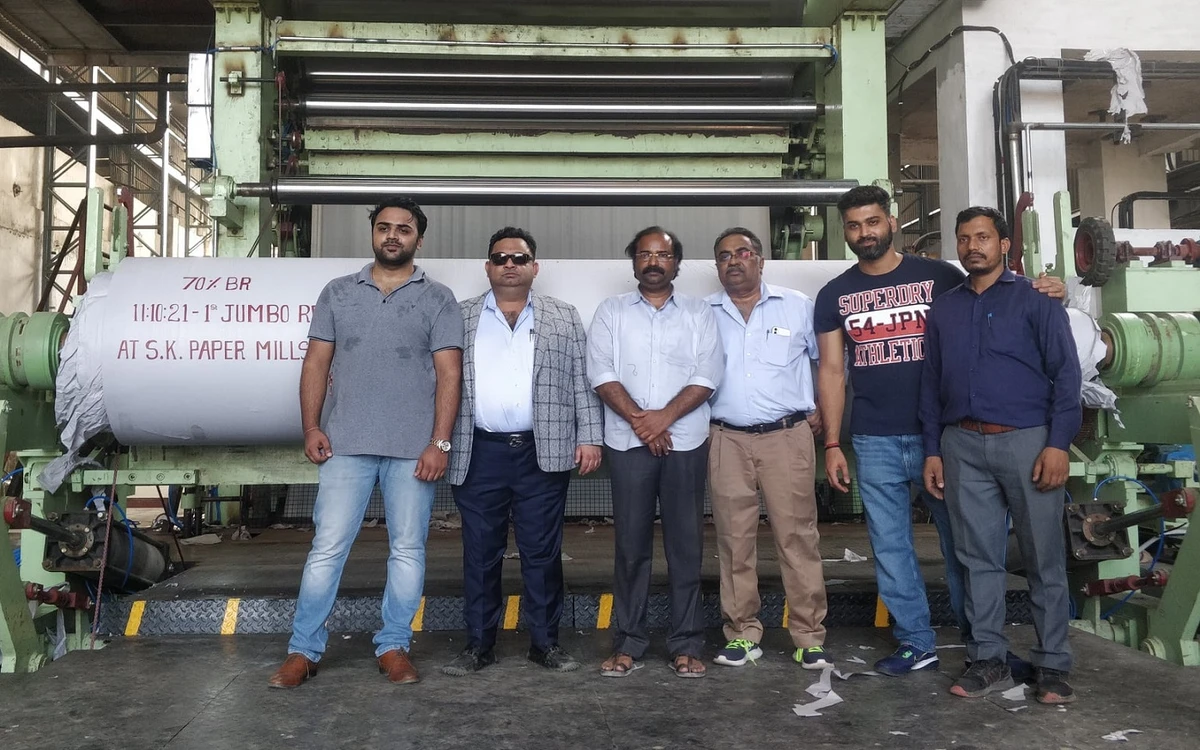
Muzaffarnagar gets a new capacity of Tissue Paper and MG Poster paper

“The integration of digitalization, automation, and Artificial Intelligence (AI) is no longer a futuristic concept—it is the baseline for competitiveness in 2036” - Vinit Garg, Director, Vizen Solutions
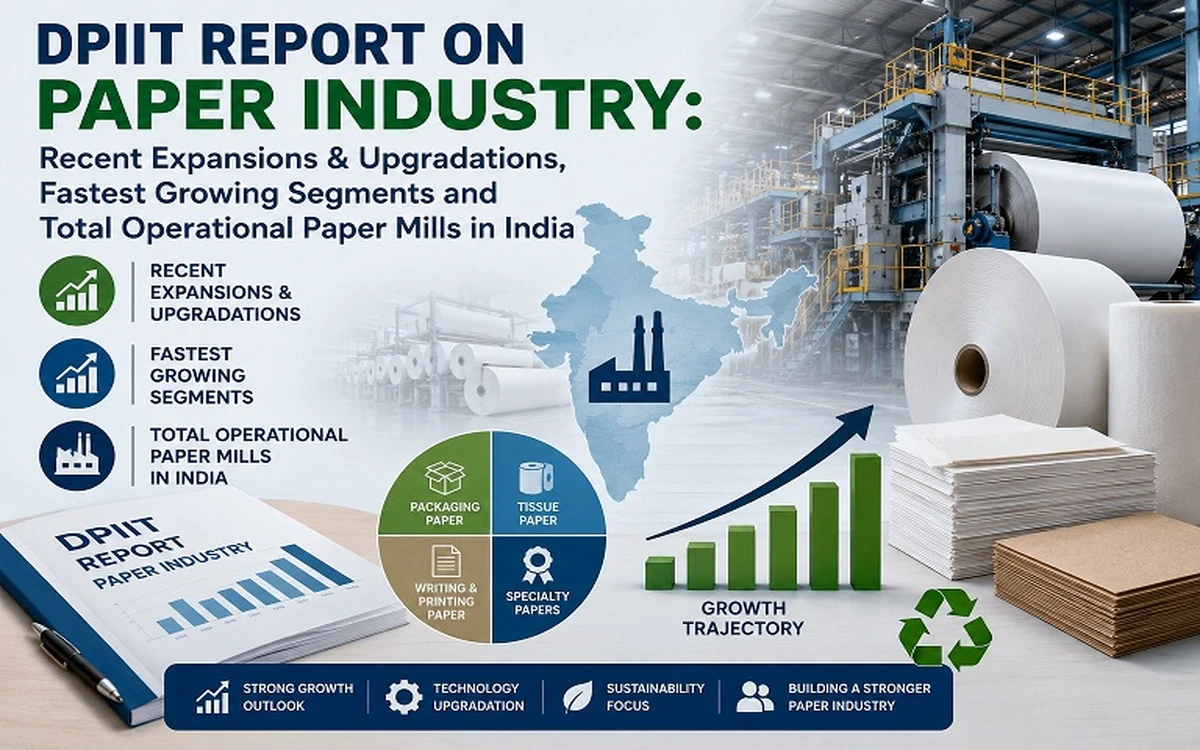
DPIIT Report on the Paper Industry: Recent Expansions & Upgrades, Fastest-Growing Segments, and Total Operational Paper Mills in India
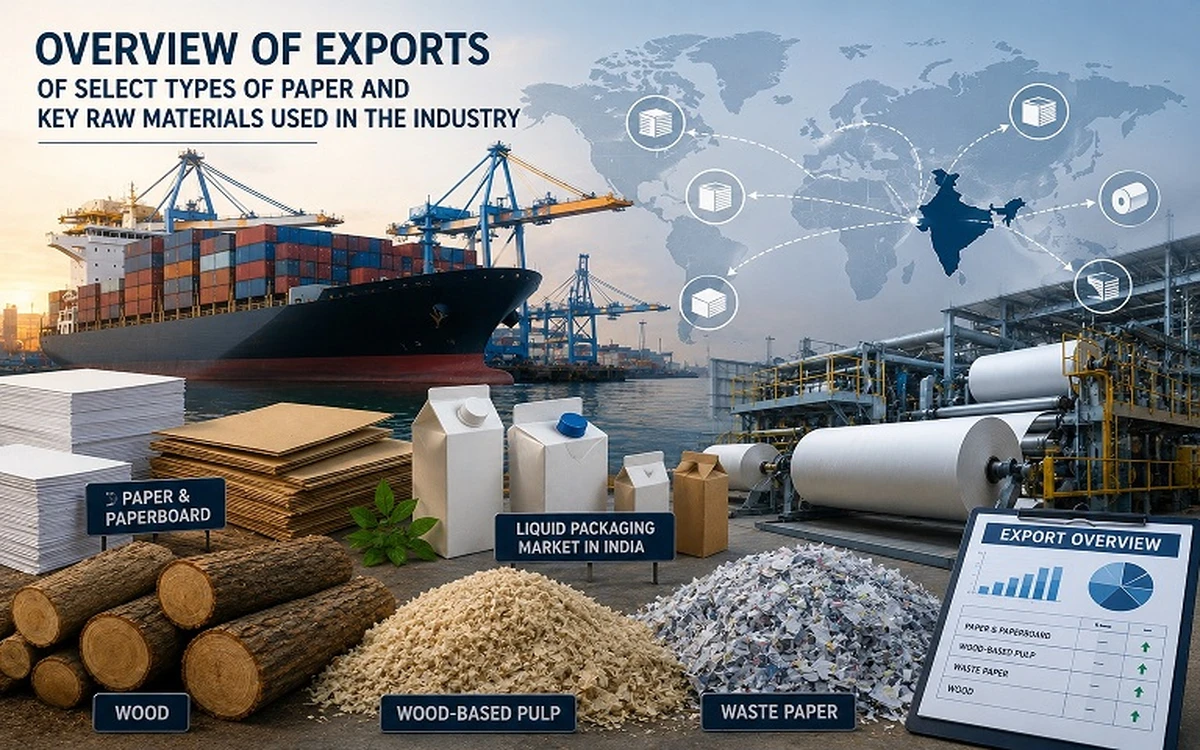
Overview of exports of select type of paper and key raw material used in the industry by Crisil Intelligence

Margin pressure pushes Pulp & Paper Packaging sector toward AI-Driven cost optimization, Cutting costs by 8–20%
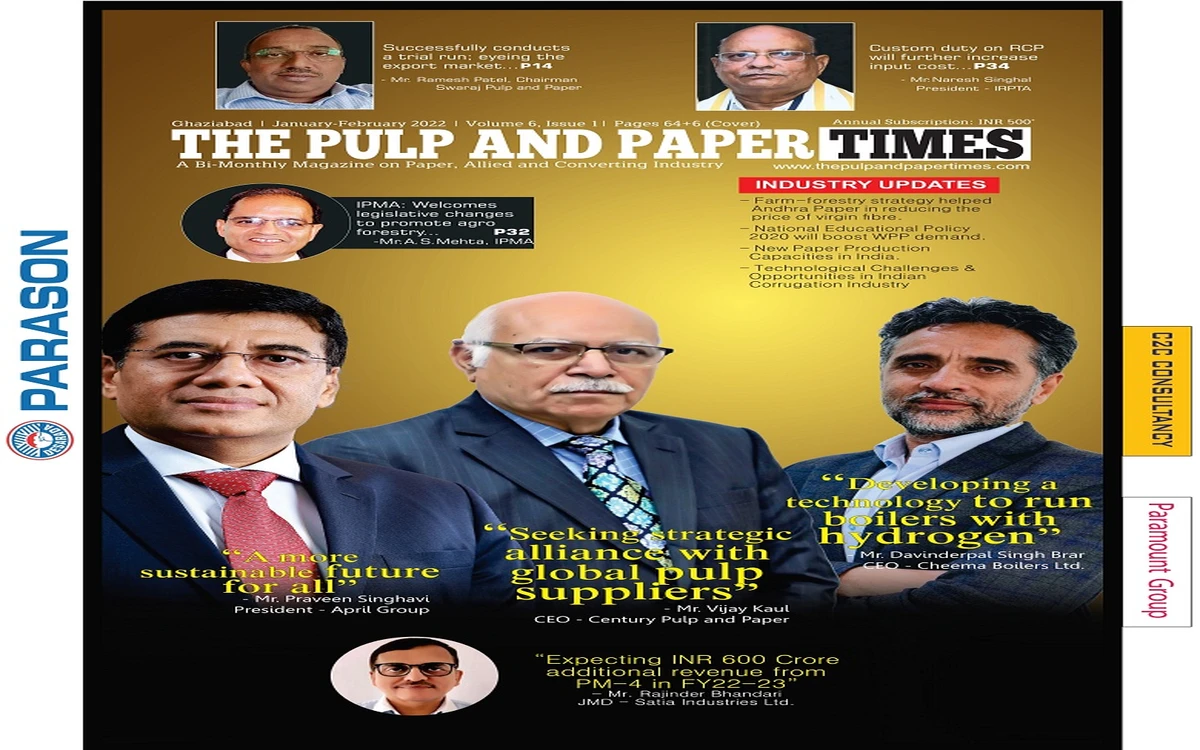
The Pulp and Paper Times Magazine : Volume 6, Issue 1

The Pulp and Paper Times Magazine : Volume 5, Issue 6
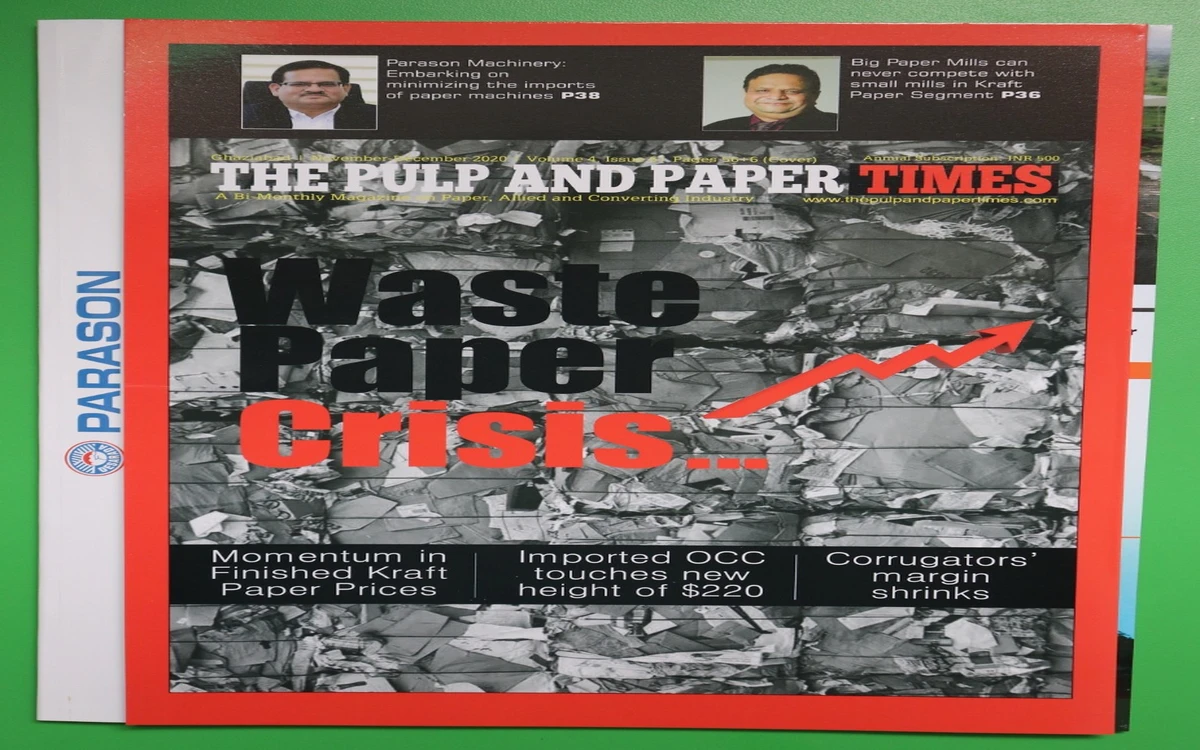
The Pulp and Paper Times: Volume 4, Issue 6
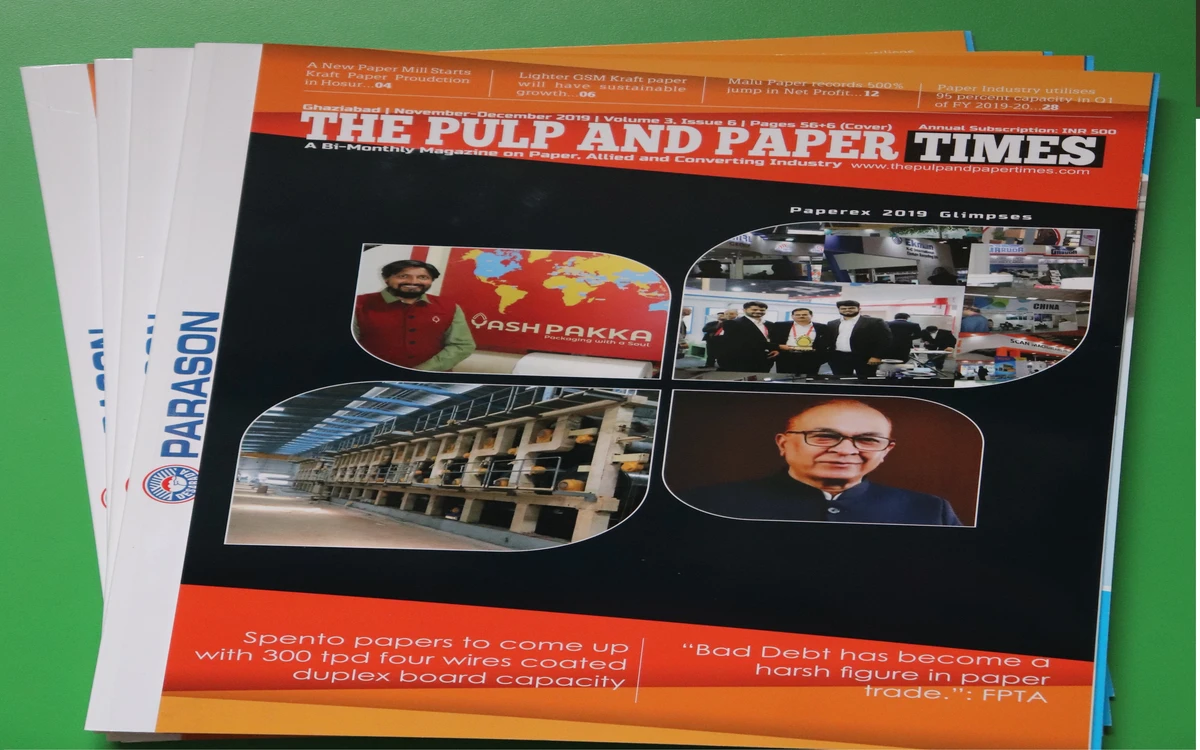
The Pulp and Paper Times : Volume 3, Issue 6
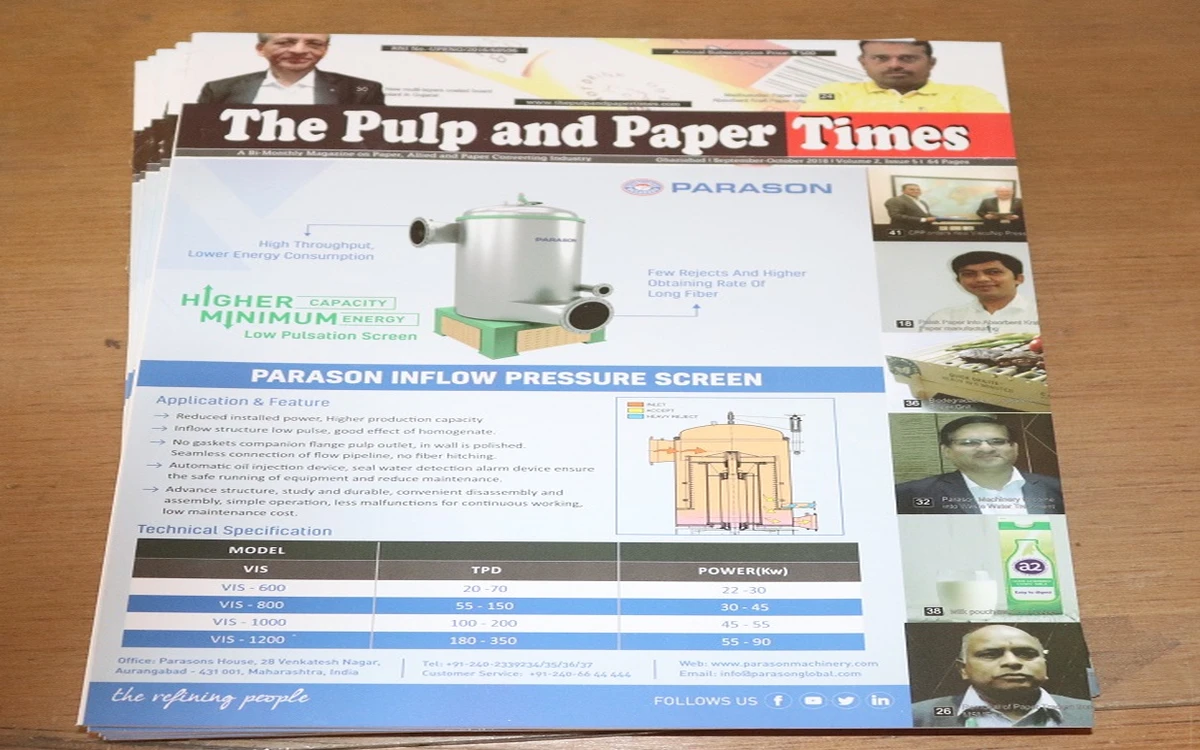
The Pulp and Paper Times: Volume 2 Issue 5
The Pulp and Paper Times, Volume 1, Issue 3
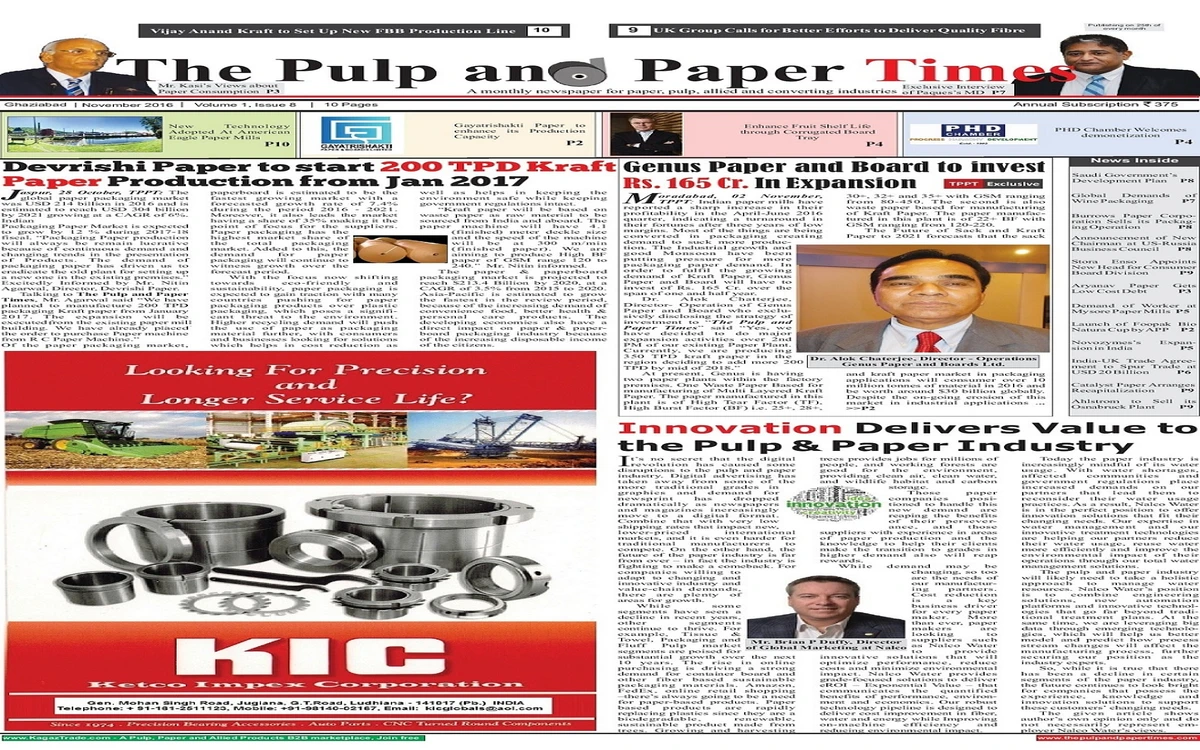
The Pulp and Paper Times, November 2016 Issue
US–Iran Tensions Strain GCC Recycled Paper Mills, Raising Costs and Operational Risks
- Input costs are also on the rise. Prices of key materials such as chemicals, starch, and essential spare parts are increasing due to logistical bottlenecks and delayed shipments.
The below article is exclusively written By Rajasekar Veerichetty, Deputy Managing Director – Al-Jawdah Paper, Saudi Arabia, for The Pulp and Paper Times
Geopolitical tensions between the US and Iran are creating mounting challenges for recycled paper mills across the GCC region, impacting raw material supply, operational efficiency, and overall production costs.

GCC mills, heavily dependent on imported OCC and mixed waste paper from Europe, the US, and Asia, are facing increased shipping risks and rising insurance premiums. These disruptions are not only driving up costs but also causing intermittent delays in material availability. While local waste paper collection remains stable, the unpredictability of imported supplies is adding pressure on procurement strategies.
Input costs are also on the rise. Prices of key materials such as chemicals, starch, and essential spare parts are increasing due to logistical bottlenecks and delayed shipments. In addition, critical machinery components and new equipment are arriving late, affecting maintenance schedules and slowing down ongoing and planned projects. As a result, production costs per ton are climbing, squeezing profitability for regional mills.

Operationally, the situation is further complicated by limited access to international expertise. Travel restrictions, visa challenges, and reduced air connectivity are making it difficult for overseas specialists to support project erection and commissioning. This is leading to delays in expansions, upgrades, and major maintenance activities, increasing operational risk.
Despite these challenges, the market outlook remains cautiously stable. Higher input costs may push paper prices upward, although competitive pressures and existing long-term contracts are likely to moderate the pace of increase. While packaging and tissue sectors are expected to absorb some of the cost burden, margins may remain under pressure in the short term.

Demand conditions in key markets such as Saudi Arabia and the UAE continue to hold steady, with packaging demand supported by the growth of e-commerce and FMCG sectors. However, prolonged geopolitical uncertainty could slightly dampen industrial activity and consumption over time.
Industry experts suggest that GCC mills should adopt proactive strategies to navigate the evolving landscape. Diversifying supplier bases, strengthening local sourcing, and maintaining adequate inventories of critical inputs are becoming essential. Additionally, exploring local alternatives for technical support and focusing on operational efficiency will be key to sustaining competitiveness.
Overall, while GCC recycled paper mills continue to operate and meet regional demand, rising costs, supply chain disruptions, and restricted access to foreign expertise are placing increasing pressure on both pricing and project timelines. Mills that can effectively manage these challenges through strategic planning and supply chain resilience are likely to remain better positioned in the current environment.

last week
Total Views : 729
3 weeks ago
Total Views : 1904

2 months ago
Total Views : 495
2 months ago
Total Views : 1076
3 months ago
Total Views : 2731
4 months ago
Total Views : 1266
4 months ago
Total Views : 2350
5 months ago
Total Views : 3077

5 months ago
Total Views : 2078
5 months ago
Total Views : 1407